26 Soda Fountain Orders Diners Retired
For about a century, the American drugstore counter ran on carbonated water, flavored syrup and a vocabulary that customers learned by ear. Orders were mixed by hand, one glass at a time, by someone who knew the difference between a phosphate and a rickey without looking anything up.
Bottled soft drinks, fast food and the disappearance of the corner pharmacy ended most of that. The orders below were once routine, and most now need an explanation before anyone can make them.
The Egg Cream
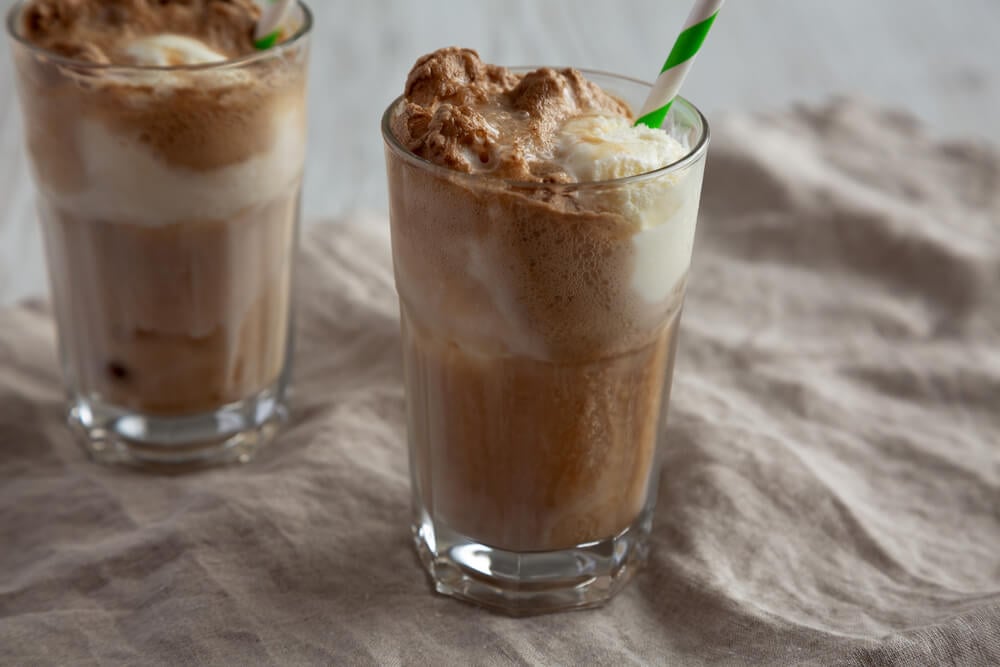
The drink contains neither egg nor cream, which has kept arguments going for more than a century. Most accounts credit Louis Auster, a Brooklyn candy shop owner, with mixing the first one around the 1890s from chocolate syrup, cold milk and a hard blast of seltzer that raised a white foam head.
New Yorkers insisted on Fox’s U-Bet syrup, made in Brooklyn, and on drinking it immediately, because the foam collapsed within minutes. That short life made the egg cream impossible to bottle well.
It survived only where a counter still kept a pressurized seltzer tap.
Cherry Phosphate
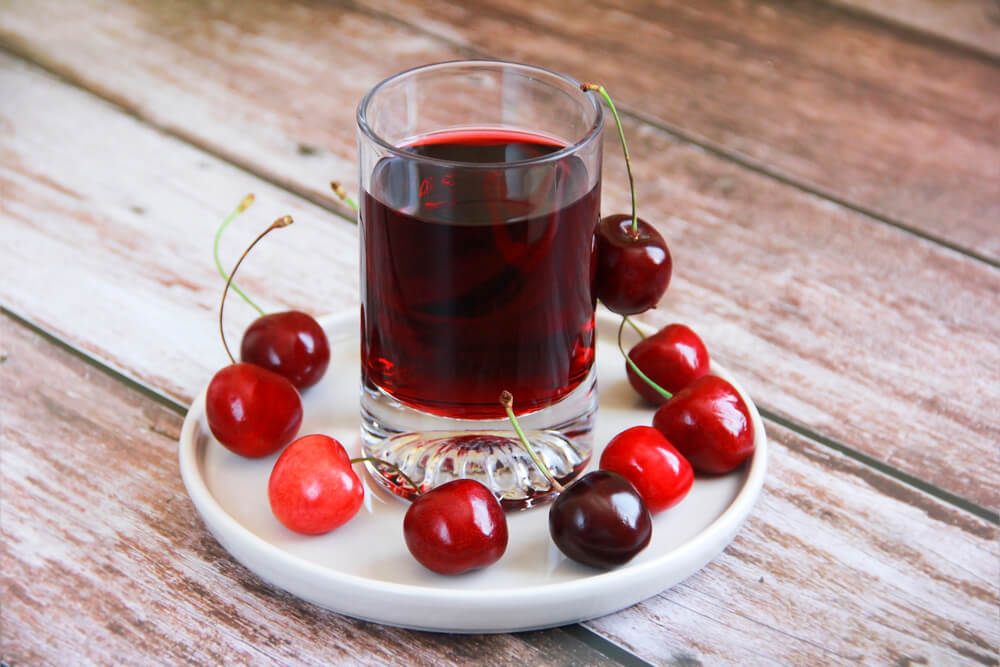
The sour snap in a phosphate came from acid phosphate, a solution of phosphoric acid and mineral salts that Horsford’s had marketed as a nerve tonic since the 1860s. A few dashes gave a glass of cherry syrup and soda water a dry, tangy edge with no citrus flavor at all.
Druggists liked it because a small bottle lasted for weeks and the markup on a five-cent drink was enormous. Bottled sodas with citric acid eventually replaced the hand-mixed version.
By the 1960s, most counters had stopped stocking acid phosphate entirely.
The Lime Rickey
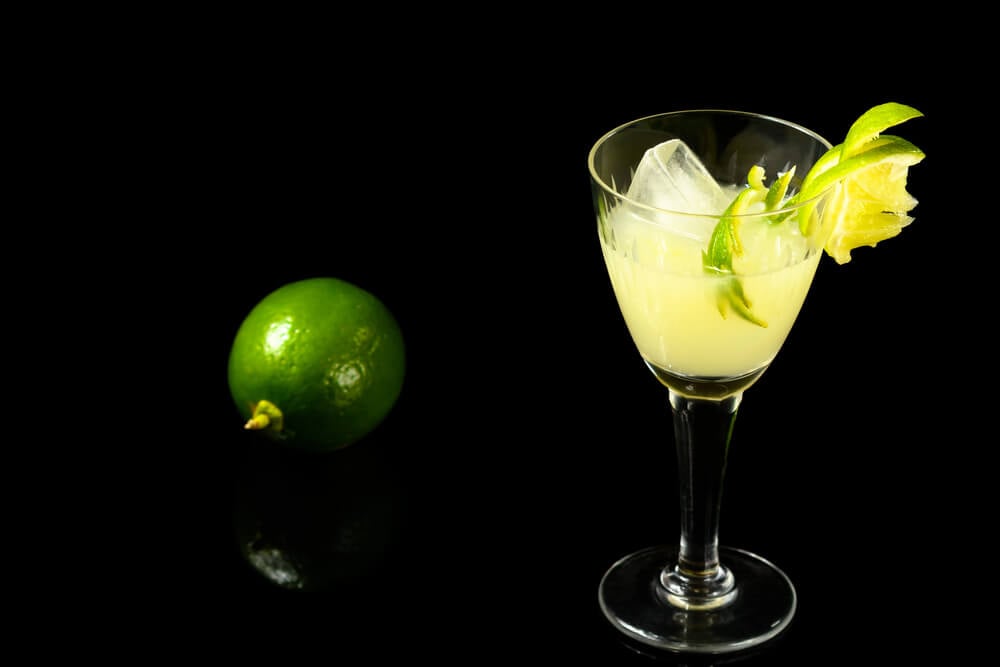
The rickey took its name from Colonel Joe Rickey, a Washington lobbyist whose preferred drink at Shoomaker’s bar in the 1880s combined bourbon, half a lime and sparkling water. Soda fountains dropped the liquor, added sugar syrup and kept the squeezed lime shell in the glass.
The cherry lime rickey became a standard in New York and New England luncheonettes. Making one properly required fresh limes and a hand press, which slowed down a busy counter.
Premixed lime soda offered a faster substitute, and the fresh version faded from most menus.
The Chocolate Malted
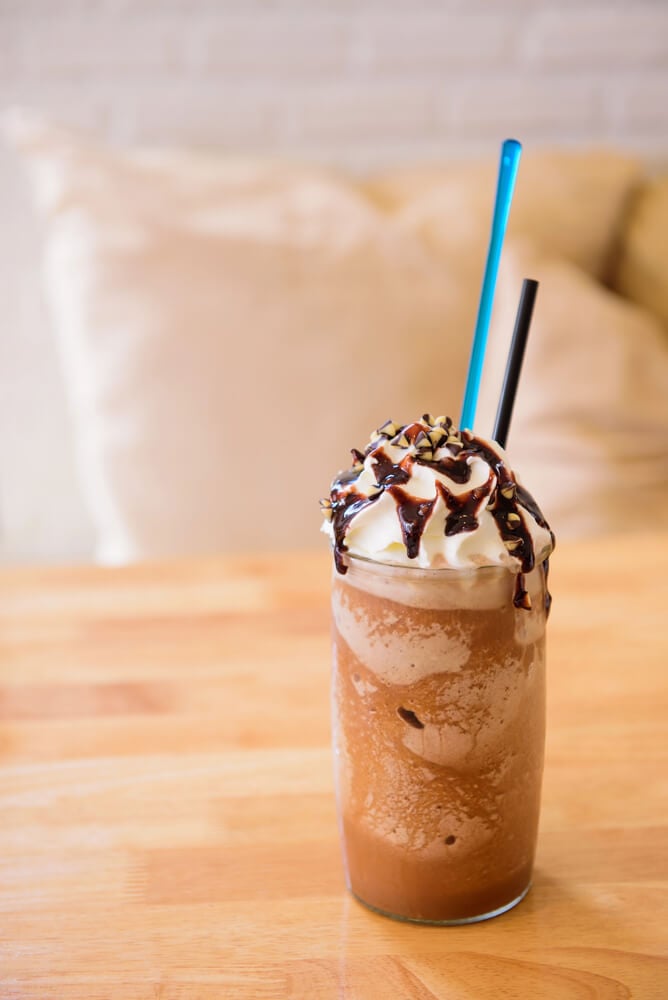
William Horlick of Racine, Wisconsin, patented malted milk powder in 1883 as a food for infants and invalids. Fountain operators stirred it into milk and chocolate syrup as a nourishing drink.
In 1922, Ivar Coulson, known as Pop, a Walgreens counterman in Chicago, added two scoops of vanilla ice cream to the mix and created the thick malted that customers lined up for. Walgreens served it with the extra in the metal mixing cup and two vanilla cookies.
Fast food chains later simplified the order to a shake, and the malt powder quietly dropped out.
The Ice Cream Soda
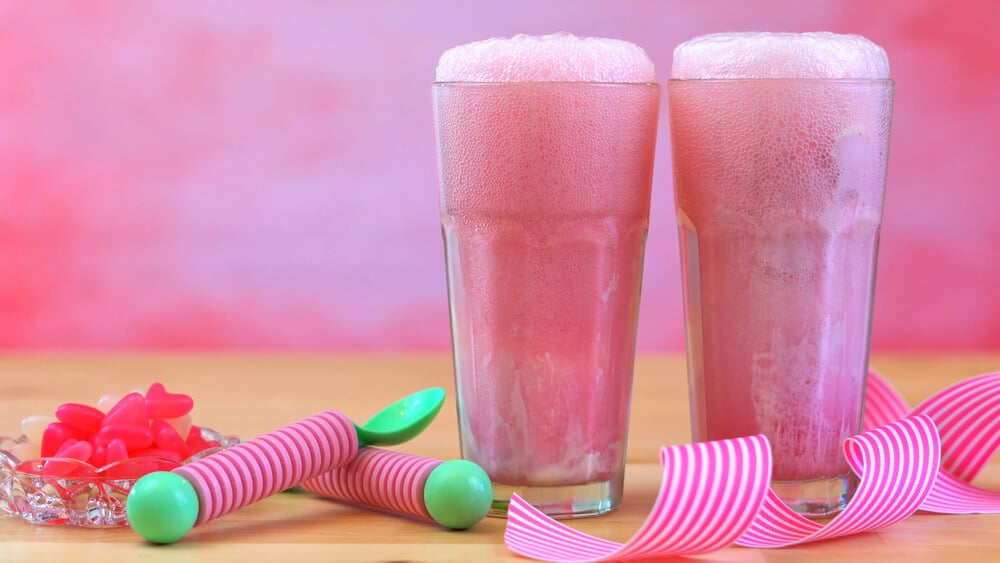
Robert M. Green claimed he created the drink at the Franklin Institute’s semicentennial exhibition in Philadelphia in 1874. In the best-known version of the story, he ran out of sweet cream for his soda drinks and substituted vanilla ice cream from a neighboring vendor.
Other men made competing claims, but Green was determined enough to have the words Originator of the Ice Cream Soda specified for his gravestone. The order required syrup, a splash of soda, ice cream, then more soda poured down the side of the glass.
Floats made with bottled soda pushed it aside.
The Black Cow
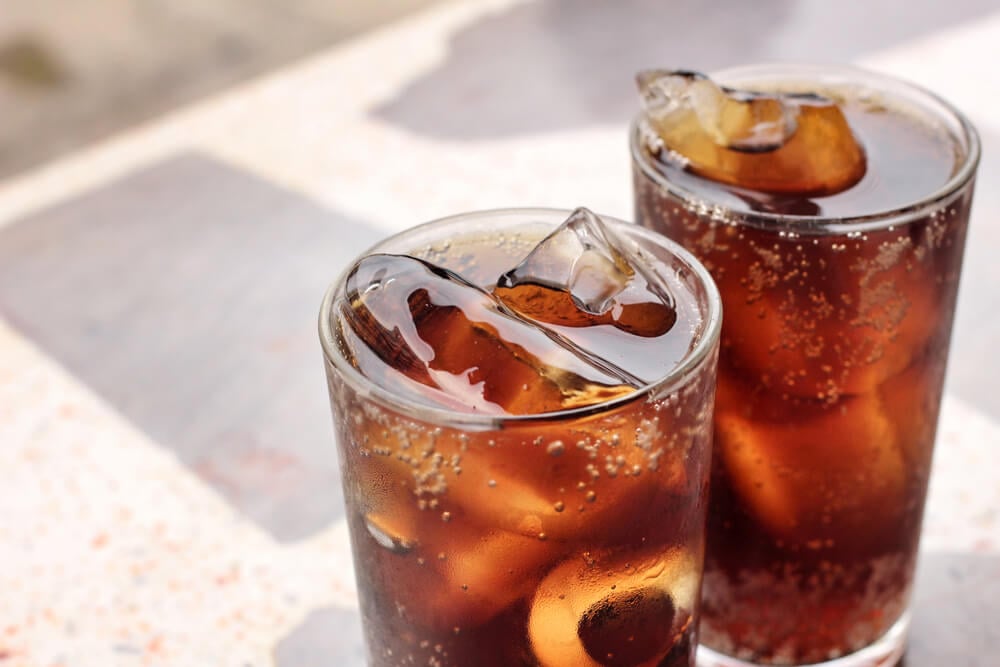
One popular origin story credits Frank J. Wisner, who owned the Cripple Creek Cow Mountain Gold Mining Company in Colorado. In August 1893, the tale goes, moonlight on the snowy peak of Cow Mountain reminded him of ice cream floating in dark soda, and he served root beer with a scoop of vanilla the next day.
Children shortened his name for it to black cow. The term never meant the same thing everywhere.
In some regions it called for chocolate syrup or cola, which is one reason menus eventually settled on the plainer phrase root beer float.
The Boston Cooler
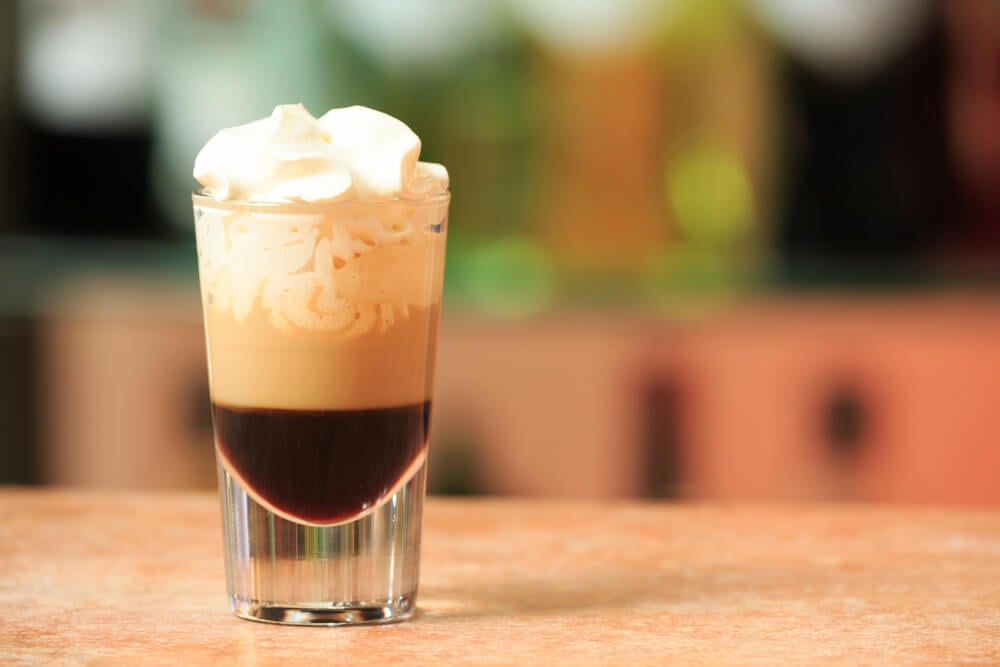
Despite the name, the Boston cooler belongs to Detroit. It blends Vernors ginger ale, the sharp, barrel-aged soda that pharmacist James Vernor began selling in 1866, with vanilla ice cream until the mixture is thick enough to need a spoon.
One explanation ties the name to Boston Boulevard in Detroit, though nobody has proven it, and an unrelated drink carried the same name in New York in the 1880s. Vernors is strongly carbonated, so the blend foams aggressively.
Outside Michigan, few countermen ever learned it, and the order rarely traveled.
The Purple Cow
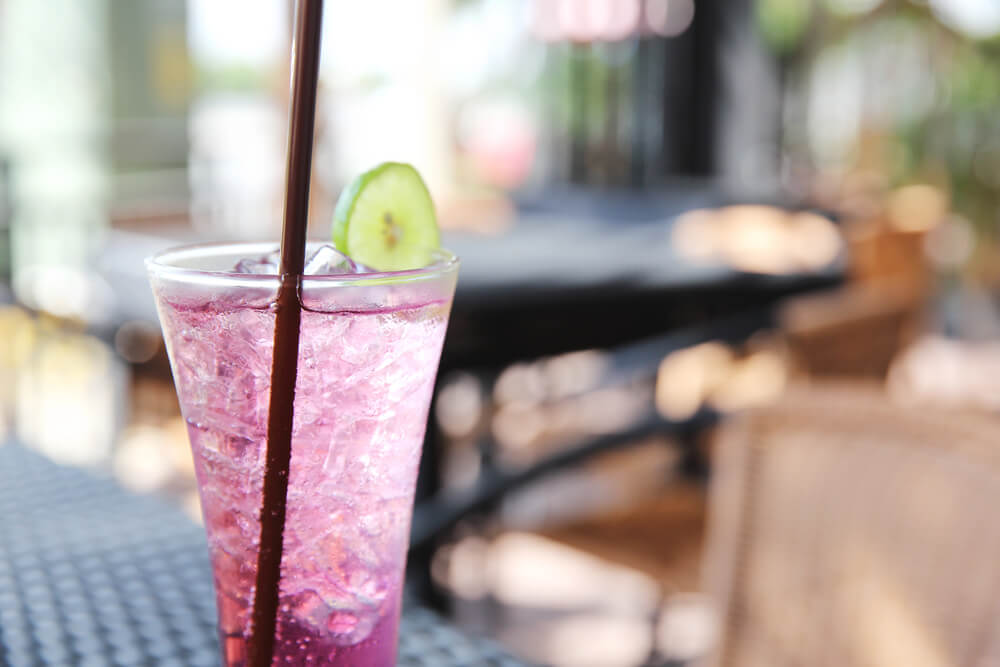
Grape soda poured over vanilla ice cream produced a lavender foam and a name that echoed the nonsense verse Gelett Burgess published in 1895. Some counters made it with grape juice and milk instead, which gave a softer color and a less fizzy drink.
The purple cow was mostly a children’s order, priced a nickel or so below an adult sundae. It depended on fountains carrying grape syrup, which was never as common as cherry, lemon or vanilla.
When fountain syrup selections shrank in the 1960s, grape was among the first flavors cut.
Green River
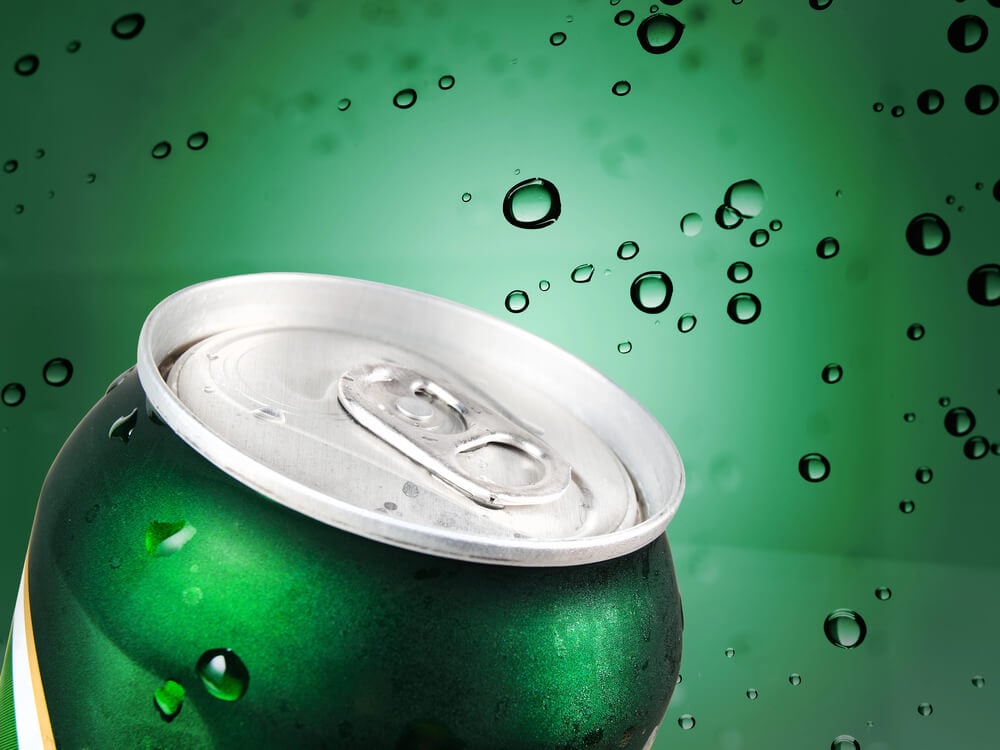
Richard C. Jones, who ran a candy store in Davenport, Iowa, developed the bright green lime drink in 1916 and sold the recipe to Chicago’s Schoenhofen Edelweiss Brewing Company, which launched it in 1919 as Prohibition closed in. The brewery bottled it in its idle beer plant and shipped syrup to fountains across the Midwest, where it reportedly trailed only Coca-Cola in sales for a time.
The brewery closed in 1950, and the recipe passed through a series of owners. John Fogerty later said the label inspired the title of a 1969 Creedence Clearwater Revival hit.
Bottles still appear around Chicago each March.
Hand-Mixed Cherry Coke
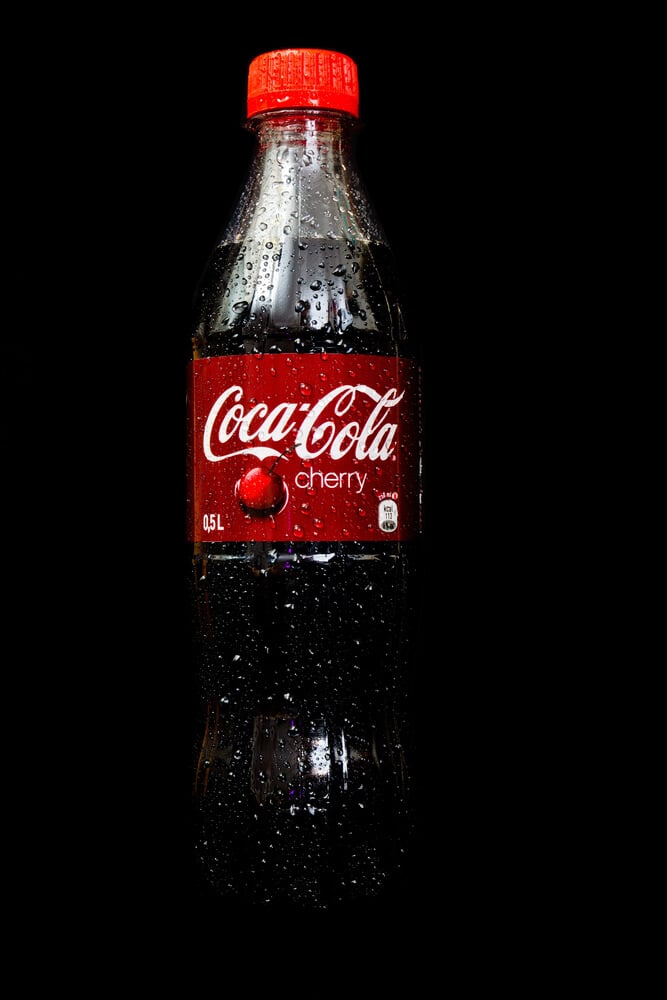
For decades, a cherry Coke existed only at the counter. The operator pumped a shot of cherry syrup into the glass, added Coca-Cola syrup, then filled it with carbonated water and gave it a single stir.
Vanilla and chocolate versions were made the same way, and regulars specified how heavy a hand they wanted on the pump. Coca-Cola tested a factory version at the 1982 World’s Fair in Knoxville and released Cherry Coke nationally in 1985.
Once the flavor came in a can, the hand-mixed order lost its reason to exist.
Ammonia Coke
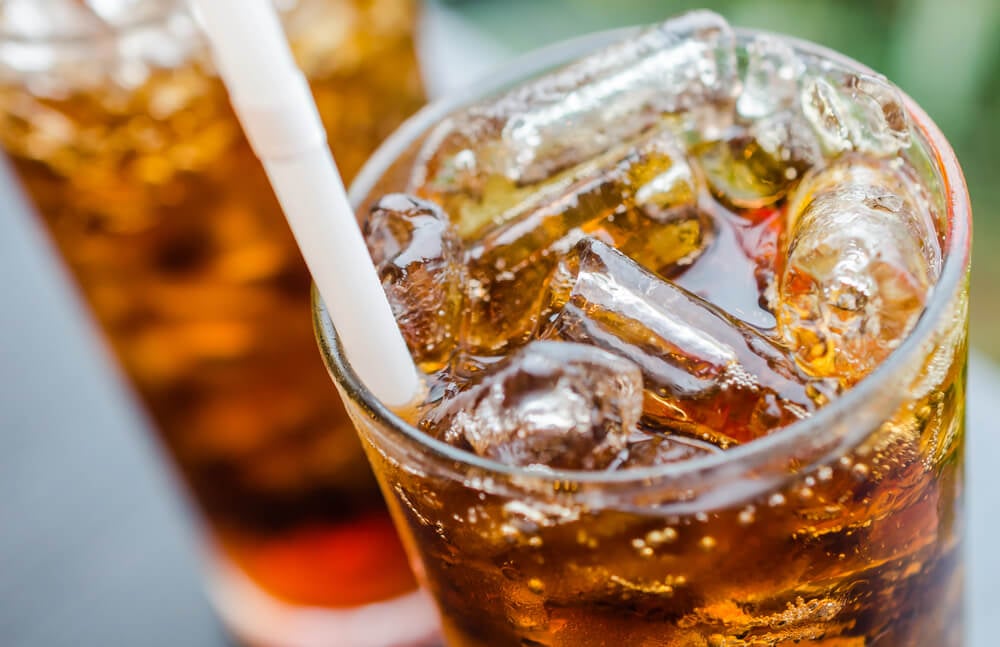
Across parts of the South, a customer with a headache or a long afternoon ahead could ask for a Coke with a few drops of aromatic spirits of ammonia. The preparation, a mix of ammonia, alcohol and fragrant oils, was the same one used to revive people who had fainted.
Pharmacists kept it within reach of the fountain and charged a penny or two extra. The taste was sharp and faintly soapy, and devotees swore by the jolt.
The order disappeared as pharmacy counters closed, since no restaurant kept the ingredient on hand.
Bromo-Seltzer by the Glass
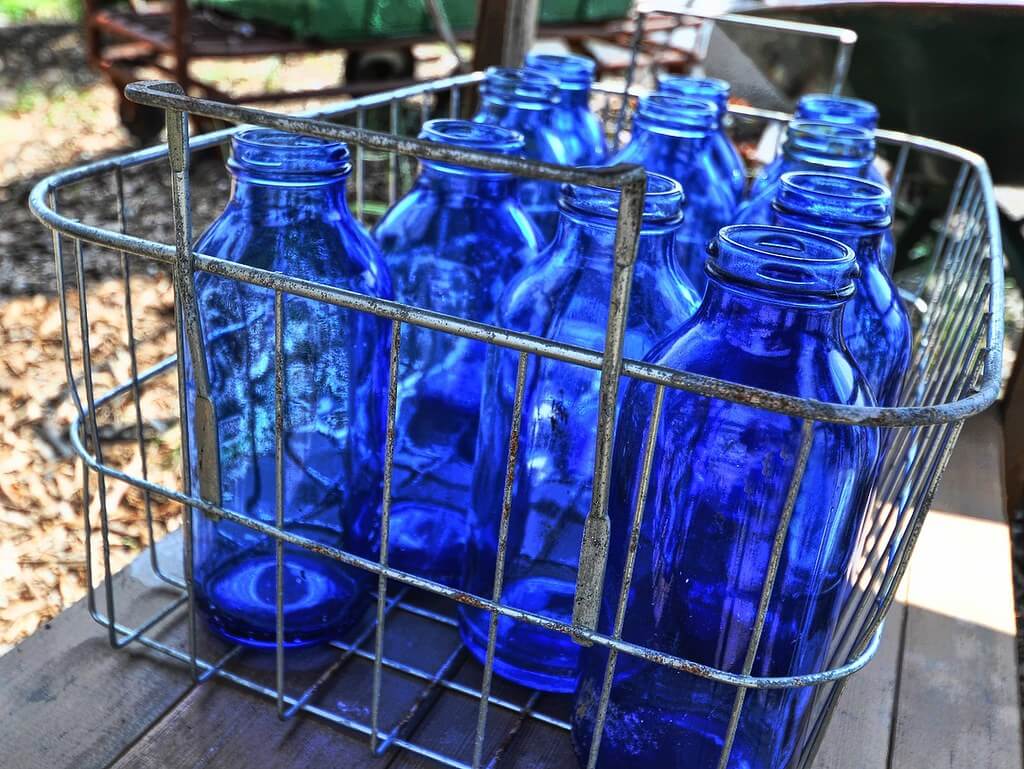
Isaac Emerson, a Baltimore pharmacist, introduced his fizzing headache powder in 1888, and fountains soon kept it in a cobalt blue dispenser on the back bar. A customer who had overdone the previous evening could order a dose, watch it foam in a glass of water and drink it on the spot.
Profits built the Emerson Bromo-Seltzer Tower in Baltimore in 1911, modeled on the Palazzo Vecchio in Florence and once topped by a 51-foot revolving blue bottle. The original formula contained a bromide sedative, which was removed in 1975.
The Egg Malted
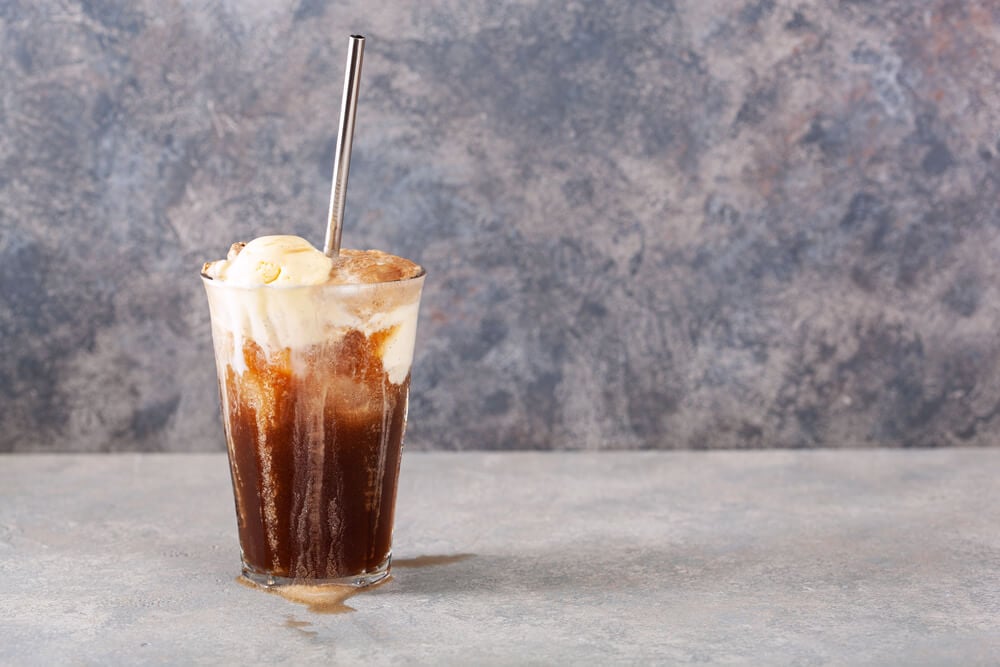
Adding a raw egg to a malted or milkshake cost a few cents extra and was considered a sensible way to build up a thin child or a convalescent. The counterman cracked the egg into the metal cup, and the mixer whipped it into a drink with a custard-like body and a thick foam.
Egg phosphates and egg lemonades were made the same way. Health departments grew wary of raw eggs as the risk of salmonella became better understood.
By the 1970s, most operators had dropped the option rather than argue with an inspector.
Two Cents Plain
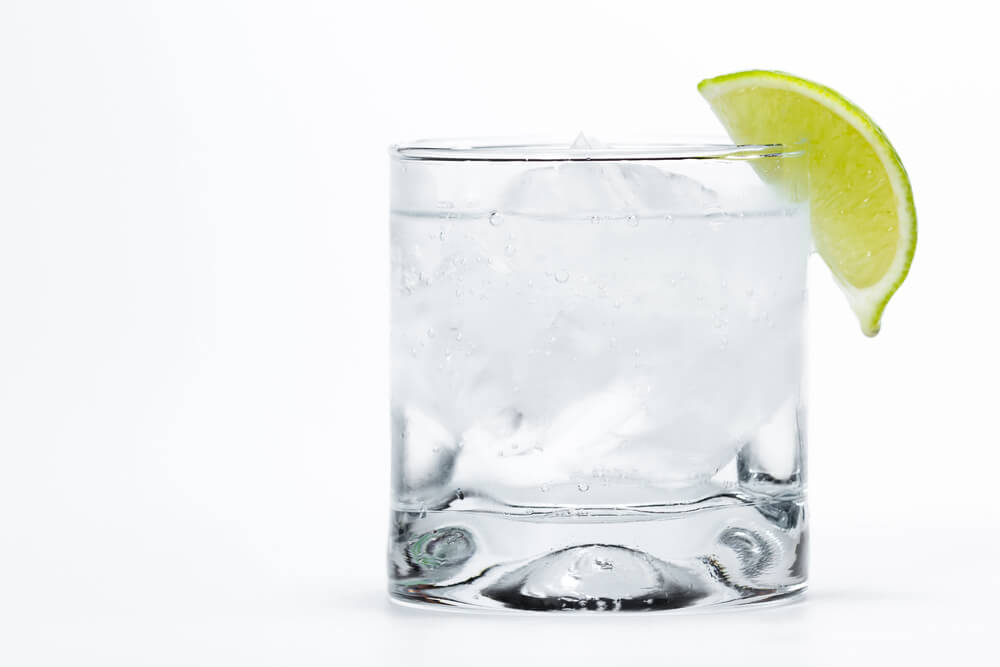
In the neighborhoods of New York, the cheapest order at the counter was a glass of plain seltzer, which cost two cents when a flavored soda cost a nickel. Customers sometimes asked for a little syrup on the side for free, a request that candy store owners learned to resist.
Harry Golden used the phrase as the title of his 1959 bestseller about immigrant life on the Lower East Side. Seltzer also arrived at apartment doors in heavy siphon bottles delivered by the case.
Cheap bottled club soda eventually made the counter order pointless.
The Nectar Soda
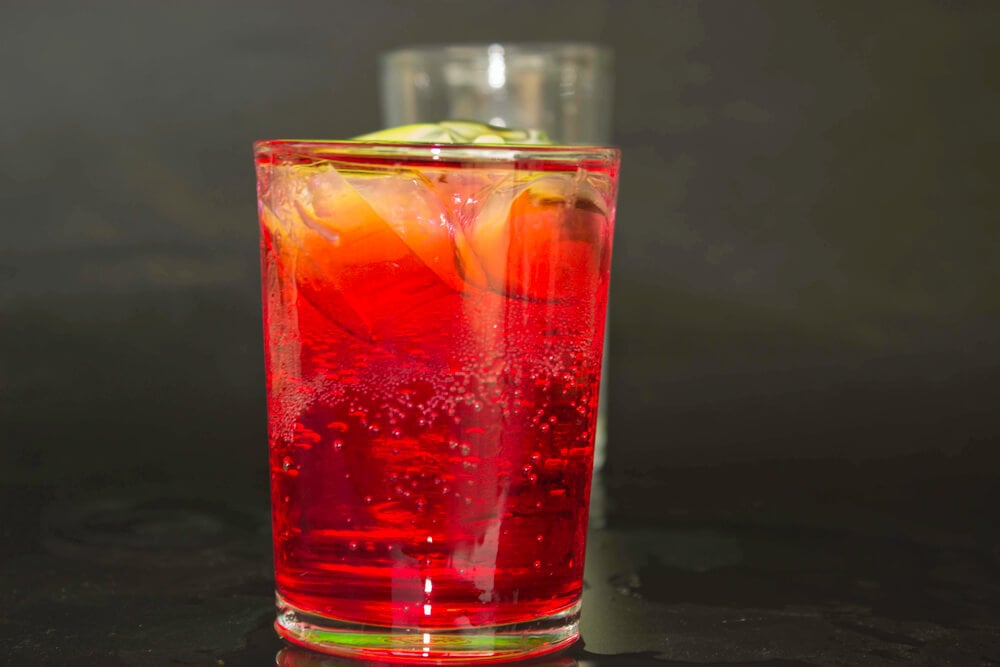
New Orleans drugstores served a pink soda found almost nowhere else. Nectar syrup combined almond and vanilla flavors, tinted a rosy red, and the soda version added carbonated water and a scoop of vanilla ice cream.
It was closely identified with K&B, the Katz and Besthoff drugstore chain founded in 1905 and known for its purple signs. When Rite Aid bought K&B in 1997, the remaining fountains and the house syrup went with it.
The flavor survives mainly in New Orleans shaved ice stands, where nectar cream remains a standard request.
Cherry Smash
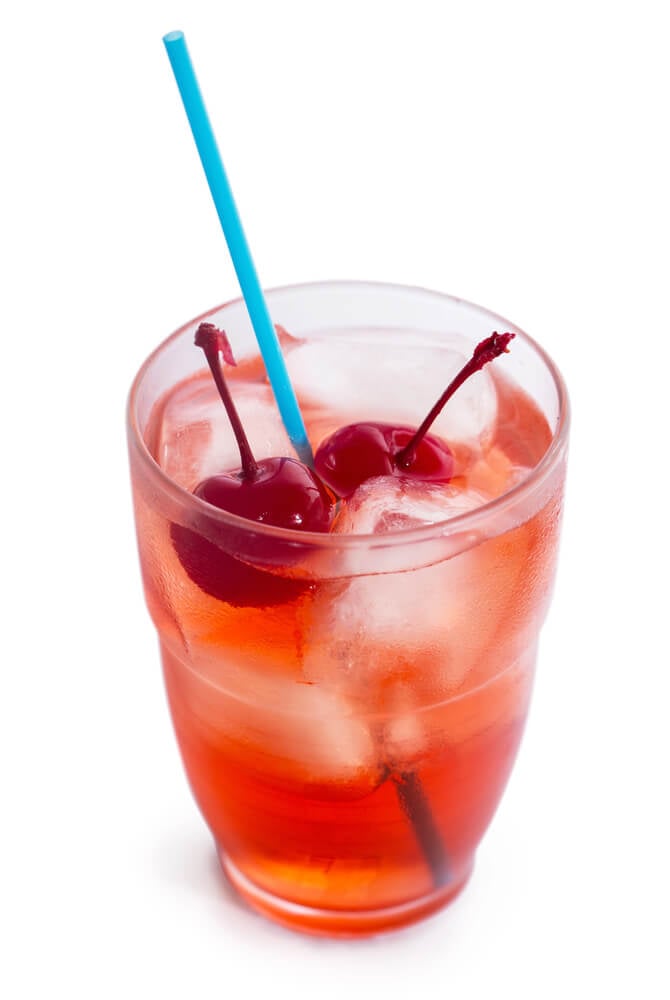
John E. Fowler began selling Cherry Smash syrup in Richmond, Virginia, in 1901, and in 1920 he moved production into a former brewery in Arlington as Prohibition took hold. The drink was a simple mix of the dark red syrup and soda water, often advertised at five cents.
Fowler supplied ornate ceramic dispensers painted with cherries, which sat on counters as both equipment and advertising. Those dispensers are now sought by collectors, though prices depend heavily on condition and on whether the original pump survives.
The drink itself faded as national cola brands tightened their grip on fountain contracts.
Hot Beef Tea and Clam Broth
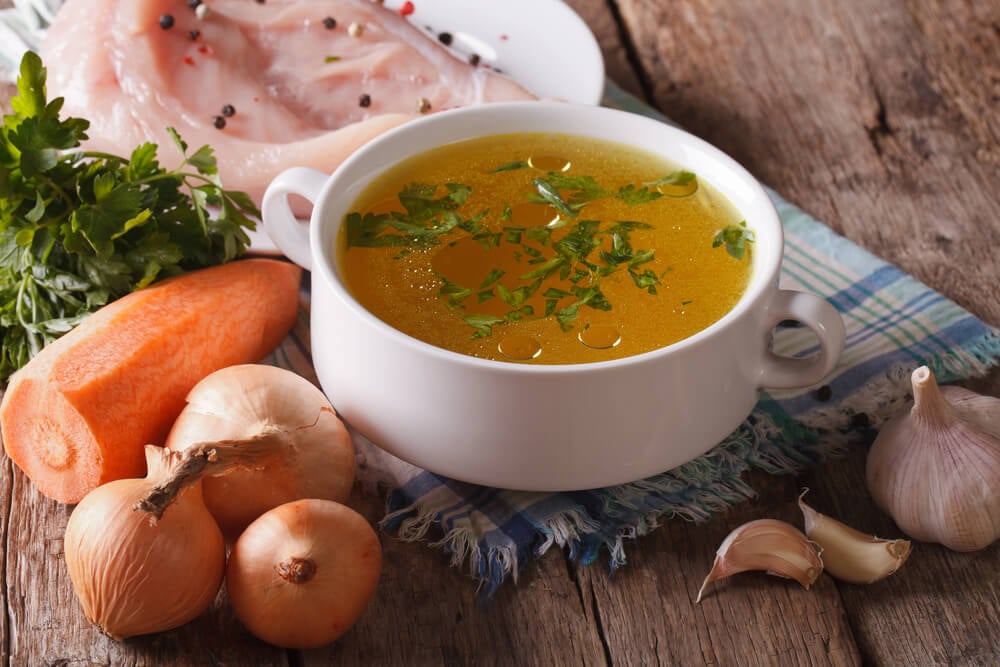
Cold drinks sold poorly in January, so fountain owners switched part of the counter to what the trade called hot soda. Steaming urns dispensed hot water for beef tea made from concentrated extract, clam broth, tomato bouillon, hot chocolate and hot lemonade.
Trade manuals from the early 1900s devoted entire chapters to these recipes and advised serving them with salted crackers. The hot season kept staff employed through the winter.
As fountains added grills and full lunch menus, a cup of broth from an urn gave way to soup from the kitchen.
The Dusty Road Sundae
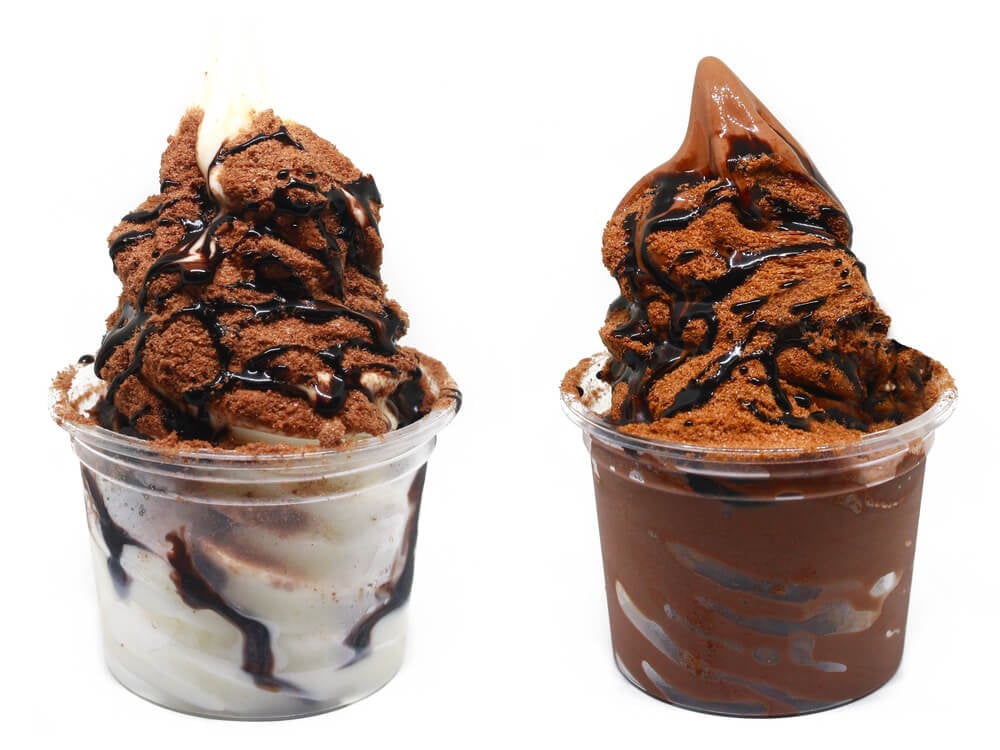
A dusty road took an ordinary sundae and finished it with a heavy sprinkle of dry malted milk powder, which gave the dish its name and a toasty, slightly salty flavor. Recipes varied by counter.
Some used vanilla ice cream with chocolate sauce, and others paired coffee ice cream with butterscotch. The powder softened wherever it touched the sauce and stayed dry on top, so each spoonful tasted a little different.
It required nothing a fountain did not already stock. When malt powder left the back bar, the sundae went with it.
The Tin Roof Sundae
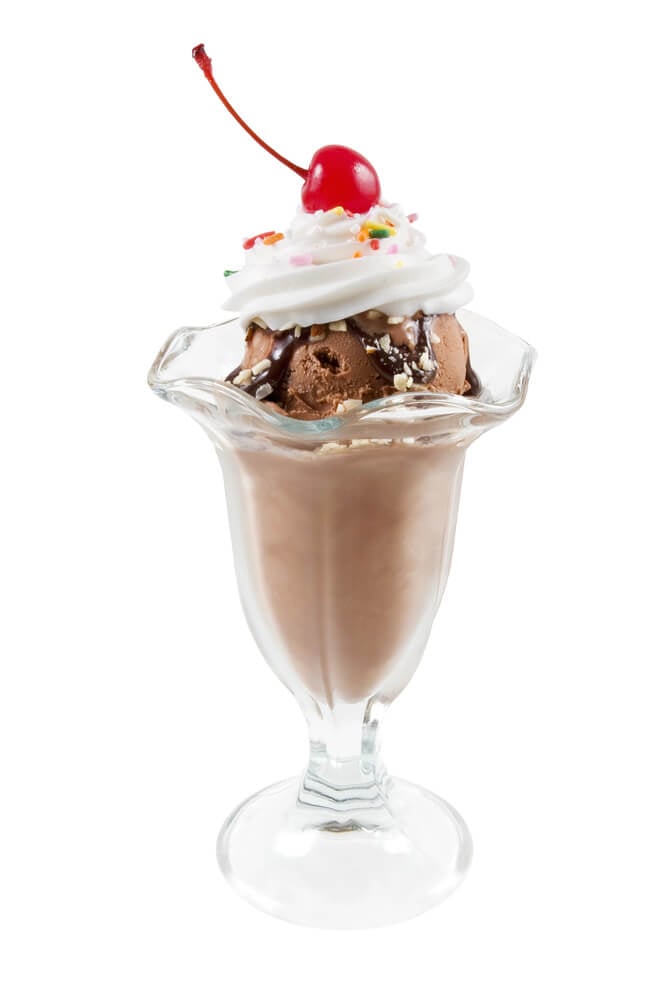
The Potter Sundry in Potter, Nebraska, claims the tin roof as its own, crediting Harold Dean Thayer, known as Pinky, who worked the counter in the 1930s. The name, however, appears in Ohio newspaper advertisements well before that, as early as 1907.
The usual version layered vanilla ice cream with chocolate syrup and a handful of red-skinned Spanish peanuts. Explanations for the name range from the shop’s ceiling to the rattle of nuts against the dish.
Ice cream makers later borrowed the name for a packaged flavor, and the counter original slipped from memory.
The CMP
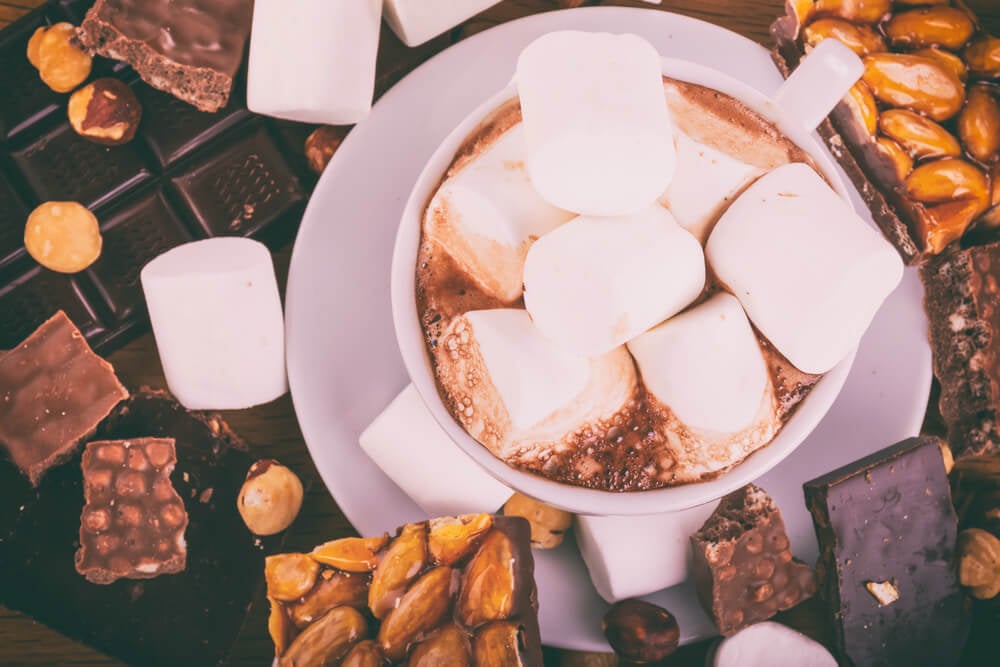
Across Pennsylvania and neighboring states, three letters on a menu board meant chocolate, marshmallow and peanuts. The sundae stacked vanilla ice cream with chocolate syrup, a thick ladle of marshmallow topping and salted peanuts, and regulars ordered it by initials alone.
Marshmallow topping was a fountain staple in the first half of the twentieth century, kept warm and pourable in its own crock. As chains standardized sundae menus around hot fudge and caramel, marshmallow lost its place at the counter.
A few regional dairies and family restaurants still list the CMP.
The Hoboken
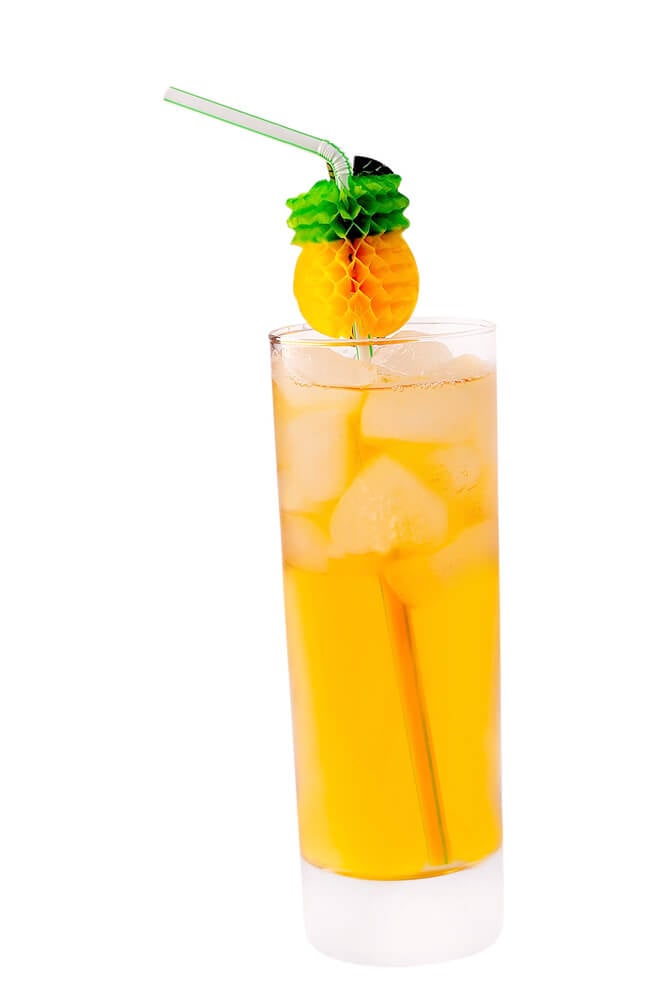
Fountain slang had names for combinations that no customer would have guessed. A 1936 glossary of counter lingo published in the journal American Speech defined a Hoboken as a pineapple soda made with chocolate ice cream.
Why the New Jersey city earned the honor went unrecorded, and the pairing itself sounds stranger than it tastes, since pineapple syrup was mild and very sweet. The order relied on a fountain stocking pineapple syrup, which was common through the 1940s.
Once that pump disappeared, so did the drink and any reason to remember the code.
The Broadway
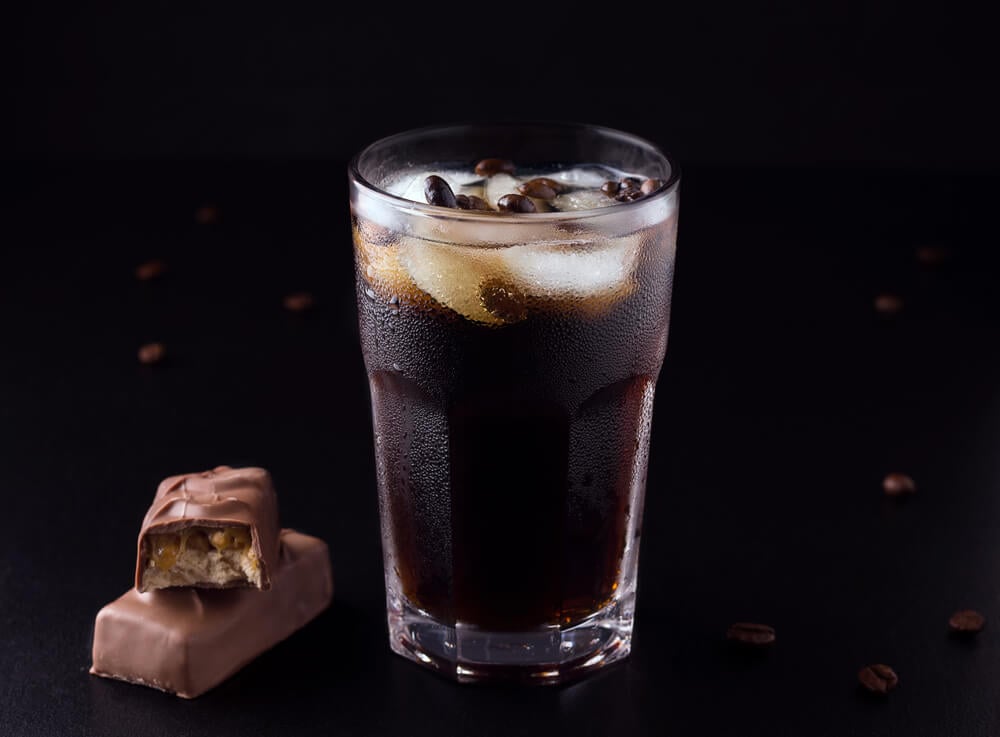
The same counter vocabulary gave New York its own soda. A Broadway was a chocolate soda made with coffee ice cream, a combination that balanced the sweetness of the syrup with something slightly bitter.
Staff called it out in shorthand so the person at the taps could begin building it before the ticket arrived. Coffee ice cream was far more common in the Northeast than elsewhere, which kept the order regional.
As soda fountains closed and the lingo died with the people who spoke it, the Broadway became just a chocolate soda with a special request.
The Orange Freeze
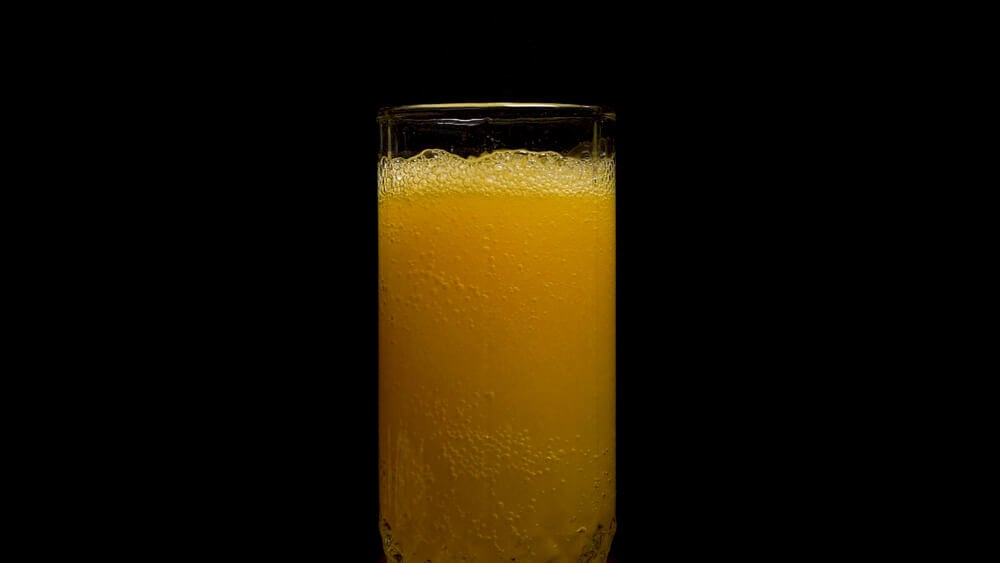
An orange freeze blended orange sherbet with orange juice or orange soda until it was thick, pale and cold enough to cause a headache. Counters served it in a tall glass with a straw and a long spoon, and some finished it with an extra scoop of sherbet on the rim.
Lemon and lime freezes followed the same method. The drink asked a lot of the mixer and had to be served immediately.
Frozen slush machines, which could dispense a similar texture at the pull of a lever, made the hand-blended version uneconomical.
Buttermilk by the Glass
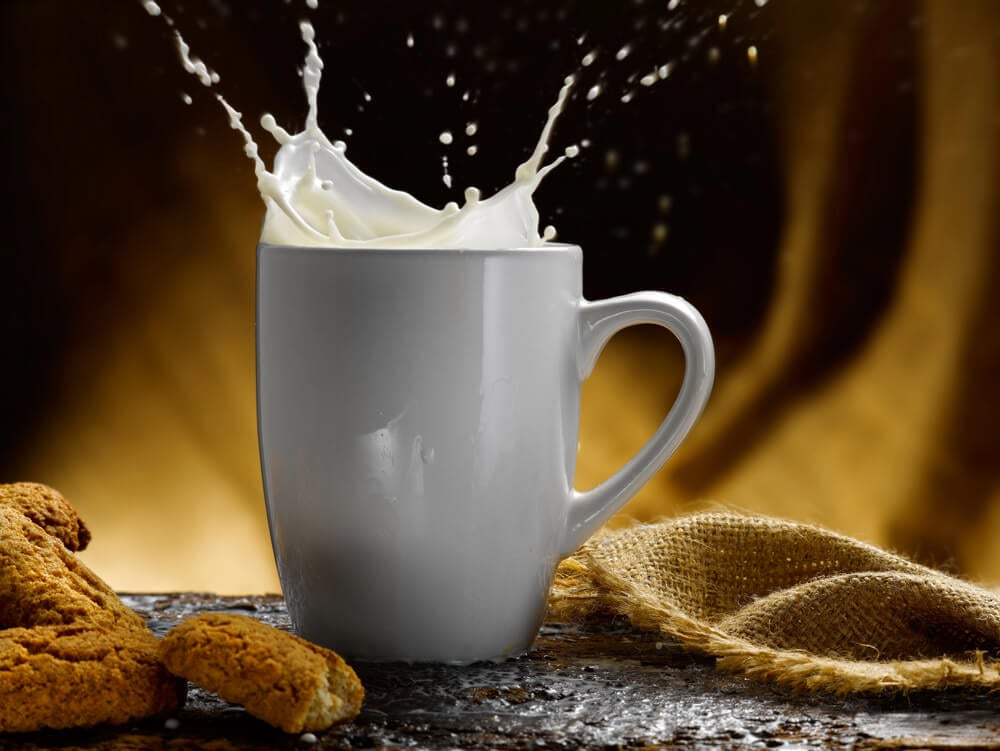
Menus from the 1920s through the 1950s routinely listed buttermilk beside coffee and milk, usually for a nickel. It was considered a healthful drink, easy on the stomach, and lunch counter regulars ordered it with a sandwich the way later generations ordered iced tea.
Some customers salted it or added black pepper. Traditional buttermilk was the thin liquid left after churning butter, while the commercial product was cultured skim milk.
Demand fell steadily after mid-century as it became a baking ingredient. Few restaurants now would expect anyone to drink it straight.
Sarsaparilla
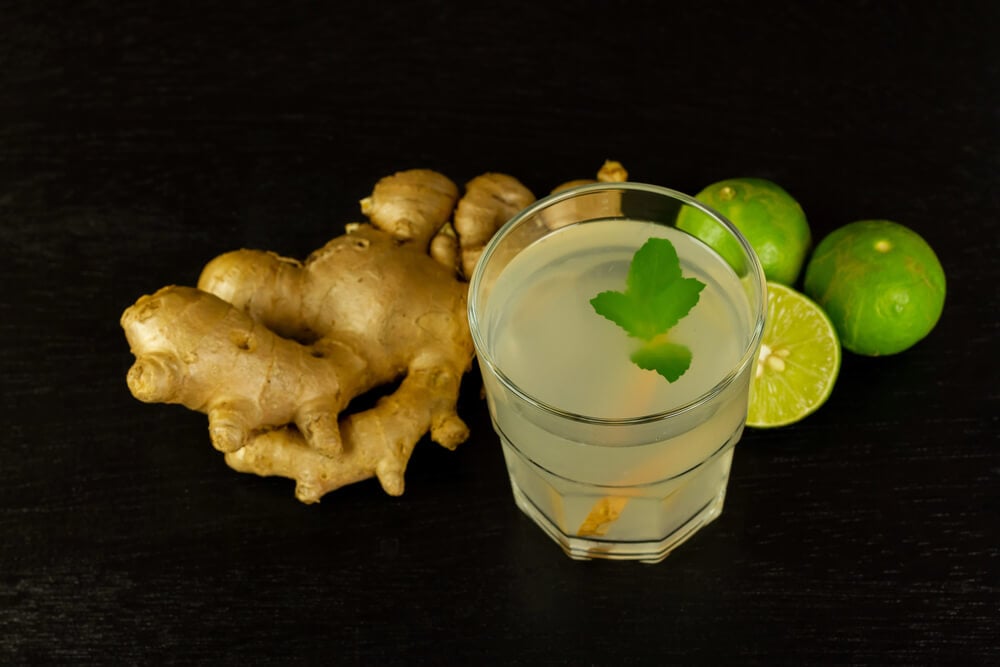
Sarsaparilla reached fountains as a patent medicine flavor, named for a tropical vine whose root was brewed as a blood purifier in the 1800s. Most American versions actually drew their taste from sassafras and birch oil, which made the drink a close cousin of root beer.
The name carried an air of the Old West, helped along by countless film cowboys who ordered it in saloons for comic effect. In 1960, federal regulators banned safrole, the main flavor compound in sassafras oil, from foods.
Reformulated root beer carried on, but sarsaparilla mostly vanished from the taps.
Hires From the Barrel
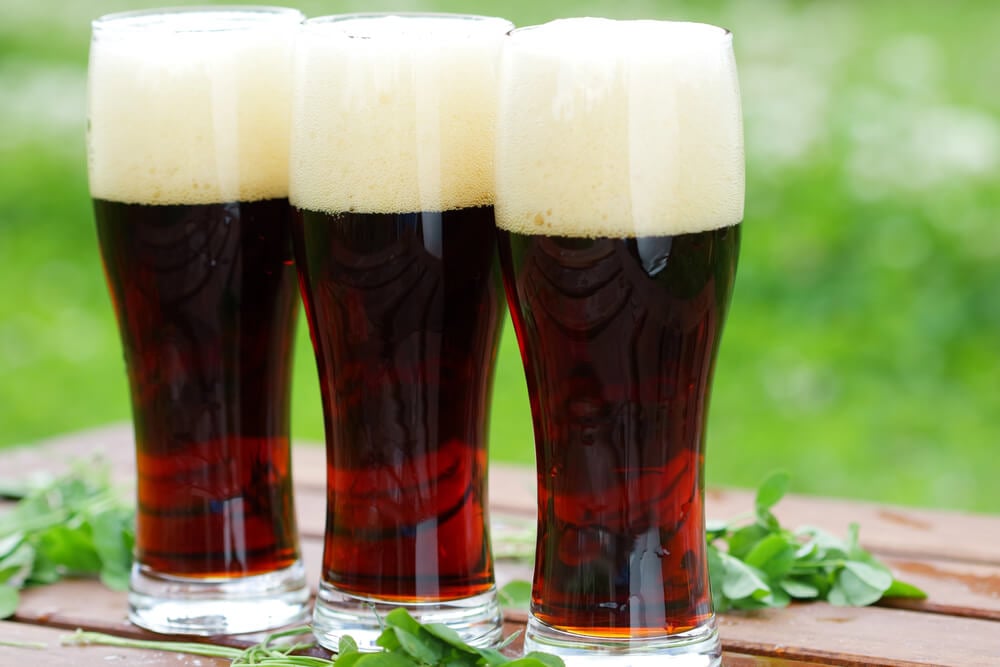
Charles Hires, a Philadelphia pharmacist, promoted his root beer at the 1876 Centennial Exposition, first as a packet of dried roots and herbs for home brewing and later as a liquid extract and fountain syrup. Many counters dispensed it from a barrel-shaped keg set on the bar, drawn into a chilled mug rather than a soda glass.
Hires advertised the drink as a temperance beverage, and it was among the most widely distributed fountain flavors in the country by the early 1900s. Corporate owners later let the brand wither in favor of other root beers.
Marble Counters, Empty Stools
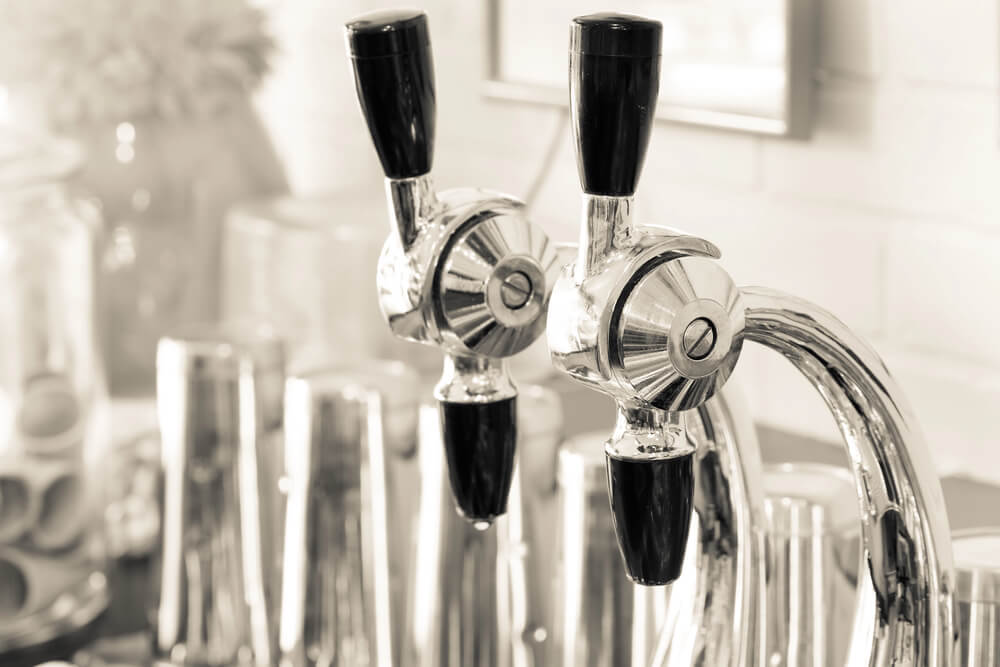
The soda fountain depended on a particular arrangement. A pharmacist needed foot traffic, a teenager needed a job, and a neighborhood needed somewhere to sit for the price of a nickel.
When drugstores moved to self-service aisles and suburban customers moved to drive-ins, the counter became expensive floor space, and chains removed fountains by the thousands during the 1950s and 1960s. Most of these orders vanished with the equipment and the people trained to use it.
A phosphate needs acid phosphate, an egg cream needs a pressurized tap, and a Hoboken needs someone who knows what the word means. A handful of restored fountains still make them. Everywhere else, the recipes sit in old trade manuals, waiting for a counter.
More from Go2Tutors!

- The Romanov Crown Jewels and Their Tragic Fate
- 13 Historical Mysteries That Science Still Can’t Solve
- Famous Hoaxes That Fooled the World for Years
- 15 Child Stars with Tragic Adult Lives
- 16 Famous Jewelry Pieces in History
Like Go2Tutors’s content? Follow us on MSN.



