Old Toys That Were Surprisingly Educational
Remember when toys came in simple cardboard boxes and didn’t need batteries or Wi-Fi connections? Those classic playthings that cluttered bedroom floors and filled toy chests weren’t just fun.
They packed serious learning power into every piece, block, and component. While kids thought they were just playing, these clever inventions were secretly teaching everything from physics to problem-solving.
Let’s take a trip back to discover how yesterday’s favorite toys were tomorrow’s teachers in disguise.
Tinker Toys

Wooden spools and colorful sticks might look simple, but they taught complex concepts about structure and design. Kids discovered how triangles create stronger shapes than squares through hands-on building.
The circular connectors introduced concepts of rotation and pivot points that appear in real machinery. Each creation required planning, problem-solving, and understanding how different pieces work together.
The open-ended nature meant there were no wrong answers, just different solutions to explore.
Chemistry Sets
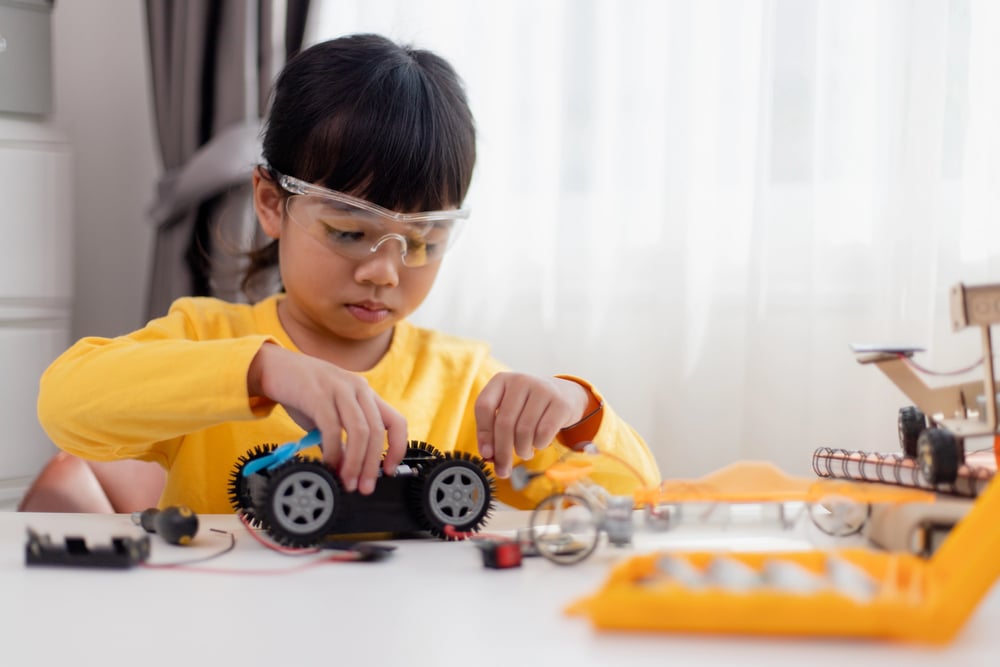
Before safety regulations made them less adventurous, chemistry sets gave kids real laboratory experiences at home. These kits taught the scientific method through actual experiments with measurable results.
Children learned to follow precise instructions, measure accurately, and observe changes carefully. The colorful reactions and fizzing mixtures made abstract chemical concepts concrete and memorable.
Safety lessons came naturally as kids learned to handle materials responsibly and understand cause and effect.
Like Go2Tutors’s content? Follow us on MSN.
Pick-up Sticks
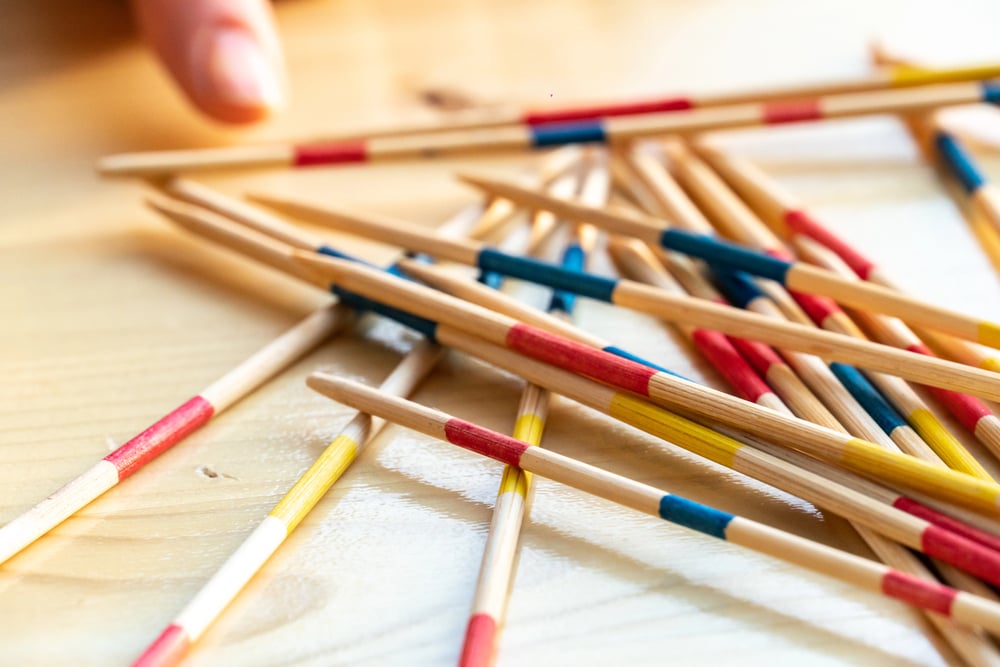
This simple game of colored wooden sticks taught patience, strategy, and fine motor control. Players learned to assess risk versus reward with every move they considered.
The game developed hand-eye coordination and steady muscle control that transferred to writing and drawing. Strategic thinking emerged as kids figured out which sticks to target first and how to minimize pile movement.
Concentration skills improved with practice as success required sustained focus and careful observation.
Spirograph

Plastic gears and pens created mathematical art that fascinated children for hours. This toy introduced complex geometric concepts through beautiful, repeating patterns.
Kids discovered how different gear combinations produced various designs, learning about ratios and proportions. The tool taught patience and precision as small movements dramatically changed the final result.
Mathematical relationships became visual and tangible as children saw how numbers translated into artistic designs.
Etch A Sketch

Two knobs and aluminum powder created a drawing tablet that taught persistence and planning. Children learned that creating detailed pictures required breaking complex images into simple horizontal and vertical lines.
The toy developed problem-solving skills as kids figured out how to draw curves using only straight movements. Hand coordination improved as both hands had to work together to create smooth diagonal lines.
The inability to erase individual lines taught the value of planning ahead and thinking through each step.
Like Go2Tutors’s content? Follow us on MSN.
Jigsaw puzzles
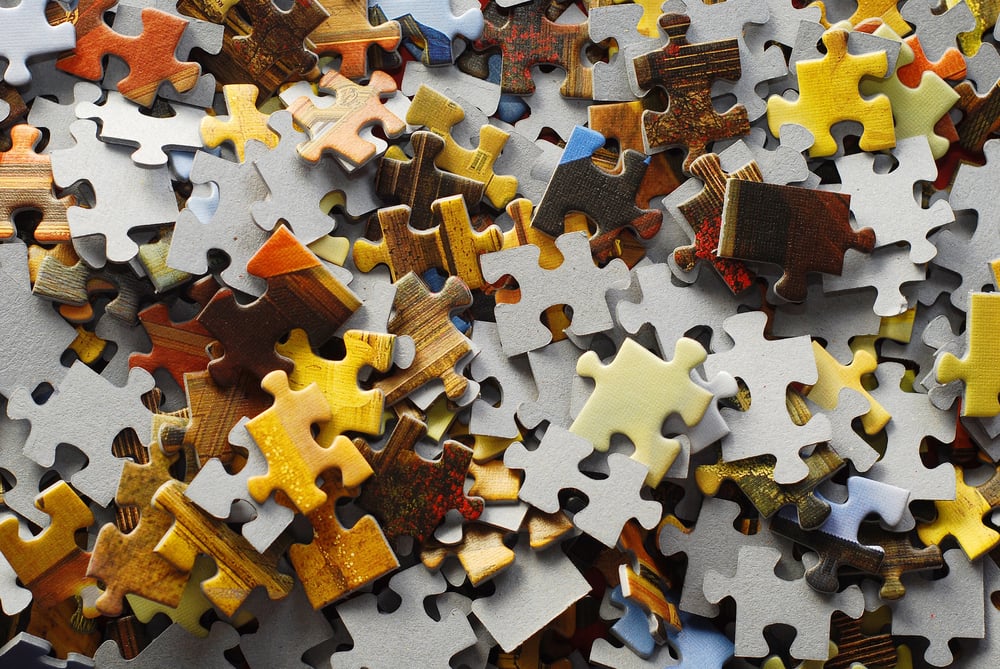
Cardboard pieces scattered across tables taught visual analysis and logical thinking. Children learned to sort by color, edge pieces, and patterns while developing organizational skills.
The process taught persistence as complex puzzles required sustained effort over time. Spatial reasoning improved as kids learned to rotate pieces mentally and see how shapes fit together.
Problem-solving strategies emerged naturally as puzzlers developed systematic approaches to tackle large, complicated images.
Blocks
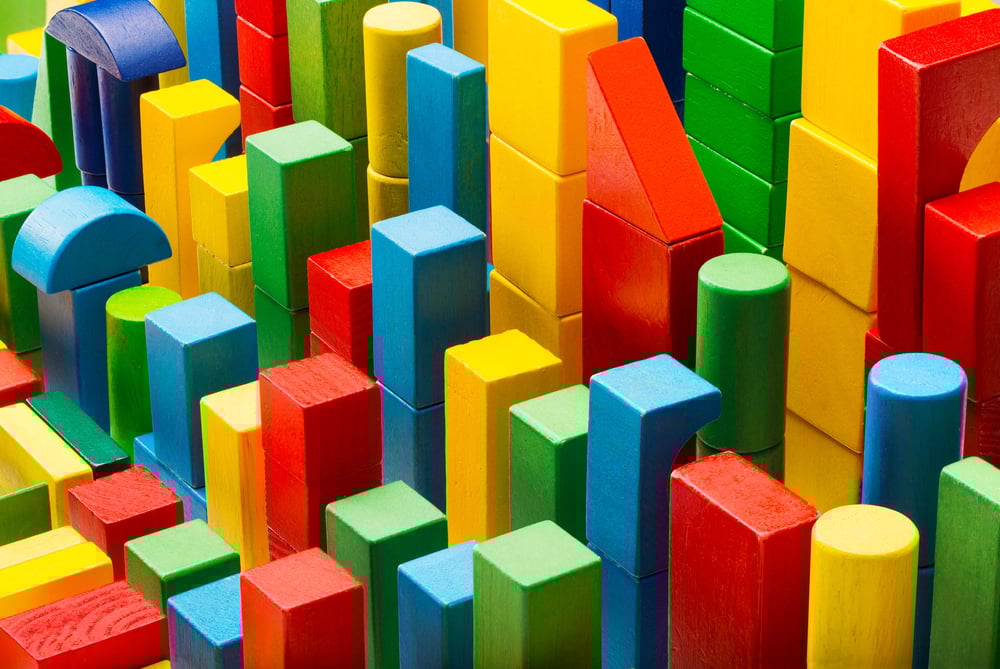
Simple wooden cubes became the foundation for understanding architecture, physics, and mathematics. Children discovered gravity, balance, and structural engineering through building and rebuilding towers.
Basic math concepts like counting, addition, and geometry emerged naturally during play. The toys taught cause and effect as wobbly structures fell down and stable ones stayed up.
Creativity flourished as kids moved beyond following instructions to designing their own unique structures.
Kaleidoscopes

Mirrors and colored beads created endless geometric patterns that taught symmetry and visual mathematics. Children learned about reflection and light through hands-on exploration.
The constantly changing patterns developed visual memory as kids tried to recreate favorite designs. Understanding of rotation and transformation emerged as turning the cylinder created new arrangements.
The toy showed how simple elements could combine in infinite ways, introducing concepts of permutation and combination.
Like Go2Tutors’s content? Follow us on MSN.
Play-Doh

This squishy modeling compound taught sculpture, creativity, and basic chemistry concepts. Children developed hand strength and finger dexterity while rolling, pinching, and shaping.
The material introduced concepts about states of matter as it could be soft or firm depending on handling. Color theory became hands-on learning as kids mixed different shades to create new colors.
Three-dimensional thinking developed as flat ideas transformed into sculptural reality.
Tangrams

Seven geometric shapes challenged children to create specific pictures using all pieces without overlapping. This ancient Chinese puzzle taught spatial reasoning and geometric relationships.
Kids learned about area and how shapes could be rearranged without changing total space. Problem-solving skills developed as children worked through multiple attempts to achieve target designs.
The game introduced concepts of congruence and transformation through hands-on manipulation of shapes.
Yo-yos
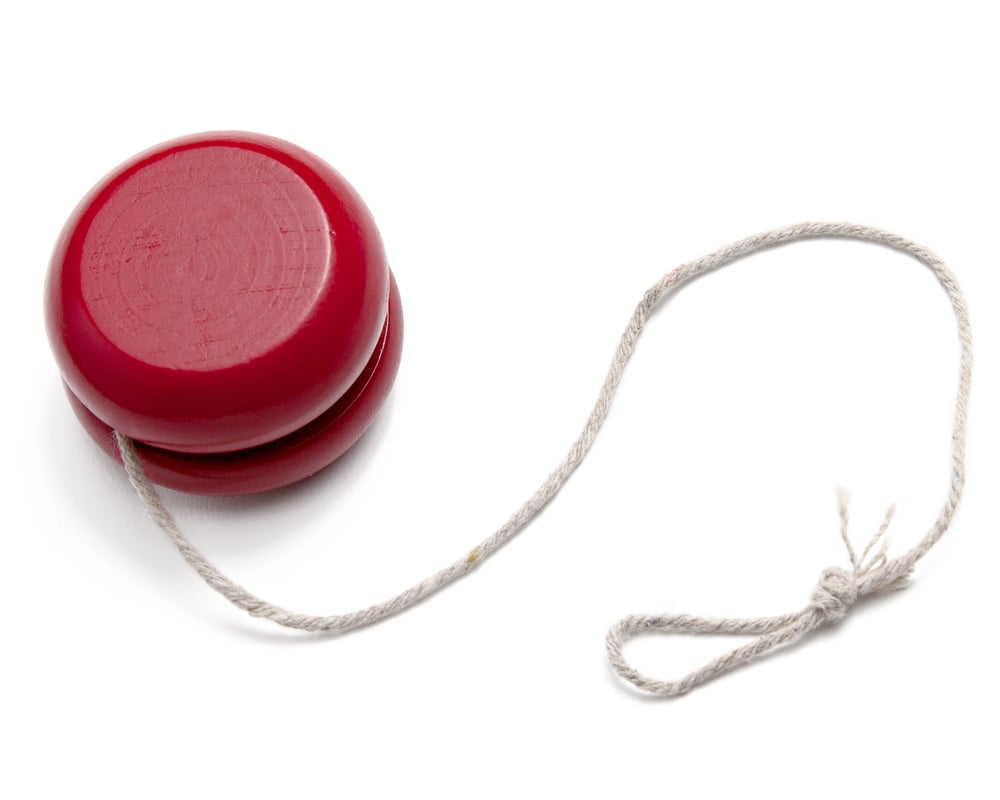
This simple toy on a string taught physics principles about gravity, momentum, and energy transfer. Children discovered how potential energy converted to kinetic energy and back again.
Hand coordination improved as kids learned to control the timing and force needed for smooth operation. The toy demonstrated concepts of rotational motion and angular momentum in action.
Patience and practice became valuable lessons as mastering tricks required sustained effort and repetition.
Like Go2Tutors’s content? Follow us on MSN.
Slinky
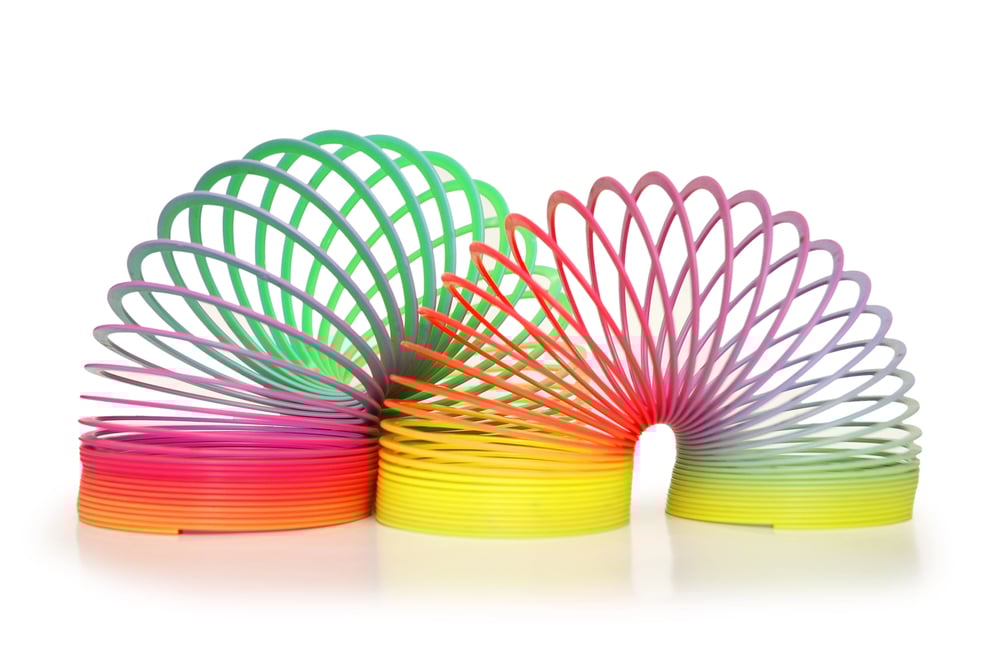
This metal spring demonstrated wave motion, gravity, and energy transfer in captivating ways. Children learned about physics concepts by watching how the toy moved down stairs and across surfaces.
The spring action taught about elasticity and potential energy storage. Hand-eye coordination improved as kids learned to make the Slinky “walk” between their hands.
The toy showed how simple mechanical principles could create complex and entertaining movements.
Yesterday’s wisdom in today’s world
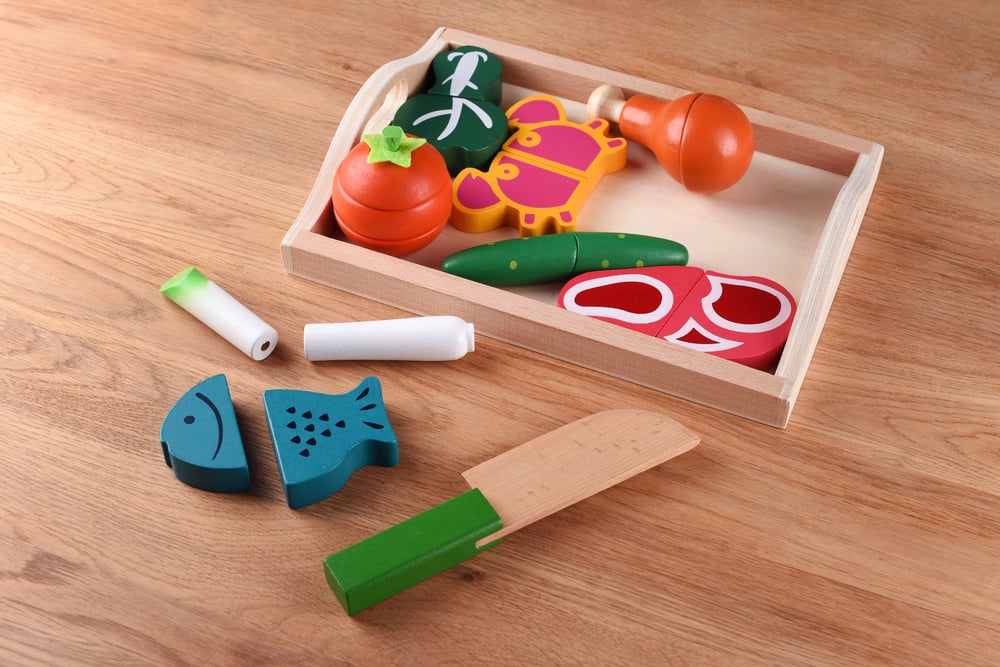
These classic toys proved that the best learning often happens without realizing it. They taught children to think, build, experiment, and create using their hands and minds together.
Today’s parents searching for meaningful alternatives to screen time might find inspiration in these simple yet powerful learning tools. The lessons these toys taught – patience, problem-solving, creativity, and persistence – remain just as valuable now as they were decades ago.
Sometimes the old ways of playing were also the smartest ways of learning.
More from Go2Tutors!

- 16 Historical Figures Who Were Nothing Like You Think
- 12 Things Sold in the 80s That Are Now Illegal
- 15 VHS Tapes That Could Be Worth Thousands
- 17 Historical “What Ifs” That Would Have Changed Everything
- 18 TV Shows That Vanished Without a Finale
Like Go2Tutors’s content? Follow us on MSN.