31 Borders Closed for Generations
Anyone who has queued at Beitbridge in December knows a border can ruin a day. Hours in the sun, a stamp, and you’re through.
Annoying, but you’re through. Now picture a border that ruins a lifetime.
A line that goes up one morning with your sister on the far side, and stays up until she’s a grandmother. The world has had dozens of these.
Some fell in a single night. Some are still standing, and the people who remember the other side are getting old.
1. The Korean Demilitarised Zone
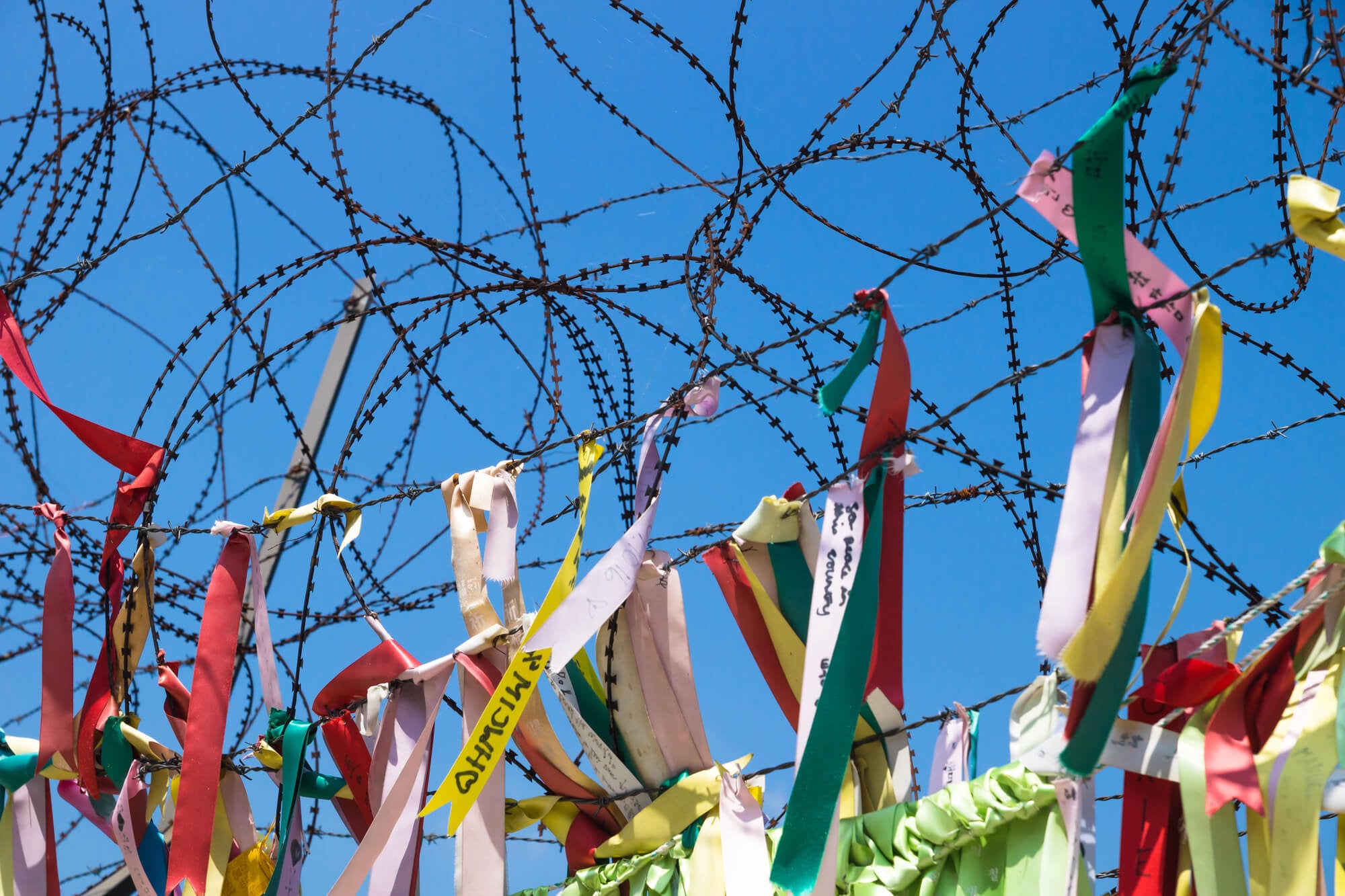
The armistice of July 1953 froze the front line into a strip four kilometres wide and 250 long. No mail crosses it.
No phone calls. Families split by the war have met only at a few dozen state-run reunions, where elderly siblings get a few hours together under supervision and then part for good.
Most of the people who registered for those reunions in the South have already died waiting. That’s seventy years and counting.
2. The Berlin Wall
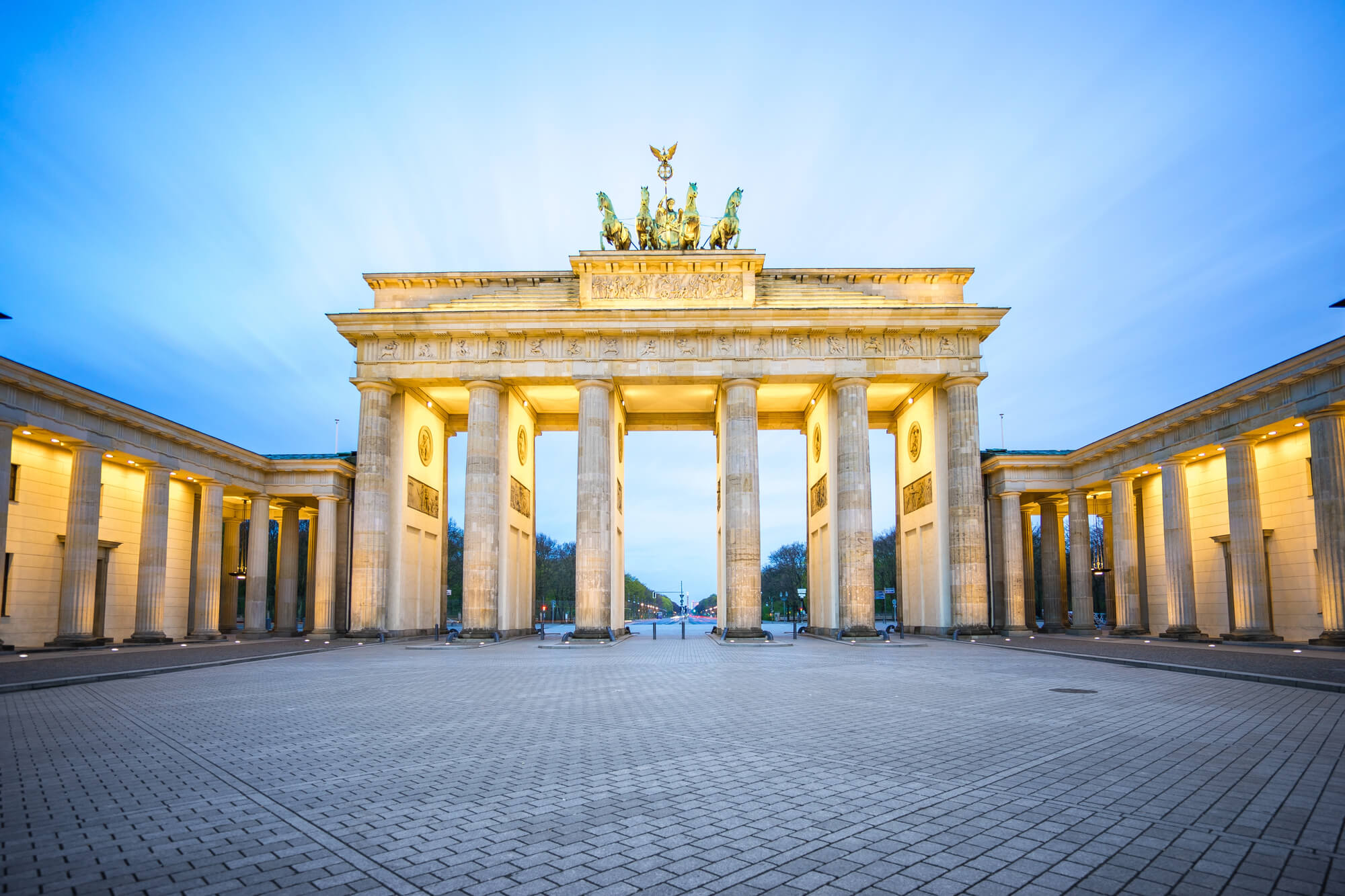
East German troops rolled out barbed wire in the early hours of 13 August 1961, and Berliners woke to a divided city. Concrete followed within days.
Streets, tram lines, and even a cemetery were cut in two. At least 140 people died trying to cross over the next 28 years.
The Wall fell on 9 November 1989 after a flustered official announced new travel rules at a press conference and said they applied immediately. They didn’t.
The crowds came anyway.
3. The Inner German Border
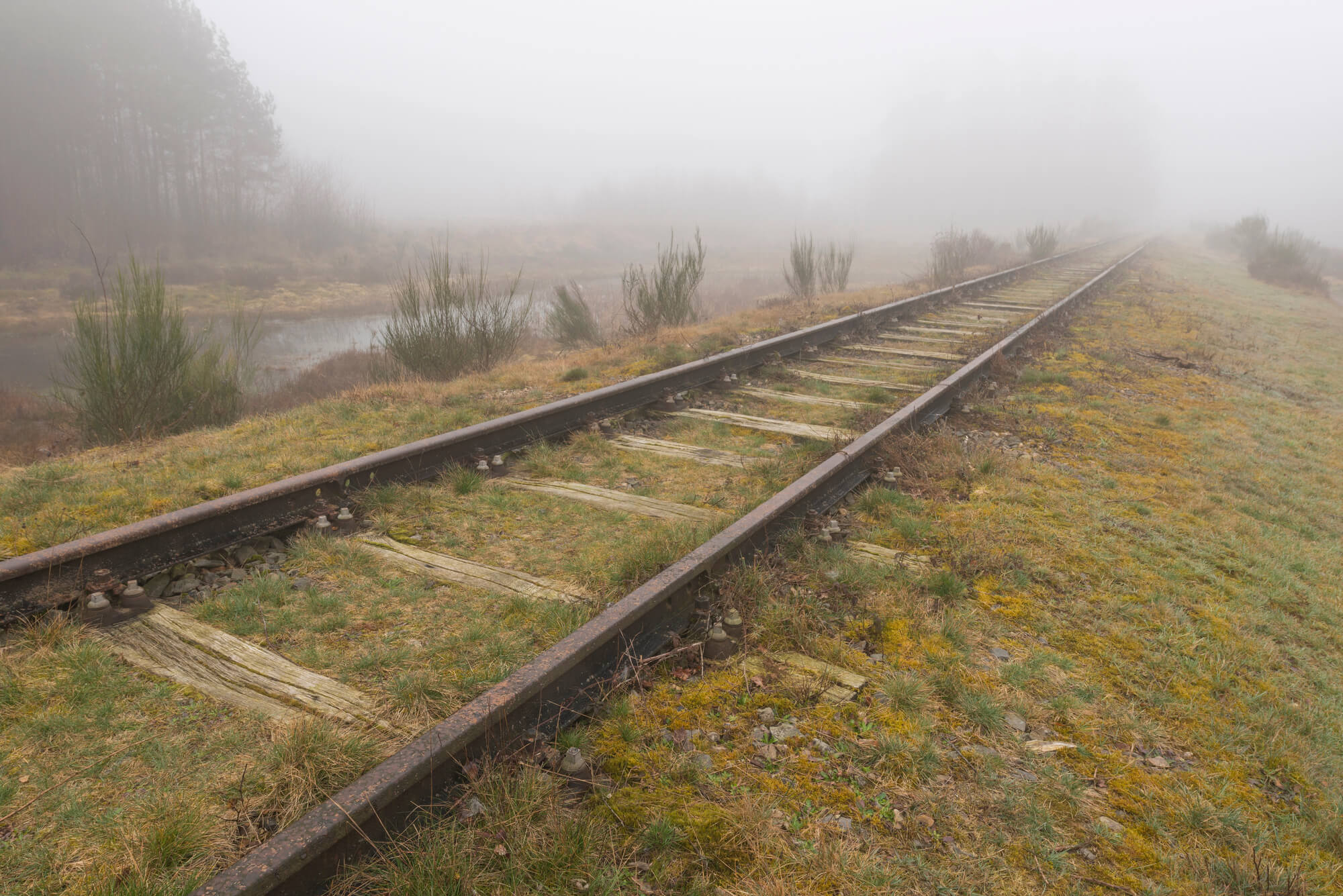
Berlin got the headlines, but the real barrier ran 1,400 kilometres from the Baltic to Czechoslovakia. East Germany sealed it in 1952, nine years before the Wall.
It had fences, minefields, dog runs, and automatic guns triggered by tripwire. Entire villages close to the line were cleared and their residents deported inland.
Some farmers could see their own fields across the strip and never walked them again.
4. Czechoslovakia’s Western Frontier
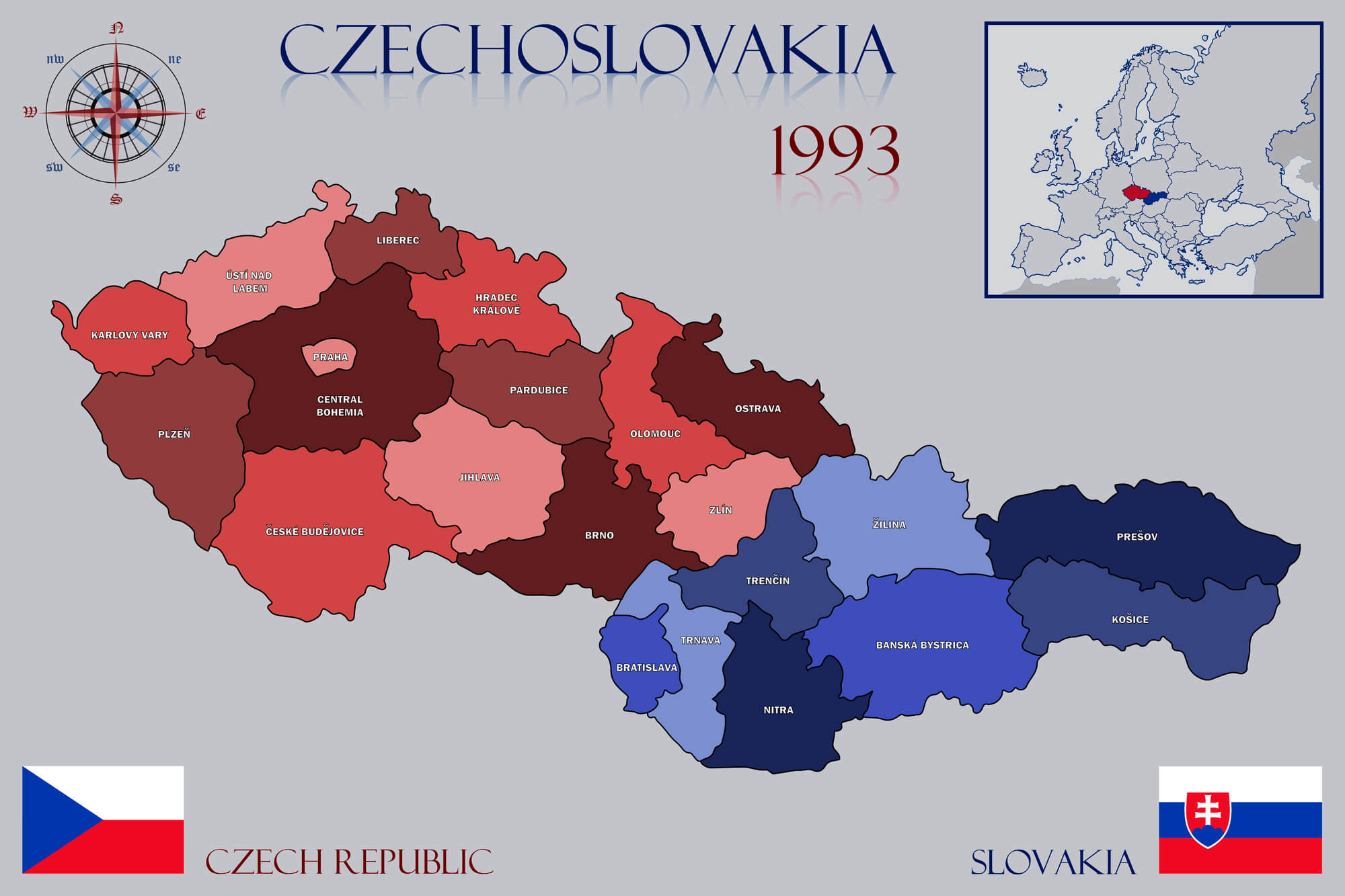
From the early fifties, Czechoslovakia ran electrified fencing along its borders with Austria and West Germany. The current was strong enough to kill, and it did.
The country switched off the electricity in the mid-sixties but kept the wire, the watchtowers, and a restricted zone several kilometres deep. Austrians in Gmünd looked across at České Velenice, once the same town, for forty years.
5. Hungary and Austria
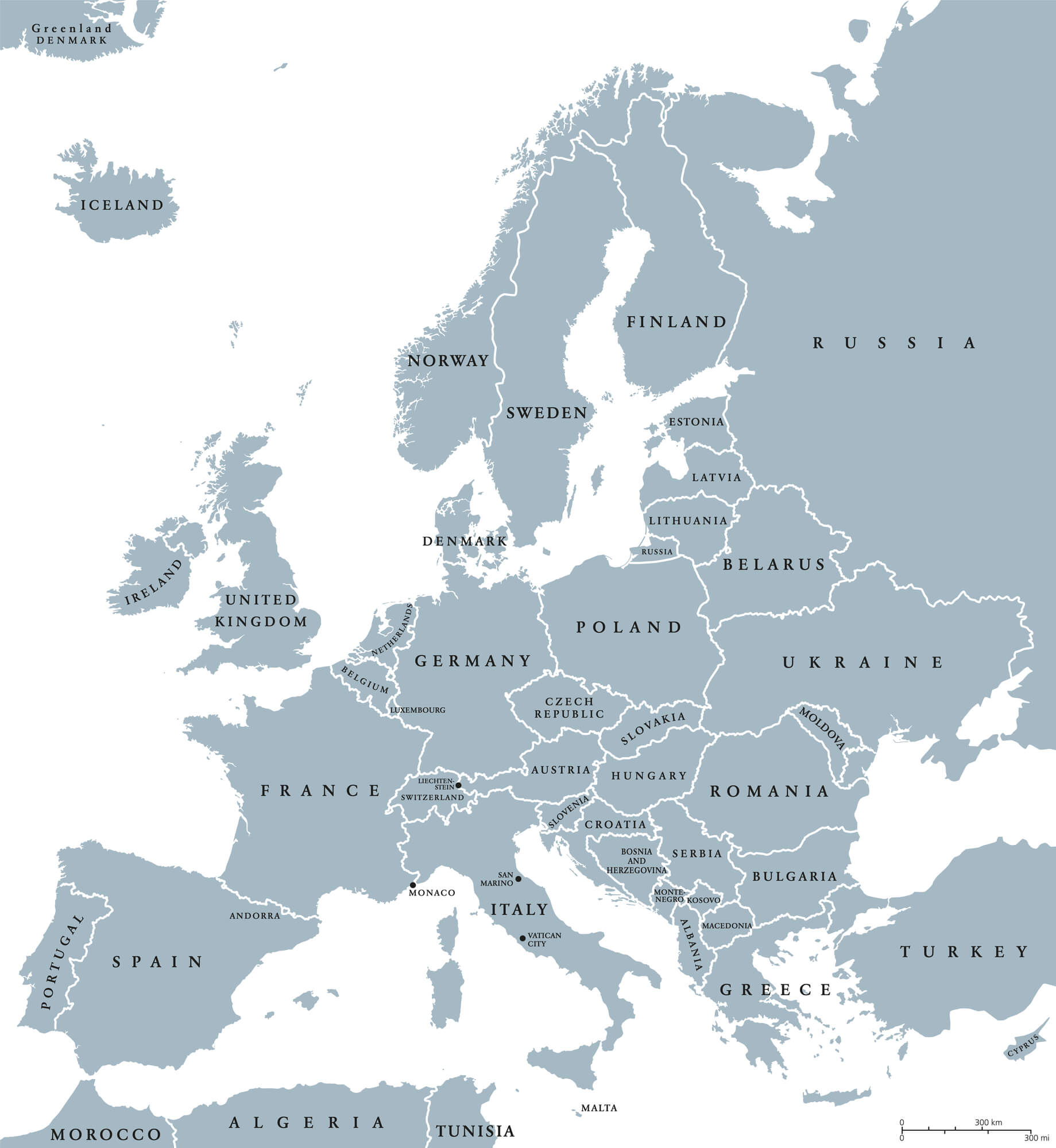
This is the stretch where the Iron Curtain tore first. Hungary started dismantling its border fence in May 1989.
In August, activists held a “Pan-European Picnic” near Sopron and opened a gate for a few symbolic hours. Several hundred East German holidaymakers ran straight through it into Austria.
Guards had orders to shoot and chose not to. Three months later the Berlin Wall came down.
A picnic did what forty years of diplomacy hadn’t.
6. Bulgaria’s Southern Frontier
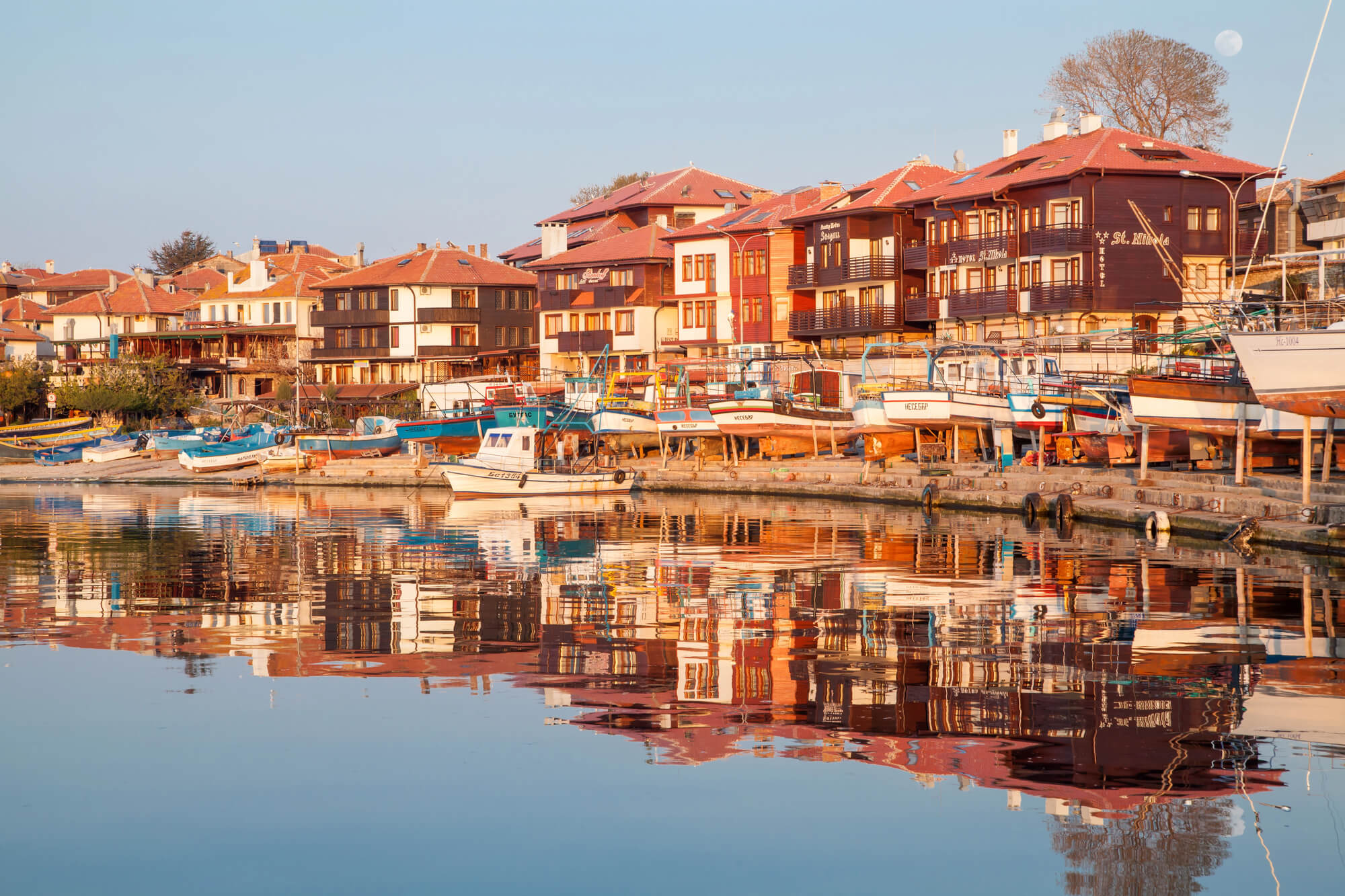
East Germans who couldn’t get past their own border often tried Bulgaria’s, believing the line with Greece and Turkey was softer. It wasn’t.
Bulgarian guards shot escapers and received bonuses and extra leave for doing so. Historians are still counting the dead, and many were buried near where they fell, with no names.
7. Albania and Greece
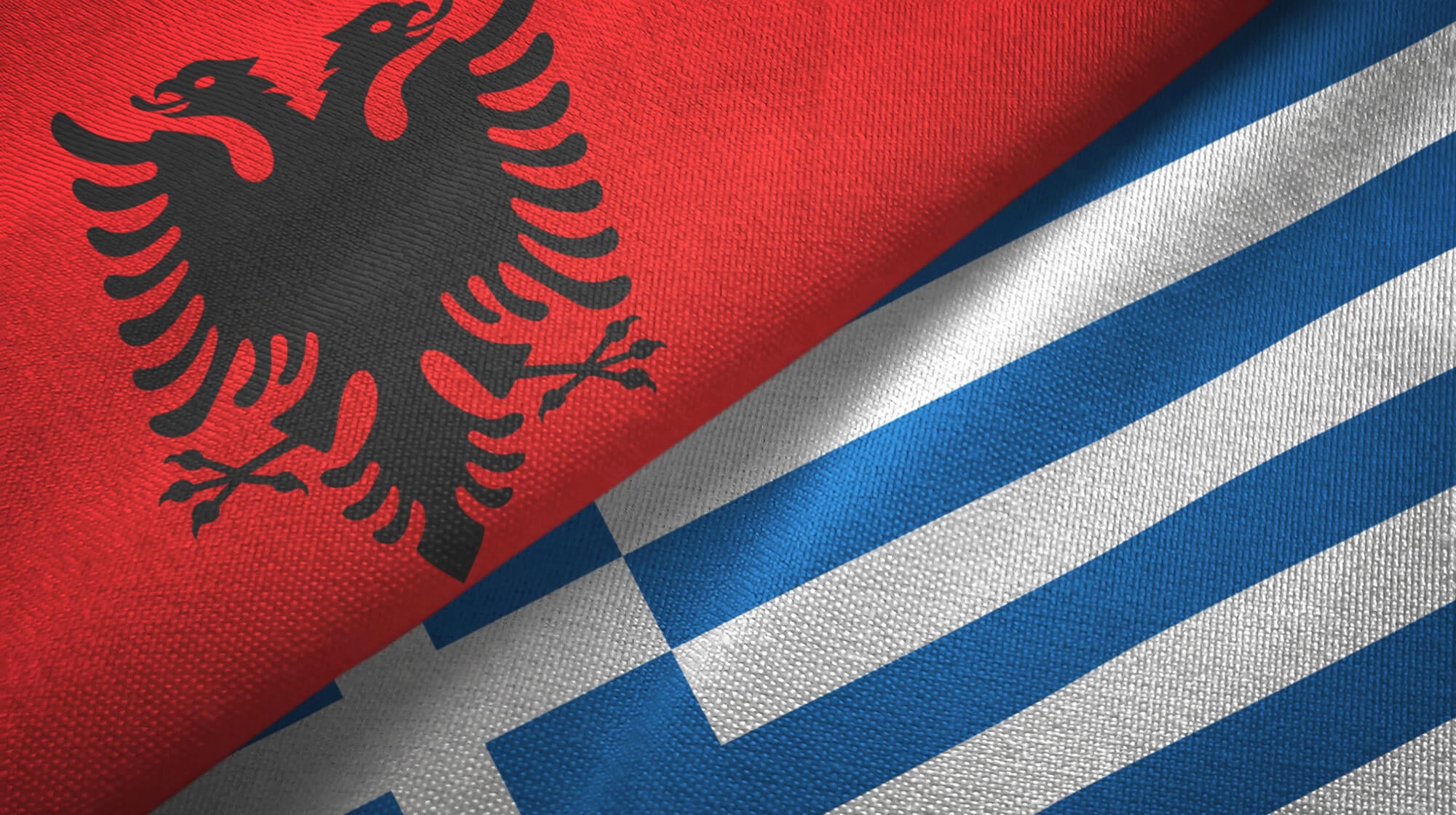
Enver Hoxha turned Albania into the most sealed country in Europe. He built hundreds of thousands of concrete bunkers, banned private cars, and treated any attempt to leave as treason.
Greece and Albania remained technically at war from 1940 until 1987. Ethnic Greek villages on the Albanian side sat a short walk from relatives they couldn’t contact.
When the regime collapsed in 1990 and 1991, people simply walked out across the mountains by the thousand.
8. The Prut River, Romania and Soviet Moldova
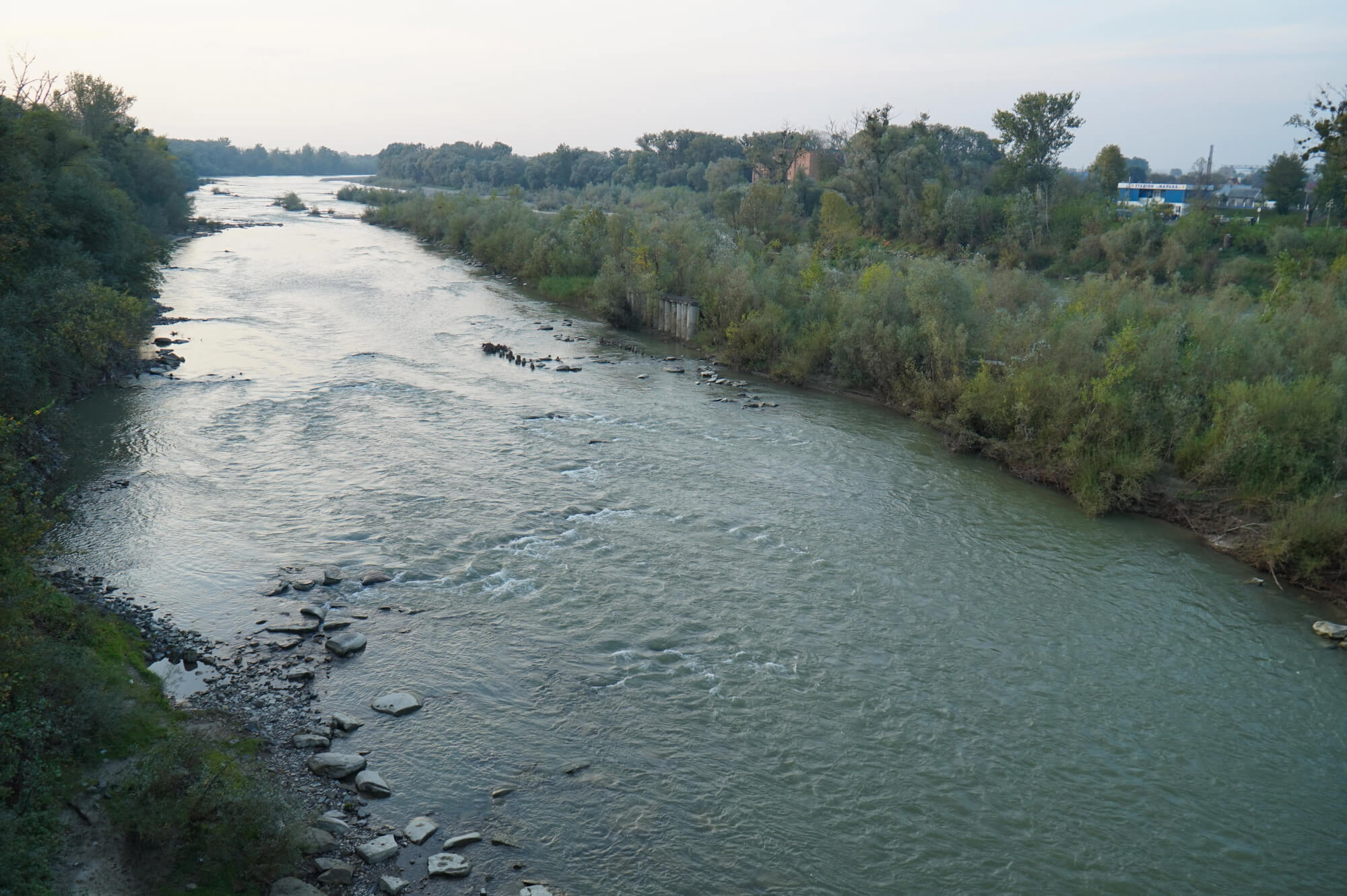
Stalin took Bessarabia from Romania in 1940 and again in 1944, and the Prut became a hard Soviet border. People on both banks spoke the same language and shared surnames.
For nearly fifty years they shared nothing else. On 6 May 1990, authorities opened the river crossings for a single day without passport checks.
Hundreds of thousands of people waded in and threw flowers on the water. They called it the Bridge of Flowers, and plenty of them met cousins for the first time.
9. The Aras River, Soviet Azerbaijan and Iran
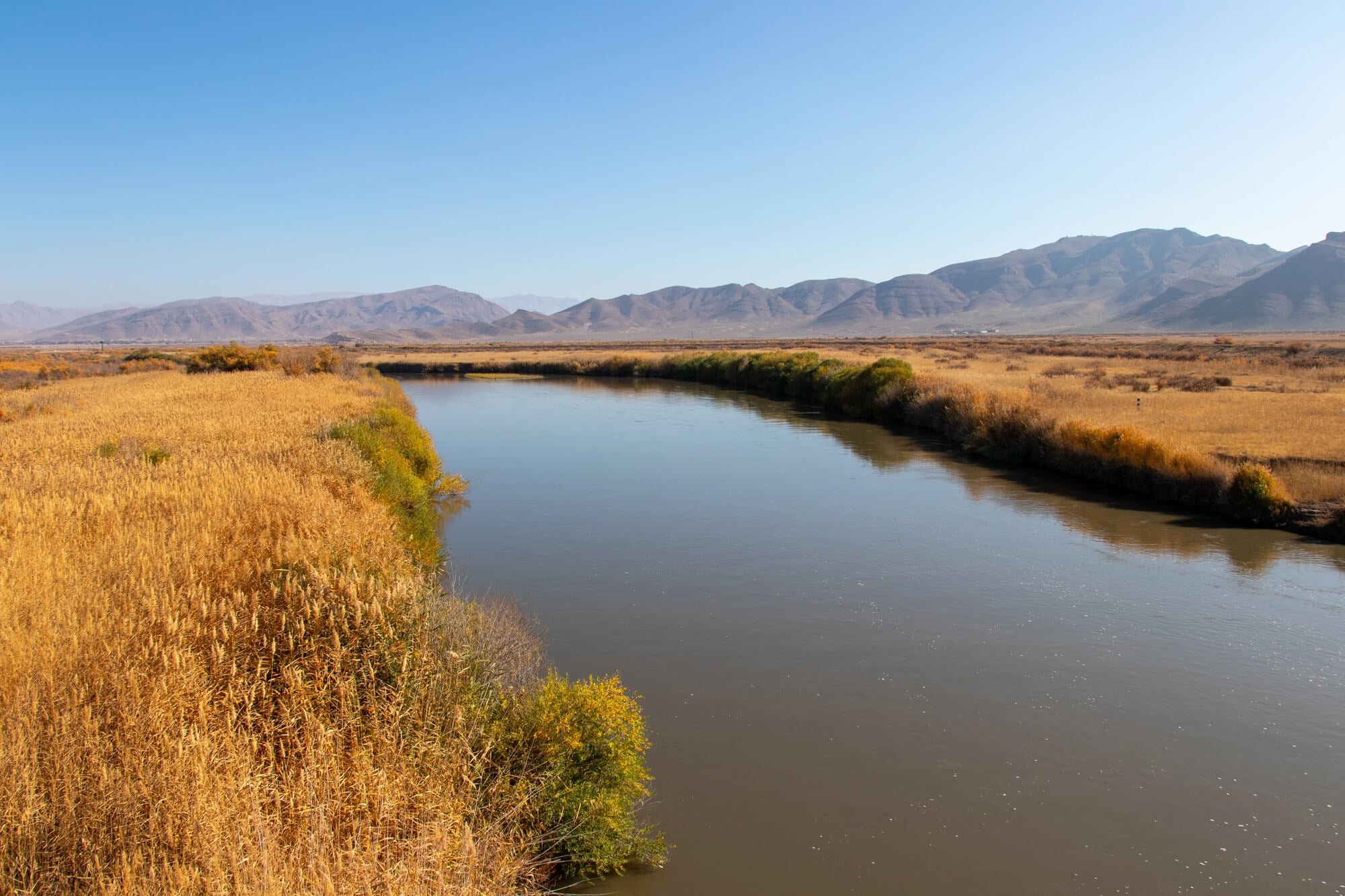
A nineteenth-century treaty between Russia and Persia split the Azerbaijani people along the Aras. The Soviet Union later fortified the north bank with fences and watchtowers.
Families would gather on opposite sides and shout news across the water. In the last days of December 1989, crowds in Nakhchivan tore down the border installations with their hands.
The Soviet Union still had two years to live, but along that river it was already over.
10. The Bering Strait “Ice Curtain”
Big Diomede belongs to Russia. Little Diomede belongs to America.
Four kilometres of water separate them, and the Inupiat families living on both used to cross by boat and over winter ice to trade and marry. In 1948 the Soviets closed the strait and moved the Big Diomede islanders to the mainland.
The Ice Curtain held for forty years. In June 1988 a “Friendship Flight” carried Alaskan Natives from Nome to Siberia, where elderly relatives recognised each other on the runway.
11. Armenia and Turkey
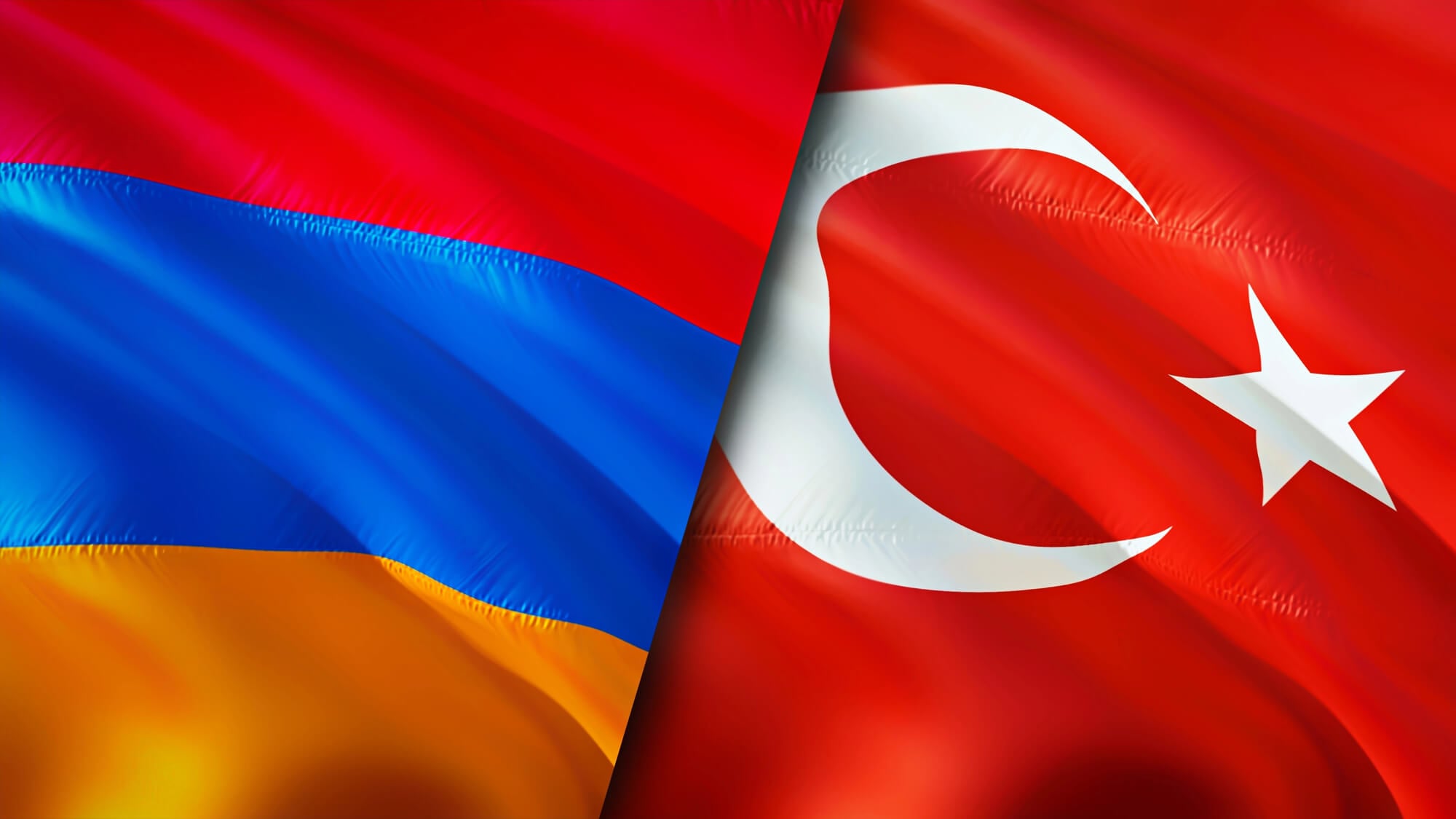
Turkey shut this border in 1993 in support of Azerbaijan during the first war over Nagorno-Karabakh. In truth the line had barely been open before, because it was a NATO and Soviet frontier throughout the Cold War.
A railway runs from Kars to Gyumri with no trains on it. From Yerevan you can see Mount Ararat, Armenia’s national symbol, sitting on the wrong side.
A bridge opened briefly in 2023 to let earthquake aid through. By 2026 both governments were installing passport systems at the crossings and talking openly about reopening.
After a century of near-total closure, that counts as fast.
12. Armenia and Azerbaijan
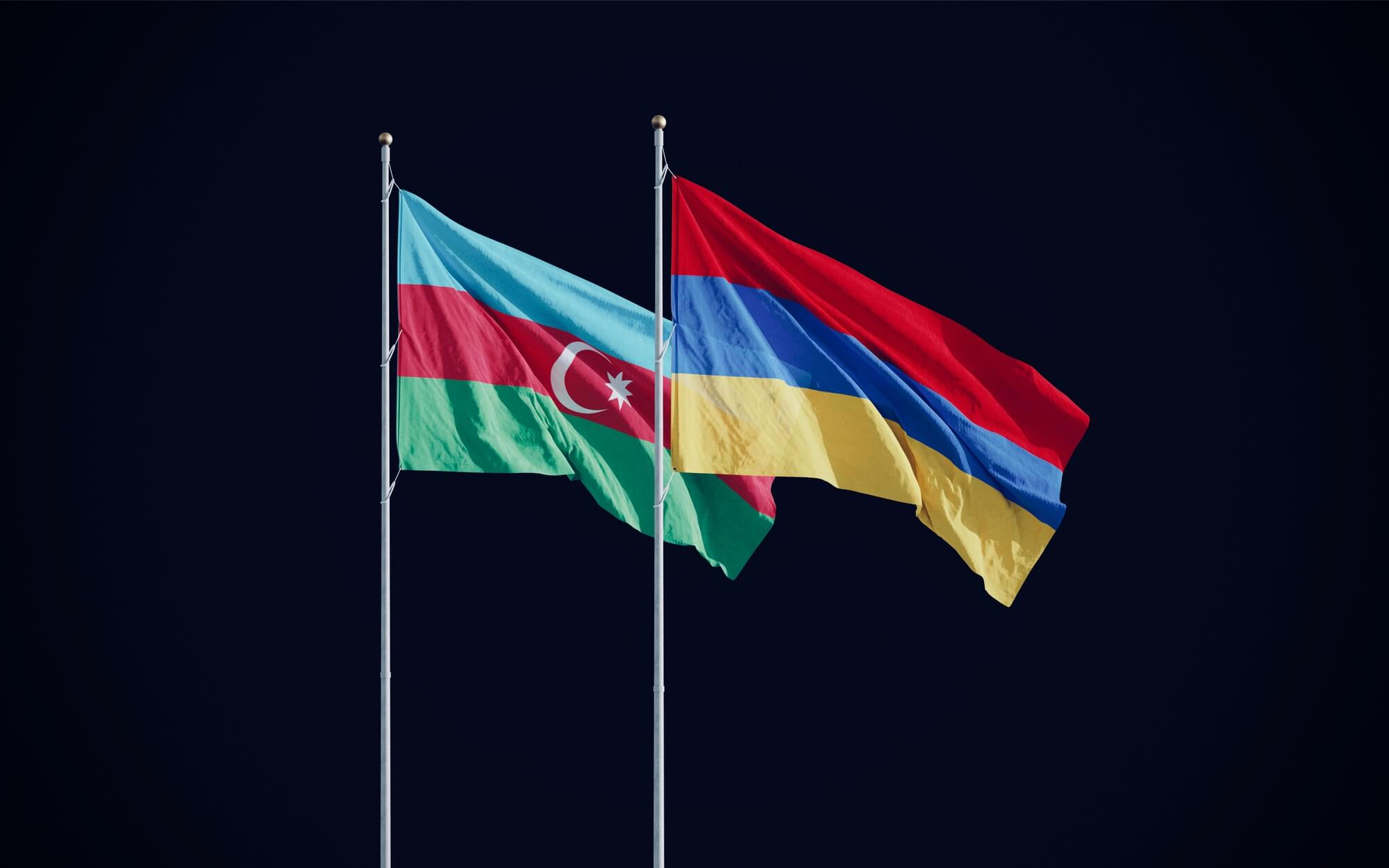
The two countries fought over Nagorno-Karabakh as the Soviet Union collapsed, and their shared frontier has been a front line ever since. A generation grew up on each side without meeting anyone from the other.
Azerbaijan’s exclave of Nakhchivan has been cut off from the rest of the country by Armenian territory for more than thirty years. The two governments initialled a peace treaty in 2025.
Signing it and opening roads is the hard part still ahead.
13. Algeria and Morocco
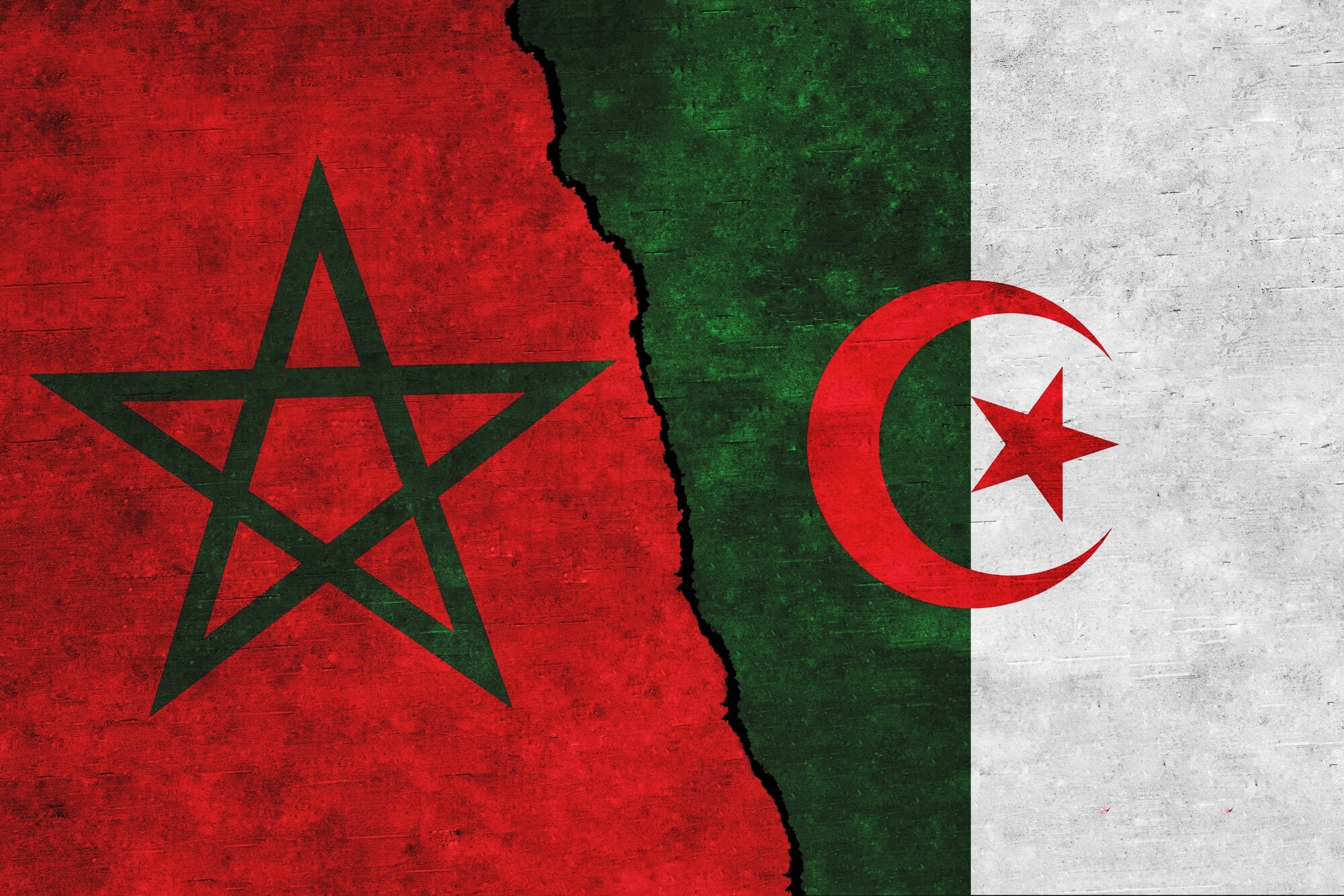
After gunmen attacked a Marrakech hotel in 1994, Morocco blamed Algerian intelligence and imposed visas. Algeria answered by closing the land border.
It has stayed shut ever since. Near the town of Saïdia, the two coast roads run within shouting distance, and families park on each side to wave across a dry riverbed.
The countries cut diplomatic ties completely in 2021. A flight from Oran to Oujda, 200 kilometres away, means going through a third country.
14. The Berm in Western Sahara
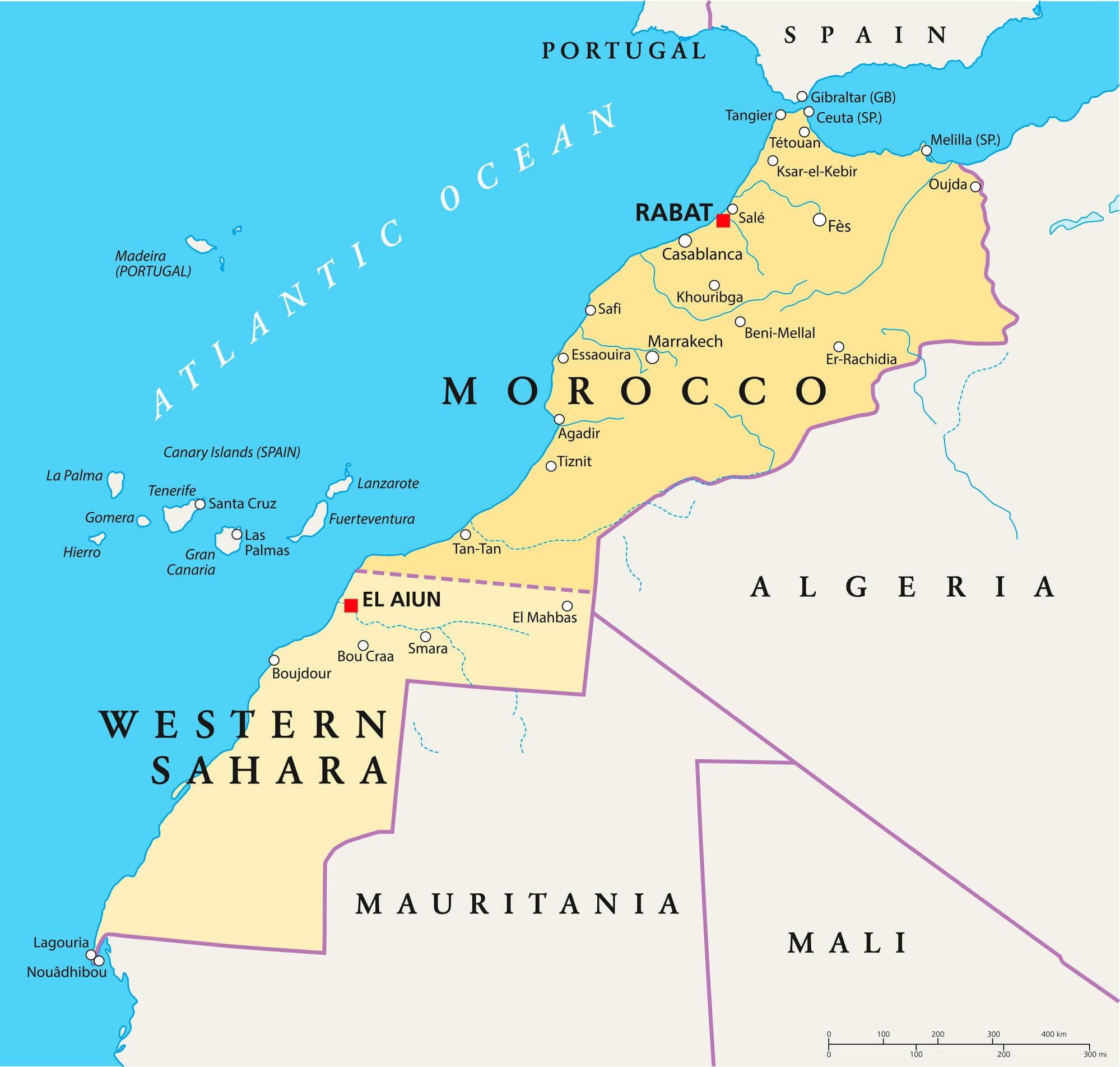
Morocco built a 2,700-kilometre sand wall through Western Sahara in the 1980s to hold back the Polisario Front. Millions of landmines line it.
Tens of thousands of Sahrawis live in refugee camps on the Algerian side, in the desert near Tindouf, and have done since 1975. Children born in those camps now have children of their own.
It’s the longest wall most people have never heard of.
15. The Green Line in Cyprus
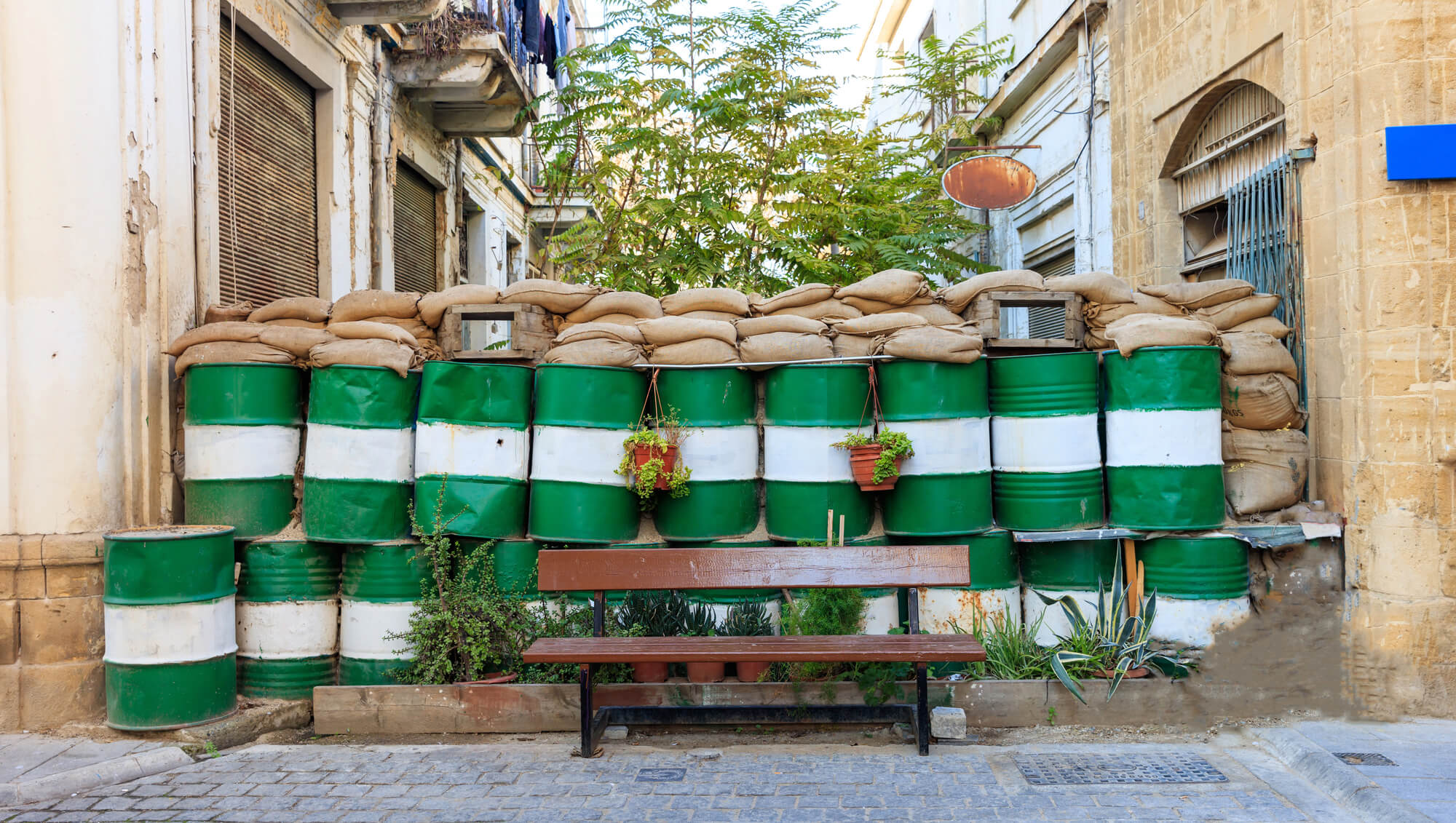
After the Turkish invasion of 1974, a United Nations buffer zone cut the island in half, straight through the capital. Greek Cypriots fled south and Turkish Cypriots north, each leaving homes behind.
For 29 years nobody crossed. In April 2003 the north unexpectedly opened a checkpoint.
People queued through the night to see the houses they grew up in. Many knocked on their own front doors and were invited in for coffee by the strangers living there.
16. Israel and Lebanon

The frontier closed in 1948 and hasn’t opened to ordinary travel since. A railway tunnel at Rosh HaNikra once carried trains from Haifa toward Beirut.
It’s bricked up. The two countries remain formally at war, and the only people who cross routinely are United Nations peacekeepers.
17. The Golan Line
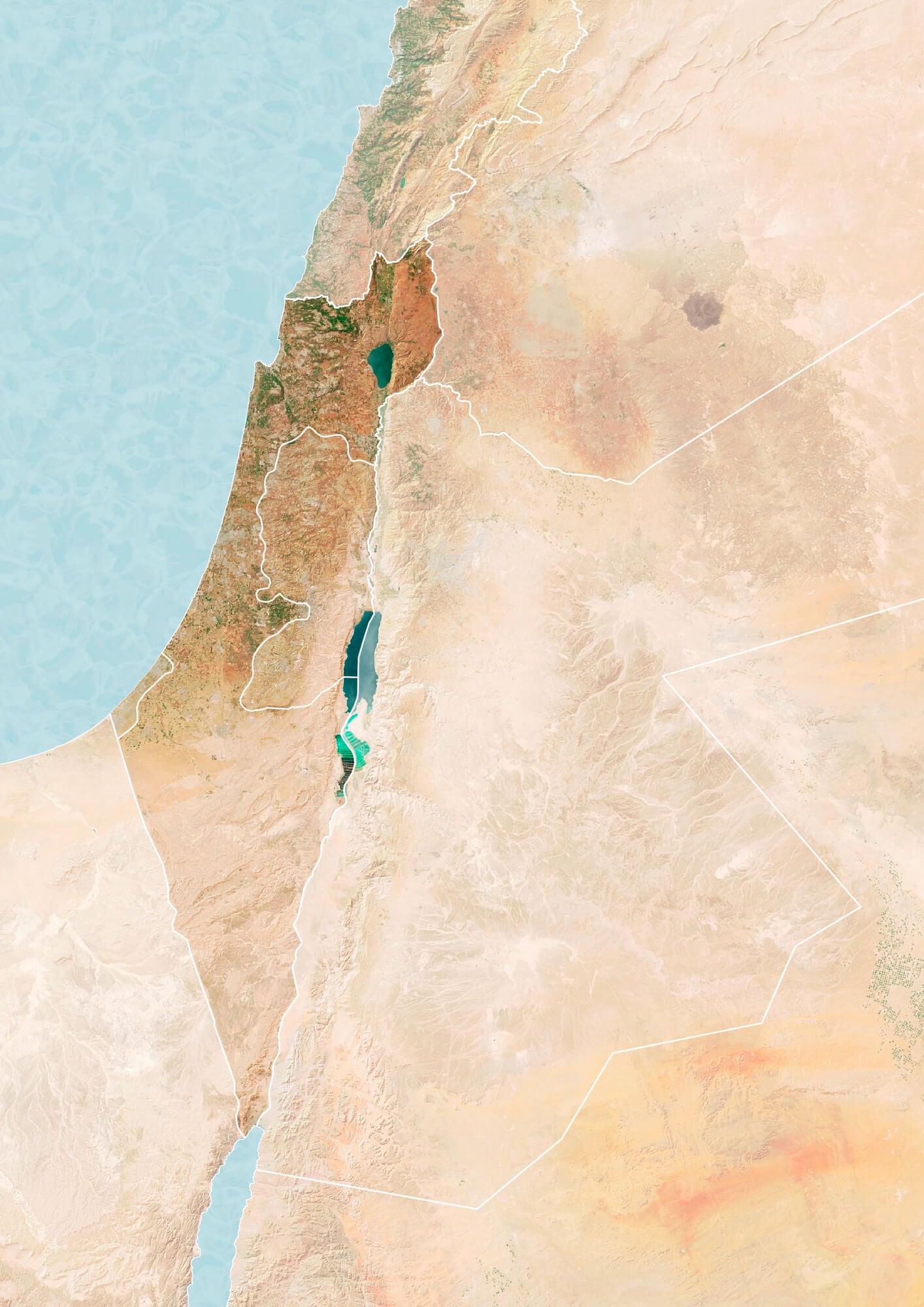
Israel captured the Golan Heights from Syria in 1967. The Druze villages on the plateau ended up cut off from relatives a few kilometres away.
At a spot outside Majdal Shams known as the Shouting Hill, families gathered with megaphones to call across the valley. The crossing at Quneitra opened only for special cases: students, pilgrims, truckloads of apples, and brides.
A woman who crossed to marry knew she’d probably never go home again.
18. Jordan and Israel
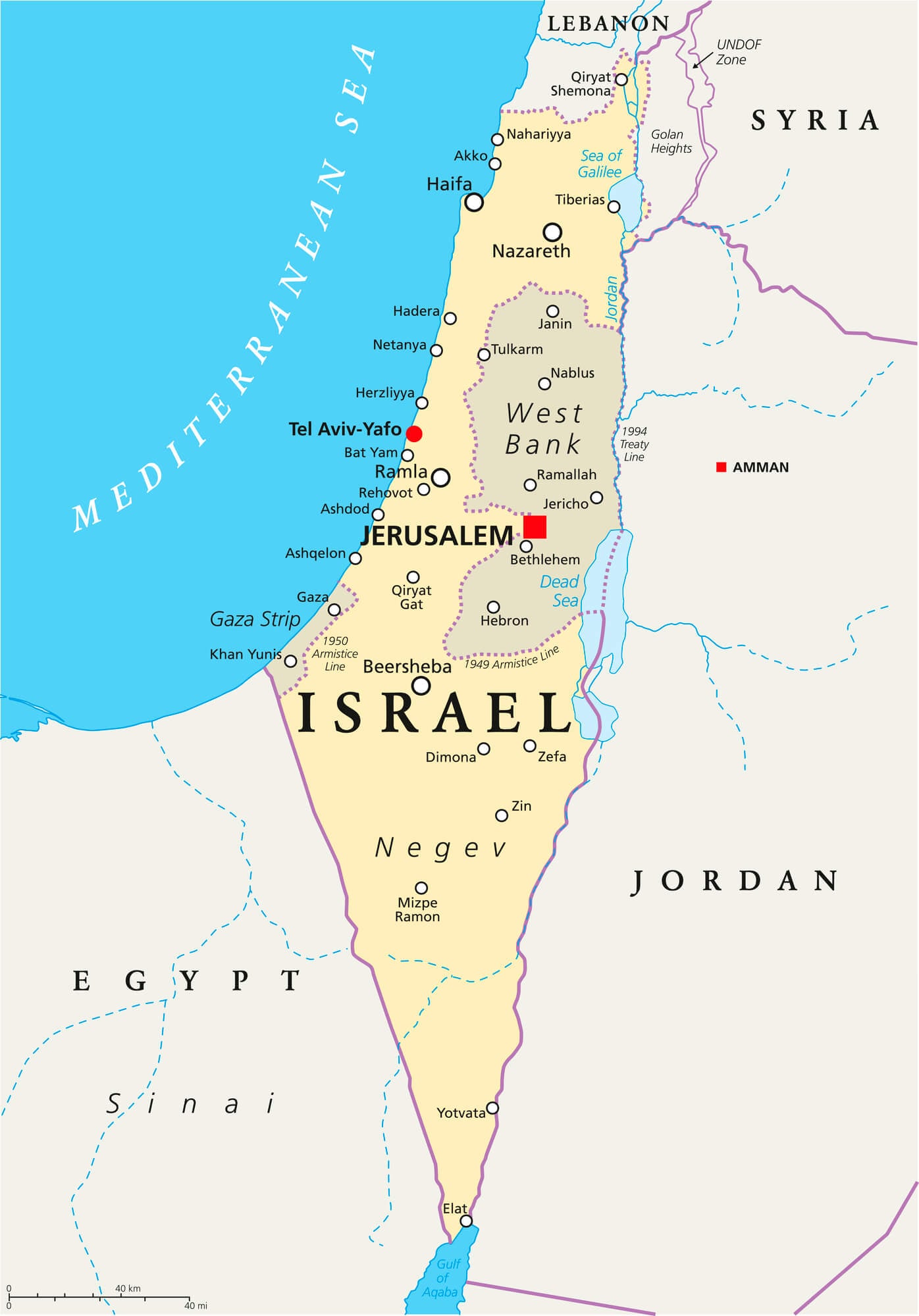
From 1948 to 1967, Jerusalem had one crossing point between its Israeli and Jordanian halves, the Mandelbaum Gate. Diplomats, clergy, and a trickle of Christmas pilgrims used it.
Everyone else stayed on their side of the wire. The wider border remained shut until the two countries signed a peace treaty in 1994.
That’s 46 years during which neighbours could see each other’s lights at Aqaba and Eilat and not visit.
19. The Line of Control in Kashmir
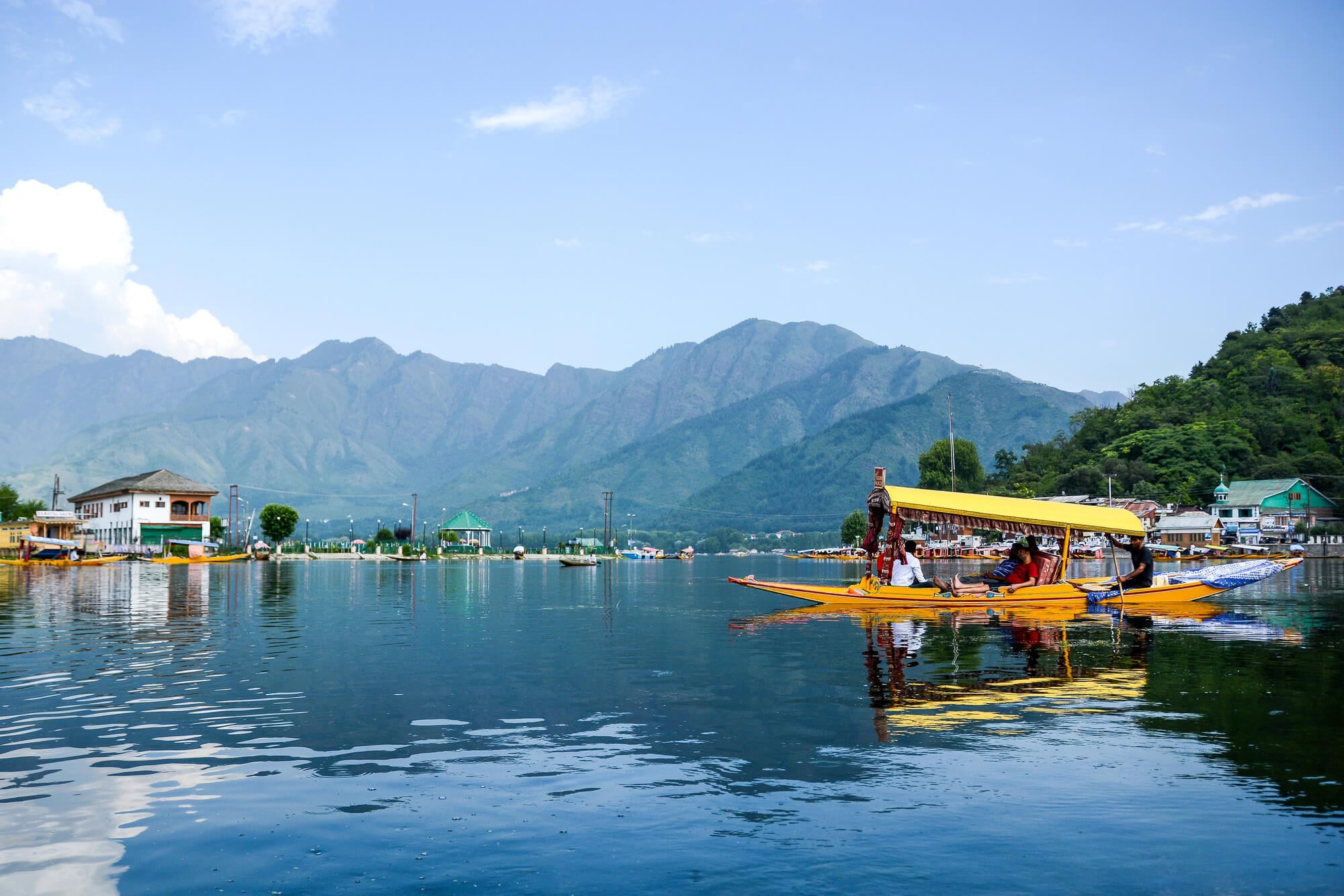
The 1949 ceasefire line between India and Pakistan sliced through Kashmiri valleys and sometimes through villages. For 56 years there was no legal way across.
In April 2005 a bus service started between Srinagar and Muzaffarabad, and passengers wept as they walked over a bridge painted in neutral white. India suspended the service in 2019.
The line is back to what it was.
20. Nathu La, India and China
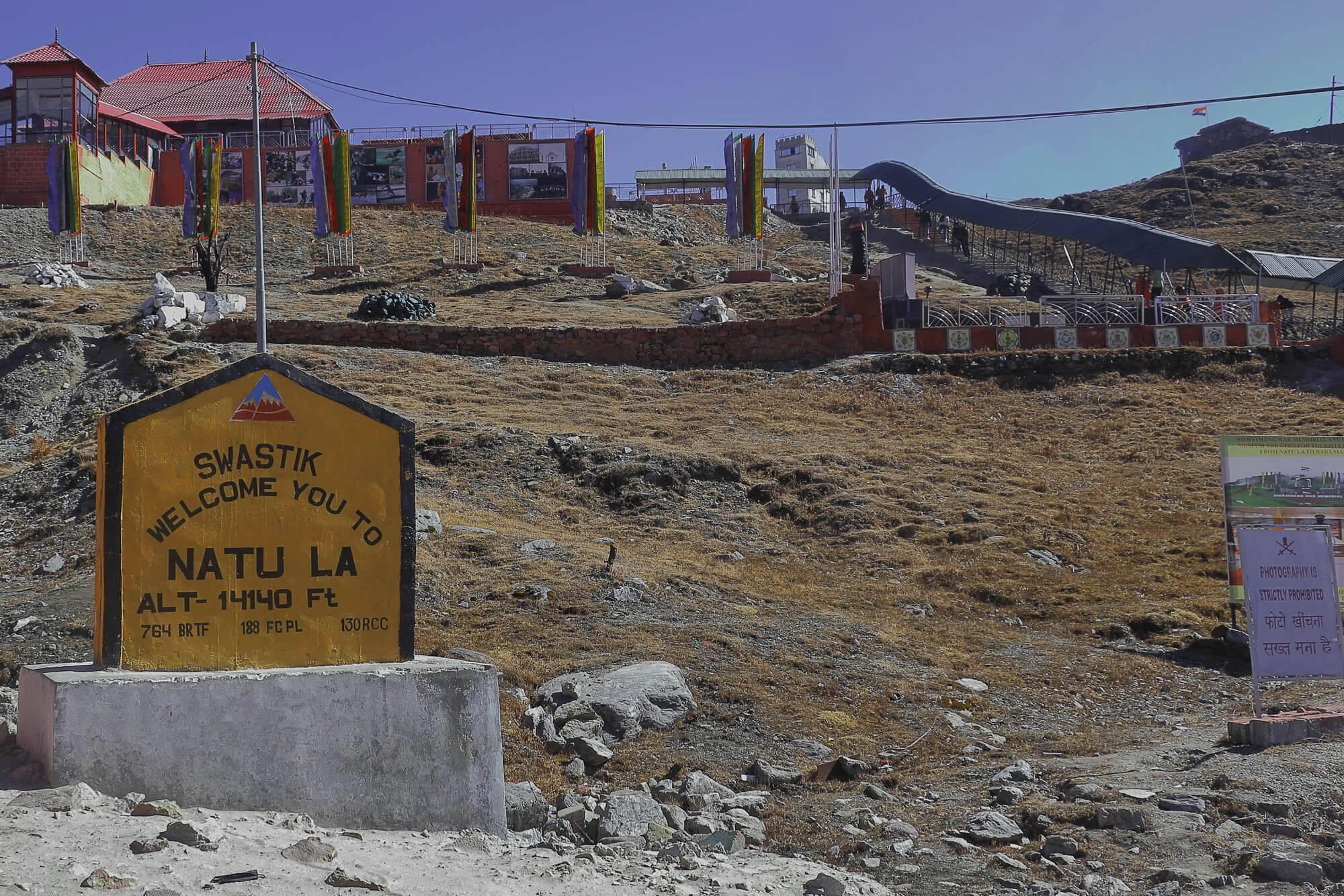
This Himalayan pass carried the bulk of trade between India and Tibet until the 1962 war. Then soldiers faced each other across a few metres of barbed wire for 44 years.
The pass reopened in July 2006 for limited local trade, with a short list of permitted goods. Yak tails and goat skins made the list.
21. Bhutan and China
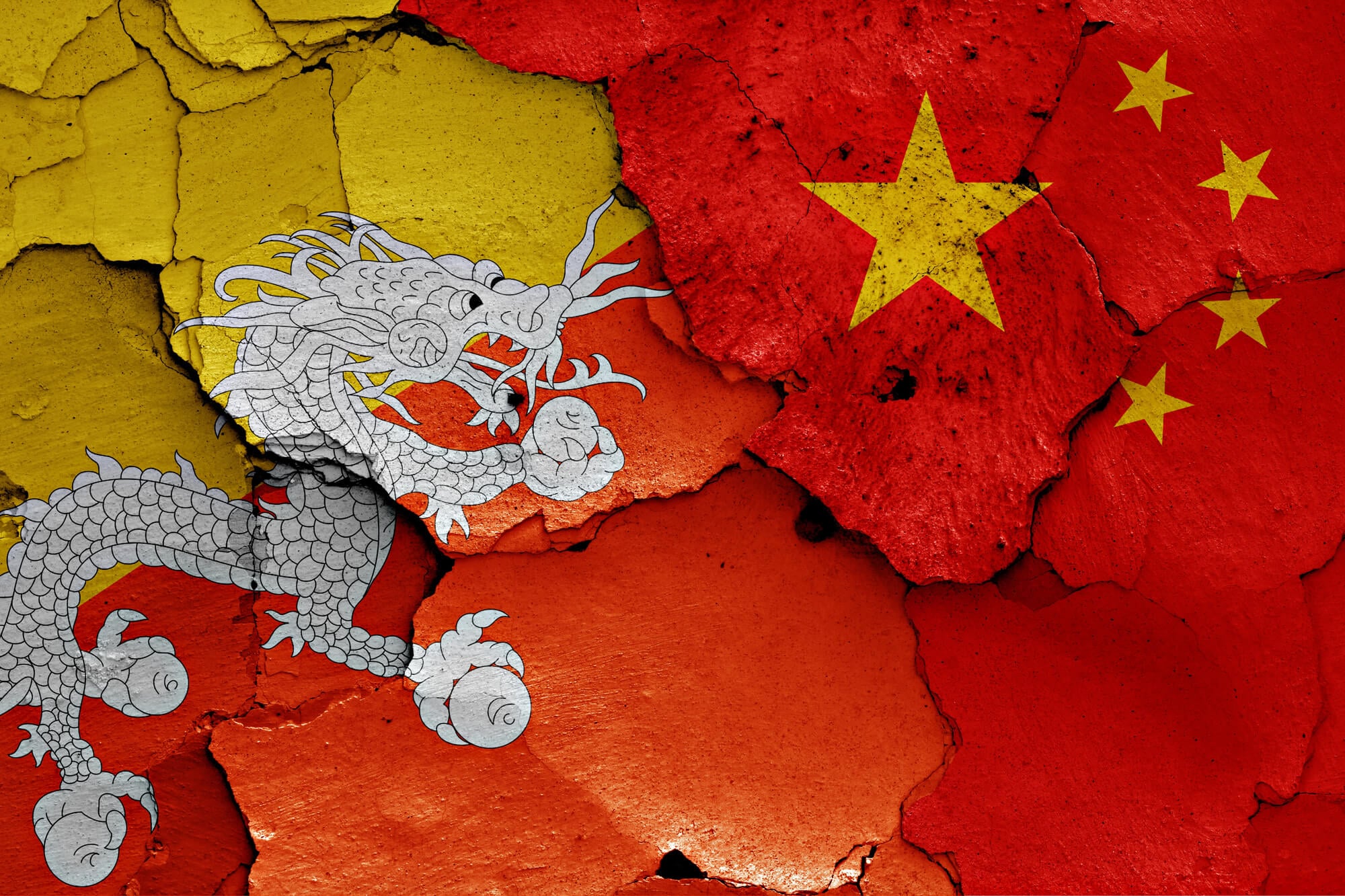
Bhutan closed its northern frontier in 1960 after China took control of Tibet, ending centuries of trade and pilgrimage across the high passes. The two countries have no diplomatic relations to this day.
Bhutan’s entire northern edge is a closed door with some of the world’s highest mountains leaning against it.
22. The Amur River, China and the Soviet Union
In the 1950s the two communist giants called each other brothers. By 1969 their troops were killing each other over a river island.
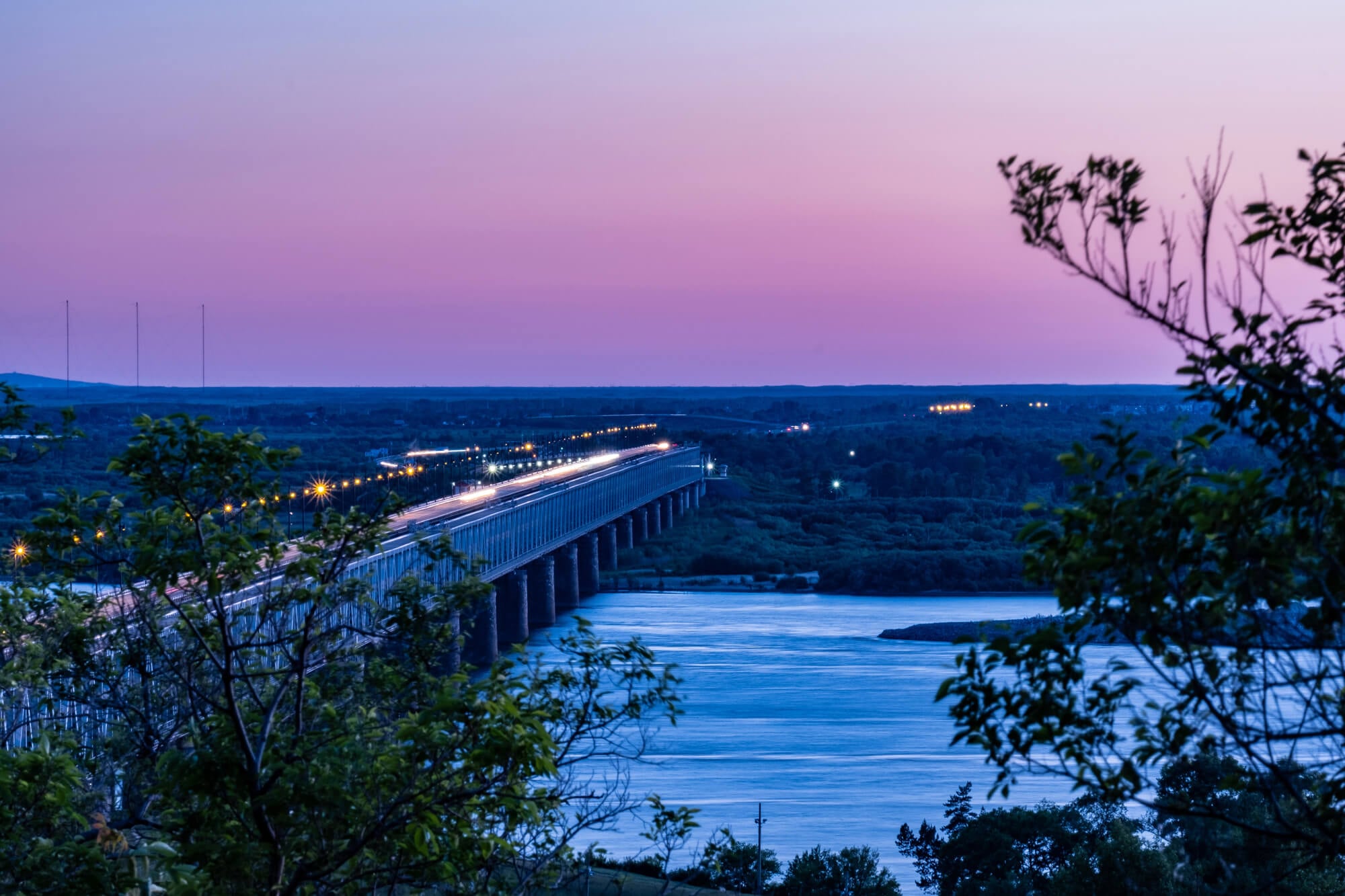
The 4,000-kilometre frontier became one of the most heavily armed on earth, and cross-river trade stopped. Blagoveshchensk and Heihe face each other across the Amur, 750 metres apart.
They started trading again in the 1980s, reportedly with a barter deal involving watermelons. A proper road bridge between them opened only in 2022.
23. Kinmen and Xiamen
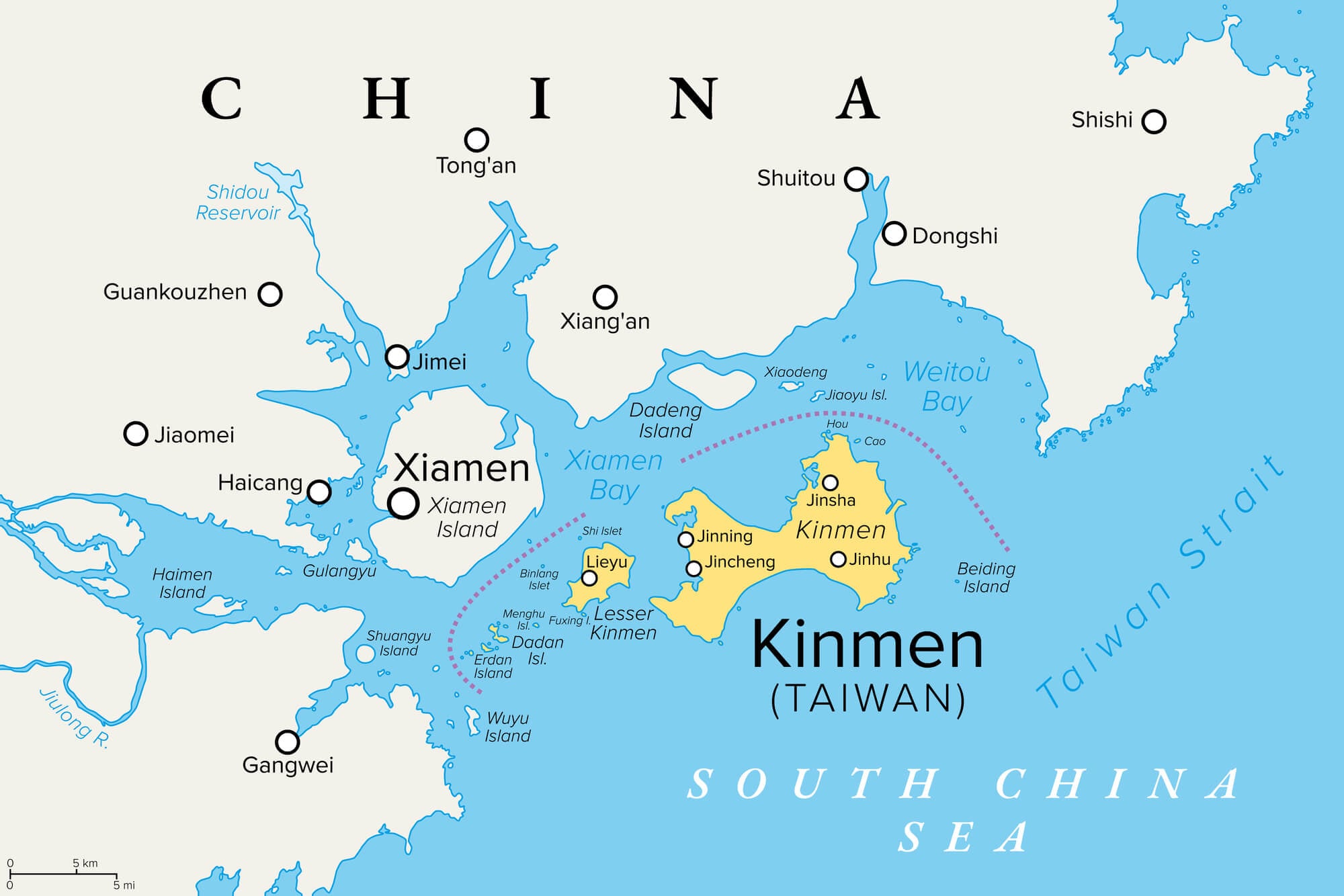
Kinmen is a Taiwanese-held island just a few kilometres off the Chinese port of Xiamen. After 1949 the two sides shelled each other for two decades, at one stage on alternate days by informal arrangement.
The shells later carried propaganda leaflets instead of explosives. Direct ferries started in January 2001, after 52 years.
Kinmen’s blacksmiths still make kitchen knives from the old shell casings, and they’re not running short of steel.
24. Myanmar’s Land Borders
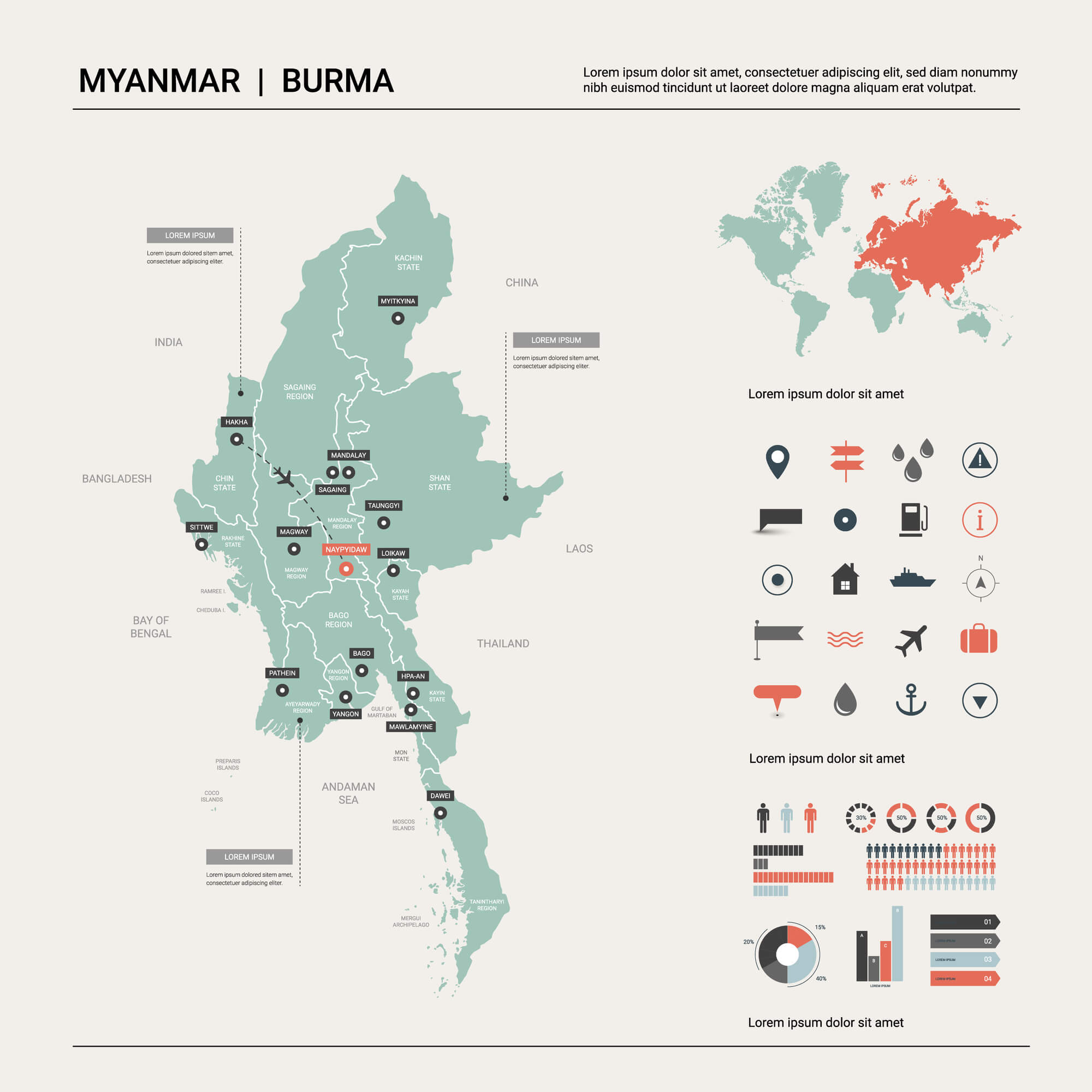
After the 1962 coup, Burma’s generals shut the country in. For roughly fifty years, foreigners could enter only by air, and for long stretches on visas lasting a week.
Overland crossings from Thailand opened to international travellers in August 2013. The civil war since 2021 has closed much of the frontier again.
25. Vietnam’s 17th Parallel
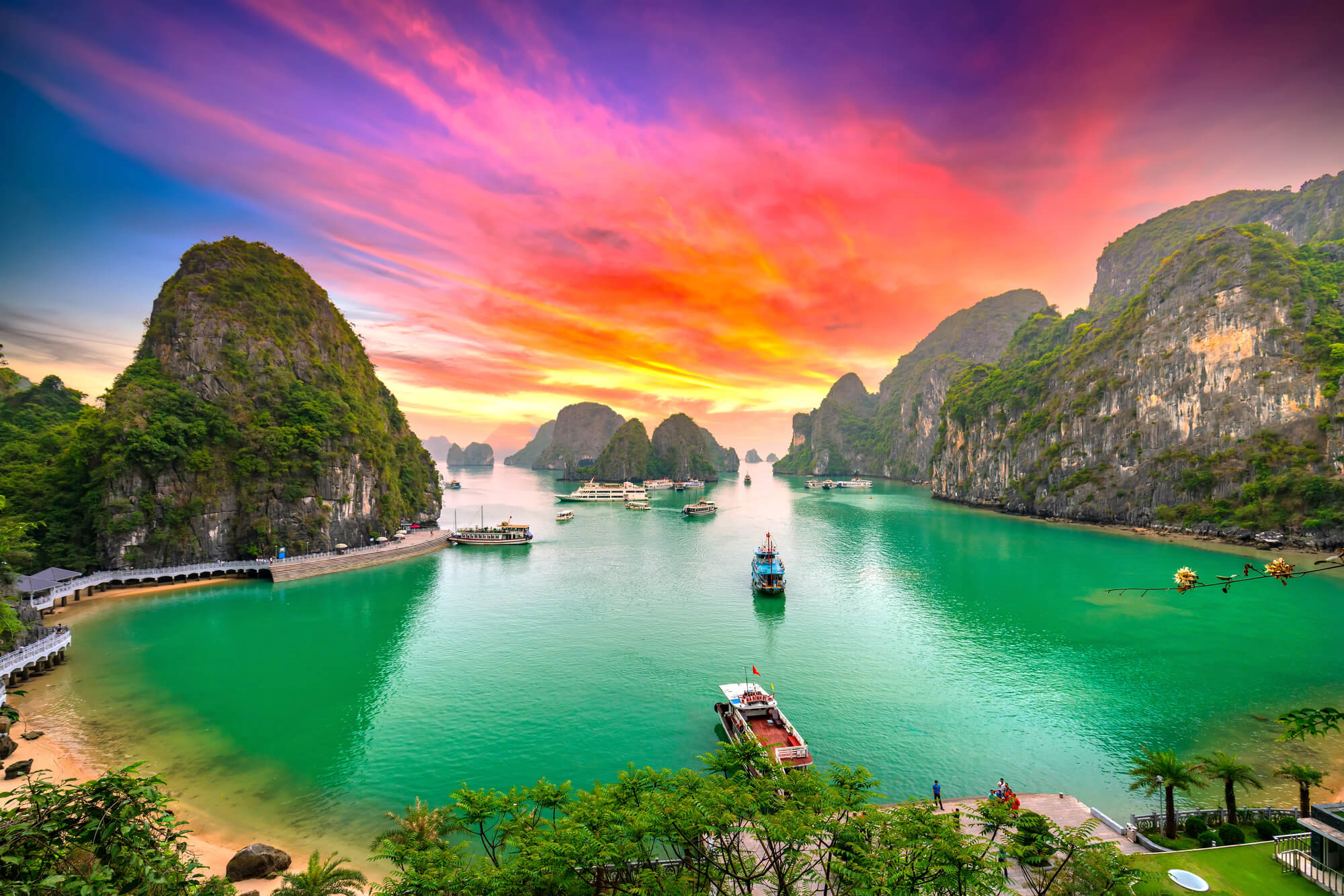
The 1954 Geneva Accords drew a temporary line along the Ben Hai River, pending elections that never came. The Hien Luong Bridge crossed it, and each side painted its half a different colour.
When the North repainted its half to match, the South changed colour again. The division lasted 21 years and ended with the fall of Saigon in 1975.
Short for this list. Long enough that children born the year it went up were soldiers when it came down.
26. Guantánamo’s Cactus Curtain
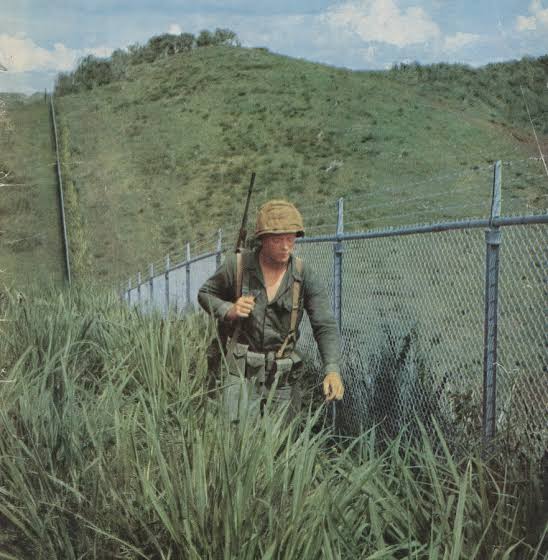
The American naval base in Cuba shares a 28-kilometre fence line with the country around it. After the revolution, Castro’s troops planted a belt of cactus along it to stop Cubans fleeing to the base, and both sides laid mines.
It became the largest minefield in the western hemisphere. Thousands of Cubans once commuted to work on the base.
The government allowed those already employed to continue and let nobody new start. The last two commuters retired in 2012.
27. Gibraltar and Spain
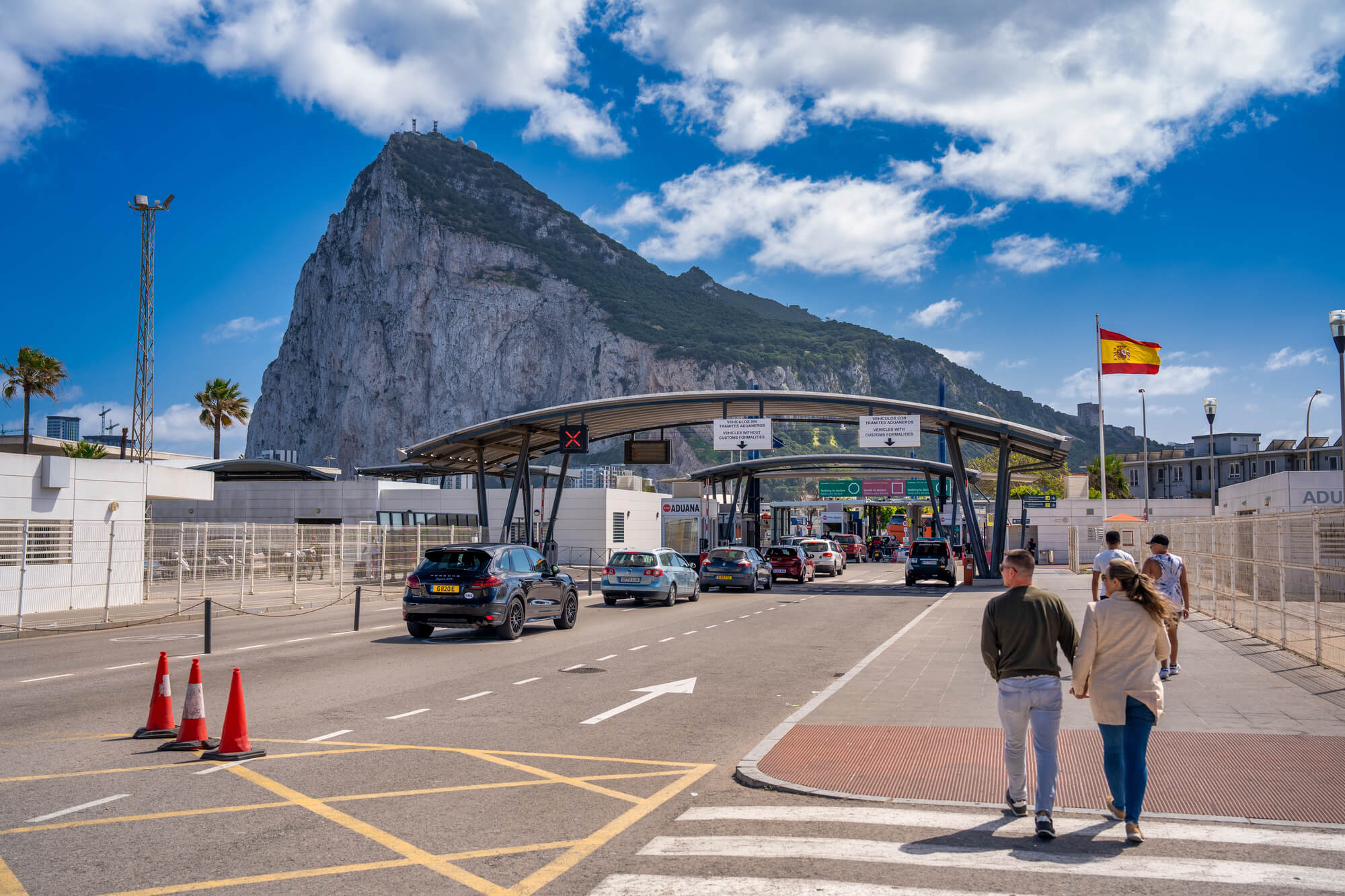
Franco closed the gate at La Línea in June 1969 and cut the phone lines too. Families divided by the fence stood on each side and shouted news of births and deaths.
To reach Spain, a Gibraltarian had to take a ferry to Morocco and another back. Pedestrians were allowed through again in 1982, and the border fully reopened in 1985.
Sixteen years is short by the standards here, but it’s an entire childhood.
28. Saudi Arabia and Iraq
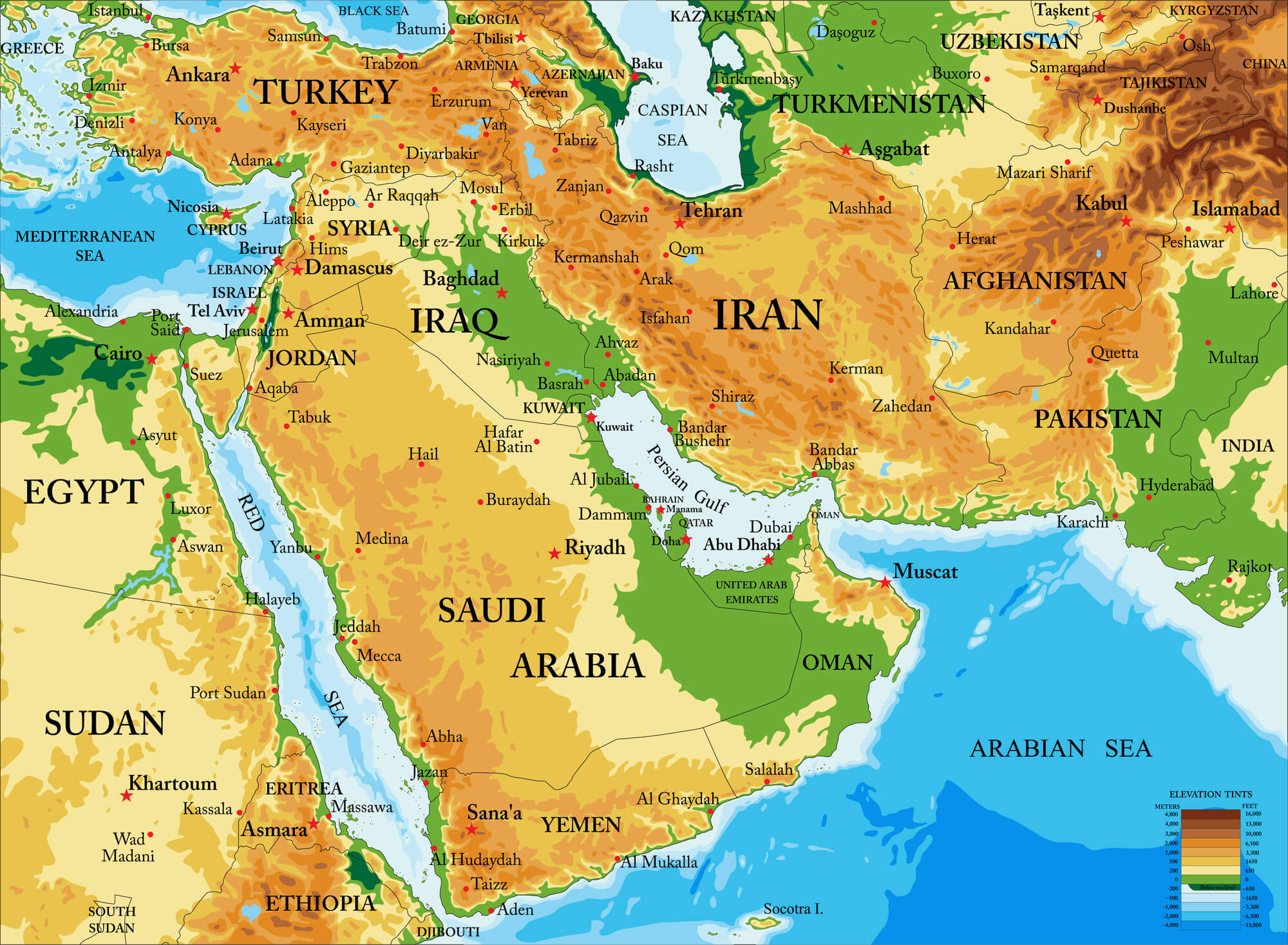
The Arar crossing closed in 1990 when Iraq invaded Kuwait. For thirty years it opened only during the Hajj, to let Iraqi pilgrims through.
It reopened for trade in November 2020. Truck drivers who crossed that first week hadn’t been born when it shut.
29. Eritrea and Ethiopia
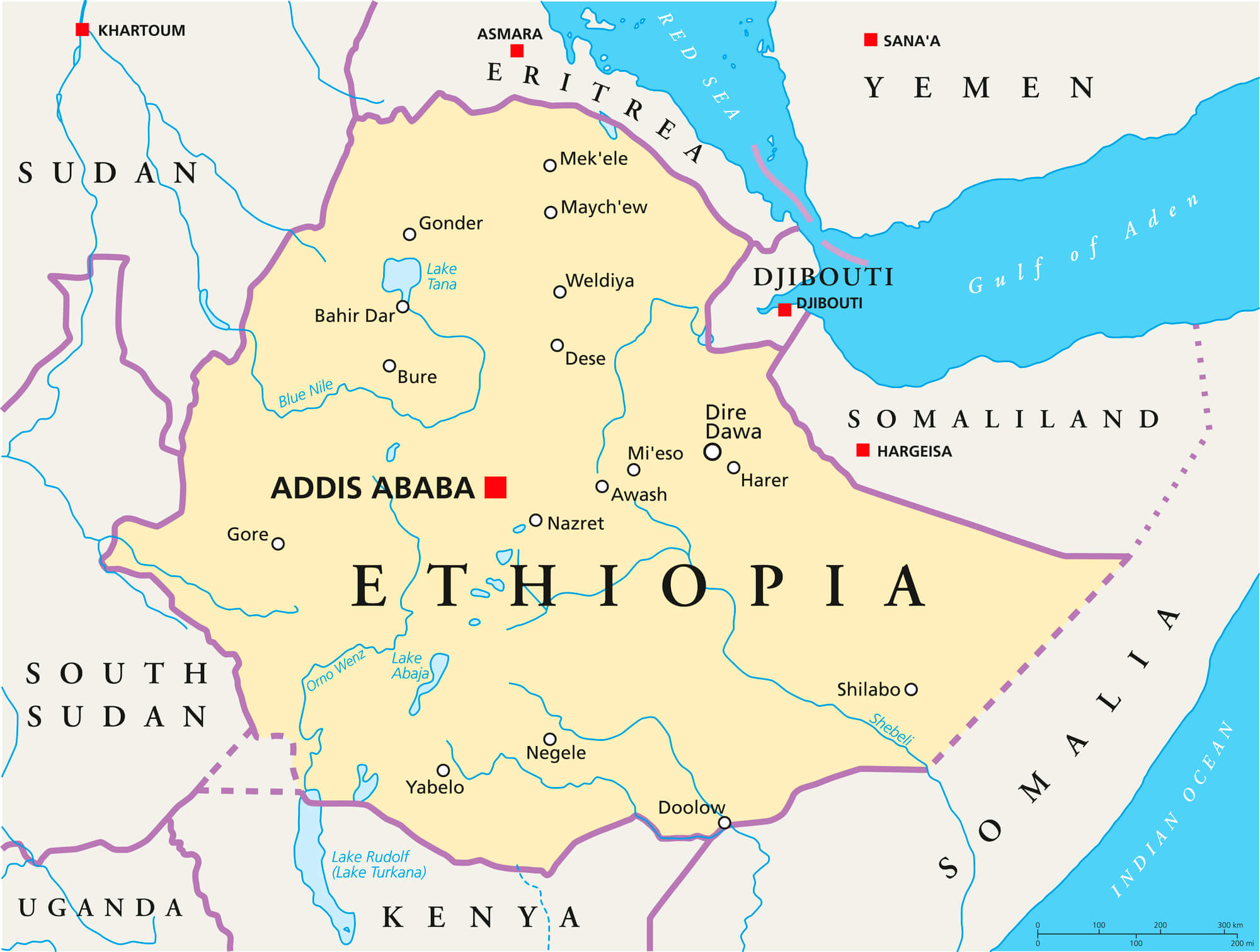
A border war broke out in 1998 over a dusty town called Badme and killed tens of thousands. Then came twenty years of “no war, no peace,” with the frontier sealed and armies dug in.
When the crossings reopened in September 2018, people ran across and embraced soldiers. Eritrea quietly closed them again within months.
The reunion lasted about as long as a school term.
30. South Africa’s Snake of Fire
This one needs honesty, because the border posts never closed. But in the mid-1980s South Africa built an electrified fence along the Mozambican frontier near Komatipoort and another along the Limpopo.
It carried 3,300 volts on its lethal setting. Mozambicans fleeing a civil war called it the Snake of Fire.
Church researchers counted at least 89 deaths on it in three years, and they believed the real figure ran far higher. The government switched it to non-lethal mode in 1990.
Sections of it still stand in the bush, and most South Africans have no idea it ever existed.
31. Egypt and Israel
From 1948 until the Camp David peace process, the Sinai frontier was a war zone that changed hands four times. No tourist, trader, or relative crossed legally for more than thirty years.
The border opened in 1980, and the first Israeli tourists drove to Cairo that year. It’s the proof on this list that a line everyone calls permanent is only permanent until somebody signs something.
The Far Bank
If your own family has a border story, record it now. Get the village names, the dates, the route out.
When these lines finally open, the people who can point to the right front door are usually in their eighties. Most of what’s on this list ended the same way.
Not with an invasion, but with a gate left open for an afternoon, a bus service, a day when nobody checked papers on a riverbank. And every time, the first thing people did was the most ordinary thing imaginable.
They went to see family.
More from Go2Tutors!

- The Romanov Crown Jewels and Their Tragic Fate
- 13 Historical Mysteries That Science Still Can’t Solve
- Famous Hoaxes That Fooled the World for Years
- 15 Child Stars with Tragic Adult Lives
- 16 Famous Jewelry Pieces in History
Like Go2Tutors’s content? Follow us on MSN.