Fun Food Facts for National Muffin Day
Every February, National Muffin Day shows up quiet-like, matching the muffin’s own unbothered vibe. Not loud or fancy, these treats still live on countertops, café counters, and inside school bags across the country.
Comfort comes easy here, no performance needed, just something known but never stale. Peel back the liner cup, then you start seeing what’s hidden – older roots, kitchen chemistry, quiet shifts in how we eat – all tucked beneath a soft dome.
Muffins hold secrets, if you pay attention. Little twists hide inside their soft shapes.
A crunch here, a burst of flavor there. Stories unfold with every bite.
Surprises wait under browned tops. Details too quiet to shout get noticed only when tasted.
These bits matter more than expected.
The Origin of National Muffin Day
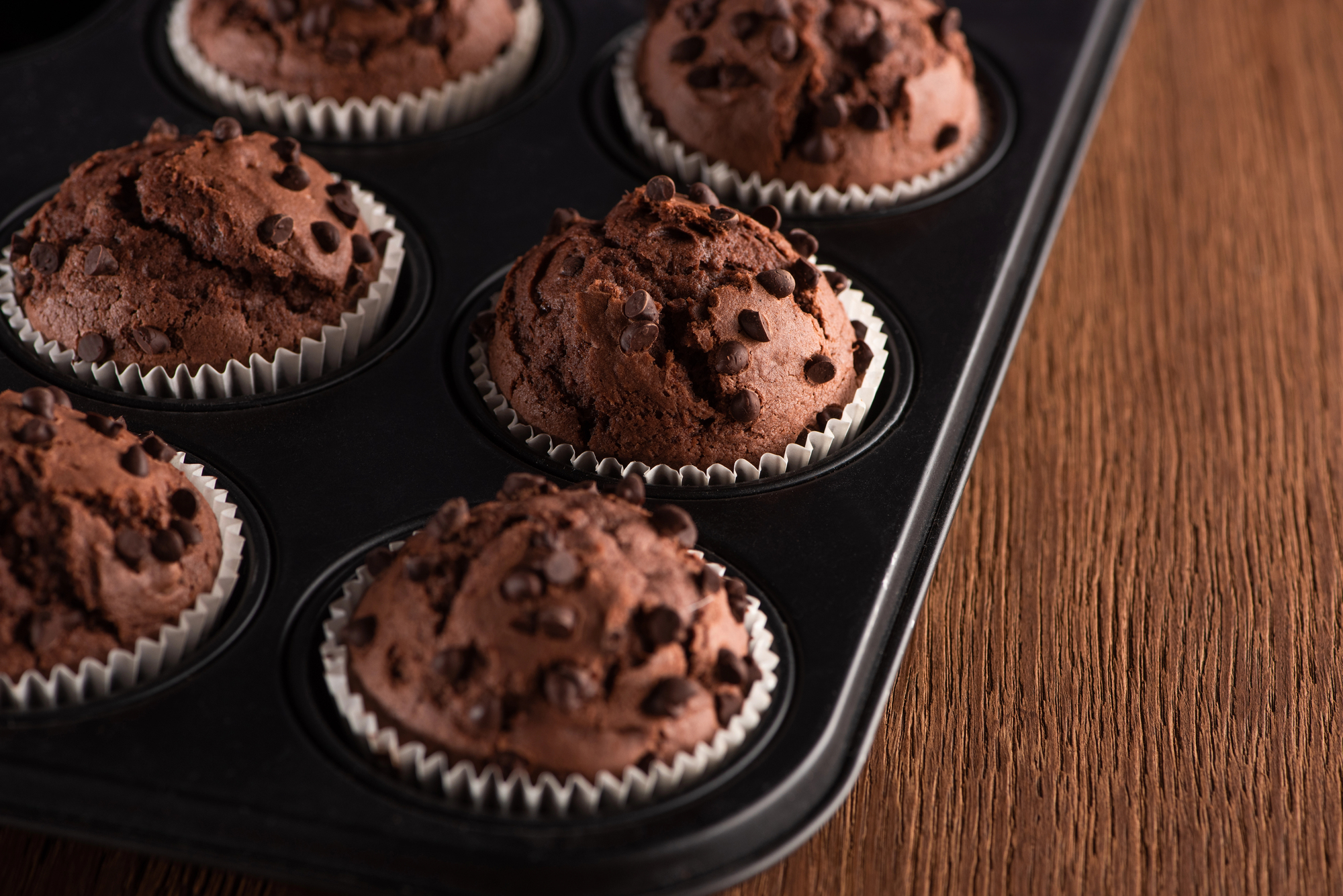
A muffin holiday started back in 2015 when Jacob Kaufman teamed up with shelters nationwide. This event isn’t only about tasty treats – its aim spreads beyond the kitchen.
Instead of just handing out sweets, it pushes people to notice gaps in support for vulnerable communities. Many cafes join in, though their help comes through giving away pastries or sharing money earned that day.
Behind each crumb lies a quiet effort to feed more than hunger. Still, the occasion has stretched past its original good-deed beginnings.
What happens is this: basic meals somehow gather folks into genuine connection. Sometimes it starts with just a tray of muffins – tiny act, maybe – but place it at the right moment and weight shifts.
English Muffins vs. American Muffins

A muffin isn’t always what you think – depends where you are. Over in Britain, it’s often round and flat, made with yeast, then grilled slowly.
Across the ocean, people expect something sugary, fluffy, shaped by a mold, oven-baked, each one separate. A craggy little bread round, now common across American breakfast tables, rose to fame in New York near the century’s end thanks to a baker from England named Samuel Bath Thomas.
His take caught on so strongly it grew into what is now known as Thomas’ – a brand holding onto its recipe ever since. This twist in name and form shows how dishes shift when they move places, bending slowly under new cravings and available supplies.
The Baking Powder Breakthrough
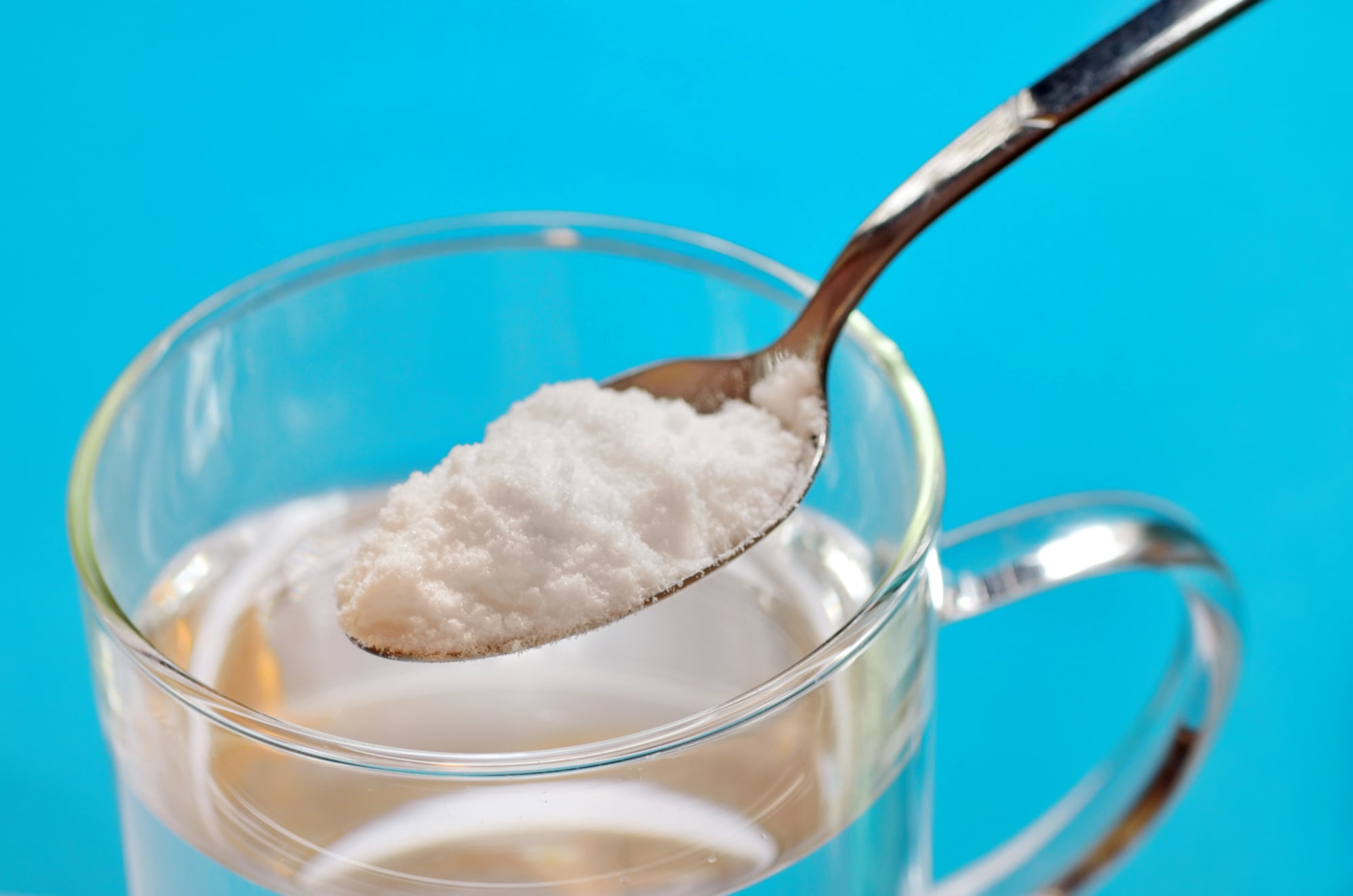
Modern American muffins owe much of their existence to baking powder. Before chemical leavening agents became widely available in the 19th century, most breads relied on yeast.
Yeast takes time, and time is not always convenient. Baking powder changed that equation.
It allowed home bakers to create light, airy baked goods without waiting for dough to rise. Muffins became part of a new category called quick breads, which also includes biscuits and cornbread.
That innovation made muffins practical for busy households, cementing their place at breakfast tables across the country.
Blueberry Muffins Became a National Favorite
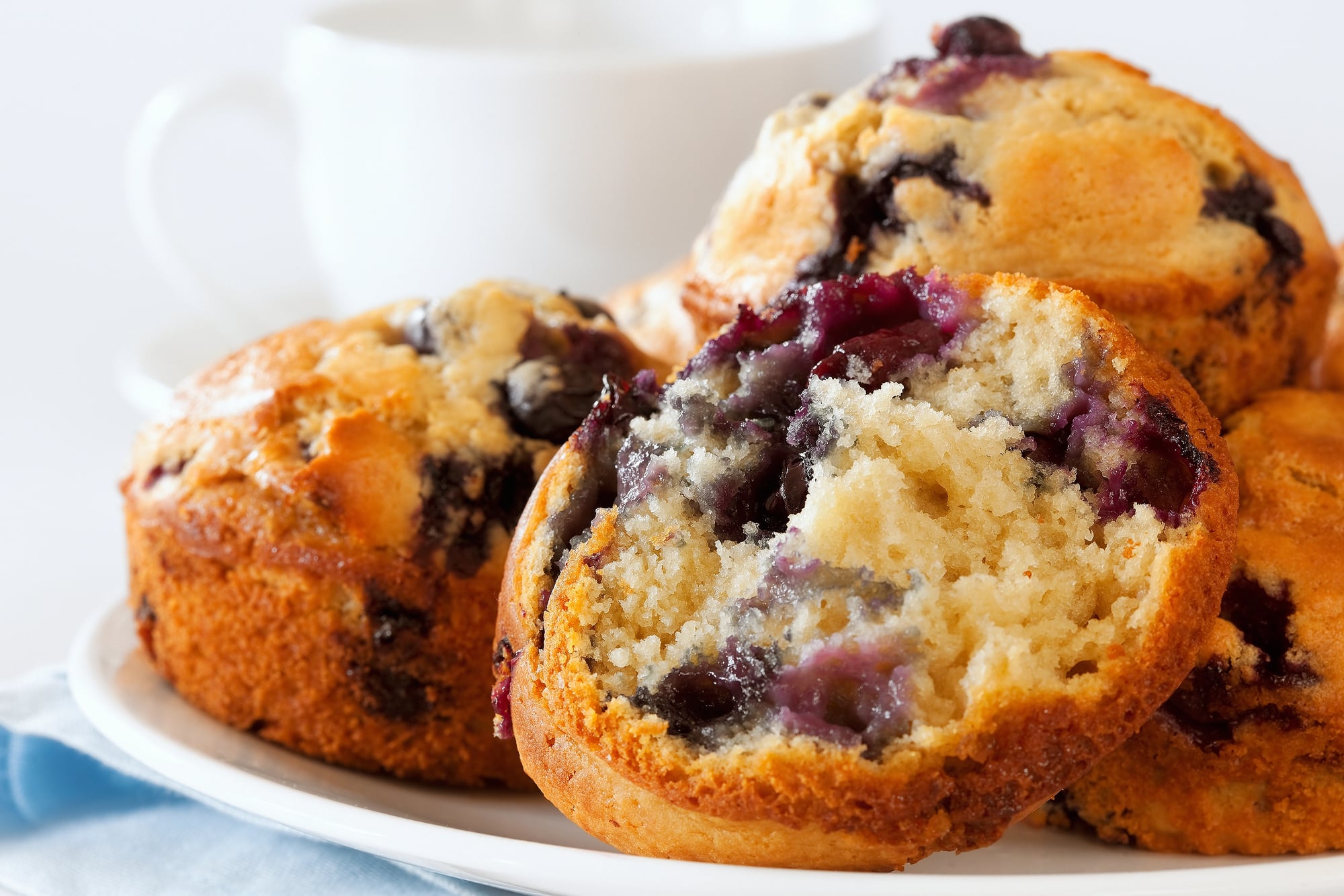
Blueberry muffins feel timeless, but their rise to dominance is closely tied to American agriculture. Blueberries are native to North America, and commercial cultivation expanded rapidly in the early 20th century.
As berries became more widely available, they naturally found their way into baked goods. Massachusetts even declared the blueberry muffin its official state muffin in 1986.
That detail says something about how deeply the flavor resonates. The combination of sweet batter and sour berries feels balanced and reliable, like a recipe that has already proven itself countless times.
Muffins and the Coffee Boom
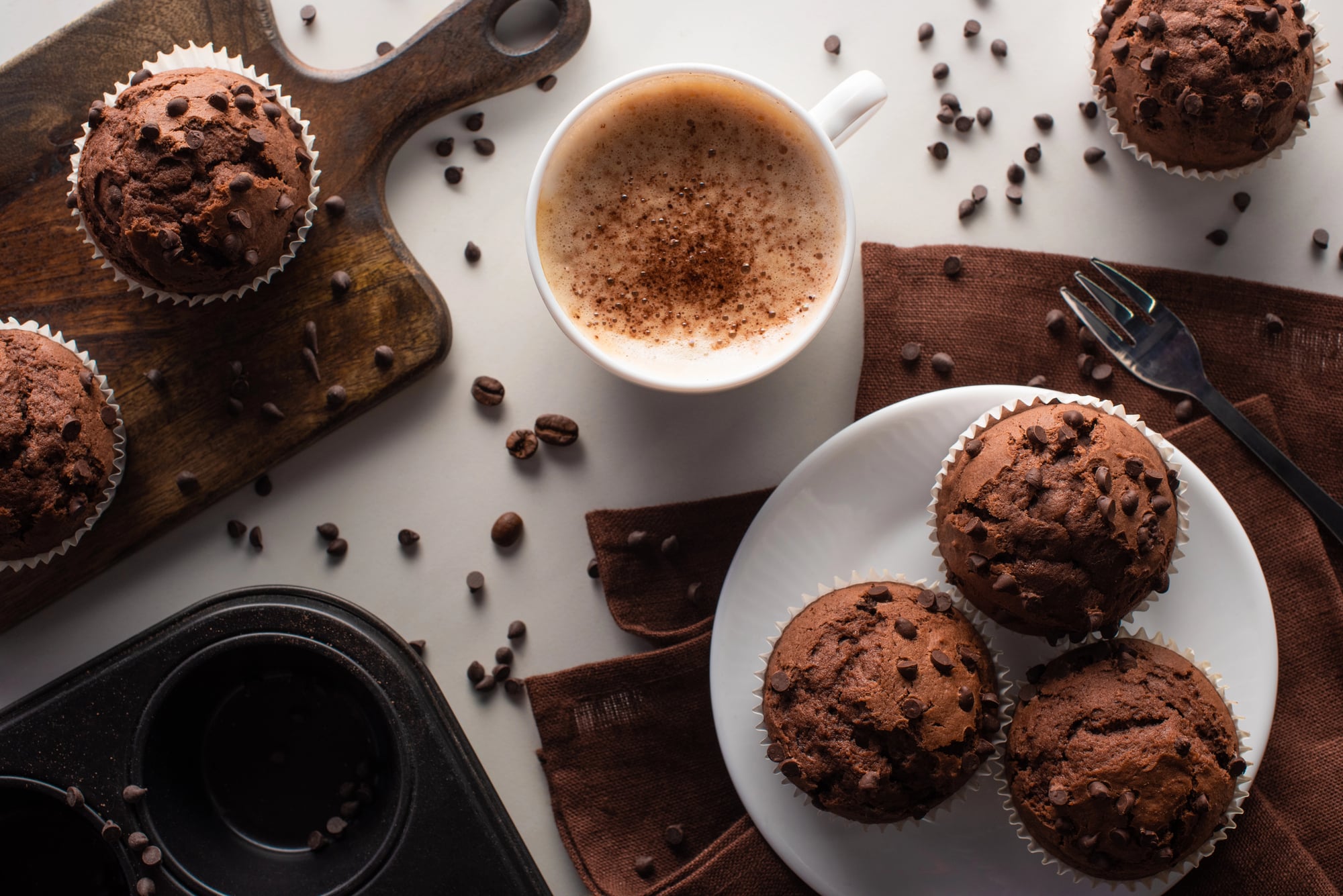
Muffins became cultural fixtures alongside the rise of coffee shop culture in the late 20th century. As specialty coffee chains expanded across the United States, pastries needed to be portable, shelf-stable, and easy to display.
Muffins checked every box. Their domed tops and paper liners made them visually appealing behind glass counters.
More importantly, they paired well with both strong espresso and simple drip coffee. The muffin evolved from a home-baked staple into a commercial mainstay, riding the wave of America’s growing coffee obsession.
The Science of the Dome
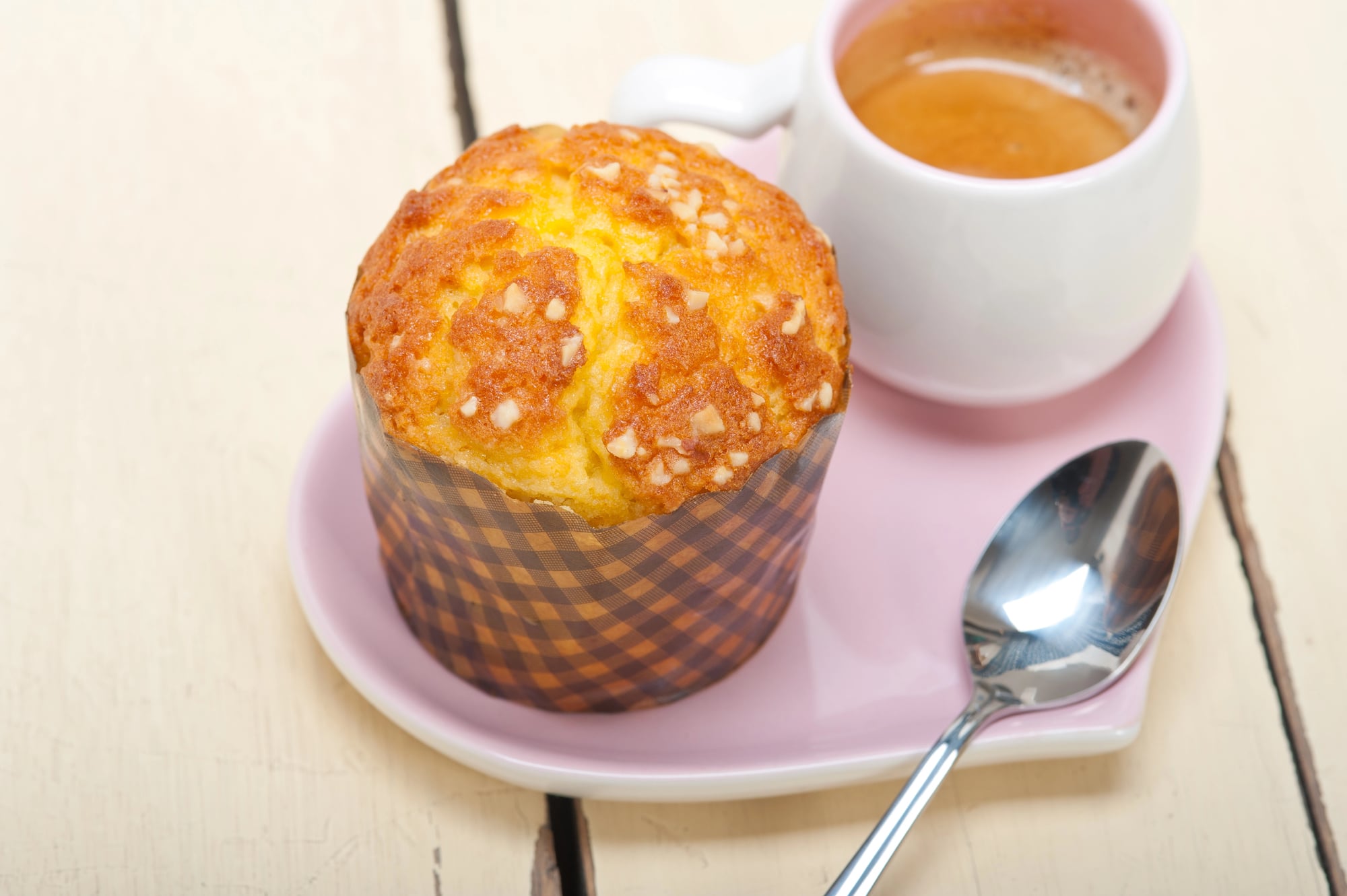
The signature muffin top is not accidental. It forms because of how the batter reacts to heat in a confined space.
As the exterior sets in a hot oven, the interior continues expanding upward, creating that rounded peak. Bakers often start muffins at a higher temperature for the first few minutes to encourage a quick rise before lowering the heat to finish baking evenly.
It is a small technical adjustment that makes a visible difference. The result is a texture contrast between the slightly crisp top and the soft interior that people tend to love.
Sweet, Savory, and Everything Between
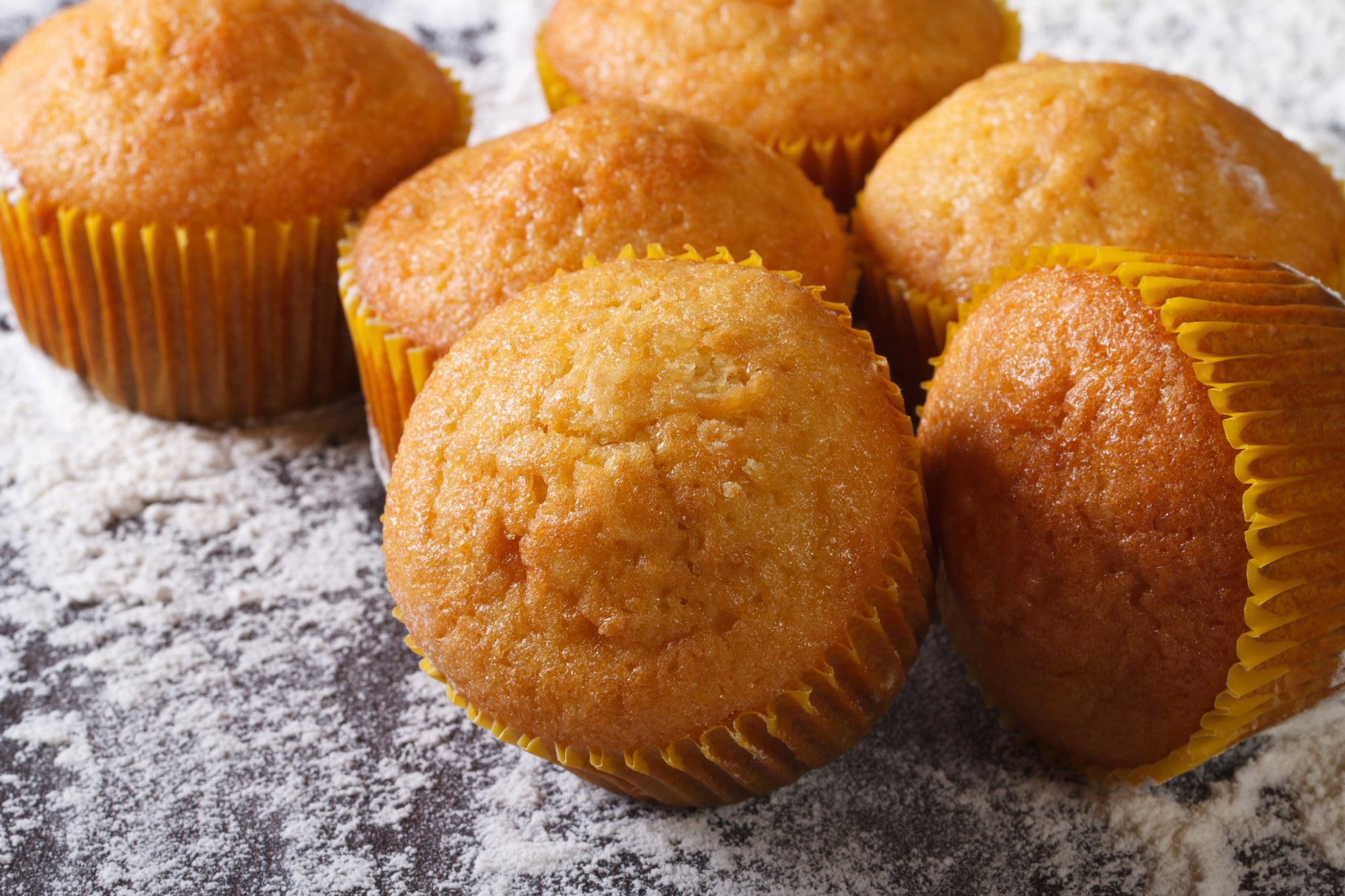
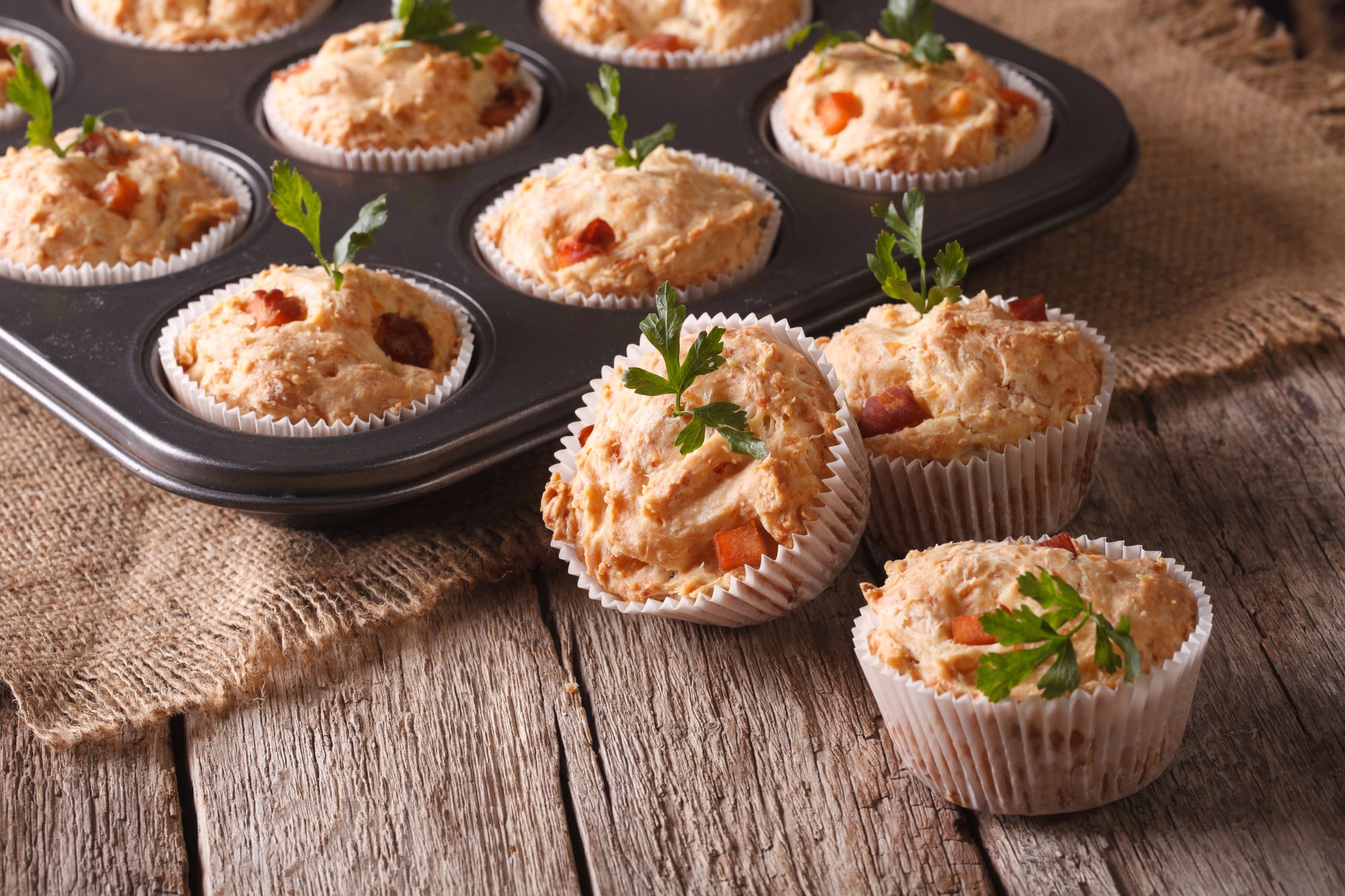
While sweet varieties dominate bakery cases, savory muffins have a long history as well. Cornbread muffins, cheese and herb combinations, and even vegetable-based versions have been staples in many regions of the United States.
These variations blur the line between bread and snack. Still, the flexibility of the base recipe is what keeps muffins relevant.
The batter can handle fruit, nuts, spices, chocolate chips, and even unexpected ingredients without losing structure. That adaptability explains why muffins rarely go out of style.
Muffins in the Record Books
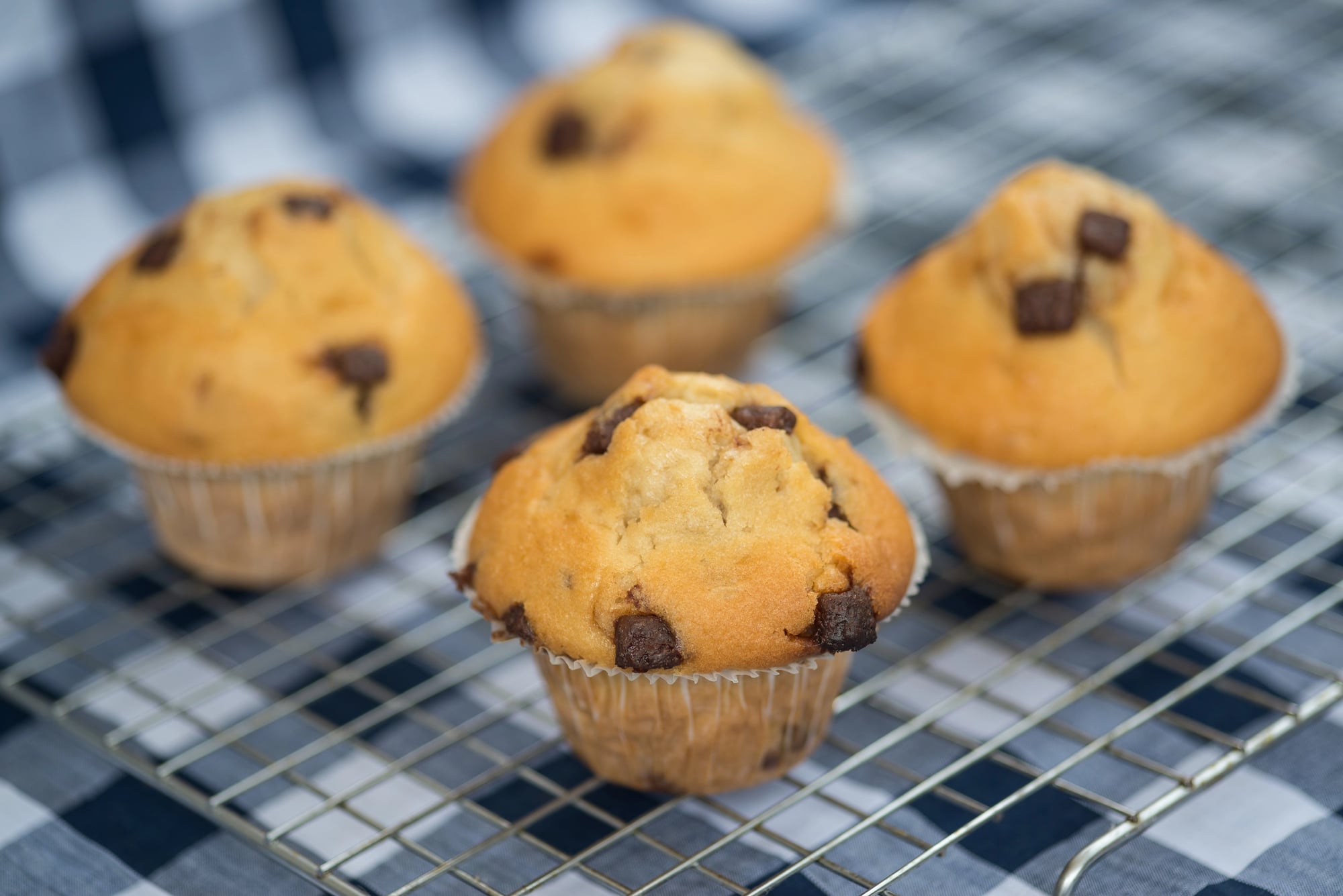
Muffins have made their mark on the world stage, too. Guinness World Records has documented massive muffin creations weighing thousands of pounds.
These oversized versions are usually baked for publicity or charity events, drawing crowds and headlines. While few people need a muffin the size of a small car, the spectacle underscores something simple.
Muffins are universally recognizable. Scaling them up into record-breaking territory only works because nearly everyone understands what a muffin is supposed to look like.
The Health Halo Effect
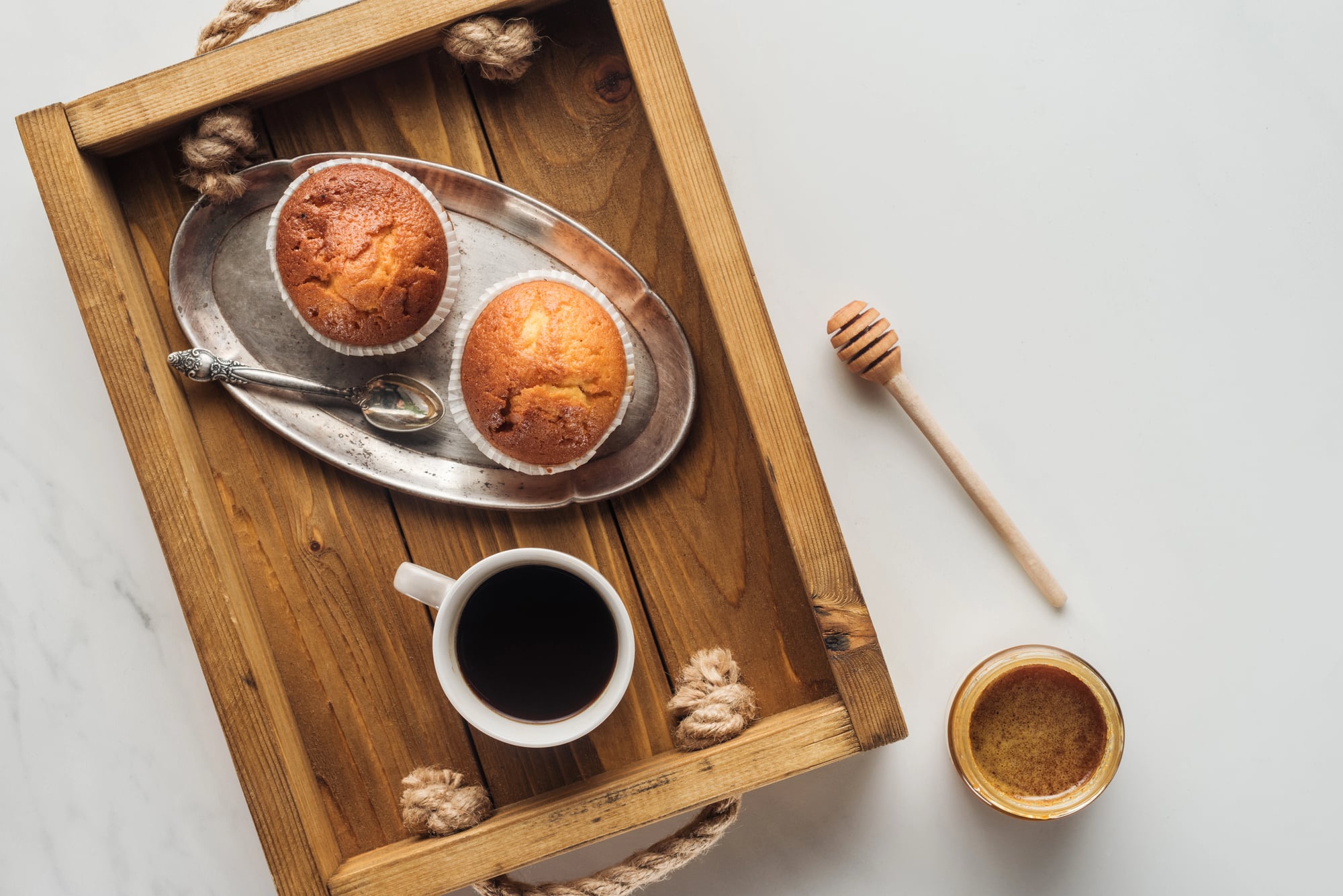
Muffins often carry a reputation for being healthier than other pastries. They are associated with breakfast, fruit fillings, and words like ‘bran’ or ‘whole grain.’
That reputation can be misleading. Many commercial muffins contain as much sugar and fat as cupcakes.
The absence of frosting does not automatically make them a lighter choice. That said, homemade versions can be adjusted easily, with reduced sugar or added whole grains.
The muffin’s simple structure makes it easier to modify than many other baked goods.
Regional Variations Across America
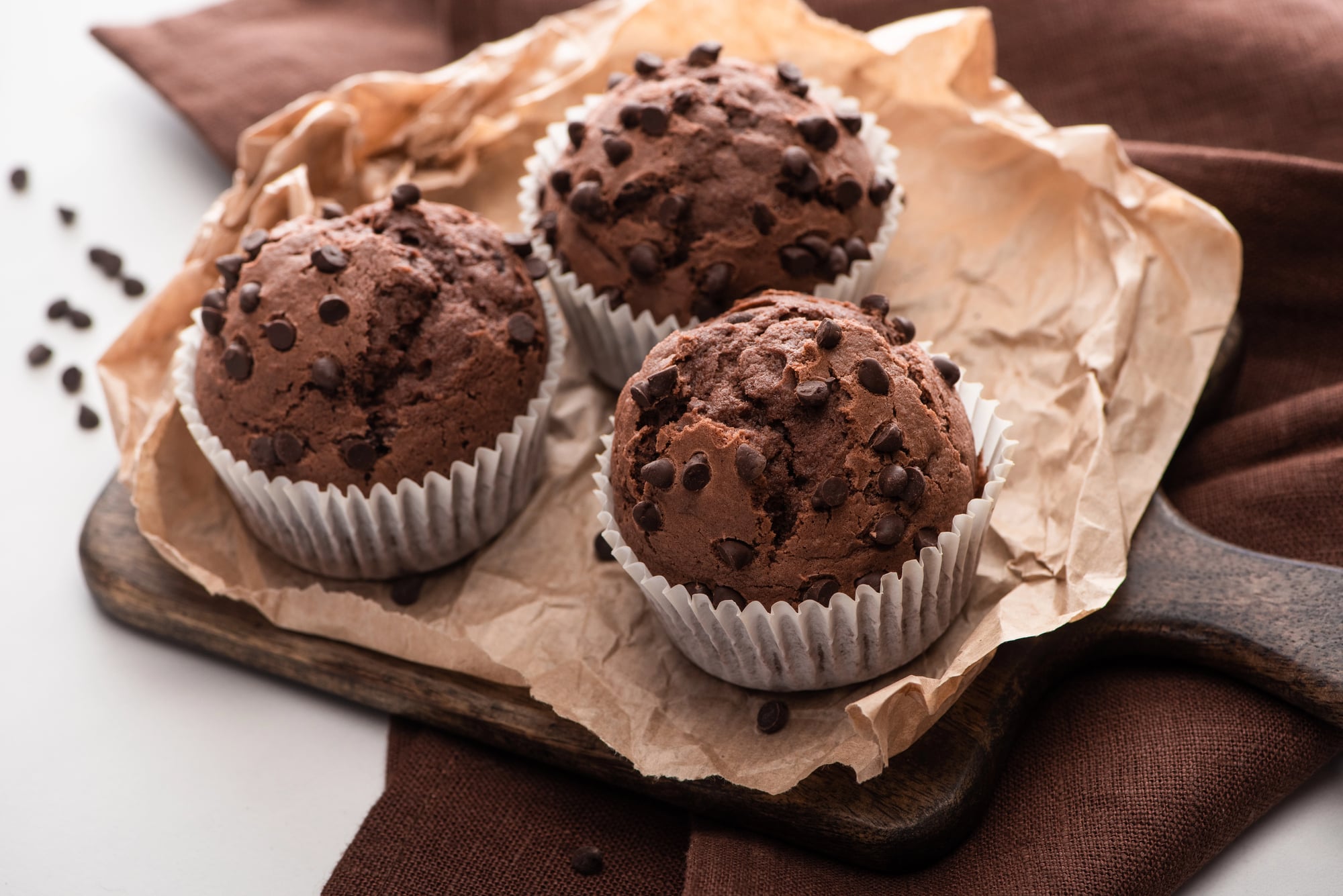
Out here, muffin styles shift with the landscape. Down south, you’ll find cornbread ones next to a bowl of chili or pulled pork.
Up northeast, cranberries pop into batter like autumn itself is baking. Over on the west edge, fresh peaches or plums might swirl through a batch come summer.
Out here, what people eat shows up in their muffins. Even when recipes shift with available goods, the core idea stays put.
Starting fresh each time, they take on flavors nearby – yet remain unmistakably themselves.
From Breakfast to Dessert
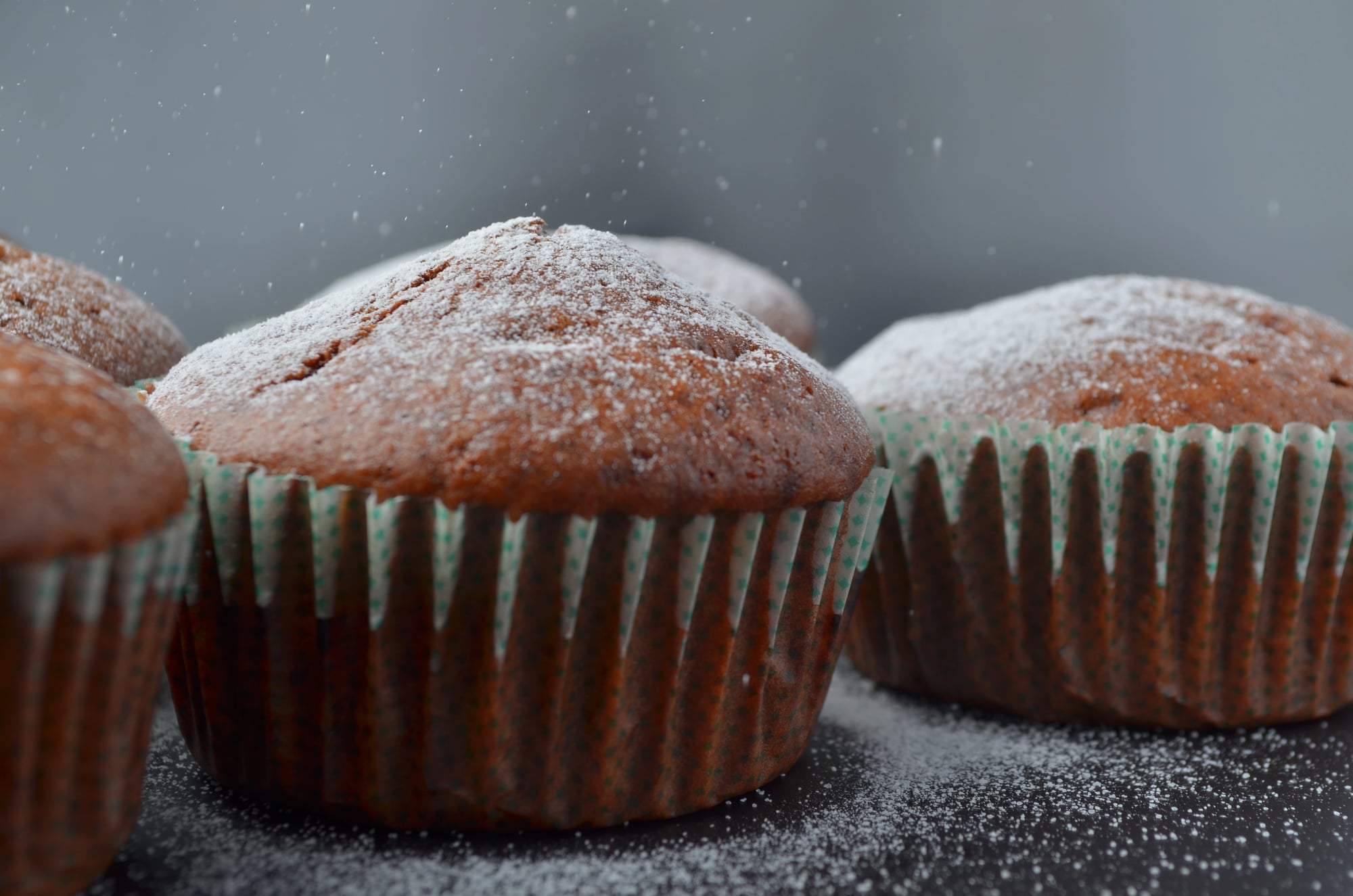
Baked each morning, muffins first showed up on breakfast plates. Yet now they linger past dawn, stepping into sweeter roles.
Not just plain ones – chocolate chips spill through some, while others twist with cinnamon or drown in extra cocoa. A light coat of frosting appears on certain kinds, making them look more like cupcakes than kitchen staples.
Lines fade where mornings end and treats begin. Muffins still manage to fit right into daily life.
Unlike cake, they do not seem like something saved for special moments. Pie feels fussier by comparison.
Their usefulness comes from that middle ground – ready whenever a meeting starts at nine, kids gather after class, or hunger hits between meals.
Why Muffins Still Matter
Still popular today, muffins blend cozy appeal with everyday ease. Baking them takes little time, sharing comes naturally, adapting flavors feels simple too.
A day set aside to celebrate these treats strengthens ties between favorite foods and helping others nearby. Muffins stick around not because they’re loud, but because folks know what to expect.
While new snacks come and go, these little treats change without making a scene. Their quiet way of sticking around is exactly why people set aside a day just for them.
Lasting power often belongs to flavors that never tried hard at all.
More from Go2Tutors!

- The Romanov Crown Jewels and Their Tragic Fate
- 13 Historical Mysteries That Science Still Can’t Solve
- Famous Hoaxes That Fooled the World for Years
- 15 Child Stars with Tragic Adult Lives
- 16 Famous Jewelry Pieces in History
Like Go2Tutors’s content? Follow us on MSN.



