27 Health Advice From Past Decades Now Rejected
Every generation receives its medical wisdom with total confidence. Grandmothers passed it along at kitchen tables, pediatricians printed it in paperbacks, and federal agencies built it into posters that hung in school cafeterias for decades.
Then the evidence arrived. Some of this advice turned out to be merely useless, and some of it quietly hurt the people who followed it most faithfully.
All of it was once delivered with a straight face by someone in a white coat.
Put Babies to Sleep on Their Stomachs

Benjamin Spock’s 1958 edition of Baby and Child Care told parents that an infant on its back might choke on vomit, and face-down sleeping became standard practice across the Western world for a generation. Studies in the late 1980s from New Zealand, Britain and Australia pointed the other way.
The American Academy of Pediatrics reversed the guidance in 1992, and the Back to Sleep campaign followed in 1994. Sudden infant deaths in the United States fell by more than half within a decade.
Researchers later estimated that the older advice cost tens of thousands of lives.
Stay in Bed for a Bad Back

For most of the twentieth century, the prescription for a wrenched lower back was a week or two flat on a firm mattress. A 1986 trial in the New England Journal of Medicine compared two days of bed rest with seven and found the short-rest group returned to work sooner with no worse pain.
Later studies went further and showed that staying in bed weakens the muscles that support the spine and slows recovery. Guidelines now tell patients to keep moving as normally as pain allows.
The heating pad survived, and the week off did not.
Weeks of Bed Rest After a Heart Attack

Cardiac patients of the 1940s were kept flat for four to six weeks, forbidden to feed themselves or even shift position without a nurse. The theory held that a healing heart needed total stillness.
Boston cardiologists Samuel Levine and Bernard Lown challenged it in 1952 by sitting patients in armchairs within days, and found fewer clots and better outcomes. When President Eisenhower had his heart attack in 1955, his cardiologist Paul Dudley White used the daily press briefings to champion early activity for heart patients.
Modern patients are often walking the corridor the next day.
Cut the Fat and Eat Anything Else

A 1977 Senate committee report and the first federal Dietary Guidelines in 1980 told Americans to reduce fat across the board. Food companies obliged by replacing it with sugar and refined starch, and the low-fat cookie aisle boomed through the early 1990s.
Obesity and diabetes rates rose throughout the period. Large trials, including the Women’s Health Initiative diet study of nearly 49,000 women, found that low-fat eating produced no meaningful drop in heart disease.
The 2015 guidelines dropped the upper limit on total fat entirely. Olive oil, nuts and avocados were rehabilitated overnight.
No More Than Three Eggs a Week

The American Heart Association advised in 1968 that adults eat no more than three egg yolks a week, reasoning that the waxy lipid in yolk would end up lining arteries. Per capita egg consumption in the United States fell by roughly a quarter over the next two decades.
Later research showed that for most people the liver simply makes less of its own when more arrives in food, so diet has only a modest effect on blood levels. Federal guidelines removed the daily numeric cap in 2015.
The egg-white omelet remains on menus as a fossil of the scare.
Choose Margarine Over Butter
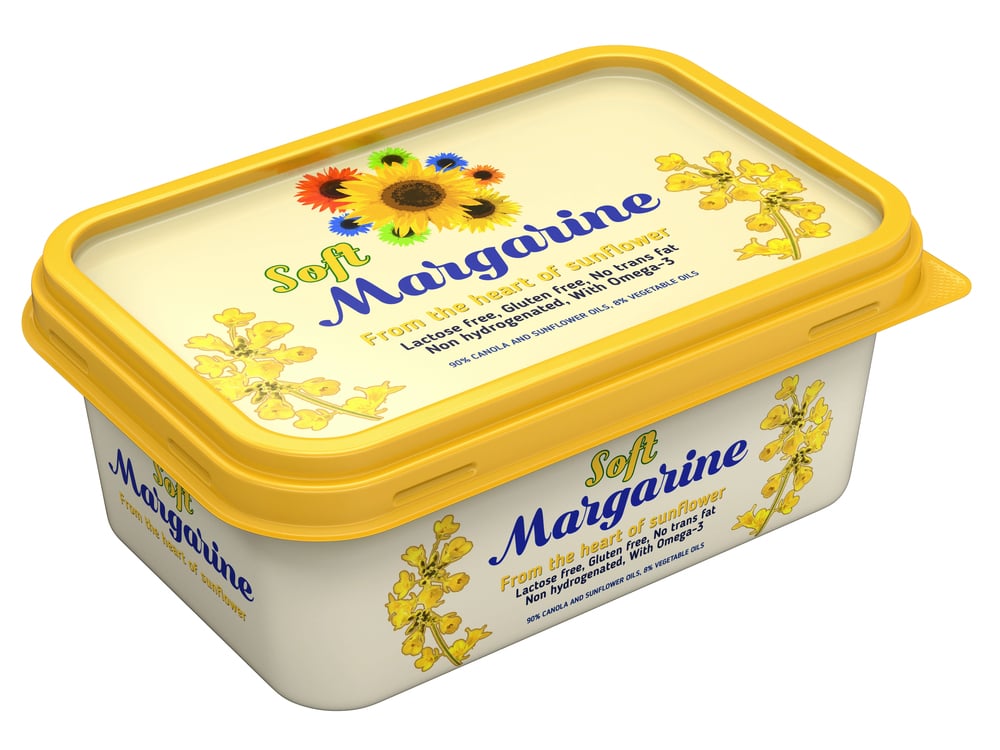
Doctors and advertisers spent the 1960s through the 1980s urging families to swap butter for stick margarine made from partially hydrogenated vegetable oil. The process that made the oil solid also created trans fats.
Harvard’s Nurses’ Health Study reported in 1993 that women who ate the most trans fat had markedly higher rates of heart disease, and further work showed these fats raise harmful LDL while lowering the protective kind. The Food and Drug Administration ruled in 2015 that partially hydrogenated oils were no longer recognized as safe.
The heart-healthy swap had been worse than the butter.
Keep Peanuts Away From Babies

In 2000 the American Academy of Pediatrics advised that children at risk of allergy avoid peanuts until age three, and many parents of all children followed suit. Peanut allergy rates roughly doubled in the years that followed.
British researcher Gideon Lack noticed that Israeli infants, who teethe on a peanut puff snack called Bamba, had a tenth the allergy rate of Jewish children in London. His 2015 LEAP trial showed that early feeding cut peanut allergy by about eighty percent in high-risk babies.
Guidelines issued in 2017 now recommend introducing peanut foods at around four to six months.
Rub Butter on a Burn

This remedy appeared in household manuals well into the twentieth century and was still common kitchen practice in the 1970s. Butter feels soothing for a moment, which explains its staying power.
It also seals heat into the skin so that tissue keeps cooking after the hand has left the stove, and it introduces bacteria to a wound that has just lost its protective barrier. Emergency physicians then have to scrub the grease off before they can treat the injury.
Current first aid is twenty minutes under cool running water, and nothing from the refrigerator door.
Wait an Hour After Eating to Swim

Generations of children sat on pool decks watching the clock because adults believed digestion would divert blood from the limbs and cause fatal cramps. The warning appeared in early editions of scouting handbooks and spread from there.
No one has ever documented a drowning caused by a full stomach. The American Red Cross reviewed the available research and found no basis for a waiting period, noting only that a very large meal can make vigorous swimming uncomfortable.
Competitive swimmers eat during long meets. The rule’s real function was giving parents thirty quiet minutes.
Drink Eight Glasses of Water a Day

The figure traces to a 1945 recommendation from the Food and Nutrition Board that adults take in about 2.5 liters of water daily. The very next sentence noted that most of this quantity is contained in prepared foods, and that sentence was promptly forgotten.
Dartmouth kidney specialist Heinz Valtin searched the literature in 2002 and found no scientific support for the eight-glass rule in healthy adults. Coffee, tea, fruit and soup all count toward hydration.
Thirst turns out to be a well-tuned instrument, refined over millions of years, that needs no bottle-carrying schedule.
Let a Wound Air Out

Parents long insisted that a cut needed to dry and form a hard scab, and that a bandage left on too long would make it soggy and slow to heal. British researcher George Winter tested the idea on pigs in 1962 and published the result in Nature.
Wounds kept moist under a film dressing healed about twice as fast as those left open to the air. New skin cells migrate easily across a damp surface and have to burrow beneath a dry scab.
Modern wound care is built on his finding, and covered cuts also scar less.
Sponge a Fever With Rubbing Alcohol

Mothers and nurses once wiped feverish children down with isopropyl alcohol because its rapid evaporation cooled the skin. Children absorb the alcohol through their skin and breathe in the fumes, and medical journals from the 1950s onward recorded cases of coma and death in toddlers treated this way.
The sudden chill also triggers shivering, which drives core temperature higher. Pediatric guidance now says that a fever is a defense rather than an enemy and often needs no treatment at all.
A comfortable child with a temperature is better off left alone.
Give Children Aspirin for a Fever

Orange-flavored baby aspirin was a fixture of every American medicine cabinet through the 1970s. Studies from Arizona, Michigan and Ohio around 1980 linked the drug to Reye’s syndrome, a rare but often fatal swelling of the brain and liver that struck children recovering from flu or chickenpox.
The Surgeon General issued a warning in 1982, and mandatory labels followed in 1986. Reported cases in the United States fell from 555 in 1980 to about two a year by the late 1990s.
Few drug safety reversals have produced such a clean result.
Keep Ipecac in Every Medicine Cabinet

For decades pediatricians handed new parents a small brown bottle of ipecac syrup to induce vomiting if a child swallowed something poisonous. The American Academy of Pediatrics reversed itself in November 2003 and told families to throw the bottles out.
Research had shown that vomiting removes only a fraction of most swallowed poisons, does nothing to improve outcomes, and can cause serious harm when the substance is caustic. The syrup also interfered with treatments given later at the hospital.
The replacement advice is a phone number for poison control, taped where a babysitter can find it.
Cut and Spat a Snakebite

Boy Scout manuals and Westerns taught that a rattlesnake bite called for a tight tourniquet, two quick slashes with a pocketknife and a mouthful of venom spat heroically on the ground. Commercial kits with rubber suction cups sold in camping stores into the 1990s.
Tests on the most popular suction device found that it removed almost none of the injected venom, while the knife work damaged tendons and nerves and invited infection. Tourniquets concentrated the venom and cost some victims a limb.
The modern protocol is dull by comparison. Keep still, remove rings and drive to a hospital with antivenom.
Put a Spoon in a Seizing Person’s Mouth
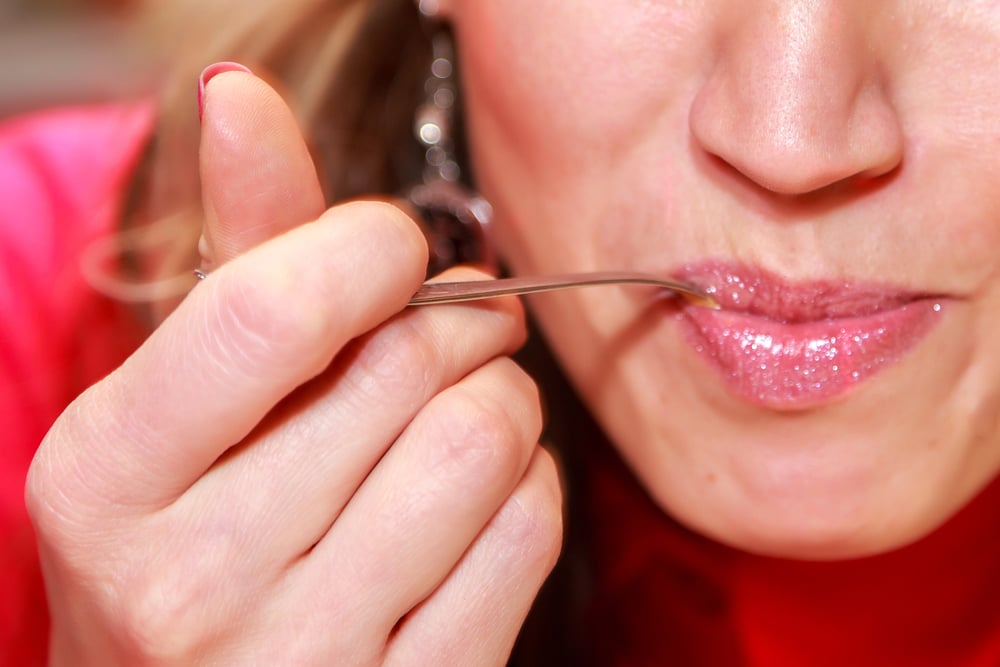
The belief that a person having a seizure can swallow the tongue sent bystanders hunting for spoons, wallets and wooden rulers to wedge between the teeth. The tongue is anchored to the floor of the mouth and cannot be swallowed.
Forcing an object between clenched jaws breaks teeth, cuts gums, blocks the airway and regularly costs the helper a bitten finger. Epilepsy organizations have campaigned against the practice for decades.
Correct first aid is to cushion the head, roll the person onto one side, time the seizure and keep hands away from the mouth.
Take Out the Tonsils Just in Case
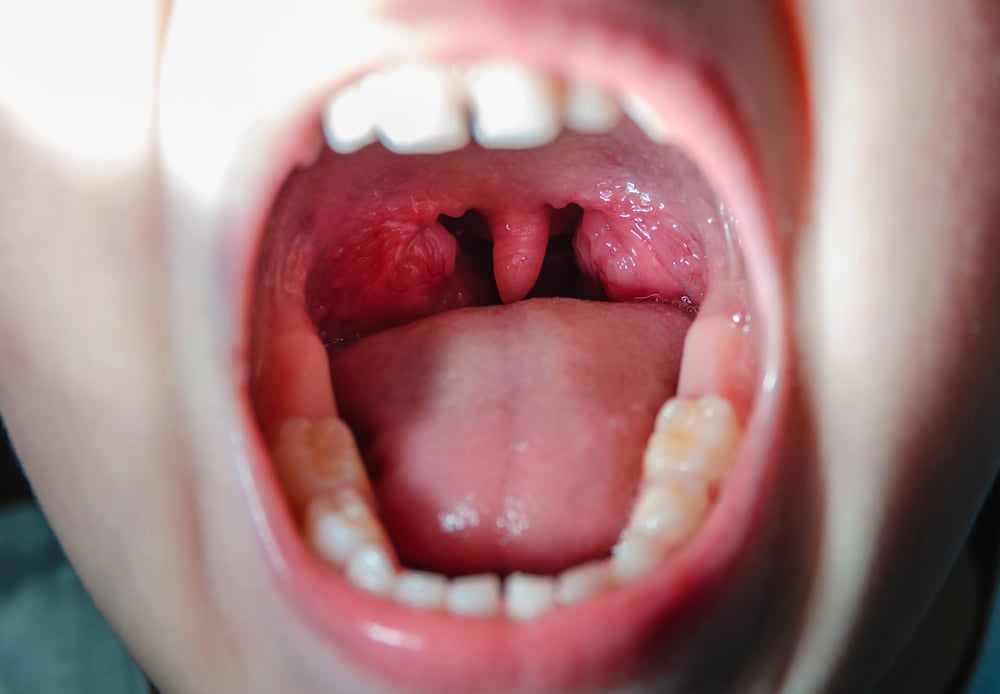
A 1934 survey of 1,000 New York City schoolchildren found that 61 percent had already lost their tonsils. When the remaining children were sent to a fresh panel of doctors, nearly half were recommended for the operation, and when those who escaped were examined a third time, nearly half of them were recommended too.
Tonsillectomy was the most common surgery in America, peaking at well over a million a year around 1959, and it carried a small but real death rate. Controlled trials later showed modest benefit for only the most severely affected children.
Take Hormones to Protect the Heart

By the 1990s doctors were prescribing estrogen to millions of postmenopausal women in the belief that it prevented heart disease, a conclusion drawn from observational studies of healthy, well-off volunteers. The Women’s Health Initiative, a randomized trial of more than 16,000 women, halted its combined hormone arm early in July 2002.
Researchers found increased rates of breast cancer, stroke and blood clots, and no heart protection. Prescriptions fell steeply within months.
Later analysis gave short-term therapy a fairer hearing for younger women with severe symptoms, though the blanket promise of a protected heart never came back.
An Aspirin a Day for Everyone
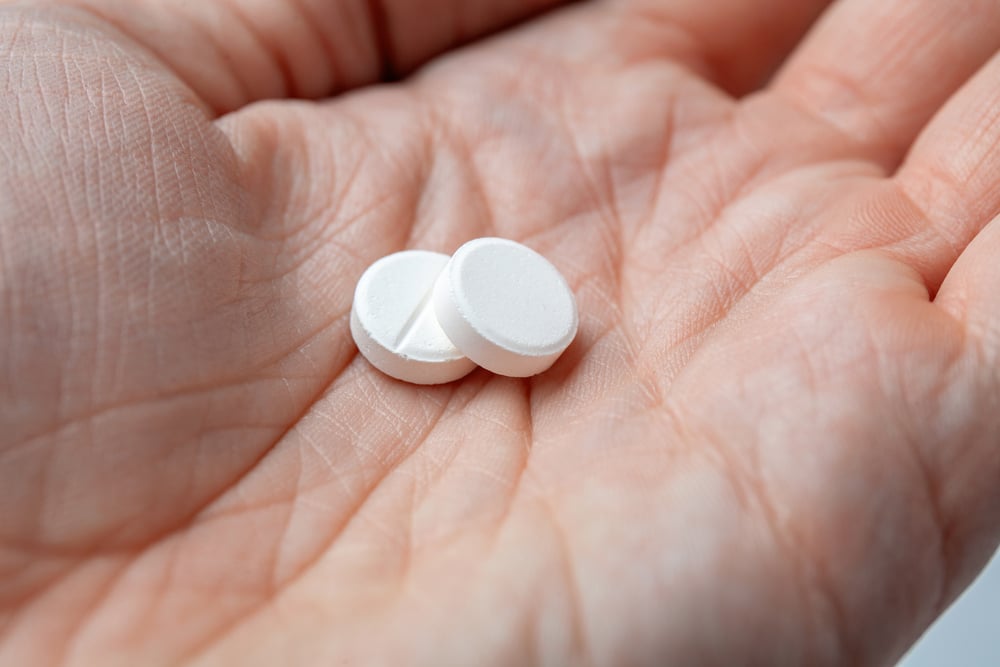
Aspirin clearly helps people who have already had a heart attack, and through the 1990s that logic was stretched to cover healthy older adults in general. Three large trials published in 2018, involving more than 47,000 participants, found that for people without heart disease the small reduction in cardiac events was matched or outweighed by serious internal hemorrhage.
American cardiology groups pulled back in 2019. In 2022 the United States Preventive Services Task Force advised against beginning routine aspirin at age sixty or older.
Millions had been taking a daily pill for a benefit that did not exist for them.
Gain No More Than Fifteen Pounds in Pregnancy

Obstetricians of the 1950s and 1960s held expectant mothers to a gain of fifteen to twenty pounds, scolded them at the weekly weigh-in, and sometimes prescribed diuretics or amphetamines to keep the needle down. The goal was to prevent toxemia and ease delivery.
It did neither, and it produced smaller, more fragile babies. A National Academy of Sciences committee pushed the target upward in 1970, and the Institute of Medicine settled on twenty-five to thirty-five pounds for women of normal weight in 1990.
Low birth weight remains one of the strongest predictors of infant death.
Keep the Pulse Under 140 While Pregnant

The American College of Obstetricians and Gynecologists issued its first exercise guidelines for pregnancy in 1985, telling women to keep their heart rate below 140 beats a minute and limit strenuous activity to fifteen minutes. The numbers came from expert caution and had no trial data behind them.
The college dropped the heart rate limit in 1994. Current guidance encourages at least 150 minutes of moderate activity a week for uncomplicated pregnancies, and studies link regular exercise to lower rates of gestational diabetes and cesarean delivery.
Rest had been prescribed for a condition that benefits from movement.
Rub Whiskey on a Teething Baby’s Gums

A fingertip of bourbon on sore gums was folk pediatrics in much of America well into the 1970s, and it was the mild option. Commercial soothing syrups of the early twentieth century contained morphine, and the American Medical Association listed the best-known brand under the heading of baby killers in 1911.
Even a small dose of alcohol is significant for an eighteen-pound infant, depressing breathing and blood sugar. Numbing gels containing benzocaine later drew their own federal safety warning.
Pediatricians now suggest a chilled rubber ring and patience.
Feed by the Clock and Hold Back Affection

Psychologist John B. Watson’s bestselling 1928 childcare manual warned parents never to hug and kiss their children or let them sit on a lap. A handshake in the morning was sufficient, he wrote.
Pediatric authorities of the same era ordered feedings at rigid four-hour intervals, with crying in between to be ignored as lung exercise. Research on orphanage infants in the 1940s showed that babies deprived of touch failed to grow and sometimes died despite adequate food.
Spock opened his 1946 book by telling parents to trust their own instincts, and a generation exhaled.
Ice Every Sprain

Sports physician Gabe Mirkin coined the RICE formula, for rest, ice, compression and elevation, in a 1978 book, and it became the reflex response to every twisted ankle on every playing field. In 2015 Mirkin publicly withdrew half of it.
Inflammation, he wrote, is the mechanism by which the body repairs tissue, and both icing and complete rest appear to delay that process. Ice still dulls pain in the first minutes after injury.
Sports medicine has since shifted toward early, gentle movement and loading. It is rare for the author of a famous rule to retract it himself.
Lie in a Dark Room After a Concussion

Through the early 2010s, a concussed teenager was sent to bed in a darkened room with no screens, books, school or friends until every symptom had cleared, a regimen sometimes called cocoon therapy. A 2015 trial in the journal Pediatrics assigned young patients to either five days of strict rest or a day or two followed by gradual activity.
The strict-rest group reported more symptoms and took longer to recover. International consensus guidelines now recommend a brief rest of one to two days and then a stepwise return.
Isolation had been making patients feel worse.
Drink Milk to Soothe an Ulcer

Chicago physician Bertram Sippy introduced his ulcer diet in 1915, and for half a century patients sipped milk and cream every hour and ate bland puddings between doses of antacid powder. Milk does coat the stomach briefly.
Its protein and calcium then stimulate a fresh surge of acid, and heavy cream diets were later linked to higher rates of heart attack among ulcer patients. In the 1980s two Australian researchers showed that most ulcers are caused by a bacterium and can be cured with a short course of antibiotics.
Decades of custard had treated nothing.
Megadose Vitamins to Ward Off Disease

Linus Pauling, holder of two Nobel Prizes, published Vitamin C and the Common Cold in 1970 and recommended doses many times the dietary requirement. Sales soared.
Pooled analysis of dozens of controlled trials has since found that routine vitamin C does not reduce the number of colds in the general population. Other antioxidant supplements fared worse.
Trials of high-dose beta carotene in the 1990s found more lung cancer among those taking it, and a large American study later linked vitamin E pills to a higher risk of prostate cancer. More of a good thing proved to be a different thing.
Confidence Is Not Evidence

Most of this advice failed the same way. It sounded reasonable, it came from respected people, and nobody tested it against a fair comparison until long after it had become habit.
Bed rest, bland diets and dark rooms all rested on the intuition that a sick body needs stillness, and the trials kept showing the opposite.
The uncomfortable corollary is that some of today’s firm recommendations will land on a list like this one. Good medicine is distinguished by its willingness to check and to say so publicly when the answer changes.
The reversals here are embarrassing, and they are also proof that the system for catching errors eventually works.
More from Go2Tutors!

- The Romanov Crown Jewels and Their Tragic Fate
- 13 Historical Mysteries That Science Still Can’t Solve
- Famous Hoaxes That Fooled the World for Years
- 15 Child Stars with Tragic Adult Lives
- 16 Famous Jewelry Pieces in History
Like Go2Tutors’s content? Follow us on MSN.