27 Old Radios Repair Shops Buy
A radio repair shop buys differently from a collector. The technician behind the counter wants sets that reward bench time, with intact cabinets, original knobs, good transformers, and a following that will pay for the finished job.
That rules out most of the brown plastic table sets that fill estate sales and rules in the models below. Prices are typical retail ranges for complete examples and always depend on condition, and a shop will offer a fraction of them for an unrestored set.
Atwater Kent Model 10 Breadboard
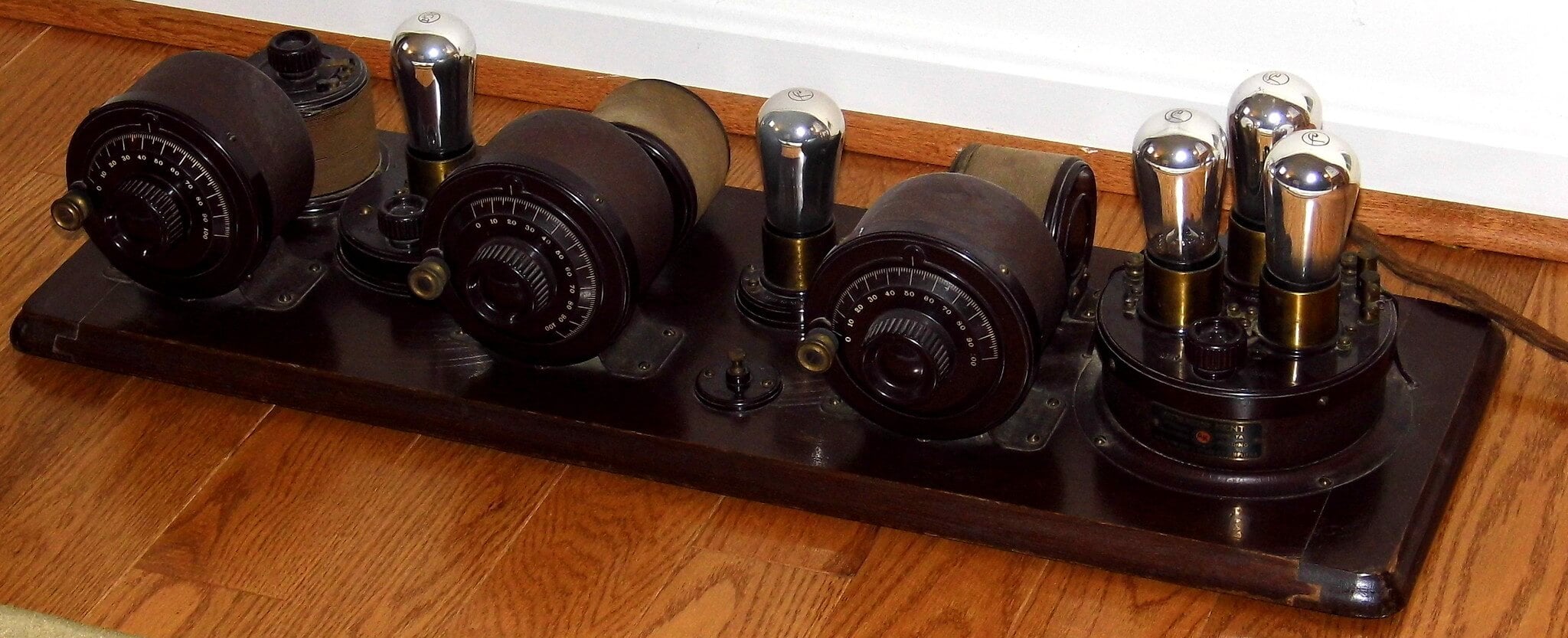
Arthur Atwater Kent of Philadelphia made automobile ignition parts before he mounted radio components in the open on a polished mahogany plank in 1923. The Model 10 has no cabinet at all.
Its tubes, coils, and brown Bakelite cans sit exposed like a laboratory experiment, which is precisely why shops want one for the front window. Complete sets with correct tubes bring $600 to $1,500 depending on condition.
Buyers check that the cans match in color and that the board has not been refinished, because reassembled breadboards built from spare parts are common.
RCA Radiola III
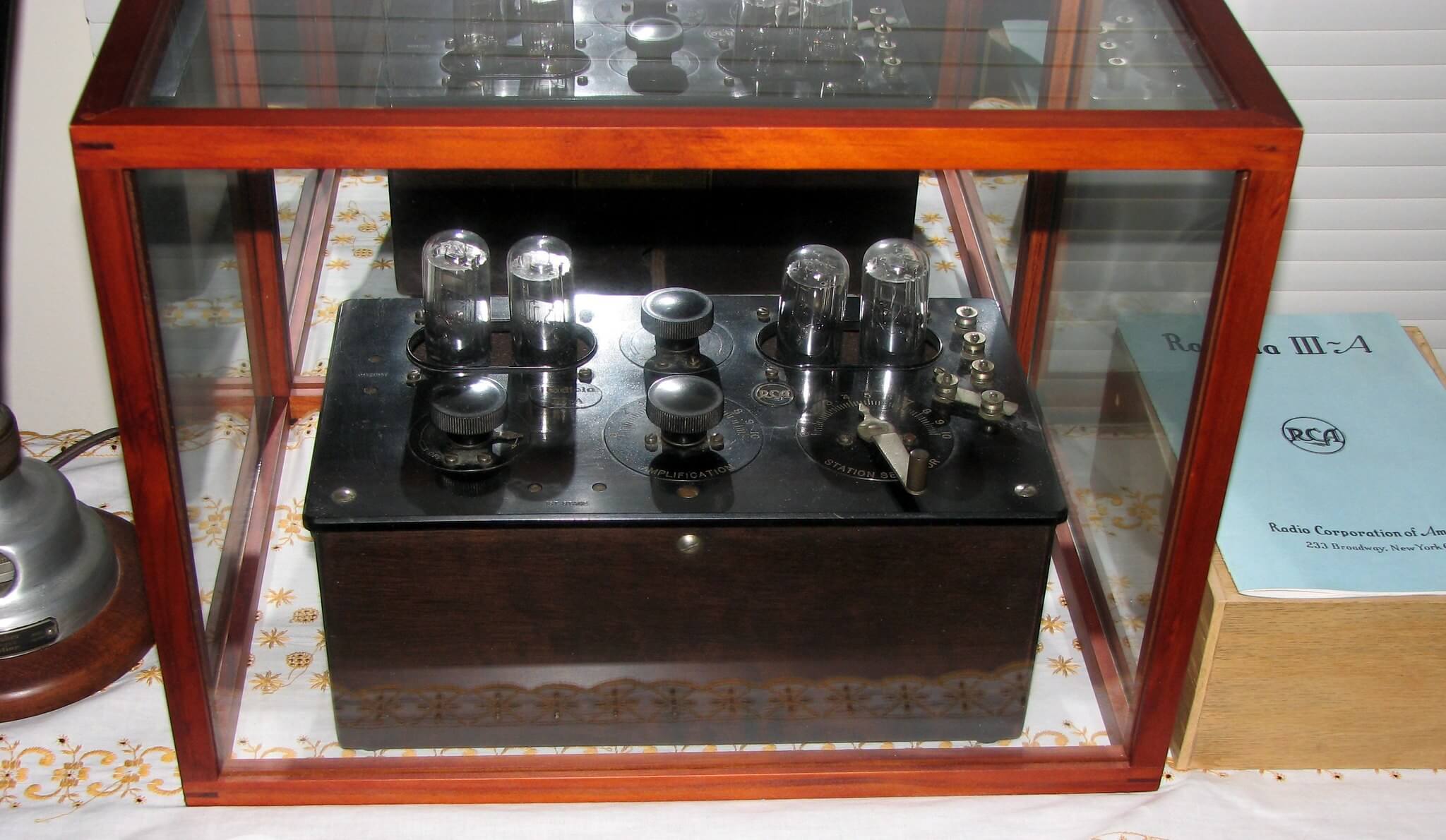
RCA sold this compact two-tube set for thirty-five dollars in 1924, headphones included, and moved a great many of them. The mahogany box is barely larger than a loaf of bread.
Most examples bring only $75 to $200 depending on condition, yet shops buy them readily because the circuit is simple and the look is right for the period. The catch lies in the tubes.
It runs on a pair of type WD-11s, which burned out easily, are no longer made, and can cost more than the radio they sit in.
Crosley Pup
Powel Crosley wanted to be the Henry Ford of radio, and in 1925 he offered a one-tube receiver in a small metal box for $9.75. The company tied the set to a popular cartoon dog, and the nickname followed.
Reception required headphones, a long aerial, and patience. Survivors are scarcer than the low price would suggest, since owners threw them out once they could afford better.
Clean examples with legible paint and the original tube bring $300 to $600, condition dependent. Shops like them because there is almost nothing inside to go wrong.
Philco 90 Cathedral
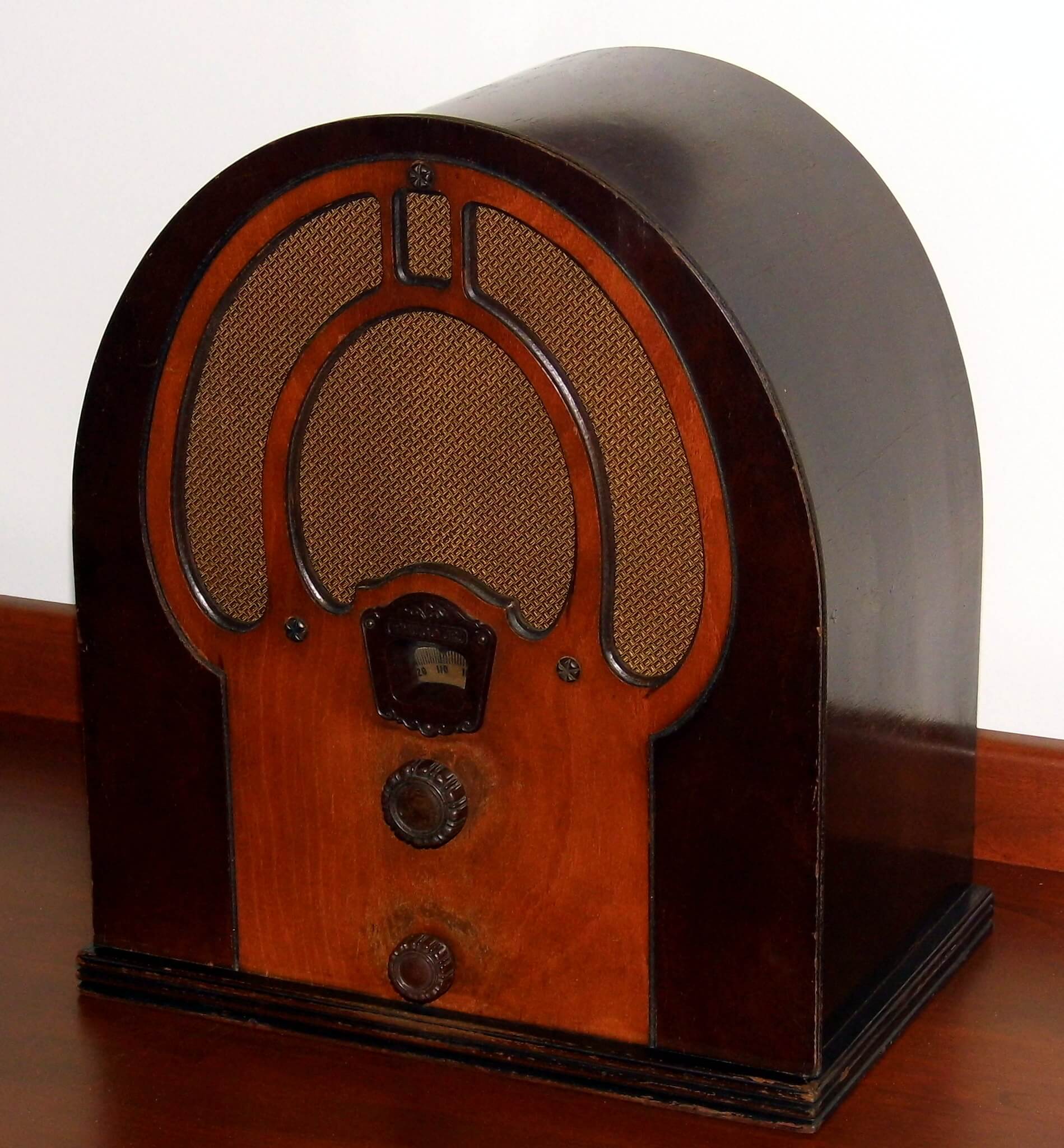
When people picture an old radio with a pointed arch, this is usually the one they have in mind. Philco introduced the Model 90 in 1931 with a nine-tube superheterodyne chassis that outperformed most rivals at the price.
The arched cabinet is credited to designer Edward Combs. Restored examples sell for $300 to $700 depending on veneer and finish.
Technicians know the chassis well and know its weak points, chiefly the Bakelite-block capacitors that must be rebuilt one by one. A Philco 90 that plays reliably is the bread and butter of many restoration businesses.
Philco 20 Baby Grand
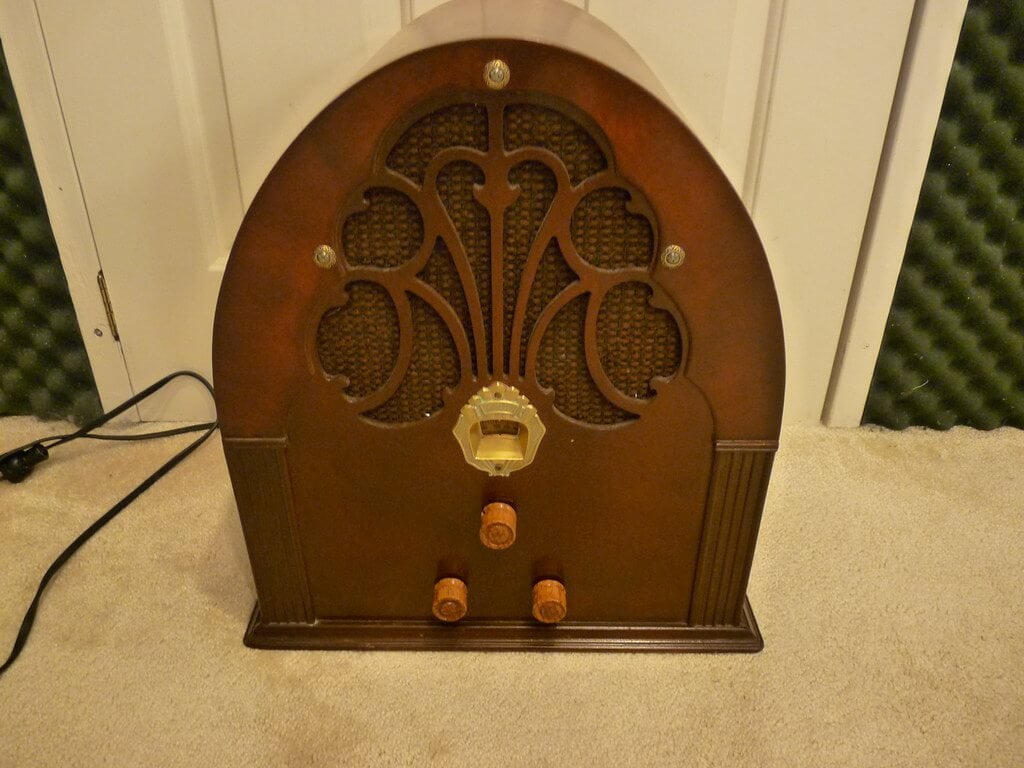
The Model 20 came a year earlier, in 1930, and its price of $49.50 helped make Philco the largest radio manufacturer in the country during the worst of the Depression. It uses a simpler tuned-radio-frequency circuit with seven tubes.
The cabinet is slightly squatter than the 90 and the fretwork plainer. Examples bring $150 to $350, condition deciding the figure.
Shops buy them as entry-level cathedrals for customers who want the shape without the premium, and the large production run means donor chassis and replacement grille cloth are easy to find.
Zenith Stratosphere 1000Z
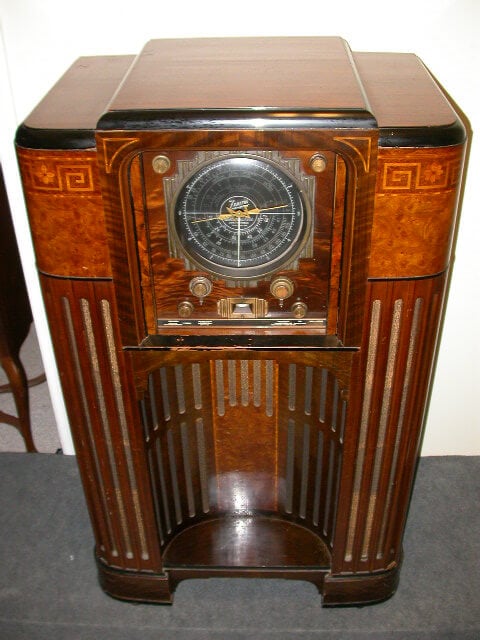
Zenith priced this console at $750 in 1935, more than a new Ford, and built only about 350 over four years. It carries twenty-five tubes, three speakers, fifty watts of audio, and a cabinet more than four feet tall in exotic veneers.
Roughly forty are known to survive. No repair shop expects one to walk in the door, but every shop owner knows the model, and examples have sold for tens of thousands of dollars.
The big black dial that Zenith introduced on the Stratosphere then spread across the company’s entire line.
Zenith 12-S-232 Walton
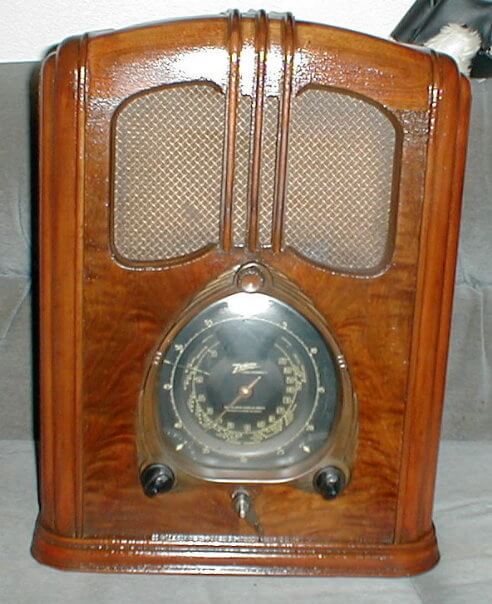
This 1938 tabletop earned its nickname decades later, when a similar Zenith served as the family radio on a television drama set in Depression-era Virginia. It is a twelve-tube tombstone with a large black dial and a shutter mechanism that swaps the visible scale when the listener changes bands.
Restored sets sell for $1,500 to $3,000 depending on condition. Reproduction dial glass, knobs, and even cabinets exist, so shops inspect closely before paying.
The chassis also went into several consoles, and unscrupulous sellers have moved console chassis into new-made tombstone cabinets.
Zenith Trans-Oceanic
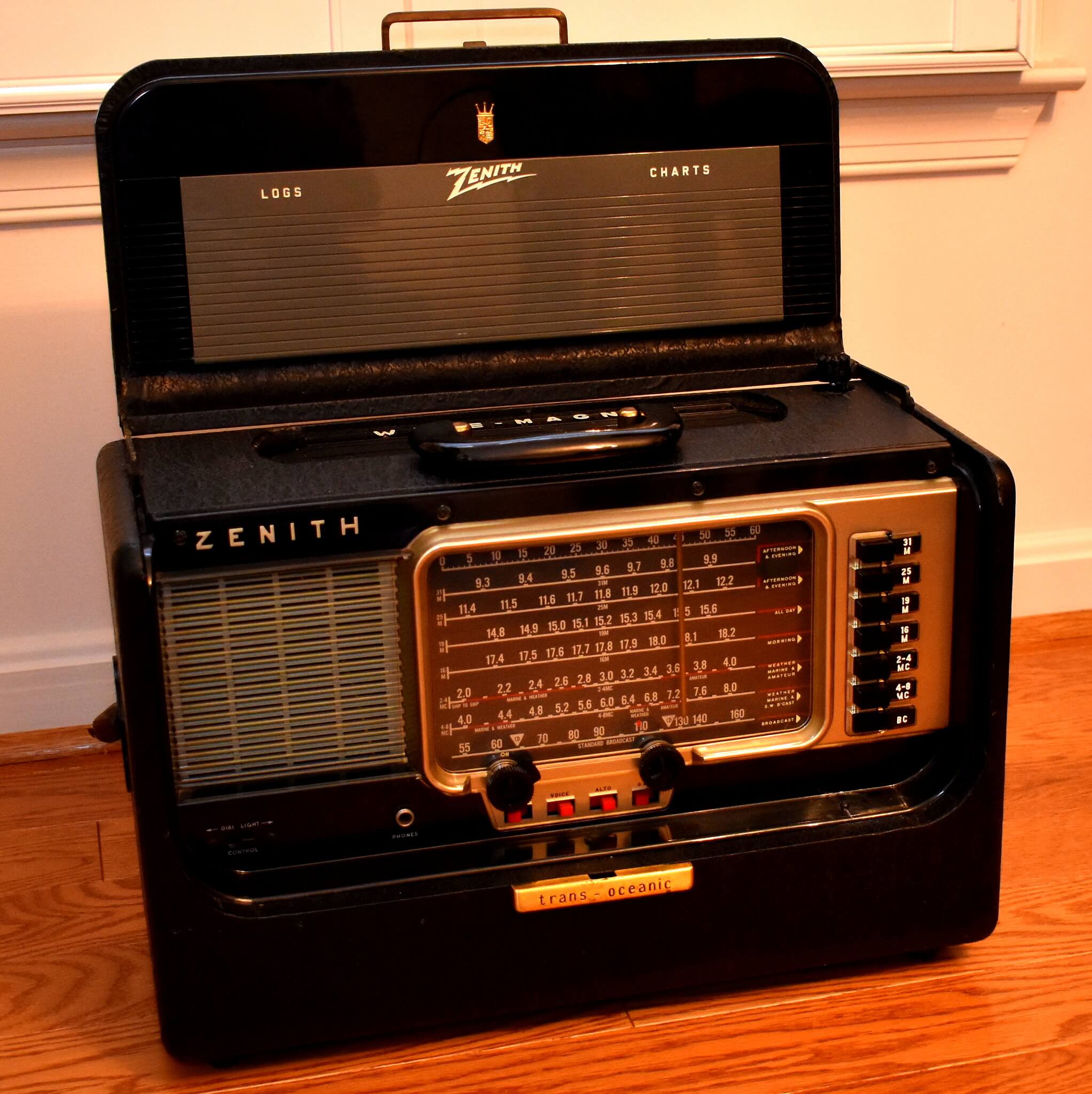
Zenith’s founder, Commander Eugene McDonald, wanted a portable that could pull in shortwave aboard his yacht. The first version reached stores in early 1942, and wartime production limits ended it within months, after some 35,000 had been built.
Postwar models followed until 1962, all in a black suitcase cabinet with a fold-up aerial and a log book inside the lid. Common versions such as the H500 bring $100 to $400 depending on condition.
Shops buy every one offered, because soldiers, sailors, and travelers carried them, and nearly every buyer has a family story attached.
Zenith Royal 500
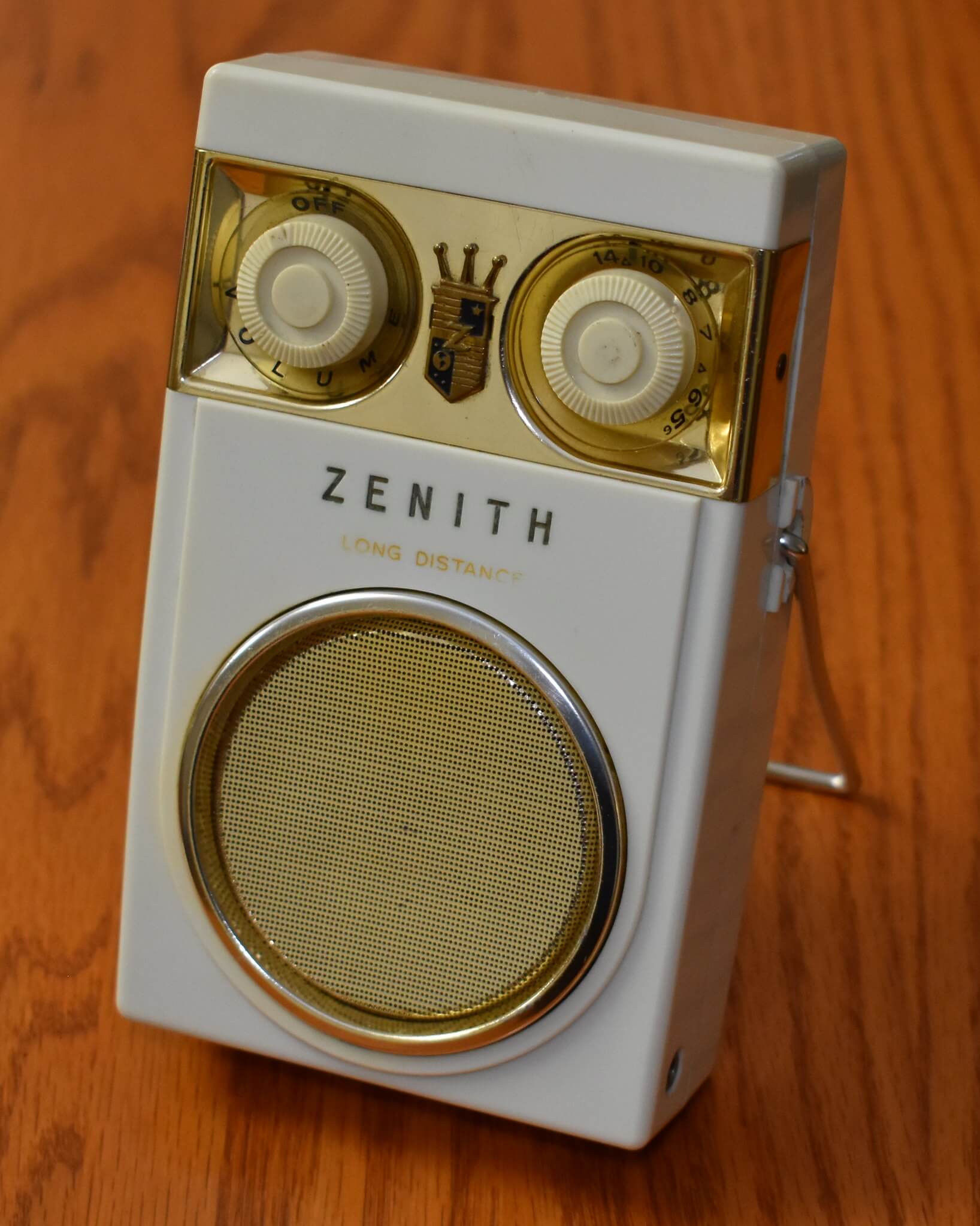
Zenith entered the pocket transistor market in late 1955 with a seven-transistor set priced at seventy-five dollars. Early production was wired by hand, point to point, before the company switched to printed circuit boards.
The two round controls on the front gave it a face that collectors call the owl eye. The nylon case resists cracking better than most of its rivals.
Working examples sell for $75 to $250, depending on version and condition, with hand-wired sets at the top. Shops favor it because the parts are conventional and the sound is surprisingly full.
E. H. Scott Chrome Chassis Sets
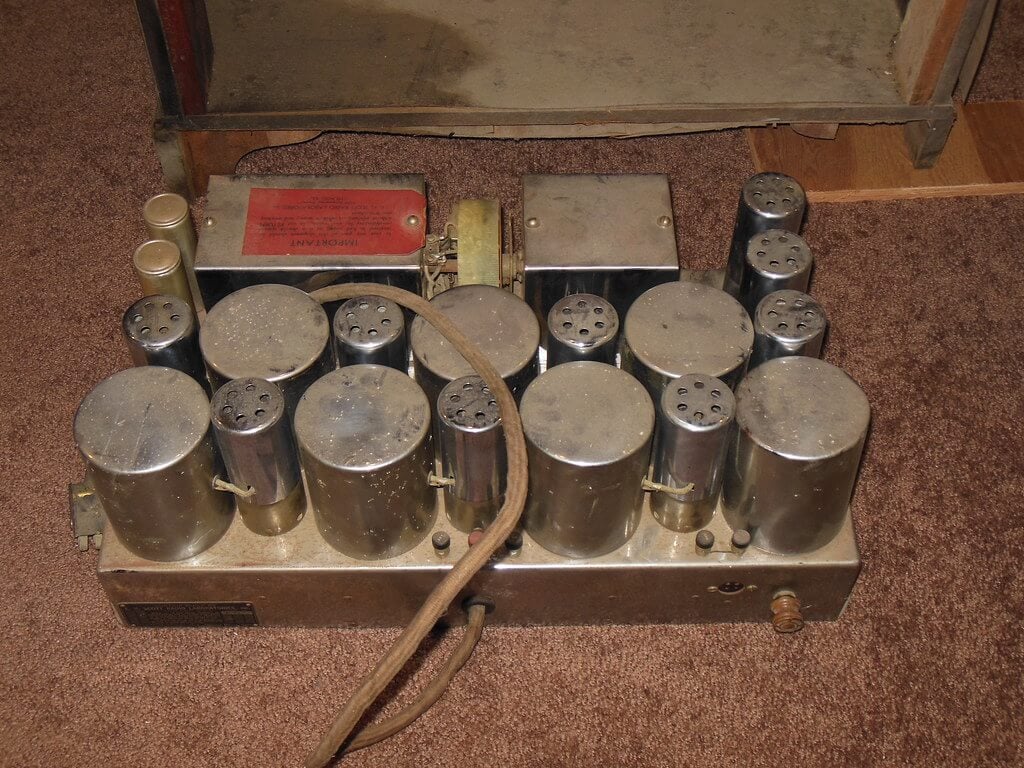
Ernest Humphrey Scott, a New Zealander working in Chicago, built receivers to order and sold them direct to wealthy customers. Every chassis was plated in chrome and polished, even though it would spend its life hidden inside a cabinet.
Models such as the All-Wave 23 and the thirty-tube Philharmonic of the late 1930s competed with the Zenith Stratosphere for the title of finest radio in America. Prices run from $1,500 to $6,000 and beyond, depending on model, cabinet, and plating condition.
Pitted chrome is expensive to redo, so shops look hard at the metal.
Air King Skyscraper
Industrial designers Harold Van Doren and John Gordon Rideout gave this 1933 set a stepped profile borrowed from Manhattan office towers. The cabinet was among the largest pieces ever molded in plastic at that date.
Black and brown Bakelite versions are the most common, and cases in colored Plaskon, such as ivory, red, or green, are far rarer. Prices range from about $3,000 to well over $10,000 depending on color and condition.
Hairline cracks radiating from the screw mounts are the usual flaw, and they cut the value sharply. Some versions include a clock above the dial.
Sparton Bluebird
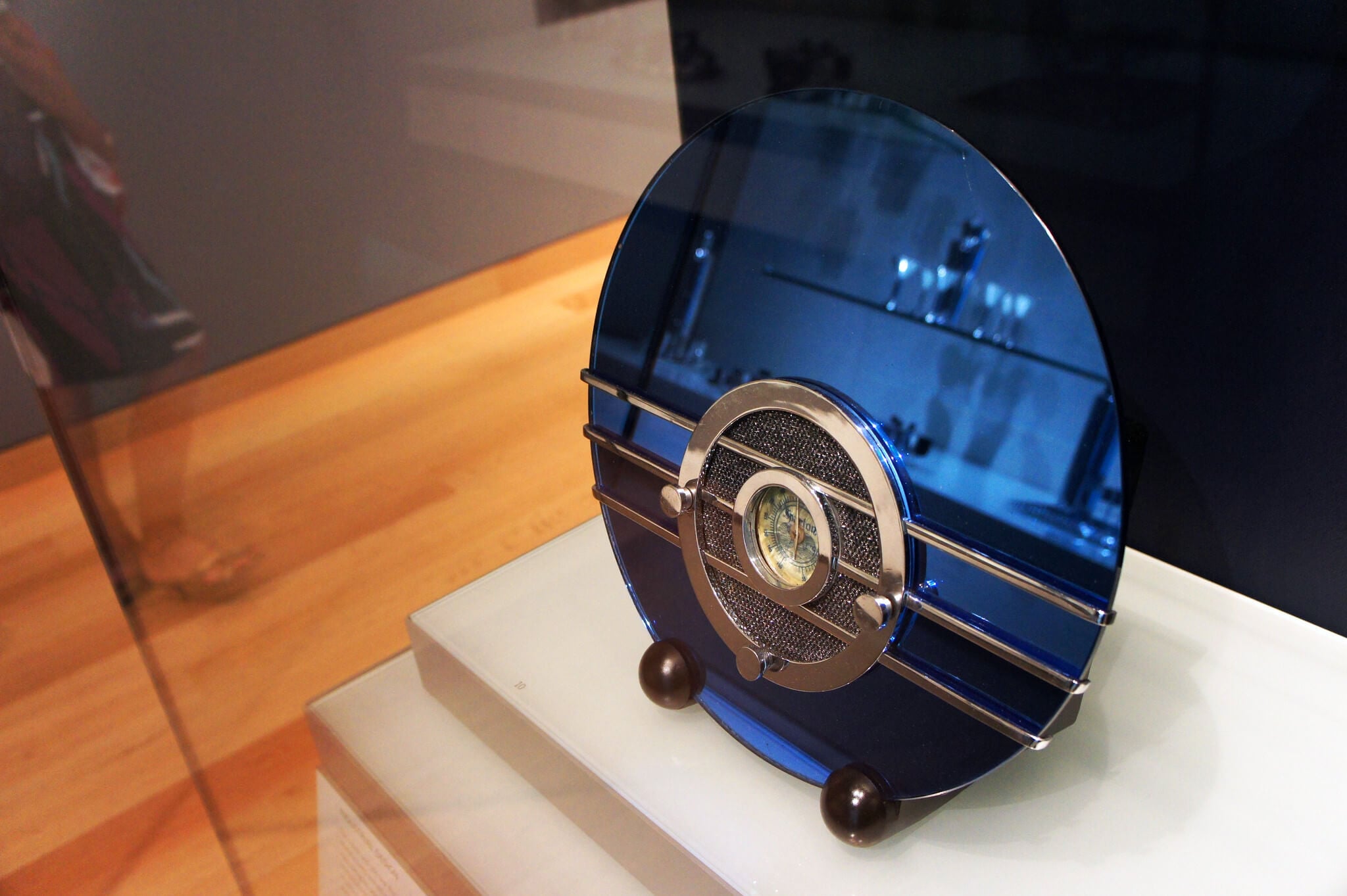
Walter Dorwin Teague designed this 1936 set for Sparks-Withington of Jackson, Michigan, and it looks like nothing else. The front is a circular blue mirror about fourteen inches across, crossed by three chrome bands, with the dial at the center and the chassis in a small box behind.
Originals sell for $2,000 to $4,500 depending on condition. The mirror is everything.
Replacement glass has been made for decades, and a reproduction mirror roughly halves the price, so shops examine the silvering and the edge grinding before discussing money.
Emerson Patriot
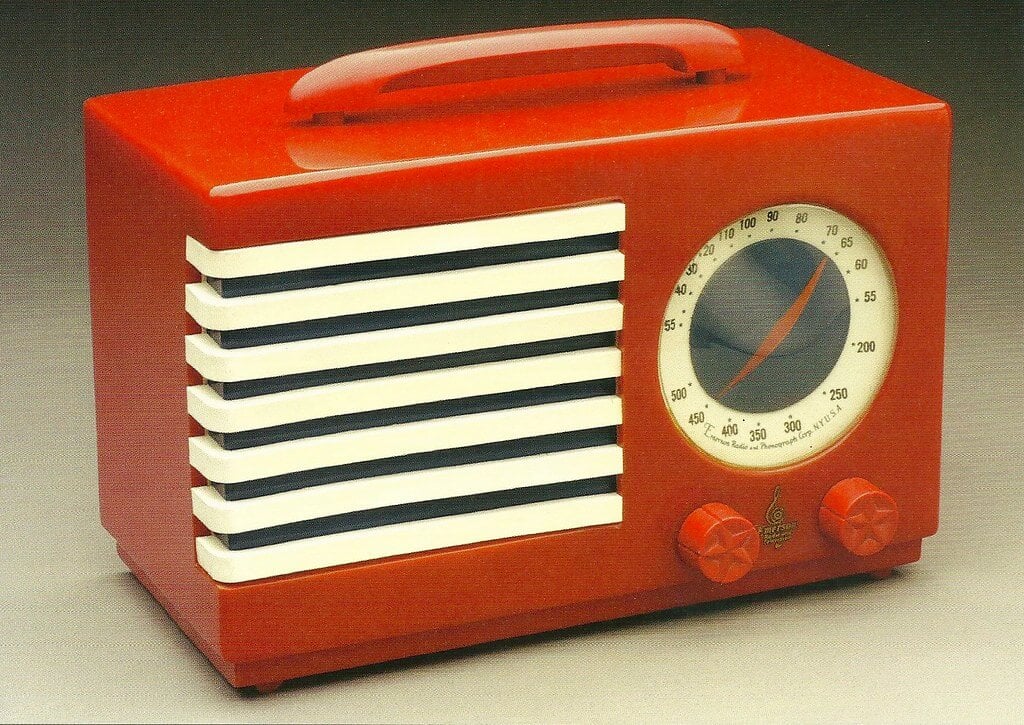
Emerson marked its twenty-fifth anniversary in 1940 by commissioning Norman Bel Geddes to design a small Catalin radio with a grille of stars and stripes. It was offered in red, white, and blue combinations, and it reached stores as the country drifted toward war.
Examples bring $800 to $2,500 depending on color scheme and condition. Catalin shrinks with age and heat, and cases crack around the chassis as a result.
The white has usually oxidized to butterscotch. A shop will pay most for a cabinet free of cracks, since the electronics are ordinary.
Emerson Mickey Mouse Radio
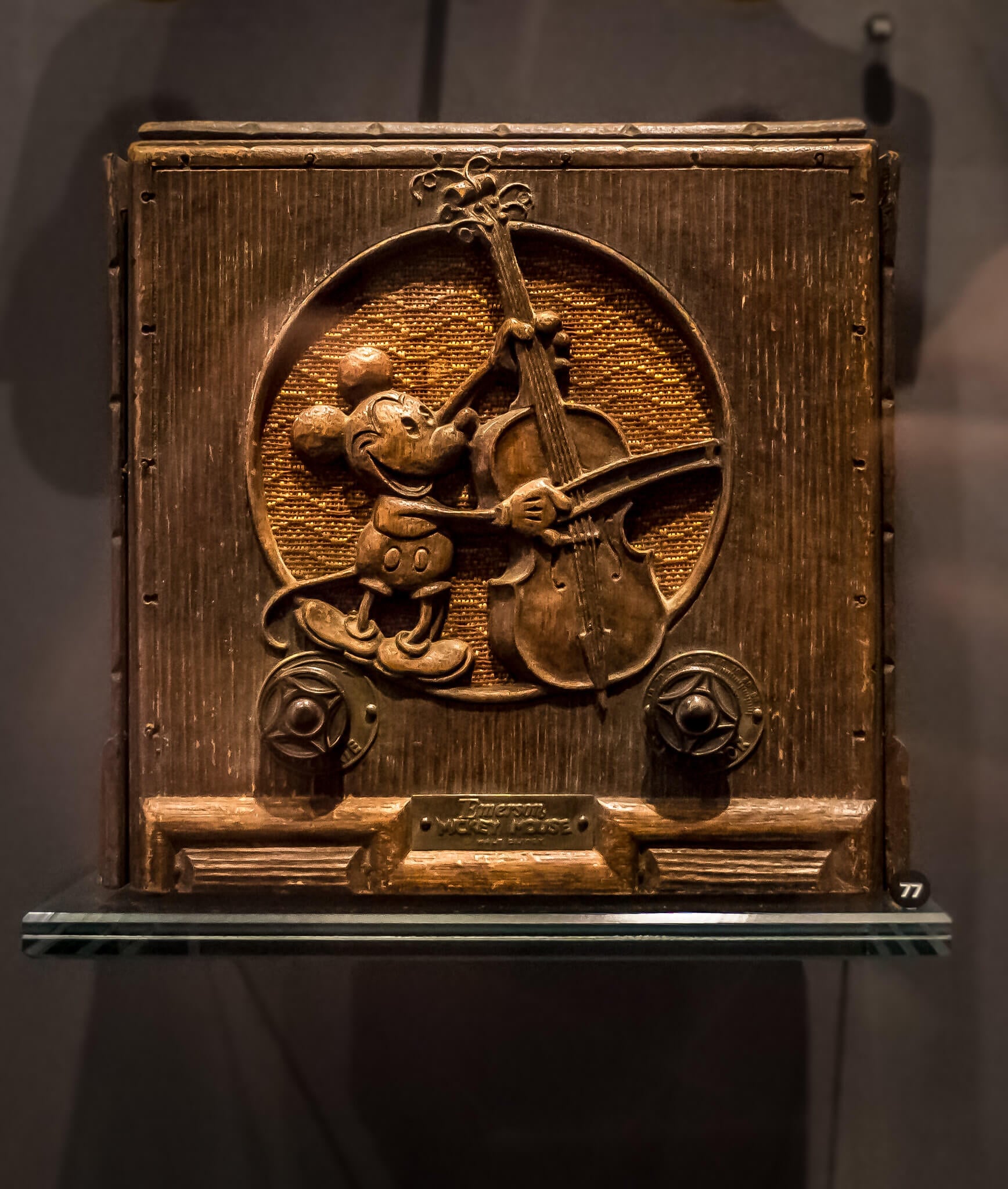
Emerson licensed the character in 1933, when Mickey was five years old and already selling watches by the million. The Model 411 came in a small cabinet of molded wood composition or painted wood, with Mickey playing instruments on each side and a metal grille on the front.
It is a simple four-tube set. Prices run from $1,000 to $3,000 depending on version and condition, driven by Disney collectors as much as radio people.
The molded figures chip easily, and repainted examples are common, so original finish commands a strong premium.
Fada 1000 Bullet
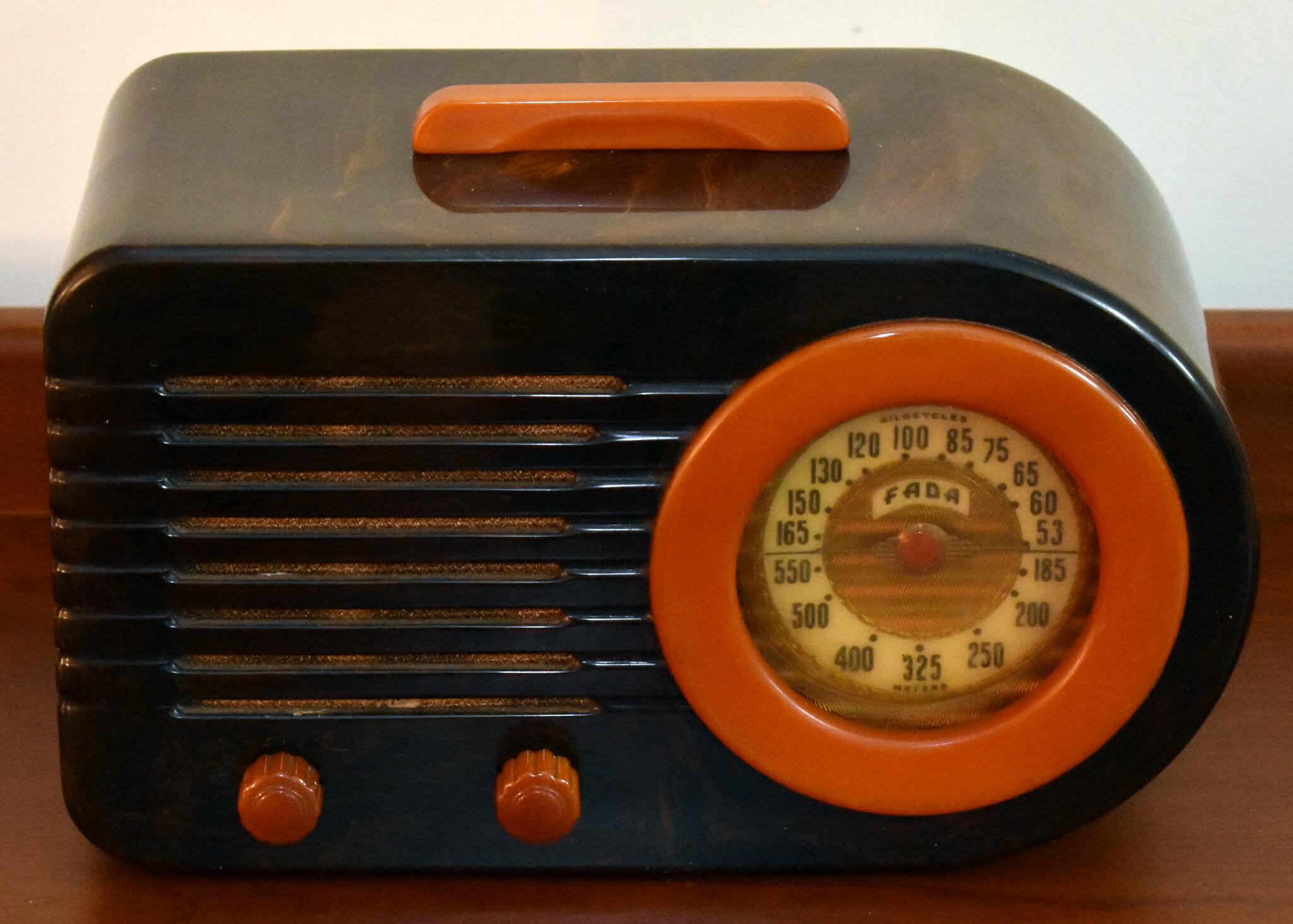
Fada’s streamlined Catalin set appeared just before the war and returned in 1945 as the Model 1000, with a rounded end that gave it a nickname. The common color today is butterscotch with red or yellow trim, though that butterscotch left the factory as alabaster white.
Blue, maroon, and onyx green cases are scarcer. Prices run from $600 to $2,000 and higher for rare colors, depending on condition.
Shops check for cracks near the handle, for heat damage above the tubes, and for cases that have been polished thin to remove discoloration.
Addison Model 2
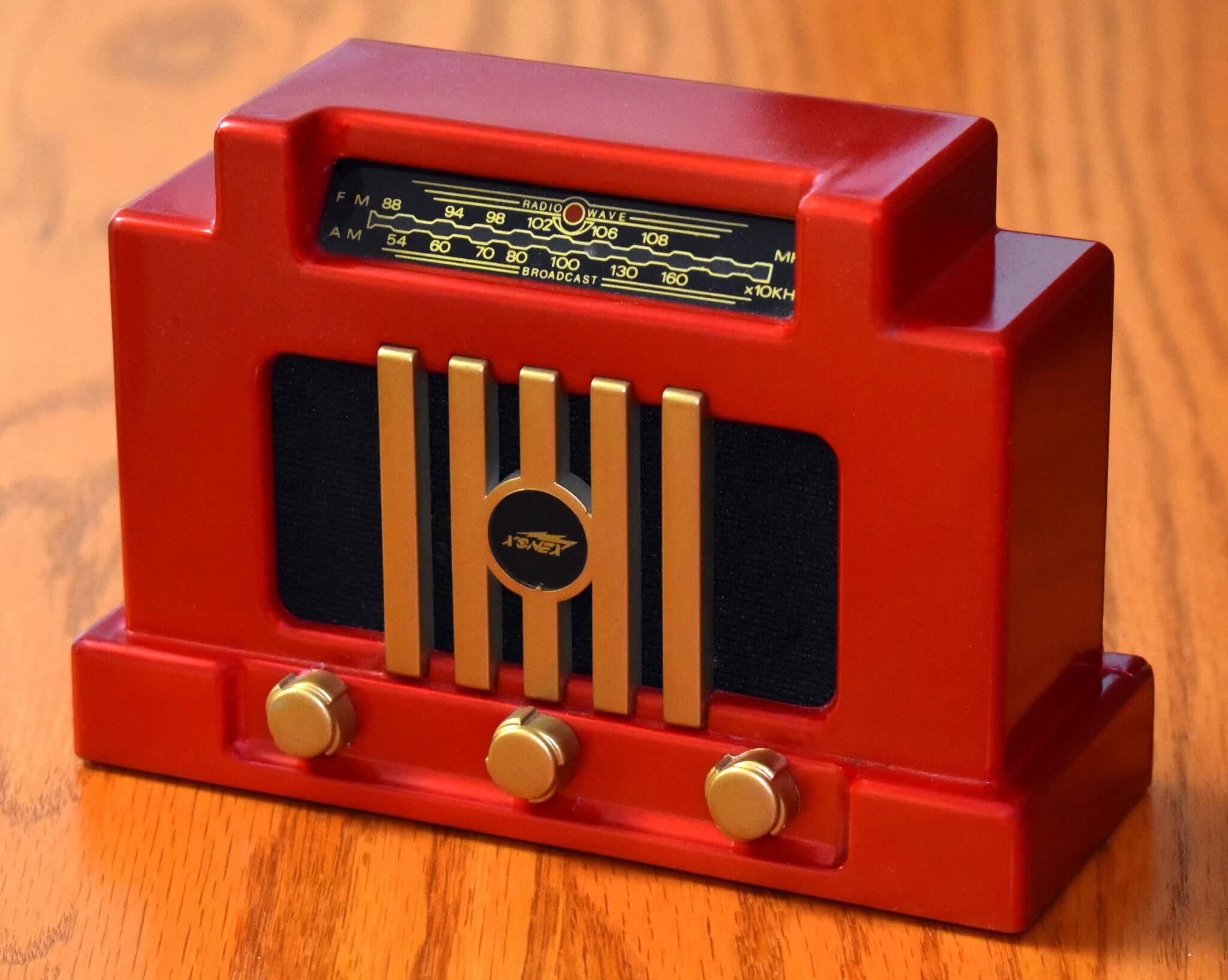
This small Canadian set, made in Toronto from 1940, is known for a grille of vertical bars that curve over the top edge like a waterfall. Addison offered it in Catalin and in cheaper Plaskon, in two-tone combinations such as maroon with butterscotch.
American collectors chase it as eagerly as Canadians do. Prices range from about $700 for plain examples to $3,000 or more for strong color pairs in undamaged condition.
The cabinet is compact and the chassis fills it tightly, so heat cracks along the top are the first thing a buyer looks for.
Motorola 50XC Circle Grille
Motorola made its name in car radios, and its 1940 Catalin table set is among the most valuable plastic radios of all. The design is simple: a rounded case, a handle, and a large circular grille of concentric rings set in a contrasting color.
Production was small, and Catalin’s fragility thinned the survivors further. Examples sell for $2,500 to $6,000 or more depending on color and condition.
At that level, shops ask about provenance and examine the case under ultraviolet light, which reveals repairs and swapped parts that ordinary light conceals.
Arvin Hopalong Cassidy Radio
Noblitt-Sparks of Columbus, Indiana, released this children’s set in 1950 at the height of the television cowboy’s fame. The metal case came in red or black, and the front carries an embossed foil image of Hoppy on his horse, Topper.
The aerial was marketed as a lariat antenna. Examples bring $300 to $700 depending on condition.
Value rests almost entirely on the foil, which dents, scratches, and peels, so a working set with a damaged front is worth far less than a silent one with a perfect picture.
Hallicrafters S-38
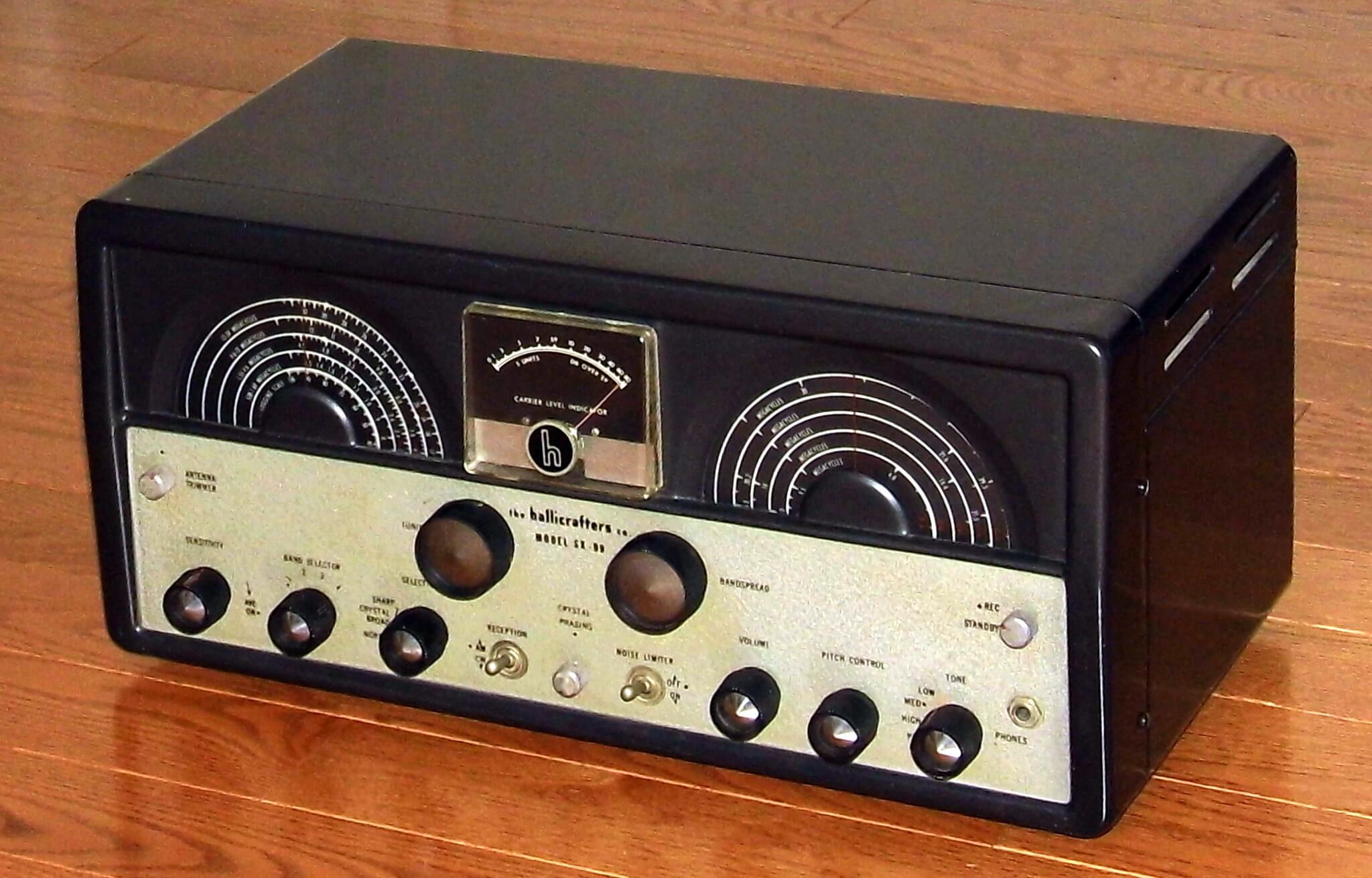
Raymond Loewy’s firm styled this 1946 receiver, and its low price put shortwave listening within reach of teenagers and returning servicemen. The S-38 covers the broadcast band through 32 megacycles with a bandspread dial for fine tuning.
Examples sell for $60 to $200 depending on version and condition. Shops buy them with one serious caution.
The design has no power transformer, which means the metal chassis can sit at line voltage, and a careless owner can receive a dangerous shock. Responsible restorers add an isolation transformer or a polarized cord before selling one.
Hallicrafters SX-28 Super Skyrider
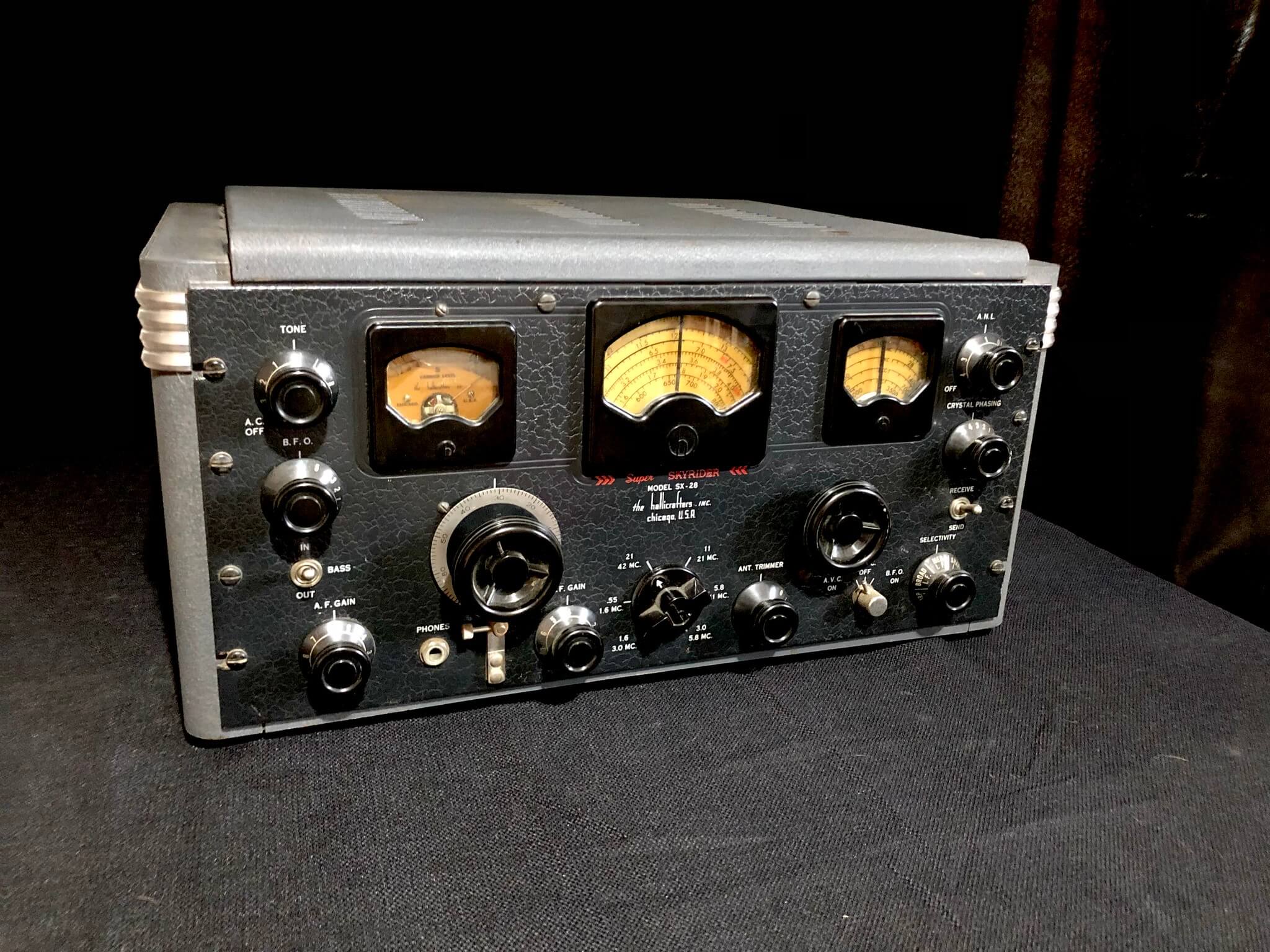
Introduced in 1940, this fifteen-tube communications receiver weighs about seventy-five pounds and went straight into war service with military monitors and government listening posts. Two large dials, a row of chunky controls, and a steel cabinet give it a presence that lesser sets lack.
Restored examples bring $400 to $1,000 depending on condition. The work is substantial, since the tuning unit is densely packed and must often be removed to replace aged capacitors.
Shops that specialize in communications gear take them anyway, because a properly restored SX-28 has a rich, room-filling sound.
National HRO
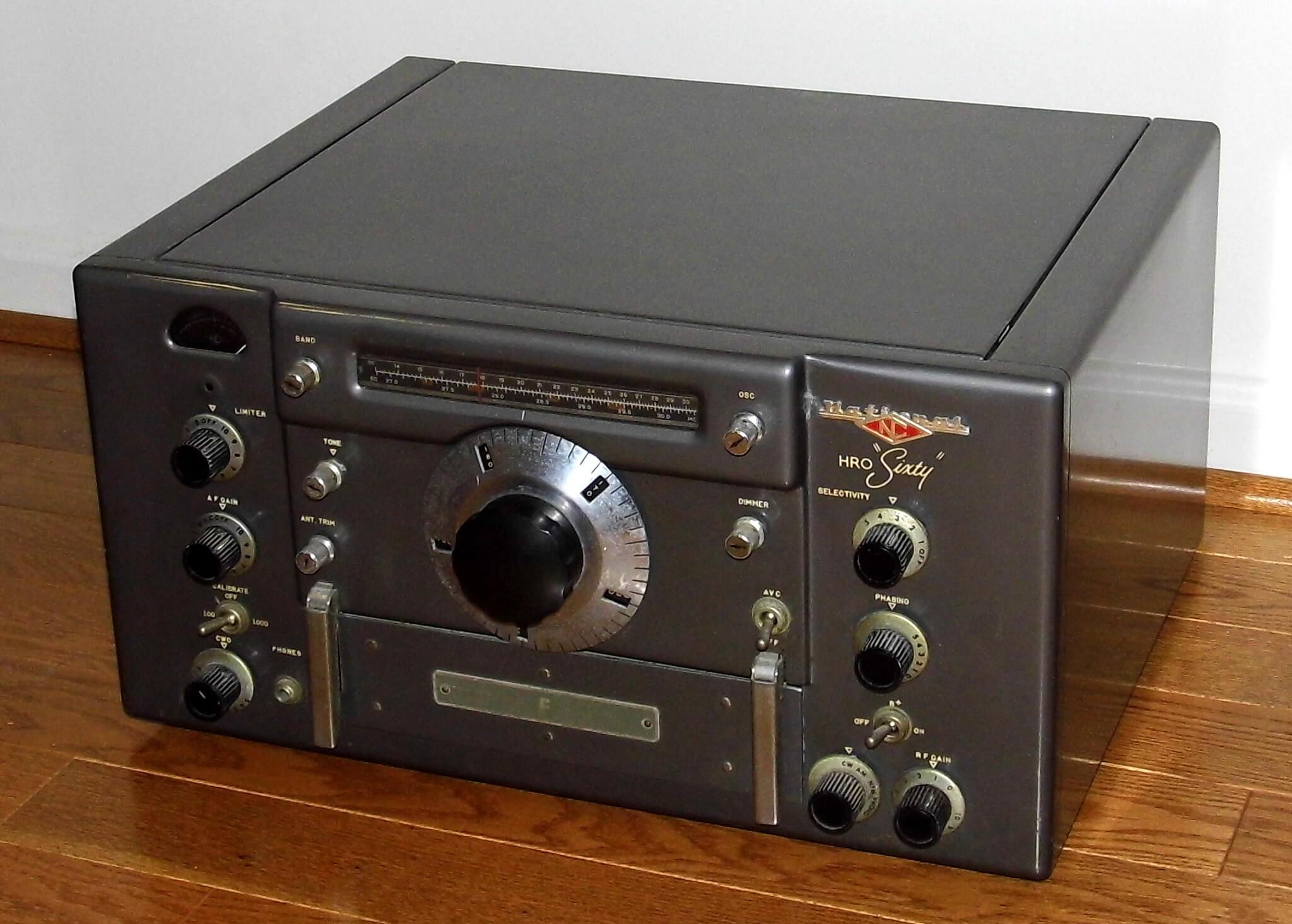
National of Malden, Massachusetts, introduced the HRO in the mid-1930s, and it stayed in production in various forms for three decades. Instead of a band switch, the operator slides a drawer of coils into the front panel for each frequency range.
The micrometer tuning dial, which shows a rotating set of numbers through small windows, is a mechanical pleasure. British wartime intercept stations used roughly a thousand HROs to copy the enemy signals that fed the codebreakers at Bletchley Park.
Prices run $300 to $1,200, depending heavily on how many coil drawers come along.
Collins R-390A
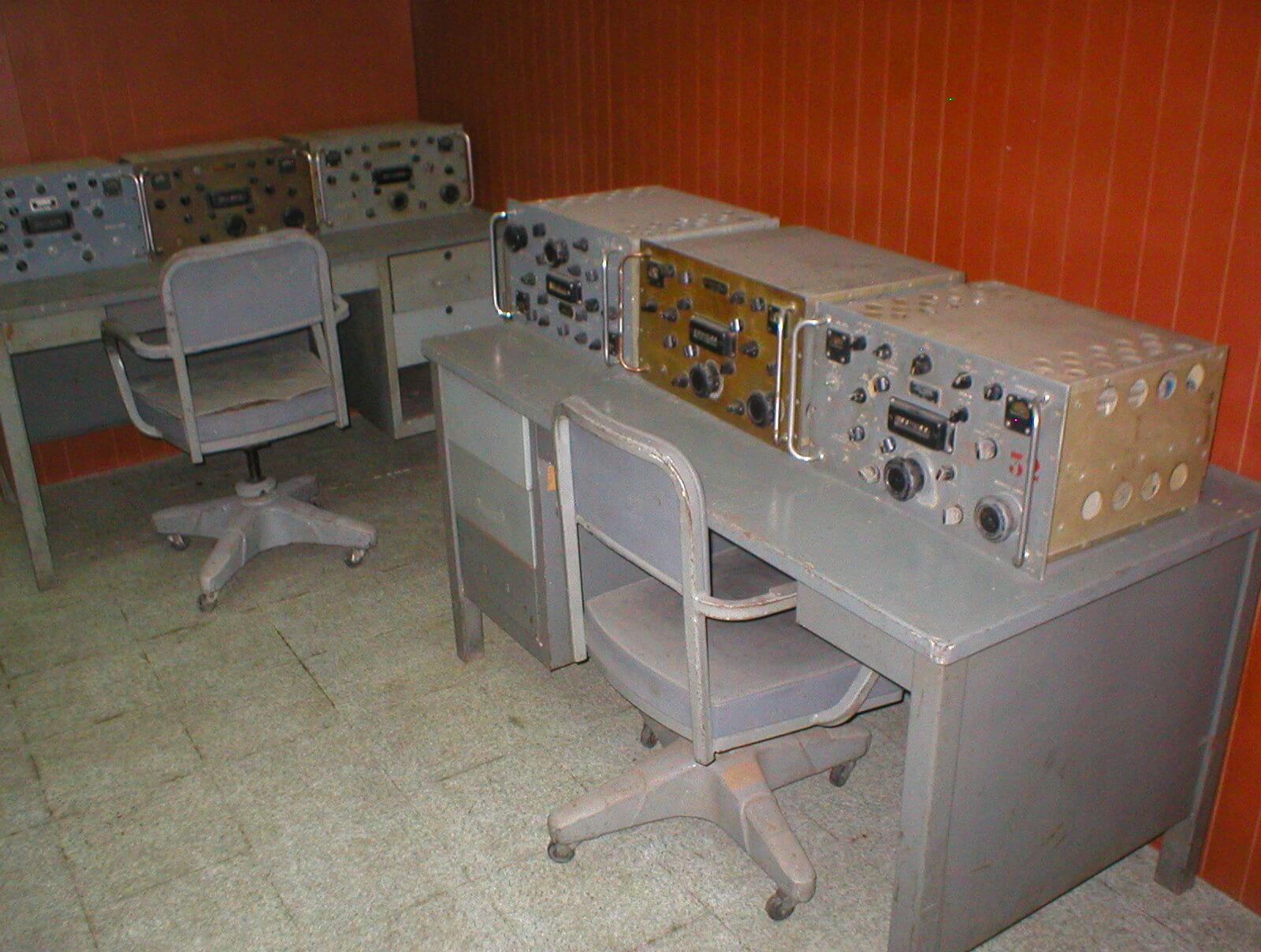
Collins designed this receiver for the American military in the mid-1950s, and a string of contractors built more than 50,000. It weighs about eighty-five pounds.
A mechanical counter shows the frequency in digits, driven by an intricate gear train, and mechanical filters give it selectivity that still impresses. Surplus examples sell for $600 to $1,500 depending on condition.
Shops with the expertise buy them gladly, since the modular construction allows each section to be pulled and serviced on its own. Many technicians consider it the finest tube receiver ever made.
Regency TR-1
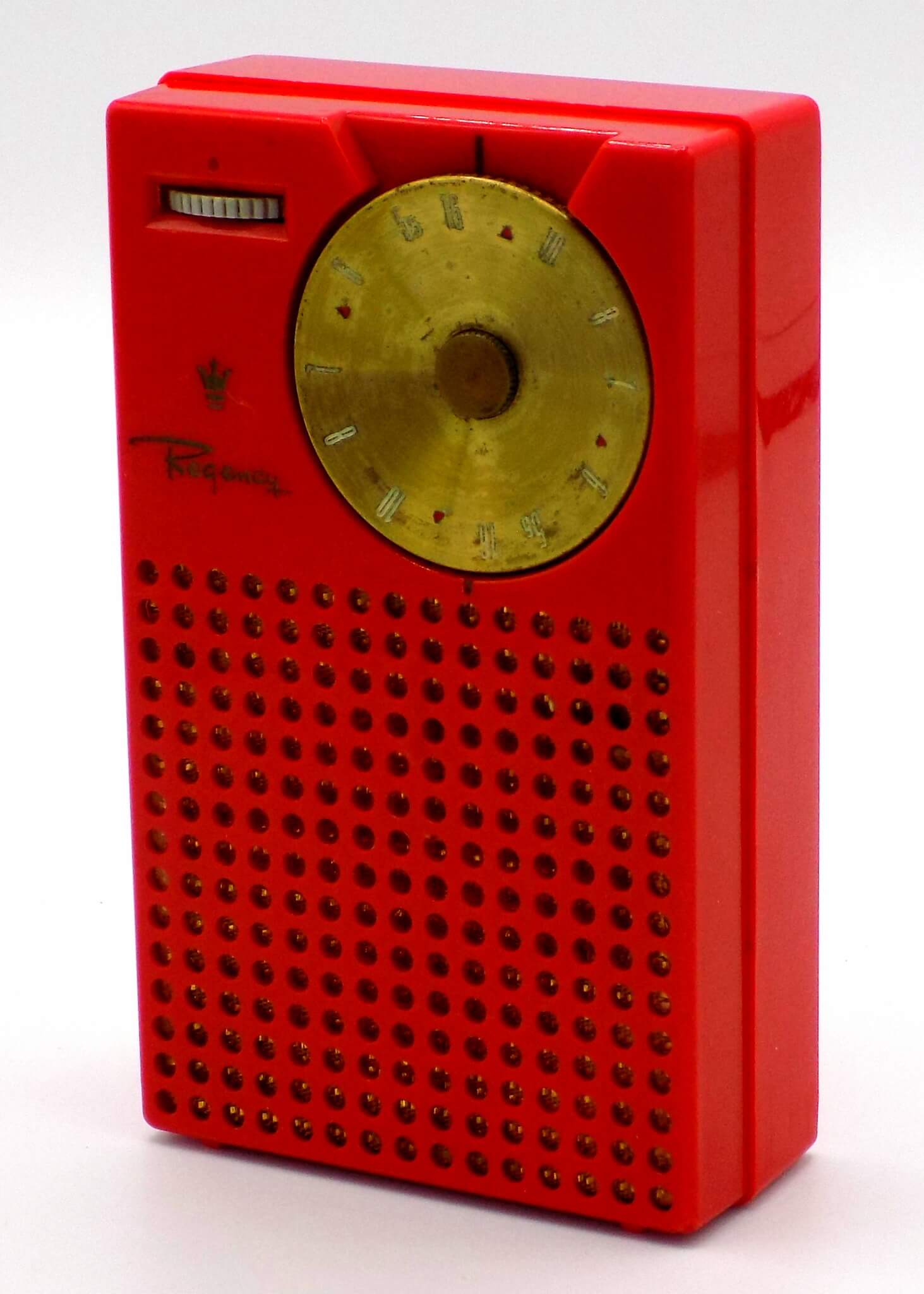
The first commercial transistor radio went on sale in the autumn of 1954 at $49.95, a joint effort between Texas Instruments, which needed a showcase for its transistors, and a small Indianapolis firm. It has four transistors and runs on a 22.5-volt battery.
About 100,000 were sold. Black, ivory, red, and gray are the standard colors, and pearlescent or translucent cases are much scarcer.
Prices run from $300 to $1,000 and beyond, depending on color and condition. Original boxes and leather cases add considerably, and sound quality is beside the point.
Sony TR-63
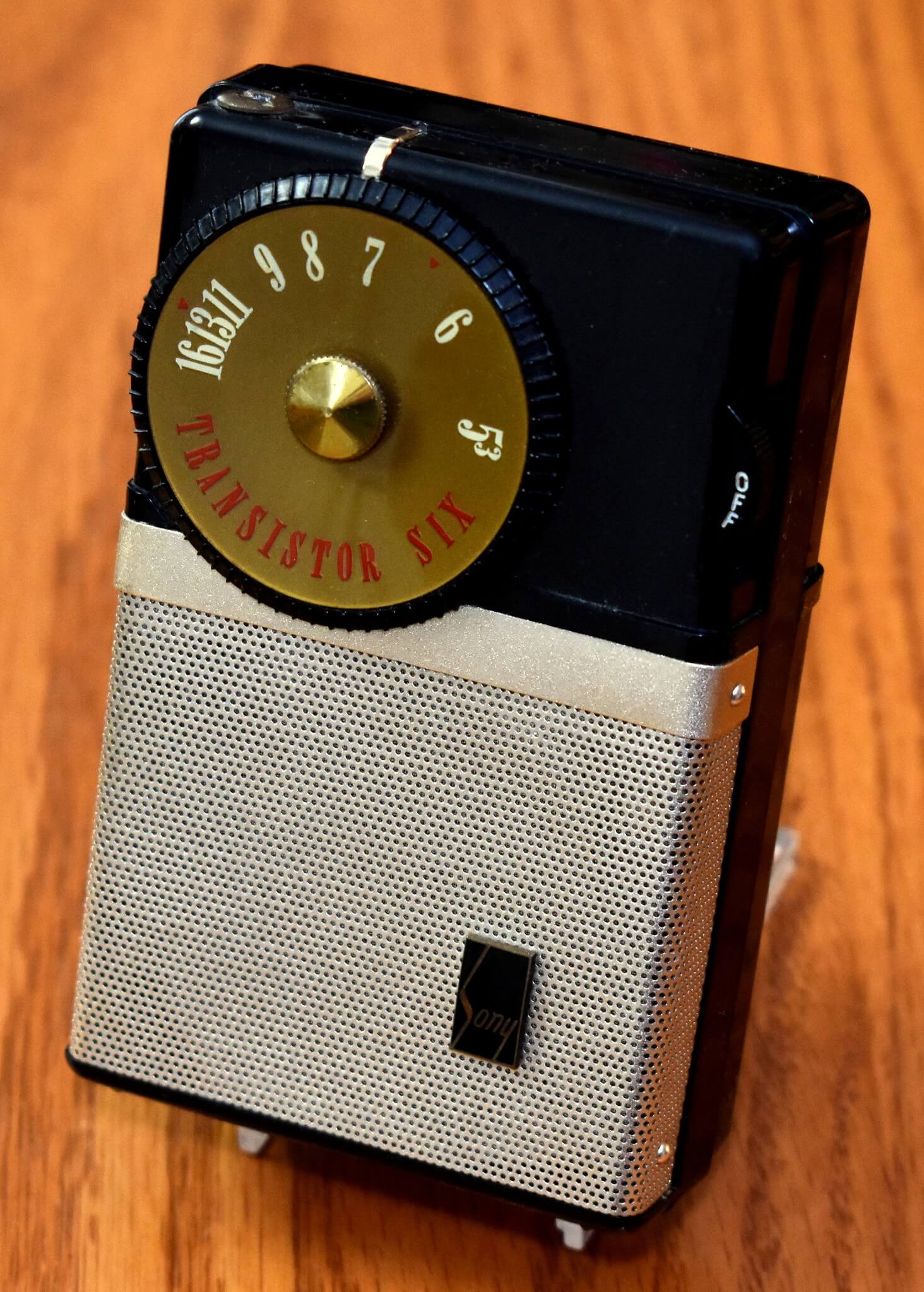
This 1957 model was the first Sony radio exported to the United States in quantity, priced at $39.95. It was marketed as pocketable, which was not quite true of a standard shirt.
Company legend holds that Sony’s salesmen wore shirts with enlarged pockets to make the demonstration work. The TR-63 also introduced the nine-volt battery format still sold today.
Examples bring $300 to $800 depending on color and condition. Shops find the tiny early transistors and brittle plastic challenging, so an unmolested set that still plays earns a clear premium.
Grundig Majestic Table Sets
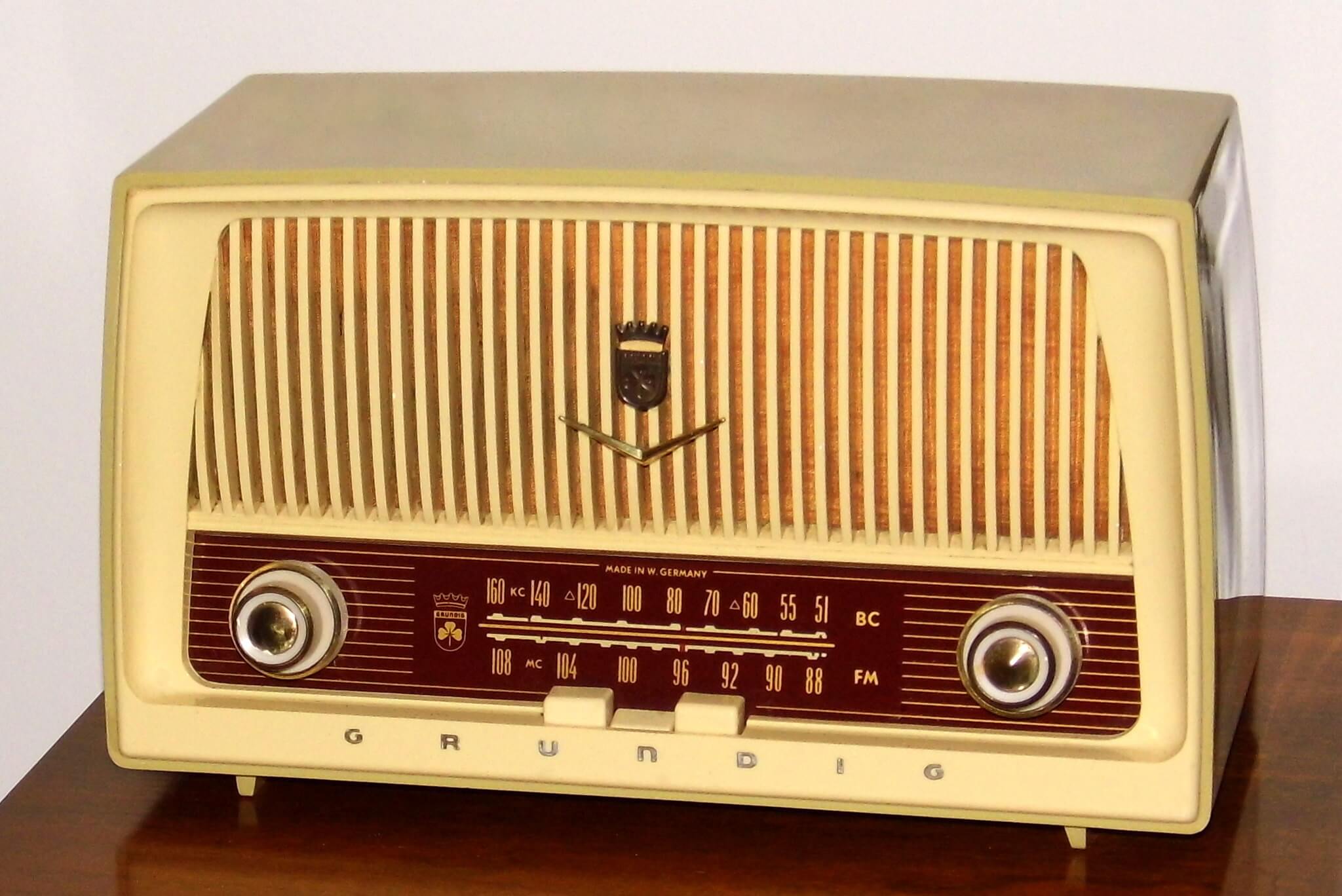
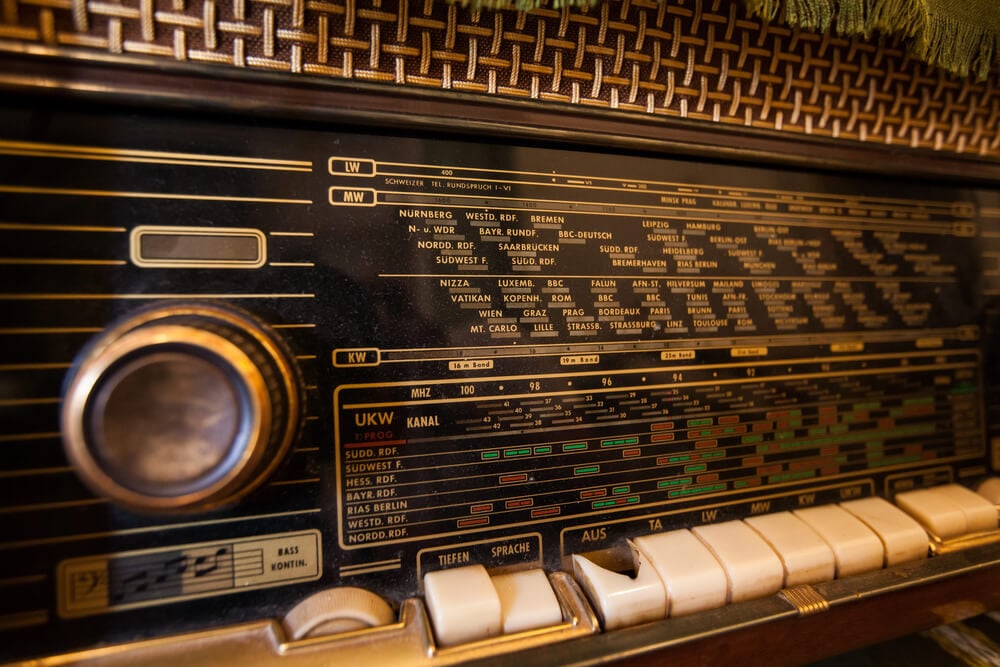
West German manufacturers rebuilt quickly after the war, and their large table radios of the 1950s offered FM, shortwave, several speakers, and a row of ivory piano-key switches. American servicemen stationed in Europe carried thousands home.
Grundig’s export models wore the Majestic name. They bring $100 to $400 depending on model and condition.
Shops like them because the audio quality is excellent and customers can use the FM band daily. The green tuning-eye tube is nearly always dim, the key switches need cleaning, and replacement parts remain available from European suppliers.
Fisher 500-C
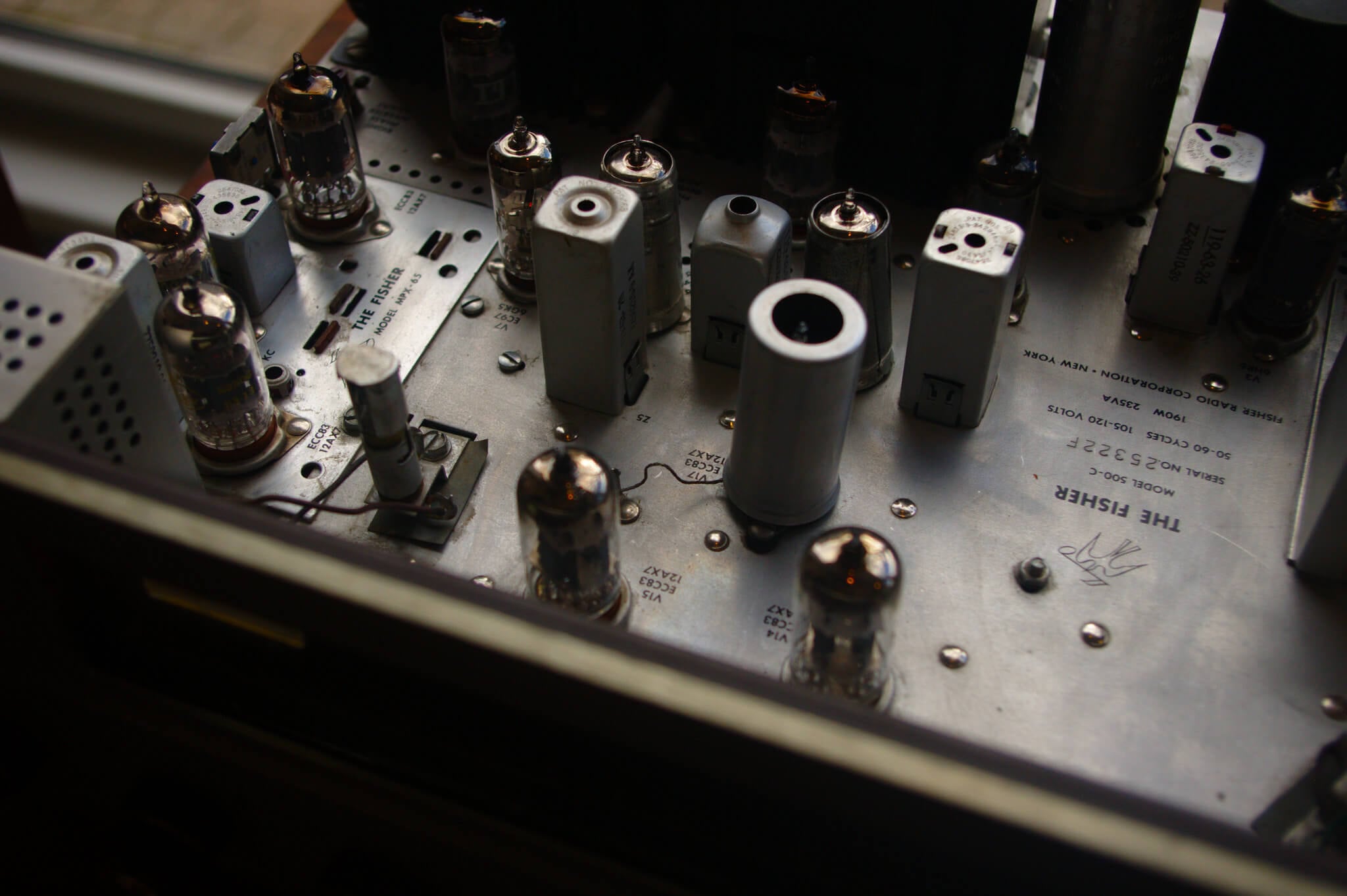
Avery Fisher’s stereo FM receiver of the mid-1960s put a tuner, a preamplifier, and a thirty-five-watt-per-channel tube amplifier on one chassis. It was among the last great American tube receivers before transistors took over.
Restored examples bring $800 to $1,800 depending on condition and whether the optional walnut case is present. Demand comes from listeners who intend to use the thing every day.
For a repair shop that makes it an ideal purchase, since a full rebuild with new capacitors and matched output tubes is billable work with a waiting customer.
KLH Model Eight
Henry Kloss designed this FM table radio in 1960 as two small walnut boxes, one for the tuner and amplifier and one for the speaker, joined by a cord. It sold for about $159, a remarkable sum for a table set, and buyers paid it because nothing so small had ever sounded so good.
The tuner was sensitive enough to work well in crowded cities. Examples bring $300 to $700, depending on condition and whether both boxes are present.
Kloss went on to found two more audio companies, and he returned to the high-quality table radio forty years later.
Warm Tubes and Patient Hands
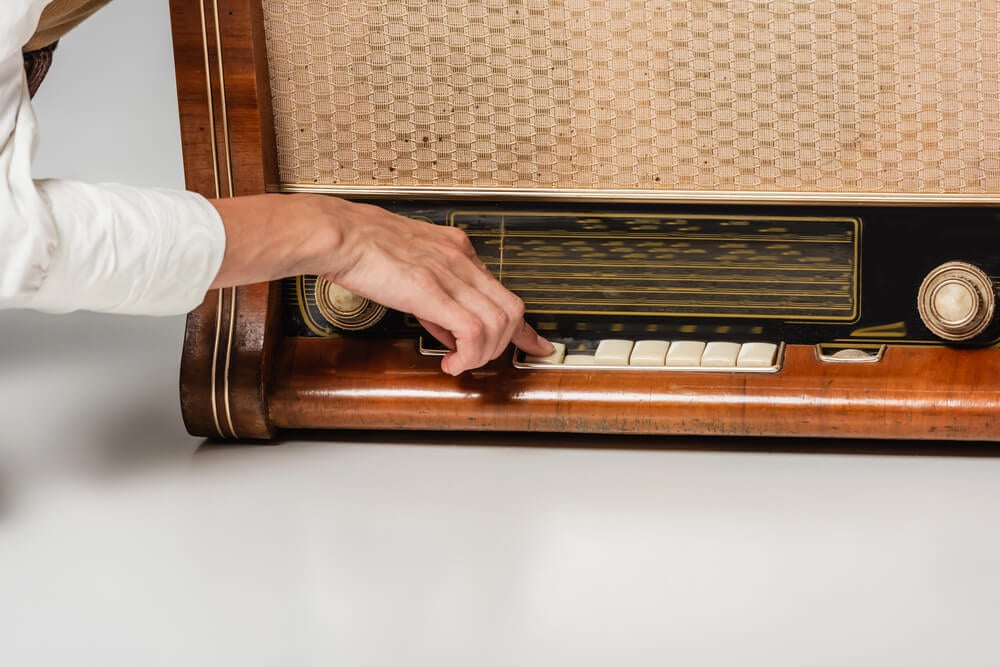
A repair shop’s buying list is a map of what people will pay to hear working again. Rarity matters less than it does at auction.
The sets that move are the ones tied to a memory, such as a grandfather’s shortwave portable, a first transistor, or the arched cabinet from a thousand old photographs. Restoration is also one of the few trades in which a ninety-year-old product can be returned to daily use with hand tools and common parts.
The capacitors get replaced, the dial lamp glows, and a station fades in through the static. Customers pay for that moment more than for the cabinet.
More from Go2Tutors!

- The Romanov Crown Jewels and Their Tragic Fate
- 13 Historical Mysteries That Science Still Can’t Solve
- Famous Hoaxes That Fooled the World for Years
- 15 Child Stars with Tragic Adult Lives
- 16 Famous Jewelry Pieces in History
Like Go2Tutors’s content? Follow us on MSN.



