30 Summer Chores Kids Did Without Asking
Summer vacation once came with an unwritten job description. School let out, the days stretched past eight in the evening, and children in most households simply absorbed a share of the work that warm weather created. Nobody posted a chart on the refrigerator.
The jobs were small, repetitive and tied to equipment that has largely vanished, from reel mowers to burn barrels to freezers that grew their own glaciers. Anyone who spent a July doing them can still recall the exact sound each one made.
Pushing the Reel Mower
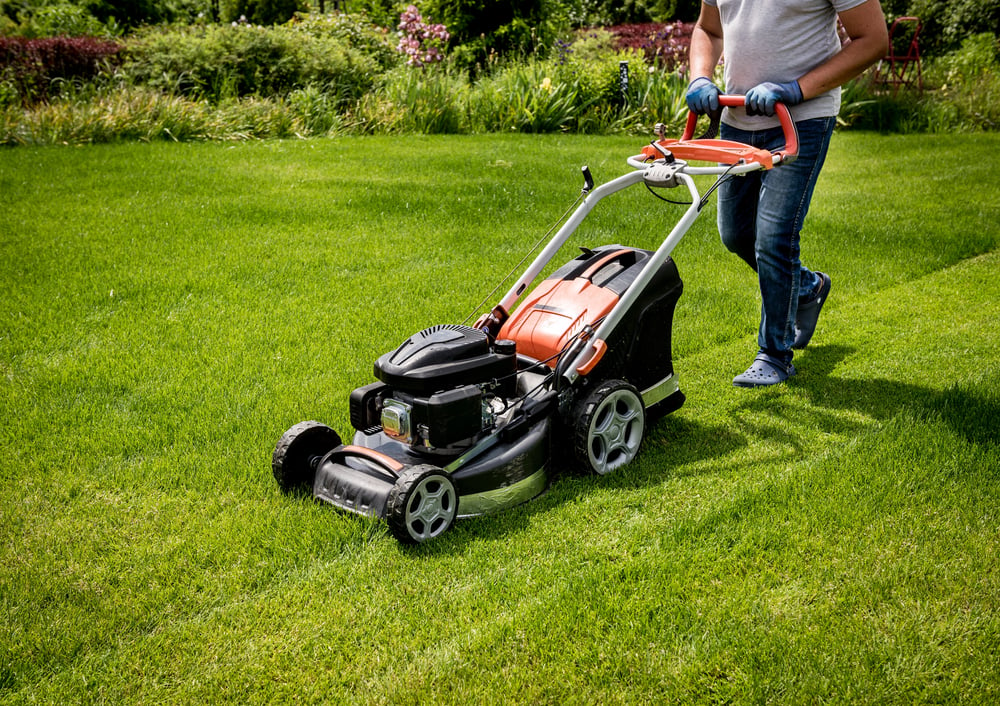
Edwin Budding, an English engineer, patented the reel mower in 1830 after watching a bladed cylinder trim the nap off cloth in a textile mill. More than a century later, the same basic machine sat in American garages, and the child tall enough to reach the handle inherited it.
A reel mower cuts like scissors, which leaves a clean lawn but jams on a single twig. Tall grass meant backing up and taking a second run at every pass.
Gasoline rotary mowers spread quickly after World War II, and parents were slower to hand those over.
Picking Up Sticks Before the Mower Came Out

Before any blade touched the lawn, someone had to walk it. Sticks, pine cones, dog toys, a forgotten croquet wicket and the occasional garden hose all had to be cleared, because a reel mower stopped dead on them and a power mower turned them into projectiles.
The job usually fell to the youngest child who could be trusted to be thorough. Yards with mature maples or oaks produced a fresh crop of twigs after every thunderstorm.
It was nobody’s favorite task, mainly because it was only the preamble to a longer one.
Raking the Clippings
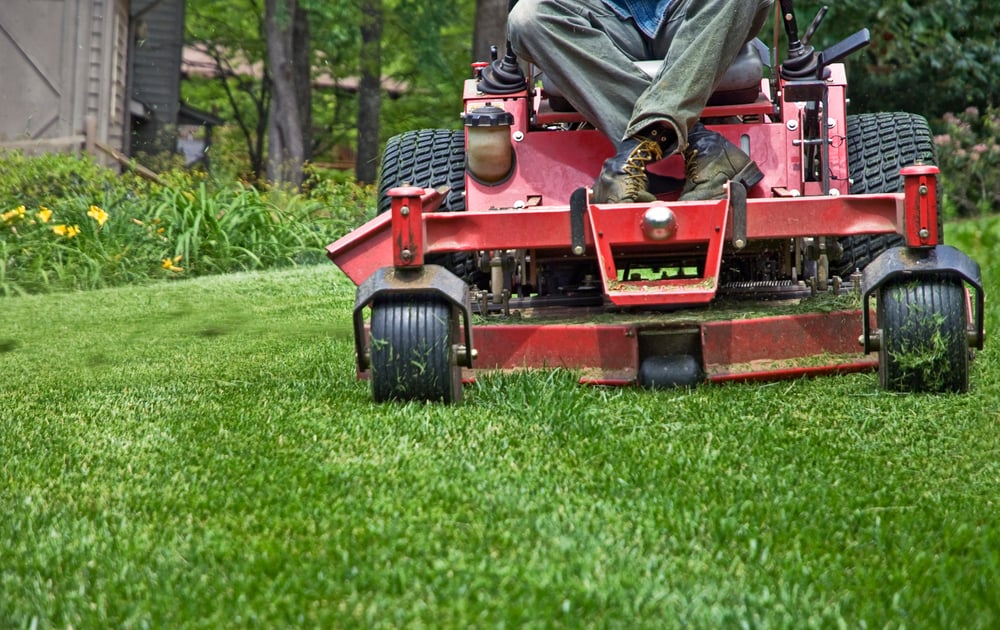
Older mowers had no bag and no mulching blade, so cut grass lay in damp green rows across the lawn. Left in place during a wet week, the clumps matted down and yellowed the turf beneath them.
Children followed behind with a bamboo or spring-steel rake and dragged the clippings into piles, then carried them to the compost heap or the back fence line. Fresh clippings heat up surprisingly fast as they decompose, and a pile made in the morning felt warm to the hand by evening.
Bare feet ended the day stained green.
Trimming the Edges With Hand Clippers
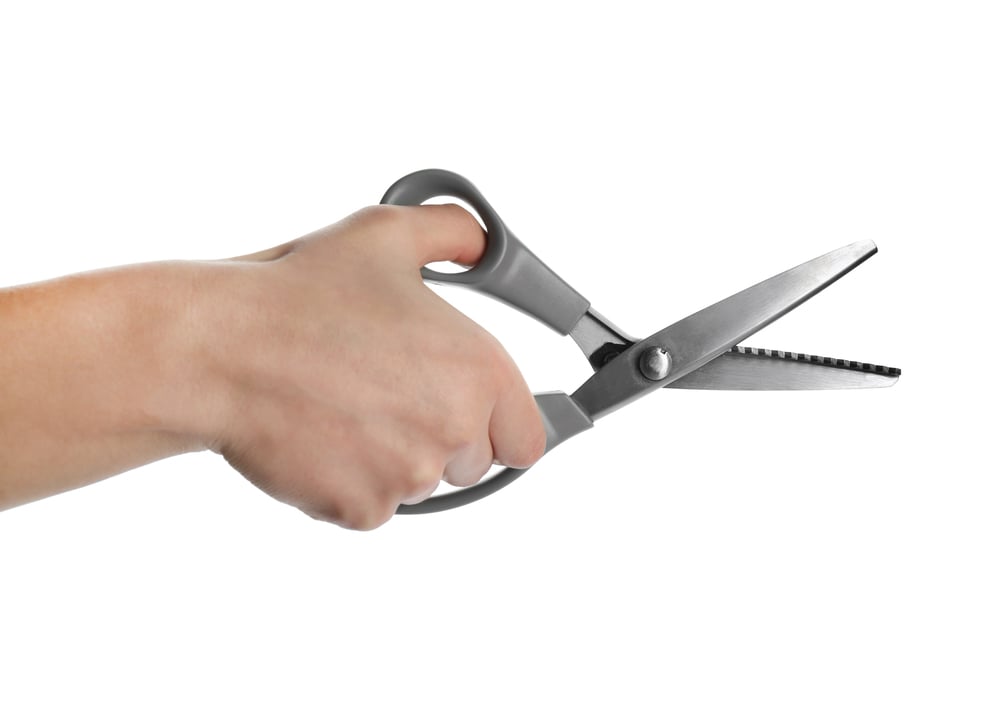
String trimmers did not exist until the early 1970s, when a Houston developer built the first one from a tin can and fishing line. Before that, the ragged grass along sidewalks, fence posts and flower beds was cut with hand shears that resembled oversized scissors or sheep clippers.
The work was done kneeling, a foot or two at a time, and a long front walk could take most of an hour. Dull blades folded the grass instead of cutting it.
A child’s grip gave out well before the edge was finished, which is why the job was often split between siblings.
Pulling Dandelions

The dandelion arrived in North America with European settlers, who grew it on purpose as a salad green and medicinal herb. Its taproot commonly runs six to ten inches deep, and any piece left in the ground can regrow an entire plant.
That biology explains the forked metal weeder that hung in so many garages and the instruction to get the full root. Some households paid by the bucket, often a penny a plant.
The job had to be finished before the yellow flowers turned to seed heads, since a single plant can release thousands of seeds in a season.
Weeding the Vegetable Rows

A backyard vegetable garden was close to universal in some decades. During World War II, an estimated 20 million victory gardens produced roughly 40 percent of the fresh vegetables eaten in the United States, and the habit lingered for a generation.
Weeding was the chore that never ended. Crabgrass, purslane and pigweed could overtake a row of carrots in a week of warm rain.
Children learned to weed in the morning, before the heat, and to tell a carrot seedling from a weed the hard way. A hoe handled the paths, and fingers handled everything near the plants.
Moving the Sprinkler

Before in-ground irrigation and timers, watering a lawn meant dragging an oscillating or pulsing sprinkler to a new spot every half hour or so. The job required timing a dash through the spray to reach the sprinkler, or kinking the hose to buy a few dry seconds.
Most children chose to get wet. The rhythmic tick of an impact sprinkler, a design patented in the 1930s by a California citrus grower named Orton Englehart, became one of the defining sounds of a suburban evening.
Forgetting the sprinkler overnight produced a swamp and a lecture about the water bill.
Picking Beetles Off the Plants
Japanese beetles were first identified in the United States in 1916 at a nursery near Riverton, New Jersey, and spread steadily across the eastern half of the country. The metallic green and copper insects skeletonize rose, grape and bean leaves, feeding in clusters during the weeks of summer.
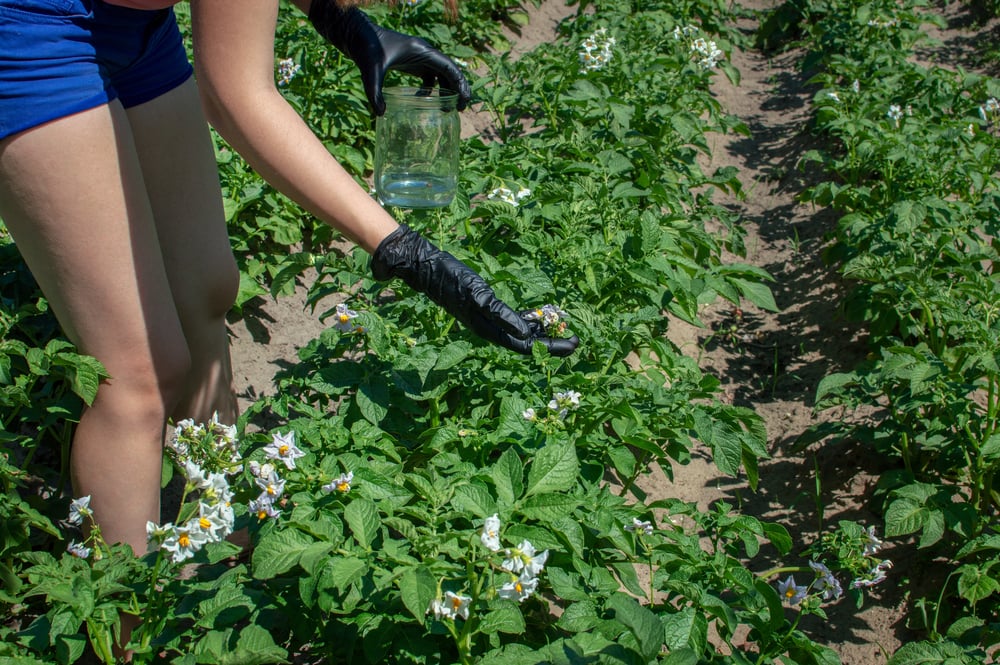
The low-tech control was a child with a jar of soapy water. Beetles are sluggish in the early morning and drop straight down when disturbed, so holding the jar beneath a leaf and tapping it did the job.
A bad year could fill the jar daily.
Snapping Beans on the Porch
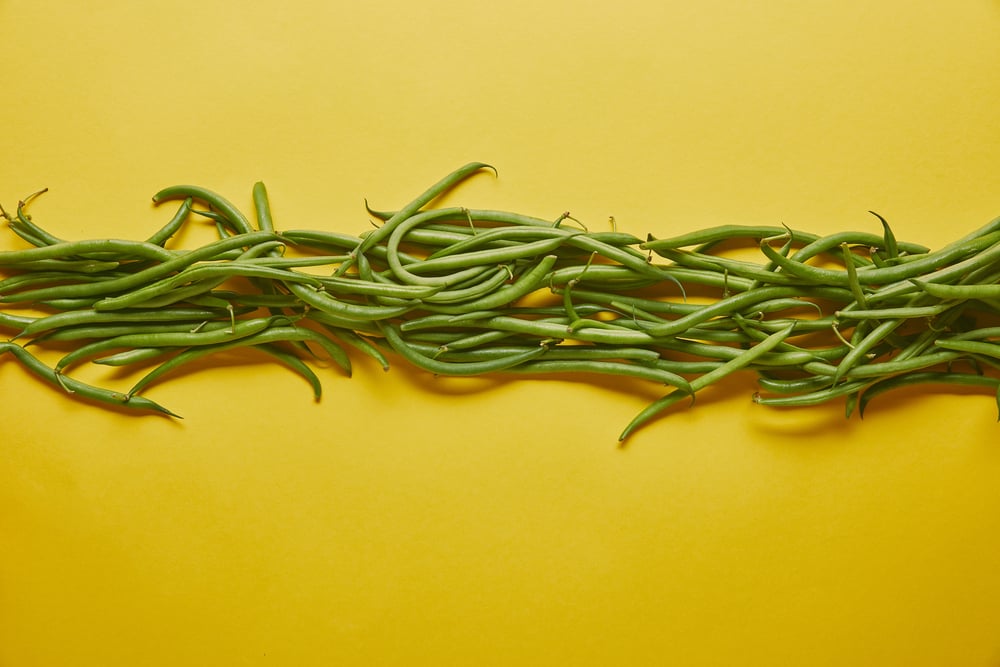
Green beans were once accurately called string beans, because a tough fiber ran down the seam of every pod and had to be pulled off before cooking. Calvin Keeney, a breeder in Le Roy, New York, developed the first stringless varieties in the 1880s, but old types stayed in gardens for decades.
The chore involved a paper grocery sack of beans, a bowl in the lap and a pan for the ends. Each bean was topped, tailed and snapped into pieces.
It was slow work that paired well with a porch, a grandparent and conversation.
Shelling Peas
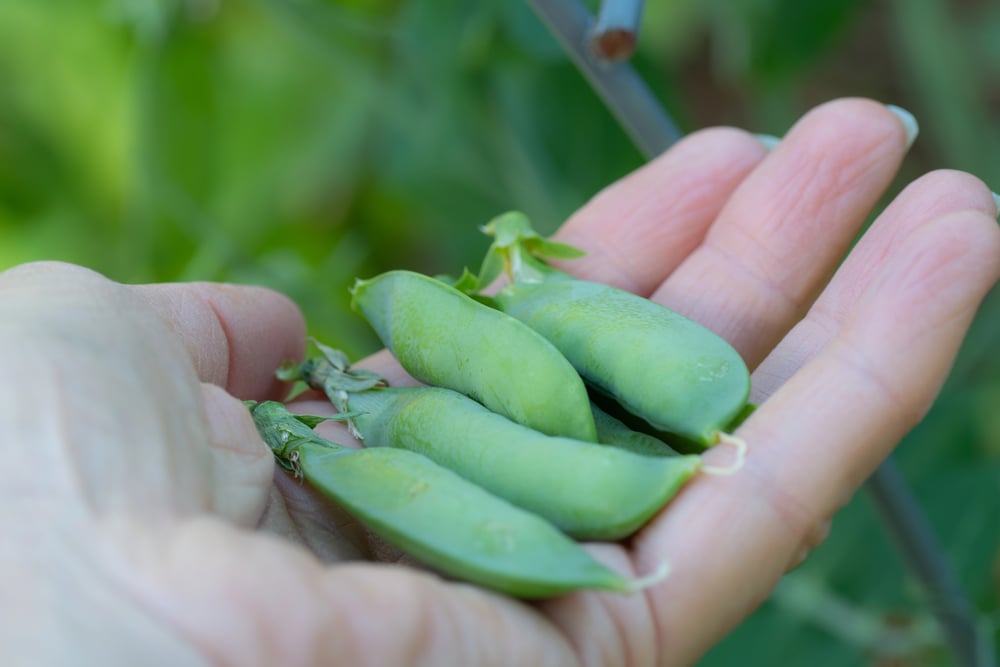
Shelling was measured in bushels and sore thumbs. English peas came first in early summer, followed in the South by purple hull peas, crowders and butter beans, which stained fingers a shade of violet that lasted for days.
A full bushel of pods shelled down to a disappointingly small bowl. Families often worked through them in the evening in front of a television or a box fan, each person with a bowl and a bag for the hulls.
The peas were blanched and frozen or canned the next morning, enough to last until the following summer.
Shucking Corn Outside
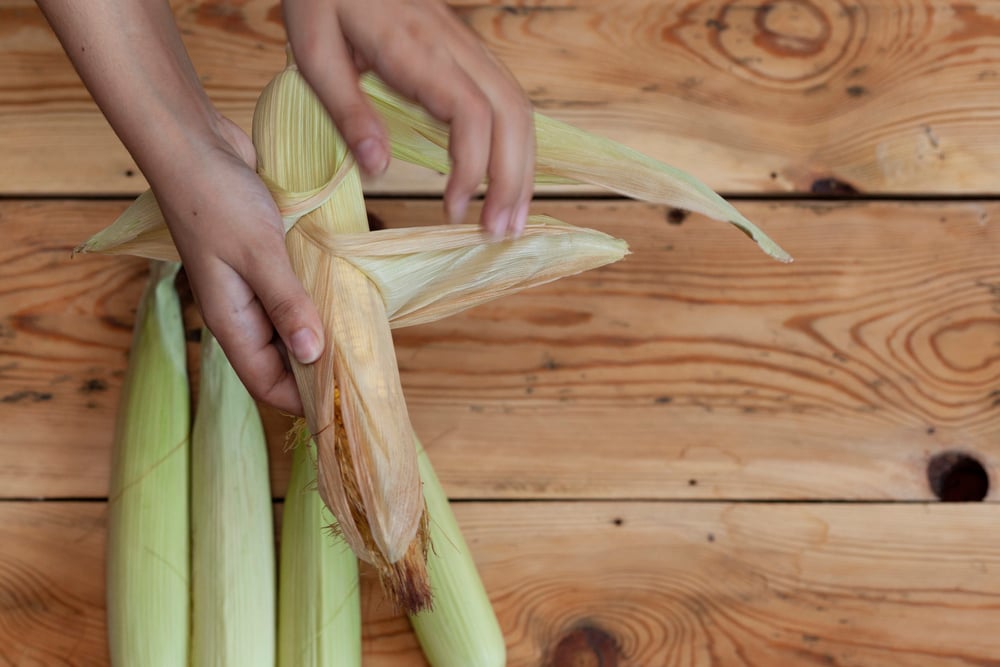
Corn was shucked outdoors for a practical reason, which is that silk gets everywhere. The job went to children sitting on back steps with a paper bag for the husks, peeling each ear and picking off the clinging strands one at a time.
Speed mattered with older varieties, because the sugar in sweet corn begins converting to starch as soon as the ear is picked. Cooks used to insist that the water be boiling before anyone went out to the garden.
Modern supersweet hybrids hold their sugar for days, which took the urgency out of the chore.
Picking Berries Before the Birds Did

Wild blackberries ripen in midsummer along fence rows, railroad cuts and the edges of pastures, and children were sent out with a coffee can or a lard pail on a string around the neck, leaving both hands free. The price of admission was thorns, heat and chiggers, the nearly invisible mites whose itchy welts showed up a day later around ankles and waistbands.
Pickers learned that a berry that does not release with a gentle tug is not ripe. A gallon made roughly one cobbler and a few jars of jam.
A fair amount never reached the kitchen.
Hanging the Wash on the Line
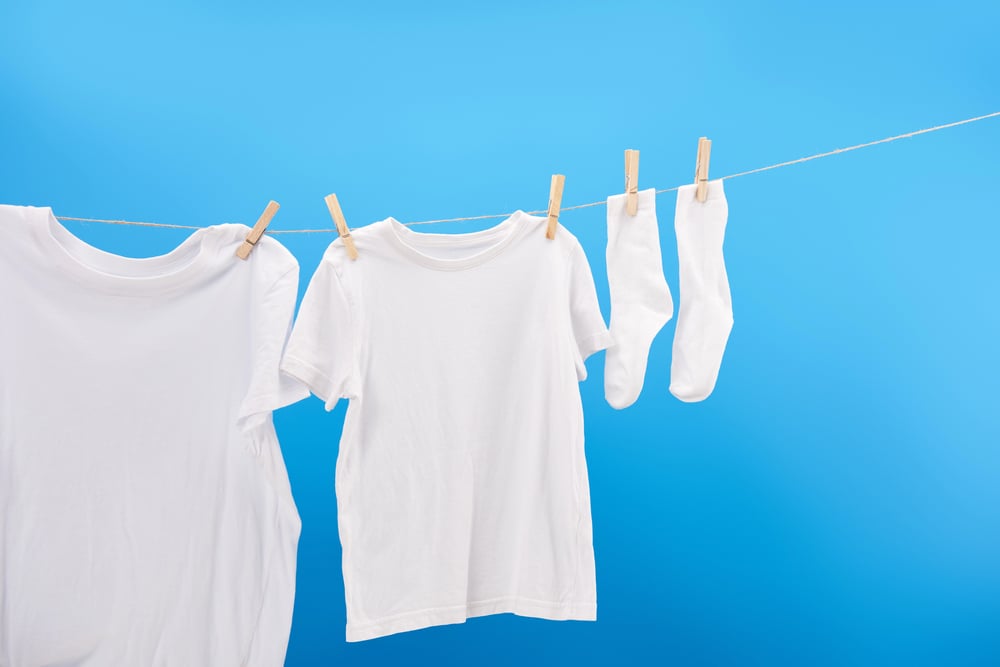
In 1960, only about one in five American households owned a clothes dryer, so laundry day meant the line. Children carried the basket and handed up clothespins, then graduated to hanging.
There were rules. Shirts hung from the hem, not the shoulders, sheets were folded over the line and pinned at the corners, and underwear went on the inside line where neighbors could not see it.
The spring clothespin itself dates to an 1853 patent by David M. Smith of Springfield, Vermont. Line-dried towels came in stiff as cardboard and smelling of outdoors.
Rescuing the Laundry Before the Rain
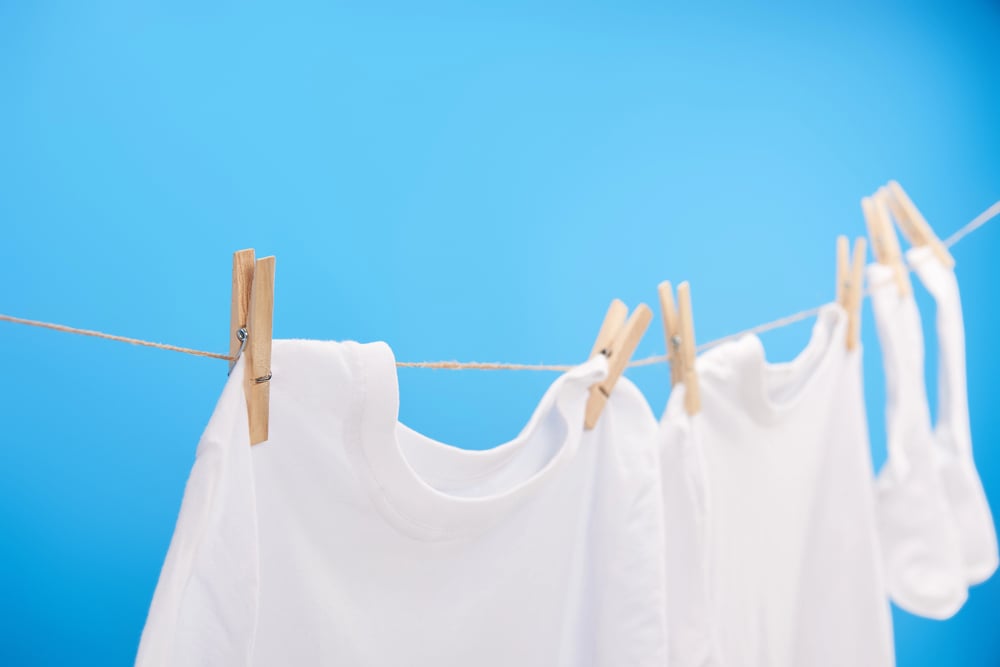
An afternoon thunderstorm could undo a morning’s washing in about ninety seconds. The first rumble of thunder, or a sudden cool wind that flipped the maple leaves pale side up, sent every child in the house sprinting for the clothesline without being told.
Clothespins went into apron pockets or a cloth bag that slid along the line. Dry items were pulled first and damp ones last, all of it heaped into a basket and run to the back door.
Neighbors did the same for families who were not home, a courtesy that was simply understood.
Washing the Car in the Driveway

The Saturday car wash required a bucket, dish soap, a sponge and a garden hose with a brass nozzle. Children were assigned the hubcaps, the whitewalls and whatever parts of the fenders they could reach, while an adult handled the roof.
Whitewall tires, common through the 1960s, showed every scuff and needed a stiff brush and scouring powder. The car had to be dried with a chamois or old towels before the sun left water spots.
Dish soap, as detailers later pointed out, stripped the wax. Nobody knew, and the chrome gleamed regardless.
Sweeping the Porch and Front Walk
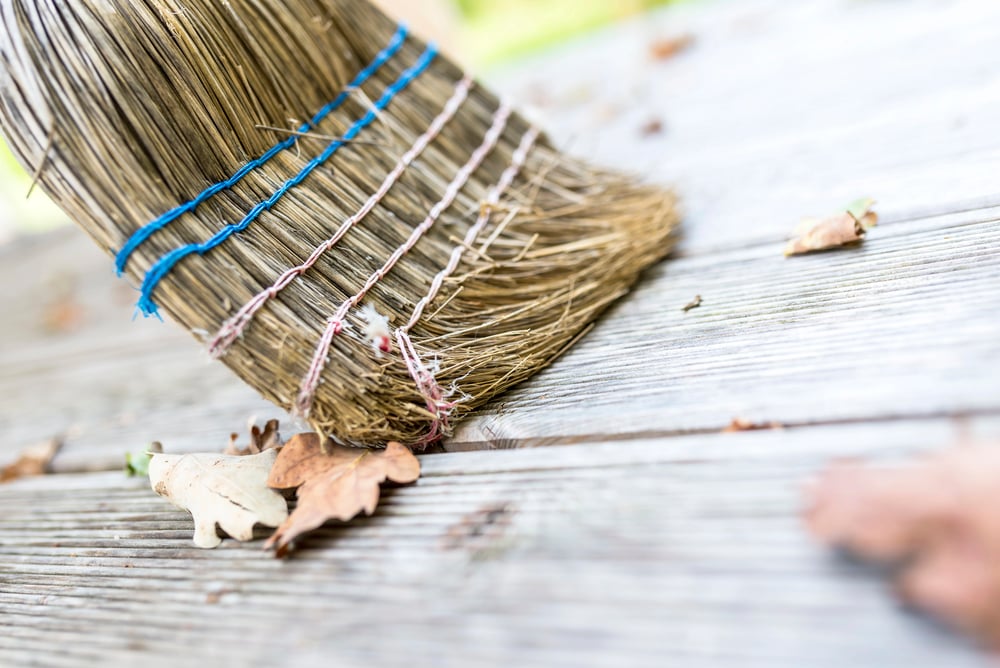
A swept front walk signaled that a household had its affairs in order, and the job took a child ten minutes with a corn broom. Summer added grass clippings, maple seeds, cottonwood fluff and the sand tracked home from the beach or the sandbox.
The corn broom itself is an American design. Shakers in the early 1800s began flattening the traditional round broom and stitching it, which produced the wide, flat sweep still sold today.
Porches also collected spiderwebs in the corners and moths beneath the light, both of which counted as part of the assignment.
Carrying Trash to the Burn Barrel
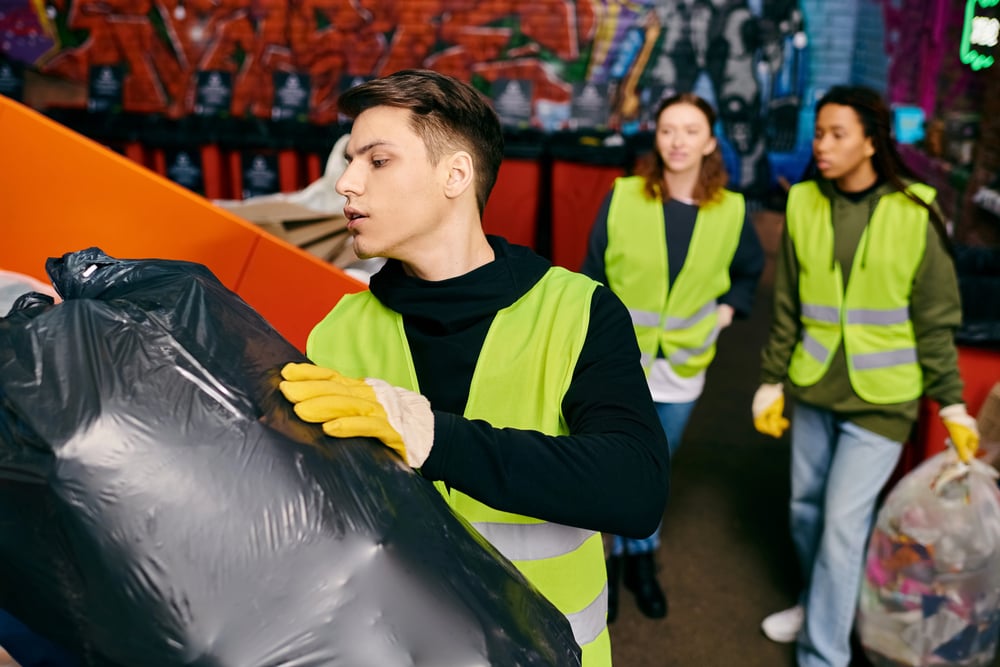
In rural areas and many small towns, household trash was not collected. It was burned in a 55-gallon steel drum at the back of the lot, usually with vents punched near the bottom for draft.
Older children carried out paper sacks of refuse and were sometimes trusted with the match, a responsibility that felt enormous. Aerosol cans were the known hazard, and every family had a story about one.
Air quality rules that followed the Clean Air Act of 1970, along with state and local bans, gradually ended the practice in most populated places.
Hauling Bottles Back for the Deposit

Soft drink bottles were once the property of the bottler, and a deposit of two cents, later a nickel, made sure they came back. Children treated this as a wage.
They gathered the household empties, scoured roadsides and construction sites for strays, and hauled them to the grocery store in a wagon. A returnable glass bottle made dozens of trips through the washing line before it wore out.
Non-returnable containers took over during the 1960s. Oregon passed the first modern bottle bill in 1971, partly to bring back the behavior that deposits had once produced automatically.
Walking to the Store for Bread and Milk

A child of eight or nine was considered fully qualified to walk several blocks to a corner grocery with a dollar bill and a short list. The standard order was a loaf of bread, a quart of milk and perhaps a pound of lunch meat, with the unspoken understanding that a few cents of change could go toward penny candy.
Many neighborhood grocers kept a running tab, so no money changed hands at all. The grocer knew every child by name and family.
Supermarkets built around parking lots ended the corner store, and the errand with it.
Setting Out the Empties for the Milkman
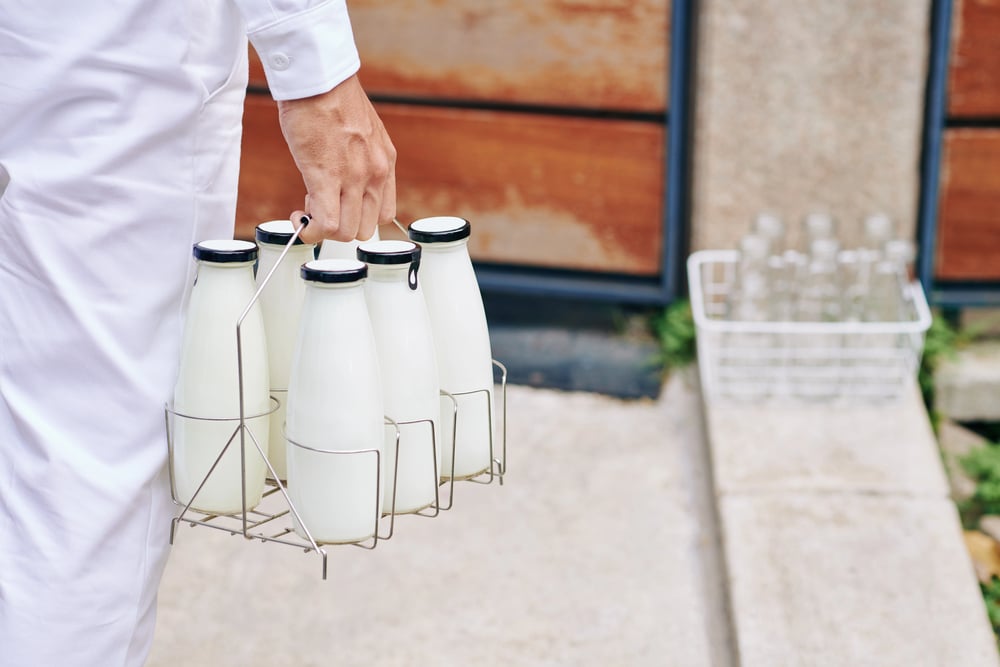
In 1963, close to 30 percent of American milk still arrived by home delivery, and the system depended on a small daily chore. Empty glass bottles were rinsed and set on the porch or in an insulated box by the door, sometimes with a note rolled into the neck asking for extra cream or a dozen eggs.
In summer, the full bottles had to come inside quickly, before the morning sun reached them. Unhomogenized milk carried a plug of cream at the top.
By 1975, home delivery had fallen below 7 percent of sales.
Minding the Younger Ones

The oldest child in a family became an unpaid supervisor the day school let out. Parents issued broad instructions, such as keeping the little ones out of the street and the creek, and left the details to a twelve-year-old.
The job included making sandwiches, settling disputes, applying bandages and knowing which neighbor to run to in an emergency. It was rarely framed as babysitting and never paid.
The arrangement worked because families were larger and neighborhoods were full of adults at home during the day, conditions that both faded after the 1970s.
Feeding the Chickens and Gathering Eggs
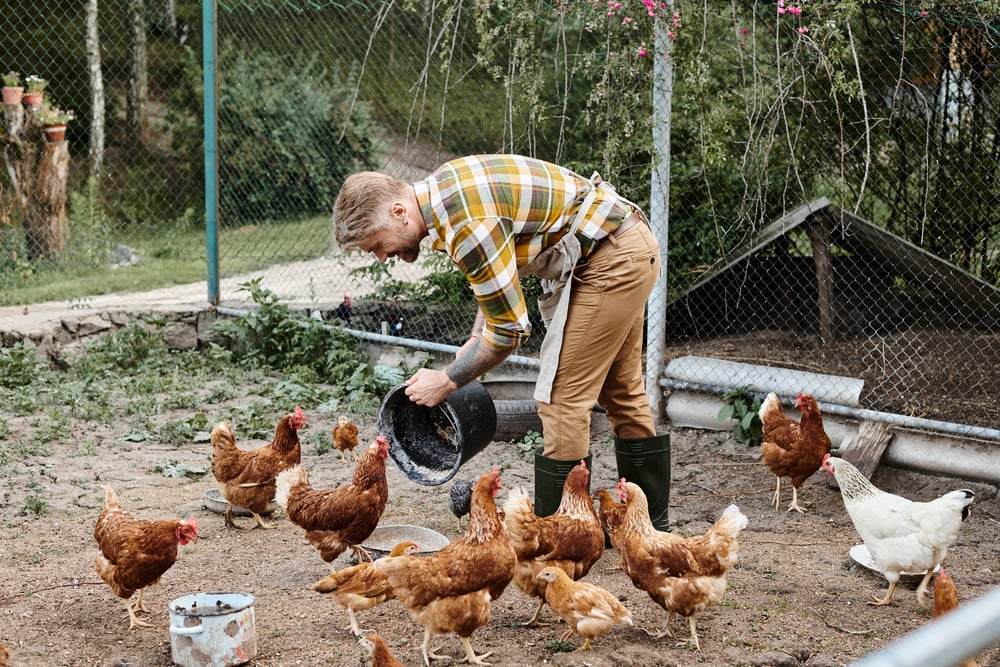
On farms and in plenty of small-town backyards, the chicken chores belonged to children. Morning meant scattering scratch grain, refilling the waterer and checking that nothing had dug beneath the fence overnight.
Hens lay best when daylight runs fourteen hours or longer, so summer was peak production, and eggs had to be gathered at least once a day before heat or a broody hen spoiled them. Reaching beneath a sitting hen took nerve, since some pecked hard.
Eggs went into a wire basket, and any with cracks were set aside for the dog or the day’s baking.
Scrubbing Canning Jars
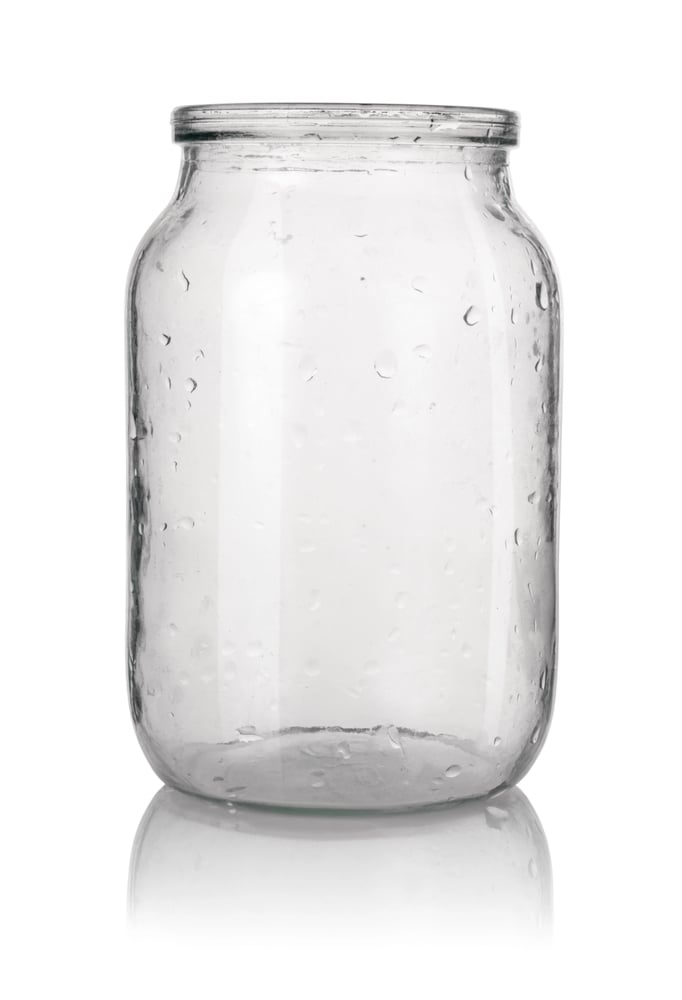
John Landis Mason patented his threaded glass jar on November 30, 1858, and a century later American cellars were lined with thousands of them. Canning season ran from the first beans in June to the last tomatoes in September, and every jar had to be scrubbed before it was sterilized.
Children got the job because their hands fit inside. Each jar was washed in hot soapy water, rinsed and checked along the rim with a fingertip, because a tiny chip would prevent a seal.
A day’s canning could call for several dozen jars.
Cranking the Ice Cream Freezer

Nancy Johnson of Philadelphia patented the hand-cranked ice cream freezer in 1843, and the design barely changed for more than a century. A metal canister of custard sat in a wooden bucket packed with crushed ice and rock salt, which pulls the temperature of the brine well below the freezing point of water.
Children took the first shift at the crank, when turning was easy. As the mix stiffened over twenty or thirty minutes, the handle passed to older siblings and finally to an adult.
Whoever cranked earned the right to lick the dasher.
Refilling the Ice Trays
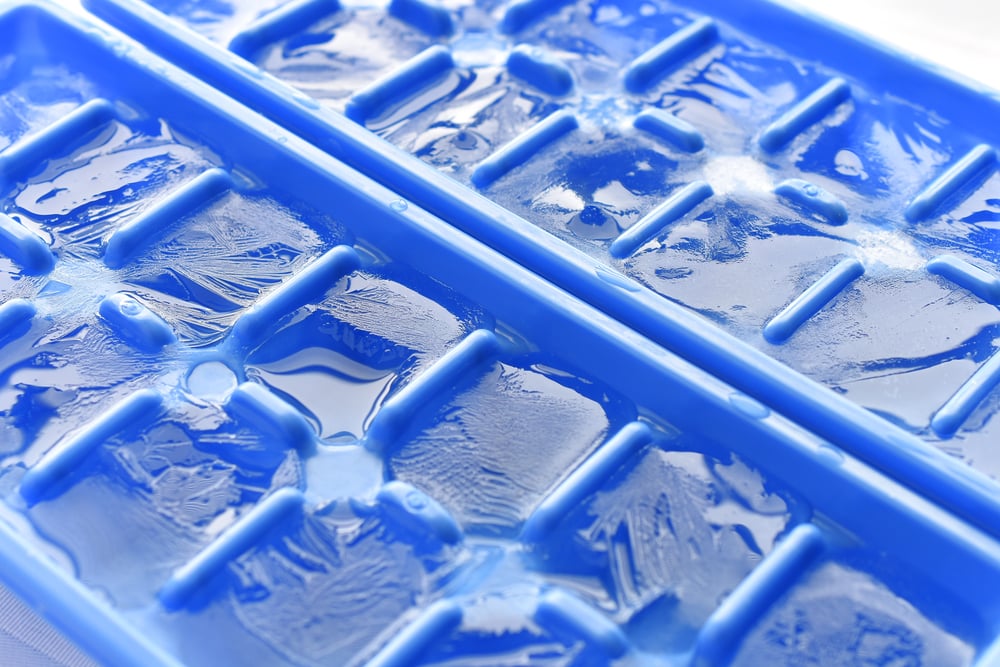
Mid-century ice came from aluminum trays with a removable grid and a lever on top. Pulling the lever was supposed to crack the cubes free, though it often took two hands, a run of tap water and some complaining.
Bare fingers stuck to the frosted metal. The household rule was simple and constantly broken, which was that whoever took the last cubes refilled the tray.
Carrying a brimming tray across the kitchen to the freezer without spilling was its own test. Automatic ice makers, offered in home refrigerators from the 1950s onward, slowly retired the job.
Defrosting the Freezer

Before frost-free models became standard in the 1960s and 1970s, the freezer compartment slowly filled with ice until the door would barely close. Defrosting was a summer job because humid air made the frost build faster.
The refrigerator was emptied and switched off, pans of hot water went inside, and children were posted with towels to catch the melt. Every adult warned against chipping at the ice with a knife, because a punctured coolant line meant a ruined appliance.
The reward was pulling away a slab of ice in one satisfying piece.
Washing Windows With Vinegar and Newspaper
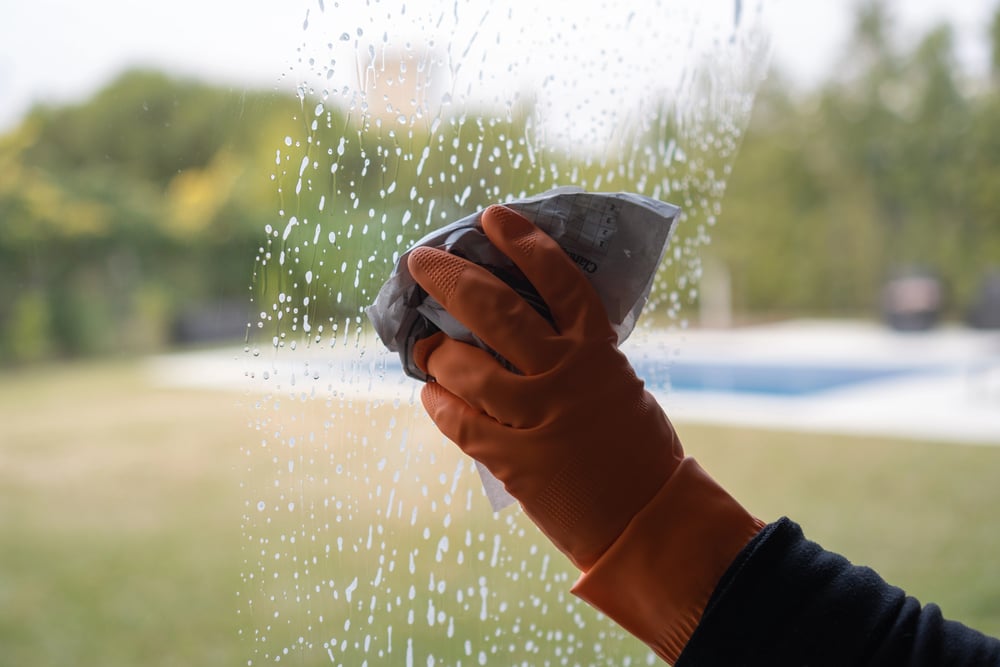
The formula was passed down without question. A splash of white vinegar went into a bucket of warm water, the glass was washed with a rag, and crumpled newspaper polished it dry.
Newsprint of the era left no lint and the ink added a faint polish, though it blackened the hands of whoever did the work. Summer was the season because the screens were already in place and the grime of spring pollen showed in the long evening light.
Children worked the outside of first-floor windows while an adult matched them from the inside, pointing at missed streaks.
Beating the Rugs
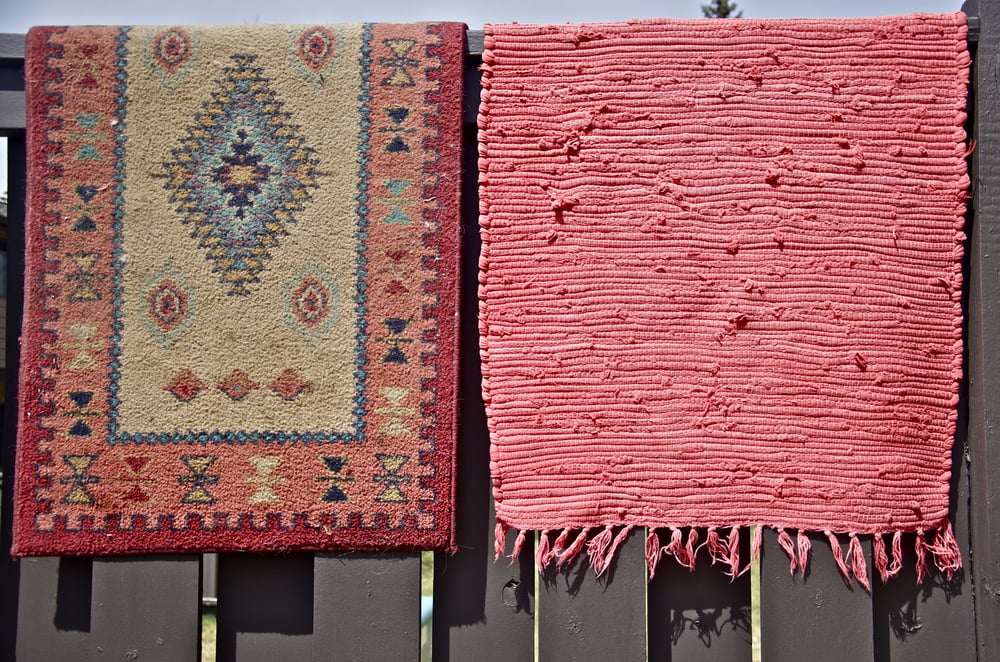
Wall-to-wall carpet became common in American homes only after the 1950s. Before that, floors were covered with area rugs, and a thorough cleaning meant hauling them outside, draping them over the clothesline and hitting them with a rattan or wire beater shaped like a pretzel.
The dust that came out was impressive and went directly into the face of whoever was swinging. Children took to the job with enthusiasm for about five minutes.
Rugs were left to air in the sun for the afternoon, which was believed to freshen the wool and discourage moths.
Pasting Green Stamps Into Books

The Sperry and Hutchinson Company began issuing trading stamps in 1896, and by the 1960s it claimed to print three times as many stamps as the Postal Service. Grocers and gas stations handed them out with every purchase, and they piled up in kitchen drawers until a child was drafted to lick them into saver books.
A full book held 1,200 points. The taste of the glue was memorable, and a damp sponge was the veteran’s tool.
Completed books were traded at redemption centers for toasters, lamps and lawn chairs chosen from a thick catalog.
Mixing the Kool-Aid

Edwin Perkins invented Kool-Aid in Hastings, Nebraska, in 1927 by reducing his bottled drink concentrate, Fruit Smack, to a powder that was cheaper to ship. A packet cost a dime at first, and Perkins cut the price to a nickel during the Depression.
Making the pitcher was among the first kitchen tasks a child was trusted with, and the recipe was printed on the envelope, which called for one packet, one cup of sugar and two quarts of water. The sugar measurement was treated as a minimum.
General Foods bought the brand in 1953.
Work Nobody Assigned

Few of these chores were formally given out. They were absorbed by watching, the way a younger child learned that the sky turning dark meant running for the clothesline, or that an empty ice tray was a small crime.
The work was real, and households depended on it. A garden that was not weeded did not produce, and beans that were not snapped did not get canned.
Appliances and services took over most of the list. Dryers, frost-free freezers, curbside collection, ice makers and irrigation timers each erased a task, and few people would want them back.
The summers they shaped are harder to replace. A long day once had a loose structure of small duties, and the free hours in between felt earned.
More from Go2Tutors!

- The Romanov Crown Jewels and Their Tragic Fate
- 13 Historical Mysteries That Science Still Can’t Solve
- Famous Hoaxes That Fooled the World for Years
- 15 Child Stars with Tragic Adult Lives
- 16 Famous Jewelry Pieces in History
Like Go2Tutors’s content? Follow us on MSN.