29 Halloween Costumes Kids Wore Decades Ago
Halloween costumes once came in a flat cardboard box with a cellophane window, and the mask inside smelled like a new shower curtain. The elastic snapped by the third house, the eye openings never lined up, and nobody minded.
Everything else came out of the linen closet, the basement, or a parent’s makeup bag.
These are the looks that filled sidewalks from the 1950s through the 1990s. Some were pulled straight from Saturday morning TV, and some were improvised an hour before dark.
Caped Crusader Smocks From the Batman Boom
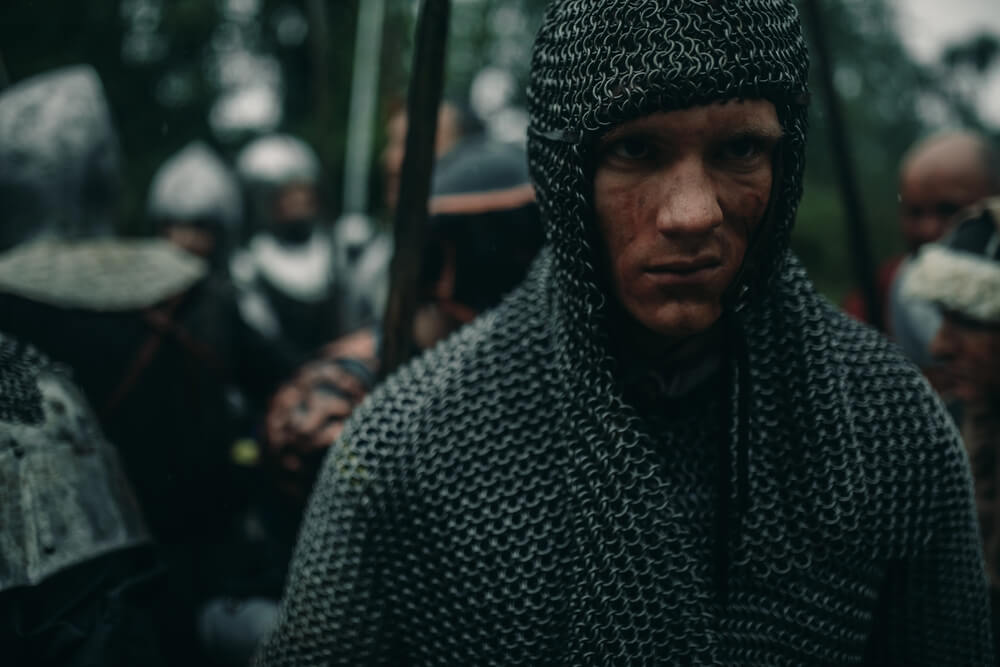
When the Batman TV series premiered on ABC in January 1966 with Adam West in the cowl, costume makers could barely keep up. Ben Cooper, the Brooklyn company behind countless boxed Halloween outfits, said it sold 2 million Batman costumes that year alone.
The kit was a thin vinyl smock printed with the bat emblem and utility belt, plus a molded plastic mask held on by a single strip of elastic. It fogged up, it pinched, and it tore by November.
The company later registered a trademark on the phrase super heroes, a sign of how thoroughly capes had taken over the sidewalks.
Bedsheet Ghost With Cut-Out Eyes
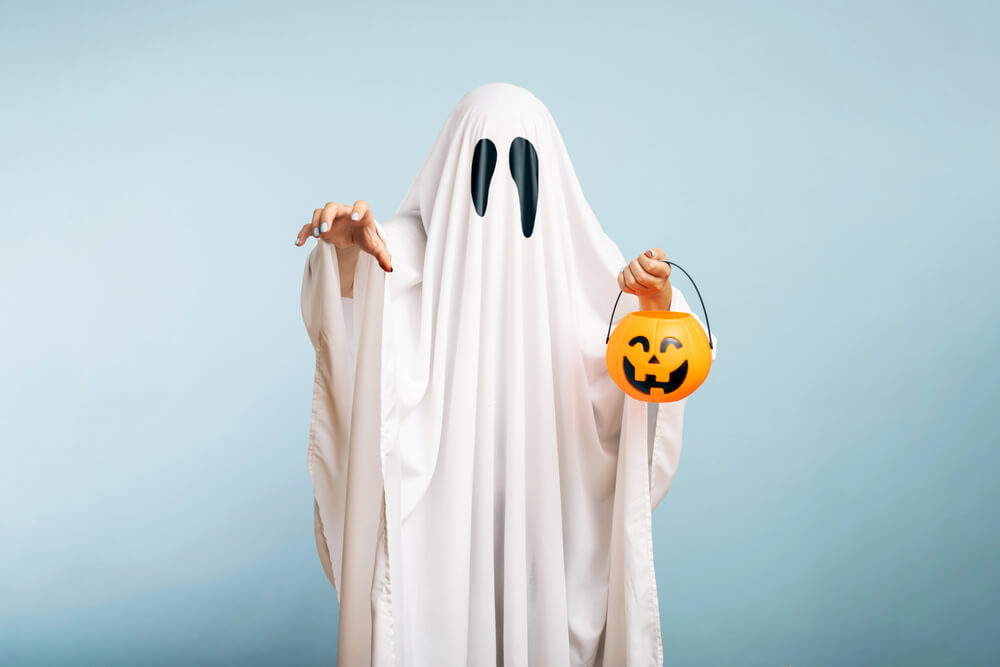
The cheapest costume in America required one old white sheet and a pair of scissors. Parents draped it over a child’s head, marked the eyes with a pencil, and cut two ragged ovals that slid out of place the moment the ghost turned to look at anything.
Trick-or-treaters tripped on the hem, snagged it on hedges, and lost track of siblings in a crowd of identical specters. The look even got a punchline in the 1966 TV special It’s the Great Pumpkin, Charlie Brown, where a scissors-happy attempt leaves Charlie Brown’s sheet covered in far too many eye openings.
Hobo Outfit With Burnt-Cork Stubble

Before costumes came with licensing deals, the hobo was the default for kids whose parents had no budget but did have old clothes. The outfit meant an oversized flannel shirt, patched trousers, a battered hat, and a bandanna bundle tied to a stick.
The finishing touch was a beard smudged on with a burnt wine cork, charred over the stove and rubbed across a child’s jaw. The costume drew on the Depression-era image of rail-riding drifters, and it quietly faded as that history grew distant and dressing up as someone down on their luck began to feel less charming.
Pointed Hat Witch With Green Greasepaint
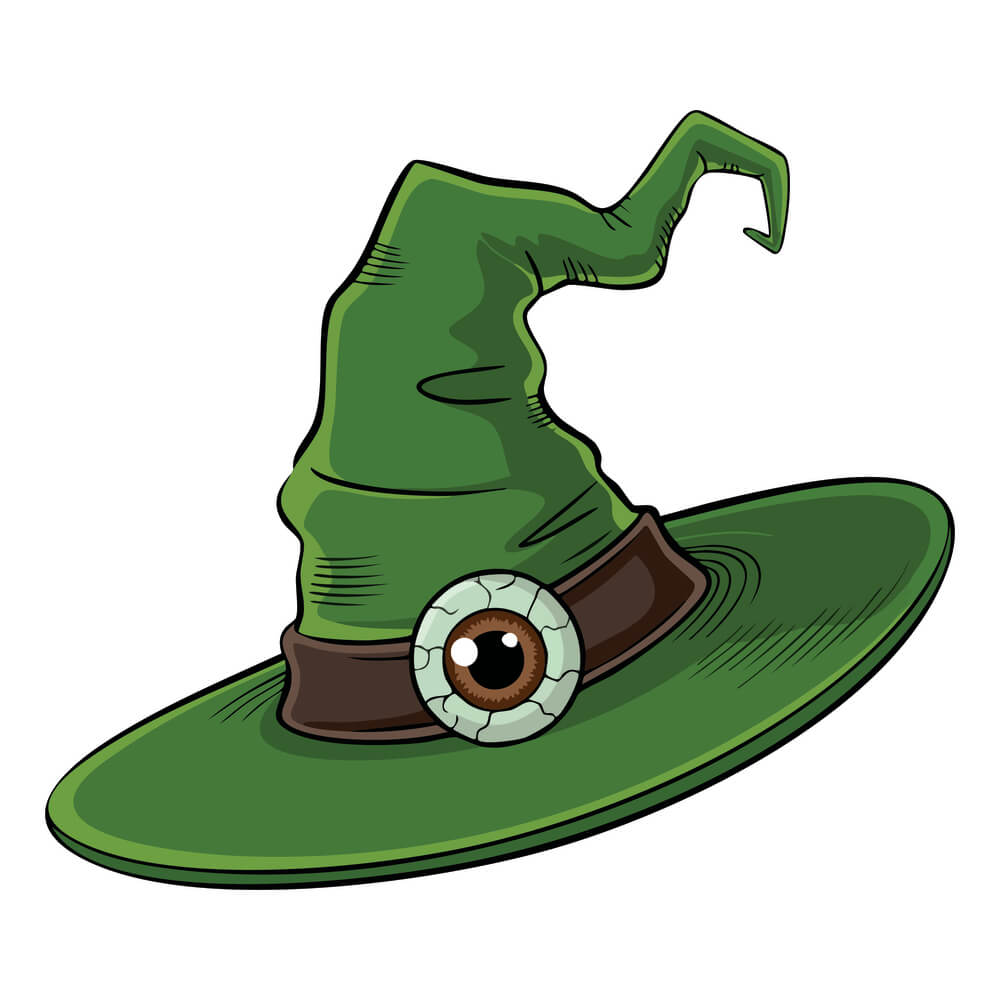
Every block had at least one witch, usually wearing a black cone hat from the dime store and a skirt borrowed from somebody’s mother. The green face came from greasepaint sticks that smeared onto pillowcases for days afterward, and the nose was often a rubber add-on with a painted wart.
A kitchen broom completed the look and got dragged along curbs until the bristles splayed. Unlike most costumes on this list, the witch never needed a TV show to stay popular, though annual network broadcasts of The Wizard of Oz, beginning in 1959, kept the green-skinned version front of mind.
Frankenstein Monster With a Flat-Top Mask
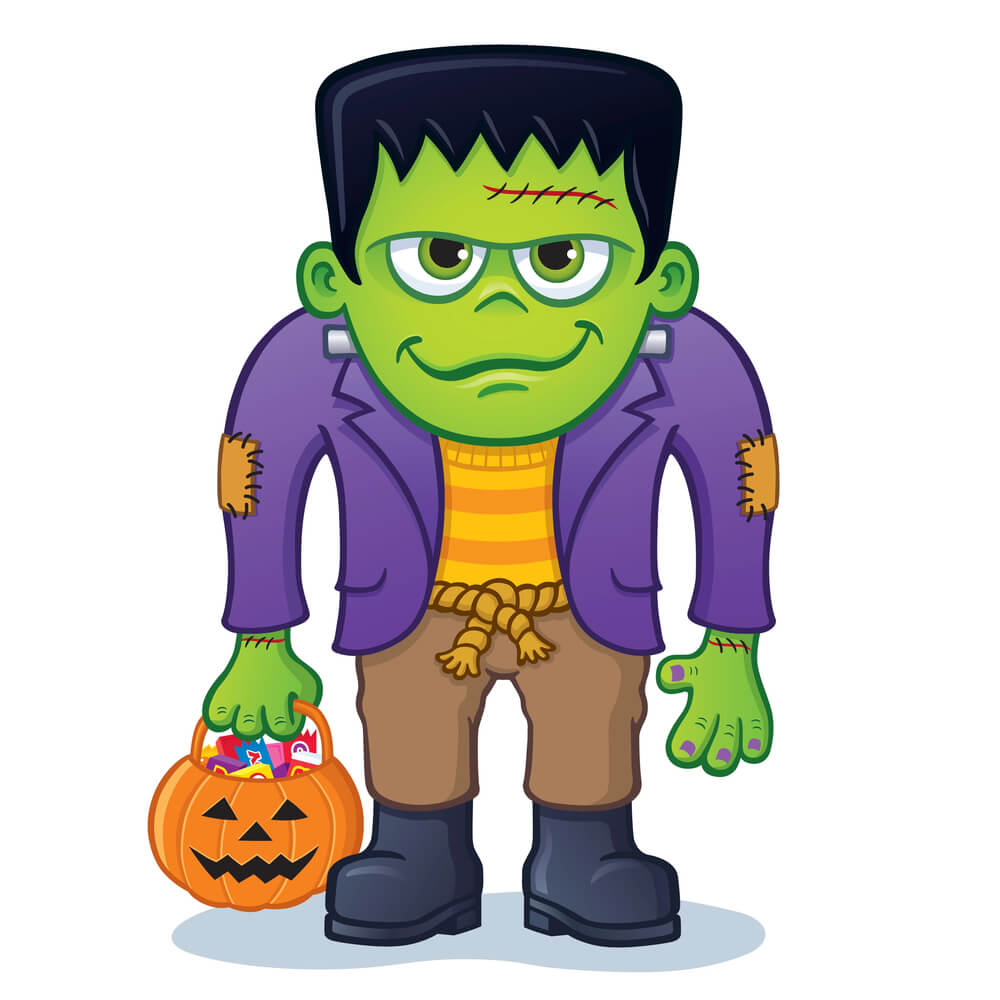
Kids dressed as Frankenstein’s monster were really copying Boris Karloff’s 1931 Universal Pictures version, flat head, heavy brow, and neck bolts included. Those films became TV staples in the late 1950s after Universal packaged its horror library for local stations as Shock Theater, and a generation of children discovered monsters through late-night broadcasts.
Costume makers followed with rubbery masks and green-tinted smocks. Homemade versions stuffed the shoulders with towels and relied on a pair of heavy work shoes for the stiff-legged walk that sold the entire illusion.
Dracula Cape and Plastic Fangs
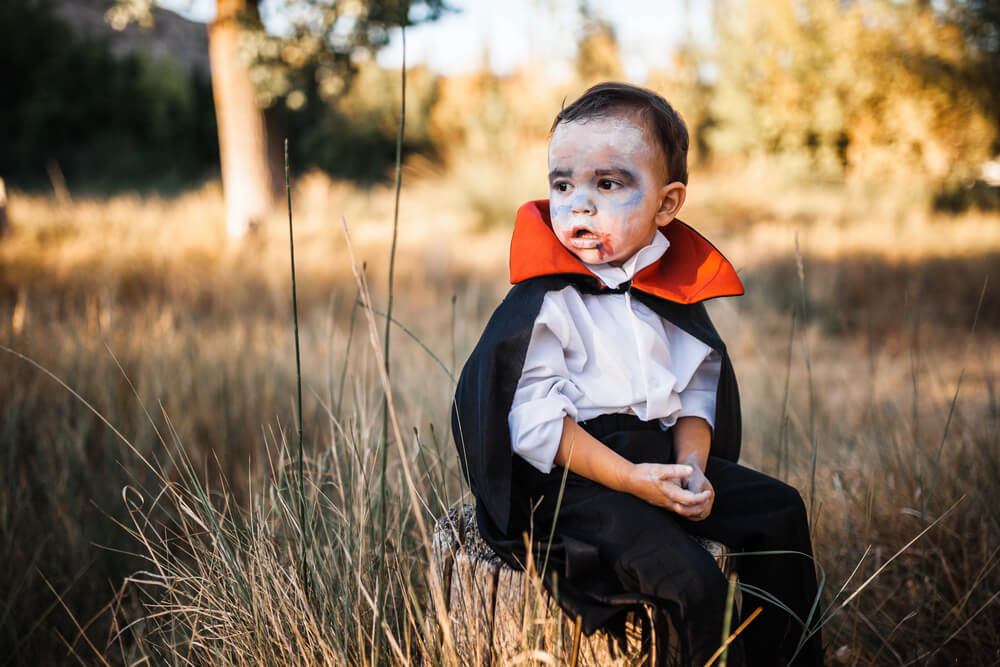
A black cape with a stand-up collar, hair pushed back with a dab of pomade, and a set of cheap plastic fangs turned any kid into Count Dracula. The template came straight from Bela Lugosi, whose 1931 performance fixed the widow’s peak and the formal evening wear in popular memory.
Fangs rarely fit and turned every word into a lisp, so most young vampires spent the night sounding like they had marbles in their mouths. Red lipstick at the corners of the mouth was the final touch, applied by an older sister with more enthusiasm than accuracy.
Toilet Paper Mummy
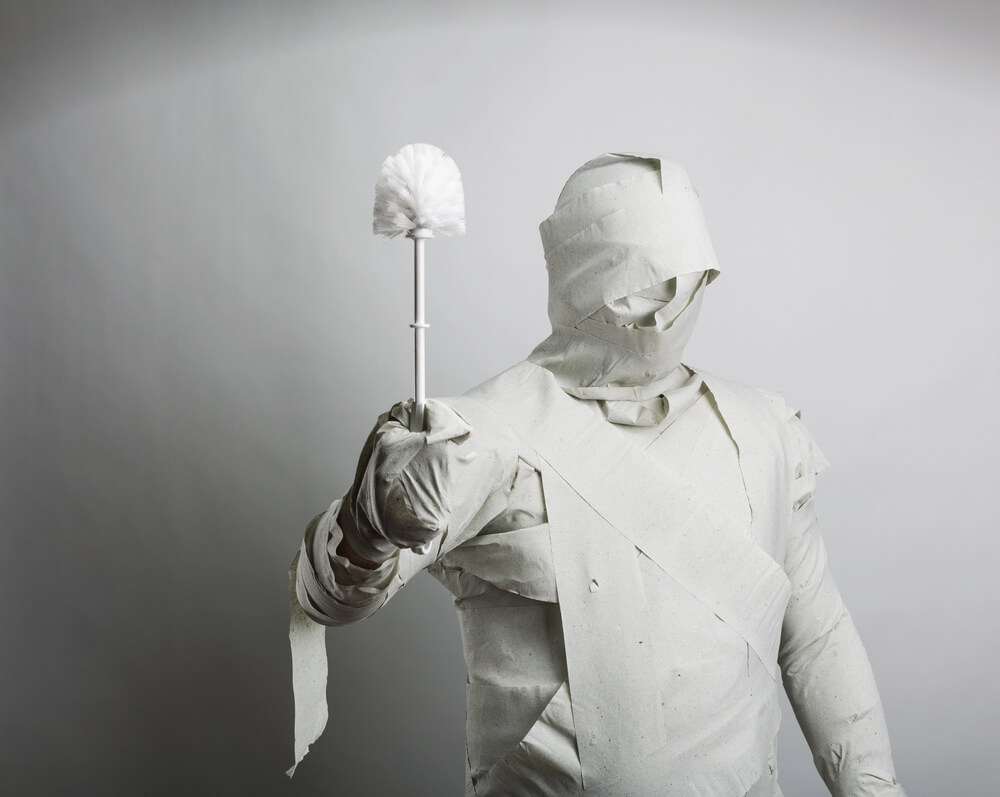
A mummy was the costume for a family that forgot Halloween was coming. A few rolls of toilet paper wound around a child from ankles to forehead produced a respectable monster in about 10 minutes, provided nobody breathed too hard.
Rain was the enemy, and so was running, since the wraps unraveled into long white streamers on the sidewalk. Gauze from the medicine cabinet was the upgrade, and careful parents safety-pinned the loose ends.
The look owed its popularity to Universal’s 1932 film The Mummy and the sequels that later cycled through late-night TV.
Ben Cooper Star Wars Box Sets
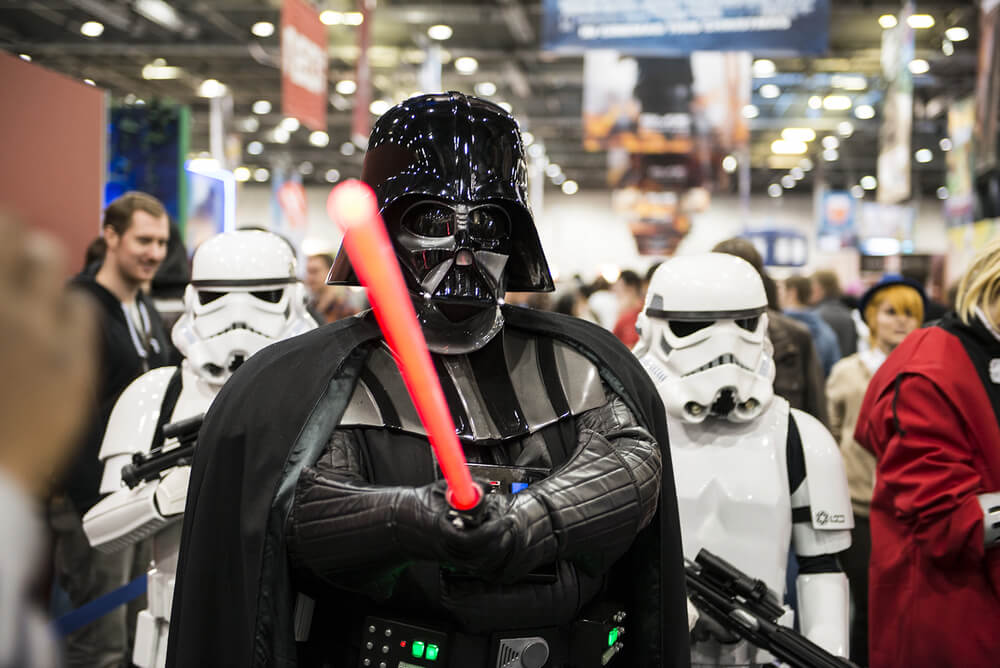
Star Wars opened in May 1977, and Ben Cooper soon had costumes on shelves under a license from Lucasfilm. The boxes held a vinyl smock printed with the character’s outfit and a stiff plastic mask, so Darth Vader, C-3PO, Chewbacca, and Princess Leia all looked a little like themselves and a lot like a printed shower curtain.
The glossy black Vader mask was the prize, though its narrow slots made seeing difficult. The company reportedly shared only a small percentage of revenue with Lucasfilm, which in hindsight looks like one of the sharper licensing deals of the decade.
Alien Mask From 1979
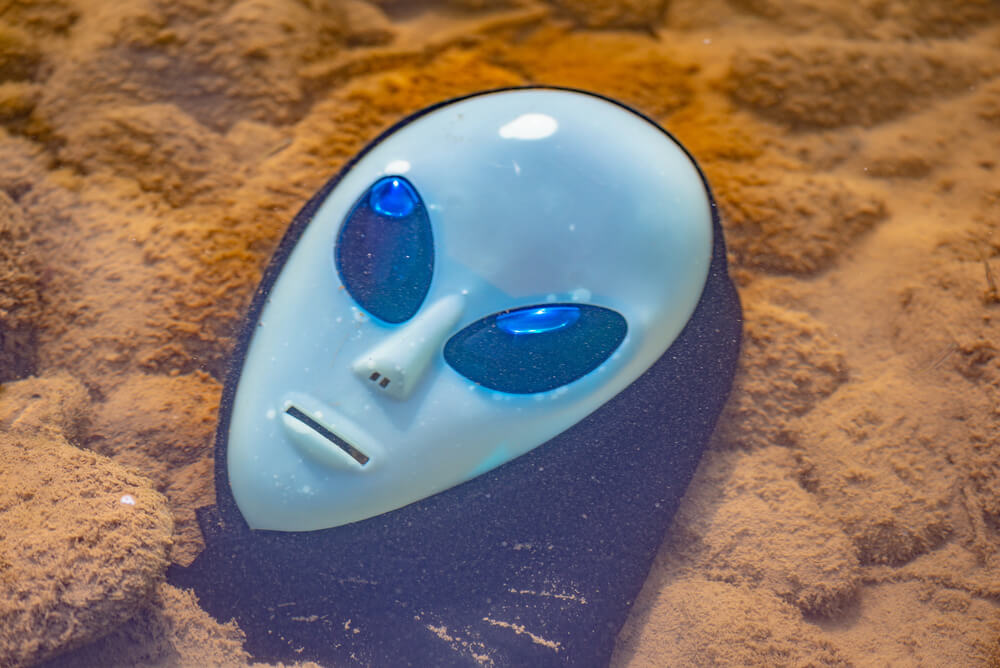
Ben Cooper made one of its boldest bets in 1979, releasing a kids’ costume based on Ridley Scott’s Alien, an R-rated movie most of its customers were not allowed to see. The mask captured the creature’s elongated head in glossy plastic, and the smock carried an approximation of the ribbed body.
Parents who had seen the film were occasionally baffled, since its most famous scene involved a creature bursting from a crew member’s chest. The costume became a favorite example of licensing enthusiasm outrunning common sense, and boxed survivors are now prized by horror collectors.
Six Million Dollar Man Red Tracksuit

ABC ran The Six Million Dollar Man from 1974 to 1978, and Lee Majors’s Steve Austin gave kids a costume that was mostly a red tracksuit. The key detail was the slow-motion run, which trick-or-treaters performed down driveways while making the show’s electronic sound effect with their mouths.
Store-bought versions came with a plastic mask of Majors’s face, which looked unsettling in a way few parents could explain. Homemade versions skipped the mask entirely and added a strip of silver tape on one arm to suggest the bionic parts under the skin.
Wonder Woman With Foil Bracelets
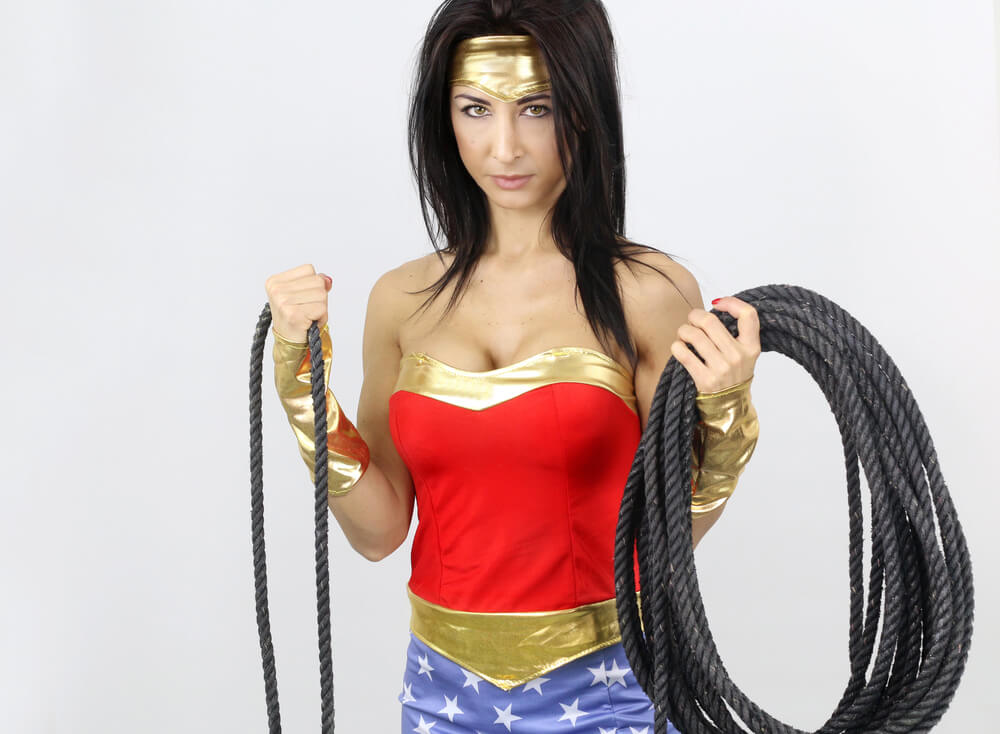
Lynda Carter’s Wonder Woman aired from 1975 to 1979, and the costume was simple enough to assemble from blue shorts with stars drawn on, a red top, and a gold paper tiara with a star glued to the front. The bracelets were the part everyone remembered, often made from cardboard tubes wrapped in aluminum foil so they could deflect imaginary bullets.
The spinning transformation from the show was reenacted on front lawns, usually until the child got dizzy. Store-bought versions came as the usual vinyl smock and mask, with painted black hair molded right into the plastic.
Mork From Ork Rainbow Suspenders
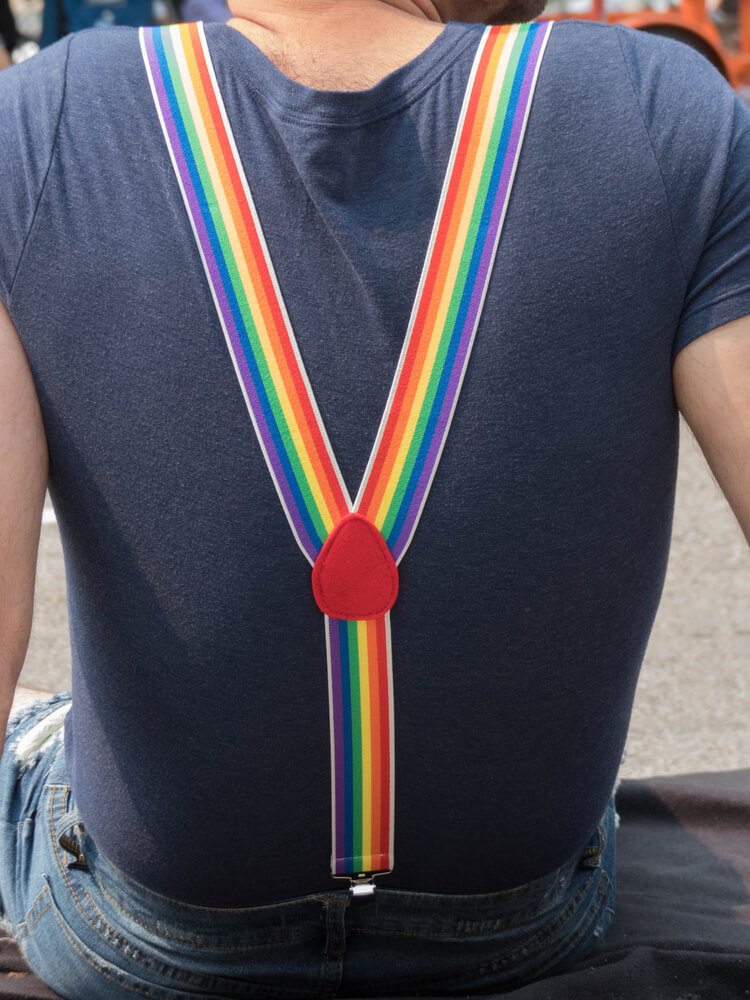
Robin Williams played the alien Mork on Mork and Mindy from 1978 to 1982, and his wardrobe of rainbow suspenders over a striped shirt was easy to copy. A kid needed little more than a pair of suspenders and the ability to say nanu nanu while doing the split-finger greeting.
The red spacesuit with the silver triangle on the chest was the more ambitious version, and store-bought kits reproduced it in vinyl. The costume only worked among people who watched the show, which in 1979 meant a very large share of the country.
Fonzie Leather Jacket
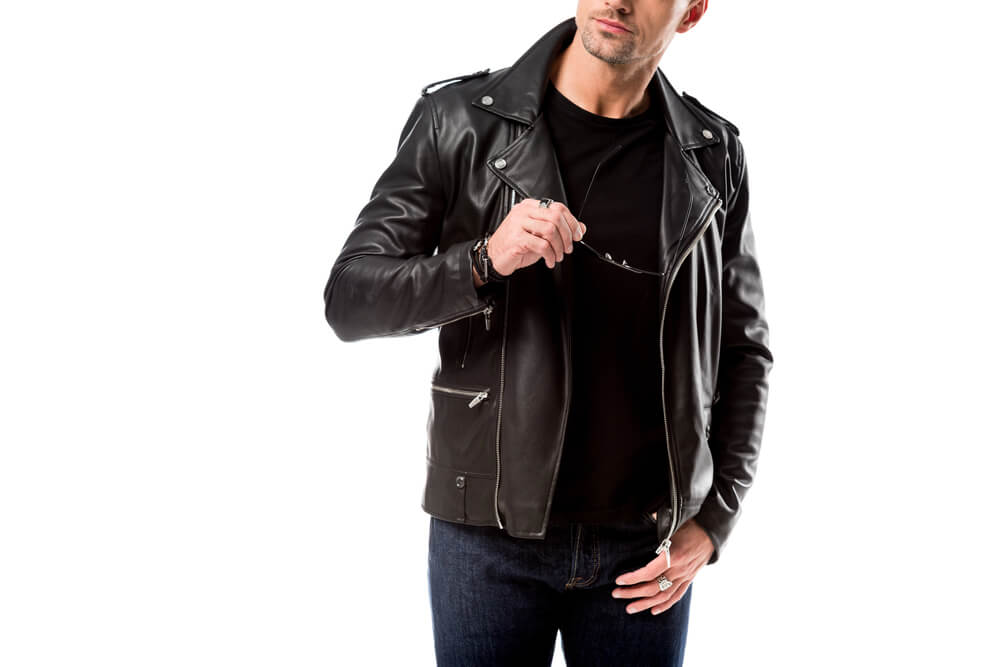
Happy Days made Henry Winkler’s Arthur Fonzarelli the coolest character on TV in the mid-1970s, and his costume required only a leather jacket, a white T-shirt, jeans, and slicked hair. Most kids wore a vinyl jacket from the discount store, and a few borrowed a real one from an older brother.
The costume lived or died on the thumbs-up and the word ayyy, delivered at every door. Winkler’s own jacket from the show later went to the Smithsonian’s National Museum of American History, proof that the look had become a genuine piece of pop history.
Raggedy Ann With a Yarn Wig
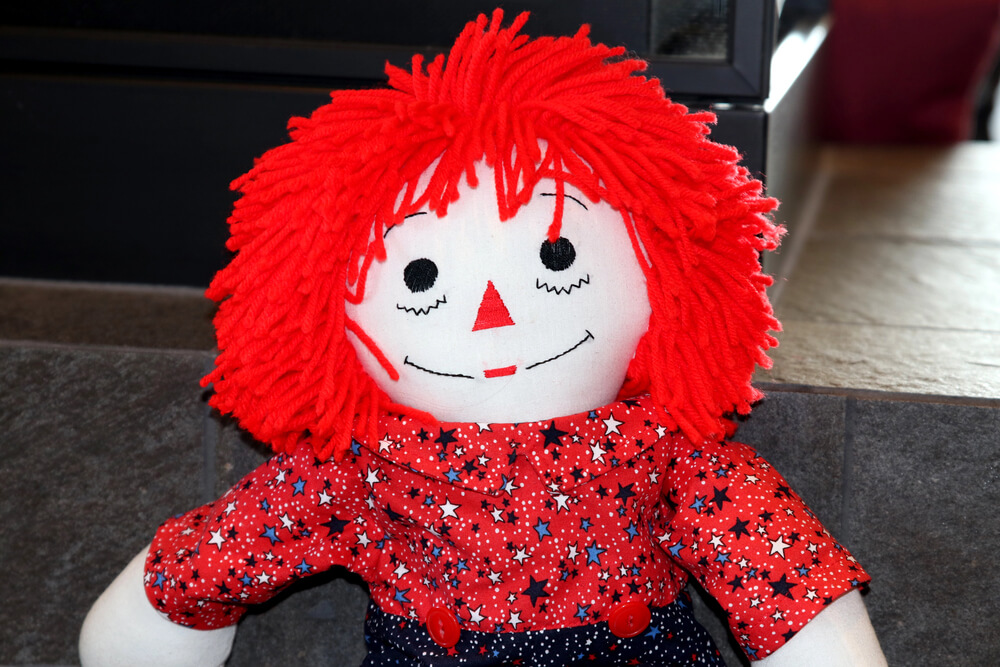
Raggedy Ann dates to Johnny Gruelle’s 1918 book, and her look was a favorite of mothers who sewed. The costume was a blue dress, a white pinafore apron, striped stockings, and a wig made of red yarn looped onto a knit cap.
Freckles went on with an eyebrow pencil and the triangle nose with red lipstick. In the stories the doll has a candy heart sewn inside, and some mothers stitched a small red heart onto the pinafore to match.
Pattern companies like Simplicity and McCall’s kept home-sewing patterns for the outfit in their catalogs for years.
Greasepaint Clown
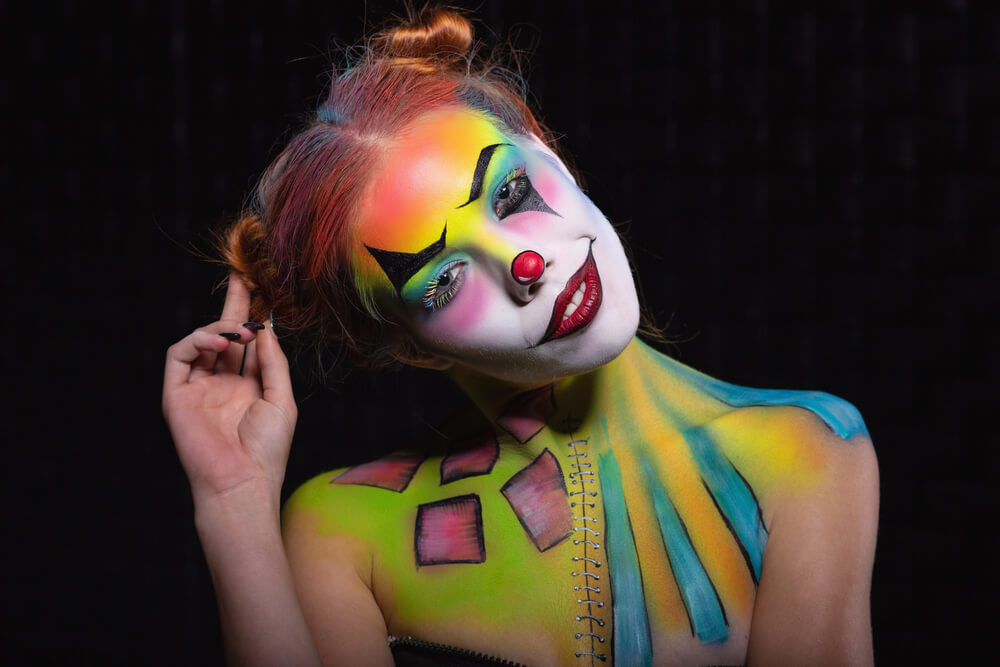
Before clowns became a horror staple, the clown was the most cheerful costume on the block. It could be built from old pajamas with pom-poms sewn down the front, a ruffled collar cut from crepe paper, and a pointed hat.
The face was the main event, with white greasepaint, a red circle on the nose, and exaggerated eyebrows. Bozo the Clown, franchised to local TV stations across the country from the late 1950s, gave many kids their reference point.
The costume’s popularity took a hit after 1986, when Stephen King’s novel It made the painted grin a lot less innocent.
Cowboy With a Cap Gun
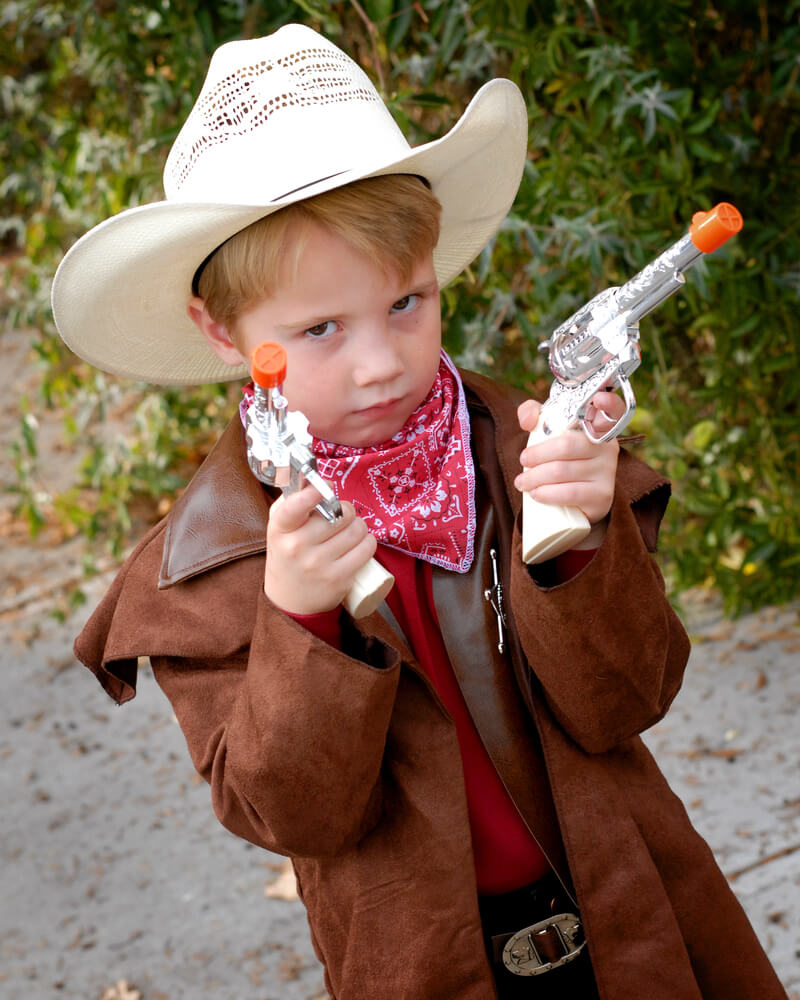
Television westerns dominated the 1950s schedule, and the cowboy costume was everywhere, often with a Davy Crockett coonskin cap or a Hopalong Cassidy black hat mixed in. The essentials were a felt hat, a vest, a bandanna, and a holster set with a die-cast cap pistol that fired paper rolls of caps with a sharp crack and a whiff of sulfur.
Mattel, Nichols, and Hubley all made cap guns in huge numbers. Toy guns gradually disappeared from school parades and many public Halloween events in later decades, and most of the cowboy’s appeal went with them.
Cardboard Box Robot

Building a robot costume was an engineering project that consumed an entire weekend. A large appliance box became the torso, a smaller box became the head, and dryer vent hose turned into flexible arms.
Kids covered everything in aluminum foil or silver spray paint and glued on bottle caps, jar lids, and dials drawn with a marker. The costume made steps nearly impossible and ruled out sitting down, but it earned more compliments at the door than any store-bought box.
Some families kept the same robot in the garage for a younger sibling to wear the following year.
E.T. With a Red Hoodie

E.T. the Extra-Terrestrial was the biggest movie of 1982, and that October brought waves of kids in rubber E.T. masks with long necks and wide eyes. The companion costume was even simpler, a red hooded sweatshirt like the one Elliott wore on the famous bike ride, sometimes paired with a flashlight and a stuffed animal in a bike basket.
The film’s Reese’s Pieces tie-in, which happened after Mars reportedly passed on the chance to feature its own candy, turned the peanut butter candy into a trick-or-treat favorite that same season.
Smurf in Blue Face Paint
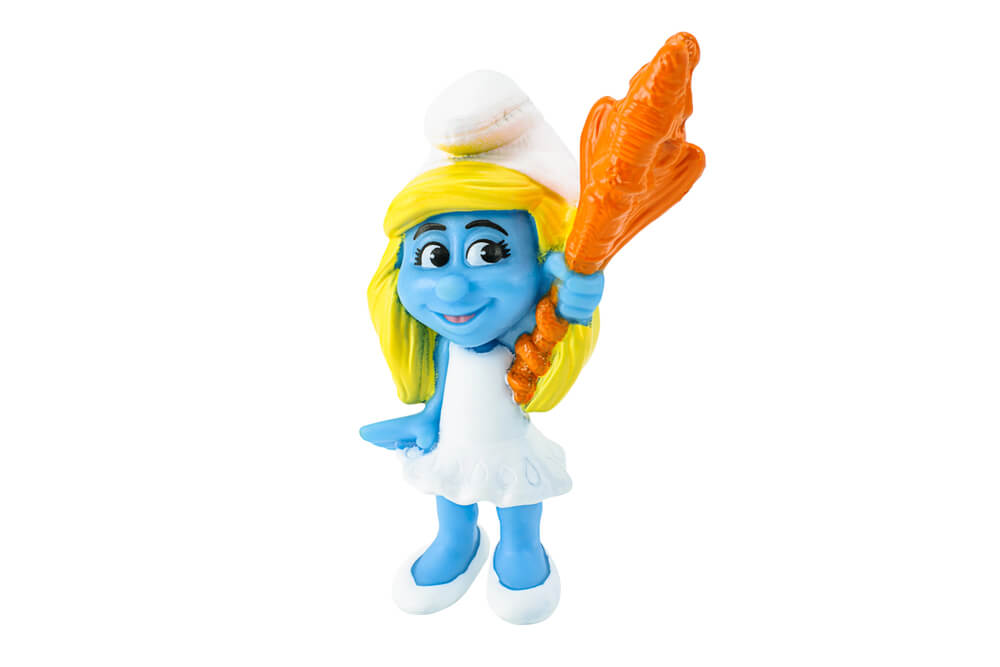
NBC debuted The Smurfs in 1981 and quickly became a Saturday morning fixture, and blue face paint followed. A Smurf costume needed a white floppy hat, white pants, and more blue greasepaint than most parents expected to buy.
The paint transferred to everything, including candy wrappers, car seats, and the neighbors’ doorbells. Papa Smurf in red was the upgrade for a kid willing to wear a cotton beard, and Smurfette required a blonde wig.
The characters came from Belgian cartoonist Peyo, whose comics had been running in Europe since 1958.
Strawberry Shortcake With a Pink Bonnet
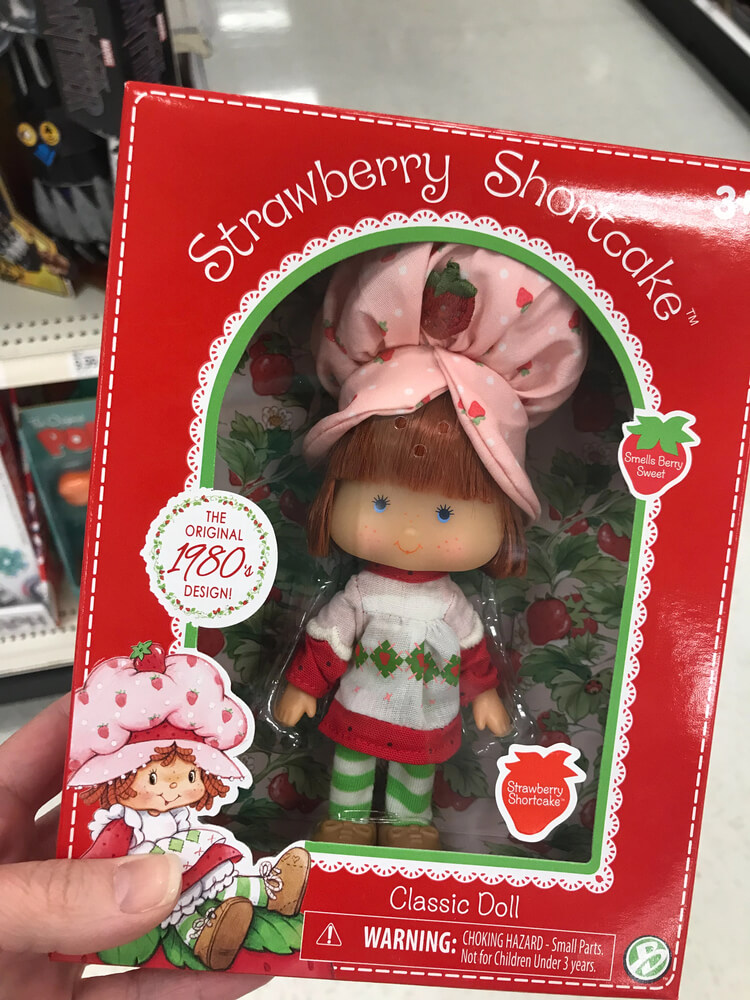
American Greetings created Strawberry Shortcake for greeting cards around 1979, and Kenner’s scented dolls made her a sensation in the early 1980s. The Halloween version called for an oversized pink bonnet, red and white striped stockings, a pinafore dress, and freckles dotted on with a makeup pencil.
Siblings dressed as her friends Blueberry Muffin or Huckleberry Pie, and a younger child sometimes went as the cat Custard. Few costumes of the decade were as easy to sew from a pattern, which is why so many of them look homemade in old family photographs.
He-Man With a Plastic Sword
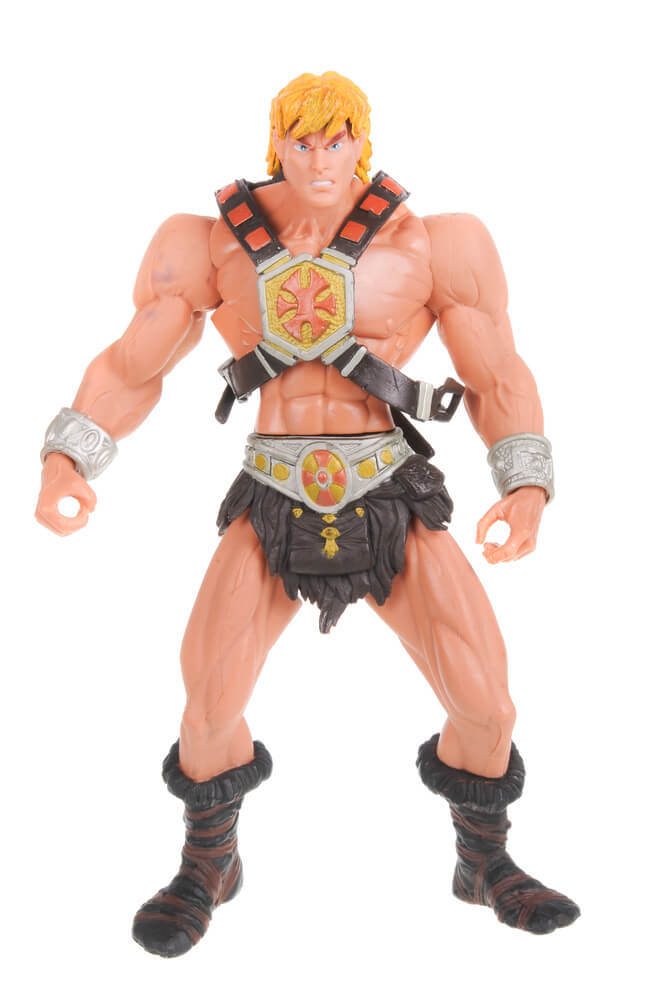
Masters of the Universe launched as a Mattel action figure line in 1982, and the cartoon He-Man and the Masters of the Universe followed in 1983. Boys wanted the fur-trimmed shorts, the chest harness with its cross-shaped emblem, and above all the Power Sword, so they could hold it overhead and bellow the show’s catchphrase.
Store costumes came with a muscled chest printed on the smock, which looked slightly ridiculous on a skinny seven-year-old. Skeletor, with his skull face and purple hood, was the alternative for kids who preferred the villain.
California Raisins

Clay-animated raisins singing a Motown classic in commercials for the California Raisin Advisory Board became a national obsession in the late 1980s. Collegeville, a Pennsylvania costume maker, had one of its best years in 1988, selling around 3 million costumes on the strength of the raisin license.
The costume was a lumpy purple-brown foam body with white gloves, sneakers, and sometimes sunglasses. It was hot, bulky, and nearly impossible to sit in, yet a group of friends dressed as the full band was one of the era’s great Halloween sights.
Teenage Mutant Ninja Turtles With Colored Masks
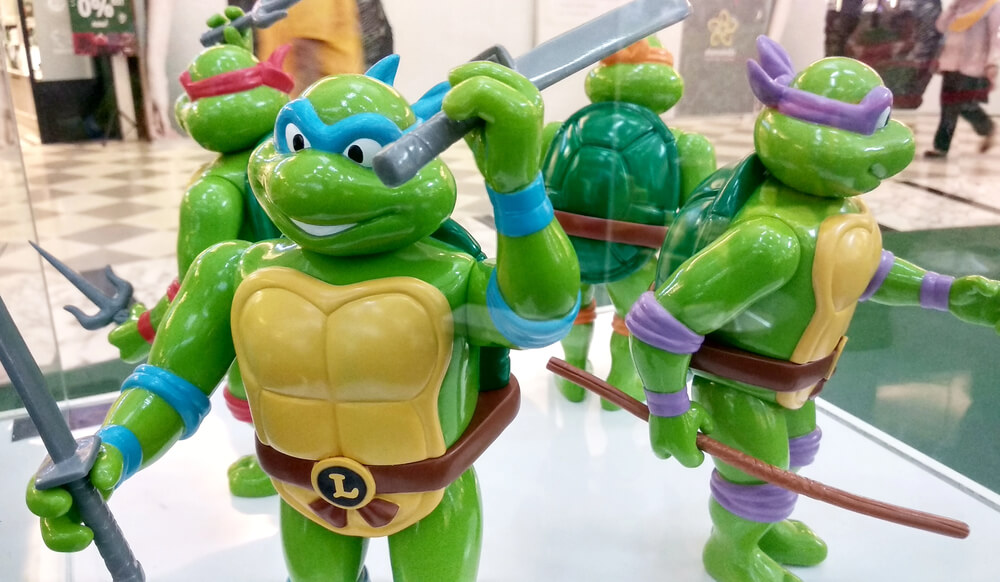
A Teenage Mutant Ninja Turtles cartoon began airing in 1987, and by 1989 Collegeville was producing costumes for the four brothers. The only way to tell them apart was the mask color, blue for Leonardo, red for Raphael, purple for Donatello, and orange for Michelangelo.
Kids who went homemade wore green sweats, a yellow-painted cardboard front for the belly plate, and a shell cut from a laundry basket or a sled. A group of four friends settled the character assignments with genuine arguments, since nobody wanted to be Donatello until the day someone did.
Barney the Purple Dinosaur
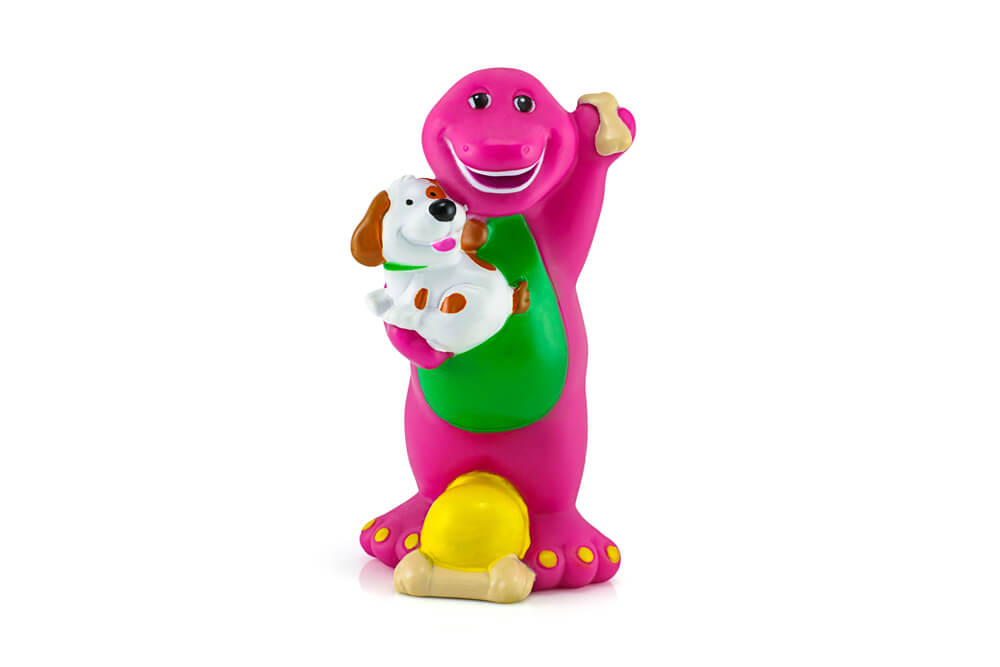
Barney and Friends premiered on PBS in 1992, and the purple dinosaur immediately took over the preschool set. Collegeville’s Barney costume became the company’s best-selling costume of all time that year.
The plush suits turned toddlers into small purple blobs with green bellies, and many were padded so thickly that trick-or-treating became a waddle. Older kids treated Barney with open contempt, which only made younger ones love him more, and the show’s closing song became the unavoidable soundtrack of countless porches that fall, sung off-key by toddlers in foam dinosaur feet.
Mighty Morphin Power Rangers
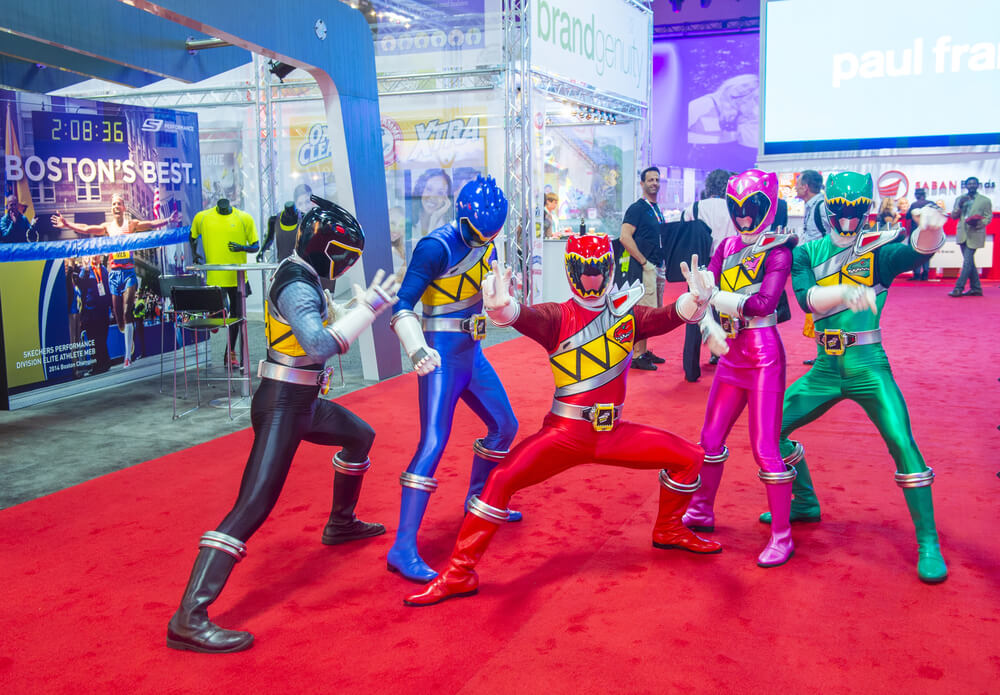
Mighty Morphin Power Rangers debuted on Fox Kids in August 1993, and by the following October the costume aisle was a wall of colored spandex. The Red Ranger was the most requested, the Pink Ranger the most common choice for girls, and the Green Ranger the one that made siblings jealous.
The costumes were jumpsuits with a helmet-shaped mask that restricted vision almost completely. Parents spent that fall fielding reports of karate kicks in hallways, and some schools discouraged the costumes at classroom parties altogether.
Ghostbusters Jumpsuit With a Proton Pack
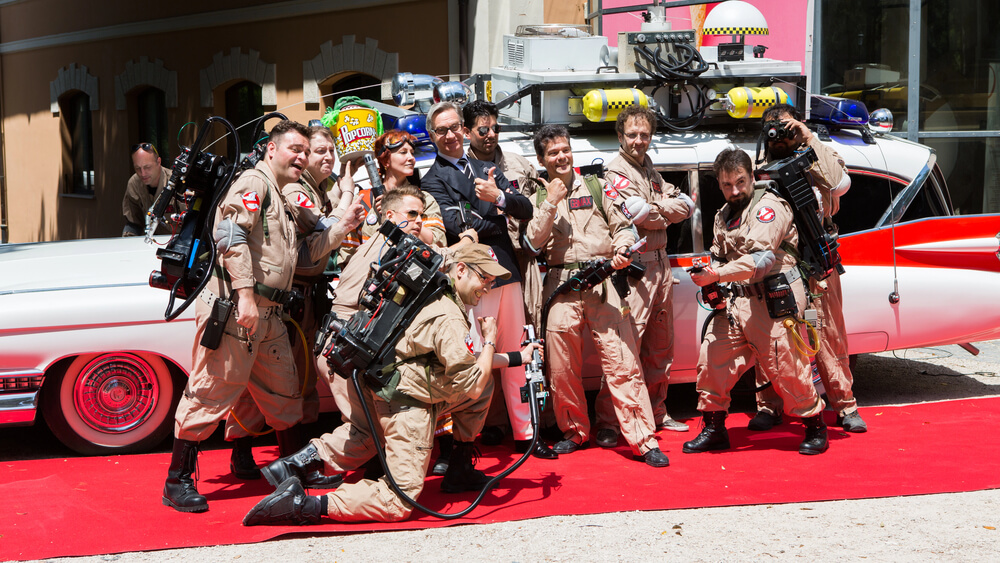
Ghostbusters arrived in June 1984, and that Halloween brought tan jumpsuits with the no-ghost logo on the sleeve. The weak point was the proton pack, which store kits rarely included and families had to build from a backpack, cardboard, dryer hose, and a lot of black spray paint.
The results ranged from convincing to baffling. A younger sibling was often recruited as the Stay Puft Marshmallow Man, which usually meant a white snowsuit stuffed with pillows and topped with a sailor cap, then sent waddling up the driveway behind the rest of the team.
Red Thriller Jacket
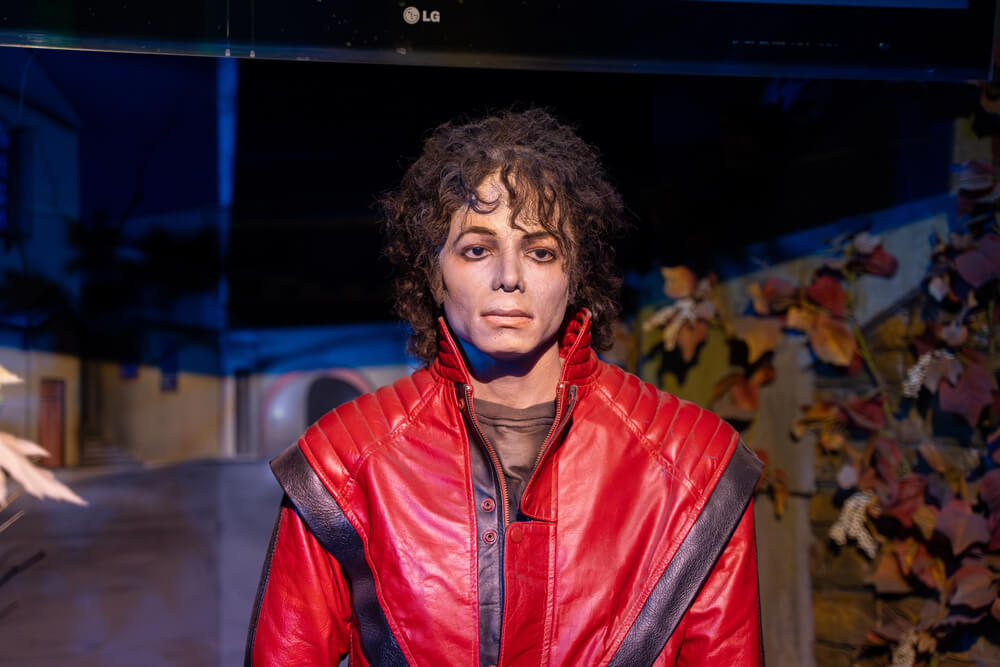
Michael Jackson’s Thriller video premiered on MTV in December 1983, and for the next few Halloweens the red jacket with black V-shaped stripes was everywhere. Most kids made do with a red windbreaker and electrical tape, plus a single white glove, which technically belonged to the Billie Jean era but nobody objected.
The zombie makeup from the video offered a second option for the kid who wanted to be a backup dancer instead of the star. Few costumes came with a dance routine attached, and plenty of front porches got the full shoulder-shake demonstration.
KISS Face Paint
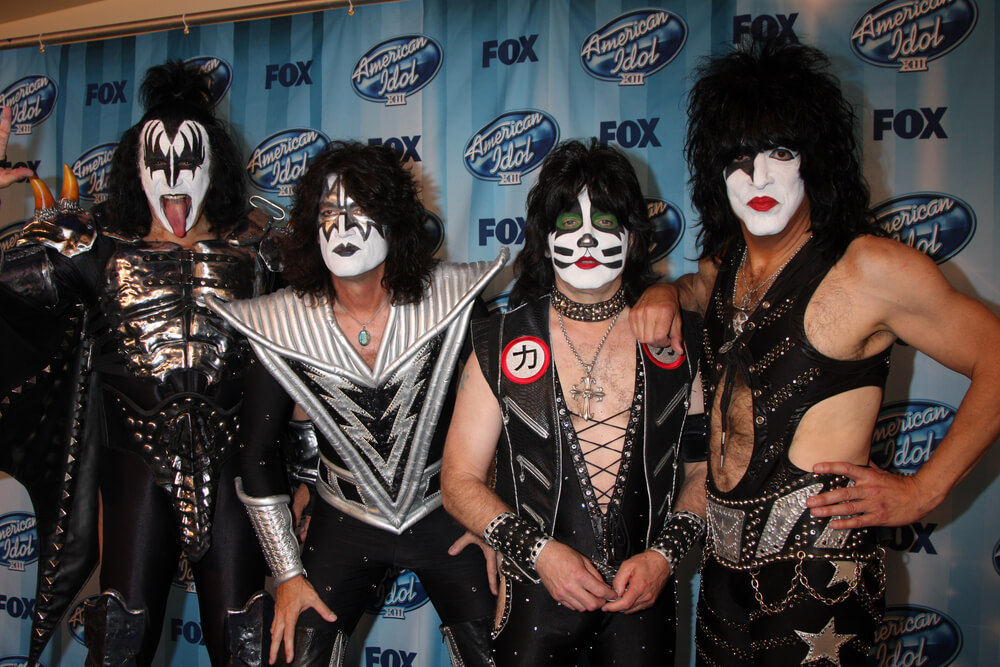
KISS reached its peak with teenagers and younger kids in the late 1970s, and the band’s makeup was a gift to anyone with a greasepaint kit. Kids picked a member, the Demon, the Starchild, the Spaceman, or the Catman, and copied the design from an album cover taped to the bathroom mirror.
The Demon’s bat-wing design around the eyes was the most popular, along with the tongue-waggling routine that came with it. Store-bought KISS masks existed too, but the painted version was cheaper and far more convincing, provided the parent doing the makeup had a steady hand.
Eye Patch Pirate
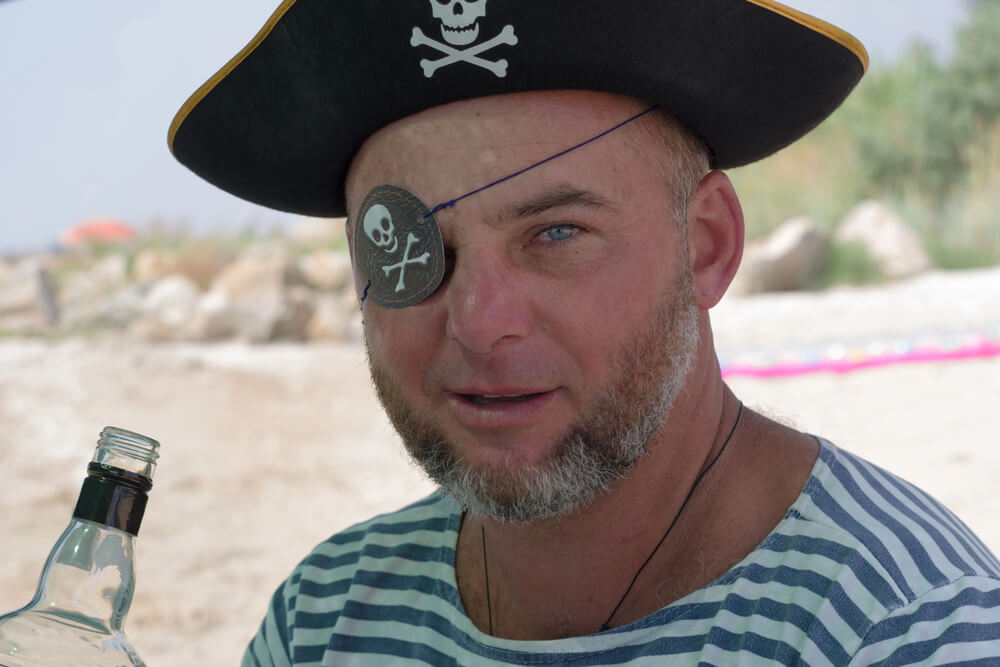
Pirates needed almost nothing, which is why it survived every decade. A striped shirt, a bandanna tied over the head, a curtain ring clipped to one ear, and an eye patch cut from black felt were enough.
A cardboard sword wrapped in foil or a plastic cutlass from the dime store supplied the menace, and a mustache went on with an eyebrow pencil. Disney’s 1950 film Treasure Island and its many TV airings kept the look in circulation long before Pirates of the Caribbean turned it into an elaborate store-bought outfit.
Masks, Smocks, and the Patience of Parents
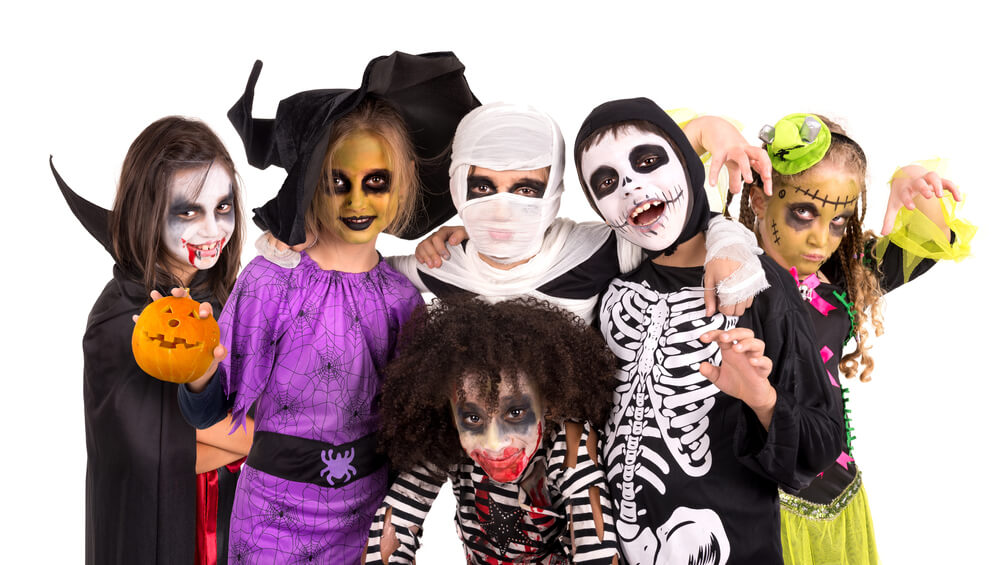
Store-bought costumes of the 1960s and 1970s were flimsy by design, meant to last exactly one night and a few snapshots. Homemade ones were sturdier but depended on a parent’s patience and the contents of the hall closet.
Between those two options stood nearly every kid in America, holding a pillowcase and hoping the elastic would hold. What changed was less the characters than the scale.
Costumes now arrive as licensed, fully padded outfits with matching accessories, and a ghost made from a bedsheet looks almost defiant by comparison. The old versions were uncomfortable and often unrecognizable, but each one came with a story about how it was made.
More from Go2Tutors!

- The Romanov Crown Jewels and Their Tragic Fate
- 13 Historical Mysteries That Science Still Can’t Solve
- Famous Hoaxes That Fooled the World for Years
- 15 Child Stars with Tragic Adult Lives
- 16 Famous Jewelry Pieces in History
Like Go2Tutors’s content? Follow us on MSN.