29 Old Hand Mixers and Grinders Buyers Restore
Long before countertop appliances ran on motors and settings dials, kitchens relied on hand-cranked tools that demanded real effort from whoever was cooking. Restorers today seek these pieces out specifically because of that mechanical simplicity, since a hand-cranked tool with no electrical components can often be fully disassembled, cleaned, and returned to working order without specialized parts.
Value depends heavily on completeness, whether original wooden handles or clamps survive, and how freely the internal gears still turn once cleaned. The tools below represent the categories restorers most consistently seek out, valued as much for their mechanical design as for their kitchen nostalgia.
Rotary Egg Beaters
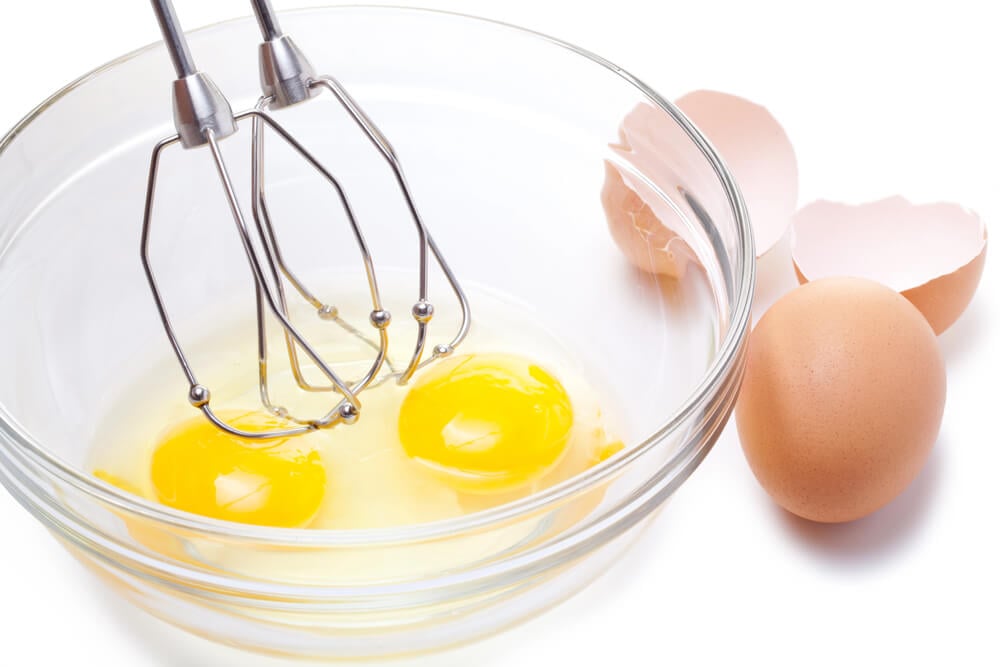
Featuring two interlocking gears that spin a pair of wire beaters when the side crank is turned, rotary egg beaters were a kitchen standard for decades before electric mixers became affordable. Restorers specifically look for beaters where the gear teeth are intact and mesh smoothly, since worn or chipped teeth cause the mechanism to bind or skip.
Wooden handles in stable, uncracked condition add significantly to a piece’s value over a beater with a replaced or missing handle.
Cast Iron Meat Grinders
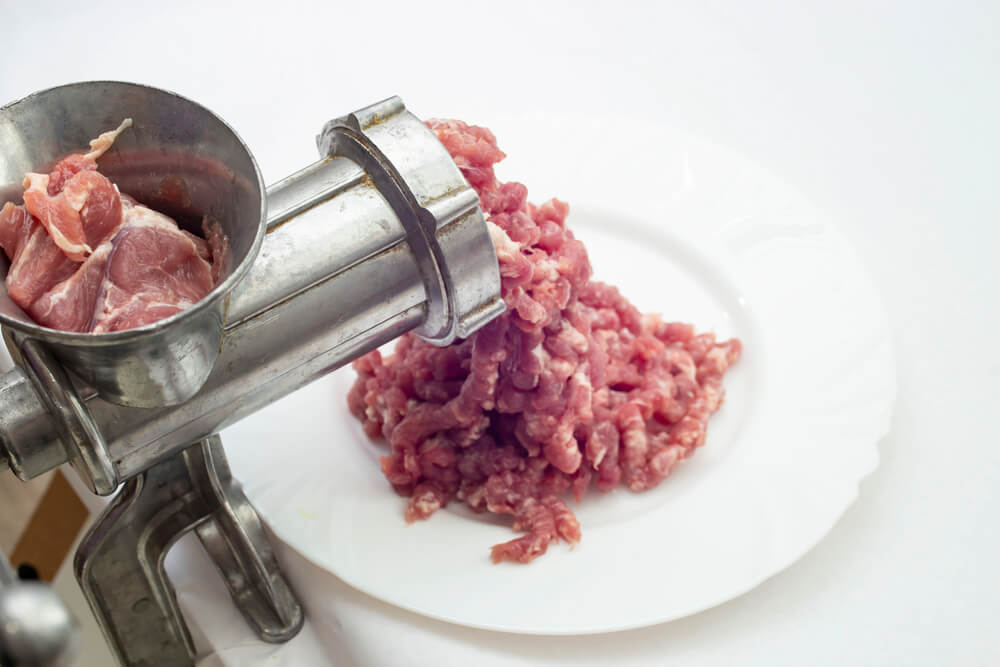
Clamped to the edge of a table or counter, hand-cranked meat grinders used a screw mechanism to push meat through a set of interchangeable cutting plates. Complete units with a full set of original plates, offering different grinding coarseness, are considerably more valuable than a grinder body sold alone.
Restorers pay particular attention to the condition of the cutting blade and plate, since a dull or pitted blade is difficult to resharpen effectively.
Coffee Mills With Drawer

Featuring a hopper on top, a hand crank, and a small drawer beneath to catch the ground coffee, wall-mounted or countertop coffee mills were a daily-use tool in many kitchens before electric grinders became standard. Cast iron mills with the original manufacturer’s decal still legible command a notable premium over unmarked examples.
A grinding mechanism that still adjusts properly between coarse and fine settings is considered essential for a fully functional restoration.
Cherry Pitters
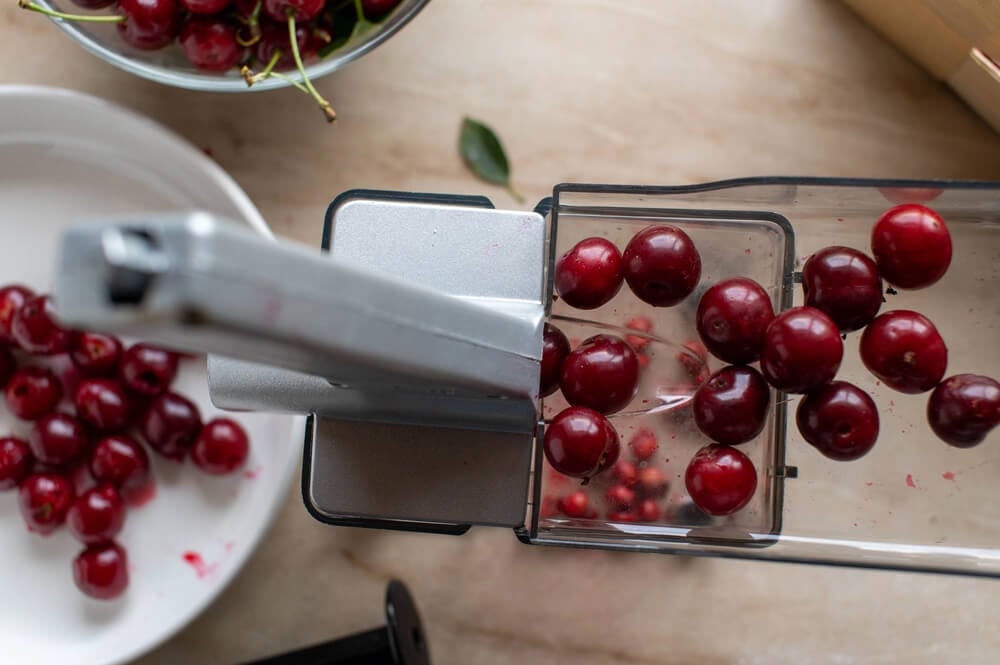
A compact mechanism that punches a pit out of a cherry with a single lever press, cherry pitters were seasonal tools used heavily during preserving season and largely ignored the rest of the year. Restorers look for a plunger mechanism that still moves freely without excessive play, since a worn pitter tends to crush the fruit rather than cleanly removing the pit.
Clamp-style mounts in good condition, able to grip a table edge securely, are a key factor in a piece’s usability after restoration.
Apple Peelers
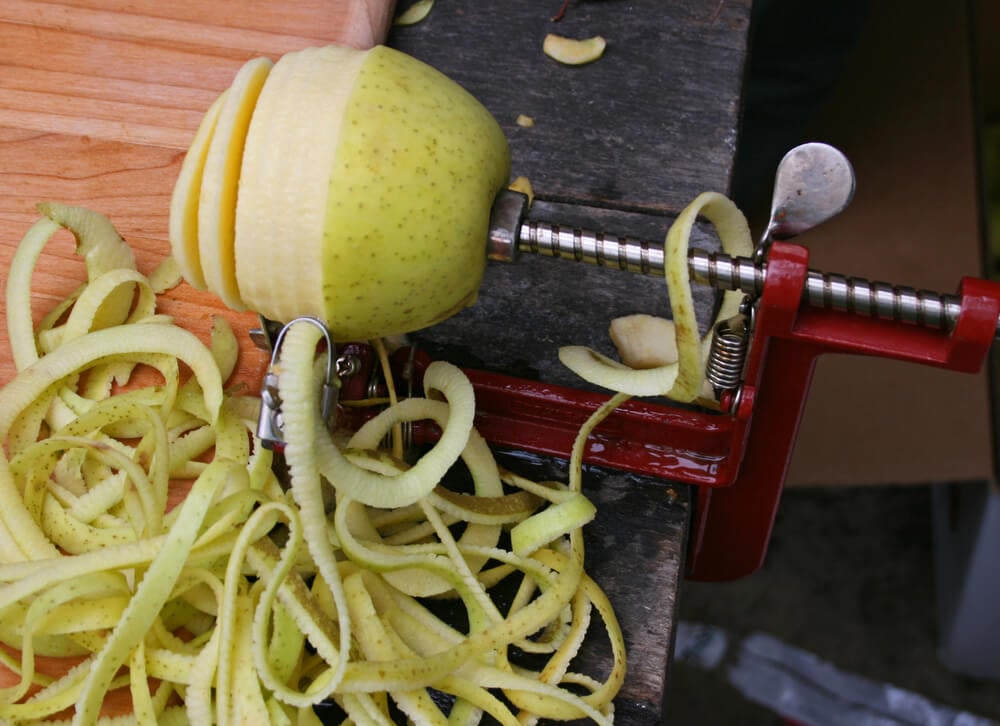
Mounted to a table edge with a clamp, hand-cranked apple peelers used a rotating fork to spin the fruit against a fixed blade, removing the peel in a single continuous strip. Restorers specifically seek examples where the blade assembly can still be adjusted to match different sized apples.
A smoothly turning crank with minimal gear slippage is the primary functional test applied before a piece is considered fully restored.
Butter Churns With Dasher
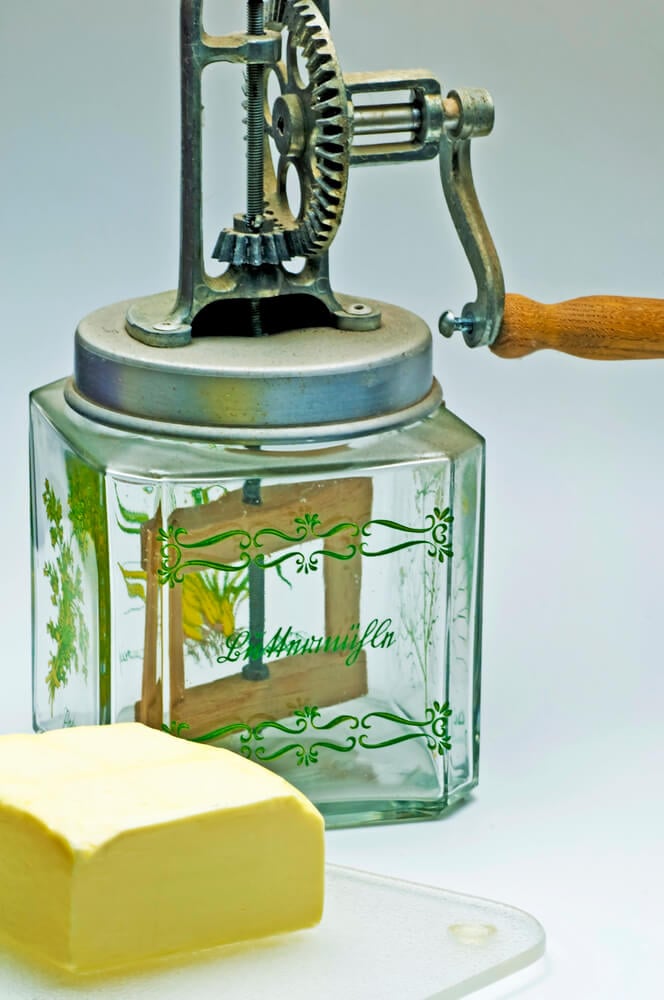
Typically a tall glass or stoneware jar fitted with a wooden dasher operated by a hand crank or plunging motion, butter churns required sustained physical effort to separate butterfat from cream. Complete units with the original lid, gasket, and dasher intact are significantly more valuable than a jar missing its mechanism.
Restorers pay close attention to gasket material, since original rubber seals have typically deteriorated and require careful replacement to preserve the piece’s function without damaging original components.
Ice Cream Makers With Hand Crank
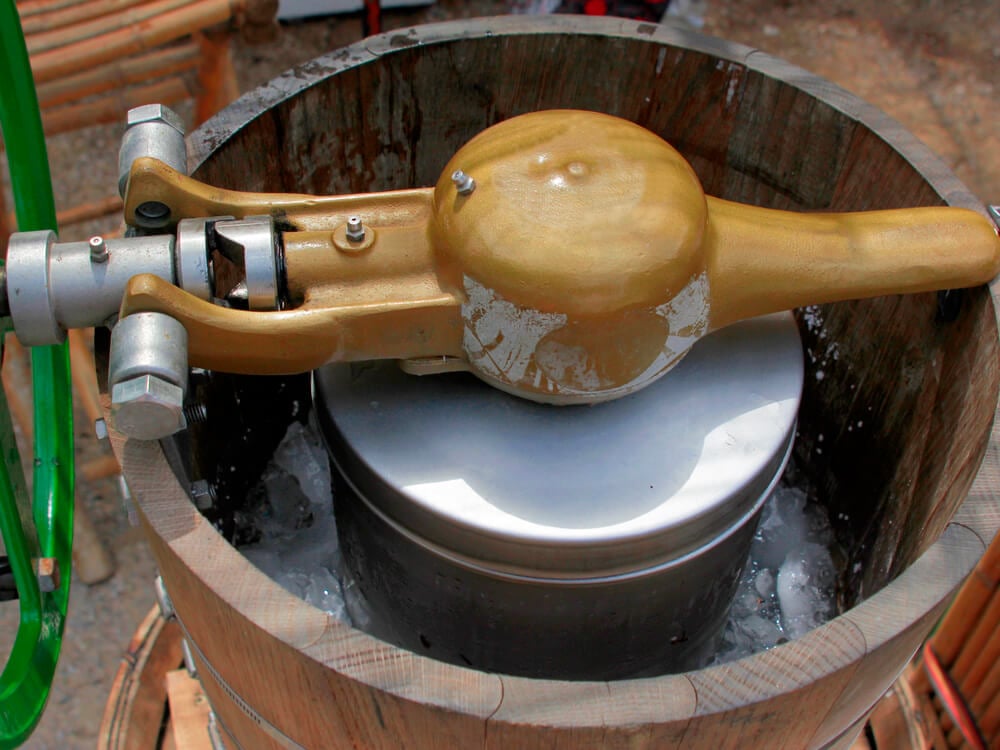
Using a wooden or metal bucket packed with ice and salt around a central canister, hand-cranked ice cream makers required a rotating dasher to be turned steadily until the mixture froze. Wooden buckets with intact, unwarped staves and functioning metal banding are considerably harder to find in good condition than the metal internal components.
A crank mechanism and gear assembly that turns smoothly under resistance is the key functional test restorers apply.
Flour Sifters
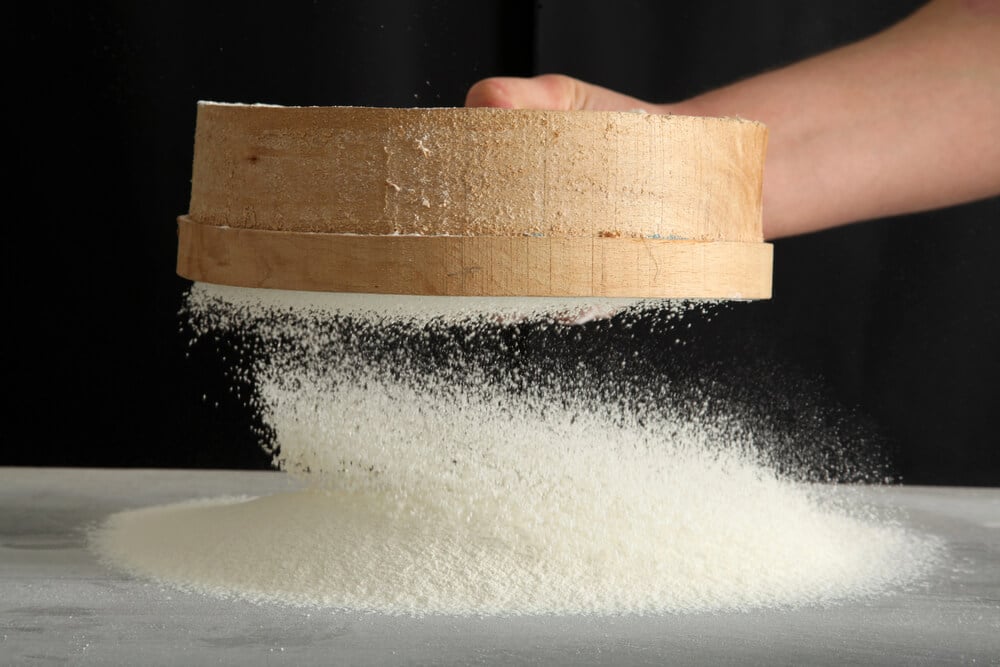
Featuring a hand crank connected to a rotating wire mesh or blade inside a metal canister, flour sifters aerated flour and removed lumps before baking. Restorers look for mesh screens free of tears or significant rust, since a damaged screen defeats the tool’s basic function.
Multi-cup capacity sifters with a smoothly turning crank are generally valued higher than smaller, single-cup versions.
Nutmeg Grinders
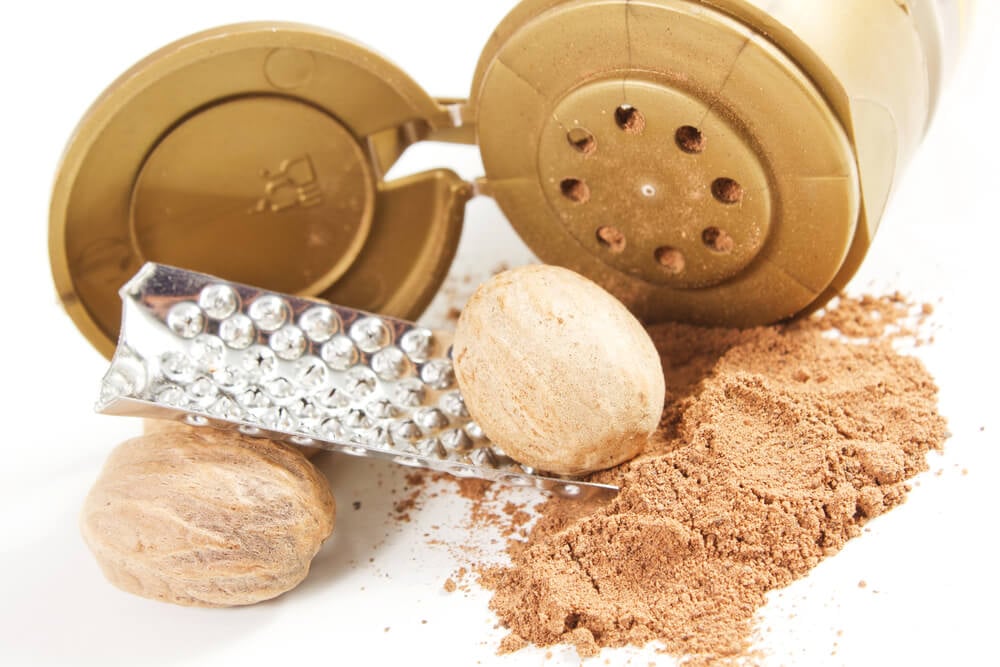
Small, often ornately designed hand grinders built specifically for grating whole nutmeg, these tools frequently included a small internal compartment for storing a spare nutmeg seed. Restorers specifically seek grinders where the internal grating surface remains sharp enough to still produce a fine grind.
Brass and tin examples are both common, with brass generally commanding a higher restoration value due to its more durable finish.
Raisin Seeders
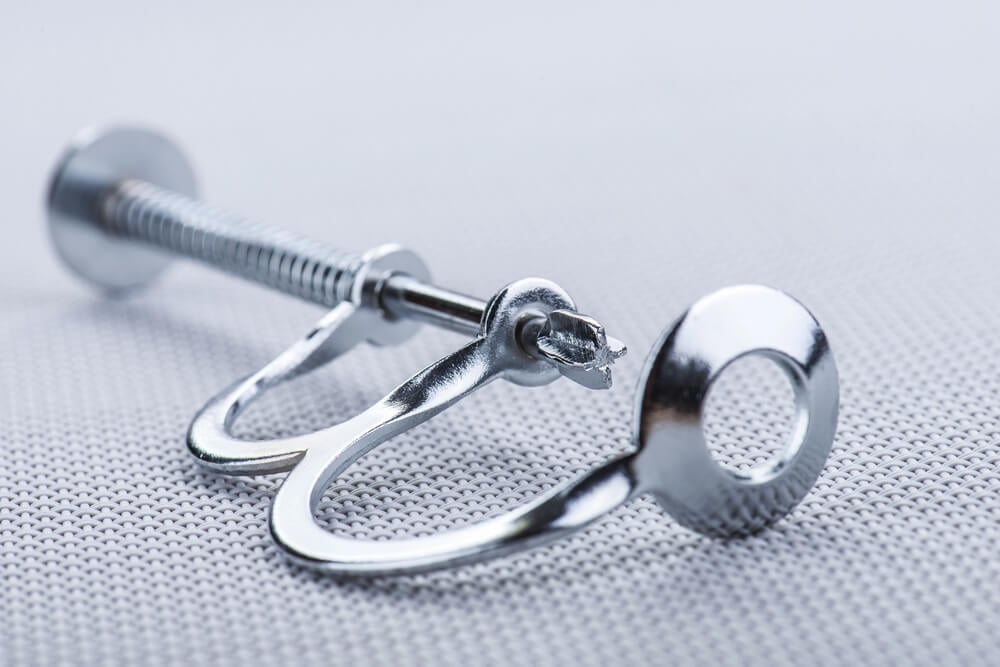
A specialized hand-cranked tool designed to remove seeds from raisins before the seedless variety became widely available, raisin seeders are now a genuinely uncommon find, since the tool became largely obsolete once seedless raisins dominated the market. Restorers pay close attention to the small internal roller mechanism, which must still turn freely to function correctly.
Clamp mounts in solid, unbent condition are essential, since replacement parts for this specific tool are extremely difficult to source.
Hand-Cranked Pasta Makers
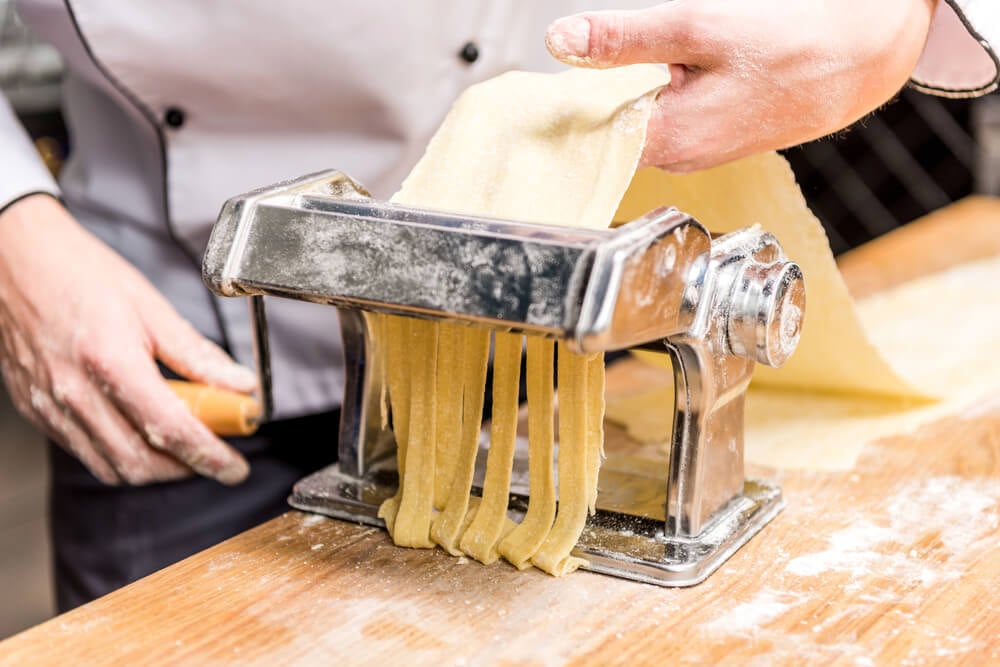
Featuring adjustable rollers to flatten dough to varying thicknesses, hand-cranked pasta makers used a simple gear-driven mechanism that remains largely unchanged in modern versions still sold today. Restorers specifically look for rollers free of rust or pitting, since any surface imperfection transfers directly onto the dough being rolled.
A smoothly adjustable thickness dial is considered essential to a fully functional restoration.
Bean Slicers
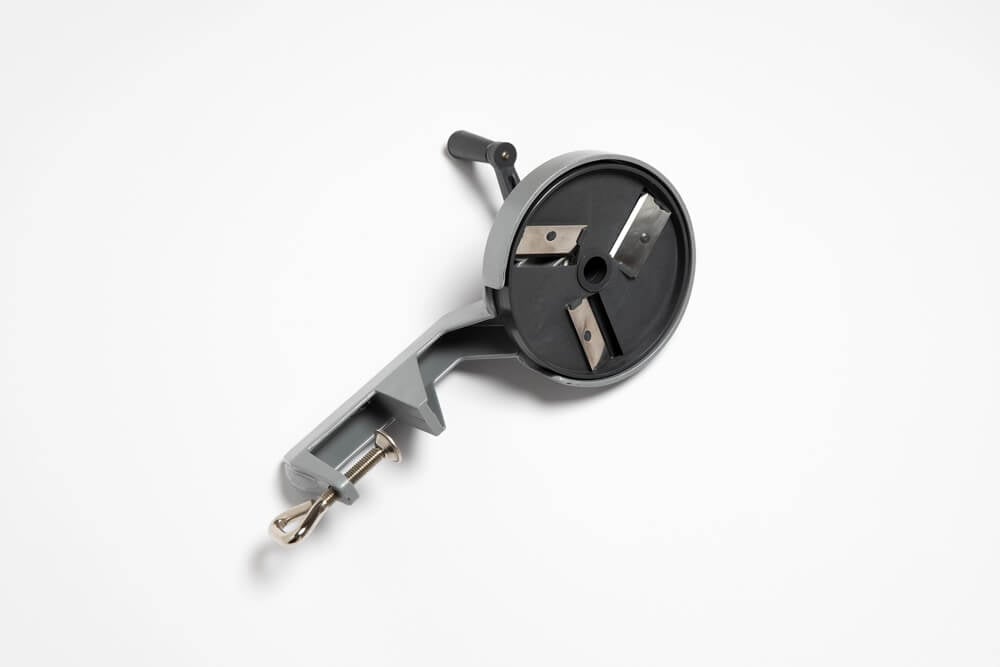
A hand-cranked tool designed to slice fresh green beans into thin strips for cooking or preserving, bean slicers used a rotating blade assembly turned by a side crank. Restorers seek examples where the blades remain sharp and properly aligned, since misaligned blades tend to tear rather than cleanly slice the beans.
Clamp-style mounts and wooden crank handles in stable condition both factor meaningfully into a completed restoration’s value.
Corn Shellers
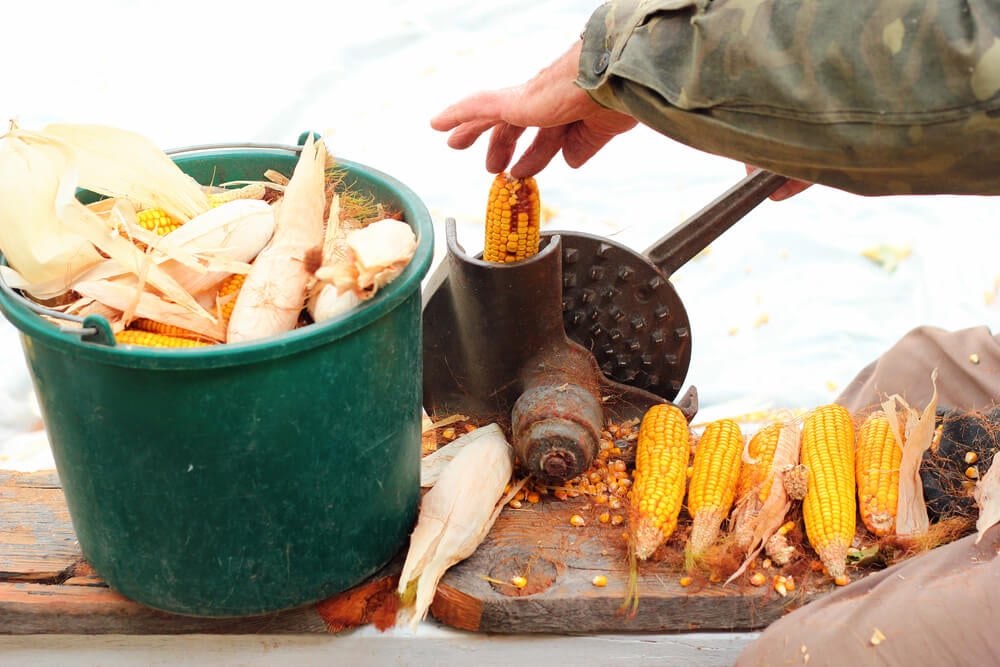
Designed to strip kernels from a dried ear of corn by feeding it through a hand-cranked mechanism, corn shellers ranged from small tabletop models to larger, more heavily built versions intended for processing larger volumes. Restorers focus heavily on the condition of the internal ribbed or toothed drum, since worn teeth fail to strip kernels cleanly.
Larger cast iron examples, while heavier to restore, are generally more sought after due to their more substantial mechanical presence.
Sausage Stuffers
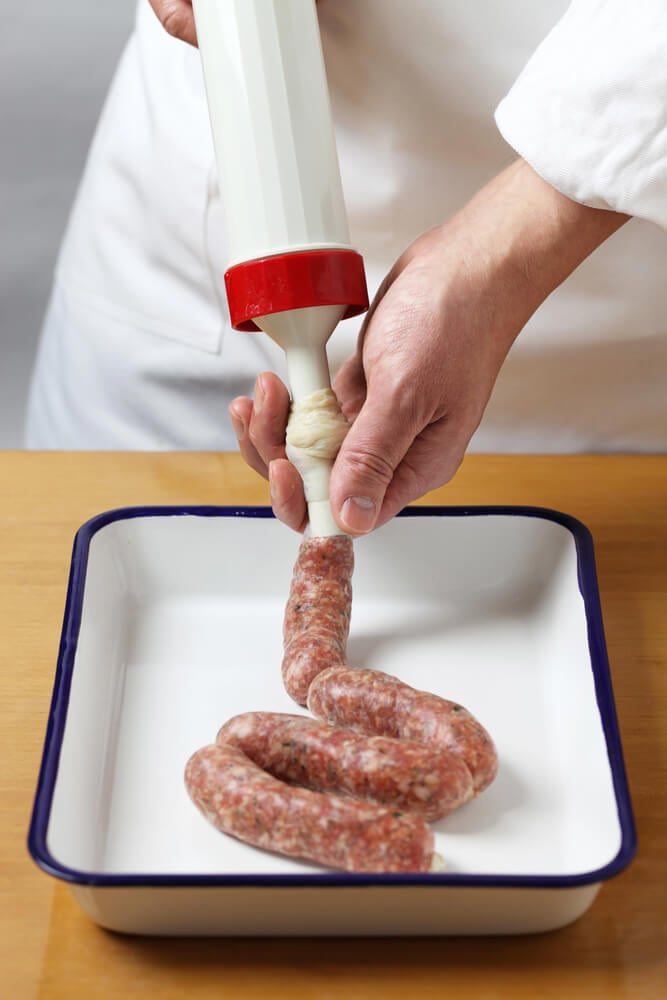
A separate tool from a standard meat grinder, sausage stuffers used a plunger mechanism to push ground meat through a nozzle into a prepared casing. Restorers specifically look for a plunger that still moves smoothly within its cylinder without excessive gaps that would allow meat to leak around the sides.
Complete sets including multiple nozzle sizes for different casing widths are considerably more valuable than a stuffer body sold alone.
Hand-Cranked Ice Crushers
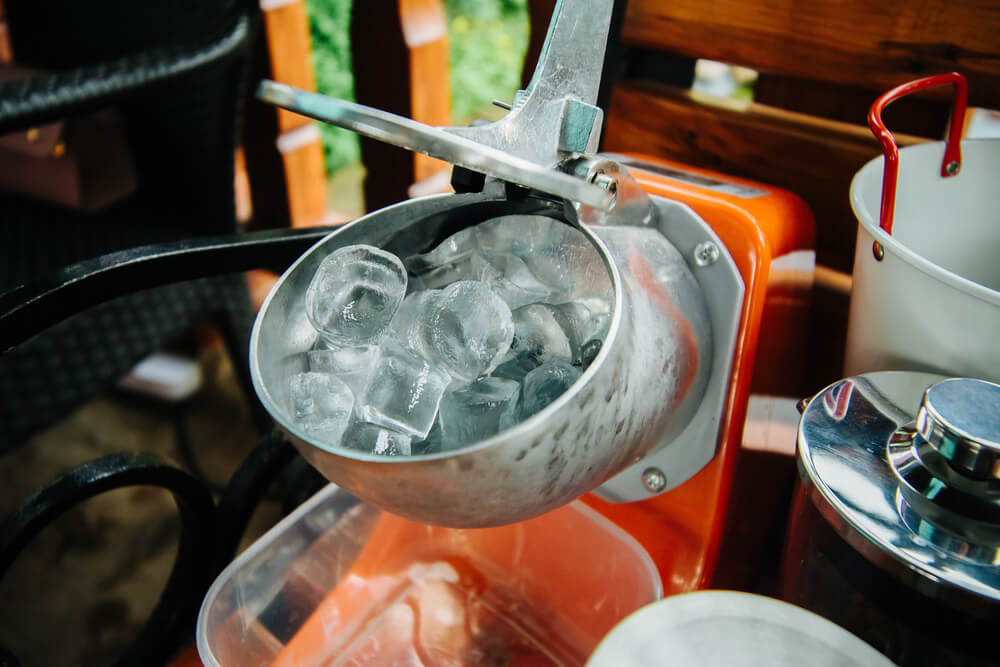
Using a hopper to hold ice cubes and a hand crank to drive an internal crushing mechanism, ice crushers were common in households before crushed ice became a standard feature of electric refrigerators. Restorers pay close attention to the crushing blades or teeth, since rust in this specific area is common given constant exposure to melting ice.
A clamp or suction base that still holds the unit securely to a counter is an important functional detail for usability after restoration.
Egg Scales
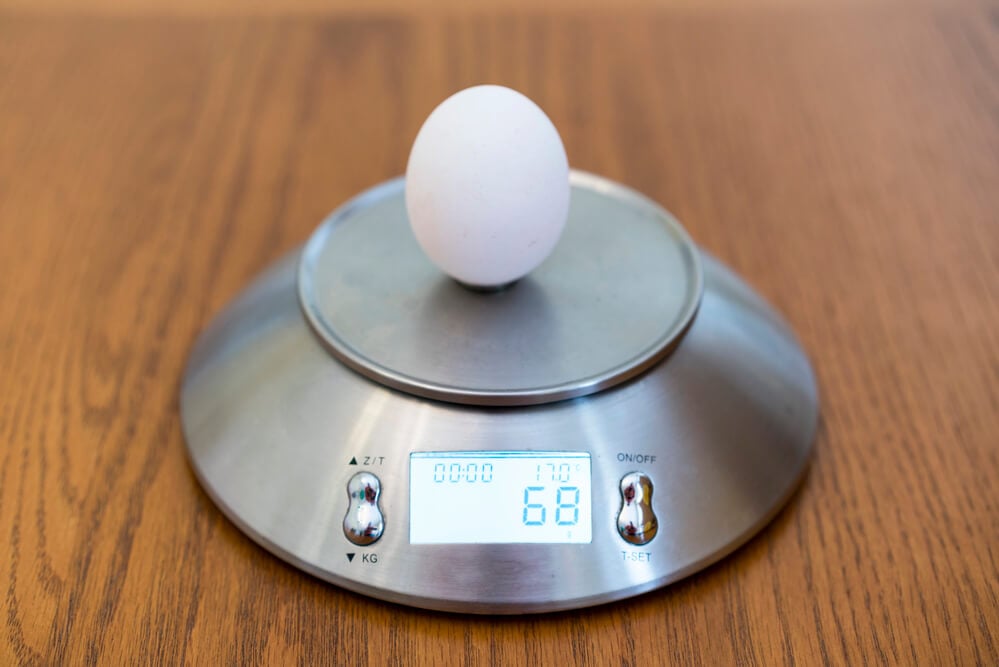
Not a grinder or mixer but frequently restored alongside them as part of a broader vintage kitchen tool collection, hand-cranked or spring-based egg scales were used to sort eggs by weight into standardized size categories. Restorers seek examples where the internal spring mechanism still provides accurate, consistent readings.
Original size-category markings that remain legible add meaningfully to a scale’s value among restorers focused on complete, functional kitchen tool displays.
Meat Tenderizer Mallets With Interchangeable Heads
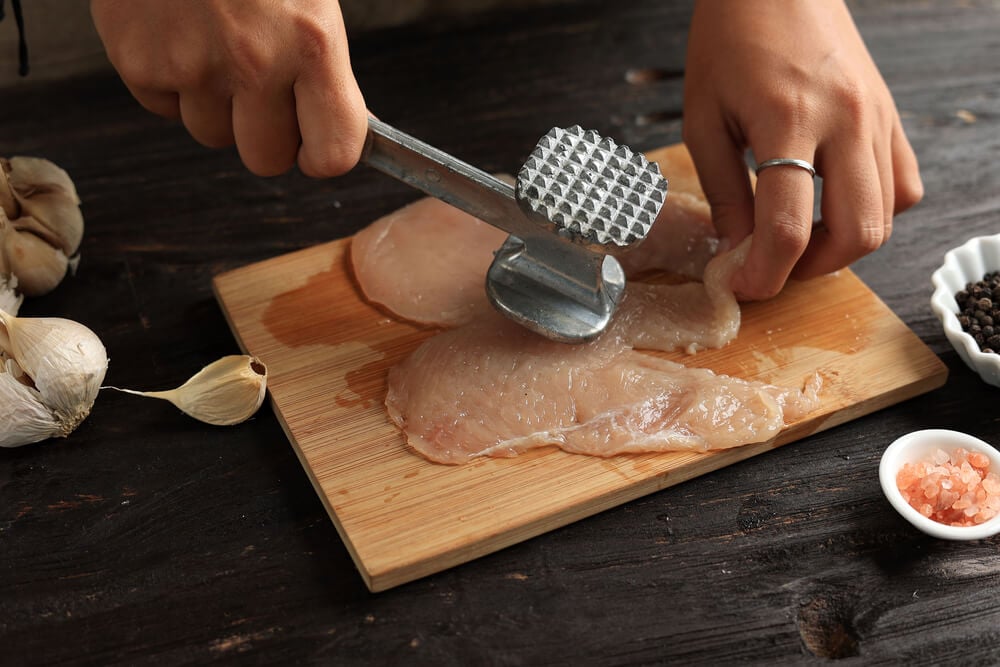
While simpler than most crank-driven tools on this list, mallets with interchangeable textured heads designed to screw on and off are sought after by restorers specifically for their mechanical screw-thread component. Wooden handles free of splitting or excessive looseness at the head connection are the primary condition factor evaluated.
Complete sets with multiple original interchangeable heads are considerably more valuable than a single fixed-head mallet.
Hand-Cranked Vegetable Slicers
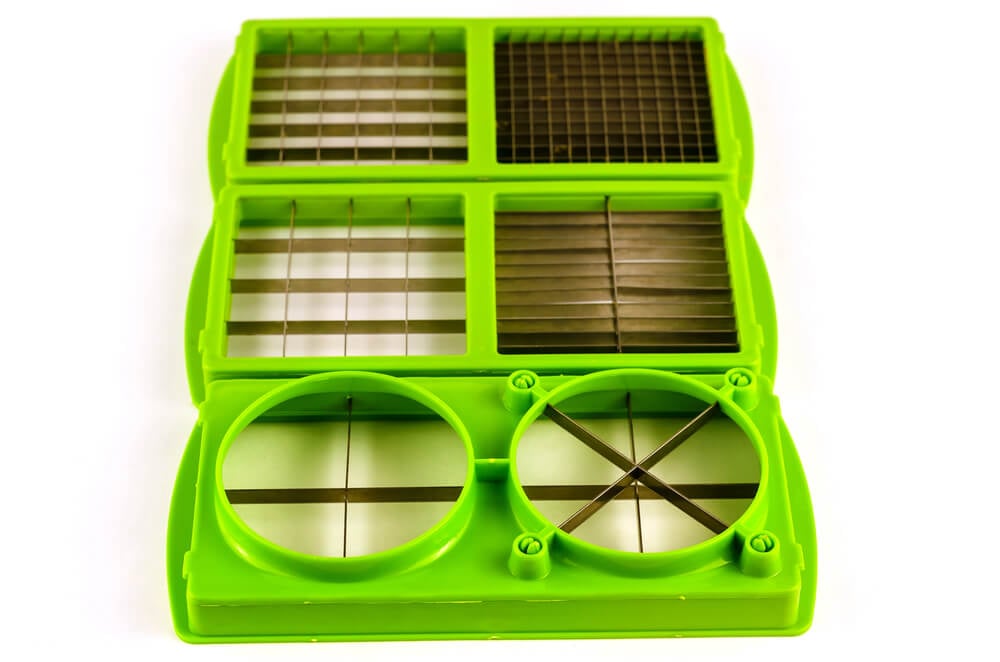
Similar in mechanism to a bean slicer but designed with interchangeable blade discs for different vegetables and cut styles, these slicers offered more versatility than single-purpose tools. Restorers specifically seek complete sets with multiple original blade discs still included, since replacement discs matching an original tool’s exact mounting mechanism are difficult to source.
A crank and blade assembly that turns without excessive resistance is the primary functional benchmark.
Barrel Churns With Wooden Paddles
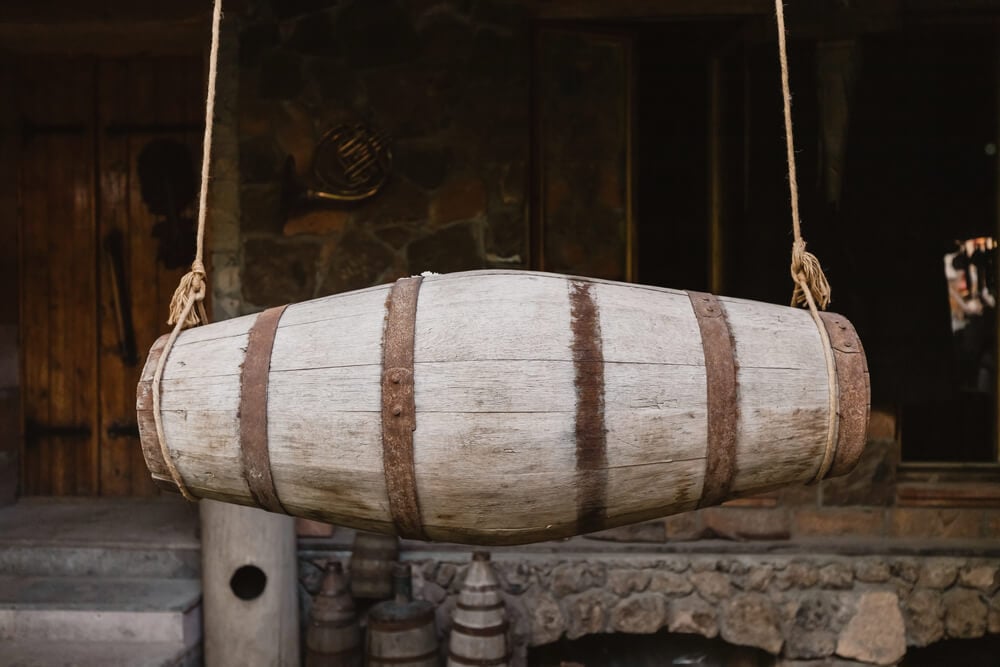
Larger than tabletop butter churns, barrel-style churns used a hand crank to rotate internal wooden paddles within a larger wooden or metal drum, allowing for bigger production batches. Restorers focus heavily on the condition of the internal paddle assembly and the drum’s seals, since a churn that cannot maintain an airtight seal fails to function properly regardless of how well the crank mechanism itself operates.
Original iron banding around a wooden drum, if present and structurally sound, is considered an important factor in overall restoration value.
Hand-Cranked Grain Mills
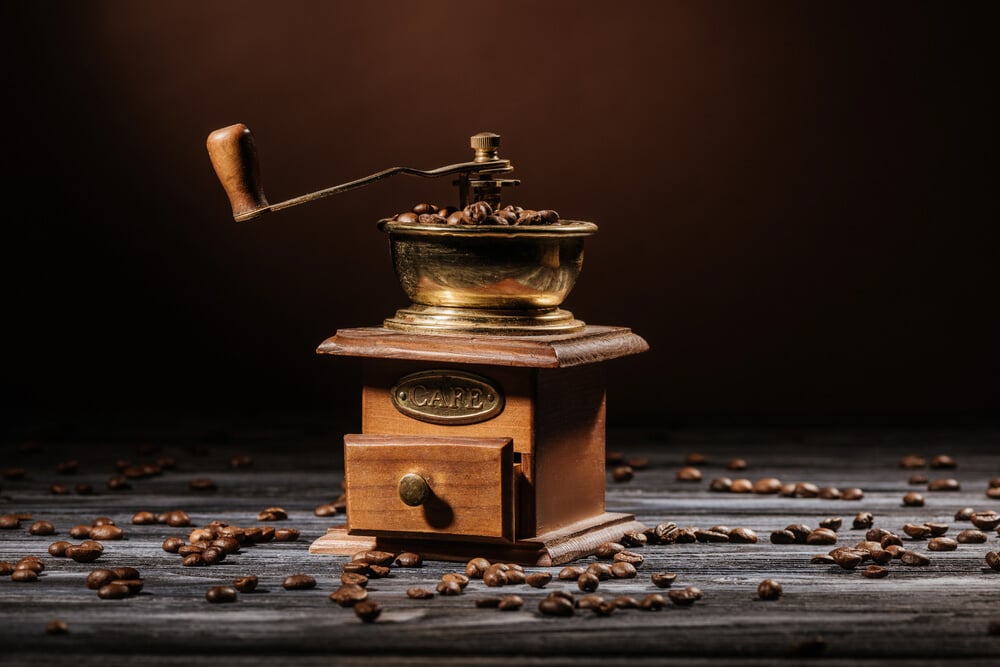
Used for grinding whole grains into flour at a coarser or finer setting depending on need, hand-cranked grain mills used heavy grinding plates or burrs turned by a side crank. Restorers pay close attention to the condition of the grinding burrs, since chipped or excessively worn burrs cannot produce a consistent grind.
Cast iron mills with an adjustable coarseness dial that still turns and holds its setting are especially valued.
Egg and Cream Whisks With Gear Mechanisms
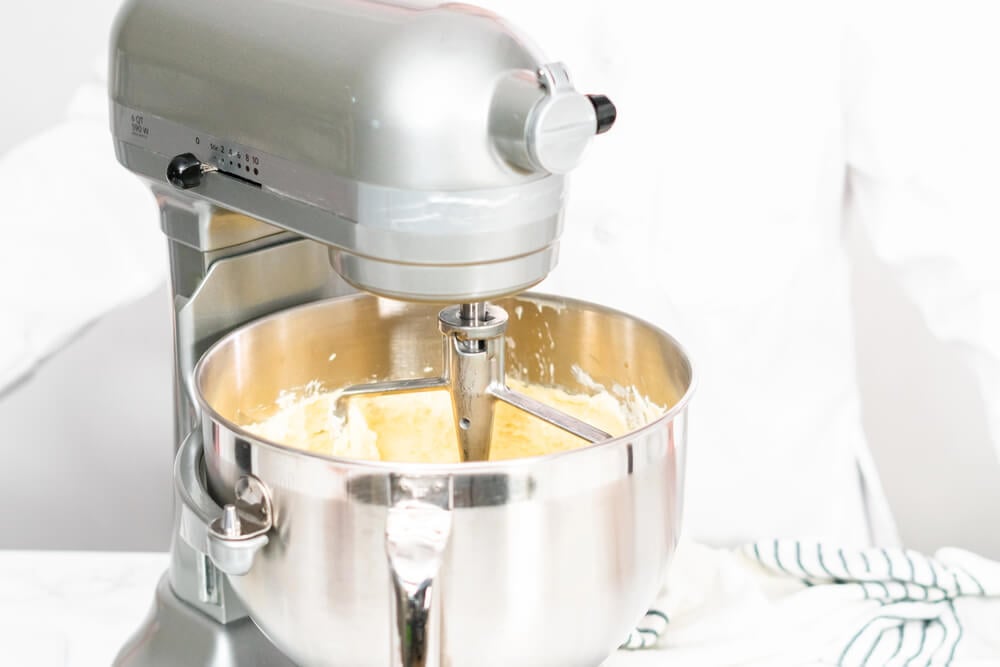
Distinct from simple wire whisks, gear-driven whisks used a small internal gear assembly, similar in principle to a rotary egg beater but often in a more compact, single-hand design. Restorers specifically test the gear mechanism for smooth, consistent rotation without binding.
Wooden or bakelite handles in stable, crack-free condition are a key factor separating a fully restorable piece from one suited only for display.
Cabbage Shredders
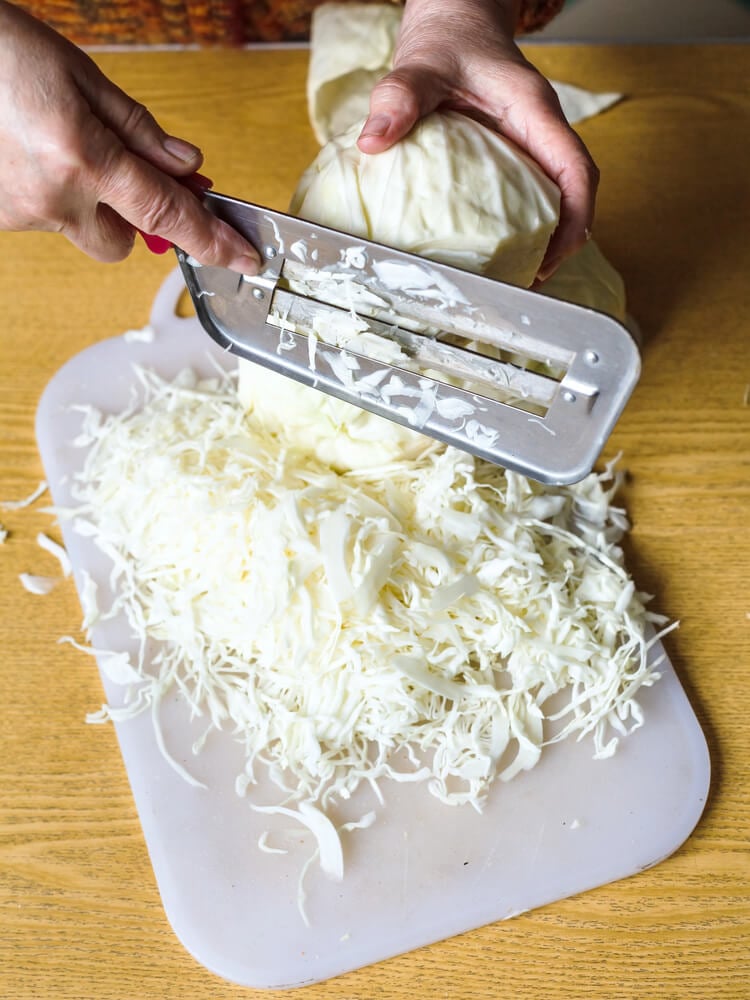
A flat board fitted with angled blades, used by dragging a cabbage head across the surface to produce thin, even shreds for preserving, cabbage shredders are simpler mechanically than crank-driven tools but are frequently restored alongside them as part of a complete vintage food preservation tool set. Restorers focus on blade sharpness and alignment, since dull or misaligned blades produce uneven, torn shreds rather than clean cuts.
Wooden frames free of splitting or warping are essential to a shredder’s continued usability.
Hand-Cranked Ice Shavers
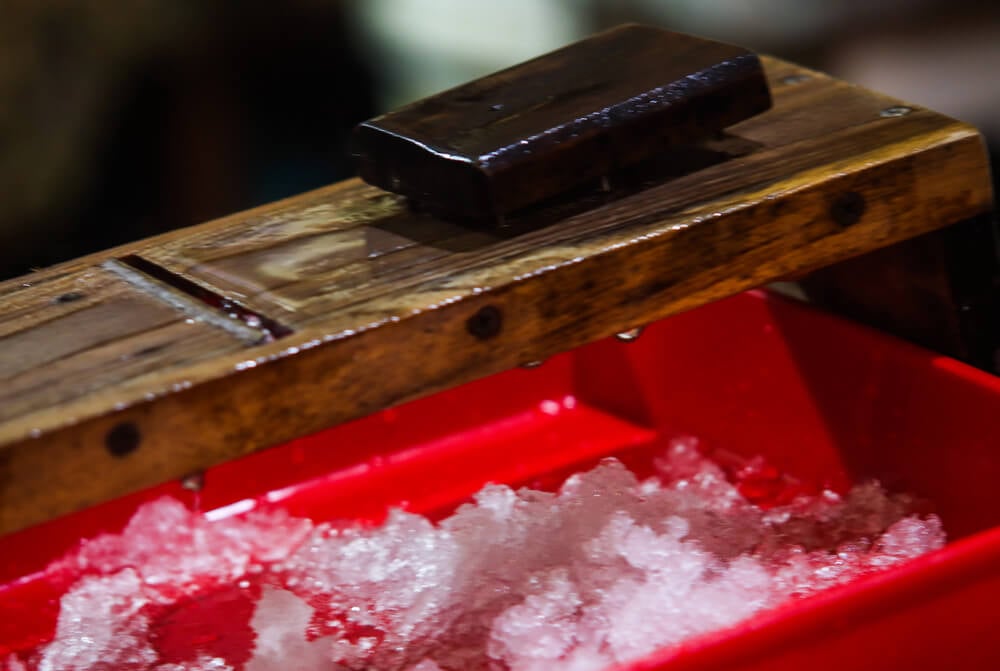
Distinct from ice crushers in producing a finer, snow-like texture rather than coarse chunks, hand-cranked ice shavers used a fine blade mechanism turned against a block or cube of ice. Restorers specifically examine the shaving blade for sharpness and even wear, since a dull or unevenly worn blade produces inconsistent texture.
Wooden or metal housings in stable, well-sealed condition help prevent meltwater from damaging the internal mechanism during use.
Fruit and Vegetable Presses
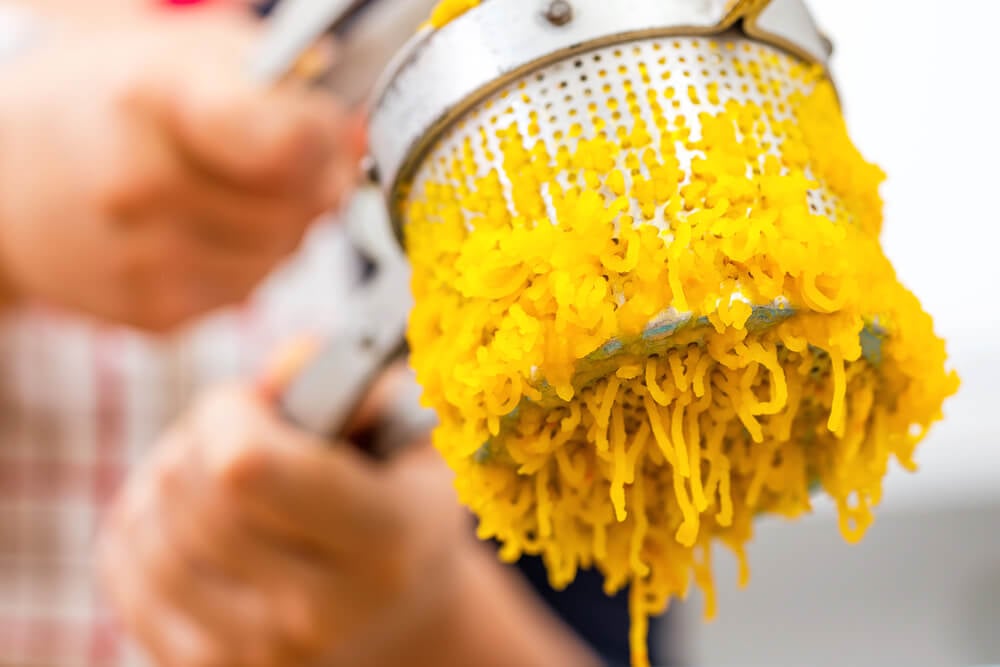
Used for extracting juice by applying mechanical pressure through a hand-cranked screw mechanism, fruit presses ranged from small tabletop models to larger standing versions intended for processing larger harvests. Restorers pay particular attention to the condition of the internal basket or cage that holds the fruit under pressure, since a warped or damaged basket compromises the press’s effectiveness.
A smoothly turning screw mechanism with minimal binding is essential to a functional restoration.
Hand-Cranked Coffee Roasters
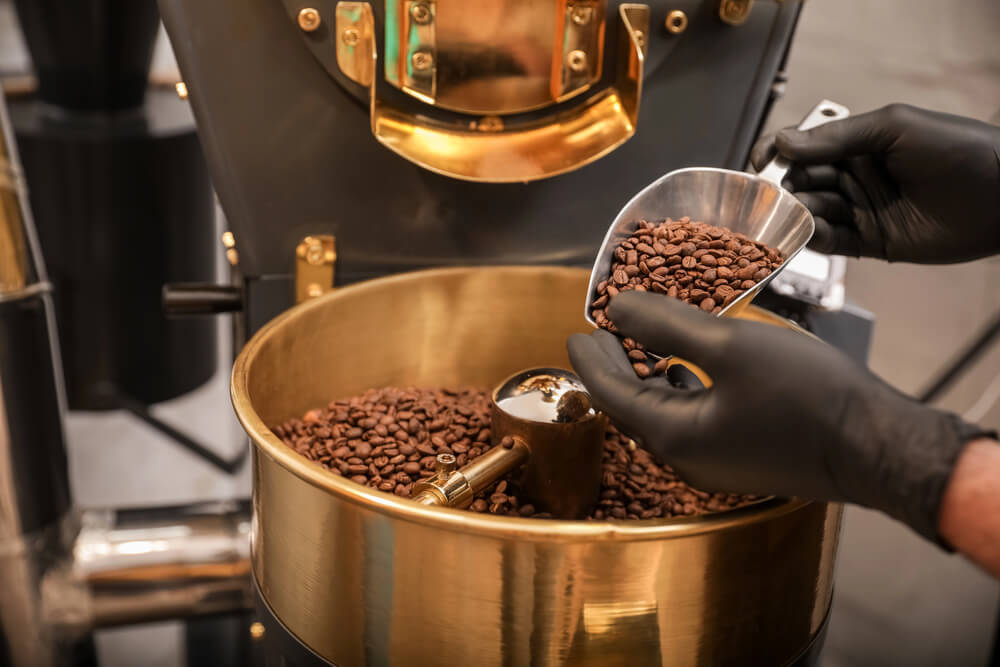
Designed to be held over an open flame or stovetop burner while a hand crank rotates an internal drum to roast coffee beans evenly, these roasters required constant attention and consistent cranking speed to avoid scorching the beans. Restorers focus heavily on the internal drum’s condition, since warping from heat exposure is common and can prevent even roasting.
A handle and crank mechanism that remains cool enough to operate safely during use is an important practical consideration for restorers intending to actually use the piece.
Lard Presses
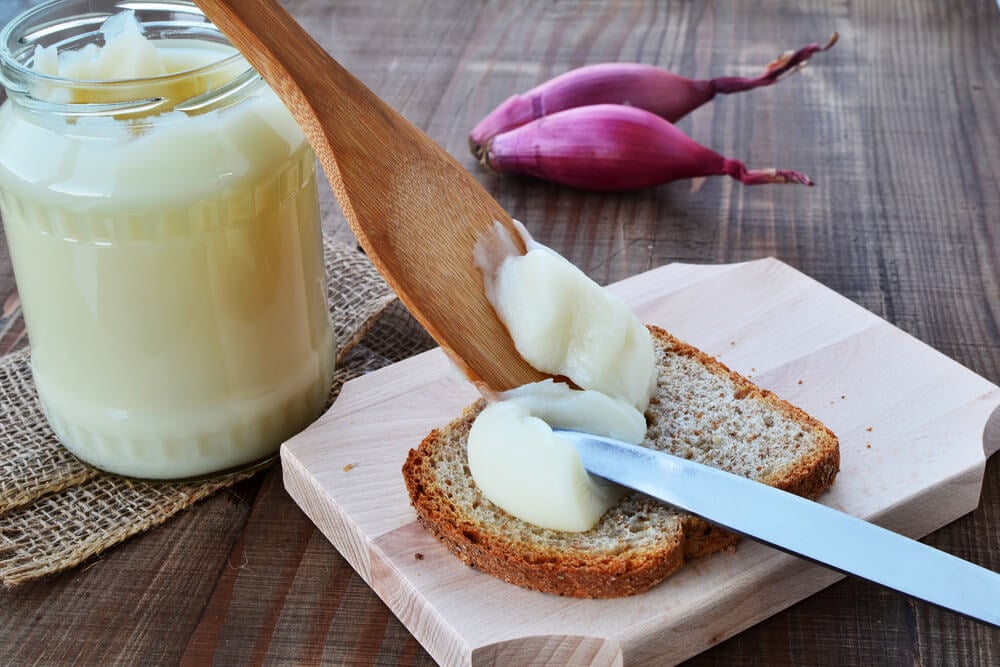
Used to extract fat through a hand-cranked or lever-operated pressing mechanism, lard presses are a less commonly restored category simply due to lower surviving numbers, making complete examples particularly valuable to restorers focused on historical food preparation tools. The condition of the pressing plate and cylinder, free of significant rust or pitting, is the primary factor determining whether a piece is suitable for functional restoration versus display only.
Original wooden components, if present, require particularly careful cleaning to avoid further deterioration.
Hand-Cranked Malt Mills
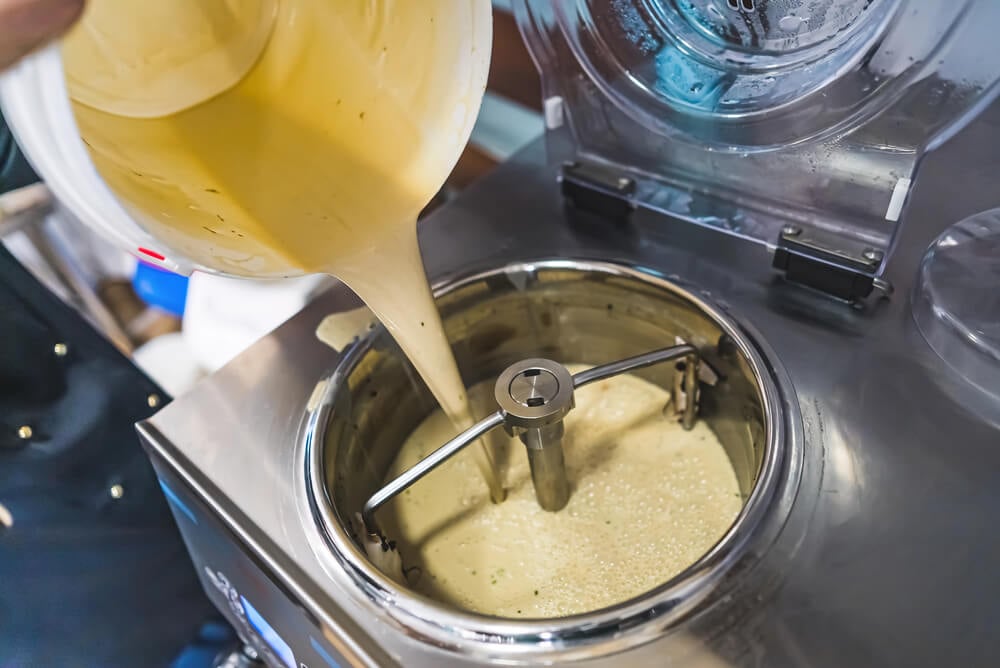
Used specifically for cracking malted grain rather than producing fine flour, malt mills used a coarser grinding mechanism than a standard grain mill. Restorers focus on the spacing and condition of the internal rollers, since correct spacing is essential to cracking grain properly without over-grinding it.
This category has seen renewed restoration interest tied to a broader resurgence of home brewing as a hobby.
Hand-Cranked Bread Kneaders
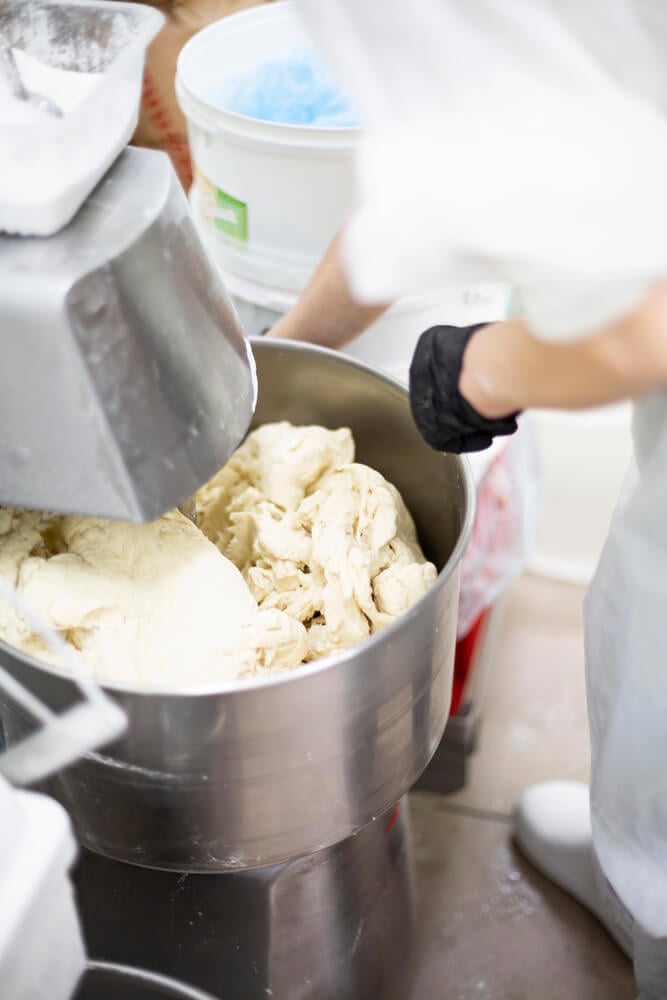
A mechanical alternative to hand-kneading dough, these tools used a hand crank to drive internal paddles or hooks through a mixing bowl. Restorers specifically test the gear and paddle assembly for smooth operation under the resistance that dense dough naturally provides.
Complete units with an intact original mixing bowl, rather than a mechanism sold separately, are considerably more valuable.
Hand-Cranked Spice Grinders

Distinct from a nutmeg grinder in typically accommodating a wider range of spices rather than a single ingredient, hand-cranked spice grinders used an adjustable internal mechanism to control grind coarseness. Restorers seek examples where the grinding mechanism remains sharp enough to produce a consistent texture across different spice types.
Wooden exteriors in stable, crack-free condition are generally preferred over metal-only designs for both restoration value and aesthetic display appeal.
Mechanical Precision Over Polish
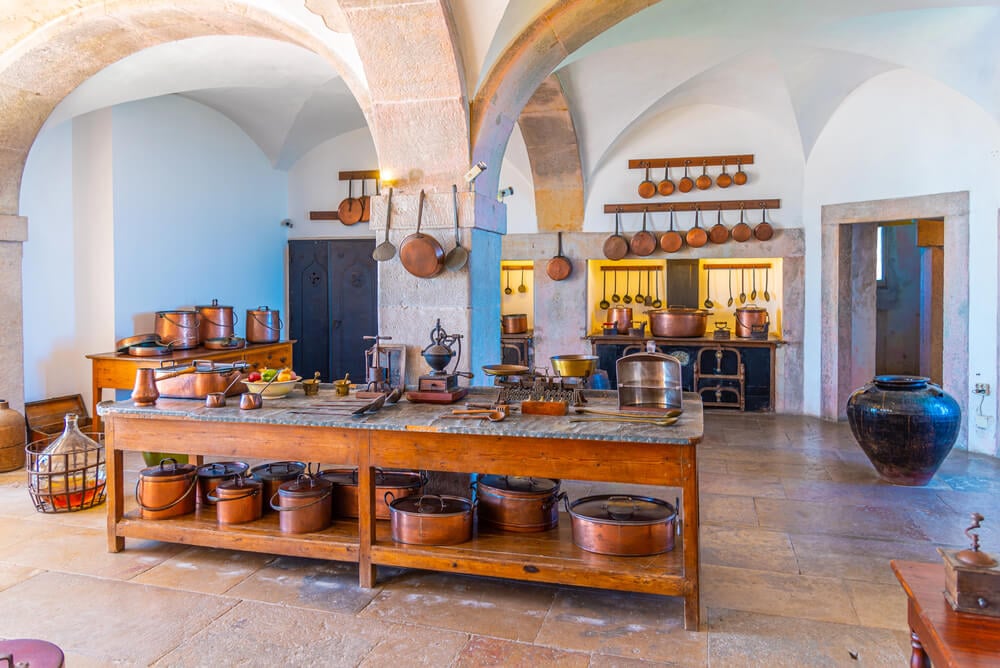
What restorers consistently prioritize across every one of these categories is not cosmetic condition but mechanical integrity. A grinder with chipped paint but smoothly meshing gears is worth more time and money to a serious restorer than one with a flawless finish and a seized mechanism, because the entire appeal of these tools lies in bringing a functioning piece of manual engineering back to life.
That distinction is also what separates a restoration from a simple cleaning. Anyone can wipe rust off a surface, but returning a decades-old gear assembly to smooth, reliable operation requires understanding exactly how the mechanism was built to work
More from Go2Tutors!

- The Romanov Crown Jewels and Their Tragic Fate
- 13 Historical Mysteries That Science Still Can’t Solve
- Famous Hoaxes That Fooled the World for Years
- 15 Child Stars with Tragic Adult Lives
- 16 Famous Jewelry Pieces in History
Like Go2Tutors’s content? Follow us on MSN.



