30 Classroom Objects Nobody Uses Anymore
The modern classroom feels almost sterile compared to its analog predecessors, stripped of the tactile objects and mechanical devices that once defined the educational experience. Walk into a contemporary school and you’ll find interactive whiteboards, tablet devices, and cloud-based presentations.
But step back to classrooms from the 1970s through 1990s, and you’ll encounter an entirely different sensory landscape populated by objects that children today would barely recognize. The infrastructure of education has been fundamentally digitized, replacing objects that required hands-on interaction with screens designed for passive consumption.
Overhead Projectors
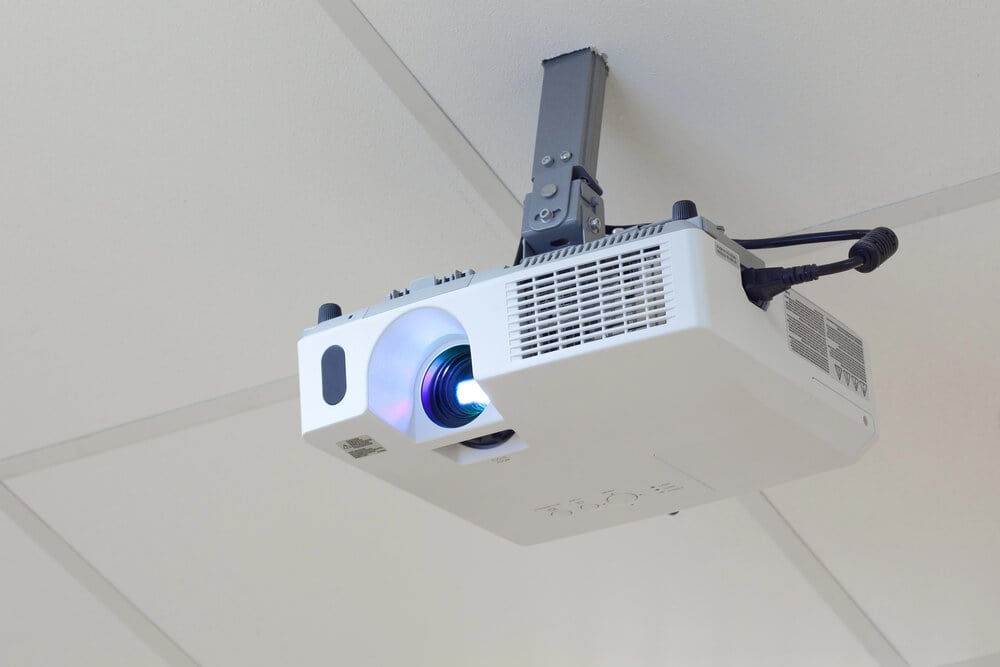
These humble carts with glowing surfaces represented the height of classroom technology for decades, requiring teachers to write with squeaky wet-erase markers on transparent plastic sheets called “transparencies” while students squinted at enlarged shadows on the wall. The machines generated considerable heat, frequently melting anything left too close to the bulb, and their fans were loud enough to muffle teacher explanations.
Modern digital projectors serve similar functions with greater reliability and precision, but they lack the ceremonial quality of wheeling the overhead projector into class—a signal that something special was about to happen.
Transparency Sheets and Wet-Erase Markers
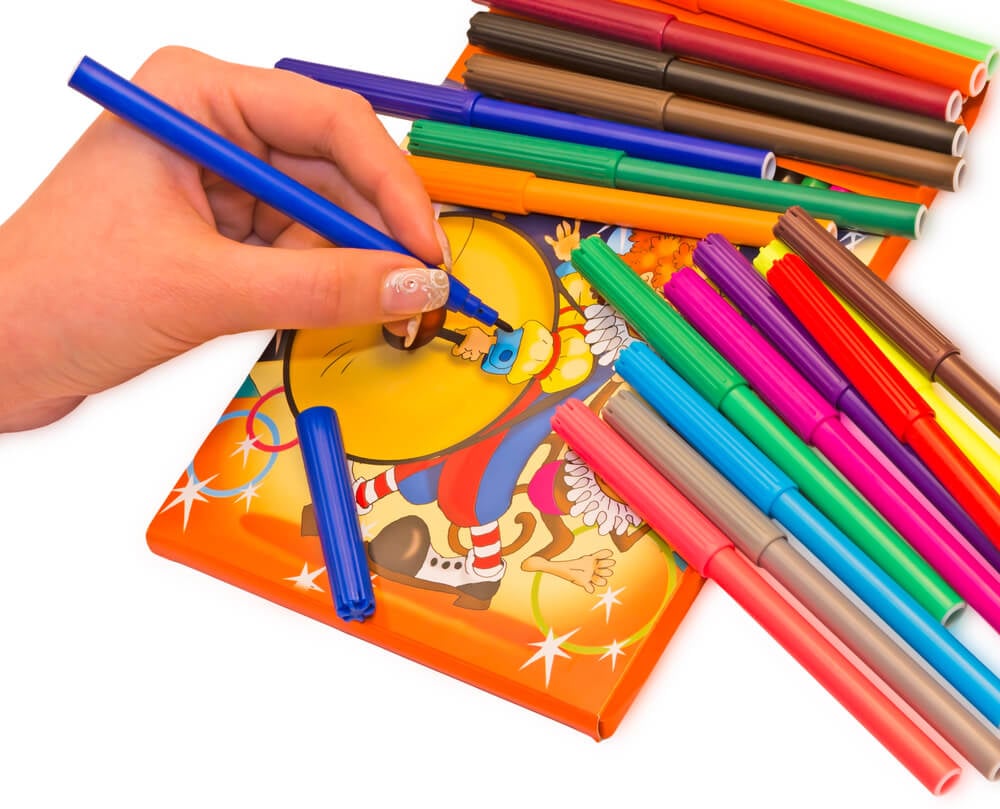
These special plastic sheets designed for overhead projectors required specific markers that could be written on and erased with damp cloths, creating a permanent fixture in teachers’ supply closets for decades. The learning process of managing wet-erase markers—how much pressure to apply, how to avoid smudging with your sleeve, how to erase properly—was itself a minor skill that students developed.
Once PowerPoint and digital presentations emerged, the entire ecosystem of transparencies and wet-erase markers became instantly obsolete.
Chalkboards

The iconic green or black boards that lined classroom walls represented the primary visual medium for lessons, filled with chalk dust that permeated everything and created the distinctive fingernails-on-a-chalkboard screech that made everyone cringe. Erasing the board was a tactile, dramatic act that students could hear from every seat, and the dust created a white film that coated classroom surfaces, representing an air quality hazard by modern standards.
The pride in drawing a straight chalk line with a ruler, or the embarrassment of smudging everything with your sleeve, created small moments of classroom culture that whiteboards completely eliminate.
Chalkboard Erasers
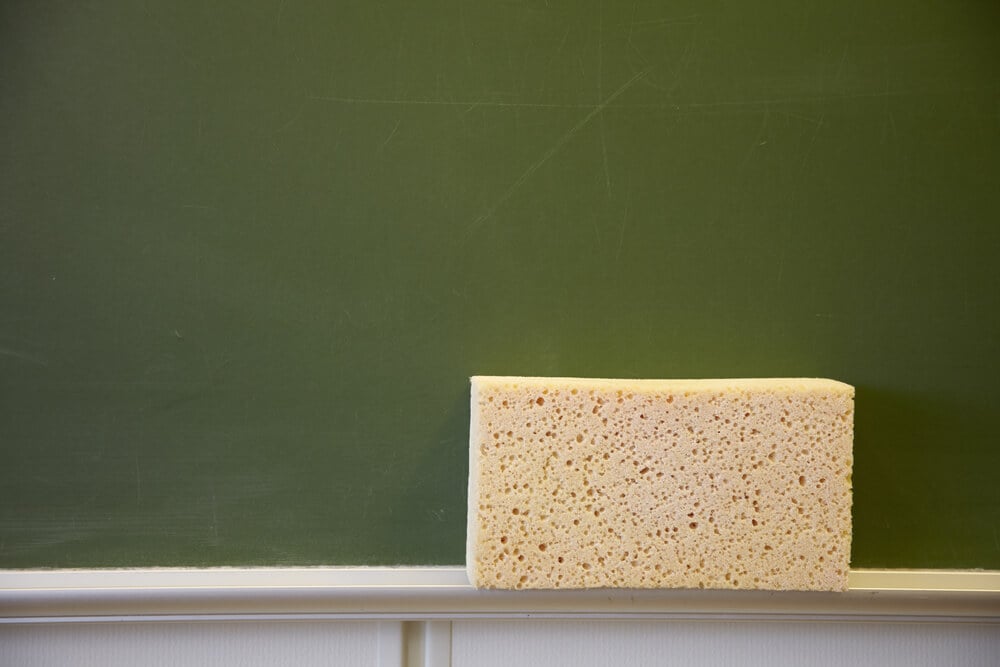
These felt rectangles caked with chalk dust became targets of both punishment and reward, as teachers would assign students to take erasers outside and clap them together, creating impressive dust clouds visible from across the schoolyard. The actual erasure produced satisfying results—a clean board from vigorous clapping—and the brief outdoor respite made eraser duty surprisingly popular despite its nominal punishment status.
The job required no special equipment and could be performed by any student, representing a distributed responsibility model that modern schools rarely employ.
Colored Chalk
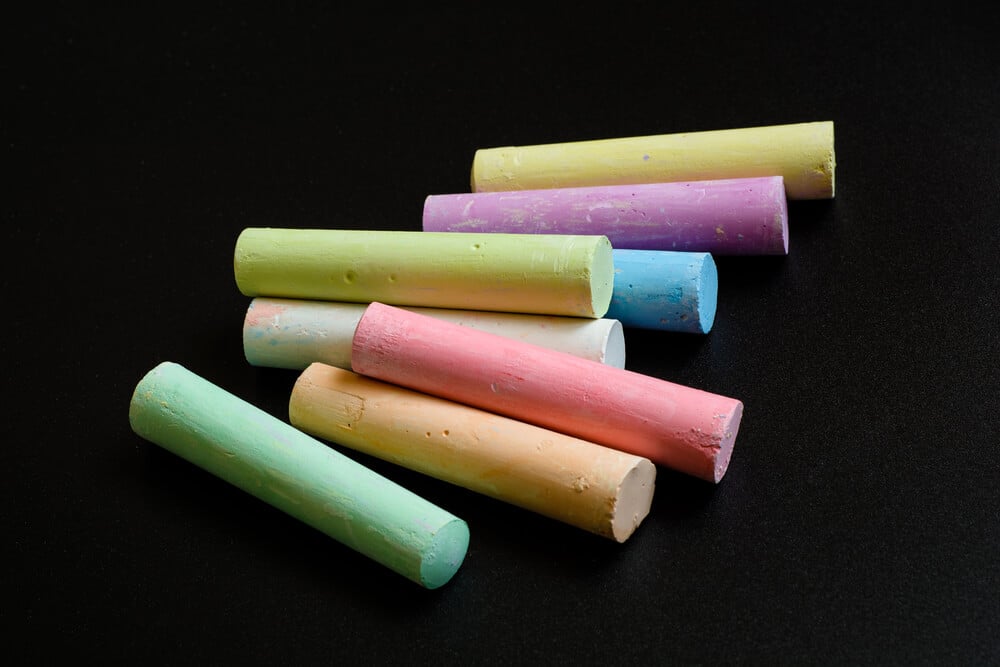
Teachers used these vibrant sticks to turn chalkboards into visual canvases, creating colored diagrams and highlighting important concepts with rainbow variety that commanded student attention. The privilege of being chosen to use colored chalk felt substantial to young students, imbuing the marker selection with social significance.
Modern whiteboard markers deliver similar functionality, but the ritual of accessing the special colored chalk box has been replaced by default to the standard marker set.
Mimeograph Machines
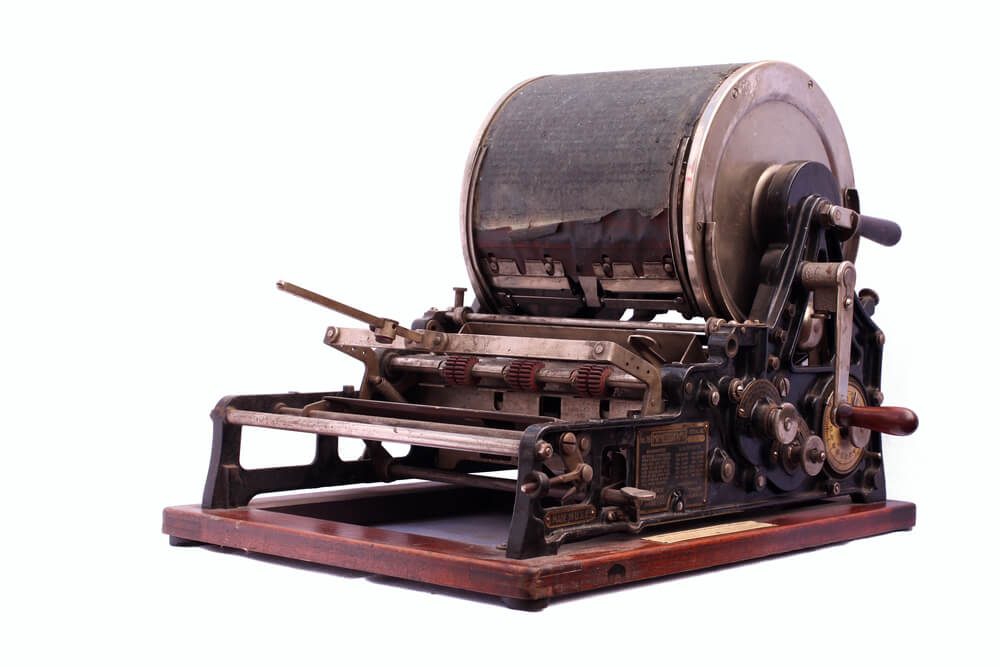
These ditto machines produced purple-inked copies on thin paper using rotating drums and aromatic solvent, filling the school with a distinctive chemical smell that students associated with fresh worksheets. The process required drum preparation, ink application, and careful feeding of paper, making the machines temperamental and requiring trained operators who held significant status in school hierarchies.
The purple ink would transfer to students’ hands, staining them temporarily with evidence of recent worksheet contact.
Ditto Paper and Ditto Copies
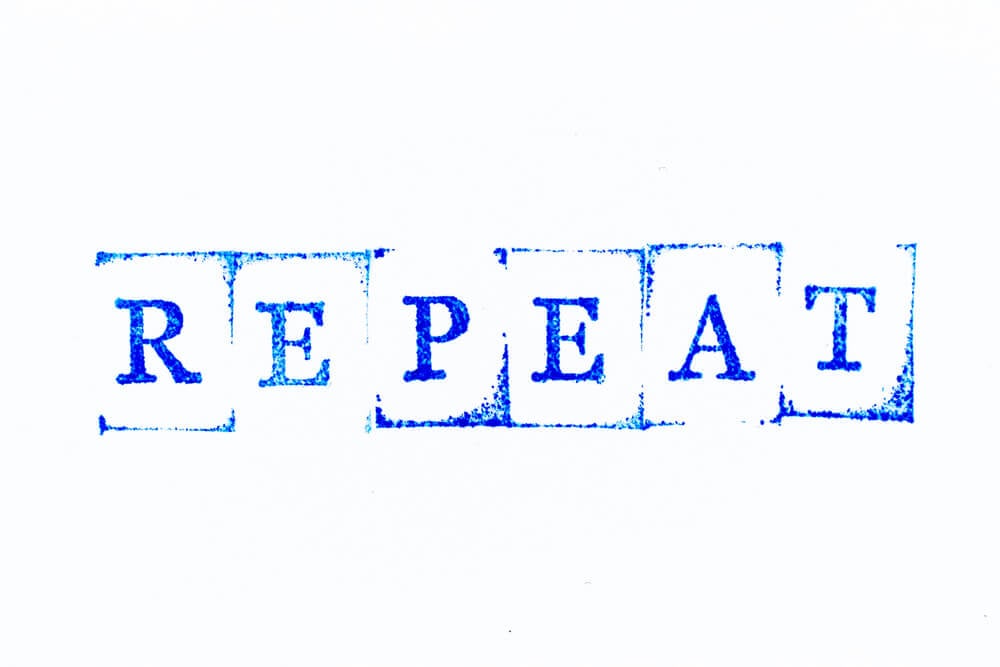
The purple-inked worksheets produced by mimeograph machines became synonymous with school worksheets throughout the 1970s and 1980s, their distinctive smell triggering immediate recognition decades later. The copies could be somewhat inconsistent, with some sections printing dark while others faded, adding an element of unpredictability to classroom materials.
The paper quality was poor and the ink would sometimes smudge, but the medium’s simplicity and low cost made it ubiquitous despite its limitations.
Transparency Sleeves
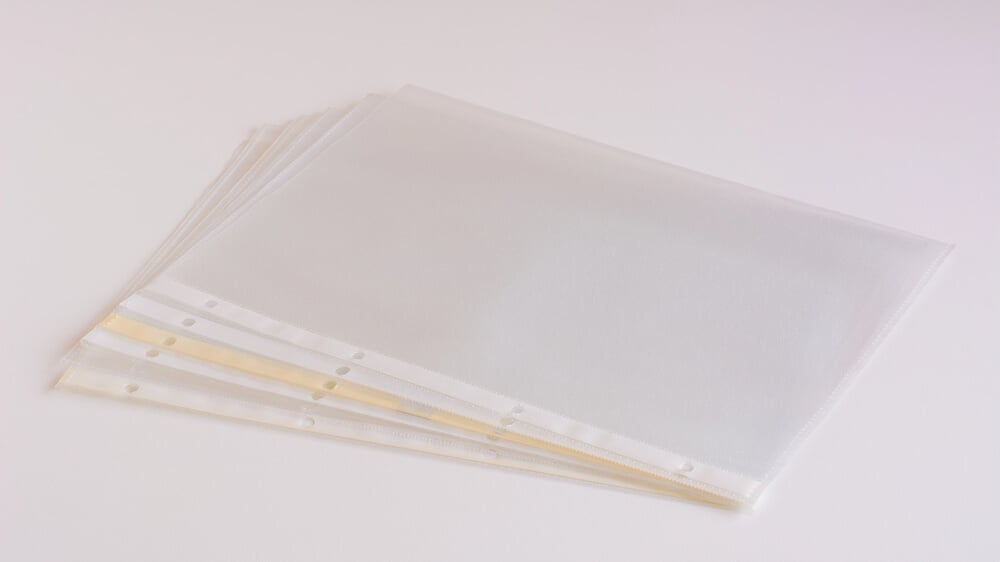
These protective plastic covers organized stacks of used transparencies by subject or unit, allowing teachers to manage extensive collections of reusable teaching materials. The sleeves accumulated over years, creating an archaeological record of what teachers had decided was important enough to save.
Teachers would sometimes label them meticulously, creating organization systems that colleagues could never quite understand.
Laminating Machines
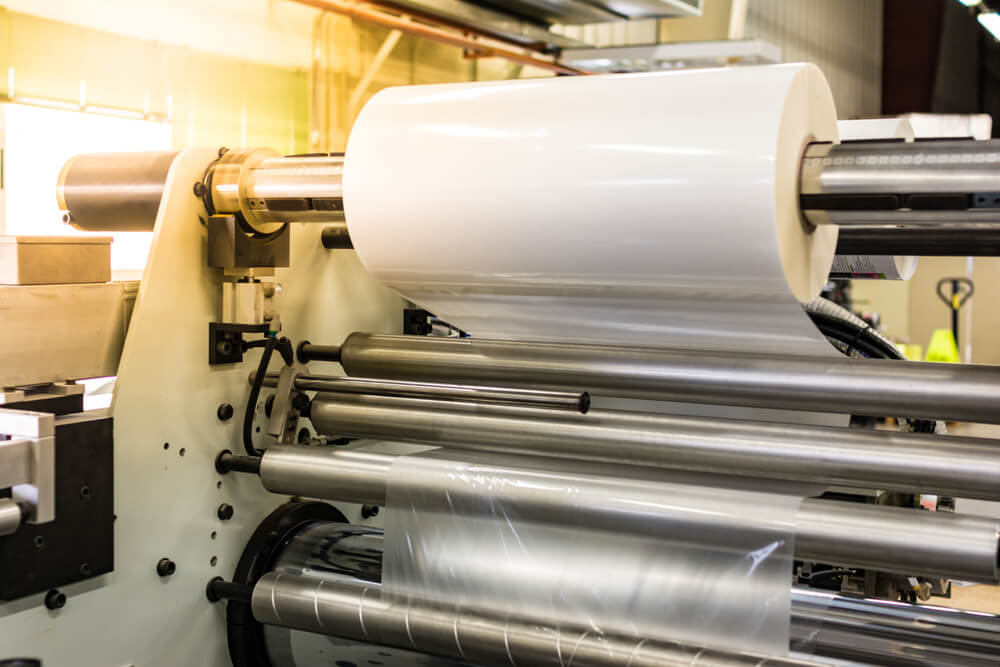
These heating devices bound plastic sheets around paper materials, creating glossy, waterproof objects that seemed to endow documents with permanent importance and professional status. Teachers carefully fed important materials through rollers, watching as heat sealed the plastic and transformed paper into something more durable and dignified.
The process required vigilance—jamming was common and catastrophic—but the results appeared to justify the effort and attention.
Laminated Classroom Materials
— Photo by Devin_Pavel
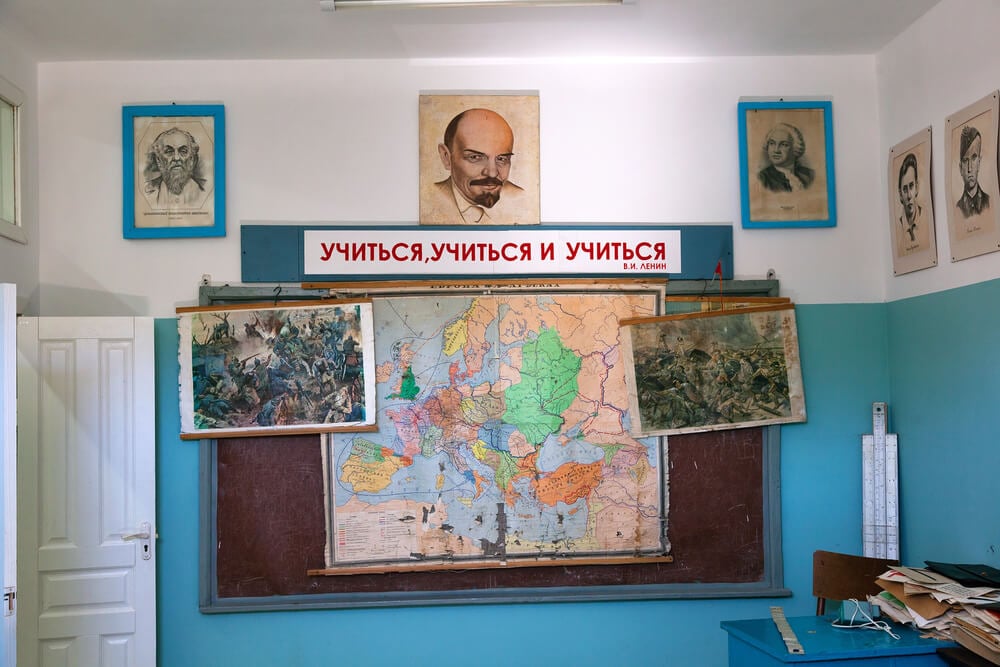
Charts, educational posters, flashcards, and bulletin board materials all emerged from laminating machines transformed into what felt like professional-grade classroom resources. The lamination seemed to imbue materials with authority, as if the extra layer of plastic elevated them above ordinary worksheets.
Modern classrooms simply print on sturdy stock instead of laminating, sacrificing the ceremonial quality that lamination provided.
Card Catalogs
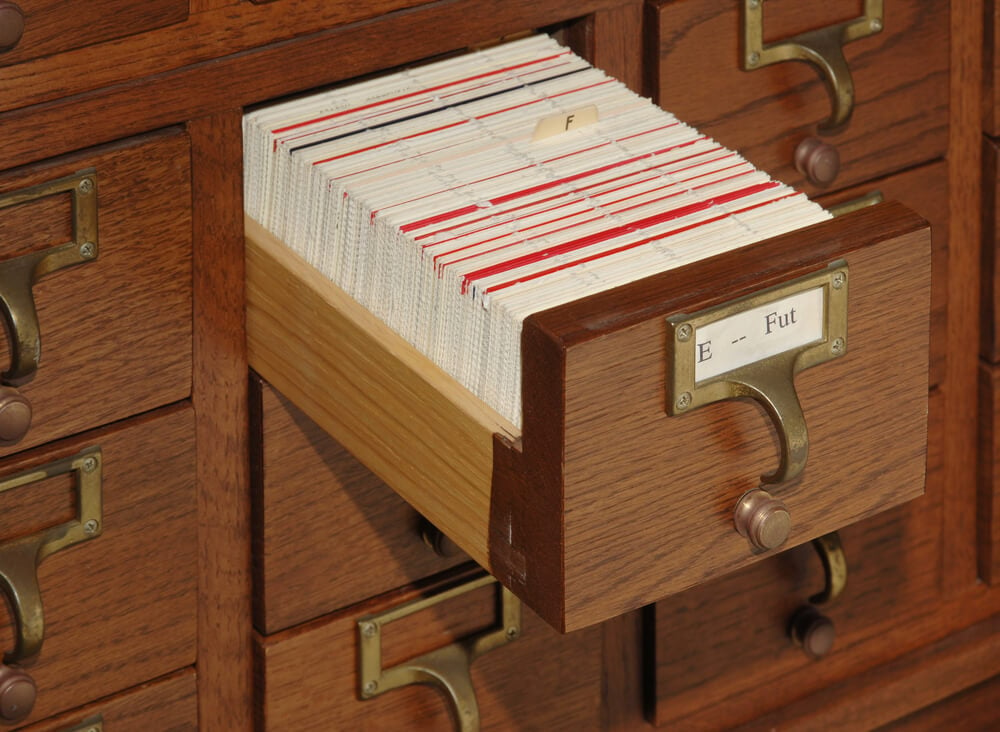
Libraries maintained these wooden filing systems with small drawers containing handwritten cards indexed by author, title, and subject, requiring users to physically search through cards to locate books. The card catalog represented a crucial skill that librarians taught to all students—how to navigate information through systematic index searching—creating a literacy that’s now entirely obsolete.
Students spent lunch periods poring over these catalogs to locate research materials, developing an almost archaeological skill in information retrieval.
Microfiche Readers
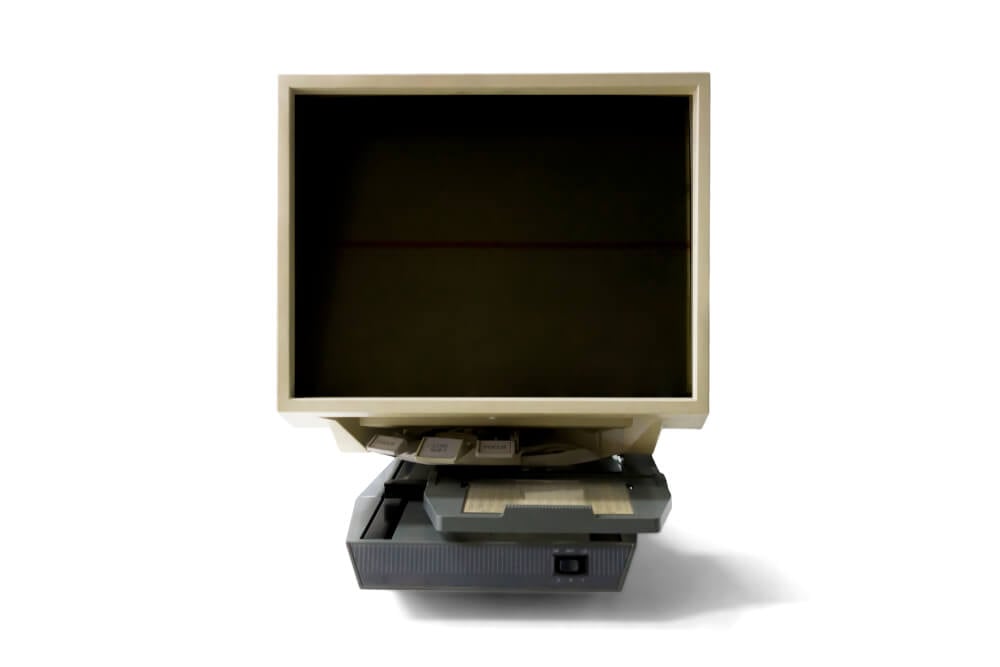
These magnifying machines displayed microfilm in miniaturized form on backlit screens, allowing users to scroll through archived newspapers, periodicals, and documents compressed onto tiny film reels. The technology was brilliant for storage efficiency but cumbersome for research, requiring technical skill and patience as images were located and enlarged.
Museums and flea markets now contain these machines as artifacts of a research era that seemed simultaneously sophisticated and absurdly inefficient.
Microfiche Film
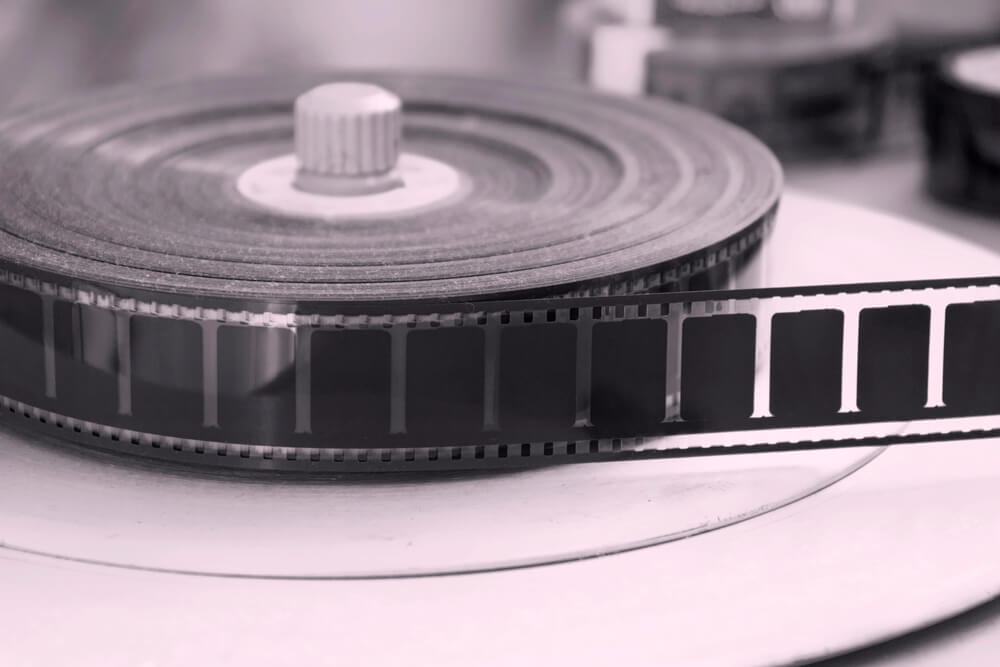
Archival materials, older newspapers, and historical periodicals were photographed and compressed onto microfiche film as a storage solution that predated digital archives, creating collections that students dreaded consulting. Finding the right reel, threading it correctly, and locating specific content required patience and technical competence, making the process feel like detective work.
The technology was state-of-the-art for decades before digital archiving rendered it completely obsolete.
Film Strips

These perforated strips of photographic film included sequential still images and accompanying audio on records, creating narrative presentations that teachers would advance manually or automatically. The technology represented a middle ground between static slides and motion pictures, often used for educational programs about history, science, or social studies topics.
Their gradual disappearance was so complete that contemporary students have no reference point for understanding what film strips were.
Record Players
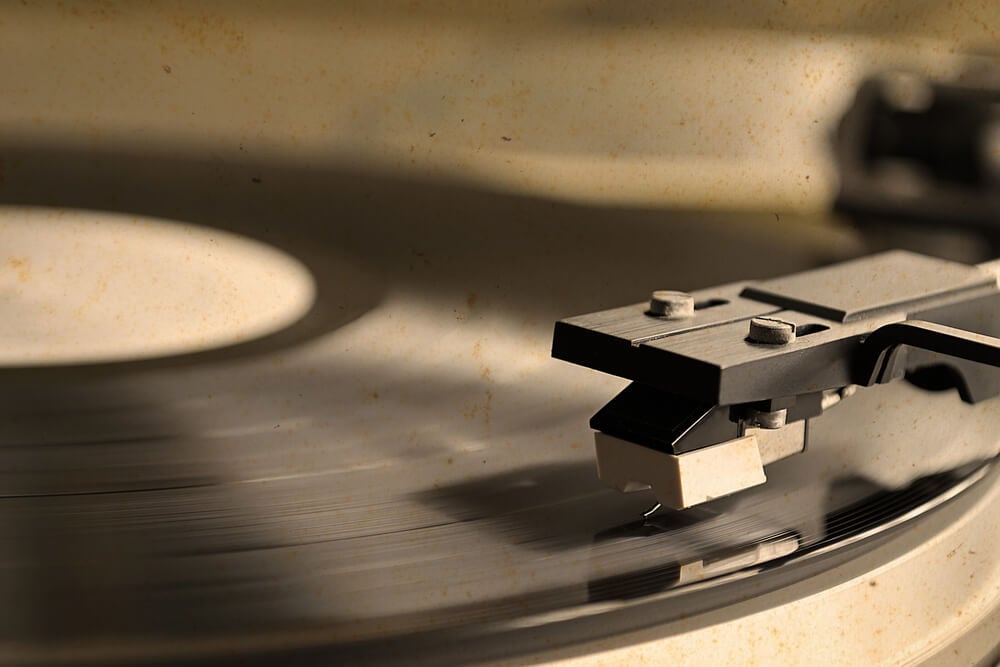
These turntables brought music and language lessons into classrooms through scratchy vinyl records, with teachers carefully placing needles on specific tracks while managing records that occasionally skipped or played at incorrect speeds. Educational albums covered everything from multiplication tables set to music to foreign language pronunciation guides, creating audio learning experiences that had their own peculiar charm.
The process of selecting music, placing the needle, and managing playback was itself an educational process about technology and precision.
Classroom Vinyl Records
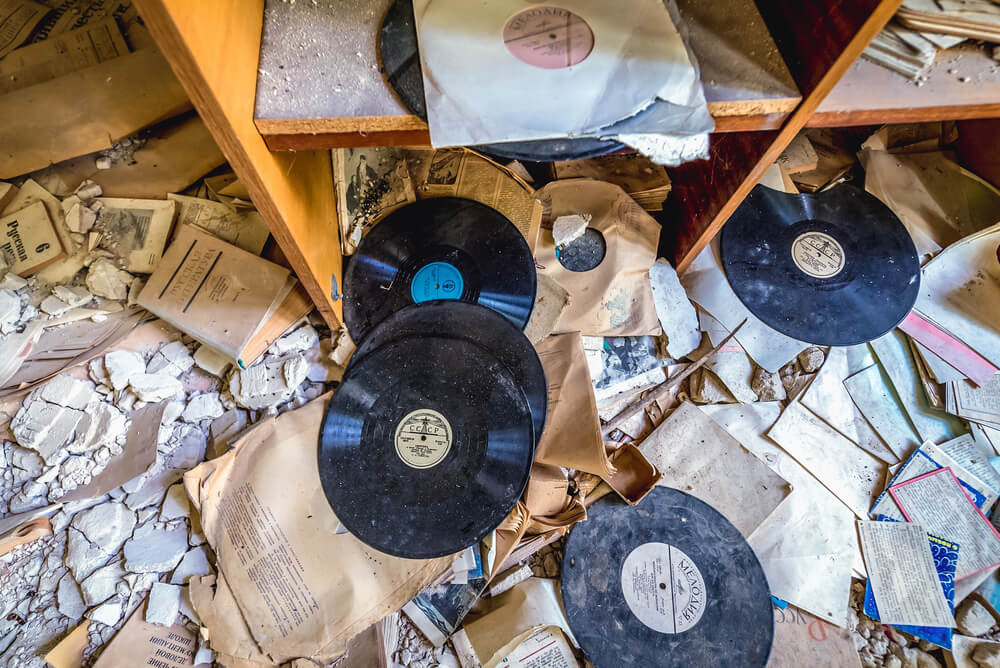
— Photo by fotokon
Educational vinyl records featured instructional content on topics ranging from basic arithmetic to foreign language learning, with songs and spoken narration designed for young listeners, though the quality was often mediocre and the content awkwardly dated. Albums with names like “Multiplication Multiplication” or “Learning Spanish Through Song” attempted to make education fun through music, achieving mixed results.
The records survived in teachers’ closets for decades after the medium became completely obsolete.
AV Carts
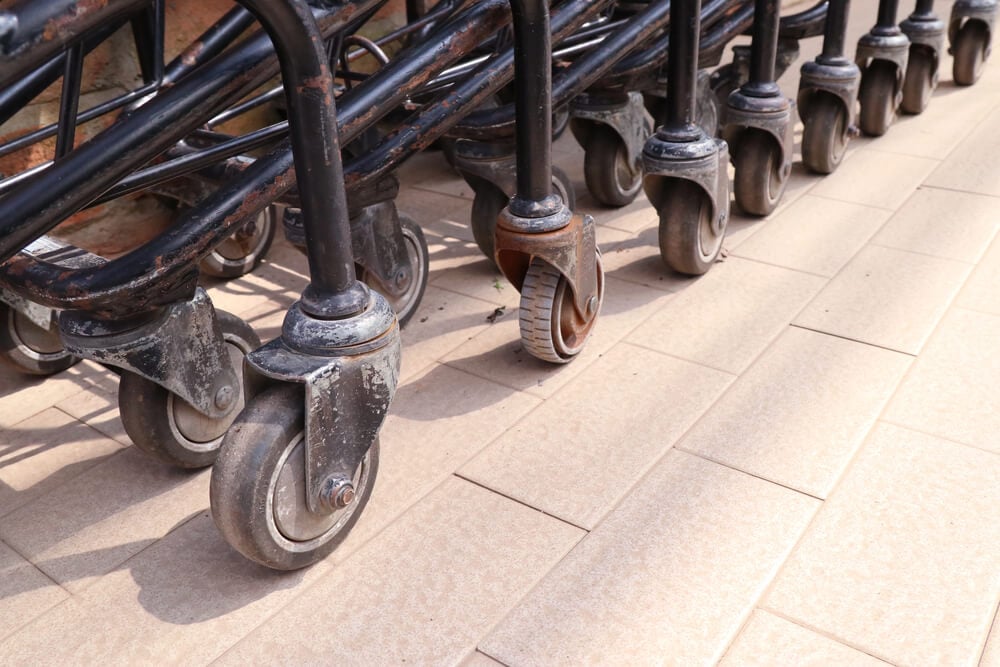
These mobile carts with television sets mounted on top rolled into classrooms with ceremonial significance, signaling that regular instruction was being replaced by educational media time—an event that generated significant student excitement. Teachers would wheel these large devices through hallways, carefully positioning them in classrooms and manipulating rabbit-ear antennas to achieve acceptable reception.
The carts gradually disappeared as classrooms became self-contained with built-in projectors and displays.
Televisions on Carts
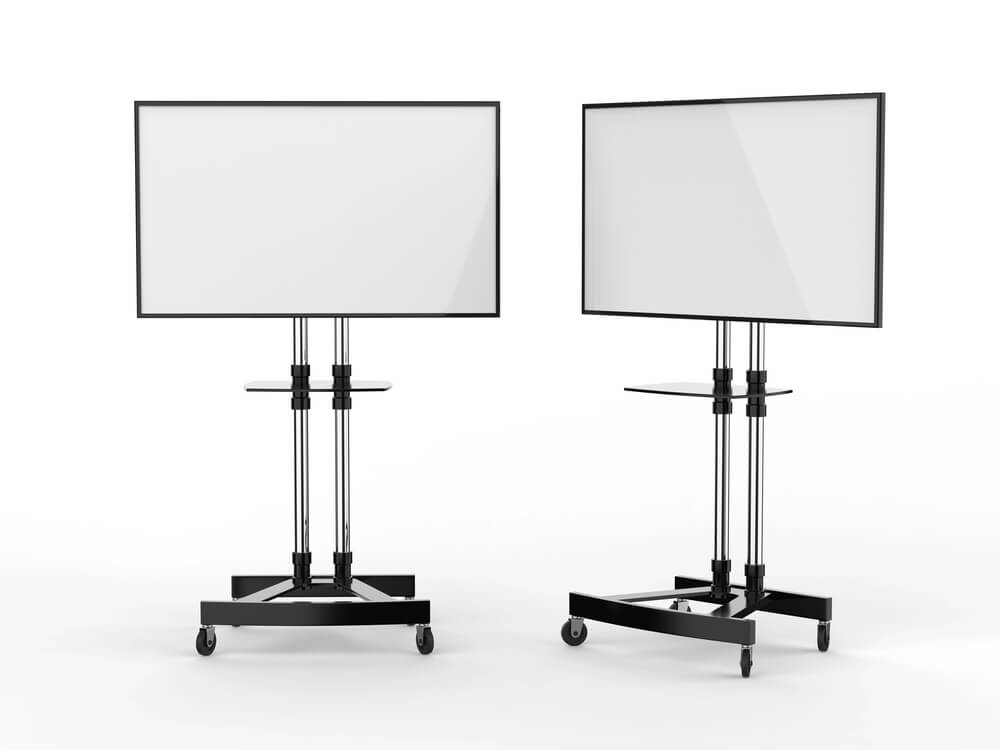
Classroom televisions attached to AV carts became cultural symbols of special occasions—substitute teachers, field trip cancellations, or rewards—as the arrival of the cart signaled a departure from standard instruction. The sets were often large and unwieldy, requiring careful maneuvering through doorways and occasional wobbling that created mild security concerns.
Modern schools have abandoned this mobile model in favor of integrated technology in classrooms.
VCR Players
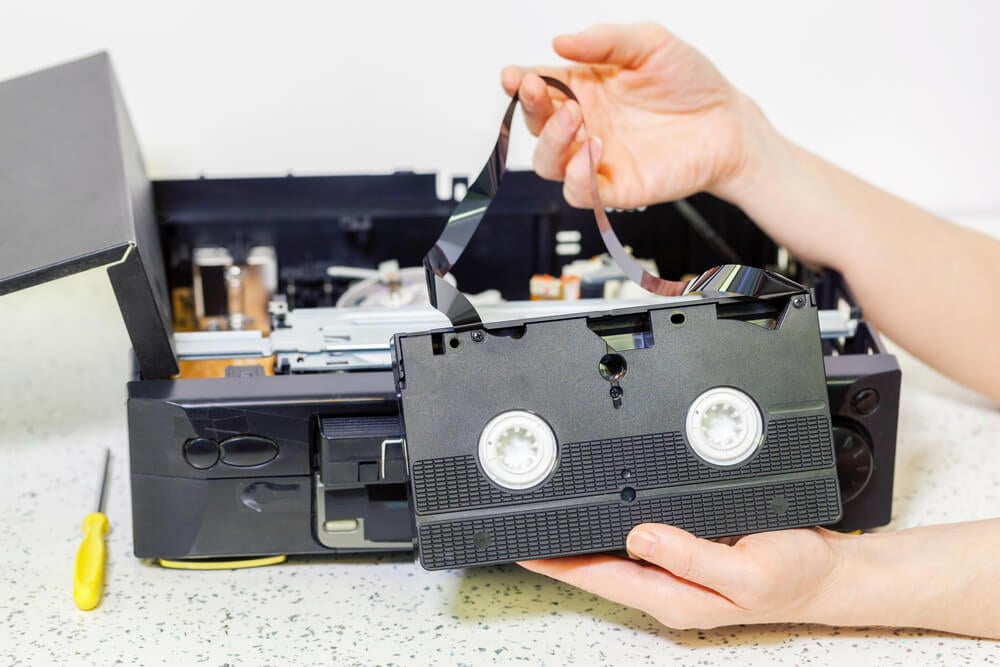
These devices played VHS tapes and emerged as the evolutionary successor to film strips, representing a significant upgrade in video quality and teacher control over educational content. Rewinding and fast-forwarding created mechanical sounds that students learned to recognize, and tape degradation over time meant that frequently-used educational videos became increasingly degraded and difficult to watch.
The VCR briefly represented cutting-edge educational technology before DVDs and digital streaming rendered them obsolete.
Educational VHS Tapes
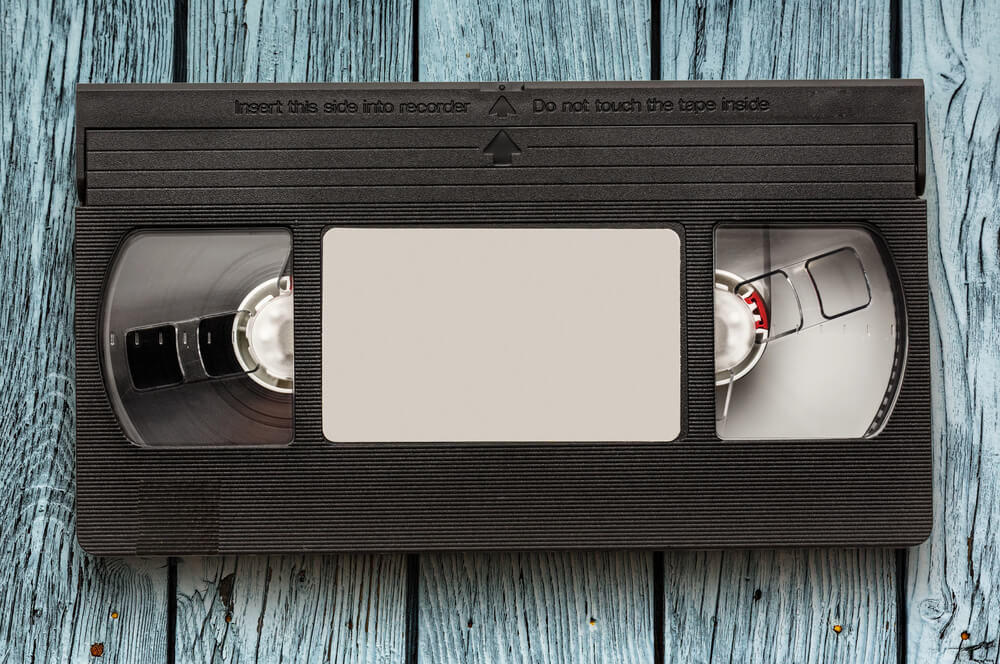
Teachers accumulated libraries of VHS recordings, ranging from professionally produced educational content to recordings of historical documentaries that could be paused and rewound for classroom discussion. The process of finding the right spot on a tape required fast-forwarding and rewinding, skills that contemporary students have no context for understanding.
Many valuable educational videos exist only in VHS format, gradually decaying in boxes in school closets.
Pull-Down Maps
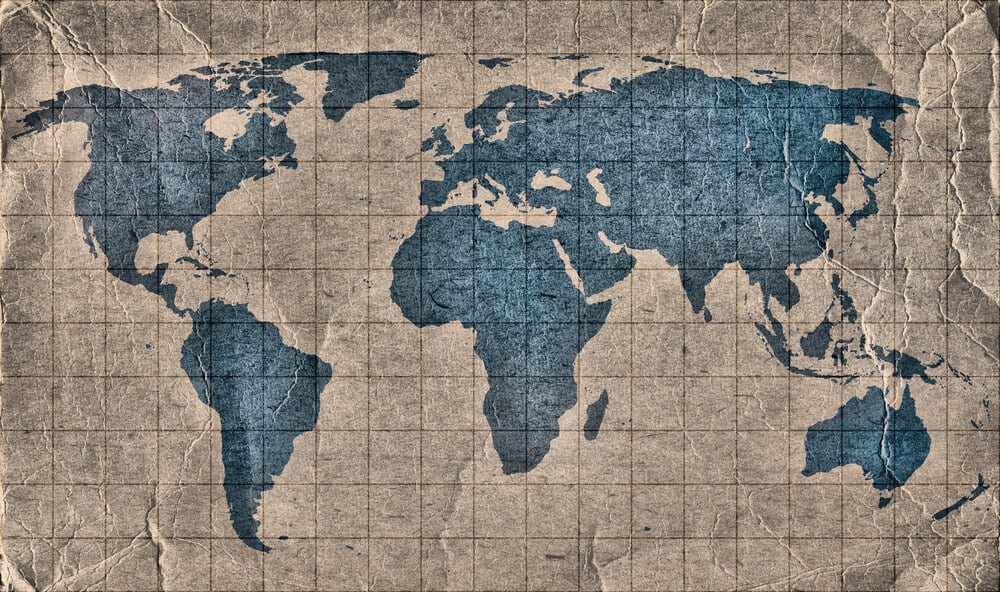
These geographical maps hung above chalkboards or whiteboards and could be unrolled to display countries, states, or continents during geography or history lessons, creating visual references for concepts that textbooks could only describe in text. The maps would curl if not carefully maintained, sometimes making sudden violent springs back to their rolled position.
Modern classrooms project map images onto screens instead, though the interactive process of manually displaying geographic materials created different pedagogical possibilities.
Atlases
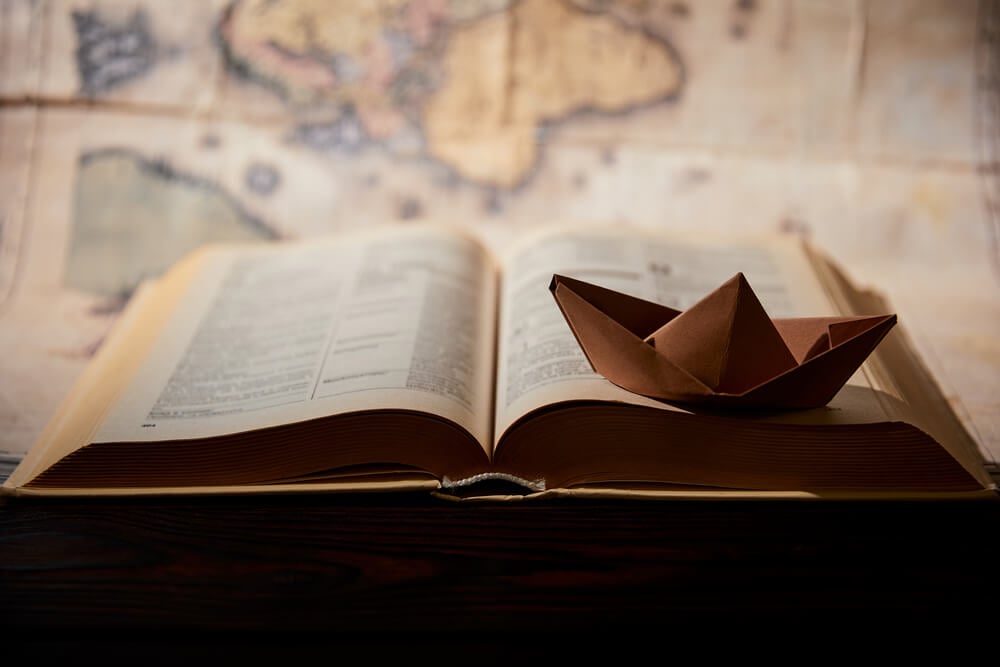
Thick reference books containing maps of the world, countries, and regions sat on classroom shelves and were consulted during geography lessons or research assignments, representing one of the primary sources of geographic information before internet maps existed. Students would pore over atlases looking for specific locations, learning geographic relationships through manual navigation.
The books gradually accumulated outdated information—countries changed names, borders shifted, cities grew—making older atlases increasingly inaccurate.
Classroom Globes
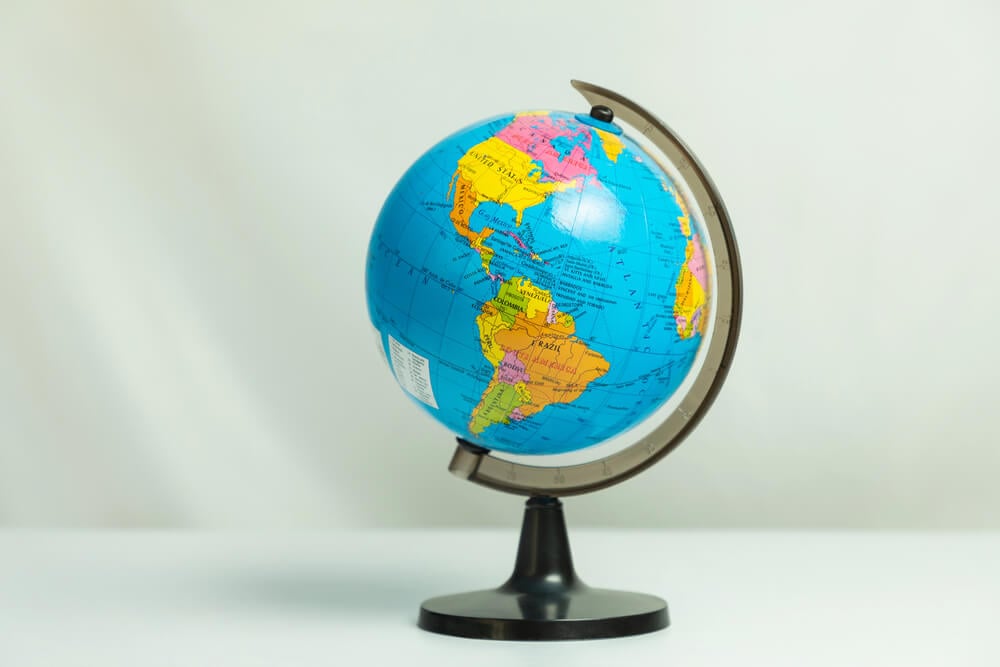
Rotating spherical representations of Earth served as both decorative and educational objects, with students spinning them to locate countries, compare sizes, and understand geographic relationships. Some globes included raised relief to show mountains and valleys, while others were simple smooth surfaces with political boundaries marked.
Modern classrooms have replaced permanent globes with projected maps that can be rotated digitally.
Encyclopedia Sets
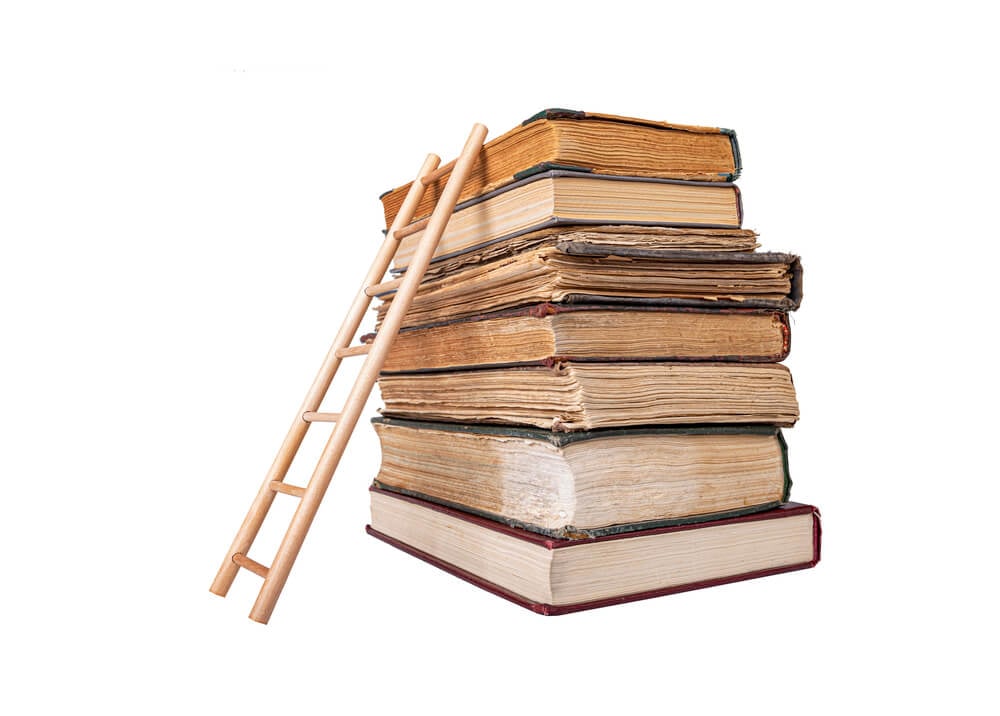
Multi-volume reference sets like Britannica occupied entire shelves in classrooms and school libraries, representing the primary source for factual information on topics ranging from history to science. Families who could afford them would purchase sets for home use, displaying them prominently as symbols of educational commitment.
The sets required manual indexing—finding topics and cross-references—creating a research skill that’s now entirely obsolete.
Classroom Card Catalog Systems
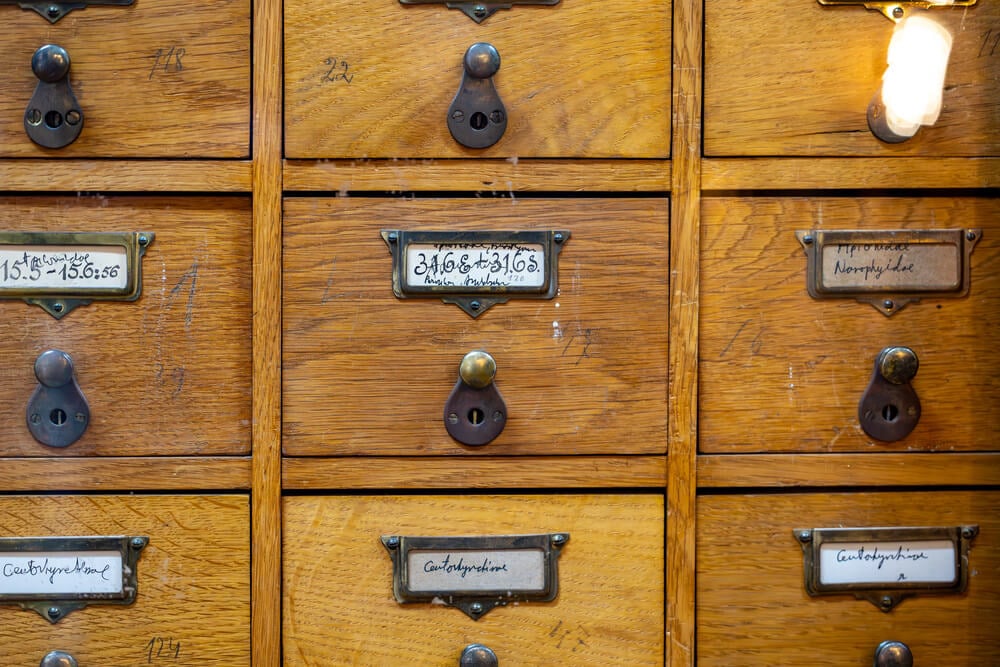
Some classroom libraries maintained simplified card catalogs for managing classroom book collections, teaching students how to search through index cards to locate specific titles or subjects. The process created a research literacy that connected students’ work in school libraries to the classroom environment, making information retrieval a skill that extended across multiple spaces.
Modern classroom libraries typically use digital catalogs or simplified organization systems.
Classroom Bulletin Boards
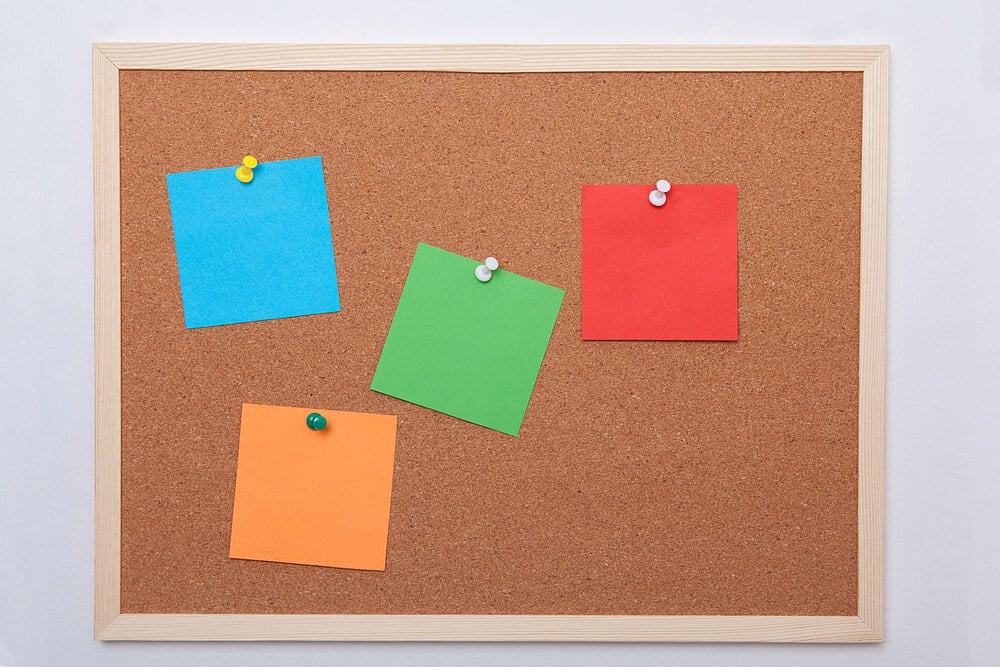
Paper-backed cork boards displayed student work, announcements, and seasonal decorations, serving as the primary visual communication system within classrooms before digital displays emerged. The bulletin boards required careful planning and artistic attention, with teachers creating decorative borders and organizing content into logical sections.
Modern classrooms have replaced these with digital displays that require less manual labor but lose the tactile quality of paper-based communication.
Construction Paper and Scissors
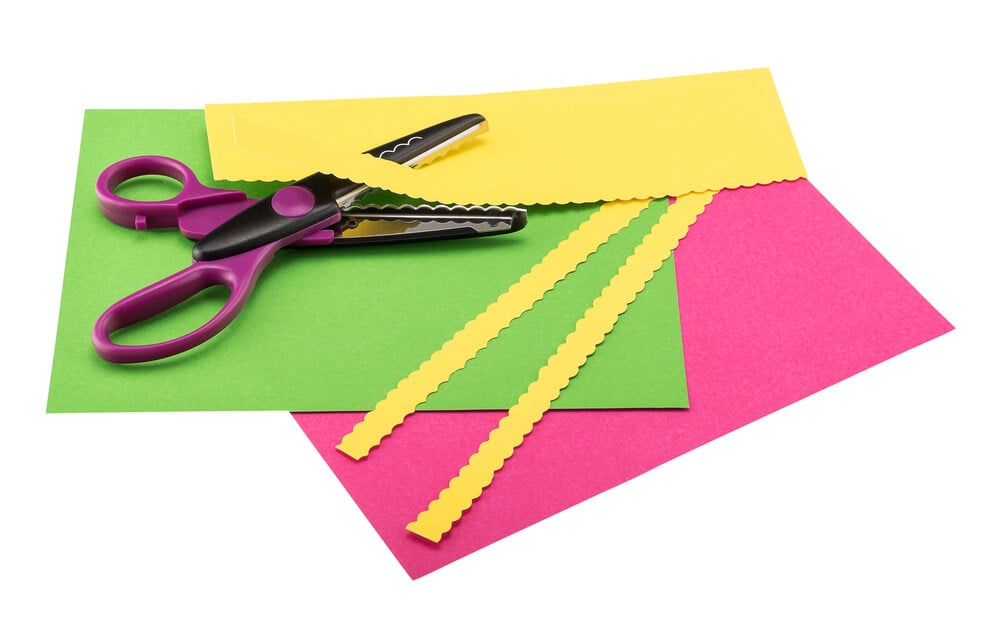
Assortments of colored construction paper and child-sized scissors were classroom staples for art projects and bulletin board decoration, with paper stored in neat piles and scissors hanging from wall organizers. The scissors were deliberately dull to prevent serious injury, though they functioned poorly on anything thicker than paper.
The textures, colors, and possibilities of construction paper defined childhood creativity for generations.
Paste and Rubber Cement
— Photo by Colour
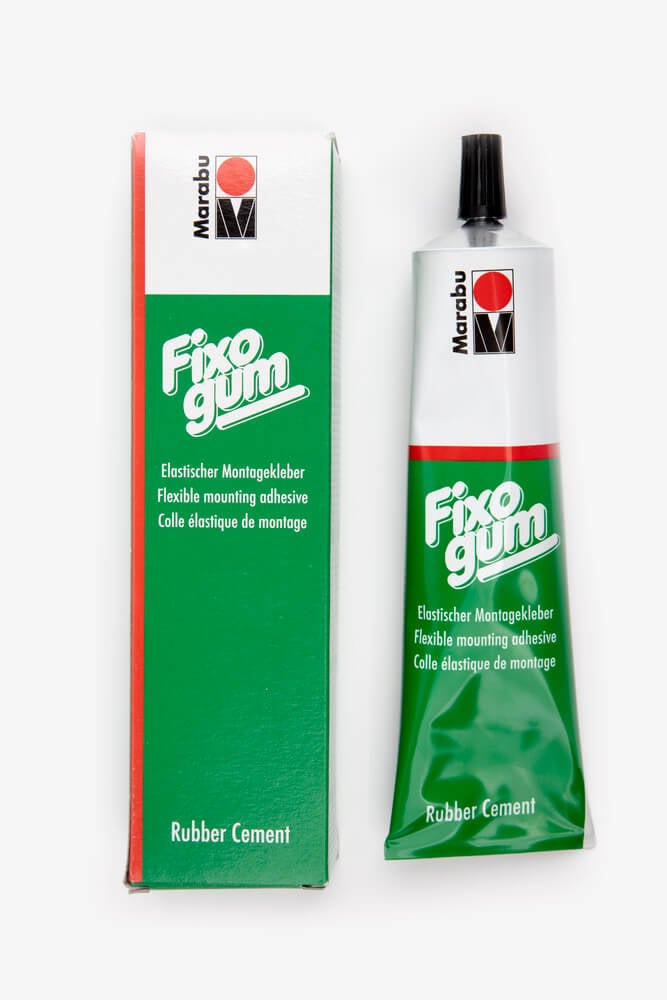
The thick adhesive paste that came in jars with brush applicators was used for art projects, mounting materials, and assembling school newspapers and yearbooks before glue sticks emerged as the standardized option. Rubber cement provided an alternative with different drying properties, though it had a distinctive solvent smell and could be messy.
These products have been replaced by more convenient and less messy alternatives.
Felt Cutouts and Flannel Boards
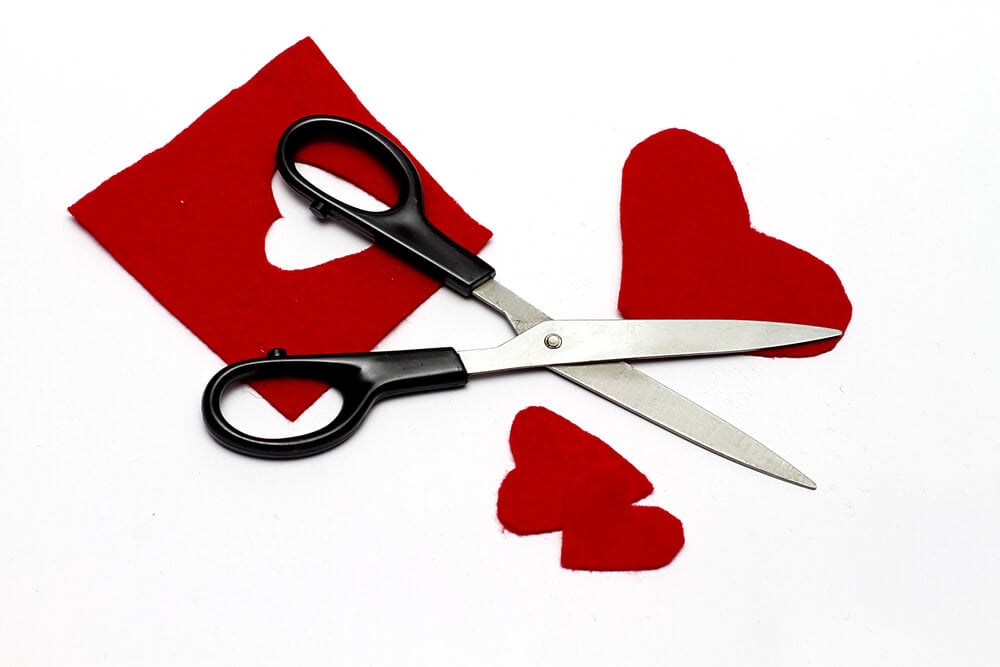
Teachers used flannel-backed felt shapes that could be arranged on board-mounted flannel to create instructional displays for lessons in language arts, math, and social studies. The tactile process of arranging and rearranging felt pieces created different learning possibilities than static visual displays.
The technology was particularly useful for young children, creating a tangible way to represent concepts.
Portable Typewriters
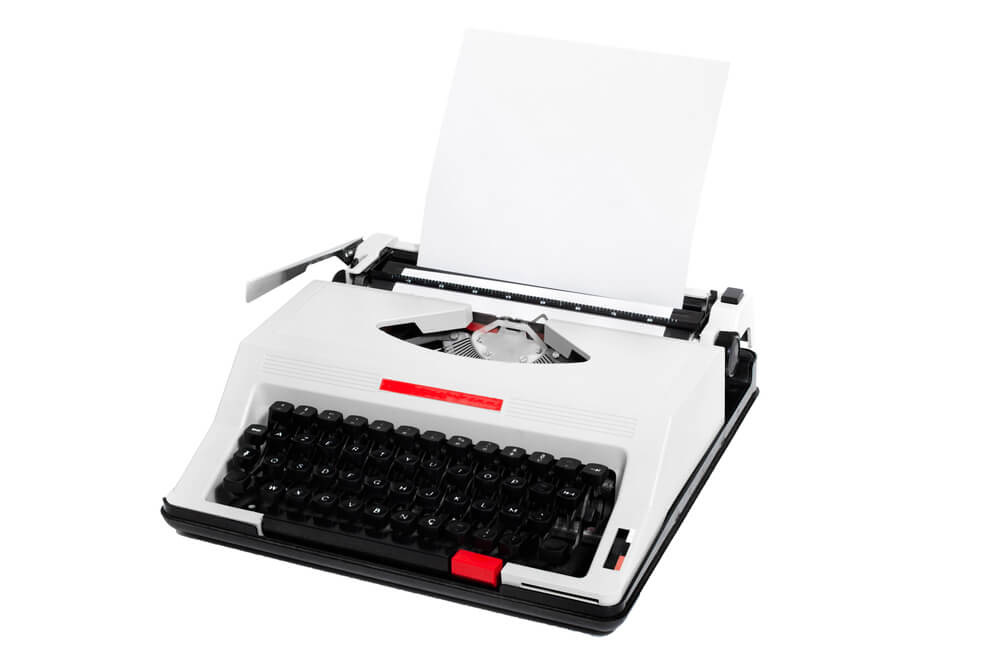
These mechanical machines appeared in some classrooms as teaching tools, with students learning touch-typing on equipment that predated personal computers. The satisfying mechanical action of keys striking paper created a distinctive classroom sound that defined a particular era.
Digital keyboards replaced typewriters as computers became ubiquitous, eliminating both the technology and the skill of mechanical typing.
When the Classroom Was Tactile

The disappearance of these classroom objects represents more than technological obsolescence—it marks the transition from tactile, interactive learning environments to screen-based, digitized classrooms. Students no longer experience the sensory aspects of learning that previous generations took for granted: the smell of mimeograph machines, the feel of chalk in their hands, the weight of atlases, or the satisfaction of locating information through manual search processes.
Modern educational efficiency has exchanged sensory richness for consistency and convenience, trading tools that required active engagement for systems designed for passive consumption.
More from Go2Tutors!

- 16 Historical Figures Who Were Nothing Like You Think
- 12 Things Sold in the 80s That Are Now Illegal
- 15 VHS Tapes That Could Be Worth Thousands
- 17 Historical “What Ifs” That Would Have Changed Everything
- 18 TV Shows That Vanished Without a Finale
Like Go2Tutors’s content? Follow us on MSN.