27 Holiday Specials Networks Aired Yearly
The listing appeared in the newspaper once, with a date and a time, and that was the only chance. Miss it and the wait was twelve months. Children planned baths and homework around a half hour of stop-motion reindeer.
Three networks built a seasonal calendar out of these broadcasts, and families absorbed it without ever seeing it written down. Some of the programs still air. Others have slipped onto streaming services, where they are available every day and somehow watched less.
Rudolph the Red-Nosed Reindeer
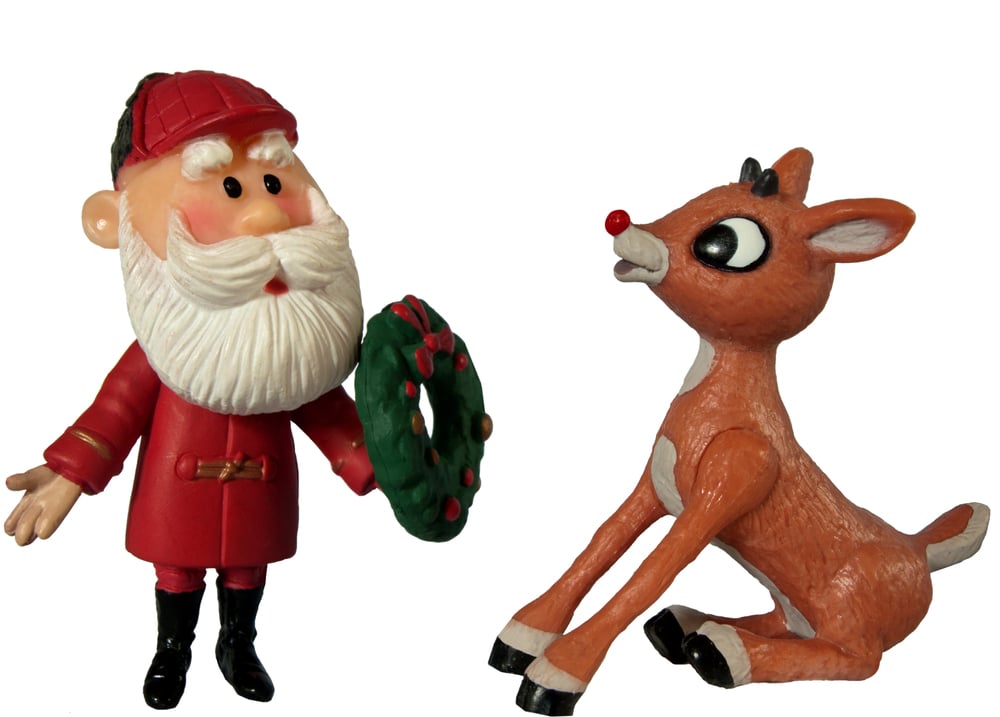
Rudolph premiered on NBC on December 6, 1964, as an installment of the General Electric Fantasy Hour, with Burl Ives narrating as a banjo-playing snowman. The stop-motion puppets were animated in Japan. After the first broadcast, viewers wrote in upset that Santa never went back for the Misfit Toys, so a new ending was added the following year. The special ran on NBC through 1971, spent more than five decades on CBS, and returned to NBC in 2024. It is the longest-running holiday special in American television.
A Charlie Brown Christmas
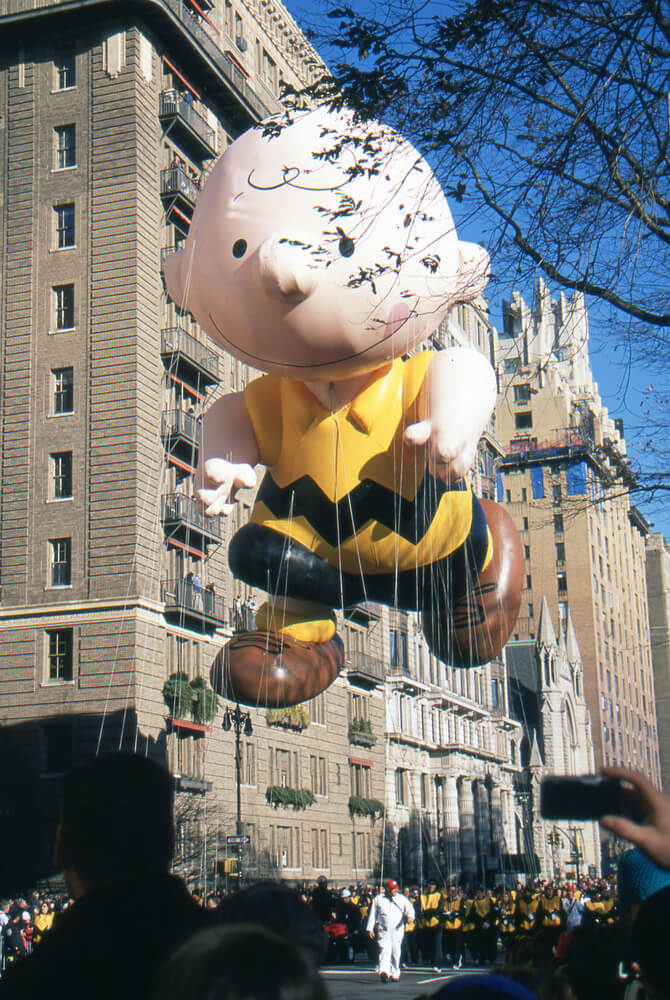
CBS aired it on December 9, 1965, with Coca-Cola as sponsor, and network executives expected a failure. The production had been rushed through in about six months. It used real children as voice actors, a jazz score by Vince Guaraldi, no laugh track, and a passage of scripture read aloud by Linus. Roughly half the country’s television audience tuned in. The special stayed on CBS until 2000, moved to ABC for nearly two decades, and then went to Apple’s streaming service in 2020, ending its long run as a broadcast fixture.
How the Grinch Stole Christmas
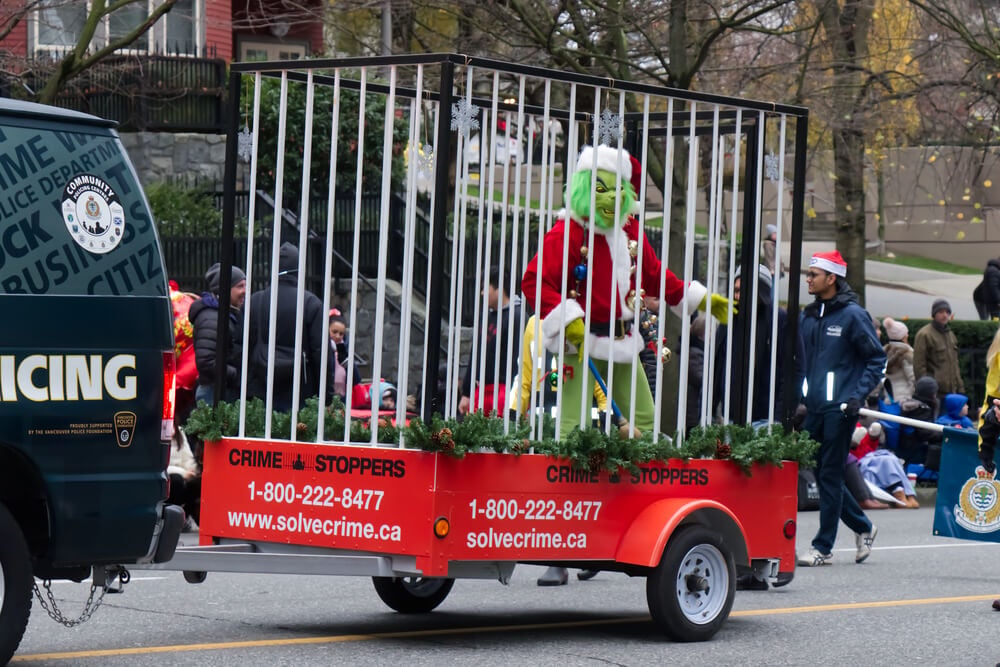
Animator Chuck Jones persuaded a reluctant Theodor Geisel to allow the adaptation, and CBS first aired it on December 18, 1966. Boris Karloff narrated and voiced the Grinch. He did not sing the famous insult song, though many viewers assumed so, because the credits omitted the vocalist. That was Thurl Ravenscroft, also the voice of Tony the Tiger in cereal commercials. The half hour cost far more than a typical cartoon of the time. Jones gave the Grinch the green color, which does not appear in the original book.
Frosty the Snowman
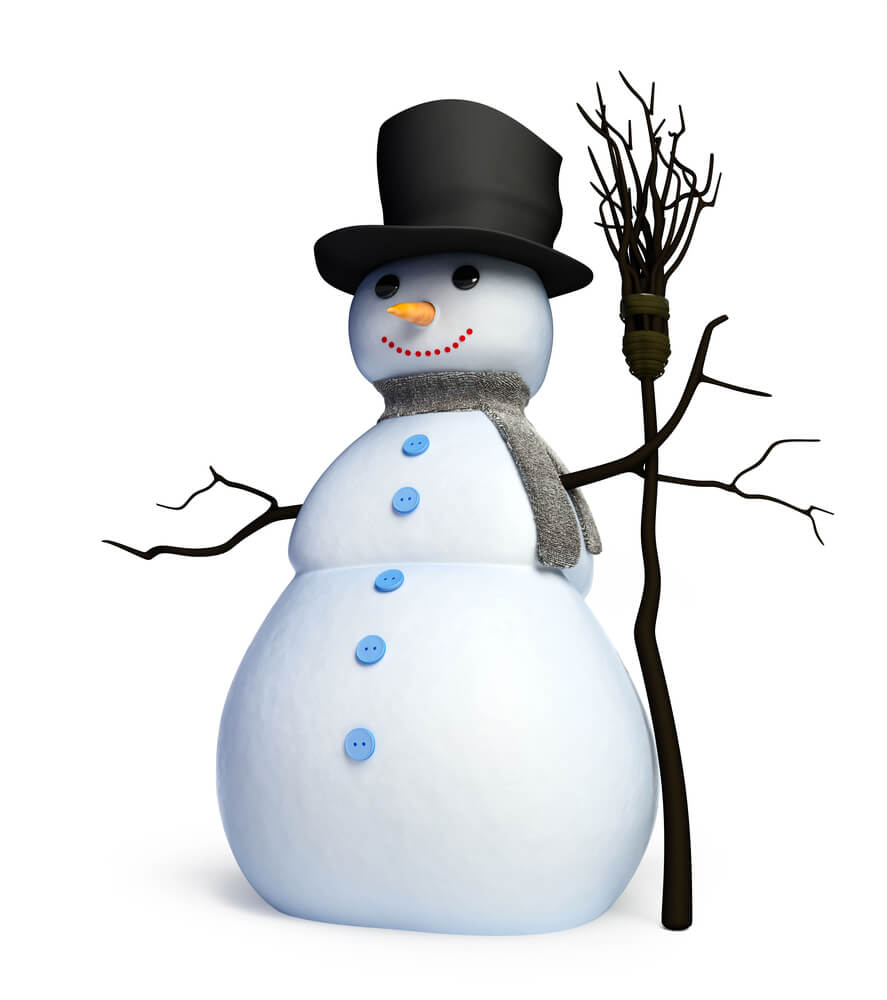
Frosty debuted on CBS on December 7, 1969, narrated by Jimmy Durante, with comedian Jackie Vernon providing the snowman’s gentle voice. Rankin and Bass wanted the look of a greeting card, so they hired illustrator Paul Coker Jr. to design the characters and used traditional drawn animation in place of their usual puppets. The villain, a failed magician named Professor Hinkle, exists only to chase a hat. The special aired on CBS every December for more than fifty years before moving to NBC in 2024 along with Rudolph.
Santa Claus Is Comin’ to Town
ABC premiered this one in December 1970. Fred Astaire narrates as a mail carrier answering children’s letters, and Mickey Rooney voices the young Kris Kringle. The story invents an origin for every piece of the legend, from the red suit to the chimney to the stockings. Its villain, the toy-hating Burgermeister Meisterburger, has one of the best names in the genre. Rooney would go on to voice Santa in several more Rankin and Bass productions. ABC ran it for decades, usually in the first week of December.
The Year Without a Santa Claus
This 1974 ABC special stars a Santa who catches a cold and decides nobody would mind if he skipped a year. Shirley Booth voiced Mrs. Claus in her final professional role, and Mickey Rooney returned as Santa. None of that is what people remember. Two supporting characters, the feuding brothers Heat Miser and Snow Miser, each get a vaudeville song with backup singers, and they walked off with the show. The special is based on a 1956 children’s book by the poet Phyllis McGinley.
The Little Drummer Boy

NBC first aired this stop-motion special in December 1968, and it is a good deal darker than its neighbors on the schedule. The boy, Aaron, is an orphan who hates all people after bandits destroy his home. Greer Garson narrates, Jose Ferrer voices a scheming showman, and the Vienna Boys’ Choir performs the title song. The ending at the manger is played with complete sincerity. It returned each December for years, often paired with a lighter program to soften the hour.
‘Twas the Night Before Christmas
CBS introduced this half hour in December 1974. It has little to do with the poem beyond the title and the closing scene. A town has offended Santa with an anonymous letter to the newspaper, and a clockmaker, voiced by the Broadway star of Cabaret, builds a singing clock tower to win him back. The letter’s author turns out to be a skeptical young mouse named Albert. The special used drawn animation and ran on CBS annually for about two decades. Its song about miracles needing a hand is the part that sticks.
Mr. Magoo’s Christmas Carol
When NBC aired it on December 18, 1962, this was the first animated Christmas special produced for American television. It casts the nearsighted cartoon character as an actor playing Scrooge in a Broadway production, a framing device that lets the story be told straight. The songs came from Jule Styne and Bob Merrill, who wrote Funny Girl shortly afterward. It ran on NBC for several years and then in syndication for decades. Every animated special that followed owes something to the fact that this one drew an audience.
It’s the Great Pumpkin, Charlie Brown
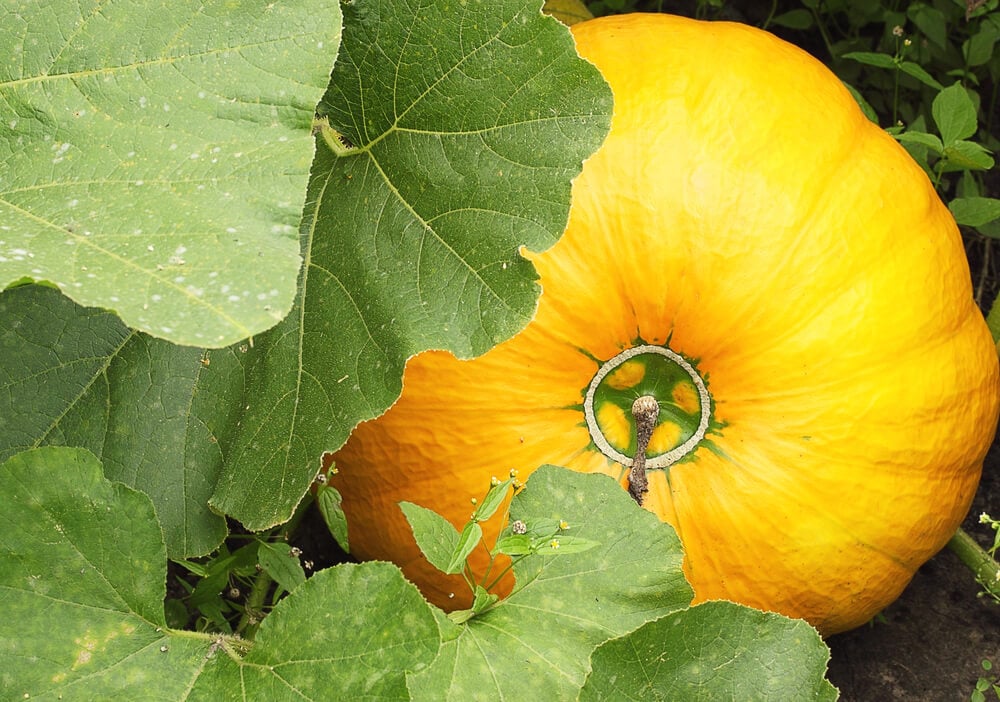
The third Peanuts special reached CBS on October 27, 1966, and gave Halloween its one permanent entry on the network calendar. Linus waits in a pumpkin patch for a figure who never arrives, while Charlie Brown collects a rock at every house. Charles Schulz later said that after the broadcast, children across the country mailed candy to the studio for Charlie Brown. The special also contains Snoopy’s longest outing as the World War flying ace. It aired every October for more than half a century.
A Charlie Brown Thanksgiving
CBS premiered this one on November 20, 1973. Peppermint Patty invites herself and two friends to dinner at Charlie Brown’s house, and he cannot bring himself to refuse. The resulting feast, prepared by Snoopy and Woodstock, consists of buttered toast, popcorn, pretzel sticks, and jelly beans, served on a ping-pong table in the backyard. Schulz won an Emmy for the script. The special filled a gap, since Thanksgiving had almost no programming of its own beyond a parade and the afternoon games.
Here Comes Peter Cottontail

Rankin and Bass gave Easter the same treatment in April 1971 on ABC. Danny Kaye narrates and voices several roles, and Vincent Price plays the villain, a bitter rabbit named Irontail who wants to replace Easter eggs with something nastier. The plot sends Peter through the calendar by time machine, trying to give away eggs on every other holiday. It is based on a 1957 children’s novel about an Easter bunny who overslept. The special returned each spring for years and remains the best known Easter program of its kind.
The Ten Commandments
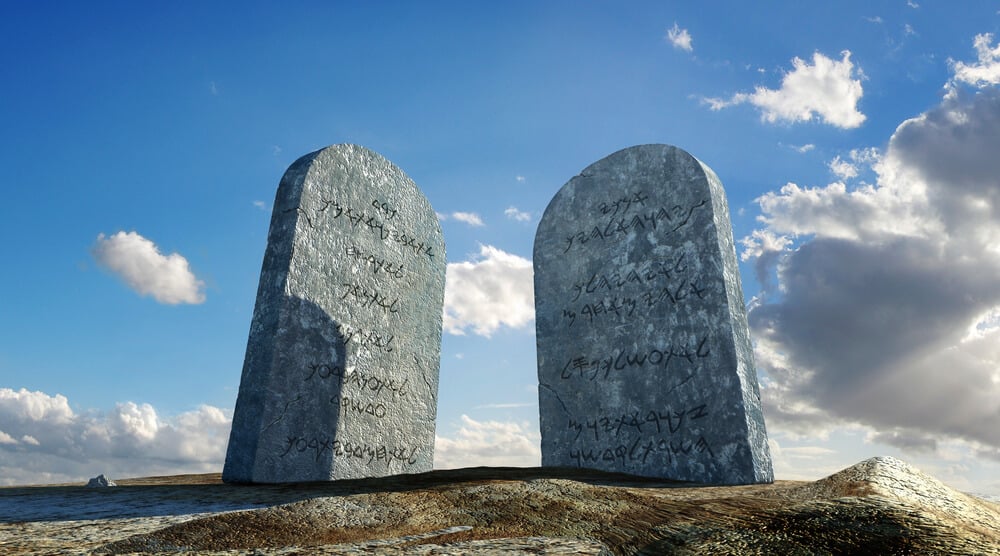
ABC first broadcast Cecil B. DeMille’s 1956 epic in 1973 and has shown it nearly every year since, on a weekend close to Easter and Passover. With commercials the film fills more than four and a half hours of airtime. The network skipped it once, in 1999, and received enough complaints to restore it the next year. Charlton Heston parts the Red Sea at roughly the same hour every spring. It regularly wins its time slot, which is remarkable for a movie older than most of the people watching it.
The Wizard of Oz
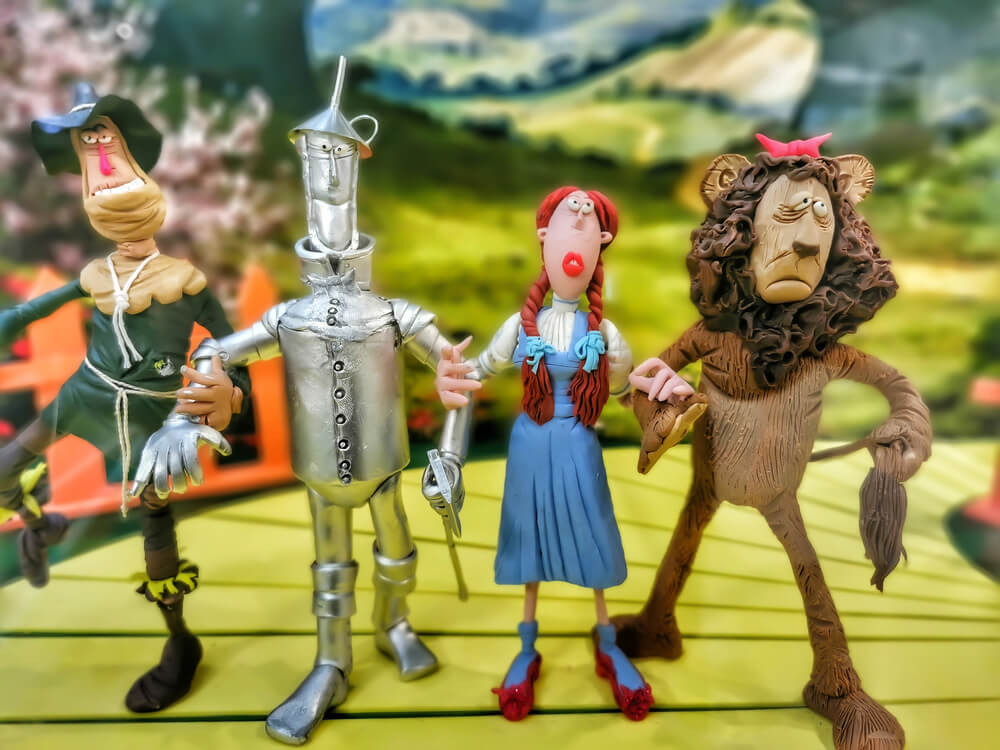
CBS first televised the 1939 film on November 3, 1956, and made it an annual event beginning in 1959. For years the broadcast had a celebrity host and a fixed place on the calendar. Most households watched on black and white sets well into the 1960s, which meant the famous shift into color at the door of the farmhouse was invisible to them. The annual showing moved to NBC for a stretch and back to CBS, ending on broadcast network television in the late 1990s when cable took over the rights.
It’s a Wonderful Life
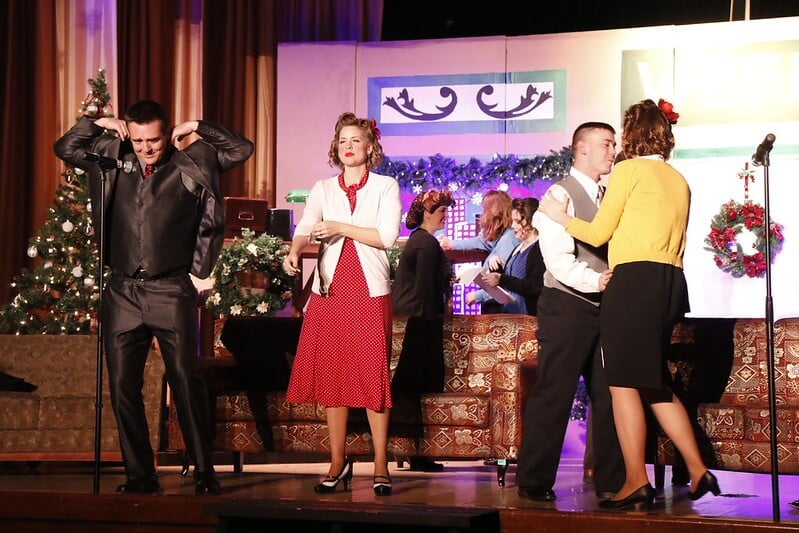
Frank Capra’s 1946 film was a modest performer in its first run. Its copyright lapsed in 1974 when the renewal was never filed, and local stations discovered they could air it for free. Through the 1980s it ran dozens of times each December on channels across the dial, and that saturation made it a classic. In 1993 the rights holder reasserted control through the underlying story and music. NBC has held exclusive broadcast rights since 1994 and shows it only a couple of times each season.
The Macy’s Thanksgiving Day Parade
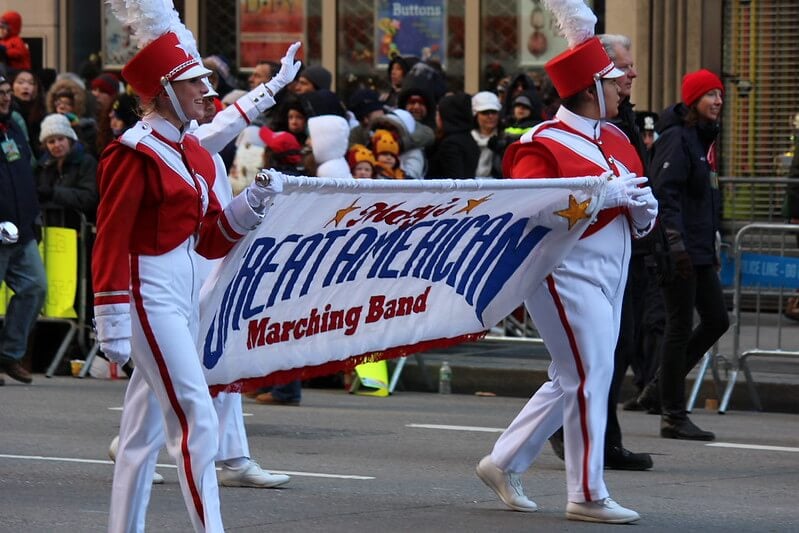
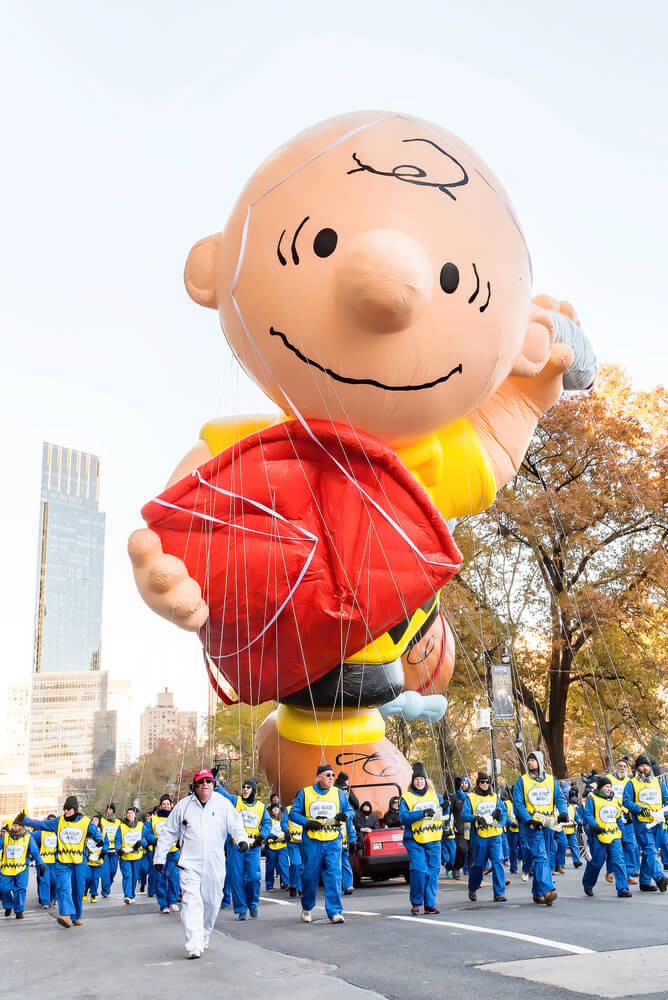
The parade itself dates to 1924, and NBC has carried the official national telecast since 1953. The giant helium characters first floated down the route in 1927, led by Felix the Cat. Television reshaped the event over time, adding Broadway numbers staged for the cameras in front of the store on Herald Square. For most of the country the three-hour broadcast is background to cooking, glanced at from the kitchen. Santa Claus arrives at the very end, and his sleigh officially opens the Christmas season.
The Bob Hope Christmas Special
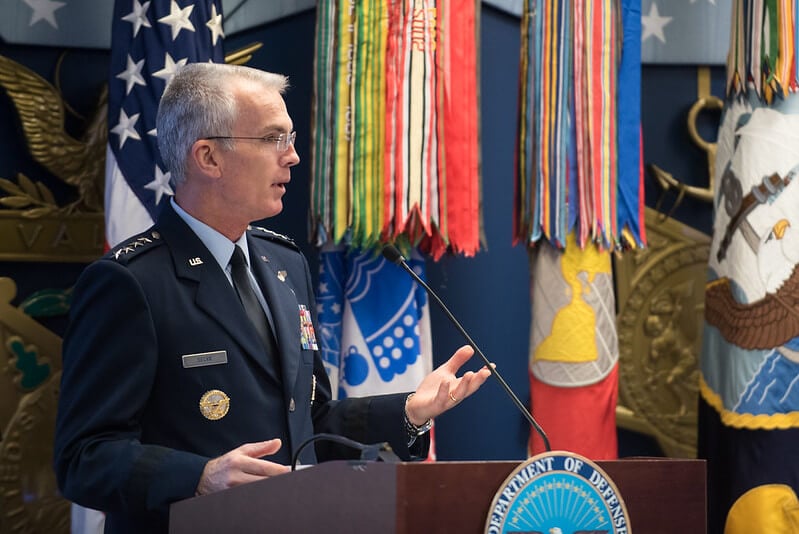
Bob Hope began spending Christmas with American troops overseas in 1948 and kept at it for decades. NBC filmed the tours and aired the results each January, mixing monologues delivered to seas of uniforms with singers, actresses, and footage from the bases. The Vietnam tours ran from 1964 to 1972. The broadcast that aired in January 1970 drew one of the largest audiences ever recorded for an entertainment program. Hope made his last holiday trip to the troops in 1990, in the Persian Gulf.
Bing Crosby’s Christmas Specials
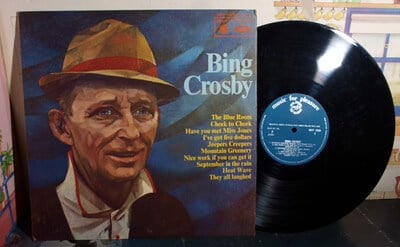
Crosby hosted a Christmas program nearly every year from the early 1960s, usually surrounded by his wife and children in a set dressed as a living room. The final one, taped in London in September 1977, included a duet with David Bowie that paired a new counter-melody with a familiar carol about a drummer boy. Crosby died of a heart attack on a golf course in Spain that October. CBS aired the special on November 30, and the unlikely duet has been a radio standard ever since.
The Andy Williams Christmas Show
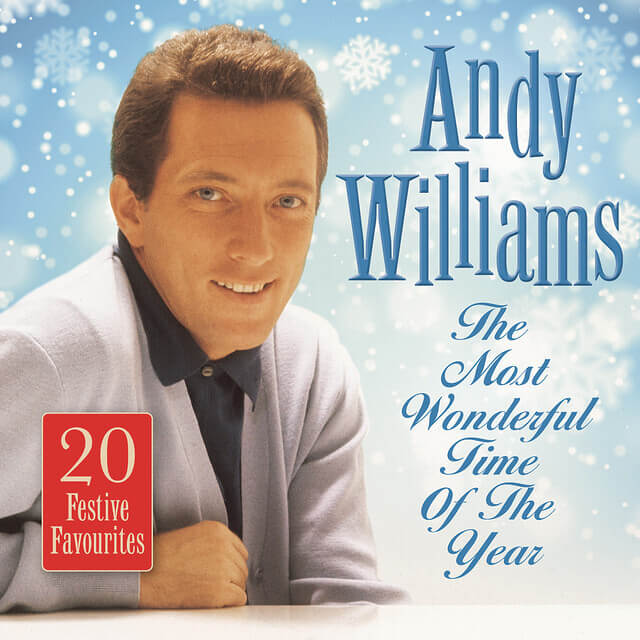
Andy Williams made the Christmas episode the centerpiece of his NBC variety series from 1962 onward, and continued with separate specials after the series ended. His brothers, his parents, and the young Osmond Brothers all appeared, generally in matching sweaters. The song about the most wonderful time of the year was written for the show in 1963 by George Wyle, who worked on the program’s music, and Edward Pola. It was not released as a single at the time. It has since become one of the most played holiday recordings in the country.
Perry Como’s Christmas Specials
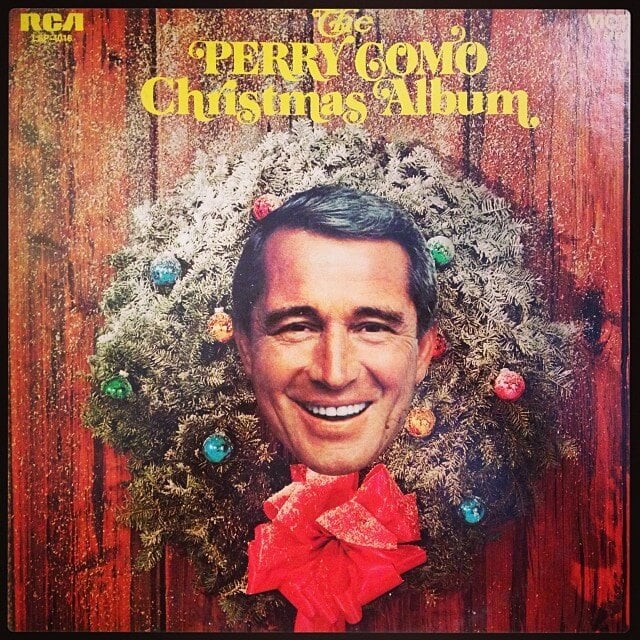
Como’s holiday programs began in the early days of television and ran on network schedules for close to four decades. From the mid-1970s each one was filmed in a different location, including Mexico, Austria, the Holy Land, Paris, and colonial Williamsburg. The format never varied. Como sang in a cardigan, guests joined him, and the hour closed with a sacred song delivered without irony. His last network special aired in 1986, and a farewell concert from Ireland followed in 1994. Viewers found him calming, which was the point.
Guy Lombardo’s New Year’s Eve
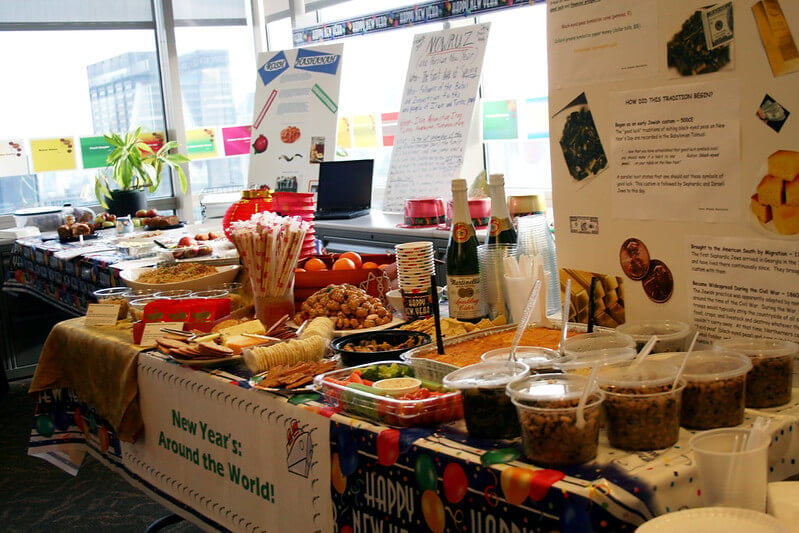
Guy Lombardo and his Royal Canadians first played in the new year on radio in 1929 from the Roosevelt Hotel in New York. CBS put the party on television in 1956 and kept it there for twenty years, later from the Waldorf-Astoria. At midnight the band played its slow arrangement of a Scottish song about old acquaintance, and that performance is largely why Americans associate the tune with the holiday. Lombardo died in November 1977. A younger rival broadcast from Times Square had already begun drawing the audience away.
Amahl and the Night Visitors
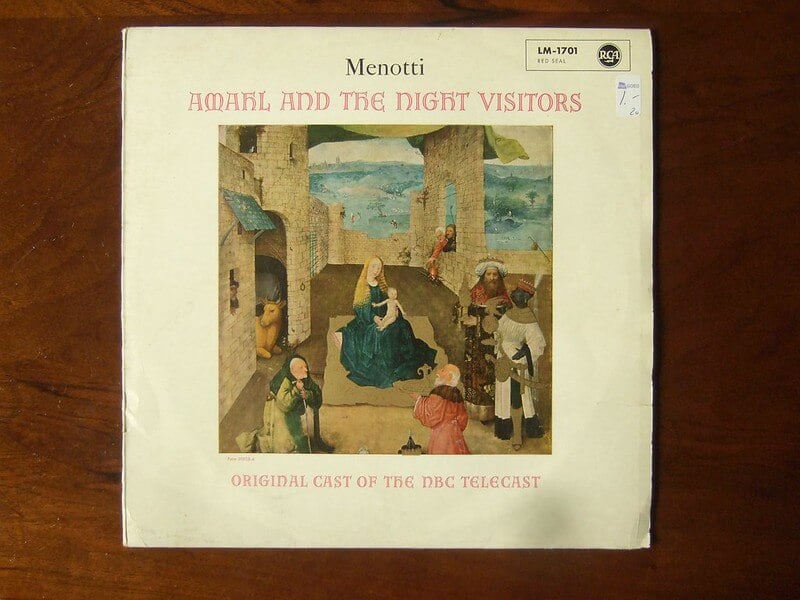
NBC commissioned Gian Carlo Menotti to write an opera for television, and he delivered it days before the live broadcast on December 24, 1951. It was the first opera composed specifically for the medium, and it served as the debut presentation of the Hallmark Hall of Fame. The story follows a disabled shepherd boy who meets the three kings on their journey. Menotti said a painting of the Magi in a New York museum broke his writer’s block. NBC staged it again nearly every Christmas into the mid-1960s.
A Garfield Christmas
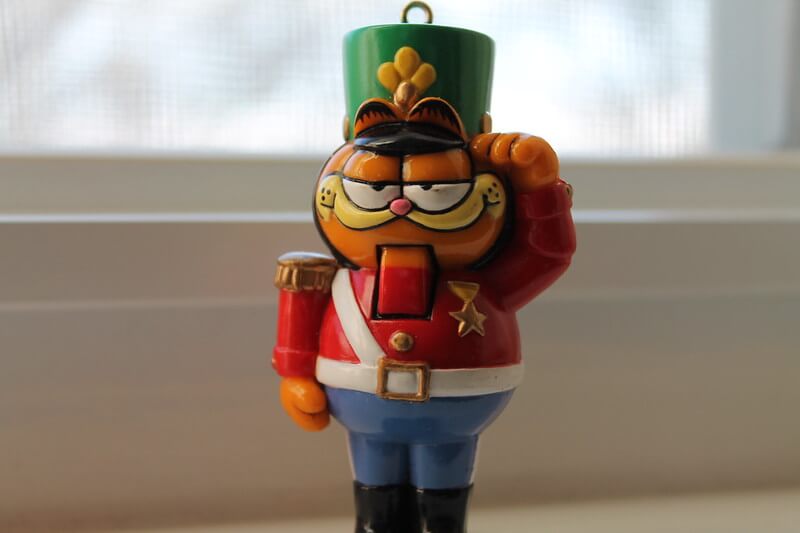
CBS first aired this special in December 1987, and it ran every year through 2000. Jim Davis set it on a farm closely modeled on the Indiana farm where he grew up, and he gave the cartoonist character’s brother the nickname his own brother carried, Doc Boy. The heart of it is Grandma, a sharp-tongued widow who confides in the cat about missing her husband at the holidays. For a comic strip known for lasagna jokes, the scene is surprisingly direct. Lorenzo Music provided Garfield’s deadpan voice, as he did throughout the decade.
A Claymation Christmas Celebration

Will Vinton’s studio in Portland, Oregon, produced this CBS special, which premiered on December 21, 1987. Two clay dinosaurs host a series of musical numbers, among them the California Raisins performing a Motown-style version of the song about Rudolph. A running joke has various characters arguing over the meaning of wassail. The special won the Emmy for outstanding animated program. CBS repeated it for several years. It was the high point of a brief period when sculpted clay figures were the most fashionable look in American advertising.
Mickey’s Christmas Carol
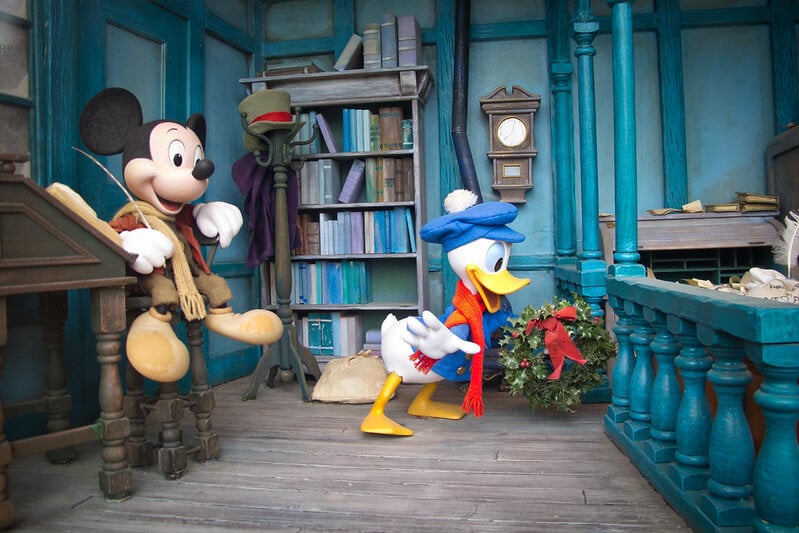
Disney released this featurette to theaters in 1983, its first new Mickey Mouse theatrical cartoon in three decades, and NBC gave it a television premiere in December 1984. Scrooge McDuck plays his namesake, with Mickey as Bob Cratchit and Goofy as the ghost of Jacob Marley. Alan Young, familiar from a 1960s sitcom about a talking horse, voiced Scrooge and kept the role for the rest of his life. The film earned an Academy Award nomination. Networks aired it each December, padded out to an hour with older Disney shorts.
Rudolph’s Shiny New Year

ABC aired this sequel on December 10, 1976. Red Skelton narrates as Father Time and sends Rudolph to find Happy, the missing Baby New Year, who has run away because everyone laughs at his enormous ears. The search crosses a chain of islands where past years have retired, including one stuck permanently in 1776. It is an odd premise handled with total confidence. The special gave the week after Christmas a program of its own, and ABC repeated it through the end of December for many years.
The Christmas Story Marathon
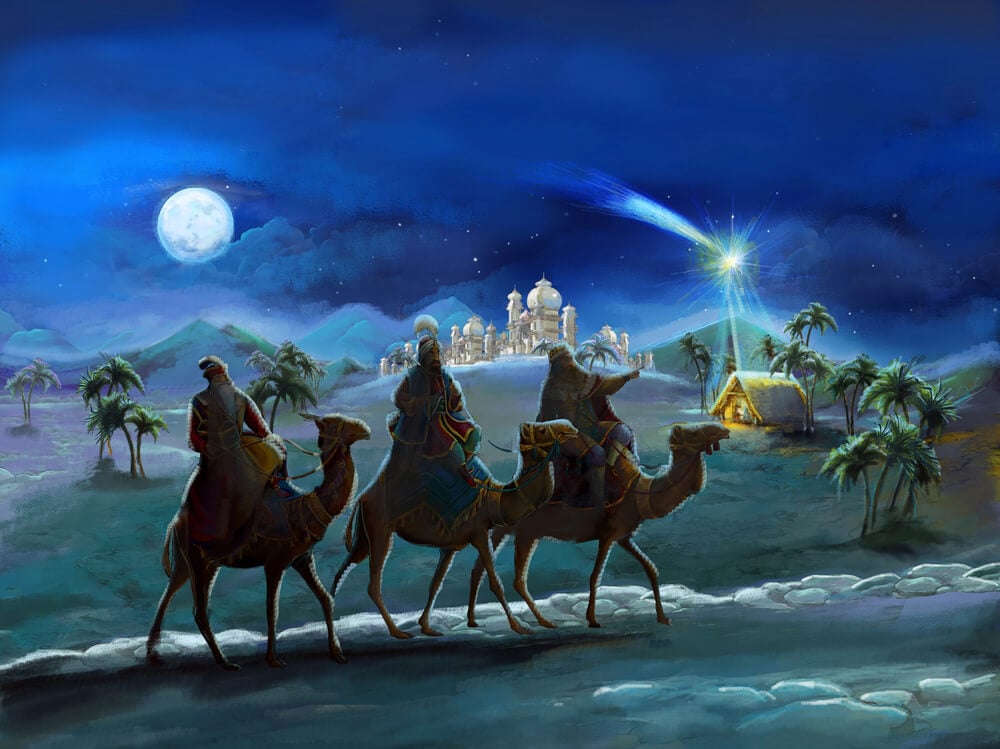
The 1983 film about a boy who wants an air rifle did respectable business in theaters and built its following on home video and cable. In 1997 the cable network TNT scheduled it twelve times in a row, from Christmas Eve into Christmas night. The stunt became the tradition. Sister network TBS took over the marathon in 2004, and both channels have carried it in recent years. Tens of millions of people watch some portion of it, usually several out-of-order portions, while doing something else.
One Showing, No Rewind
These programs mattered because they were scarce. A special that aired once a year carried the weight of an event, and a household organized its evening around it. Siblings who agreed on nothing else sat on the same couch for thirty minutes.
Streaming removed the scarcity and, with it, a good share of the ritual. Anything available at any moment is easy to postpone. The specials themselves hold up fine, but the experience of everyone in the country watching the same reindeer at the same hour belonged to a particular stretch of broadcast history. That stretch has mostly ended.
More from Go2Tutors!

- The Romanov Crown Jewels and Their Tragic Fate
- 13 Historical Mysteries That Science Still Can’t Solve
- Famous Hoaxes That Fooled the World for Years
- 15 Child Stars with Tragic Adult Lives
- 16 Famous Jewelry Pieces in History
Like Go2Tutors’s content? Follow us on MSN.