Gases That Change the Human Voice
The human voice is a fascinating thing. It comes from air passing through the vocal cords, which vibrate to create sound.
But what happens when that air isn’t regular air? What if it’s something else entirely?
The answer is pretty wild. Different gases can dramatically alter how someone sounds, making voices higher, lower, or just plain weird.
Let’s explore some of these voice-changing gases and what they do to our vocal cords.
Helium

Helium is the most famous voice-changing gas out there. People have been inhaling it at parties for decades to sound like cartoon characters.
When helium replaces the regular air in the vocal tract, it travels much faster than normal air because it’s so light. This speed increase makes sound waves move quicker, which raises the pitch of the voice.
The vocal cords themselves don’t actually change. They vibrate at the same rate as always.
But the sound that comes out gets squeaky and high because of how helium carries those vibrations through the throat and mouth.
Sulfur hexafluoride

This gas does the exact opposite of helium. Sulfur hexafluoride is incredibly dense and heavy, about five times heavier than regular air.
When someone breathes it in, their voice drops way down low, like a movie villain or a giant robot. The sound waves slow down dramatically as they pass through this thick gas.
The effect only lasts for a few breaths because the gas eventually gets pushed out by normal breathing. People sometimes call this the ‘anti-helium’ gas because of how differently it works.
Xenon

Xenon sits somewhere between regular air and sulfur hexafluoride in terms of weight. It’s a noble gas that makes voices sound deeper but not as dramatically as sulfur hexafluoride does.
The effect is more subtle and controlled. Xenon is actually used in some medical applications because it’s non-toxic and safe to breathe in small amounts.
The voice change happens for the same reason as with other gases: the density affects how quickly sound travels through it.
Nitrous oxide
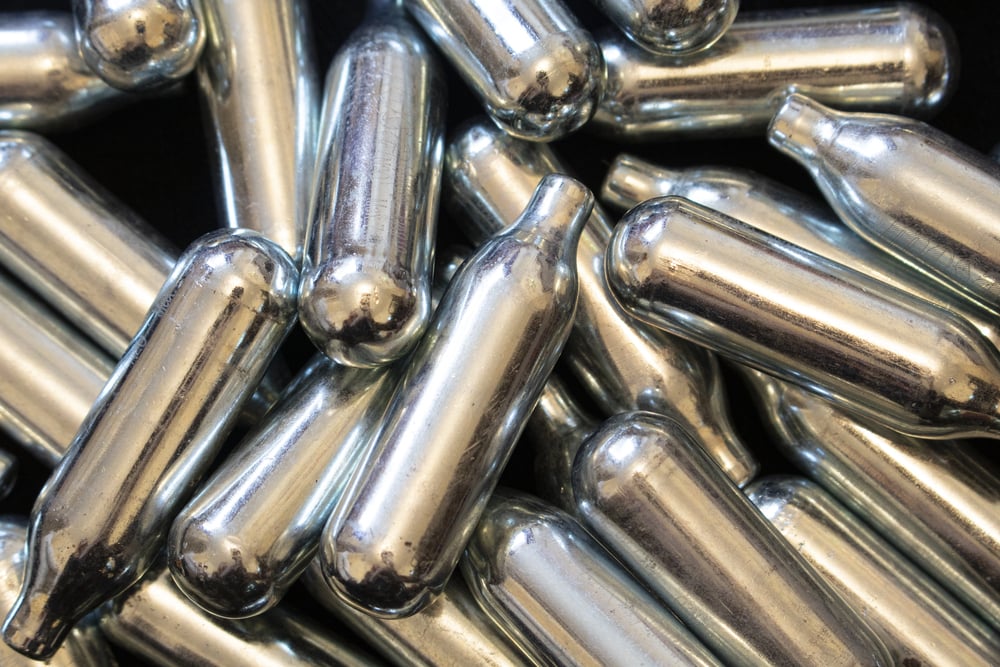
Commonly known as laughing gas, nitrous oxide doesn’t change the voice as dramatically as helium does. It makes voices sound slightly higher and a bit distorted, almost like someone is talking through a fan.
The density of nitrous oxide is pretty close to regular air, so the effect isn’t as noticeable. What makes this gas interesting is that it also affects how people feel, making them giggly and relaxed.
Dentists use it during procedures to help patients stay calm while they work.
Argon

Argon is another noble gas that affects voice pitch. It’s heavier than air but lighter than xenon, so it produces a mild deepening effect on the voice.
The change isn’t as dramatic as what happens with sulfur hexafluoride. Argon is actually all around us since it makes up about 1% of Earth’s atmosphere.
Breathing pure argon would lower the voice noticeably, but mixing it with oxygen makes the effect less obvious.
Hydrogen

Hydrogen is even lighter than helium, which means it should make voices even higher, right? The answer is yes, but there’s a massive problem.
Hydrogen is extremely flammable and explosive when mixed with oxygen. One spark could cause a serious accident.
Scientists have tested hydrogen’s effects on voice in controlled laboratory settings, and it does create an even squeakier sound than helium. But nobody should ever try this at home because the risks are way too high.
Neon

Neon falls between helium and regular air in terms of weight. It makes voices sound higher than normal but not as squeaky as helium does.
The effect is more moderate and less cartoonish. Neon is expensive compared to helium, which is why people don’t use it for party tricks.
It’s also one of the noble gases, meaning it doesn’t react with other elements and is generally safe to breathe for short periods.
Carbon dioxide

Carbon dioxide is slightly heavier than air, so it should theoretically make voices a tiny bit deeper. But the effect is so minimal that most people wouldn’t notice it.
The bigger issue with carbon dioxide is that it’s what the body exhales as waste. Breathing too much of it causes dizziness, headaches, and can be dangerous.
The voice change isn’t worth the health risks involved. Our bodies need oxygen to function properly, and replacing it with carbon dioxide creates serious problems fast.
Methane

Methane is lighter than air, which means it would raise voice pitch similar to helium. The problem is that methane is also highly flammable and poses explosion risks.
It’s the main component of natural gas used for cooking and heating. Inhaling methane is dangerous for multiple reasons beyond just the fire hazard.
It displaces oxygen in the lungs, which can lead to suffocation. The theoretical voice change isn’t worth experimenting with given these serious safety concerns.
Krypton

Krypton is heavier than air and lighter than xenon on the density scale. It produces a mild deepening effect on the voice without being as dramatic as sulfur hexafluoride.
Like other noble gases, krypton doesn’t react chemically with body tissues, making it relatively safe for brief exposure. The name sounds like something from a superhero comic, but it’s actually a real element found in tiny amounts in Earth’s atmosphere.
Nitrogen
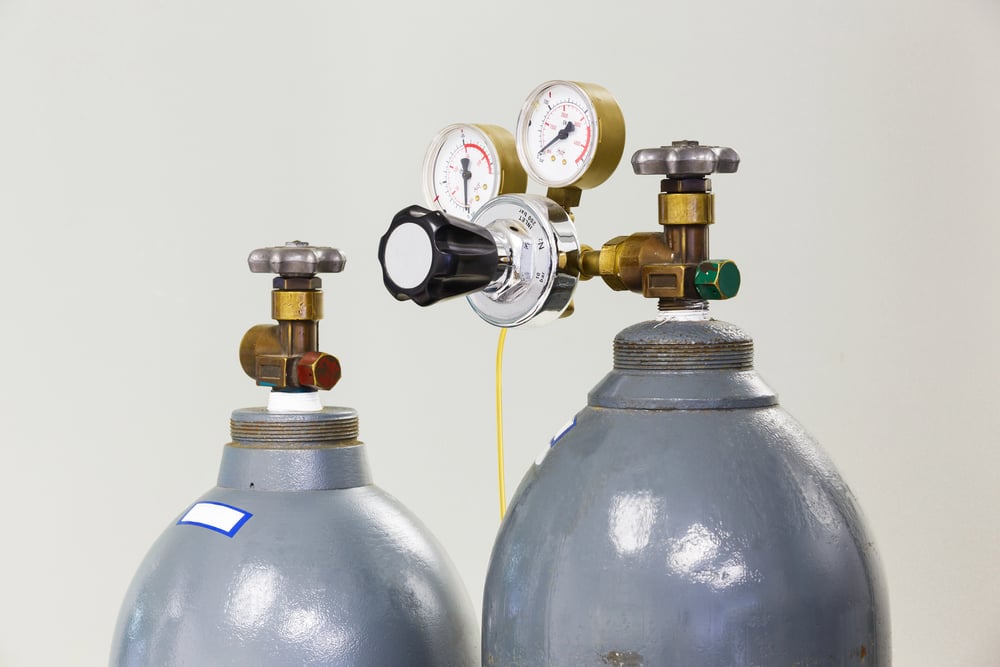
Pure nitrogen is slightly lighter than air since air is mostly nitrogen mixed with oxygen anyway. Breathing pure nitrogen wouldn’t noticeably change voice pitch.
The real danger is that nitrogen by itself doesn’t provide oxygen for breathing. People would pass out within seconds from lack of oxygen.
This is why nitrogen isn’t used for voice demonstrations despite being readily available and inexpensive.
Oxygen
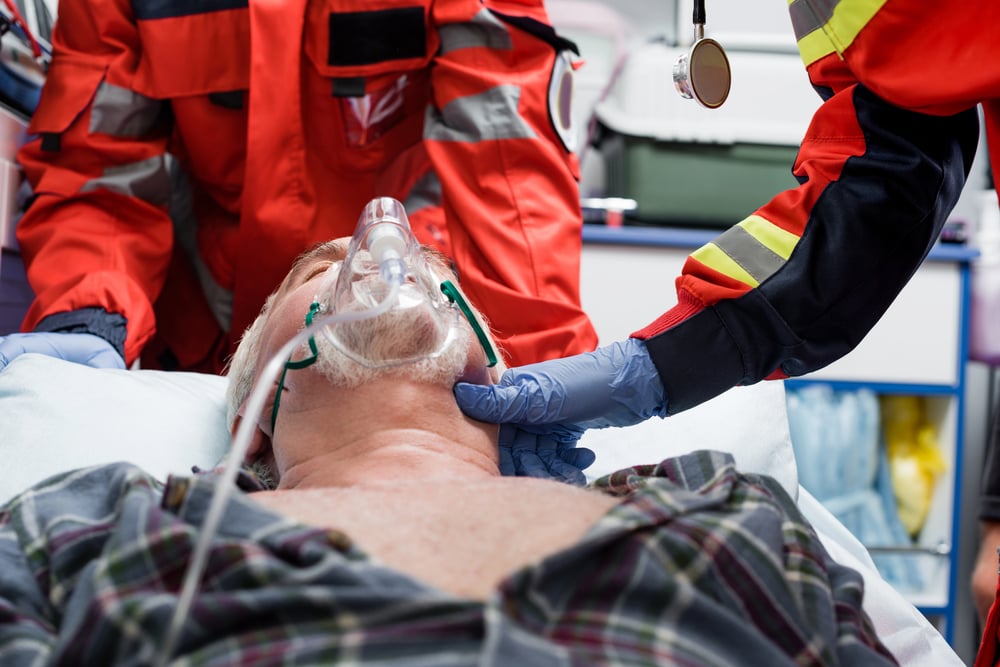
Pure oxygen is about the same density as regular air, so breathing it doesn’t change voice pitch at all. The voice sounds exactly the same whether someone breathes pure oxygen or normal air.
Medical facilities use pure oxygen for patients who need help breathing, and those patients don’t suddenly sound different. The amount of oxygen in air versus pure oxygen doesn’t affect how sound waves travel through the respiratory system in any meaningful way.
How vocal cords actually work

Understanding voice changes requires knowing how vocal cords create sound in the first place. These small flaps of tissue in the throat vibrate when air passes through them.
The speed of those vibrations determines the base pitch of someone’s voice. Men typically have thicker vocal cords that vibrate slower, creating deeper voices.
Women usually have thinner cords that vibrate faster, producing higher pitches. But the gas carrying the sound from the vocal cords through the throat and out the mouth affects the final sound people hear.
Why density matters

The speed of sound in a gas depends on how dense that gas is. Because helium’s so light, sound moves super fast through it – making voices sound higher.
In contrast, sulfur hexafluoride packs more weight, slowing sound waves and dropping the pitch. Normal air? It gives results somewhere between those two extremes.
Imagine cars moving across varied terrain – on flat asphalt, a sports vehicle speeds up, yet slows down on bumpy stone. In much the same way, audio vibrations change pace based on the stuff they pass through.
Safety considerations

Most voice-altering gas tricks are just playful stunts, yet certain fumes carry big hazards. Helium’s usually fine in tiny doses – think birthday balloon puffs.
Sulfur hexafluoride isn’t harsh either, though heavy inhalation may lead to lightheadedness. Trouble shows up with burnable vapors such as hydrogen or methane, also with oxygen-pushers like raw nitrogen.
People fooling around with sound-bending gases ought to use only balloon helium, steering clear of flames or breathing trouble.
Health care plus research applications

Doctors or researchers rely on certain gases – not just for fun, but in real medical cases. Helium combined with oxygen eases breathing issues since it flows smoother than normal air.
In some places, xenon serves as a surgical numbing agent instead of traditional options. Experts explore gas impacts on sound to get clearer insights into how noise behaves.
Such uses take place under tight control, using safety gear plus constant oversight.
The science that explains how this happens

Sound’s just tiny shakes moving through stuff – like air or water. It moves faster or slower depending on what it’s passing through.
Helium lets sound zoom along at 3,188 feet every second, while normal air only carries it at 1,125. Because of this switch-up, your voice gets weird when you breathe it in.
The voice box makes similar shakes, yet how they’re carried changes when using helium instead of regular air. Some science teachers show this trick during lessons so folks can see how gases affect noise.
Historical finding then early applications

Researchers spotted these vocal shifts while testing gases in labs. Back in the 1800s into the early 1900s, studies recorded how helium altered audio signals.
Fun uses popped up once helium got easier to find. By contrast, sulfur hexafluoride stunts gained traction on TV and in classrooms by the late 1900s.
Right now, folks still love seeing them since they show physical laws so plainly.
Getting it back to how it should be

Once you breathe in that voice-altering gas, it doesn’t stick around – normal airflow kicks it out fast. With each exhale, your lungs swap the odd vapor for everyday air, usually gone in just a couple of breaths.
If you pull in some deeper lungfuls, things clear even quicker. Your vocal cords stay exactly how they were the whole time, meaning no downtime or healing at all.
The voice shifts back to its usual tone as soon as fresh air reaches the lungs. That fast change? It’s why this works safely – when handled right with proper gases – it stays fun.
More from Go2Tutors!

- The Romanov Crown Jewels and Their Tragic Fate
- 13 Historical Mysteries That Science Still Can’t Solve
- Famous Hoaxes That Fooled the World for Years
- 15 Child Stars with Tragic Adult Lives
- 16 Famous Jewelry Pieces in History
Like Go2Tutors’s content? Follow us on MSN.



