The Biggest and Best Toys of the 1980s
The 1980s wasn’t just about big hair and neon colors. It was the golden age of toys that kids actually wanted to play with instead of staring at screens.
These weren’t just playthings—they were cultural phenomena that sparked shopping riots, inspired TV shows, and created memories that lasted decades. From talking bears to transforming robots, the toy aisles of the ’80s were packed with innovation and imagination.
Here is a list of the biggest and best toys that defined the decade.
Rubik’s Cube
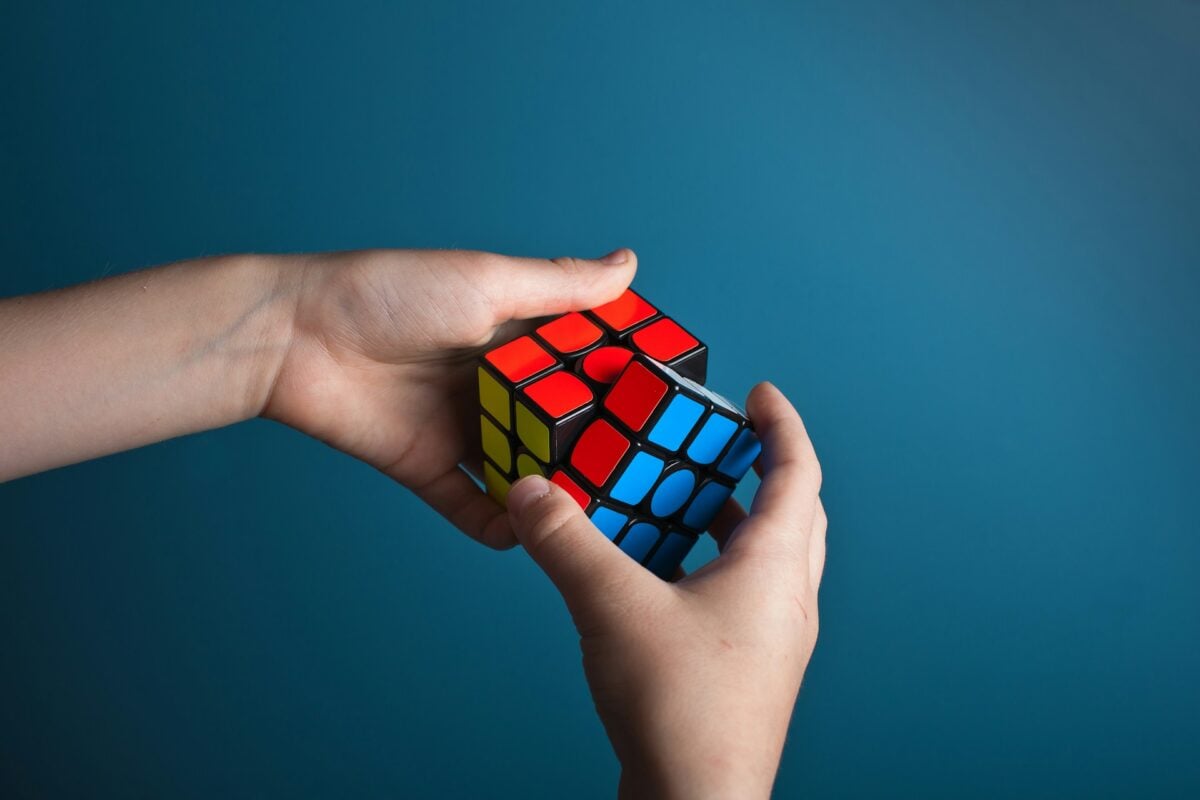
The Rubik’s Cube kicked off the decade as the puzzle that drove everyone slightly crazy. Created by Hungarian professor Erno Rubik in the 1970s as a teaching tool, it exploded onto the international scene in 1980 and became an instant obsession.
This wasn’t some passing fad either—over 350 million units have sold since its release, making it one of the best-selling toys of all time. People got so hooked on solving it that support groups for Rubik’s Cube addicts actually formed in the ’80s, which sounds ridiculous until you remember spending hours trying to get all those colors to line up.
Cabbage Patch Kids

Cabbage Patch Kids sparked absolute chaos in 1983. These soft-bodied dolls with plastic heads and adoption certificates weren’t just popular—they caused actual riots in stores as parents literally fought each other to get one for Christmas.
Each doll came with its own name and birth certificate, making every single one unique and somehow more special than the next. The phenomenon generated over $2 billion in retail sales in 1984 alone, which is pretty impressive for a toy that came with a bizarre backstory about children growing in cabbage patches.
Transformers

Transformers hit shelves in 1984 and changed the game entirely. These weren’t just action figures—they were robots that transformed into vehicles, planes, and other objects, giving kids two toys in one.
Characters like Optimus Prime and Megatron became household names thanks to the accompanying animated series that had possibly the most complicated storyline ever aimed at children. The concept was so popular that it spawned decades of merchandise and eventually became one of the biggest film franchises around.
Teddy Ruxpin

Teddy Ruxpin was the best-selling toy of both 1985 and 1986, which made sense because talking toys were basically magic back then. This animatronic bear had a cassette deck built into his back that would make his eyes and mouth move along with pre-recorded stories.
Sure, the technology seems clunky now, but in the mid-’80s, a teddy bear that could tell bedtime stories felt like something straight out of the future.
Care Bears
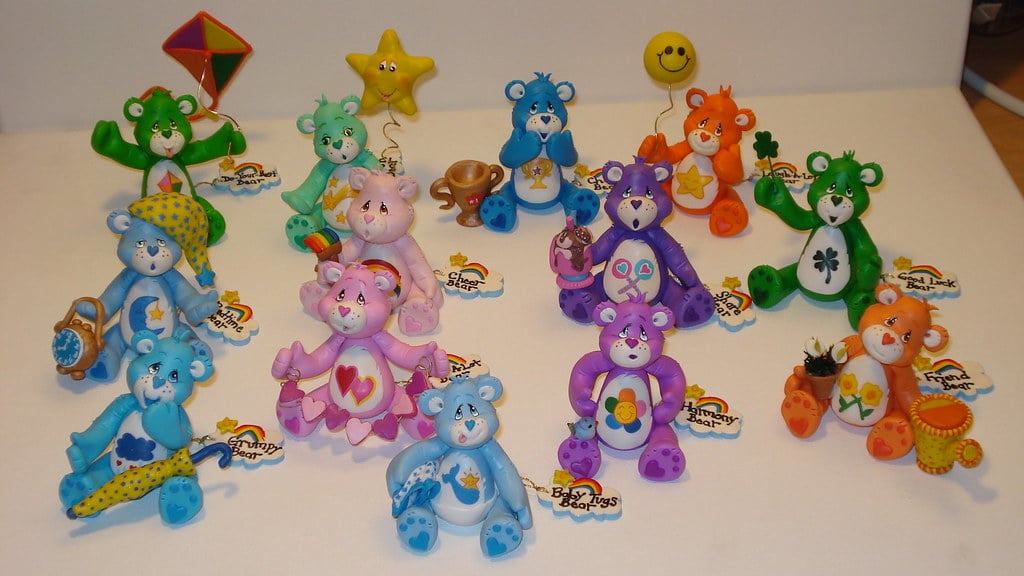
Care Bears arrived in 1983 with a mission to teach kids about emotions and kindness through colorful plush toys with symbols on their bellies. Each bear had its own personality—from the cheerful Cheer Bear to the perpetually grumpy Grumpy Bear—and they sold over 40 million units between 1983 and 1987.
The bears weren’t just toys either; they starred in TV specials, an animated series, and even a theatrical film in 1985 that helped cement their place in pop culture history.
My Little Pony

My Little Pony galloped onto the scene in 1982 with six original ponies, each sporting colorful hair and a unique symbol on their haunches. The concept was simple but effective—collectible horses with brushable manes and tails that sparked imaginative play.
Over 150 million ponies sold throughout the decade, helped along by an animated series and a whole ecosystem of playsets including stables, castles, and carrying cases.
He-Man and Masters of the Universe
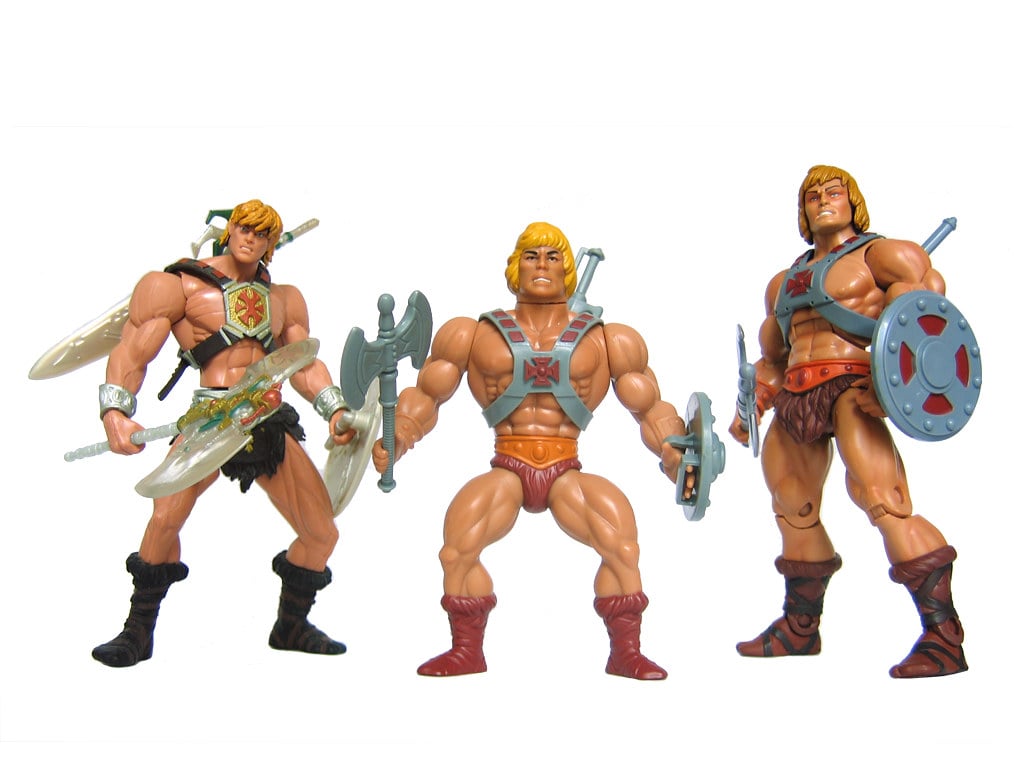
He-Man burst into toy stores in 1982 and quickly became the ultimate action figure line for boys. The muscular hero with his power sword and his arch-nemesis Skeletor were supported by an incredibly successful animated series that ran for two years.
Castle Grayskull, with its built-in microphone that let kids shout ‘I have the power,’ became one of the most coveted playsets of the decade.
Game Boy

Nintendo’s Game Boy arrived in 1989 and revolutionized portable gaming forever. It sold over a million units within weeks of its North American release, largely because it came packaged with Tetris, one of the most addictive games ever created.
Sure, the screen was tiny and black-and-white, but none of that mattered when kids could finally take their video games on the bus or sneak them under their desks at school.
Atari 2600
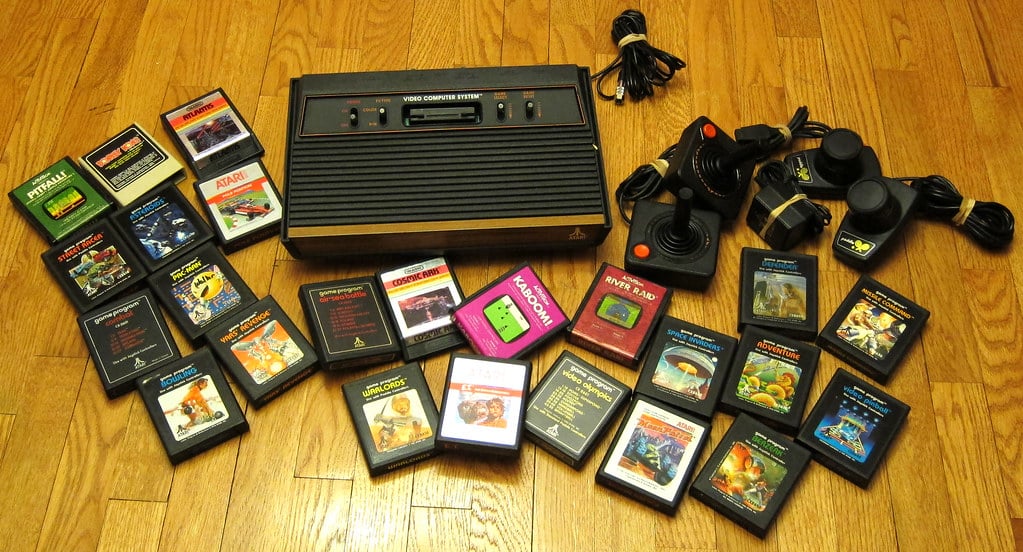
The Atari 2600 gaming console was the undisputed champion of home entertainment in the early ’80s. Released in the late ’70s, it dominated the decade until the video game crash of 1983 nearly killed the entire industry.
Despite that setback, the Atari is still considered by many to be the console that started the home gaming revolution and remains popular among retro gaming enthusiasts today.
G.I. Joe: A Real American Hero

G.I. Joe got a complete makeover in 1982, transforming from the larger dolls of the ’60s into smaller, more varied action figures similar to Star Wars toys. This relaunch came with vehicles, playsets, and an animated series that made the brand more popular than ever.
The 3.75-inch figures were perfect for collecting, and the line expanded to include dozens of characters on both the G.I. Joe and enemy Cobra sides.
Teenage Mutant Ninja Turtles
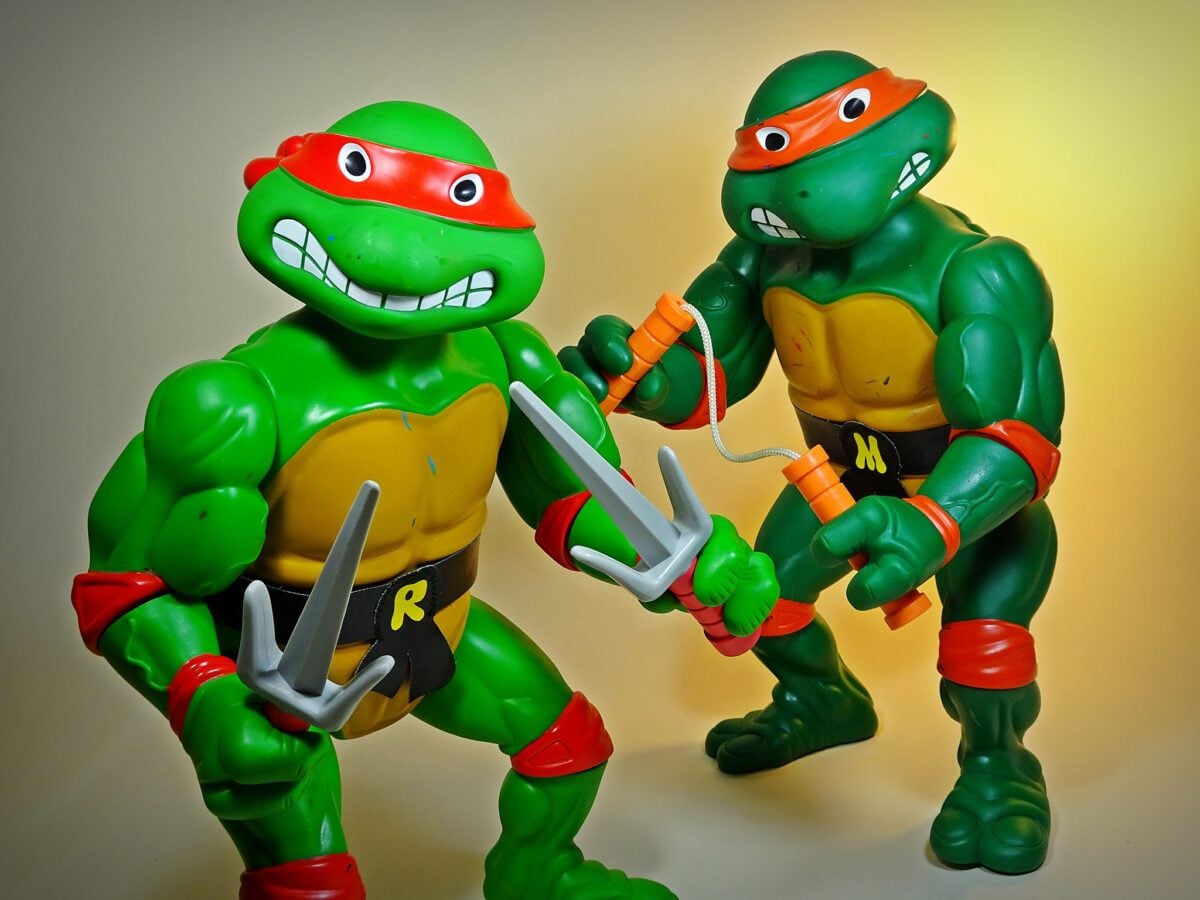
The Teenage Mutant Ninja Turtles exploded onto the toy scene in 1988 after jumping from comic books to animated TV. Leonardo, Donatello, Raphael, and Michelangelo became instant favorites, and the action figures were among the hardest toys to find during the holiday season. The pizza-loving, sewer-dwelling heroes kicked off a multimedia franchise that included movies, video games, and enough merchandise to fill a toy store aisle.
Pound Puppies
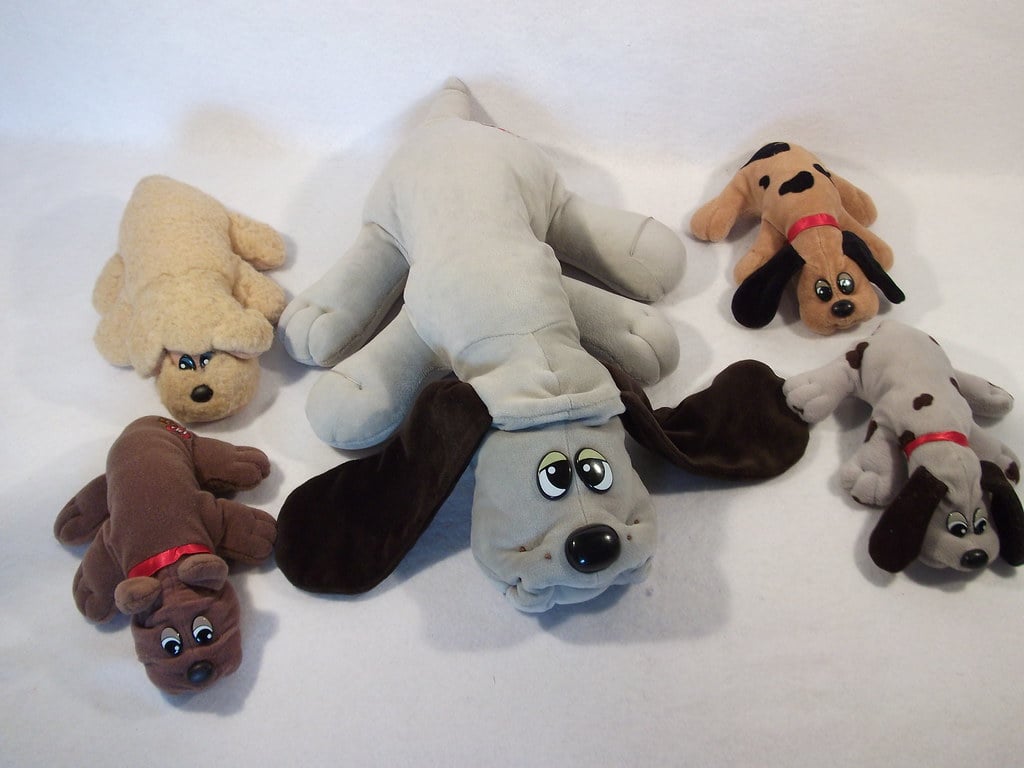
Pound Puppies offered the perfect compromise for kids who wanted a dog but had parents who didn’t want the responsibility. These stuffed dogs came in cardboard rescue crates complete with adoption papers, making the experience feel more real.
By some estimates, there were three times as many Pound Puppies in American homes as there were actual dogs, which speaks to just how popular these floppy-eared plush toys became.
Glo Worm

The Glo Worm hit toy stores in 1982 and became an instant bedtime favorite. Squeeze this plush toy and its vinyl head would light up with a soft, comforting glow that helped kids feel less afraid of the dark.
Hasbro expanded the line with Musical Glo Worm in 1983, which could play lullabies or tell bedtime stories, turning what could have been a one-trick pony into a lasting product line.
Simon

Simon became a household fixture in the early ’80s after its release in 1978. This electronic memory game challenged players to repeat increasingly complex sequences of lights and sounds, testing both memory and reflexes.
The circular device with its four colored buttons became so popular that smaller pocket versions were released, letting people take their frustration with them on the go.
From Playrooms to Pop Culture

The toys of the 1980s did more than just entertain—they built franchises that are still going strong decades later. Many of these playthings sparked animated series, movies, and merchandise empires that continue to release new versions today.
What started as simple action figures and plush toys grew into cultural touchstones that defined childhood for an entire generation, proving that sometimes the best technology is the kind that just lets kids use their imagination.
More from Go2Tutors!

- The Romanov Crown Jewels and Their Tragic Fate
- 17 Halloween Costumes Once Considered Taboo
- Famous Hoaxes That Fooled the World for Years
- 15 Child Stars with Tragic Adult Lives
- 16 Famous Jewelry Pieces in History
Like Go2Tutors’s content? Follow us on MSN.