30 Sleepover Traditions Kids Loved
A sleepover was a negotiation that began days in advance. Parents had to be asked, rules had to be set, and someone had to agree to drive.
Once the sleeping bags hit the living room floor, a different set of rules took over. Those rules were remarkably consistent from house to house and decade to decade.
Some came from board game boxes and video stores, and some were folklore passed down from older siblings who swore every word was true.
Light as a Feather, Stiff as a Board
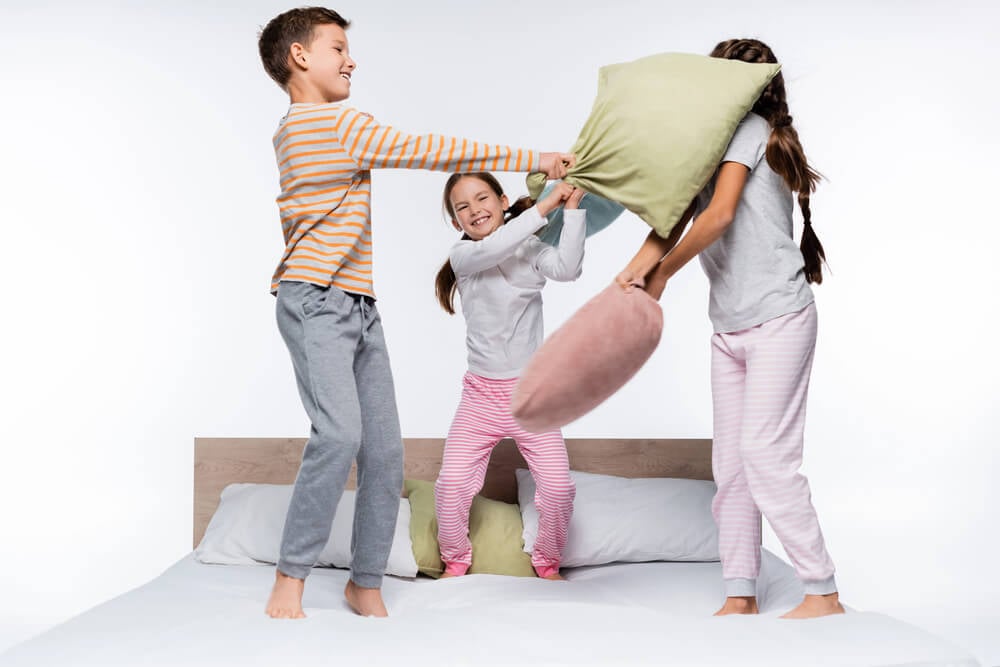
One girl lay on the floor with her eyes closed while the others knelt around her, each sliding two fingers beneath her body. Someone told an elaborate story about how she had died, the group chanted the phrase in unison, and then everyone tried to lift her.
It often seemed to work, which was thrilling and slightly terrifying. The trick is centuries old, and the diarist Samuel Pepys described girls performing a version of it in 1665.
The real explanation is simple weight distribution across many fingers, but that never ruined it for anyone at midnight.
Chanting Bloody Mary in the Bathroom Mirror
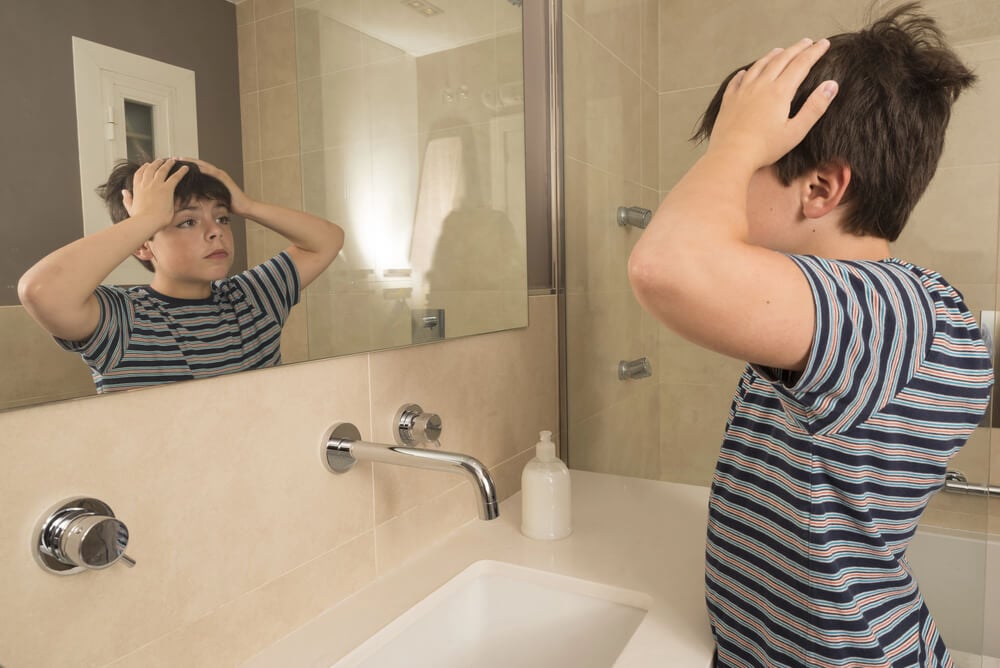
Someone always dared the group to go into a dark bathroom, stare into the mirror, and chant Bloody Mary three times, or 13 times, depending on the local rules. Legend held that a ghostly woman would appear in the glass, and some versions warned she would scratch the face of whoever called her.
Few kids ever made it to the final chant before flipping on the light and bolting out. The ritual grew out of older folklore about mirror divination, and folklorists have documented it at slumber parties across the country for decades.
Truth or Dare Until Someone Cried
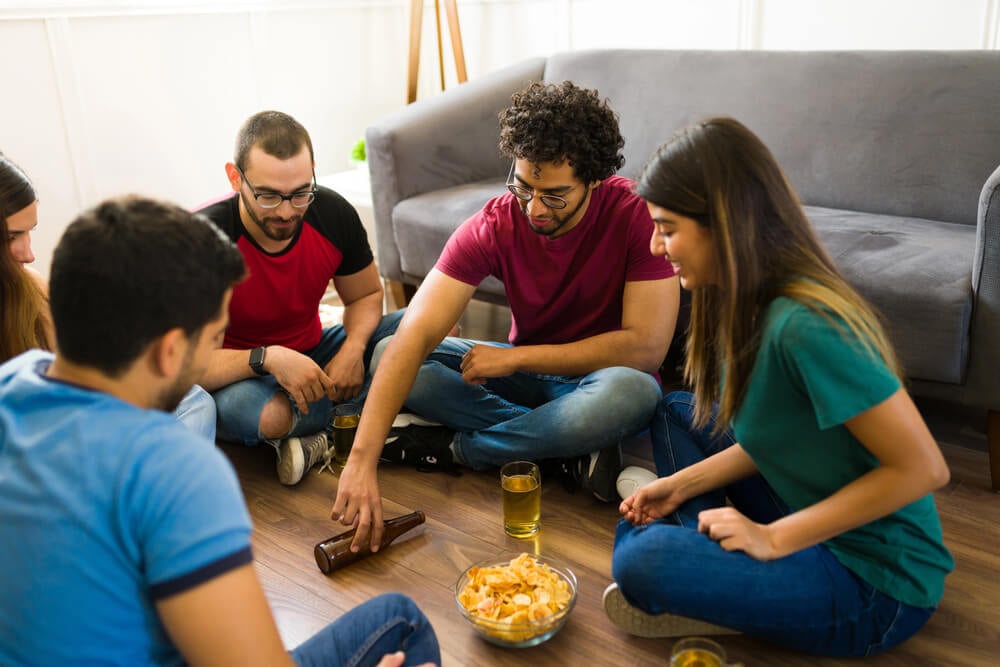
Truth or Dare was the engine of countless sleepovers. The dares escalated as the night went on, from eating a spoonful of mustard to calling a crush’s house, and the truths revealed who liked whom, a secret that would be common knowledge at school by Monday.
Choosing truth too often earned groans, and choosing dare too often could end with a trip onto the front lawn in pajamas. The game’s unwritten rule was that everything said in the room stayed in the room.
That rule was typically broken before the first bell on Monday morning.
Prank Calls on the Kitchen Phone

Before caller ID, the kitchen phone was an irresistible tool for mischief. Kids dialed random numbers from the phone book and asked whether the refrigerator was running, then shrieked the punch line and slammed the receiver down.
More elaborate calls involved fake radio contests or a friend’s crush answering unexpectedly. The call-return feature known as star 69 spread in the early 1990s and ended many prank careers overnight, since the victim could now dial straight back.
Caller ID finished the job, and an entire genre of juvenile mischief went quiet.
Consulting the Ouija Board
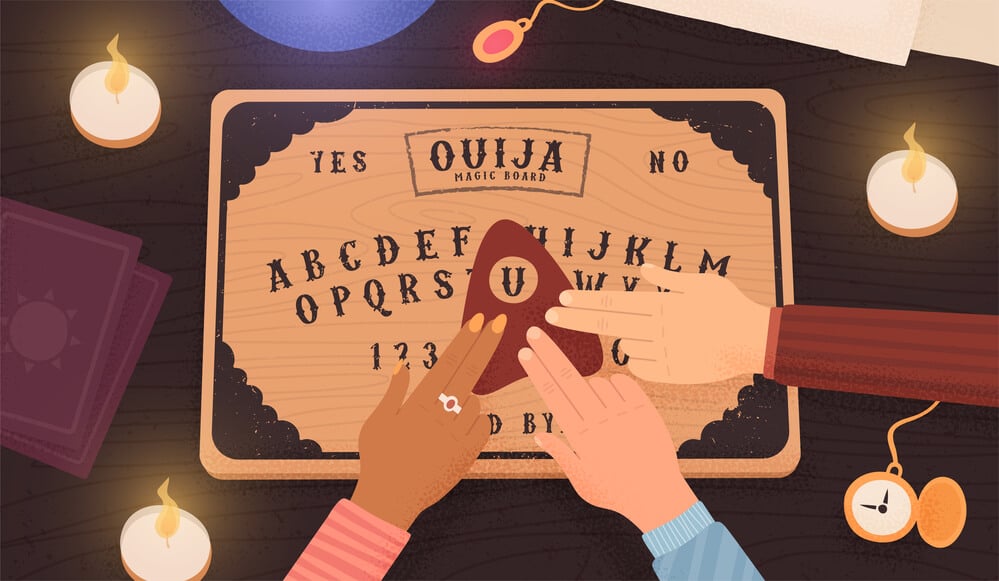
Parker Brothers bought the rights to the Ouija board in 1966, and it quickly became a sleepover staple. Two or more kids rested their fingertips on the heart-shaped planchette and asked questions about crushes, futures, and whether the house was haunted.
Everyone accused everyone else of pushing it, and nobody ever admitted to anything. The board traces back to patents from the early 1890s, and it reportedly outsold Monopoly for a stretch in 1967.
Some parents banned it outright, which only made smuggling it into an overnight bag more exciting.
Playing MASH on Notebook Paper
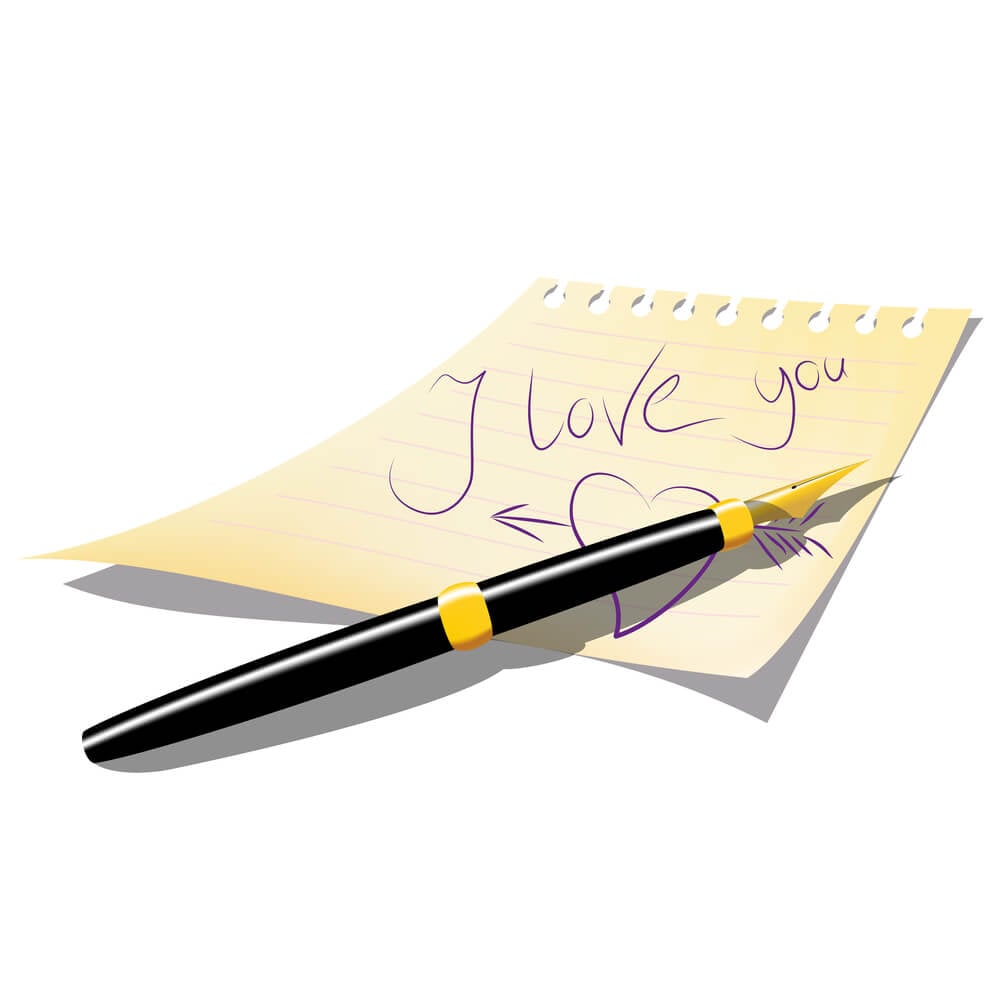
MASH stood for mansion, apartment, shack, and house, and the game predicted a future with nothing more than a pencil and a sheet of notebook paper. Players listed possible spouses, cars, jobs, numbers of kids, and cities, then drew a spiral until someone said stop.
Counting around the lists eliminated options one by one until a single answer remained in each category. Landing in a shack with 12 kids and married to a crush’s least appealing friend caused genuine outrage.
Because it needed no equipment, the game traveled from sleepovers to school buses to the back row of class.
Folding Paper Fortune Tellers

The paper fortune teller, often called a cootie catcher, was folded from a single square of paper into four pockets worked by the fingers. Players chose a color, spelled it out while the fortune teller opened and closed, then chose a number and lifted a flap to reveal a fortune.
The fortunes ranged from sweet to insulting, depending on who had written them. Everyone at a sleepover seemed to know the folds, which were passed down from older siblings rather than learned from any book.
The same design has circulated in origami for generations.
Mall Madness and Its Talking Computer
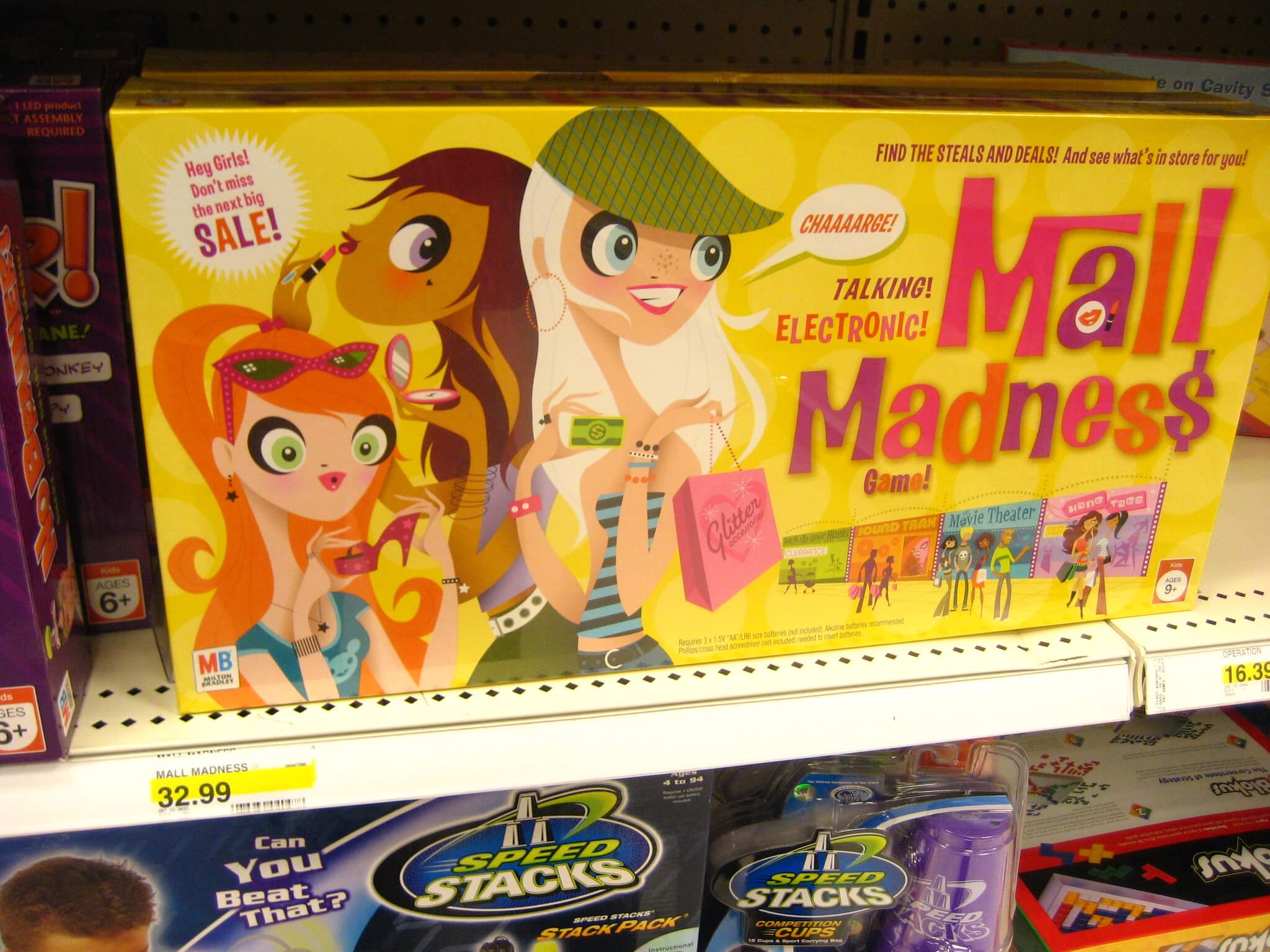
Milton Bradley released Mall Madness in 1988, and its electronic voice announced sales and clearances inside a two-story plastic mall. Players raced around with a credit card and cash, trying to buy six items from a shopping list before anyone else and get back to the parking lot.
The talking computer, which also announced when the bank was out of money, felt futuristic at the time. The game captured the peak of American mall culture and stayed a sleepover favorite for years.
Original copies with working electronics are now surprisingly sought after by nostalgic adults.
Girl Talk and Its Zit Stickers
Girl Talk, released by Western Publishing in 1988, asked players to spin a spinner and either answer a question or complete a dare. Anyone who refused a dare had to wear a red zit sticker on her face for the rest of the game, which made refusal a public event.
The questions ranged from embarrassing to confessional, and the cards gave shy kids permission to say things out loud. Fortune cards predicted careers and romances.
The game became so tied to slumber parties that spin-offs followed, and the zit stickers remain its most remembered feature.
Dream Phone and Its Secret Admirer Clues
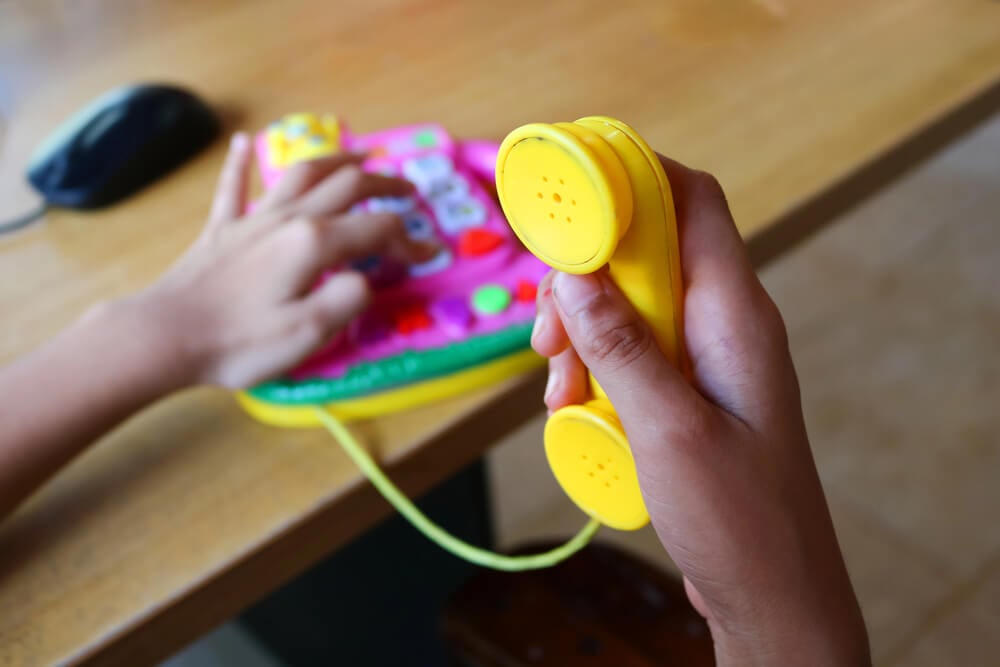
Milton Bradley’s Dream Phone, released in 1991, came with an oversized pink plastic phone that players used to call boys pictured on cards. Each call delivered a recorded clue about which boy had a secret crush on the caller, based on where he hung out, what he wore, and what he liked to eat.
Players eliminated suspects until one boy remained. It was essentially Clue with a romantic twist, and it was played at a huge share of 1990s slumber parties.
The recorded voices and their cheesy delivery became a shared joke for a generation of girls.
Choosing Movies at Blockbuster
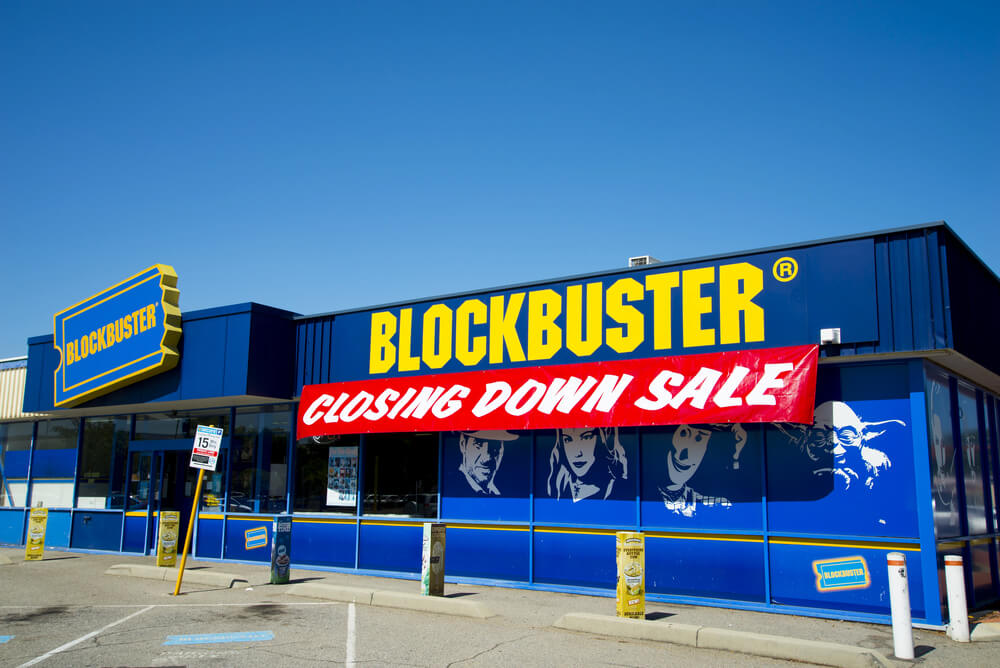
A Friday night sleepover often began with a trip to Blockbuster, founded in Dallas in 1985, to argue over which movies to rent. The group paced the new release wall, debated horror versus comedy, and usually left with one of each plus candy from the checkout counter.
Tapes carried stickers reminding renters to be kind and rewind. Late fees were a genuine worry, and someone’s parent always ended up driving the tapes back on Sunday afternoon.
Blockbuster’s collapse in the late 2000s and early 2010s ended the ritual for most families.
Scary Movie Marathons
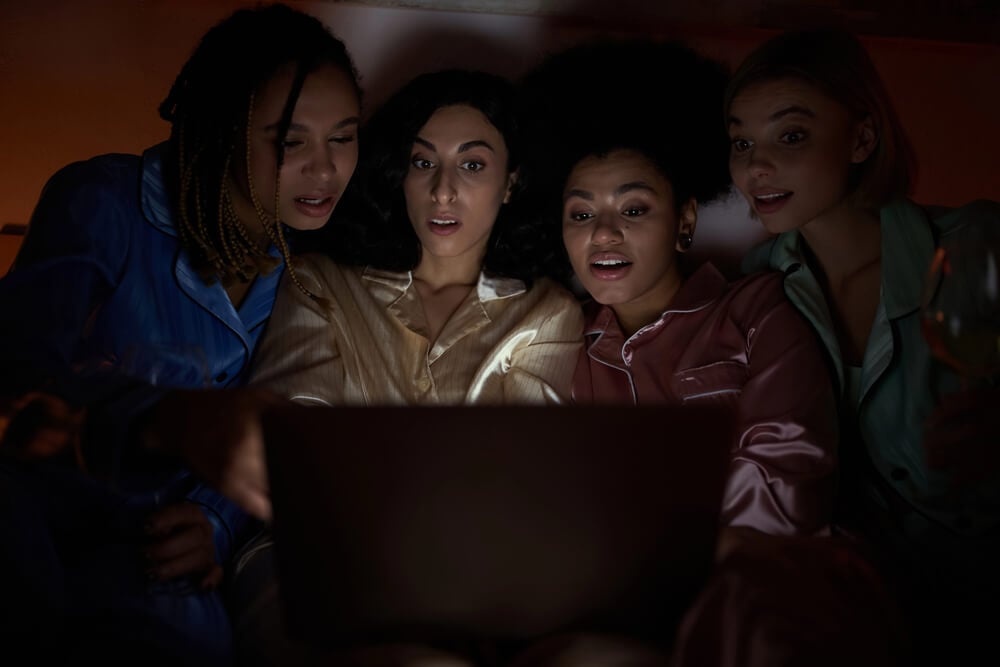
Horror movies were the centerpiece of many sleepovers, especially rentals like Poltergeist, A Nightmare on Elm Street, and later Scream. Kids watched through their fingers, hid under blankets, and loudly insisted they were not scared.
The worst part came afterward, when the walk to the bathroom required an escort and every shadow looked suspicious. Some parents set strict ratings limits, which kids promptly tried to evade by borrowing tapes from an older sibling’s shelf.
The fear lingered long after the lights went out, which was exactly the point.
Staying Up for Saturday Night Live
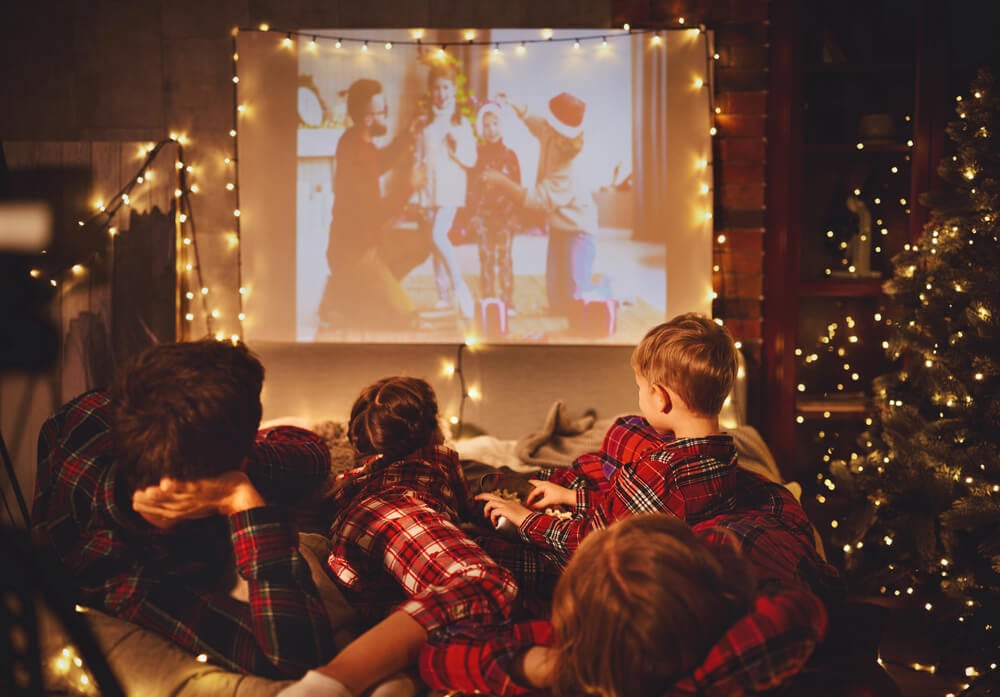
Saturday Night Live premiered on NBC in 1975, and staying awake until it came on at 11:30 at night was a milestone for a sleepover crowd. Kids huddled in front of the TV with the volume low so parents would not hear, laughing at sketches they only half understood.
Cable movies and late-night music videos stretched the night further in later decades. Falling asleep before the musical guest was considered a failure.
The ritual carried the feeling of being let in on grown-up entertainment, even when most of the jokes sailed past.
Calling the Radio Request Line
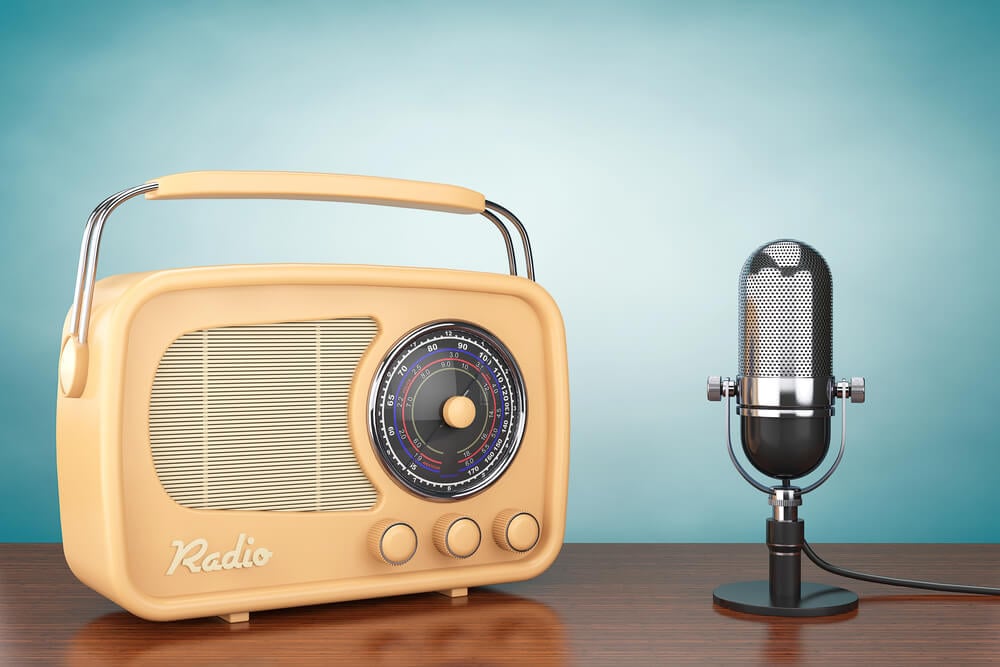
Late at night, sleepover crowds dialed the local radio station’s request line over and over until someone finally picked up. The goal was to request a favorite song and dedicate it to a crush or to the entire group.
Hearing a dedication read on air was a triumph, and everyone screamed when the song finally played. Casey Kasem’s Long Distance Dedications on American Top 40 inspired a more heartfelt version of the practice.
Streaming playlists made the request line obsolete, and the thrill of hearing a friend’s name on the radio has nearly vanished.
Makeovers With Borrowed Makeup

Makeovers were standard fare, using whatever cosmetics could be borrowed from mothers and older sisters. Girls crimped and teased hair, painted nails in bold colors, and applied blue eyeshadow with more enthusiasm than skill.
Peel-off face masks, usually green, provided a moment of calm until someone made the mistake of laughing. The results were documented with a Polaroid or a disposable camera.
Some makeovers were so dramatic that the next morning’s cleanup used up an entire bottle of makeup remover, and the photos resurfaced at graduation parties years later.
Pillow Fights in the Living Room
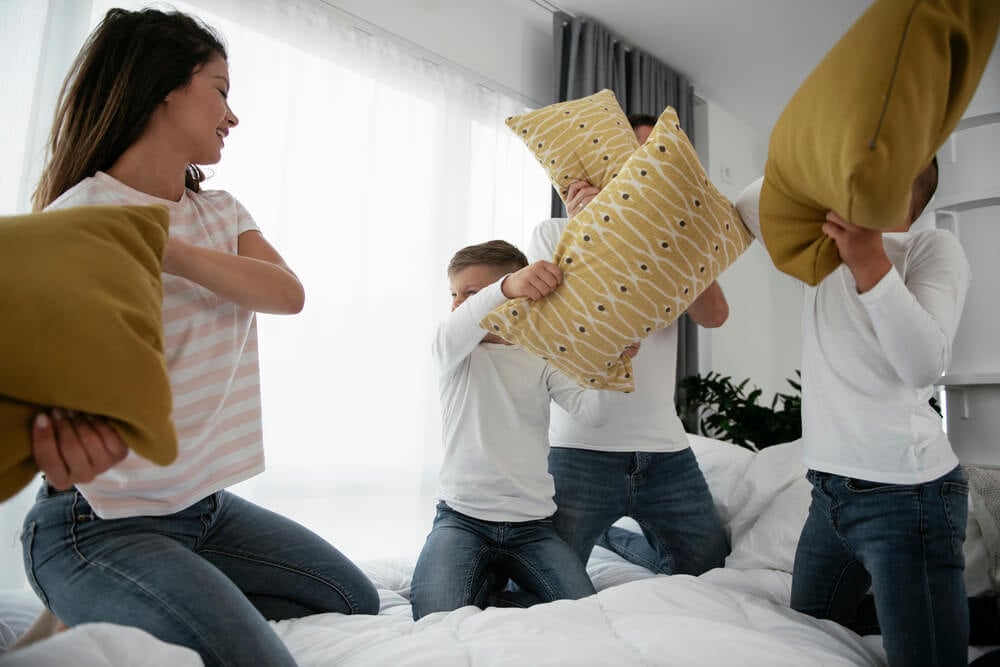
Pillow fights happened at almost every sleepover, often breaking out without warning when someone swung first. Feather pillows occasionally split open, leaving the living room covered in down that turned up in the carpet for weeks.
Parents called from upstairs to settle down, which usually worked for about 10 minutes. The fights rarely had rules and never had a clear winner.
Movies and TV turned the pillow fight into a symbol of the slumber party, although the real version was louder, messier, and more likely to end with a knocked-over lamp.
Building Blanket Forts
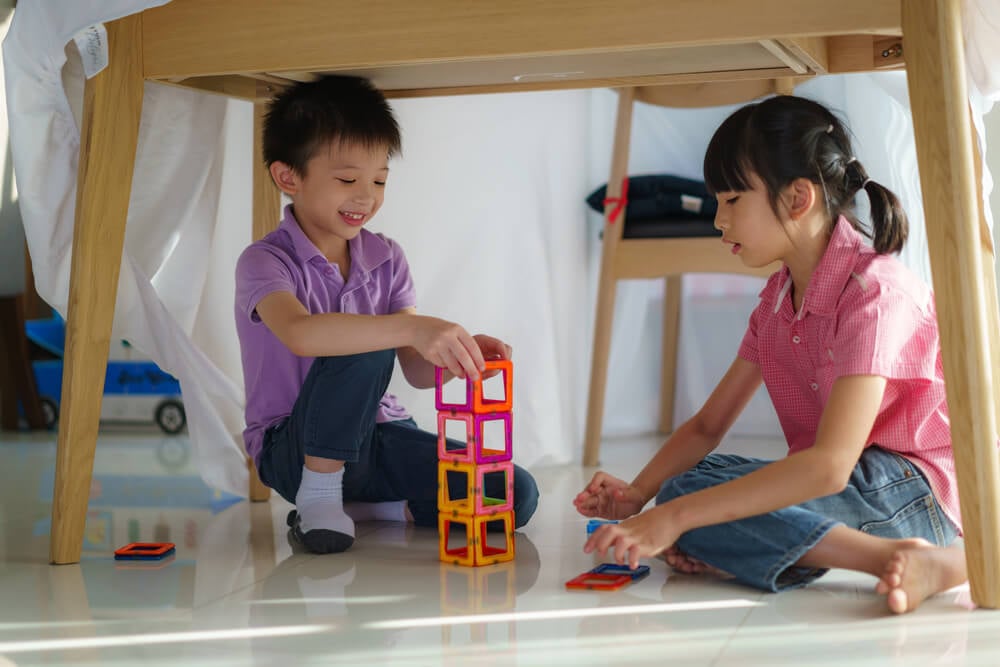
Couch cushions, bedsheets, dining chairs, and clothespins all became engineering materials at sleepovers. The goal was a fort big enough for everyone, usually with an entrance tunnel and a flashlight hanging inside.
Construction took an hour, and the fort often collapsed within minutes, but rebuilding it was half the fun. The best forts became headquarters for the rest of the night, with snacks, sleeping bags, and secret meetings inside.
Parents usually found the living room in ruins the next morning, with every cushion in the house somewhere other than where it belonged.
Ghost Stories by Flashlight
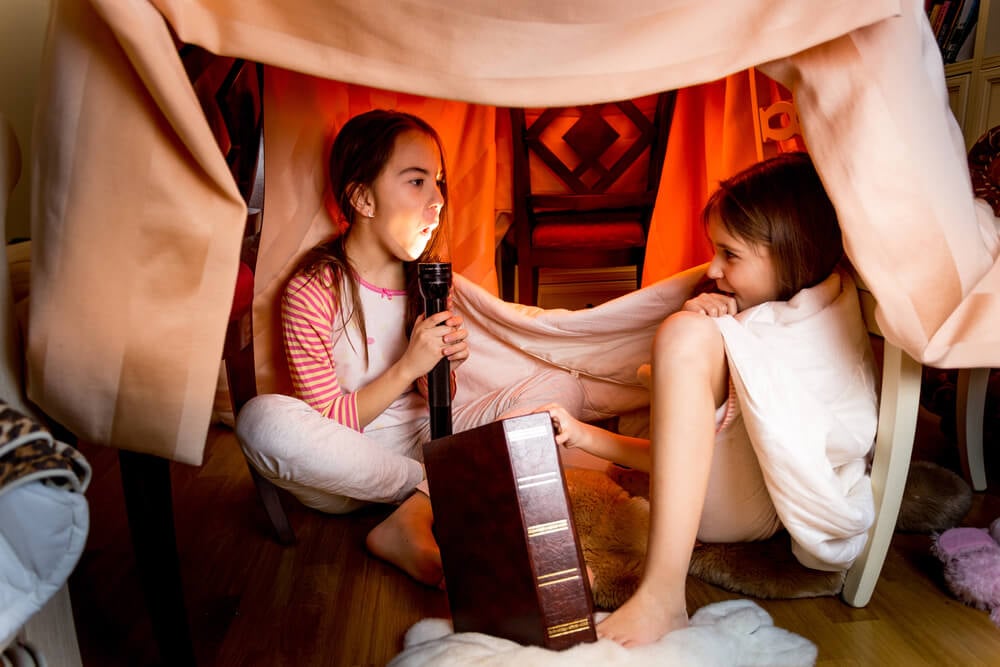
Once the lights went out, someone always produced a flashlight and held it under her chin. Ghost stories followed, many of them urban legends passed down from older siblings, like the hook-handed escapee or the babysitter getting phone calls from inside the house.
Alvin Schwartz’s Scary Stories to Tell in the Dark, first published in 1981 with Stephen Gammell’s unsettling illustrations, supplied plenty of fresh material. The goal was to make at least one person too scared to sleep, and it usually worked.
Every storyteller swore their version had really happened to a cousin’s friend.
Pranking the First One Asleep
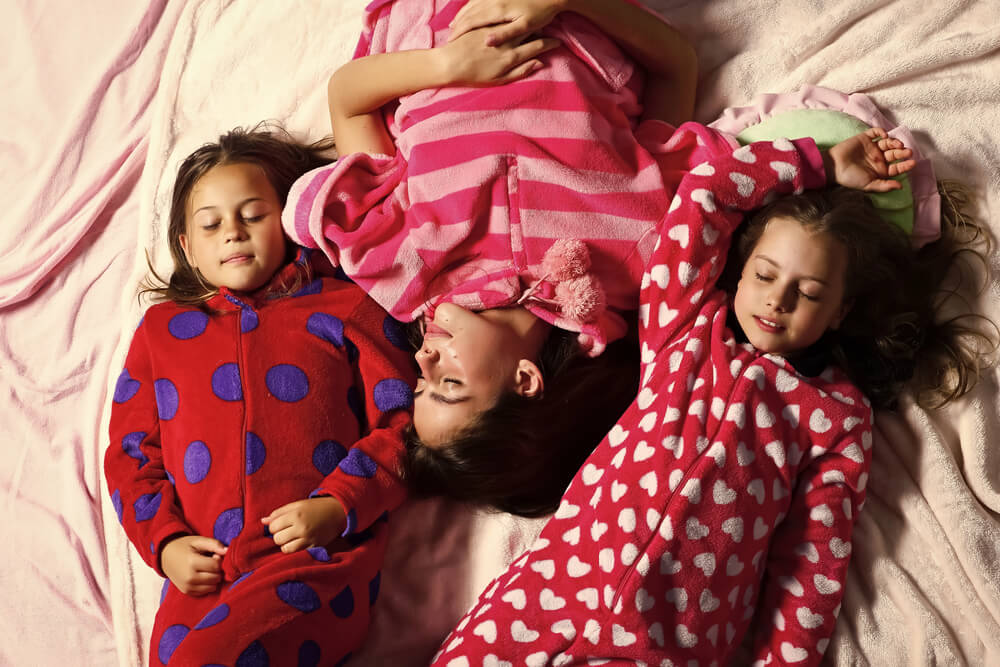
Falling asleep first at a sleepover was a genuine risk. The early sleeper might wake up with shaving cream in her palm, a drawn-on mustache, or her pajama top frozen solid in the freezer.
Some groups tried the old trick of placing a sleeper’s hand in warm water, which rarely worked as promised. The threat alone kept everyone awake far longer than they wanted to be, and heads nodded while eyes fought to stay open.
The victim usually took it well and quietly planned revenge for the next sleepover at her own house.
Jiffy Pop on the Stove
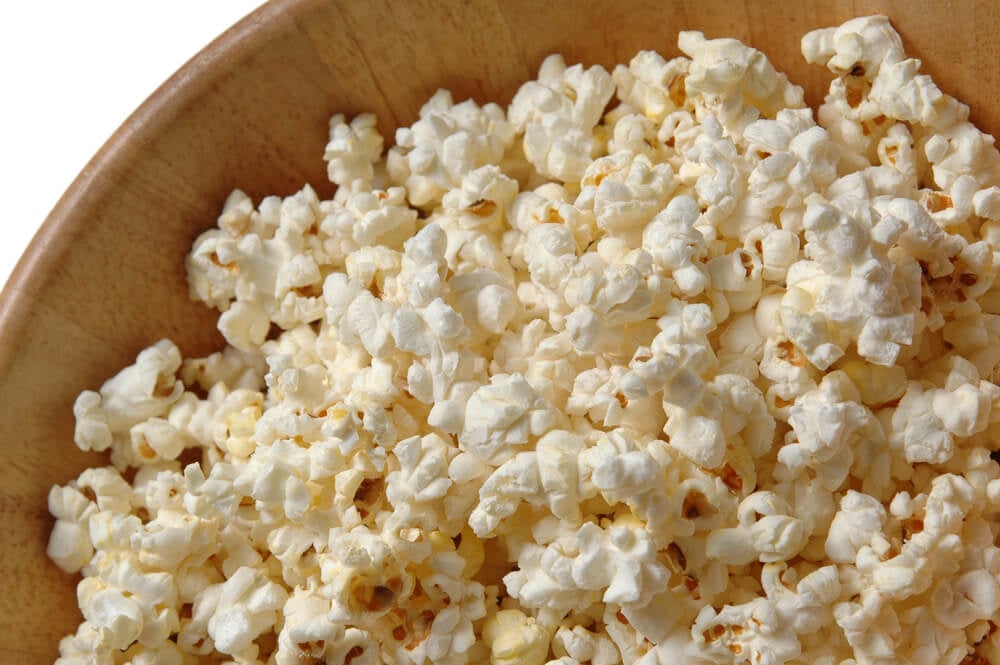
Jiffy Pop, stovetop popcorn packed in its own aluminum pan with a foil top, arrived in the late 1950s and became a sleepover favorite. Shaking the pan over the burner while the foil swelled into a tall silver dome felt like a science experiment.
Too much heat meant burned kernels and a smoky kitchen, and too little meant half the popcorn stayed unpopped. A parent usually supervised from a safe distance.
Microwave popcorn eventually replaced it in most kitchens, but nothing matched the drama of watching that dome grow taller by the second.
Pizza Delivery and a Pooled Tip
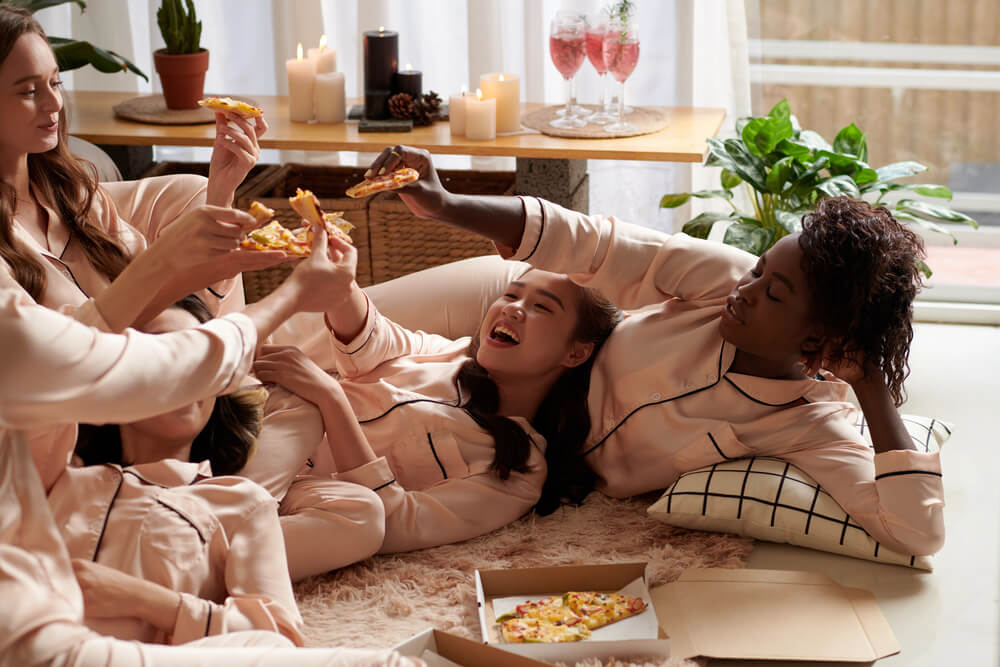
Ordering pizza was a sleepover highlight, especially once delivery chains like Domino’s and Pizza Hut reached most towns. The group argued over toppings, pooled allowance money for the tip, and waited by the front window for the delivery car.
Domino’s built its business on speed, including a 30-minute guarantee that it dropped in 1993. The pizza was often finished cold the next morning, which some guests considered the best part.
Hosts who ordered too little learned quickly that a group of 12-year-olds can clear three large pizzas in minutes.
Taking Quizzes in Teen Magazines
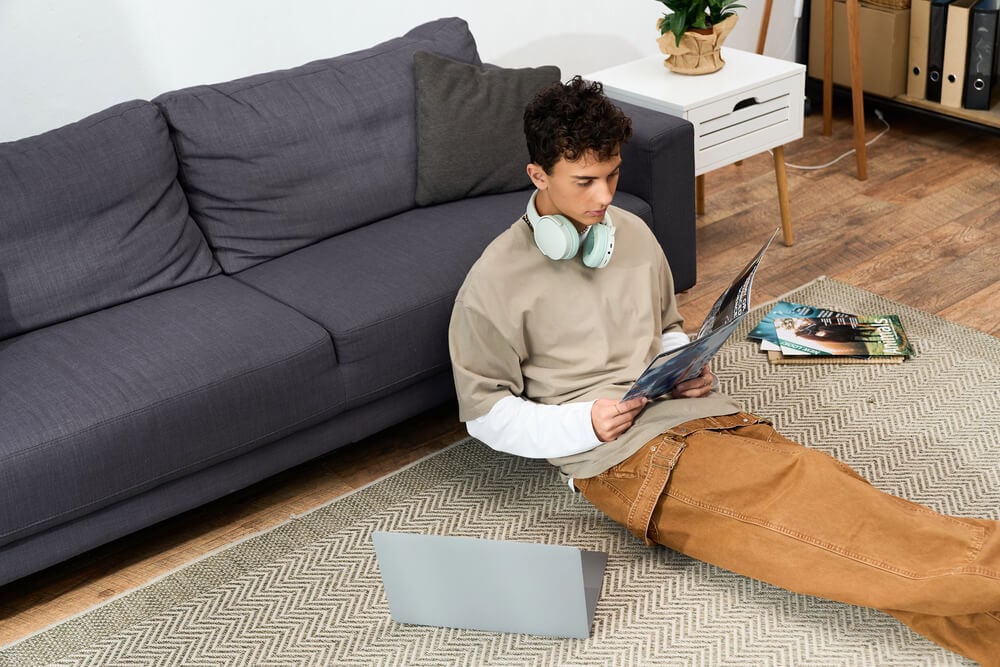
Teen magazines like Seventeen, YM, and Tiger Beat made the rounds at sleepovers, and their quizzes were read aloud to the group. Titles promised to reveal what kind of friend someone was, whether a crush liked them back, or which celebrity would be a perfect match.
Answers were tallied carefully and the results debated as if they were binding. The magazines also supplied glossy posters of teen idols for the bedroom wall.
A fresh issue could fill an entire evening, and the most dog-eared pages told exactly which quizzes had been taken the most.
GoldenEye Tournaments on the N64
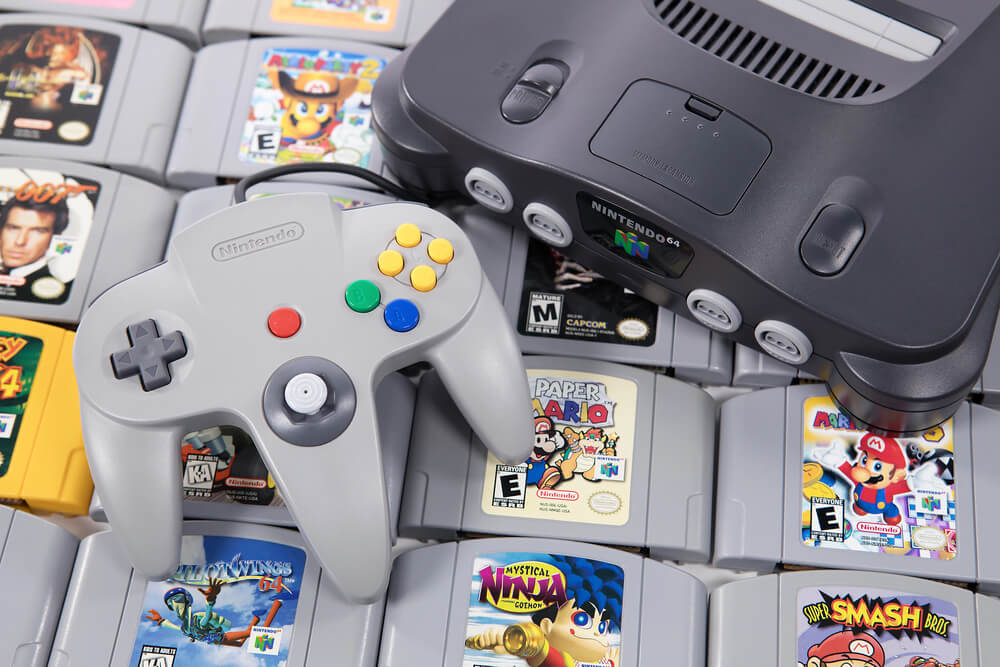
GoldenEye 007, released for the Nintendo 64 in 1997, turned many sleepovers into all-night four-player battles on a split screen. Players argued over whether peeking at someone else’s corner of the screen was cheating and whether choosing Oddjob, the short character who was harder to hit, was fair.
Controllers were shared, games were loud, and the losers demanded endless rematches. The game was developed by Rare and based on the 1995 James Bond film.
For many teenagers, it was the defining sleepover activity of the late 1990s.
Choreographing Dance Routines
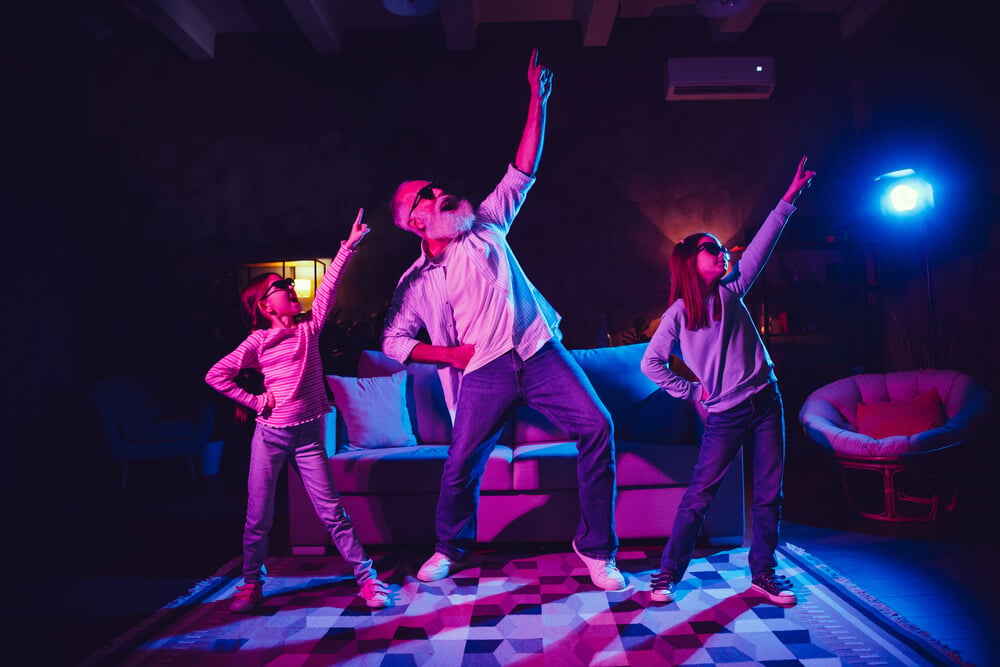
Sleepovers often produced full dance routines, rehearsed for hours in the living room to a favorite song on a boom box or CD player. Girls choreographed to Paula Abdul, New Kids on the Block, the Spice Girls, or the Backstreet Boys, depending on the decade.
The finished routine was performed for parents the next morning and sometimes recorded on the family camcorder. Arguments over who got to stand in front were settled by rotating positions or by sheer force of personality.
Many of those tapes still survive, which is a mixed blessing for the performers.
Filling Out Slam Books
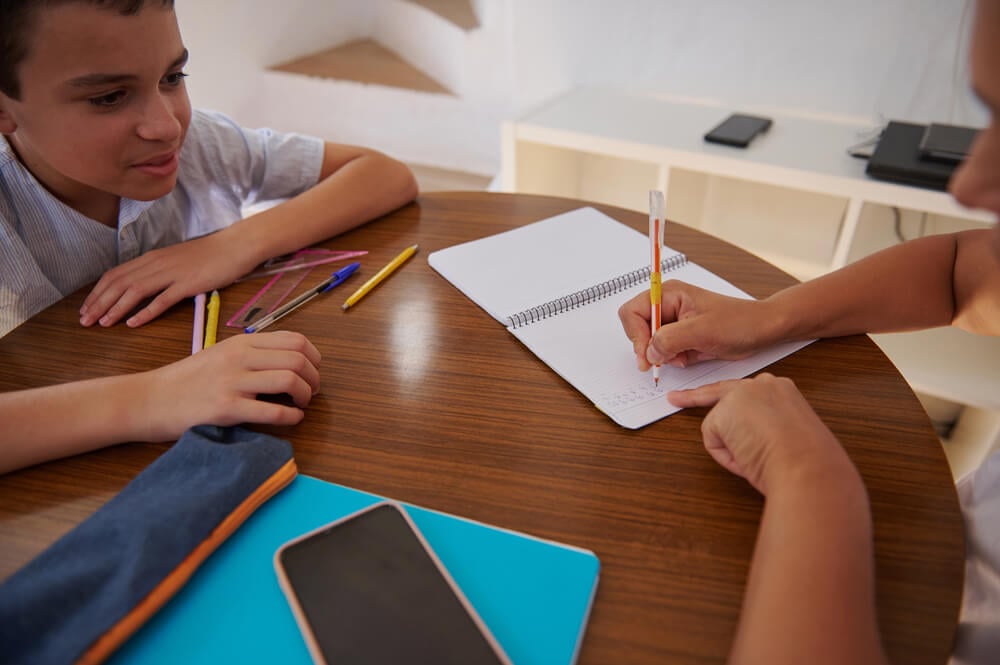
A slam book was a notebook passed among friends, with a question at the top of each page and numbered lines below for everyone’s answers. Questions covered favorite songs, crushes, best friends, and opinions about classmates, some of them far from kind.
Each person signed a number on the first page and used it to answer every question anonymously, though handwriting usually gave people away. The books were a staple of middle school social life and a common sleepover activity.
They faded as online surveys and social media profiles took over the same job.
Backyard Tent Campouts
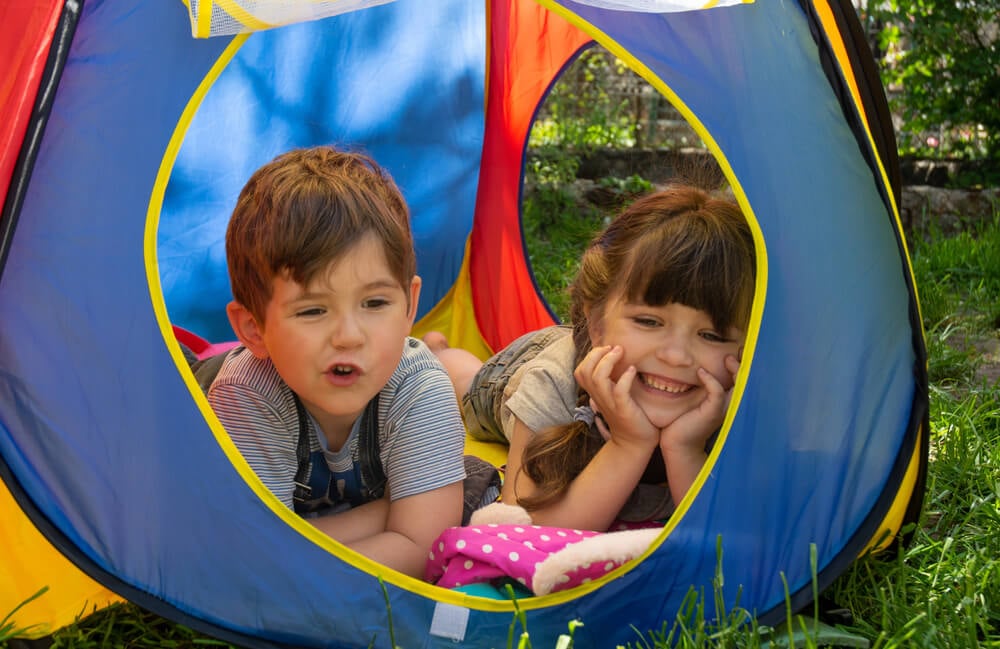
In summer, the sleepover sometimes moved outside to a tent pitched in the backyard. Sleeping outdoors felt thrilling until the first strange noise, which usually turned out to be a raccoon, a cat, or the automatic sprinkler.
Flashlights, snacks, and a transistor radio came along, and at least one person retreated to the house before dawn. The campout gave kids a feeling of independence without actually leaving home.
For many, it was the first time sleeping outside, and the damp sleeping bags drying on the fence the next day were proof of the adventure.
Toilet Papering a Friend’s House
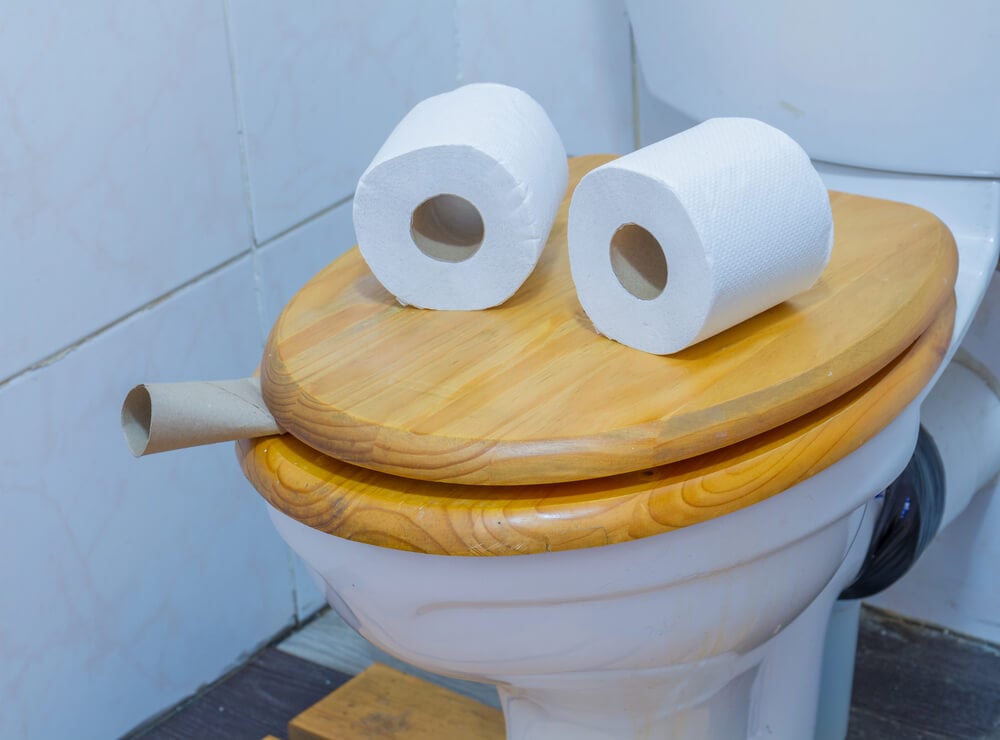
Rolling a friend’s house with toilet paper was a late-night sleepover tradition in plenty of towns. Groups slipped out after midnight, draped trees and bushes in white streamers, and sprinted back before anyone noticed.
The target usually knew exactly who had done it, and retaliation followed within weeks. The prank was generally meant as affection, though homeowners who had to clean up after a rainstorm might have disagreed.
Stricter supervision and doorbell cameras have made it less common, and many parents now consider it vandalism rather than a rite of passage.
Making Friendship Bracelets
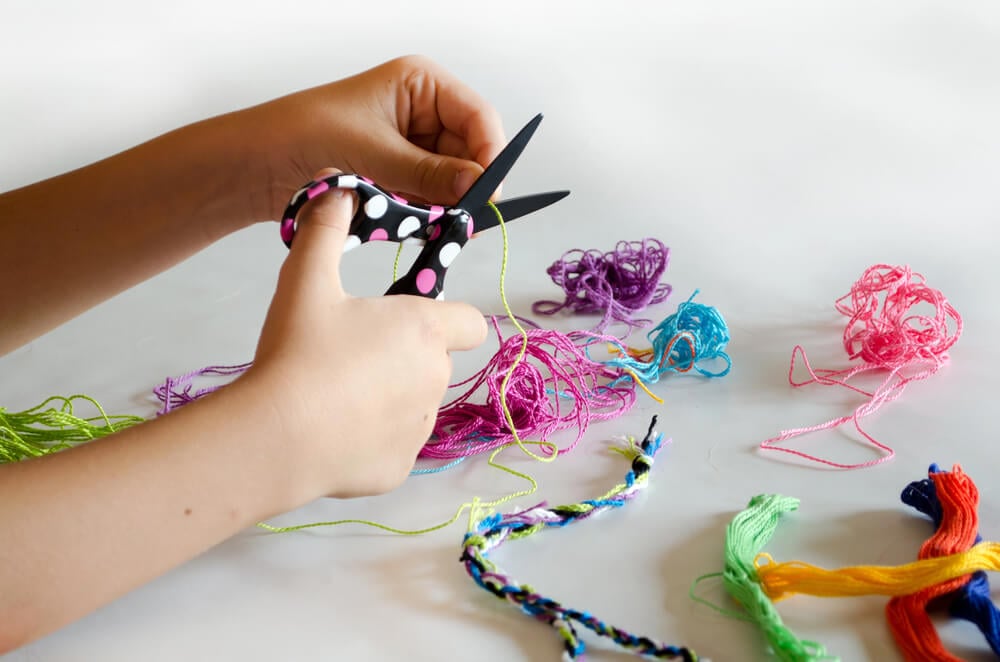
Embroidery floss, a safety pin, and a knee to pin it to were the only equipment needed for friendship bracelets. Kids learned the chevron and candy stripe patterns, and the finished bracelets were tied on and worn until they fell off in the shower months later.
A single sleepover could produce a dozen bracelets as the group swapped colors and taught each other new knots. The craft surged in the 1980s and 1990s and has returned several times since.
Wearing a stack of them on one wrist was a quiet public record of who counted as a friend.
Pancakes the Next Morning
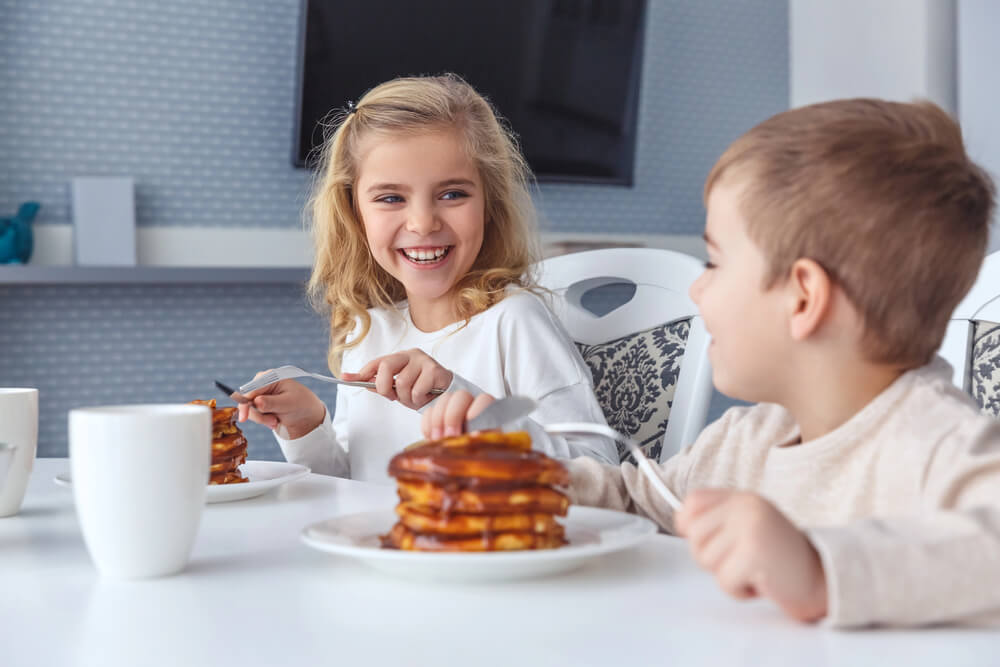
The morning after a sleepover usually brought pancakes, cooked by a host parent who had not slept much either. Mickey Mouse shapes, chocolate chips, and a lineup of syrup bottles made breakfast feel like an event.
Kids ate in their pajamas, recounted the night’s scandals, and waited for their parents to arrive. Some hosts went further with waffles, bacon, and orange juice in a pitcher, which set a standard other parents struggled to match.
It was the quiet end to a loud night, and plenty of adults still link pancakes with sleepovers.
Trying to Stay Up All Night
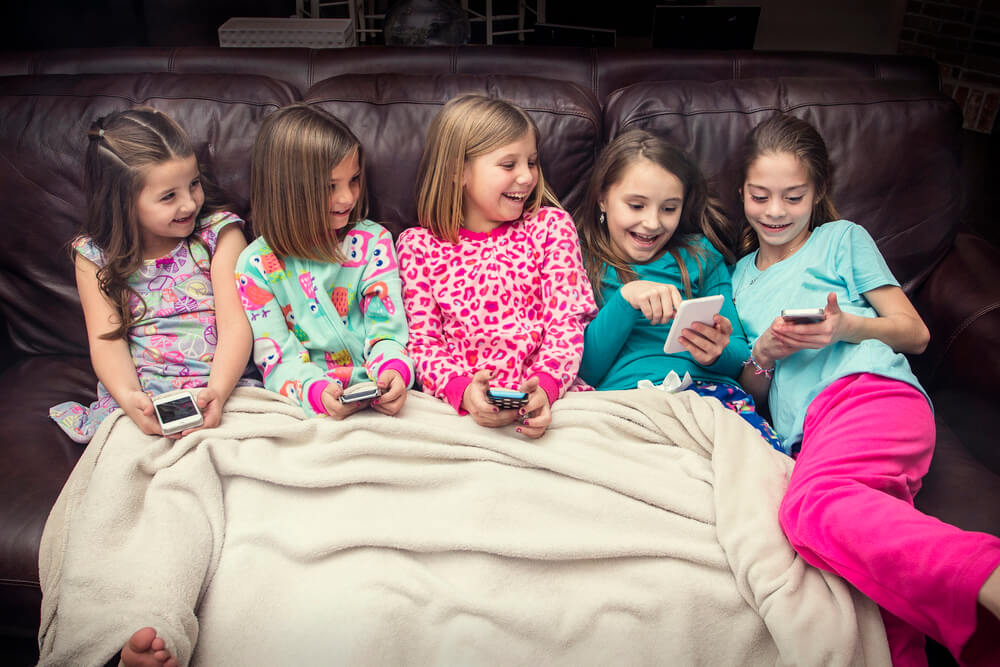
The ultimate goal of many sleepovers was staying awake until sunrise. Kids fought sleep with soda, candy, and constant conversation, and the last few hours often turned surreal and giddy as everything became hilarious.
Anyone who made it to dawn earned bragging rights, although the next day was usually a blur of exhaustion and crankiness. Parents who picked up their children that morning were rarely surprised by the result.
The all-nighter was less about the sunrise than about proving that nobody had given up first.
Sleeping Bags and Shared Secrets
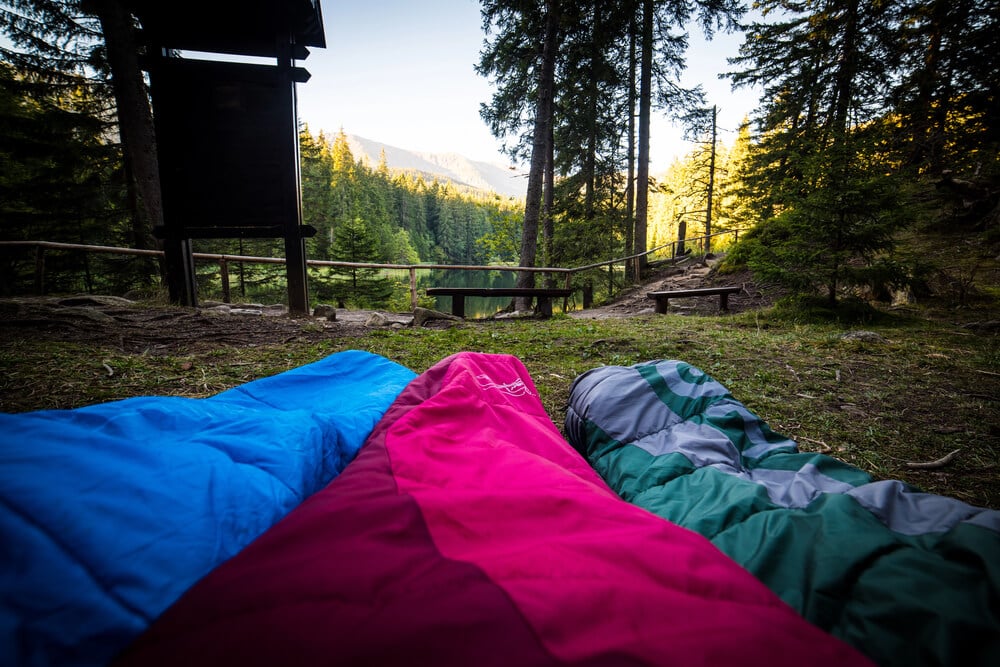
Almost none of these traditions required money or equipment beyond a pencil, a phone, or a flashlight. What they required was a group of kids and a long night with nothing scheduled.
The games were excuses for the real activity, which was talking until sleep won. Many of the old props are gone, from rental stores to landlines to teen magazines.
The impulse behind them has stayed remarkably stable. Kids still want a night away from home, a few secrets, and at least one story too scary to forget.
More from Go2Tutors!

- The Romanov Crown Jewels and Their Tragic Fate
- 13 Historical Mysteries That Science Still Can’t Solve
- Famous Hoaxes That Fooled the World for Years
- 15 Child Stars with Tragic Adult Lives
- 16 Famous Jewelry Pieces in History
Like Go2Tutors’s content? Follow us on MSN.