25 Roller Rink Staples From the ’70s and ’80s
On a Friday night in 1979, the local roller rink was the closest thing a small town had to a nightclub for kids. The lights dimmed, the music got louder, and a strip of polished maple became the center of social life.
The rituals were remarkably similar from one rink to the next. Anyone who spent a weekend circling that floor will recognize most of them.
Couples Skate Under Dimmed Lights
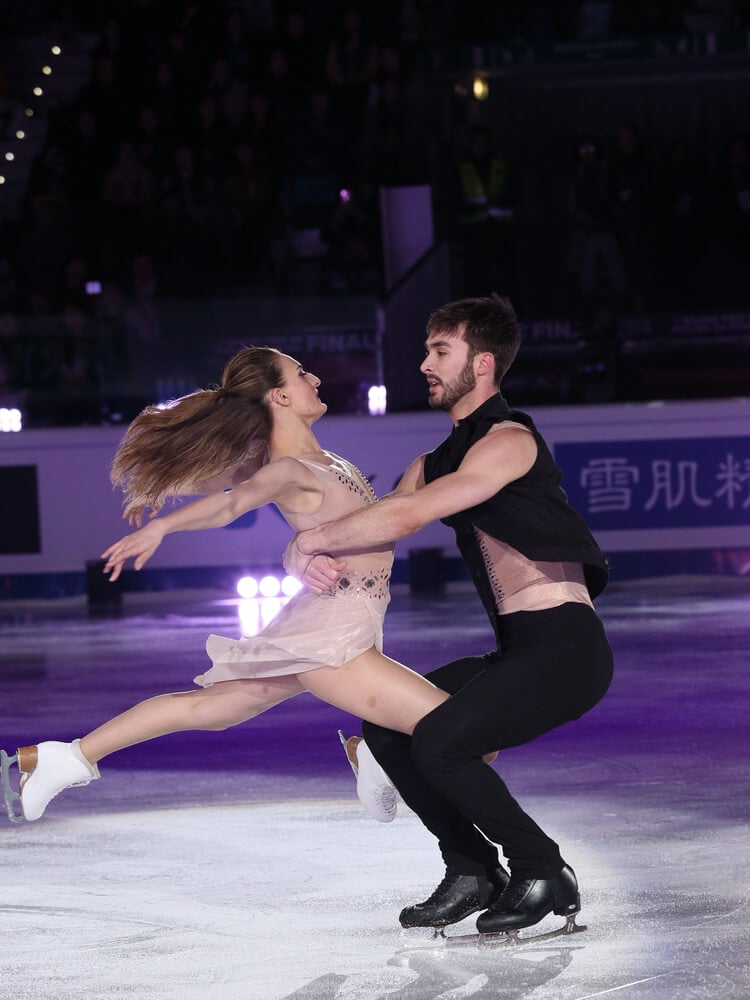
The announcer’s call for a couples skate cleared the floor of everyone without a partner. The lights went low, a slow song came on, and pairs circled holding hands while the rest of the crowd watched from the rail.
For many kids, it was the first public declaration of a crush. Working up the nerve to ask someone could take most of the night.
A rejection felt enormous, and a yes felt even bigger, especially when the song was a slow love song that seemed to go on forever.
Mirrored Globe Over the Floor

A mirrored globe hung from the ceiling of almost every rink, and a spotlight aimed at it scattered small squares of light across the floor and walls. The effect turned an ordinary warehouse building into something that felt glamorous.
The same fixture decorated disco clubs of the era, which helped rinks market themselves as family-friendly versions of the nightlife on television. When the lights went down for a special skate, the spinning dots were the main attraction.
Many rinks still keep the original globe hanging in place.
Hokey Pokey on Wheels
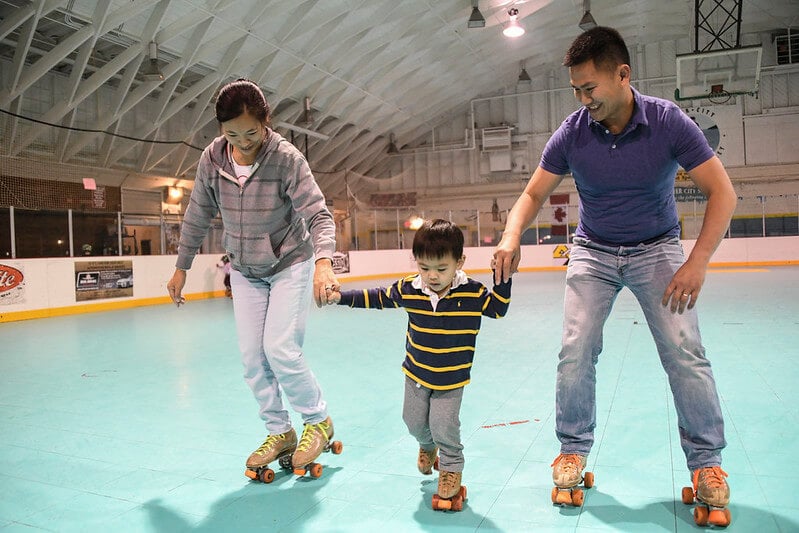
Doing the Hokey Pokey was harder on skates than it looked. Skaters lined up around the rink, put their right foot in and took it out, and tried not to lose their balance while shaking it.
The song dates back to earlier folk dances, but a 1950s recording made it a staple of skating rinks and wedding receptions. Younger kids loved it because it gave them a chance to stand still for a few minutes.
Older kids pretended to be too cool, then joined in anyway.
Limbo Under the Pole
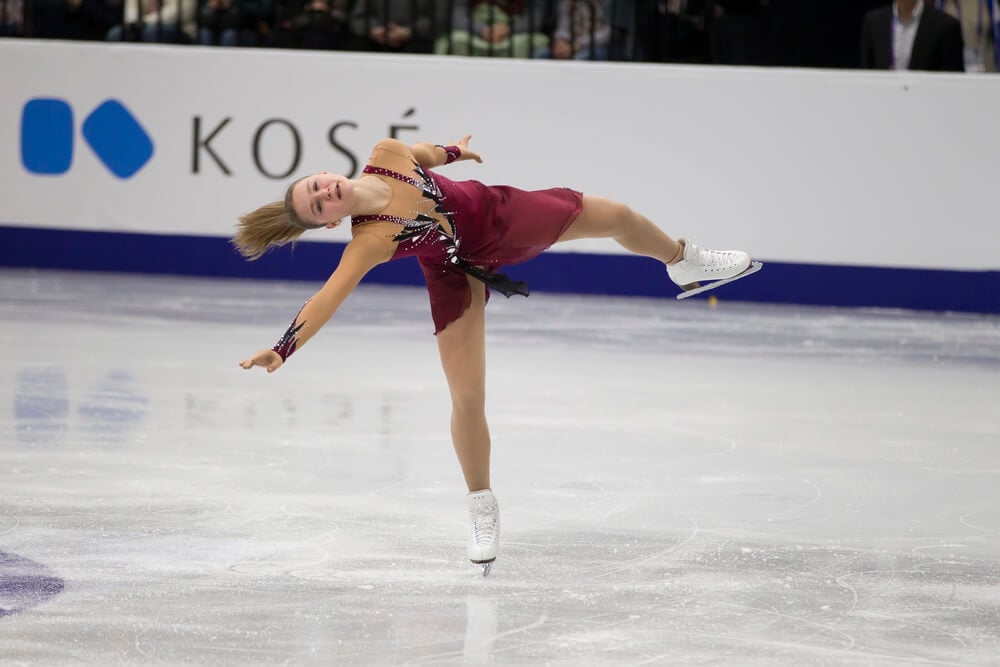
Rink staff held a pole across the floor, and skaters crouched low to glide beneath it. Each round, the pole dropped a little lower until only the most flexible skaters could squeeze under.
Crowds cheered for the smallest kids, who had a natural advantage. The winner usually got a free soda or a pass for the next session.
The game borrowed its name and its music from a Caribbean dance tradition that became a pop craze in the early 1960s, and rinks kept it alive long after the fad faded.
Shoot the Duck Contests
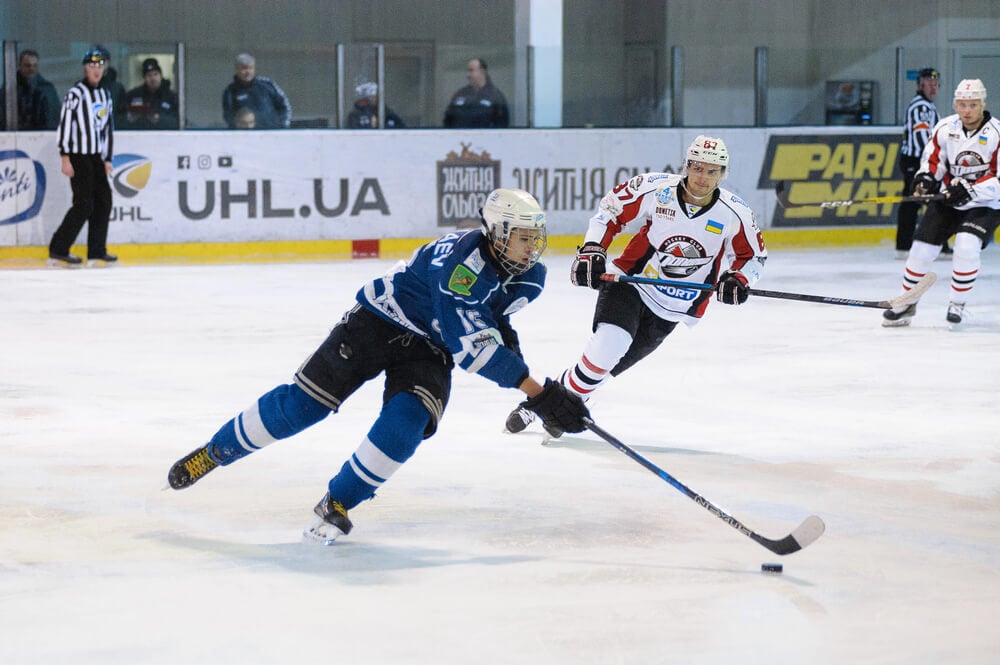
To shoot the duck, a skater crouched on one leg and stretched the other straight out in front while rolling across the floor. Rinks held contests to see who could hold the pose longest or go the farthest.
It took strength, balance, and some courage, since falling in that position usually meant landing hard. Kids practiced it for weeks before trying it in front of a crowd.
The move had roots in figure skating on ice, but at the local rink it was a badge of honor for regular skaters.
Tan Rental Skates With Orange Wheels
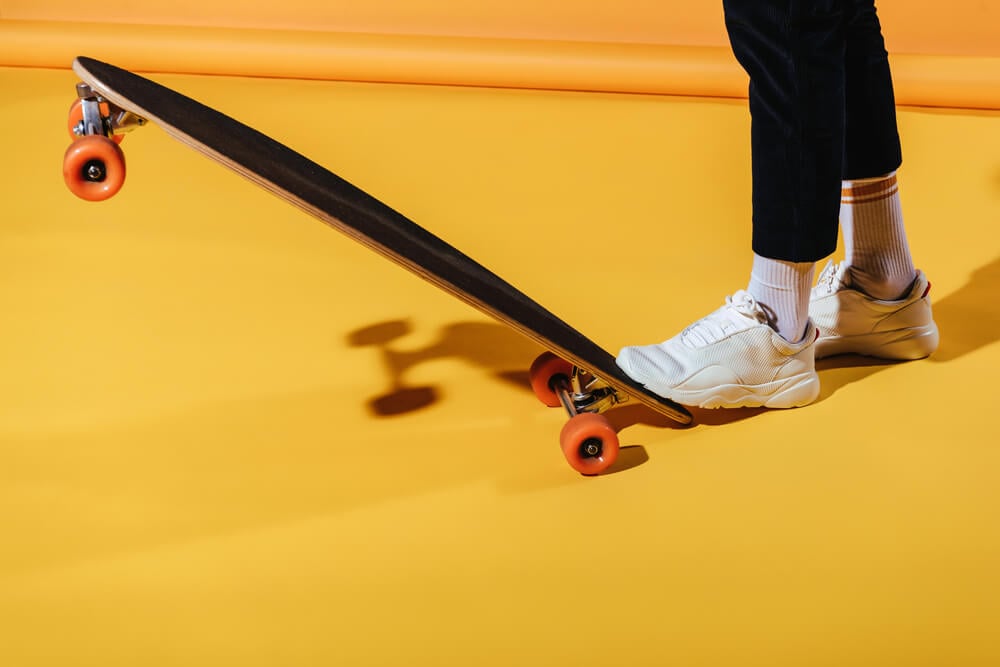
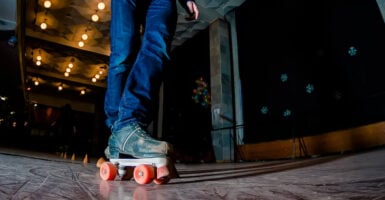
Rental skates had a look nobody forgot. They were usually tan or brown leather boots with thick laces, set on plates with bright orange or red wheels and a big rubber toe stop.
Many had a number painted on the heel or the back of the boot so staff could track them. They were rarely the right size, and the laces were often frayed.
Kids who finally got their own skates felt they had graduated to the serious end of the rink. Staff sprayed the boots with disinfectant between sessions, and the smell lingered.
Carpeted Walls and Benches
Rinks covered their walls, benches, and sometimes the pillars in thick industrial carpet. The carpet padded crashes and hid years of scuffs from skate wheels.
It came in dark reds, blues, and wild patterns meant to look good under blacklights. The same carpet usually covered the floors around the snack bar and the lockers.
For many kids, the smell of that carpet mixed with popcorn and floor polish is the single most vivid memory of the rink. Designers called the style rink carpet, and some companies still sell it by that name.
Snack Bar Pizza and Soft Pretzels
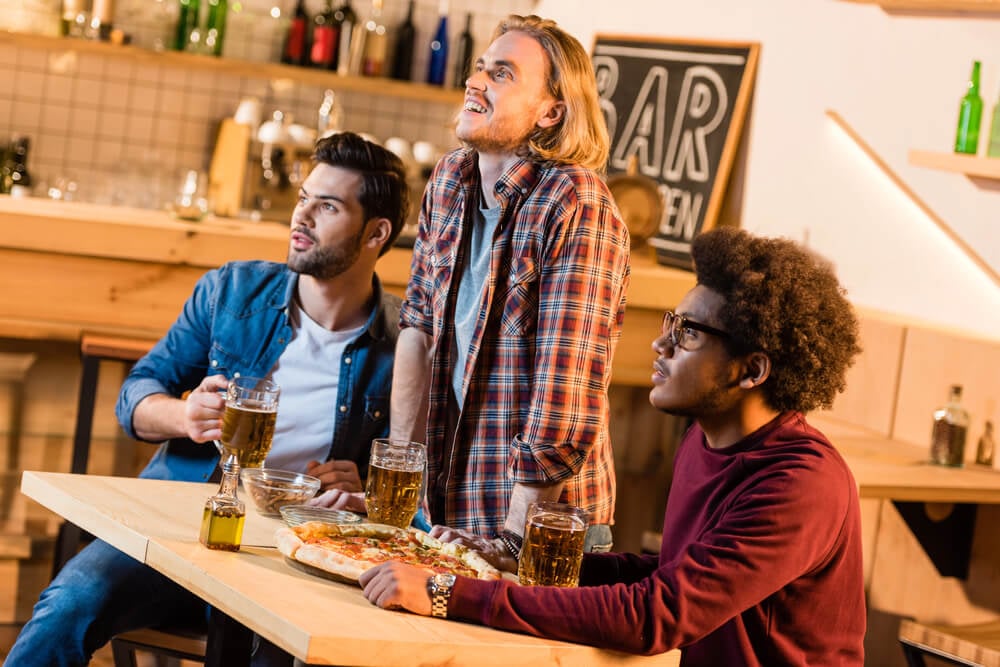
The rink snack bar served pizza by the slice, soft pretzels, nachos with pump cheese, hot dogs, and fountain sodas in waxed paper cups. The food was rarely good, but it tasted great after an hour of skating.
Kids pooled their money to buy a pitcher of soda for the table. Skating into the snack area was usually forbidden, so kids clomped across the carpet in their skates.
The concession stand was often where rinks made most of their profit on a busy night. A plate of nachos was a luxury.
Rink Organists and Live Music
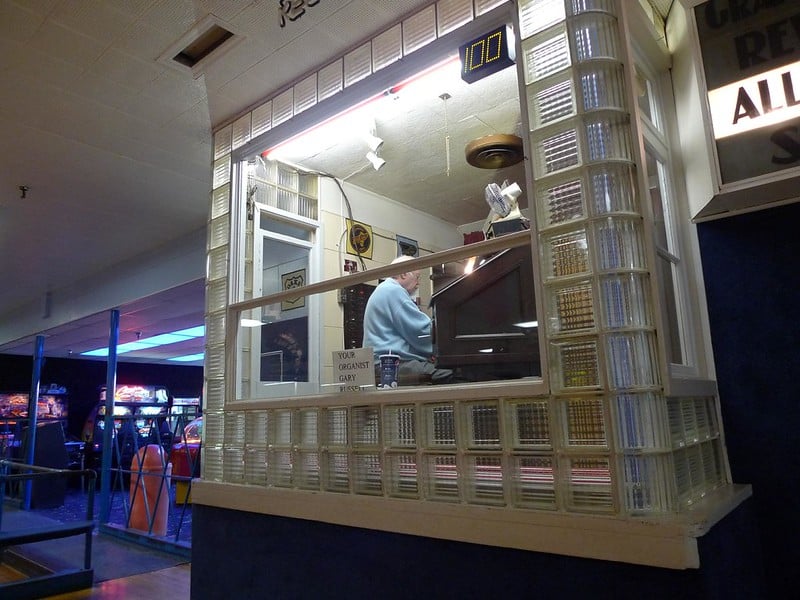
Before recorded pop took over, many rinks employed an organist who played live from a booth overlooking the floor. The Hammond organ became the signature sound of skating from the 1940s into the ’60s.
Organists played waltzes, marches, and popular songs at a tempo matched to the type of skate. Some rinks kept their organist into the ’70s for special sessions.
By the disco era, though, turntables and a DJ booth had largely replaced them. A few rinks around the country still feature organ nights in honor of that history.
Older skaters say the steady beat made it easier to keep time.
Birthday Party Tables
A roller rink birthday party was a rite of passage. Parents rented a party table near the snack bar, and the rink supplied pizza, soda, a sheet cake, and free skate rentals.
The birthday kid often got a shout-out from the DJ and sometimes a special skate in their honor. Rinks booked parties back to back on weekend afternoons, so each group had a set time at the table.
Invitations came on preprinted cards with a pair of skates on the front. The goody bags usually held a rink pencil and a free pass for a return visit.
Reverse Skate
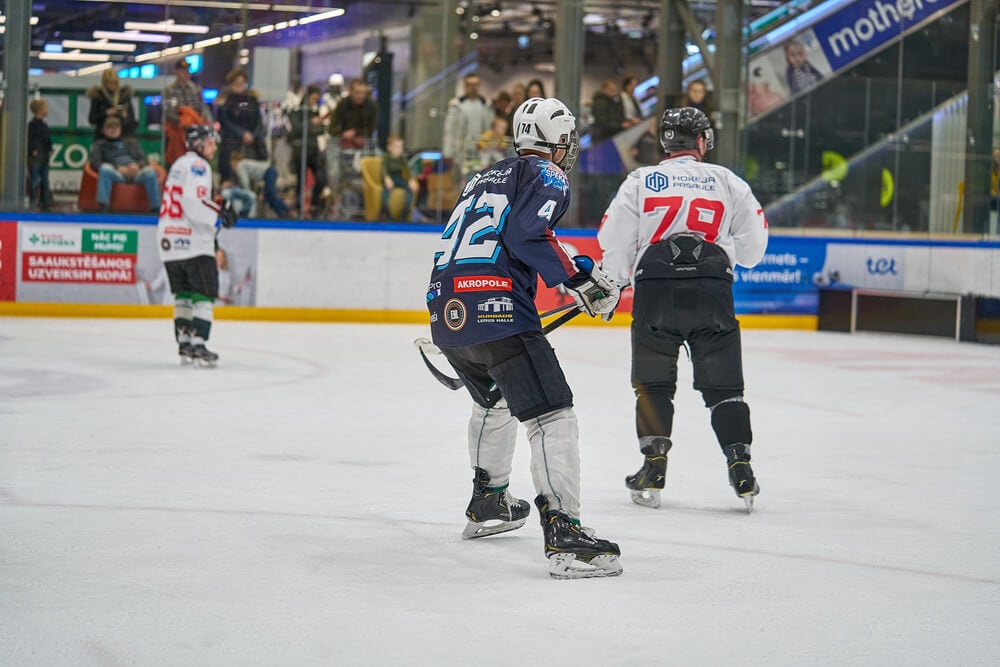
At the DJ’s call, everyone had to turn around and skate the opposite direction. Changing direction felt surprisingly strange, since skaters were used to leaning into the same turns all night.
Less confident skaters clung to the rail, while experienced ones enjoyed the chaos. Rinks usually made the change with a whistle or a light cue.
It was a small twist that kept long sessions from feeling repetitive, and it gave the regulars a chance to show off. Collisions spiked for the first minute after every switch.
Guards usually stood near the turns to catch anyone who went down.
Four Corners Game
In four corners, each corner of the rink was assigned a number. When the music stopped, skaters raced to a corner, and a number was drawn.
Everyone in that corner was out. The game continued until one skater remained.
Rinks often awarded small prizes like candy, free passes, or rink-branded pencils. The mix of luck and speed made it one of the most popular group games, and kids learned quickly which corners were least likely to be called, even though the drawing was supposed to be random.
Skate Guards With Whistles
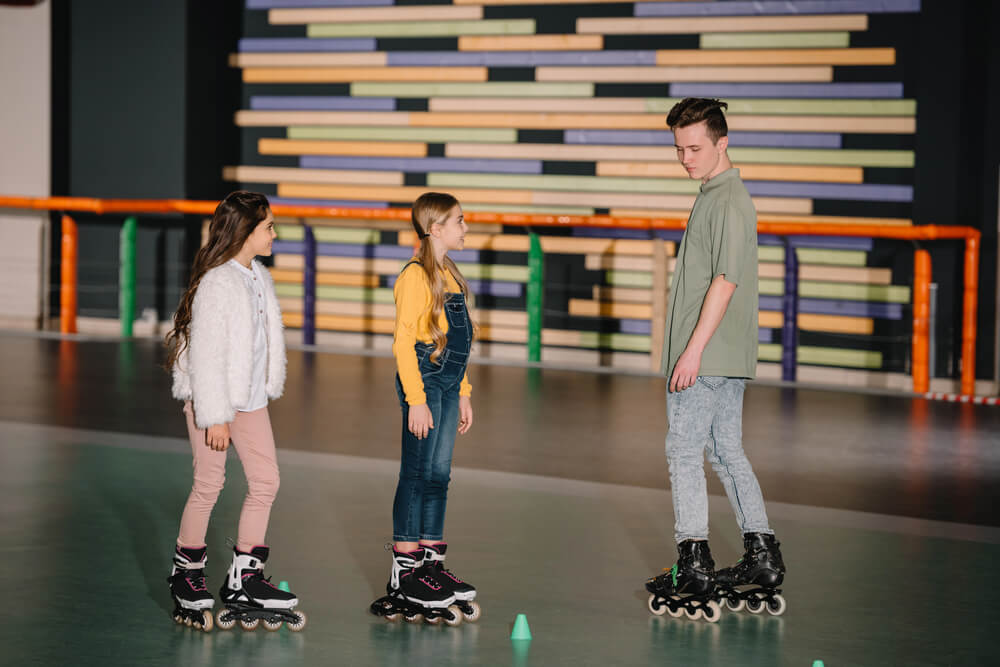
Skate guards, often teenagers in striped referee shirts, patrolled the floor with whistles. They broke up races, told skaters to slow down, and helped fallen kids back up.
Anyone who skated too recklessly got a warning, then a trip to sit on the bench. The best guards could skate backward with ease and weave through crowds.
For younger kids, they seemed like the most important people in the building, and many rink regulars eventually took the job themselves. The whistle alone could stop a race in its tracks.
Ladies’ Choice
A ladies’ choice skate flipped the usual rules, giving girls the chance to ask a partner. The lights dimmed and a slow song played, just as during a couples skate.
For many boys, it was a nervous wait to see whether anyone would come over. The ritual was borrowed from school dances and older social halls.
It made the rink one of the few places where the usual scripts of teenage dating could be reversed for a song or two. Some rinks alternated it with a boys’ choice skate later in the night.
Arcade Cabinets in the Corner
Most rinks added a small arcade in the late ’70s and early ’80s. Pac-Man, Galaga, Donkey Kong, and Ms. Pac-Man cabinets lined the walls near the snack bar.
Kids spent quarters there when they needed a break from skating. The arcade became a social space of its own, with high scores posted and bragging rights on the line.
Flipper games often shared the space, and the electronic noise of the games mixed with the music from the floor. Change machines by the door kept the quarters flowing all night.
Chicago and Sure-Grip Skates
The skates people owned came from a handful of American makers. Chicago Roller Skate Company was founded in 1905, and Sure-Grip began in 1937 in California.
Riedell, based in Minnesota, made boots that many serious skaters preferred. Owning a pair of skates from one of these brands meant a skater was a regular, not a renter.
Kids decorated their skates with pom-poms, colored laces, and custom wheels, making them a personal statement as much as equipment. A new pair was a major purchase, often saved for over months or requested for a birthday.
Serious skaters kept their pair in a hard-sided case.
Pom-Poms on the Laces
Pom-poms tied to skate laces were a signature look, especially for girls in the late ’70s and ’80s. They came in bright colors to match wheels or outfits, and they bounced as the skater moved.
Some kids added bells or glitter laces. The decorations had no practical purpose, but they turned standard skates into something personal.
Rink pro shops sold them alongside toe stops and wheels, and they made a cheap and popular birthday gift. Matching sets for best friends were common.
By the end of a season, the yarn was usually matted and gray from floor dust.
Learning to Skate Backward
Skating backward was the first major milestone after learning to stop. Many rinks offered lessons on Saturday mornings, where instructors taught the crossover, the backward swizzle, and the spin.
Kids watched the regulars glide backward during every session and practiced until they could do it too. The moment of mastering it felt like joining a club.
It opened the door to fancier moves and couples skating with more style. Instructors usually kept beginners along the wall, where they could grab the rail.
Falls were frequent, and knees took most of the punishment. Once a skater could move backward without looking over a shoulder every second, the rink felt entirely different.
Xanadu and Skating Glamour
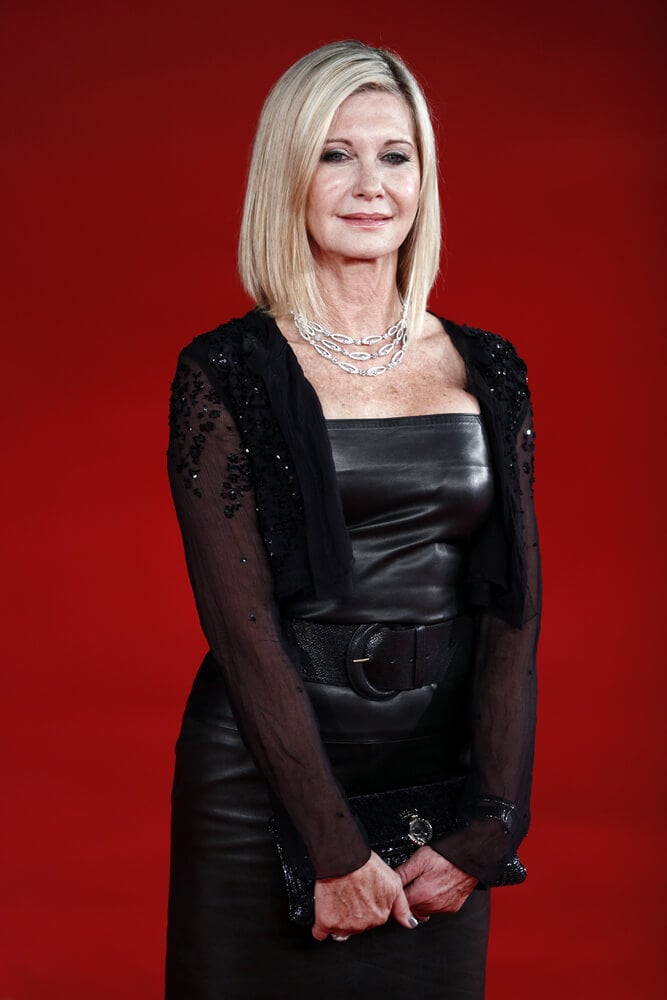
Xanadu, released in 1980, starred Olivia Newton-John as a muse on roller skates and featured Gene Kelly in his last major film role. The movie flopped at the box office, but its soundtrack went double platinum.
The film captured the height of roller disco, when skating was treated as a glamorous nightlife activity. Rinks played its songs constantly, and kids copied the costumes and moves.
The movie later gained a cult following and inspired a Broadway musical in 2007. Its title song and Magic both reached the charts.
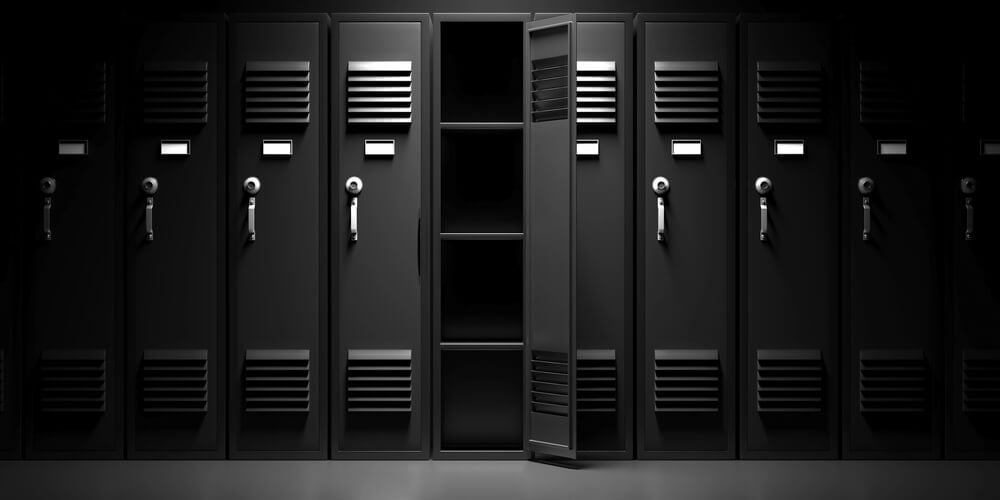
Shoe Cubbies and Lockers
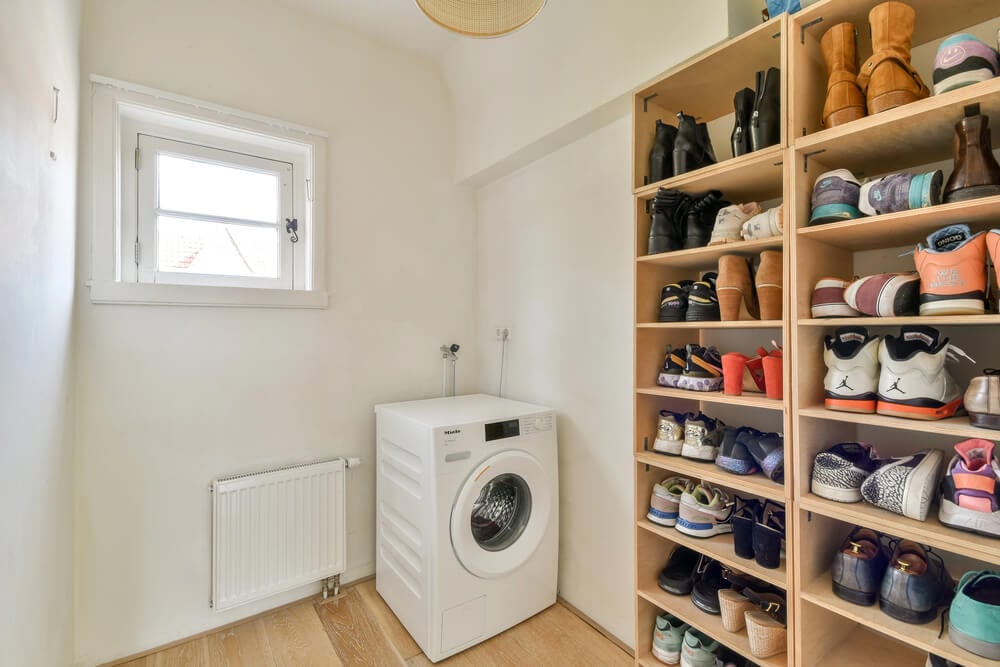
Rinks kept wooden cubbies near the rental counter where skaters left their street shoes. Most kids tucked their shoes under the benches instead and hoped nobody would take them.
Some rinks offered coin lockers for coats and bags. Keeping track of shoes, coats, and wallets was part of the night’s challenge.
At closing time, a mad scramble to find shoes left under the benches was a regular scene. Parents waiting at the door often held the shoes for younger children.
Occasionally a pair went home with the wrong family, and the lost and found bin filled with single sneakers and mittens. Many rinks eventually replaced the cubbies with numbered bins behind the counter.
All-Night Lock-Ins
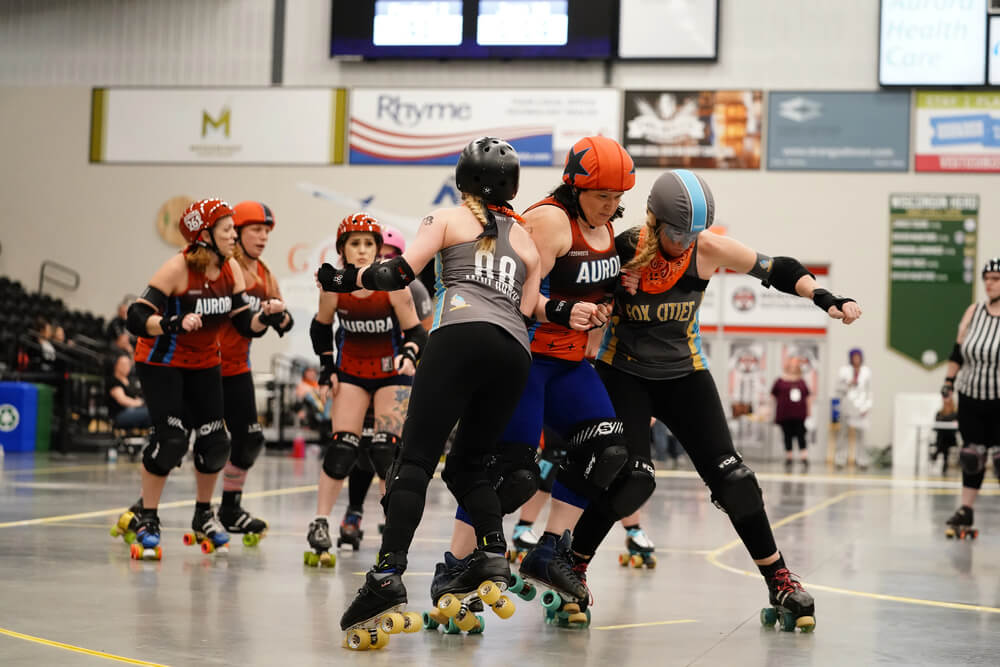
For special occasions, rinks hosted all-night lock-ins, usually for church groups, schools, or scout troops. Kids skated from late evening to dawn, with pizza, games, and movies to keep everyone awake.
Chaperones slept on benches, and by 4 a.m. the floor was mostly empty. The event felt like a rare adventure, since staying out all night was new for most kids.
Rinks held them a few times a year, often around New Year’s Eve or the end of the school year. Parents picked up sleepy kids in the parking lot at sunrise.
Hand Stamps at the Door
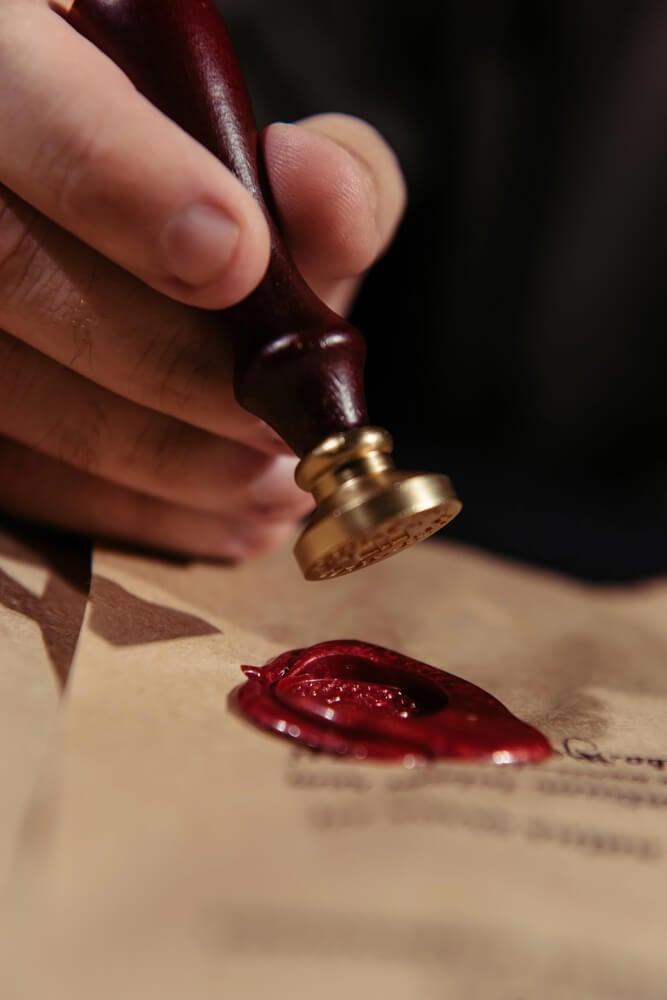
Instead of tickets, many rinks used a rubber stamp on the back of the hand to show that a skater had paid. The stamps changed designs regularly, and some glowed under blacklight.
Kids compared stamps at school the next week and tried to keep them from washing off. The stamps also let skaters leave for a few minutes and return without paying again.
The practice was common at clubs too, which gave it a grown-up feel. Parents sometimes found the ink still visible on Monday morning.
Rinks rotated the colors so that nobody could reuse an old stamp.
Blacklights and Neon Colors
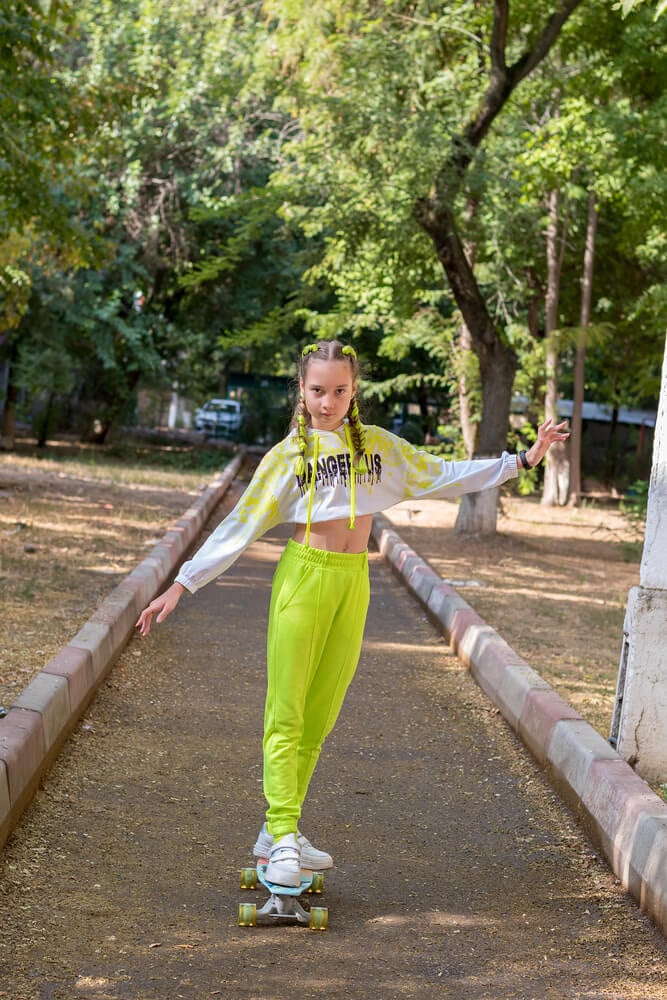
Blacklights turned rinks into glowing spaces where white shirts, shoelaces, and teeth lit up in purple. Walls were often painted with fluorescent murals of stars, planets, or city skylines that came alive under the lights.
Neon clothing became popular in the ’80s partly because it looked so good in these settings. Glow sticks and fluorescent wristbands added to the effect.
The combination made every session feel like a party. Rink owners discovered that blacklight also hid the wear on floors and walls.
Anyone wearing a white shirt glowed brightly under the lights, which could be either a thrill or an embarrassment. Some rinks sold glow bracelets at the counter for a quarter.
Speed Skate Sessions
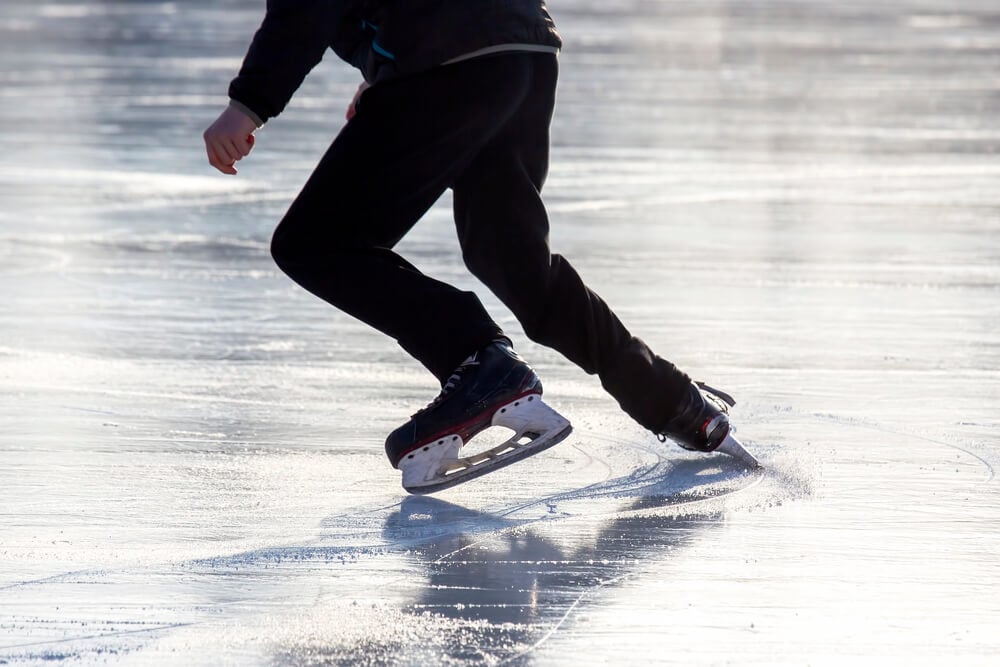
Rinks set aside short sessions for speed skaters, clearing the floor of casual skaters so the fast ones could race. Teenagers leaned into the turns and crossed their feet over to build speed.
Some rinks had speed skating teams that competed regionally. For younger kids, watching these sessions was thrilling and a bit scary.
The speed sessions were the only time racing was allowed, and guards enforced the limit the rest of the night. A few of those regional racers went on to compete nationally.
The sound of wheels on the turns during those sessions was noticeably louder than usual.
Jam Skating and Dance Moves
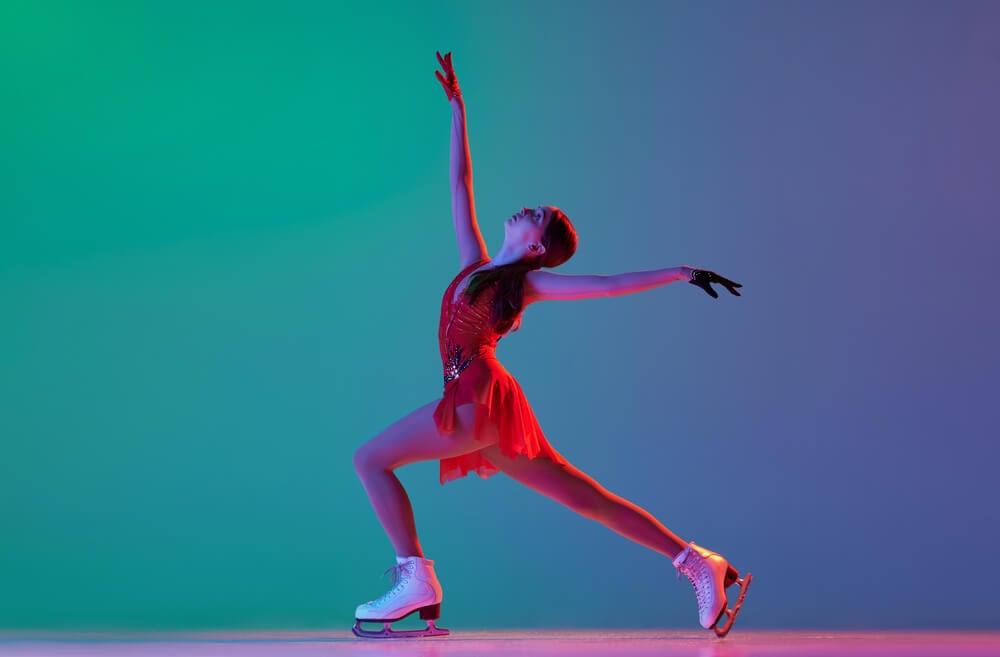
Jam skating mixed dance, gymnastics, and skating into a freestyle performance. It grew up in rinks with strong Black skating communities, especially in cities like Chicago, Detroit, and Atlanta.
Skaters spun, dropped low, and moved in rhythm with funk and hip-hop. Adult skate nights built reputations around it, and each city developed its own style.
The form continues today, and documentaries have highlighted how it shaped skating culture. Many rinks held weekly adult nights where the best jam skaters performed.
The style often drew crowds to the rail who never stepped onto the floor. Its roots reach back decades before the disco boom, and it survived long after roller disco faded from the mainstream.
Wooden Floors and Friday Nights
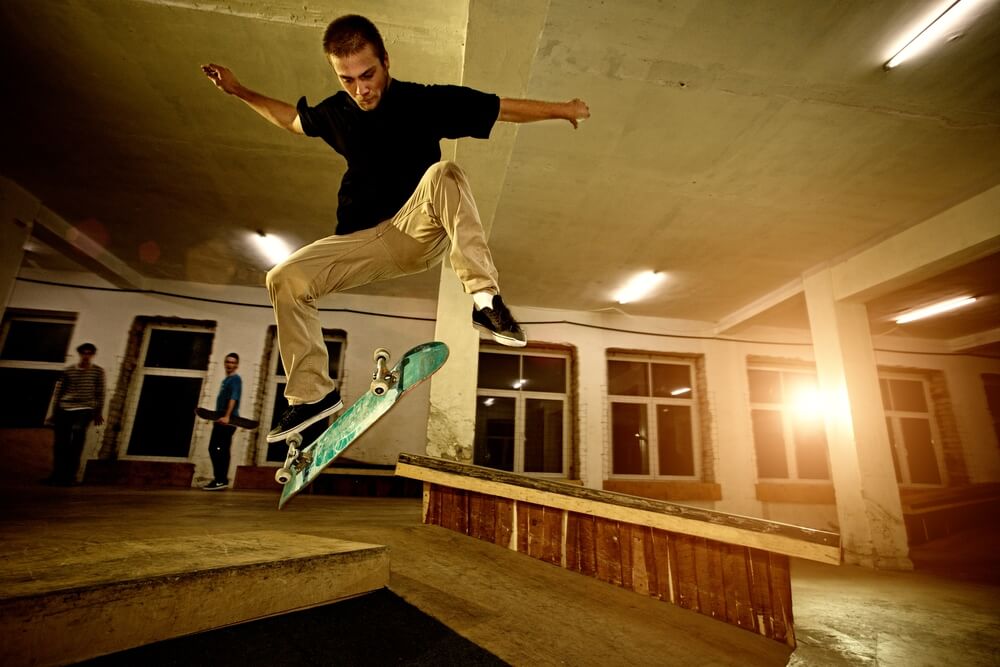
The roller rink worked because it offered kids a public space that belonged to them, with just enough adult supervision to satisfy parents. The rituals were silly and repetitive, but they gave structure to nervous social encounters.
Everyone knew what to do when the lights went down. Many rinks have since closed, their buildings turned into warehouses or churches.
The ones that survive still hold couples skates and still hang the mirrored globe. The music has changed, but the circle around the floor is the same.
More from Go2Tutors!

- The Romanov Crown Jewels and Their Tragic Fate
- 13 Historical Mysteries That Science Still Can’t Solve
- Famous Hoaxes That Fooled the World for Years
- 15 Child Stars with Tragic Adult Lives
- 16 Famous Jewelry Pieces in History
Like Go2Tutors’s content? Follow us on MSN.