27 Household Brands Grandparents Trusted
Open a grandparent’s medicine cabinet or the cupboard under the kitchen sink, and the labels look almost unchanged from decades ago. Those brands earned their places one reliable purchase at a time, long before anyone read online reviews.
Loyalty to them was practical and stubborn. If a product had worked for a mother and a grandmother, there was little reason to try anything else.
Bon Ami and the Newborn Chick

Bon Ami began in Manchester, Connecticut, in 1886 as a gentle scouring cake made with feldspar instead of harsher grit. In 1901, the company adopted its famous logo of a newly hatched chick with the slogan that it had not scratched yet, since baby chicks do not scratch for food until they are a few days old.
Grandparents trusted it on porcelain sinks, windows, and bathtubs that coarser cleansers would dull. The powder came in a slim cardboard can with a shaker top.
The chick still appears on the package more than a century later.
Borax and the Death Valley Mule Teams

Borax laundry booster became famous for the teams of twenty mules that hauled the mineral out of Death Valley in the 1880s. The long wagons crossed about 165 miles of desert to reach the railroad, and the image became the brand’s identity.
The company sponsored Death Valley Days, a Western anthology that ran on radio and then television for decades. Ronald Reagan hosted the program in the mid-1960s before entering politics.
Families added a scoop of the powder to the wash to brighten whites and fight odors.
Arm and Hammer in the Refrigerator
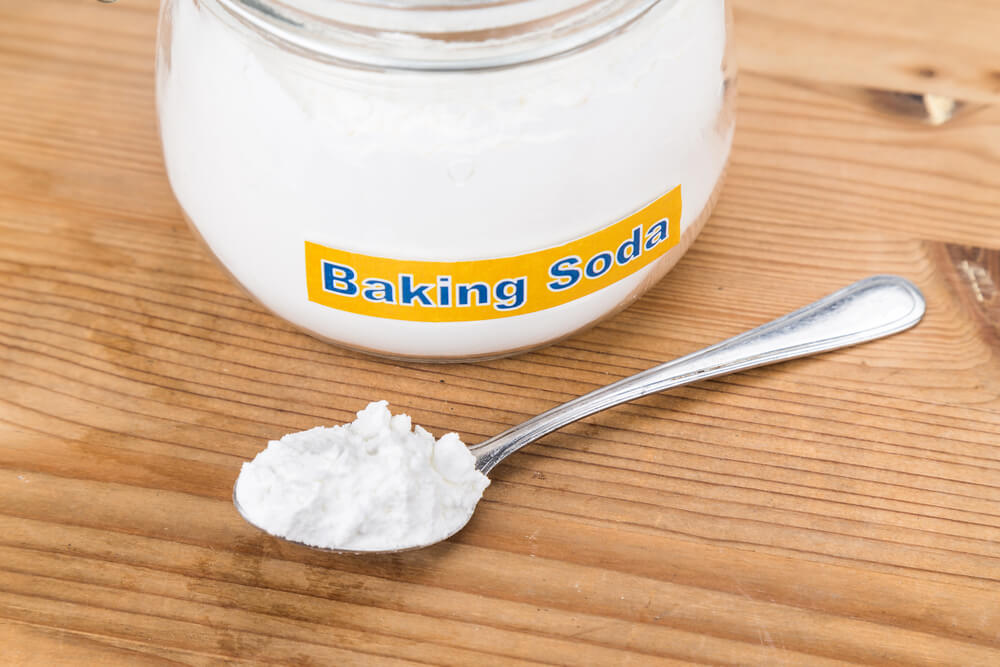
Arm and Hammer baking soda traces its roots to Church and Dwight, a company formed by two brothers-in-law in 1846. The flexed arm holding a hammer has marked the orange box for well over a century.
In 1972, the company launched a campaign encouraging families to leave an open box in the refrigerator to absorb odors, and sales jumped. Grandparents also used the powder for toothpaste, heartburn, and cleaning pots.
The box was one of the most versatile things in any kitchen, and many homes kept three or four open at once.
Vicks VapoRub on the Chest
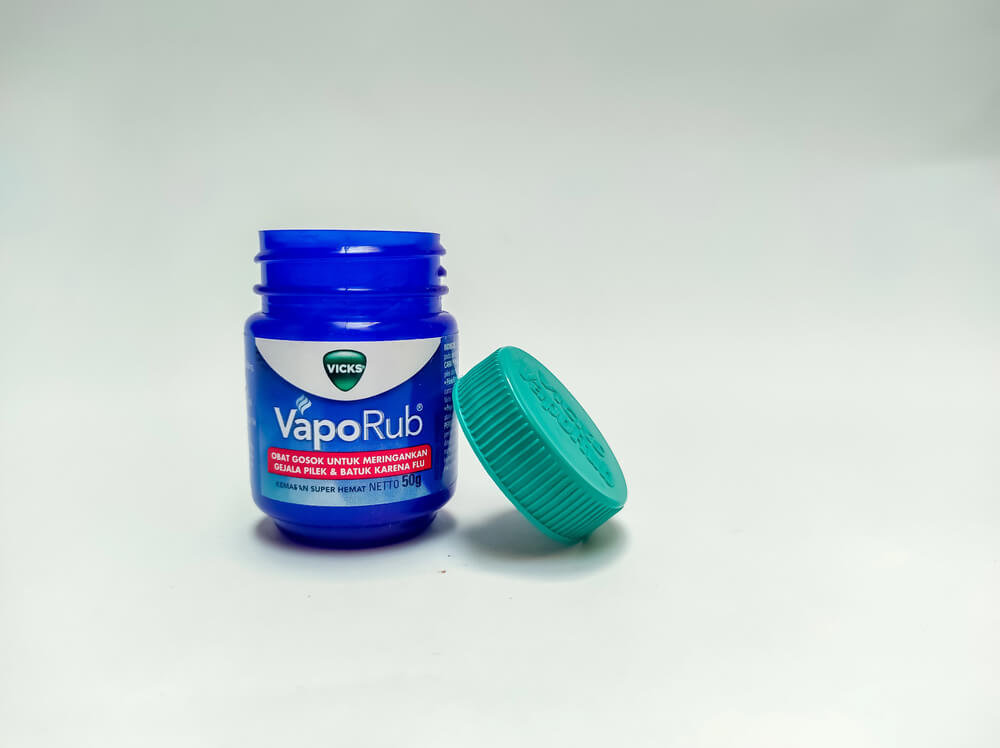
Lunsford Richardson, a pharmacist in Greensboro, North Carolina, developed the salve in 1894 and named it after his brother-in-law, Dr. Joshua Vick. The menthol and camphor rub was spread on the chest and throat of a coughing child, then covered with a warm cloth.
Sales soared during the influenza pandemic of 1918. The small blue jar sat in nearly every medicine cabinet, and its smell remains one of the strongest childhood memories for many people.
Some grandparents also rubbed it on feet at bedtime and covered them with socks.
Bag Balm in the Green Tin
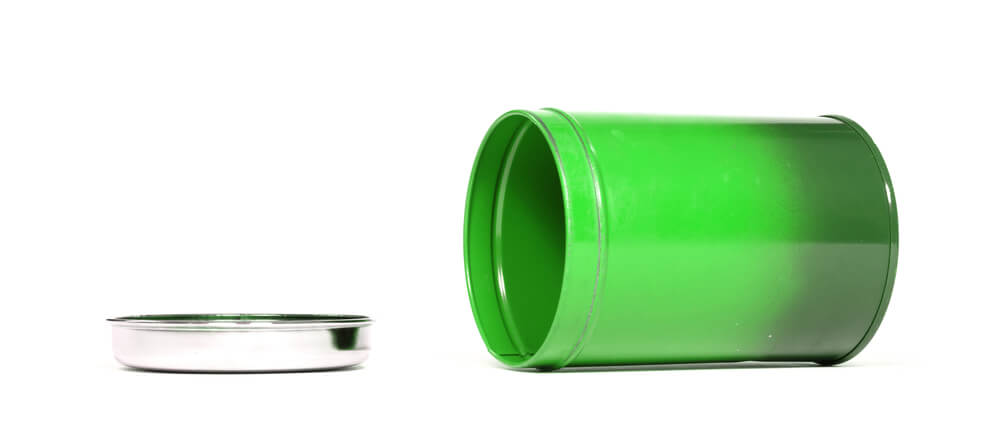
Bag Balm was created in 1899 in Lyndonville, Vermont, to soothe the chapped udders of dairy cows. Farmers noticed it softened their own hands too, and the square green tin moved from the barn into the house.
Grandparents used it on cracked knuckles, dry heels, and diaper rash. The ointment reportedly traveled on Admiral Richard Byrd’s polar expedition to protect against the cold.
The tin, decorated with a cow’s head and clover, has barely changed, and farm stores and pharmacies still sell it side by side.
Pond’s Cold Cream at the Vanity
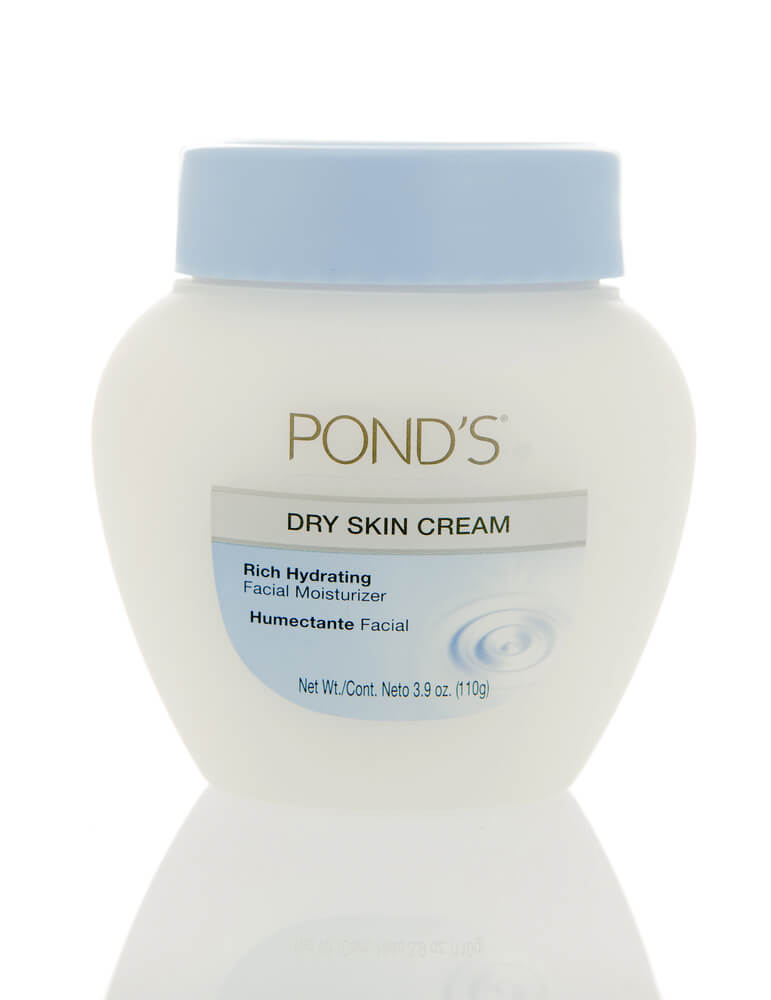
Pond’s began with a witch hazel remedy called Pond’s Extract, sold by Theron Pond in upstate New York in the 1840s. The company later introduced its cold cream in the early 20th century, and it became a standard at bedroom vanities across the country.
Women smoothed it on at night to remove makeup and soften skin, then wiped it away with tissues. Pond’s ran advertisements featuring society women and celebrities who swore by the cream.
The white jar with its blue label is still sold in most drugstores.
Ivory Soap That Floats
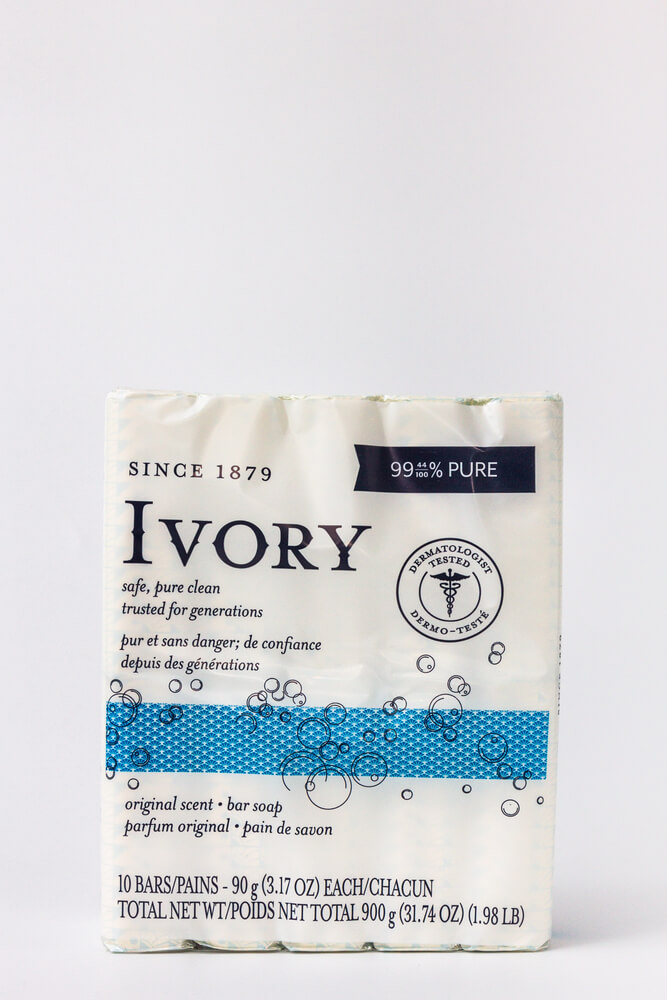
Procter and Gamble introduced Ivory in 1879, and it soon became famous for floating in the bath. Company lore holds that extra air whipped into a batch led to the floating bar, though the details are disputed.
Advertising claimed the soap was ninety-nine and forty-four one-hundredths percent pure, a slogan that stuck for generations. Grandparents used it for washing faces, hands, dishes, and babies.
Kids carved it into small sculptures in art class, since the soft bar was easy to shape with a butter knife.
Old Spice and Its Sailing Ship
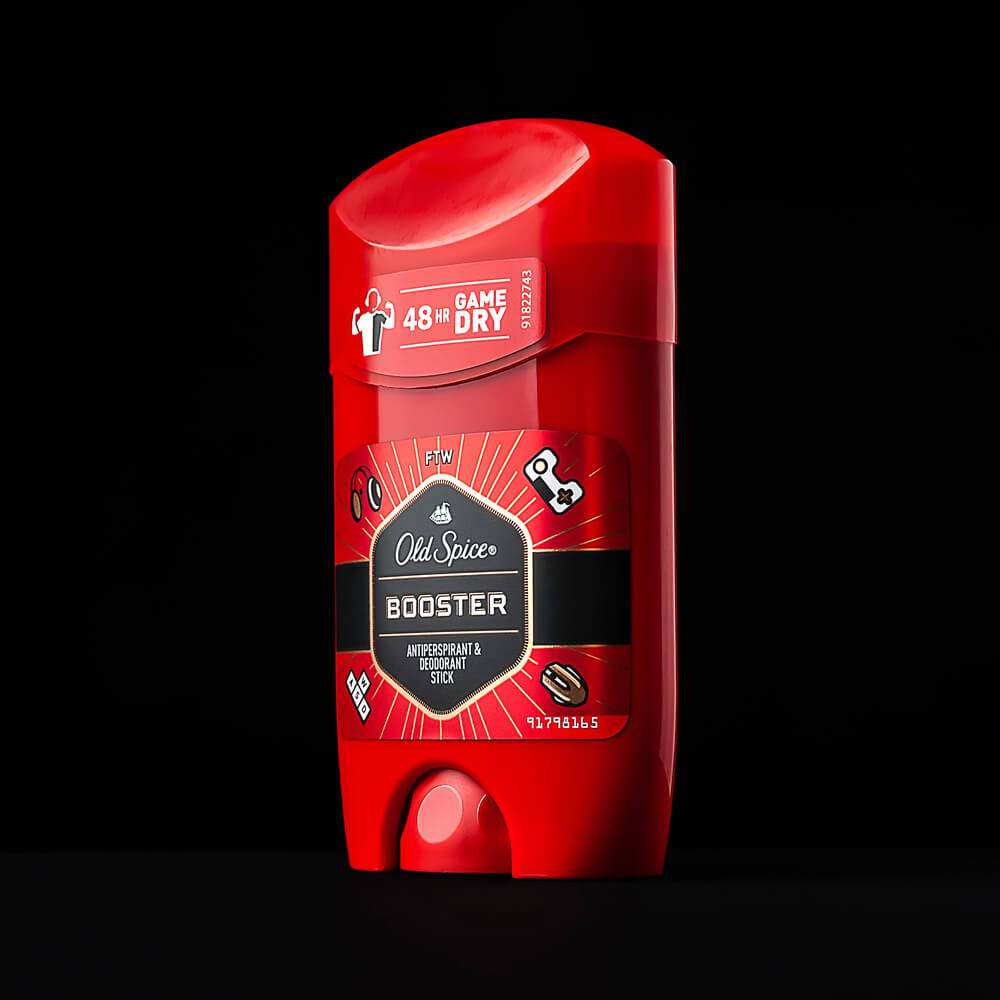
Shulton introduced Old Spice in 1937, first as a women’s fragrance and then in 1938 as a line for men. The bottles were cream-colored with a sailing ship on the label, a reference to the colonial trade in spices.
Old Spice aftershave became a standard Father’s Day and Christmas gift, and the scent was so common that it became associated with grandfathers everywhere. Procter and Gamble bought the brand in 1990.
The ship logo lasted for decades before the brand modernized its look. The bottle stayed on bathroom shelves for years.
Band-Aid Bandages in the Metal Tin
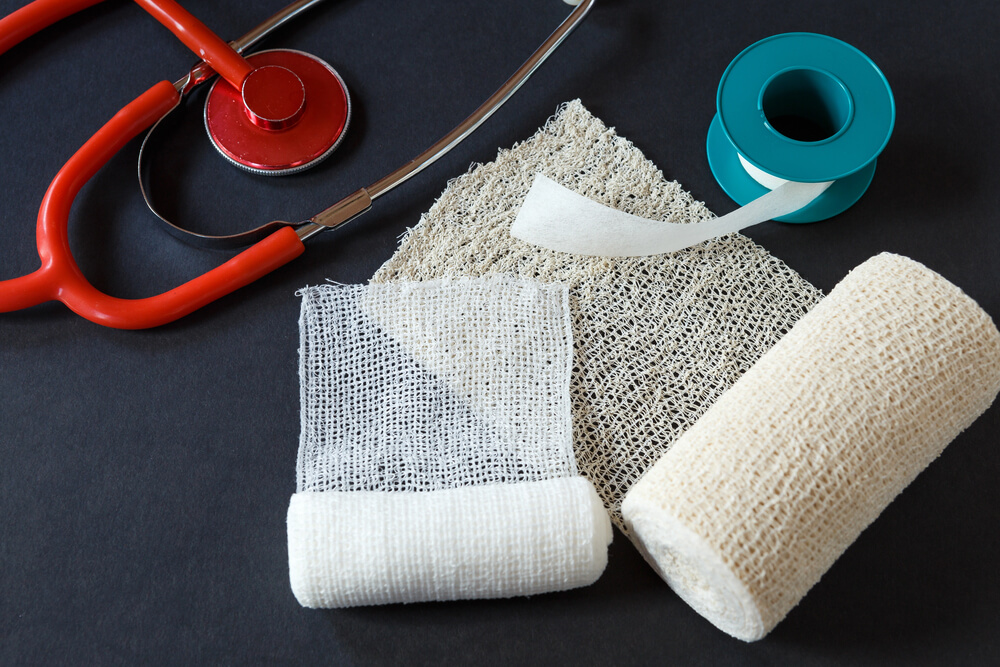
Band-Aid bandages were introduced by Johnson and Johnson in 1920, based on an idea from an employee who made small dressings for his wife, who often cut herself in the kitchen. He attached gauze to adhesive tape and covered it with crinoline so it stayed clean until needed.
Early sales were slow, but the company handed out free samples to Boy Scouts, and the product caught on. For years, the bandages came in a metal tin with a flip lid.
Band-Aid is now used as a generic name for any adhesive bandage.
Mercurochrome on Scraped Knees
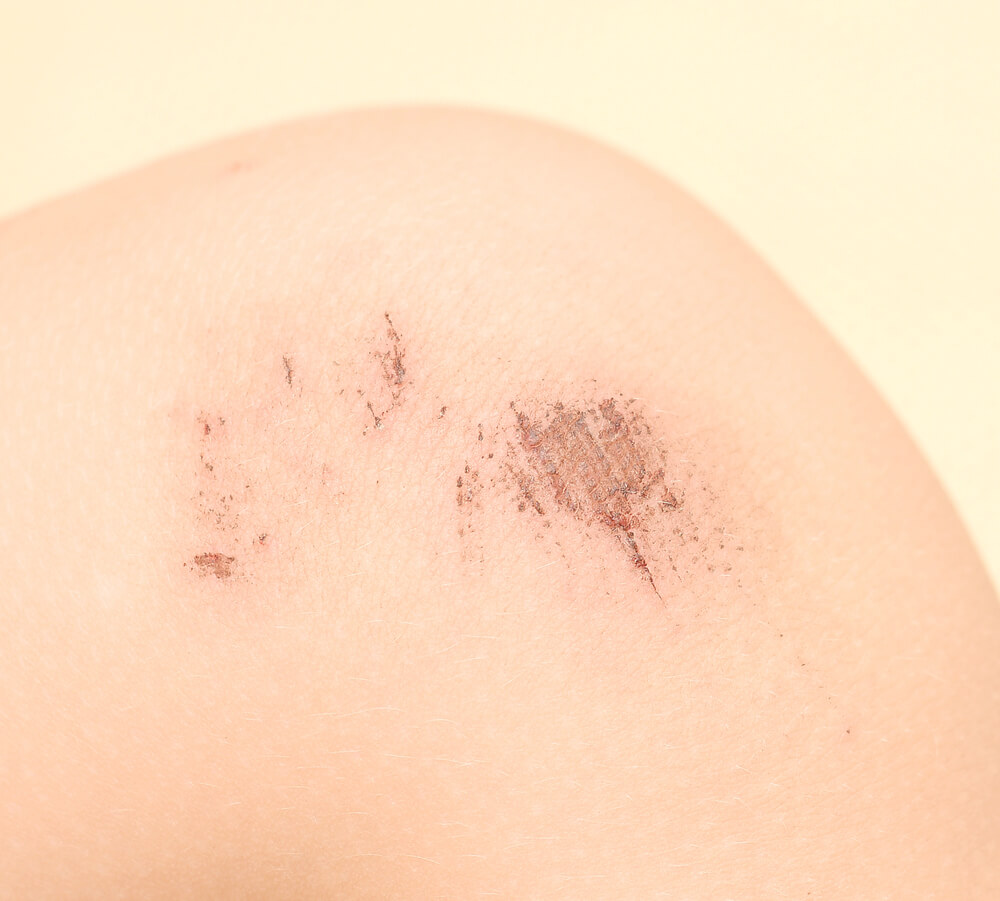
Mercurochrome was the bright red antiseptic that grandparents painted on scraped knees and cuts. It contained mercury, which gave it both its name and its germ-killing properties.
The stain lingered for days, turning a small scrape into a bright badge of courage. In 1998, the Food and Drug Administration reclassified it as not generally recognized as safe and effective, and it disappeared from American shelves.
Iodine and hydrogen peroxide took its place in medicine cabinets, but many adults still remember the sting of the red liquid.
Bayer Aspirin in the Tin
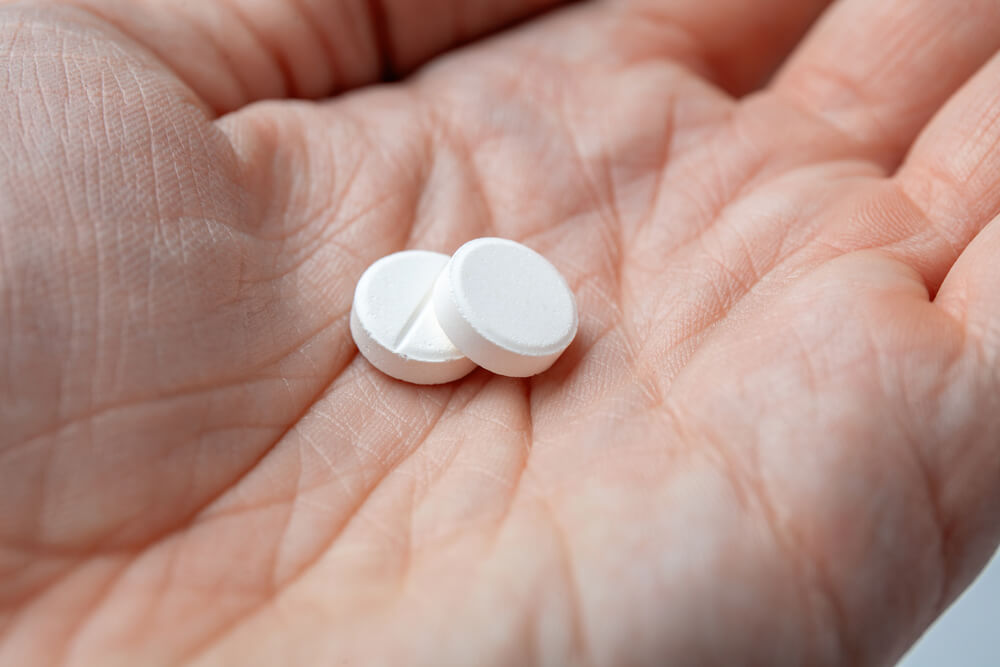
Bayer introduced aspirin in 1899, and it became one of the first mass-marketed medicines in the world. After the First World War, Bayer lost its American trademark rights, but the name remained attached to aspirin in the public mind.
Grandparents kept small metal tins of the tablets in purses and glove compartments. Doctors later recommended low-dose aspirin for heart health, giving the brand a second life.
The white tablets with the Bayer cross stamped on them remain widely available. The tins are now small collectibles at antique malls.
Few households were without a bottle.
Alka-Seltzer and Speedy
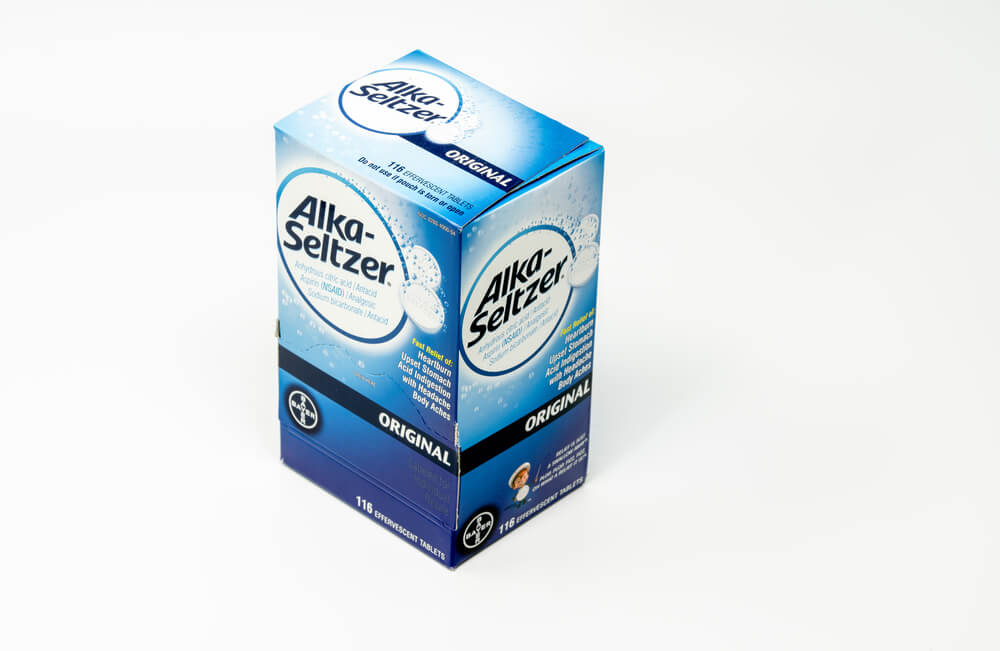
Alka-Seltzer was introduced in 1931 by Miles Laboratories in Elkhart, Indiana. The tablets fizzed when dropped into water, creating a drink that relieved heartburn and upset stomachs.
In 1951, the company introduced Speedy, a cartoon character with a tablet for a body, who became a longtime advertising star. The jingle about plopping and fizzing became one of the most recognized in television history.
Grandparents kept the foil packets in drawers and suitcases, and the sound of the fizz was a familiar part of holiday meals.
Carter’s Little Pills

Carter’s Little Liver Pills were a popular laxative sold from the late 19th century. The product’s name promised more than it delivered, and after a long legal fight, the Federal Trade Commission forced the company to drop the word liver in 1959.
The pills became Carter’s Little Pills, and the old name became a punch line. Grandparents took them for sluggishness and indigestion.
The case became a landmark in truth-in-advertising law, and the old ads are now collector’s items. The brand quietly faded from shelves in later decades.
Phillips’ Milk of Magnesia

Charles Henry Phillips created Milk of Magnesia in the 1870s, and the chalky white liquid became a standard remedy for upset stomachs. The blue glass bottles were instantly recognizable.
Grandparents took a spoonful for heartburn or constipation, and parents gave it to kids with stomachaches. The taste was famously unpleasant, and many kids tried to avoid it.
The product remains on the market, though now in plastic bottles with mint flavor. Old blue bottles now turn up at flea markets and in collections of antique glass.
Its name came from magnesium hydroxide suspended in water, which gave it a milky look.
Jell-O and Its Molds
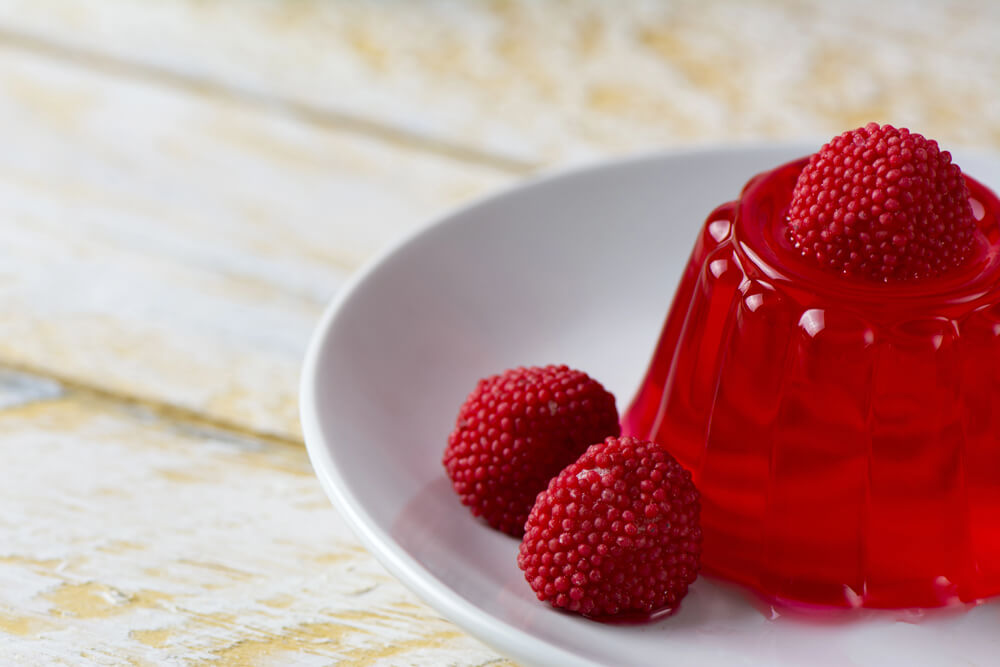
Jell-O was created in 1897 in LeRoy, New York, by Pearle Wait, a carpenter who sold the rights two years later to Orator Woodward for 450 dollars. The gelatin dessert became a staple of American cooking, especially in molded salads with fruit, vegetables, and even meat.
Grandmothers kept copper and aluminum molds for holidays and potlucks. The brand’s cookbooks promoted creative uses, many of which are now considered strange.
LeRoy is home to the Jell-O Gallery museum, which celebrates the dessert’s history. Lime remained a favorite color at church suppers.
Crisco in the Blue Can
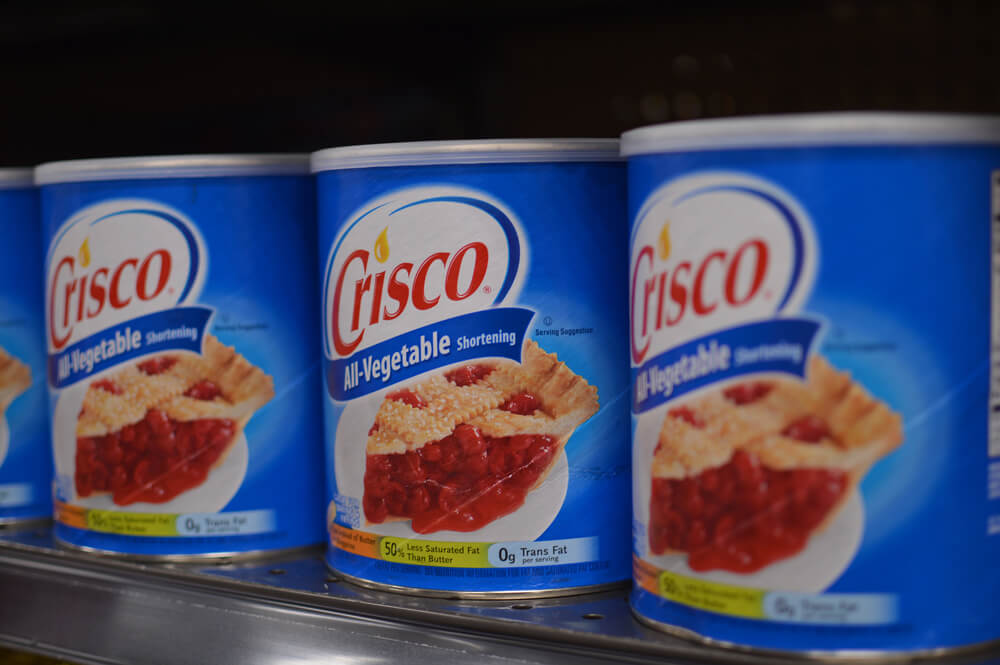
Procter and Gamble introduced Crisco in 1911 as a vegetable shortening made from cottonseed oil. It was marketed as a cleaner, more modern alternative to lard, and the company published cookbooks full of Crisco recipes.
Grandmothers used it for pie crusts, biscuits, and frying chicken. The blue can with its white lid sat in pantries across the country.
Many cooks still insist on Crisco for flaky crusts, though the formula has changed over time to remove trans fats. Its name came from a shortened form of crystallized cottonseed oil.
Grease from the skillet went back into an old can by the stove.
Morton Salt and the Umbrella Girl
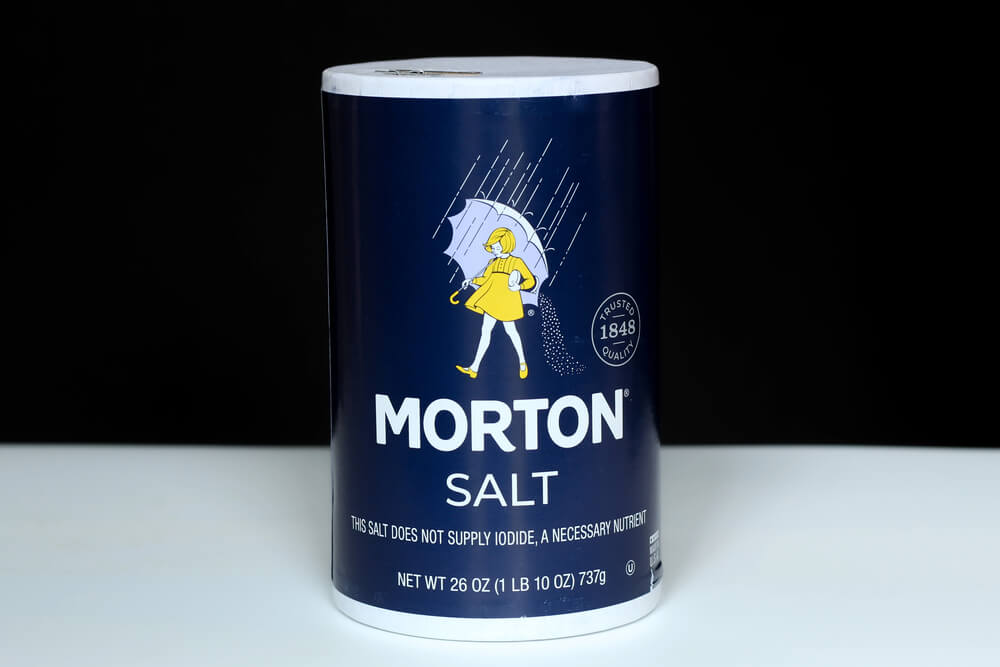
Morton Salt introduced its umbrella girl in 1914, along with the slogan that when it rains, it pours. The slogan promoted a new additive that kept the salt flowing in damp weather.
In 1924, Morton began selling iodized salt to help prevent goiter, a public health measure that made the brand even more common. The round blue container with its metal spout was a fixture on kitchen shelves.
The umbrella girl has been updated several times but still appears on every package. Kids used the empty containers for crafts.
Maxwell House and the Last Drop
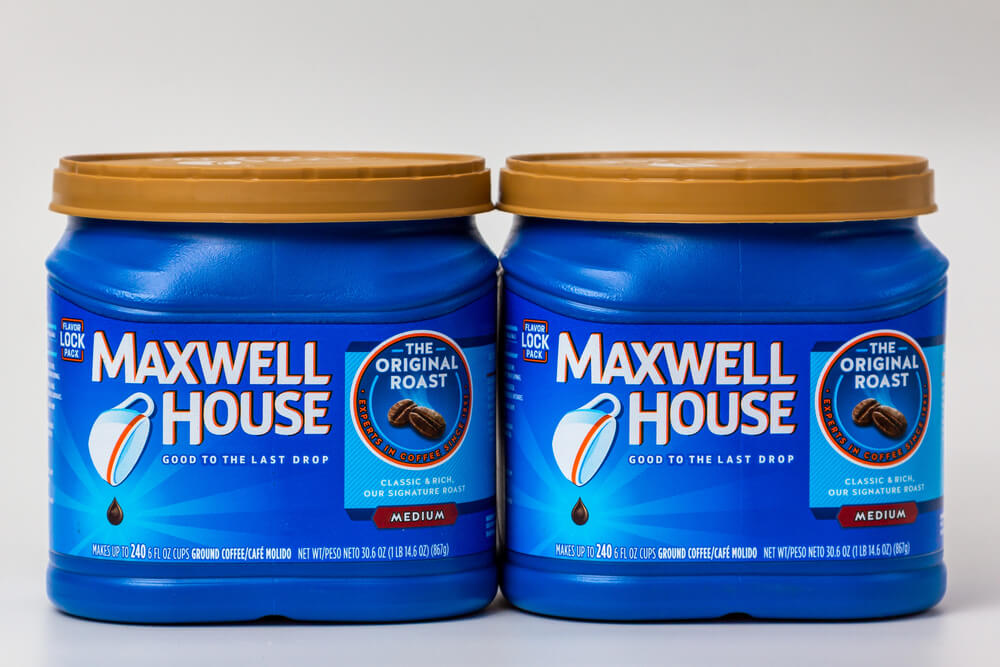
Maxwell House coffee took its name from a hotel in Nashville, Tennessee, where the blend was served in the late 19th century. The brand’s slogan, good to the last drop, is often linked to a story about Theodore Roosevelt praising the coffee during a visit, though historians doubt the tale.
Grandparents brewed it in percolators every morning. The blue can became a staple in pantries and later a storage container for nails and buttons.
Maxwell House remains one of the best-known coffee brands in the country.
Windex in the Blue Bottle
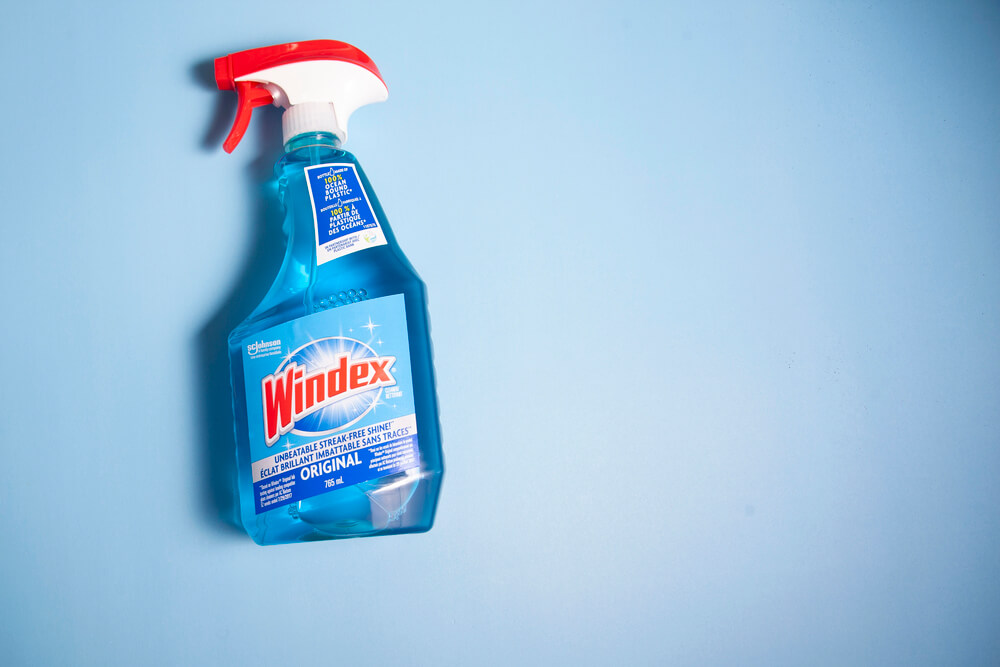
Windex was introduced in 1933 by the Drackett Company in Cincinnati, Ohio. The bright blue glass cleaner was sold in a spray bottle that became a fixture in American homes.
Grandparents used it on windows, mirrors, and anything else that needed shine. A 2002 romantic comedy about a Greek American family made Windex famous again as a father’s cure for every ailment.
The brand remains the leading glass cleaner in the United States. Its bright color was deliberate, making it easy to recognize on a crowded shelf.
Newspaper was the preferred wiping cloth for many grandparents, since it left no lint behind.
Brillo Pads

Brillo pads were introduced in 1913 in New York City as steel wool pads filled with soap. They were designed for scouring aluminum pots, which were becoming popular in American kitchens.
Grandmothers kept a box under the sink for the hardest cleaning jobs. The pads rusted if left wet, so many cooks cut them in half to use them up faster.
Andy Warhol’s Brillo Box sculptures in 1964 turned the brand into a pop art icon. The pink soap inside left a smell that lingered on hands.
Kitchens across the country kept a box by the sink for decades.
Clorox Bleach
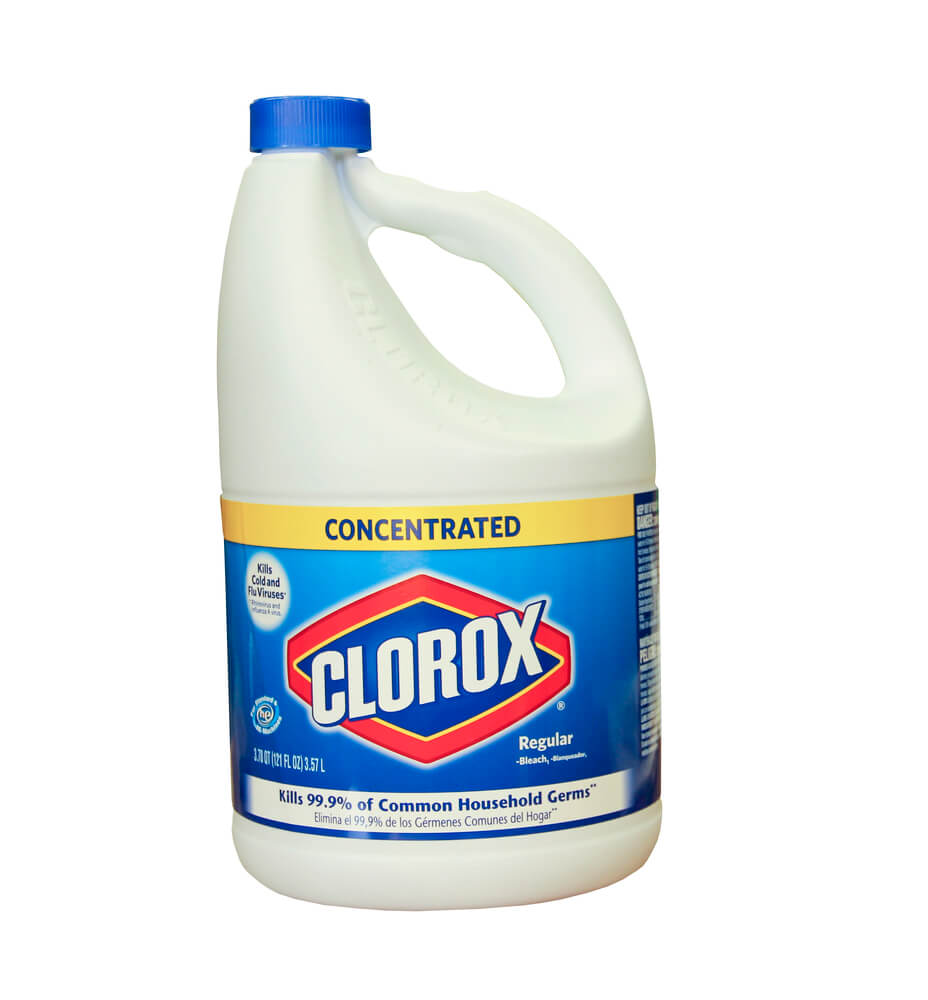
Clorox was founded in Oakland, California, in 1913, and its liquid bleach became a household staple. The company first sold it to industrial customers, then in smaller bottles for homes.
Grandmothers used it to whiten laundry, disinfect kitchens, and clean bathrooms. The strong smell was a sign that something had been properly cleaned.
The brand remains one of the most recognizable names in household cleaning. Grandmothers kept a jug in the laundry room and added a measured cap to every load of white towels and sheets.
Hospitals and schools relied on it as well. Its early bottles were brown glass, later replaced by the familiar white plastic jug with a blue label.
Pyrex Baking Dishes
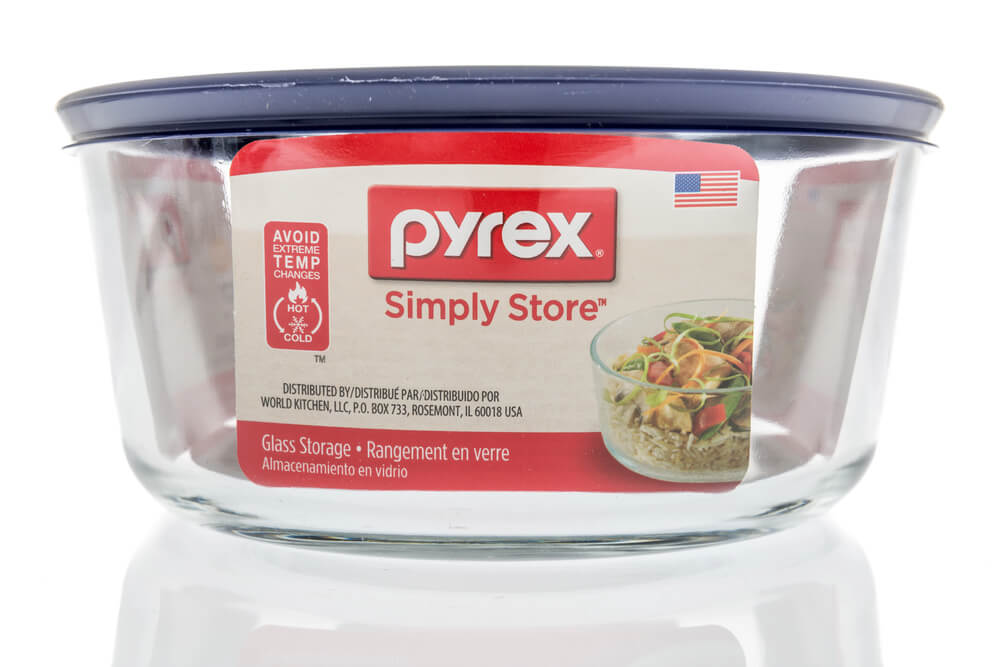
Corning Glass Works introduced Pyrex in 1915, after a Corning scientist’s wife baked a cake in a sawed-off battery jar made of heat-resistant glass. The glass could handle heat without cracking, making it ideal for baking.
Grandmothers used Pyrex dishes for casseroles, pies, and leftovers. The patterned mixing bowls of the ’50s and ’60s are now popular with collectors, with prices depending on condition and rarity.
Many families still use the same Pyrex dishes their grandparents owned. A dish carried to a potluck often came home with a strip of masking tape bearing the owner’s name.
Tupperware Parties
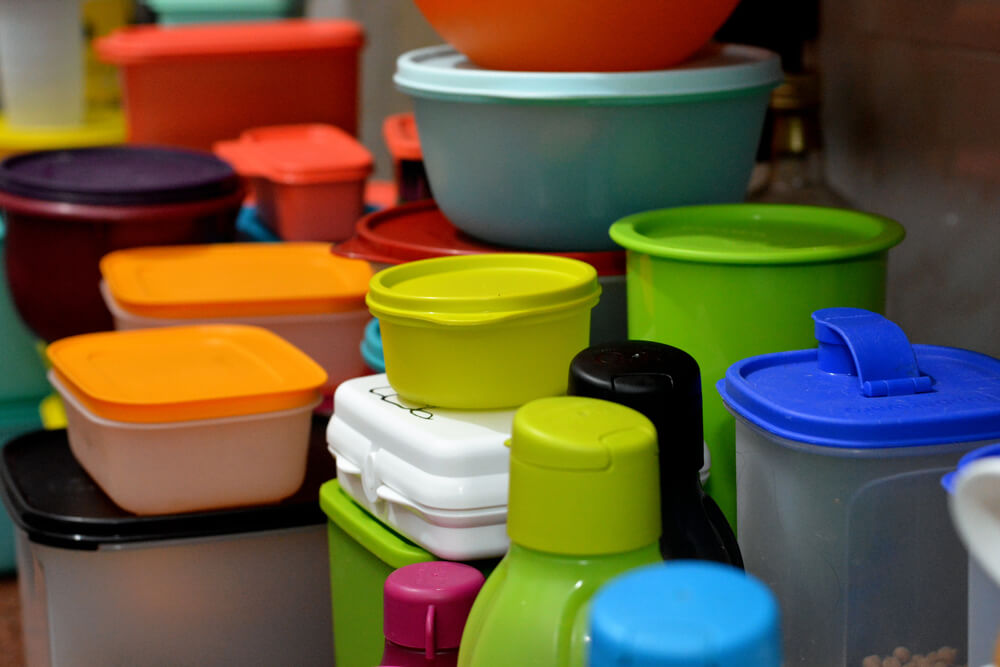
Earl Tupper introduced Tupperware in 1946, with airtight plastic containers inspired by the seal on paint cans. The products sold poorly in stores until Brownie Wise began selling them at home parties.
The parties became a social institution for suburban women, combining shopping with socializing. Grandmothers kept Tupperware for leftovers and lunches, and the containers often lasted for decades.
The distinctive burp of the lid became part of the brand’s identity. Wise became the company’s star executive in the 1950s.
A lost lid was treated as a minor household tragedy, and containers were labeled carefully when lent to neighbors.
Timex Watches

Timex watches became famous for durability, with television advertisements showing them surviving torture tests. John Cameron Swayze, a newscaster, hosted the ads and delivered the slogan that the watch took a licking and kept on ticking.
Grandparents trusted Timex for its reliability and affordable price. The watches were common gifts for graduations and birthdays.
Timex remains a popular brand, though smartwatches have changed the market. The watches were strapped to boat propellers, dropped from heights, and plunged into water on live television.
Viewers were fascinated, even when a demonstration occasionally failed. The campaign ran for years and made the slogan famous.
Many grandfathers wore the same watch for decades.
Maytag and the Lonely Repairman
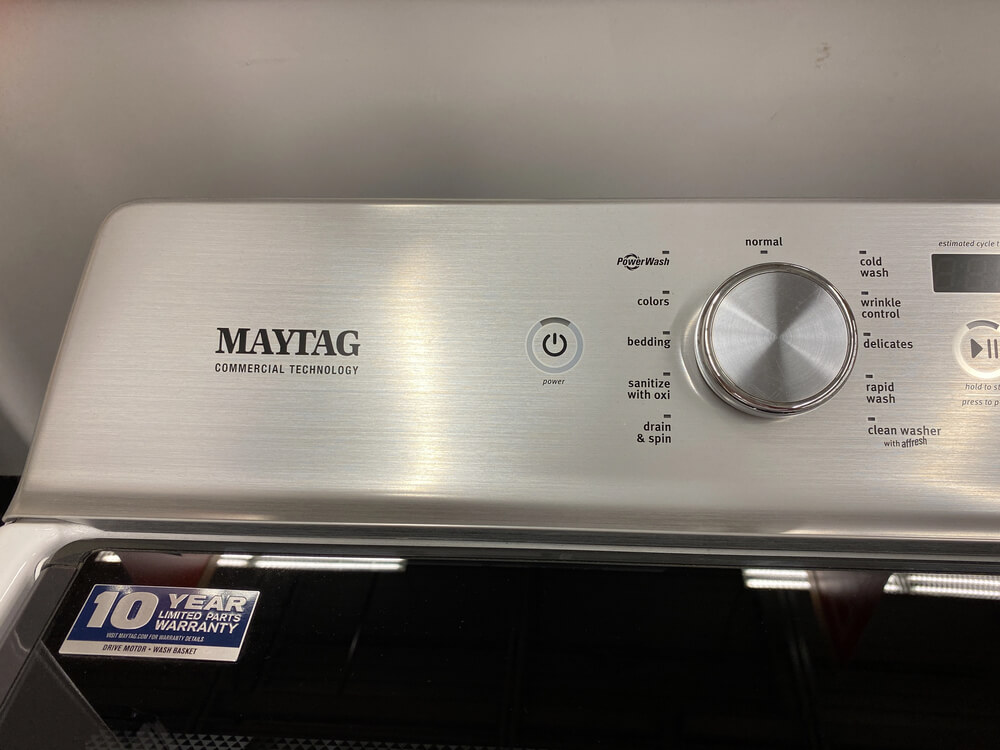
Maytag introduced its lonely repairman character in 1967, played first by Jesse White. The ads suggested that Maytag appliances were so reliable that the repairman had nothing to do.
The campaign ran for decades and became one of the longest-running in advertising history. Grandparents bought Maytag washers and dryers expecting them to last, and many did.
The character remains a symbol of American reliability. Several actors later played the role, each sitting by a silent telephone waiting for a call.
Maytag was based in Newton, Iowa, and its factories were a major employer there for generations. The company became part of Whirlpool in 2006.
Noxzema and Its Blue Jar
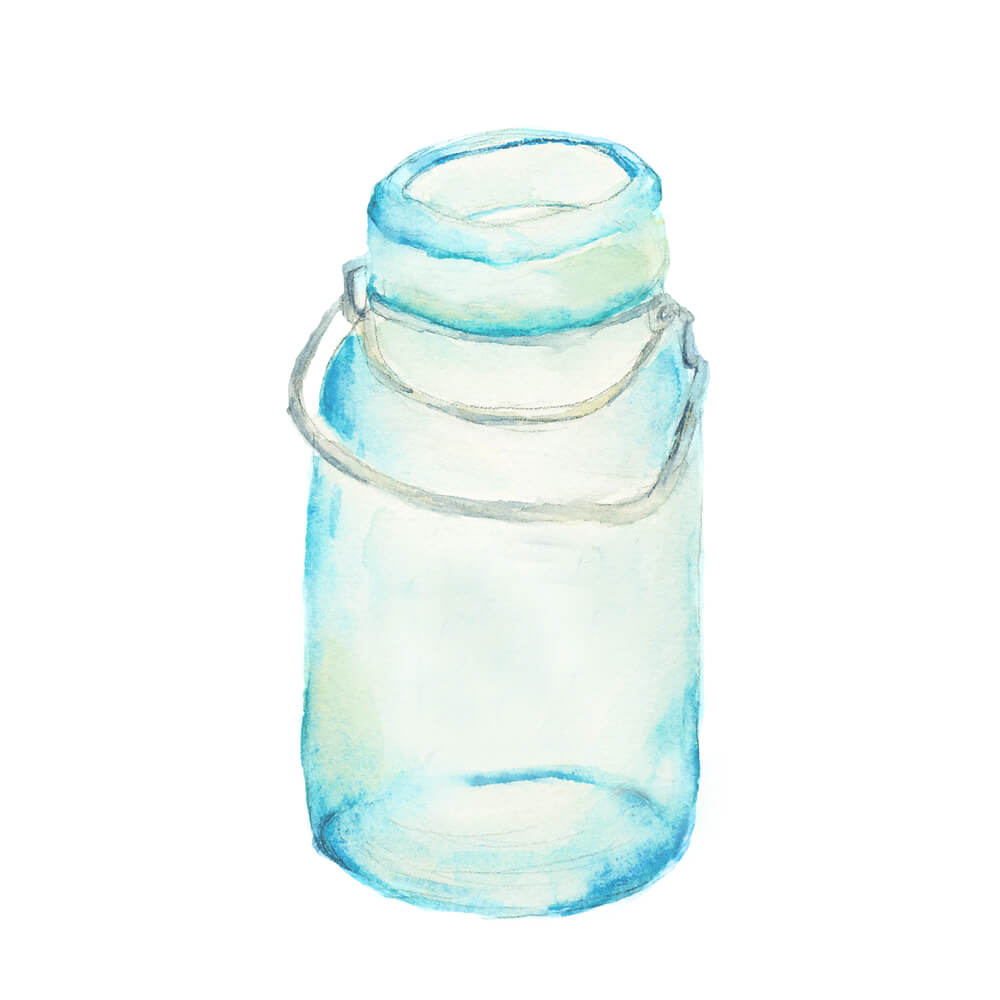
Noxzema was created in 1914 in Baltimore, Maryland, by pharmacist George Bunting. The name came from a customer’s claim that the cream knocked out eczema.
The cream came in a cobalt blue jar and had a distinctive medicinal smell. Grandmothers used it to remove makeup and soothe sunburns.
The brand became popular with teenagers in the ’70s and ’80s, and it remains available today. The cool, tingling feel came from ingredients like menthol and camphor.
Television advertisements in the ’80s and ’90s featured young models washing their faces at the sink. Empty blue jars are now sought by collectors of vintage glass.
Lysol Disinfectant
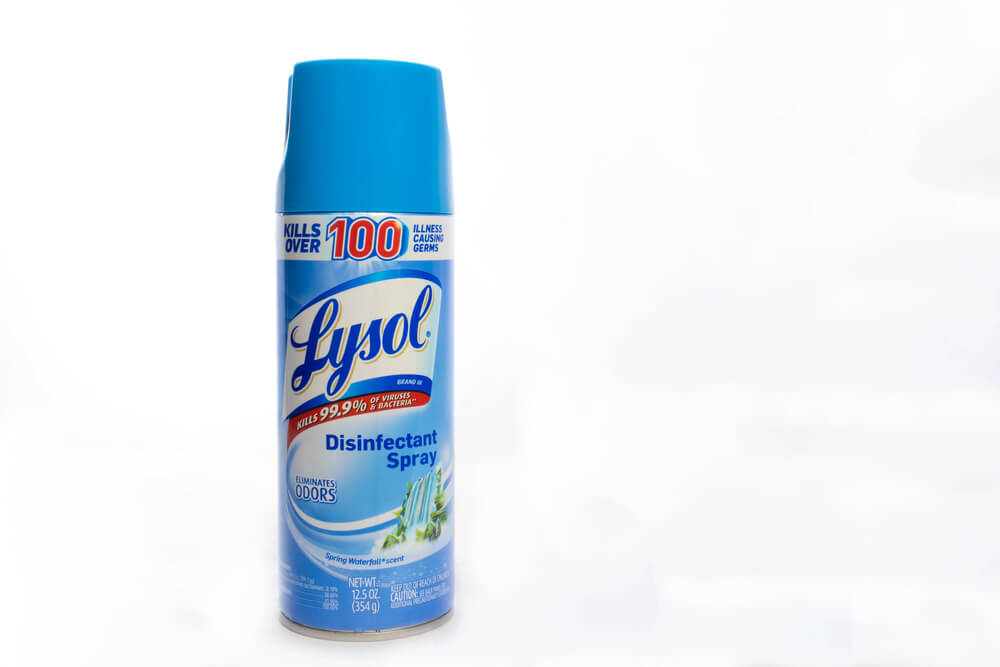
Lysol was first introduced in the late 19th century in Germany, originally to help fight an outbreak of disease. The brand came to the United States in the early 20th century and became a common household disinfectant.
Grandmothers used it to clean floors, bathrooms, and anything else that needed germ-killing power. The spray version became popular in the ’60s.
Lysol remains a leading disinfectant brand today. In the early decades, advertisements promoted it for an unusual variety of uses that later drew criticism.
Grandparents trusted it during every flu season. The brand saw another surge in demand in 2020, when shelves emptied across the country.
Loyalty Built on Repetition
These brands earned trust by working the same way year after year. They became part of daily routines, passed down through families along with recipes and habits.
The labels themselves became reassuring.
In a world of constant product changes, the persistence of these brands is remarkable. Many remain on shelves in nearly the same packaging.
Seeing them on a store shelf can bring back the smell of a grandparent’s kitchen or bathroom.
More from Go2Tutors!

- The Romanov Crown Jewels and Their Tragic Fate
- 13 Historical Mysteries That Science Still Can’t Solve
- Famous Hoaxes That Fooled the World for Years
- 15 Child Stars with Tragic Adult Lives
- 16 Famous Jewelry Pieces in History
Like Go2Tutors’s content? Follow us on MSN.