Things Kids Took To School In The 70s And 80s
Walking into a classroom forty years ago felt like stepping into a different universe. The smell of chalk dust hung in the air, metal lunchboxes clanked against desks, and every backpack seemed to contain an entire world of carefully chosen treasures.
Kids didn’t just pack the essentials back then — they brought pieces of themselves, items that defined who they were and what mattered to them in a time when self-expression came through what you carried rather than what you posted online.
Metal Lunchboxes
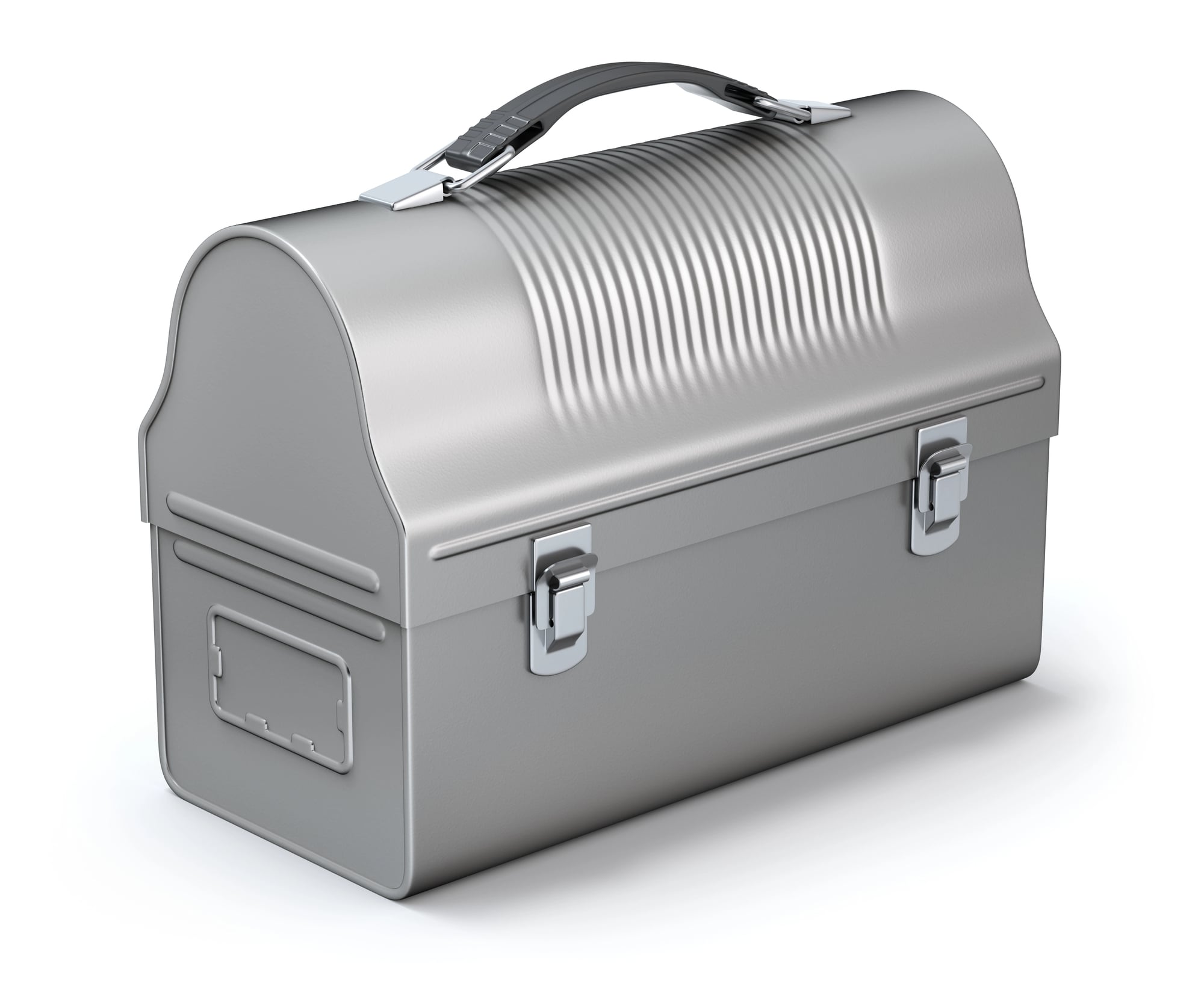
Kids didn’t just pack the essentials back then — they brought pieces of themselves, items that defined who they were and what mattered to them in a time when self-expression came through what you carried rather than what you posted online. Your lunchbox wasn’t just storage.
It was a statement. The Dukes of Hazzard, Star Wars, or Wonder Woman blazed across that metal surface, announcing your allegiances before you even spoke.
Trapper Keeper
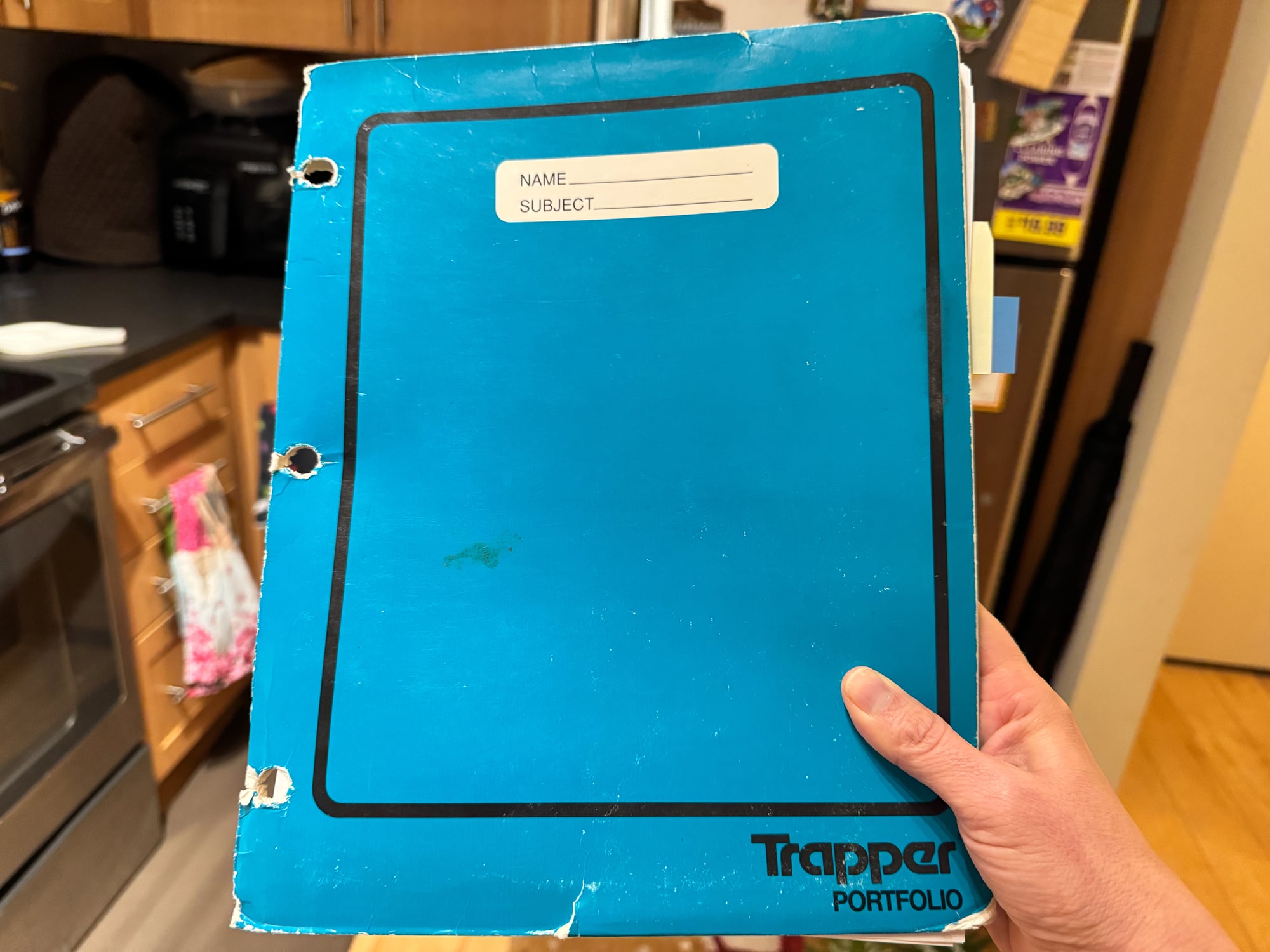
Peak organization looked like a three-ring binder wrapped in neon geometric patterns. The Trapper Keeper promised to solve every organizational problem a kid could have (and mostly delivered, which was saying something in an era where losing homework meant starting over from scratch).
Pencil Boxes
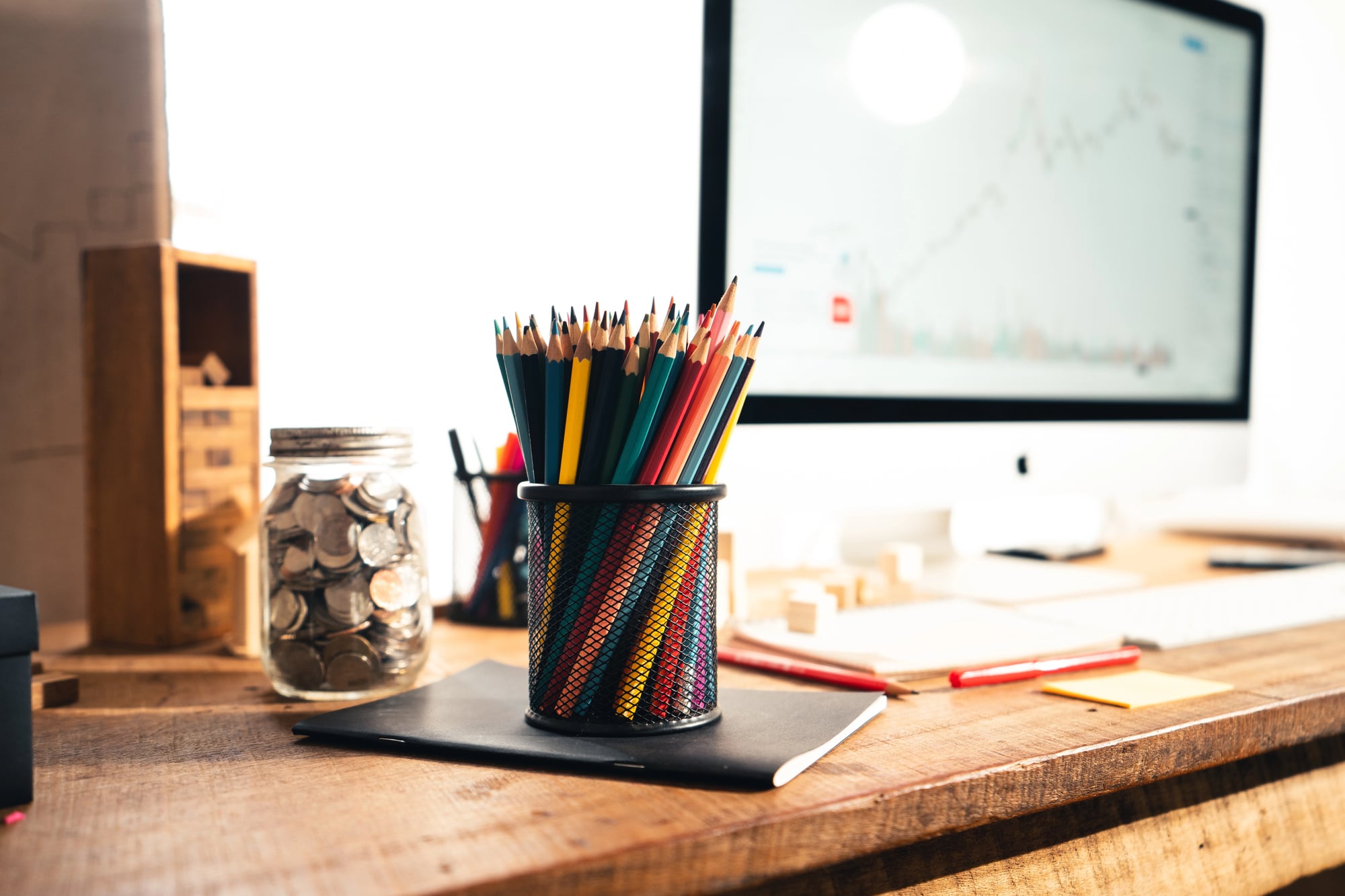
These weren’t simple containers — they were treasure chests that revealed your personality one compartment at a time. The metal ones made satisfying clicks when they opened, and the plastic versions came in colors that seemed to glow under fluorescent classroom lights.
Inside, erasers shaped like hamburgers sat next to mechanical pencils that felt impossibly sophisticated, while tiny sharpeners collected shavings like evidence of hard work. And yet the real magic happened when someone opened theirs during a quiet moment: every eye in the room would drift over to see what they’d organized inside, because your pencil box was essentially a museum display of who you wanted to become.
Colored Pencils
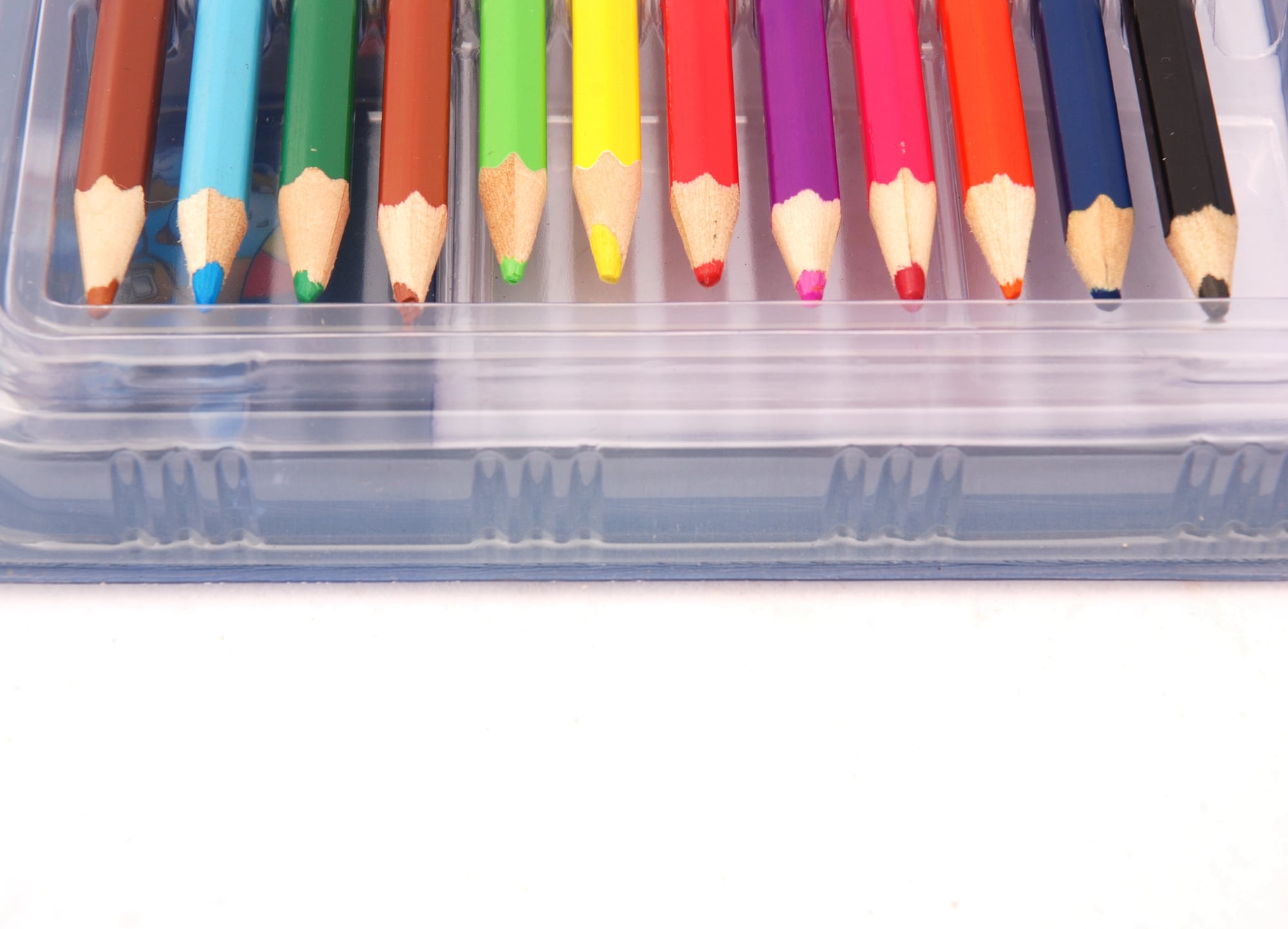
Sixty-four colors meant infinite possibilities. The built-in sharpener made you feel professional.
Calculators

Owning a calculator in the late 70s meant carrying around a piece of the future. These weren’t the sleek devices we’d see later — they were chunky, serious-looking rectangles that weighed enough to double as paperweights and ran on batteries that seemed to die at the worst possible moments.
But when you pulled one out during math class, you might as well have been wielding a lightsaber: suddenly every long division problem became manageable, and you felt like you’d been granted access to some kind of mathematical superpower that your older siblings never had.
Rulers
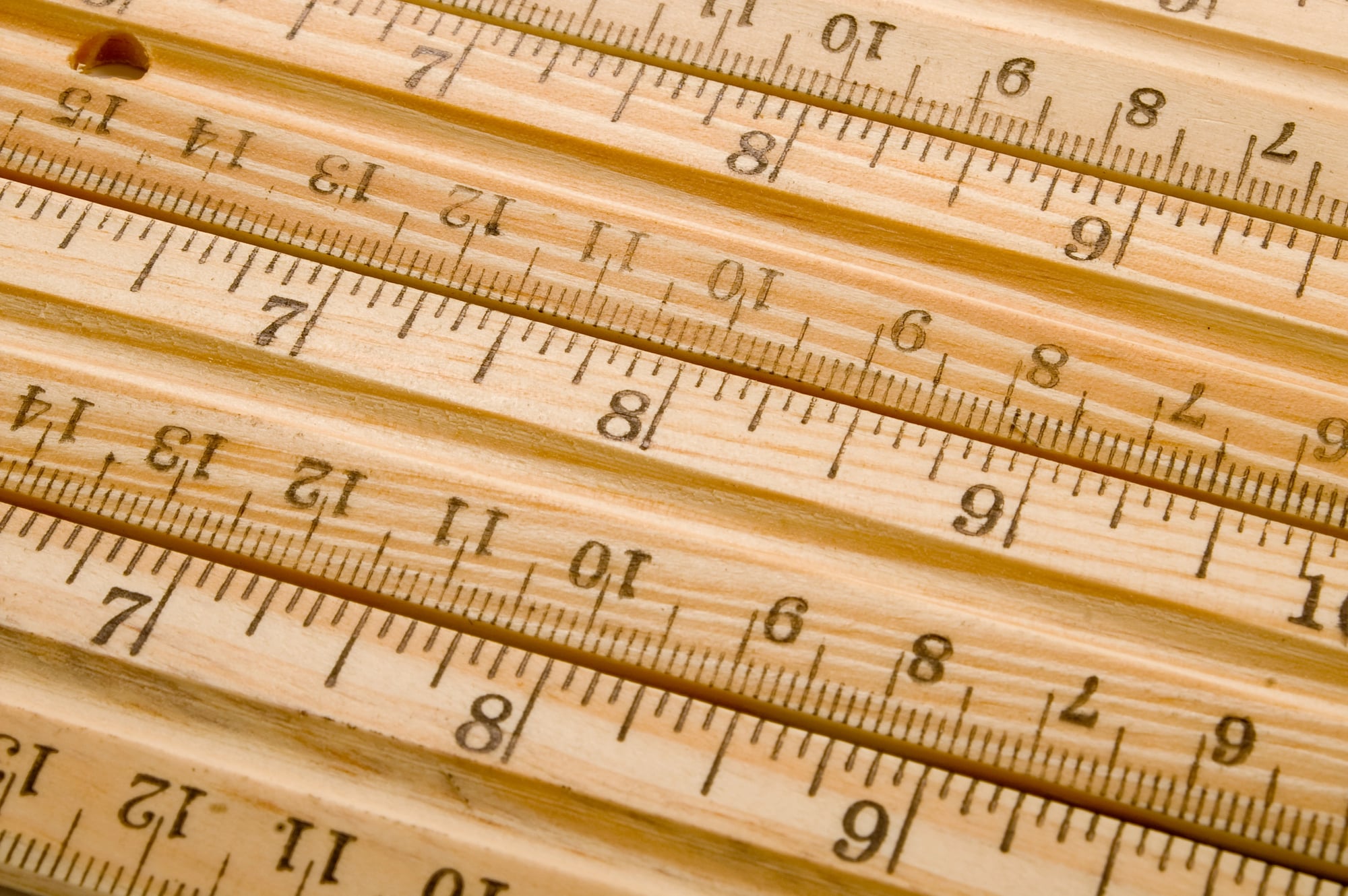
Metal rulers doubled as swords during recess battles. Plastic ones bent just enough to launch paper projectiles without breaking — perfect engineering for classroom warfare.
Stickers
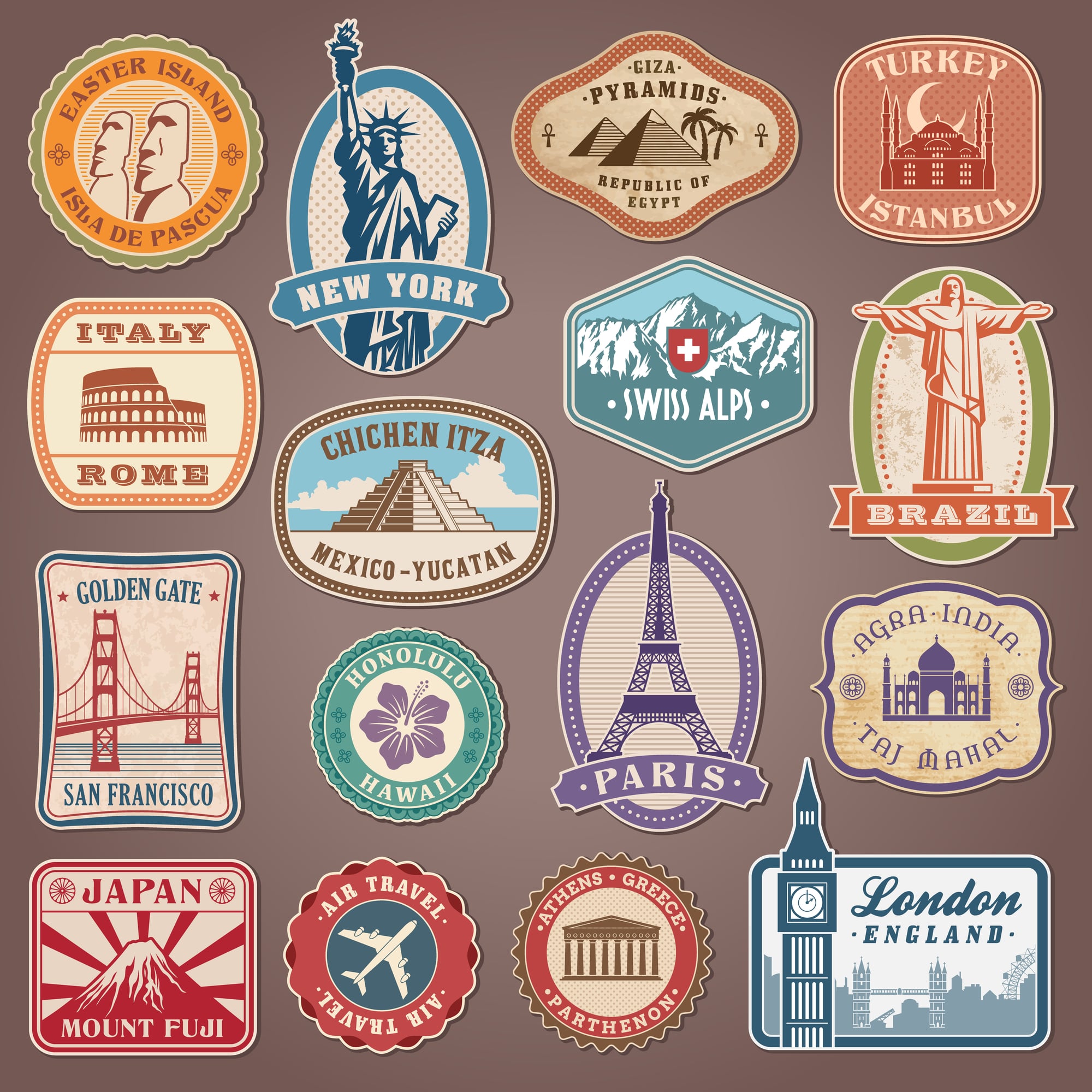
Before social media, your personality lived on your notebook covers, and stickers were the medium through which you broadcast yourself to the world. Scratch-and-sniff stickers created tiny moments of sensory magic throughout boring lectures — you’d catch yourself unconsciously reaching for that pizza or strawberry scented spot during particularly mind-numbing lessons.
The fuzzy ones felt like tiny pets stuck to your folders, while the shiny holographic ones seemed to contain entire galaxies that shifted and changed as you moved them in the light. So your sticker collection wasn’t just decoration: it was autobiography written in adhesive, a visual diary of everything that made you smile.
Erasers
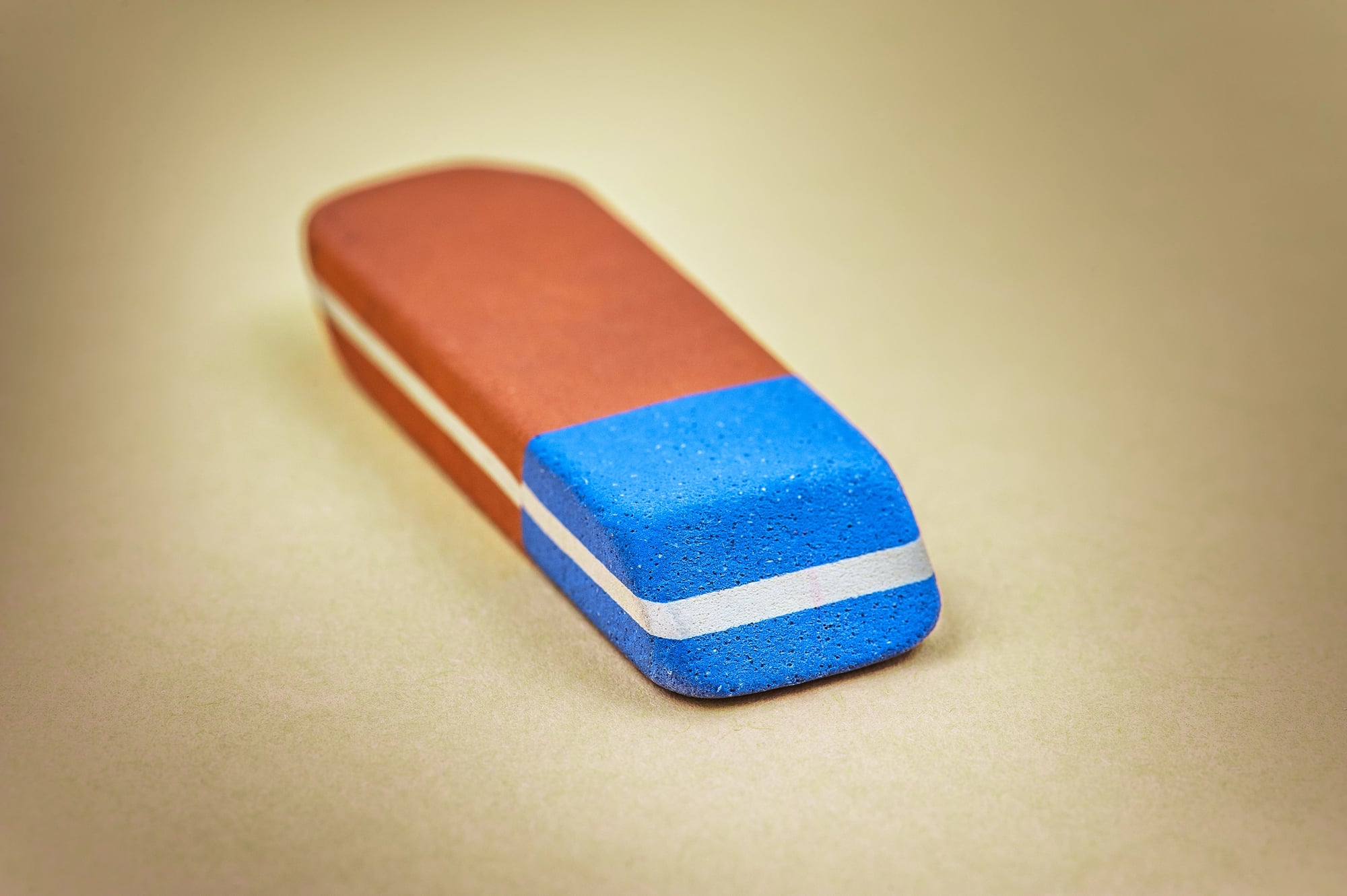
Pink Pearl erasers were dependable workhorses, but the real stars were the novelty ones shaped like food, animals, or tiny objects. They erased terribly but looked fantastic.
Compass And Protractor Sets
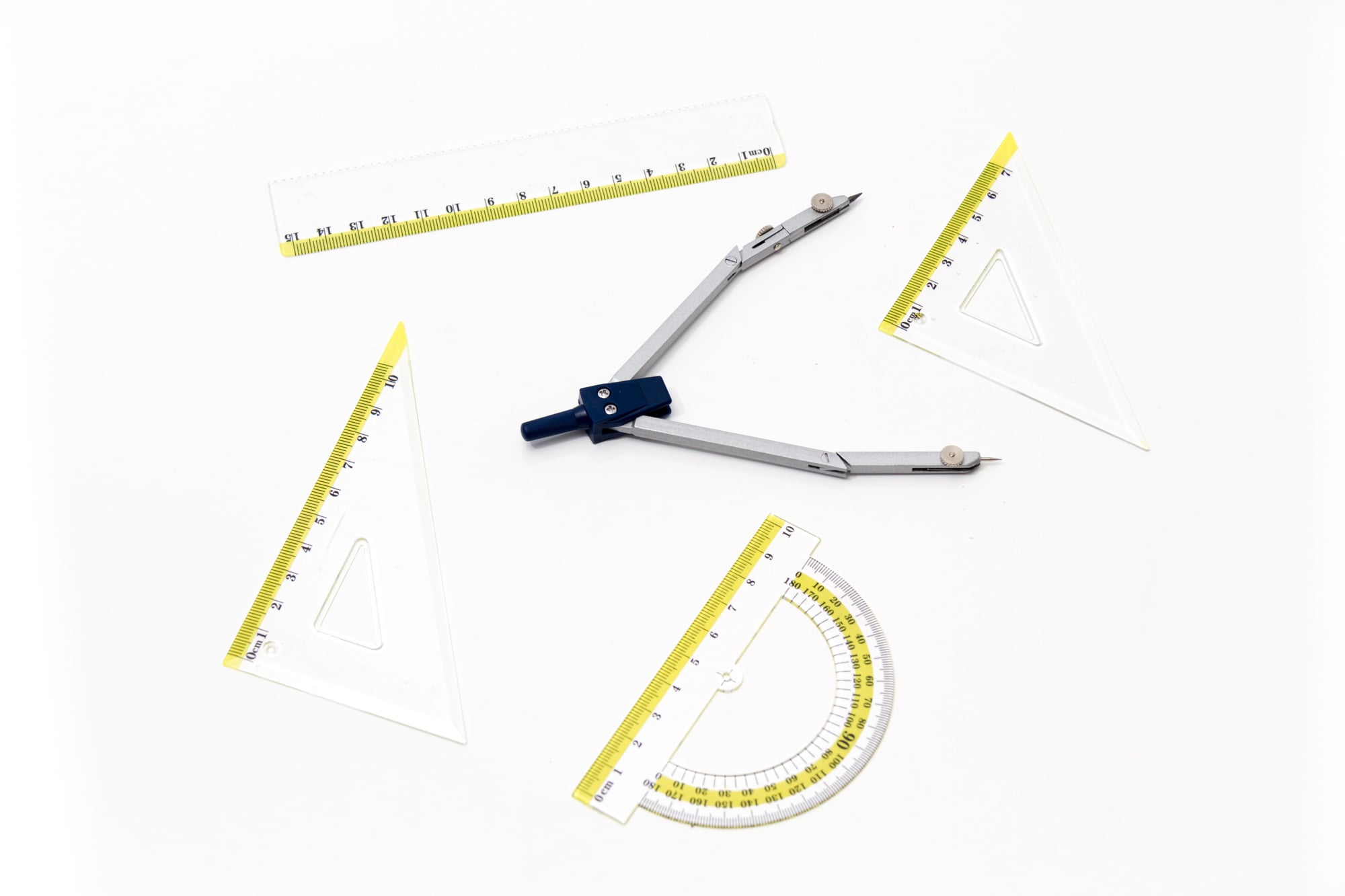
These mathematical instruments came in cases that made them feel like surgical tools, and using them correctly felt like mastering some ancient geometric art form that connected you directly to centuries of mathematicians and architects. The compass, with its sharp metal point and pencil attachment, could create perfect circles that seemed almost magical compared to anything you could draw freehand, while the protractor’s semicircular arc of numbers promised to unlock the mysteries of angles and degrees.
But the real satisfaction came from the precision: when you managed to bisect an angle perfectly or construct an equilateral triangle using only these tools, you’d achieved something that felt both technical and beautiful. And yet most kids spent more time admiring the instruments themselves than actually using them — there was something deeply appealing about owning tools that looked so professional and important.
Book Covers
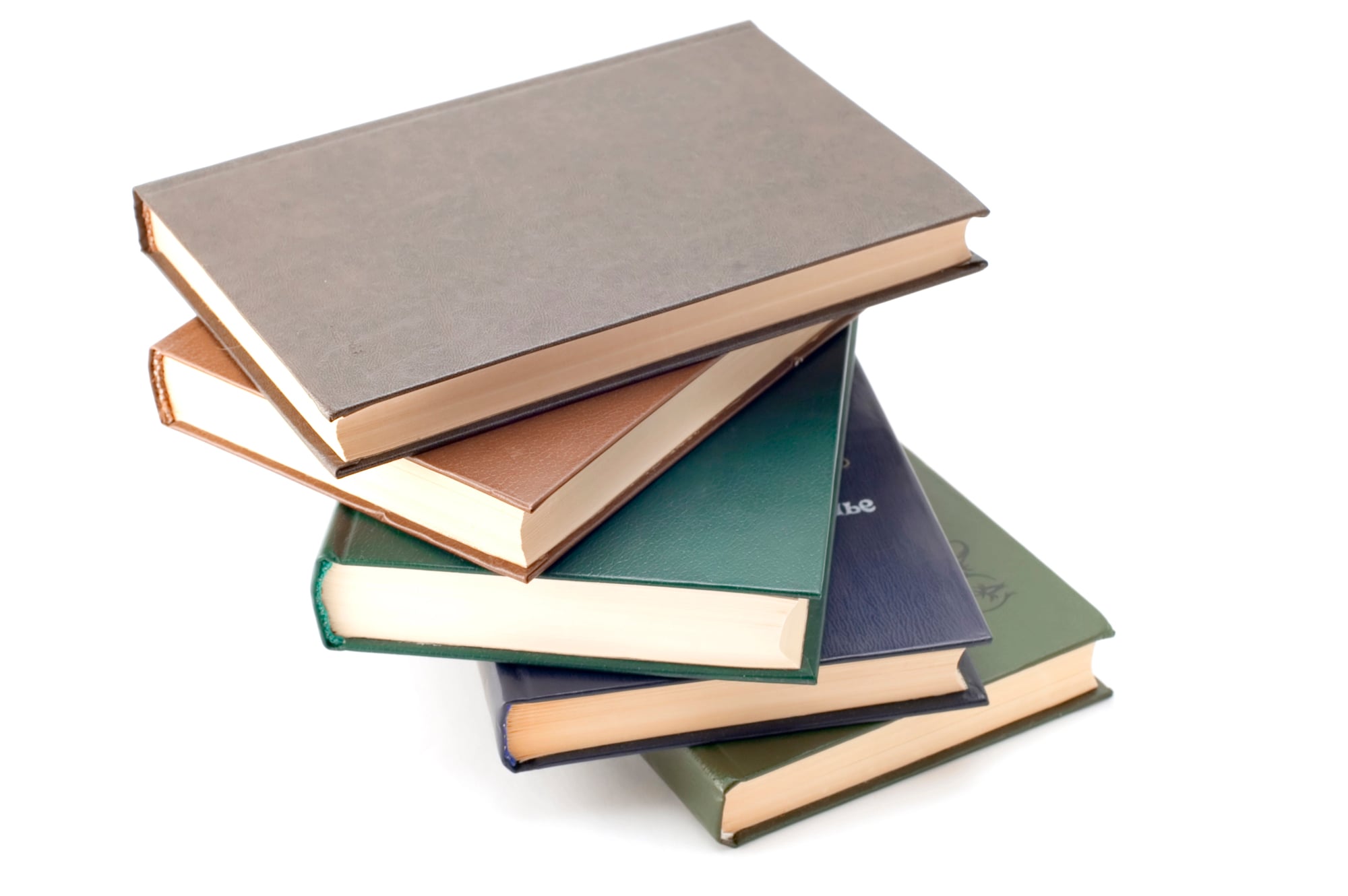
Brown paper bags transformed into protective sheaths for textbooks became canvases for artistic expression, covered in band names, doodles, and inside jokes written in carefully practiced bubble letters. The ritual of covering books at the start of each school year felt like preparing armor for intellectual battle.
The way the paper crinkled slightly when you opened a fresh textbook created a sound that meant learning was about to begin. These covers took on lives of their own as the year progressed: corners would fray, pencil marks would accumulate, and by June they’d become archaeological records of an entire academic journey, complete with phone numbers of forgotten crushes and lyrics from songs that seemed earth-shatteringly important at the time.
Pocket Dictionaries

Spell-check didn’t exist. Pocket dictionaries were your backup plan when you couldn’t remember if “separate” had an “e” or an “a” in the middle — and guessing wrong meant red ink corrections that felt like tiny failures.
Index Cards
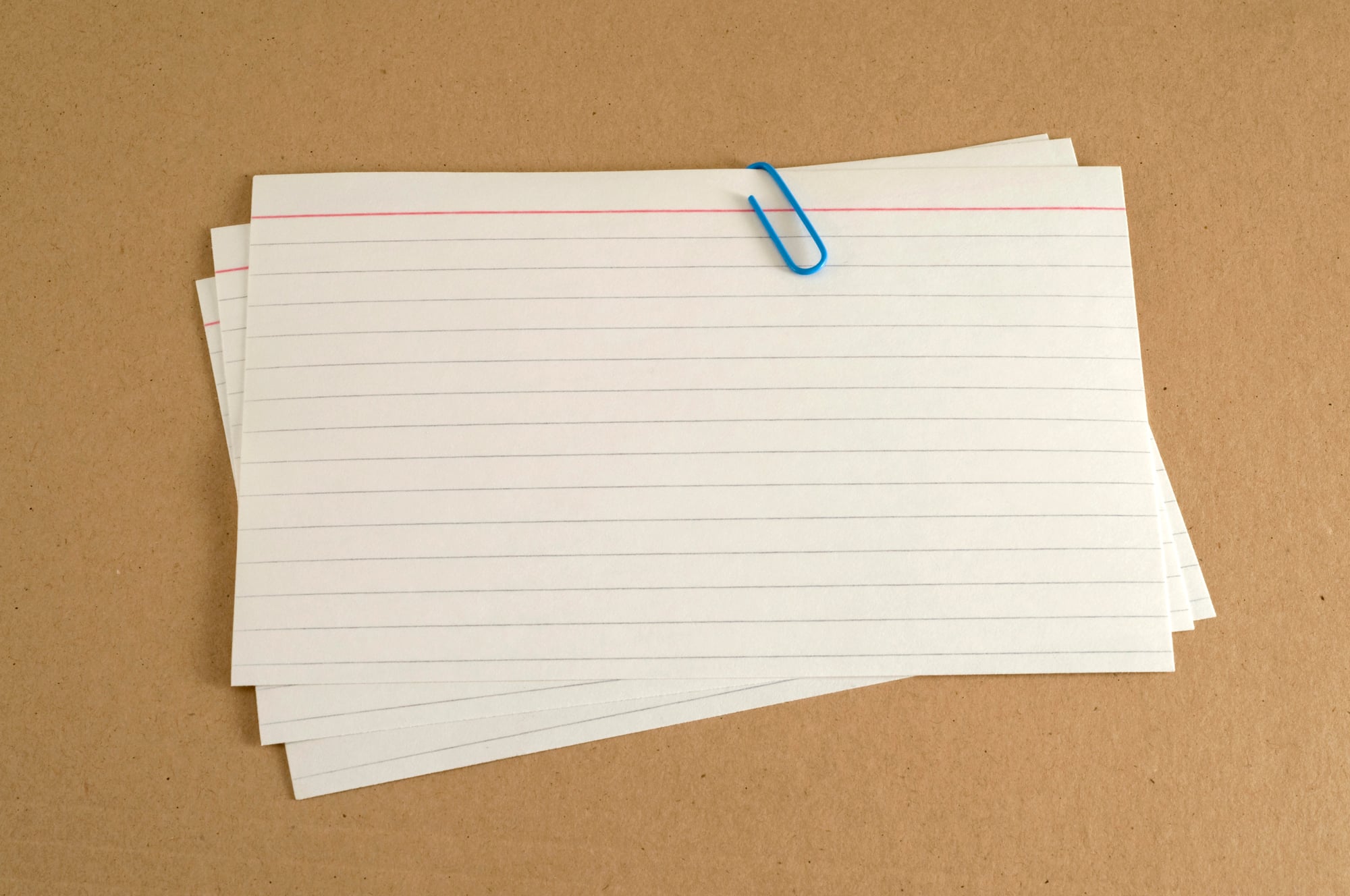
Three-by-five cards were the original study app. Color-coded by subject, held together with rubber bands, they represented hours of careful note-taking and the hope that organization might somehow make information stick better.
The act of writing key facts onto these small rectangles felt methodical and important, like you were distilling knowledge down to its most essential elements.
Typewriter Correction Supplies
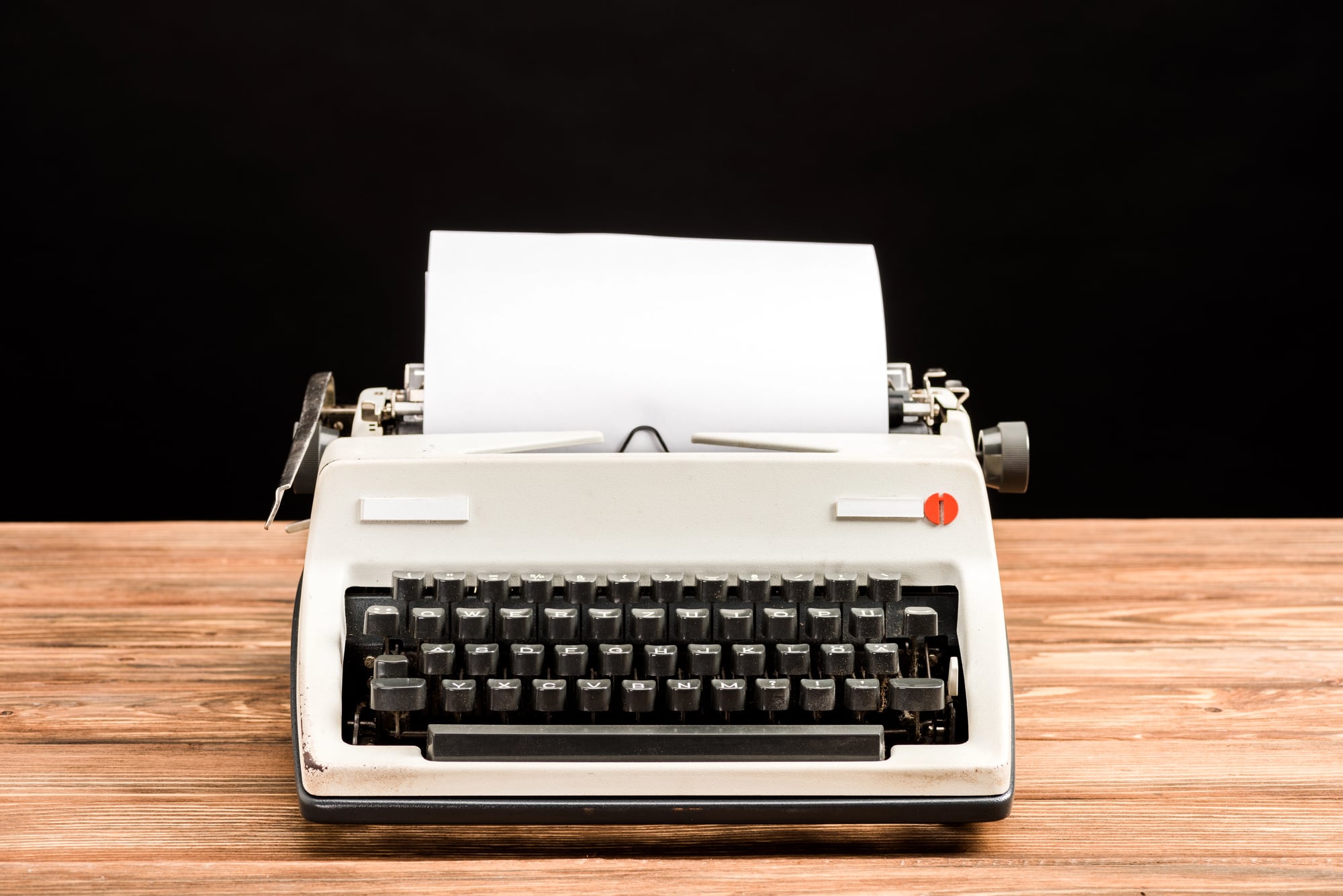
White-Out was liquid salvation for anyone who’d spent twenty minutes typing a perfect paragraph only to hit the wrong key in the final sentence, and correction tape offered a cleaner alternative that didn’t leave raised bumps on the paper or require waiting for anything to dry. These supplies represented the difference between starting over completely and salvaging hours of work, which made them feel almost sacred in an era when retyping an entire page was the only alternative to visible mistakes.
So every backpack contained at least one form of correction fluid: insurance against the tyranny of the typewriter and proof that perfection was still possible, even after you’d messed up.
Remembering What We Carried
Those items weren’t just school supplies — they were the infrastructure of childhood, the tools through which kids learned to organize their thoughts, express their personalities, and navigate the complex social ecosystem of hallways and classrooms. Looking back, the weight of those backpacks seems almost quaint compared to the digital loads kids carry today, but the care with which each item was chosen and the pride taken in their organization created a kind of tactile relationship with learning that’s harder to replicate on a screen.
More from Go2Tutors!

- The Romanov Crown Jewels and Their Tragic Fate
- 13 Historical Mysteries That Science Still Can’t Solve
- Famous Hoaxes That Fooled the World for Years
- 15 Child Stars with Tragic Adult Lives
- 16 Famous Jewelry Pieces in History
Like Go2Tutors’s content? Follow us on MSN