28 Famous Photos With Surprising Backstories
A famous photograph feels like a window, a clean slice of a moment exactly as it happened. In practice, many of the best-known images in history were posed, edited, misattributed or misunderstood for decades.
Some stories behind the pictures emerged only after the people in them grew old enough to speak up. Others surfaced through confessions, archive digs or the patient work of researchers who noticed that something in the frame did not add up.
Migrant Mother and the Vanishing Thumb
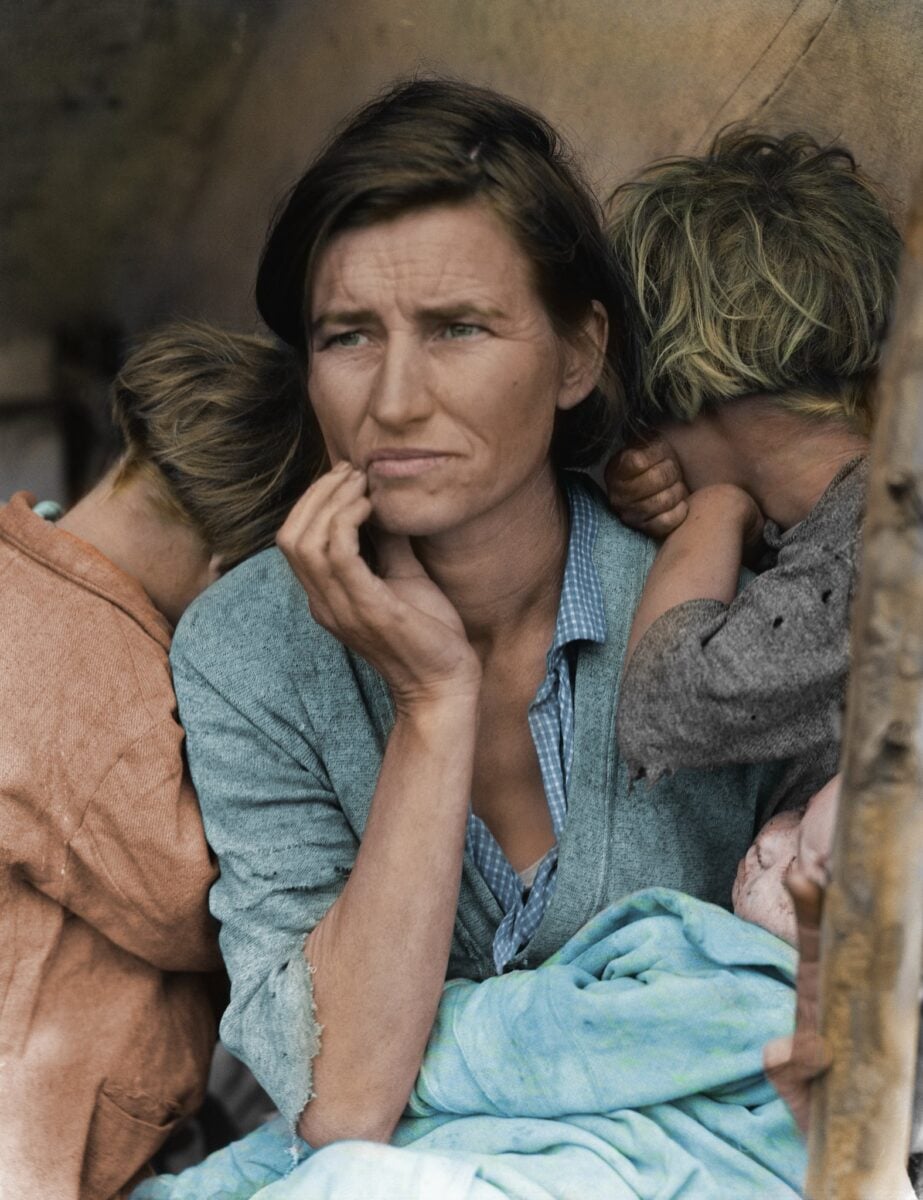
Dorothea Lange photographed Florence Owens Thompson and her children at a pea pickers’ camp in Nipomo, California, in March 1936, making a handful of exposures in roughly ten minutes. The best-known frame originally included Thompson’s thumb in the lower right corner, and Lange later had it retouched out of the negative.
Thompson remained anonymous for more than four decades until a reporter identified her in the late 1970s. She told interviewers that she never earned anything from the image and felt exploited by it.
Her children later came to see the photograph with more pride, recognizing what it meant to the country.
A Second Flag on Iwo Jima
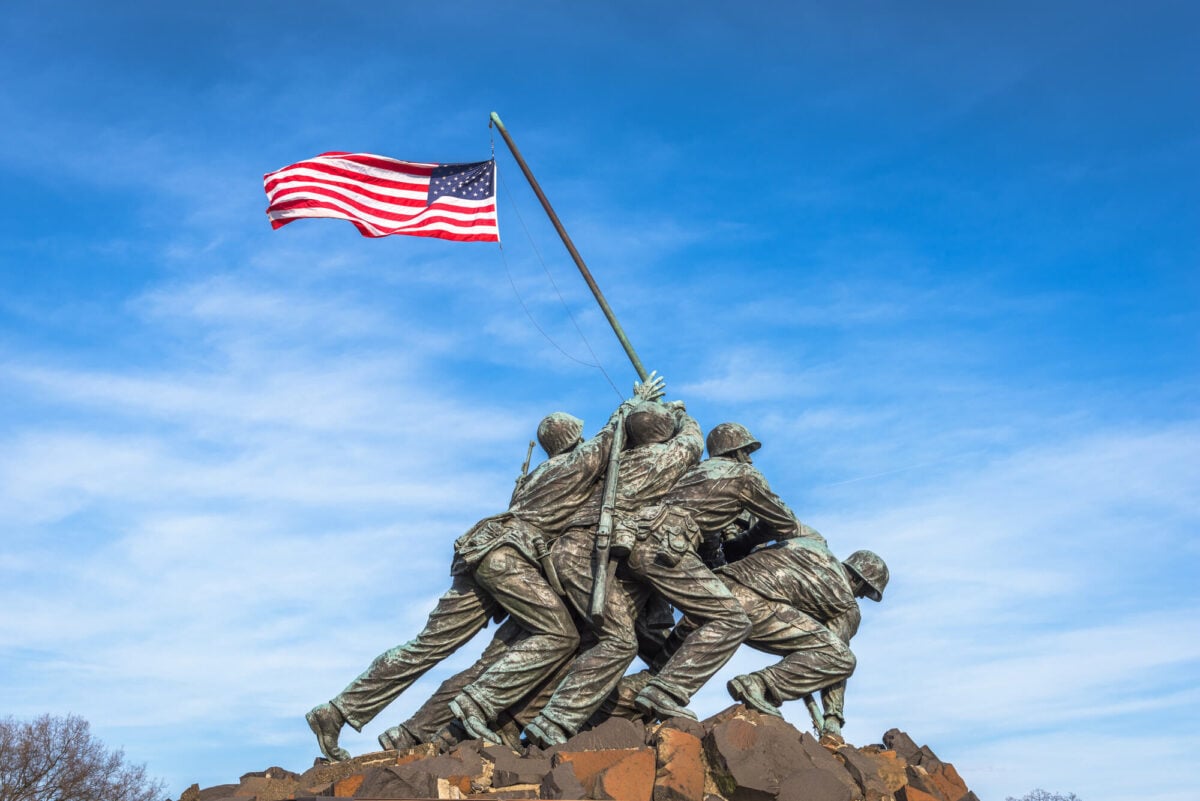
Joe Rosenthal’s photograph of Marines raising the flag on Mount Suribachi on February 23, 1945, actually showed the second flag raising that day. A smaller flag had gone up hours earlier, and commanders wanted a larger one visible across the island.
Rosenthal won the Pulitzer Prize, and the image became the model for the Marine Corps War Memorial. The identities of the men took decades to settle.
In 2016 the Marine Corps concluded that Harold Schultz appeared in the photo, not John Bradley, and in 2019 it confirmed Harold Keller in place of Rene Gagnon.
A Kiss in Times Square
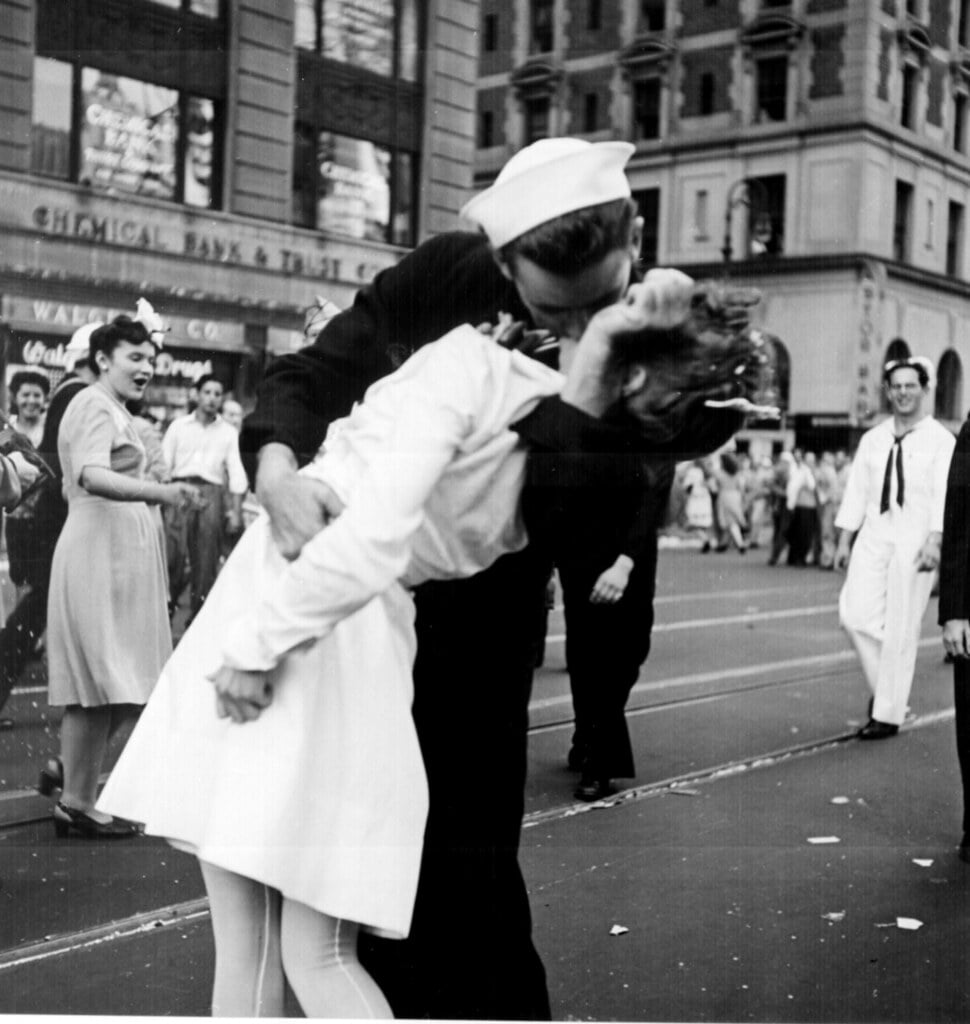
Alfred Eisenstaedt photographed a sailor kissing a woman in a white dress in Times Square on August 14, 1945, as news of Japan’s surrender spread through New York. Eisenstaedt did not record the names of either person, and dozens of people later claimed to be one of the two.
Researchers and many historians eventually settled on George Mendonsa and Greta Zimmer Friedman, a dental assistant. Friedman later said she did not know the sailor and that the moment was not romantic, describing it as something that simply happened to her.
The image has been reconsidered ever since.
Lunch Atop a Skyscraper Was a Publicity Shot
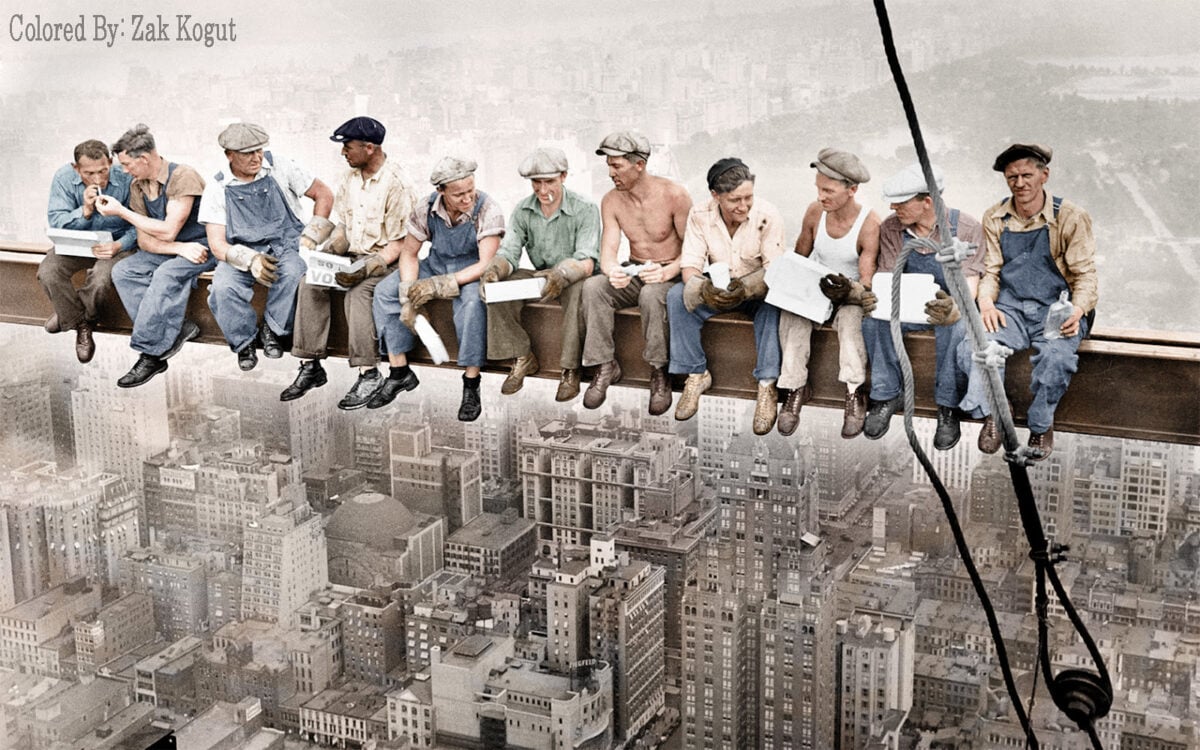
The famous image of ironworkers eating lunch on a steel beam high above Manhattan was taken in September 1932 on what became 30 Rockefeller Plaza. The workers were real, and so was the height, but the scene was arranged as part of a publicity push for the Rockefeller Center project.
The photographer was long credited as Charles Ebbets, but Corbis, which owns the image, said in 2003 that the credit could not be confirmed, since several photographers were present that day. Most of the men on the beam have never been identified with certainty.
Afghan Girl Found Again
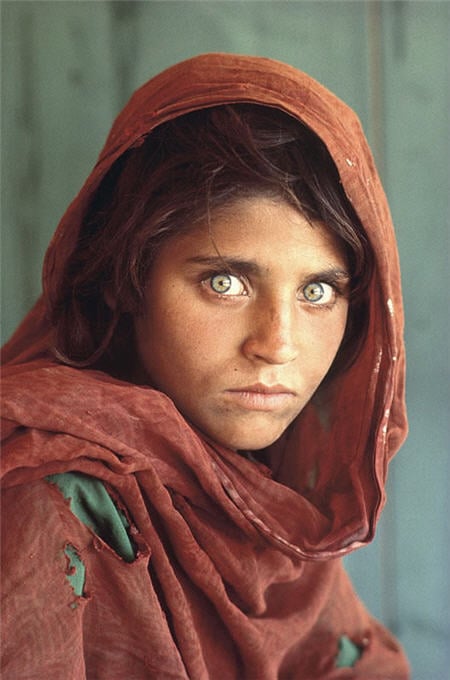
Steve McCurry photographed a young Afghan refugee with piercing green eyes at a camp in Pakistan in 1984, and the portrait ran on the cover of National Geographic in June 1985. McCurry did not learn her name at the time.
In 2002 a National Geographic team located her and identified her as Sharbat Gula, confirming her identity in part through iris recognition analysis. She had never seen the famous photograph before that meeting.
Gula was arrested in Pakistan in 2016 over identity documents, deported to Afghanistan, and later relocated to Italy in 2021.
Tank Man From Several Angles
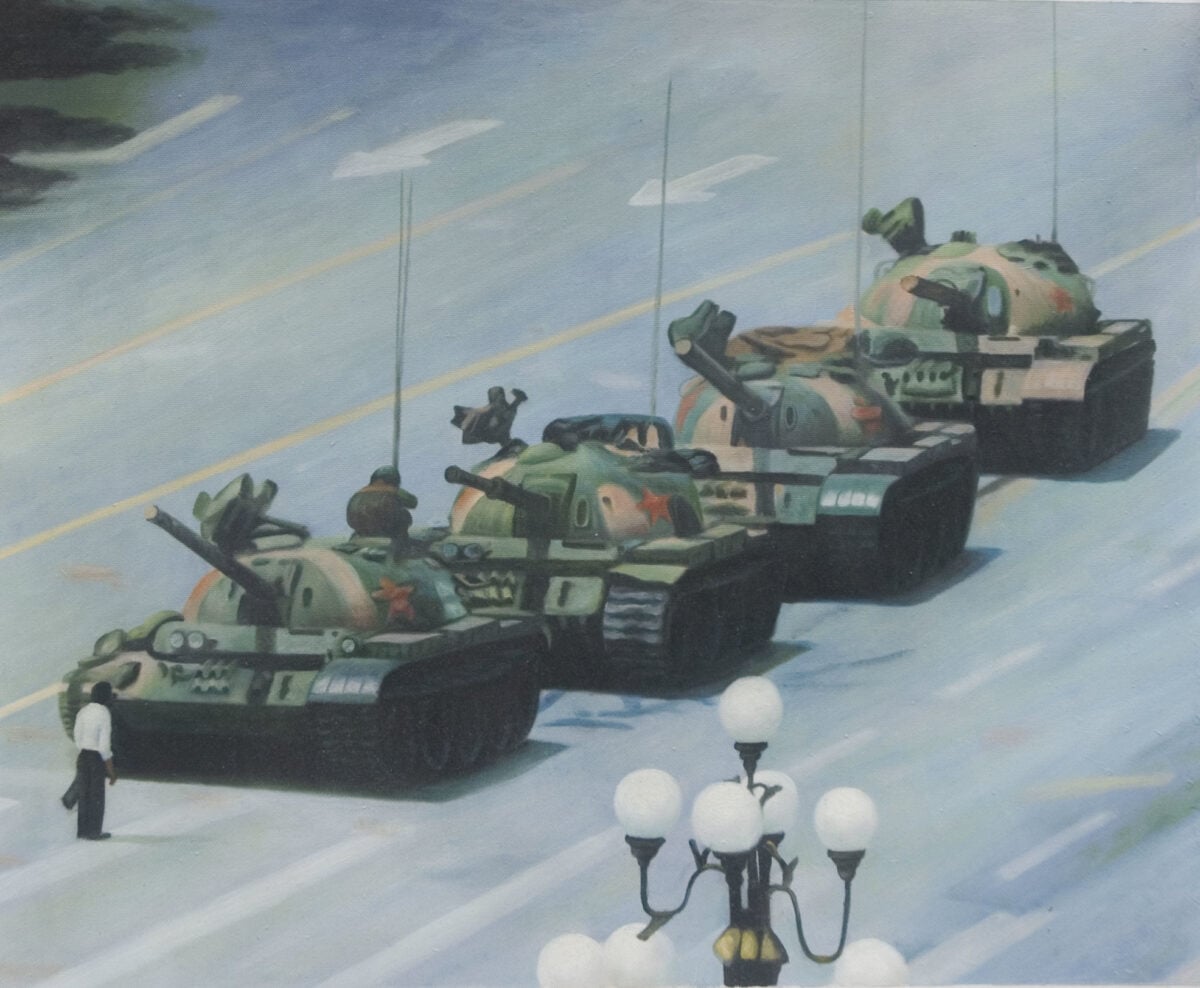
The image of a lone man blocking a column of tanks in Beijing on June 5, 1989, was captured by several photographers from balconies of the Beijing Hotel. Jeff Widener’s version for the Associated Press became the most widely seen, though Charlie Cole, Stuart Franklin and others also made frames.
Cole hid his film in a hotel toilet tank when security officers searched his room, and his image won the World Press Photo of the Year award. The man in the white shirt has never been publicly identified, and his fate remains unknown more than three decades later.
Earthrise Was Nearly Missed

Apollo 8 astronaut William Anders photographed the Earth rising over the lunar horizon on December 24, 1968, during the crew’s fourth orbit of the moon. The crew had been focused on photographing lunar surface features, and the sight of the planet appearing caught them off guard.
Anders first grabbed a black-and-white frame, then scrambled for color film while crewmate Jim Lovell searched for a fresh magazine. The resulting image is widely credited with helping inspire the environmental movement, and it appeared on a United States postage stamp the following year.
Pale Blue Dot Took Years of Lobbying
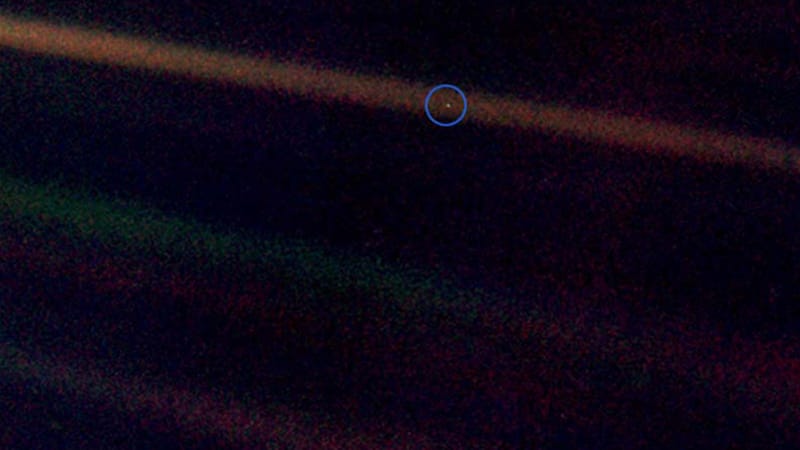
Voyager 1 photographed Earth from roughly 3.7 billion miles away on February 14, 1990, producing an image in which the planet appears as a speck smaller than a single pixel. Astronomer Carl Sagan had pushed NASA for years to turn the spacecraft back toward home before its cameras were shut down to save power.
Some officials worried that pointing toward the sun could damage the instruments. Sagan later titled a 1994 book after the image and wrote movingly about every human who ever lived being contained on that tiny dot.
Korda’s Che Portrait Earned Him Nothing
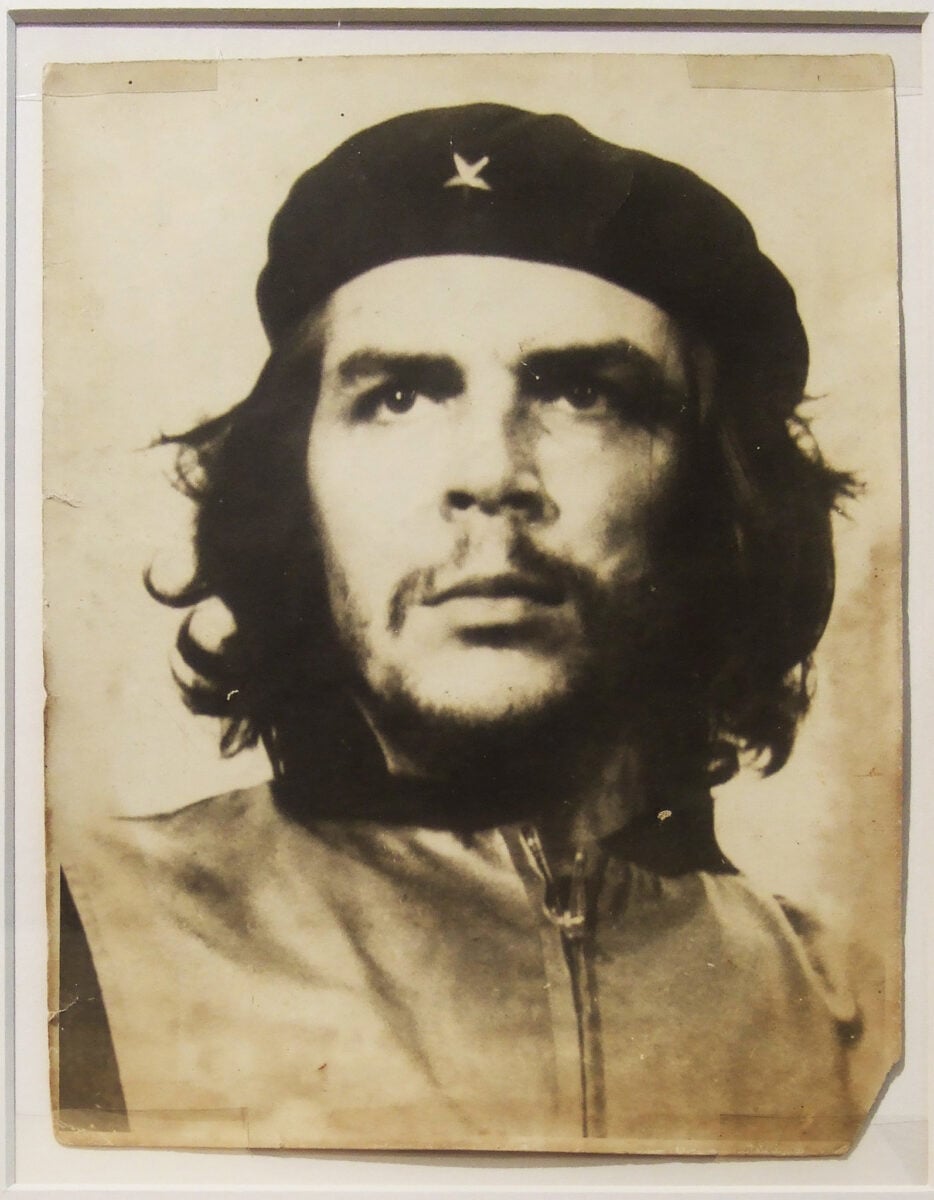
Alberto Korda photographed Che Guevara on March 5, 1960, at a Havana memorial for victims of the La Coubre ship explosion. Guevara appeared in Korda’s viewfinder for only a few seconds, and the image sat largely unseen for years.
Italian publisher Giangiacomo Feltrinelli began distributing it widely after Guevara’s death in 1967. Korda never received royalties for the countless posters and shirts that followed, believing that the image’s spread served Guevara’s ideals.
He did sue in 2000 over its use in a vodka advertisement and donated the settlement to Cuban health care.
Einstein’s Tongue Was His Own Idea
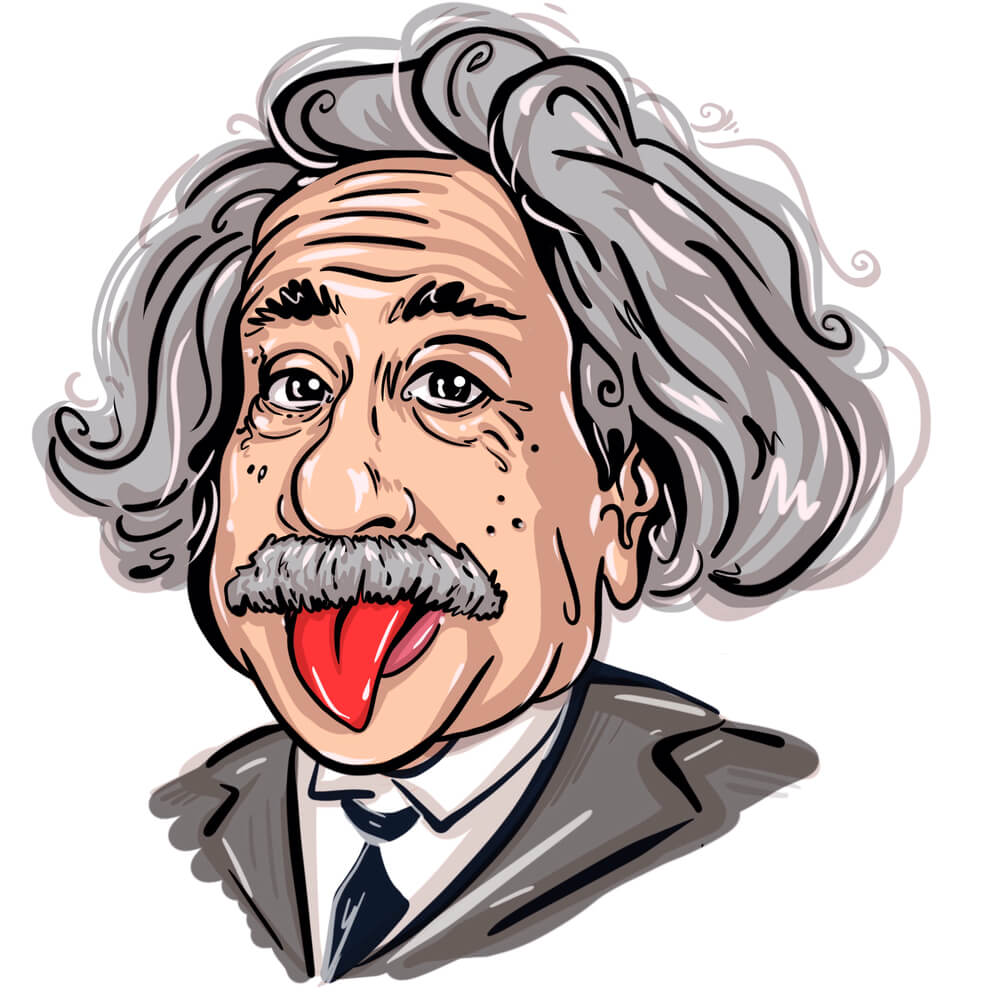
Arthur Sasse of International News Photos captured Albert Einstein sticking out his tongue on March 14, 1951, his 72nd birthday, as he sat in a car after a celebration at Princeton. Einstein had spent the evening dodging photographers, and the gesture was his answer to one more request for a smile.
Rather than being embarrassed, Einstein liked the image so much that he ordered copies and sent them to friends. A signed print reportedly sold for about 125,000 dollars at auction in 2017.
The photo reshaped the public image of the stern genius.
The Loch Ness Hoax

The 1934 Surgeon’s Photograph, attributed to London physician Robert Kenneth Wilson, appeared to show the head and neck of a creature rising from Loch Ness. For six decades it served as the most persuasive evidence for the monster.
In 1994, Christian Spurling admitted on his deathbed that the creature was a toy submarine fitted with a sculpted head. Spurling said the hoax was organized by his stepfather, Marmaduke Wetherell, who wanted revenge after being ridiculed for earlier claims.
Wilson had been recruited to lend the photo credibility.
Cottingley Fairies Fooled Arthur Conan Doyle
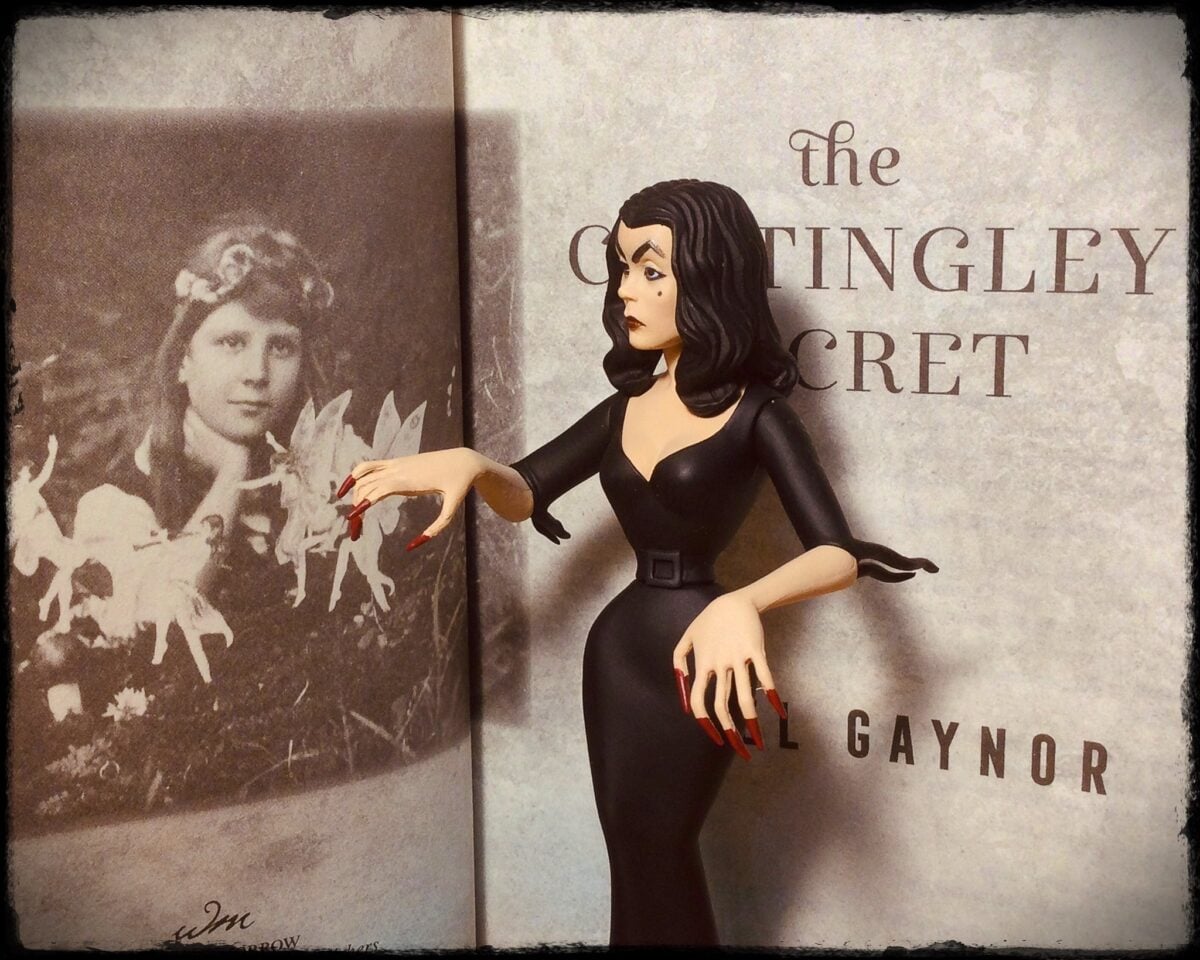
Cousins Elsie Wright and Frances Griffiths photographed fairies in a Cottingley, England, garden in 1917. Arthur Conan Doyle, creator of Sherlock Holmes and a committed spiritualist, endorsed the pictures as genuine in a 1920 article for the Strand Magazine.
The fairies were actually cardboard cutouts copied from a children’s book and held in place with hatpins. The cousins did not confess until 1983, when both were elderly.
Even then, Frances maintained that the fifth and final photograph was real, a claim that has never been fully explained.
Le Baiser Used Actors
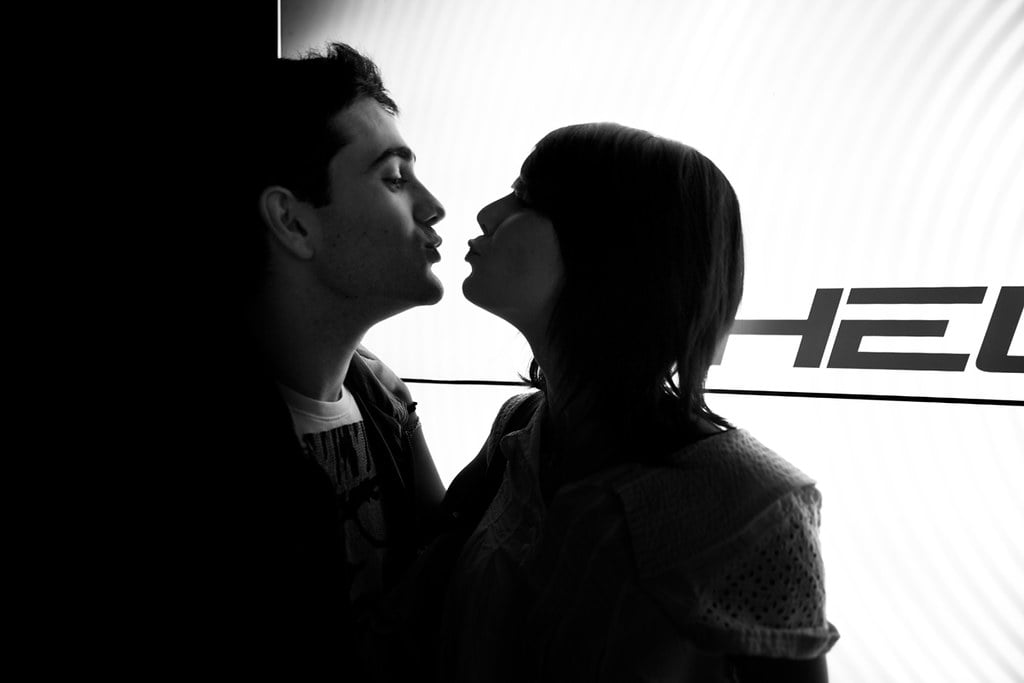
Robert Doisneau’s 1950 image of a couple kissing outside the Paris city hall became a symbol of romantic Paris. For decades viewers assumed it captured a spontaneous moment.
In the 1990s, several couples claimed to be the pair and sought payment, forcing Doisneau to reveal that he had posed the scene with two drama students, Francoise Bornet and Jacques Carteaud. Bornet owned an original print, which she sold at auction in 2005 for a price reported at more than 180,000 dollars.
The revelation disappointed many fans but did little to dent the picture’s appeal.
Dali Atomicus Took 28 Tries
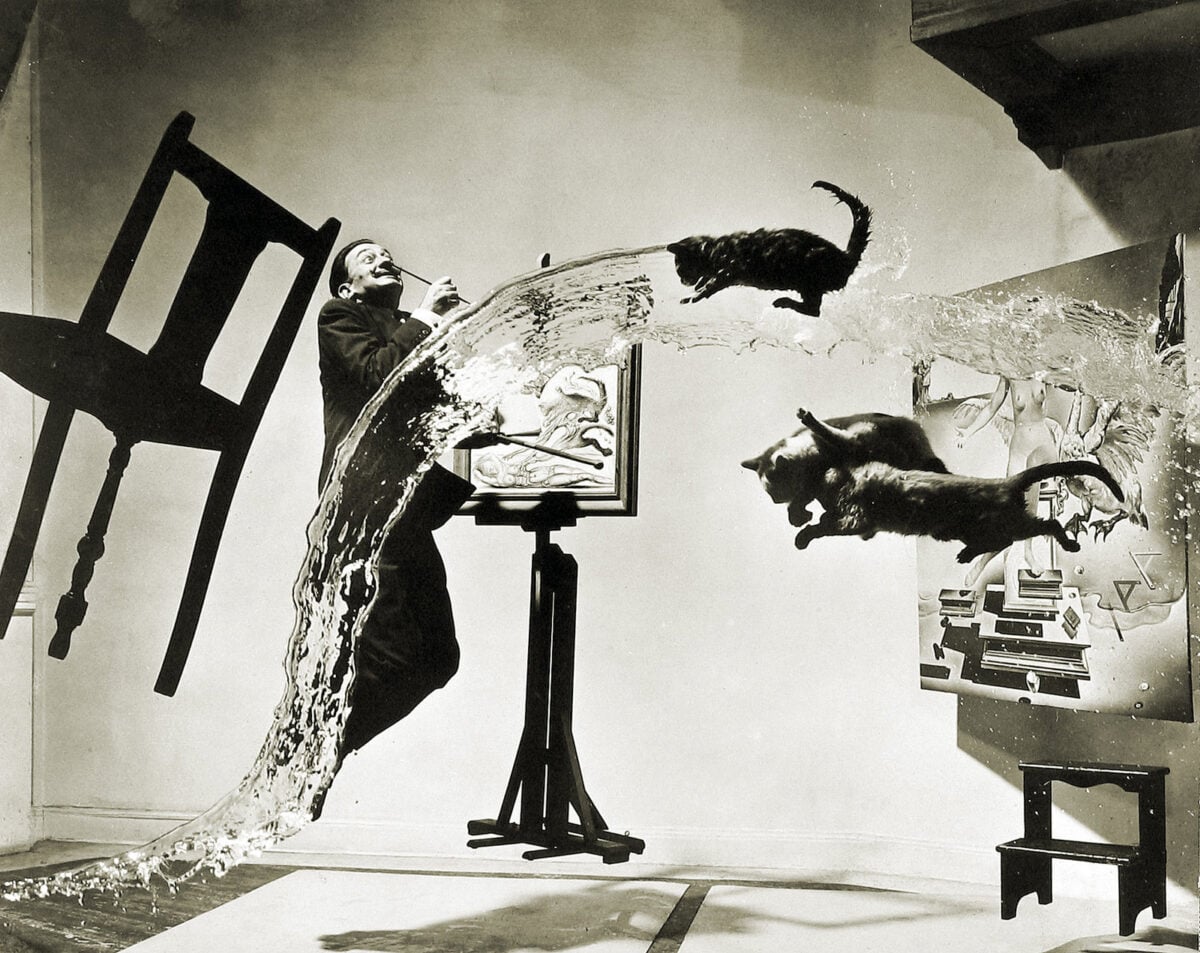
Philippe Halsman photographed Salvador Dali suspended in midair in 1948, alongside flying cats, a stream of water and a floating chair. There was no digital trickery involved.
Assistants tossed the cats and the water while Dali jumped, and Halsman shot until he had what he wanted. The image reportedly required 28 attempts over roughly six hours, with the room cleaned and reset after each one.
The only retouching removed the wires that held the easel, chair and paintings in place. The cats were reportedly unharmed, though the session left the studio soaked, and the published version became one of the best-known portraits of the surrealist.
Ali Over Liston Was Shot From the Wrong Seat
Neil Leifer photographed Muhammad Ali standing over a fallen Sonny Liston on May 25, 1965, in Lewiston, Maine. The bout ended after a quick right hand that many spectators never saw, which became known as the phantom punch.
Leifer had a ringside position opposite Herb Scharfman of Sports Illustrated, whose frame of the same instant shows Leifer visible between Ali’s legs. Leifer’s clean angle and the bright lights produced one of the most famous sports images ever taken.
Ali shouted at Liston to get up, and the moment became central to Ali’s legend.
Kent State and the Missing Fence Post
John Filo, a photojournalism student, photographed 14-year-old Mary Ann Vecchio kneeling over the body of Jeffrey Miller at Kent State University on May 4, 1970. Ohio National Guard troops had fired on protesters, killing four students.
Filo’s image won the Pulitzer Prize. In some later versions, a fence post that appeared to rise from Vecchio’s head was digitally removed, sparking debate about photo editing ethics.
Vecchio was a runaway from Florida, and the attention that followed proved difficult for her. She later reconciled with the image.
Ruth’s Farewell From Behind
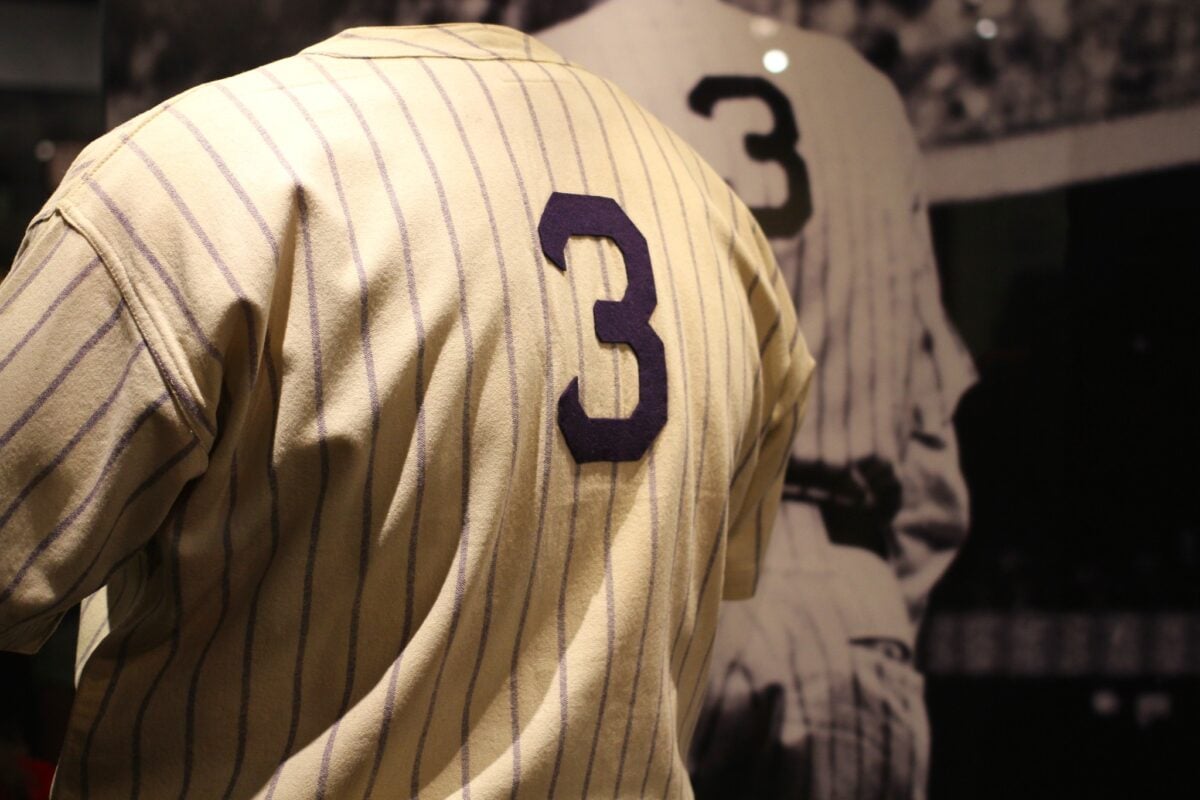
Nat Fein of the New York Herald Tribune photographed Babe Ruth at Yankee Stadium on June 13, 1948, during the 25th anniversary celebration of the stadium. Rather than shoot from the front like most photographers, Fein moved behind Ruth to capture his back, his number 3 and the crowd.
The image won the 1949 Pulitzer Prize. Ruth was gravely ill with cancer and leaning on a bat for support, and he died about two months later.
The unusual angle captured both his frailty and his legend.
Situation Room Gestures
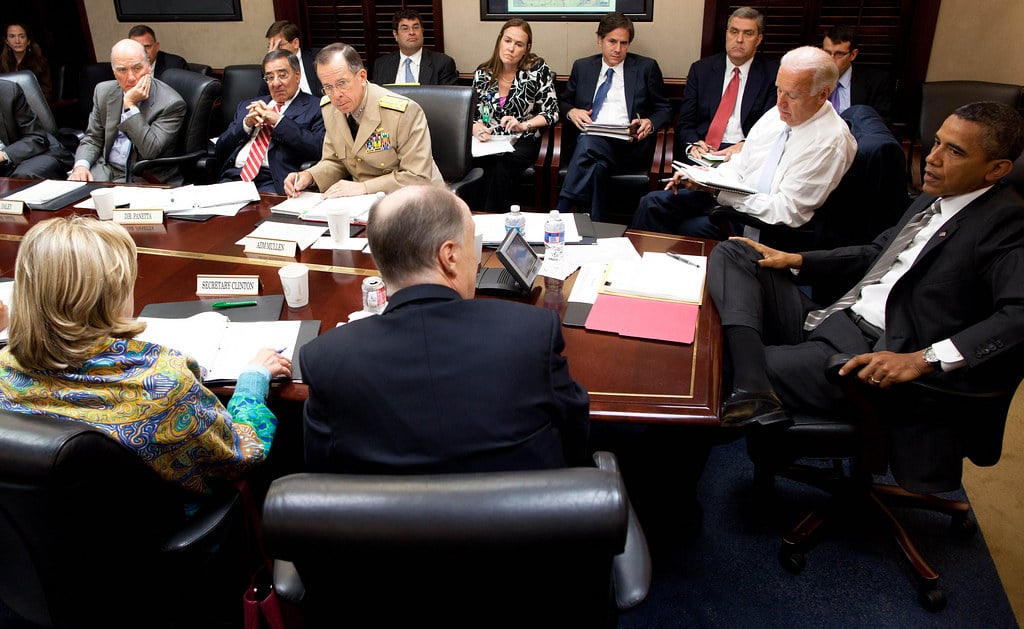
White House photographer Pete Souza captured President Barack Obama and his national security team watching the Osama bin Laden raid on May 1, 2011. Obama sat on a folding chair in a corner, while Brigadier General Marshall Webb sat at the head of the table at the computer.
Secretary of State Hillary Clinton covered her mouth, and she later said it may have been an early spring allergic cough rather than a reaction to the footage. The image became one of the most famous of the Obama presidency.
Boston Fire Escape Collapse
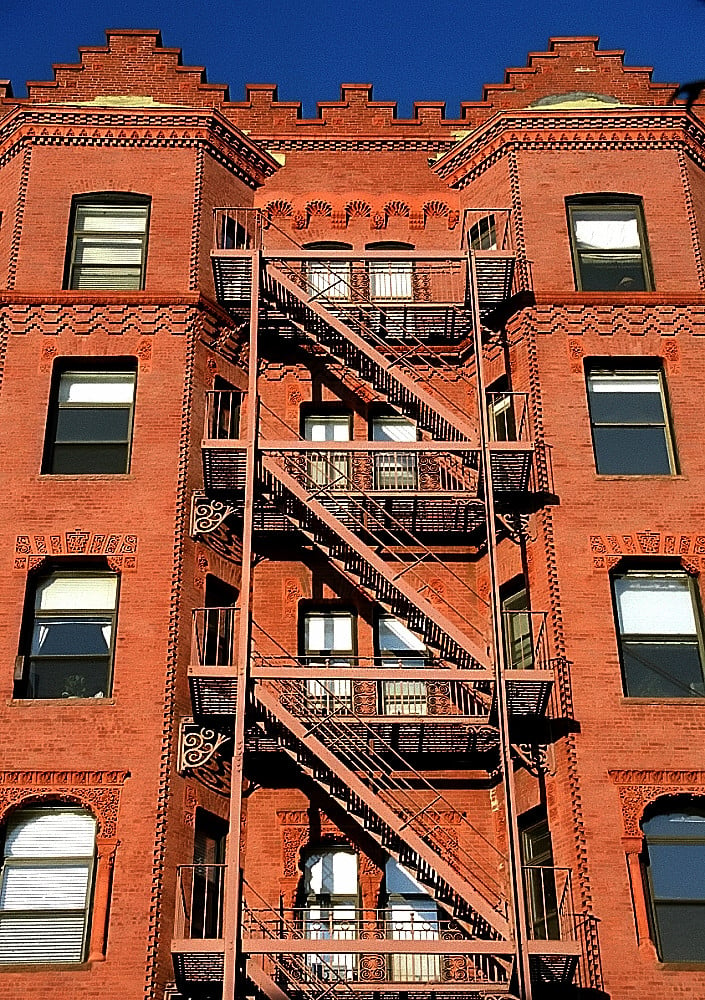
Stanley Forman of the Boston Herald American photographed 19-year-old Diana Bryant and two-year-old Tiare Jones falling from a collapsing fire escape on July 22, 1975. Bryant died, and the child survived after landing on her.
Forman’s sequence won the Pulitzer Prize for Spot News Photography in 1976. The images sparked a national debate over whether such painful pictures should be published at all, and many newspapers received angry letters from readers.
The photos also prompted Boston and other cities to tighten fire escape inspections and safety laws, an outcome that supporters of publication pointed to for years afterward.
Boulevard du Temple Holds the First People
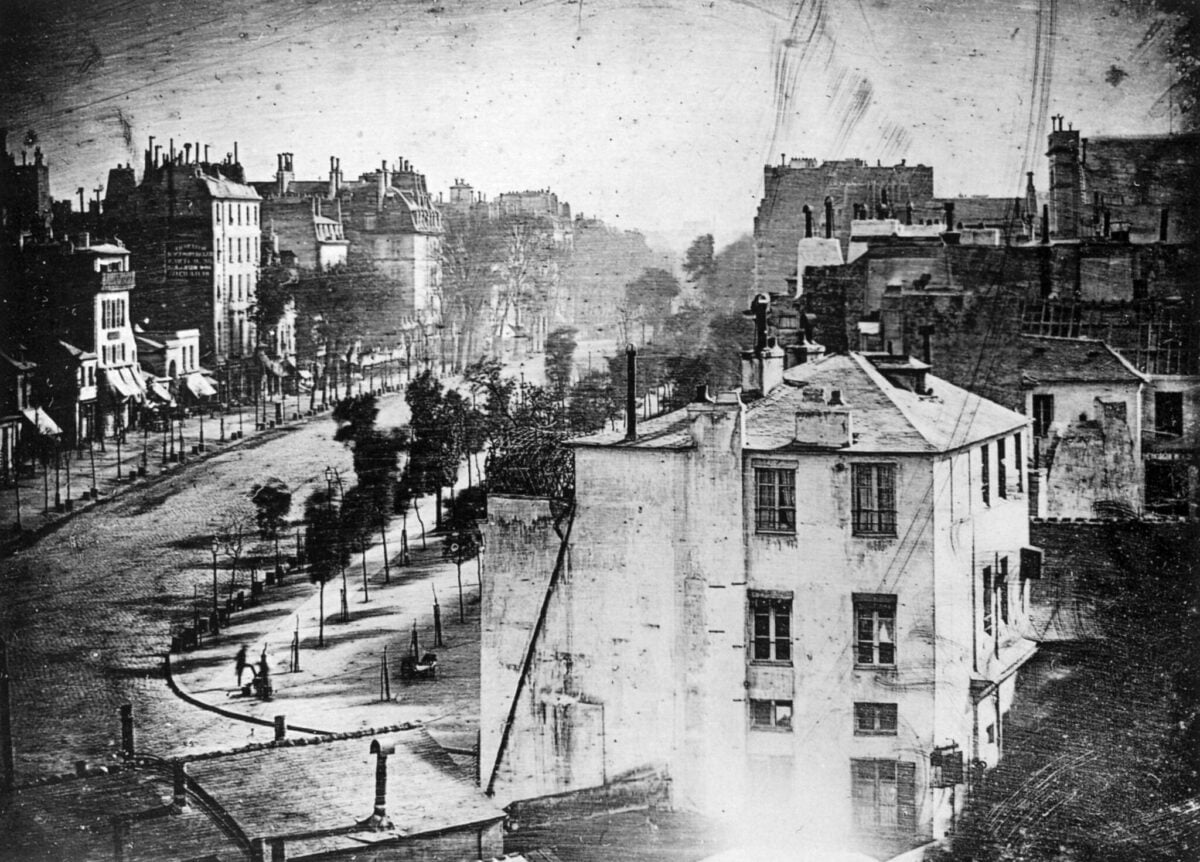
Louis Daguerre photographed the Boulevard du Temple in Paris in 1838, using an exposure that lasted several minutes. Moving carriages and pedestrians did not register because they passed too quickly.
A man having his boots shined stood still long enough to appear, making him the first known person captured in a photograph. The shoeshiner bent at his feet is also faintly visible.
Neither person has ever been identified, and neither likely knew that a camera across the street was recording them. The image survives as a daguerreotype, a one-of-a-kind plate with no negative, and the busy street appears almost deserted in it.
Robert Cornelius Took a Selfie in 1839
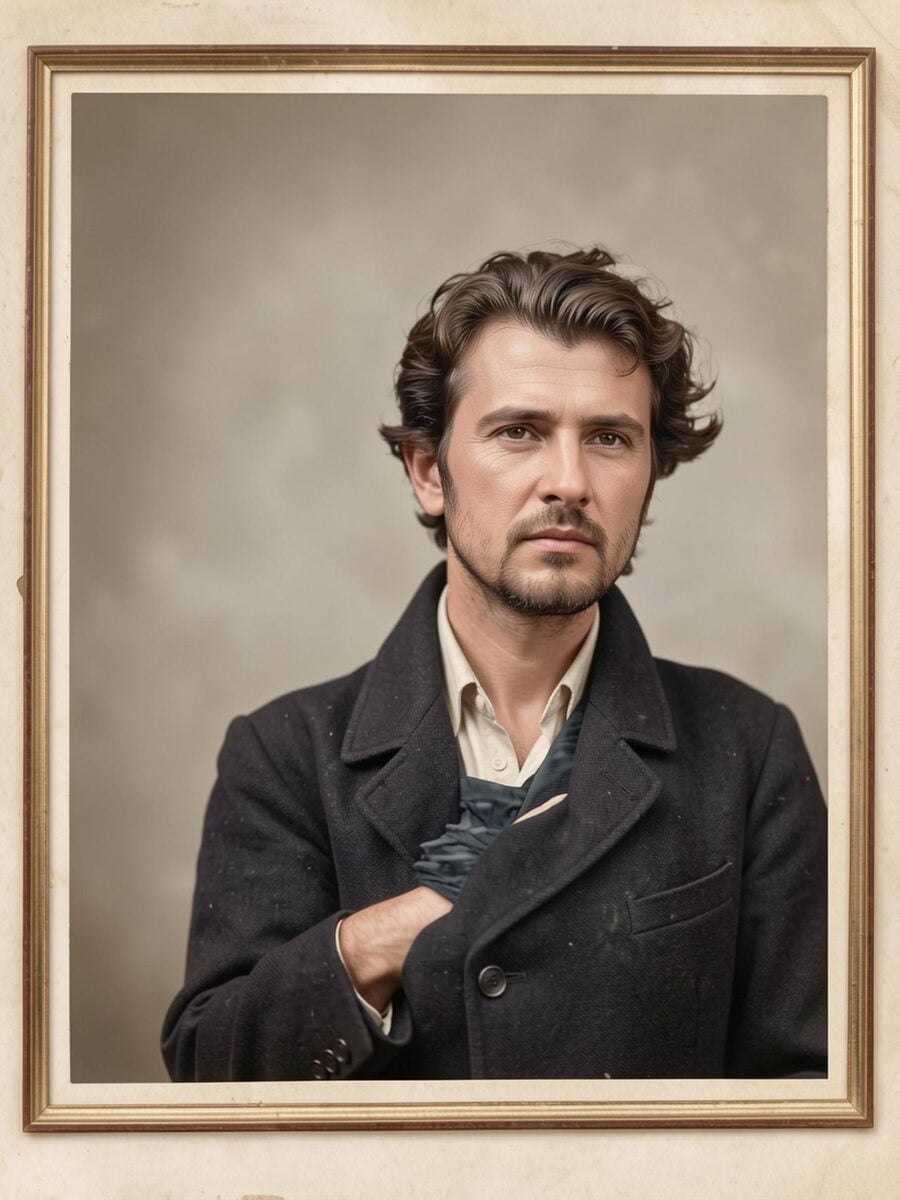
Robert Cornelius, a Philadelphia lamp maker, photographed himself outside his family’s store in 1839. He removed the lens cap, ran into the frame and sat still for several minutes.
The resulting daguerreotype is widely considered the first photographic self-portrait. On the back he wrote that it was the first light picture ever taken.
Cornelius later opened one of the first photography studios in America, but he ran it for only a few years before returning to the family lighting business, where the money was steadier. The portrait now belongs to the Library of Congress, and its tousled hair and wary expression look surprisingly modern.
The Wright Brothers’ Photographer Had Never Used a Camera
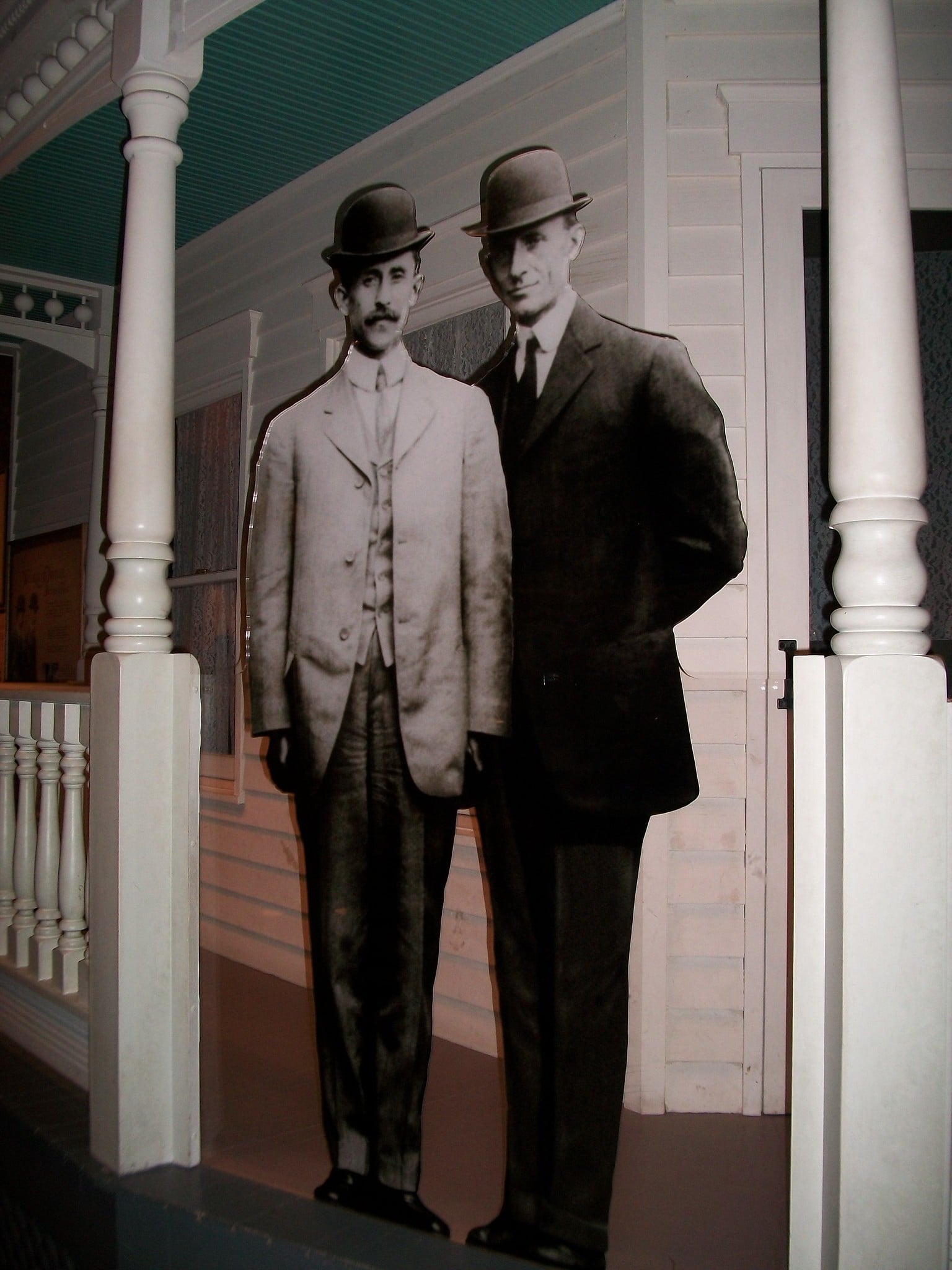
John T. Daniels, a member of the Kill Devil Hills lifesaving station, photographed the Wright brothers’ first powered flight on December 17, 1903. Orville Wright set up the camera and asked Daniels to squeeze the bulb if the plane got off the ground.
Daniels had never used a camera before. The image captures Orville at the controls and Wilbur running alongside.
Daniels was so excited by the flight that he was not sure he had taken the picture at all until the glass plate was developed weeks later in Dayton, Ohio.
Khaldei’s Reichstag Flag Was Edited
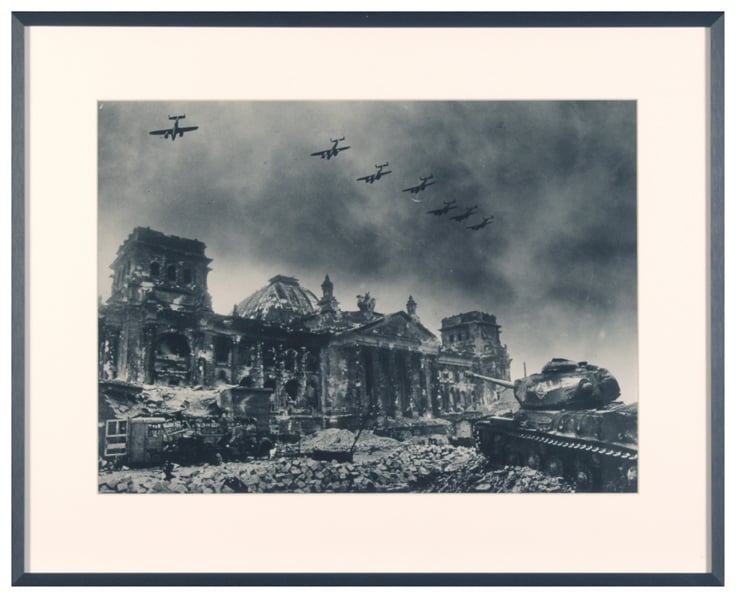
Yevgeny Khaldei photographed a Soviet soldier raising a flag over the Reichstag in Berlin on May 2, 1945. The scene was restaged after the actual capture, and Khaldei brought the flag himself, sewn from tablecloths.
Before publication, editors noticed that one soldier wore two wristwatches, suggesting looting, and the second watch was scratched out. Khaldei also darkened the sky with smoke copied from another image to heighten the drama.
The final version ran in the Soviet magazine Ogonyok and became the defining image of victory in Europe for Soviet audiences, while the editing went largely unknown in the West for decades.
Elvis Meets Nixon
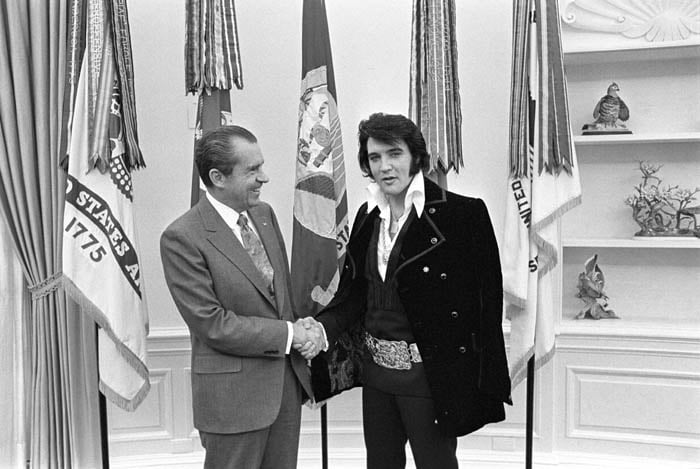
White House photographer Ollie Atkins captured Elvis Presley shaking hands with President Richard Nixon in the Oval Office on December 21, 1970. Presley had arrived unannounced with a handwritten letter asking for a federal narcotics badge.
Nixon agreed to the meeting, and Presley got his badge. Atkins made several frames of the meeting, in which Presley wore a purple velvet suit and a large gold belt.
The photograph has often been reported as the most requested image held by the National Archives, outpacing even the founding documents in reproduction requests. The encounter later inspired a 2016 feature film.
Bliss Was Taken by a Driver
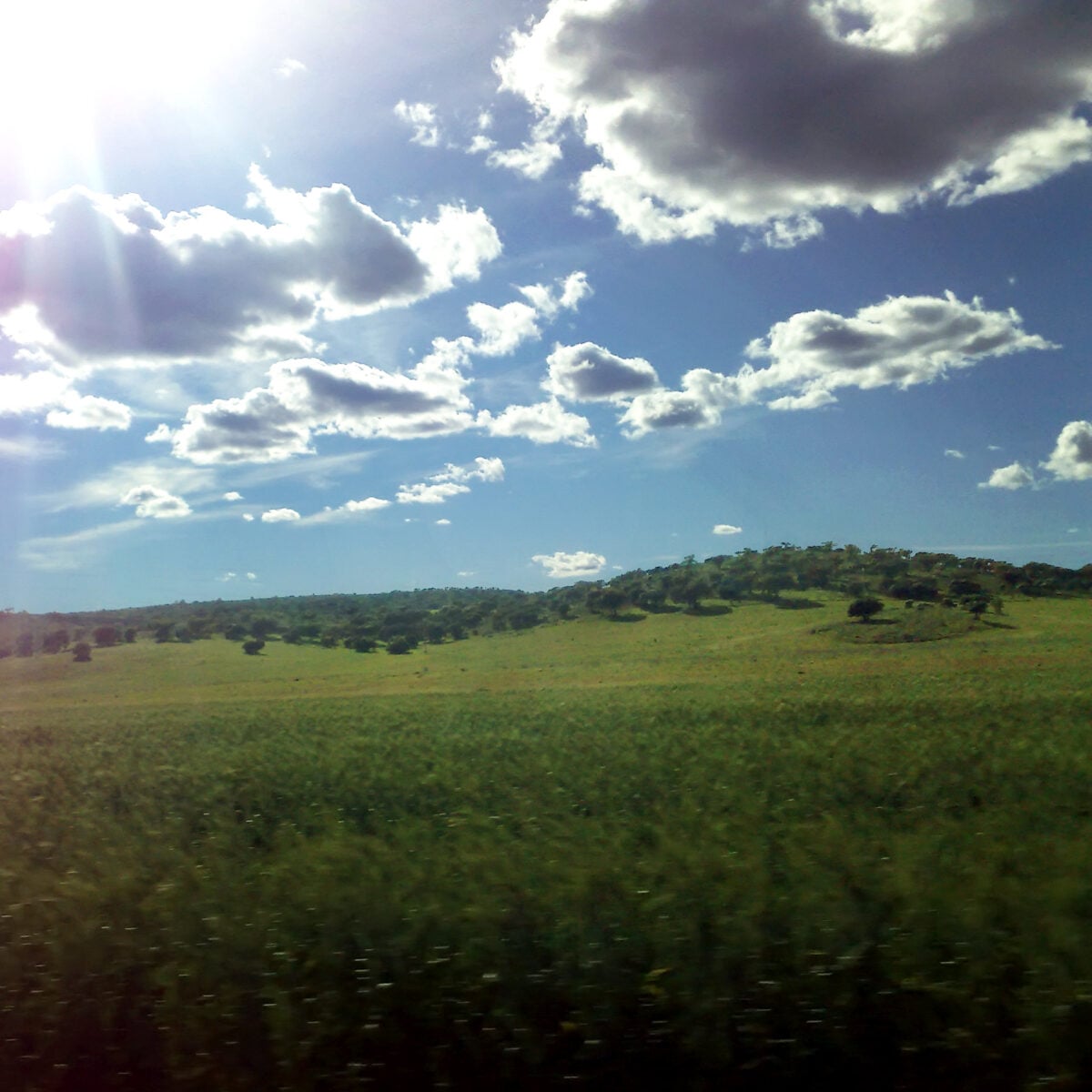
Charles O’Rear photographed a green hill under a blue sky in Sonoma County, California, in January 1996, while driving to see his girlfriend. Microsoft bought the rights in 2000 for a sum O’Rear has said was very large, and the image became the default wallpaper for Windows XP.
The hill was later planted with grapevines, and the scene no longer looks the same. O’Rear has said the image was not digitally altered beyond minor adjustments.
Because XP ran on hundreds of millions of computers, the image is often said to be among the most viewed photographs in history.
The Steerage Was Sailing Away
Alfred Stieglitz photographed passengers on the lower decks of the Kaiser Wilhelm II in 1907. The image is often described as showing immigrants arriving in America, but the ship was actually sailing from New York to Europe.
Many of the passengers in the lower class were returning home, and some had reportedly been denied entry to the United States. Stieglitz, traveling in first class, spotted the scene from an upper deck and rushed back to his cabin for his camera.
He later considered it one of his best works, and it is widely credited as a landmark of modernist photography.
Gardner Moved a Body at Gettysburg
Alexander Gardner photographed a dead Confederate soldier in a rocky enclosure called the Devil’s Den at Gettysburg in July 1863. The image, titled Home of a Rebel Sharpshooter, was presented as showing a soldier where he fell.
Historian William Frassanito determined in 1975 that Gardner had moved the body roughly 40 yards and posed it, with a rifle propped nearby for effect. The same body appears in other Gardner frames taken nearby, which helped Frassanito make his case.
The discovery changed how historians view Civil War photography, which had long been treated as a straightforward record of what the camera found.
Leap Into Freedom
Peter Leibing photographed East German border guard Conrad Schumann jumping over barbed wire into West Berlin on August 15, 1961, two days after construction of the Berlin Wall began. Leibing had noticed the 19-year-old guard pacing nervously near the barrier and waited with his camera raised until Schumann finally sprinted and leaped.
The image became a symbol of the Cold War divide and appeared in newspapers around the world. Schumann later found life in the West difficult, and the photograph followed him for the rest of his life.
Pictures That Kept Changing
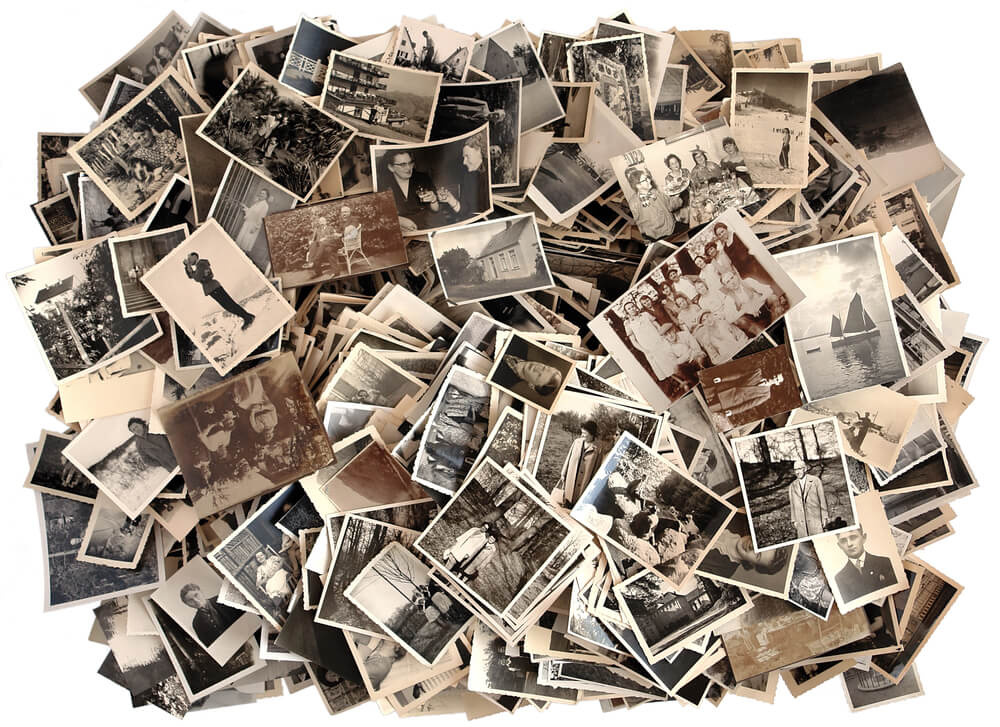
Photographs seem to freeze the past, but their meanings rarely stay fixed. A name surfaces, a confession arrives or a negative turns up in an archive, and the familiar image suddenly tells a different story.
Each new revelation adds a layer rather than erasing the original. That instability is part of what keeps these images alive.
People return to them because they invite questions about who was there, what happened just outside the frame and why one moment was chosen over countless others. The best photographs reward a second look long after the first one seemed complete.
More from Go2Tutors!

- The Romanov Crown Jewels and Their Tragic Fate
- 13 Historical Mysteries That Science Still Can’t Solve
- Famous Hoaxes That Fooled the World for Years
- 15 Child Stars with Tragic Adult Lives
- 16 Famous Jewelry Pieces in History
Like Go2Tutors’s content? Follow us on MSN.