Forgotten Toys Turning 25 This Year
Later on came a time when playthings didn’t fit anywhere clear. Just as children began staring at glowing screens, yet hadn’t drowned in them completely.
They weren’t vintage, but also not wired up like later ones. A few makers tested strange concepts, while some followed quick trends that vanished by next season.
Faint traces remain, twenty-five years later – rarely spoken, stumbled upon by chance. Left behind, but not entirely gone.
Still present, in a quiet sort of way. A quarter century passes, then a shift occurs.
Toys either linger or disappear – no clear reason given. What made them significant wasn’t endurance but faith placed in them during their time.
Looking from far away alters perception. It isn’t missing them that matters, rather understanding which ones remained – and why.
Flickering memories of these overlooked few reveal just how quickly childhood shifts. What once sparked excitement vanishes quicker than a shadow at noon, leaving faint marks where noise used to be.
Fading now, those twenty-five-year-old toys once lit up every room. Yet time has dimmed their spark despite early fame.
Hard to say why some disappeared – being loved wasn’t enough to save them.
Poo-Chi interactive robotic dog
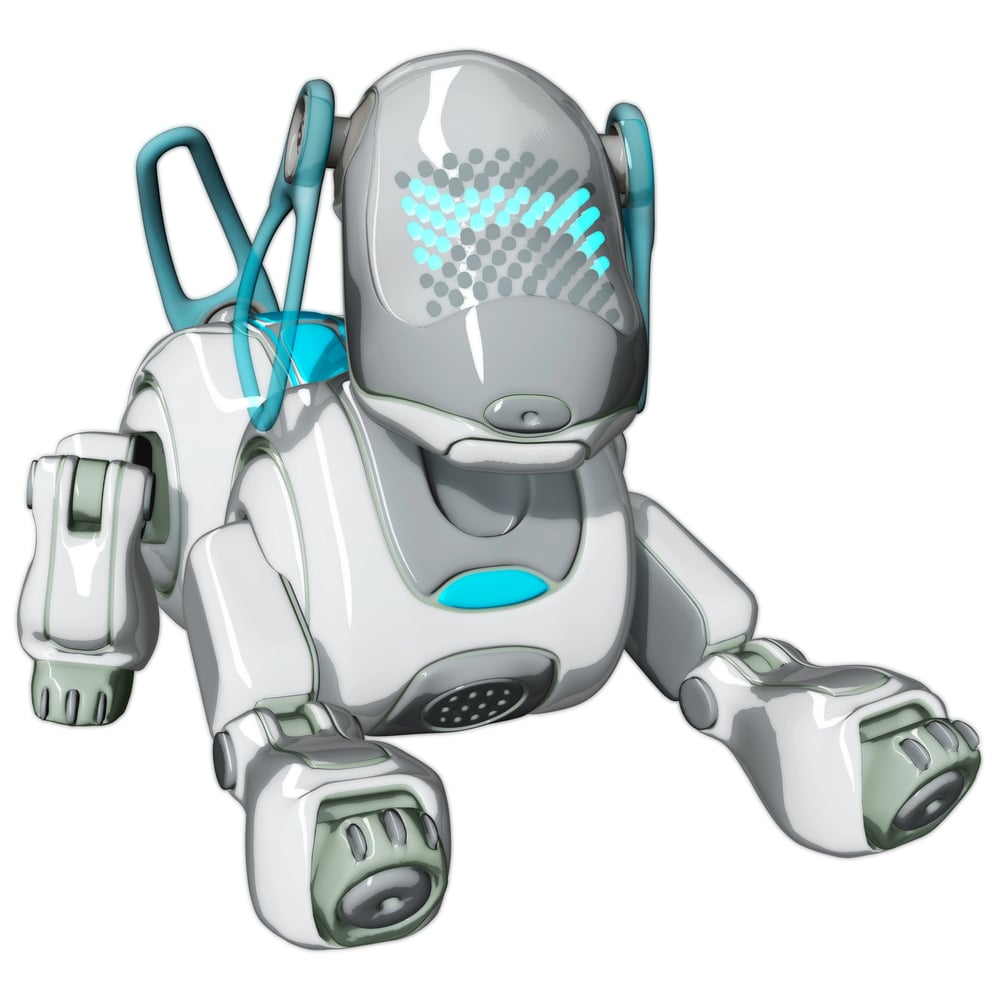
Poo-Chi was one of the first mass-market robotic pets designed to feel emotionally responsive. Released in 2001, it barked, purred, danced, and reacted to touch and sound in ways that felt impressive at the time.
For many kids, it was their first taste of interactive technology disguised as a toy. The problem was timing.
Poo-Chi arrived before long-term engagement expectations existed for tech toys. Once the novelty wore off, there was little variation in behavior, and interest faded quickly.
Today, Poo-Chi feels like a prototype for modern interactive devices. It was not so bad as early, which is often the fastest path to being forgotten.
HitClips portable music players
HitClips captured a very specific moment in pop culture. The tiny, keychain-sized music players played short clips of chart-topping songs through interchangeable cartridges.
In 2001, this felt futuristic and personal. Kids could carry music with them in a way that felt grown-up and independent.
Trading song clips became a social activity, and the product leaned heavily into pop star branding. Still, HitClips were instantly outdated by advancing technology.
As full-length digital music became more accessible, short audio snippets lost their appeal. HitClips now exist mostly as artifacts of pre-streaming enthusiasm.
Diva Starz interactive dolls

Diva Starz dolls blended traditional play with digital interaction. Each doll had a personality, a backstory, and a computer interface that allowed kids to chat, play games, and unlock content.
In theory, they were companions rather than simple figures.
The dolls were popular briefly, but required a level of setup and maintenance that limited long-term play. As computers evolved, the software quickly became obsolete, leaving the dolls stranded without their defining feature.
What remains memorable is the concept. Diva Starz hinted at virtual identity play years before social platforms normalized it, but the execution aged faster than the idea.
Tekno the Robotic Puppy

Tekno arrived with big expectations. Marketed as a lifelike robotic puppy, it could walk, respond to commands, and perform tricks.
It was positioned as a leap forward from simpler electronic pets. In practice, Tekno was impressive but fragile.
Its mechanical movements were fascinating at first, yet required careful handling. Repairs were difficult, and once something broke, play often ended entirely.
Tekno’s legacy is one of ambition. It demonstrated how far toy robotics had come, while also revealing how limited durability could undermine long-term appeal.
Razor Brain Boxes

Brain Boxes were compact, handheld trivia games designed to challenge memory and logic. They targeted kids who enjoyed learning disguised as competition, offering fast-paced question formats and score tracking.
The toys gained traction in classrooms and households that valued educational play. However, they lacked strong character branding or narrative hooks, which made them easy to replace with newer options.
As educational games moved onto screens, Brain Boxes faded from shelves. They now represent a transitional phase between physical learning tools and digital education apps.
My Virtual Friend handheld pets

Following the success of earlier digital pets, My Virtual Friend toys attempted to evolve the concept with improved graphics and expanded care options. Released in the early 2000s, they offered more detailed routines and personality elements.
The challenge was saturation. By 2001, the novelty of virtual pet care had already peaked.
New entries struggled to distinguish themselves meaningfully. These toys did not fail because they were poorly designed, but because they arrived after the cultural moment had passed.
Timing, once again, proved decisive.
Betty Spaghetty accessories and playsets

Betty Spaghetty dolls debuted in the late 1990s, but many of their most elaborate accessories and themed playsets peaked around 2001. The dolls’ bendable limbs and interchangeable outfits encouraged customization.
While visually distinctive, the line struggled to maintain momentum as fashion doll competition intensified. New releases felt incremental rather than essential.
Today, Betty Spaghetty is remembered more for its aesthetic than for specific toys. The accessories turning 25 this year mark the point where the brand began to fade from prominence.
Power Rangers side-line vehicles and gear

By 2001, the Power Rangers franchise had expanded far beyond its core figures. Vehicles, role-play gear, and specialized accessories flooded shelves, tied to ever-changing series iterations.
Some of these toys were popular briefly, but lacked staying power once the associated show moved on. Without continued media reinforcement, many items became obsolete almost overnight.
These forgotten pieces illustrate how tightly toy longevity can be tied to media cycles. When the story ends, so does the play.
Electronic talking planners and organizers for kids

Early 2000s culture loved the idea of kids managing schedules and secrets through tech. Electronic planners marketed to children promised organization, security, and personalization through simple screens and buttons.
They felt mature and empowering, even if most users had little to plan. The appeal lay in mimicry rather than utility.
As personal devices evolved rapidly, these planners lost relevance. They now feel like curious experiments in teaching responsibility through gadgets rather than play.
Collectible figurines from short-lived animated series

The early 2000s saw a surge of animated shows designed to support toy lines. Many launched with optimism, produced figures, and then disappeared after short runs.
The toys themselves were often well made, but without ongoing exposure, they lacked emotional anchors. Once shelves cleared, so did memory.
These figures turning 25 highlight how dependent toys can be on sustained storytelling. Without it, even quality products fade quickly.
Why these toys were forgotten

Quarter-century-old toys reveal clear trends. As newer gadgets appeared, those older ones vanished almost overnight.
Arriving late, they couldn’t adapt to shifting tastes. Factories simply couldn’t keep up – culture moved faster than production lines ever could.
Early memories often surface quietly. Toys linger since they weave into everyday routines.
When an experience lacks meaning, even if it seems fresh, interest slips away quickly.
Strange, looking back at those old toys – never misfires, just first stabs. Out of curiosity came motion, boundaries bent soon after, hints of later paths hidden in lopsided forms.
Disappearance couldn’t erase their marks. They simply slipped into quiet, stored where childhood things land once years pass, waiting till a dim photo appears, an overlooked box reemerges, or one phrase returns after years of stillness
More from Go2Tutors!

- The Romanov Crown Jewels and Their Tragic Fate
- 13 Historical Mysteries That Science Still Can’t Solve
- Famous Hoaxes That Fooled the World for Years
- 15 Child Stars with Tragic Adult Lives
- 16 Famous Jewelry Pieces in History
Like Go2Tutors’s content? Follow us on MSN.