27 Fast Food Menu Items That Disappeared
Fast food chains test new items constantly, and most vanish before anyone notices. A few, though, made it onto national menus, ran in television commercials and earned real fans before the chains quietly pulled the plug.
Some failed because nobody bought them. Others sold well but slowed down kitchens, cost too much to make or simply clashed with what a burger chain was supposed to be.
Ray Kroc’s Pineapple Hula Burger
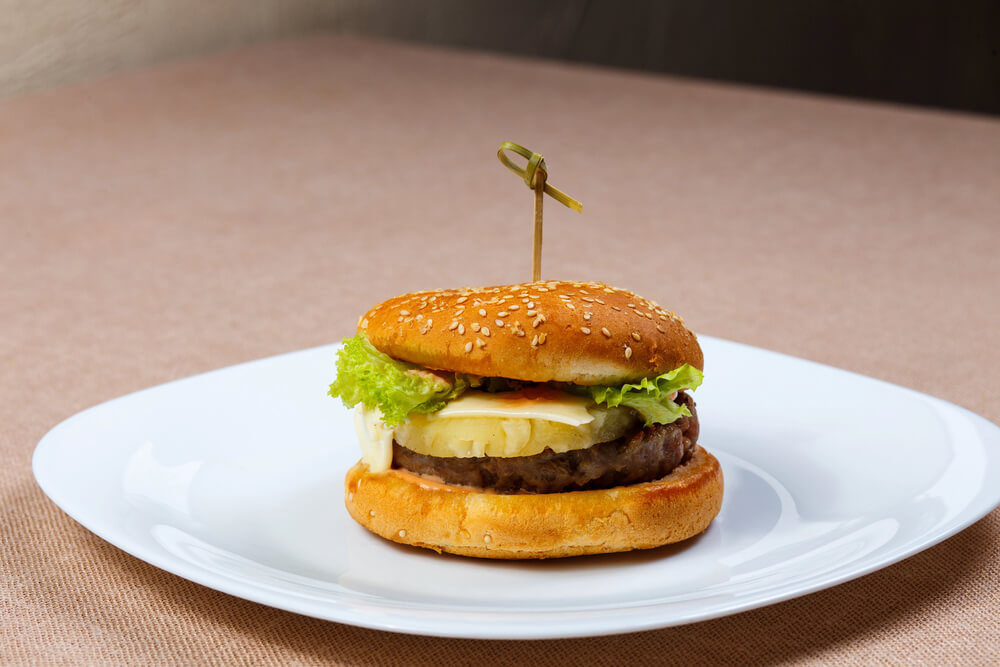
Ray Kroc’s Hula Burger was a slice of grilled pineapple topped with cheese on a bun, created in the early 1960s as a meatless option for Catholic customers on Fridays. Cincinnati franchise owner Lou Groen had developed a fish sandwich for the same purpose, and in 1962 the two items went head to head in a test on Good Friday.
The Filet-O-Fish won decisively. The Hula Burger disappeared almost immediately, and the fish sandwich went national in 1965.
Pineapple never got another serious shot at the McDonald’s menu, though it shows up on burgers in Hawaii and elsewhere.
McDonald’s McDLT
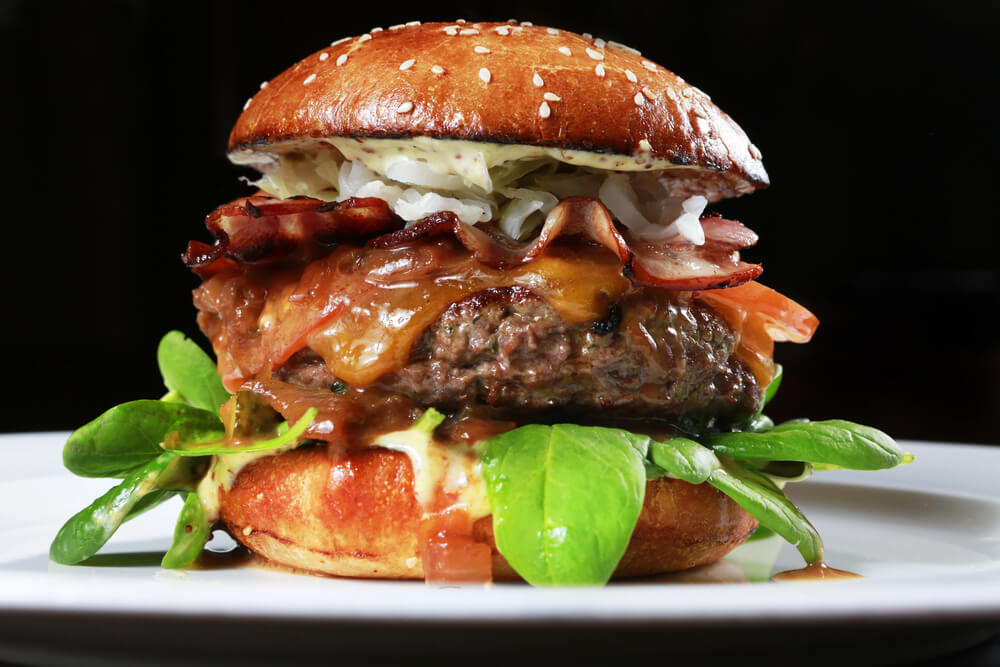
Launched in 1984, the McDLT arrived in a two-sided polystyrene container that kept the hot side hot and the cool side cool. The bottom bun and beef patty sat in one compartment, and the lettuce, tomato and top bun sat in the other, so customers assembled the sandwich themselves.
Commercials featured a young Jason Alexander singing about the concept. The packaging became the product’s undoing as environmental criticism of foam containers grew.
McDonald’s phased out the polystyrene packaging around 1990, and the McDLT went with it.
The Arch Deluxe for Grown-Ups
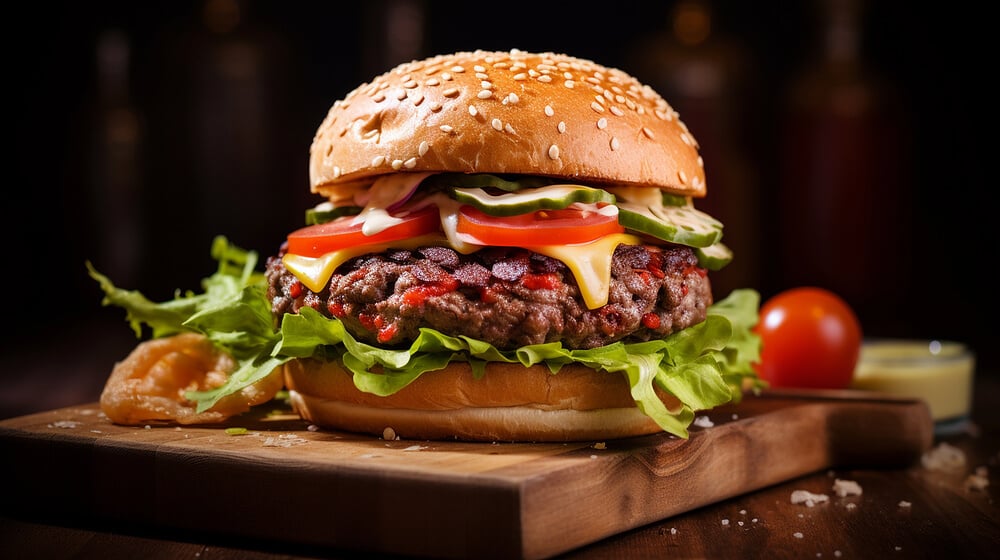
Billed as a burger for adults, the Arch Deluxe debuted in 1996 with a potato flour bun, peppered bacon and a secret mustard and mayonnaise sauce. The marketing campaign, reported to have cost well over 100 million dollars, featured kids making faces at the sandwich to emphasize its grown-up taste.
Adults did not respond the way McDonald’s hoped. The burger is still cited as one of the costliest flops in fast food history.
It faded from menus within a few years, though the lesson about knowing a brand’s own customers stuck around much longer.
McPizza in Ohio and West Virginia
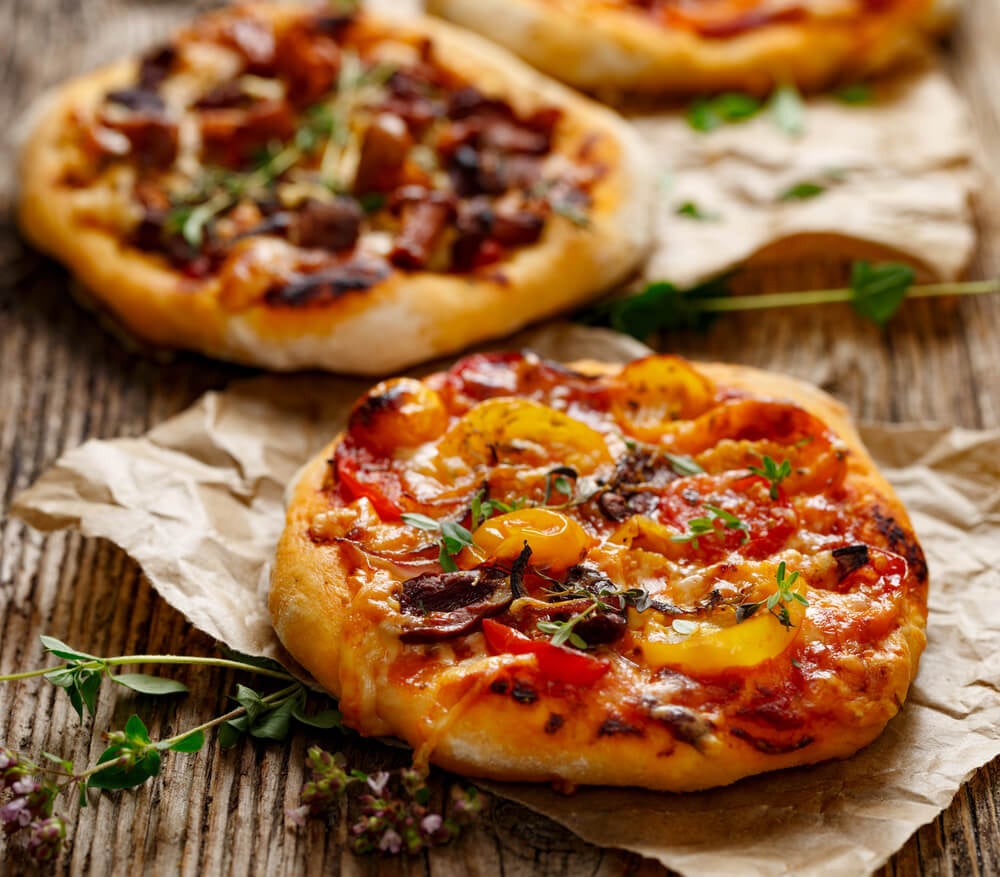
Pizza testing at McDonald’s began in the 1980s, and McPizza rolled out more widely in the early 1990s, but the pies took far longer to cook than burgers and slowed down service. Most restaurants dropped pizza within a few years.
Two franchises owned by the same operator, in Pomeroy, Ohio, and Spencer, West Virginia, kept selling it for about 15 years after everyone else stopped. The last McPizzas at those stores were served at the end of August 2017 after corporate told them to stop.
Customers reportedly drove hundreds of miles for a final slice.
McLean Deluxe and Its Seaweed Secret
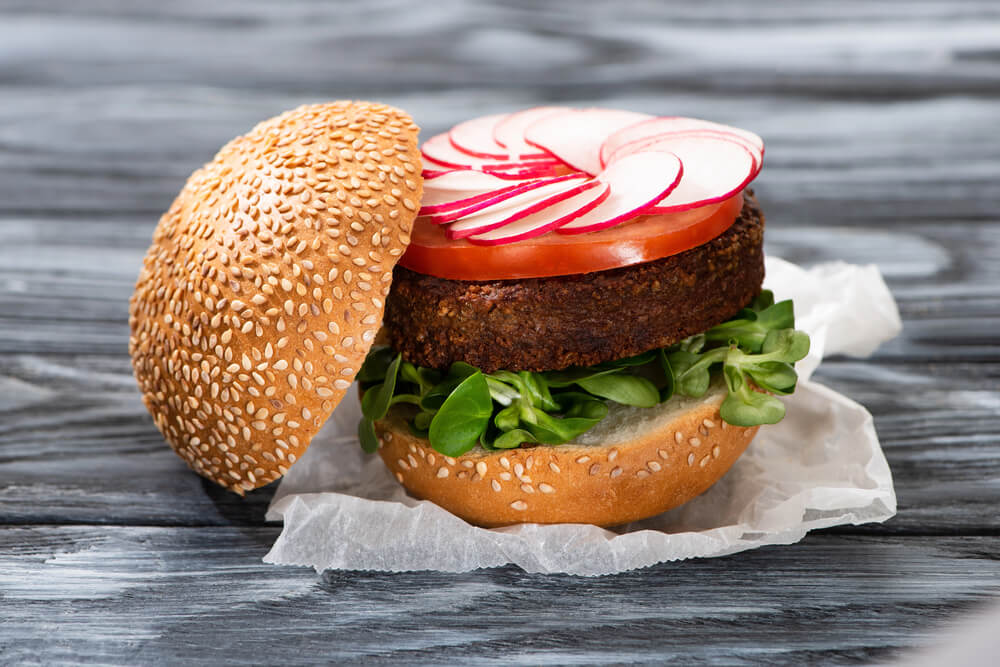
The McLean Deluxe arrived in 1991 as a lower-fat burger, using a patty that was about 91 percent fat-free. To keep the meat moist, the company added carrageenan, a thickener made from seaweed, which became the punchline of countless jokes.
The burger was a response to growing health concerns in the early 1990s. Customers who wanted a burger mostly wanted a real one.
The McLean Deluxe was discontinued in 1996, and McDonald’s has rarely tried to sell a lighter burger in such an aggressive way since.
McDonald’s Onion Nuggets
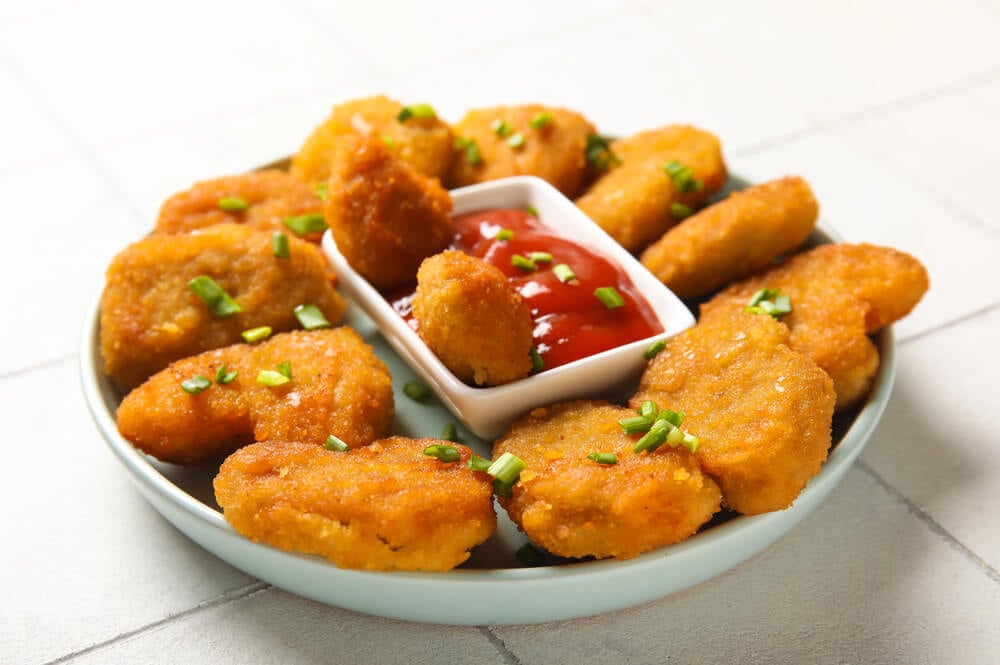
Onion Nuggets turned up on McDonald’s menus in the late 1970s, bite-size pieces of chopped onion battered and fried, served with dipping sauce. They predated Chicken McNuggets and used a similar concept of small, dippable fried bites.
The nuggets were sold for only a short time before the company pulled them. Fans of onion rings had little to cheer about.
The concept lived on in a sense, since the McNugget format arrived a few years later and became one of the most successful fast food products ever made.
The Fried Apple Pie
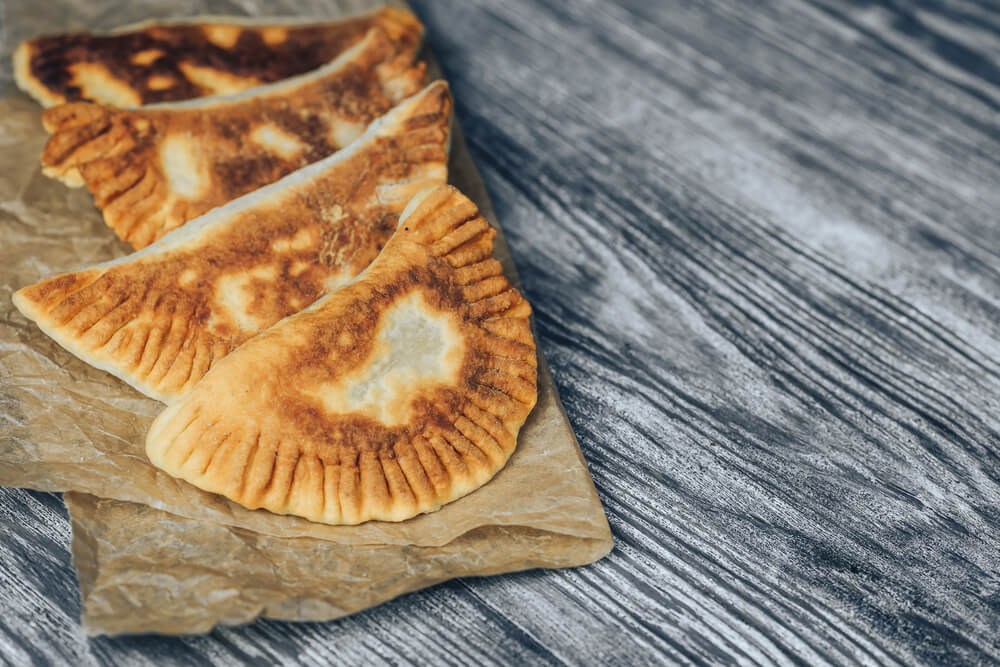
McDonald’s original apple pie was deep-fried, with a bubbly, blistered crust and scalding filling that carried warnings about burned tongues. In 1992, the company switched to a baked pie in most of the United States, responding to health concerns about frying.
Fans still mourn the change decades later. The fried version survived in a few markets, including Hawaii and some international locations.
Nostalgia for the crunchy crust remains so strong that copycat recipes for the original circulate widely online, and some fans make road trips to find one.
Salad Shakers in a Cup
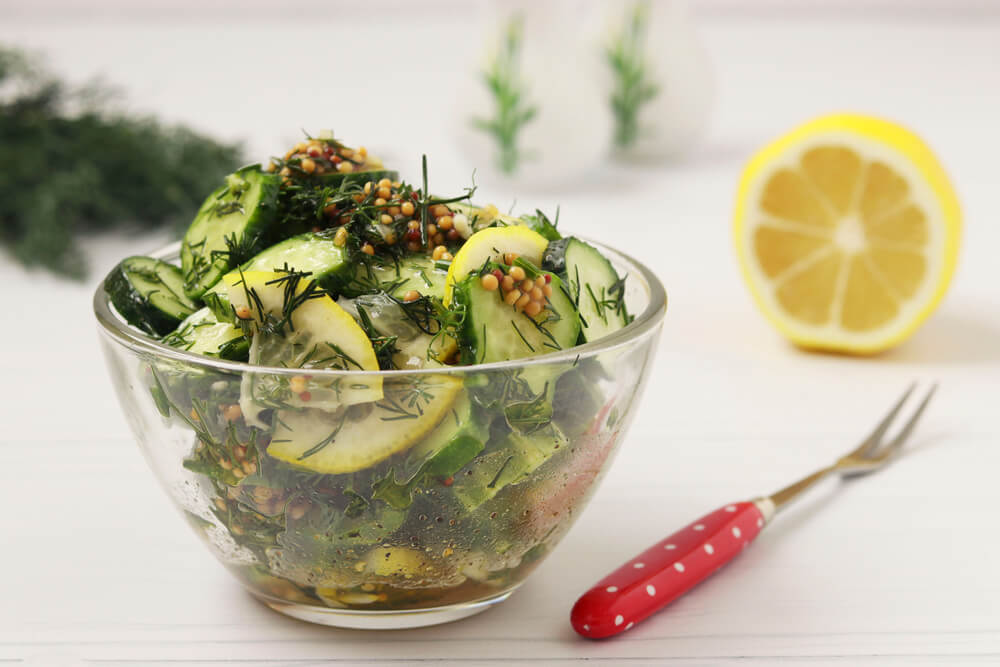
Salad Shakers arrived at McDonald’s in 2000, salads packed into tall plastic cups that customers shook with dressing before eating. The design was meant to fit car cup holders and appeal to commuters who wanted something lighter than a burger.
The concept was clever, but the salads were hard to eat from a cup and the dressing rarely spread evenly. McDonald’s phased them out within a few years and replaced them with more traditional premium salads.
Salad Shakers are now remembered mainly as a strange experiment from the early 2000s.
Chicken Selects Strips
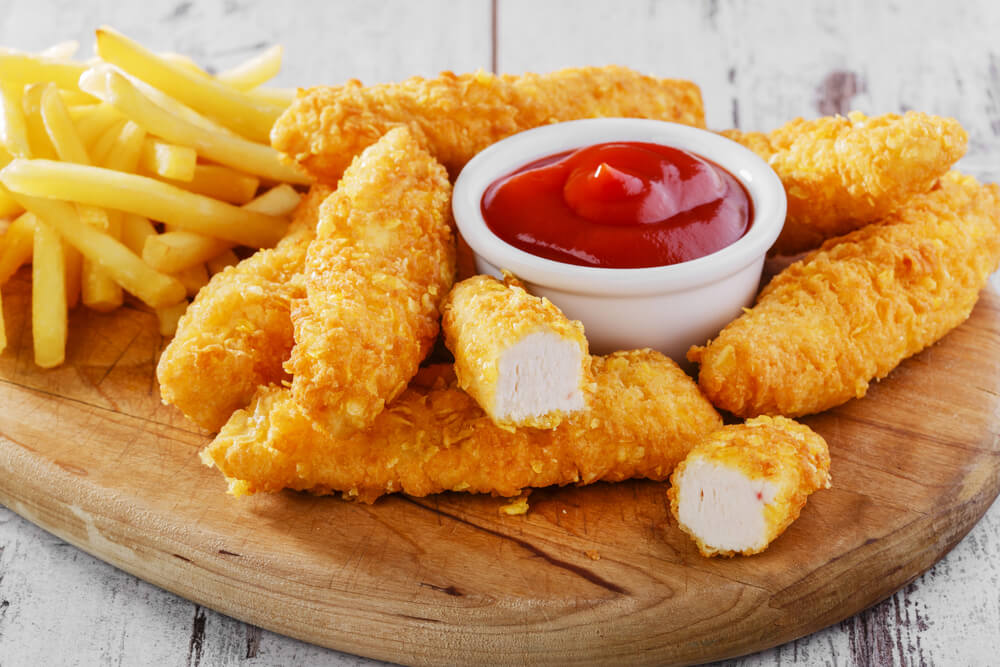
Chicken Selects debuted in 2004, strips cut from real chicken breast meat rather than the formed meat used in McNuggets. They were seasoned with a peppery breading and served with dipping sauces, and they cost noticeably more than nuggets.
Fans loved them, but the price and preparation time made them a hard fit for the value menu era. McDonald’s discontinued them in 2013, brought them back briefly in 2015, then dropped them again.
Chicken tenders returned years later under a different name, which many fans considered close but not quite the same.
Mighty Wings That Missed
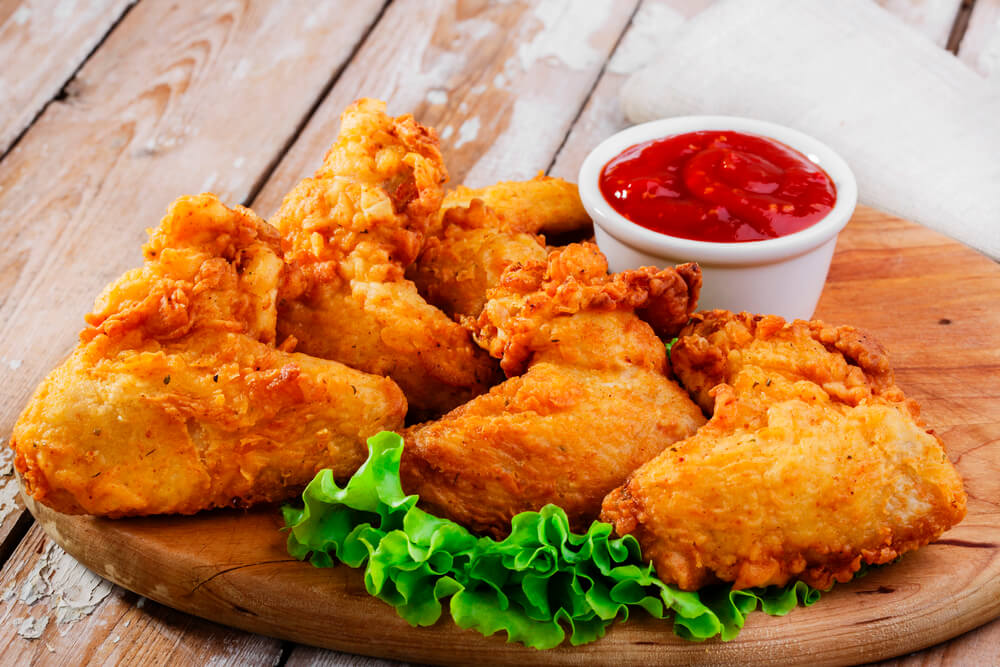
Mighty Wings went national in 2013, spicy bone-in chicken wings sold in packs of three, five or ten. The wings were priced higher than most McDonald’s items, and many customers found them too spicy or too expensive for a quick meal.
Sales fell far short of expectations, and the company reportedly ended up with millions of pounds of unsold frozen wings. McDonald’s tried discounting them before pulling them from menus.
The episode became a business school example of a product that did not fit its brand.
Big N’ Tasty
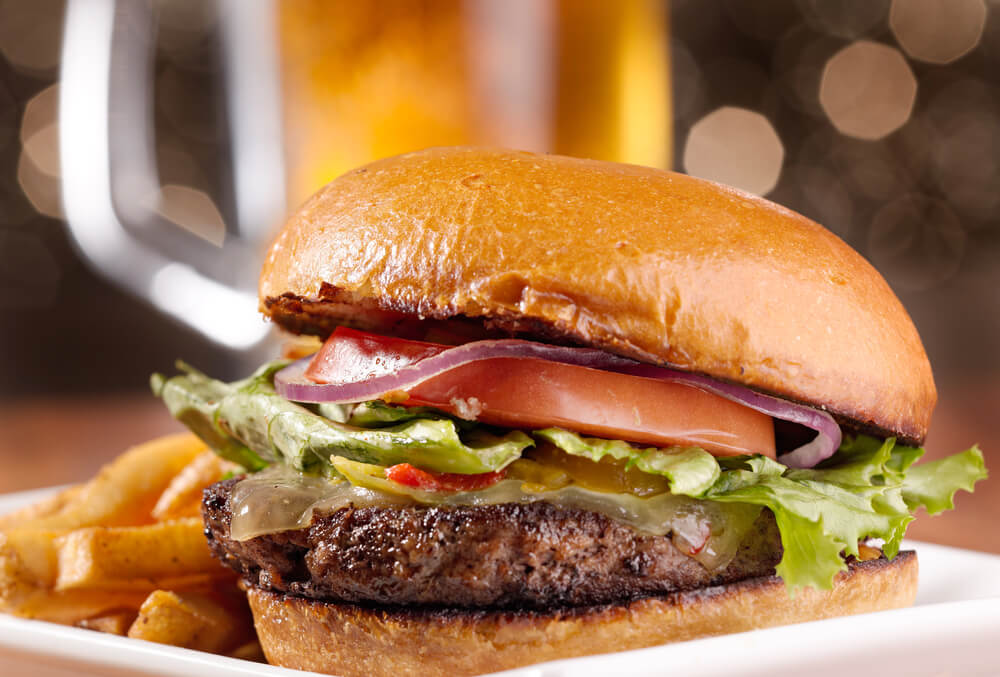
Built as a direct answer to Burger King’s Whopper, the Big N’ Tasty arrived in the late 1990s with a quarter-pound patty, lettuce, tomato, onion, pickles and mayonnaise on a sesame seed bun. It was sold for years, often on the dollar menu, and developed a loyal following among customers who wanted a fresher-tasting burger.
McDonald’s discontinued it in 2011 as it reshaped its burger lineup. Fans still ask for it online.
Later burgers with similar toppings never quite replaced it in the memories of regular customers.
Fish McBites for Lent
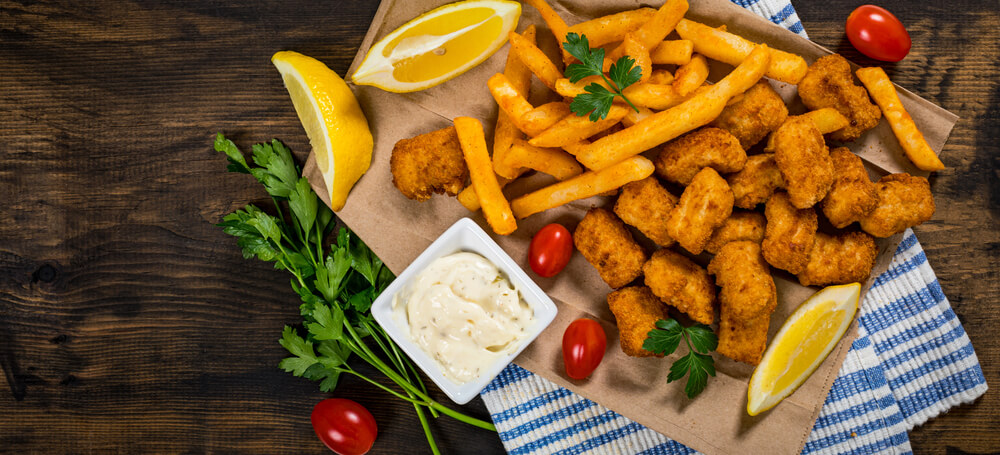
Fish McBites showed up at McDonald’s in 2013, small bite-size pieces of breaded fish sold in snack, regular and large sizes for the Lent season. They were meant to attract customers who wanted fish but not a sandwich.
The bites were marketed heavily during their limited run. Sales disappointed, and McDonald’s did not bring them back the following year.
The Filet-O-Fish remained the chain’s only regular fish option, as it had been for half a century, and Fish McBites became a footnote in the long history of fast food seafood.
Burger Bundles and Burger Buddies
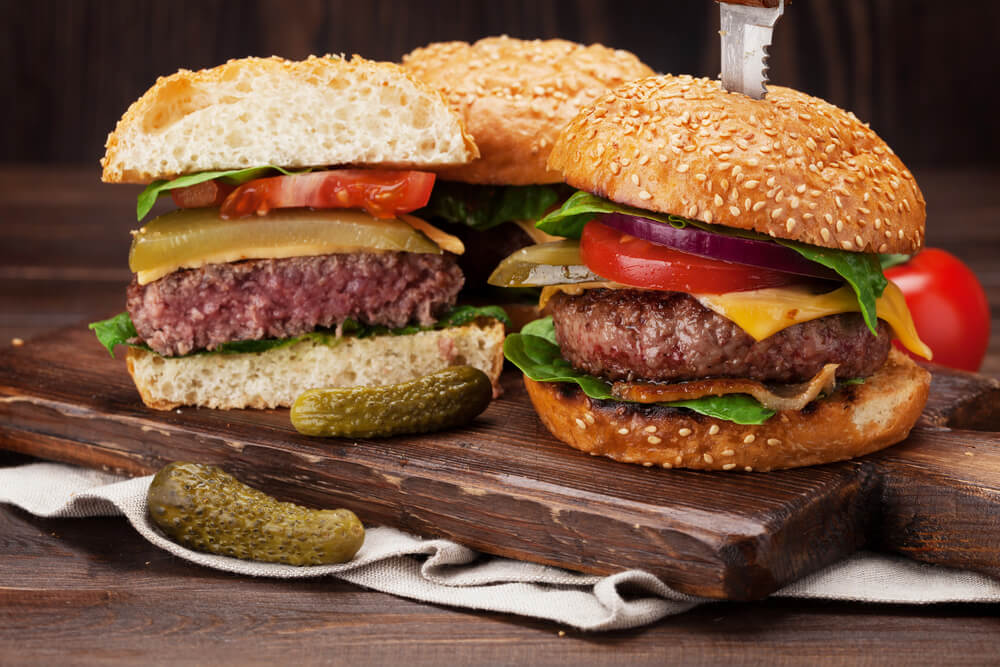
Back in 1987, Burger King rolled out Burger Bundles, small sliders sold in packs of three or six, each with a single pickle and a dab of ketchup and mustard. They were renamed Burger Buddies in 1989 and sold in pairs.
The concept anticipated the slider craze of later decades by a long stretch. Burger King discontinued them after a few years, though versions of the idea returned as limited-time offers much later.
Many customers remember the bundles mainly from cheerful television commercials of the late 1980s.
Burger King Yumbo
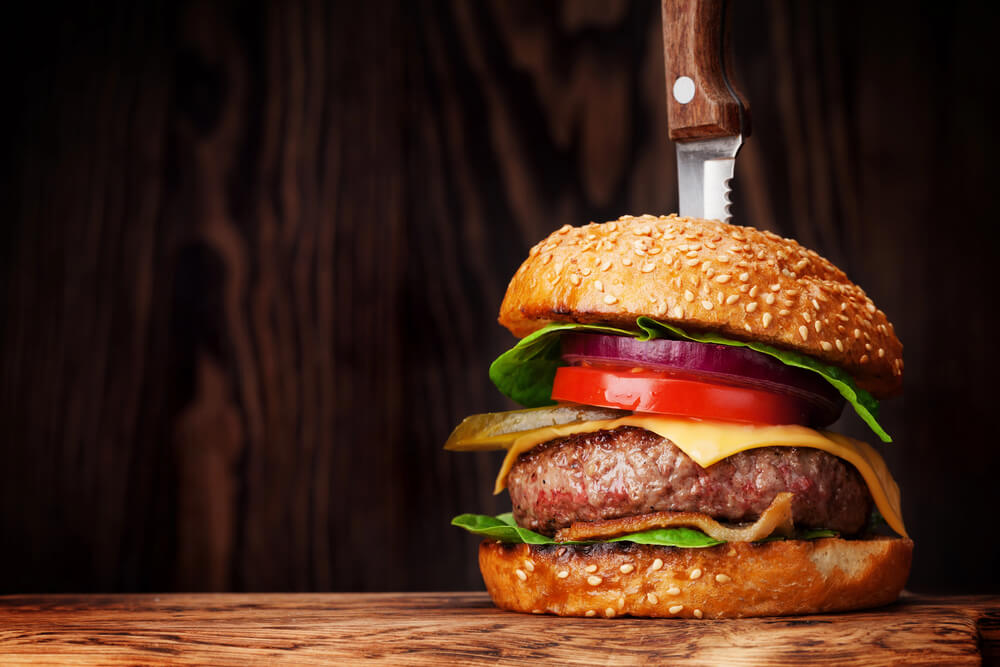
Burger King’s Yumbo, introduced in 1968, was a hot ham and cheese sandwich served in a warm paper wrapper. It was one of the chain’s early attempts to sell something other than burgers.
The sandwich disappeared from menus in the 1970s. Burger King revived it briefly in 2014 as a limited-time breakfast and lunch offer, playing up the retro name in advertising.
The return was brief, and the Yumbo remains one of the stranger names in fast food history, mostly remembered by people who grew up in the late 1960s.
Shake ‘Em Up Fries
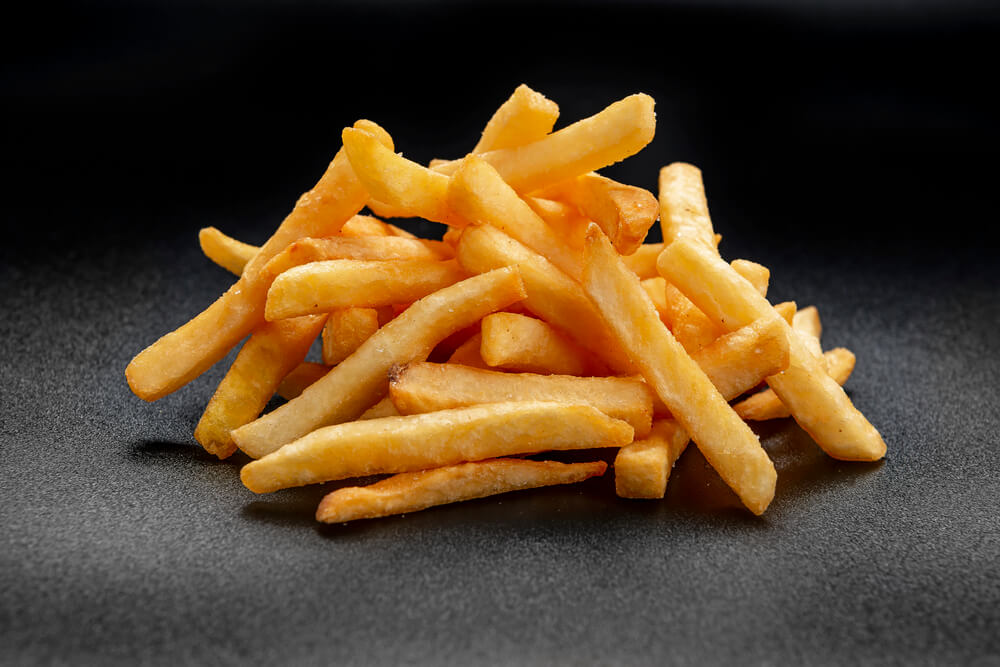
Shake ‘Em Up Fries landed at Burger King in the early 2000s, a bag of fries with a packet of cheese powder that customers poured in and shook to coat. The interactive concept was aimed squarely at kids and teens.
The cheese powder sometimes clumped and left uneven coverage, with bare fries at the top and orange paste at the bottom. The product disappeared within a few years.
It remains a cult memory for people who grew up in that era, and copycat recipes circulate online for fans who want to recreate it.
Burger King Satisfries
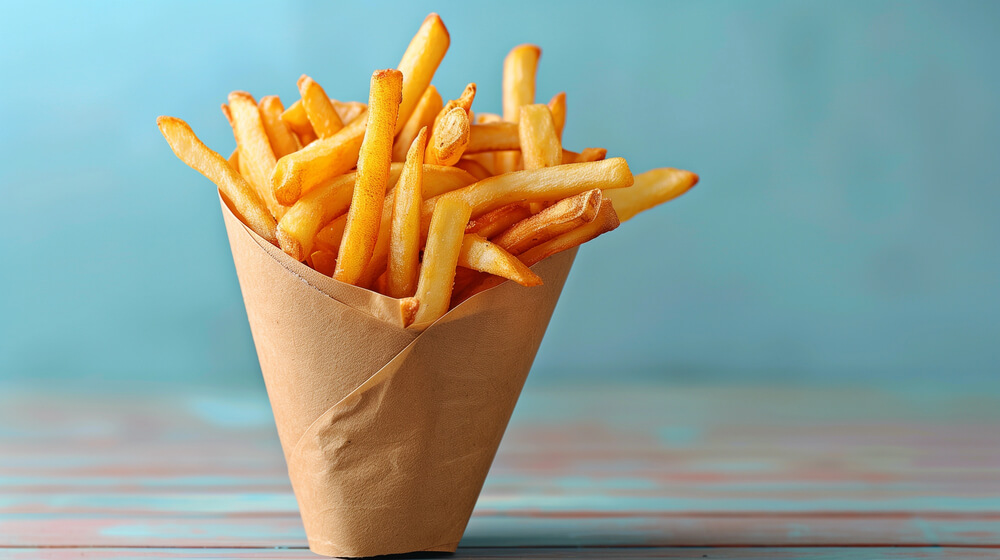
Satisfries debuted at Burger King in 2013, crinkle-cut fries with a coating that the chain said absorbed less oil, giving them fewer calories and less fat than regular fries. They cost more than standard fries, and many customers did not notice the difference in taste at all.
Sales were weak, and Burger King pulled them from most restaurants in 2014. The episode showed how hard it is to sell healthier fast food to customers who are already ordering fries.
Satisfries became one of the chain’s quickest retreats.
Enormous Omelet Sandwich
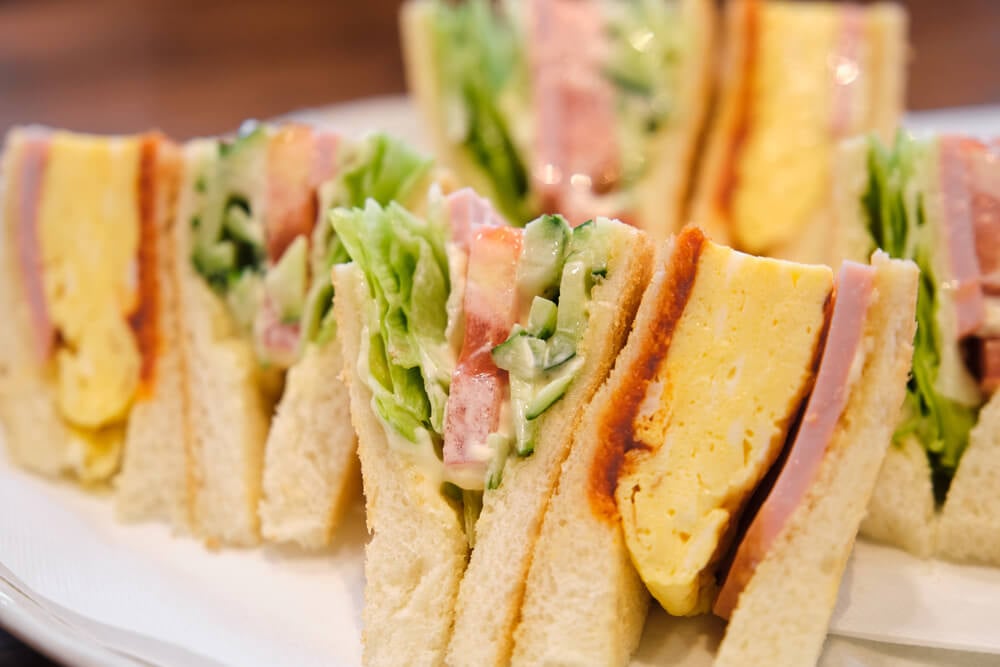
Burger King’s Enormous Omelet Sandwich, introduced in 2005, was a breakfast sandwich loaded with sausage, bacon, two slices of cheese and an egg omelet on a long bun. It delivered roughly 730 calories, and critics called it a symbol of fast food excess.
Burger King leaned into the reputation with bold advertising aimed at hungry young men. The sandwich eventually disappeared from menus.
It remains a memorable example of the oversized fast food era of the mid-2000s, when chains competed to sell the biggest possible portions.
Wendy’s SuperBar Buffet
The SuperBar arrived at Wendy’s in the late 1980s, an unlimited buffet with a salad station called the Garden Spot, a Mexican section called Mexican Fiesta and an Italian section called Pasta Pasta. Prices began around 3 dollars, and customers loved the variety.
Keeping the buffet stocked, clean and fresh was difficult for staff who also had to run the regular counter. Wendy’s discontinued the SuperBar in 1998.
Fans have campaigned for its return for decades, and it remains one of the most missed items in fast food history.
Big Classic on a Kaiser Bun
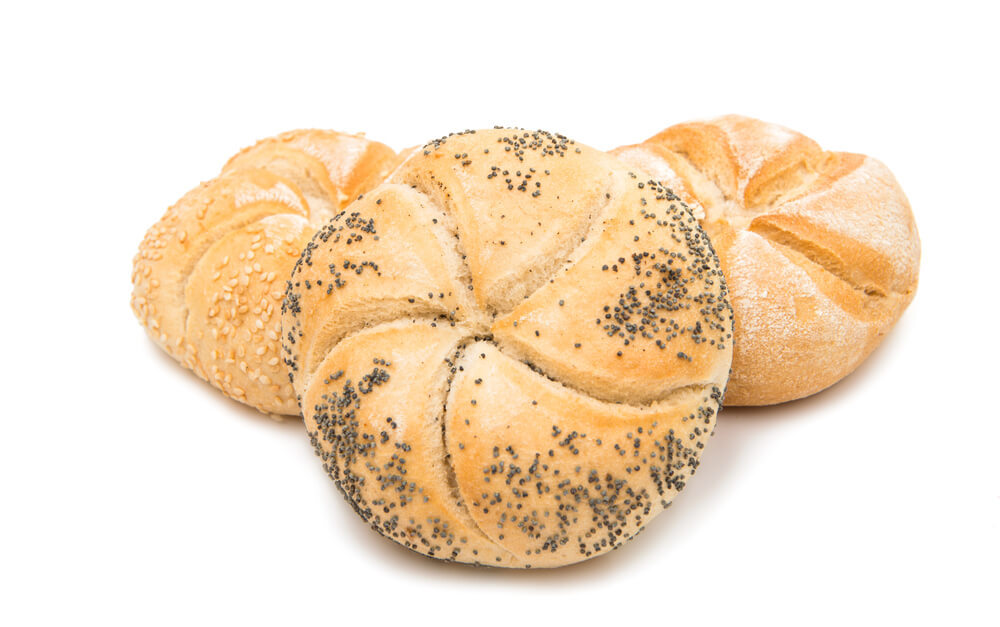
The Big Classic joined the Wendy’s menu in 1986, a quarter-pound burger served on a Kaiser bun with lettuce, tomato, onion, pickles, ketchup and mayonnaise. The burger competed directly with the Whopper and became a core part of the Wendy’s lineup for years.
It lasted into the 2000s before Wendy’s reshaped its menu and phased it out. Many customers considered it one of the chain’s best burgers.
Later Wendy’s burgers borrowed elements of its build, but the Big Classic name disappeared along with its distinctive bun.
Fresh Stuffed Pitas
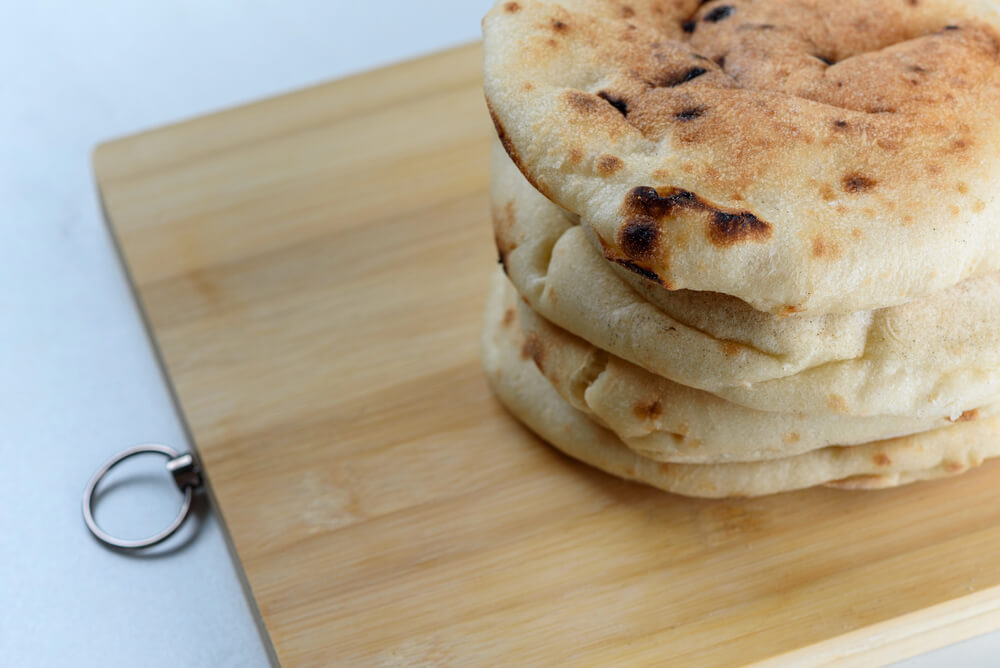
Fresh Stuffed Pitas arrived at Wendy’s in 1997, pita sandwiches filled with salad and protein in varieties such as Chicken Caesar, Garden Ranch Chicken and a Greek version with feta. They were part of an effort to offer lighter options during a decade obsessed with low-fat eating.
The pitas were popular with some customers but complicated to prepare quickly during a lunch rush. Wendy’s discontinued them within a few years.
They remain a favorite memory for fans of the chain’s 1990s menu, and some customers still ask about them.
Taco Bell Seafood Salad
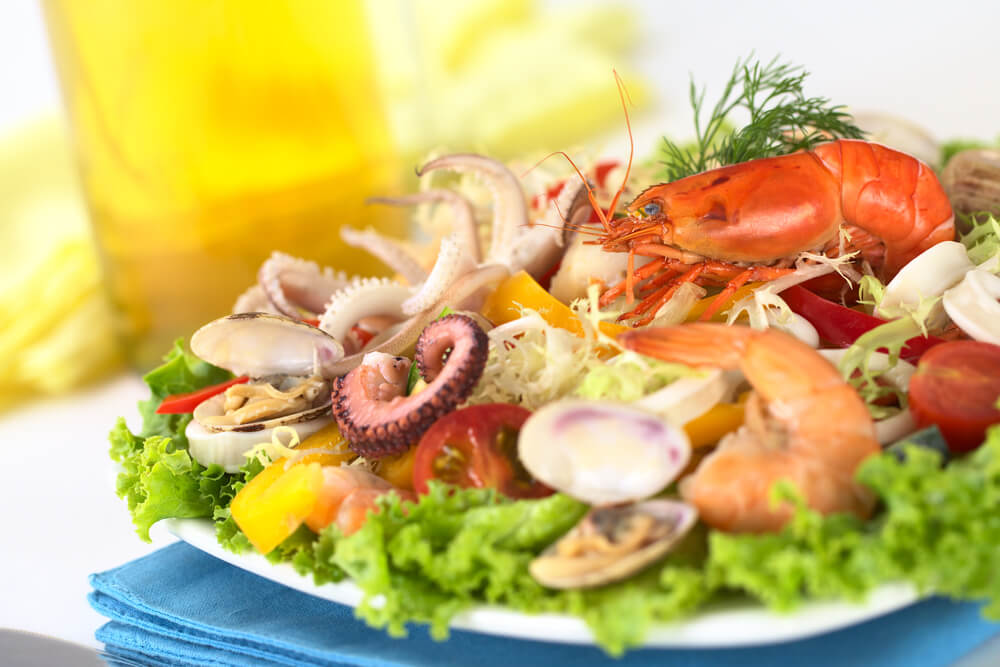
Taco Bell introduced a Seafood Salad in 1986, filling a fried tortilla bowl with lettuce, tomato, olives, shrimp, whitefish and snow crab. Television commercials took aim at fried fish sandwiches sold by other chains, promising something fresher.
Customers were not convinced that a taco chain was the place for cold seafood. The salad disappeared within a few years, and Taco Bell did not offer seafood across its system again for a long time.
The Seafood Salad is now remembered as one of the oddest items in fast food history.
Taco Bell Bell Beefer
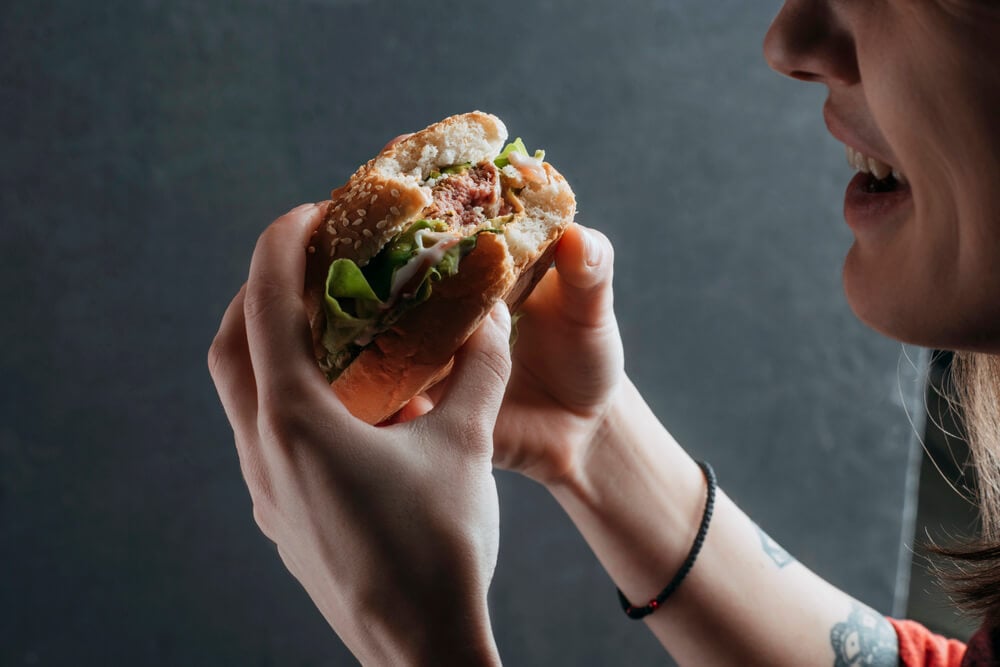
Taco Bell sold the Bell Beefer from the 1970s into the 1990s, a sandwich of seasoned taco meat, lettuce, tomato and cheese on a hamburger bun. It was essentially a sloppy joe with taco flavors, aimed at customers who wanted a burger-style meal at a taco chain.
Taco Bell phased it out as it focused on its Mexican-inspired identity. Fans campaigned for its return, and a few locations brought it back briefly in the 2010s.
The sandwich remains a cult favorite among longtime customers who still bring it up.
Taco Bell Meximelt
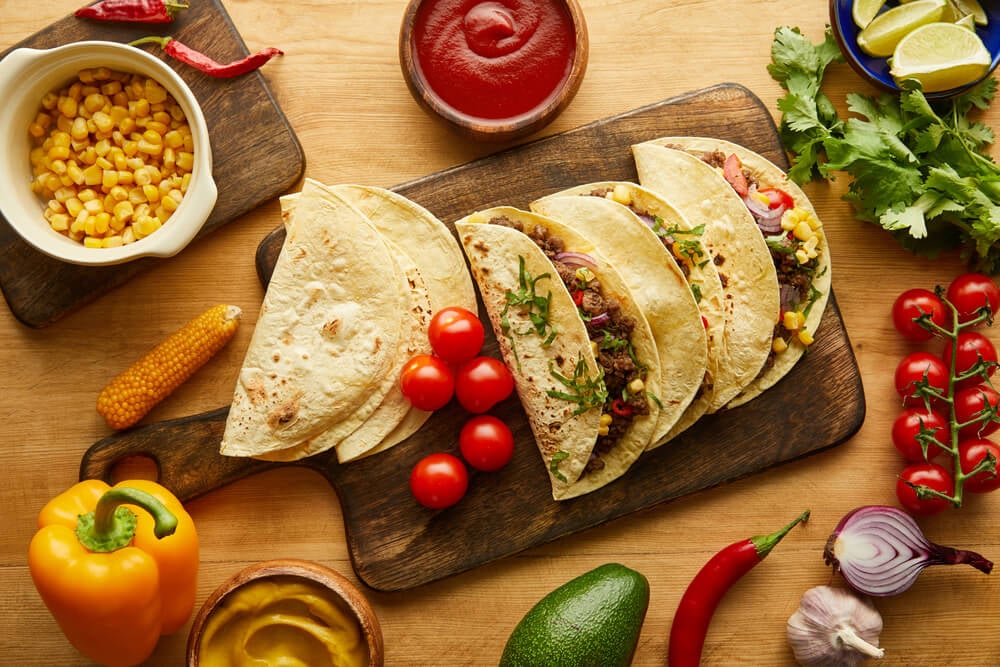
Taco Bell sold the Meximelt for decades, a soft flour tortilla folded around seasoned beef, a blend of cheeses and pico de gallo, then steamed so the cheese melted. It was a simple, inexpensive item that built a loyal following among late-night customers.
Taco Bell cut it in a major 2019 menu overhaul aimed at speeding service and simplifying kitchens. Fans complained loudly on social media.
They have petitioned for its return ever since, and the Meximelt remains a regular on lists of the most missed Taco Bell items.
Pizza Hut Priazzo
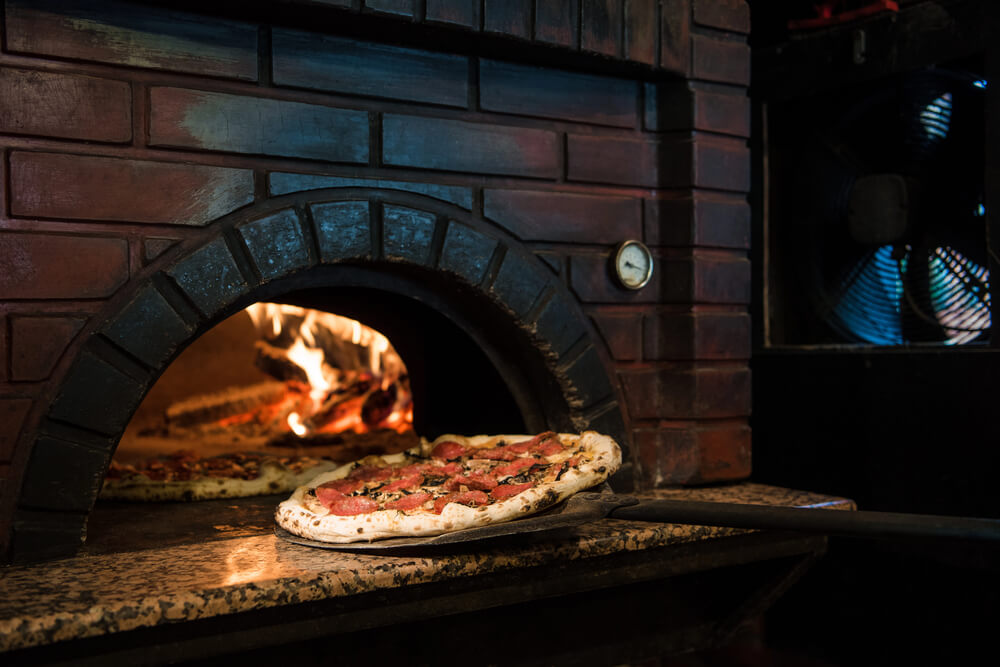
Pizza Hut introduced the Priazzo in the mid-1980s, a deep-dish pie with a top crust that landed somewhere between a pizza and a pot pie. It came in varieties such as Roma, Milano and Florentine, and it took a long time to bake, which frustrated hungry customers.
The Priazzo was rich and heavy, closer to a Chicago-style stuffed pizza than anything else on the menu. Pizza Hut dropped it by the early 1990s.
Fans still remember it as one of the chain’s most ambitious items, and a few still ask for it by name.
Pizza Hut Bigfoot
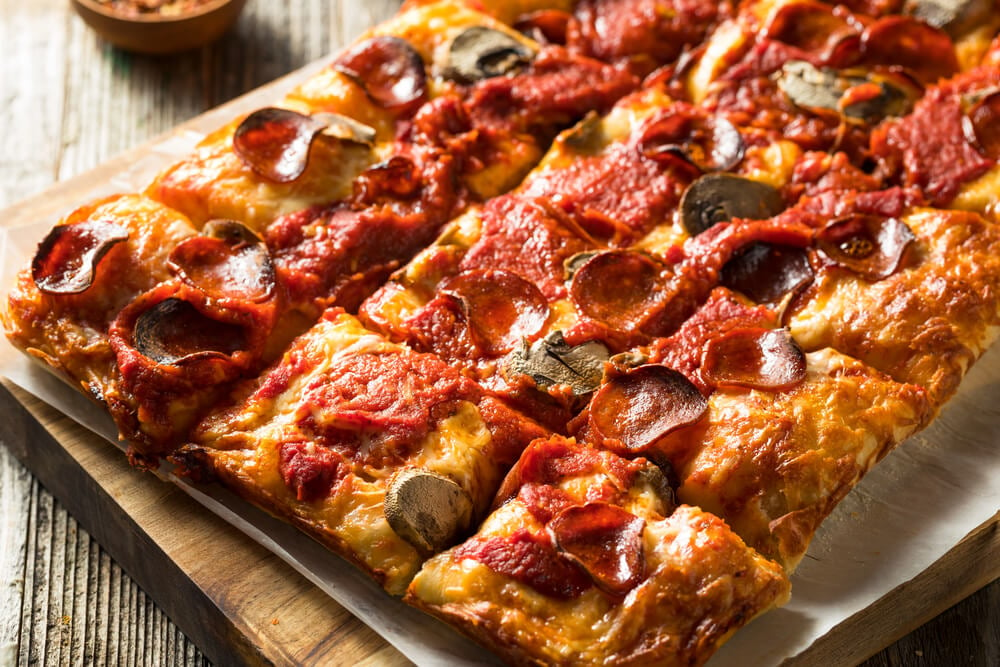
Pizza Hut introduced the Bigfoot in 1993, a rectangular pizza about two feet long cut into 21 slices, marketed as a pizza big enough to feed a party. It was aimed at families, sports teams and sleepovers, and commercials played up its enormous size.
The crust was thinner than many fans expected, and toppings were spread thin as well. Pizza Hut eventually dropped it, though the chain experimented with oversized pizzas in later years.
The Bigfoot remains a fond memory for kids who grew up in the 1990s.
KFC Rotisserie Gold
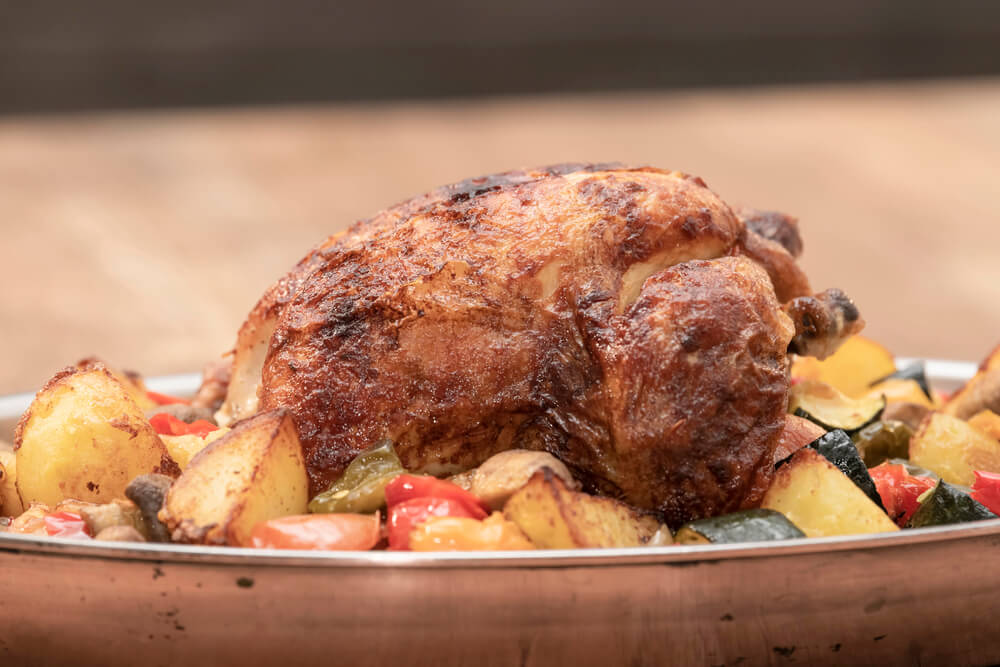
KFC introduced Rotisserie Gold in the early 1990s, rotisserie-roasted chicken meant to compete with fast-growing chains such as Boston Market and Kenny Rogers Roasters. The chicken was marketed as a lighter alternative to fried chicken, sold with sides that matched the home-style trend of the era.
Customers who came to KFC mostly wanted the fried kind. The rotisserie product faded within a few years.
KFC later introduced grilled chicken in 2009, but fried chicken remained the heart of its menu, just as the Colonel intended.
Chicken Cordon Bleu Sandwich
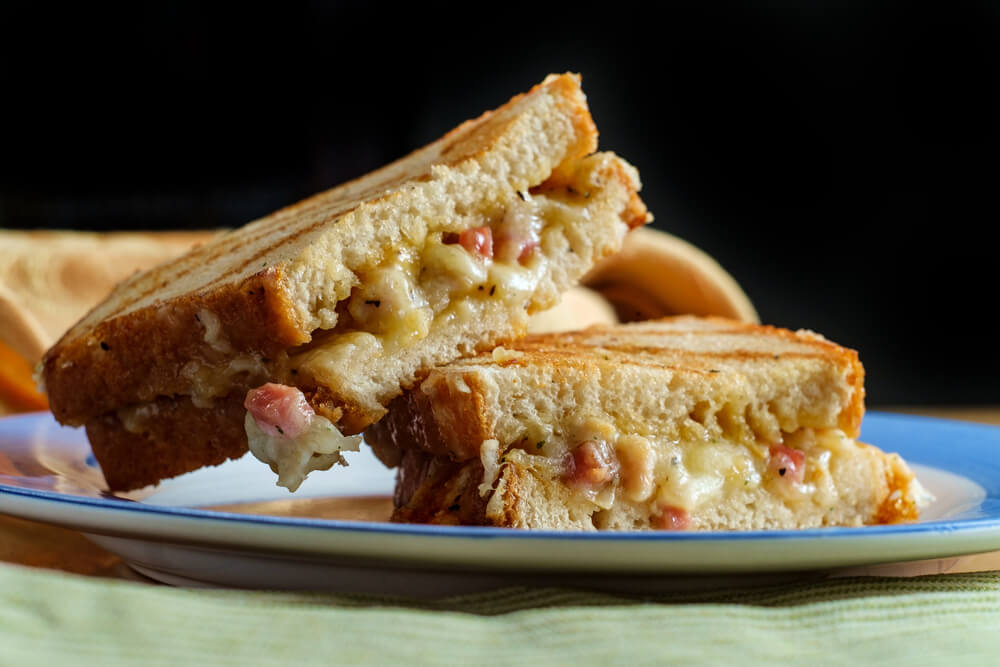
Chicken Cordon Bleu arrived at Wendy’s in 1991, a breaded chicken breast topped with ham, Swiss cheese, mayonnaise and Dijon mustard on a Kaiser roll. The sandwich was popular, but it disappeared from menus the following year.
Fans remember it as one of the best sandwiches the chain ever sold, and its short life remains a mystery to many customers. Theories range from cost to kitchen complexity.
Wendy’s has since offered variations on the concept in limited runs, though none has stuck around for long.
Fast Food Lessons in Loss
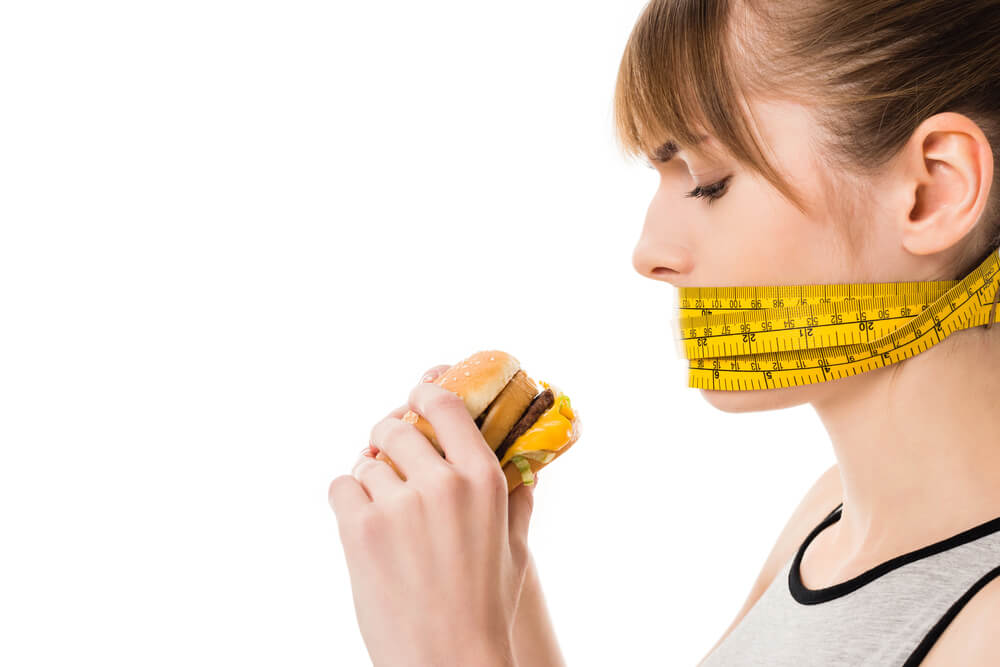
Fast food menus look permanent from the drive-through lane, but they are constantly shifting. Chains add and drop items based on sales, kitchen speed, cost and brand fit.
Even products with loyal fans can vanish if they slow down service or confuse what a chain stands for. Some of these items return briefly as nostalgia promotions, while others are gone for good.
Fans keep their memories alive through online petitions, copycat recipes and old commercials. The menus will keep changing.
A few of today’s favorites will almost certainly end up on a list like this one.
More from Go2Tutors!

- The Romanov Crown Jewels and Their Tragic Fate
- 13 Historical Mysteries That Science Still Can’t Solve
- Famous Hoaxes That Fooled the World for Years
- 15 Child Stars with Tragic Adult Lives
- 16 Famous Jewelry Pieces in History
Like Go2Tutors’s content? Follow us on MSN.