31 Soda Brands That Vanished From Stores
Every soda aisle is a graveyard in disguise. For each flavor that survives a decade, dozens more arrive with a splashy ad campaign and quietly disappear within a year or two.
Some failed because they tasted strange, some because they arrived too early, and a few because their own makers stopped believing in them. The cans and bottles left behind now sit in collectors’ display cases and on online forums where fans still argue for their return.
OK Soda and Its Gloomy Marketing
Few major brands have attempted a campaign as strange as the one Coca-Cola built for OK Soda, which it tested in 1993. The cans featured moody artwork from alternative comic artists including Daniel Clowes and Charles Burns, and the ads leaned into irony and mild pessimism aimed squarely at Generation X.
A phone hotline let callers hear odd recorded messages about the drink and its philosophy. The flavor itself was a vague fruity cola that tasters struggled to describe.
OK Soda never went national and was gone by 1995. Its cans have since become prized collectibles, admired more for their art than anything inside them.
Josta, a Guarana Soda Ahead of Its Time
PepsiCo launched Josta in 1995, making it one of the first energy sodas from a major American beverage company. It contained guarana, a caffeine-rich Amazonian seed, and had a spicy, fruity flavor that set it apart from anything else on the shelf.
The marketing leaned on a wild, jungle-inspired theme. Josta sold to a loyal but small audience and was discontinued in 1999.
A few years later, the energy drink category exploded with Red Bull and Monster, and Josta fans spent the next two decades pointing out that Pepsi had been early to the party and then simply left.
Orbitz and the Floating Gel Beads
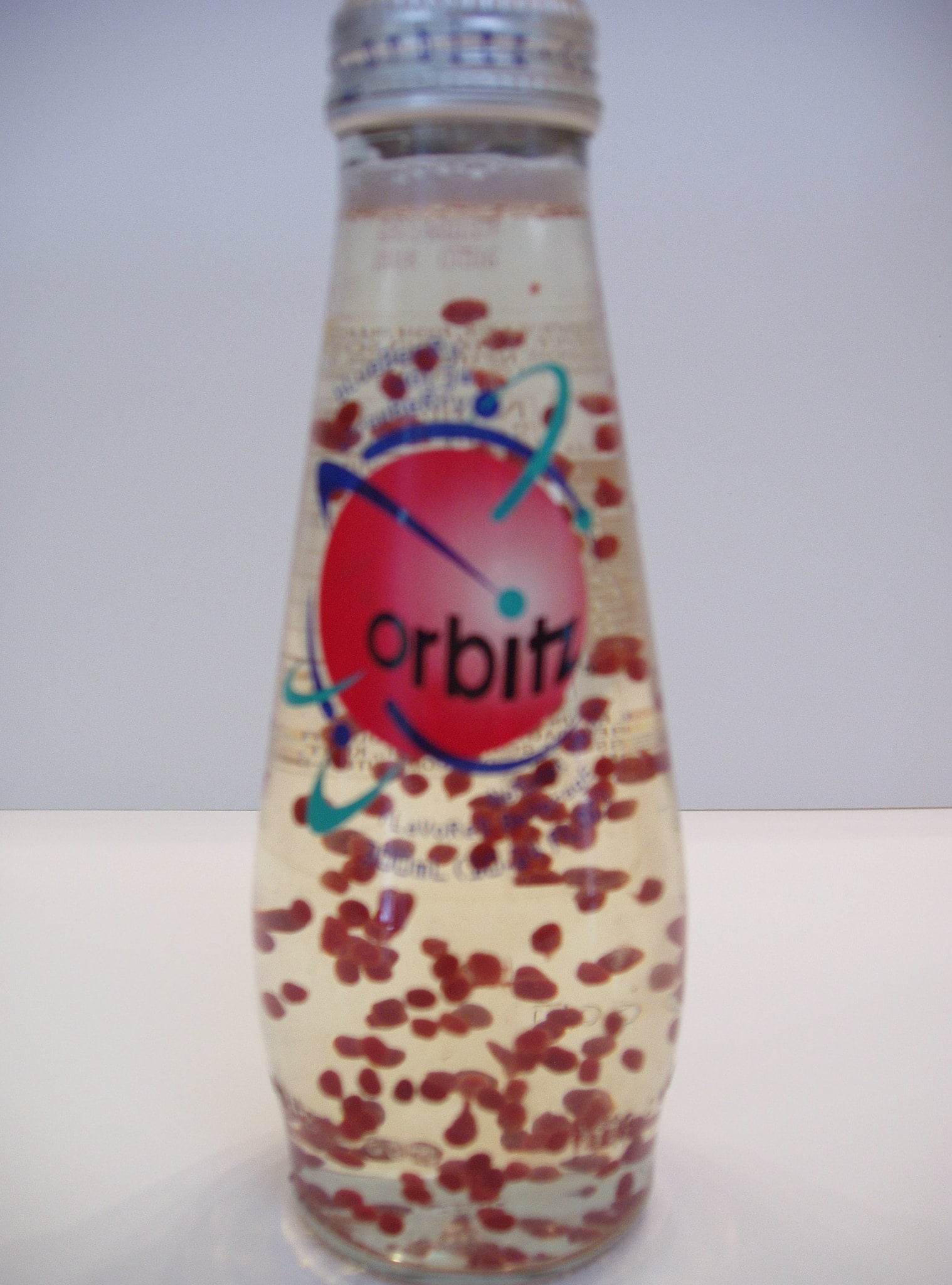
Clearly Canadian released Orbitz in 1997, and it looked like nothing else in a cooler. Small, colorful gel beads hung suspended in the clear liquid, kept afloat by a thickening agent called gellan gum.
The flavors had names like Raspberry Citrus and Blueberry Melon Strawberry, and the bottle resembled a lava lamp more than a beverage. Shoppers bought one out of curiosity and rarely bought a second, since drinking the beads felt closer to swallowing a dessert than a soda.
Orbitz disappeared within about a year. It still shows up regularly on lists of the oddest drinks ever sold in America.
Crystal Pepsi Goes Clear
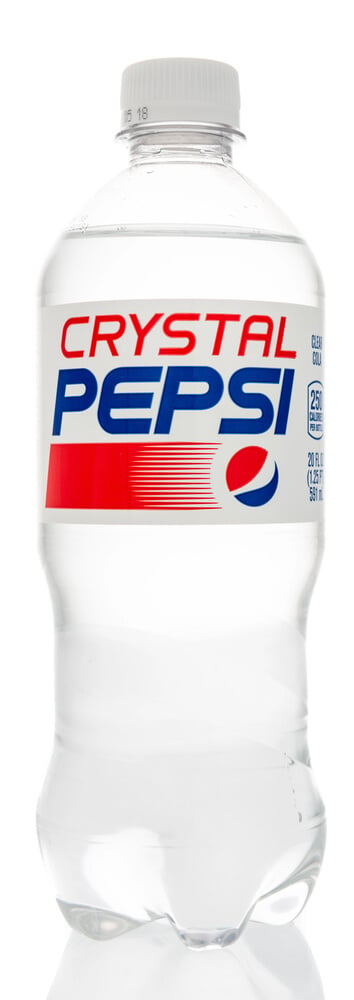
Crystal Pepsi arrived nationally in 1992, a caffeine-free cola with no caramel coloring that looked like sparkling water. The launch ad used Van Halen’s song “Right Now,” and early sales were strong enough to suggest a real trend.
Then shoppers noticed the drink did not taste much like Pepsi, and the curiosity wore off. PepsiCo pulled it by early 1994.
Nostalgia brought Crystal Pepsi back for limited runs in 2016 and 2022, both of which sold out quickly among fans who remembered the original. The clear craze it sparked also produced Tab Clear from Coca-Cola, which vanished even faster.
Tab After 57 Years
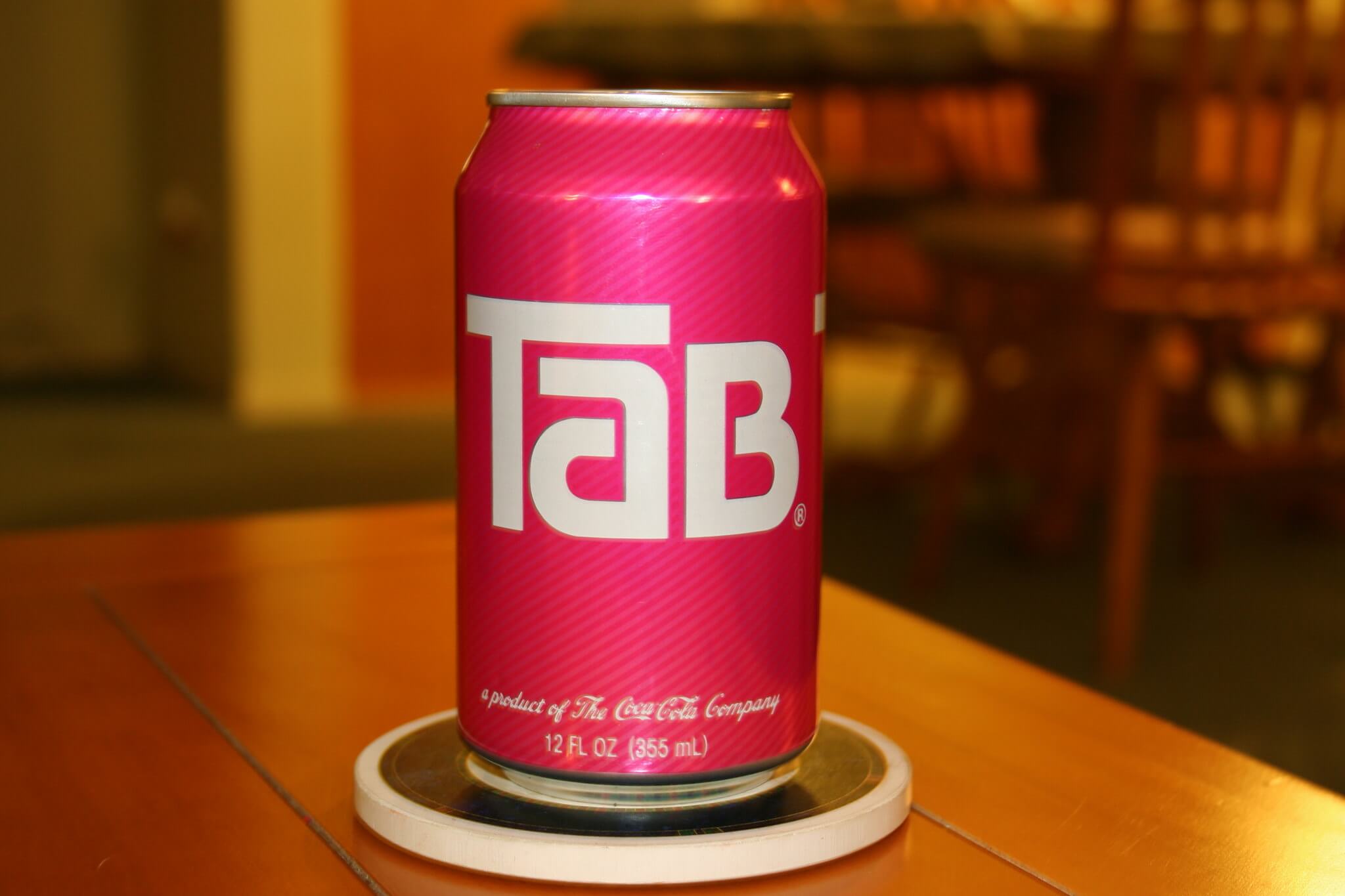
Tab was Coca-Cola’s first diet soda, introduced in 1963, and the pink cans became a fixture of the 1970s. When Diet Coke launched in 1982, Tab began a slow decline, but a devoted base kept it on shelves for decades longer.
Fans hunted it down at specific grocery stores and bought it by the case whenever rumors of discontinuation surfaced. Coca-Cola finally discontinued Tab in late 2020 as part of a broad cleanup of slow-selling brands.
The loyalists who kept it alive that long were mostly people who had been drinking it since the Nixon administration.
Berry Cola in an Electric Blue Bottle
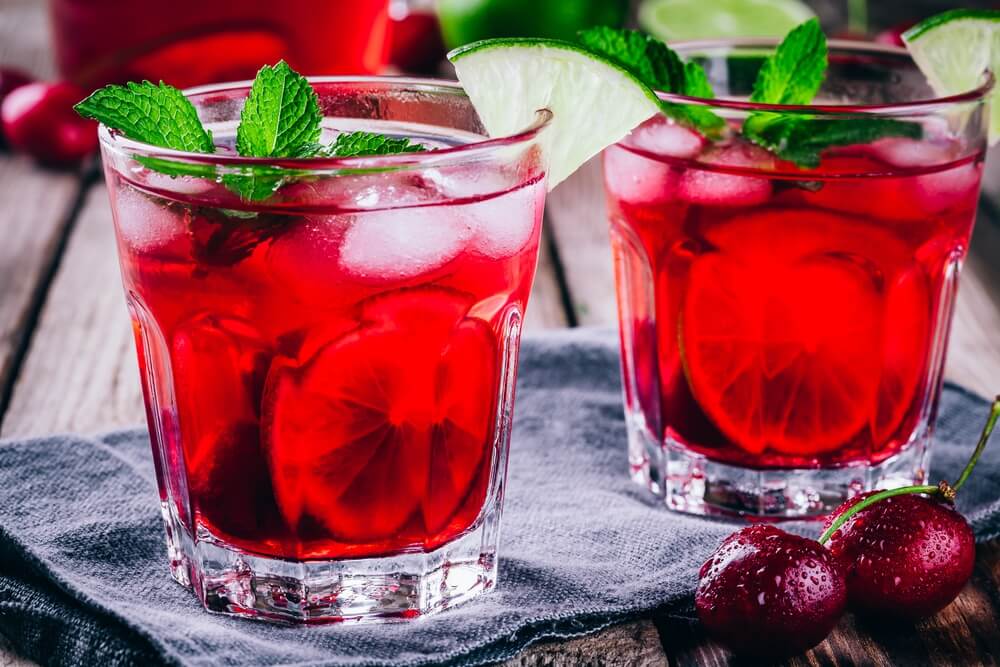
Pepsi Blue hit stores in 2002, a berry-flavored cola tinted a blue so bright it looked almost artificial, which it was. The launch came with a heavy marketing push aimed squarely at teenagers.
Few soda colors before or since have looked quite so unnatural on a grocery shelf. Sales faded after the first wave of curiosity, and Pepsi Blue was discontinued in the United States around 2004.
It returned briefly in 2021 for a limited run, mostly for adults who remembered drinking it in high school. The flavor was closer to cotton candy than any berry found in nature.
New Coke and the Short Life of Coke II
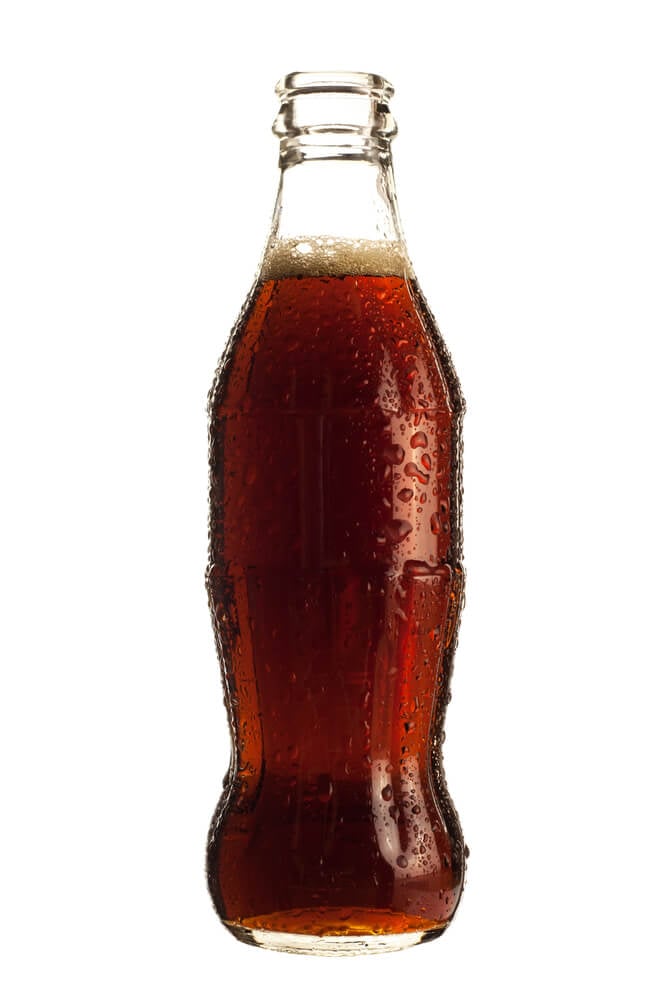
On April 23, 1985, Coca-Cola replaced its century-old formula with a sweeter recipe known as New Coke. The backlash was immediate and enormous, with angry phone calls, protest groups and hoarding of the original.
Just 79 days later, the company brought back the old formula as Coca-Cola Classic. New Coke stayed on shelves alongside it, renamed Coke II in 1990, and lingered in a few markets until 2002.
Marketing classes still teach the episode as a lesson in underestimating emotional attachment to a brand. Some insiders have argued the uproar did more for Coca-Cola than any ad campaign could.
Coca-Cola BlaK, a Coffee Cola Too Early
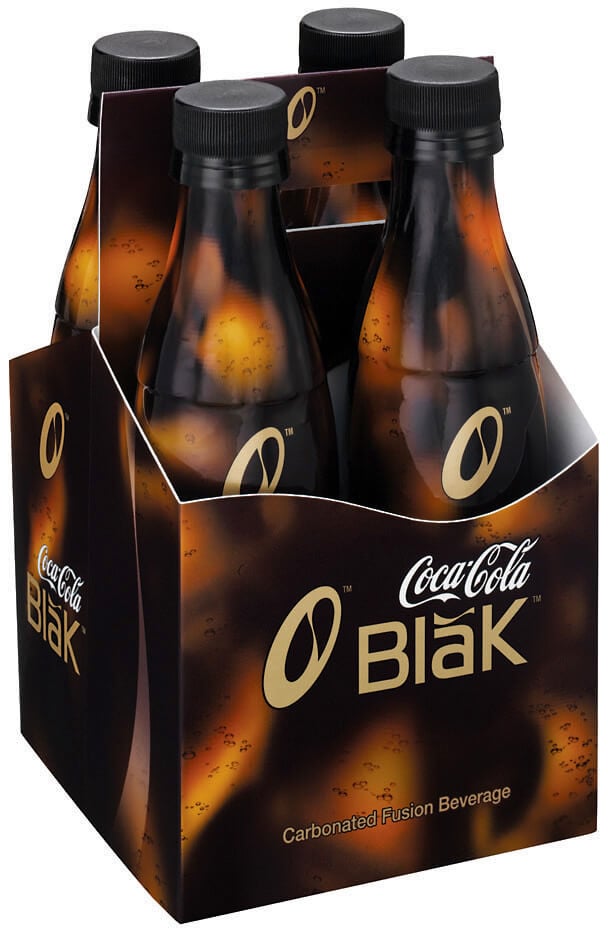
Cola blended with coffee extract defined Coca-Cola BlaK, which launched in the United States in 2006. It came in a slim, elegant bottle and carried a premium price, aimed at adults who wanted an afternoon caffeine boost.
The flavor divided drinkers sharply, and the reduced-calorie formula did not help. Coca-Cola discontinued BlaK in the American market by 2008.
More than a decade later, the company tried the idea again with Coca-Cola with Coffee, suggesting that the concept was sound but the timing was off. BlaK bottles now appear on collector sites, usually emptied and sometimes still sealed.
Kona, Pepsi’s Coffee Experiment in Philadelphia
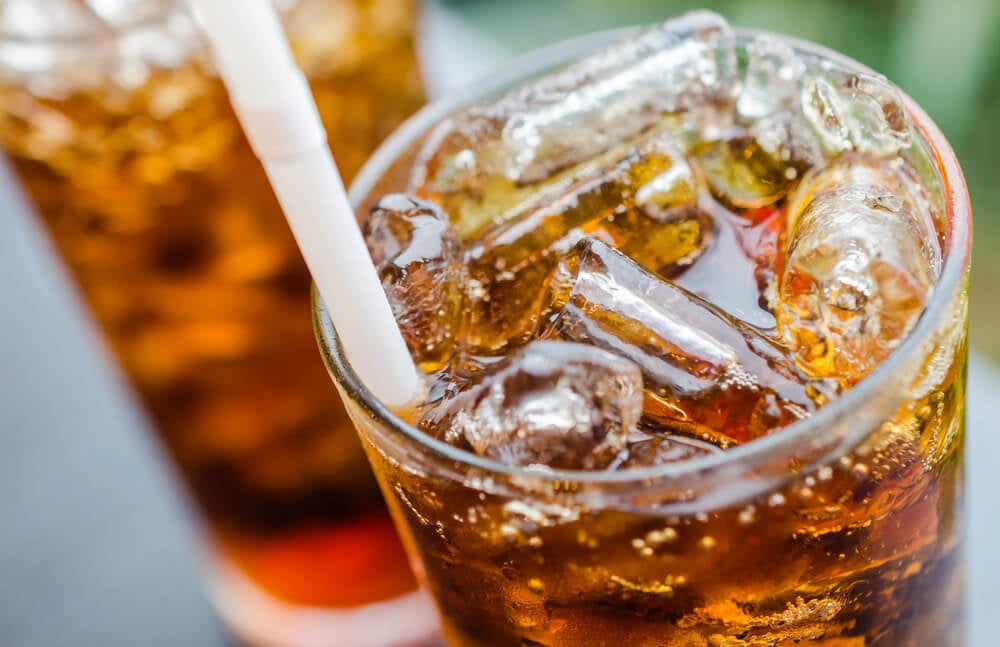
Long before BlaK, Pepsi tried its own coffee cola. Pepsi Kona was test-marketed in Philadelphia in 1994 and positioned as an afternoon boost for people who wanted coffee flavor in a cold, fizzy form.
It contained more caffeine than standard Pepsi and was sold alongside a sister product, Pepsi Cappuccino. Neither drink made it past the test market.
Philadelphia shoppers simply did not buy enough to justify a national rollout. The experiment remains a footnote, mainly remembered by people who were in that city in 1994 and happened to grab a can at the right moment.
Breakfast Cola Called Pepsi AM
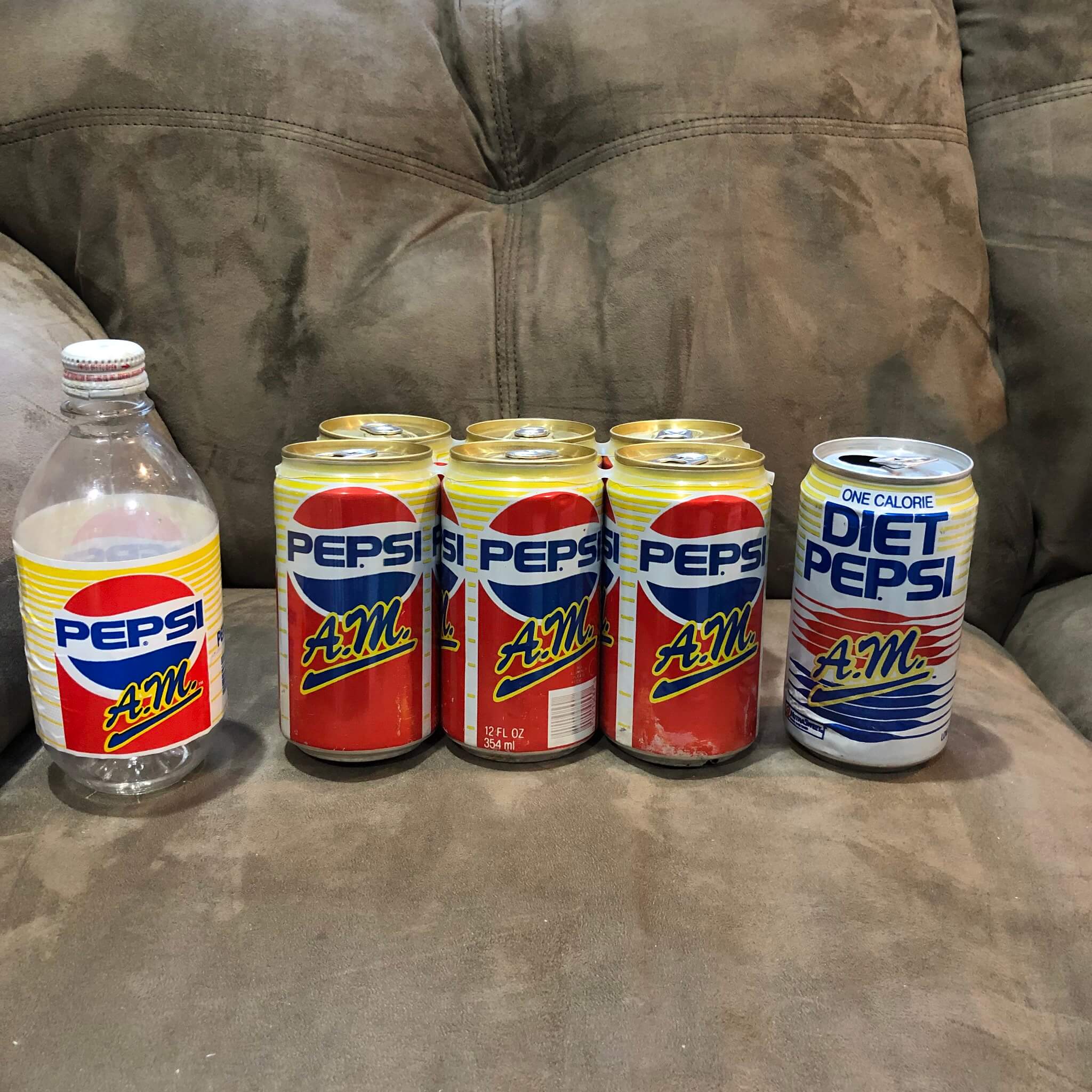
Cola as a breakfast drink was the premise behind Pepsi AM, which appeared in test markets around 1989. It carried extra caffeine and was marketed to people who disliked coffee but needed a morning jolt.
The idea collided with a deeply held American habit, since most people were not ready to pour soda alongside their cereal. Sales were weak, and the product disappeared by 1990.
The concept was not entirely wrong, given how many people now drink caffeinated soda before noon. Years later, Pepsi returned to morning caffeine through other drinks that carefully avoided the word breakfast.
C2, Coke’s Half-Calorie Gamble
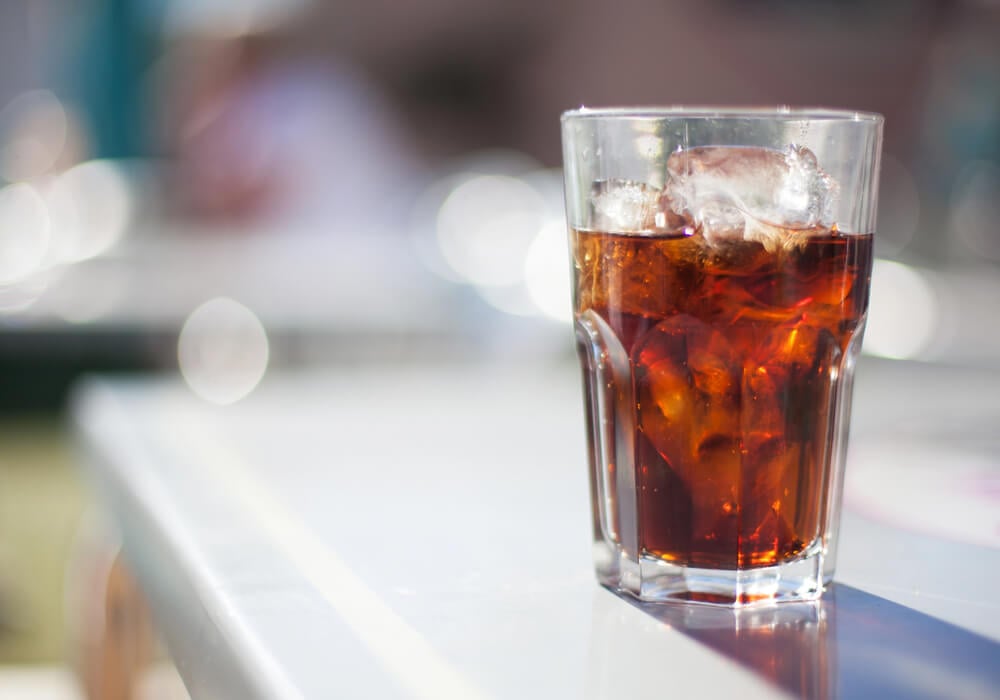
Coca-Cola C2 launched in 2004 with half the carbohydrates and calories of regular Coke, targeting people who disliked the taste of diet soda but wanted less sugar. The company backed it with a large advertising budget and a premium price.
Shoppers were not convinced, since the drink was neither indulgent nor especially light. C2 was discontinued in the United States in 2007.
Its arrival coincided with the low-carb diet craze of the early 2000s, which faded about as quickly. Coca-Cola later found more success in that middle ground with Coke Zero, which promised the full taste with no sugar at all.
Edge, Pepsi’s First Mid-Calorie Cola
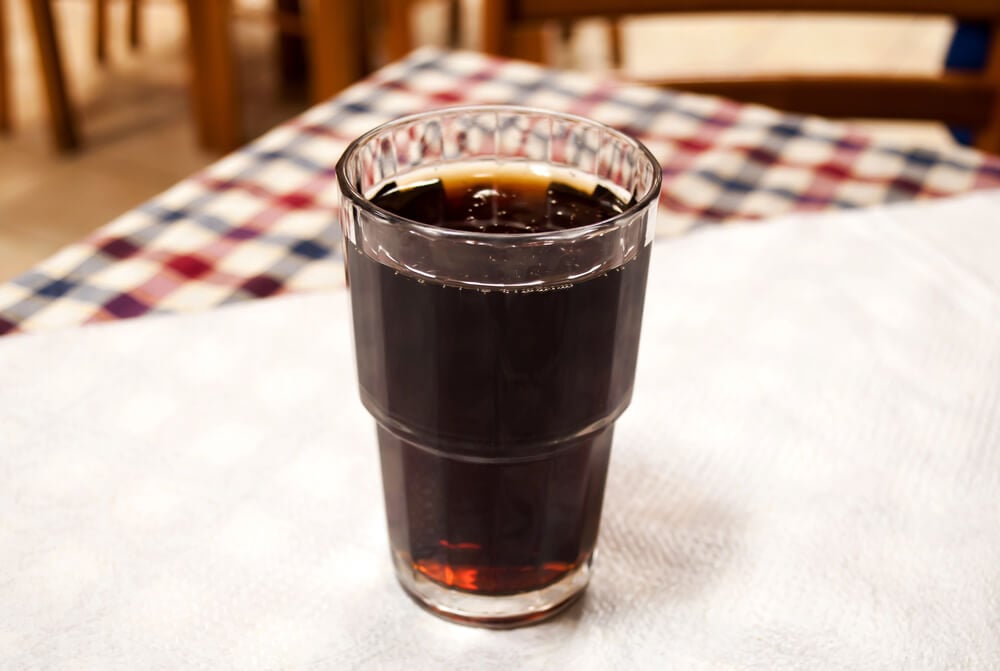
Released the same year as C2, Pepsi Edge arrived in 2004 with a nearly identical pitch. It cut sugar roughly in half by blending in Splenda, a brand of the sweetener sucralose.
Two giant companies released competing mid-calorie colas at the same moment, and neither found a lasting audience. Pepsi Edge was withdrawn after about a year.
The simultaneous failures taught both companies that most soda drinkers want either full sugar or none. That lesson did not stick permanently, since Pepsi tried the same idea again in 2012 with a different name and a very similar outcome.
Second Mid-Calorie Try With Pepsi Next
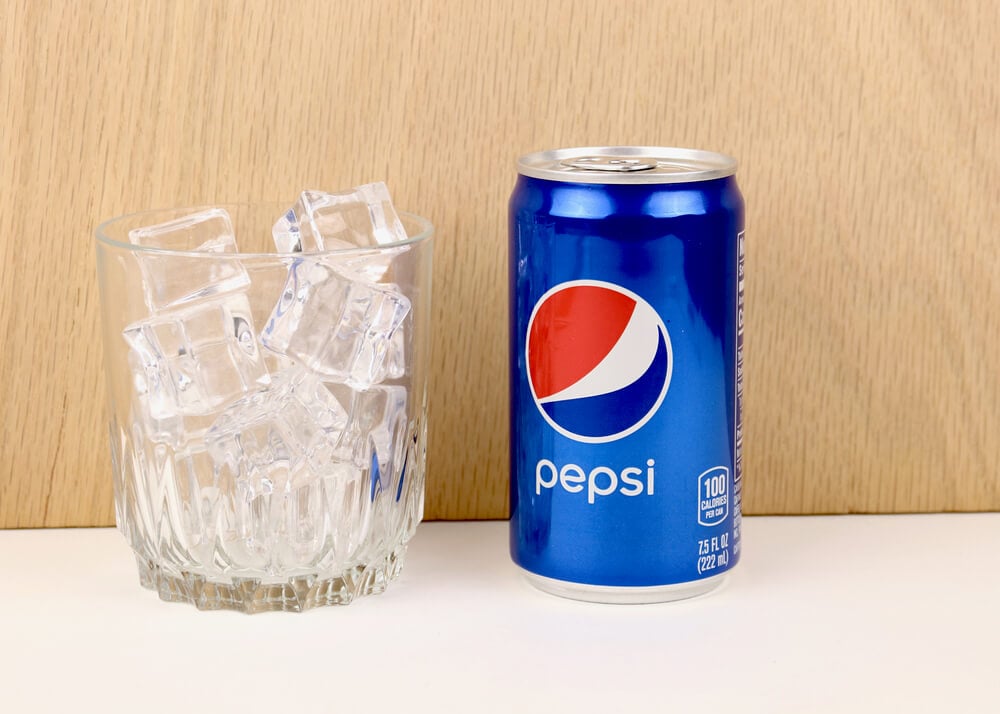
Pepsi Next arrived nationally in 2012 with 60 calories per can, a blend of sugar and artificial sweeteners, and a promise that it tasted like regular Pepsi. The launch included Super Bowl advertising in 2013 and celebrity spots.
Initial sales were respectable but fell short of what PepsiCo expected from a major new product. By early 2015, Pepsi Next was discontinued in the United States, alongside the diet brand Pepsi ONE.
It was the third serious attempt by the two cola giants to sell a half-sugar soda. All three ended in roughly the same place.
Sprite Remix and Its Rotating Flavors
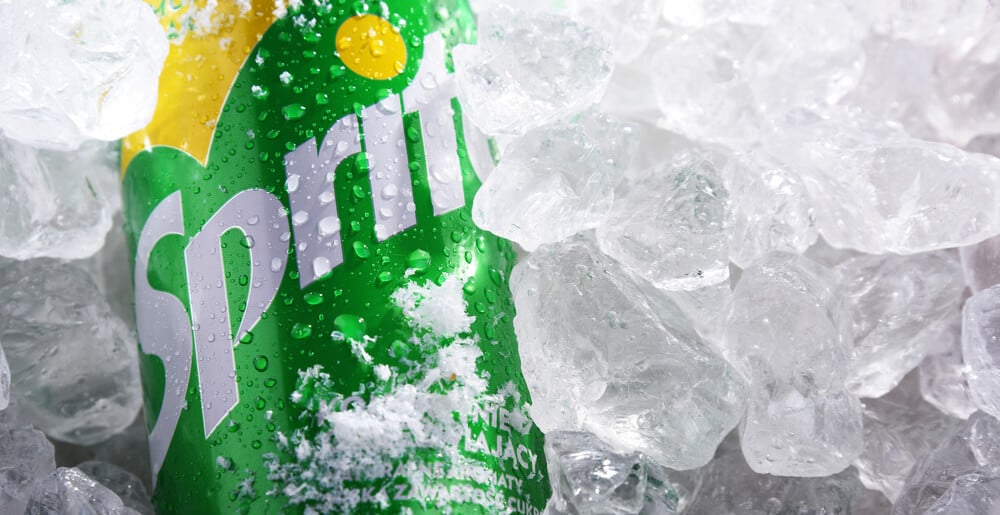
Sprite Remix debuted in 2003 with a tropical flavor and a marketing approach borrowed from hip-hop culture. The name suggested something that would keep changing, and it did, with Berryclear following in 2004 and Aruba Jam in 2005.
Each new version replaced the last on store shelves, which kept fans guessing and collectors scrambling. The line ended around 2005.
Coca-Cola briefly brought back a tropical Sprite flavor years later, which set off a small wave of nostalgia among people who had been teenagers during the original run. The Remix name itself was retired and has stayed that way.
Holiday Spice, a Seasonal Pepsi
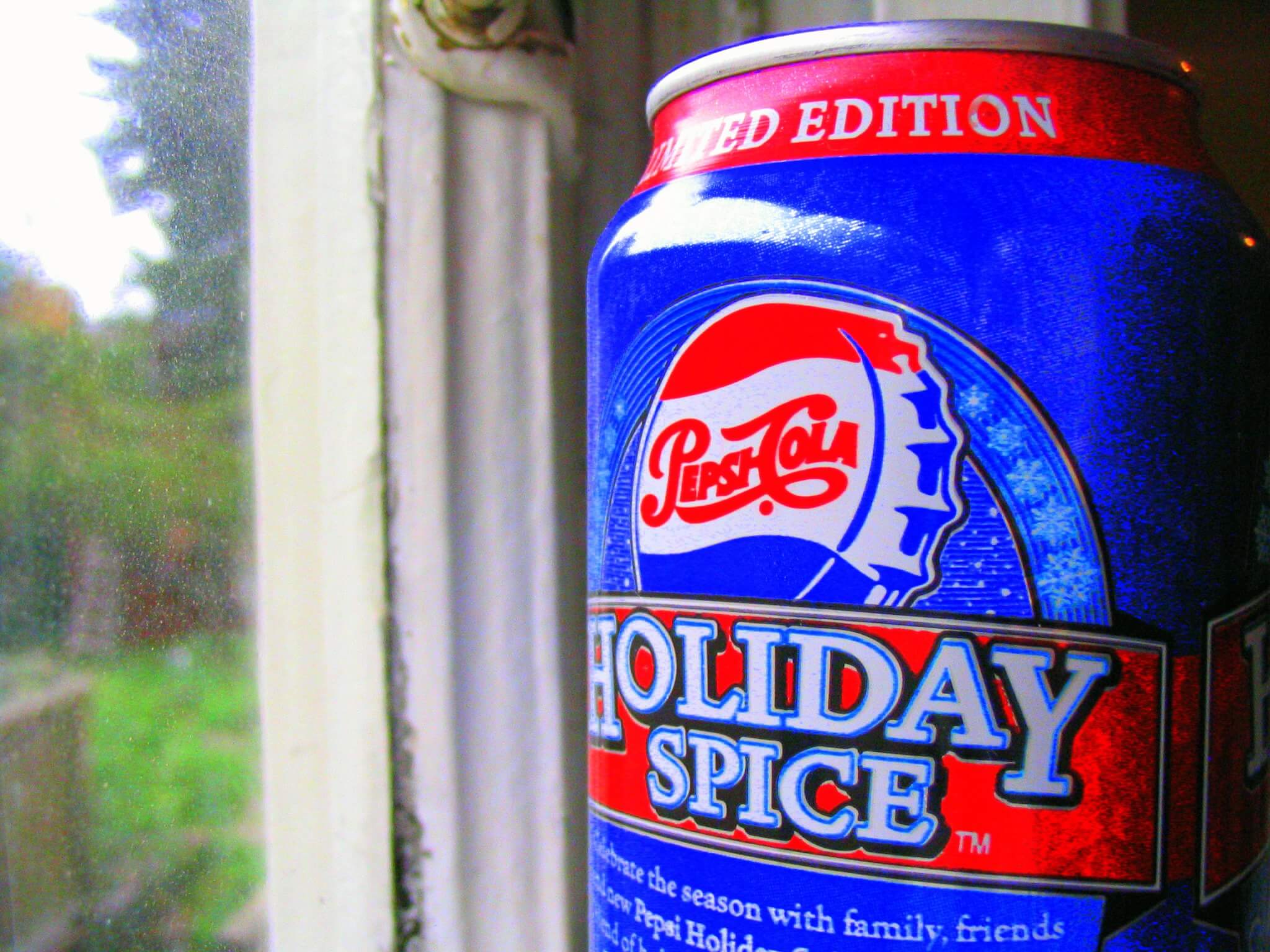
Winter 2004 brought Pepsi Holiday Spice, a cola flavored with cinnamon and ginger meant to evoke holiday baking. It was sold for a limited time and returned for one more season in 2006.
Reviews were mixed, with some drinkers comparing it to a liquid gingerbread cookie and others wondering why anyone would want spices in their cola. It never became a recurring tradition the way seasonal coffee drinks did.
Holiday Spice now lives mostly in nostalgia threads, where people who tried it once describe it with surprising fondness.
Coke Life With Stevia and a Green Label
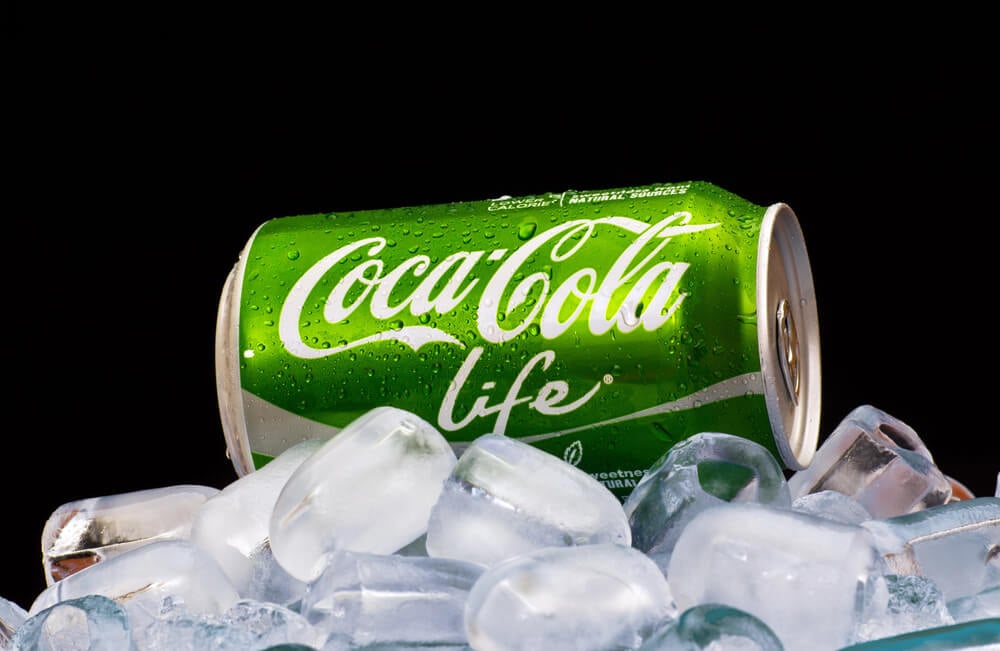
A bright green label set Coca-Cola Life apart when it arrived in the United States in 2014, along with a sweetener blend of cane sugar and stevia. It had fewer calories than regular Coke and was marketed as a more natural option.
The green branding stood out sharply against the classic red. American sales were modest from the beginning, and the drink quietly disappeared from most US shelves within a few years.
Coca-Cola ended it in the United Kingdom in 2020. The company eventually moved stevia into other products, so the experiment shaped the formulas that replaced it.
Diet Coke Plus and Its Added Vitamins
Diet Coke Plus launched in 2007 with small amounts of added vitamins and minerals, including niacin, B6 and B12, plus zinc and magnesium. The idea was to give diet soda a healthy halo during a period of booming interest in fortified drinks.
In late 2008, the Food and Drug Administration sent Coca-Cola a warning letter saying the Plus name implied nutritional benefits the drink did not meet under federal rules. The product continued for a while but eventually faded from shelves.
It remains a common example in discussions of how far food marketing can stretch a health claim.
Jazz, the Dessert-Flavored Diet Pepsi
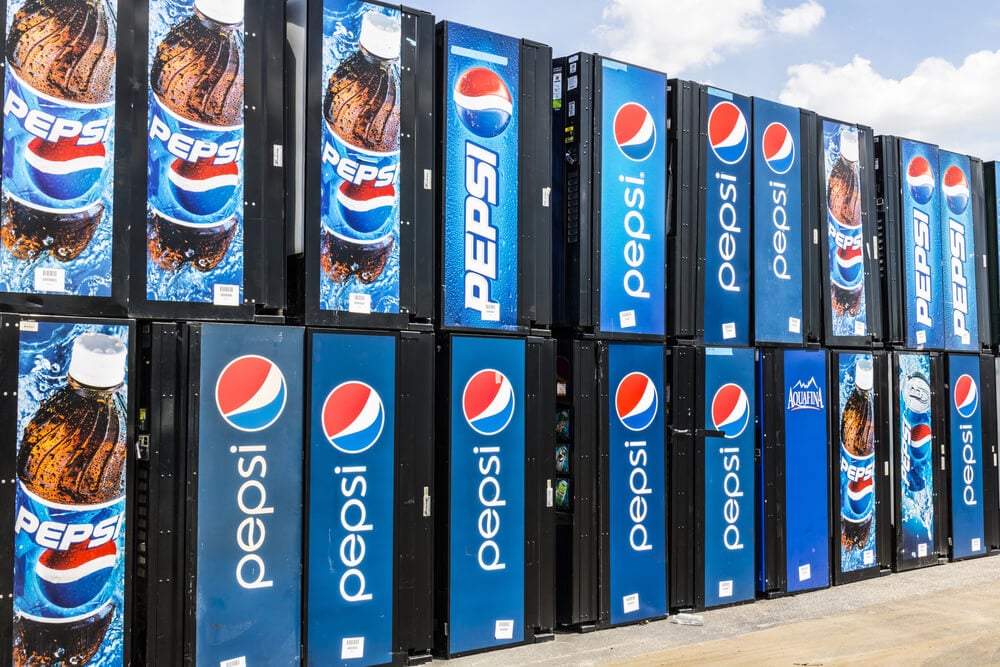
Dessert flavors defined Pepsi Jazz, a diet cola that arrived in 2006 in varieties including Black Cherry French Vanilla and Strawberries and Cream. The pitch was indulgence without calories, aimed largely at women who drank diet soda.
The packaging was elegant, almost like a cocktail mixer. Some drinkers loved it intensely, but the audience was too narrow to sustain national distribution.
Pepsi Jazz was discontinued around 2009. A Caramel Cream flavor added during its run became a particular cult favorite.
Online petitions asking for its return still circulate occasionally, though none have succeeded.
Lemon-Spiked Pepsi Twist
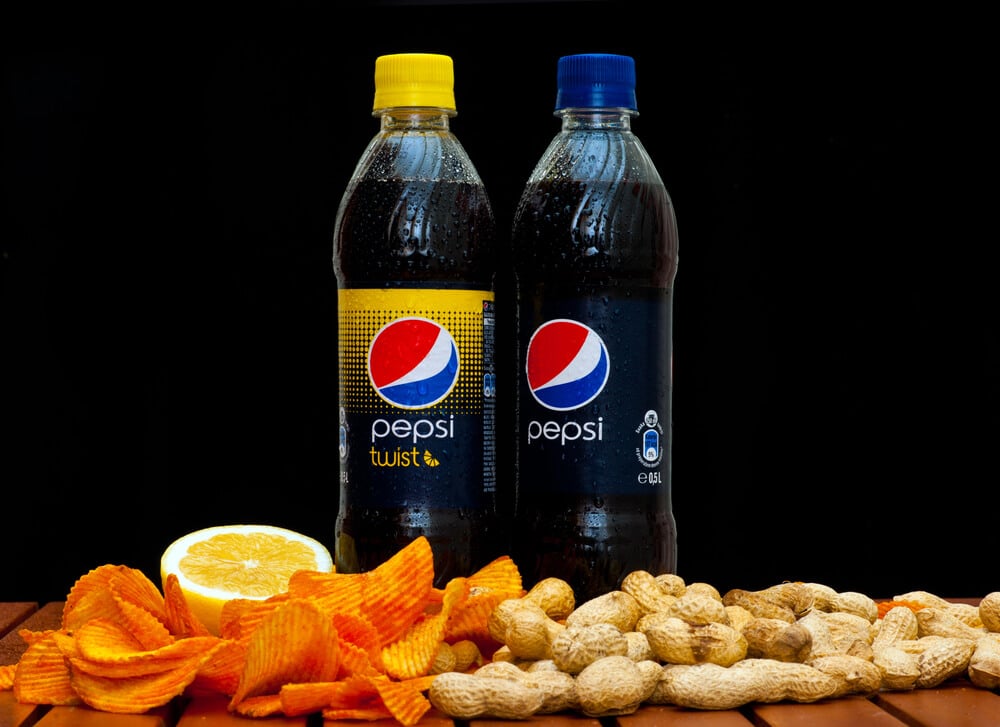
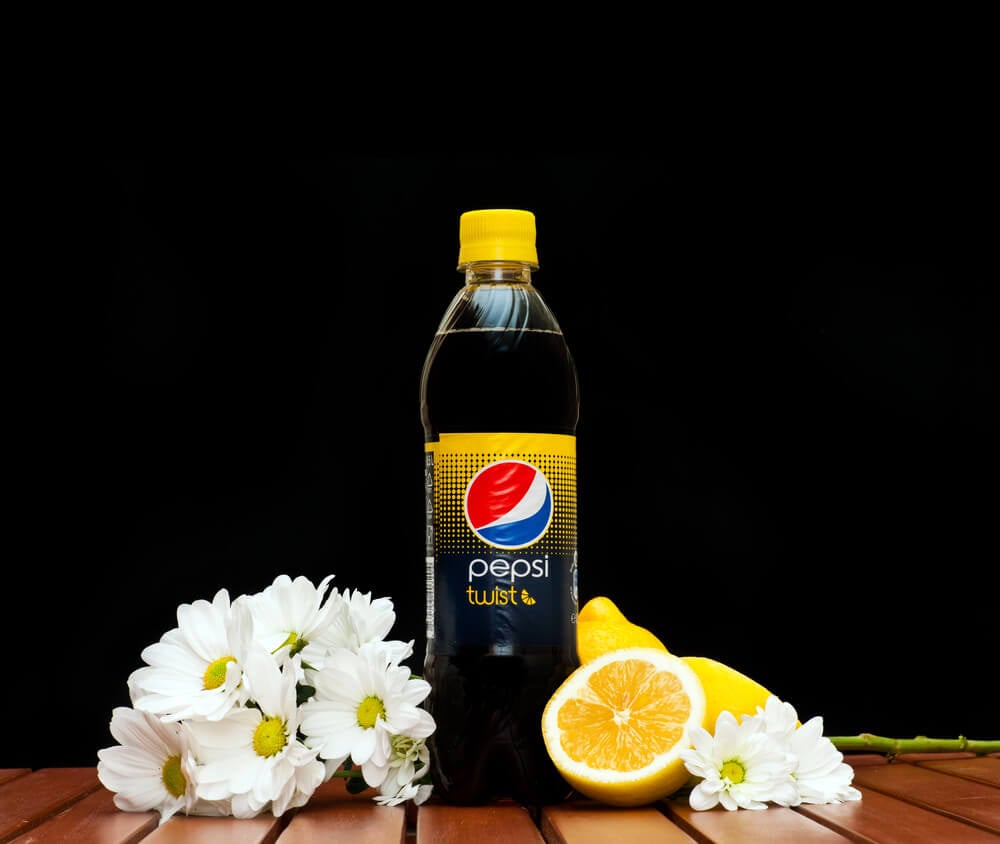
Lemon met cola in Pepsi Twist, which launched in the United States in 2000, following earlier releases in other countries. The idea mirrored an old soda fountain habit of squeezing lemon into a cola.
Diet Pepsi Twist followed, and both were promoted with television ads featuring Ozzy Osbourne and his family during the height of their reality show fame. Sales slowed after the novelty wore off, and Pepsi Twist faded from American shelves by the mid-2000s.
Versions continued in some international markets. In the United States, the closest replacement is a lemon wedge on the rim of a glass.
Gold, the Spicy Caffeinated 7 Up
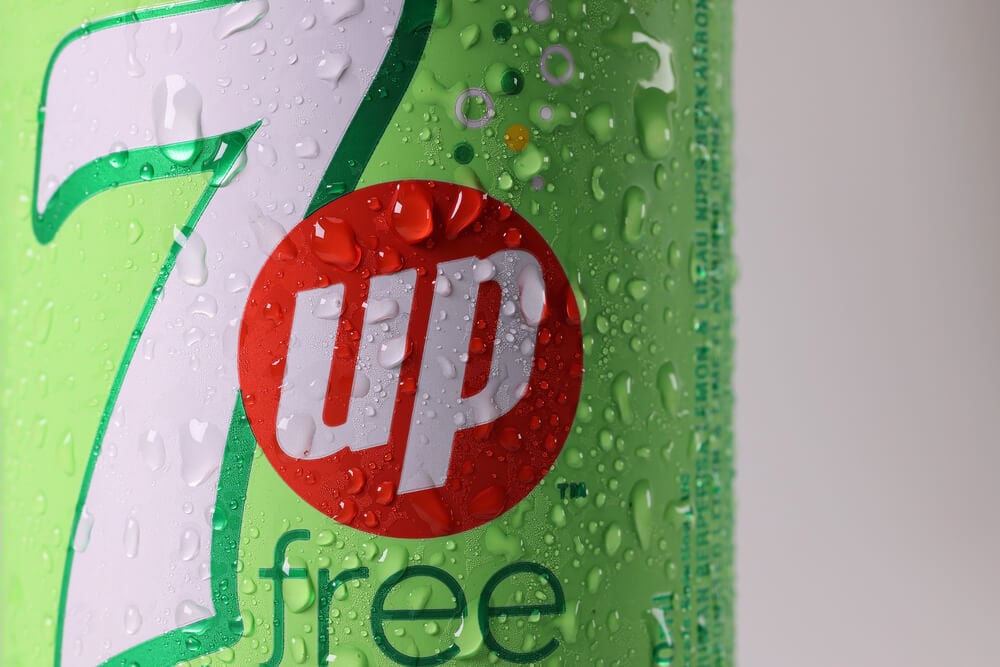
7 Up Gold launched in 1988 and confused nearly everyone who tried it. The brand had built its identity on being caffeine-free and clear, famously calling itself the Uncola.
7 Up Gold was amber-colored, contained caffeine, and had a spicy flavor with notes of cinnamon and ginger. It contradicted every message the brand had spent years delivering.
Shoppers did not know what to make of it, and it was pulled within about a year. Marketing professors still cite it as a textbook case of a product that undermined its own parent brand.
Teem, Pepsi’s Lemon-Lime Before Slice
Introduced in 1959, Teem was PepsiCo’s answer to 7 Up and Sprite. The green bottle and crisp lemon-lime flavor carried it through the 1960s and 1970s, and it was a familiar sight in vending machines across the country.
Declining sales led Pepsi to discontinue Teem in the United States and Canada in 1984, replacing it with lemon-lime Slice. Teem never fully died, though.
It survived in several markets abroad, including South Africa, Brazil and India, where it is still bottled. American fans of the original have to travel a long way for a taste.
Patio, the Diet Cola Before Diet Pepsi
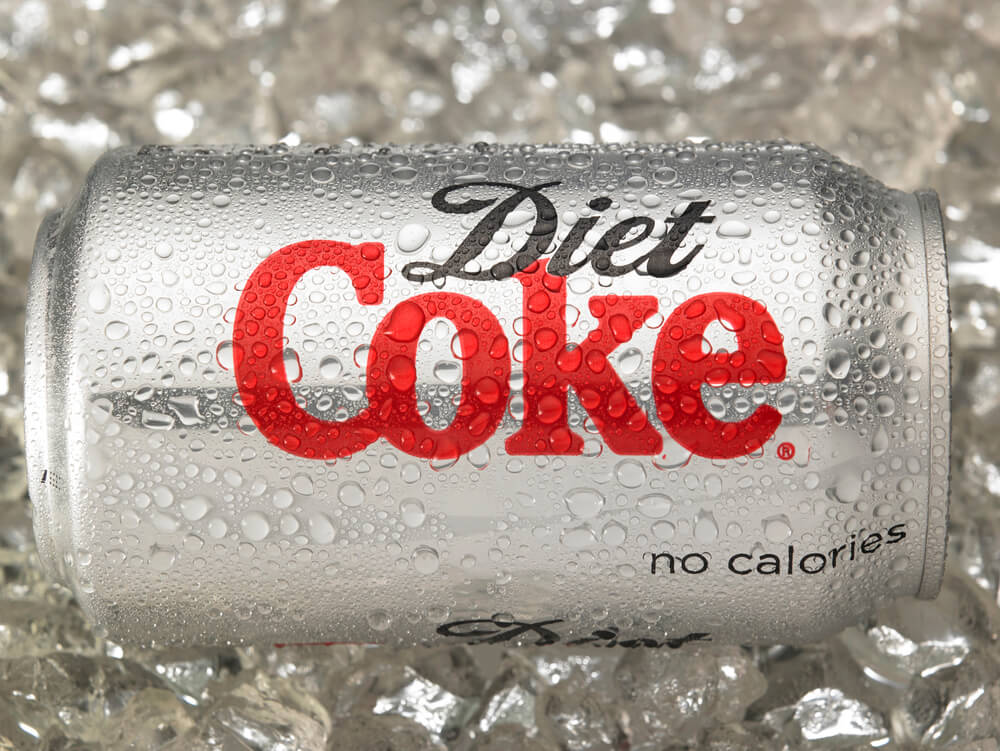
In 1963, Pepsi released a diet cola under the name Patio, along with a line of Patio-branded flavored sodas. The diet cola was renamed Diet Pepsi in 1964, making it one of the first diet colas sold by a major brand under its flagship name.
The Patio flavors, including orange and grape, lingered on for several more years before fading. Today the Patio name is almost entirely forgotten, even though its main product is still one of the best-selling diet sodas in the country.
Very few drinks have vanished so completely while their recipe stayed on shelves.
Caffeine-Free Cola Called Pepsi Free
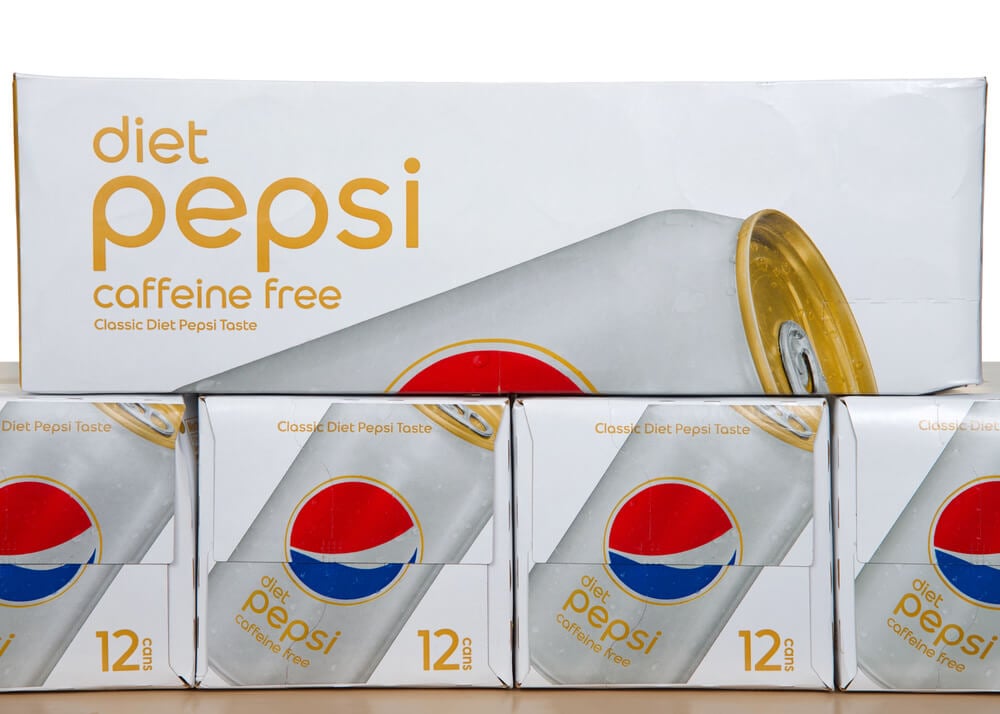
Pepsi Free launched in 1982 as a caffeine-free cola, arriving as concerns about caffeine were growing. It earned a famous cameo in the 1985 film Back to the Future, when Marty McFly asks for a Pepsi Free at a 1955 diner and the counterman tells him he will have to pay for it.
The joke depended on the audience knowing the brand. In 1987, Pepsi renamed it Caffeine-Free Pepsi, and that version remains on shelves.
The original name is now mostly remembered through the movie, where it still gets a laugh from audiences who never saw the can.
Vault and Its Energy Drink Slogan
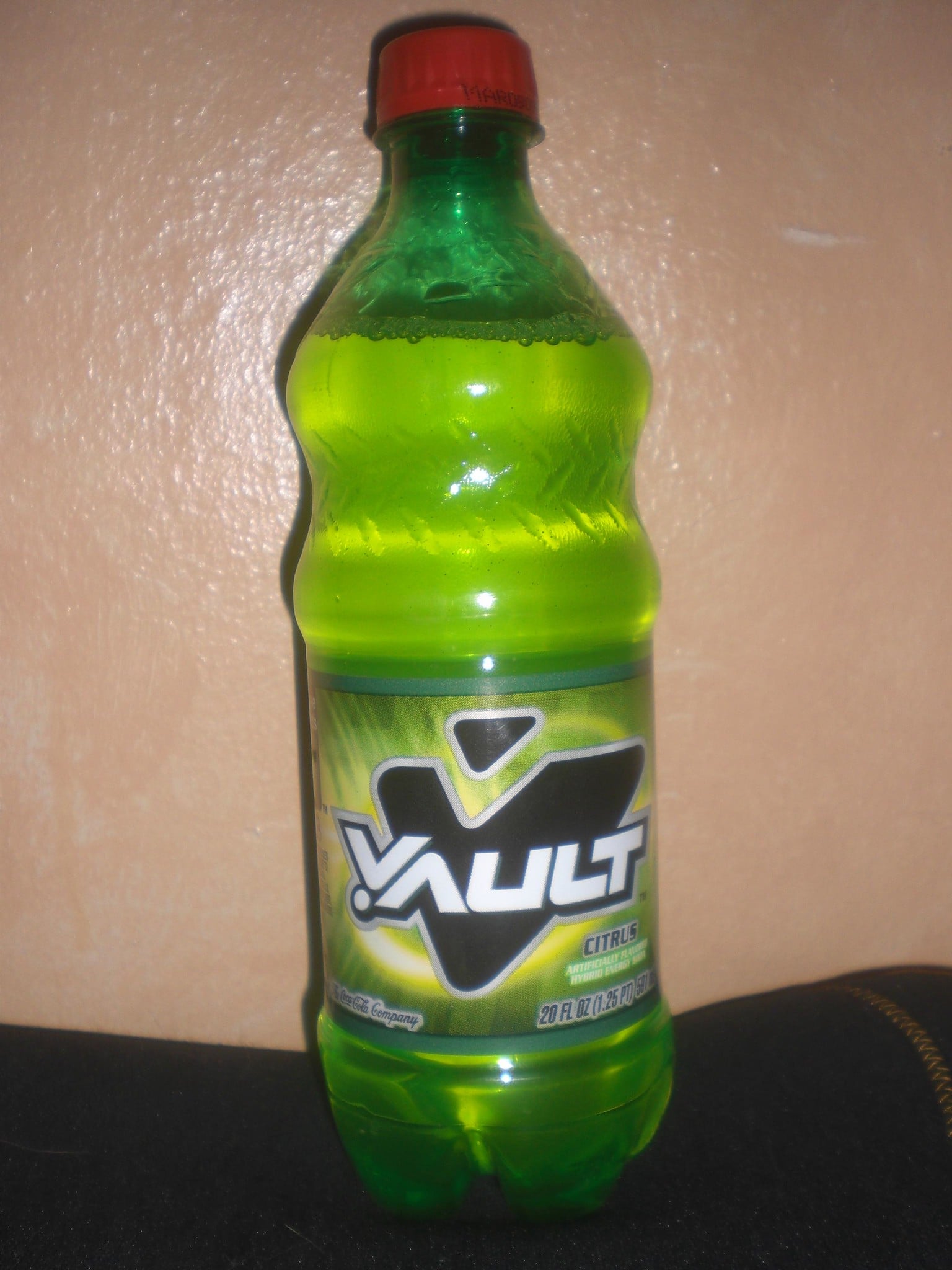
Mountain Dew was the target when Coca-Cola launched Vault in 2005, a citrus soda with extra caffeine. The slogan described it as a soda that drank like a soda but kicked like an energy drink, and the advertising included Super Bowl spots.
Vault built a dedicated following, particularly in the South and Midwest. Coca-Cola discontinued it in 2011, replacing it in many areas with the older Mello Yello brand.
Fans of Vault have kept online campaigns running for years. Some insist no other citrus soda has quite matched its sharp, sour-sweet profile.
Sierra Mist Bows Out for Starry
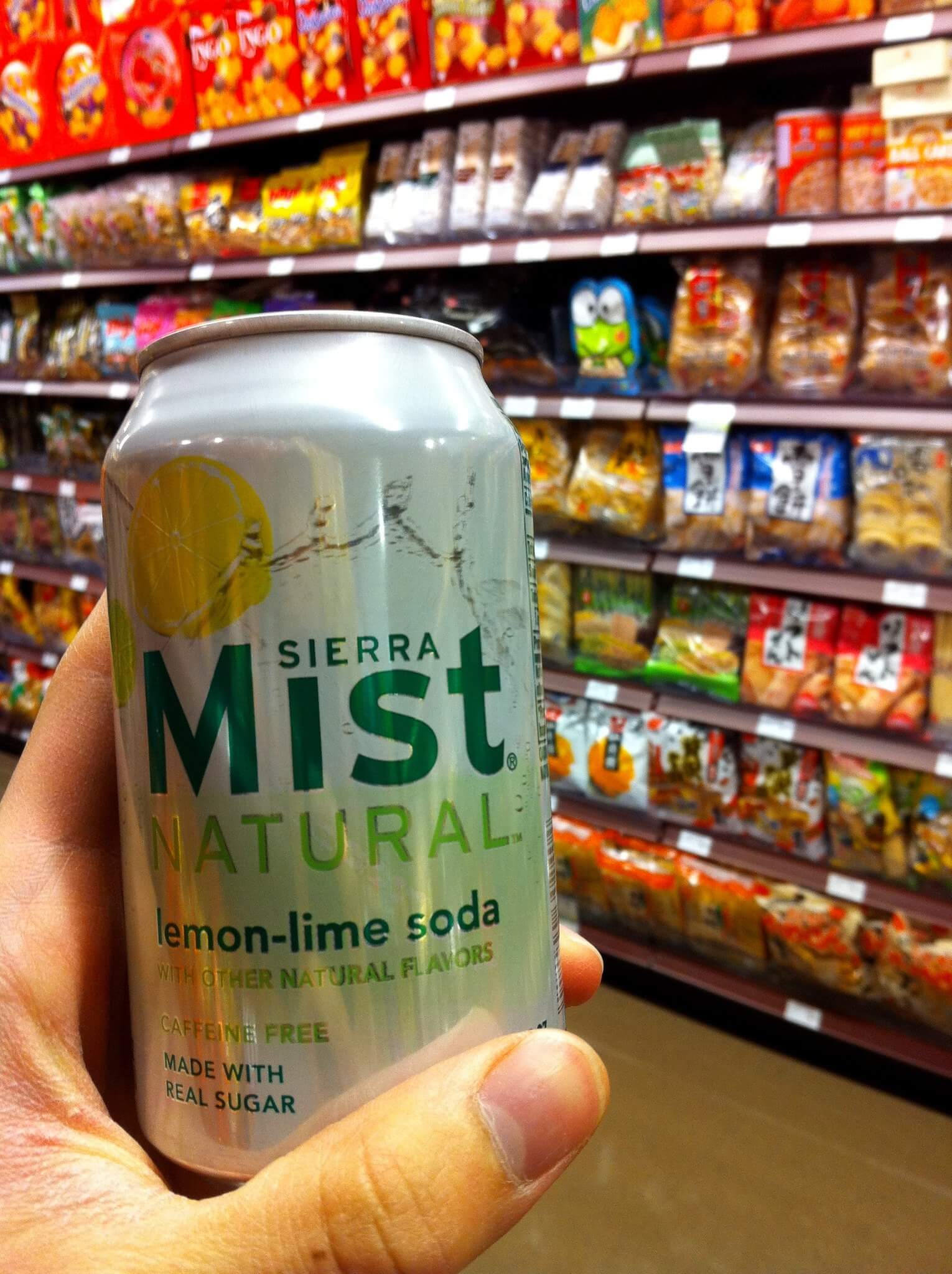
PepsiCo launched Sierra Mist around 1999 and spent more than two decades trying to make it a serious rival to Sprite. The brand went through several reformulations and names, including Mist Twst, but never closed the gap.
In early 2023, PepsiCo replaced Sierra Mist with a new lemon-lime soda called Starry, aimed at younger drinkers. The change was abrupt, and some restaurants that served Sierra Mist on fountain lines switched overnight.
Sierra Mist became one of the few major soda brands retired in the streaming era, so its departure produced a surprising amount of social media mourning.
Coca-Cola Energy’s Short North American Run
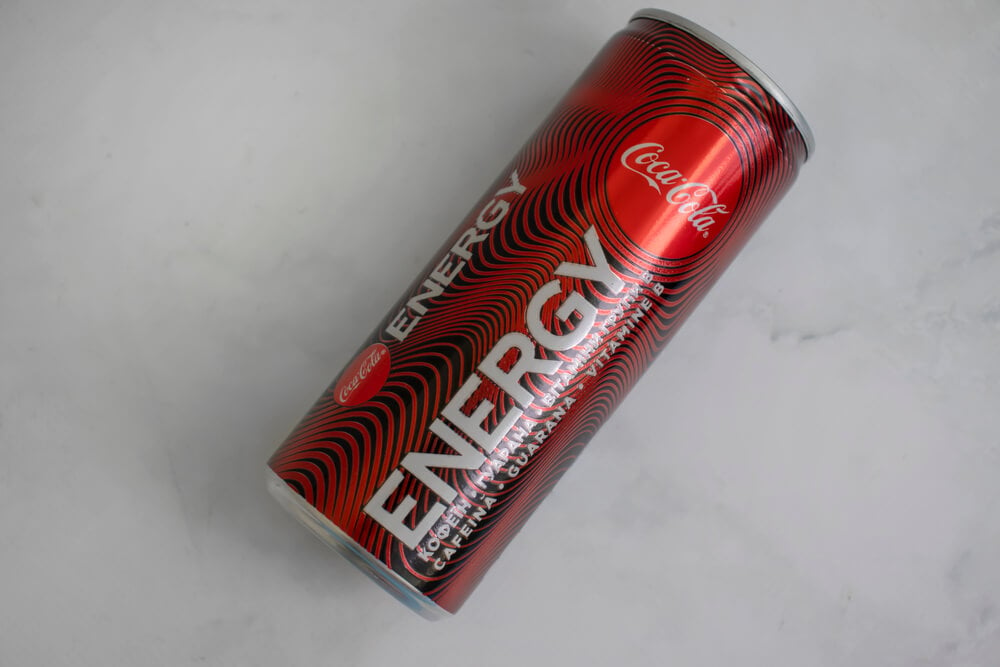
Coca-Cola Energy launched in the United States in January 2020, the first time the company sold a beverage that was not a traditional soda under the flagship Coca-Cola name. It contained guarana, B vitamins and roughly three times the caffeine of regular Coke.
The timing was terrible, since the pandemic arrived weeks later and changed how people shopped. Sales never took off, and Coca-Cola announced in 2021 that it would discontinue the line in North America.
The drink continued in other countries. Its North American run lasted less than two years from launch to exit.
Red Fusion From Dr Pepper
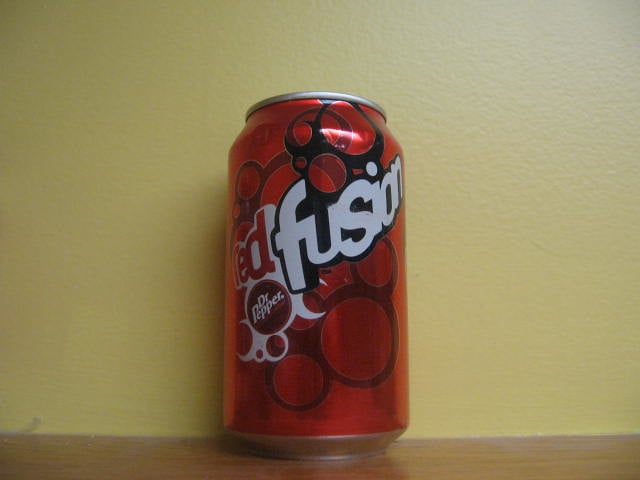
Dr Pepper Red Fusion launched in 2002 as a brighter, berry-forward version of the classic flavor, colored a vivid red. It was one of the first major flavor extensions of the Dr Pepper brand, which had been famously protective of its original formula.
The marketing aimed at younger drinkers drawn to bold colors and bigger flavors. Red Fusion lasted only a couple of years before it was discontinued around 2004.
It opened the door to later variations like Cherry Vanilla and Berries and Cream, and those flavor extensions are now a normal part of the brand.
Pepsi ONE and Its One Calorie
One calorie per can was the pitch for Pepsi ONE, which arrived in 1998 with a newer sweetener blend and a claim that it tasted closer to regular Pepsi than Diet Pepsi did. In 2005, the company switched its formula to Splenda, which gave it a distinct identity among diet colas.
Pepsi ONE built a loyal audience but never approached the sales of Diet Pepsi. PepsiCo discontinued it in early 2015, around the same time it ended Pepsi Next.
Its fans were vocal enough that online petitions appeared within weeks. Pepsi ONE drinkers often said Diet Pepsi tasted metallic by comparison.
Pepsi Light With a Lemon Twist
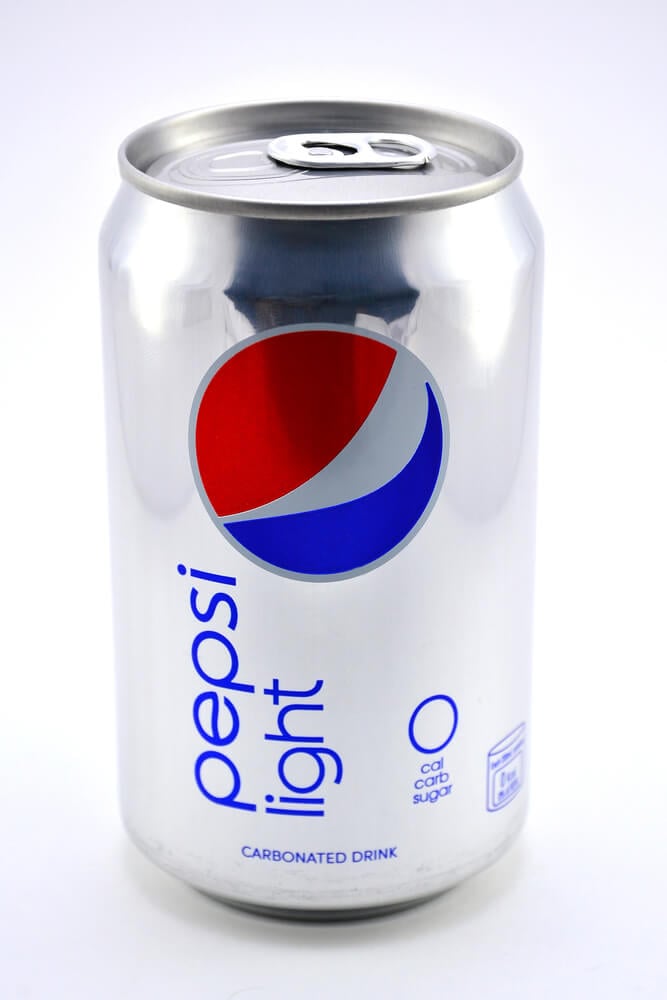
Lemon gave Pepsi Light its identity when it launched in 1975 as a diet cola distinct from Diet Pepsi. The lemon was partly there to mask the bitter aftertaste of saccharin, the sweetener used in diet drinks at the time.
It had a clean, citrusy flavor that some people still remember fondly. Pepsi Light faded once newer sweeteners made the lemon unnecessary, and later attempts to rework it removed the flavor that made it distinct.
It disappeared from American shelves well before the 1990s ended. Plenty of former fans still add a lemon slice to their cola out of habit.
Aspen Apple Soda From Pepsi
PepsiCo launched Aspen in the late 1970s, an apple-flavored soda that was crisp and lightly sweet. It was an unusual flavor for a major soda brand, and early interest was steady.
Sales eventually flattened, and Pepsi discontinued Aspen around 1982. Its place in the lineup was effectively filled by Slice, which built an entire line around fruit flavors and real juice.
Apple soda never became a mainstream American flavor, which makes Aspen a strange outlier in the brand’s history. Few people under 50 have ever heard of it.
Ramblin’ Root Beer and the Barq’s Takeover
Coca-Cola entered the root beer market in 1979 with Ramblin’ Root Beer, a smooth, vanilla-heavy recipe that tested well. It was sold in cans, bottles and at fast-food fountains through the 1980s.
Then, in 1995, Coca-Cola bought Barq’s, the bite-heavy Mississippi root beer with an established following. With a better-known root beer in the portfolio, Ramblin’ was phased out.
A sugar-sweetened version appeared occasionally in specialty soda shops in later years. The original is now remembered mostly by people who grew up drinking it at drive-ins and burger stands.
Shelf Space Has a Short Memory
Soda companies launch new products constantly because a single hit can be worth billions, and the cost of a failure is mostly a write-off and an awkward press release. The drinks on this list were not all bad ideas.
Several, like coffee cola and caffeinated citrus, simply arrived before shoppers were ready for them. What survives is the nostalgia, which tends to grow stronger the shorter a drink’s life was.
A soda that lasted two years becomes a symbol of a particular summer, a particular high school, a particular moment. That memory is worth more to its fans than the flavor ever was, which is why companies keep bringing these drinks back for brief, sold-out runs.
More from Go2Tutors!

- The Romanov Crown Jewels and Their Tragic Fate
- 13 Historical Mysteries That Science Still Can’t Solve
- Famous Hoaxes That Fooled the World for Years
- 15 Child Stars with Tragic Adult Lives
- 16 Famous Jewelry Pieces in History
Like Go2Tutors’s content? Follow us on MSN.