30 Ordinary Items Once Banned in America
Some of the most forgettable things in an American kitchen drawer or medicine cabinet once had lawmakers, judges and federal agents arguing over them. A loaf of sliced bread, a stick of yellow margarine and a handful of gold coins all spent time on the wrong side of the law.
Most of these bans made sense to someone at the time. Few of them aged well.
Beer, Wine and Spirits Under Prohibition
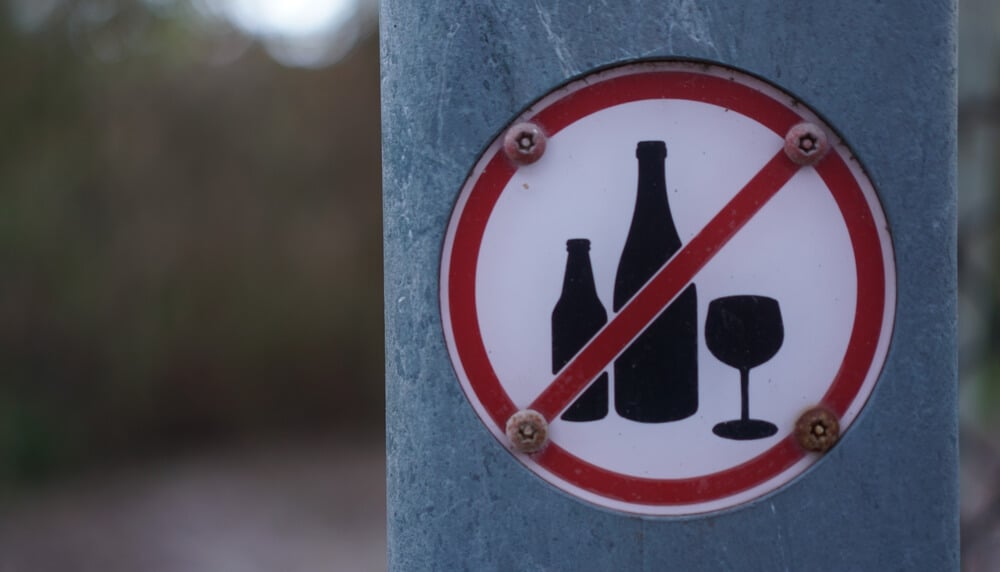
The 18th Amendment took effect in January 1920 and made the manufacture, sale and transport of intoxicating liquor illegal across the country. The Volstead Act defined intoxicating as anything above 0.5 percent alcohol, which swept up beer and wine along with whiskey.
Drinking itself was never a federal crime, so people who had stockpiled bottles before the deadline could legally enjoy them at home. Speakeasies, bootleggers and doctors writing prescriptions for medicinal whiskey filled the gap for 13 years.
The 21st Amendment ended the experiment in December 1933, the only time a constitutional amendment has ever been repealed.
Home-Brewed Beer
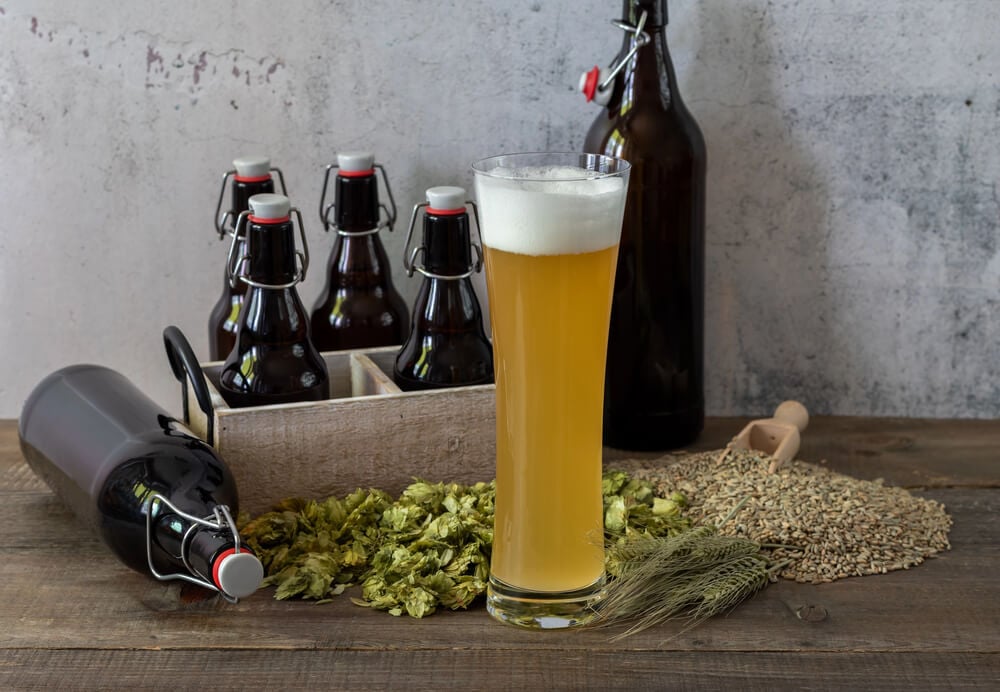
Repeal brought back legal liquor in 1933, but a gap in the federal rules left amateur beer making in limbo for more than four decades. The regulations allowed households to make wine and cider for personal use while saying nothing useful about beer, so home brewing stayed technically illegal.
President Jimmy Carter signed the bill that fixed it in October 1978, and the change took effect early the next year. Even then, states set their own rules, and Mississippi and Alabama did not legalize home brewing until 2013.
The craft beer boom owes a great deal to garage hobbyists who finally had permission to experiment.
Absinthe
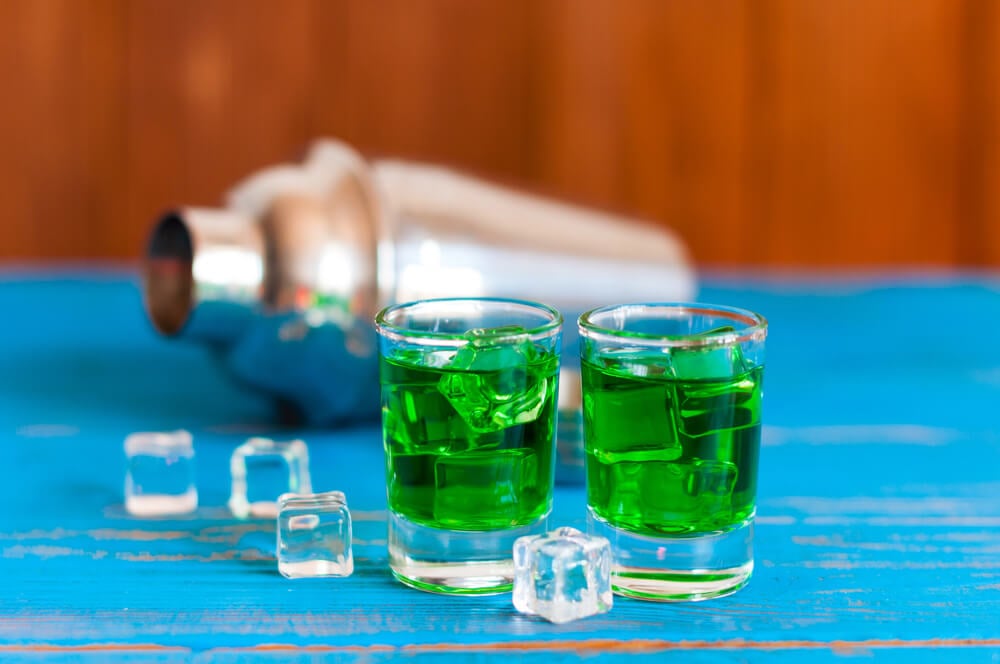
The anise-flavored green spirit was banned in the United States in 1912, part of a wave of prohibitions across Europe and North America. Critics blamed thujone, a compound found in wormwood, for hallucinations and madness, and the drink’s association with bohemian Paris did not help its reputation.
Later research found that properly made absinthe contained far too little thujone to cause those effects and that the real danger was its very high alcohol content. Federal regulators cleared the way for its return in 2007, provided thujone levels stay below a strict limit.
Lucid became the first genuine absinthe sold legally in the country after the change.
Sliced Bread

On January 18, 1943, Secretary of Agriculture Claude Wickard banned the sale of sliced bread as a wartime conservation measure. Officials argued that pre-sliced loaves needed heavier wax paper to stay fresh and that slicing machines used valuable metal.
The public reaction was immediate and furious, with homemakers complaining about sawing through loaves every morning while packing lunches for war workers. The order was rescinded in March 1943, less than two months after it took effect.
The phrase best thing since sliced bread makes more sense knowing how quickly Americans decided they could not live without it.
Yellow Margarine

Dairy states treated margarine as a threat to the butter industry for most of a century. Many legislatures banned margarine colored yellow to resemble butter, so manufacturers sold it pale white with a capsule of dye that buyers kneaded into the package at home.
Wisconsin, the self-described Dairy State, held out longest and did not repeal its ban on colored margarine until 1967. Before that, residents routinely drove across the Illinois border to stock up on the forbidden spread.
A Wisconsin law still requires restaurants to serve butter unless a customer asks for a substitute.
Gold Coins and Bars
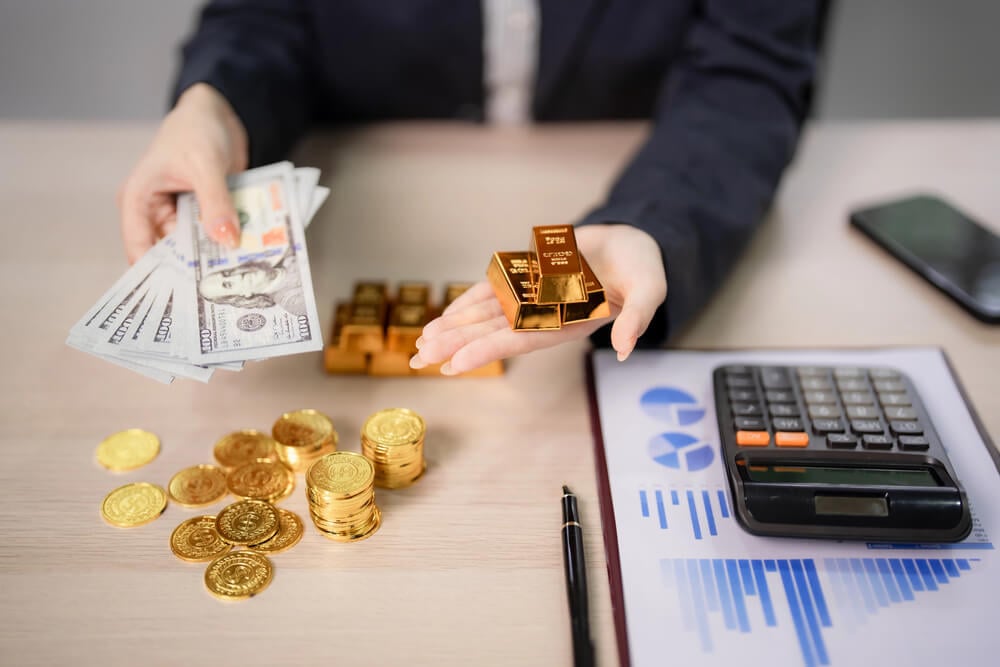
In April 1933, Franklin Roosevelt signed Executive Order 6102, requiring Americans to turn in most of their gold coins, bullion and gold certificates to the Federal Reserve. People received 20.67 dollars an ounce, and the government soon revalued gold at 35 dollars an ounce, a handsome gain for the Treasury.
Jewelry, dental gold and coins with recognized collector value were exempt, which is one reason certain rare pieces survived. Private ownership of gold bullion stayed illegal for more than four decades.
Gerald Ford signed the law that lifted the restriction, and Americans could legally buy gold again on December 31, 1974.
Industrial Hemp
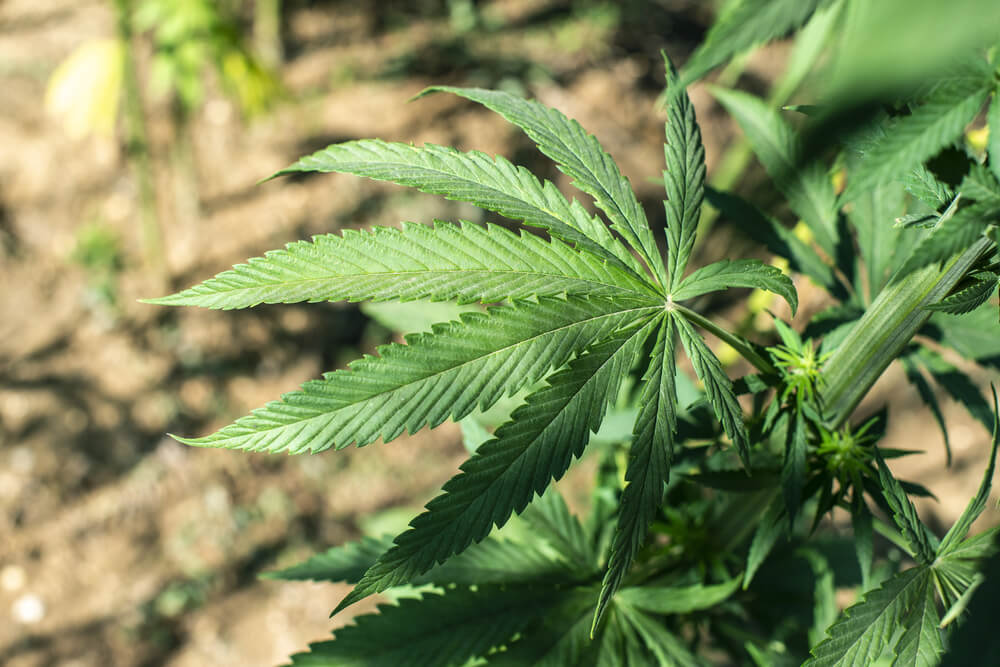
Hemp fiber made rope, sails and canvas for colonial America, and some early colonies actually required farmers to grow it. The Marihuana Tax Act of 1937 made the crop expensive and complicated to raise, and later drug laws swept it into the same category as its psychoactive cousin.
During World War II, the Department of Agriculture briefly reversed course with a short film called Hemp for Victory, urging farmers to plant it for military rope. That enthusiasm ended with the war.
The 2018 Farm Bill finally removed hemp with very low THC levels from the controlled substances list.
Birth Control Pills in Connecticut

Federal regulators approved the first oral contraceptive in 1960, but Connecticut still enforced an 1879 law banning the use of any drug or device to prevent pregnancy. Estelle Griswold, director of the Planned Parenthood League of Connecticut, opened a clinic in New Haven in 1961 specifically to challenge the law, and she was promptly arrested and fined.
Her case reached the Supreme Court, which struck down the ban in Griswold v. Connecticut in 1965. The ruling established a constitutional right to marital privacy.
Unmarried people did not gain the same protection nationwide until a separate decision in 1972.
James Joyce’s Ulysses
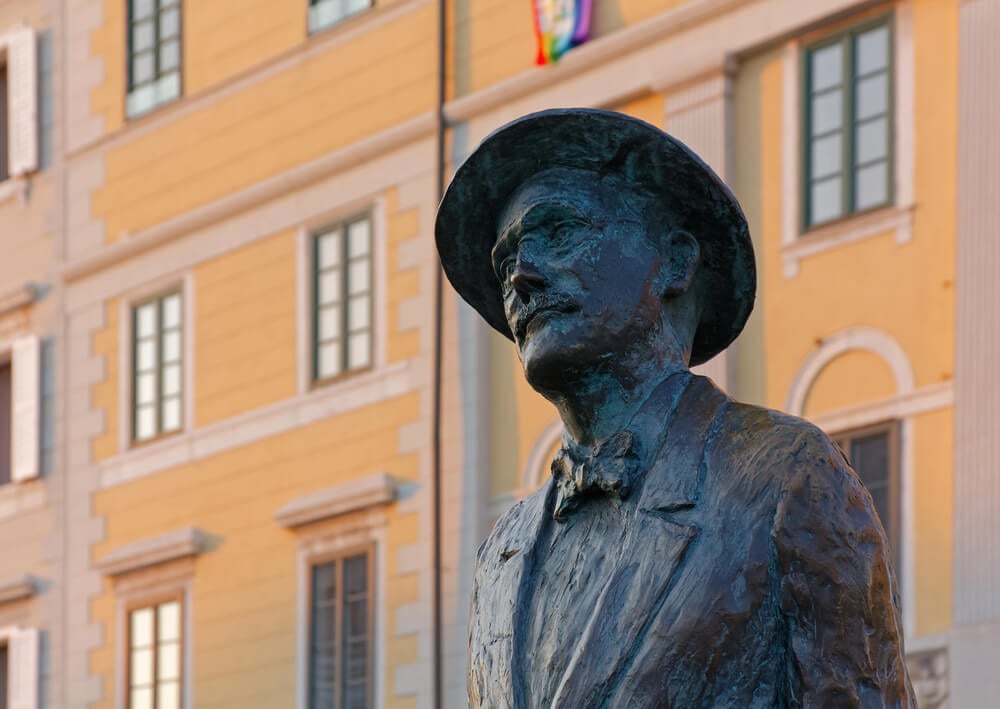
Officials treated Ulysses as obscene for more than a decade after its 1922 publication, and copies caught entering the country were seized and burned. Random House wanted to publish an American edition, so it arranged for a copy to be shipped in and confiscated in 1932 to force a court test.
Judge John Woolsey ruled in December 1933 that the novel was not obscene, describing it as a sincere and serious work of literature. An appeals court upheld the decision the following year.
Random House rushed its edition to print in early 1934, and the ruling became a landmark in American free speech law.
Lottery Tickets
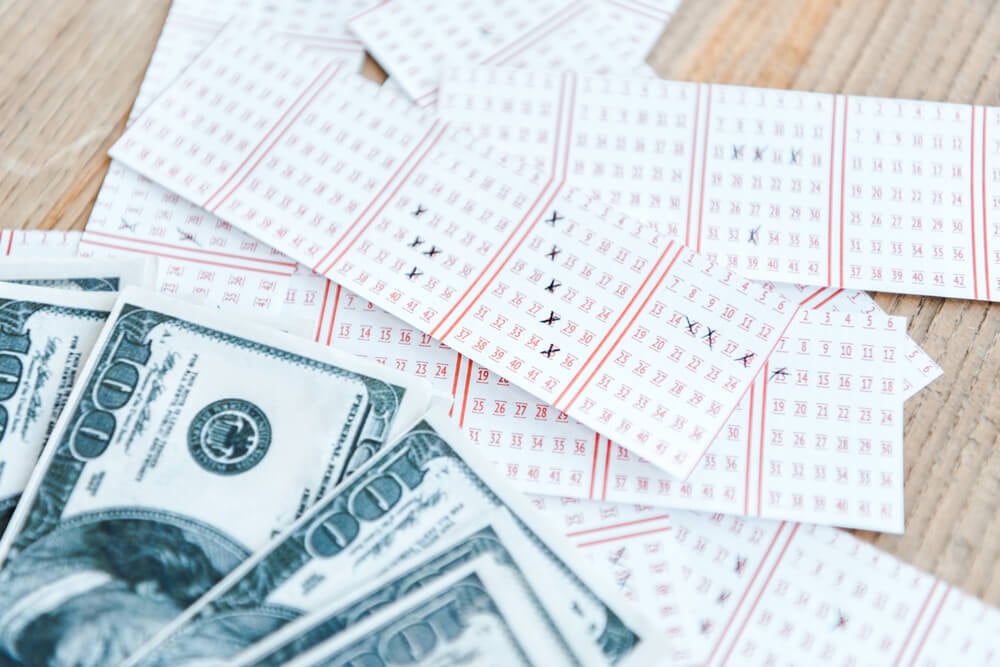
Lotteries helped fund early colleges, bridges and even the Continental Army, but scandals turned public opinion sharply against them in the 1800s. The Louisiana Lottery Company, nicknamed the Serpent, grew so powerful and corrupt that Congress banned lottery materials from the mail in 1890 and from interstate commerce in 1895.
For decades, no state ran a legal lottery at all. New Hampshire broke the drought in 1964 with a sweepstakes tied to horse racing, and New York followed in 1967.
Today 45 states sell tickets, and the biggest jackpots routinely climb past a billion dollars.
Slot Machines in Nevada
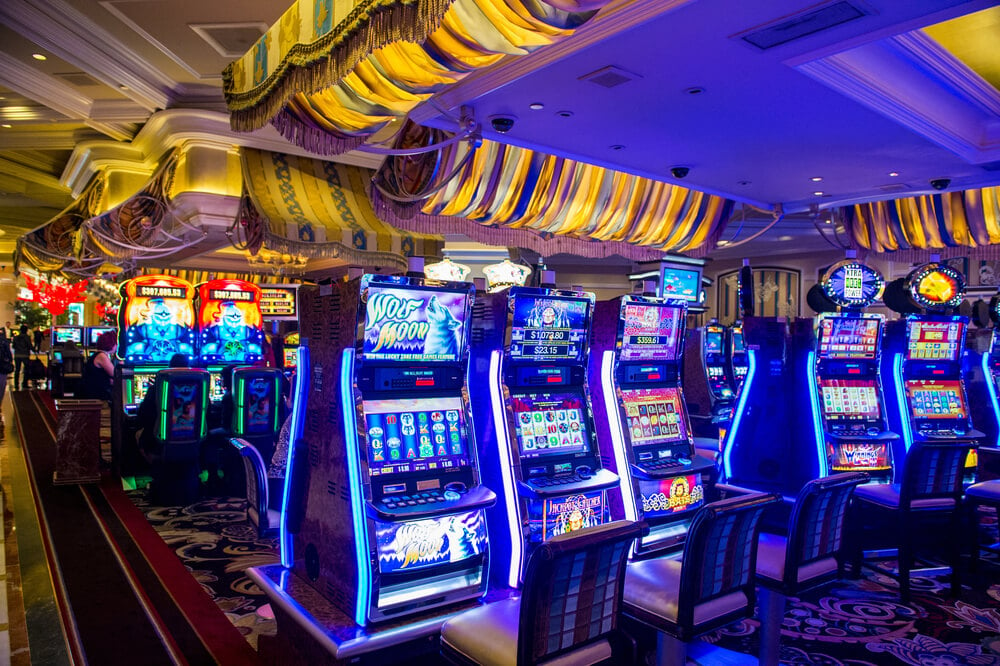
Nevada is so closely tied to slot machines that it is easy to forget the state once outlawed them. Reformers pushed through a ban on most gambling that took effect in 1910, and for two decades card games and slots operated in back rooms and behind locked doors.
Legislators reversed course in March 1931, legalizing wide-open gambling partly to raise revenue during the Great Depression. That same year, Nevada also cut its divorce residency requirement to six weeks, cementing its reputation for looser rules than anywhere else.
Within a few decades, Las Vegas had become a desert city built around the sound of spinning reels.
Sparklers in New York

New York banned nearly all consumer fireworks in 1940, which meant even the humble sparkler waved at backyard parties was illegal for decades. Families wanting a Fourth of July display often drove across state lines to buy them and risked a fine on the way home.
A 2014 state law finally legalized sparklers and similar ground-based sparkling devices, though only during set windows around the Fourth of July and New Year’s. Counties can still opt out, and the devices remain illegal in New York City.
Firecrackers, bottle rockets and aerial shells are still prohibited across the state.
Tattoos in New York City

In 1961, New York City banned tattooing after health officials linked the practice to a hepatitis outbreak. Professional artists either moved their shops to New Jersey and Long Island or kept working quietly out of apartments, and the city became an odd blank spot in American tattoo history for 36 years.
Artists including Spider Webb staged public protests, at one point tattooing a client outside a museum to challenge the law. The ban was lifted in 1997, and licensed parlors quickly reopened.
Today the city hosts large tattoo conventions and some of the most sought-after shops in the country.
Foie Gras in Chicago
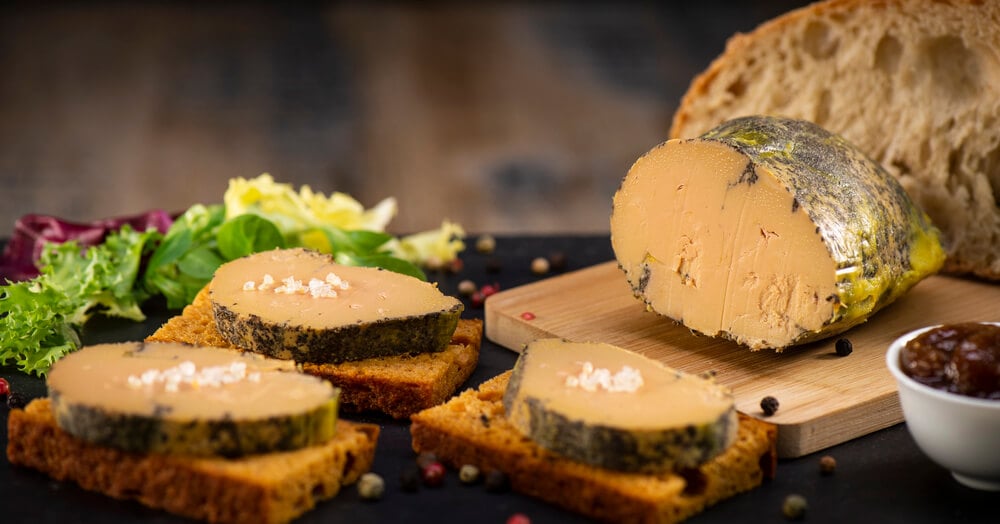
Chicago’s City Council banned the sale of foie gras, the fattened duck or goose liver prized by French chefs, in April 2006. Supporters cited the force-feeding involved in production, while restaurant owners called the rule an overreach into what diners could order.
Some chefs openly defied it, slipping the dish onto menus under creative names or serving it free alongside other orders. Mayor Richard M. Daley publicly mocked the ordinance as one of the silliest laws the council had ever passed.
Aldermen repealed it in May 2008, barely two years after it began.
Mexican Avocados
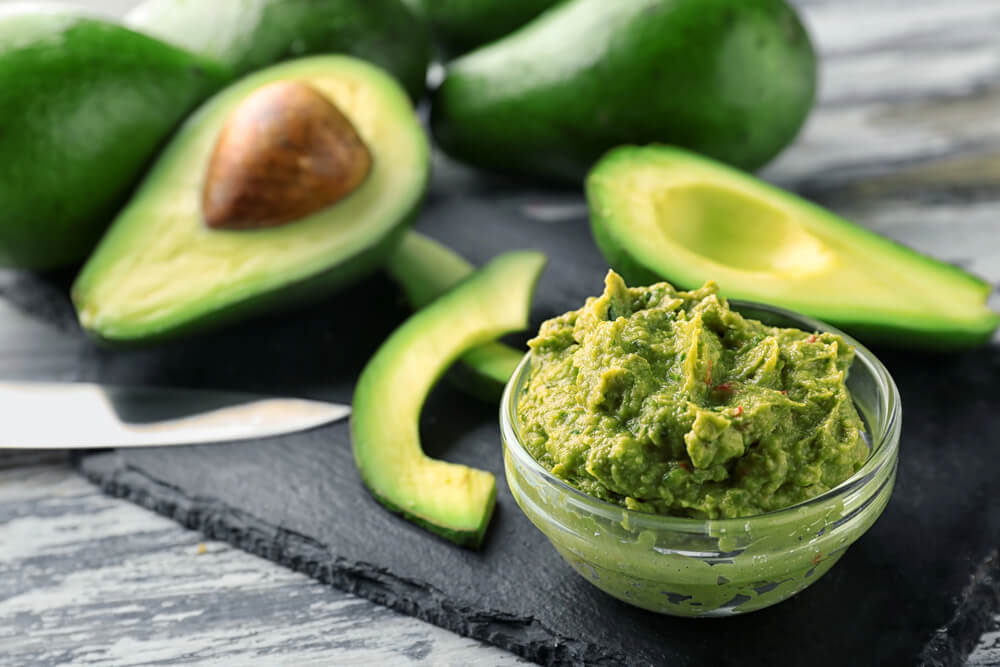
Fears that seed weevils would hitch a ride into American orchards led the United States to ban avocados from Mexico in 1914. The ban lasted more than 80 years, during which California growers had the domestic market almost entirely to themselves.
Partial access returned in 1997, when Mexican fruit was allowed into a limited group of northeastern states during the winter months. Restrictions eased step by step until most remaining limits disappeared in 2007.
Mexico now supplies the large majority of avocados eaten in the United States, so the old ban would empty most grocery store displays today.
Indian Mangoes
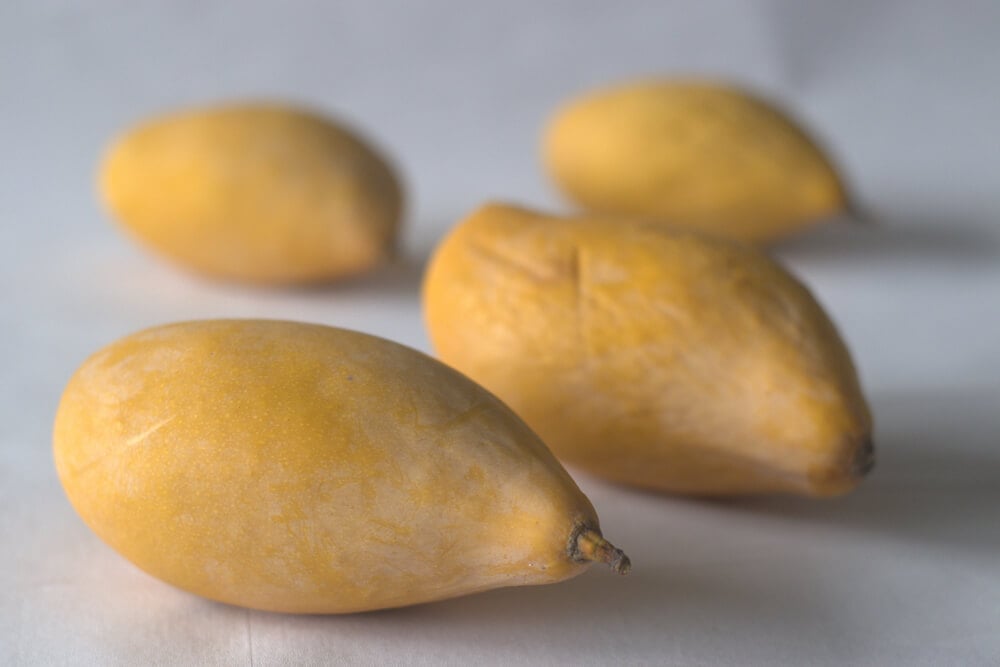
Mangoes from India, including the famously sweet Alphonso, were kept out of American markets for roughly 18 years over concerns about fruit flies and seed weevils. The barrier came down in 2007, after India agreed to irradiate the fruit before shipping, and the deal was widely linked to broader trade talks that sent Harley-Davidson motorcycles the other way.
The first shipments arrived that spring to considerable excitement among Indian American communities. Prices were high, and quantities remained modest for years.
Fans who had relied on canned pulp could finally buy fresh Alphonsos at a store.
Jamaican Ackee

Ackee and saltfish is the national dish of Jamaica, yet for decades American shoppers could not legally buy the fruit at the heart of it. The Food and Drug Administration blocked imports of ackee in 1973 because the unripe fruit contains hypoglycin, a toxin that can cause dangerous drops in blood sugar.
In 2000, the agency began allowing canned ackee from Jamaican processors who met strict safety standards. Imports are still tightly controlled, and only fruit picked after the pods open naturally is considered safe.
Caribbean grocery shelves in New York and Miami look very different as a result.
Laptops on Certain Flights

In March 2017, the Department of Homeland Security barred passengers on direct flights to the United States from 10 airports in the Middle East and North Africa from carrying laptops, tablets and other devices larger than a phone in the cabin. Officials cited intelligence that explosives could be hidden in electronics, so travelers had to pack their computers in checked luggage.
Some carriers responded by handing out loaner laptops on board. The restriction was lifted airport by airport over the following months and ended in July 2017.
Its short life showed how quickly an ordinary object can become contraband.
Self-Service Gas Pumps in Oregon

Oregon banned drivers from pumping their own gas in 1951, citing fire risk and the dangers of untrained customers handling fuel. For more than 70 years, attendants filled every tank, and generations of Oregonians never learned how to operate a pump.
Newcomers from other states were often surprised to be told to stay in their cars. A 2023 law finally allowed stations to offer self-service, though at least half of their pumps must still be staffed by attendants.
New Jersey is now the only state where drivers cannot fill up on their own.
New Cars During World War II
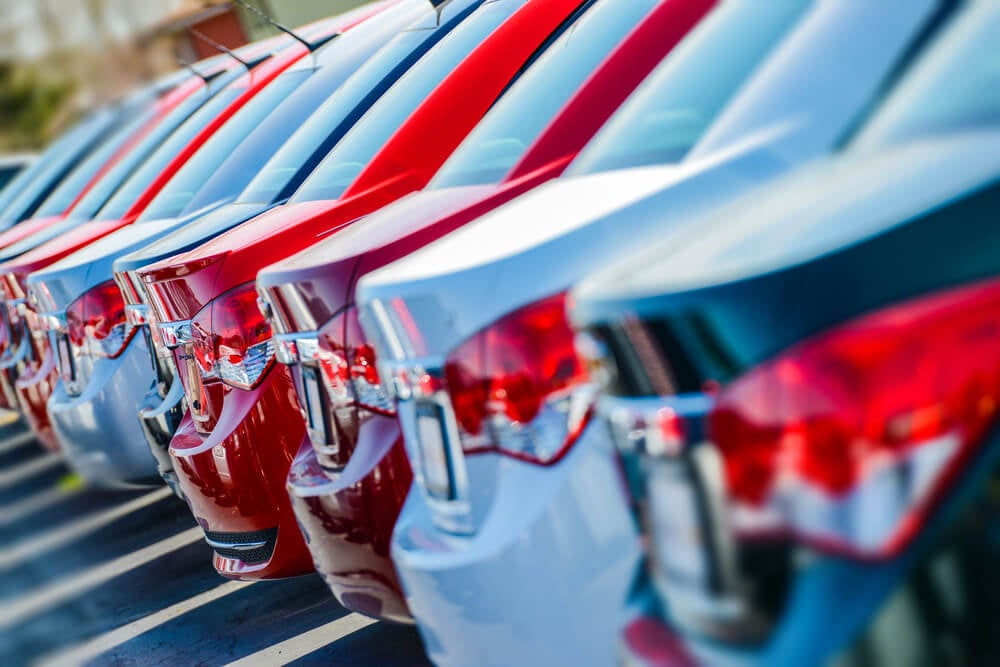
Civilian car production stopped in February 1942, when the government ordered automakers to devote their factories entirely to the war effort. Assembly lines that had turned out family sedans began building tanks, aircraft engines and military trucks instead.
Dealers were left with small inventories, and buying one of the remaining new cars required government approval under a strict rationing system. Production of civilian models did not resume until mid-1945, and the first postwar cars were largely warmed-over 1942 designs.
Pent-up demand was so strong that buyers often waited months for delivery.
Gasoline for Pleasure Driving
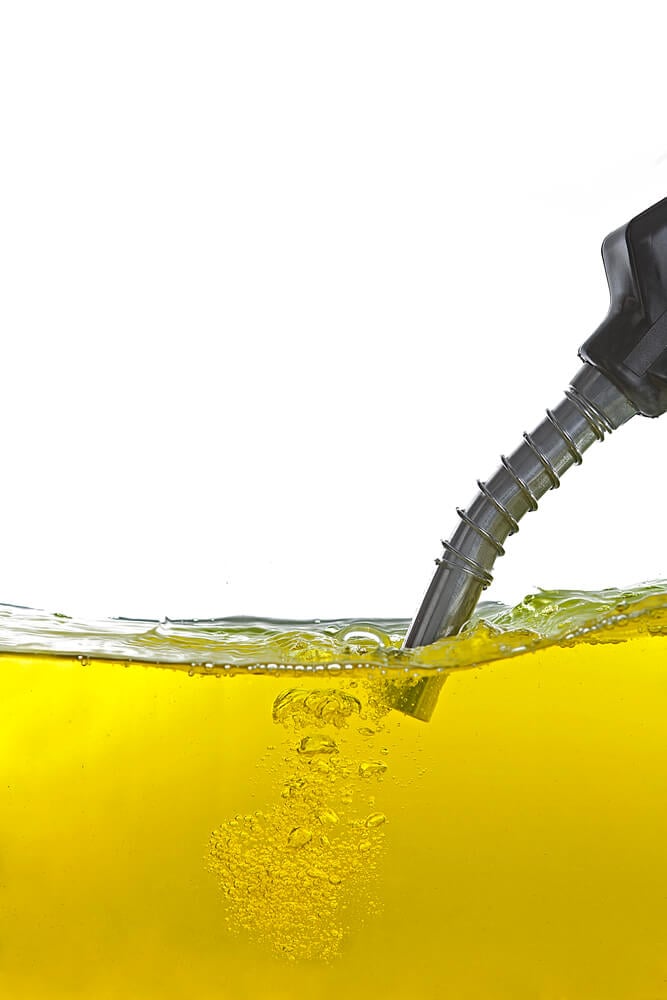
Early in 1943, the Office of Price Administration banned pleasure driving across much of the eastern United States to save gasoline. Driving to work, church, the doctor or the grocery store was allowed, but a trip to the beach or a friend’s house could bring a fine and the loss of ration coupons.
Officials reportedly checked cars parked outside theaters and racetracks to catch violators. The ban proved unpopular and hard to enforce, and it was eased later that year.
A national wartime speed limit of 35 miles per hour, set to save rubber, stayed in place.
Evolution Textbooks in Tennessee

Tennessee’s Butler Act of 1925 made it illegal for public school teachers to teach that humans descended from a lower order of animals. That same summer, teacher John Scopes was prosecuted in Dayton for using a textbook, Hunter’s Civic Biology, that covered evolution.
The trial pitted William Jennings Bryan against Clarence Darrow and drew reporters from across the country. Scopes was convicted and fined 100 dollars, though the verdict was later overturned on a technicality.
The law itself stayed on the books until 1967, long after most people had forgotten it existed.
Arcade Video Games in Marshfield

Residents of Marshfield, Massachusetts, voted in 1982 to ban coin-operated arcade games after supporters argued they encouraged truancy, gambling and unsupervised loitering. The man who proposed it was a retired narcotics agent, and business owners who challenged the rule lost before the Massachusetts Supreme Judicial Court.
The U.S. Supreme Court declined to hear the case in 1983. Attempts to overturn the ban failed in 1994 and 2011, so a generation of local kids grew up without Pac-Man in their own pizza parlors.
Voters finally repealed it in 2014 by a margin of 203 to 175.
Sports Bets Outside Nevada

The Professional and Amateur Sports Protection Act of 1992 made it illegal for most states to authorize betting on sports. Nevada was grandfathered in, along with limited exceptions such as sports lotteries in Delaware, Oregon and Montana, so a straight bet on the Super Bowl effectively required a trip to Las Vegas.
New Jersey spent years fighting the law in court in hopes of reviving Atlantic City. In May 2018, the Supreme Court sided with the state in Murphy v. NCAA and struck down the federal ban.
Within a few years, most states had legalized wagering in some form, much of it through phone apps.
Liquor Commercials on Television
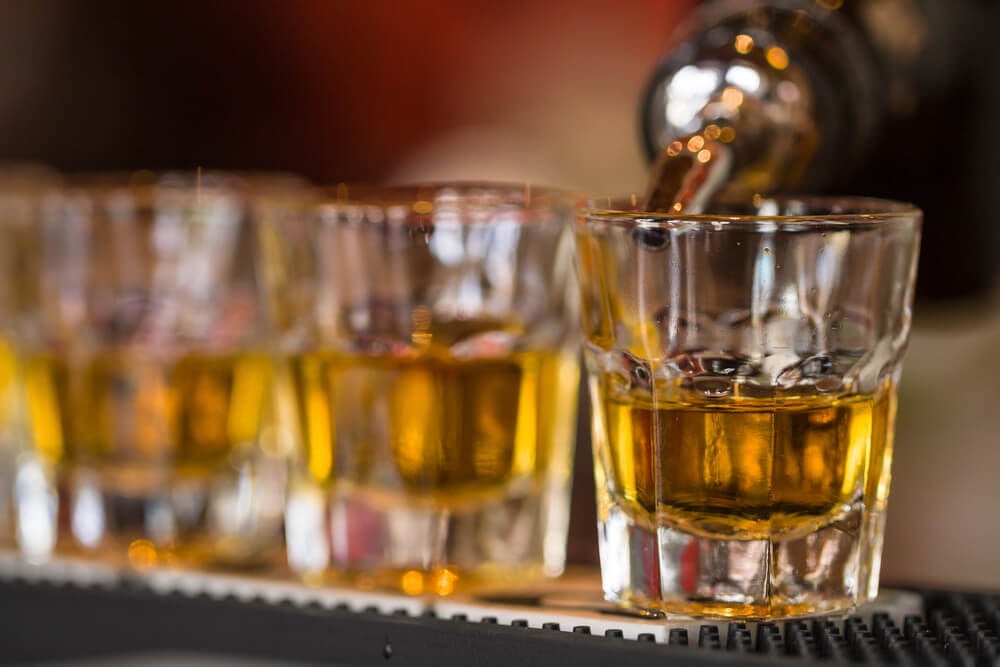
American distillers voluntarily banned their own radio ads in 1936 and extended the policy to television in 1948, partly to head off stricter government regulation. For nearly half a century, beer and wine ads filled the airwaves while whiskey and vodka brands stayed off the screen.
Seagram broke ranks in 1996 by running a television ad for Crown Royal on a Texas station. The industry group formally dropped its ban later that year.
Even now, many networks and stations set their own limits on when and how spirits can be advertised.
Products Made in China
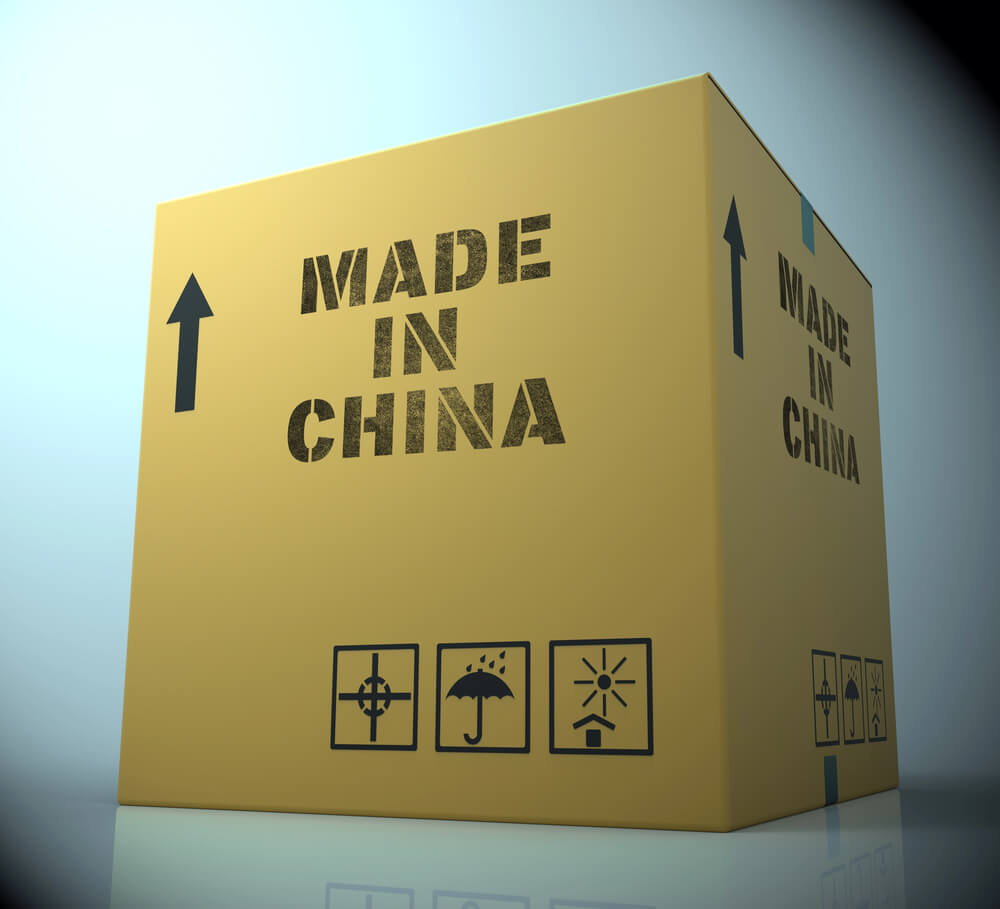
After Chinese troops entered the Korean War, the United States imposed a full trade embargo on mainland China in December 1950. For two decades, American stores sold virtually nothing made there, and even items containing Chinese components could be seized.
Richard Nixon began easing the restrictions in 1971, ahead of his famous visit to Beijing the following year. Full diplomatic relations followed in 1979.
The turnaround was so complete that China is now one of the largest sources of goods in American homes, from phone chargers to holiday decorations.
Wine Shipped to the Door
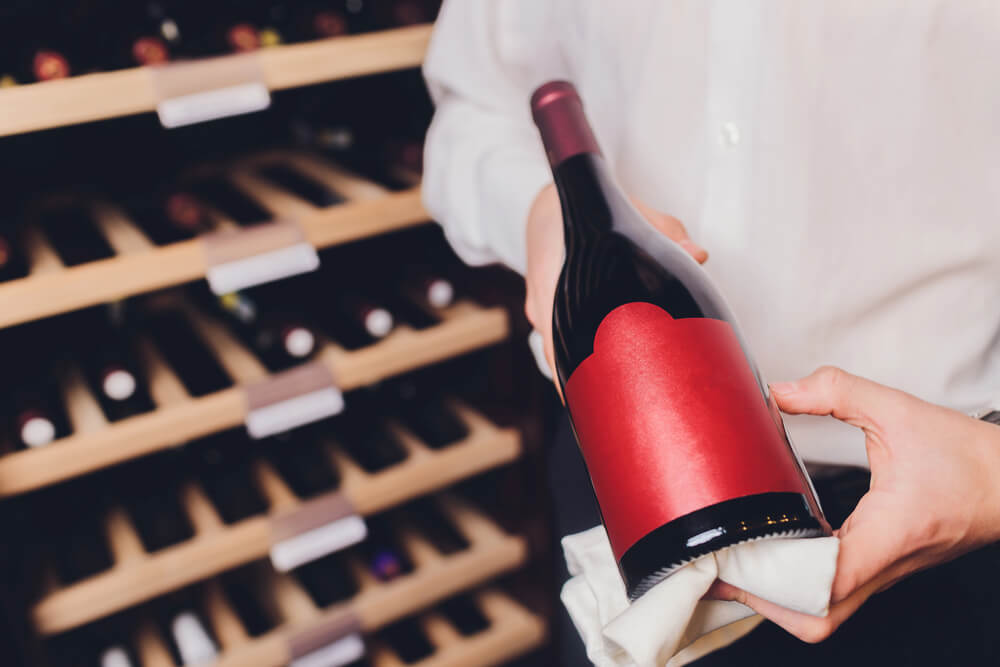
After Prohibition, many states funneled all alcohol through local distributors, and several banned out-of-state wineries from shipping directly to consumers. Michigan and New York let their own wineries ship to residents while blocking wineries from other states.
In 2005, the Supreme Court ruled in Granholm v. Heald that this kind of discrimination violated the Commerce Clause. Most states have since opened up to direct wine shipping, though rules vary widely on volume limits, permits and age checks at delivery.
A handful of states still keep tight restrictions in place.
Pantsuits on the Senate Floor

Until 1993, an unwritten rule barred women from wearing trousers on the floor of the United States Senate. Senators Barbara Mikulski and Carol Moseley Braun challenged it by showing up in pantsuits, and female staff soon followed their example.
The Senate sergeant at arms quietly amended the dress code to allow women to wear pants, provided they were paired with a jacket. The change came more than 70 years after women won the right to vote nationally.
Female members of Congress now wear pantsuits so routinely that the old rule sounds unbelievable.
Cameras and Shortwave Radios

Days after Pearl Harbor, presidential proclamations required Japanese, German and Italian nationals living in the United States to surrender shortwave radios, cameras and firearms to local police. Officials feared the devices could be used to signal enemy ships or photograph military sites.
The rules fell hardest on Japanese immigrants and, in practice, on many Japanese American families who handed over household items before their forced removal to incarceration camps in 1942. Radios that picked up only standard broadcasts were generally allowed.
The restrictions faded after the war, and in 1988 Congress formally apologized for the incarceration program.
Christmas in Puritan Massachusetts

Puritan Massachusetts made celebrating Christmas a punishable offense in 1659, with a five-shilling fine for anyone caught feasting or skipping work on December 25. Colonial leaders saw the holiday as an excuse for drinking and rowdy behavior with no basis in scripture.
The law was repealed in 1681 under pressure from English authorities, but disapproval lingered in New England for generations. Christmas did not become a legal holiday in Massachusetts until 1856.
Some Boston schools reportedly still held classes on Christmas Day into the 1870s, long after the rest of the country had embraced the holiday.
Bans Age Faster Than the Things They Target
Almost every item on this list was banned for a reason that sounded sensible to the people who wrote the rule. Fire risk, moral panic, wartime shortages, crop pests and protection for local industries all made persuasive arguments at the time.
The object itself rarely changed. A sparkler in 2014 burned exactly as hot as a sparkler in 1940.
Bans tend to linger long after the conditions that created them, and undoing one often takes far longer than passing it. Marshfield needed 32 years to let kids play Pac-Man, and Oregon needed more than 70 to let drivers hold a gas nozzle.
The lesson is less about whether any single ban was right or wrong. It is about how stubbornly a rule survives once nobody remembers exactly why it was written.
More from Go2Tutors!

- The Romanov Crown Jewels and Their Tragic Fate
- 13 Historical Mysteries That Science Still Can’t Solve
- Famous Hoaxes That Fooled the World for Years
- 15 Child Stars with Tragic Adult Lives
- 16 Famous Jewelry Pieces in History
Like Go2Tutors’s content? Follow us on MSN.