25 Places on Earth Tourists Can No Longer Visit
Travel lists usually promise places to see before it is too late. This one covers places where too late already arrived.
Some collapsed into the sea, some were flooded by dams or buried by lava, and a few were closed by the very people who cared for them most. A handful can still be seen, but only as replicas, photographs or empty space.
Lascaux Cave Paintings
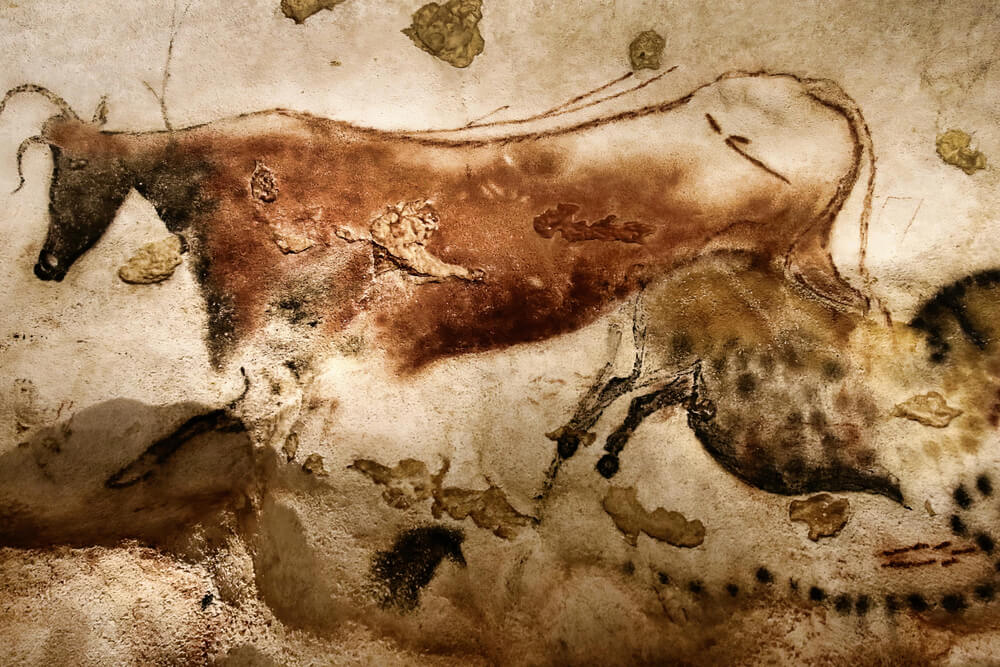
— Photo by GP_Creative
Four teenagers stumbled onto the Lascaux cave in southwestern France in September 1940, reportedly after following their dog. Inside were roughly 600 painted animals and nearly 1,500 engravings made around 17,000 years ago.
After the cave opened to the public in 1948, visitors arrived by the hundreds every day, and their breath, body heat and the lighting fed mold and algae on the walls. Authorities closed it in 1963.
Tourists now visit Lascaux IV, a full-scale replica that opened nearby in 2016, while only a few researchers enter the original each year.
Uluru’s Summit Path
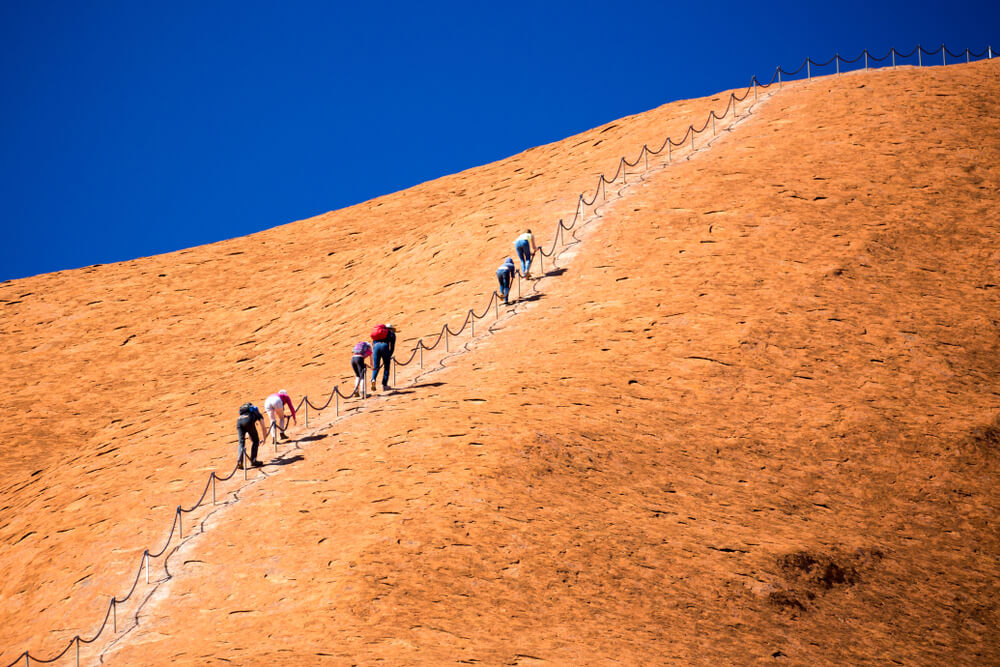
For decades, climbing Uluru was one of the defining experiences of a trip to central Australia, with a chain handrail bolted into the rock to help visitors up the steep western face. The Anangu, the traditional owners, had long asked people not to climb because the route crosses a sacred site.
Dozens of people died on the climb over the years, adding safety to the cultural argument. The park board voted to end it, and the climb closed permanently on October 26, 2019.
Workers removed the chain soon afterward, though visitors can still walk the base and watch the rock change color at sunset.
Chernobyl Exclusion Zone Tours
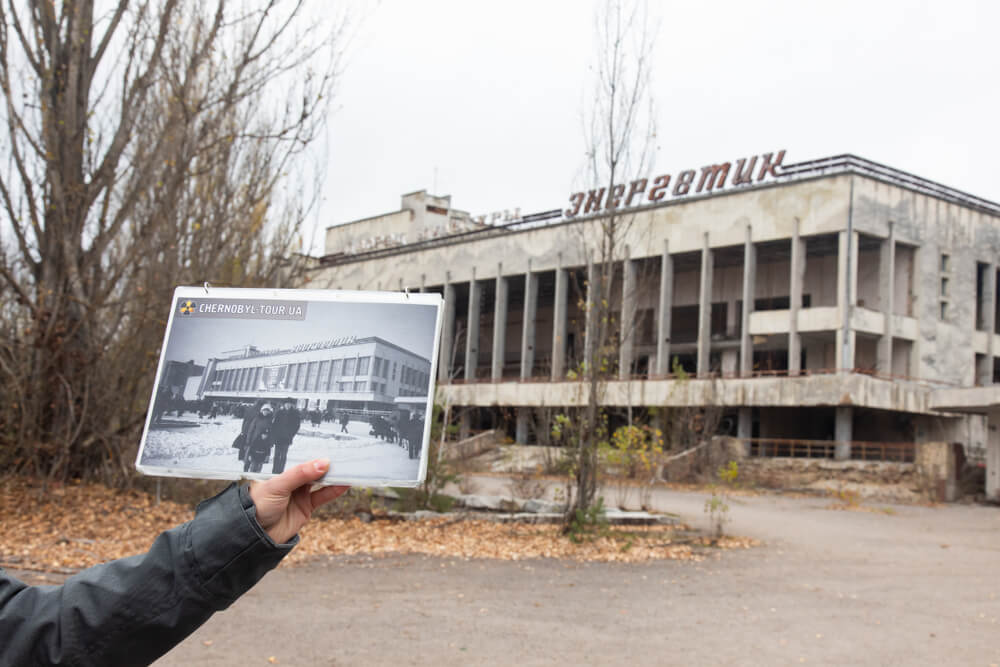
Ukraine turned the abandoned area around the Chernobyl nuclear plant into an unlikely attraction in the 2010s, with guided day trips from Kyiv to the ghost city of Pripyat. Interest exploded after the 2019 HBO miniseries, and the zone reportedly welcomed more than 100,000 visitors that year.
Tours ended abruptly when Russian forces seized the site in February 2022, and troops dug trenches in contaminated soil before withdrawing weeks later. The area has stayed off-limits to tourists since the invasion.
Pripyat’s Ferris wheel, built for a May Day opening that never happened, sits untouched.
Top of the World Observation Deck
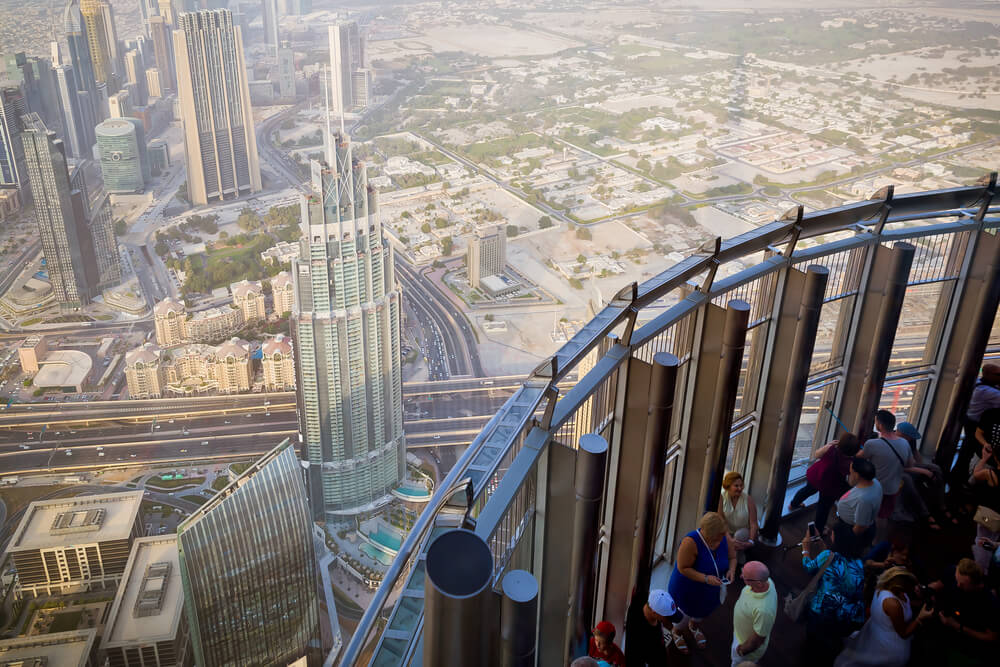
The South Tower of the World Trade Center held an indoor observatory on the 107th floor and an open-air platform on the roof, together branded Top of the World. On a clear day, visitors could see roughly 50 miles in every direction from one of the highest outdoor viewing platforms of its time.
It was destroyed along with the towers on September 11, 2001. One World Observatory, which opened in 2015 near the top of the new One World Trade Center, offers a similar view from a different building. The original rooftop survives only in photographs and the memories of those who stood there.
Bamiyan Buddhas
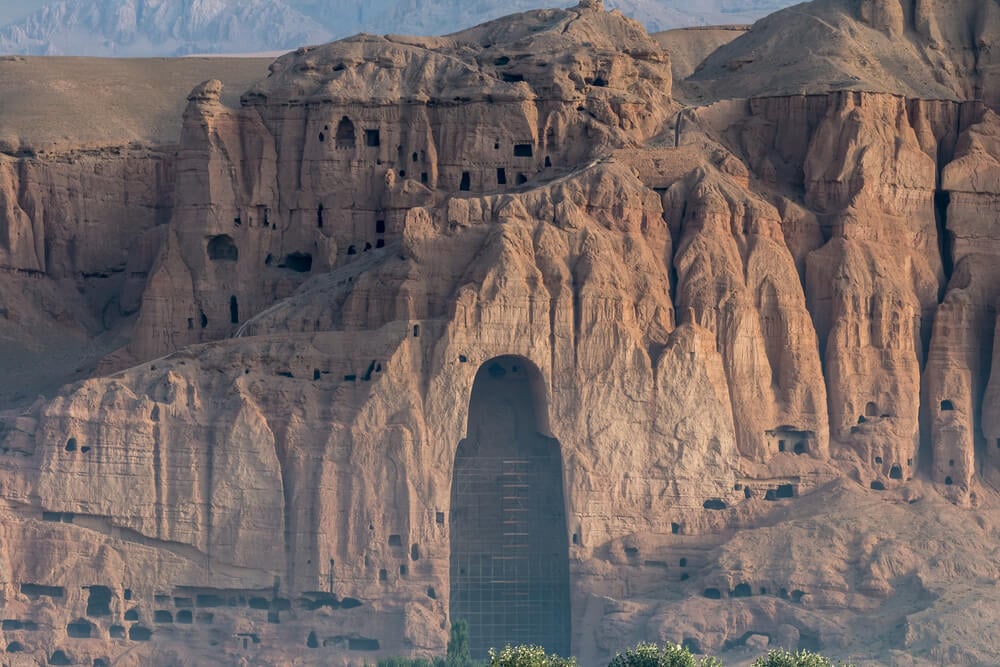
Two enormous Buddha statues carved into a cliff in Afghanistan’s Bamiyan Valley stood for roughly 1,500 years, the taller reaching about 55 meters. Travelers on the Silk Road described them, and in the 1960s and 1970s they drew visitors on the overland route to South Asia.
In March 2001, the Taliban destroyed both with artillery and explosives over several weeks, despite international appeals to spare them. Only the empty niches remain, framed by caves where monks once lived and painted murals.
In 2021, an anniversary event briefly projected an image of the lost statue into one niche.
Palmyra’s Temple of Bel
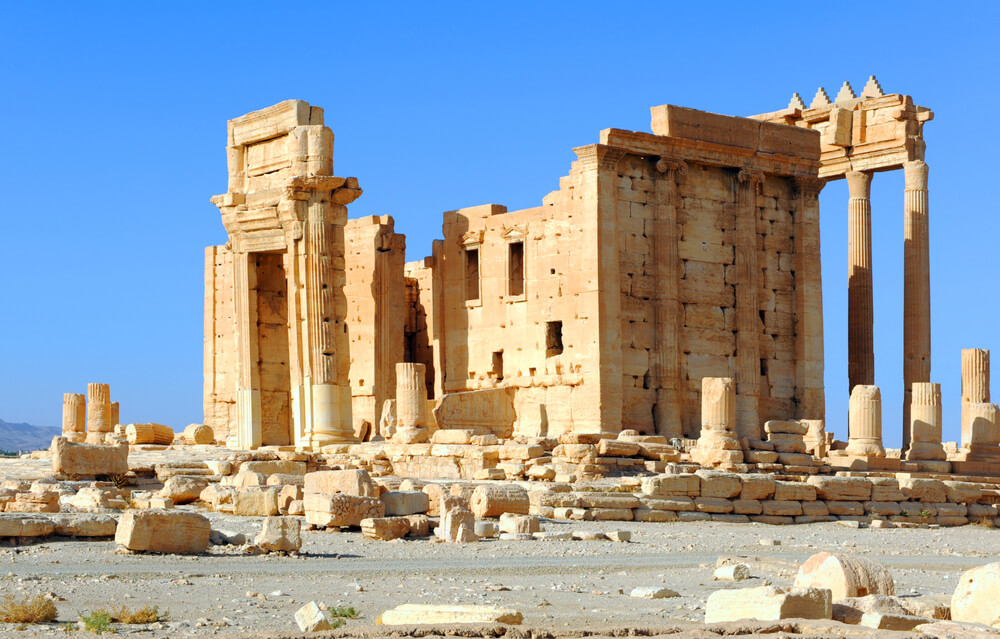
The Temple of Bel in Palmyra, Syria, was dedicated in AD 32 and survived nearly two millennia of earthquakes, conquests and conversions into a church and later a mosque. Before the Syrian civil war, it was among the most visited ancient sites in the Middle East.
Islamic State militants destroyed most of the temple with explosives in August 2015, leaving only its main gateway standing. The group also blew up the city’s monumental arch and killed Khaled al-Asaad, the retired antiquities chief who had cared for the site for decades.
Restoration has been discussed, but the temple tourists once photographed is gone.
Azure Window
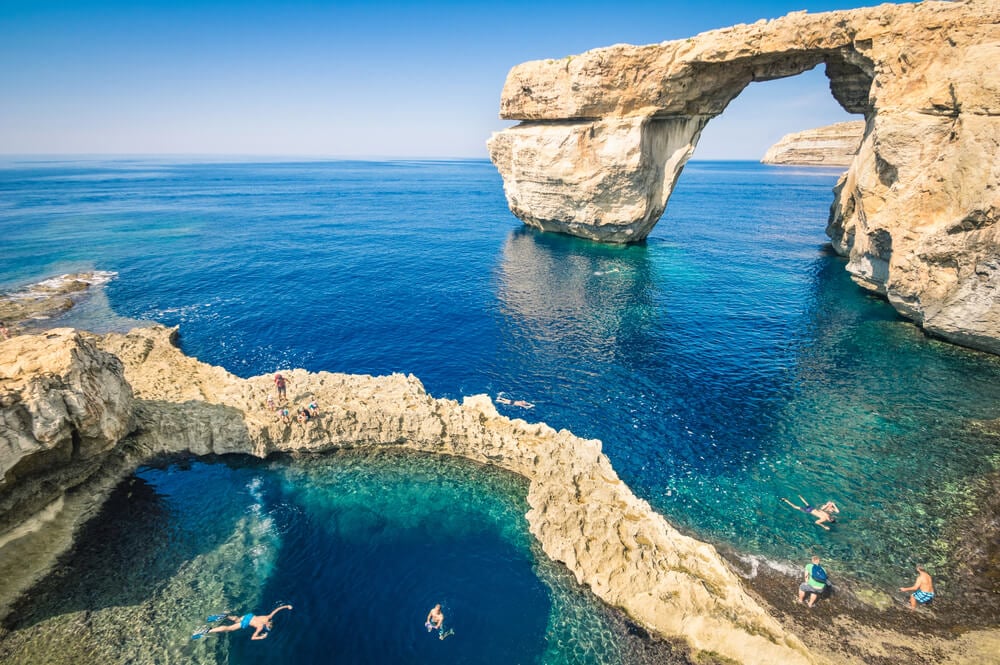
Malta’s limestone arch on the island of Gozo was one of the most photographed natural landmarks in the Mediterranean and appeared in the first season of Game of Thrones. Geologists warned for years that wave erosion was weakening the pillar that held it up, and chunks fell regularly.
During a heavy storm on March 8, 2017, the entire arch collapsed into the sea. Divers now explore the rubble on the seabed, which has become a popular underwater site in its own right.
Above the water, only open sky remains where the window once framed the horizon.
Old Man of the Mountain
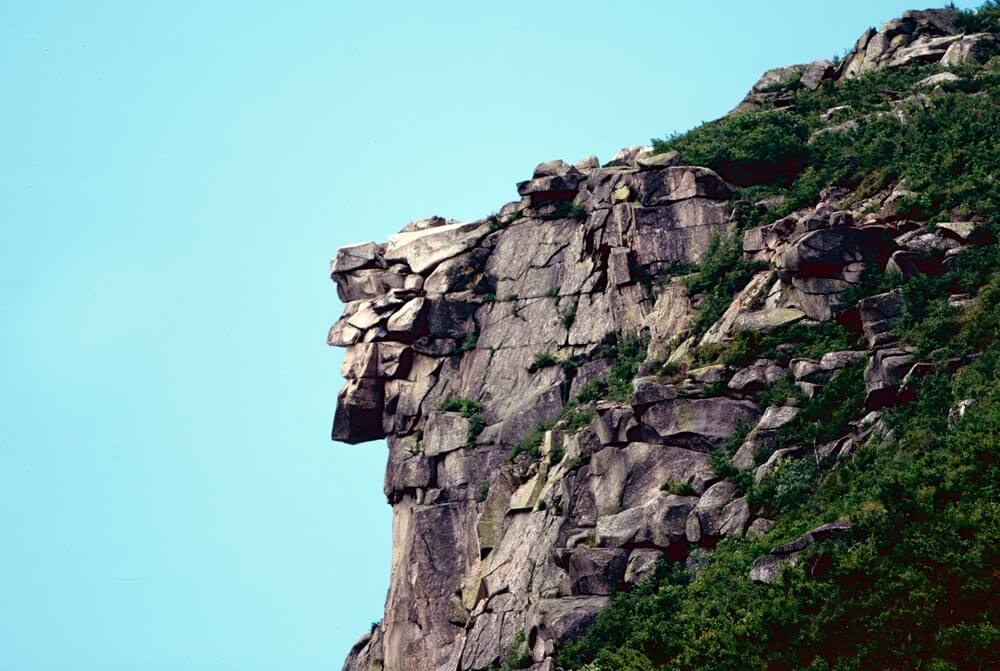
A series of granite ledges on Cannon Mountain in New Hampshire formed a craggy profile of a face looking out over Franconia Notch. The Old Man appeared on the state quarter, on license plates and on highway signs.
Workers spent decades bracing it with cables, rods and epoxy to slow its decay. The formation collapsed overnight in early May 2003 and was discovered missing the next morning, leaving residents genuinely grieving a rock.
A memorial plaza at the base now uses angled steel profilers that let visitors line up the face against the empty cliff.
Darwin’s Arch
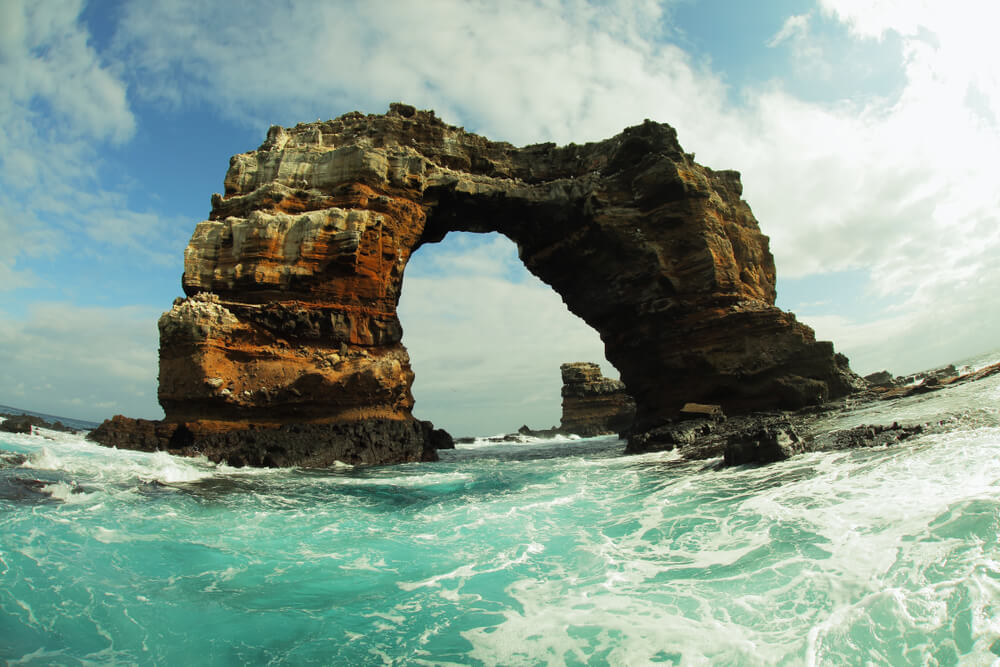
A natural rock arch off Darwin Island in the Galapagos stood above some of the richest dive waters on the planet, famous for schools of hammerhead sharks. Named for Charles Darwin, it was a landmark that liveaboard dive boats used to orient themselves in the remote northern islands.
On May 17, 2021, the arch collapsed, leaving two separate rock pillars that locals quickly nicknamed the Pillars of Evolution. Ecuador’s environment ministry attributed the fall to natural erosion.
Divers can still visit the site, but the silhouette on postcards and park brochures no longer exists.
Pink and White Terraces
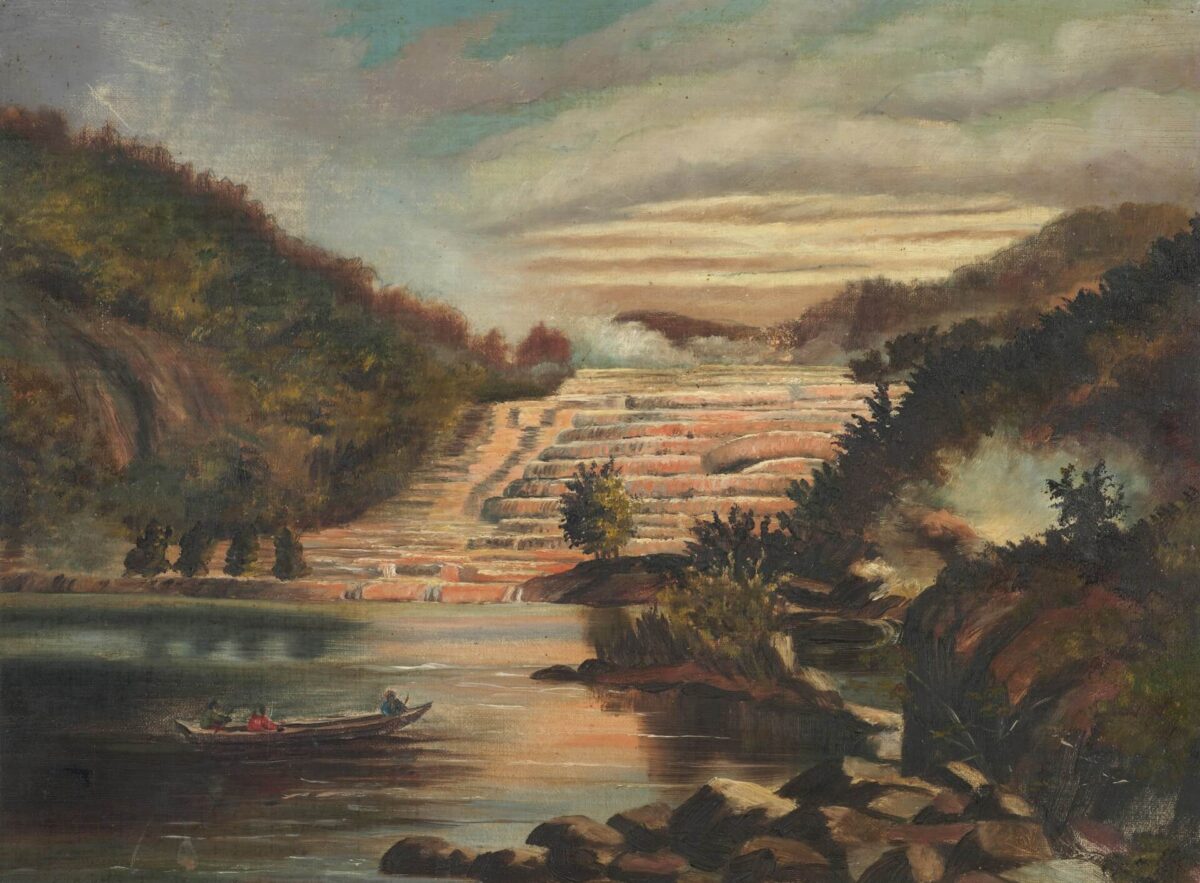
New Zealand’s Pink and White Terraces were cascading formations of silica that spilled down the shores of Lake Rotomahana, filled with warm turquoise pools. In the 1870s and 1880s they were the country’s biggest tourist attraction, sometimes called the eighth wonder of the world.
Mount Tarawera erupted on June 10, 1886, burying the area and killing more than 100 people. For more than a century, the terraces were assumed to be destroyed completely.
Researchers have since argued over whether parts survive beneath the lake or under volcanic debris, but nobody can stand on them again.
Okjokull Glacier
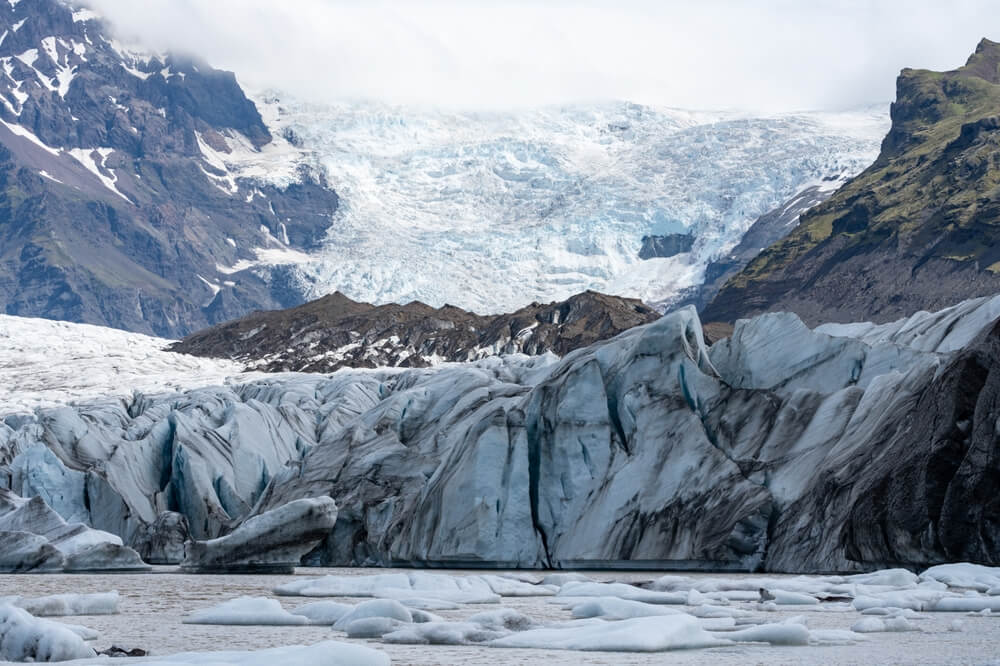
Okjokull, a glacier on the Icelandic volcano Ok, lost its status as a glacier in 2014 because the remaining ice had grown too thin to move under its own weight. In August 2019, scientists, officials and residents hiked to the site to install a bronze plaque titled A Letter to the Future.
Written by author Andri Snaer Magnason, it acknowledges that all of Iceland’s main glaciers could follow the same path within 200 years. Hikers can still climb Ok, but the ice field once marked on maps is mostly bare rock and a small lake.
It is widely described as the first Icelandic glacier lost to climate change.
Chacaltaya Ski Area
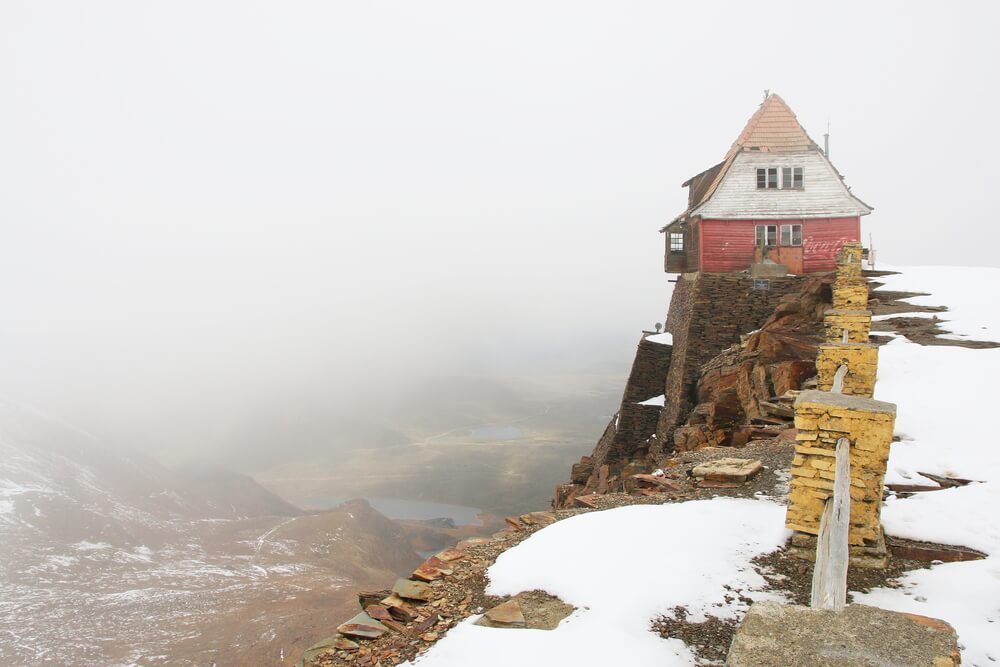
Bolivia’s Chacaltaya glacier once supported a ski run at more than 5,000 meters above sea level, frequently described as the highest in the world. Skiers from La Paz made the drive up for decades, and a small lodge served them and the climbers who came for the views.
Scientists measured the glacier shrinking rapidly from the 1980s onward and had predicted it might last until around 2015. By 2009 it had essentially vanished, years ahead of schedule.
The lodge still stands on the barren mountain and attracts hikers, but the slope that made it famous is now gravel and rock.
Wawona Tunnel Tree
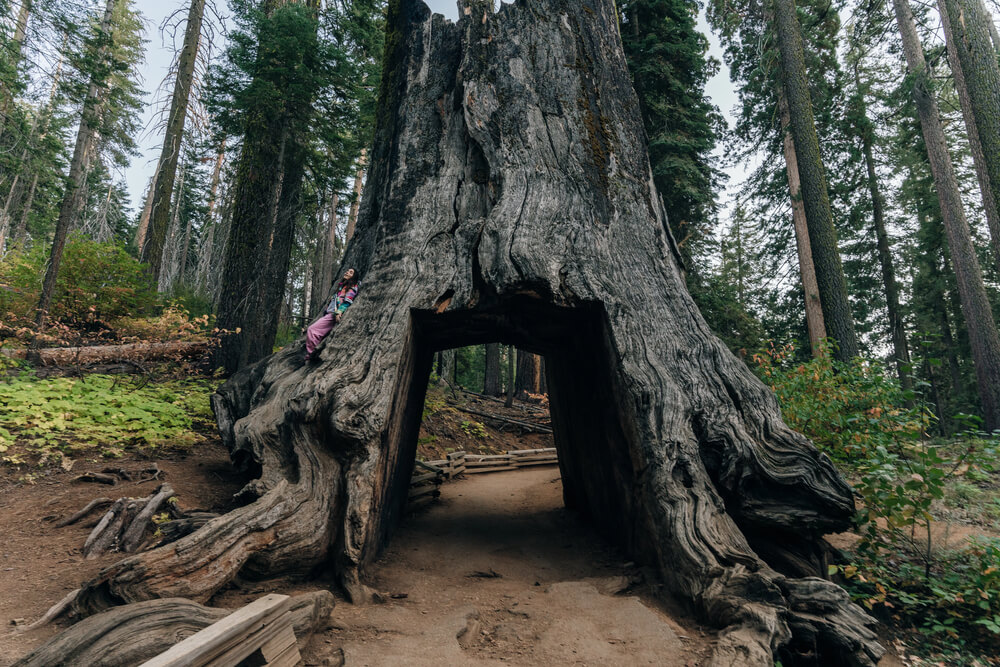
In 1881, workers cut a tunnel through the base of a giant sequoia in Yosemite’s Mariposa Grove so that stagecoaches could drive straight through it. The Wawona Tunnel Tree became one of the most photographed trees in America, and later generations posed with their cars inside the opening.
The tunnel weakened the already leaning tree, and a heavy load of snow brought it down in February 1969. Rangers left the fallen giant where it lay.
A similar drive-through tree in Calaveras Big Trees State Park fell during a storm in January 2017, closing another chapter of roadside tourism.
Pennsylvania Station’s Original Hall
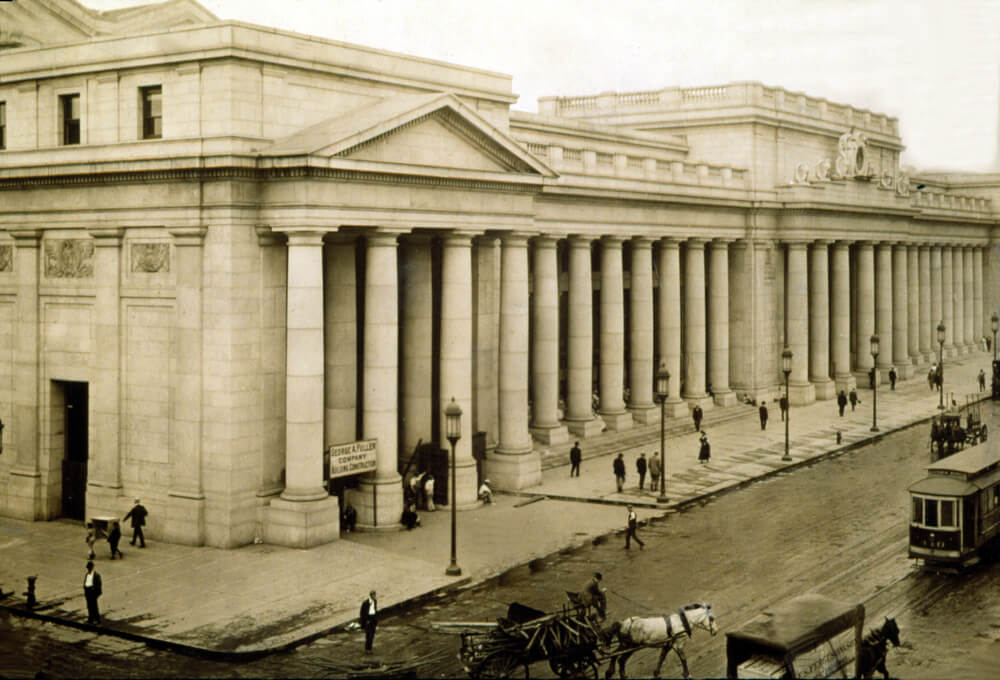
McKim, Mead and White designed the original Pennsylvania Station in Manhattan, which opened in 1910 with a waiting room modeled on the Baths of Caracalla in ancient Rome. Its pink granite columns and glass-roofed concourse made it one of the grandest public buildings in the country.
Demolition began in October 1963 to make way for Madison Square Garden and an office tower, and the station moved underground. Public outrage over the loss helped lead to the creation of New York’s Landmarks Preservation Commission in 1965.
Some of the station’s stone eagles survive at other sites, but the building itself is gone.
Guaira Falls
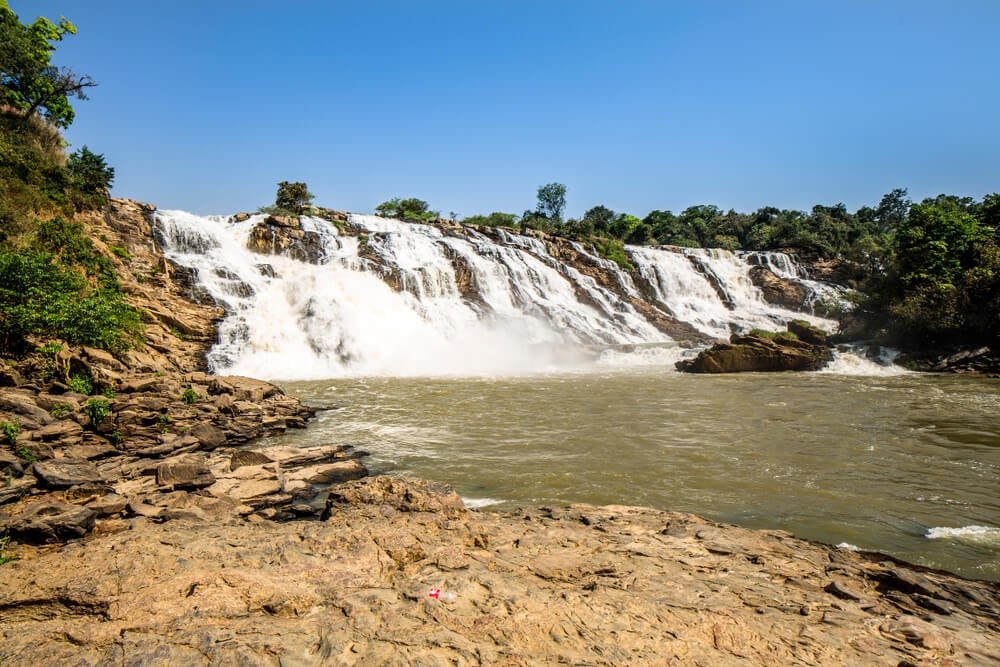
On the border between Brazil and Paraguay, the Guaira Falls, also called Sete Quedas, poured the Parana River through a series of gorges in what was often described as the largest waterfall system by volume on Earth. Visitors crossed footbridges to stand above the roaring water.
In 1982, the reservoir behind the Itaipu Dam rose and submerged the falls within about two weeks. Rock formations were later blasted to make the river safer for navigation.
Itaipu remains one of the largest hydroelectric plants in operation, and the falls survive only in old photographs and memories.
Kowloon Walled City
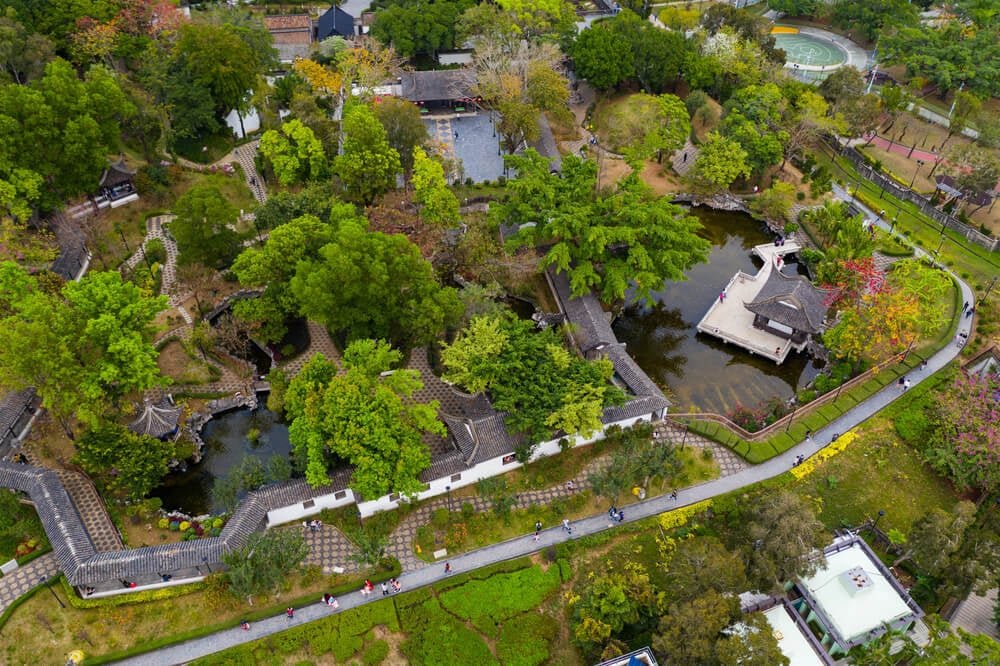
— Photo by leungchopan
For most of the 20th century, Kowloon Walled City in Hong Kong was a legal oddity that neither Britain nor China fully governed. Roughly 33,000 people lived packed into about 6.5 acres of interlocking high-rises built without architects, building permits or sunlight at street level.
Unlicensed dentists, food factories and schools operated in narrow corridors lit by fluorescent tubes. Both governments agreed to clear it, and demolition took place in 1993 and 1994.
A landscaped park now occupies the site, with the old yamen building preserved as a small museum.
Tree of Tenere
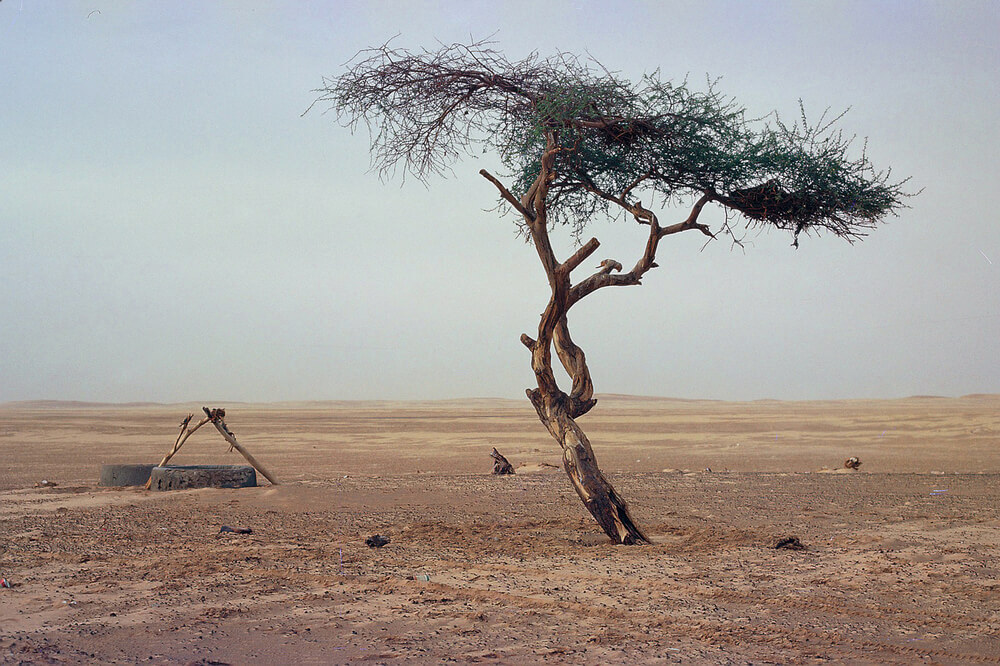
For centuries, a lone acacia in the Tenere region of the Sahara in Niger was the only tree for about 400 kilometers in any direction. Caravans used it as a landmark, and a well dug beside it reached water about 35 meters down.
In 1973, a truck driver reportedly crashed into the tree and knocked it down. Its remains were moved to the National Museum of Niger in Niamey.
A metal sculpture now marks the spot, standing in an empty expanse of sand where travelers once found the only shade for days.
Sutro Baths
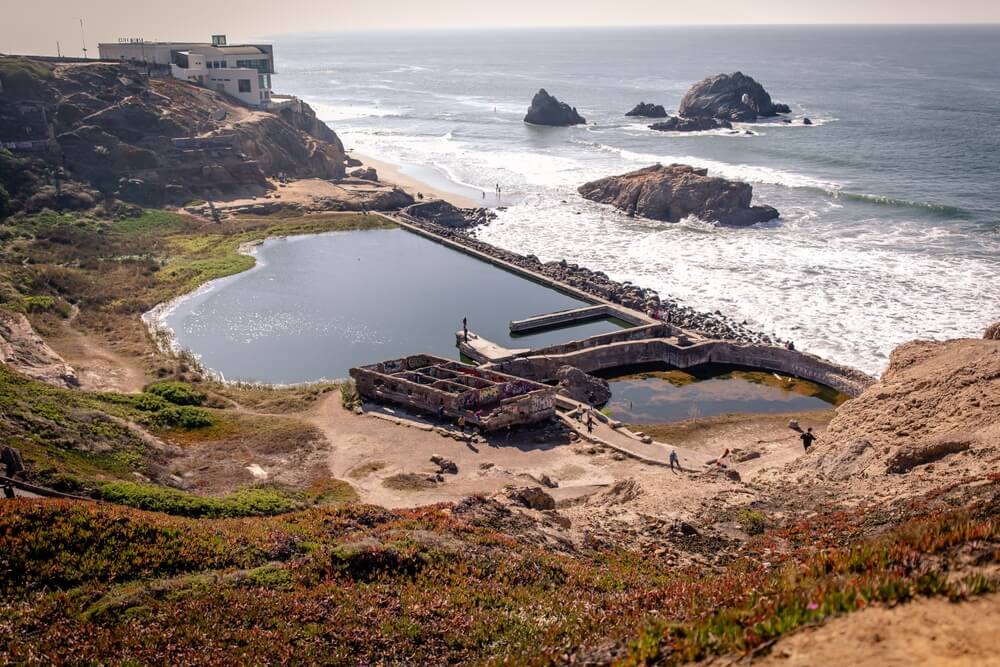
Entrepreneur Adolph Sutro opened an enormous indoor swimming complex on the western edge of San Francisco in 1896. Seven pools filled with seawater and heated to different temperatures sat under a vast glass roof, along with a museum, galleries and seating for thousands.
The baths never made much money, and later owners converted part of the building into an ice rink. The site closed in 1966, and a fire that year destroyed what remained.
Today the concrete foundations sit in the surf at Lands End, where hikers can explore the ruins but nobody can swim.
Crystal Palace
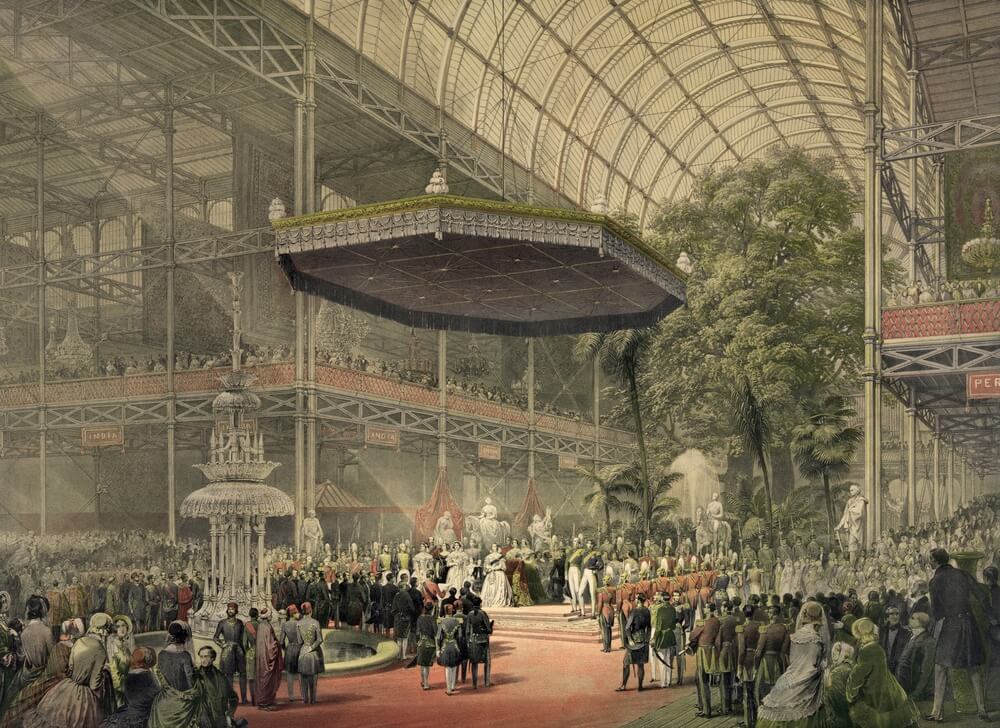
Joseph Paxton designed the Crystal Palace, a cast iron and glass hall, to house the Great Exhibition in London’s Hyde Park in 1851. After the exhibition, the structure was dismantled and rebuilt in expanded form at Sydenham Hill in south London, where it hosted concerts, shows and exhibitions for more than 80 years.
On December 6, 1936, a fire destroyed it so completely that the glow was visible across the city. Winston Churchill reportedly called it the end of an age.
The surrounding park still bears its name, along with its famous Victorian dinosaur sculptures.
Hasankeyf
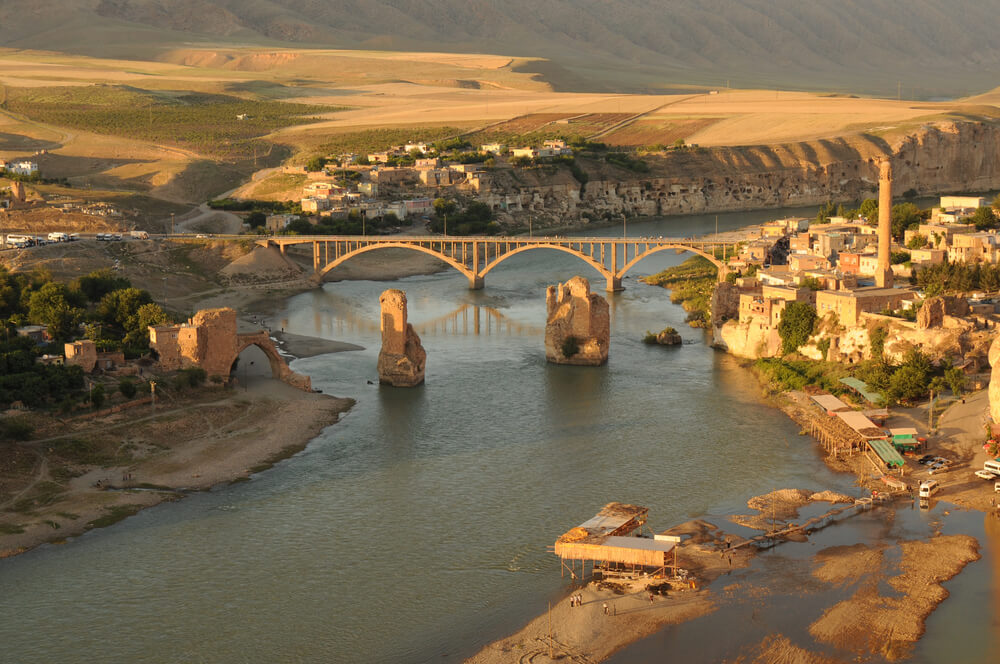
Hasankeyf, on the Tigris River in southeastern Turkey, had been settled for thousands of years and held cave dwellings, minarets and the ruins of a medieval bridge. The Ilisu Dam, decades in the planning, began filling its reservoir in 2019 and submerged most of the ancient town by 2020.
Turkish authorities relocated several monuments, including a 15th-century tomb and parts of a mosque, to a new cultural park on higher ground. Residents moved to a newly built town across the river.
Archaeologists and activists had campaigned for years to stop the project, arguing that the site deserved World Heritage status.
Lake Poopo
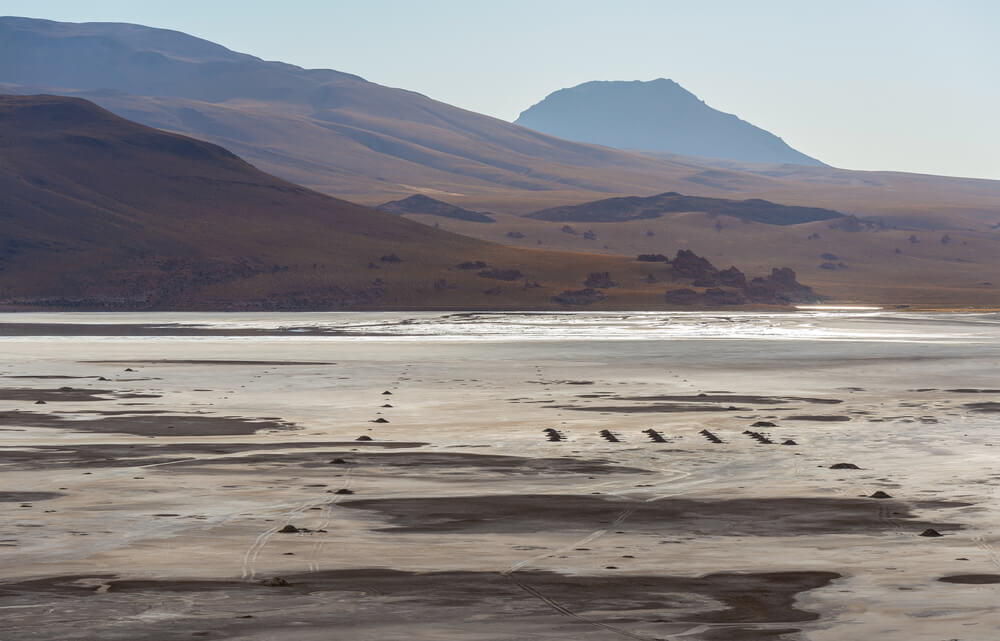
Lake Poopo was once Bolivia’s second-largest lake, a shallow body of salty water on the high Andean plateau that supported flamingos, fish and the fishing communities of the Uru people. Water diversion for mining and agriculture, combined with drought and rising temperatures, drained it steadily.
By December 2015, it had essentially dried up, leaving stranded boats on cracked earth. The lake has partially refilled during wetter years, but it has not recovered its former size or wildlife.
Many families who depended on it left for cities or mining jobs.
Nakagin Capsule Tower
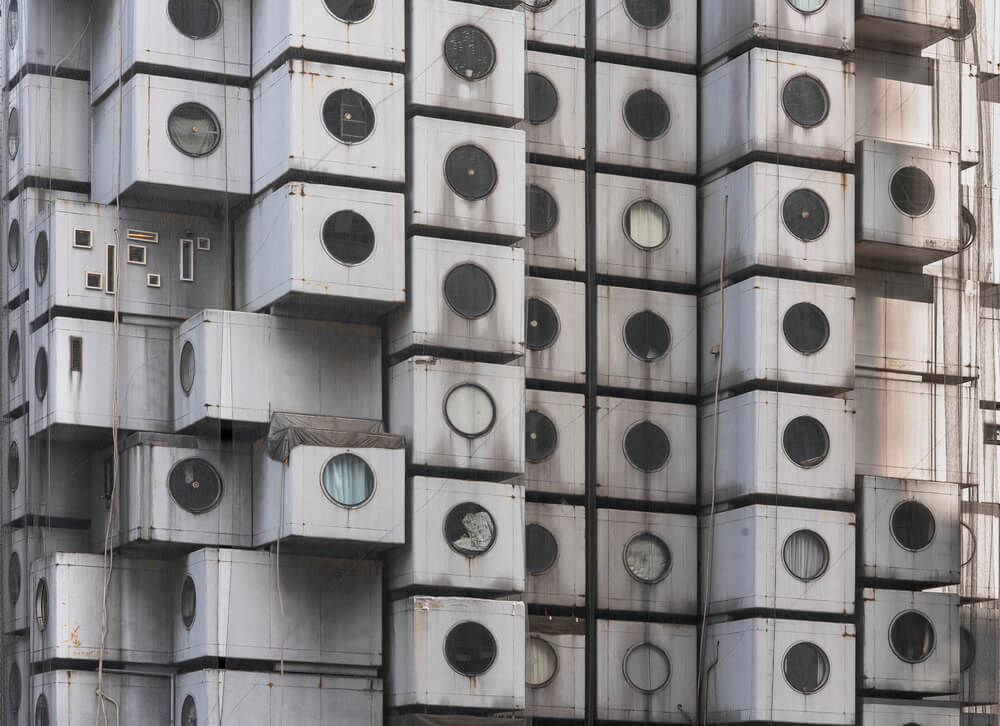
Architect Kisho Kurokawa completed the Nakagin Capsule Tower in Tokyo’s Ginza district in 1972, a landmark of Japan’s Metabolist movement. Its 140 prefabricated capsules, each about the size of a small bedroom with a round window, were designed to be replaced every 25 years.
That never happened, and the building aged badly as asbestos concerns and leaks mounted. Demolition began in 2022 after preservation efforts failed.
Before the building came down, fans rented capsules for short stays, and several units were salvaged for museums and restoration projects.
Kapoho Tide Pools
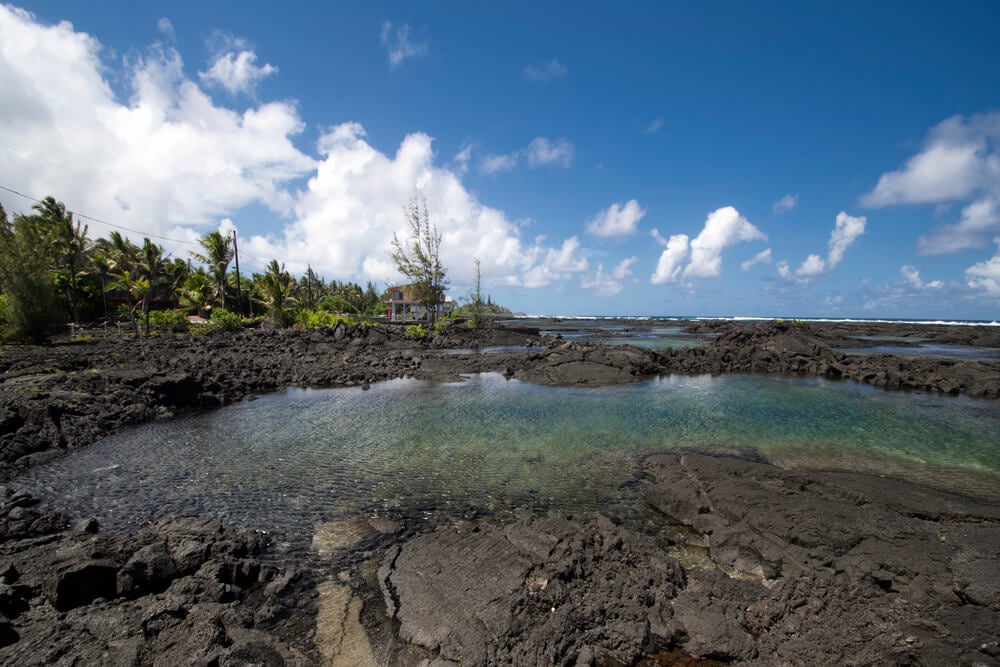
On the eastern tip of Hawaii’s Big Island, the warm, clear Waiopae tide pools at Kapoho drew snorkelers, families and sea turtles for decades. Nearby Kapoho Bay held a quiet community of vacation homes.
In 2018, the Kilauea eruption sent lava flowing from fissures in the Leilani Estates area to the coast, filling Kapoho Bay and burying the tide pools. The flow added hundreds of acres of new land to the island, and the eruption destroyed roughly 700 homes overall.
The snorkeling spot that appeared in guidebooks for years is now black rock.
Plymouth, Montserrat
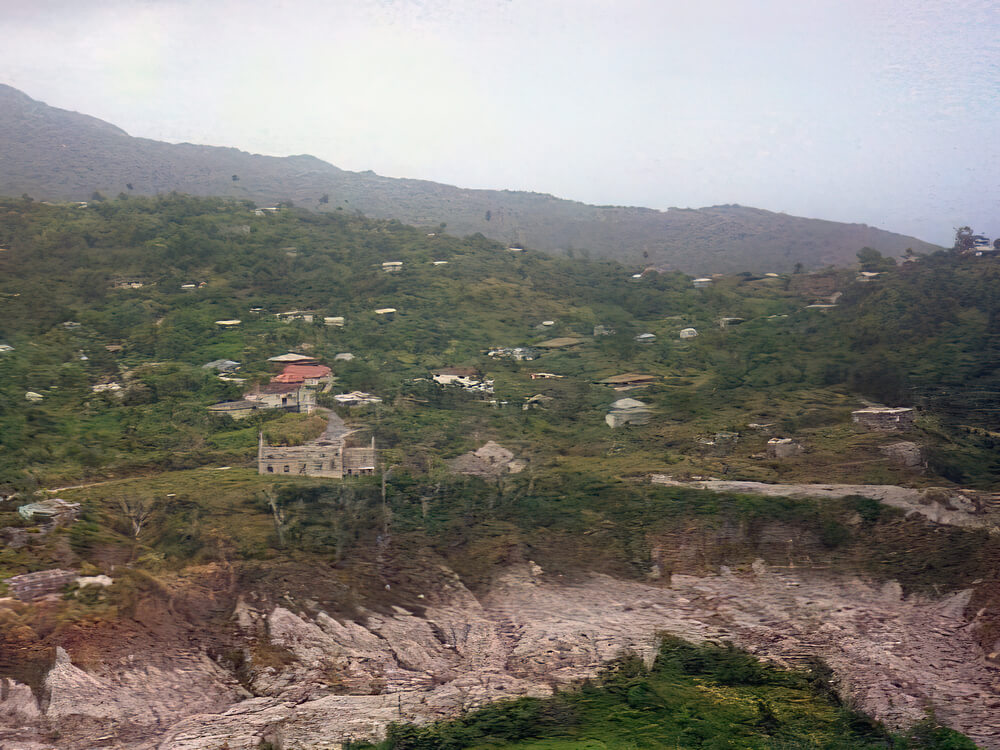
DepositPhotos
Plymouth was the capital of the Caribbean island of Montserrat until the Soufriere Hills volcano woke up in 1995. A series of eruptions over the next two years buried much of the town in ash and debris, and residents were evacuated before the worst flows arrived.
The city now lies inside an exclusion zone, with rooftops and church towers poking out of gray volcanic deposits. Roughly two-thirds of the island’s population left Montserrat during the crisis.
Plymouth remains the legal capital, and it is often called the only ghost town capital in the world.
Statue of Liberty’s Torch
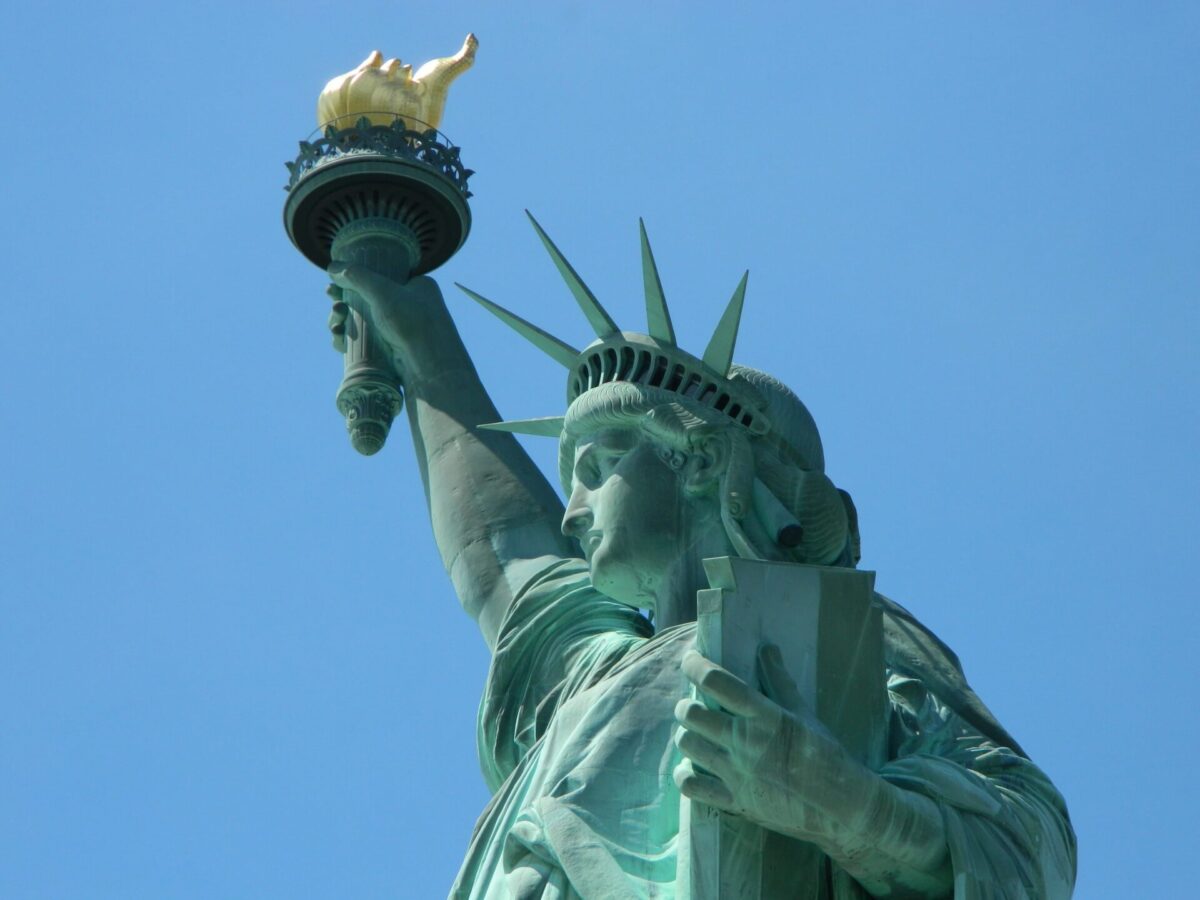
Visitors once climbed a narrow ladder up the raised arm of the Statue of Liberty to stand on the walkway around the torch. That ended after July 30, 1916, when German saboteurs set off explosions at the Black Tom munitions depot in New Jersey, sending shrapnel into the statue’s arm and torch.
Repairs were made, but the torch has stayed closed to the public ever since. The original torch was replaced in 1986 and now sits inside the museum on Liberty Island.
Only park staff and maintenance crews make the climb today.
Absence Leaves Its Own Landmarks
Some of these places were lost to forces nobody could stop, like volcanoes, storms and the slow arithmetic of a warming climate. Others disappeared because someone made a choice, whether to build a dam, demolish a station or close a cave before visitors loved it to death.
A few closed out of respect, with the people who held them sacred finally being heard. Each one proves that no destination is guaranteed to wait.
Replicas, plaques and memorial plazas now stand where many of these sites used to be. They exist because people wanted to mark the empty space rather than pretend nothing was lost.
Travelers who visit them are seeing something stranger than a ruin, which is the shape of a missing thing. That may be the most honest souvenir a trip can offer.
More from Go2Tutors!

- The Romanov Crown Jewels and Their Tragic Fate
- 13 Historical Mysteries That Science Still Can’t Solve
- Famous Hoaxes That Fooled the World for Years
- 15 Child Stars with Tragic Adult Lives
- 16 Famous Jewelry Pieces in History
Like Go2Tutors’s content? Follow us on MSN.