Views Of 15 Places With the Highest Snowfall On Record
Some corners of the world don’t just get a dusting of snow each winter. They get buried under mountains of the white stuff year after year.
These places hold records that seem almost impossible, with snowfall measurements that would make most people’s jaws drop. From remote mountain peaks to surprisingly populated towns, these locations have earned their spot in the record books through sheer volume of precipitation.
Ready to see where the snowiest spots on Earth actually are? Let’s dive into these frozen giants.
Mount Baker, Washington
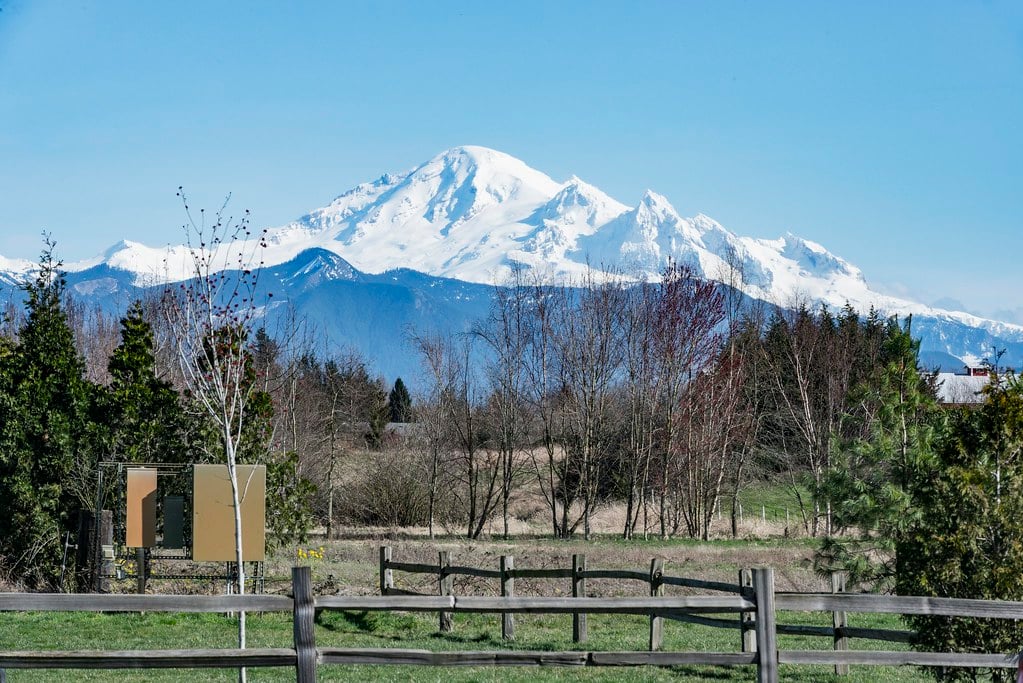
Mount Baker sits in the North Cascades and claimed the world record for the most snowfall in a single season back in 1998 and 1999. The mountain received an absolutely staggering 1,140 inches of snow during that winter, which breaks down to 95 feet of accumulation.
That’s taller than most buildings people see every day. The location benefits from moisture-laden air coming off the Pacific Ocean that slams into the mountain and dumps its load.
Skiers and snowboarders flock here during normal years, but that record-breaking season was something entirely different.
Tamarack, California
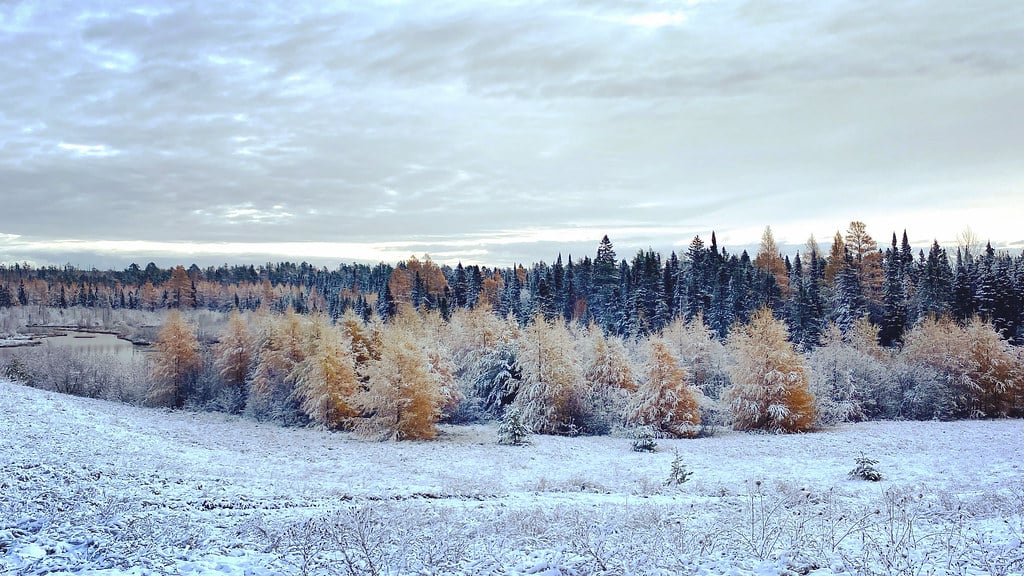
This now-abandoned resort town in the Sierra Nevada mountains experienced 390 inches of snowfall in January 1911 alone. Think about that for a second: over 32 feet of snow in just one month.
The little community couldn’t handle the weight, and buildings started collapsing under the pressure. Tamarack never really recovered from that brutal winter and eventually turned into a ghost town.
The spot still gets heavy snow, but nothing quite like that legendary month that buried everything in sight.
Paradise, Mount Rainier, Washington
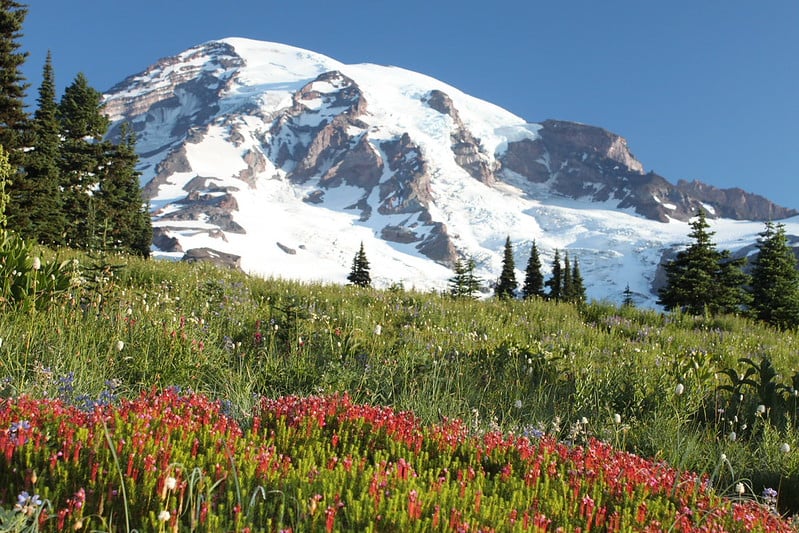
Paradise Ranger Station holds multiple records and regularly competes for the title of snowiest place in the United States. In the winter of 1971 to 1972, Paradise recorded 1,122 inches of total snowfall, coming incredibly close to Mount Baker’s later record.
The area sits at 5,400 feet elevation on the south slope of Mount Rainier, perfectly positioned to catch Pacific storms. Visitors during peak season often walk through snow tunnels carved between drifts that tower over their heads.
The name Paradise feels ironic when you’re standing in a blizzard, but the summer wildflower meadows apparently earned the location its title.
Valdez, Alaska
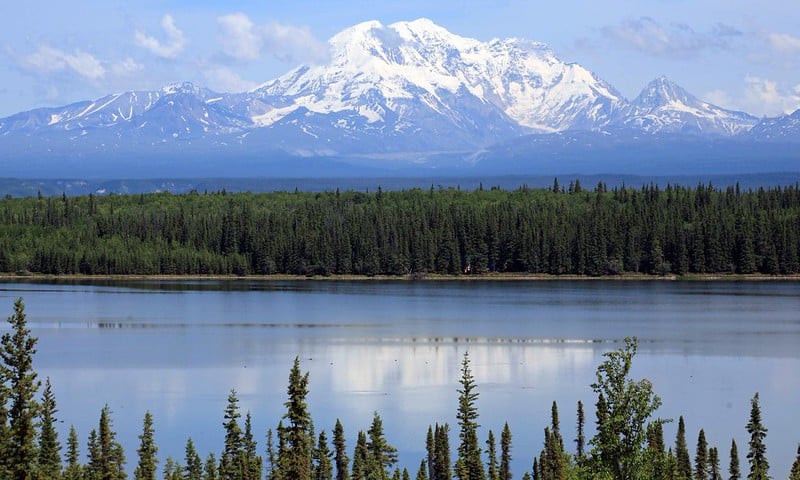
Valdez doesn’t mess around when it comes to winter weather. The coastal town recorded 560.7 inches of snow during the 1989 to 1990 season, which remains an Alaskan record.
Located at the head of a fjord surrounded by mountains, Valdez creates a perfect snow-making machine when storms roll in from the Gulf of Alaska. Residents have learned to build accordingly, with pitched roofs and reinforced structures that can handle the load.
The town stays accessible year-round despite the conditions, though residents joke that they measure snow in feet per hour rather than inches.
Aomori City, Japan
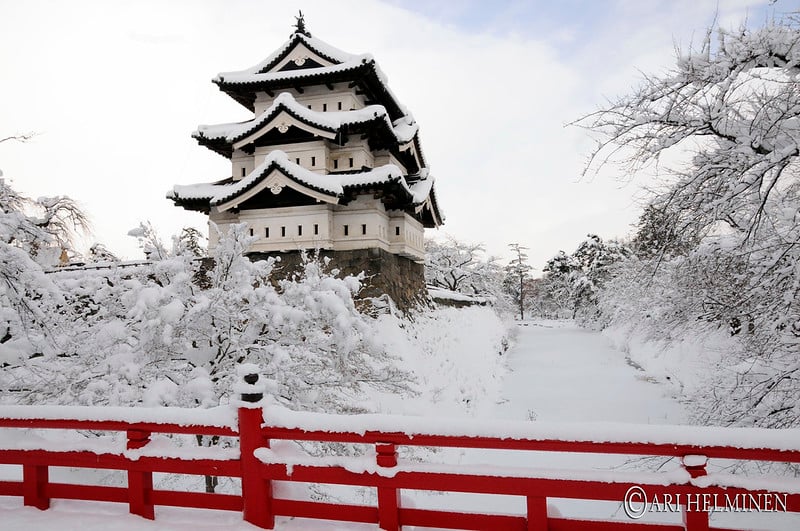
This Japanese city holds the distinction of being the snowiest major city on the planet. Aomori regularly receives over 300 inches of snow each winter, with the record season bringing 326 inches between 2011 and 2012.
Nearly 300,000 people live here and somehow manage to keep society functioning despite the constant barrage of snowfall. Cold Siberian winds pick up moisture crossing the Sea of Japan and dump it all on Aomori’s doorstep.
The city has developed an entire culture around snow management, with covered walkways and heated streets in some areas.
Sukayu Onsen, Japan
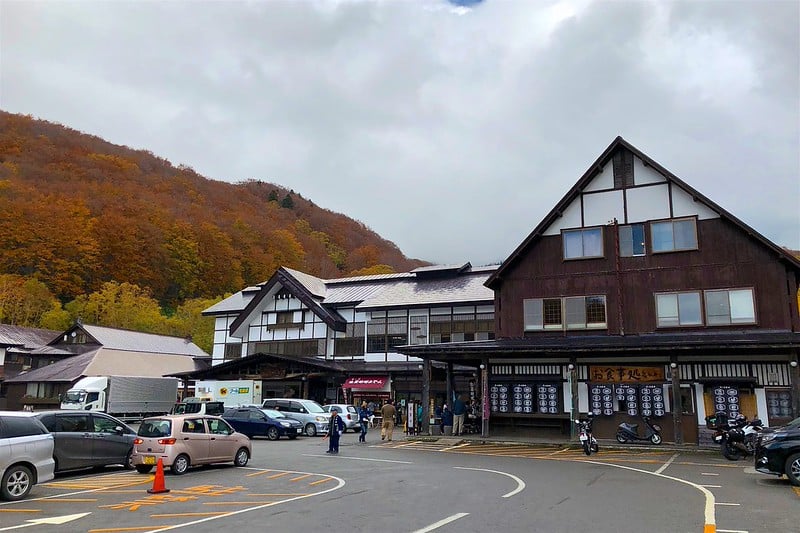
Not far from Aomori City sits this hot spring resort that claims even more extreme snowfall totals. Sukayu Onsen recorded 694.4 inches during the winter of 2012 to 2013, making it one of the snowiest inhabited places anywhere.
The contrast between the steaming hot springs and the massive snow walls surrounding them creates an almost surreal experience. Visitors soak in outdoor baths while snow piles up to second-story windows just feet away.
The resort stays open year-round, though reaching it during peak winter requires serious determination and proper equipment.
Thompson Pass, Alaska
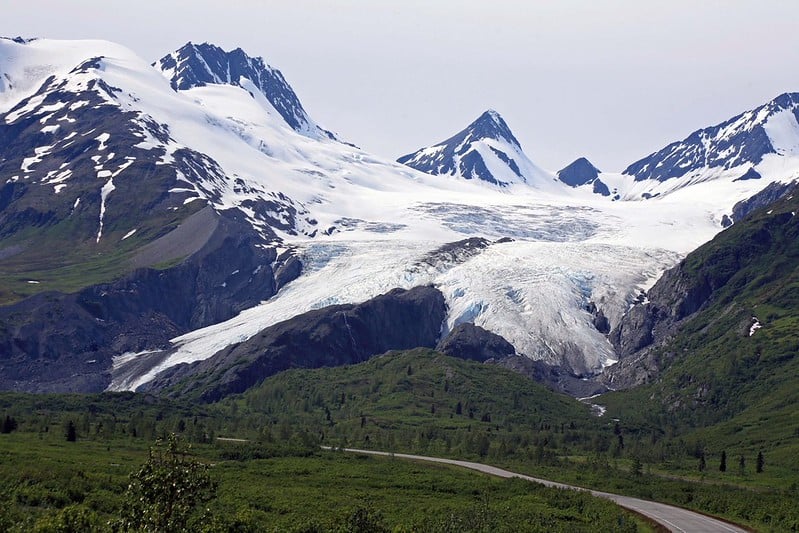
This mountain pass near Valdez recorded 974.5 inches of snow during the 1952 to 1953 season, setting a record that still stands for Alaska. The pass sits at 2,678 feet elevation and funnels storms into a relatively small area.
Single-day snowfall records here have exceeded 60 inches multiple times. Truckers and travelers approach Thompson Pass with respect during winter months, as conditions can deteriorate from clear to whiteout in minutes.
The Alaska Department of Transportation keeps the road open, but it’s a constant battle against nature’s overwhelming force.
Crater Lake, Oregon
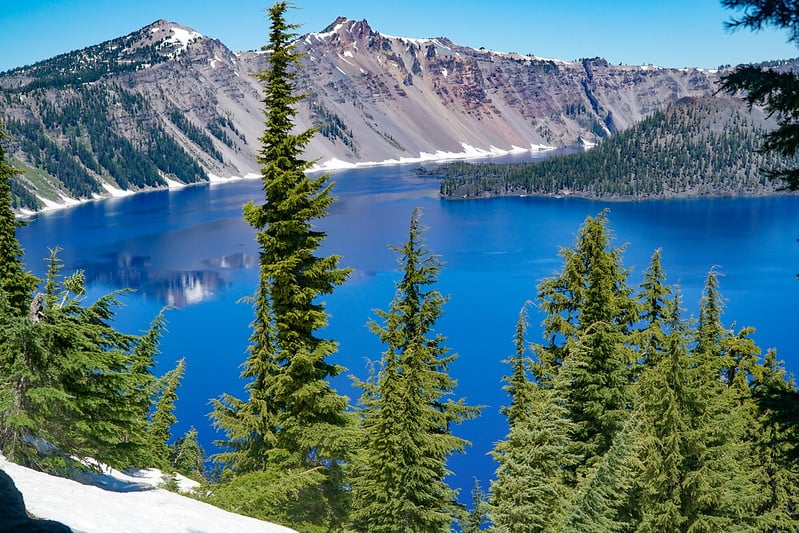
Crater Lake National Park receives an average of 463 inches of snow per year, with the record season bringing 879 inches between 1950 and 1951. The lake itself sits in the caldera of an ancient volcano at 6,178 feet elevation.
Winter visitors are few because the park becomes almost completely inaccessible for months at a time. Rangers measure snow depth with special poles, and the lake rim often has drifts exceeding 30 feet deep.
The brilliant blue water surrounded by pure white snow creates one of nature’s most striking color contrasts.
Mount Fidelity, Canada
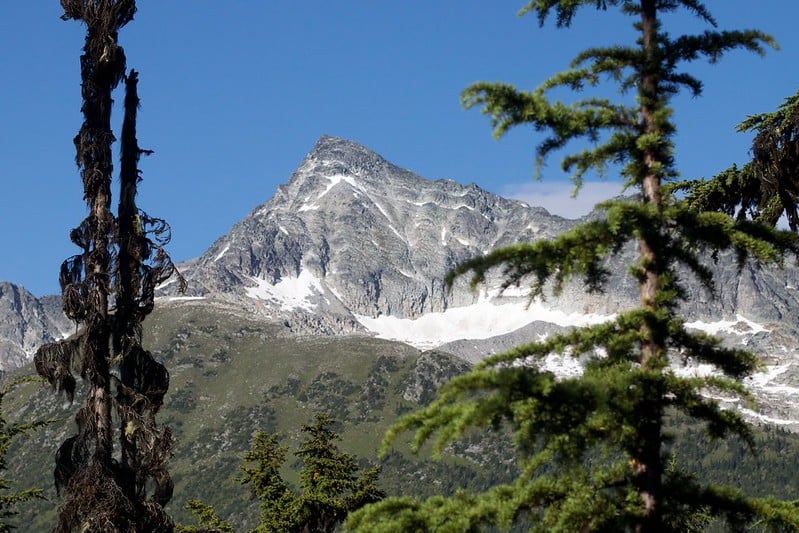
Located in British Columbia’s Glacier National Park, Mount Fidelity receives an average annual snowfall of around 570 inches. The mountain serves as a research station for avalanche studies because the conditions here are so extreme and consistent.
Scientists have been measuring snowfall at this site since 1914, creating one of the longest continuous records in North America. The data collected helps save lives throughout the region by improving avalanche forecasting.
Getting to the research station requires either helicopter access or a very challenging ski approach.
Capracotta, Italy
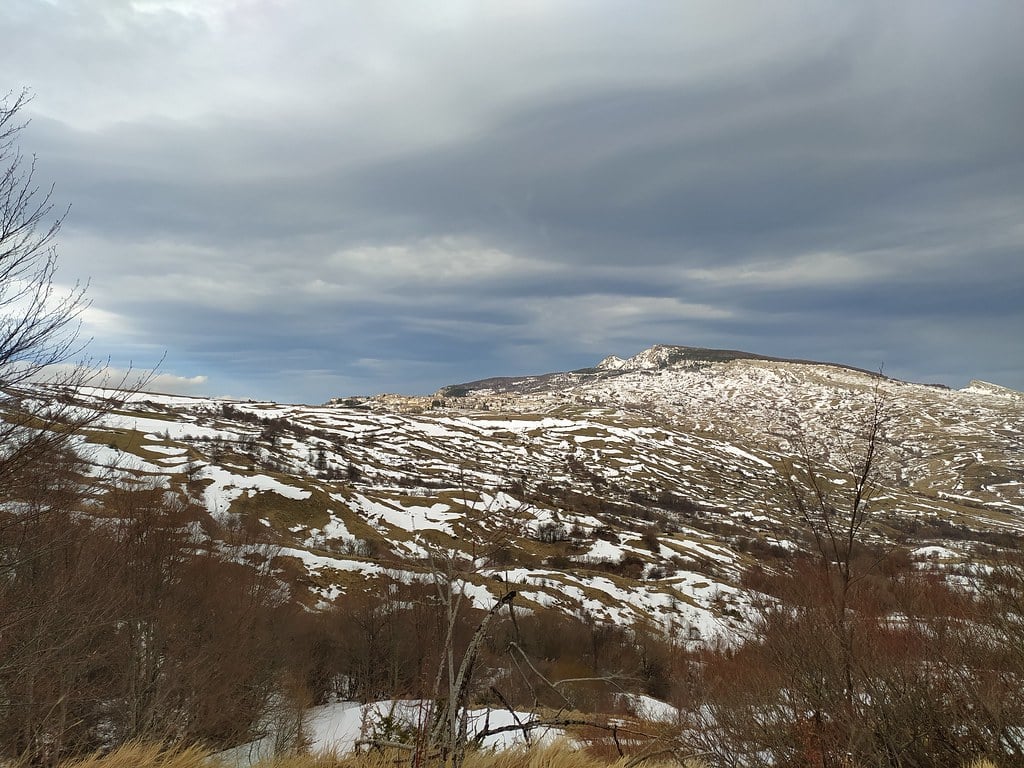
This small Italian town in the Apennine Mountains set a European record for 24-hour snowfall in March 2015 when 100.8 inches fell in a single day. The entire town disappeared under the deluge, with only rooftops and the tops of street signs visible.
Capracotta sits at about 4,662 feet elevation and normally receives heavy snow, but that particular storm exceeded anything in living memory. Residents were trapped inside for days while the Italian Army worked to clear access routes.
The town has embraced its record and now attracts winter sports enthusiasts looking for extreme conditions.
Sapporo, Japan

Another major Japanese city makes the list with Sapporo receiving an average of 191 inches per year. The city hosted the 1972 Winter Olympics and has built an entire winter tourism industry around its reliable snowfall.
Nearly 2 million people call Sapporo home, making it the second-largest city in Japan, yet it functions smoothly despite conditions that would paralyze most metropolitan areas. The famous Sapporo Snow Festival attracts millions of visitors who marvel at massive ice sculptures created from the abundant raw material.
City planners have incorporated snow removal into the urban design with underground pedestrian networks and heated sidewalks in business districts.
Niseko, Japan
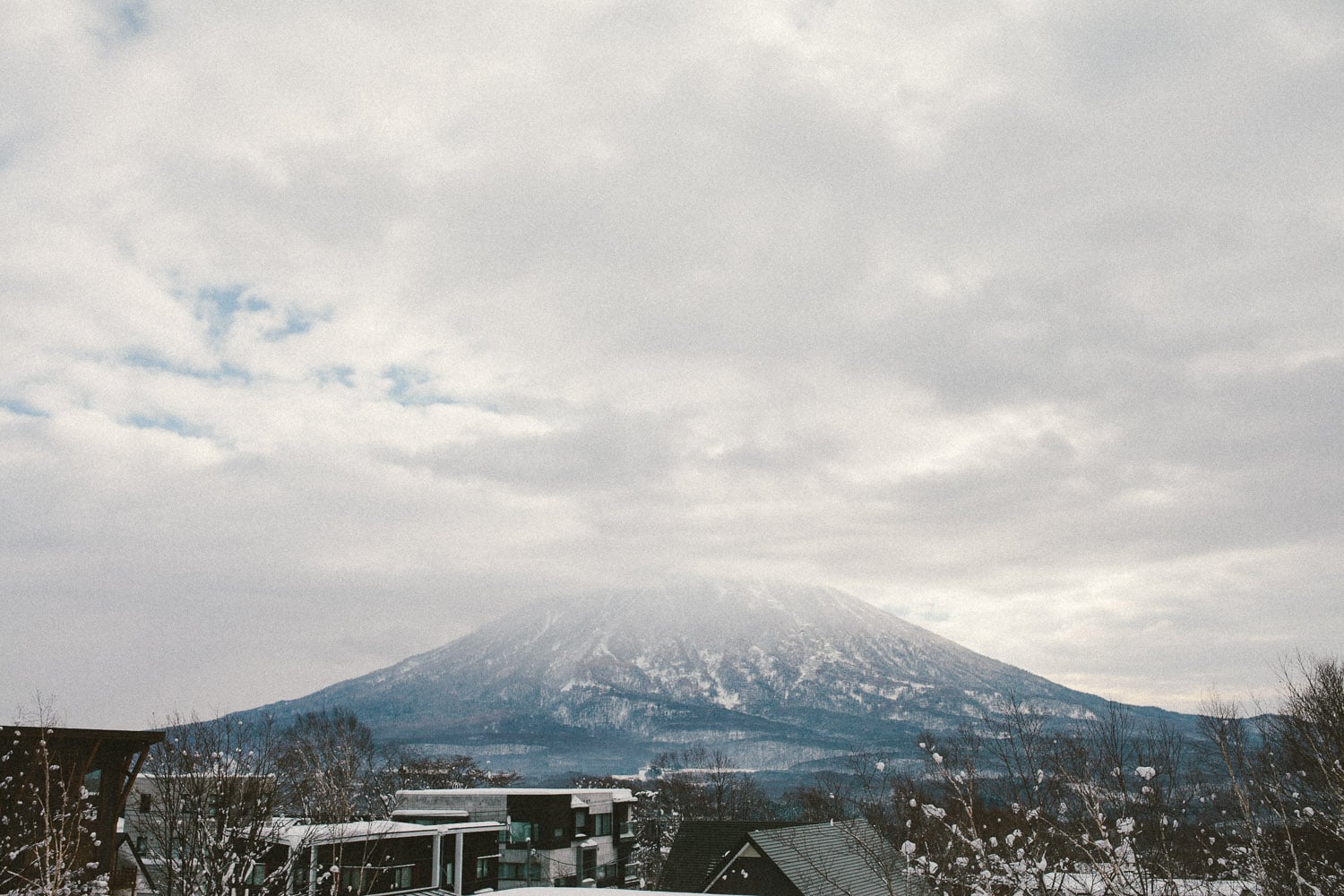
This resort area on the northern island of Hokkaido receives some of the lightest, driest powder snow anywhere on Earth. Annual totals often exceed 590 inches, with the record season bringing over 700 inches of accumulation.
International skiers and snowboarders have discovered Niseko in recent decades, transforming it from a local secret into a global destination. The same weather pattern that affects other Japanese locations works here, but Niseko’s specific geography and elevation create particularly favorable conditions.
Snow depth at the resort regularly exceeds 20 feet by late season.
Blue Canyon, California
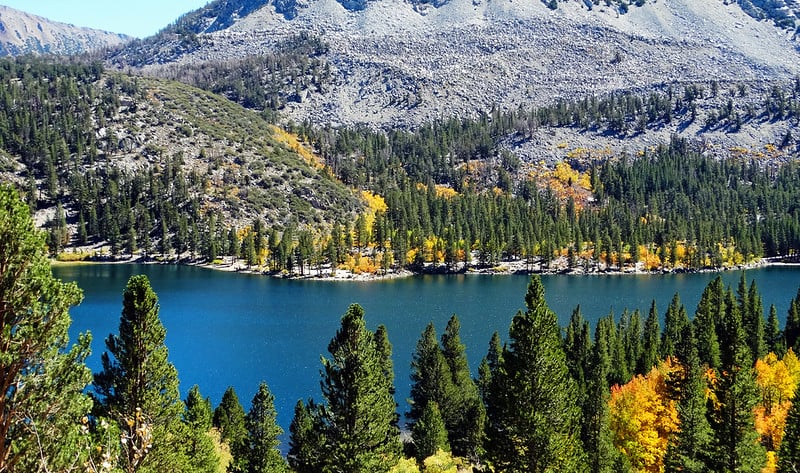
This spot in the Sierra Nevada mountains averaged 240.8 inches of snow per year over a 60-year measurement period. The single-season record reached 884.8 inches during the winter of 1951 to 1952.
Blue Canyon sits along Interstate 80, the main route across the Sierra, making it a critical weather monitoring station. When storms hit here, travelers know to expect significant delays or closures on the highway.
The consistent heavy snowfall makes Blue Canyon a reliable indicator of water supply for California’s reservoirs.
Alta, Utah
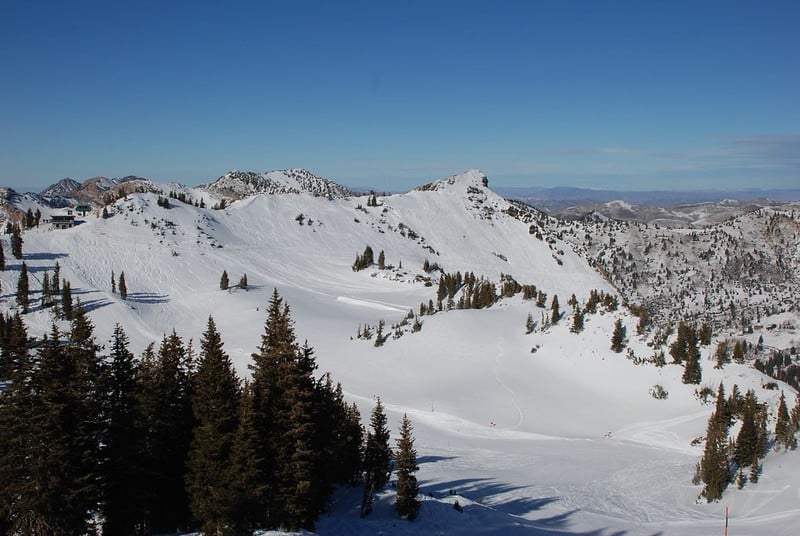
Snow piles up at Alta every year – around 545 inches on average – which helps it stay buried under fresh powder longer than most places in North America. Back during the winter of 1982 into 1983, nearly three feet more dropped than usual, totaling 903 inches.
Sitting deep inside Little Cottonwood Canyon within the jagged Wasatch peaks, the area catches storms juiced by moisture after crossing the Great Salt Lake. Since opening day decades ago, only skiers have been allowed; snowboarders are left out to keep things old school.
With clouds dumping flakes almost nonstop each winter, people say sunshine feels like a rumor once December hits and stays gone until spring tries showing up.
Revelstoke, Canada
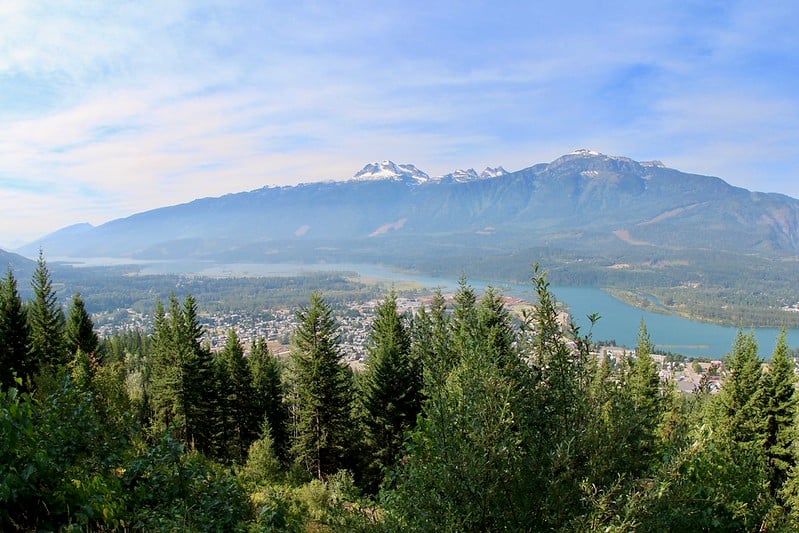
Snow piles up fast at Revelstoke Mountain Resort – about 394 inches each year on average, though some winters dump more than 600. Moisture sweeping in from the Pacific collides with frigid air inland, making perfect storm conditions right over this spot.
Winter storms aren’t just weather – they built the town’s paycheck after logging faded into memory. Trains have rolled through since the 1880s, fighting endless snowdrifts with giant covered tunnels called snow sheds.
Even now, crews work constantly to manage avalanches so roads and rails stay open. Still, when the mountains decide, everything stops.
Where Snow Dominates

Out here, it becomes clear how little say we actually have over nature. Where others might see only harshness, people live anyway – shaping ways of life tied directly to what seems unbearable.
With every strange storm or sudden thaw, old records start looking fragile. Each winter piles on more weight, season after season, proving cold can dominate a place without pause.
More from Go2Tutors!

- The Romanov Crown Jewels and Their Tragic Fate
- 13 Historical Mysteries That Science Still Can’t Solve
- Famous Hoaxes That Fooled the World for Years
- 15 Child Stars with Tragic Adult Lives
- 16 Famous Jewelry Pieces in History
Like Go2Tutors’s content? Follow us on MSN.