26 Grocery Store Brands From the ’60s and ’70s That Disappeared From Shelves
Supermarket aisles in the 1960s and 1970s were a battleground of bright boxes, cartoon mascots, and space-age promises. Food companies launched products at a furious pace, and plenty of them landed in shopping carts for a decade or more before vanishing without much of a farewell.
Some were victims of regulators, some of shifting tastes, and a few simply lost a corporate reshuffle. Anyone who pushed a cart through those aisles can probably still picture the packaging.
Space Food Sticks and the Apollo Glow
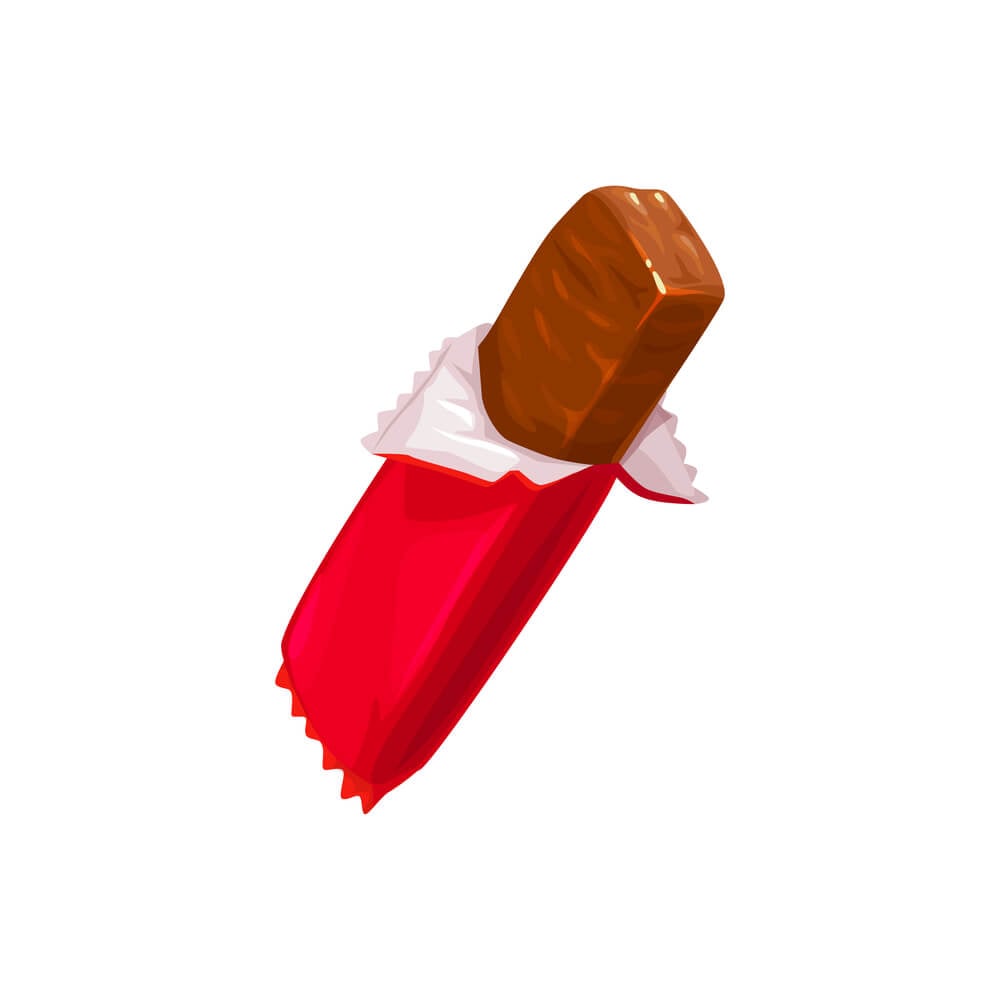
Pillsbury introduced these chewy, tube-shaped snacks around 1970, riding the excitement surrounding the Apollo moon landings. The company had worked on food for the space program, and the marketing leaned hard on that connection, suggesting that kids could eat what astronauts ate.
Flavors included peanut butter, chocolate, and caramel, and the texture sat somewhere between a candy bar and a protein chew. Sales faded as the space race lost its grip on the public imagination, and the product was eventually renamed simply Food Sticks before disappearing.
A small company revived the brand for a while in the 2000s, but the original remains a pure piece of Space Age nostalgia.
Funny Face Drink Mix and Its Renamed Flavors
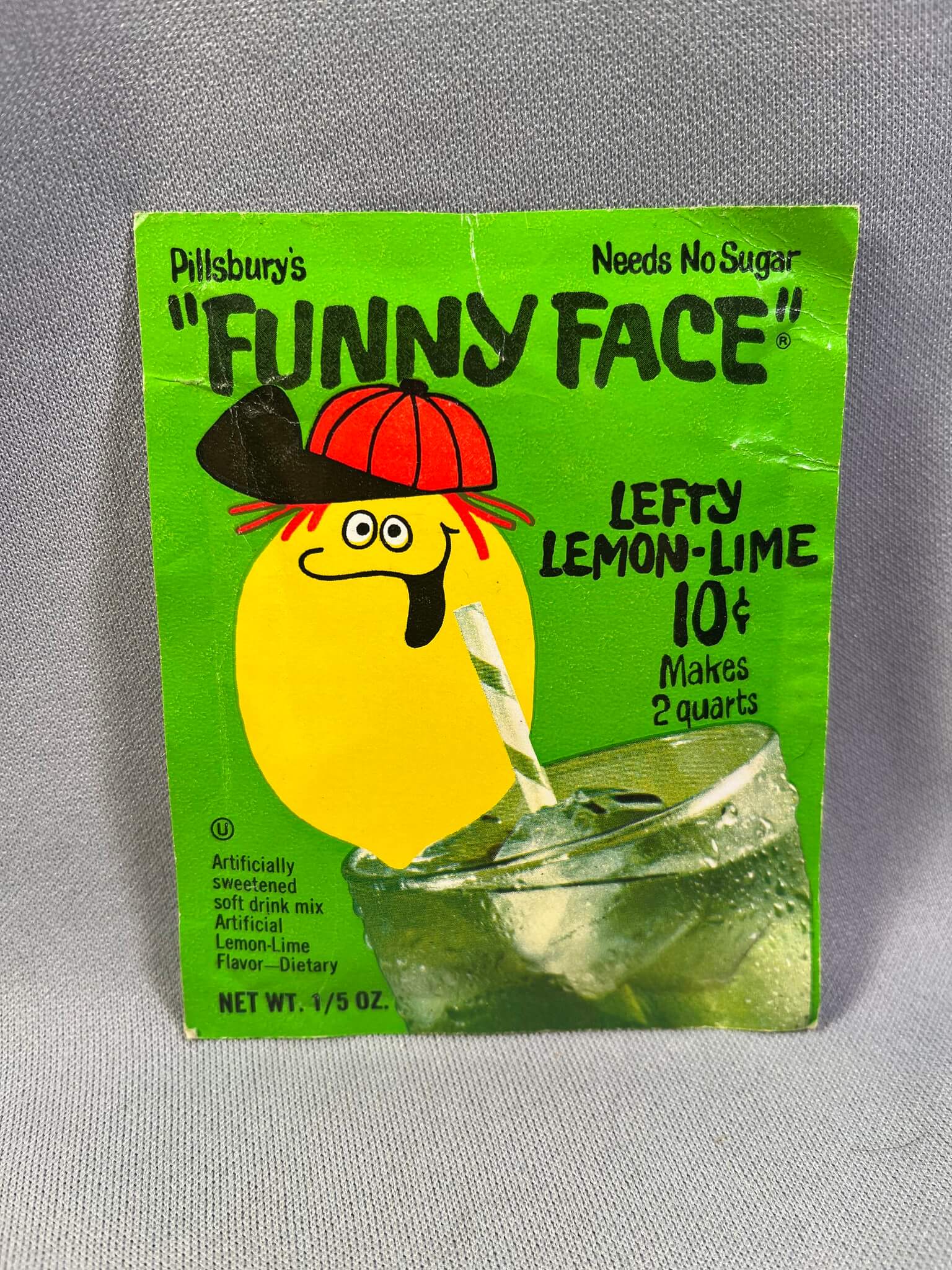
Pillsbury launched this powdered drink mix in 1964 as a challenger to Kool-Aid, with each flavor represented by a goofy cartoon face. Two of the original characters, Injun Orange and Chinese Cherry, drew complaints and were renamed Jolly Olly Orange and Choo Choo Cherry.
Others included Goofy Grape, Rootin’ Tootin’ Raspberry, and Freckle Face Strawberry. The packets were sweetened early on, which made them easier for kids to mix without supervision.
The brand changed hands and faded over the following decades. Collectors now hunt for the old packets and the plastic mugs that came as mail-in premiums, which tells its own story about the brand’s reach.
Fizzies and the Cyclamate Ban
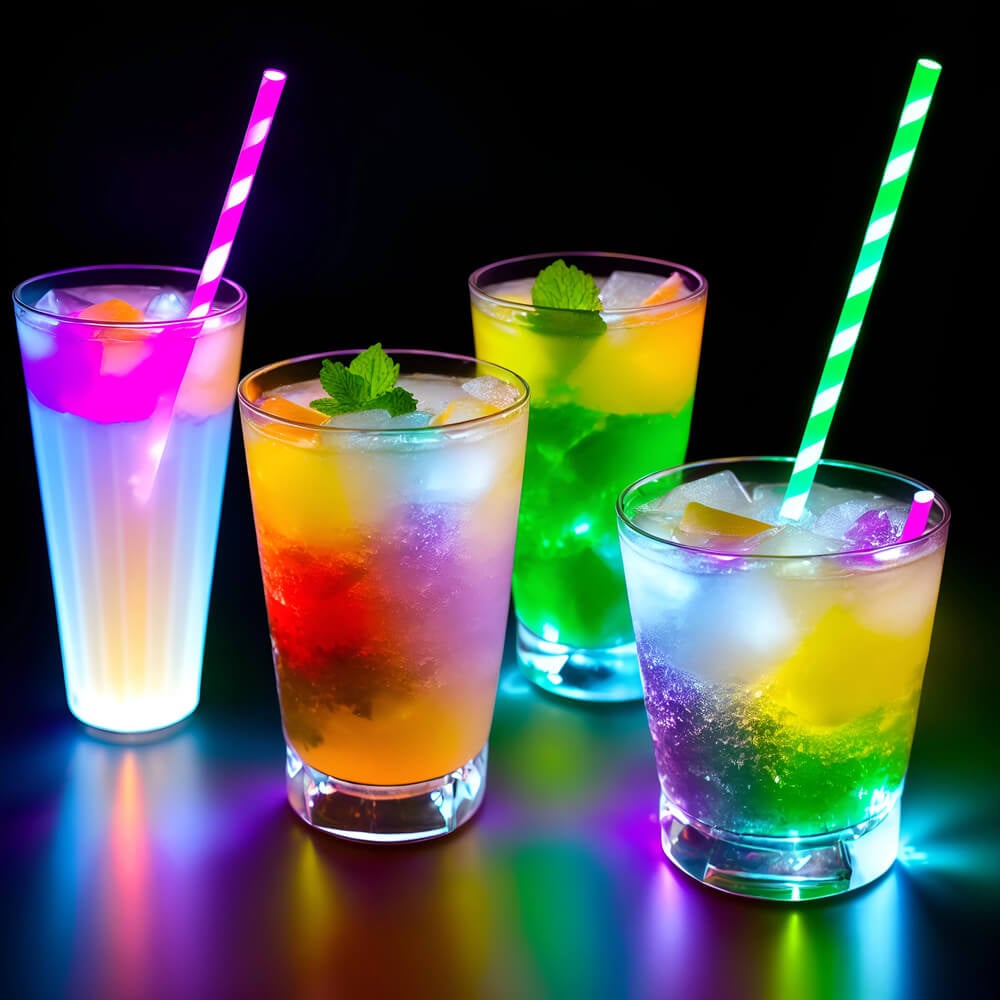
These effervescent tablets dropped into a glass of water to make an instant fizzy soda, a trick that delighted children in the late 1950s and 1960s. Flavors included root beer, grape, and cherry, and the tablets could also be sucked on straight, which produced an alarming foam.
The sweetener was cyclamate, and when federal regulators banned it in 1969, Fizzies lost their key ingredient almost overnight. Sales collapsed after a reformulation failed to win back fans.
The brand has been revived a few times since then, but none of those efforts restored its former place on grocery shelves. It remains a reminder of how quickly a single ruling could erase a product.
Tab and Its Pink Can
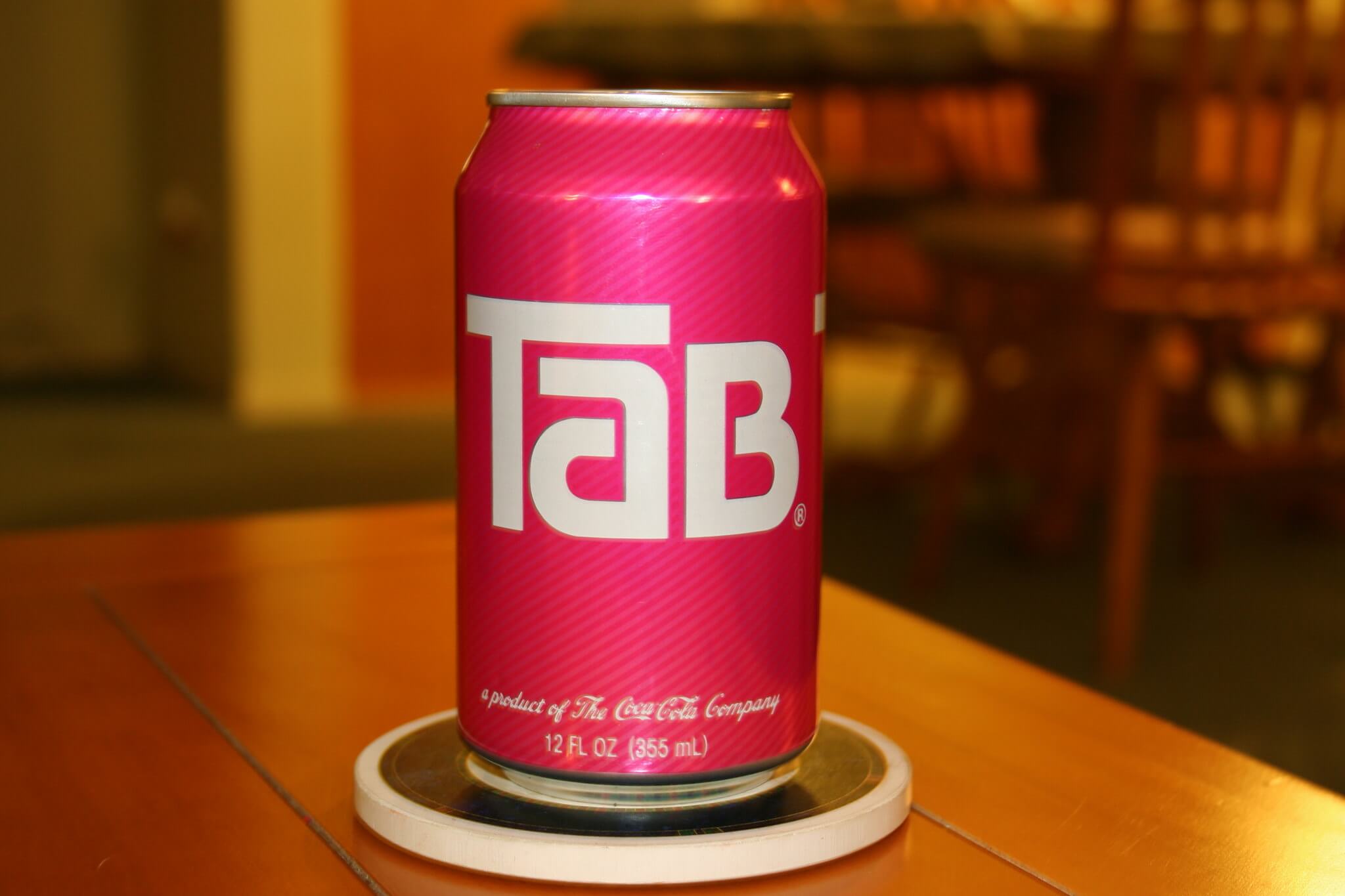
Coca-Cola launched Tab in 1963 as a diet soda for calorie-conscious shoppers, and its hot-pink cans became a fixture of refrigerator doors for decades. The name reportedly came from a computer-generated list of short words, chosen partly because it was easy to remember.
Tab was sweetened with saccharin, which gave it a distinct aftertaste that fans loved and critics could not stand. Diet Coke arrived in 1982 and quickly overshadowed it.
Coca-Cola kept Tab going for a devoted following but finally discontinued it in 2020. Its fans were small in number but fiercely loyal, and some stockpiled cases before the last shipments disappeared.
Mr. Pibb Before the Rename
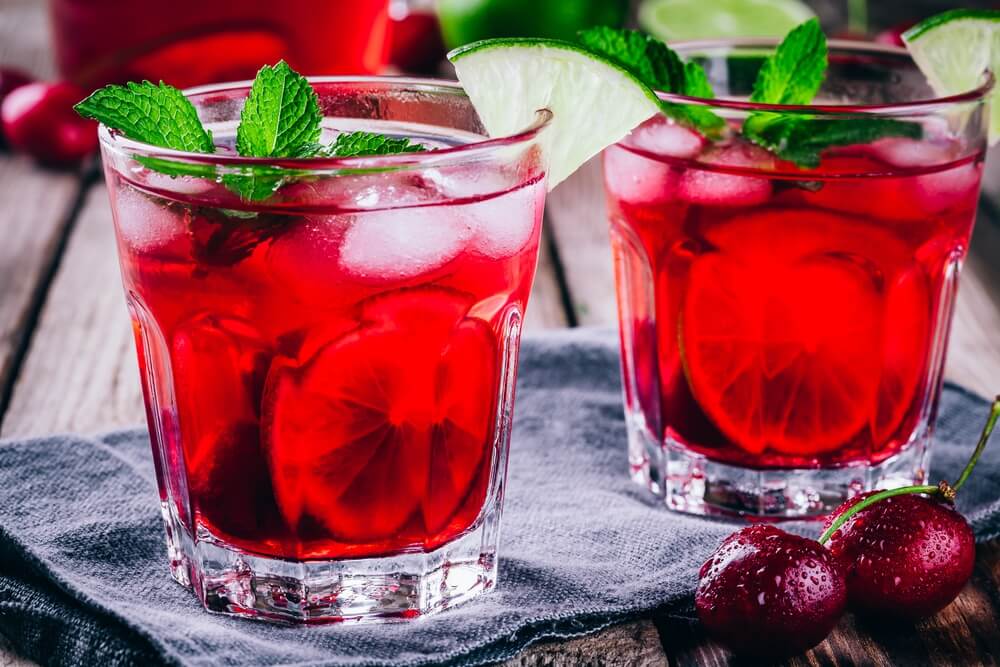
Coca-Cola introduced Mr. Pibb in 1972 as its answer to Dr Pepper, and the spicy cherry flavor won a loyal following, particularly in the South. The brand competed directly for shelf space and fountain contracts against a much better-known rival.
In 2001, the company reformulated it and renamed it Pibb Xtra, adding more flavor and changing the label. Original Mr. Pibb lingered in a few markets for a while but largely disappeared from shelves.
Fans of the original still debate whether the new version tastes the same. For many shoppers, the name alone brings back memories of a particular vending machine or corner store.
Patio Diet Cola and Its Quick Makeover
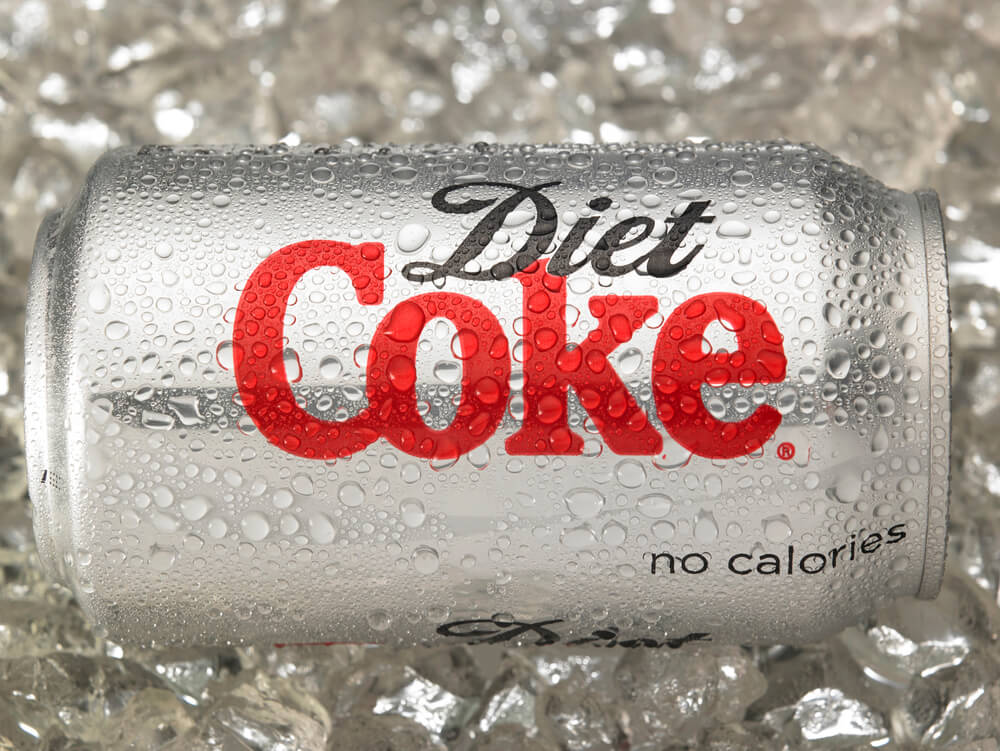
Pepsi introduced Patio Diet Cola in 1963 as one of its first attempts at a sugar-free soda. The name did not stick, and within about a year the company rebranded the drink as Diet Pepsi.
The Patio name survived for a time on a line of fruit-flavored sodas before those faded as well. Collectors still hunt for the original cans and bottles, which are much rarer than later Diet Pepsi packaging.
The quick switch shows how uncertain soft drink companies were about marketing diet drinks at the time. Patio lasted just long enough to leave a small footprint in the history of American soda.
Teem and Its Lemon-Lime Push
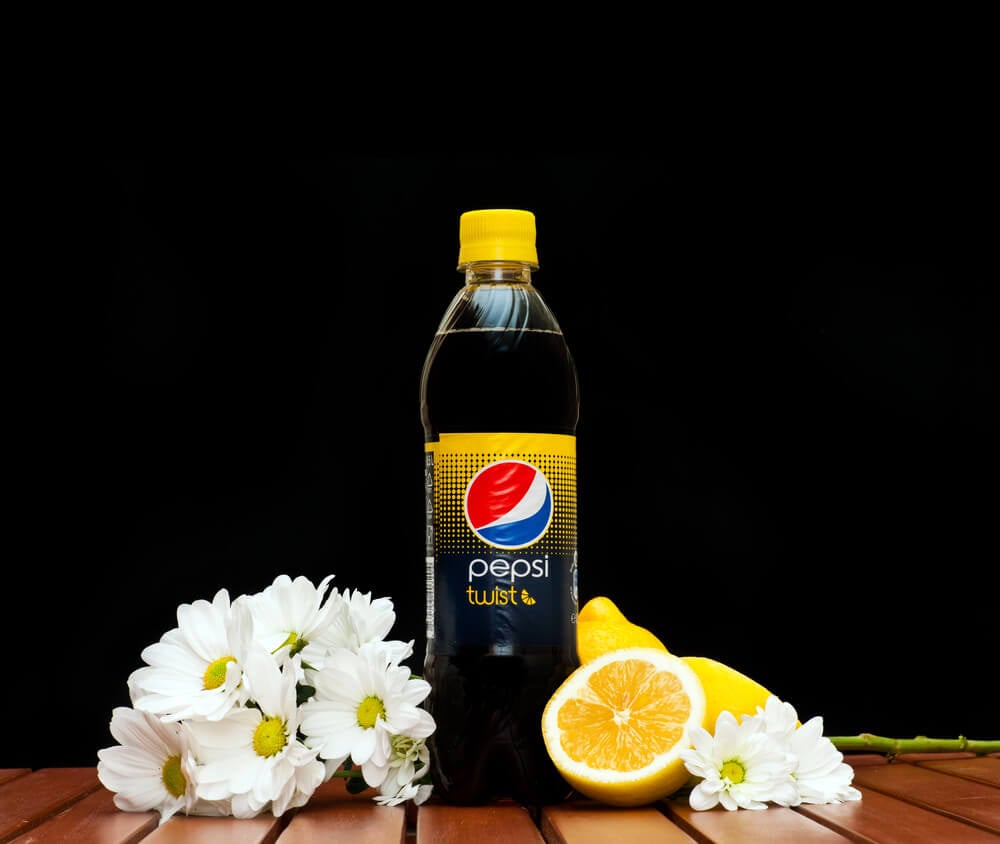
Pepsi launched Teem around 1960 as its lemon-lime entry against 7 Up. The brand ran for decades, with bright green and yellow graphics that reflected its citrus flavor.
Teem never quite matched the sales of its main rival, and Pepsi eventually shifted its lemon-lime efforts to Slice and later Sierra Mist. By the 1980s, Teem was fading from most markets.
A few bottlers kept it alive longer in certain regions. For people who grew up drinking it, Teem is remembered as the lemon-lime soda that came out of the vending machine when the machine did not carry 7 Up.
Freakies and the Boss Moss Gang
Ralston Purina launched Freakies cereal in 1972, featuring a group of seven odd-looking creatures who lived in a tree. Boss Moss was the leader, and the others included Hamhose, Cowmumble, and Grumble, each with a personality that kids could recognize.
The cereal came with small plastic figures of the characters inside the box, which became highly collectible. The sweetened oat and corn cereal disappeared from shelves by the late 1970s.
The brand was briefly revived in the 1980s and again in the 2000s, but neither effort lasted. The prize figures still show up at flea markets and online auctions for collectors who remember them.
Pink Panther Flakes and Their Unusual Color
Post introduced Pink Panther Flakes in 1972, a sugared corn flake cereal with pink-tinted flakes that colored the milk. The box featured the famous cartoon cat from the animated shorts and movie opening titles.
The pink color was unusual for a cereal, and some parents were less than thrilled about serving it. It lasted only a few years before disappearing from shelves, and Post never brought it back.
Collectors of cereal boxes now pay good money for intact packaging. For kids in the early 1970s, it was a cereal that stood out mostly because of its bright hue and the cartoon cat on the front.
Crispy Critters and Linus the Lionhearted
Post launched Crispy Critters in 1963, an animal-shaped oat cereal that became famous through its mascot, Linus the Lionhearted. Linus got his own Saturday morning cartoon show in 1964, which blurred the line between advertising and entertainment.
Critics and regulators grew uneasy with shows built around cereal mascots, and the program ended in 1966. The cereal hung on through the 1960s and 1970s before fading.
Post briefly revived it in the late 1980s, but it never regained its earlier popularity. The cartoon remains a notable example of how closely cereal marketing and children’s television were tied during that era.
Quake and Its Underground Hero
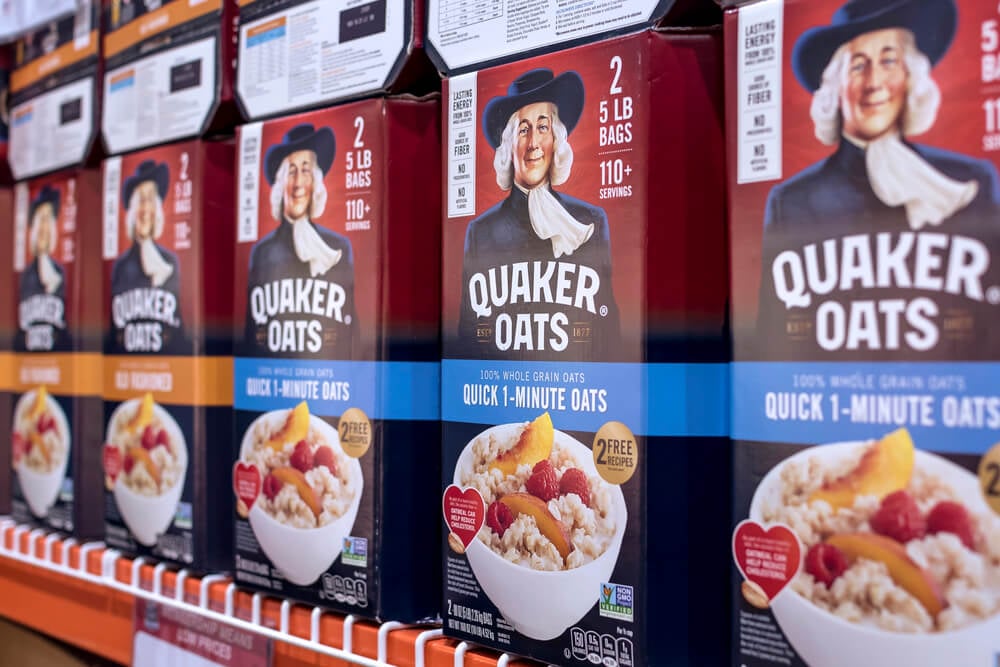
Quaker Oats introduced Quake in 1965 as a companion to its popular Quisp cereal. Quake was a burly miner who lived at the center of the earth, while Quisp was a small alien from space.
The two mascots were created by Jay Ward, the animator behind Rocky and Bullwinkle, and the ads pitted them against each other. In 1972, Quaker held a vote asking kids to choose between them, and Quisp won.
Quake was retired soon after, though Quisp has survived in limited distribution. The rivalry remains one of the more creative examples of cereal marketing from that era.
Kaboom and Its Clown Face
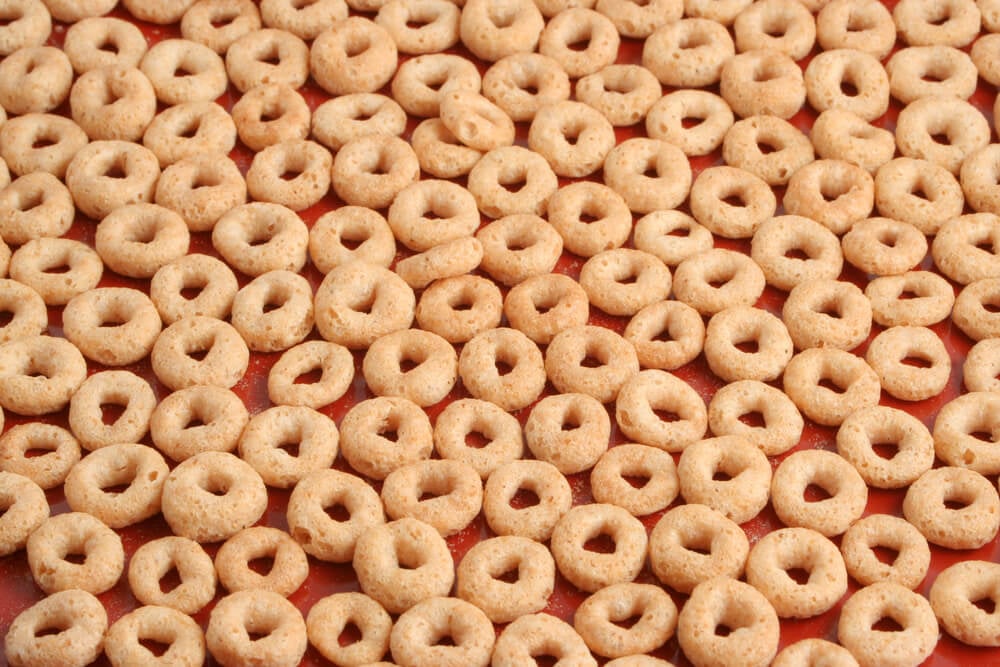
General Mills launched Kaboom in 1969, a sugary oat cereal with pieces shaped like clown faces and colorful stars. The box promised a full day of vitamins, which helped justify its sweetness to parents.
Kaboom stayed on shelves for decades but became harder to find as the company shifted its focus. It was quietly discontinued around 2010, with little fanfare.
Fans still post photos of old boxes online and ask General Mills to bring it back. For kids who grew up with it, the cereal was a bright, crunchy morning treat that seemed like a small rebellion against more serious breakfast options.
Whistles and Daisys Beside Bugles
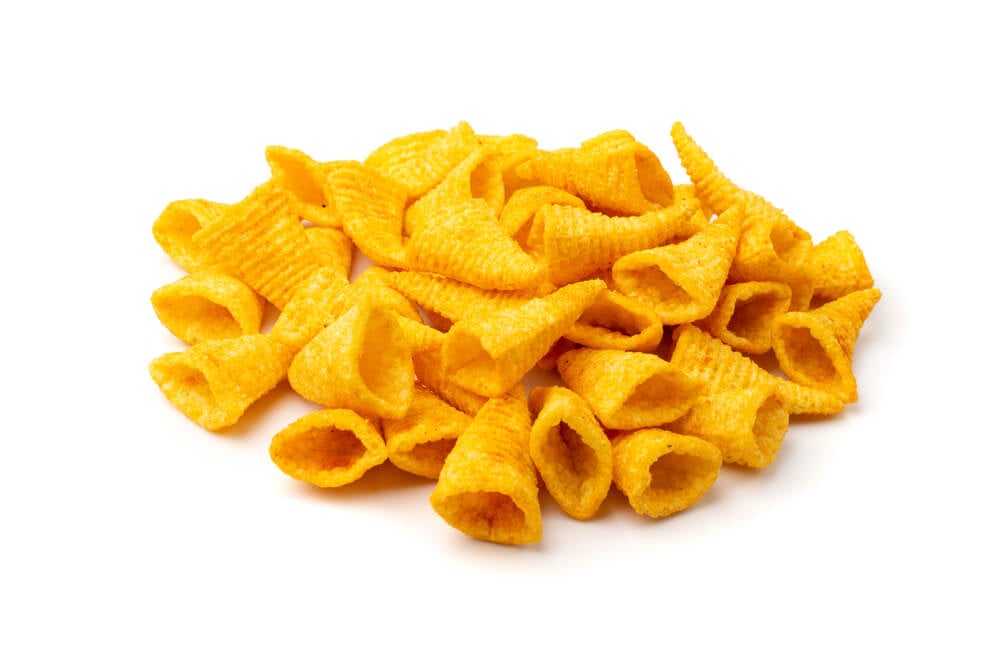
General Mills introduced three corn snacks in 1966: Bugles, shaped like horns, Whistles, shaped like tubes, and Daisys, shaped like small flowers. All three were marketed as fun, crunchy alternatives to potato chips.
Only Bugles survived, and it remains on shelves today. Whistles and Daisys faded within a few years, leaving Bugles as the lone reminder of the trio.
The story shows how even products launched together by the same company can have very different fates. Shoppers who remember all three now mostly recall Bugles, with only a faint memory of the others.
Screaming Yellow Zonkers in a Black Box
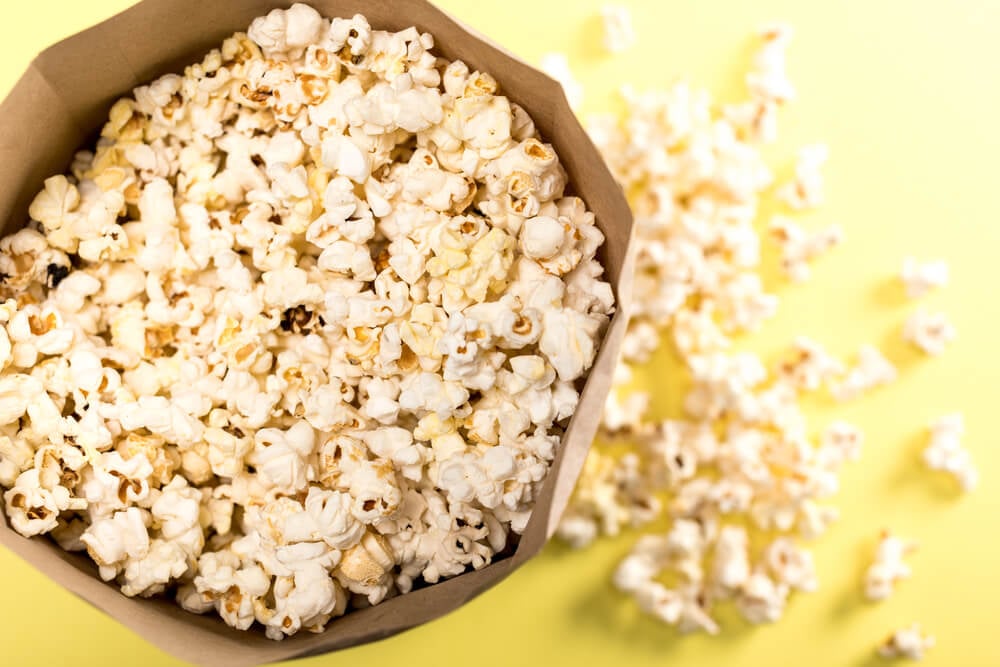
Lincoln Snacks launched Screaming Yellow Zonkers in 1968, a glazed popcorn snack sold in a black box covered with jokes and cartoon drawings. The packaging was designed to stand out on shelves, and it did, thanks to its absurd humor.
The product was sold for years before gradually disappearing from most stores. It was revived briefly by other companies, but never regained its original popularity.
The black box remains a celebrated example of offbeat snack packaging. For people who remember it, the box was often as much fun to read as the popcorn was to eat.
Marathon Bar and Its Twisted Caramel
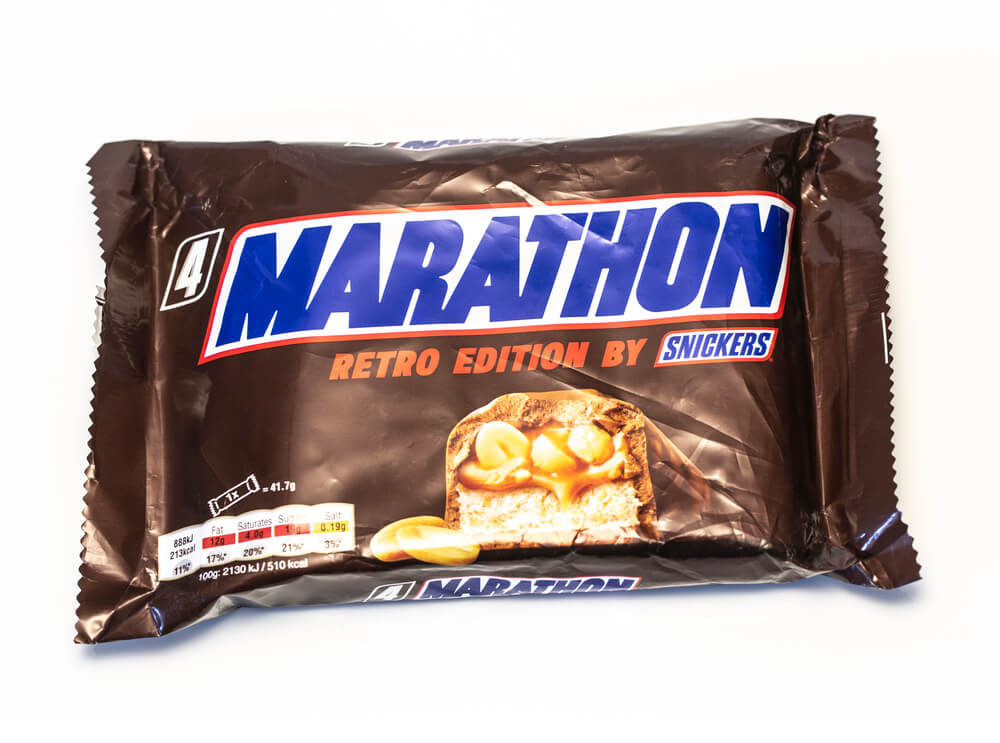
Mars introduced the Marathon bar in 1973, a long braid of caramel covered in chocolate. The wrapper included a ruler on the back to show that the bar was eight inches long.
The bar was chewy and took some time to eat, which fit the name. Mars discontinued it in the United States in 1981.
The British Snickers bar was sold under the Marathon name until 1990, which has caused some confusion over the years. A similar product called Curly Wurly is still sold in the United Kingdom, and some American fans look for it as a substitute.
Pudding Pops in the Freezer Aisle
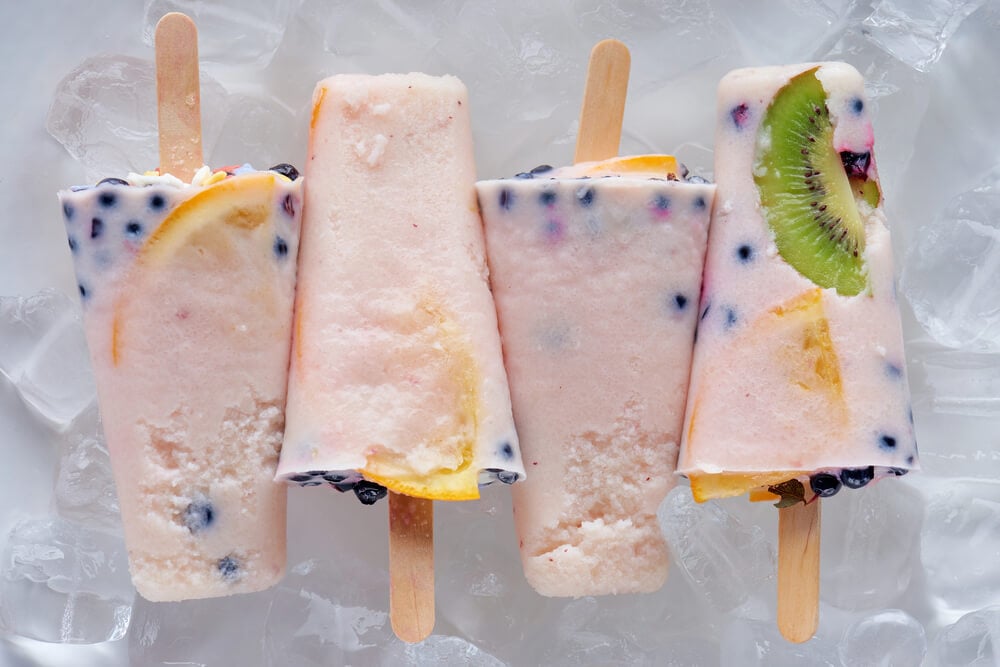
Jell-O introduced Pudding Pops in the late 1970s, a frozen pudding treat on a stick that came in flavors like chocolate and vanilla. The pops were creamy and rich, and they became a popular after-school snack.
The brand was a big seller during the 1980s but faded in the 1990s as the frozen treat market changed. Several attempts to bring it back have come and gone since then.
Fans still describe the texture as something that modern frozen treats have never quite matched. Many people who grew up in the 1980s remember them as a regular part of their summers.
Jell-O 1-2-3 and Its Three Layers
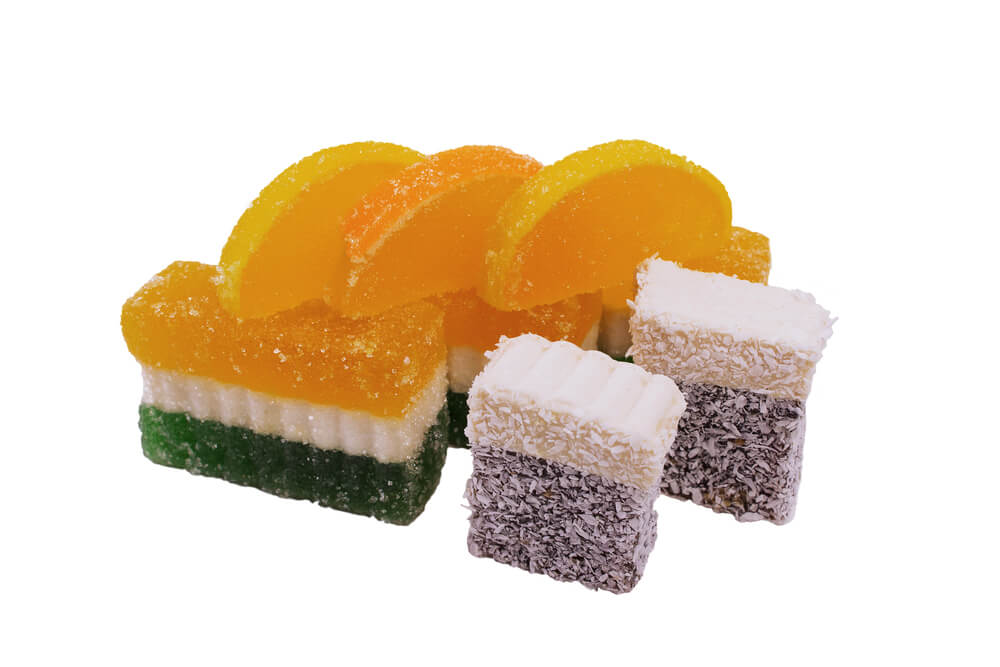
This dessert mix promised three layers from one packet: a creamy top, a mousse-like middle, and a clear gelatin base. The layers separated as the dessert set in the refrigerator, which seemed almost magical to kids.
It was popular for years, though exact launch and discontinuation dates are hard to pin down. The mix disappeared from shelves in the 1990s.
Recipes to recreate it at home still circulate online, but fans agree that none of them quite match the original. For many families, it was the dessert that appeared at holiday dinners and potlucks.
Whip ‘n Chill Mousse Mix
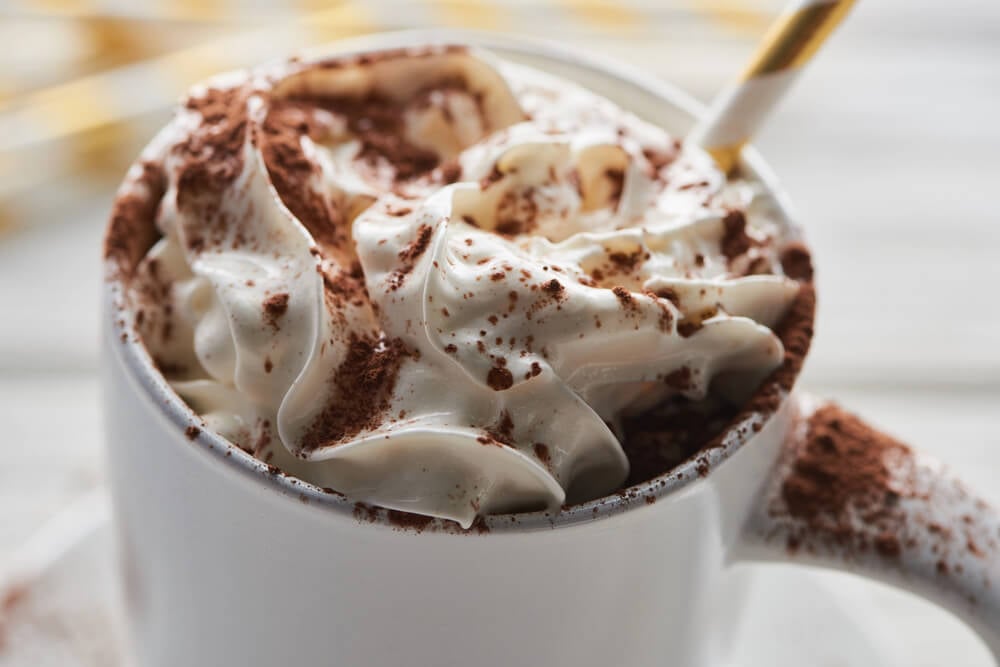
Jell-O made this instant mousse mix, which required only milk and a quick whip with a mixer before chilling. It was marketed as an easy, elegant dessert for busy households.
The finished dessert had a light, airy texture that seemed far fancier than the effort involved. The mix disappeared from shelves decades ago, and Jell-O has never brought it back.
Home cooks still share recipes that try to recreate it using gelatin and whipped cream. For people who remember it, it was a quick way to turn an ordinary weeknight dinner into something a little more special.
Danish Go-Rounds and Their Swirled Pastry
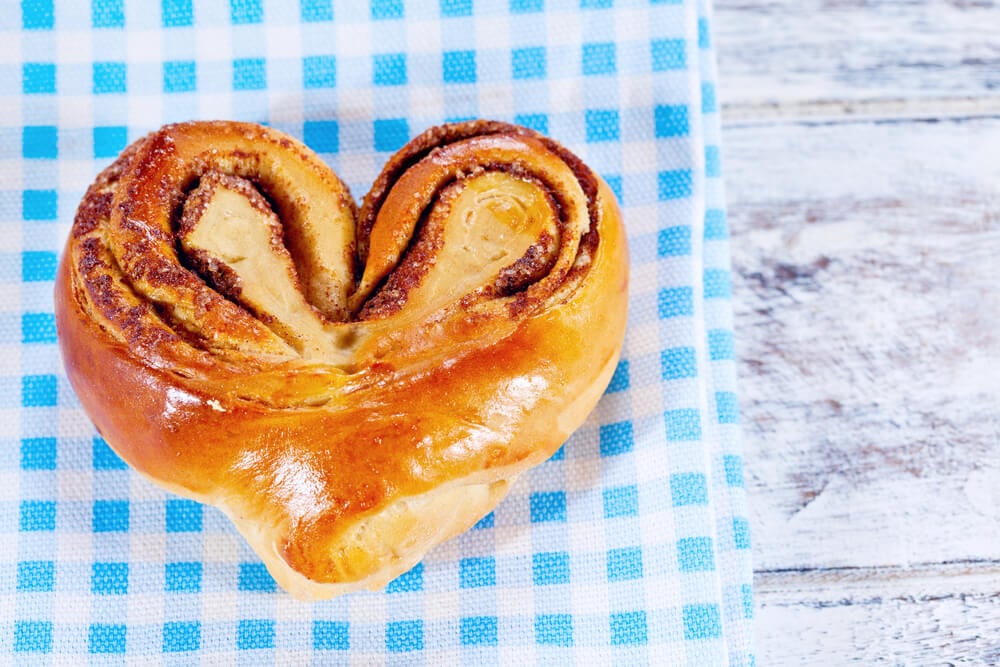
Kellogg’s made Danish Go-Rounds, a toaster pastry shaped like a swirled Danish with a fruit or cinnamon filling. It shared the breakfast aisle with Kellogg’s far more famous frosted toaster pastries and never came close to their sales.
The pastries were designed to be heated in a toaster or oven. They disappeared from shelves after a few years, and Kellogg’s has not revived them.
Collectors of old boxes and advertisements still remember them fondly. The product is a reminder of the many breakfast pastry experiments that companies tried during the era, most of which did not last very long.
Ipana Toothpaste and Bucky Beaver
Bristol-Myers made Ipana toothpaste, and its advertising featured Bucky Beaver, a cartoon mascot with prominent front teeth. The jingle, Brusha, brusha, brusha, was widely known in the 1950s and 1960s.
Ipana was one of the top-selling toothpastes of its day, but it lost ground as fluoride brands like Crest took over. Bristol-Myers stopped selling it in the United States in the late 1970s.
The brand continued in some other countries for years afterward. Bucky Beaver remains one of the more memorable advertising mascots of the era.
Duz and the Glassware Inside the Box

Procter and Gamble’s Duz detergent was famous for including a free piece of glassware or a towel inside the box. The promotion encouraged families to keep buying the detergent to collect a full set of dishes.
The slogan claimed that Duz does everything, and the brand was a household name for decades. It faded as other detergents took over, and Procter and Gamble eventually discontinued it.
The glassware from the boxes is still found at thrift stores and estate sales. For many families, those glasses became the everyday dishes that lasted long after the detergent was gone.
Breeze and the Towel Premium

Lever Brothers made Breeze detergent, which came with a free towel or washcloth inside the box. The premium was a clever way to build brand loyalty, since shoppers would want to collect a matching set.
Breeze was popular in the 1950s and 1960s but faded as detergent packaging and marketing changed. The towels were often stiff and thin, but they were free and useful.
The brand disappeared from American shelves decades ago. People who grew up with it often remember the towels more clearly than the detergent itself, which says something about the power of a good giveaway.
Rinso and Its Laundry Day Jingles
Lever Brothers made Rinso, a laundry soap that was widely advertised on radio and early television. The brand promised whiter washes, and its jingles were familiar to millions of listeners.
Rinso was a household name for decades, but it faded in the United States as newer detergents took over. The brand continued in other countries for a time.
For many families, Rinso was the soap their mothers and grandmothers used, and the name still brings back memories of washday routines. The product disappeared quietly, without much of a farewell.
Nestle Quik Before the Rename
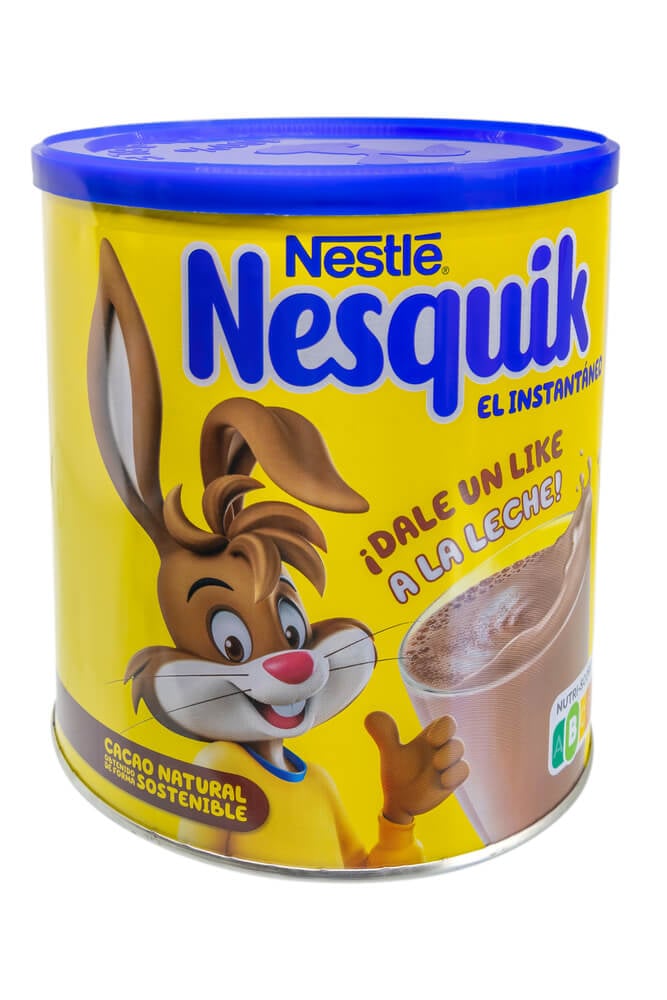
Nestle Quik was the chocolate milk powder that countless kids stirred into their milk, often with a spoonful or two extra. The brand’s mascot, a cartoon rabbit named Quicky, became a familiar face in the 1970s.
In the United States, the name changed to Nesquik in 1999 to match the brand’s global name. The rabbit stayed, but the old name disappeared.
Many people still call it Quik out of habit. The change was mostly cosmetic, but for those who grew up with the original packaging, it marked the end of a small piece of their childhood.
Chiffon Margarine and Mother Nature
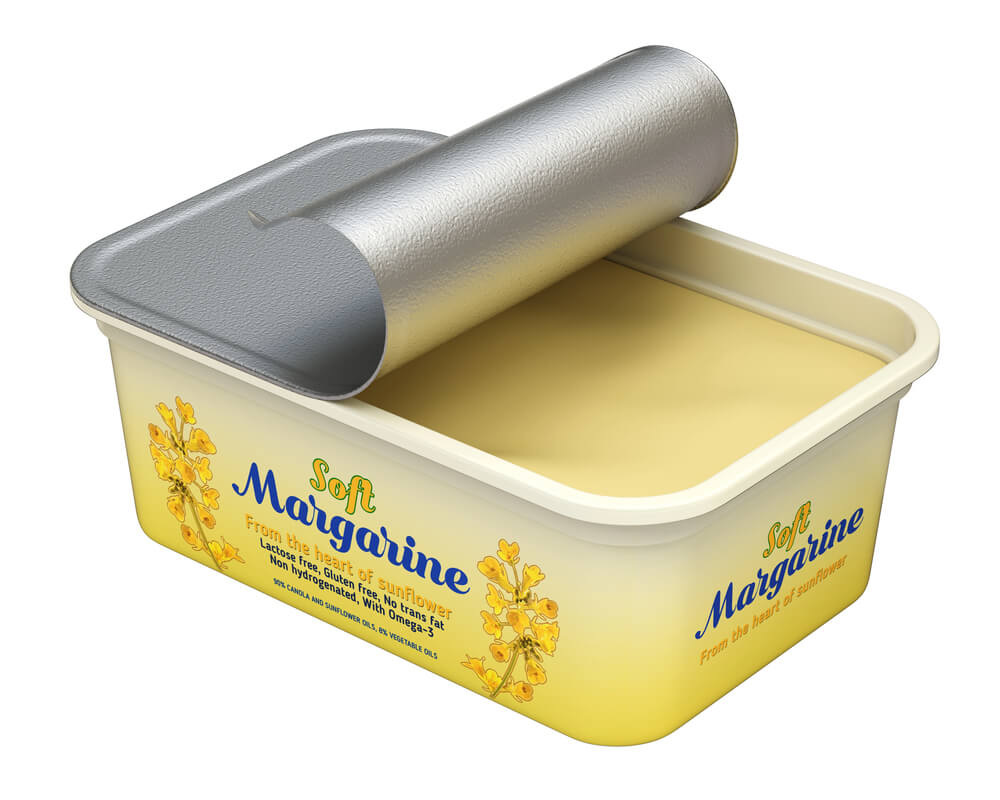
Chiffon margarine was famous for its television ads featuring Mother Nature, who was fooled into thinking the product was butter. When she learned the truth, she would angrily declare that it was not nice to fool Mother Nature, often accompanied by thunder and lightning.
The ads ran in the 1970s and became a pop culture touchstone. The margarine itself faded from shelves in later years.
The catchphrase is still quoted decades after the last tub left the dairy case. For many viewers, the ads were more memorable than the margarine, which was just one of many similar spreads on the market.
Hires Root Beer and Its Long Run
Charles Hires introduced his root beer in the 1870s, and the brand became one of the oldest soft drinks in the United States. It was a common sight in grocery stores through the 1960s and 1970s, sold in bottles and cans with a distinctive logo.
Hires was later acquired by other companies, and the brand gradually faded as those owners focused on other root beers. It has largely disappeared from shelves today.
For many families, Hires was the root beer of choice for ice cream floats and backyard barbecues. The name still appears in some collections of old soda bottles and advertising signs.
Aisles Built on Promises

Most of these brands were not failures in their time. They sold for years, earned loyal customers, and filled pantries across the country before something shifted, whether a regulation, a merger, or a new generation of shoppers.
The products vanished, but the memories attached to them did not. Grocery shelves have always been crowded with new ideas competing for a limited amount of space.
The brands that survive are not always the best, but the ones that fit the moment and the business plans of their owners. What remains of the others is mostly packaging, jingles, and the stubborn recollections of people who once reached for them without a second thought.
More from Go2Tutors!

- The Romanov Crown Jewels and Their Tragic Fate
- 13 Historical Mysteries That Science Still Can’t Solve
- Famous Hoaxes That Fooled the World for Years
- 15 Child Stars with Tragic Adult Lives
- 16 Famous Jewelry Pieces in History
Like Go2Tutors’s content? Follow us on MSN.