17 Coastal Drives That Were Military Strategic Routes
Many of today’s most scenic coastal highways began as military necessities rather than tourist attractions. These routes were originally carved out for moving troops, supplies, and equipment along vulnerable shorelines during times of war or potential invasion. Military engineers chose these paths for their strategic value—high vantage points for spotting enemy ships, quick access to defensive positions, and connections between vital installations.
What makes these roads particularly fascinating is how their military origins shaped the breathtaking views we enjoy today. Here is a list of 17 coastal drives that were originally military strategic routes.
Pacific Coast Highway, California
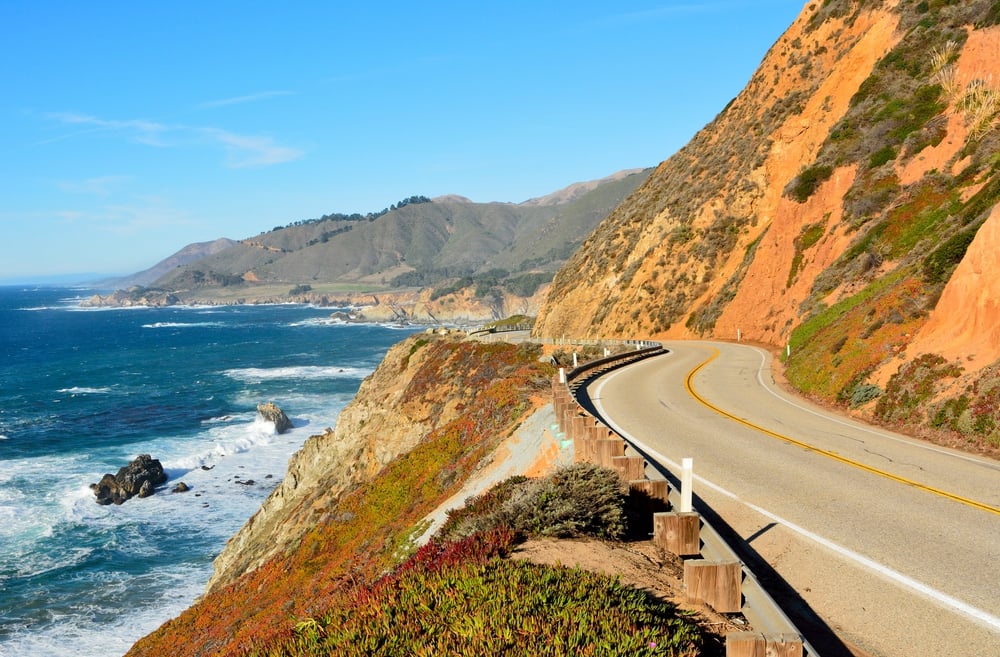
The famous Highway 1 along California’s coast started as a series of military supply roads during World War II when the West Coast faced potential Japanese invasion. Engineers built sections to connect radar stations, gun emplacements, and observation posts scattered along the cliffs.
The road’s dramatic curves weren’t designed for sightseeing—they followed the most defensible terrain and provided multiple escape routes if sections were compromised.
Great Ocean Road, Australia
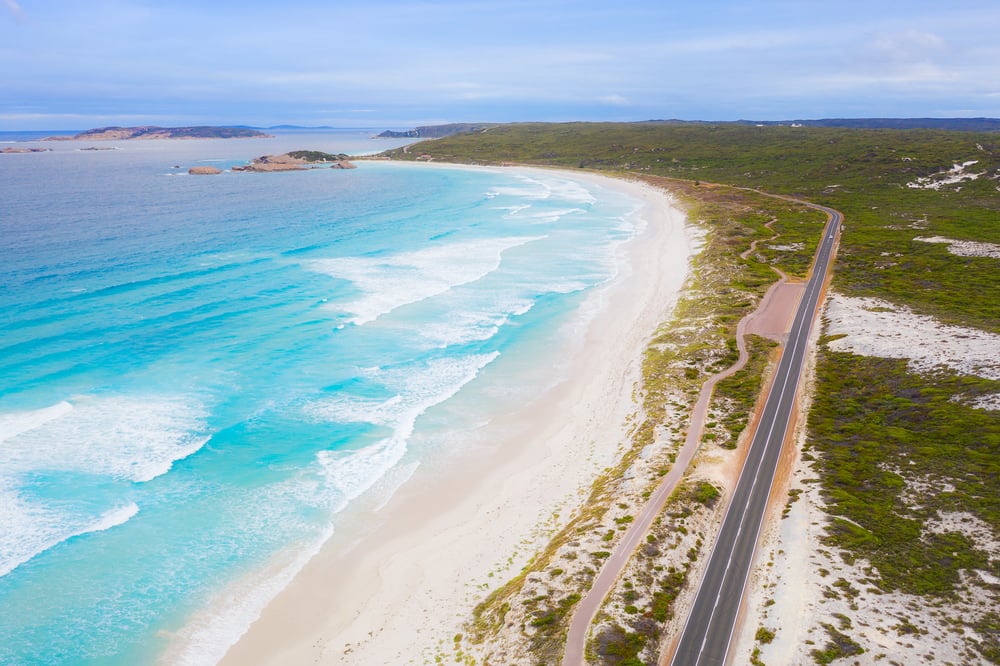
Australia’s Great Ocean Road began as a memorial project for World War I veterans but was designed with clear defensive purposes for future conflicts. The route connected coastal artillery positions and provided rapid troop movement along Victoria’s vulnerable southern shore.
Engineers deliberately chose the challenging clifftop path to maintain visual contact with the ocean while staying out of range of naval bombardment.
Atlantic Road, Norway
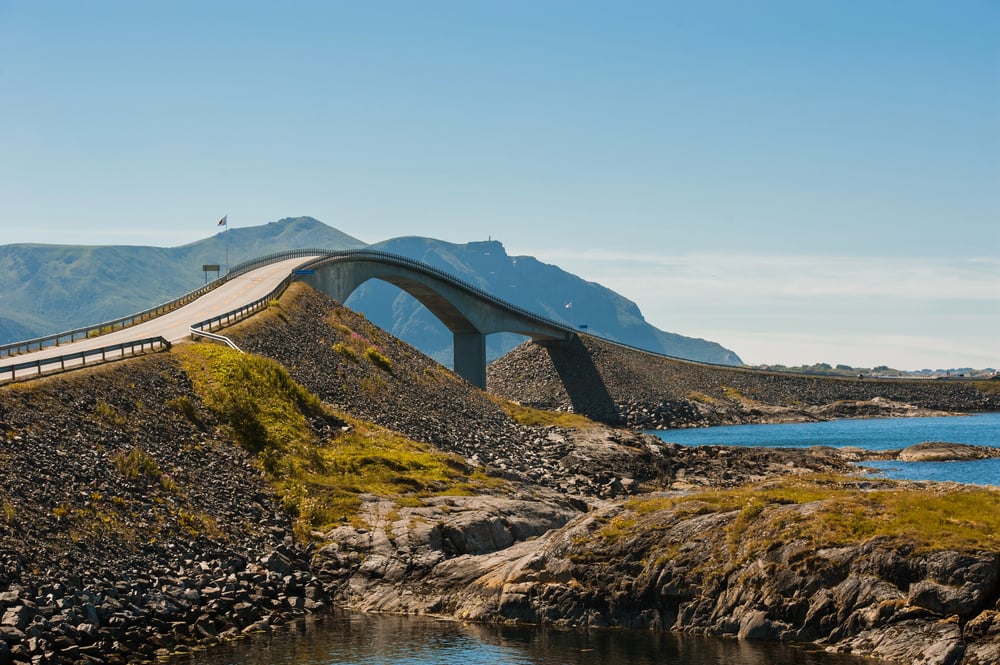
Norway’s spectacular Atlantic Road originally served as a strategic supply line during World War II, connecting isolated coastal communities that housed German defensive positions. The series of bridges and causeways allowed rapid movement of troops and equipment between islands that controlled shipping lanes.
The route’s exposed location made it vulnerable to Allied bombing, but essential for maintaining German control of the Norwegian coast.
Ring of Kerry, Ireland
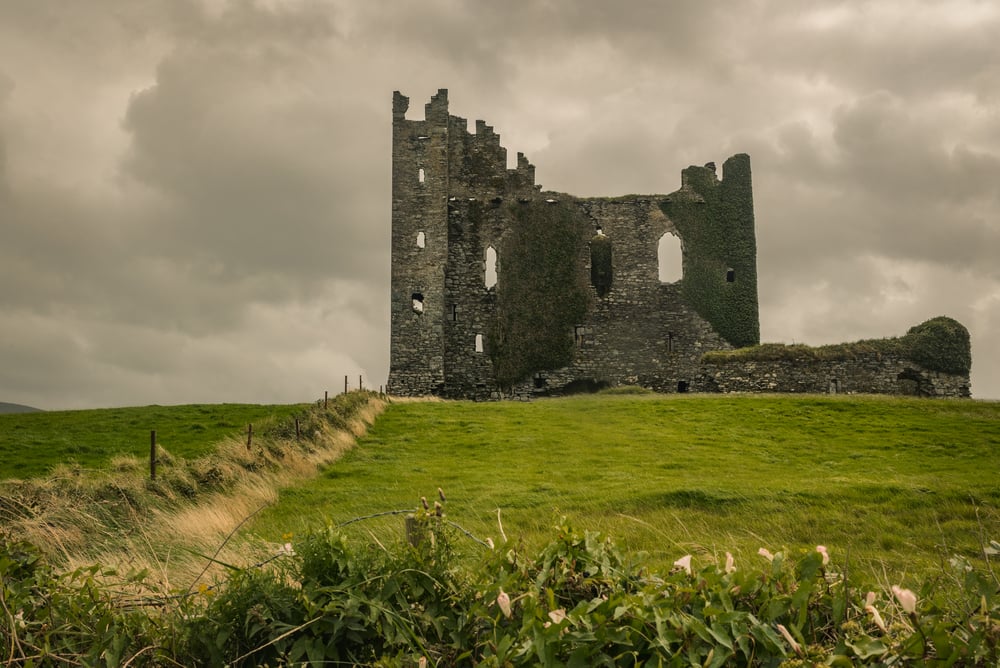
Ireland’s Ring of Kerry follows ancient paths that British military forces formalized during the 19th century to maintain control over remote coastal areas. The route connected garrison towns and signal stations used to monitor shipping in the Atlantic approaches to Britain.
Military surveyors chose the inland portions to avoid coastal bombardment while maintaining access to defensive positions overlooking key harbors.
Cabot Trail, Nova Scotia
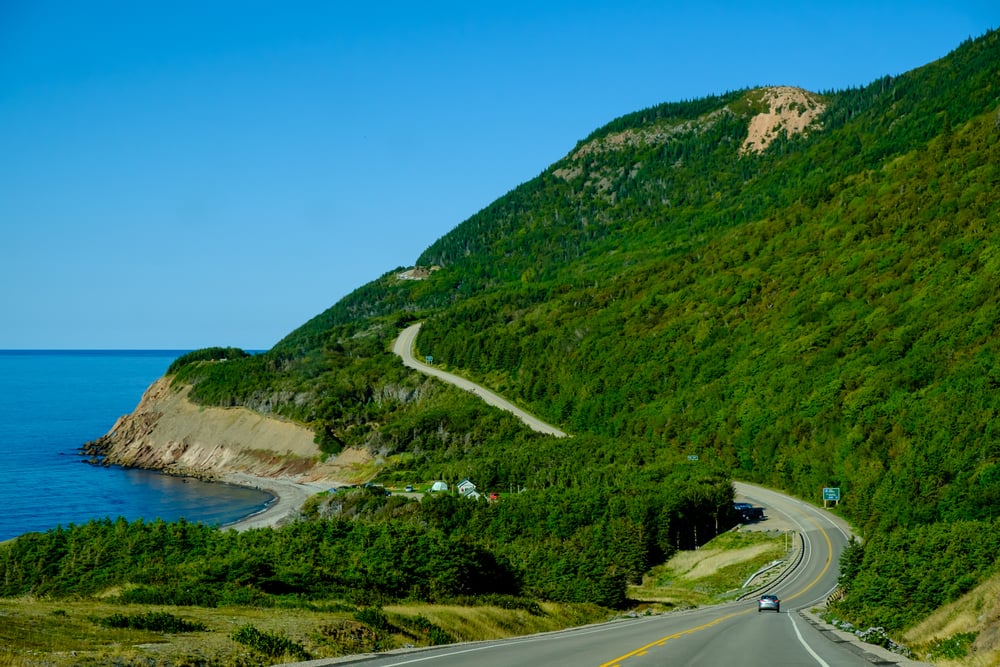
The Cabot Trail in Nova Scotia began as a strategic route during both World Wars, connecting radar stations and coastal defense installations around Cape Breton Island. Military planners recognized that the highland route provided excellent observation points for spotting German submarines in the Atlantic.
The road’s elevation changes weren’t just scenic—they offered multiple defensive positions and communication relay points.
Big Sur Highway, California
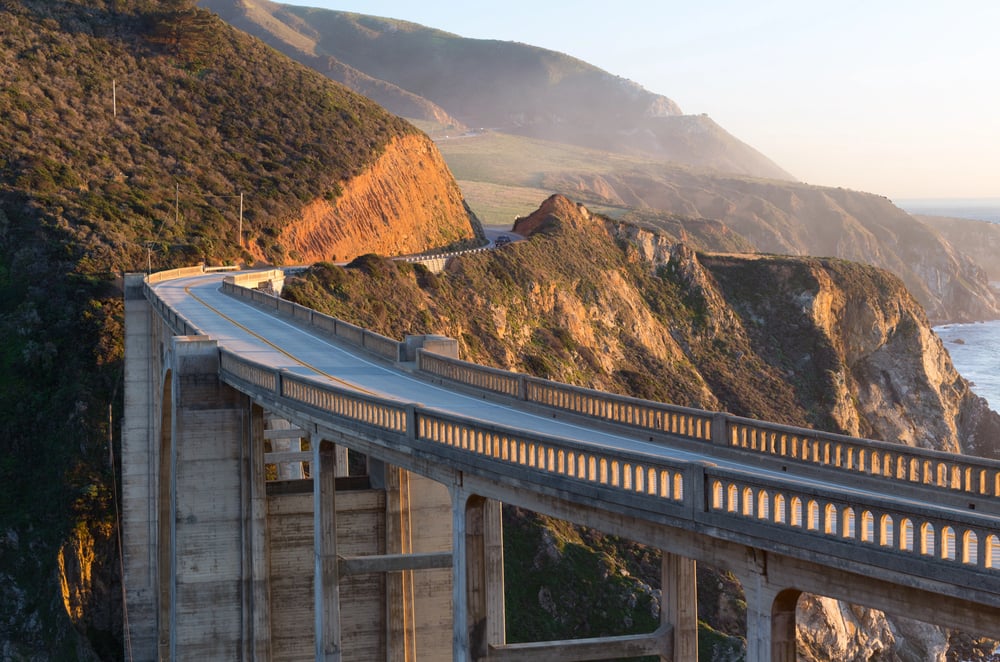
The section of Highway 1 through Big Sur was expanded during World War II to support coastal defense installations hidden in the rugged terrain. Military engineers used the natural isolation to conceal artillery positions and observation posts from potential Japanese reconnaissance.
The road’s narrow, winding nature was actually an advantage—it prevented rapid enemy movement while allowing defenders to control access points.
Overseas Highway, Florida
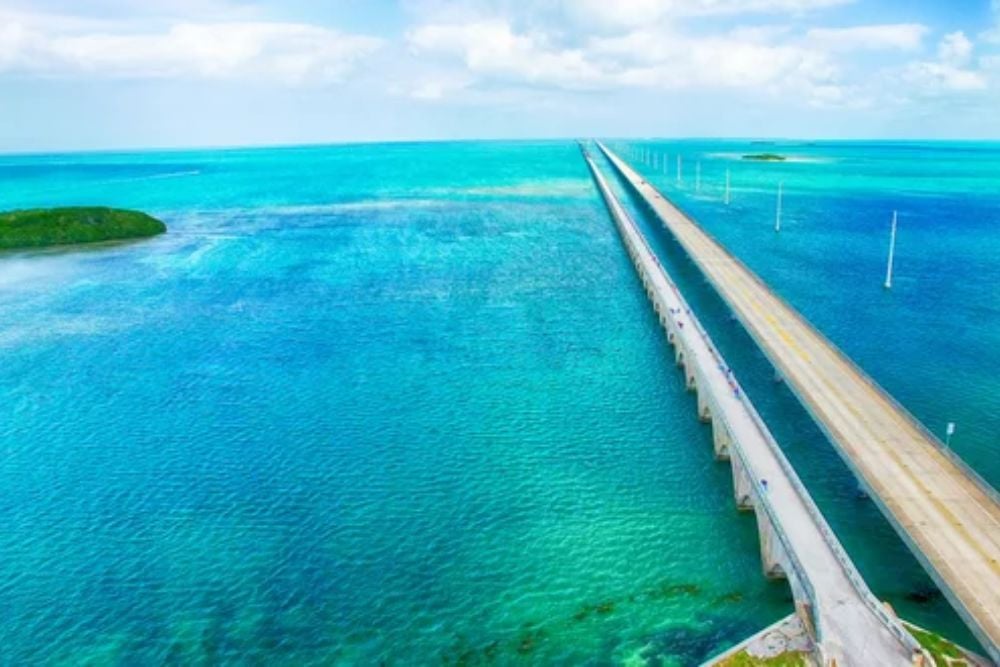
Florida’s Overseas Highway follows the route of Henry Flagler’s railroad but was strategically important during World War II for accessing naval installations in the Keys. The military upgraded road sections to support the movement of equipment to submarine detection stations and coastal patrol bases.
The causeway system provided the only reliable year-round access to defensive positions monitoring the Florida Straits.
North Shore Drive, Minnesota
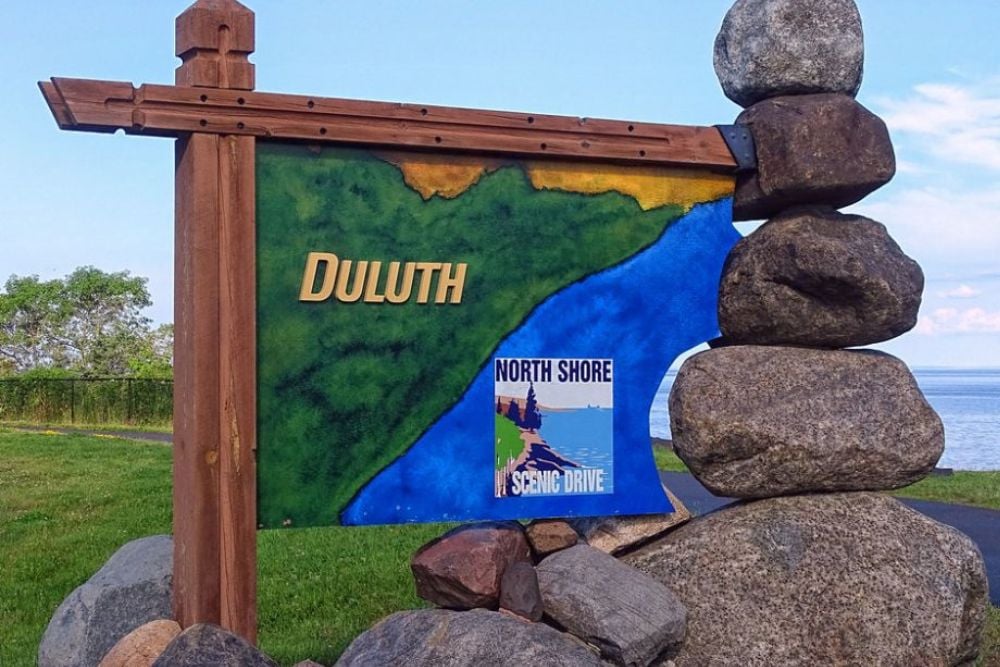
Minnesota’s North Shore Drive along Lake Superior served as a strategic route during World War II, connecting radar installations and observation posts watching for potential enemy aircraft from Canada. The military developed the lakefront road to provide rapid response capabilities along what was considered a vulnerable northern border.
The route’s elevation provided excellent sight lines across the vast lake while remaining hidden from aerial observation.
Hana Highway, Hawaii
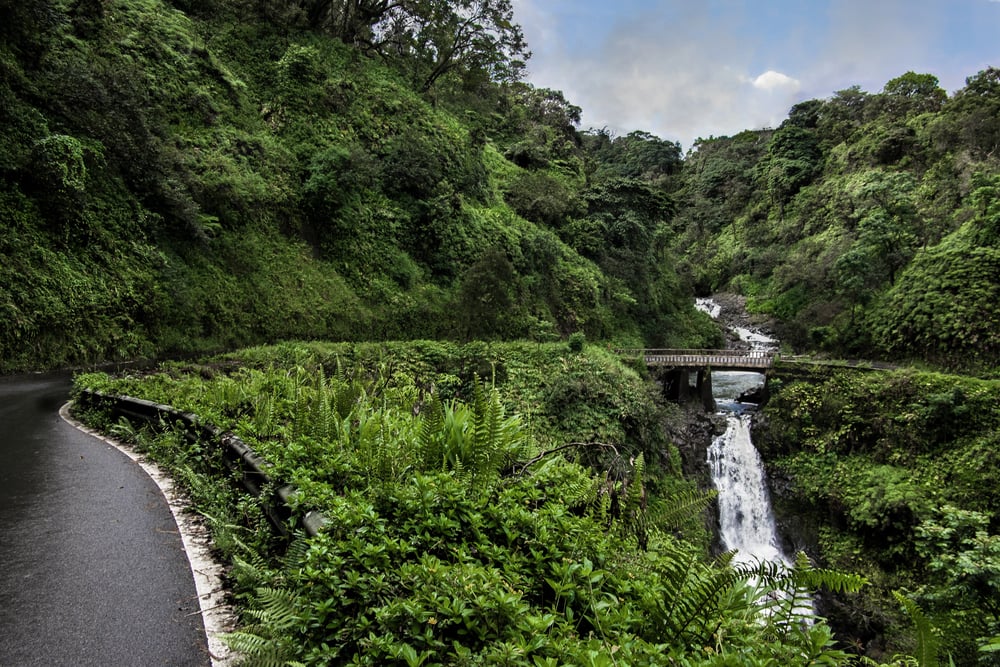
The Road to Hana in Maui was significantly improved during World War II to connect coastal defense positions protecting the island’s vulnerable northeastern approach. Military engineers enhanced the existing path to move troops and supplies to gun emplacements and radar stations hidden in the tropical vegetation.
The road’s numerous bridges and narrow passages created natural chokepoints that could be easily defended if necessary.
Oregon Coast Highway
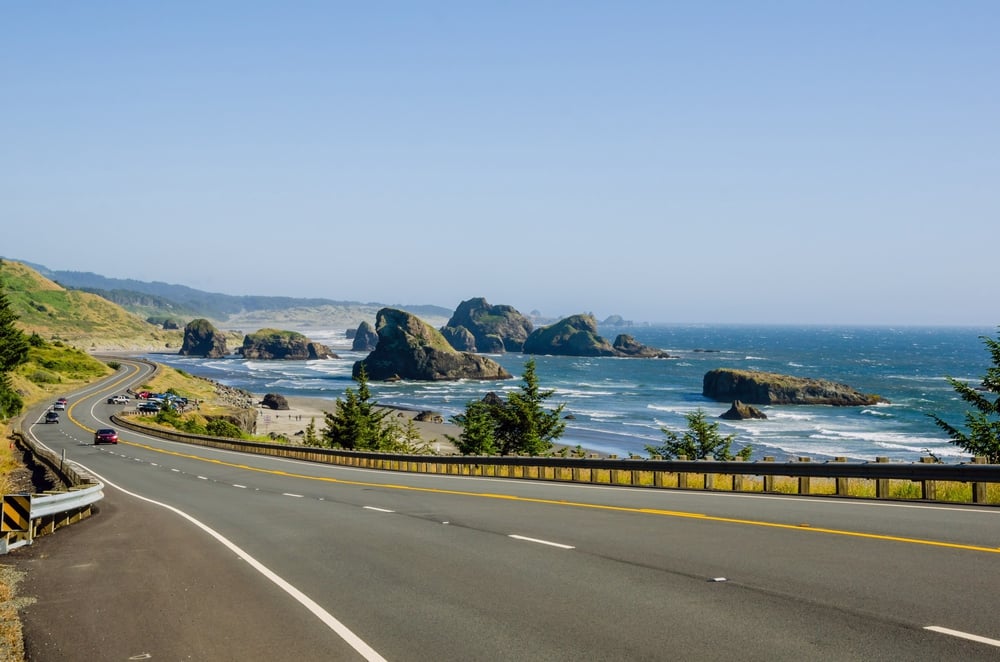
Oregon’s Highway 101 incorporates numerous sections that were built or upgraded during World War II to support coastal defense installations from California to Washington. Military planners needed reliable routes to connect radar stations, artillery positions, and aircraft warning stations along the entire Pacific coast.
The inland routing through coastal forests provided concealment while maintaining access to defensive positions on headlands and beaches.
Skyline Drive, Virginia
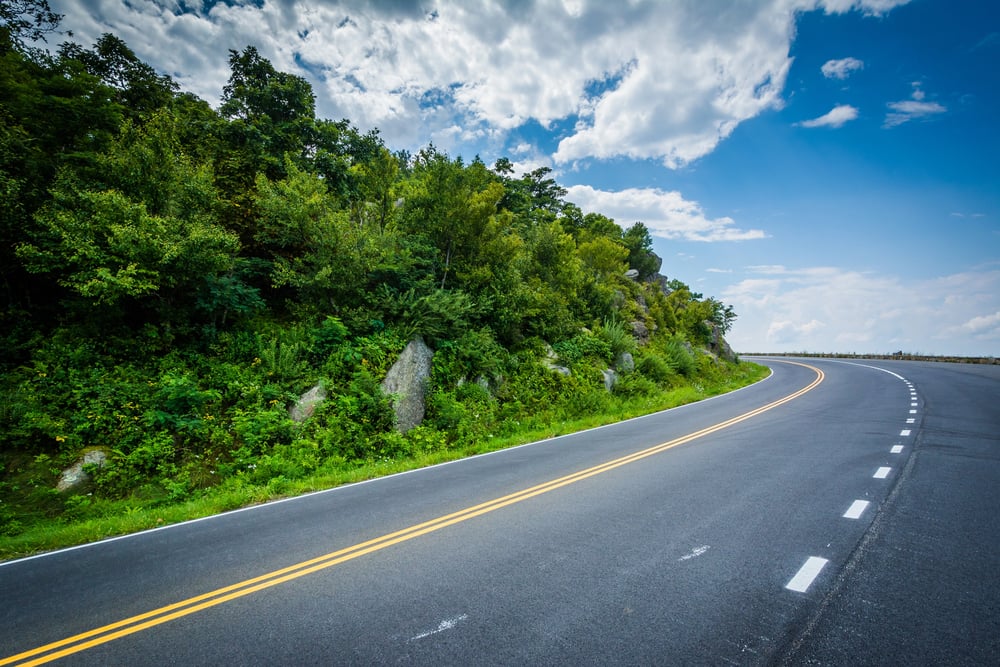
While not directly coastal, Virginia’s Skyline Drive was designed with clear military applications during the 1930s, providing observation points and rapid troop movement along the Blue Ridge Mountains. The route connected strategic positions that could monitor approaches to Washington D.C. and major Atlantic ports.
The elevation and cleared sight lines weren’t just for tourists—they served defensive purposes during an era of growing international tension.
Acadia Loop Road, Maine

The loop roads in Acadia National Park follow routes that were strategically important during both World Wars, connecting coastal observation posts and artillery positions protecting Bar Harbor and approaches to Canadian maritime provinces. Military engineers took advantage of the natural granite cliffs to position defensive installations with commanding views of the Atlantic.
The carriage roads provided concealed movement routes between defensive positions.
Blue Ridge Parkway, Virginia/North Carolina
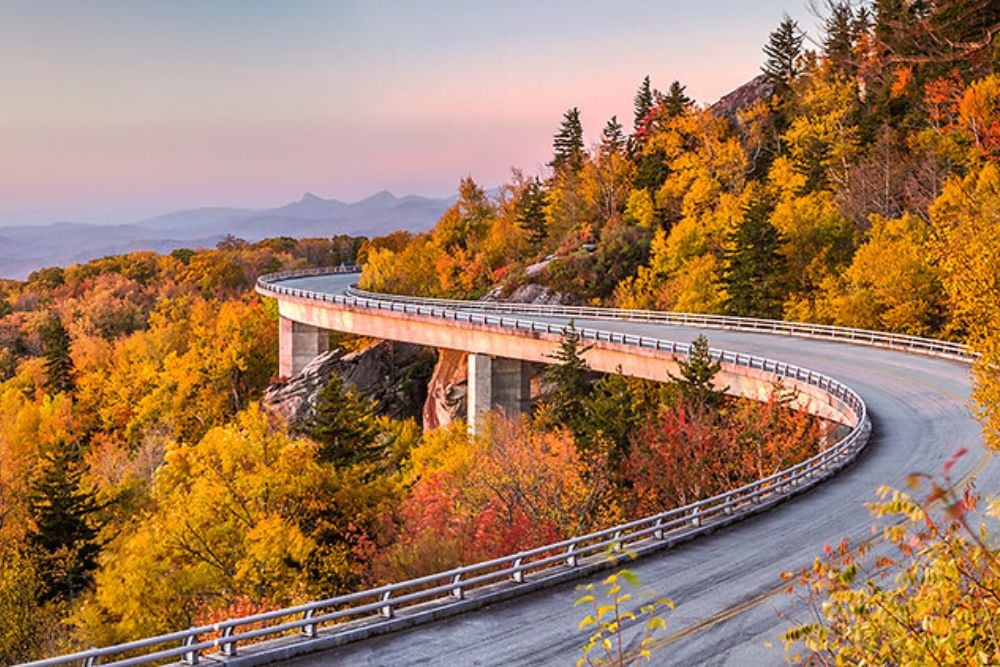
The Blue Ridge Parkway was conceived during the Great Depression but designed with military applications in mind, providing a strategic route along the Appalachian Mountains that could support defensive operations protecting the Eastern Seaboard. The elevated route offered observation points for monitoring air approaches to major cities and industrial centers.
The roadway’s construction provided both economic relief and strategic infrastructure.
Seven Mile Bridge, Florida

The Seven Mile Bridge in the Florida Keys was rebuilt during World War II to support military operations in the Caribbean, offering crucial access to naval installations and submarine detection equipment. The original railroad bridge was supplemented with roadway access to move equipment and personnel to strategic positions monitoring shipping lanes.
The bridge’s length and isolation made it both vital and vulnerable to enemy action.
Natchez Trace Parkway, Mississippi/Tennessee
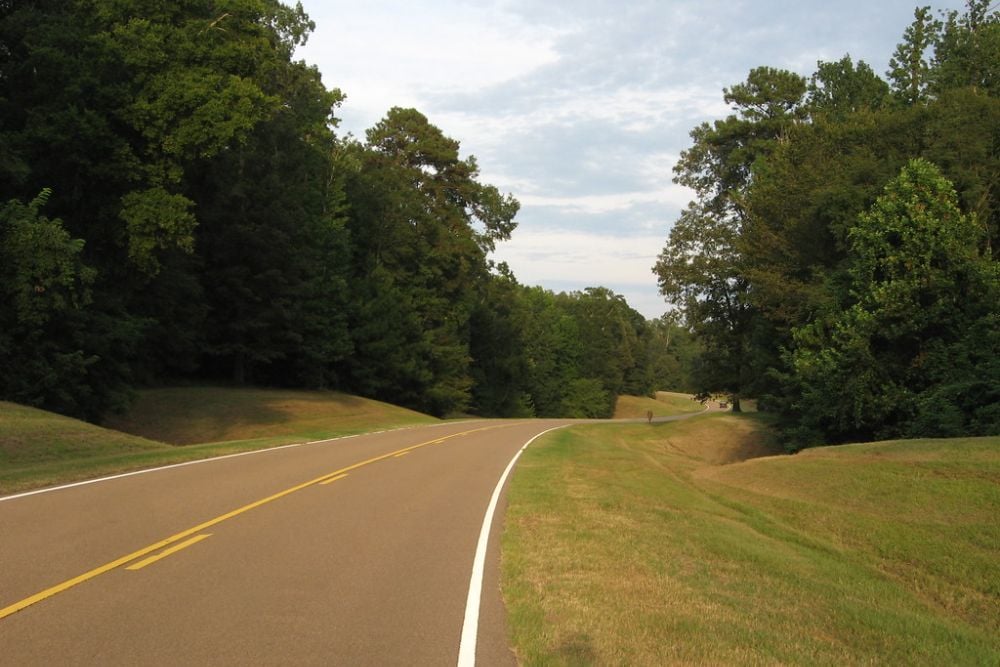
While primarily inland, the Natchez Trace connected strategic points along the Mississippi River that were crucial for controlling river traffic and preventing enemy penetration into the American interior. Military forces used the ancient path during the War of 1812 and the Civil War to move troops between defensive positions.
The route’s inland location provided security while maintaining access to river-based defensive installations.
Going-to-the-Sun Road, Montana
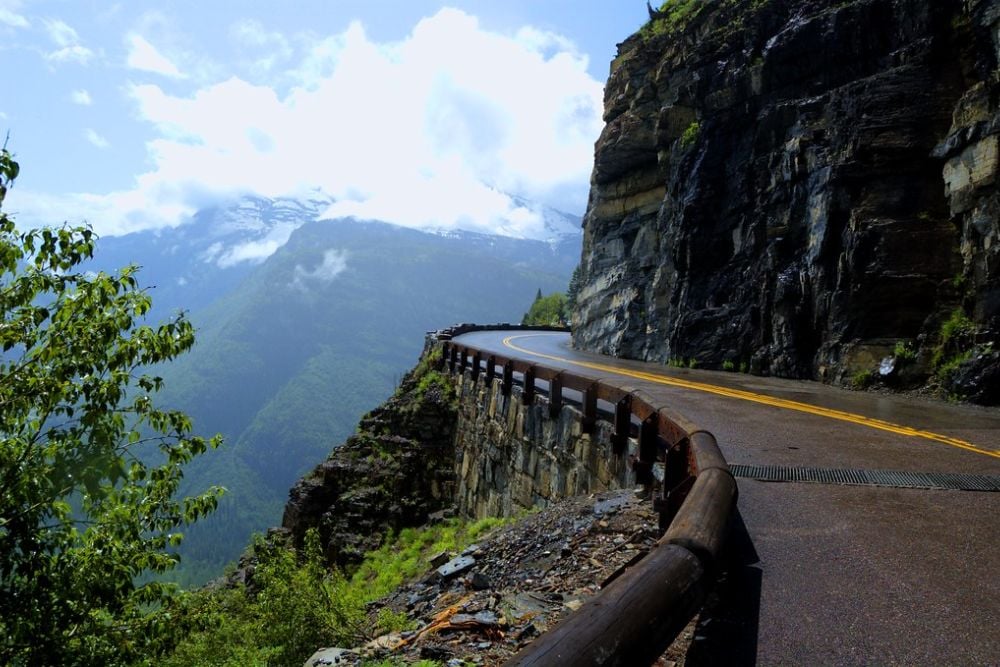
Montana’s Going-to-the-Sun Road through Glacier National Park was built with strategic considerations for monitoring the Canadian border during an era of uncertain international relations. The mountain route provided observation points for watching approaches from the north while connecting isolated border patrol stations.
The road’s engineering challenges were accepted because of its strategic value for border security.
Hurricane Ridge Road, Washington
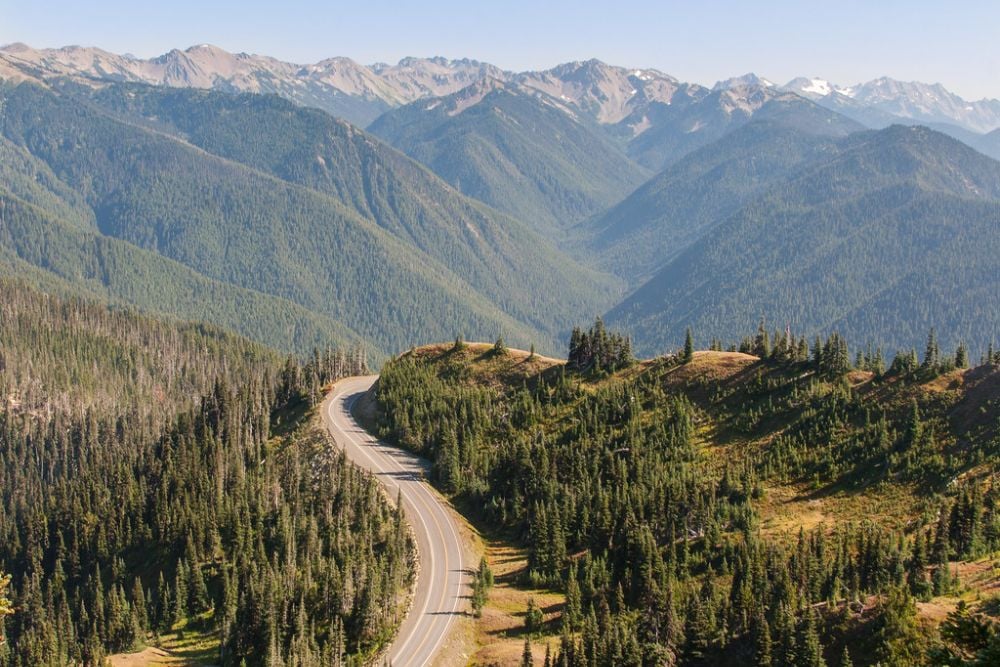
The road to Hurricane Ridge in Olympic National Park follows a route that was strategically important during World War II for monitoring approaches to Puget Sound and major naval installations. The elevated position provided excellent observation points for aircraft spotting and coastal defense coordination.
Military planners recognized that the Olympic Mountains offered natural defensive positions protecting vital Pacific Northwest military facilities.
From Defense to Discovery
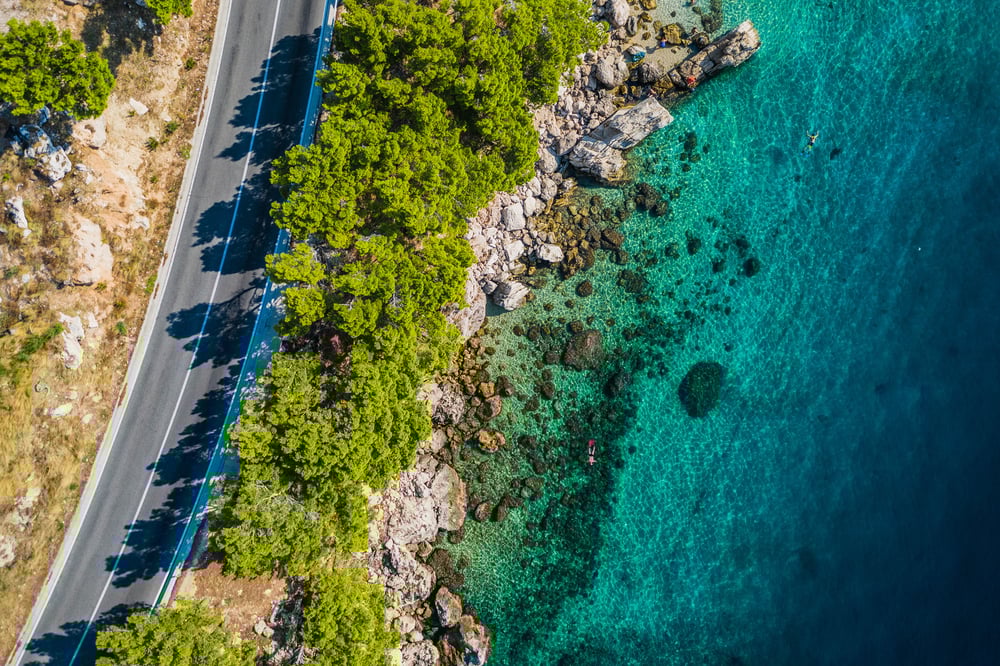
These former military routes remind us that many of today’s most beloved scenic drives have serious strategic origins rooted in national defense. What began as necessary infrastructure for protecting coastlines and borders evolved into recreational treasures that millions of people enjoy each year.
The same geographic features that made these routes militarily valuable—elevation, visibility, and access to remote areas—now provide the dramatic vistas and natural beauty that make them tourist destinations. These roads prove that strategic necessity and scenic beauty often follow the same paths through the landscape.
More from Go2Tutors!

- The Romanov Crown Jewels and Their Tragic Fate
- 13 Historical Mysteries That Science Still Can’t Solve
- Famous Hoaxes That Fooled the World for Years
- 15 Child Stars with Tragic Adult Lives
- 16 Famous Jewelry Pieces in History
Like Go2Tutors’s content? Follow us on MSN.