29 Costume Jewelry Pieces Grandmothers Wore That Dealers Now Pay Real Money For
Costume jewelry was supposed to be disposable. It was sold at department store counters and home parties so women could match a brooch to a dress without touching the family’s real gold.
Some of that glass and pot metal now outprices fine jewelry of the same era. Dealers flip every piece over first, because the signature stamped on the back usually tells them more than the sparkle on the front.
Trifari Jelly Belly Brooches
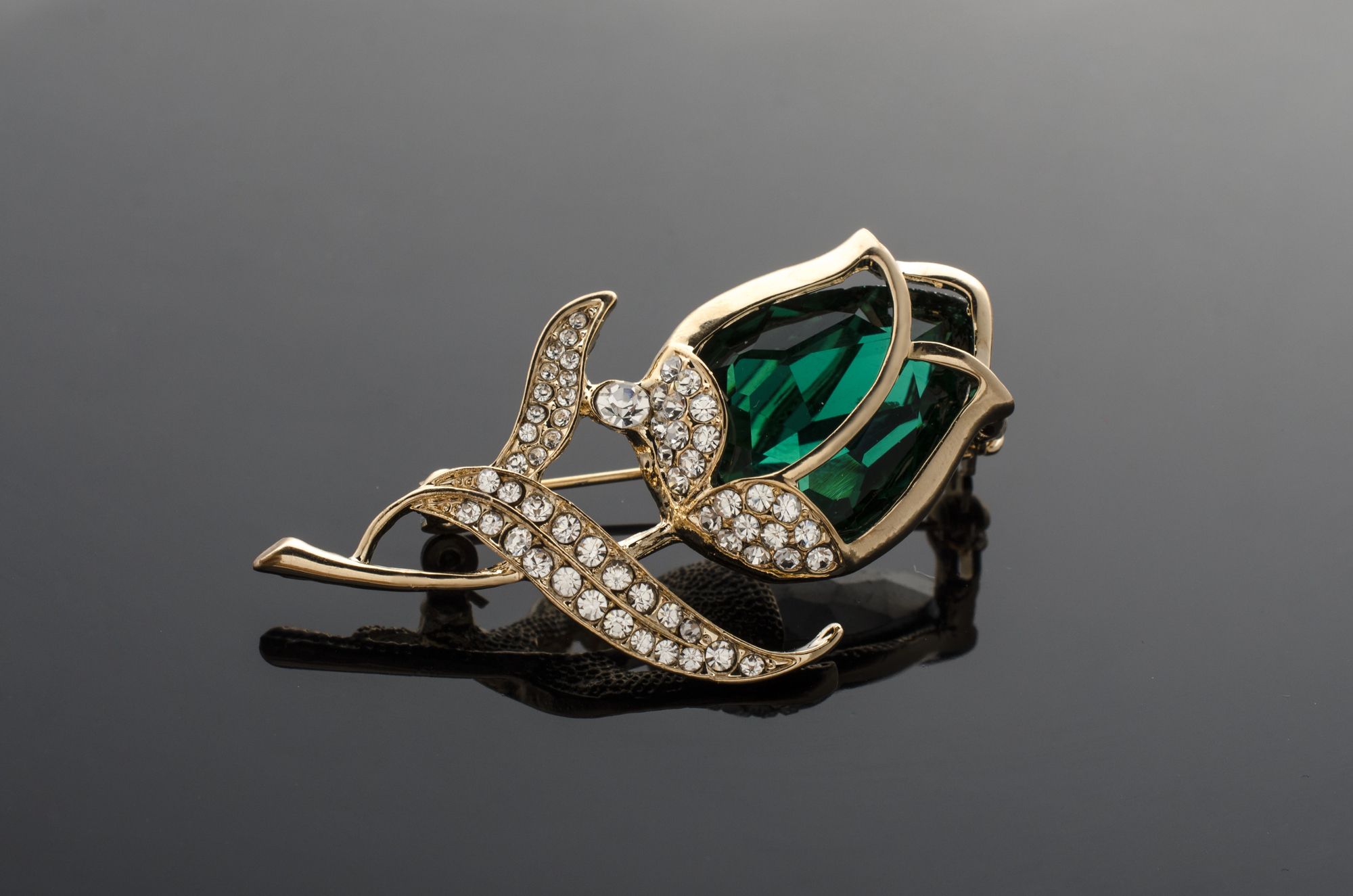
Alfred Philippe, Trifari’s chief designer, created a line of animal brooches in the early 1940s with bodies made from a single clear Lucite cabochon. Collectors call them jelly bellies, and the frogs, fish, roosters, and poodles look almost edible.
Wartime metal restrictions meant many were cast in sterling silver with gold wash, and the mark reads Trifari Sterling. Good examples trade at several hundred dollars, and rare animals reach well into four figures.
Cracked or clouded Lucite bellies are the main problem, along with worn gilding and missing rhinestone eyes, and repairs lower the value considerably.
Coro Duettes
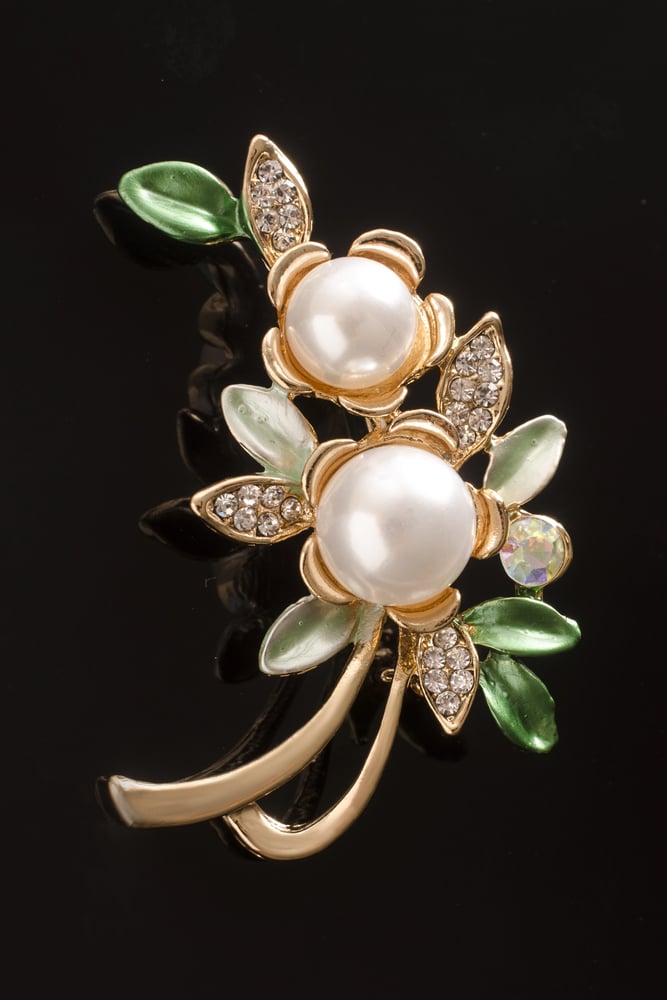
Coro patented the Duette mechanism in the 1930s, a frame that held two dress clips so they could be worn together as a single brooch or separated and clipped to a neckline. Birds, flowers, and figural designs in enamel and rhinestones are common, and collectors look for pieces with both clips and the working frame.
Good Duettes bring 100 to 500 dollars, with rare sterling examples from the war years reaching higher. The patent number stamped on the back helps with dating.
Missing stones, chipped enamel, and stiff or broken clip mechanisms all lower value, since the entire point was that the pieces came apart.
Miriam Haskell Seed Pearl Pieces
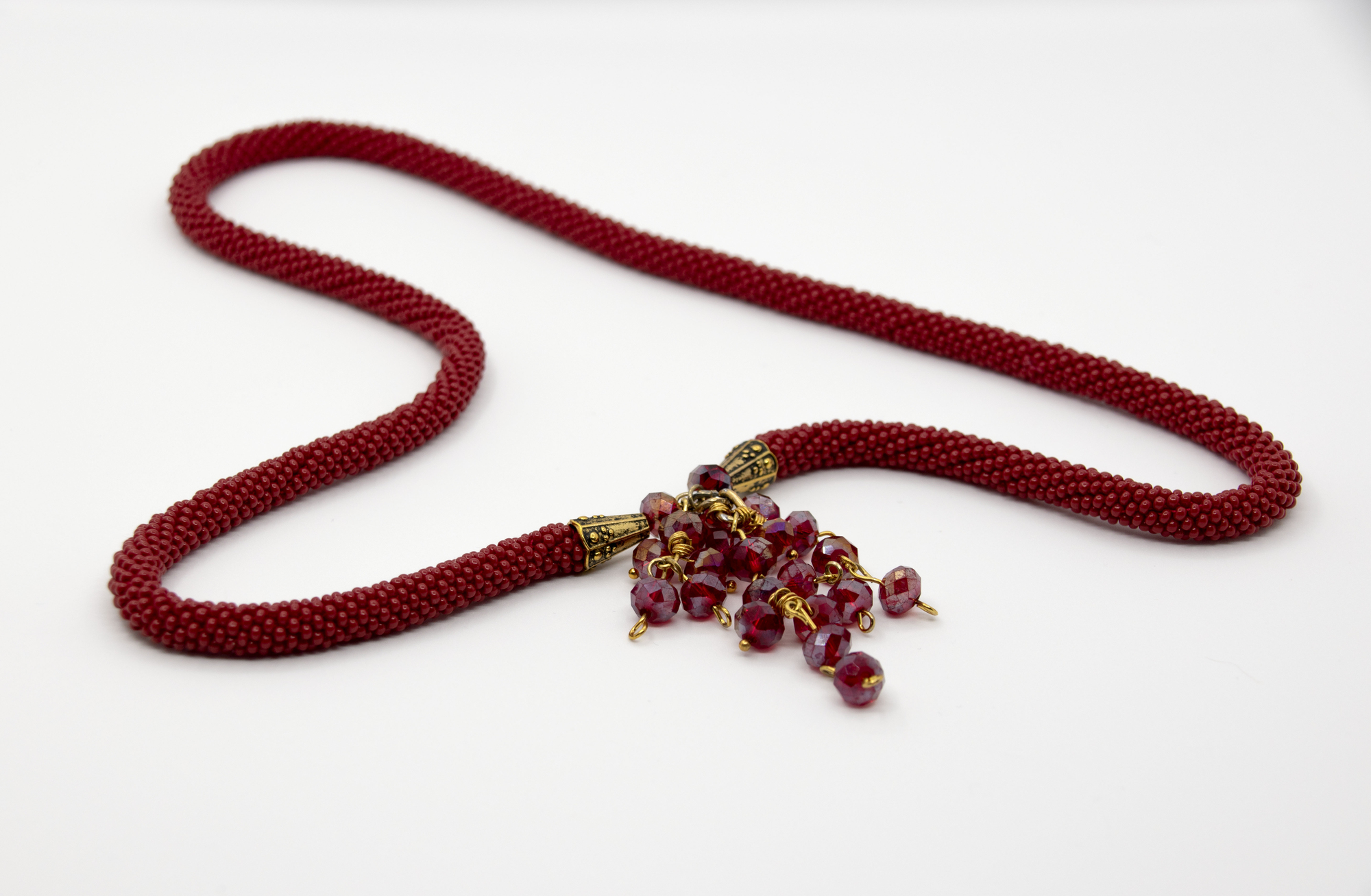
Miriam Haskell opened her New York business in 1926 and built a reputation on hand-wired pieces made of seed pearls, glass beads, and gilded filigree. Her early work was mostly unsigned, and the Haskell stamp only became standard in the years after World War II.
Signed necklaces and brooches trade at several hundred dollars, and elaborate pieces go past a thousand. Collectors turn pieces over to study the wiring on the back, since Haskell’s work looks as careful from behind as from the front.
Peeling pearl coating, loose beads, and worn gilding are the usual flaws, and restringing lowers value.
Eisenberg Original Brooches
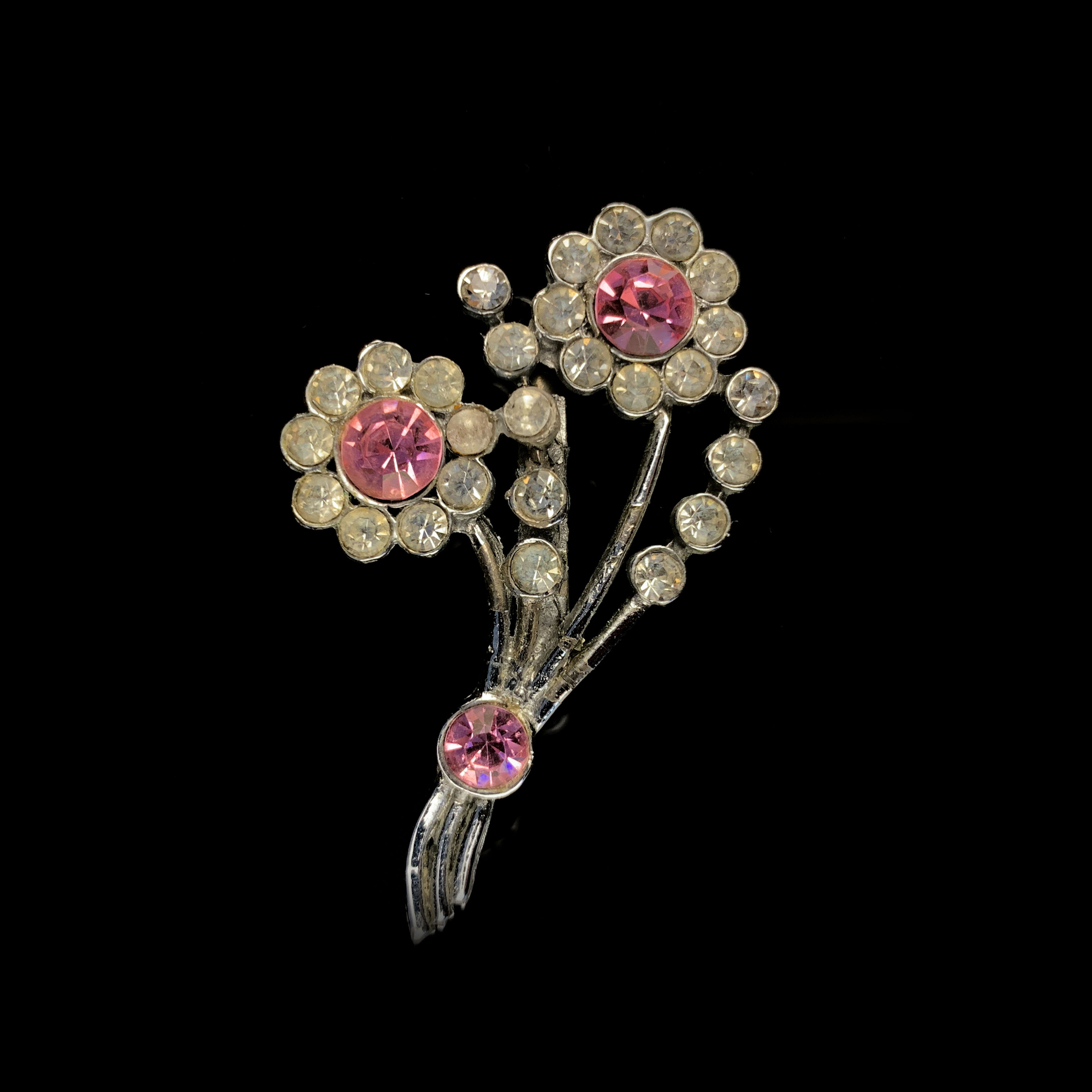
Eisenberg began as a clothing company, and in the 1930s it attached rhinestone brooches to its dresses. So many brooches were stolen from store racks that the company began selling them on their own.
Pieces marked Eisenberg Original from the 1930s and 1940s are the most valuable, with large figural brooches in sterling bringing several hundred dollars to four figures. The Swarovski crystals Eisenberg used give the pieces an unusually strong sparkle.
Later pieces marked Eisenberg Ice are also collected but bring less. Dull or dark stones, missing crystals, and worn plating reduce value.
Schreiner New York Inverted Stones
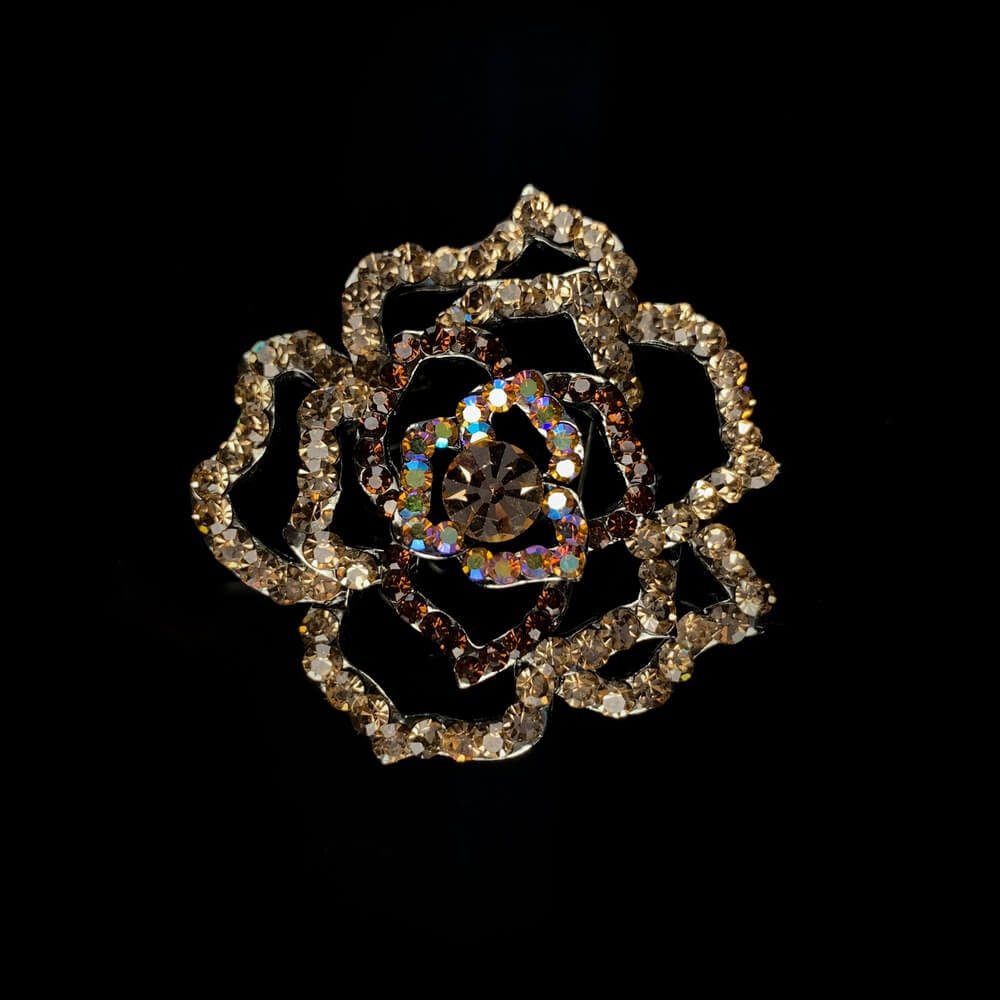
Henry Schreiner founded his company in 1939 and became known for setting rhinestones upside down, with the pointed back facing out. The inverted stones catch light differently and give the pieces a textured, jewel-box look.
Many Schreiner pieces were never signed, so collectors identify them by construction and those reversed stones. Signed brooches and necklaces bring several hundred dollars, and large pieces reach higher.
Dark or dull stones, missing settings, and worn metal lower value. Schreiner also designed for couture houses, so some pieces carry other names.
Juliana Jewelry by DeLizza and Elster
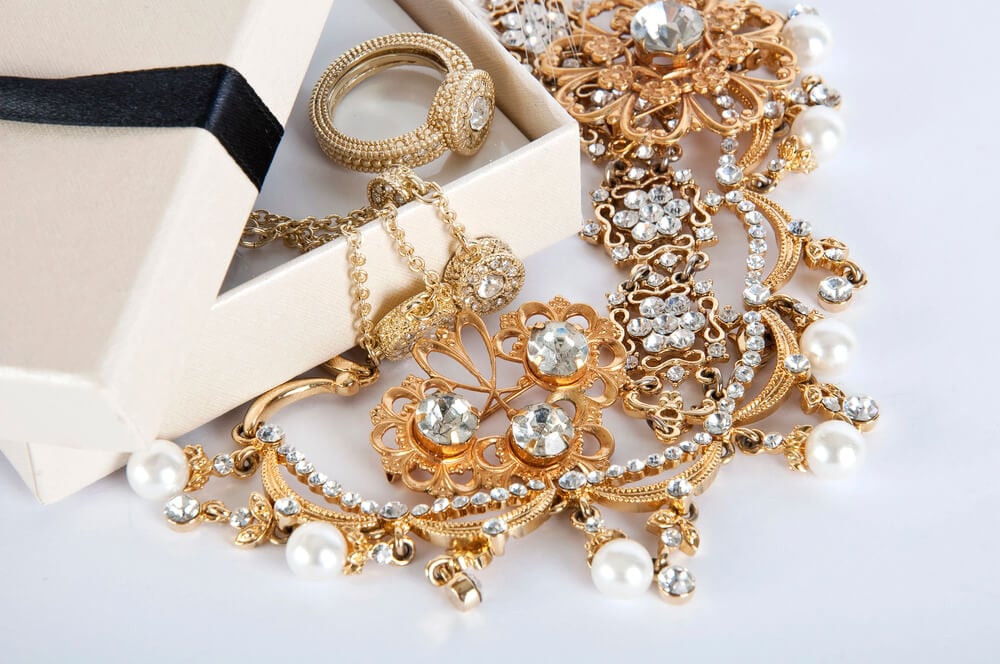
DeLizza and Elster manufactured jewelry for other brands, and a line sold under the name Juliana in the late 1960s is now heavily collected. Almost none of it carries a signature, because the brand appeared only on paper hang tags that were thrown away.
Collectors identify Juliana by construction details, such as five-link bracelets with stones set in open-backed prongs. Good bracelets and brooches bring 100 to several hundred dollars.
Missing stones and damaged links lower value, and the lack of markings means buyers rely on reference books and experience to confirm attribution.
Hobe Pieces in Sterling and Gilt
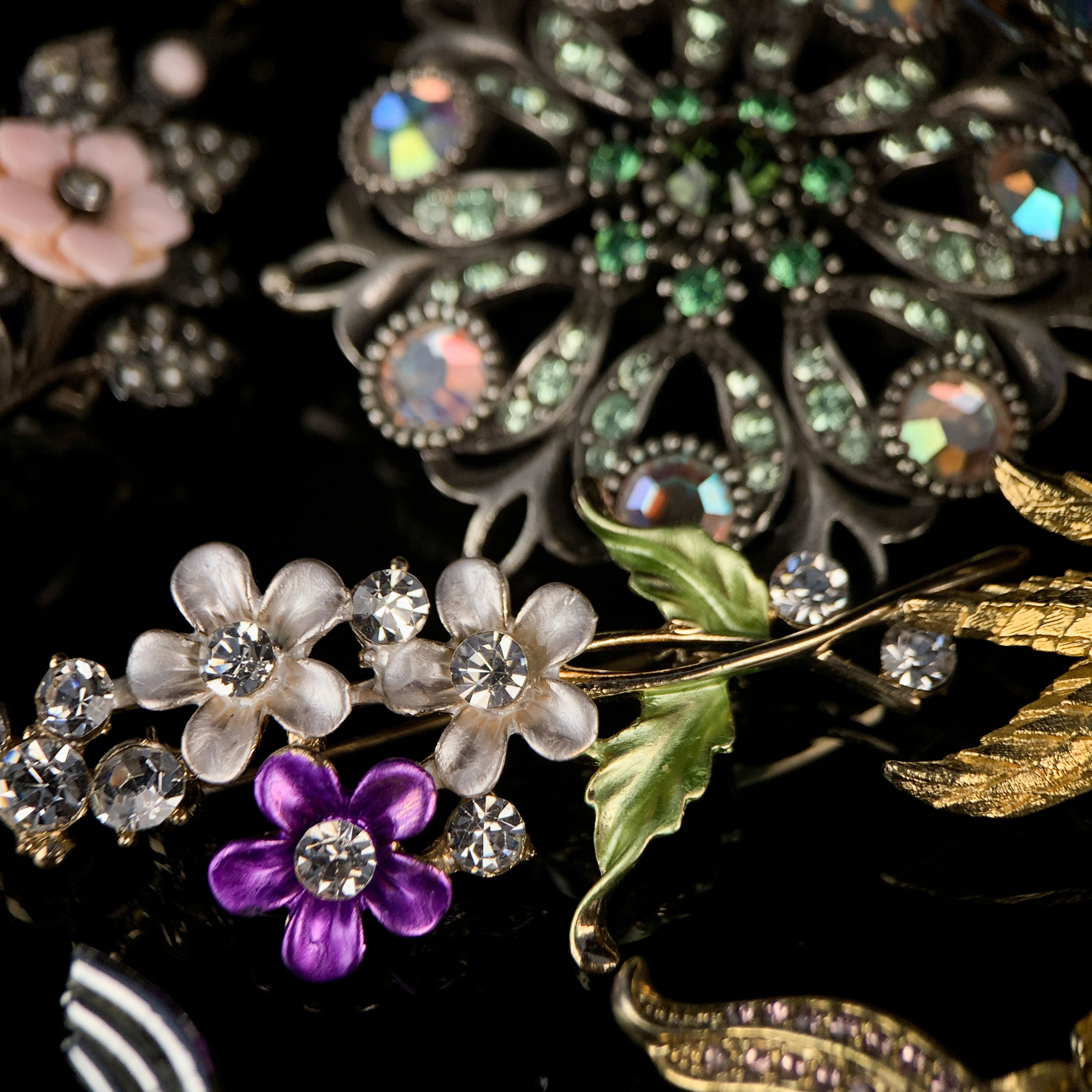
Hobe grew out of a French jewelry family, and the American business sold costume pieces through the middle of the twentieth century with a strong romantic streak. Its best work used sterling or gold-plated settings with semiprecious stones, carved flowers, and bows that nod openly to Victorian design.
Signed pieces trade at 100 to several hundred dollars, and elaborate sterling examples go higher. The company also lent and sold pieces for Hollywood productions, which adds to the name’s appeal.
Collectors look for the mark on the back or on a small plaque. Missing stones, worn gilding, and heavy tarnish lower value.
Marcel Boucher Brooches
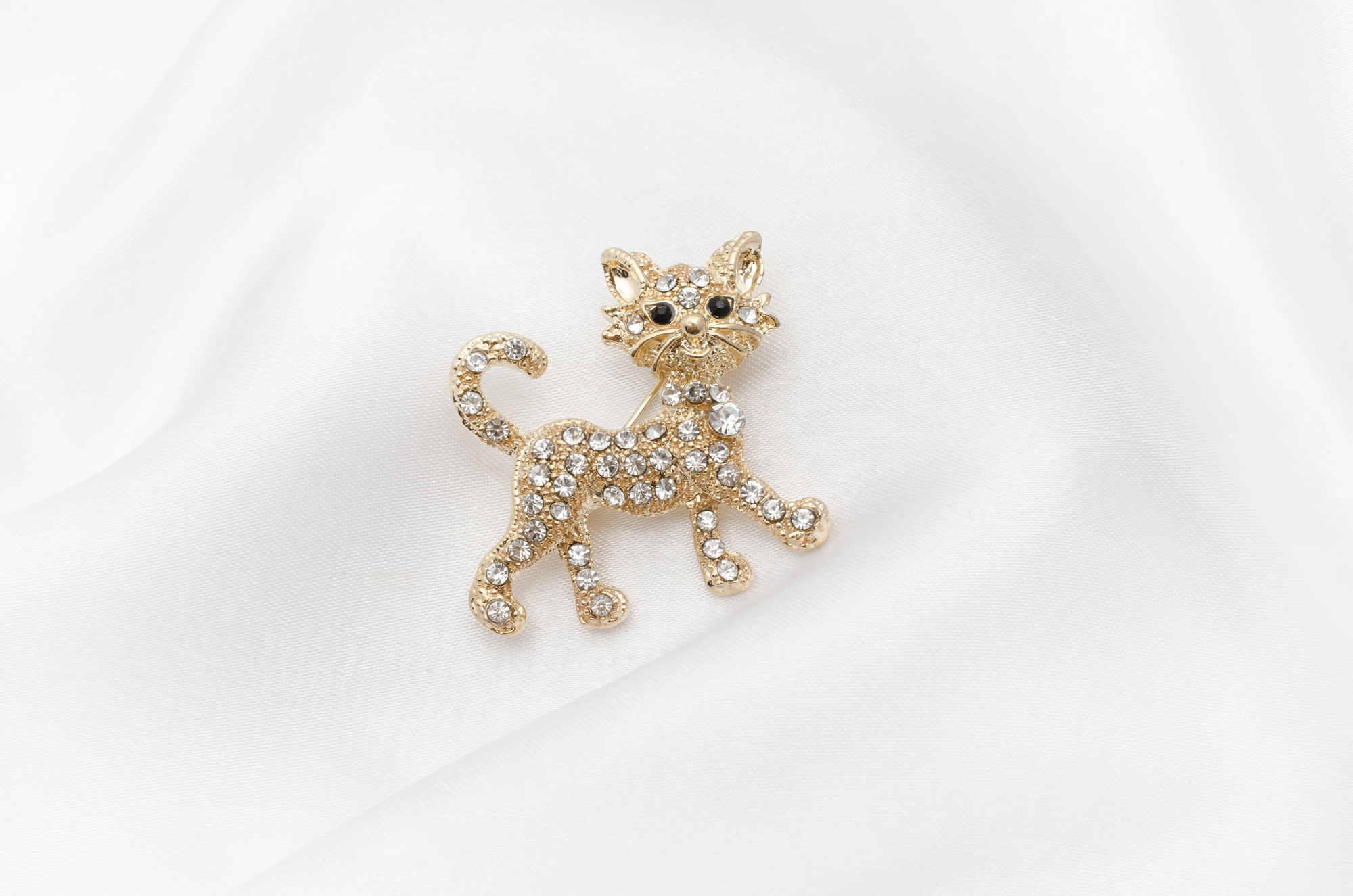
Marcel Boucher trained as a model maker for Cartier in Paris before opening his own company in New York in 1937. That fine jewelry background shows in the sculpted birds, flowers, and insects he produced in enamel and rhinestones.
Many Boucher pieces carry inventory numbers stamped on the back, which collectors use to date them. Enameled brooches trade at several hundred dollars, and rare early designs reach four figures.
The enamel is thin and chips at the edges, and a chipped wingtip can cut the price in half. Missing stones and rubbed plating are the other common flaws.
Mazer and Jomaz Pieces
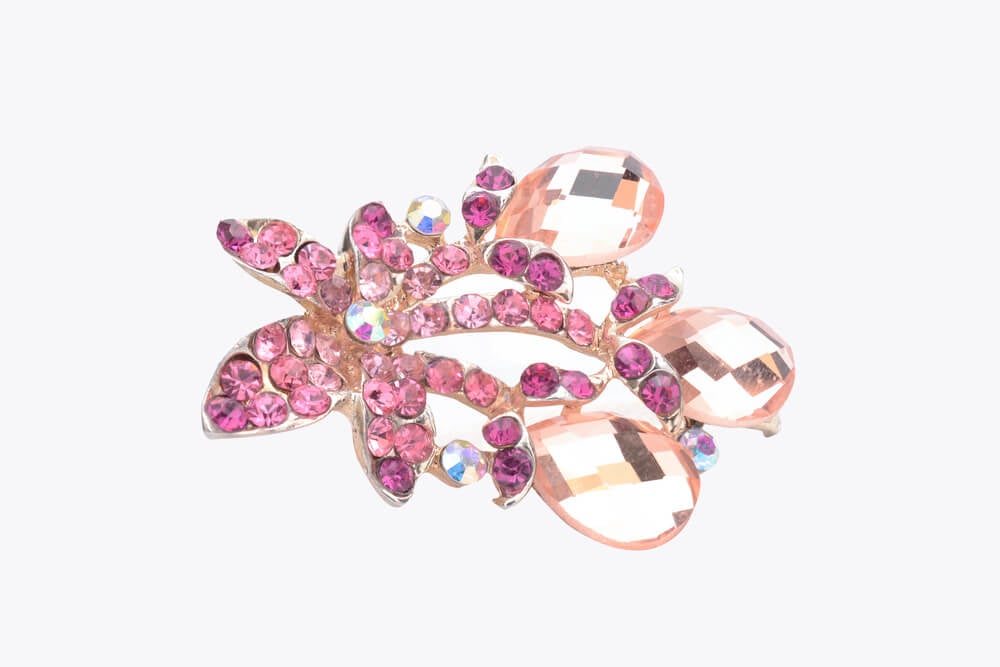
Brothers Joseph and Louis Mazer began making costume jewelry in New York in the 1920s, and Joseph later ran his own line under the name Jomaz. Both marks are known for rhinestone work set with the care usually reserved for real gems, often in heavy rhodium or gold plating.
Signed Mazer and Jomaz pieces trade at 100 to several hundred dollars, and large brooches from the 1940s reach higher. Collectors check the stamp and the quality of the settings, since the prongs on good pieces are tight and even.
Missing stones, clouded foil backs, and worn plating lower value.
Hattie Carnegie Figural Pins
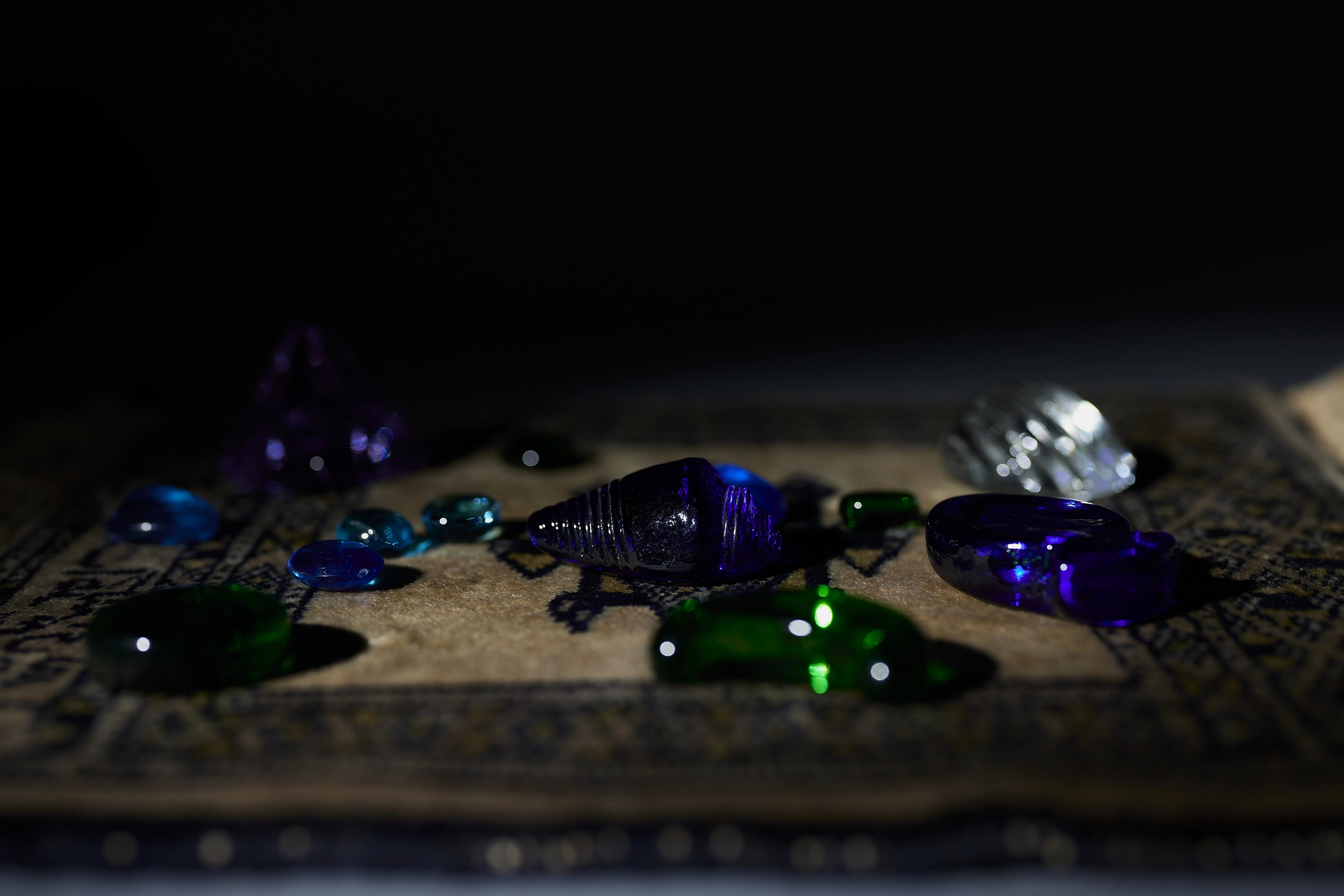
Hattie Carnegie built one of New York’s most successful fashion houses and sold jewelry designed to finish her clothing. Her figural pins, featuring exotic animals, masks, and stylized figures in enamel, Lucite, and colored stones, are the pieces collectors pursue most.
Signed examples trade at 100 to several hundred dollars, and large figural pins with unusual subjects climb higher. The mark usually appears on a small oval plate on the back.
Chipped enamel, missing stones, and scratched Lucite lower the price. Some Carnegie figures are whimsical enough to look modern, which keeps demand strong among younger buyers.
Weiss Black Diamond Rhinestones
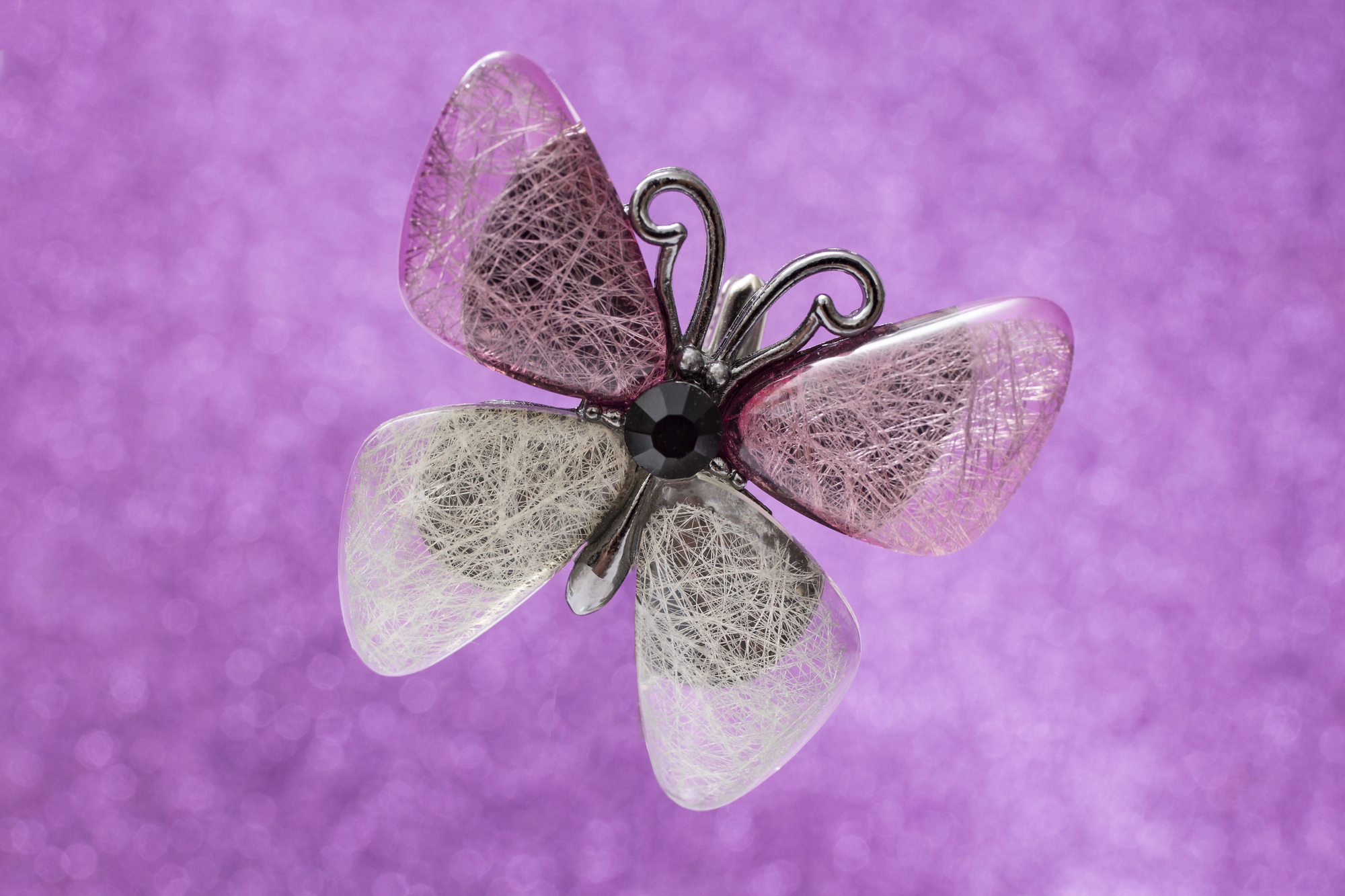
Albert Weiss worked at Coro before founding his own company in New York in 1942. Weiss became known for high-quality Austrian rhinestones, and especially for smoky gray stones the company called black diamond.
Brooches, earrings, and necklaces with these stones trade at 50 to several hundred dollars, with large flower brooches and matching sets at the top. The Weiss mark appears in script on the back.
Fakes bearing the Weiss name have circulated for years, so buyers compare construction and stone quality with known pieces. Dark or cloudy stones, missing settings, and worn plating all lower the price.
Sarah Coventry Party Jewelry

Charles Stuart founded Sarah Coventry in 1949, naming the company after his granddaughter and selling jewelry through home parties led by local hostesses. Millions of pieces were sold, so most are worth modest sums of 20 to 80 dollars.
Some designs with unusual stones, large brooches, and complete parures bring 100 to 200 dollars or more. The mark reads Sarah Cov or Sarah Coventry on the back.
Collectors look for complete sets in original boxes, which are harder to find than loose pieces. Missing stones, dull plating, and green corrosion from years in a jewelry box lower value.
Vendome by Coro
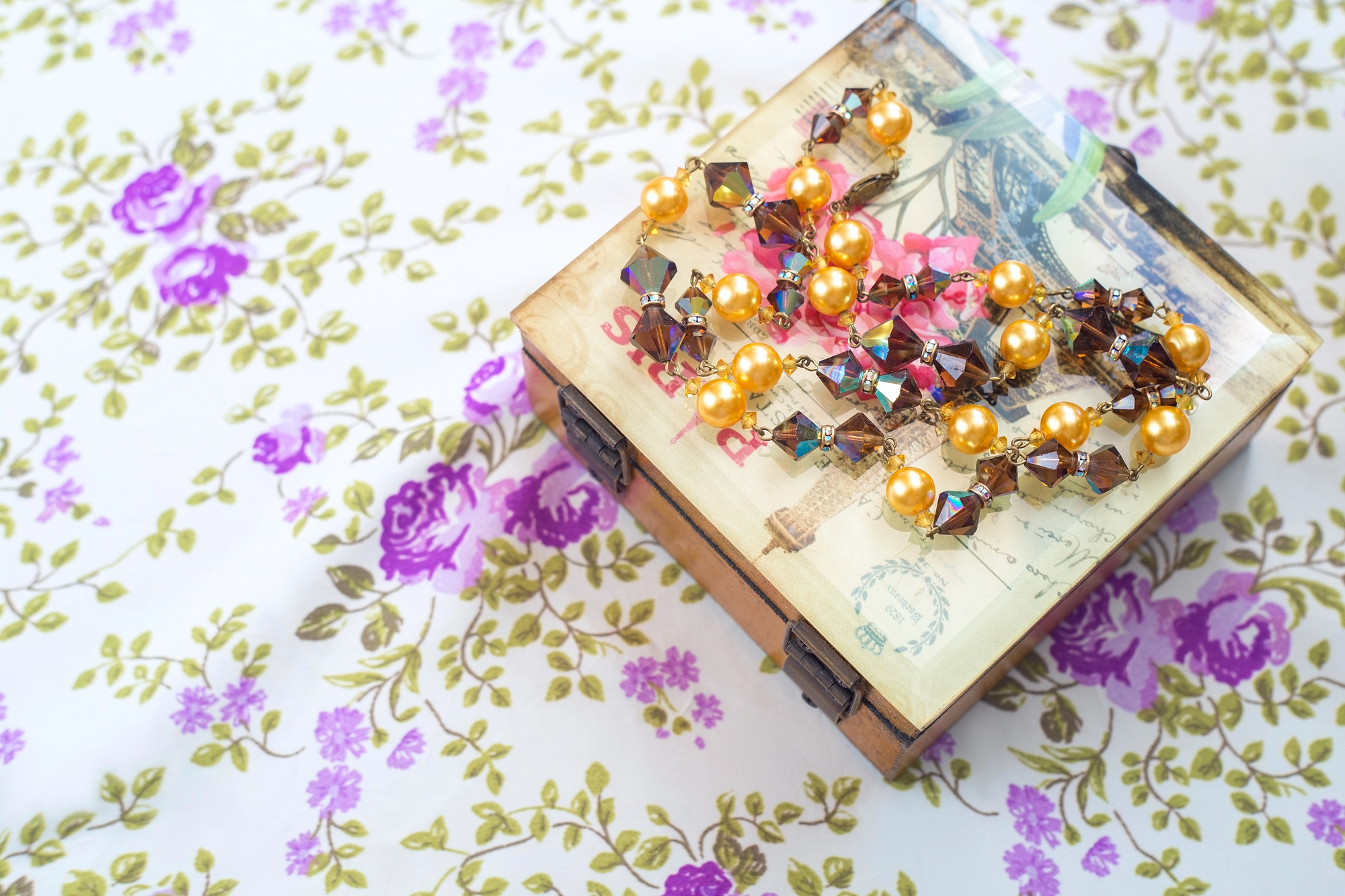
Coro introduced Vendome as its upscale line, first using the name in the 1940s and expanding it into a full jewelry line in the 1950s. The pieces feature high-quality crystals, glass beads, and more elaborate designs than Coro’s everyday offerings.
Vendome necklaces and brooches trade at 50 to several hundred dollars, with multi-strand crystal necklaces and large brooches bringing the most. The mark appears in script on the back or on a clasp tag.
Collectors check for missing beads, clouded crystals, and worn plating. Complete sets with matching earrings add significantly to the value.
Napier Charm Bracelets
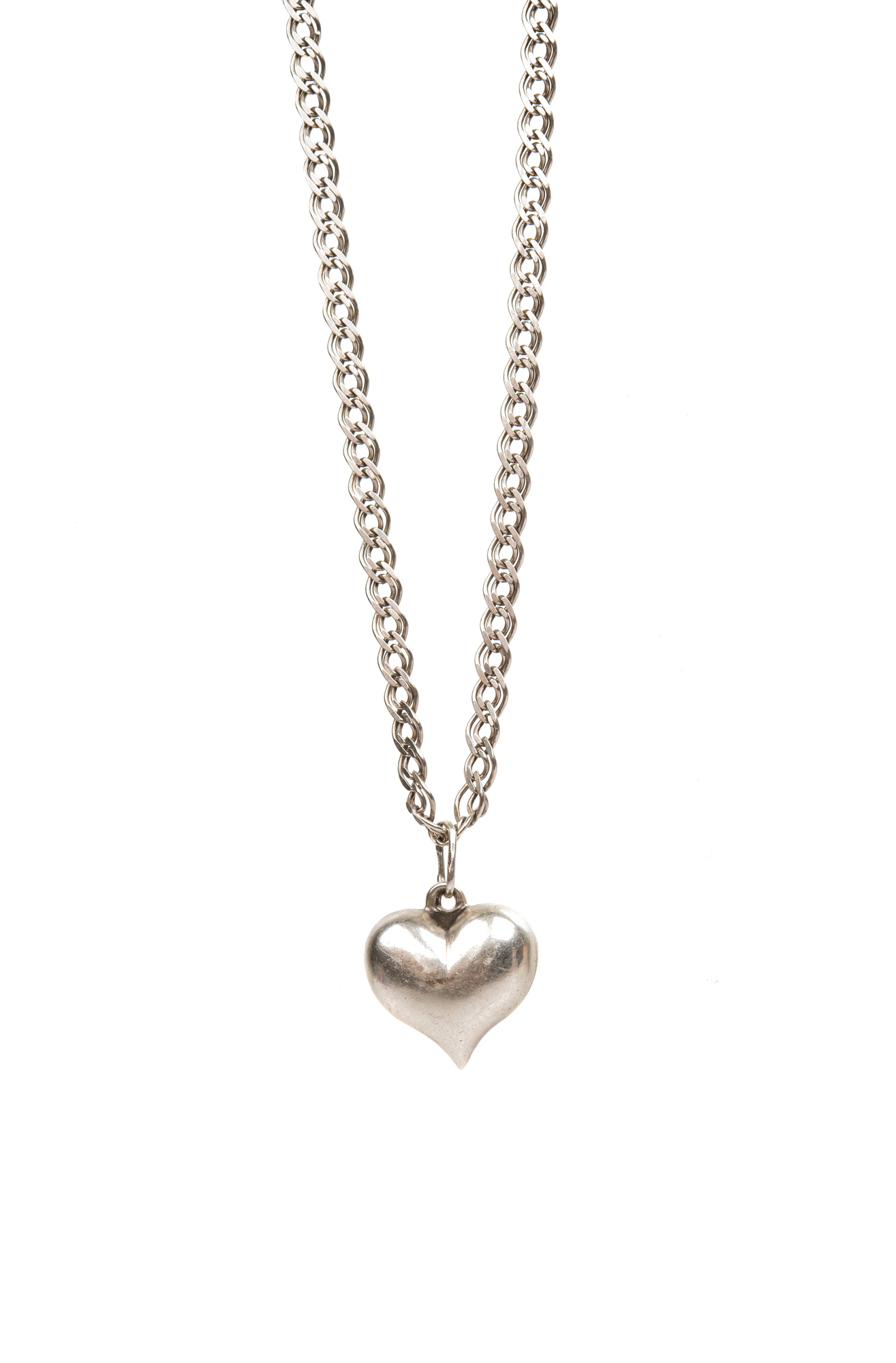
The Napier Company of Meriden, Connecticut, adopted that name in 1922 and became one of the largest American costume jewelry makers of the century. Its charm bracelets from the 1950s and 1960s, loaded with themed charms like travel souvenirs, sports, or holidays, are the pieces collectors want most.
Full sterling bracelets trade at 100 to 300 dollars, and heavily loaded ones with unusual charms reach higher. The mark usually appears on the clasp or a tag.
Missing charms, worn plating, and broken jump rings reduce value. Mechanical charms that open or move draw particular interest.
Kramer of New York
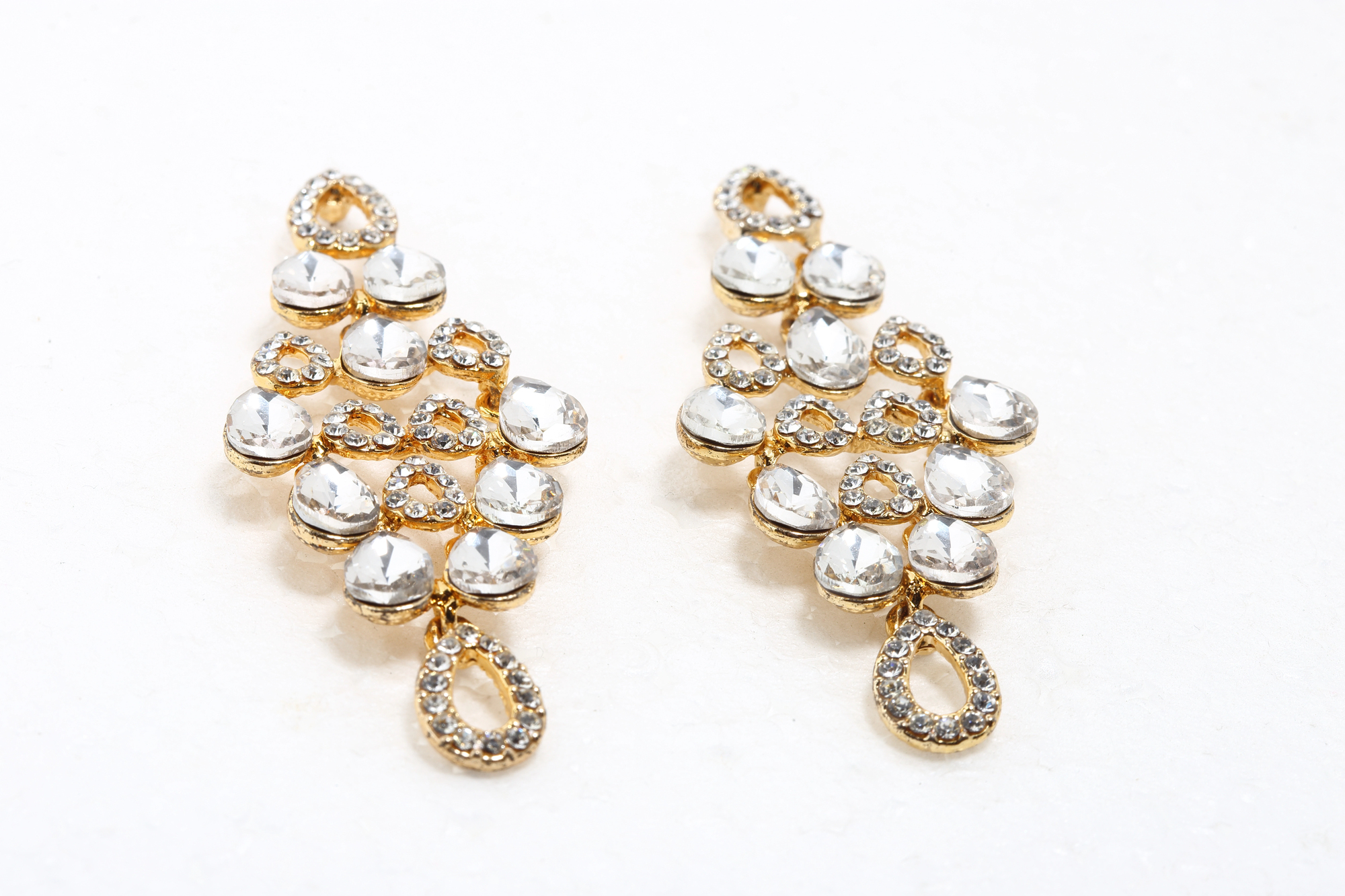
Louis Kramer founded his company in New York in 1943 and produced rhinestone pieces with a strong sense of glamour. In the late 1950s, Kramer made jewelry for Christian Dior under a licensing arrangement, and those pieces are marked Christian Dior by Kramer.
Signed Kramer brooches and necklaces trade at 50 to several hundred dollars, and the Dior pieces bring more. The company is known for aurora borealis stones and elaborate settings.
Missing stones, dull foil backing, and worn plating lower the price. Collectors check the mark carefully, since the Dior connection adds considerable value.
Joseff of Hollywood
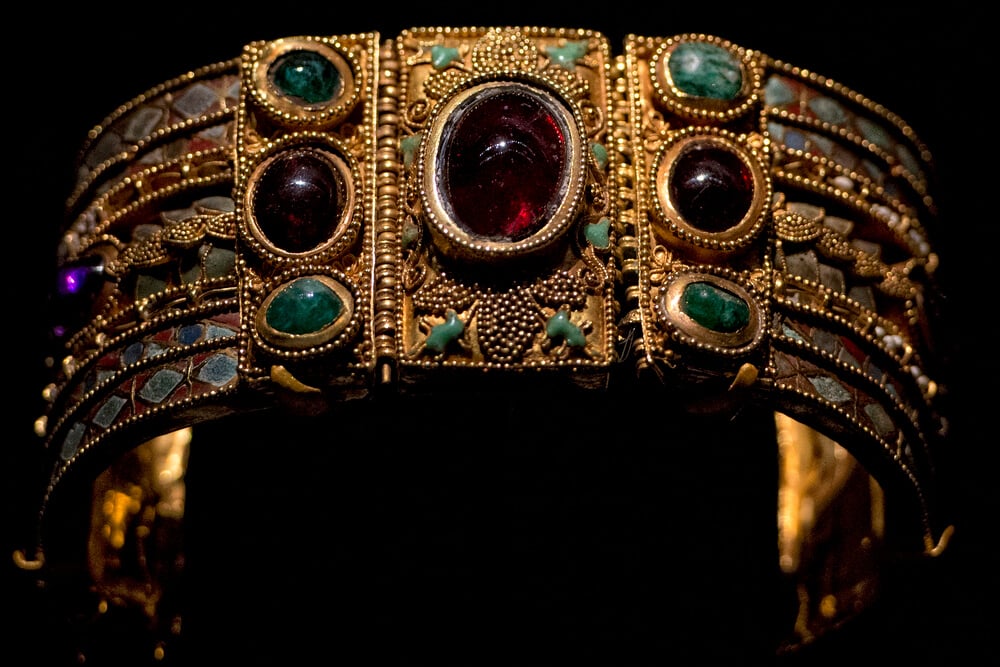
Eugene Joseff designed jewelry for Hollywood studios from the 1930s, renting pieces for films rather than selling them, which let him keep a huge archive. He developed a matte finish called Russian gold that reduced glare under studio lights.
His pieces appeared in films like Gone with the Wind, and he launched a retail line in 1938. Retail pieces signed Joseff Hollywood trade at several hundred dollars, and pieces with film provenance bring much more.
The matte finish wears to a shine with handling, and polished-over surfaces lower value. Missing stones and damaged castings also reduce the price.
Carved Bakelite Bangles
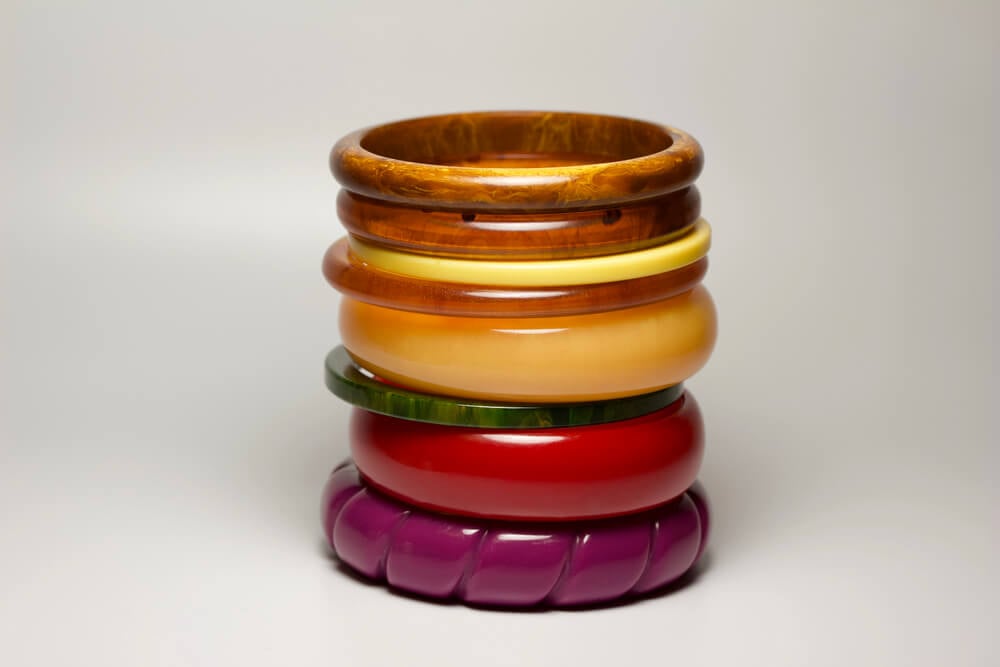
Bakelite was one of the first synthetic plastics, and in the 1930s and 1940s it was carved into chunky bangles, brooches, and dress clips in colors like butterscotch, cherry red, and green. Carved and multicolored pieces bring the most, with rare designs reaching thousands.
Dealers test Bakelite by rubbing it with metal polish, which leaves a yellow residue on genuine pieces, or by running it under hot water to release a chemical smell. Cracks, chips, and heavy scratches lower value.
Fakelite, a modern resin made to look old, is common, so testing matters before any purchase.
Stanley Hagler Pieces
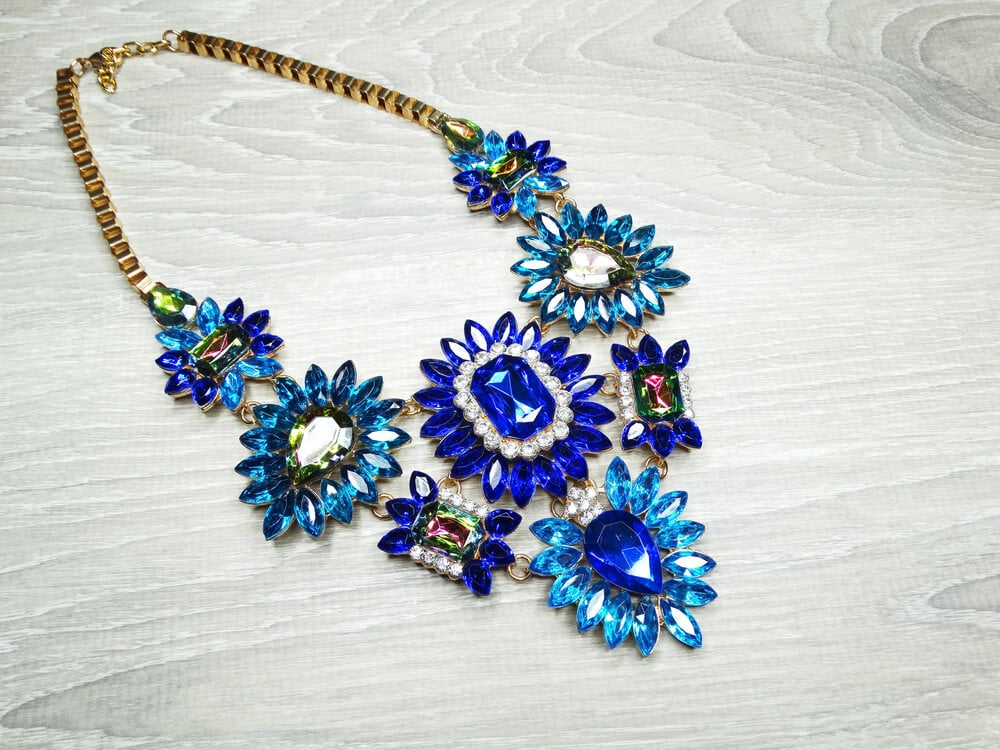
Stanley Hagler founded his company in 1953 and became known for hand-wired pieces built from Murano glass flowers, seed pearls, and crystals. Designer Ian St. Gielar worked with Hagler and continued the style under his own name after Hagler’s death.
Signed pieces trade at several hundred dollars, and elaborate necklaces reach higher. The mark usually appears on an oval plaque.
Collectors examine the wiring and the glass elements, since broken petals and loose beads are common. Missing elements and damaged wiring lower value, and repairs are difficult to do invisibly on such detailed work.
Kenneth Jay Lane Designs
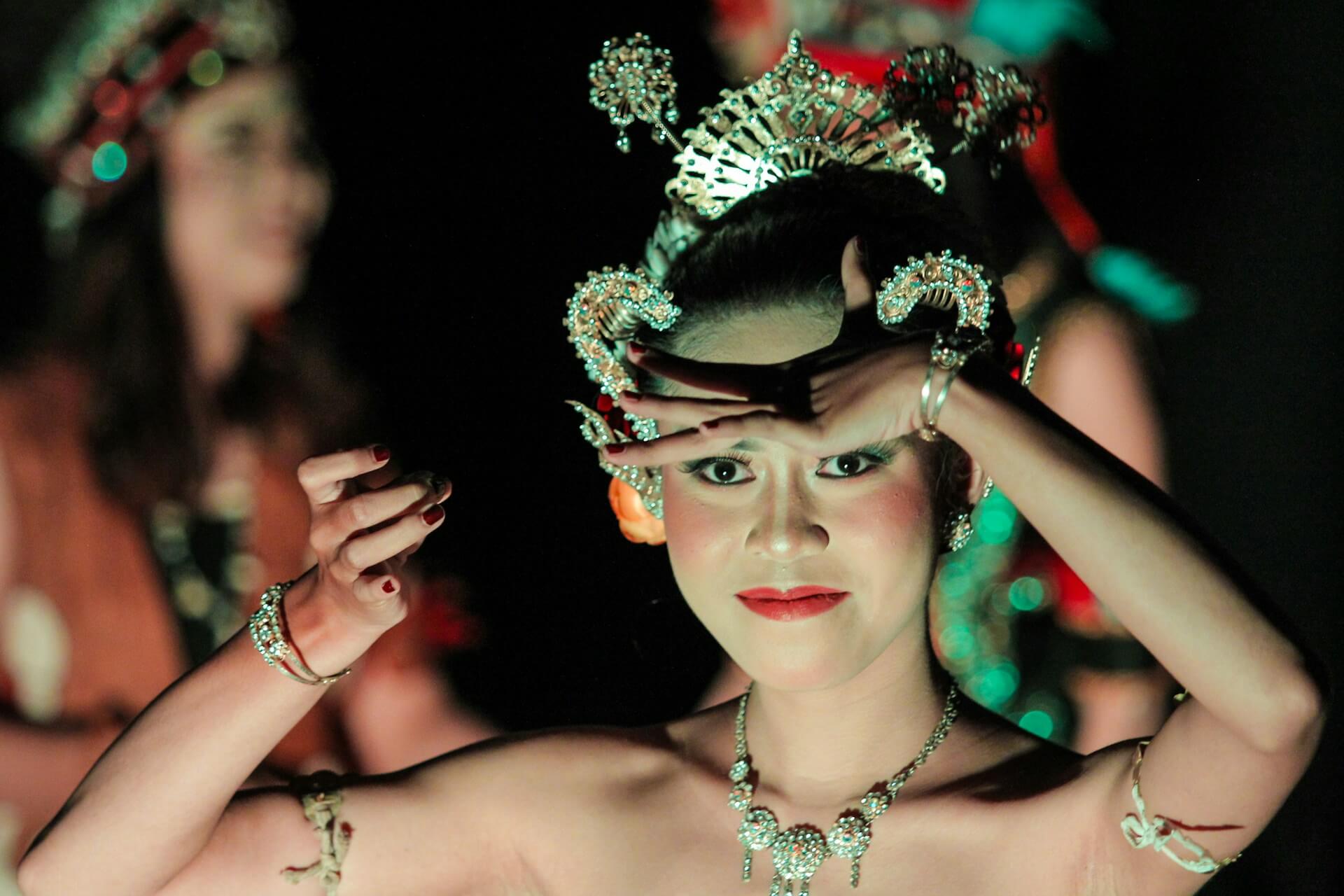
Kenneth Jay Lane began designing jewelry in 1963 after working in shoe design, and his bold pieces were worn by Jacqueline Kennedy Onassis, Audrey Hepburn, and Barbara Bush. His triple-strand faux pearls became famous after Barbara Bush wore them to the 1989 inauguration.
Signed pieces from the 1960s and 1970s, marked K.J.L. or Kenneth Jay Lane, trade at 50 to several hundred dollars. Early pieces with Indian and Egyptian influences bring the most.
Later pieces sold on television are more common and worth less. Missing stones, worn plating, and damaged enamel lower value.
Christian Dior Costume Jewelry

Christian Dior licensed his name to costume jewelry makers beginning in the 1950s, including Mitchel Maer in London, Kramer in New York, and Henkel and Grosse in Germany. Pieces made by Henkel and Grosse often carry a stamped year, which makes them easy to date.
Signed Dior brooches and necklaces trade at several hundred dollars, and early pieces from the 1950s bring more. Collectors check the mark and the maker.
Missing stones, worn gold plating, and replaced clasps lower value. Aurora borealis rhinestones, developed by Swarovski with Dior in the mid-1950s, appear on many pieces.
Chanel Gripoix Glass
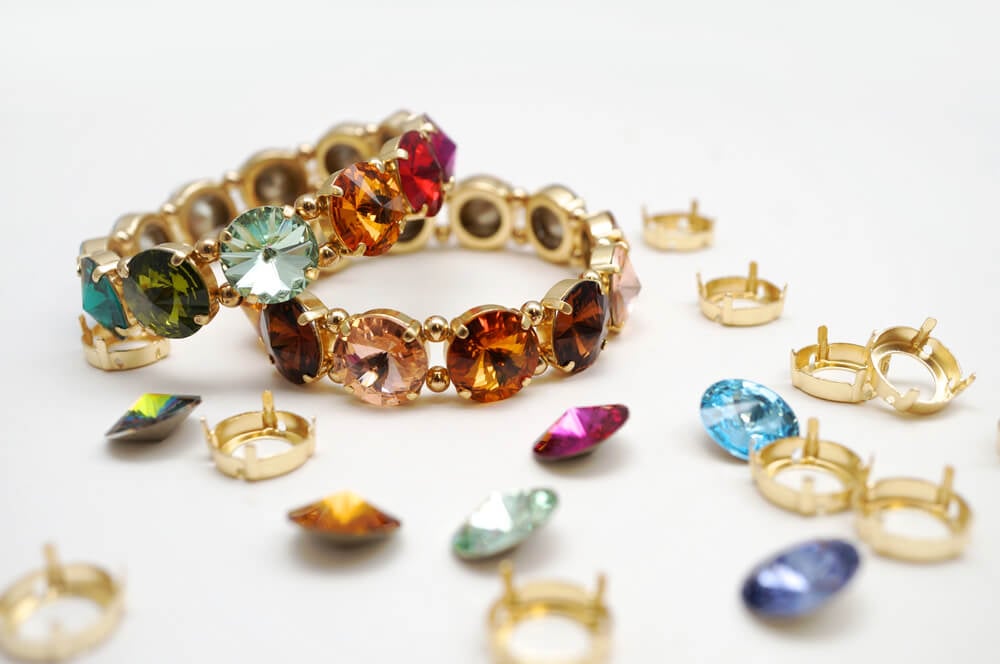
Chanel worked with the Paris firm Gripoix, which specialized in poured glass, a technique that fills metal settings with molten colored glass to create the look of gemstones. Chanel pieces with Gripoix glass, especially from the 1950s through the 1980s, trade at several hundred to several thousand dollars.
The glass is fragile and chips easily, and chips lower value significantly. Collectors check the Chanel mark, the construction, and the glass quality.
Counterfeits are common, so provenance and expert evaluation matter. Worn gold plating and replaced stones also reduce the price.
Schiaparelli Lava Stones
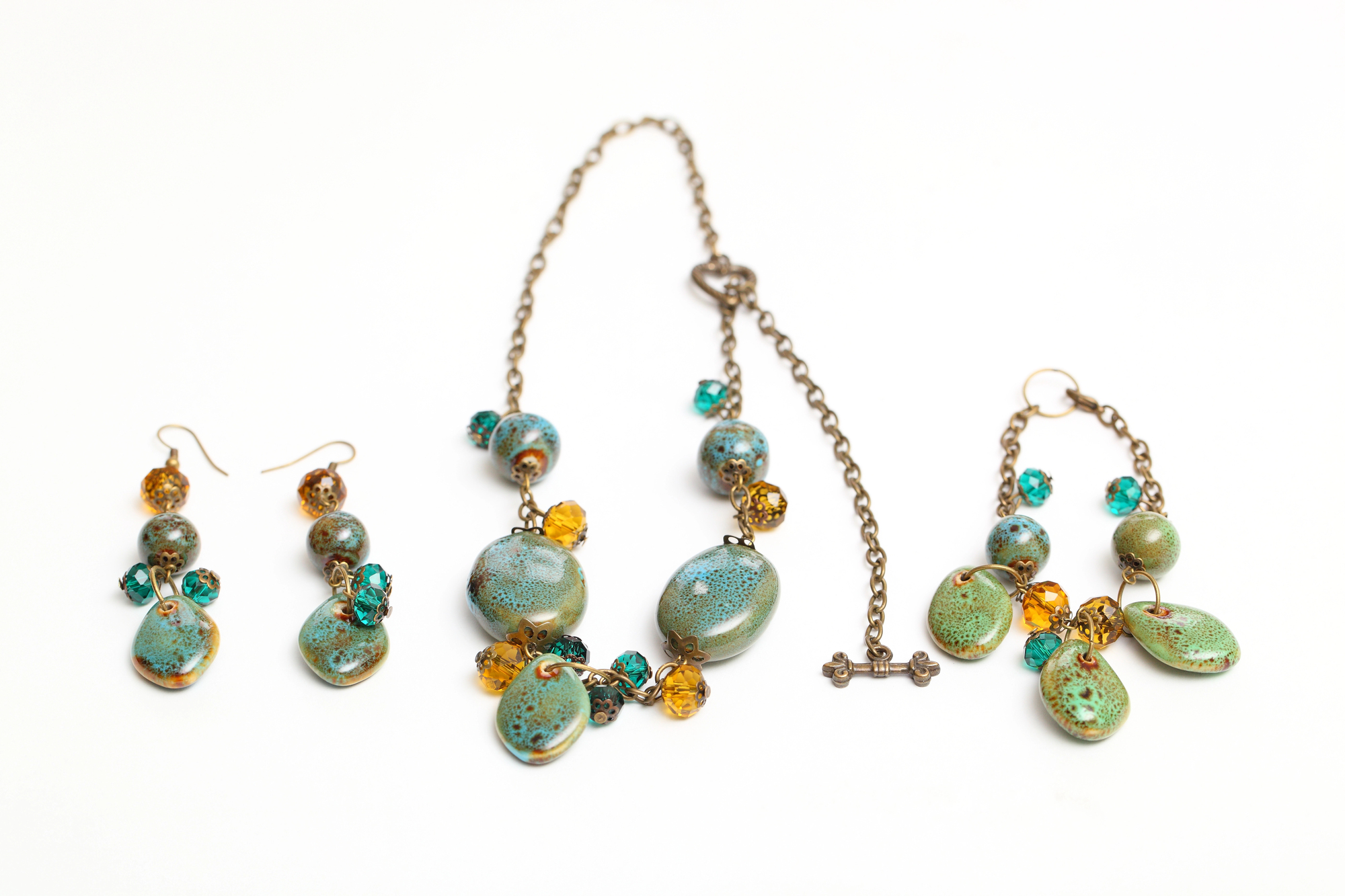
Elsa Schiaparelli, the Paris designer famous for surrealist fashion, licensed costume jewelry in the United States from the late 1940s into the 1970s. These pieces often feature lava rock stones, which have a textured, bubbly surface, along with aurora borealis rhinestones in unusual colors.
Signed Schiaparelli pieces trade at several hundred dollars, and elaborate parures reach higher. The mark appears in script on the back.
Collectors check for missing stones and damaged settings. Dull stones, worn plating, and replaced elements lower value, and complete sets with matching earrings bring the most.
Rhinestone Christmas Tree Pins
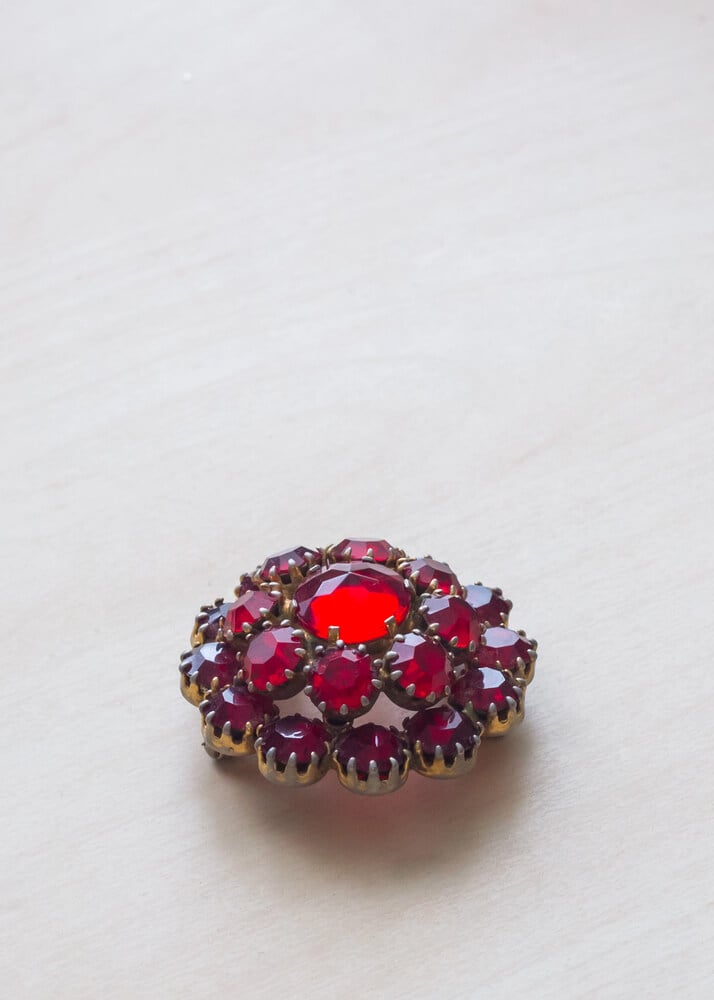
Rhinestone Christmas tree pins became popular in the 1950s and 1960s, and many costume jewelry makers produced them. Signed pieces from Eisenberg, Weiss, Stanley Hagler, and other major names trade at 50 to several hundred dollars.
Collectors look for unusual designs, colored stones, and pieces with candle or ornament details. Unsigned trees sell for much less.
Missing stones and worn plating lower value. The pins are seasonal, so demand peaks every November, and dealers often hold them until fall to sell.
A tree with every stone intact and bright plating sells within days in December.
Czech Glass Filigree
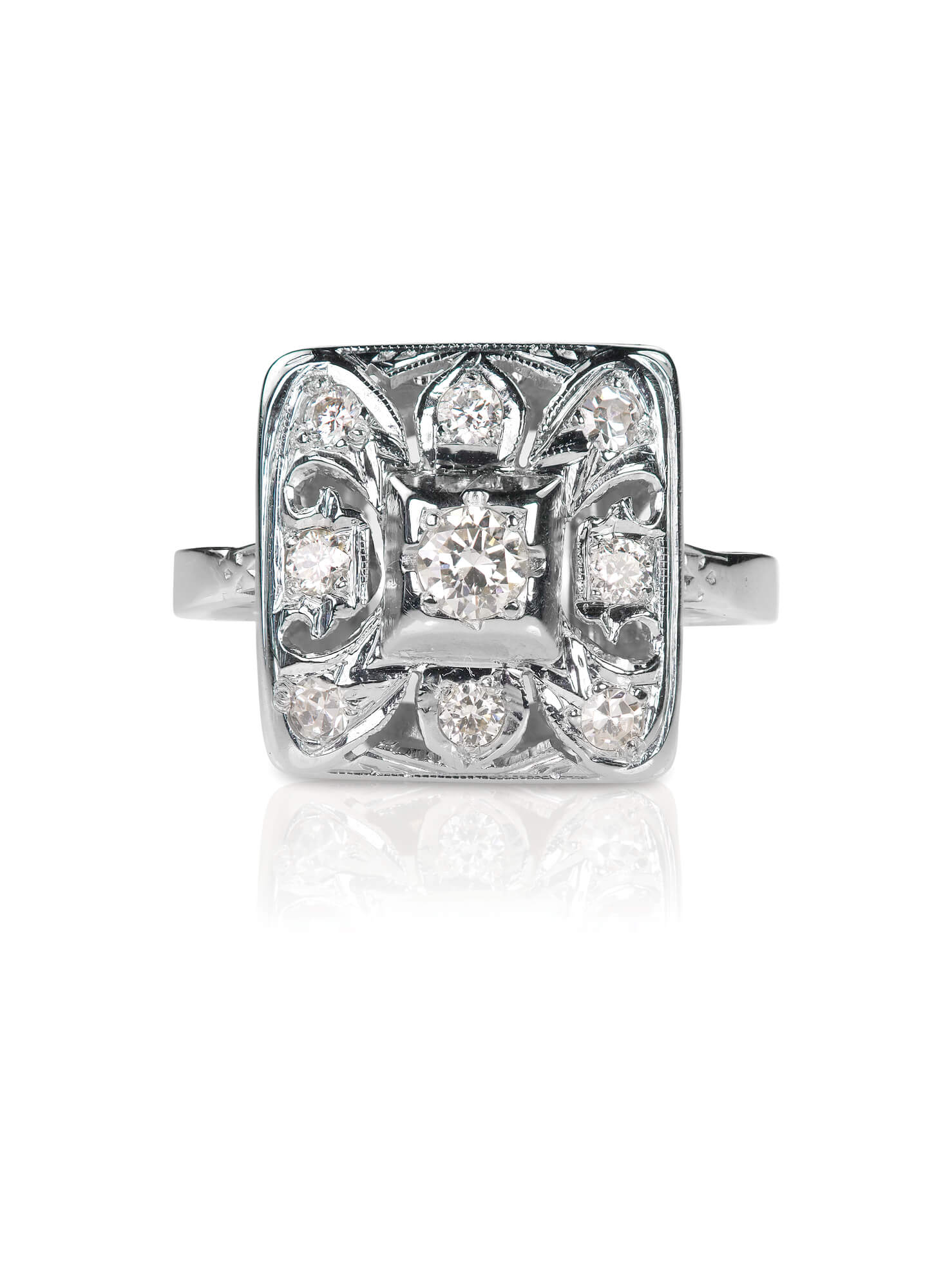
Before World War II, the region around Jablonec nad Nisou in Czechoslovakia produced glass beads and jewelry sold around the world. Pieces from the 1920s and 1930s often combine brass filigree with colored glass stones and are marked Czechoslovakia on the clasp or back.
These pieces trade at 50 to several hundred dollars, with elaborate necklaces and brooches bringing the most. Collectors look for the country mark, since it dates the piece to the interwar period.
Missing stones, broken filigree, and corrosion on the brass lower value.
Nettie Rosenstein Pieces
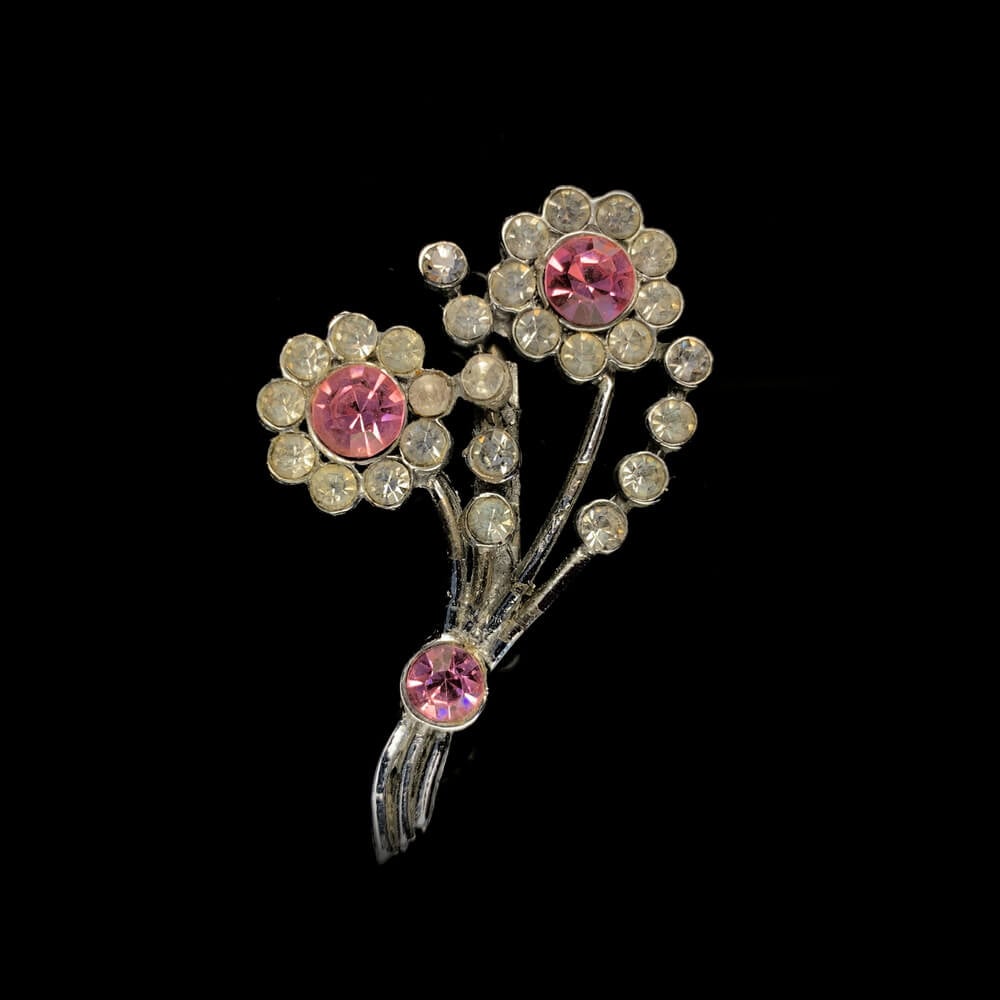
Nettie Rosenstein was a New York dress designer who won a Coty Award in 1947 and sold jewelry to accompany her clothing. Her pieces from the 1940s, often in sterling silver with gold wash, feature figural designs with enamel and rhinestones.
Signed pieces trade at several hundred dollars, and rare figural brooches reach higher. The mark appears on the back.
Collectors check for worn gold wash, missing stones, and chipped enamel. Rosenstein’s work is scarcer than many other designer names, which keeps demand steady.
Her figural brooches from the war years are the most sought after.
McClelland Barclay Pieces
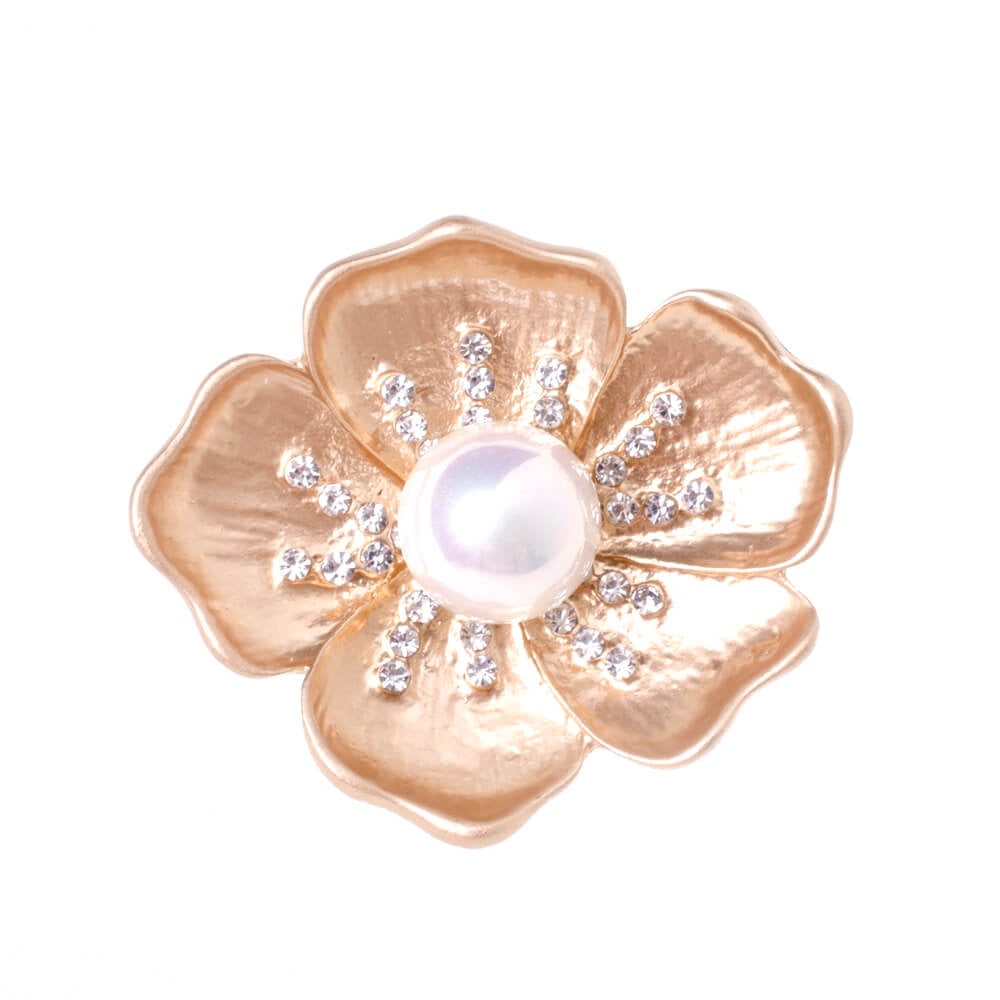
McClelland Barclay was a successful illustrator best known for the Fisher Body Girl advertisements before he turned to jewelry design in the late 1930s. His pieces, produced from about 1938 to 1943, show strong Art Deco lines in rhinestones and gold plate.
Barclay joined the Navy during World War II and was lost in 1943 when his ship was torpedoed in the Pacific. His short career makes signed pieces scarce, and they trade at several hundred dollars.
Missing stones and worn plating lower value. Collectors check the signature, which appears on the back.
Pennino Brothers Pieces
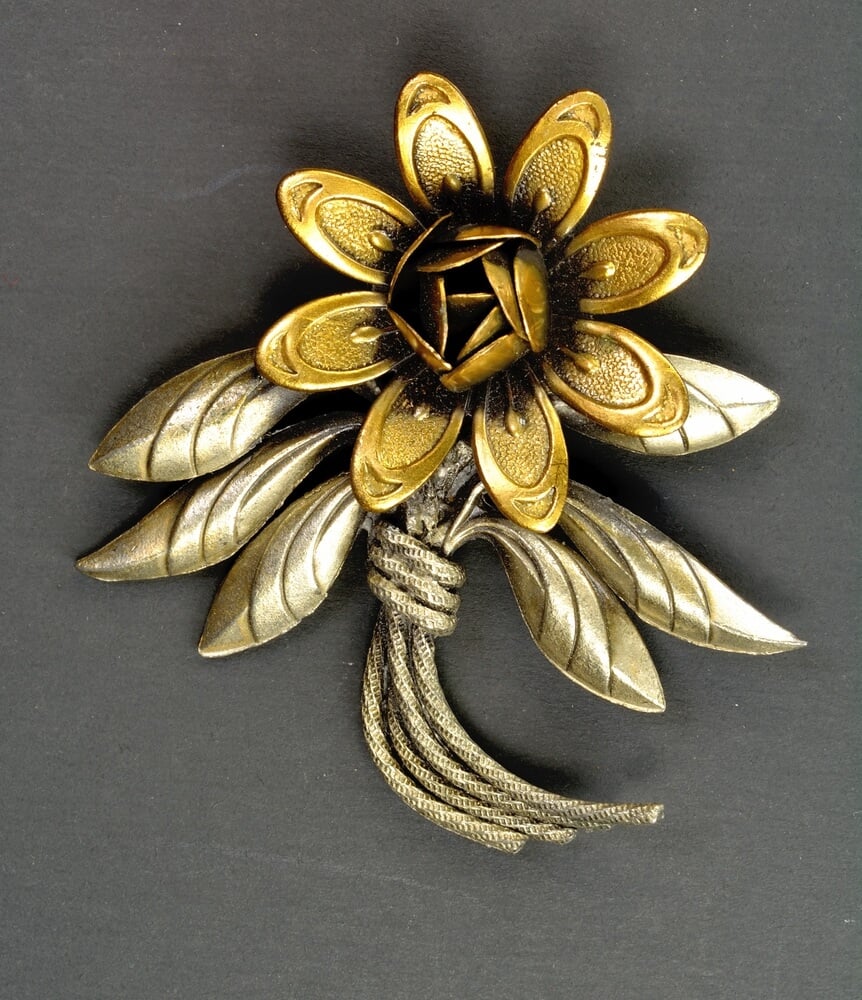
The Pennino brothers operated in New York from the 1920s to the 1960s and produced costume jewelry known for delicate floral designs with pastel stones. Their pieces from the 1940s, often in sterling with gold wash, are the most valued.
Signed pieces trade at several hundred dollars, and large brooches reach higher. The mark appears on the back.
Collectors check for missing stones, worn gold wash, and damaged settings. The company produced fewer pieces than larger makers, which keeps them scarce on the market.
Matching brooch and earring sets turn up only rarely.
Hollycraft Pieces Stamped With a Year
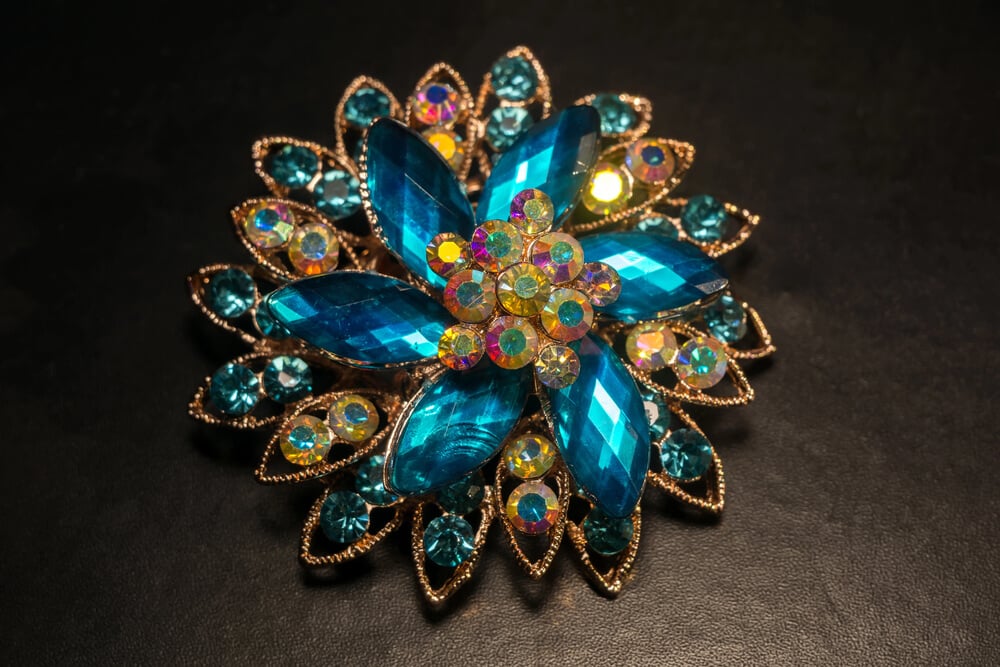
Hollycraft, which operated from the 1930s through the 1970s, is known for pieces with pastel rhinestones in antiqued gold settings. Many Hollycraft pieces from the 1950s carry a stamped year alongside the mark, which makes dating easy and adds to their appeal.
Brooches, necklaces, and earrings trade at 50 to several hundred dollars, with complete parures bringing the most. Collectors check for missing stones and worn antique finish.
Christmas tree pins by Hollycraft are particularly popular. Damaged settings and dull stones lower value, and a piece missing its dated mark is harder to sell at the top of the range.
Art Deco Marcasite in Sterling
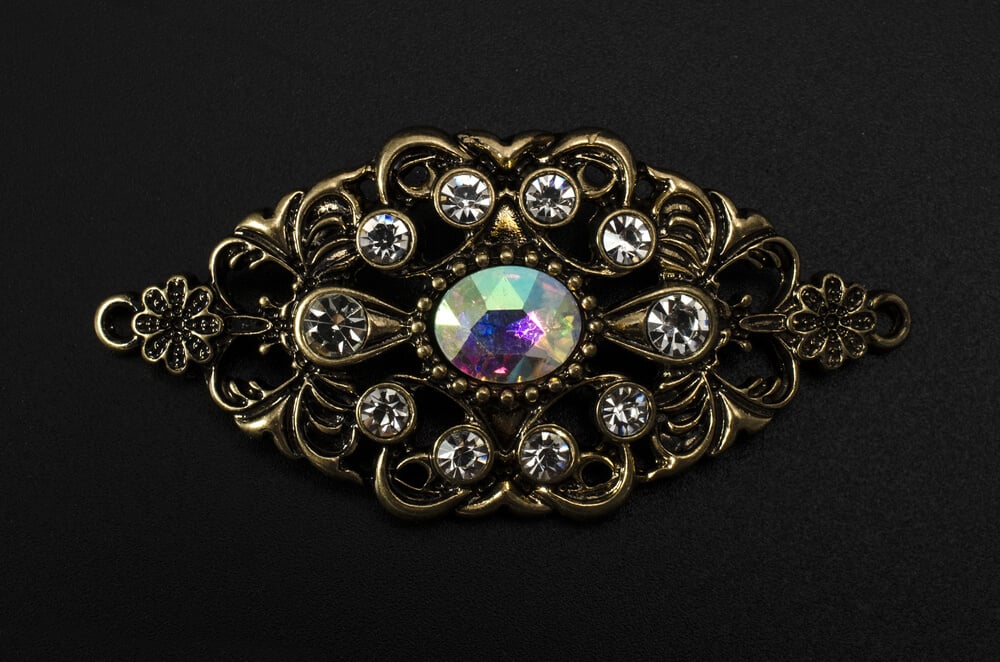
Marcasite jewelry, made from small faceted pyrite stones set in sterling silver, was popular in the 1920s and 1930s for its subtle sparkle. Art Deco brooches, clips, and watches with marcasite and onyx or chrysoprase trade at 50 to several hundred dollars.
Pieces by Theodor Fahrner, the German maker, bring the most, reaching into four figures. Collectors check for missing marcasites, which are common, and for sterling marks.
Replaced stones and damaged settings lower value. Heavy tarnish can be cleaned, but polishing that removes detail reduces the price.
Glitter With a Pedigree
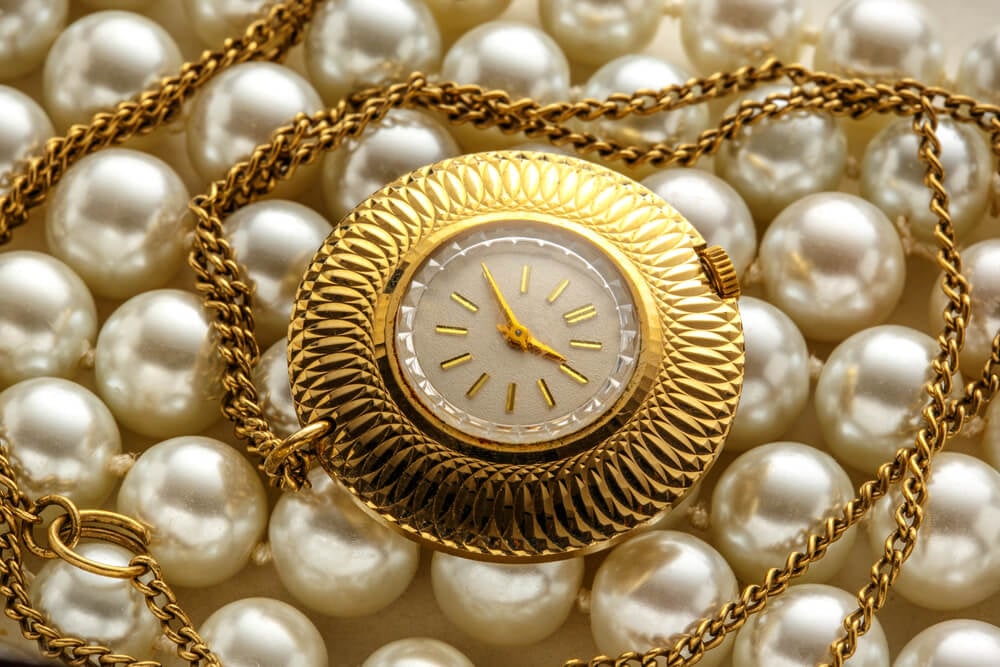
Costume jewelry was meant to be temporary, bought to match a single dress or a single season. The best of it was designed by people who had trained in fine jewelry, and the quality shows decades later.
A signature on the back turns a pretty piece into a collectible one. Grandmothers who kept these pieces were not thinking about resale.
They kept them because the jewelry reminded them of a party, a dress, or a person. That same memory is part of what collectors pay for now, even when they never knew the woman who wore it.
More from Go2Tutors!

- The Romanov Crown Jewels and Their Tragic Fate
- 13 Historical Mysteries That Science Still Can’t Solve
- Famous Hoaxes That Fooled the World for Years
- 15 Child Stars with Tragic Adult Lives
- 16 Famous Jewelry Pieces in History
Like Go2Tutors’s content? Follow us on MSN.