Untold Facts About the World’s Deserts
When you think of deserts, your mind probably conjures images of endless sand dunes baking under a relentless sun. Sure, that’s part of the story, but deserts are far more diverse and surprising than most people realize. From frozen wastelands that hold most of Earth’s freshwater to ancient landscapes that mirror Mars, these arid regions challenge everything you thought you knew about dry places.
Deserts cover roughly one-third of our planet’s land surface, and they exist on every continent except Europe. Here is a list of 15 fascinating and lesser-known facts about these extraordinary environments.
Antarctica is the World’s Largest Desert

Most people would never guess that the coldest place on Earth is also technically a desert. Antarctica spans about 5.5 million square miles, making it significantly larger than the Sahara. The key factor isn’t temperature but precipitation—Antarctica receives less than 2 inches of rain per year in its interior regions.
The snow that falls there rarely melts, instead compressing into massive ice sheets that trap 90% of the planet’s freshwater.
Only About 20% of Deserts Are Sandy

Forget the Hollywood version of deserts with rolling sand dunes stretching to the horizon. Most deserts are actually covered with rocks, gravel, or even ice. Sandy areas, called ‘ergs’, make up just a small fraction of the world’s arid lands.
The rest feature rocky plateaus, called ‘hamadas’, pebble-covered plains known as ‘regs’, and various other terrains that would surprise anyone expecting pure sand.
The Atacama Desert Has Areas Where Rain Has Never Been Recorded

Chile’s Atacama Desert holds the title of the driest place on Earth. Some sections of this coastal desert haven’t seen rainfall since humans started keeping records. Scientists believe certain parts have been in extreme drought conditions for over 40 million years.
Yet somehow, around one million people call this area home, tapping into underground aquifers and snowmelt streams to survive.
Desert Temperatures Can Swing Wildly in a Single Day
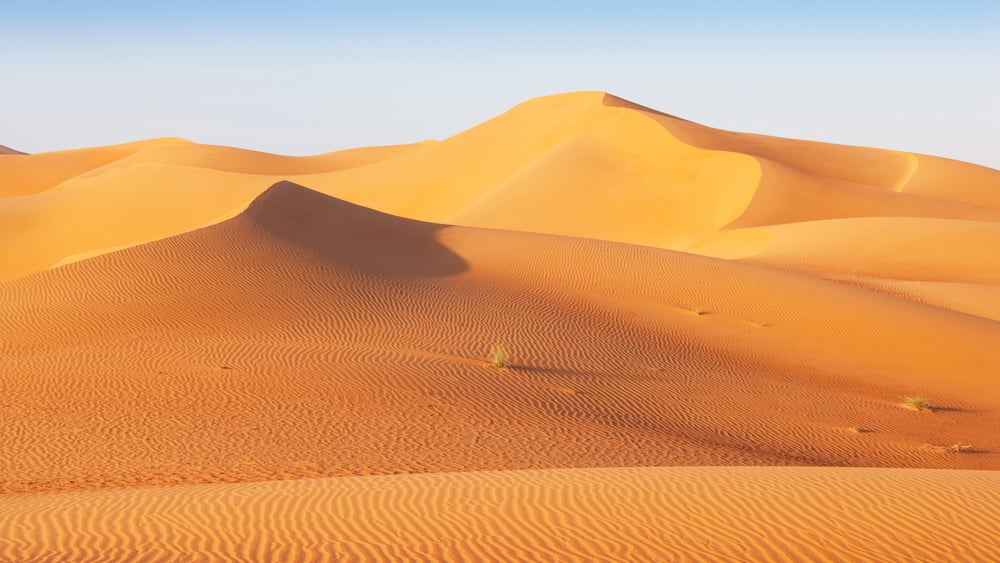
Deserts don’t just get hot—they also get surprisingly cold. The Chihuahuan Desert can hit temperatures above 100°F during the day, then plummet below freezing at night. This happens because dry air can’t hold heat like humid air does.
Without that moisture acting as a natural insulator, the ground releases its warmth rapidly after sunset, creating temperature swings of 50 degrees or more within 24 hours.
The Gobi Desert Hosts Dinosaur Fossils and Grows Every Year
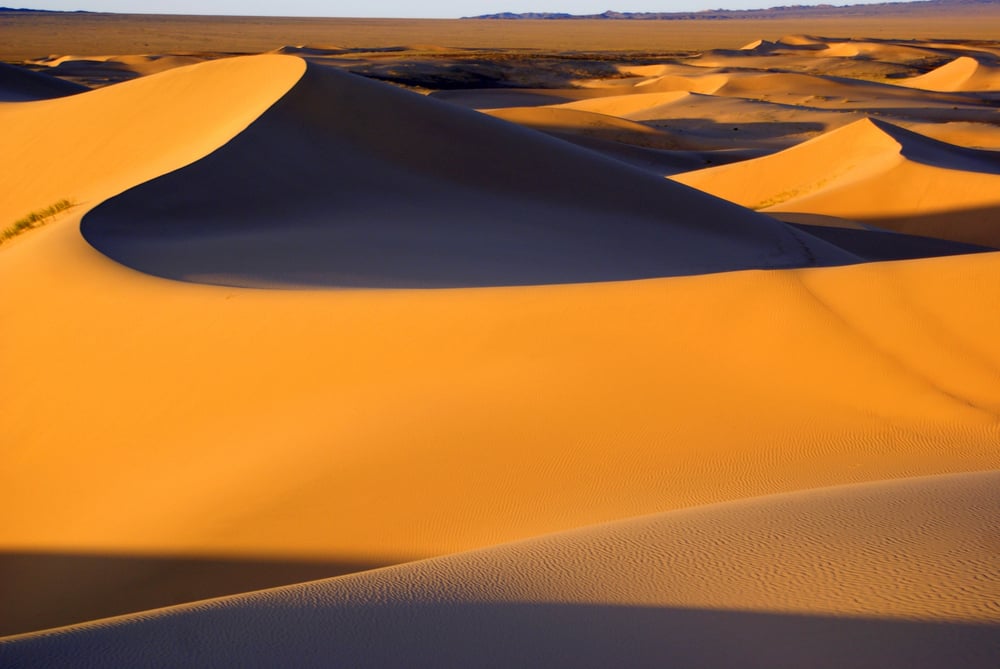
The Gobi Desert gave the world its first confirmed dinosaur eggs, discovered in 1923 at the famous Flaming Cliffs. But this cold desert isn’t just about ancient history—it’s actively expanding southward into China at a rate of about 1,400 square miles annually.
Human activities like overgrazing and deforestation are accelerating this process, prompting China to plant a ‘Great Green Wall’ of trees to combat desertification.
Sahara Dust Travels Across the Atlantic Ocean

The Sahara doesn’t keep its sand to itself. Powerful windstorms can hurl dust particles high into the atmosphere, where they ride air currents all the way across the Atlantic.
Sometimes this African dust makes it to Florida, where it can tint sunsets an unusual yellow color. These dust storms can reach heights of over a mile and become so thick that visibility drops to near zero.
Camels Store Fat, Not Water, in Their Humps
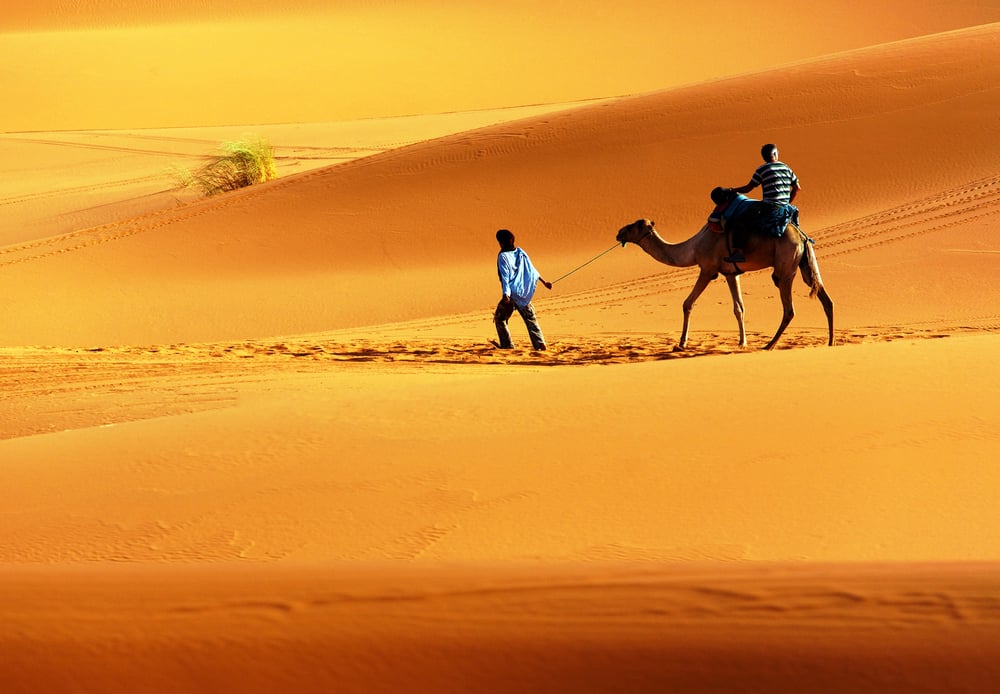
It’s one of the most common misconceptions about desert animals. Camel humps don’t hold water—they’re filled with fatty tissue that can be metabolized into energy and water when food is scarce. A healthy camel can drink up to 40 gallons of water in one session, but it stores that hydration in its bloodstream and body tissues, not in its hump.
The hump shrinks when the camel goes without food, then plumps back up after it eats.
Some Desert Sand Dunes Sing or Hum

The Khongor sand dunes in the Gobi Desert are known as the ‘Singing Dunes’ because they produce a low humming or booming sound under certain conditions. Scientists aren’t entirely sure what causes it, but the prevailing theory involves the way sand grains slide over each other.
Similar singing sands have been found in other deserts worldwide, each with its own unique pitch and tone.
The Atacama Desert’s Soil Resembles Martian Soil
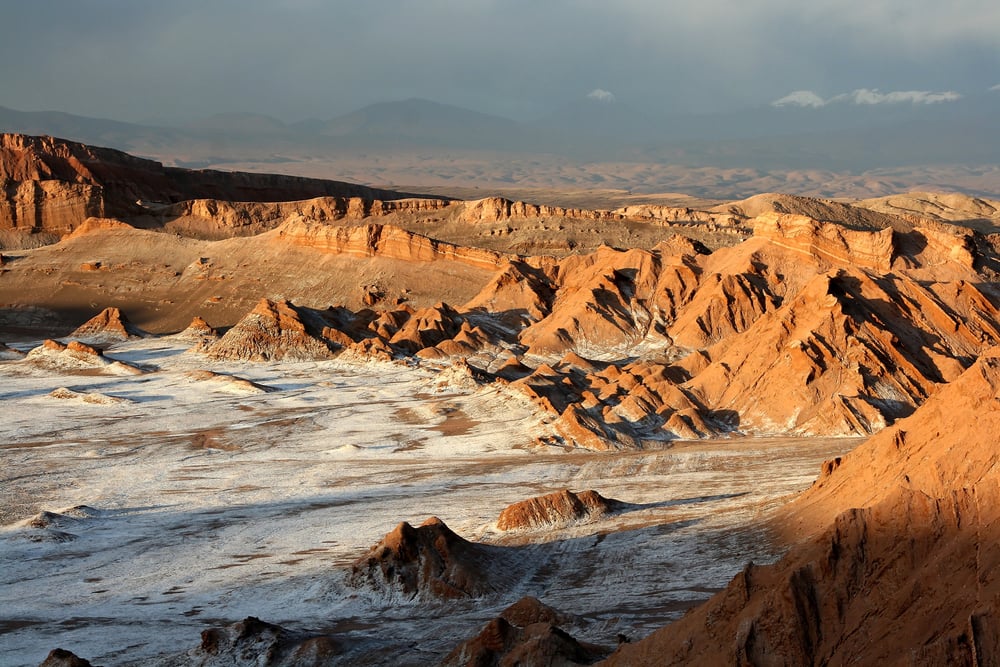
NASA scientists have used the Atacama as a testing ground for Mars rovers because the soil composition there is remarkably similar to samples collected from the Red Planet. The extreme aridity and harsh conditions make it one of the best Earth-based analogs for Martian environments.
Some areas are so devoid of microbial life that they mirror what scientists expect to find on Mars.
Deserts Experience ‘Super Blooms’ After Rare Rains
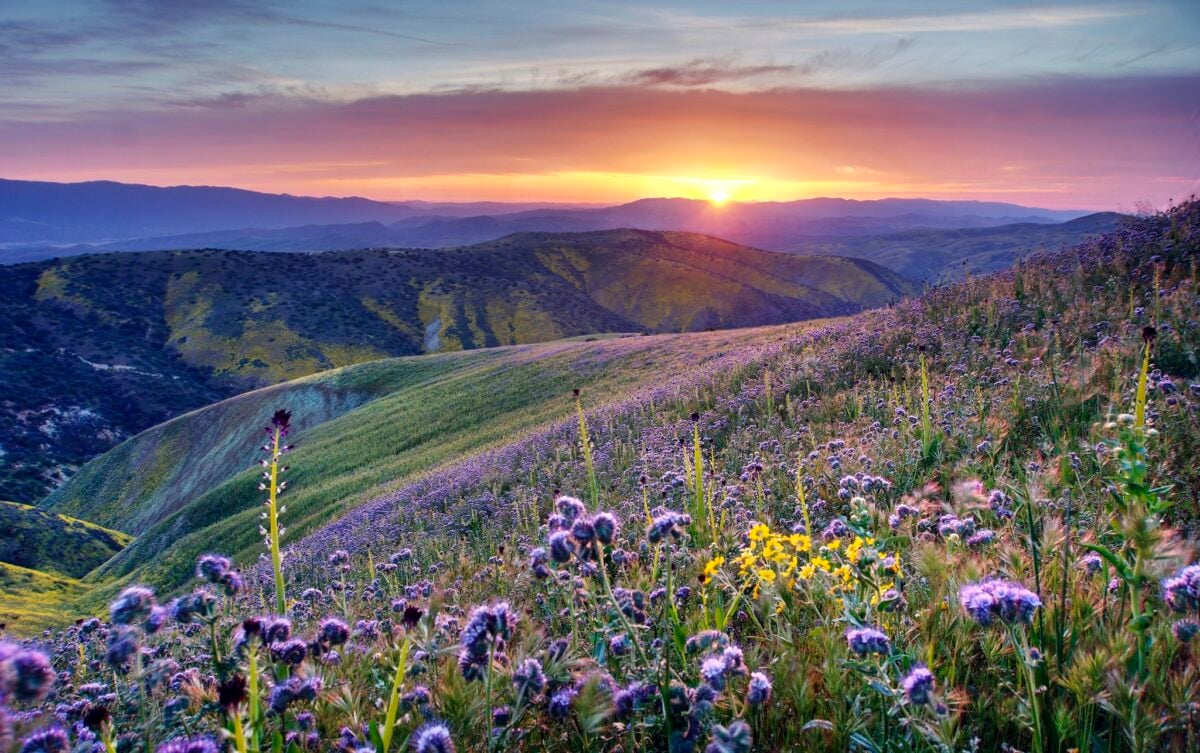
When unusual weather patterns bring rain to normally bone-dry deserts, something magical happens. Within weeks, the barren landscape explodes with wildflowers in a phenomenon called a super bloom.
Even the Atacama Desert, which might go decades without rain, can transform into a carpet of colorful blooms. Seeds lie dormant in the soil for years, waiting for just the right moment to spring to life.
The Antarctic Interior Is Drier Than the Sahara
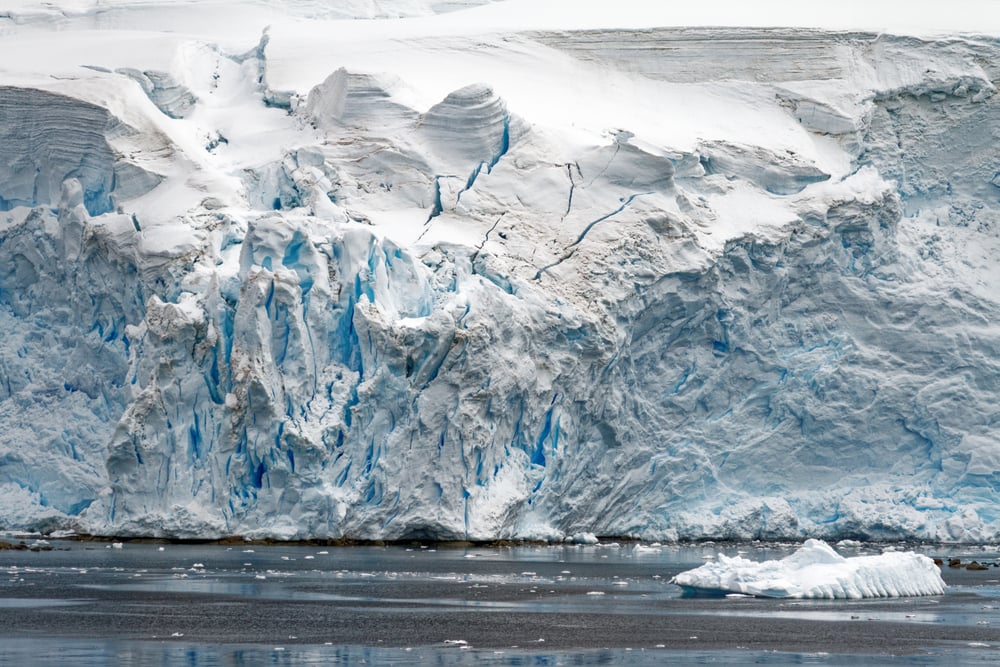
While the Sahara receives minimal rainfall, parts of Antarctica’s interior are even drier, getting less than 2 inches of precipitation annually. The McMurdo Dry Valleys in Antarctica are considered the driest place on the planet, with some areas having been without rain for nearly two million years.
These valleys are so harsh that they’re used to study how life might survive in extraterrestrial environments.
Polar Bears and Penguins Live in Desert Climates

The Arctic polar desert is home to polar bears, Arctic foxes, and numerous seal species. Meanwhile, Antarctica’s coastal regions support massive penguin colonies. These creatures have adapted to thrive in cold desert conditions where precipitation is scarce and temperatures are brutal.
The Arctic polar desert covers about 5.4 million square miles across the northernmost parts of several continents.
Lake Chad Is the Only Freshwater Lake in the Sahara

In a region defined by its lack of water, Lake Chad stands as a remarkable exception. This freshwater lake sits in the middle of the Sahara Desert and serves as a vital water source for millions of people across four countries.
The lake’s size fluctuates dramatically with the seasons and has been shrinking over recent decades due to climate change and increased water usage.
Desert Winds Can Reach Hurricane Speeds
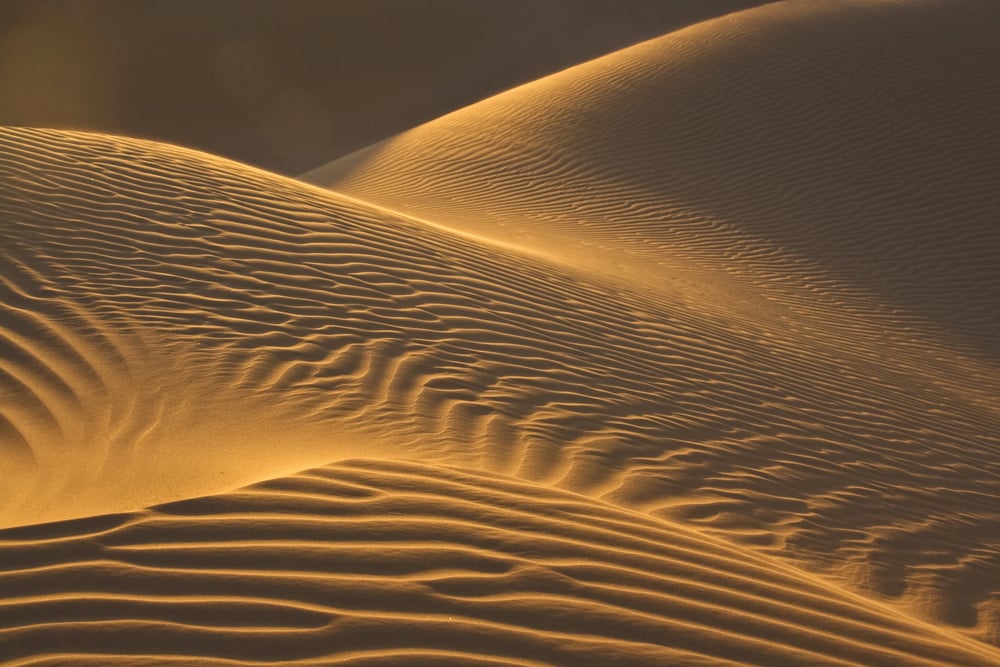
Katabatic winds in Antarctica can exceed 60 miles per hour and sustain those speeds for extended periods. In other deserts, dust storms can whip winds up to similar velocities, carrying sand and dust across continents.
These powerful winds sculpt the landscape, creating unique rock formations, polished canyons, and the iconic dunes that actually do exist in some desert regions.
Europe Is the Only Continent Without Major Deserts

While deserts blanket significant portions of Africa, Asia, the Americas, Australia, and even Antarctica, Europe has managed to avoid them entirely. Spain does have a small semi-arid area called Tabernas, sometimes called Europe’s only desert, but it doesn’t meet the technical definition.
Europe’s climate patterns and geographical position have spared it from developing the large-scale arid regions found elsewhere.
Where Earth’s Extremes Teach Us About Life

Deserts have witnessed the rise and fall of ancient civilizations, preserved fossils from eras long past, and continue to expand or contract based on human activity and climate patterns. These landscapes aren’t static wastelands—they’re dynamic ecosystems that host surprising biodiversity and offer crucial insights into our planet’s past and future.
As climate change reshapes our world, understanding these extreme environments becomes more important than ever. The deserts remind us that life finds a way, even in the harshest conditions imaginable.
More from Go2Tutors!

- The Romanov Crown Jewels and Their Tragic Fate
- 13 Historical Mysteries That Science Still Can’t Solve
- Famous Hoaxes That Fooled the World for Years
- 15 Child Stars with Tragic Adult Lives
- 16 Famous Jewelry Pieces in History
Like Go2Tutors’s content? Follow us on MSN.