27 Things Kids Kept in Their Backpacks Decades Ago
A school backpack used to be a small museum of its era. Zip one open from 1975 or 1992 and the contents would date it almost to the year.
Some of these items were required supplies, and others were contraband that teachers confiscated on sight. Plenty of them were both, depending on which teacher was asking.
Trapper Keeper With the Loud Velcro Flap
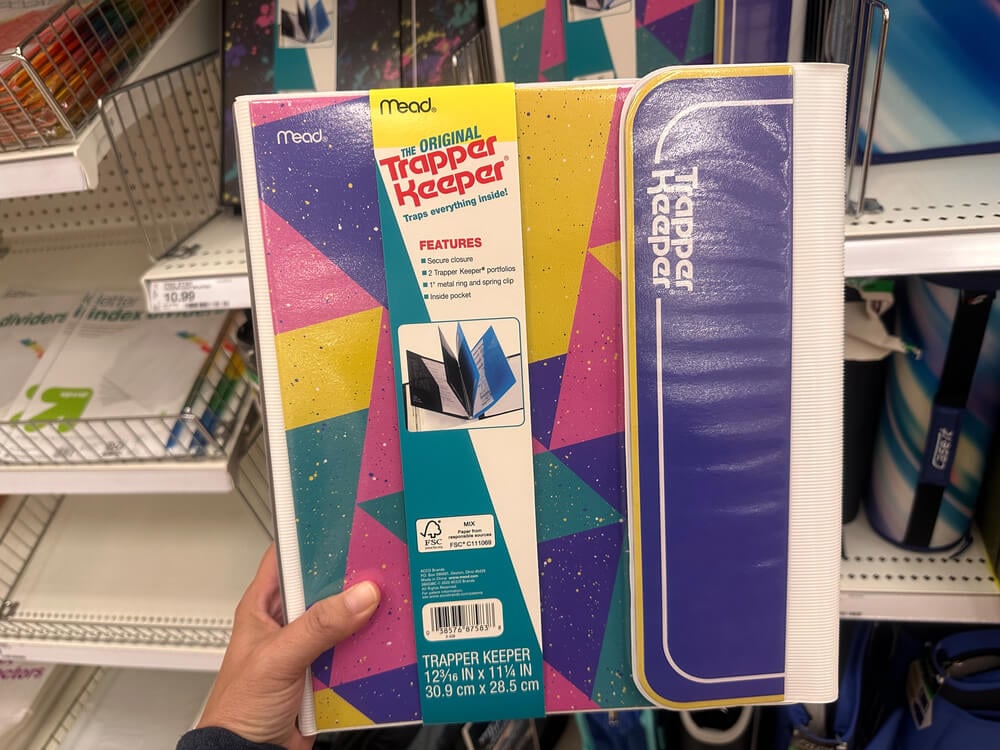
Mead test-marketed the Trapper Keeper in Wichita, Kansas, in 1978, and it quickly became the most coveted binder in American schools. Its folders, called trappers, held loose papers inside a three-ring keeper that closed with a snap or a strip of Velcro.
That Velcro tear echoed through quiet classrooms, and more than a few teachers came to dread it. Later designs featured sports cars, unicorns, neon geometry and airbrushed sunsets that kids chose with great care.
Mead says more than 75 million have been sold, and the company brought back the original design in 2021.
Pee-Chee Folders Covered in Doodles
Made by the Western Tablet and Stationery Company beginning in the 1940s, the Pee-Chee was a peach-colored portfolio printed with drawings of teenage athletes. Its inside pockets carried handy reference charts, including measurement conversions and multiplication tables.
Kids treated the folder as a sketchpad, adding mustaches, speech bubbles and elaborate graffiti to the printed figures. A heavily decorated Pee-Chee was practically a yearbook of its owner’s interests.
The folders were especially common in West Coast schools, and adults from those states still recognize the color immediately.
Lisa Frank Folders in Rainbow Neon
Lisa Frank founded her company in Tucson, Arizona, in 1979, and her art soon covered folders, stickers, pencils and notebooks. The designs featured rainbow leopards, dolphins leaping over sunsets and unicorns in saturated neon colors.
For many kids in the 1980s and 1990s, choosing a Lisa Frank folder was the most important decision of back-to-school season. Sticker sheets were traded, hoarded and arranged in albums with great seriousness.
Vintage pieces in unused condition now sell to collectors, with prices that depend on fading, creases and whether the stickers are still on the sheet.
Book Covers Made From Grocery Bags
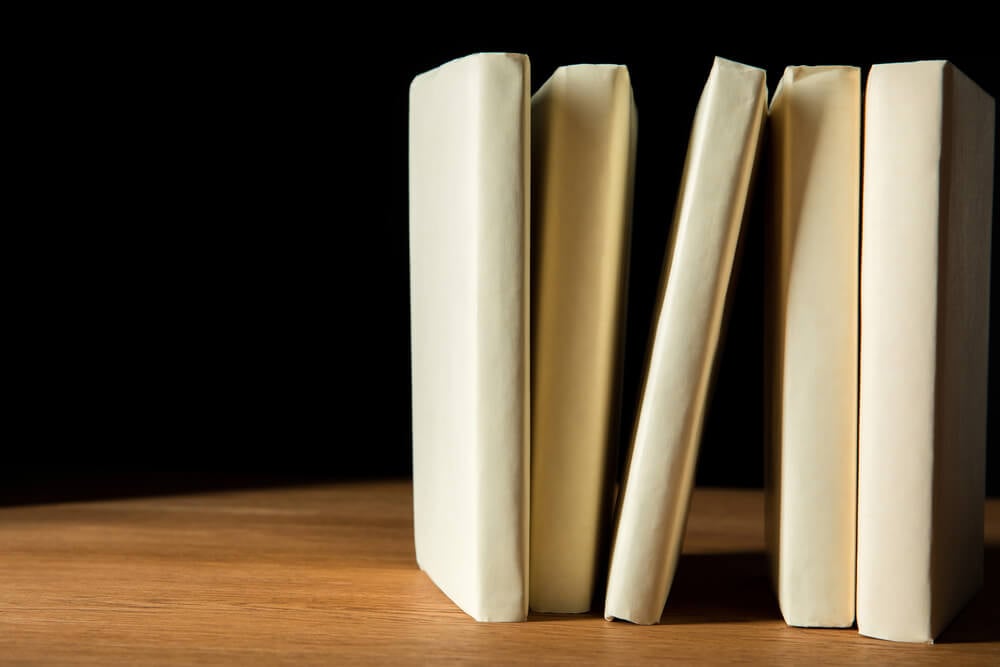
Many schools required textbooks to be covered, and the standard material was a brown paper grocery bag. Parents and kids cut the bag open, folded it around the book and tucked the flaps into the covers, a skill passed down like origami.
The plain brown surface then became a canvas for band names, doodles and the initials of crushes. Covering books protected school property that had to last for years and pass through many hands.
Stretchy fabric book covers eventually replaced the paper version, but nothing matched the satisfaction of a crisp, perfectly folded grocery bag cover.
Big Chief Writing Tablets

With its red cover and wide-ruled pages of rough, pulpy paper, the Big Chief tablet was a fixture of early elementary school for generations. The Western Tablet Company produced it beginning in the early twentieth century, and the cover featured a drawing of a Native American chief in a feathered headdress.
The paper was cheap and slightly gray, with visible flecks, and pencil marks tended to smudge across it. Kids practiced their letters between the widely spaced lines.
The tablet’s coarse texture and that distinctive red cover remain instantly familiar to anyone who learned to print on one.
Pink Pearl Erasers
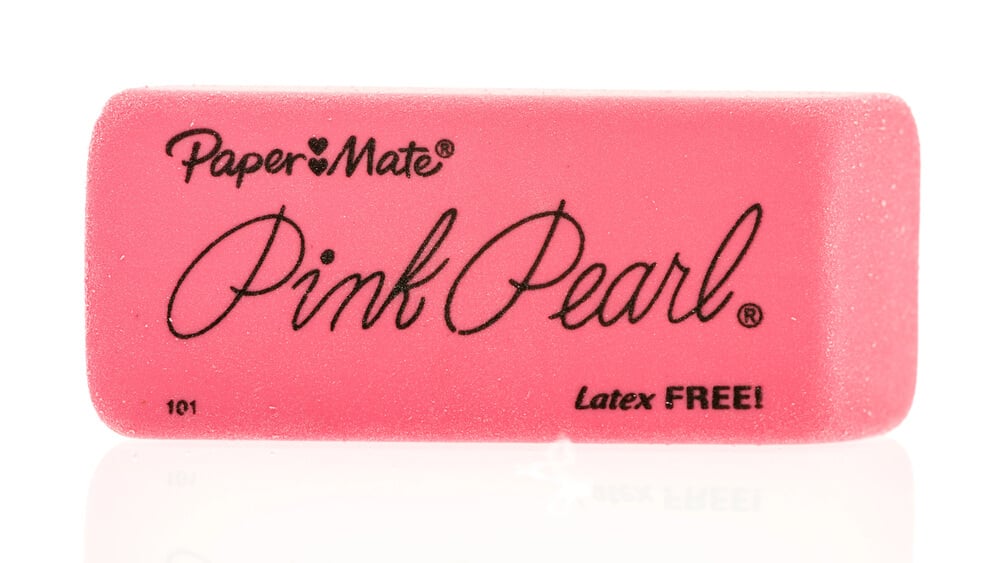
The Pink Pearl eraser, made by Eberhard Faber and sold for more than a century, was the standard rectangular eraser in American classrooms. Its slanted ends and rubbery pink body made it easy to grip, and it removed pencil marks without tearing most paper.
Kids also used them for less official purposes, carving initials into them, bouncing them across desks and slowly crumbling them into pink dust during long lectures. A brand-new Pink Pearl had a faint, clean smell that many people still remember.
Paper Mate now sells the line, and the design has barely changed.
Erasermate Pens and Their Promise
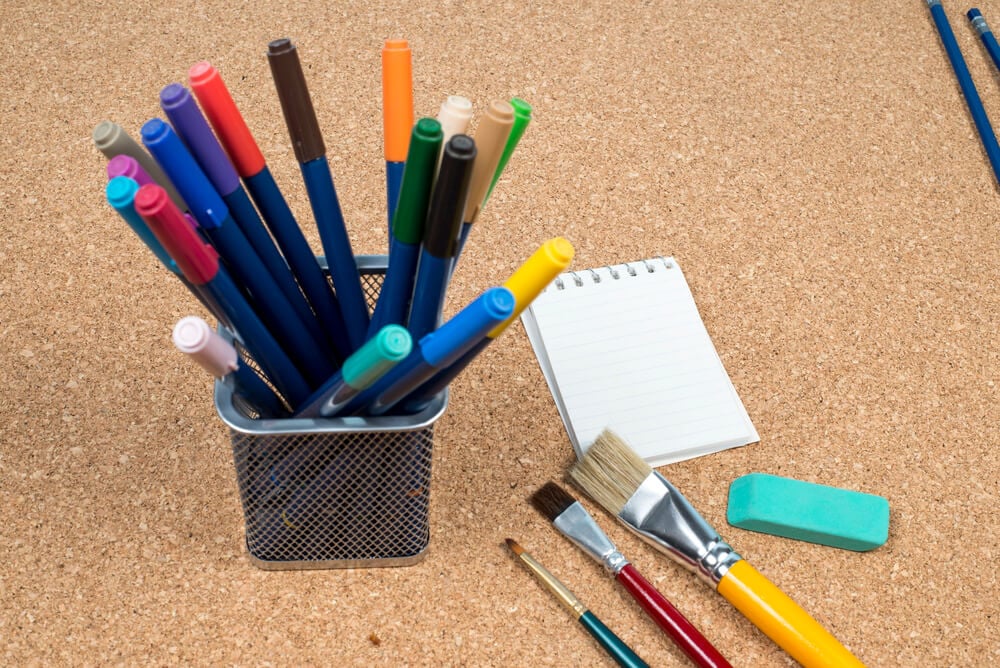
Paper Mate introduced the Erasermate in 1979, offering ink that could be erased, at least for a while. The pens came with a small eraser on the end that lifted fresh ink from the page before it fully set.
Kids loved the idea of correcting mistakes in pen, and teachers who required ink for assignments were not always pleased. The eraser worked best within a few hours of writing, and after that the results got messy.
The erasable ink also smeared easily on a sweaty hand, which left many left-handed students with blue-gray palms.
BIC Four-Color Pens
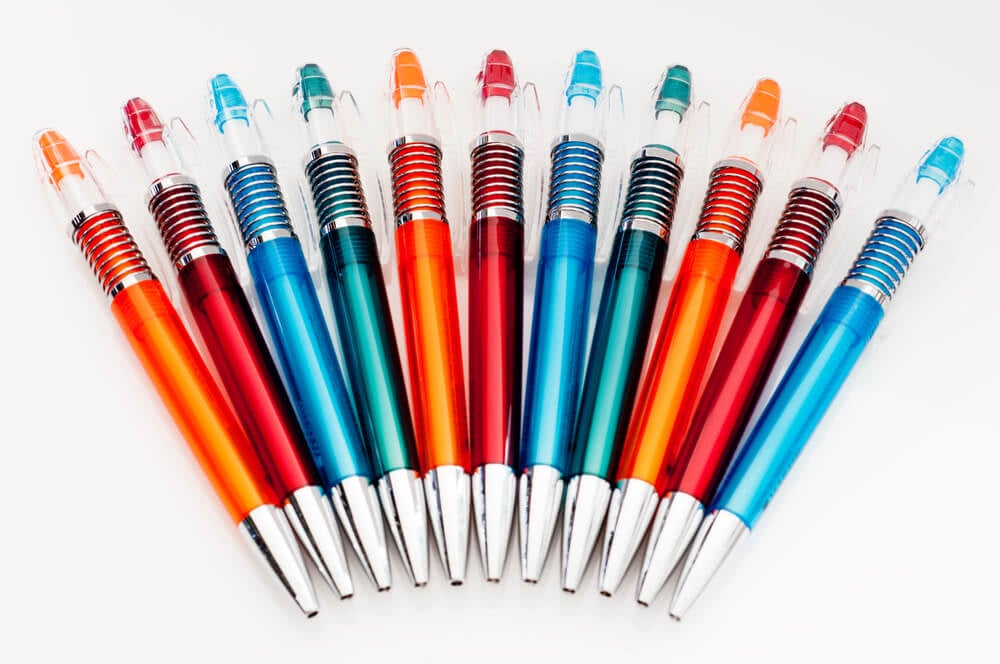
BIC introduced its four-color retractable pen in 1970, and kids found it irresistible. Each barrel held blue, black, red and green ink, selected by sliding a colored tab down the side.
Pressing two tabs at once to see what would happen was nearly universal, and it occasionally jammed the mechanism. The clicking became a classroom soundtrack, especially during tests.
Students used the different colors to organize notes, highlight vocabulary words or simply decorate the margins. The pen is still sold today, and its chunky barrel looks almost exactly the same.
Mr. Sketch Scented Markers
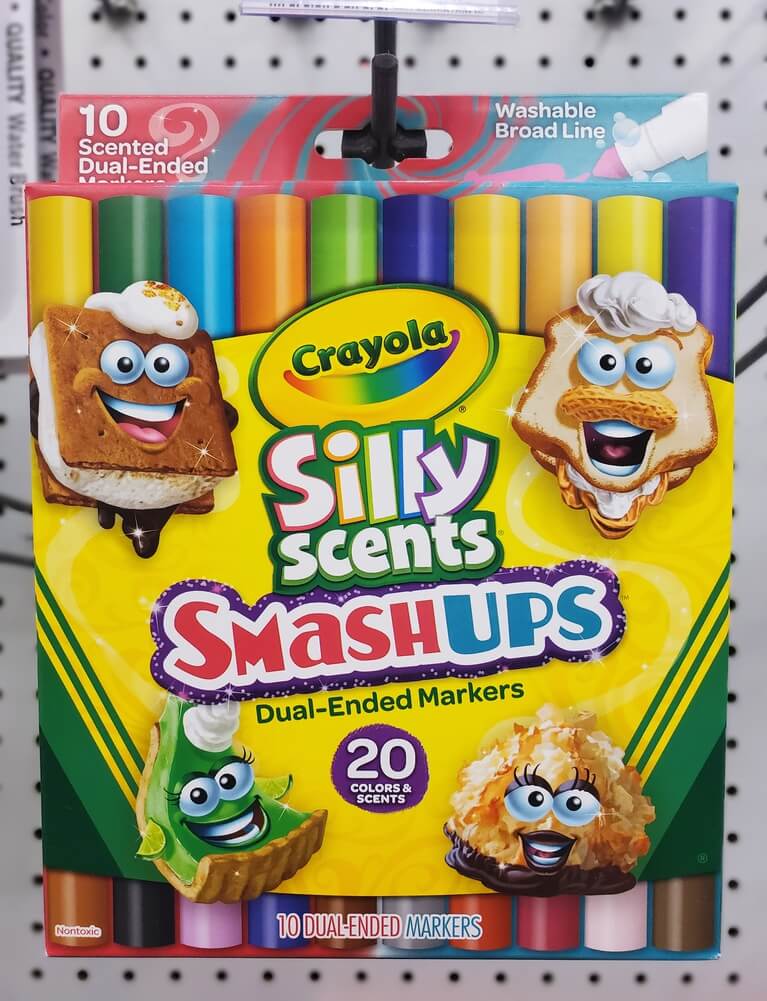
Mr. Sketch scented markers have been around since the 1960s, and each color came with a matching smell. Cherry red, licorice black, mint green, blueberry and orange made art class a sensory experience.
Kids sniffed them constantly, sometimes too closely, and walked around with colored dots on the tips of their noses. Teachers used them for charts and bulletin boards, which made the scent of a classroom part of the lesson.
The markers remain in production, and opening a fresh pack transports many adults straight back to an elementary school art table.
Crayola 64 Box With the Built-In Sharpener
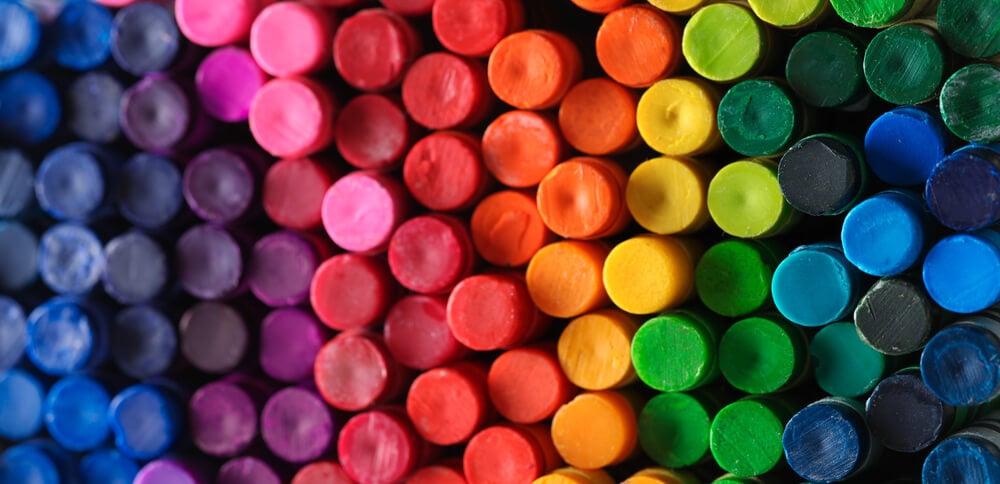
Crayola introduced its 64-crayon box in 1958, and it came with a built-in sharpener in the back. Owning the 64 was a status symbol, especially compared with the classmate stuck with the basic eight.
The tiered box held crayons in rows, and kids memorized names like burnt sienna, periwinkle and cornflower. The sharpener left a pile of colorful wax shavings and frequently snapped the tips of soft crayons.
Keeping the box intact through an entire school year was rare, since crayons broke, wandered off and got mixed up with lesser brands.
Elmer’s School Glue and Peeling Fingertips
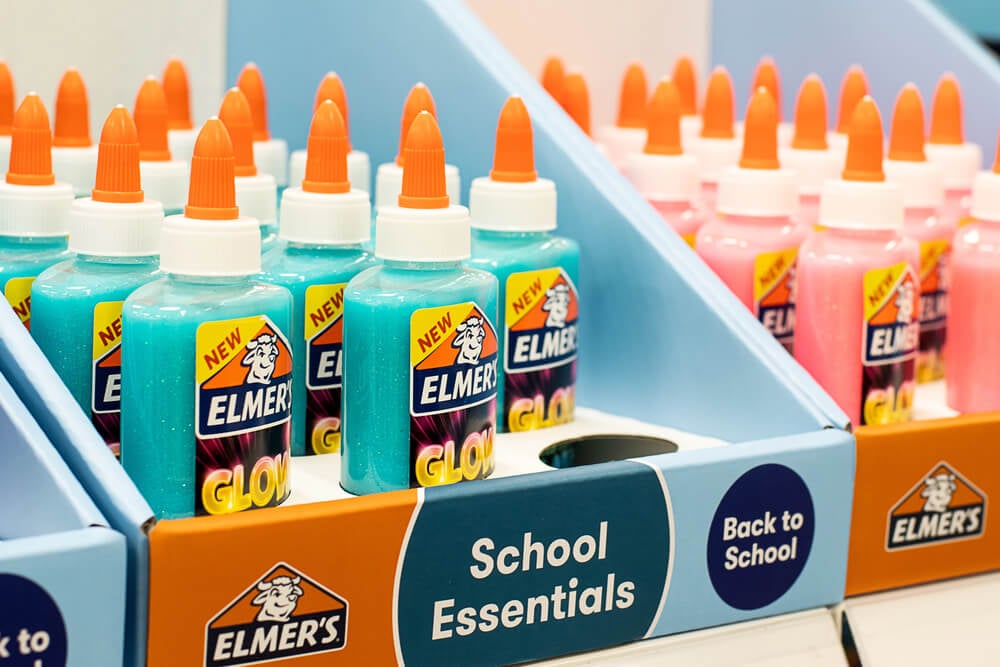
Elmer’s glue, sold by Borden, was named after Elmer the bull, the husband of Borden’s famous mascot Elsie the cow. The white glue came in a squeeze bottle with an orange twist cap that clogged with dried glue by midyear.
Kids used it for craft projects but also for its unofficial purpose, spreading a thin layer on their palms, waiting for it to dry and peeling it off in one satisfying sheet. Some ate it, which was harmless but discouraged.
The washable formula made it a classroom staple, and the bottle shape is still instantly recognizable.
Ticonderoga No. 2 Pencils
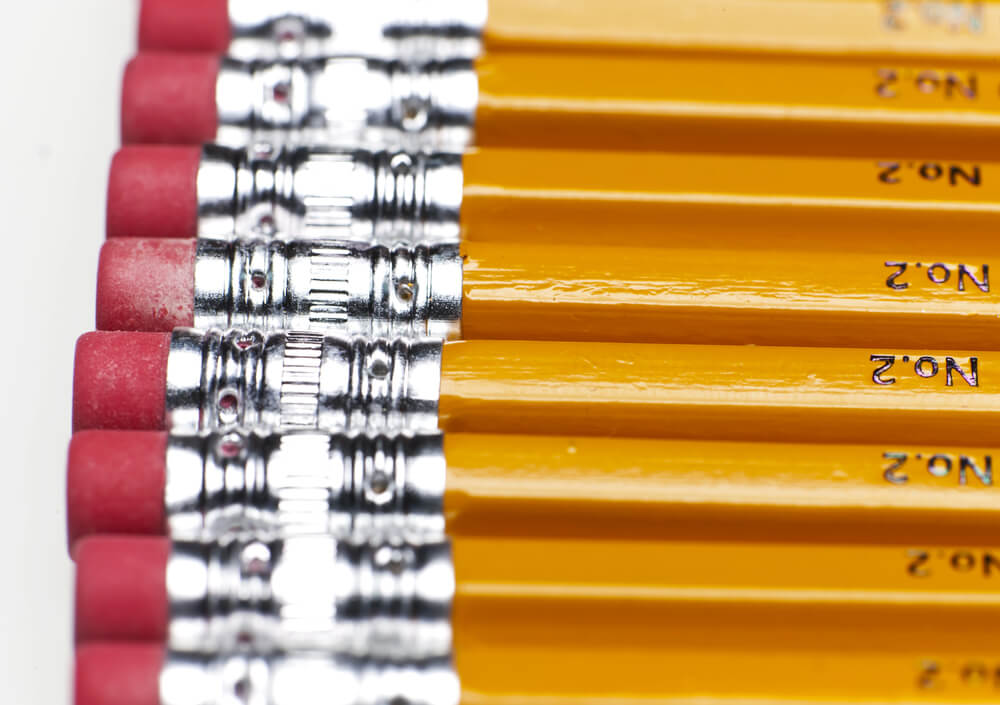
Named after Fort Ticonderoga in New York, the yellow Dixon Ticonderoga pencil has been sold since the early twentieth century. Its green and yellow metal band and pink eraser made it one of the most recognizable school supplies in America.
The No. 2 graphite was soft enough for standardized tests, which required filling in tiny bubbles completely. Kids sharpened pencils down to stubs, chewed the ends and lost dozens each year.
Teachers often specified Ticonderoga by name on supply lists, a sign of how firmly the brand had planted itself in American classrooms.
Metal Character Lunchboxes
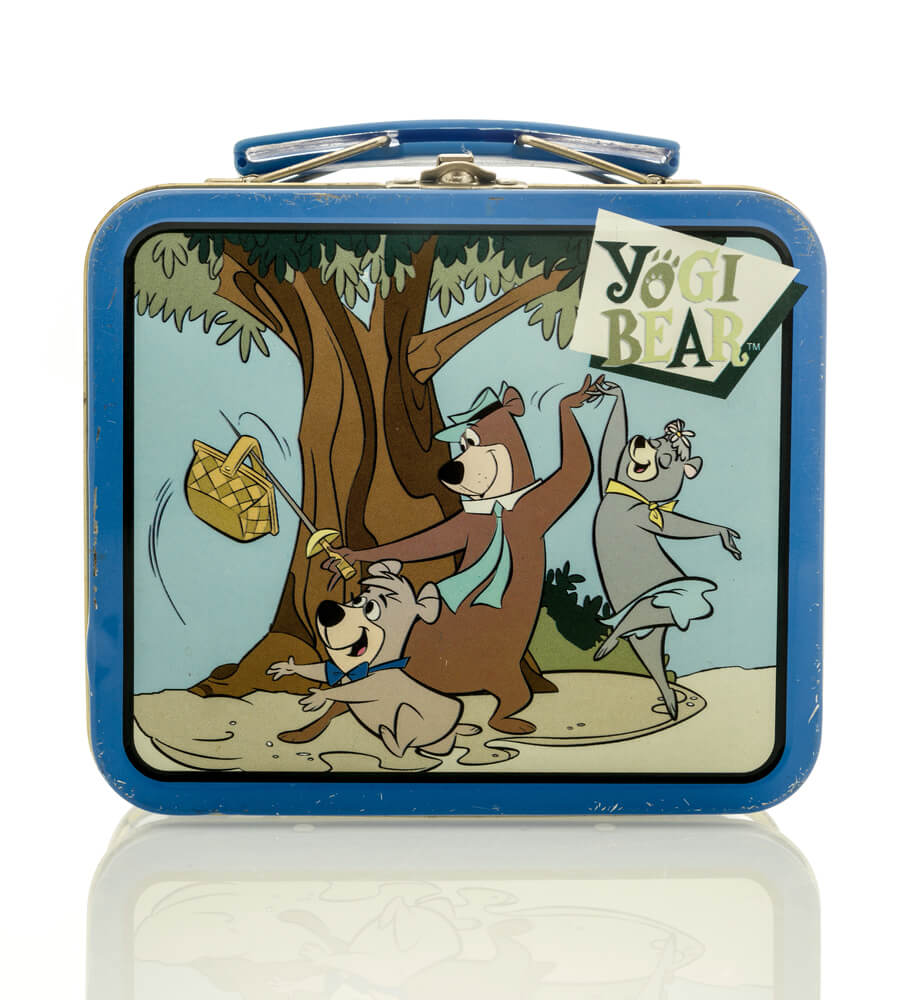
Aladdin Industries launched the licensed character lunchbox craze in 1950 with a Hopalong Cassidy design, and soon metal boxes featured cowboys, astronauts, superheroes and television stars. Each came with a matching vacuum bottle that often broke when dropped.
Kids chose lunchboxes as carefully as clothes, and a dented box with a popular show on it carried real playground status. By the mid-1980s, manufacturers had largely switched to plastic.
Vintage metal lunchboxes are now collectibles, with values that depend heavily on rust, dents, scratches and whether the original thermos survived.
TI-30 Calculators

Texas Instruments introduced the TI-30 scientific calculator in 1976, and it became a standard tool in American math and science classes. The calculator handled square roots, exponents and trigonometry, which made it feel enormously powerful to a seventh grader.
Kids also discovered that typing certain numbers and turning the screen upside down spelled words, a trick passed around classrooms for decades. Battery models gave way to solar-powered versions with small panels above the screen.
Later TI graphing calculators took over high school, but the TI-30 line remains in production.
Slap Bracelets

Slap bracelets swept American schools around 1990, after Wisconsin teacher Stuart Anders turned a strip of springy steel into a fabric-covered accessory. Snapped against the wrist, the flat band curled around it instantly, which made a satisfying slap.
Kids wore several at once and traded them like currency. Cheap knockoffs sometimes split open and exposed sharp metal edges, which led some schools to ban them.
The fad faded within a few years, though slap bracelets still turn up as party favors and remain instantly familiar to anyone who wore them.
Garbage Pail Kids Cards
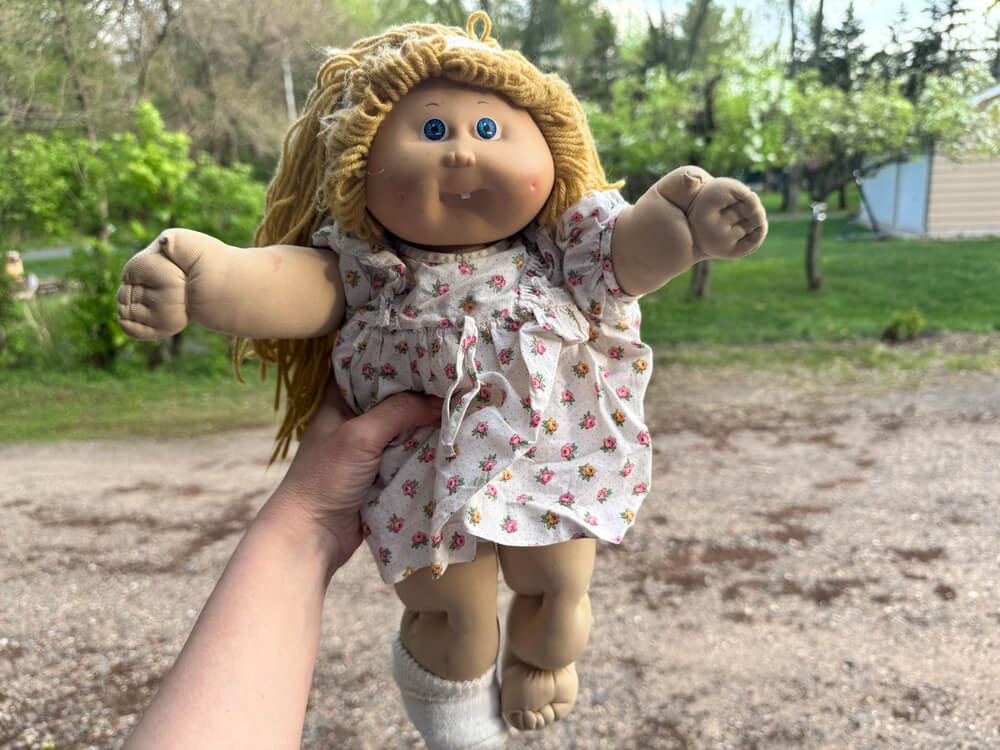
Topps introduced Garbage Pail Kids in 1985 as a gross-out parody of the wildly popular Cabbage Patch Kids dolls. Each card featured a grotesque character with a punny name, and the stickers peeled off the card backing.
Kids collected, traded and stuck them on lockers and binders. Many parents and teachers hated them, and some schools banned the cards outright, which only made them more appealing.
Early series cards in sharp condition now sell to collectors, with values that depend on centering, corner wear and whether the sticker was ever peeled.
Scratch-and-Sniff Stickers
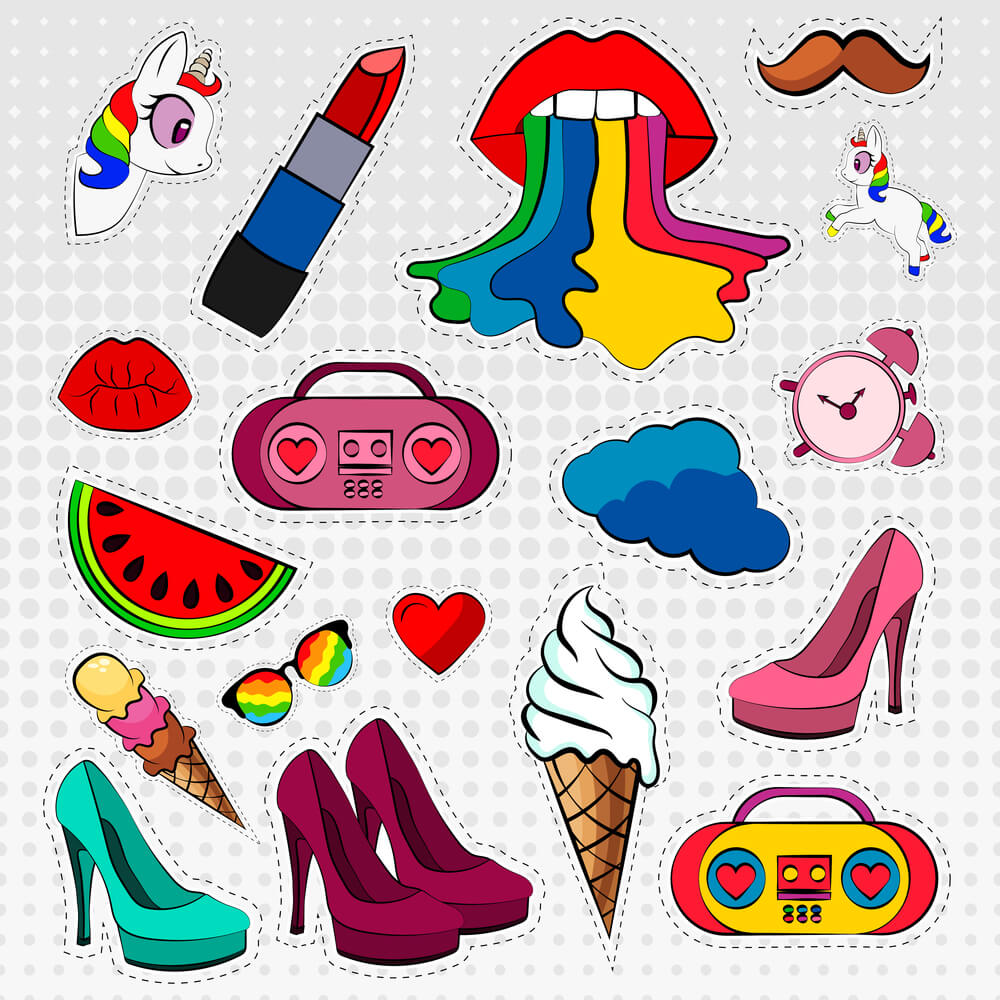
Scratch-and-sniff stickers used tiny fragrance capsules, a technology developed by 3M, that broke open when scratched. Teachers handed them out as rewards on homework, and kids collected them in albums.
Scents included pizza, root beer, chocolate, popcorn and pickles, and the stickers often featured cartoon characters with punny captions. Kids scratched their favorites so often that the smell eventually faded away.
Sticker albums with intact scents are now nostalgic collectibles, and the sound of a fingernail scratching a sticker remains oddly specific to 1980s classrooms.
Tamagotchi Virtual Pets
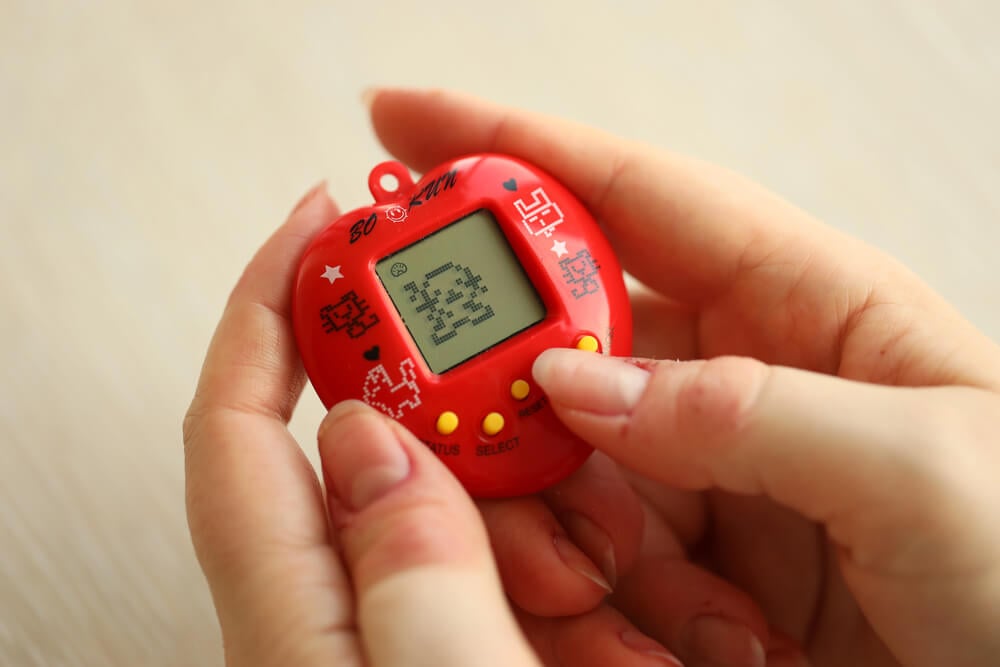
Bandai released the Tamagotchi in Japan in 1996, and it arrived in the United States in 1997. The egg-shaped keychain held a digital pet that needed to be fed, cleaned and entertained at all hours.
Kids smuggled them into class because a neglected pet could die during a long school day. Many schools banned them for being distracting, which turned feeding time into a covert operation.
The devices beeped at inconvenient moments, exposing their owners. Bandai has rereleased the toy several times, and original models in good working order are popular with collectors.
Bonne Bell Lip Smackers
Bonne Bell introduced Lip Smackers in 1973, and flavored lip balm became a backpack essential. The oversized tubes came in flavors like strawberry, watermelon and cotton candy, with the Dr Pepper version as one of the most famous.
Kids collected them, swapped them and kept several in pockets at once. The balm tasted good enough that some kids ate it, which defeated its purpose.
Lip Smackers are still sold today, now under a different parent company, and the Dr Pepper flavor remains a reliable source of nostalgia for anyone who carried it.
Pogs and Their Slammers
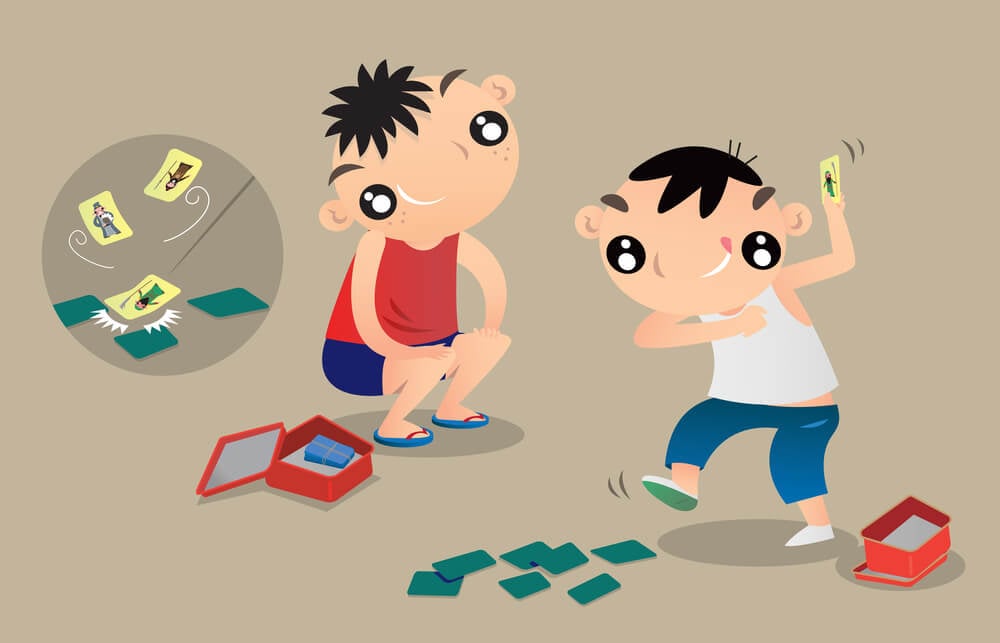
Pogs began as milk bottle caps in Hawaii, where kids played with them, and the game spread nationally in the early 1990s. The name came from a passion fruit, orange and guava juice drink.
Players stacked the cardboard discs face down and took turns striking the pile with a heavier slammer, keeping any caps that flipped over. Playing for keeps led to arguments, and many schools banned Pogs as a form of gambling.
The craze peaked and faded quickly, leaving millions of discs in shoeboxes across the country.
Troll Pencil Toppers
Danish woodcarver Thomas Dam created the original troll dolls in the late 1950s, and the toys with wild, brightly colored hair became a craze in the United States several times. During the early 1990s revival, small trolls appeared as pencil toppers, keychains and charms.
Kids rubbed the troll’s hair for good luck before tests and collected different colors. The pencil versions often stayed in service long after the pencils underneath them were worn down to stubs.
Original Dam trolls are now valued by collectors, with condition, hair quality and original clothing all affecting value.
Marbled Composition Notebooks
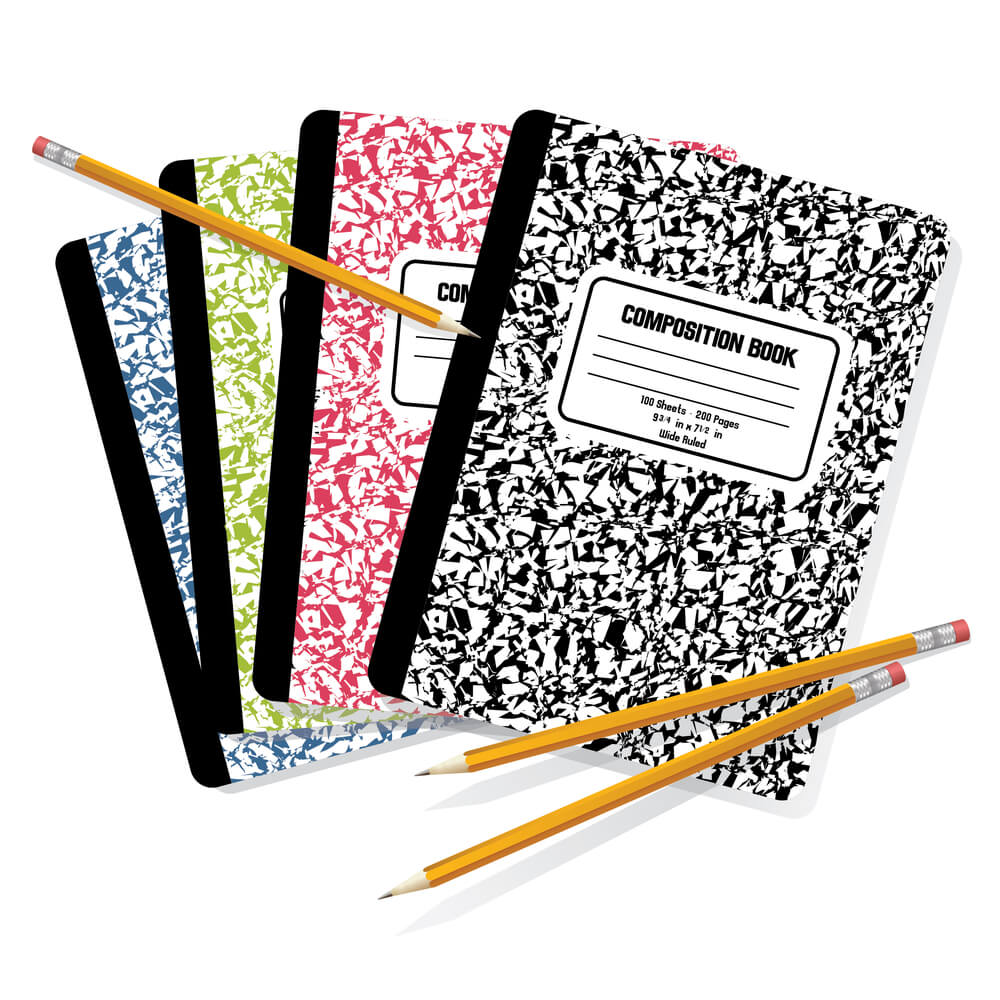
The composition notebook, with its black and white marbled cover and sewn binding, has been a school staple for over a century. The pages could not be easily torn out, which teachers liked for journals and lab notes.
Kids decorated the covers with stickers and drawings and wrote their names in the white box on the front. The marbled pattern came from an older bookbinding technique and became the notebook’s signature look.
Mead and other companies still make them, and they remain on nearly every back-to-school supply list.
Floppy Disks for Computer Lab
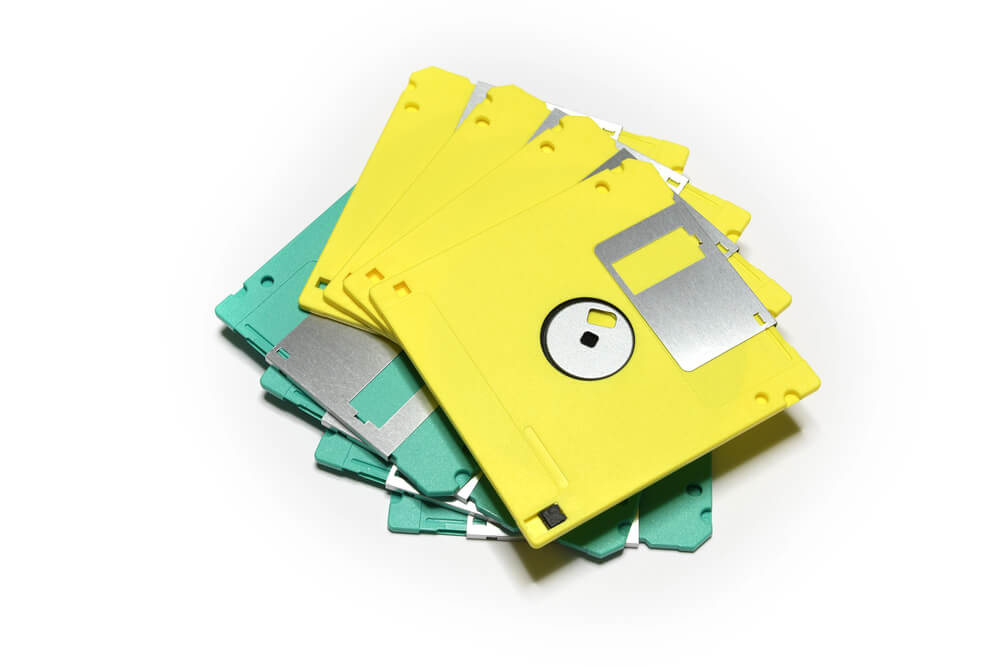
In the late 1980s and 1990s, computer class meant carrying a 3.5-inch floppy disk to save work. Each disk held about 1.44 megabytes, enough for documents and simple programs but not much else.
Kids labeled them carefully and kept them in plastic cases, since a scratched or bent disk could lose a semester’s work. Disks often failed at the worst possible moment, sometimes right before a project was due.
The save icon in many programs still shows a floppy disk, a design that most current students have never seen in real life.
Hacky Sack Footbags
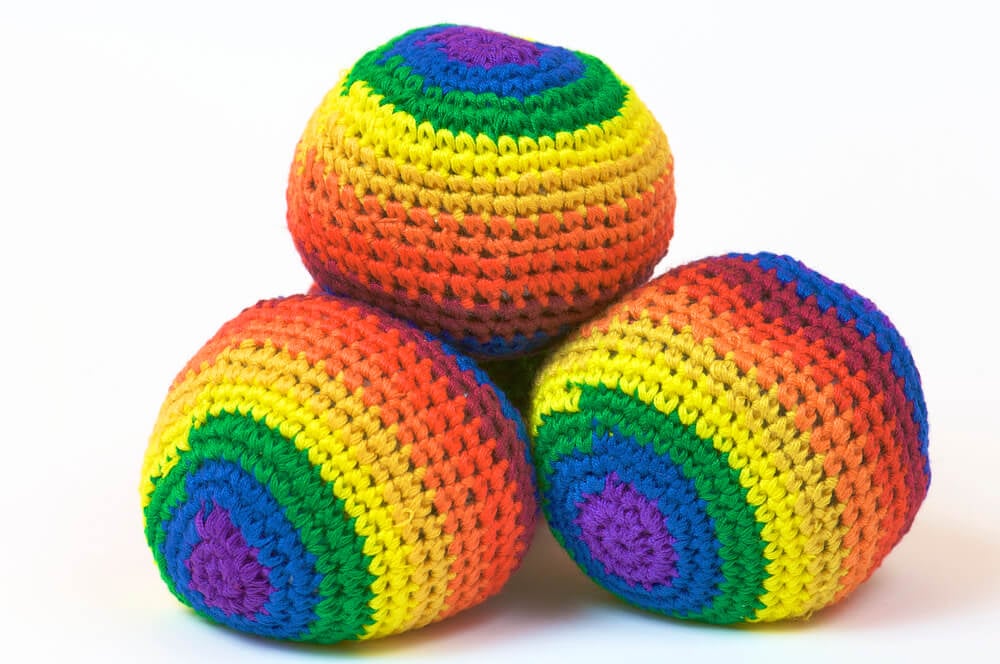
John Stalberger and Mike Marshall invented the hacky sack in Oregon City, Oregon, in 1972, and Wham-O bought the rights in the early 1980s. The small crocheted or leather footbag was filled with plastic pellets and kicked in a circle.
Kids played in hallways, parking lots and between classes, trying to keep the bag aloft without using their hands. Footbag circles had their own etiquette and nicknames for different kicks.
The hacky sack became especially popular with teenagers in the 1990s and was a regular sight in backpack side pockets.
Scrunchies on Every Wrist
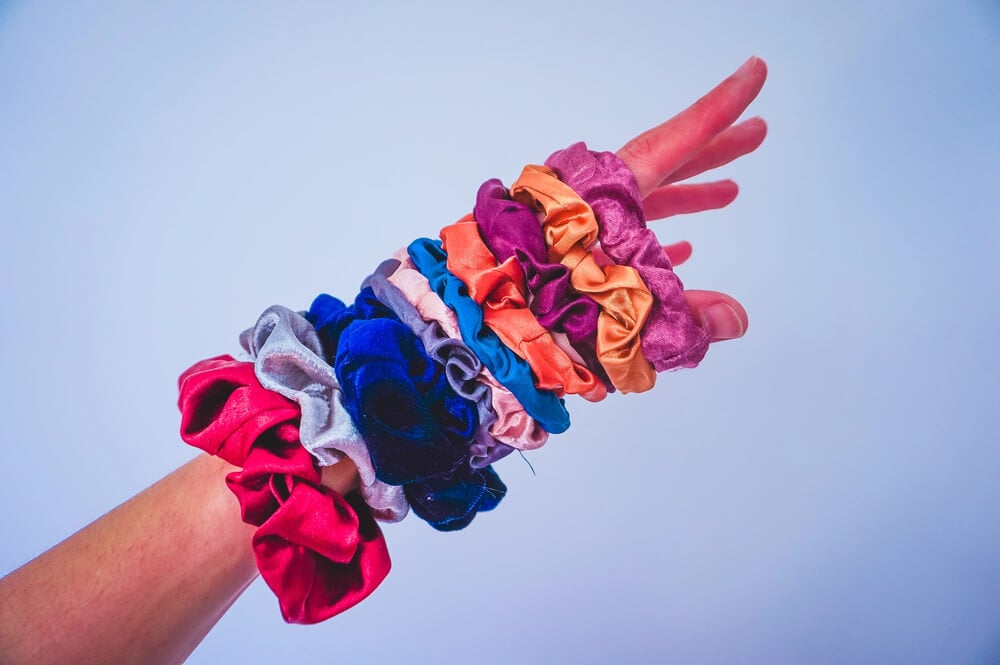
Rommy Revson patented the fabric-covered hair band in 1987, naming it the Scunci after her poodle. Scrunchies became one of the defining accessories of the late 1980s and 1990s, made of velvet, satin, cotton and neon prints.
Kids wore them in their hair and kept spares on their wrists, which made them easy to lend and easy to lose. Matching scrunchies to an outfit was a serious undertaking.
The scrunchie fell out of fashion in the 2000s but has since returned, and older generations recognize the style instantly.
Bubble Tape in Its Round Plastic Case

Wrigley introduced Bubble Tape under its Hubba Bubba brand in 1988, packing a long ribbon of bubble gum into a round plastic dispenser shaped like a tape measure. The roll held six feet of gum, and kids tore off pieces of carefully negotiated length for friends.
Owning a fresh roll made a kid briefly popular at recess. Many schools banned gum outright, so the case often stayed buried at the bottom of a backpack until the bus ride home.
The original flavor was a sweet, fruity pink, and later versions added sour and grape options in matching cases.
Library Books With Date-Due Cards

School library books once came with a paper pocket glued inside the back cover holding a date-due card. Librarians stamped the return date with a rubber stamp, and the card often showed the names of earlier borrowers.
Kids sometimes recognized an older sibling’s name or a teacher’s handwriting from years before. Overdue books brought notices sent home to parents, which was a serious matter.
The system was replaced by barcodes and printed receipts, but those stamped cards gave every book a small, visible history of who had read it.
Zippers, Velcro and the Weight of Childhood

Every item here says something about the decade that produced it. Binders reflected a new focus on organization, stickers and markers reflected a love of color and smell, and electronic toys showed the slow arrival of technology in the classroom.
Taken together, the contents of an old backpack read like a timeline. Kids today carry tablets and laptops that do the work of most of these supplies at once.
That efficiency is real, but it lacks the personality of a doodled folder or a traded sticker. Old backpacks held more than school supplies, and they show how much of growing up happened in small, tangible things.
More from Go2Tutors!

- The Romanov Crown Jewels and Their Tragic Fate
- 13 Historical Mysteries That Science Still Can’t Solve
- Famous Hoaxes That Fooled the World for Years
- 15 Child Stars with Tragic Adult Lives
- 16 Famous Jewelry Pieces in History
Like Go2Tutors’s content? Follow us on MSN.