17 School Supplies That Smelled Weirdly Good
There’s something oddly nostalgic about the scents that filled our classrooms and backpacks during those school years. Most people remember the academic lessons, though many of us have equally vivid memories of the distinctive aromas that came with our educational tools—from the sharp tang of fresh markers to the comforting smell of new textbooks.
Here’s a list of 17 school supplies that somehow managed to smell surprisingly pleasant, even when they probably shouldn’t have.
Scented Markers

Those chunky markers with fruit names weren’t just about bright colors—they delivered a genuine olfactory experience that transformed art time into something resembling a candy store visit. Cherry red actually smelled like cherries.
Grape purple had that artificial yet oddly satisfying fruity scent that somehow worked. Kids would literally sniff their artwork while teachers reminded everyone that smelling was fine, though tasting definitely wasn’t on the menu.
Fresh Crayons

Opening a new box of crayons unleashed that waxy, clean smell which somehow promised endless creative possibilities. The scent was subtle yet distinctive—a blend of paraffin and childhood dreams rolled into one.
That fresh crayon aroma became so iconic that candle companies now attempt to recreate it for nostalgic adults who miss simpler times.
Rubber Cement

Despite being a chemical adhesive, rubber cement possessed this strangely appealing smell that many students found oddly comforting. The scent was clean and sharp—almost medicinal in a way that made craft projects feel more legitimate.
Teachers always kept a close eye on the rubber cement bottle since kids would manufacture excuses to use it just for that familiar aroma.
New Textbooks

Fresh textbooks carried the smell of possibility—that clean, papery scent mixed with fresh ink and binding adhesive. Each September brought stacks of pristine books with their distinctive new-book fragrance that signaled another academic adventure’s beginning.
The aroma was particularly potent when you’d crack open a book for the first time, getting that initial whiff of unused pages.
Pencil Shavings

The wooden curls that spiraled out of pencil sharpeners possessed their own pleasant, cedar-like fragrance that made even mundane tasks feel satisfying. Combining fresh wood with graphite created a scent that was both natural and uniquely scholastic in character.
Some students would sharpen pencils more frequently than necessary—just to enjoy that brief moment of aromatic wood shavings hitting the air.
Dry Erase Markers

Those thick markers designed for whiteboards packed a serious punch with their distinctive chemical smell that was somehow both sharp yet oddly pleasant. The scent was intense enough to clear your head, though not unpleasant enough to avoid entirely.
Students would volunteer to clean the whiteboard—partly to help, mostly to get a closer encounter with those marker fumes.
Glue Sticks
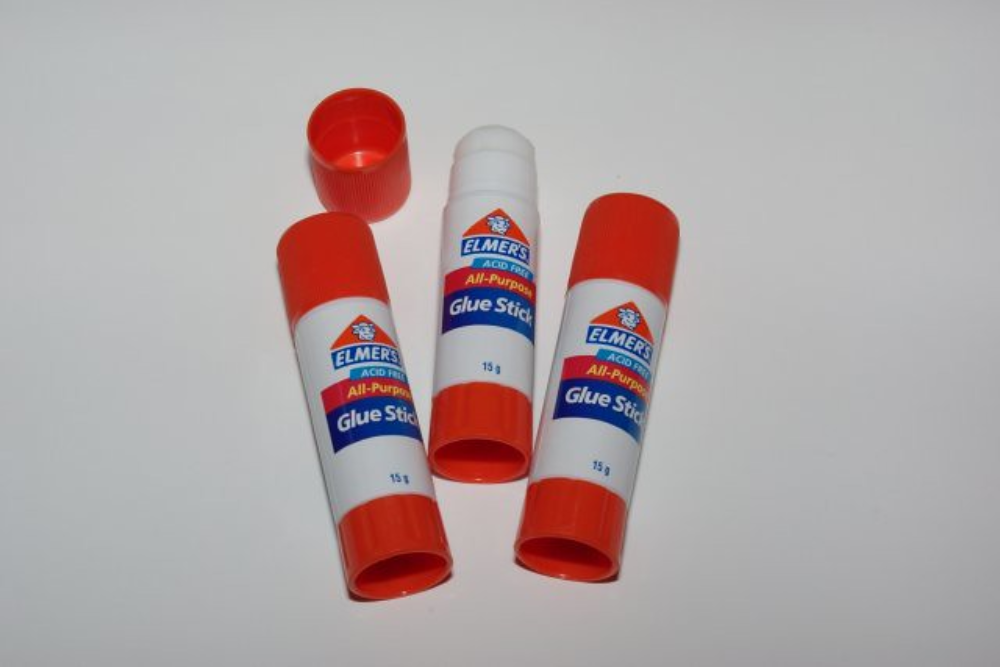
The waxy, clean smell of glue sticks proved far more appealing than their liquid counterparts could ever manage. When you twisted up that purple or clear glue, it released a subtle scent that was both functional and oddly comforting in nature.
The smell was gentle enough that kids could work with glue sticks for extended periods without overwhelming chemical odors interfering.
Pink Erasers
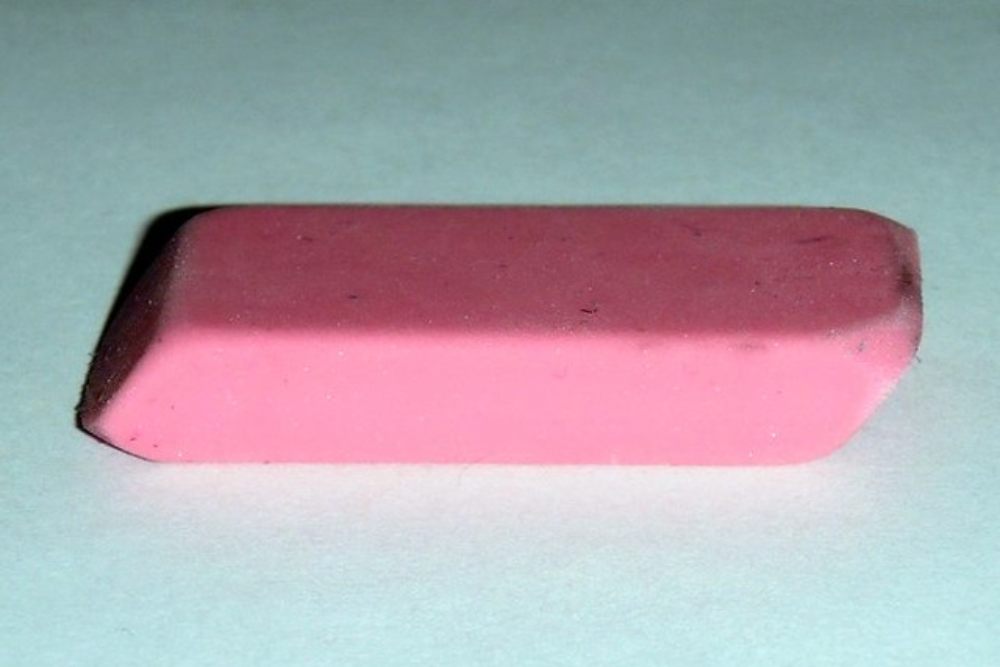
Those soft pink erasers had a distinct rubbery smell that felt clean and somehow reassuring to encounter. The scent differed from other rubber products—lighter and less industrial in character.
Students would sometimes smell their erasers before using them, as if the pleasant aroma was part of the mistake-correcting ritual itself.
Tempera Paint

The thick, poster-quality paint used in art classes possessed an earthy, almost clay-like smell that made creative projects feel more authentic. Unlike harsh chemical paints, tempera had a natural scent that mixed well with the art room’s creative atmosphere.
The smell would linger on hands and clothes—serving as a badge of creative accomplishment.
Laminated Papers
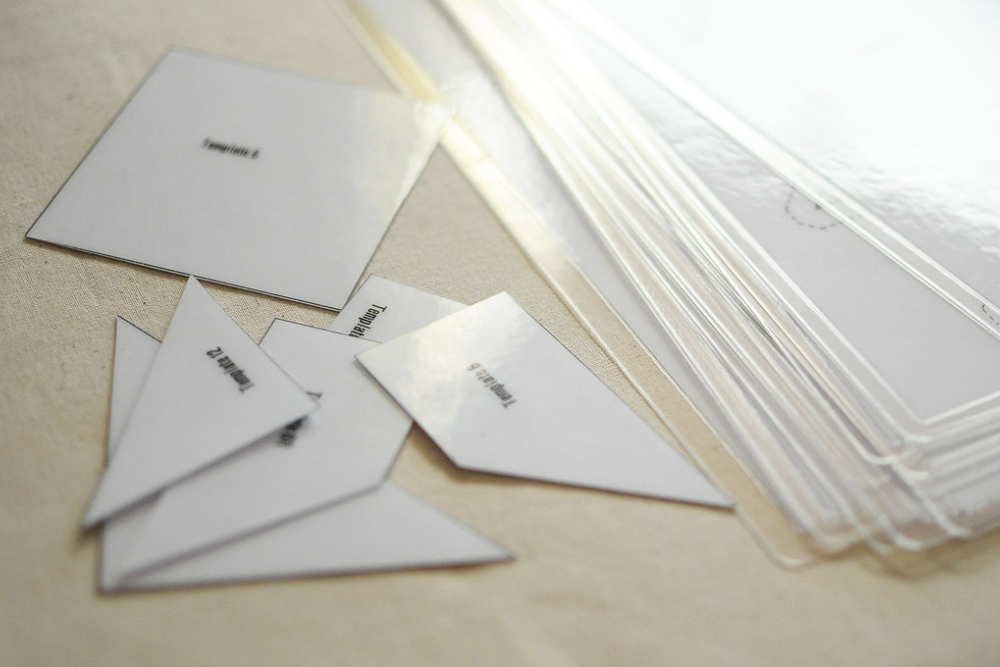
Freshly laminated documents carried a distinctive plastic-and-heat smell that proved oddly satisfying to encounter. The combination of the laminating process and protective plastic created a clean, processed scent that made important papers feel even more official than usual.
Teachers’ freshly laminated classroom materials would fill the air with that characteristic aroma.
Mimeograph Paper

Before modern copiers existed, mimeograph machines produced papers with distinctive purple ink that had an almost intoxicating smell. Students would receive these purple-tinted worksheets and immediately take a deep sniff of that unique chemical fragrance.
The smell was so memorable that adults still recall it decades later as one of the most distinctive school scents they ever encountered.
Construction Paper

Brightly colored construction paper had its own papery scent that mixed the smell of dyed fibers with that satisfying new-paper aroma. The thicker texture seemed to hold and release the scent differently than regular paper could manage.
Art projects weren’t complete without that first sniff of fresh construction paper right out of the package.
Paste
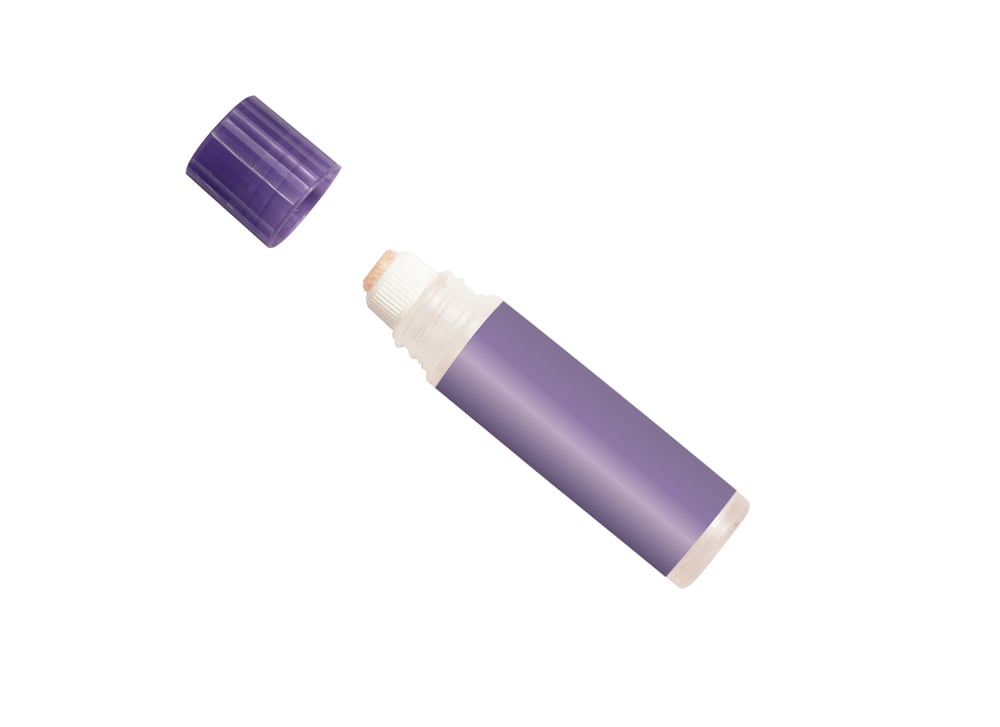
The white, flour-based paste used in elementary schools had a surprisingly pleasant, almost bakery-like smell that felt oddly homemade. Unlike modern glues, this paste smelled clean and mildly sweet, making craft time feel less chemical and more natural.
The scent was gentle enough that even the youngest students could work with it comfortably for extended periods.
Correction Fluid

That little bottle of white correction fluid had a sharp, clean chemical smell that somehow felt productive and efficient. The scent was intense yet not unpleasant, becoming associated with the satisfaction of fixing mistakes properly.
Students would sometimes smell the brush before applying the correction fluid, making error-fixing feel like a small but important ritual.
Fresh Notebooks

Brand new spiral notebooks and composition books were released the distinctive new-paper smell mixed with the metallic scent of fresh wire spirals. The combination created an aroma that promised organization and fresh starts ahead.
September shopping for school supplies meant encountering that wonderful new-notebook smell in concentrated doses.
Colored Pencils

High-quality colored pencils had their own wooden, waxy scent that differed significantly from regular pencils. The combination of wood and colored wax created a richer, more complex aroma than standard writing implements could produce.
Art students would often smell their colored pencils before starting projects, as if the scent helped inspire creative thinking.
Manila Folders

Those tan file folders had a distinctive cardboard smell that was both practical and oddly comforting to encounter. The scent was clean and organizational, making filing and homework management feel more official and important.
The smell of manila folders became associated with getting organized and taking proper care of important documents.
The Scents That Shaped Us

These aromatic school supplies created a sensory backdrop to our educational experiences that went far beyond their intended functions. What started as practical tools ended up creating scent memories that can instantly transport us back to childhood classrooms decades later.
The fact that we found these industrial and chemical smells pleasant reveals something interesting about how our brains connect scents with positive experiences and learning environments throughout our formative years.
More from Go2Tutors!

- The Romanov Crown Jewels and Their Tragic Fate
- 13 Historical Mysteries That Science Still Can’t Solve
- Famous Hoaxes That Fooled the World for Years
- 15 Child Stars with Tragic Adult Lives
- 16 Famous Jewelry Pieces in History
Like Go2Tutors’s content? Follow us on MSN.