27 Breakfast Cereals Gone From Grocery Aisles
The cereal aisle has always been a battlefield. Every year brings new boxes, new mascots and new marshmallow shapes, and every year a few of them quietly disappear.
Some of these cereals lasted decades, while others barely survived a single movie release. All of them still have fans who remember the box art, the prize inside and the color the milk turned.
OK’s and Its Short Run
Kellogg’s introduced OK’s in the late 1950s, an oat cereal shaped like the letters O and K. The boxes featured cartoon characters, including Yogi Bear during later promotions, at a time when Kellogg’s was leaning heavily on television tie-ins.
Kids liked spelling with the pieces in the bowl, which was a novelty all its own. The cereal disappeared within a few years, leaving behind little more than vintage boxes and fading memories.
Its brief run makes original packaging especially scarce, and surviving boxes now interest cereal collectors far more than the cereal ever interested most families.
Quake and the Battle With Quisp
Quaker launched Quake alongside its sibling cereal Quisp in 1965, with animated commercials produced by the studio of Jay Ward, the creator of Rocky and Bullwinkle. Quake was a burly miner from the center of the earth, while Quisp was a small pink alien, and the two competed for kids’ loyalty.
Quaker eventually staged a promotion asking kids to vote for their favorite, and Quisp reportedly won by a wide margin. Quake was reworked and then dropped entirely.
Quisp hung on in limited distribution, but its old rival has been gone for decades.
Freakies and Boss Moss
Ralston introduced Freakies in the early 1970s, built around a band of goofy cartoon creatures led by a character called Boss Moss. The sweet, ring-shaped cereal was ordinary enough, but the monsters on the box made it memorable.
Kids collected small plastic Freakies figures that came inside as premiums and lined them up on windowsills. The cereal faded later in the decade, then returned briefly in the late 1980s before vanishing again.
The plastic figures have since become collectibles, with prices that depend on color variations and the condition of the paint.
Fruit Brute the Werewolf
General Mills introduced Fruit Brute in 1974 as the fourth member of its monster cereal lineup, joining Count Chocula, Franken Berry and Boo Berry. The mascot was a friendly werewolf in striped overalls, and the cereal paired fruit-flavored pieces with marshmallows.
Fruit Brute never matched the popularity of its siblings and was discontinued in the early 1980s. General Mills brought it back for limited Halloween runs in the 2010s, giving older fans a brief reunion with the full monster family.
Its scarcity turned original boxes into prized pieces of cereal history.
Sir Grapefellow and Baron Von Redberry
Two rival cereals arrived from General Mills in 1972, each with a mascot styled as a World War I flying ace. Sir Grapefellow was a British pilot fronting a grape-flavored oat cereal, and Baron Von Redberry was his German rival flying a berry-flavored version.
The commercials staged aerial dogfights over the breakfast table, with each pilot insisting his cereal was superior. Both included marshmallow pieces among the oat bits.
The rivalry did not last, and both cereals were gone within a few years, though their vintage box art still circulates among nostalgic collectors.
Punch Crunch and Harry S. Hippo
Quaker built Punch Crunch in the mid-1970s as a spinoff of Cap’n Crunch, featuring Harry S. Hippo, a cheerful hippo dressed as a sailor. The cereal was a fruity, ring-shaped take on the familiar crunchy corn and oat base.
Commercials placed Harry aboard the Cap’n’s ship, trying hard to win the crew’s approval and mostly failing. The cereal did not catch on and disappeared quickly.
Harry S. Hippo remains one of the more obscure mascots in cereal history, remembered mainly by devoted fans of the Cap’n Crunch universe and its many short-lived spinoffs.
Pink Panther Flakes
Post introduced Pink Panther Flakes in the early 1970s, tying the cereal to the popular cartoon character. The sweet flakes were a bright neon pink, and they turned the milk pink as well, which delighted kids and alarmed more than a few parents.
Boxes featured the slim, unbothered panther in his trademark poses. The cereal was gone within a few years, but it still comes up regularly in conversations about the strangest cereals ever sold.
Original boxes now attract collectors, with creases, fading and missing panels all affecting their value.
Crazy Cow and Its Flavored Milk
Around 1977, General Mills introduced Crazy Cow with a trick that made it famous. The cereal pieces were coated in a powdered drink mix that dissolved in milk, turning it into chocolate or strawberry milk.
A cheerful spotted cow wearing a hat and a cowbell appeared on the box. Some boxes included Star Wars trading cards, which are now collectibles in their own right.
Crazy Cow faded out by the early 1980s, and the idea of a cereal that flavors its own milk on purpose has rarely been repeated since.
Kaboom and Its Smiling Clown
Smiling clown faces made Kaboom stand out from the moment General Mills introduced it in 1969. The oat pieces were shaped like grinning faces and mixed with star-shaped marshmallows in bright colors, which made the cereal a favorite among younger kids.
The box featured a clown mascot, and heavy vitamin fortification helped convince some parents. Kaboom remained available for decades in limited distribution, becoming harder to find each year before finally disappearing.
Many adults remember it as a rare cereal that seemed to be smiling back at them from the bowl.
Waffleos and Their Tiny Waffles
Ralston introduced Waffleos in 1979, a cereal shaped like bite-sized waffles with a sweet, syrupy flavor. Each piece carried the classic grid pattern of a real waffle, which made a bowl feel like a miniature breakfast.
The cereal captured the appeal of eating waffles without anyone having to make them. Ralston had a knack for these tiny food novelties, and the company leaned on the idea in later years.
The original Waffleos are long gone, but the concept of miniature breakfast foods in a cereal box never really went away.
Smurf-Berry Crunch
Post released Smurf-Berry Crunch in 1983, riding the popularity of the Saturday morning Smurfs cartoon. The cereal featured berry-flavored pieces in bright colors, and it left the milk an unforgettable shade.
Box premiums included Smurf figures and stickers that kids collected eagerly, and the cartoon’s popularity kept the cereal in shopping carts for a few good years. Post later revamped the cereal under a slightly different name before it disappeared from shelves.
Vintage boxes and premiums are now popular with Smurf collectors, and many people remember the cereal as one of the sweetest of a very sweet decade.
Pac-Man Cereal
Arcade fever reached the breakfast table in 1983, when General Mills released Pac-Man cereal at the height of the game’s popularity. The cereal combined corn pieces with marshmallows shaped like Pac-Man and the ghosts that chased him through the maze.
Kids staged small versions of the game in their bowls, eating ghosts with their spoons. The cereal disappeared as the arcade craze cooled, but it remains a standard example of how quickly cereal makers chased pop culture trends.
Original boxes now attract video game memorabilia collectors as much as cereal fans.
Mr. T Cereal
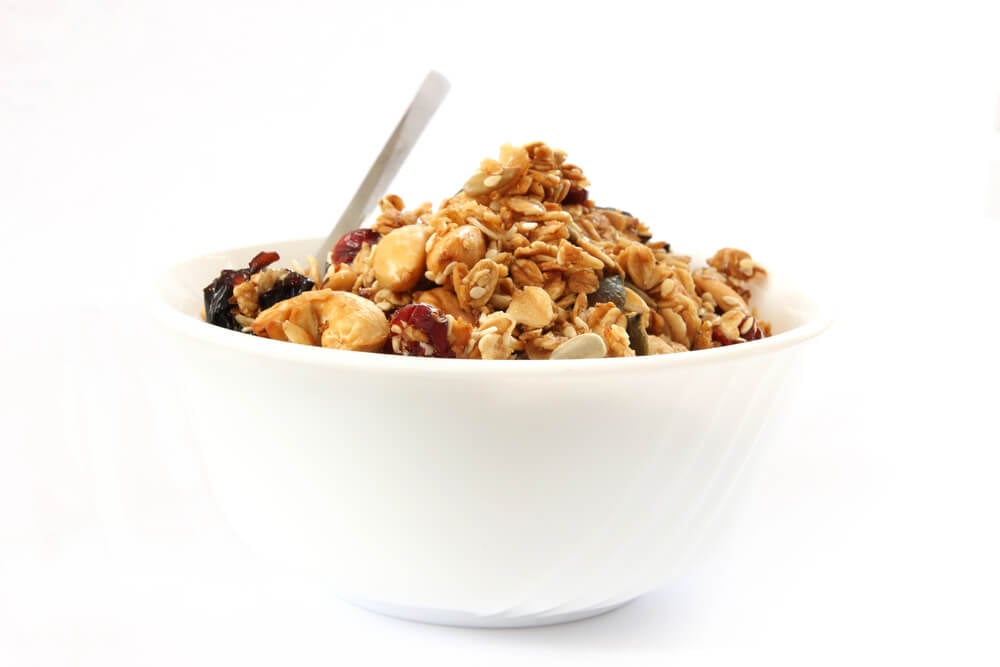
Quaker introduced Mr. T cereal in the mid-1980s, cashing in on the actor’s fame from The A-Team and Rocky III. The pieces were shaped like the letter T, and the box featured the star in his signature gold chains.
Commercials showed him encouraging kids to work hard and listen to their parents. The cereal itself had a sweet corn and oat flavor similar to Cap’n Crunch, which Quaker also made.
It disappeared after a short run, but it remains one of the most famous examples of celebrity cereal from the 1980s.
C-3PO’s and Its Double Crunch
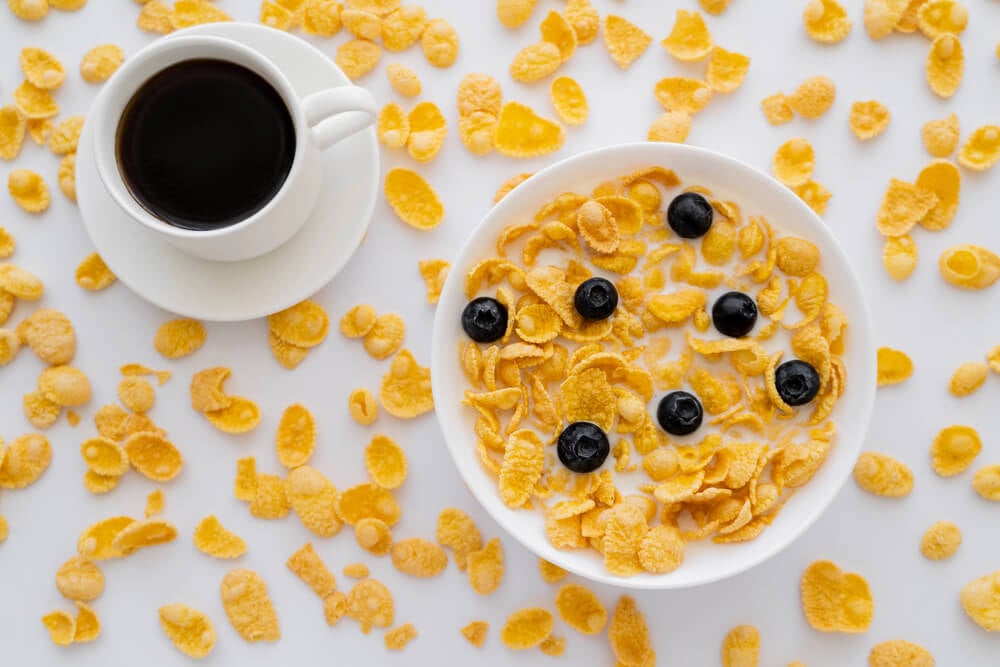
Kellogg’s released C-3PO’s in 1984, following the excitement of the original Star Wars trilogy. The pieces were shaped like figure eights, which Kellogg’s promoted as a double crunch in every bite.
Boxes carried Star Wars masks, stickers and trading cards, which made them essential purchases for young fans. The cereal had a sweet honey flavor and a fairly ordinary taste.
Its fame comes mainly from its connection to the movies, and original boxes with intact premiums are now valuable collectibles, especially when the cut-out masks were never removed.
E.T. Cereal
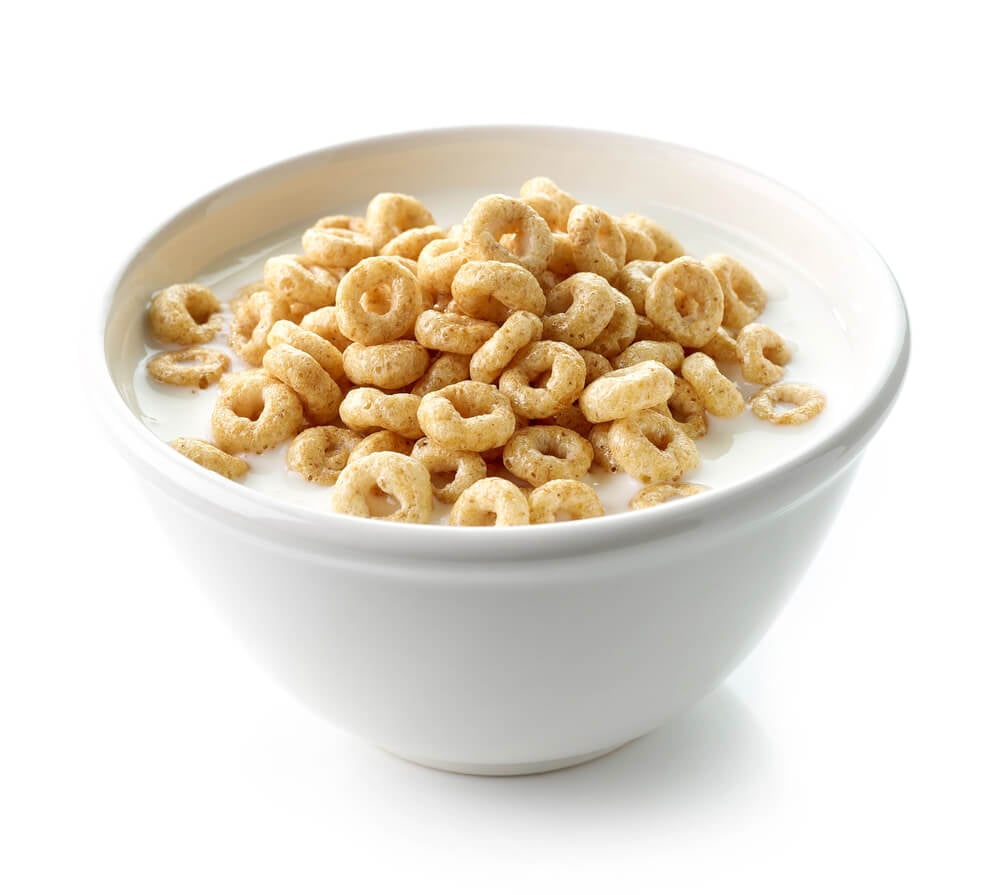
Steven Spielberg’s lost alien landed in the cereal aisle in 1984, when General Mills released E.T. cereal. The sweet pieces leaned on peanut butter and chocolate flavors, a clear nod to the candy trail that lured the alien in the film.
Boxes included stickers and promotional items tied to the movie. The cereal did not last long once the film’s buzz settled down.
It remains a standard reference point for how heavily cereal makers relied on blockbuster movies during the 1980s, when nearly every big release seemed to come with a box.
Gremlins Cereal
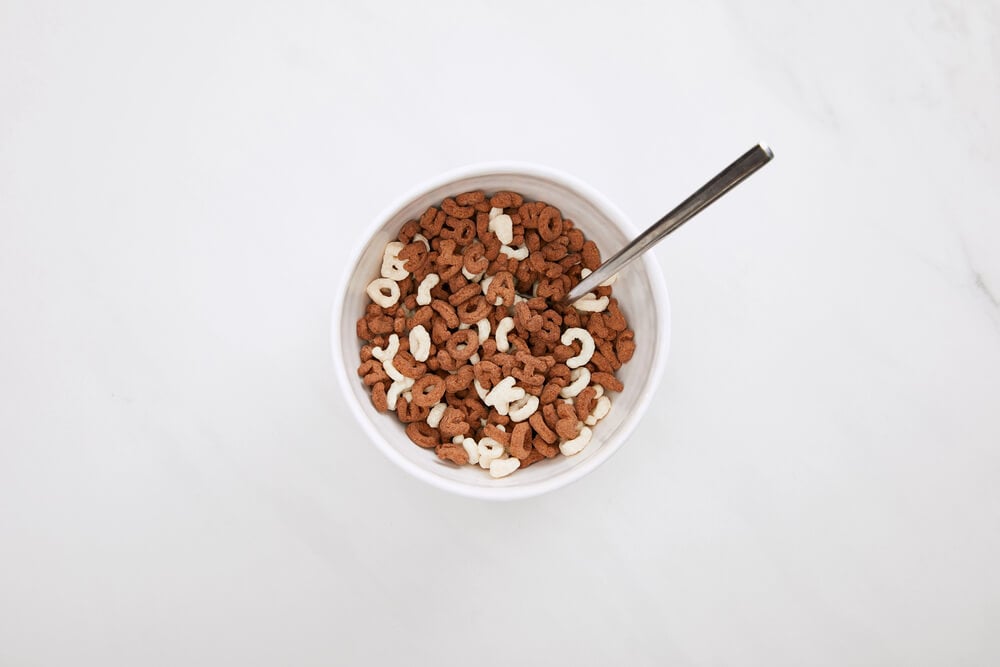
Ralston released Gremlins cereal in 1984, tied to the horror-comedy film about small creatures that multiply when wet. The cereal pieces were shaped like Gizmo, the film’s friendly creature, and the boxes included stickers.
The irony of pouring milk over a creature that must never get wet was not lost on fans. The cereal disappeared quickly after the movie left theaters, which was typical for film tie-ins of the period.
Gremlins cereal remains a favorite example of odd movie tie-ins, and vintage boxes are prized by collectors of 1980s memorabilia.
Nerds Cereal and Its Split Box
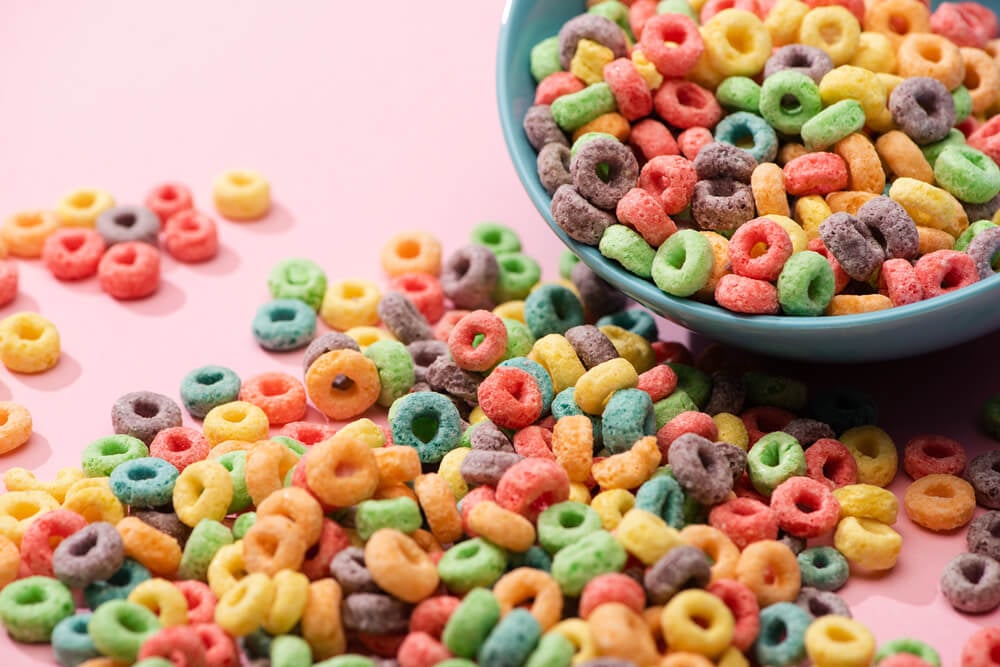
Candy became cereal in 1985, when Ralston introduced Nerds Cereal based on the popular crunchy candy. Each box was divided into two compartments with two flavors, such as orange and cherry or strawberry and grape.
Kids could mix the flavors or keep them carefully separate, and the box offered a special two-sided bowl by mail. The cereal was tiny, sweet and crunchy, closely mimicking the candy itself.
Nerds Cereal disappeared by the end of the decade, though candy-inspired cereals remain common on store shelves today.
Ice Cream Cones Cereal
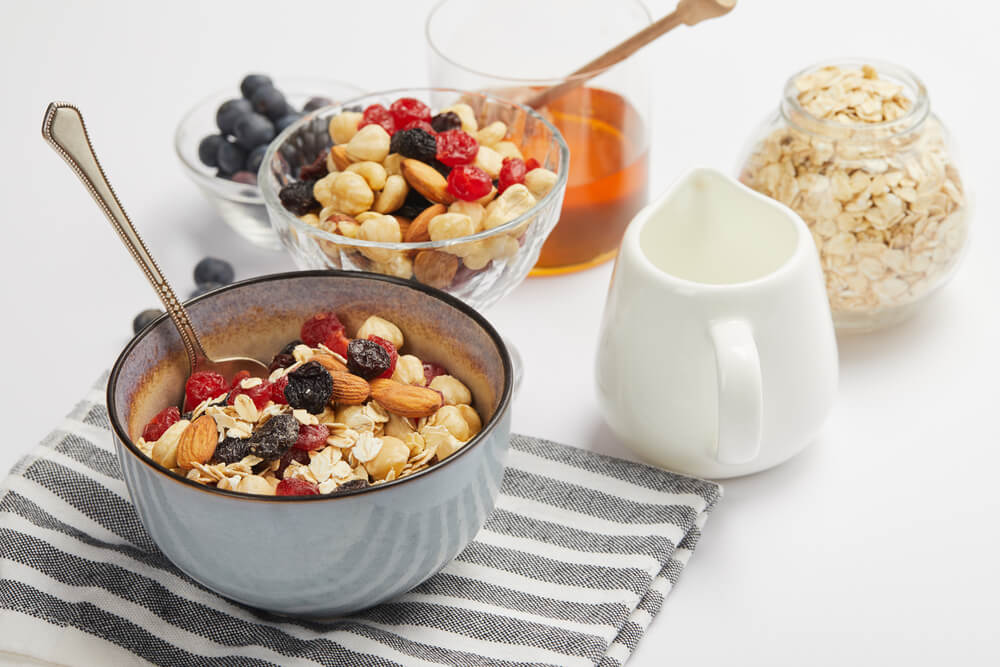
General Mills introduced Ice Cream Cones cereal in 1986, in vanilla and chocolate chip flavors. The pieces were shaped like tiny ice cream cones, and the idea of eating ice cream for breakfast was a strong selling point for kids.
Parents were less convinced, and the cereal disappeared within about a year. General Mills brought it back briefly in 2003 to mark the hundredth anniversary of the ice cream cone.
Since then, the cereal has remained a rare and fondly remembered item that fans still bring up whenever discontinued cereals are discussed.
Yummy Mummy and Its Fruity Marshmallows
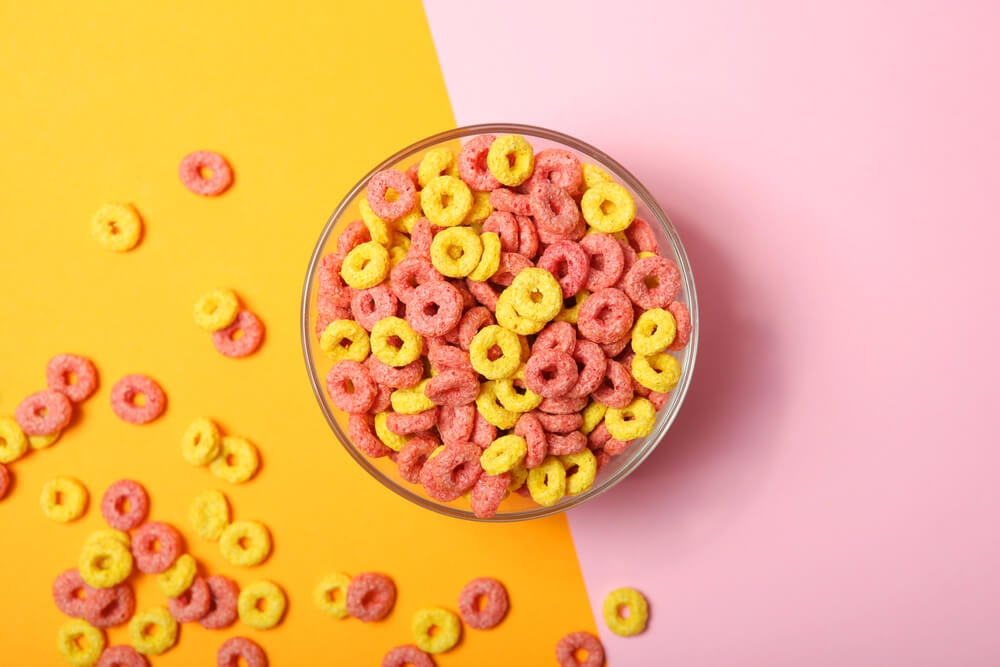
A friendly mummy joined the General Mills monster cereal lineup in 1987 when Yummy Mummy arrived. The cereal combined fruit-flavored pieces with marshmallows, and the mascot was a cheerful, bandage-wrapped figure.
It never caught on as strongly as Count Chocula or Franken Berry and was discontinued within a few years. General Mills brought it back for limited Halloween releases in later years, delighting fans who wanted the full monster family together again.
Yummy Mummy remains the least known of the monster cereals, which makes original boxes a rare find for collectors.
Croonchy Stars and the Swedish Chef

Post released Croonchy Stars in 1988, featuring the Swedish Chef from The Muppet Show. The cinnamon-flavored stars came in a bright orange box filled with absurd jokes and puzzles in the chef’s trademark style.
The packaging described the cereal as cinnamonnamony and cheerfully noted that it contained no doorknobs. The cereal lasted only about a year, though it made a brief return in 1992.
Its playful packaging is still celebrated by Muppet fans and cereal historians as some of the funniest box copy ever printed.
Nintendo Cereal System
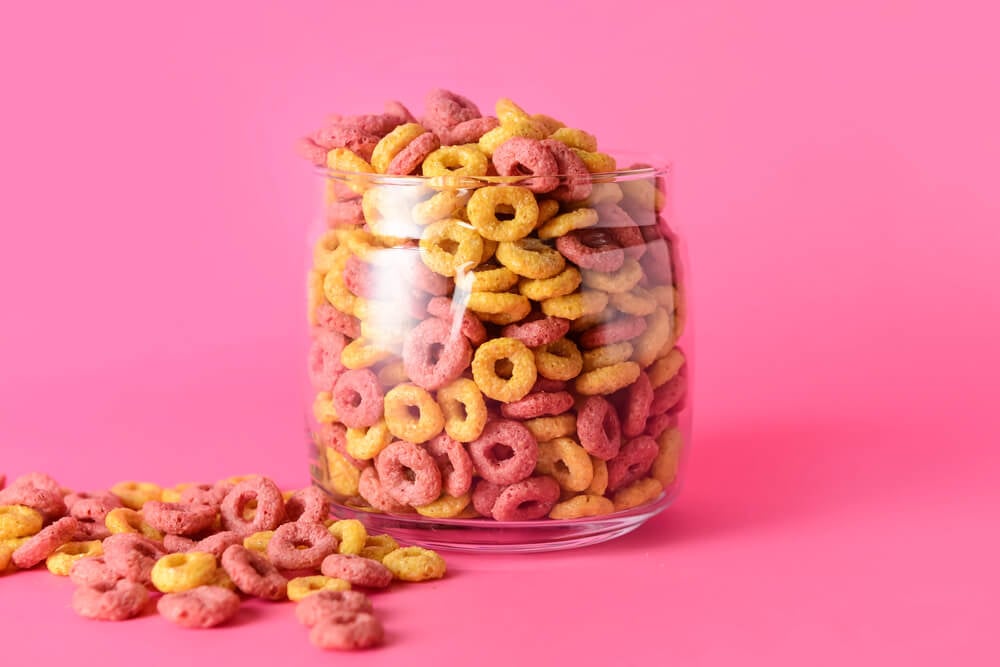
Two cereals shared one box when Ralston released the Nintendo Cereal System in 1988. One bag held Super Mario Bros. pieces with fruit flavors, while the other held The Legend of Zelda pieces with berry flavors.
The box design echoed Nintendo game packaging, which made it irresistible to young gamers. The cereal lasted only about a year before disappearing, but its reputation has grown steadily since.
Unopened boxes are now highly sought after by Nintendo collectors, with prices that depend on crushing, fading and whether the box was ever opened.
Batman Cereal
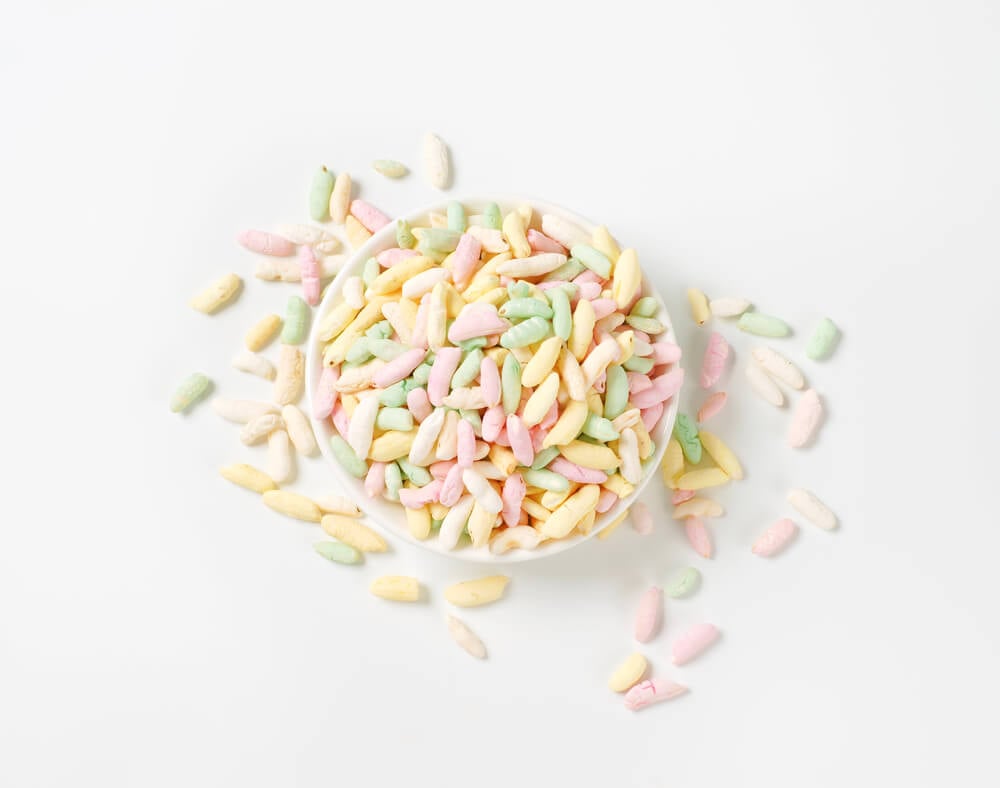
Tim Burton’s Batman film arrived in 1989, and Ralston released a Batman cereal to go with it. The sweet pieces were shaped like the bat symbol, and the dark box with its glowing emblem stood out on store shelves.
Kids bought it as much for the box as for the cereal. Like most movie cereals of the era, it faded once the film left theaters and the toys moved to clearance shelves.
It remains one of the better-remembered superhero cereals, and vintage boxes are now popular with Batman collectors.
Teenage Mutant Ninja Turtles Cereal
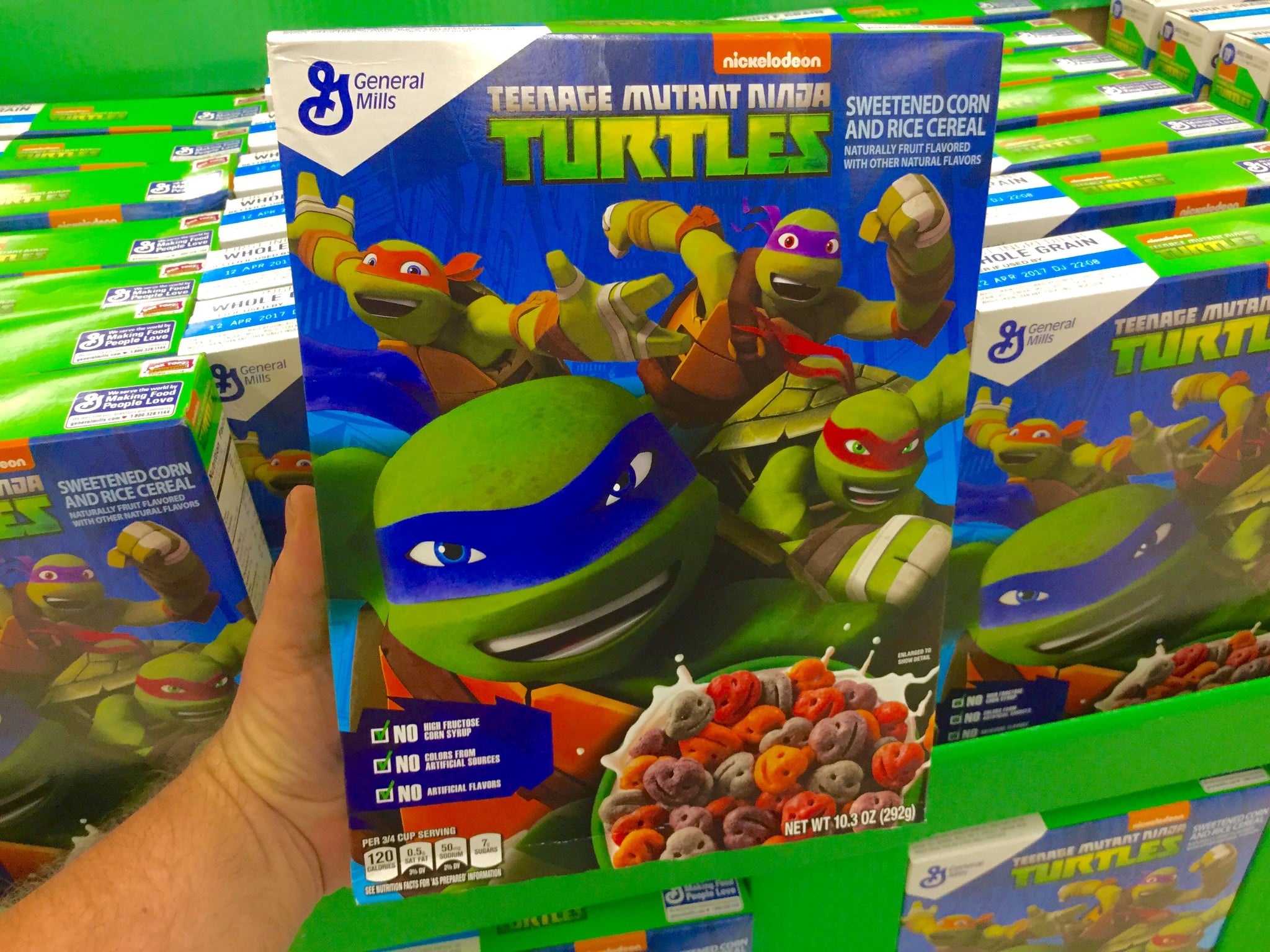
Turtle mania was at full strength in 1989 when Ralston introduced Teenage Mutant Ninja Turtles cereal. The boxes promoted the cartoon series and toy line, and the cereal itself leaned on the turtles’ famous love of pizza.
Kids loved the connection to their favorite heroes and begged for it at grocery stores. The cereal disappeared by the mid-1990s as the turtle craze faded.
Vintage boxes and premiums are now prized by fans who grew up with the original cartoon, especially when they include their mail-in offers.
Urkel-Os
Steve Urkel, the nerdy neighbor from the sitcom Family Matters, got his own cereal from Ralston in 1991. The box showed the character in his trademark glasses and suspenders, and the cereal pieces echoed the O shape in its name.
The product was a quick attempt to capitalize on the show’s enormous popularity at the time. It disappeared within a few years, but it remains a favorite example of how television characters became cereal mascots during the early 1990s, when nearly any popular face could end up on a box.
Sprinkle Spangles and the Genie
General Mills launched Sprinkle Spangles in the fall of 1993, featuring a cartoon genie as the mascot. The cereal pieces were star-shaped and covered in colorful sprinkles, giving them a festive look.
The genie promised kids magic in every bowl, and the cereal tasted much like a sugar cookie. Despite its bright packaging, the cereal did not last long.
Sprinkle Spangles was gone by the mid-1990s and remains a favorite among people who remember its brief appearance on shelves and still mention it on lists of cereals that deserve a comeback.
Hidden Treasures and Its Surprise Fillings
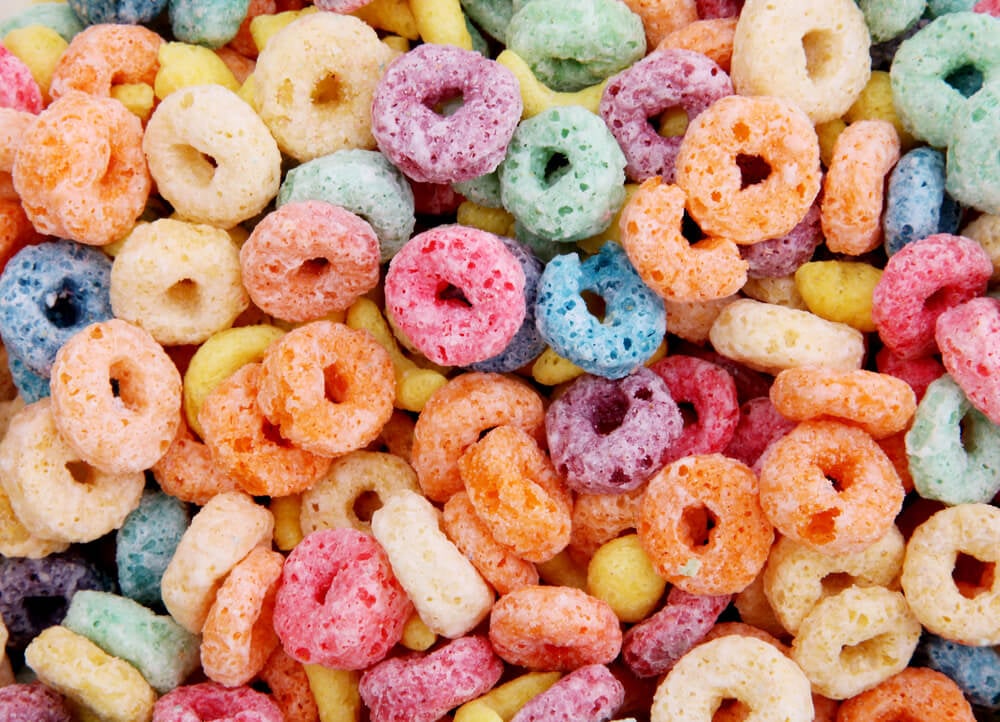
Every bowl of Hidden Treasures came with a small mystery. General Mills released the cereal in 1993, and some of the square pieces held a hidden filling, so kids searched through their bowls trying to find them.
The cereal capitalized on the thrill of discovery, which made breakfast feel like a game. General Mills discontinued it by 1995, after only about two years on shelves.
Hidden Treasures remains a fond memory for kids of the early 1990s who enjoyed the hunt, and it regularly appears on lists of cereals people want revived.
Product 19 for Grown-Ups
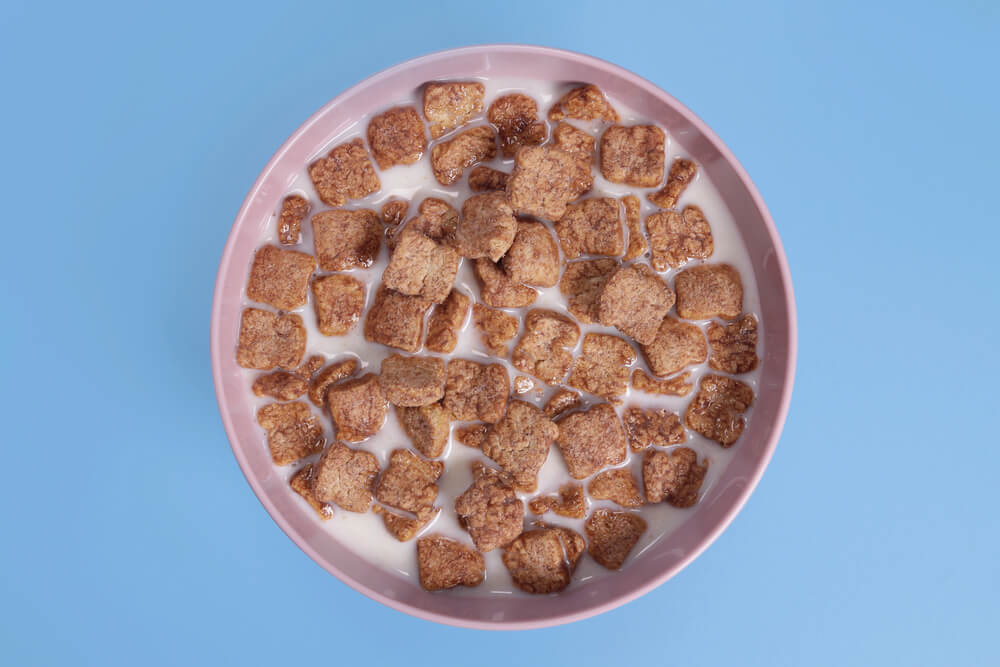
Kellogg’s introduced Product 19 in 1967 as a response to General Mills’ Total, which promised a full day’s vitamins and minerals. The lightly sweetened flakes combined corn, oats, wheat and rice.
The name has been explained either as the nineteenth version of the recipe or as Kellogg’s nineteenth product in development that year. Sales slowly declined, and Kellogg’s limited distribution in the 2010s before announcing the discontinuation in 2016.
It remains a rare example of a plain adult cereal with a genuine cult following, and loyal fans stocked up on the final boxes.
Milk, Sugar and Short Shelf Lives

Most of these cereals vanished because they were built on a moment, whether a movie release, a cartoon craze or a celebrity’s peak. Cereal companies treated boxes like billboards, and when the trend faded, so did the cereal.
That approach produced some of the most creative packaging in food history. The cereals themselves were often forgettable, but the boxes, mascots and prizes stayed with kids for decades.
Fans still trade vintage boxes, petition for revivals and argue about which version was best. The flavors may be gone, but the memory of reading a cereal box over breakfast has held up far better.
More from Go2Tutors!

- The Romanov Crown Jewels and Their Tragic Fate
- 13 Historical Mysteries That Science Still Can’t Solve
- Famous Hoaxes That Fooled the World for Years
- 15 Child Stars with Tragic Adult Lives
- 16 Famous Jewelry Pieces in History
Like Go2Tutors’s content? Follow us on MSN.