Historic Leaders Never Meant to Rule
Power has a strange way of finding people who aren’t looking for it. Throughout history, some of the most respected leaders stepped into their roles by accident, through tragedy, or because everyone else said no first.
They didn’t campaign for the position. They didn’t spend years plotting their rise.
The throne, the presidency, or the command just landed in their lap when circumstances demanded it. These accidental rulers often proved more capable than the ambitious ones.
Maybe it’s because they weren’t corrupted by the hunger for power. Or perhaps they brought a practical mindset that career politicians lacked.
Either way, their stories reveal something important about leadership itself.
The Farmer Who Saved Rome

Cincinnatus was plowing his fields when Roman senators showed up at his farm. Rome faced an existential threat, and they needed a dictator to lead the military response.
He didn’t want the job. He had crops to tend and a simple life he valued.
But duty called, so he accepted. Within sixteen days, he defeated the enemy, disbanded his army, and returned to his plow.
He gave up absolute power as soon as the crisis ended. Rome would remember him for two thousand years, not for conquering territories or building monuments, but for knowing when to walk away.
His example inspired future leaders who faced similar choices. George Washington studied his story.
So did every Roman leader who came after, though few managed to follow his example.
The King Who Hid in a Tree
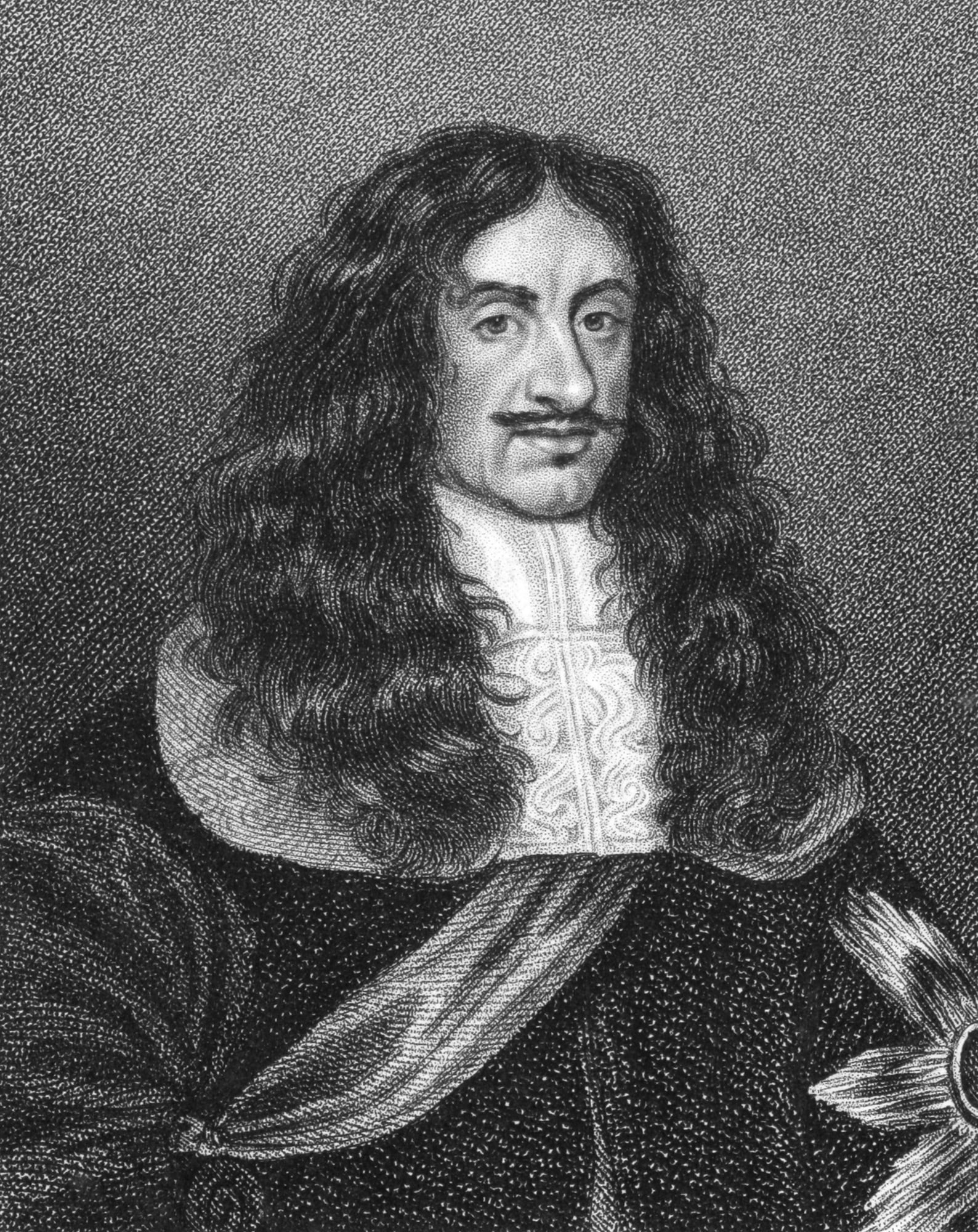
Charles II of England spent years as a fugitive before becoming king. After his father’s execution, he lived in exile while Oliver Cromwell ruled.
He disguised himself as a servant. He hid in an oak tree while soldiers searched for him below.
The crown meant nothing when you’re running for your life. When the monarchy was restored, he took the throne almost reluctantly.
The job found him, not the other way around. His years of hardship made him pragmatic.
He understood compromise better than most royals because he’d lived without power and knew how quickly it could vanish.
The Vice President Nobody Expected
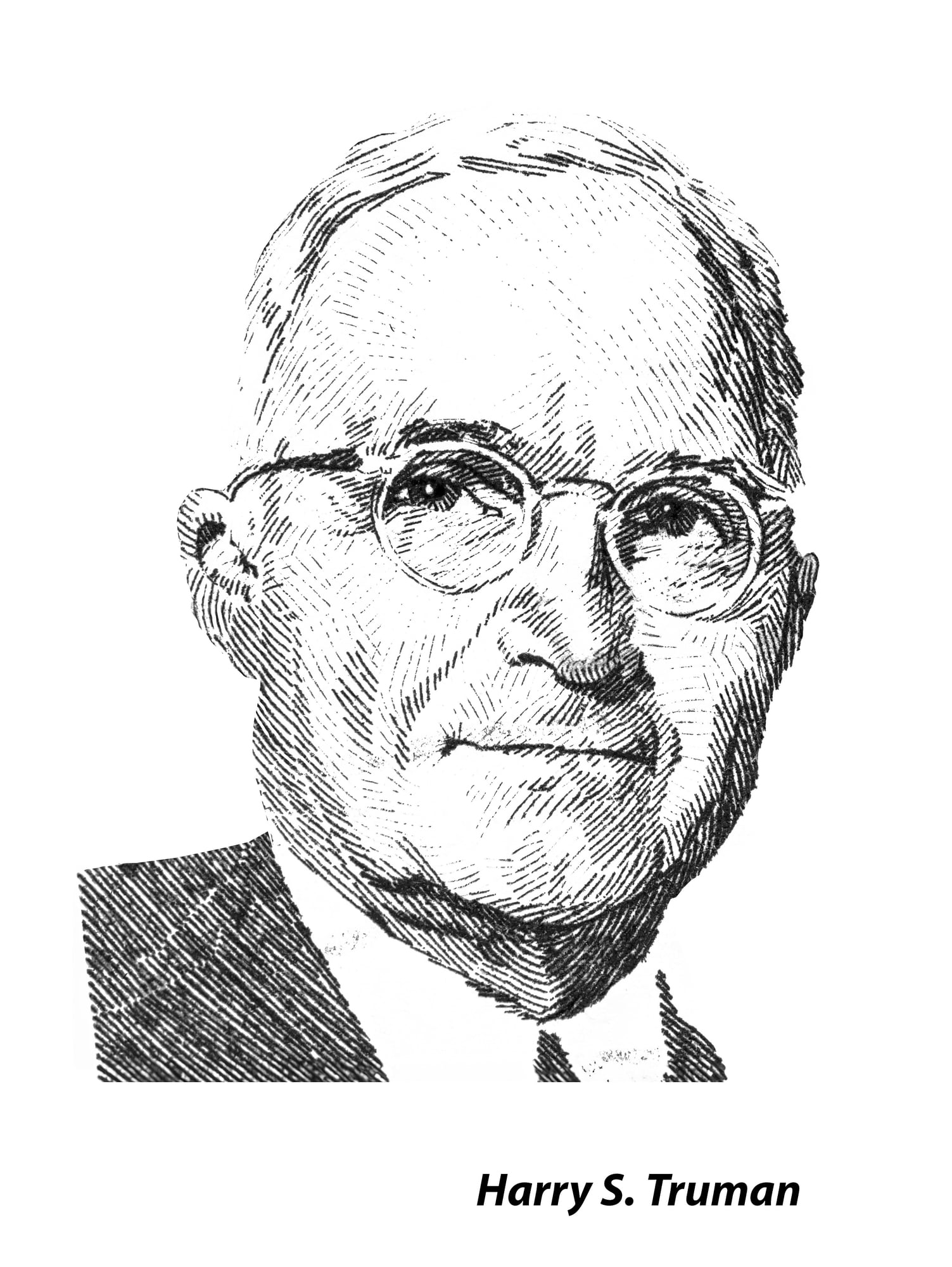
Harry Truman served as vice president for just 82 days before Franklin Roosevelt died. He wasn’t part of Roosevelt’s inner circle.
He didn’t know about the atomic bomb project. When he took office in 1945, the war was still raging, and he had to make decisions that would reshape the world.
He never sought the presidency. Party leaders pushed him into the vice presidential slot as a compromise candidate.
But history demanded more from him than anyone anticipated. The decisions he made about Japan, about Europe, about the Cold War—those fell to a man who’d been content as a senator.
The Princess Who Never Expected a Crown

Elizabeth II became queen because her uncle couldn’t keep his personal life separate from his duties. Edward VIII abdicated to marry a divorced American woman.
That decision pushed Elizabeth’s father to the throne and eventually placed her there too. She was ten years old when everything changed.
One day she was a princess who’d live a relatively private life. Next, she was heir to the throne.
She spent her childhood and young adulthood preparing for a job she never asked for. Her sister Margaret once said their lives were never the same after the abdication.
The weight of duty replaced the freedom of anonymity. Elizabeth accepted it because someone had to, not because she wanted the crown.
The General Who Refused a Kingdom

George Washington could have been king. His officers practically begged him to take control after the Revolutionary War.
The army was loyal to him personally. Congress was weak and disorganized.
He had the power and the support. He said no.
He resigned his commission and went home to Mount Vernon, just like Cincinnatus. When the presidency was created, he accepted it reluctantly, only after everyone insisted the new nation needed him.
He served two terms and refused a third, establishing a precedent that lasted until World War II. His refusal to seize power when he could have shaped American democracy more than any document or law.
Actions speak louder than constitutions.
When Death Puts You in Charge

Many rulers inherited their position through unexpected deaths. They were second sons, distant relatives, or spouses who never imagined they’d rule.
Catherine the Great married into the Russian royal family as a minor German princess. Her husband was incompetent, but she wasn’t supposed to rule.
She was supposed to produce heirs and stay in the background. Then her husband’s own guards overthrew him, and suddenly she was empress.
She hadn’t planned a coup. She simply stepped into the vacuum because the alternative was chaos.
Her 34-year reign transformed Russia, all because she accepted a role she never pursued.
The Prime Minister Who Wanted to Paint

Winston Churchill spent years in political exile during the 1930s. His party didn’t want him.
He was considered too old, too erratic, too stuck in the past. He passed his time painting landscapes and writing books.
Politics had moved on without him. Then Hitler invaded Poland, and suddenly Churchill’s warnings about Germany didn’t seem so paranoid.
Britain needed someone who understood the threat. They needed someone who wouldn’t compromise with fascism.
So they turned to the man they’d dismissed, and he led them through their darkest hours. He never expected to be prime minister at age 65.
But sometimes the job finds the person at exactly the right moment.
The Burden of Being Second

Second-born children in monarchies lived with freedom their older siblings never knew. They could pursue interests, marry for love, and speak their minds.
Then an illness, an accident, or an abdication changed everything. King George VI stammered.
He was shy, uncomfortable with public speaking, never meant for the spotlight. His brother Edward was supposed to handle all that.
George preferred a quiet life with his family. The abdication crisis forced him onto the throne, and he faced it with World War II approaching.
His daughter watched him struggle with duties he never wanted. She saw what reluctant leadership looked like up close.
That probably shaped her own approach to monarchy more than any formal training.
The Scholar Who Became Pope

Some popes never wanted the job either. Benedict XVI was a theologian who preferred books to crowds.
He was Joseph Ratzinger, a quiet professor who wrote dense academic texts. The cardinals elected him anyway.
He served for eight years before doing something remarkable: he resigned. Popes don’t resign.
They serve until death. But he recognized his limitations and stepped down, choosing a contemplative life over a position he never truly wanted.
His resignation was almost as significant as his election. It proved that even the most traditional institutions could make room for leaders who knew their own limits.
Military Command by Accident

Some generals never wanted the responsibility of command. They joined the military as junior officers and planned on modest careers.
Then wars created vacancies at the top faster than the promotion system could fill them. Dwight Eisenhower was a lieutenant colonel in 1941.
He’d spent his career in staff positions, planning and logistics. Two years later, he commanded all Allied forces in Europe.
The job found him because he was competent, available, and political enough to manage the coalition. He never dreamed of leading millions of troops.
He certainly didn’t plan on becoming president afterward. But competence has a way of demanding more from people than they originally signed up for.
The Reformer Who Started a Religion

Martin Luther just wanted to debate theology. He was a monk and professor who thought the Catholic Church was selling forgiveness wrong.
He posted his 95 Theses as an academic exercise, expecting scholarly discussion. Instead, he sparked the Protestant Reformation.
He didn’t set out to split Christianity or create new churches. He wanted reform within the existing system.
But printing presses spread his ideas faster than he could control them, and suddenly he was leading a movement he never intended to start. Leaders don’t always choose their causes.
Sometimes the causes choose them, and refusing feels impossible.
The Weight of Unexpected Responsibility

A choice shows up when no one is ready. Turning away means passing the weight to another.
Staying might mean dragging feet but trying anyway. Grabbing hold happens even without asking for it.
Some picked the path of saying yes. Not chasing fame or control, yet stepping forward since nobody else would.
What they lived through counts, revealing that leading does not come from hunger for more. Instead, it arrives when life insists on an answer.
The Lesson In How They Act

It takes no desire for control to manage influence wisely. Ready or not, tough choices still get made without long training first.
Often the strongest guides are those surprised by their role, seeing leadership as duty instead of reward. Stuck by hesitation, they stayed close to the ground.
Because dreams were small, people believed in them without question. Sacrifices sat heavy in their minds – this is why duty felt weighty, never light.
Remember that when life hands you roles you never asked for.
When Fate Chooses Your Path

Out of nowhere, history slips you a role you never auditioned for. Some who ended up leading didn’t plan it at all.
When no one else stepped forward, stepping back would have left everything broken. Staying wasn’t about fame – it was simply what had to be done.
Long after the loud grabbers faded, quiet figures stayed in memory. Not because they reached for crowns, but stepped forward when silence ruled.
When duty knocked and others turned away, these few answered. Strength that arrives without asking tends to linger far beyond spectacle.
History keeps them close, not for wanting control, but holding it gently.
More from Go2Tutors!

- The Romanov Crown Jewels and Their Tragic Fate
- 13 Historical Mysteries That Science Still Can’t Solve
- Famous Hoaxes That Fooled the World for Years
- 15 Child Stars with Tragic Adult Lives
- 16 Famous Jewelry Pieces in History
Like Go2Tutors’s content? Follow us on MSN.



