20 Things Found Hidden Inside Old Houses
Old houses keep their secrets in the spaces nobody looks at, the gap behind a chimney breast, the cavity under a kitchen floor, the attic corner piled with forgotten trunks. Renovators open those spaces every day.
Most find dust, mouse nests and tired wiring. A few find something that changes their bank balance or rewrites a small piece of history.
Worn-Out Shoes Tucked Near The Chimney
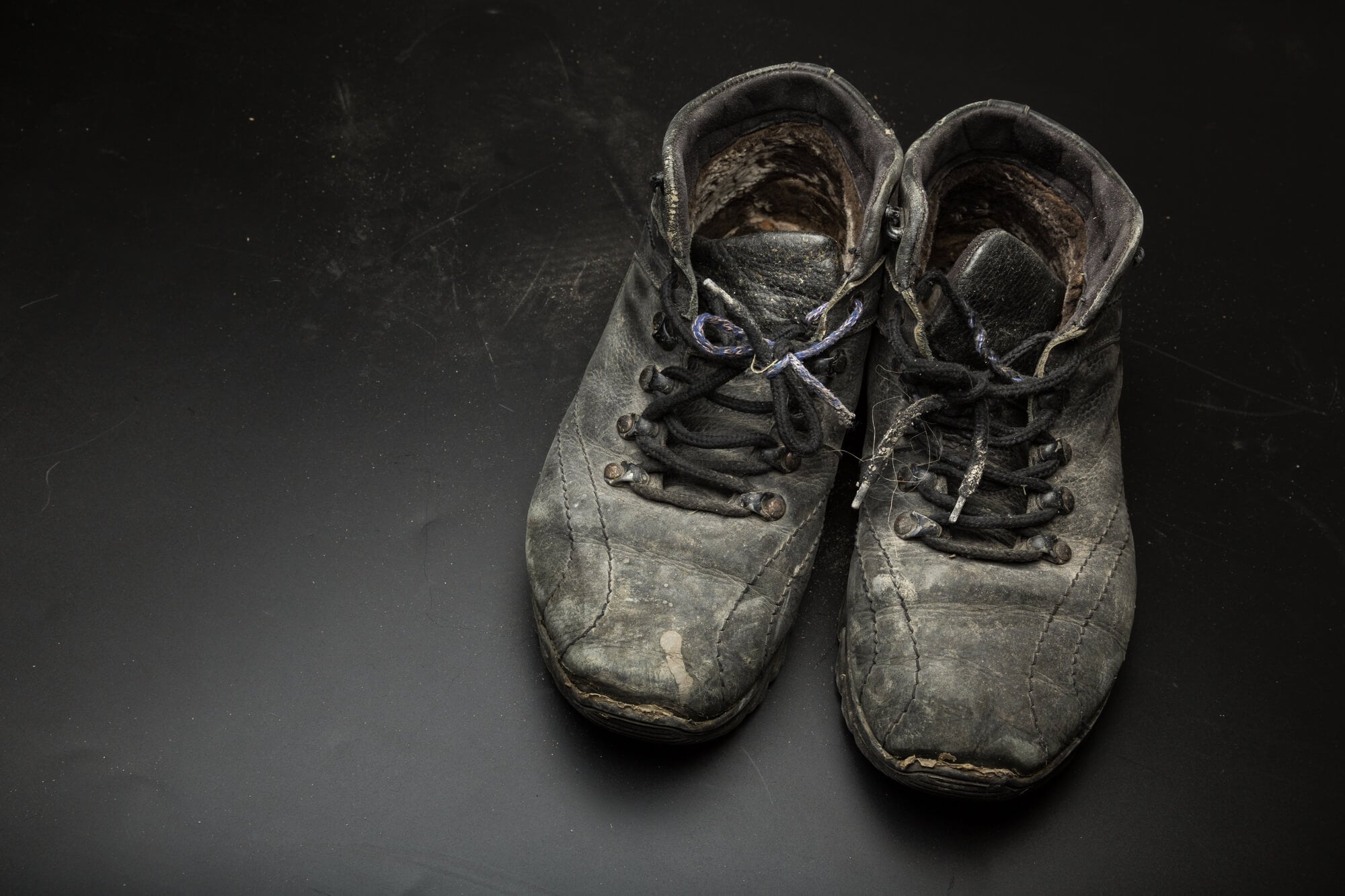
Builders and homeowners in Britain keep finding single, heavily worn shoes hidden in walls, under floors and especially near chimneys and fireplaces. The Northampton Museum and Art Gallery maintains a Concealed Shoe Index that has logged close to 2,000 reports, most of them dating from the 1600s to the 1800s.
Children’s shoes turn up often. The leading theory is that the shoes were meant to protect the household from evil spirits entering through openings like the chimney, although nobody left written instructions explaining the custom.
That silence is a large part of why historians find the practice so intriguing.
Witch Bottles Buried Beneath The Hearth

Stoneware jugs packed with bent pins, iron nails, hair, fingernail clippings and urine were buried under hearths and thresholds in England during the 1600s and 1700s. Known as witch bottles, they were meant to turn a curse back on the witch believed to be causing illness or misfortune.
Many used imported German jugs decorated with a bearded face. A sealed example dug up in Greenwich in 2004 still held its original liquid, giving researchers a rare chance to analyze the full contents.
That jug also contained a small piece of leather cut into a heart shape and pierced with a nail.
Dried Cats Sealed Inside Walls

Workers renovating old buildings across Britain, Ireland and parts of Europe and North America regularly find the mummified bodies of cats inside walls, under floors and near chimneys. Some were probably trapped by accident during construction, but others appear to have been placed deliberately, occasionally posed or accompanied by dead rats.
Researcher Margaret Howard surveyed the custom in a 1951 article and suggested the cats were meant to ward off vermin or bad luck. Many homeowners who find one choose to put it back.
Some believe removing it brings misfortune, and they would rather not test the theory.
Protective Marks Carved Under Floorboards

Interlocking circles, overlapping letter V marks and scorch patterns from candle flames turn up on beams, doorways and fireplaces in many old English buildings. Historians call them apotropaic marks, carvings meant to ward off evil.
At Knole, a great house in Kent, archaeologists in 2014 found a cluster of these marks cut into the joists and beams around a fireplace in a room prepared for a visit by King James I in 1606. The timing suggests the carpenters wanted extra protection for the king in the year after the Gunpowder Plot.
Daisy wheel patterns drawn with a compass are especially common.
Caravaggio Canvas Behind An Attic Door
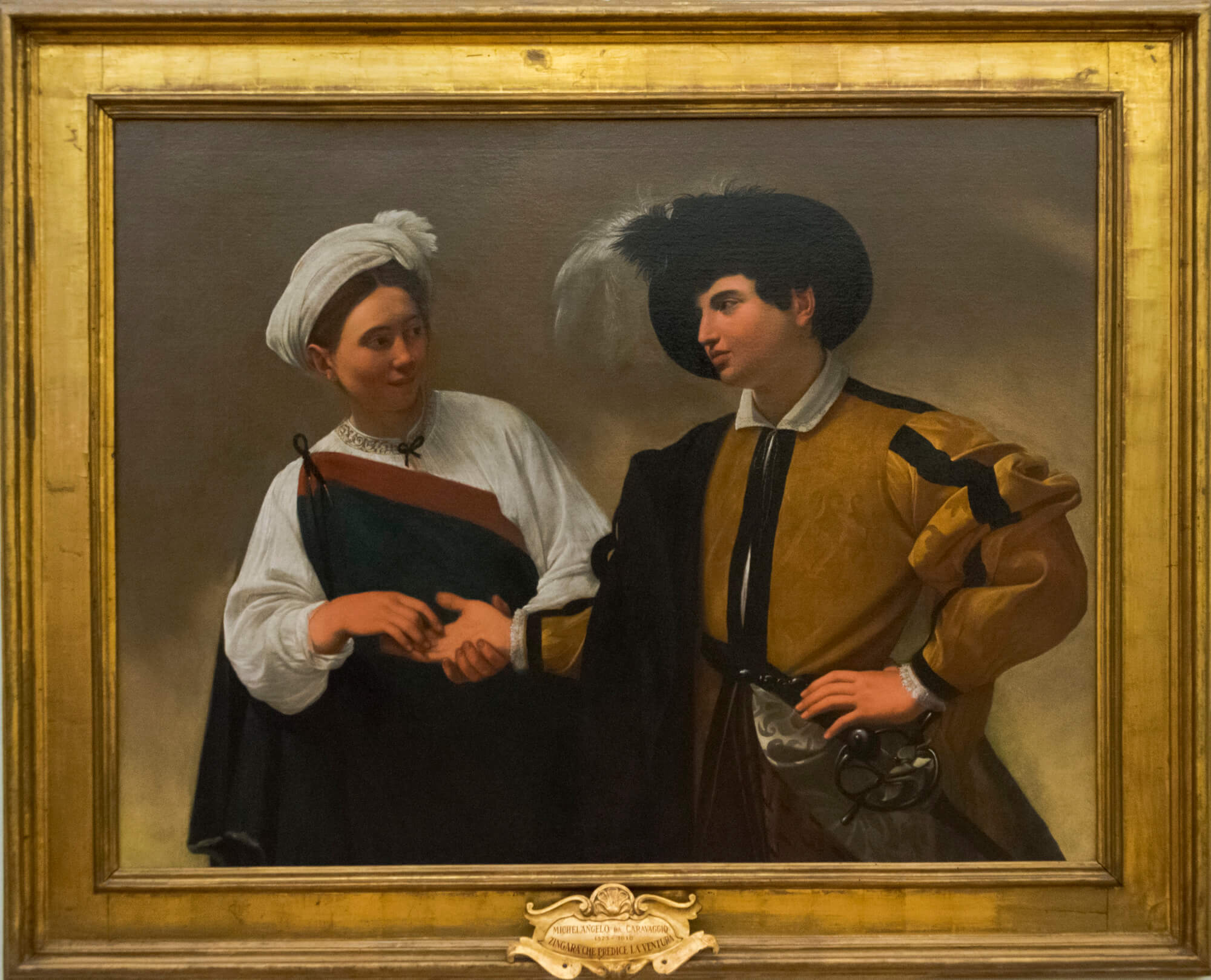
Homeowners near Toulouse in southwest France went into their attic in April 2014 to deal with a leak and found a dusty painting in a room behind a door. Experts later attributed it to Caravaggio as a version of Judith Beheading Holofernes, a subject he painted around 1600, although some scholars disputed the attribution.
The French government barred its export for over two years while museums considered buying it. It was set to be auctioned in Toulouse in 2019 with an estimate of up to 150 million euros, but it sold privately two days before the sale.
Its true authorship is still argued over.
Cimabue Panel Above A Kitchen Hotplate
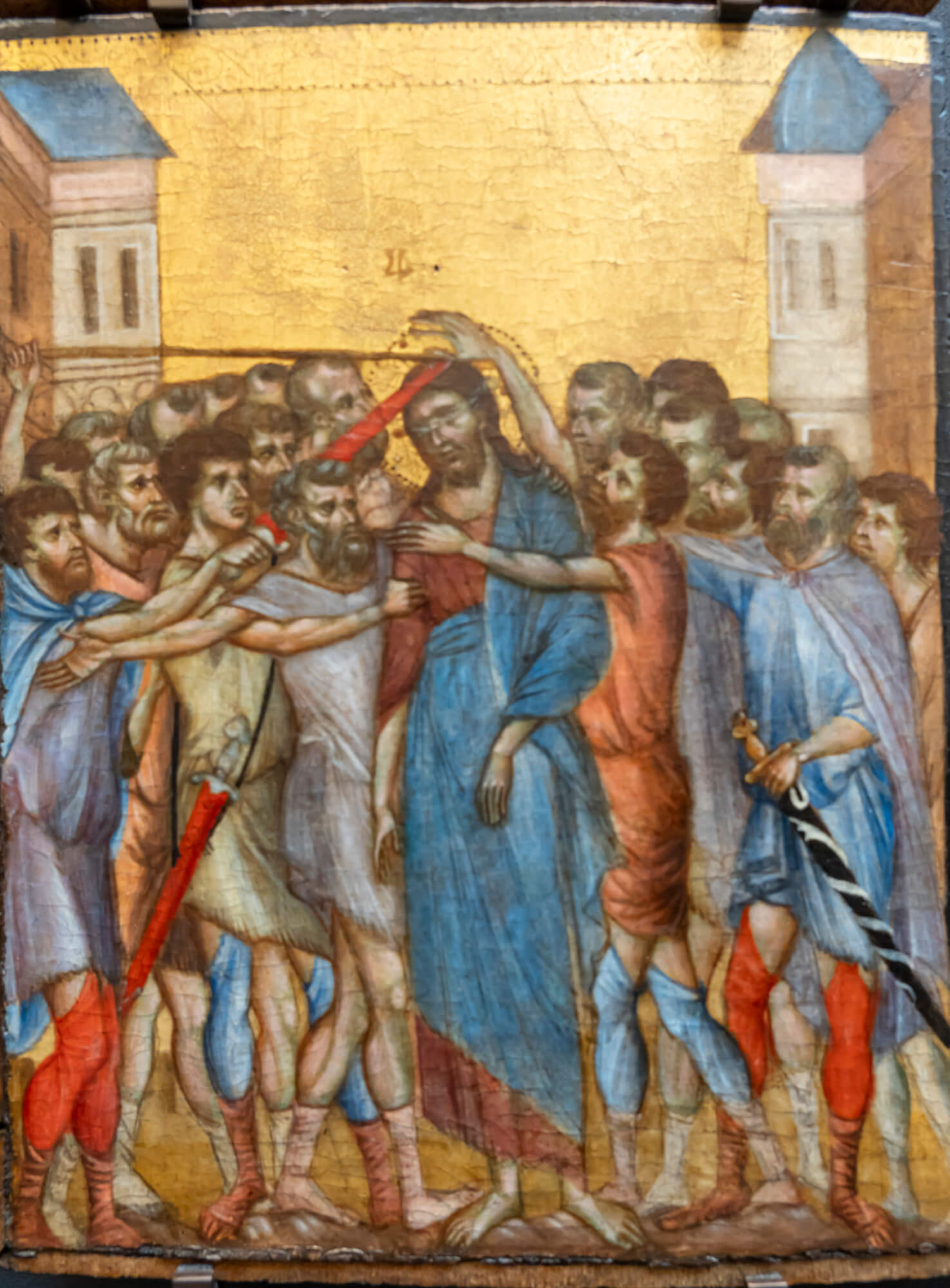
An elderly woman in Compiegne, northern France, kept a small religious panel hanging between her kitchen and living room for years, assuming it was an old Russian icon of no great value. An auctioneer clearing the house in 2019 suspected otherwise, and experts identified it as Christ Mocked by the 13th-century Italian painter Cimabue.
Infrared imaging and tracks left by wood-boring insects matched two other panels from the same altarpiece. It sold that October for about 24 million euros, a record for a medieval painting at auction.
France then declared it a national treasure and blocked its export.
Gold Coins Under An East Yorkshire Kitchen

Robert and Betty Fooks were lifting the concrete floor of their kitchen in Ellerby, East Yorkshire, in 2019 when they found a salt-glazed pot about the size of a drinks can. Inside were 264 gold coins dating from the early 1600s to the 1720s.
Researchers traced the hoard to the Fernley-Maister family, wealthy merchants who had once owned the house. The coins sold at auction in 2022 for about 754,000 pounds, including fees.
Had the couple left the old floor in place, the coins could easily have sat there for another few centuries without anyone suspecting a thing.
Bootleg Whiskey Stashed In The Walls

A homeowner renovating a house in upstate New York in 2015 pulled down part of a wall and found dozens of bottles of Prohibition-era whiskey stacked between the studs and under the floorboards. Local reports linked the house to a bootlegger who had lived there during the 1920s, when making and selling alcohol was illegal across the United States.
Prohibition lasted from 1920 until its repeal in 1933, long enough for plenty of drinkers to build hidden storage into ordinary homes. Several of the bottles were still sealed.
The new owner had to decide whether a century-old drink was a collectible or a risk.
Priest Hides Built By Nicholas Owen

During the reign of Elizabeth I, Catholic priests in England risked execution, and wealthy Catholic families built secret chambers to conceal them from searchers. Nicholas Owen, a Jesuit lay brother and carpenter, built many of the most ingenious ones, often working alone at night so no one could betray their locations.
Harvington Hall in Worcestershire still has several hides attributed to him, including one beneath a lifting stair tread. Owen was captured in 1606 and died under torture in the Tower of London without revealing his work.
He was canonized in 1970, and some of his hides were only rediscovered centuries later.
Old Newspapers Used As Insulation
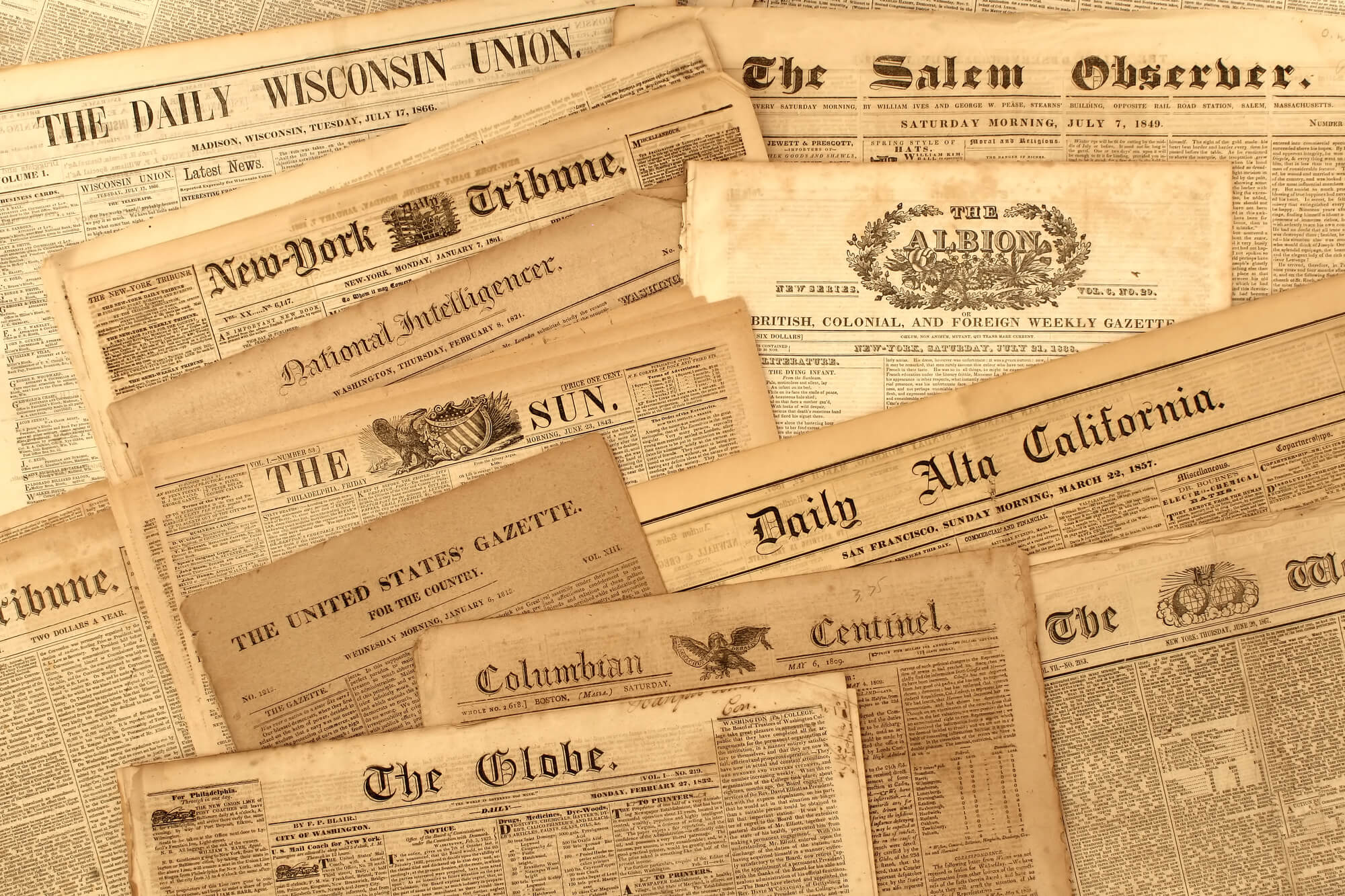
Builders in the 1800s and early 1900s often stuffed walls with newspapers or pasted layers of them under wallpaper to block drafts. Renovators now find pages with dated headlines, advertisements and comic strips that help pin down when a room was built or redecorated.
In pioneer homes in the American West, newspaper sometimes served as the only wall covering available. Historians value these finds because local papers from small towns often survive nowhere else.
Advertisements for patent medicines, horse tack and mail-order corsets reveal more about daily worries than many textbooks manage.
Action Comics Number One In The Insulation
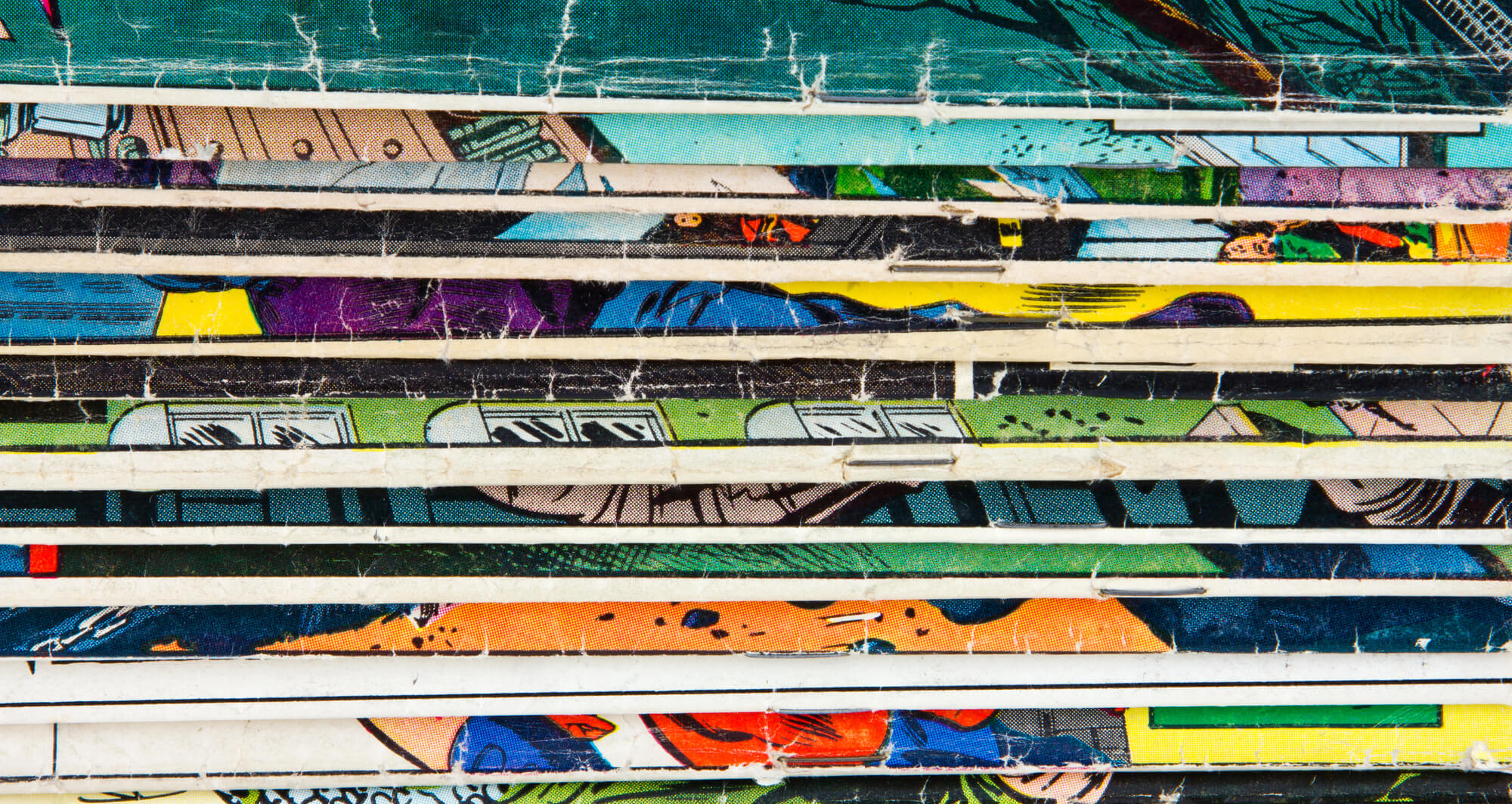
David Gonzalez was renovating a house he had bought in Elbow Lake, Minnesota, in 2013 when he found a copy of Action Comics No. 1 stuffed in a wall as insulation. The 1938 issue introduced Superman and is one of the most valuable comic books in existence.
His copy was damaged, partly because a relative reportedly tore the back cover during an argument over it, and it received a low grade. It still sold at auction for about 175,000 dollars.
A high-grade copy of the same issue sold for more than 3 million dollars in 2014, so condition made an enormous difference.
Horse Skulls Beneath The Floor
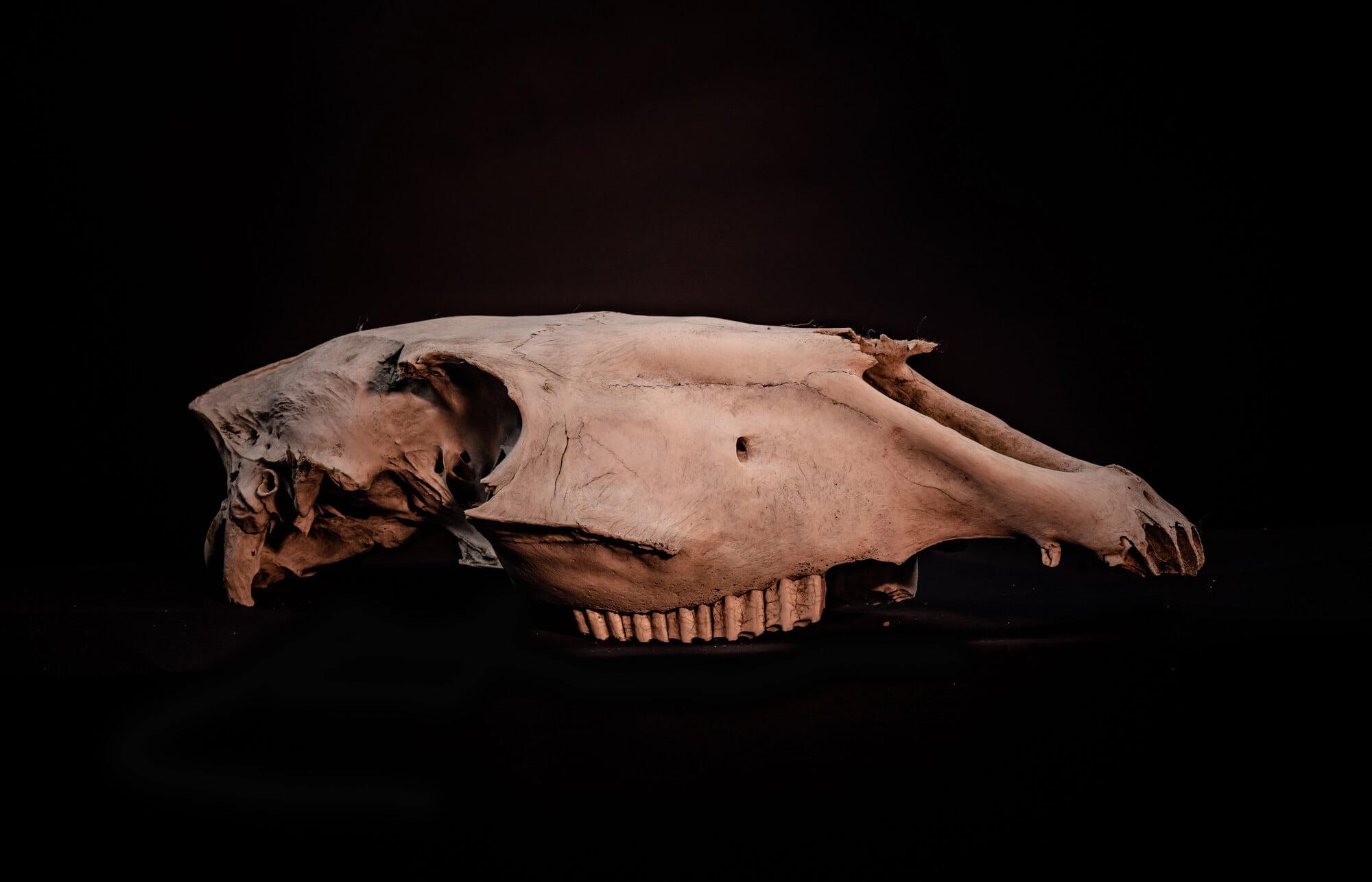
Horse skulls, sometimes dozens at once, have been found buried under the floors of houses, barns and chapels in Ireland, Britain and Scandinavia. Some were arranged in neat rows with the jaws facing up.
One theory holds that the hollow skulls improved the acoustics of floors used for dancing or threshing grain, making footsteps ring out. Another links them to older beliefs about horses as protective animals.
Irish folklore records mention the practice into the 1800s. Either way, the builders went to considerable effort, since gathering dozens of horse skulls was hardly a casual afternoon task.
Written Charms Hidden By Cunning Folk
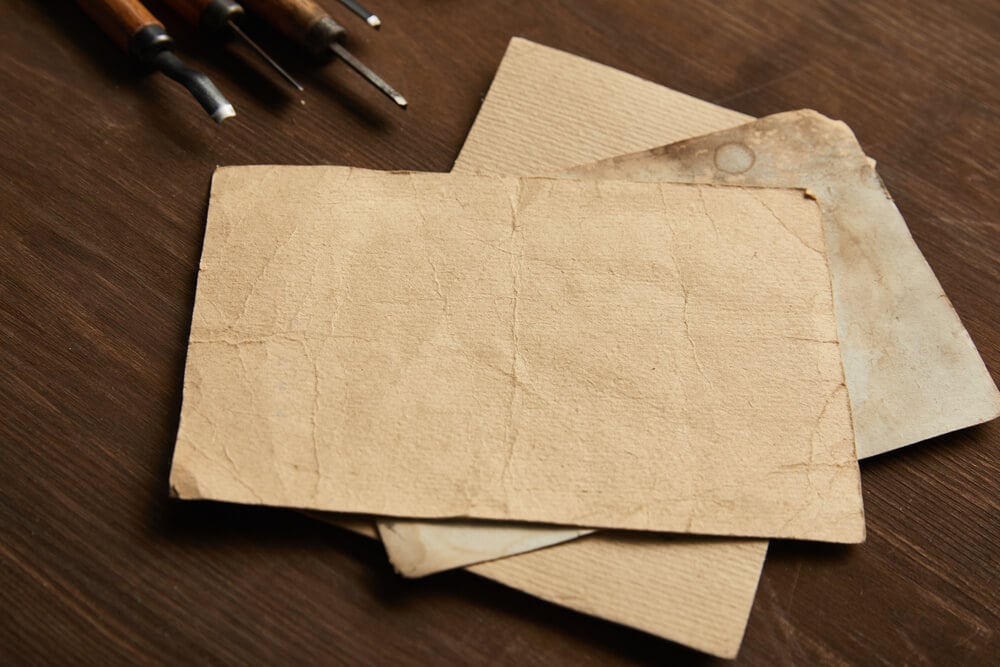
Folded scraps of paper covered in symbols, scrambled Latin, astrological signs and the word abracadabra have turned up in walls, rafters and door frames of old houses in Wales and England. Most were written by cunning folk, local healers and charm-makers who sold protection against witchcraft and illness to farmers and householders in the 1700s and 1800s.
Some were written to protect livestock as well as people. Many were sealed or folded tightly so no one would read them, since reading a charm was thought to weaken it.
Welsh museums now hold examples recovered from old buildings.
Huckleberry Finn Manuscript In An Attic Trunk
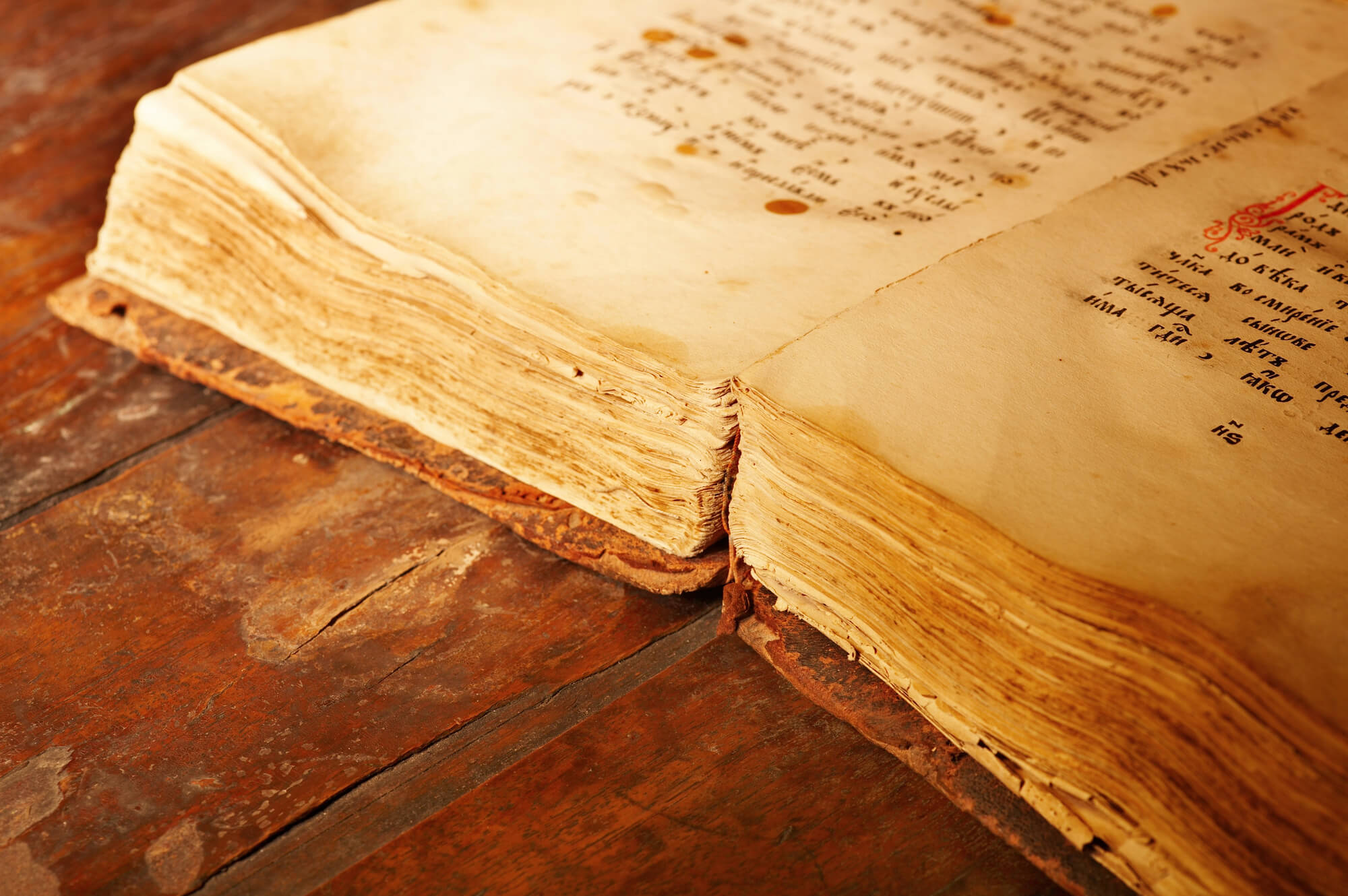
In 1990, a Los Angeles woman named Barbara Testa opened old trunks in her attic that had belonged to her grandfather, James Fraser Gluck, a Buffalo lawyer and collector. Inside was the long-lost first half of Mark Twain’s handwritten manuscript of Adventures of Huckleberry Finn, about 665 pages that Twain had donated to a Buffalo library in the 1880s.
Gluck had apparently borrowed it and never returned it. After a legal dispute, the full manuscript was reunited at the Buffalo and Erie County Public Library.
Scholars finally got to read passages Twain had cut before publication.
Pigeon Skeleton With A Coded Message

David Martin was renovating the fireplace of his home in Bletchingley, Surrey, in 2012 when he found the remains of a pigeon in the chimney. A small red canister attached to its leg held a handwritten message made up of 27 blocks of letters and numbers, apparently sent during World War II.
Britain used hundreds of thousands of carrier pigeons in the war, and the message was widely linked to the D-Day period. Codebreakers at GCHQ said they could not crack it without the original codebook.
The bird never made it home, and its message never reached anyone.
Arsenic Green Wallpaper Under Newer Layers

Renovators stripping old rooms sometimes find bright green wallpaper from the 1800s hidden under later layers. Many of those greens were made with arsenic compounds, especially Scheele’s green, created by chemist Carl Wilhelm Scheele in 1775, and later Paris green.
Damp rooms could release arsenic into the air, and the papers were blamed for illnesses in Victorian homes. William Morris used arsenic pigments in some early wallpapers, while his family’s fortune came partly from an arsenic-producing mine.
Conservators now recommend testing old green papers before stripping them. A pretty pattern could be a genuine health hazard.
Knob-And-Tube Wiring Behind The Plaster
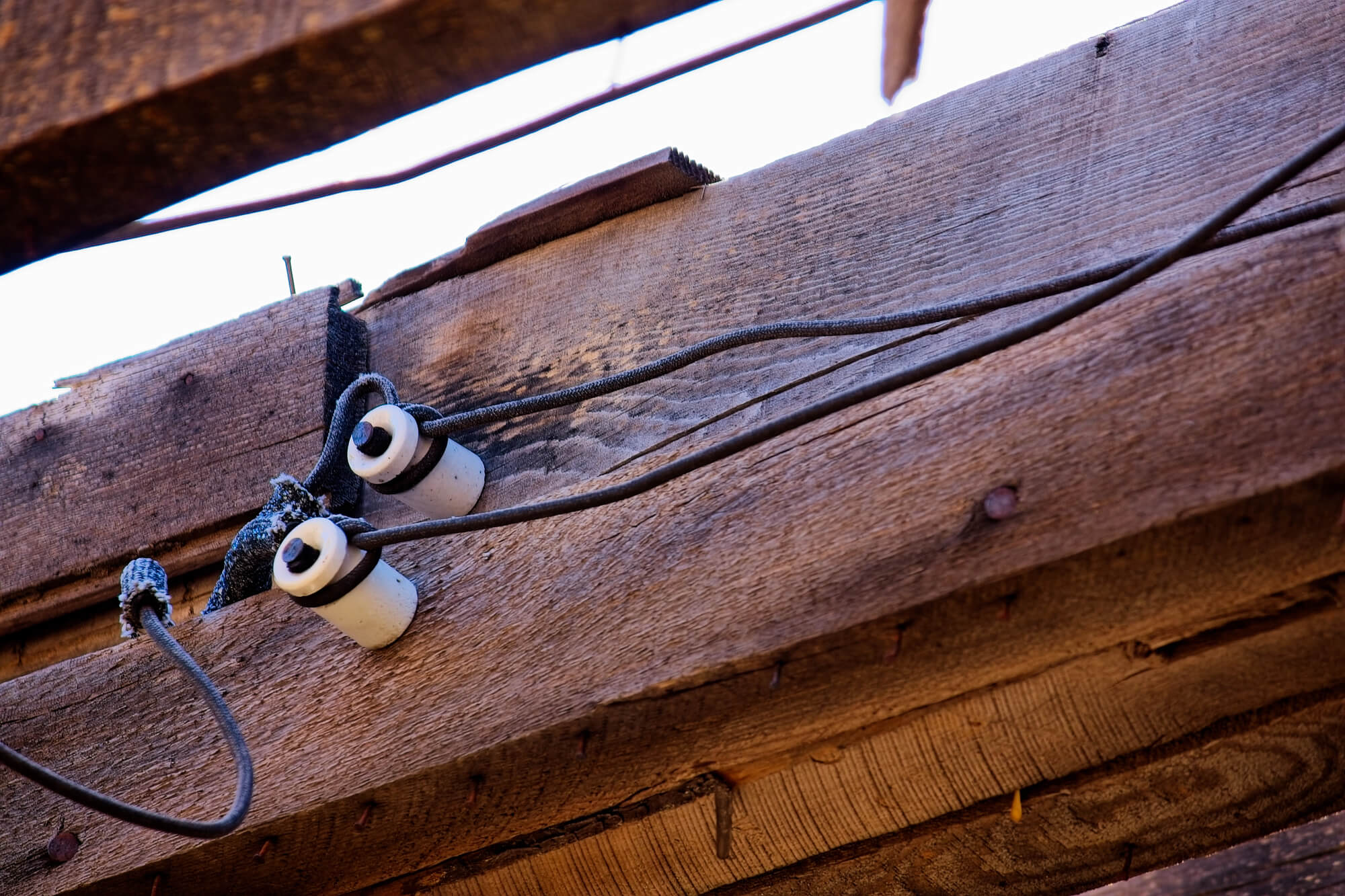
American homes wired between roughly the 1880s and the 1940s often hide knob-and-tube wiring, single copper conductors strung on porcelain knobs and threaded through porcelain tubes wherever they passed through joists. It was a workable early system, and some of it still carries current today.
It has no ground wire, however, and decades of brittle insulation and amateur additions make it a concern for electricians. Some insurance companies refuse to cover houses that still rely on it.
Finding it during a renovation usually means a large rewiring bill, which makes it one of the least welcome discoveries on this list.
Carpenters’ Assembly Marks On The Rafters
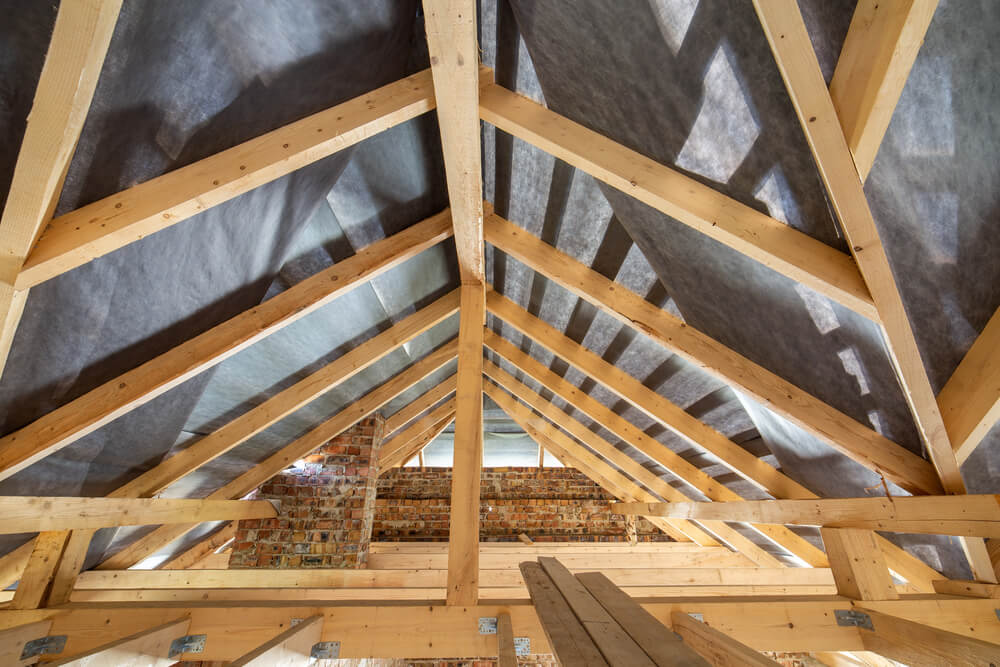
Timber framers in medieval and early modern England often cut Roman numerals into joints so a frame could be prefabricated in a yard, taken apart and reassembled on site. Opening an old roof or stripping plaster can reveal these marks, scratched with a chisel or a special race knife, still matching across beams that have not moved in centuries.
Some framers used extra tags to tell the two sides of a building apart. Studying the marks helps historians work out whether timbers were reused from older structures.
They are, in effect, assembly instructions left in the wood.
Van Gogh Landscape In A Norwegian Attic

A Norwegian industrialist bought a painting of a sunset over oak trees in 1908 and was later told it was a fake. It went into an attic, where it stayed for decades.
In 2013, the Van Gogh Museum in Amsterdam announced that the canvas, Sunset at Montmajour, was a genuine work painted by Vincent van Gogh in 1888 near Arles. Researchers matched the pigments, the canvas type and a letter in which the artist described painting the scene.
It was the first full-size Van Gogh canvas identified since 1928. The family’s long skepticism kept it safely out of sight.
Gold Sovereigns Inside An Old Piano
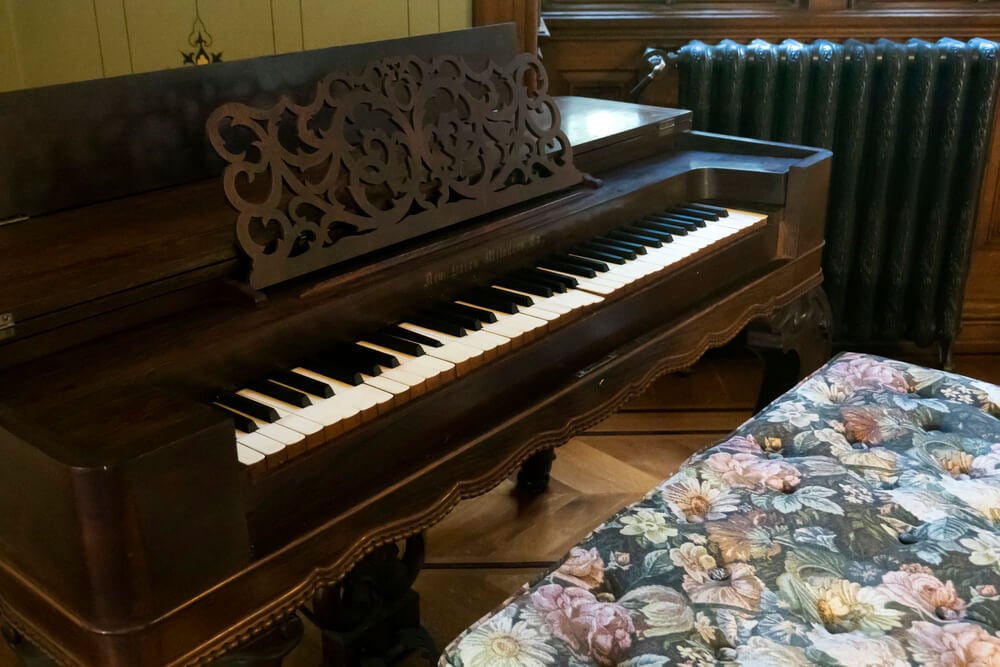
Piano tuner Martin Backhouse was working on an upright piano donated to a community college in Bishop’s Castle, Shropshire, in late 2016 when he found seven cloth-wrapped parcels hidden under the keyboard. Together they held 913 gold sovereigns and half sovereigns dating from 1847 to 1915.
The piano, made by Broadwood and Sons in London, had passed through several homes before reaching the school. A coroner ruled the coins treasure in 2017 after no rightful owner came forward.
Whoever hid them apparently never told a single relative, and the secret stayed in the instrument for decades.
Walls Keep Better Records Than Owners
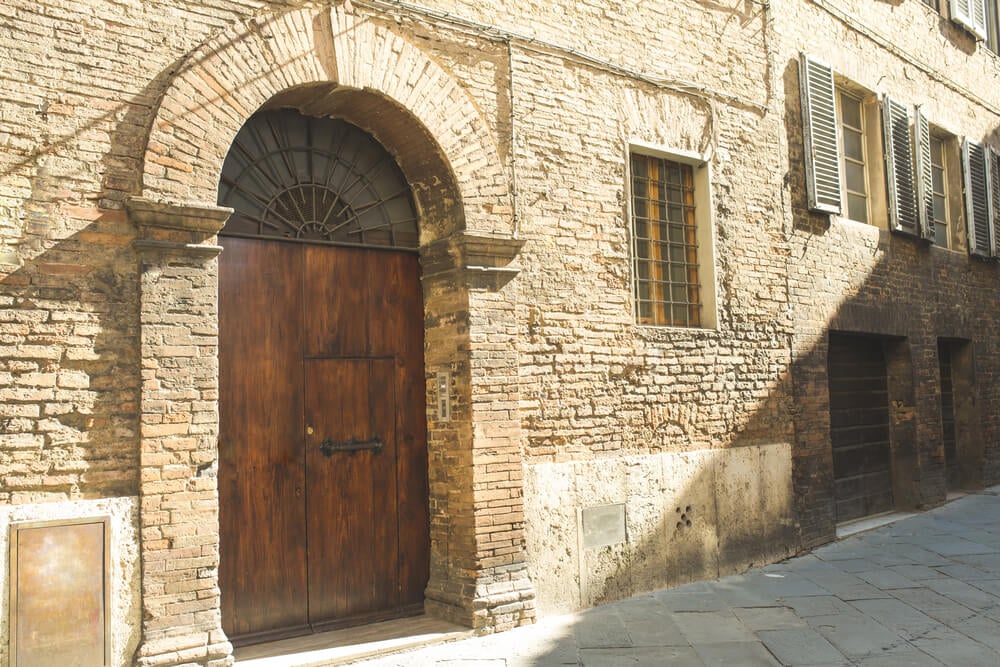
Deeds and tax records describe who owned a house. The contents of its walls show what people feared, hoped for and wanted to keep secret.
A worn shoe near a chimney, a jar of coins under the kitchen and a coded message in a flue each speak to a different kind of private worry.
Renovation is the moment those stories either surface or vanish into a dumpster. A pause before throwing something out has saved paintings, manuscripts and fortunes.
Old houses reward anyone willing to look closely and ask a few questions.
More from Go2Tutors!

- The Romanov Crown Jewels and Their Tragic Fate
- 13 Historical Mysteries That Science Still Can’t Solve
- Famous Hoaxes That Fooled the World for Years
- 15 Child Stars with Tragic Adult Lives
- 16 Famous Jewelry Pieces in History
Like Go2Tutors’s content? Follow us on MSN.