Traditions That Celebrate Happiness
What counts as happiness isn’t just personal. For ages, in different places, people shaped habits around gladness, thankfulness, through moments held together.
Such customs stick around not when joy lasts, but when it slips away fast. With rhythm and formality, feelings get noticed, kept safe, handed forward.
Together lies at the heart of these customs. Alone, joy seldom finds its moment.
Through song, dance, shared meals, bright hues, moments woven with people – this is how it shows up. Where struggle carves deep lines into life, or cold months stretch endlessly, celebrations still rise.
Light grows fiercest when shadows fall heaviest. A fresh peek into the ways diverse cultures build enduring customs around joy shows what keeps them alive today.
Though shaped by time, these practices hold weight because people still connect with their meaning.
Festivals of light in dark seasons
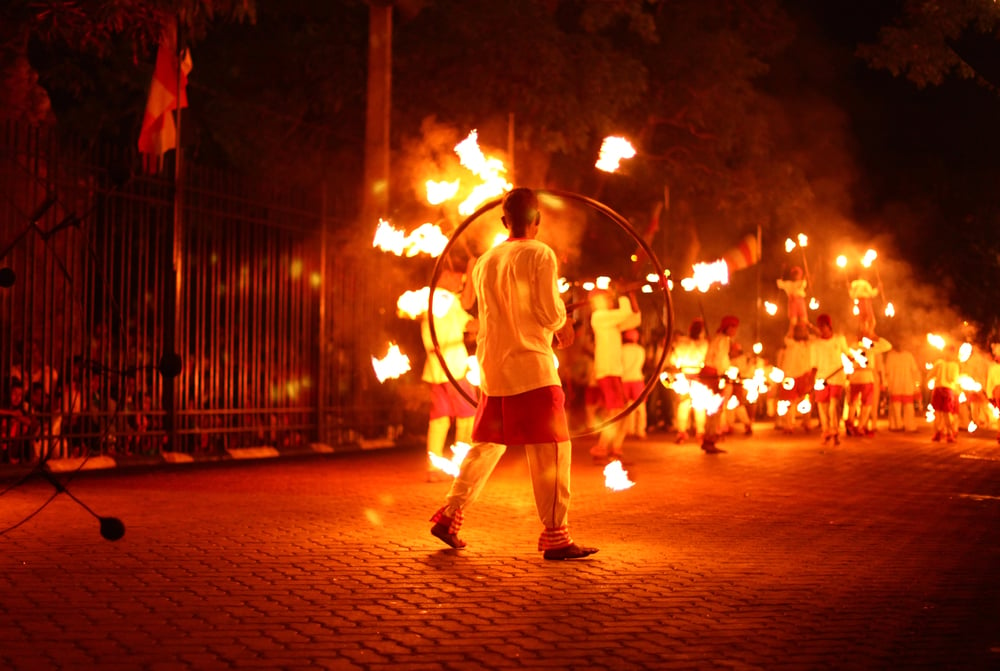
Many traditions centred on happiness emerge during the darkest times of the year. In regions where winter brings long nights and limited resources, festivals of light offer warmth and reassurance.
Candles, lanterns, and fires become symbols of endurance and collective hope. These celebrations do not deny hardship.
Instead, they create space for joy alongside it. Light becomes both literal and emotional, reminding communities that brightness returns.
The act of gathering itself is the celebration, reinforcing connection when isolation might otherwise take hold.
Dancing as communal joy
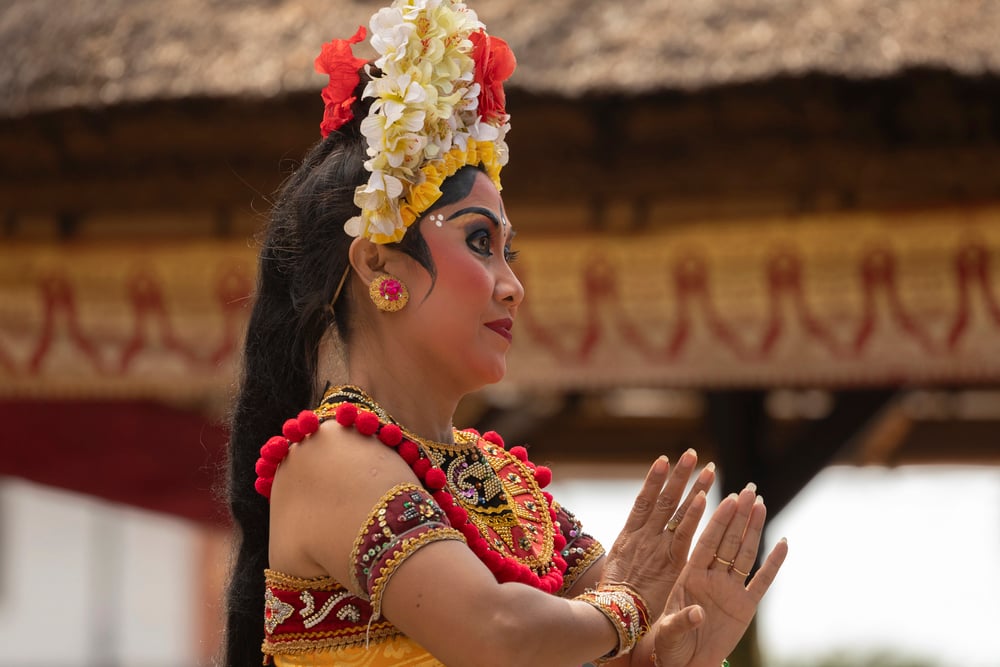
In many cultures, dance is inseparable from happiness. Traditional dances are performed not for perfection, but for participation.
Movement becomes a shared language that allows people of all ages to express joy together. These dances often appear at weddings, harvests, and seasonal festivals.
The repetition of steps links generations, while the physical act of dancing releases energy and emotion. Happiness here is embodied rather than spoken, experienced through rhythm and motion rather than explanation.
Food-centered celebrations of abundance
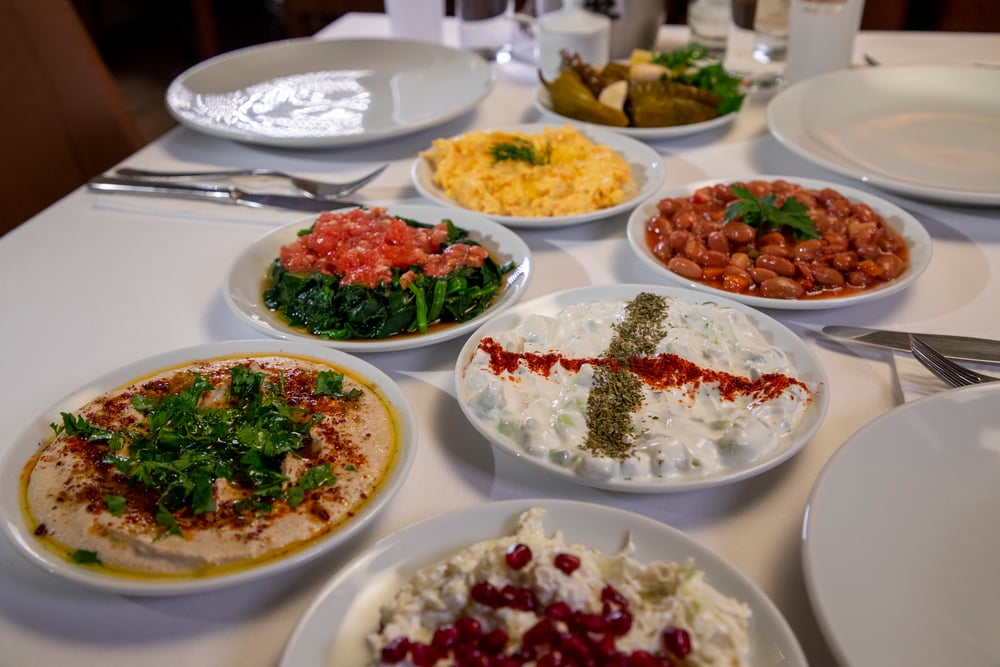
Food plays a central role in traditions that celebrate happiness. Shared meals mark moments of gratitude, achievement, and reunion.
Even when ingredients are simple, the act of preparing and eating together transforms nourishment into celebration. These traditions often emphasise abundance, whether real or symbolic.
Tables are filled generously to reflect prosperity, even if only for a day. The message is clear.
Happiness grows when it is shared, and food becomes a tangible expression of care and connection.
Music as a signal of joy
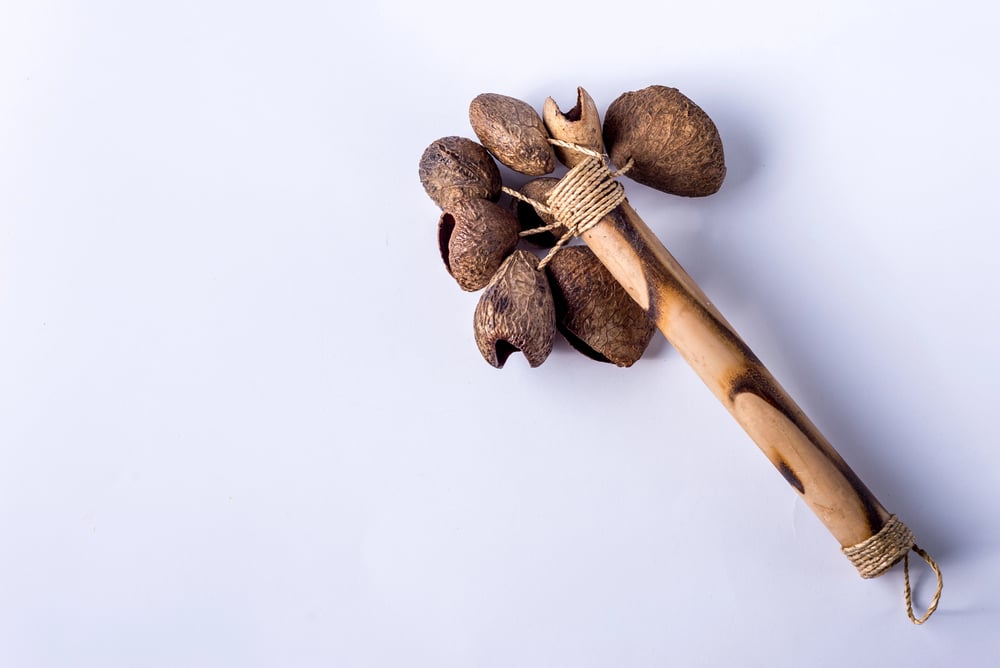
Music has long served as a marker of happiness across cultures. Certain songs, instruments, or rhythms are reserved specifically for joyful occasions.
Hearing them signals that something worth celebrating is happening. These musical traditions create an instant atmosphere.
They lift mood, invite movement, and dissolve social barriers. Music allows happiness to spread quickly through sound, reaching people even before words do.
In this way, joy becomes contagious rather than contained.
Seasonal rituals that welcome renewal
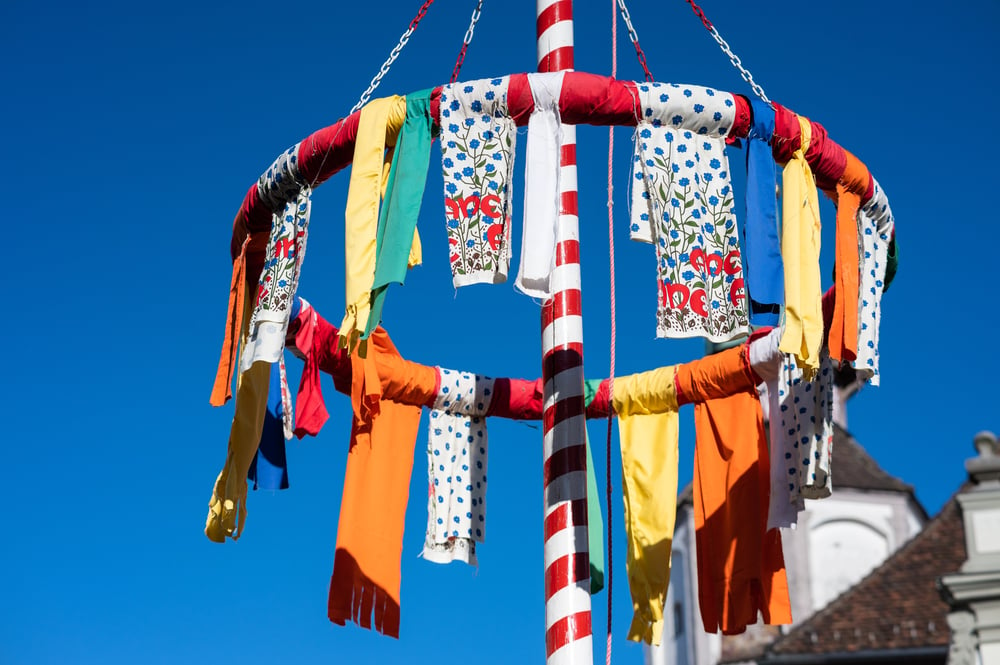
Many traditions celebrating happiness are tied to seasonal change. Spring festivals, in particular, focus on renewal, growth, and fresh beginnings.
Communities come together to mark the return of warmth, colour, and possibility. These rituals often involve outdoor gatherings, symbolic gestures, or communal work followed by celebration.
They acknowledge that happiness is cyclical, connected to nature’s rhythms. By aligning joy with seasons, these traditions root emotion in the physical world.
Ceremonies of gratitude
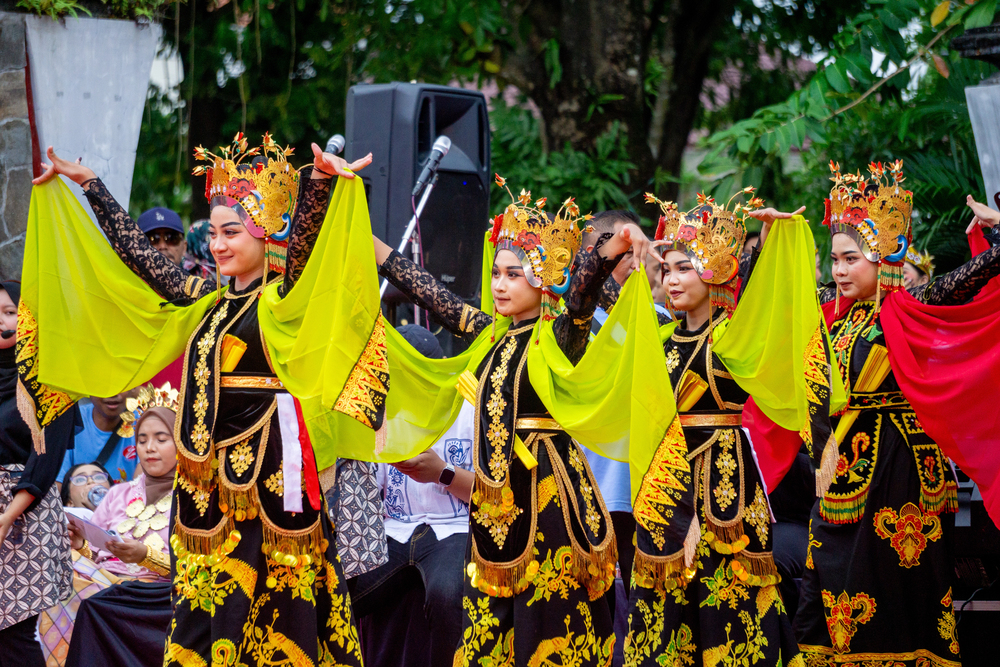
Gratitude sits at the heart of many happiness-centred traditions. Ceremonies that focus on thankfulness encourage reflection on what has been received rather than what is lacking.
These practices shift attention toward appreciation rather than accumulation. Such traditions may involve spoken acknowledgements, shared silence, or collective offerings.
They slow time and invite awareness. Happiness here is quiet and grounded, emerging from recognition rather than excitement.
The ritual itself becomes a reminder to notice what already exists.
Play and role reversal
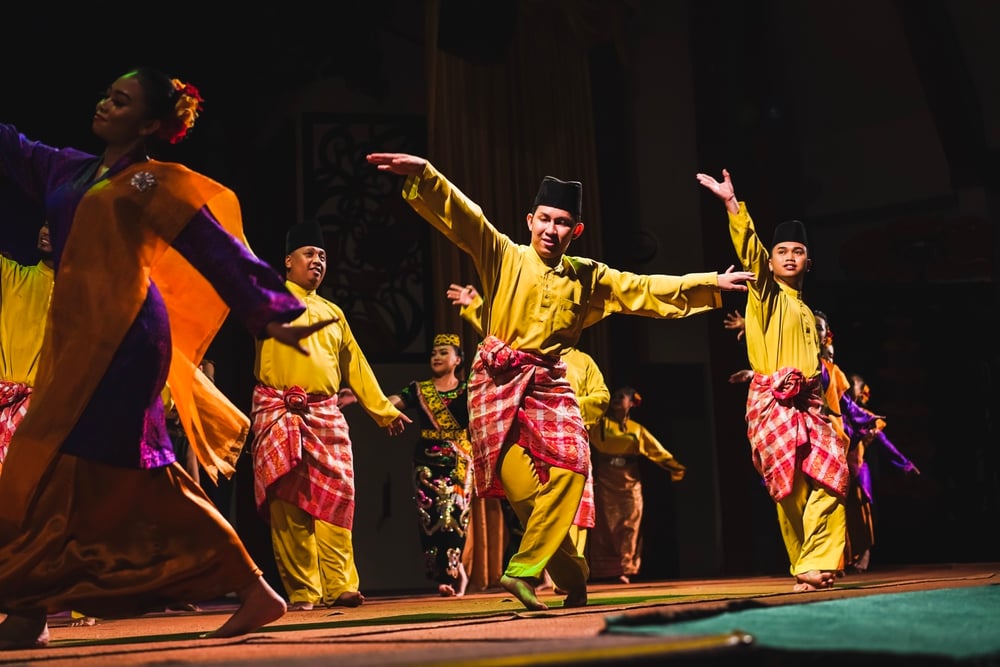
Some traditions celebrate happiness through play and temporary disruption of social order. Festivals that encourage costumes, humour, and role reversal allow people to step outside everyday expectations.
Laughter becomes a form of release. These moments of sanctioned playfulness serve an important function.
They relieve tension and restore balance. By allowing joy to break routine, communities reaffirm that happiness is not frivolous, but necessary for emotional health.
Milestones marked with joy
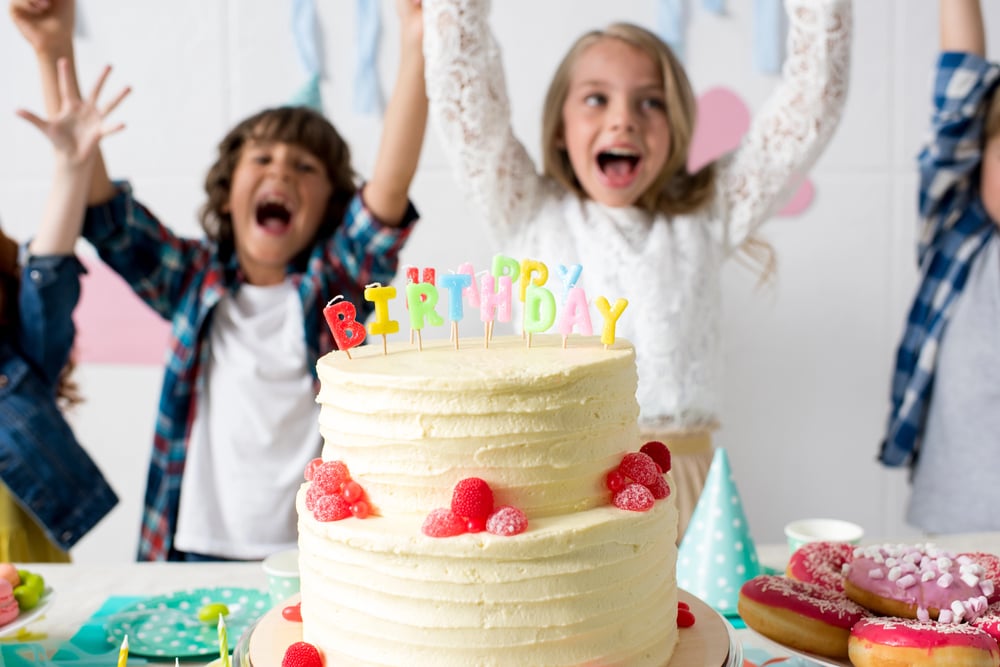
Life-stage traditions often focus on happiness as a shared achievement. Births, coming-of-age moments, unions, and anniversaries are celebrated collectively, reinforcing that individual joy belongs to the group.
These traditions recognise that happiness grows when witnessed. Public celebration validates personal milestones and strengthens social bonds.
The rituals surrounding these events provide continuity, linking one generation’s happiness to the next.
Collective singing and chanting
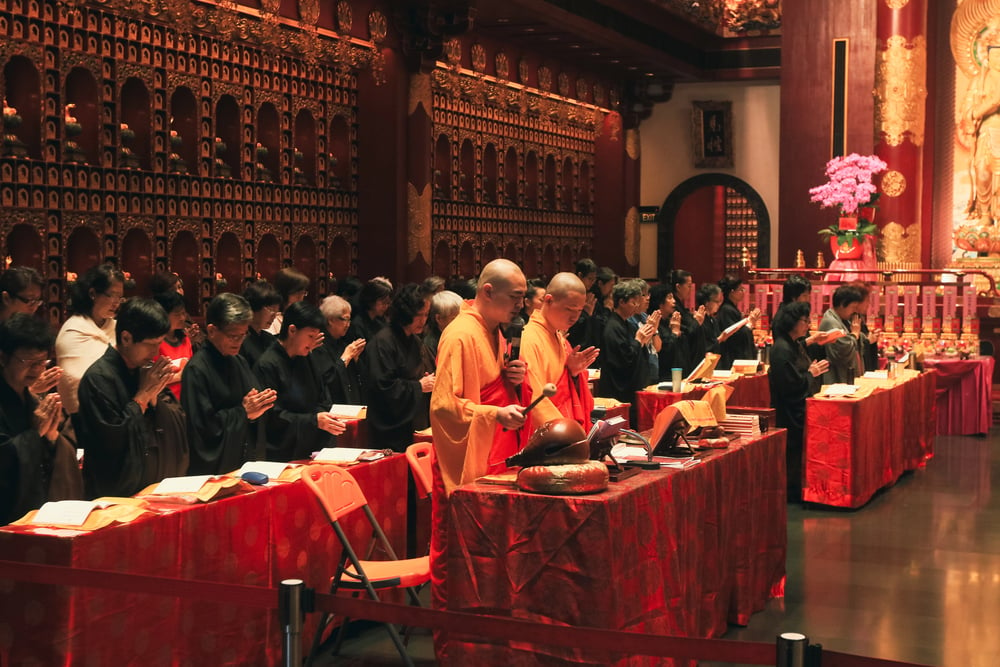
In some cultures, happiness is expressed through collective voices rather than instruments. Singing or chanting together creates unity through breath and sound.
The act requires cooperation and attentiveness, drawing people into a shared rhythm. These traditions often appear during festivals or ceremonies of thanks.
The simplicity of the act makes it accessible to all, regardless of skill. Happiness emerges from synchrony, from many voices becoming one.
Colour as emotional expression

Bright colours feature prominently in traditions that celebrate happiness. Clothing, decorations, and public spaces are transformed with vivid hues that signal joy and vitality.
Colour becomes a visual language of emotion. These traditions recognise that happiness is felt not only internally, but through the senses.
Surrounding people with colour creates an atmosphere that encourages uplift. It is joy made visible, filling spaces that might otherwise feel ordinary.
Daily practices that honour contentment
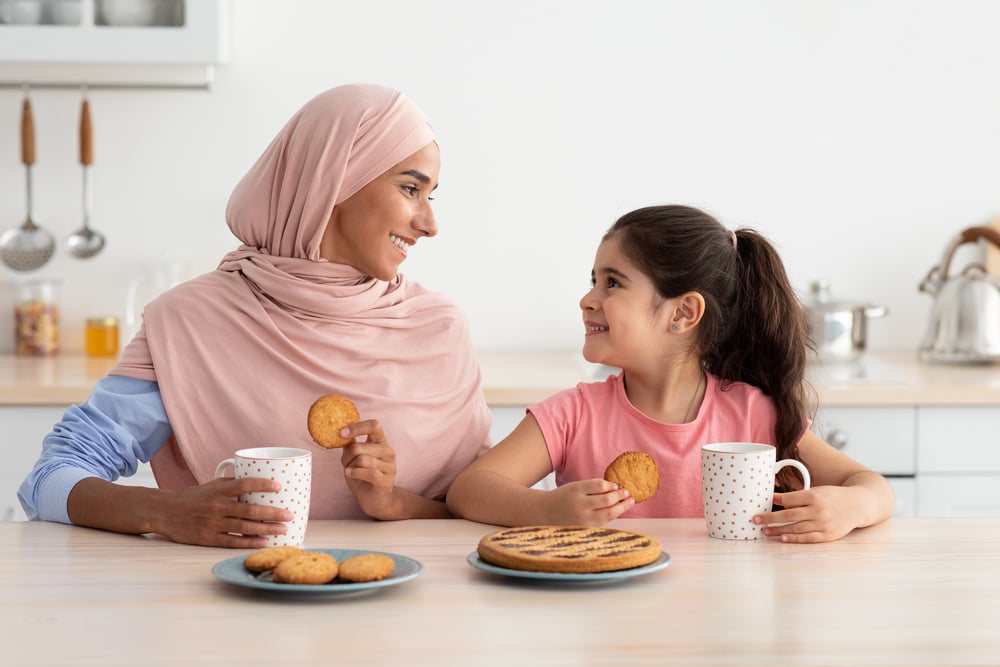
Not all happiness traditions are grand or seasonal. Some cultures emphasise small, daily practices that cultivate contentment.
These rituals might involve moments of pause, shared tea, or intentional appreciation of simple pleasures. By embedding happiness into routine, these traditions prevent joy from being treated as rare or conditional.
They suggest that happiness is not something to chase, but something to notice. The repetition of these practices builds emotional resilience over time.
Why happiness traditions endure
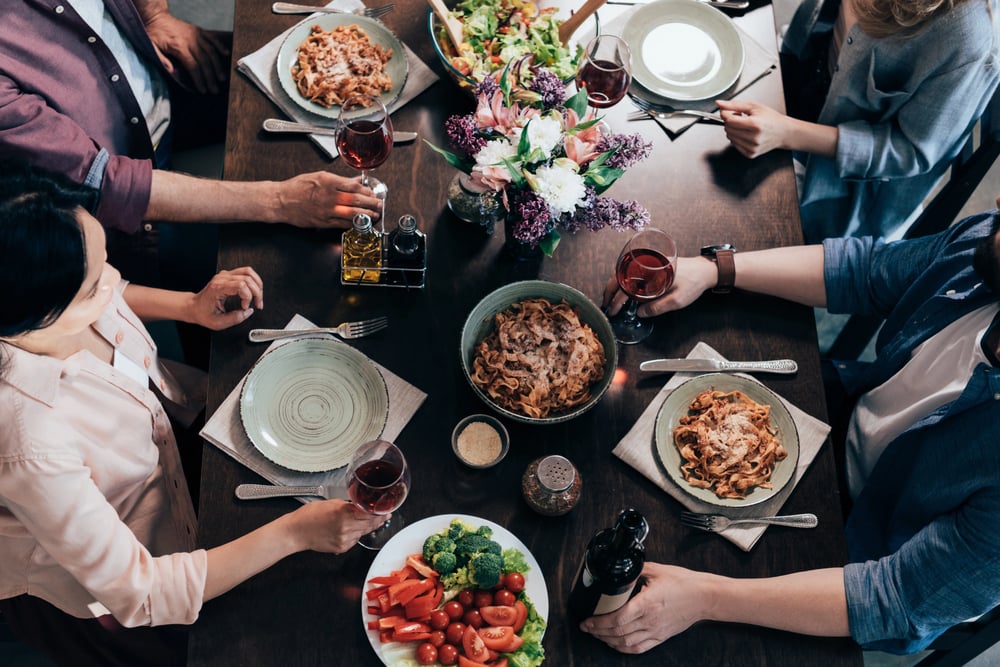
Traditions that celebrate happiness persist because they meet a universal need. They provide structure for emotion, turning fleeting joy into something memorable and shared.
In doing so, they counterbalance periods of difficulty and uncertainty. These traditions also create continuity.
Participating in the same rituals as ancestors reinforces belonging. Happiness becomes part of cultural identity rather than an individual pursuit, strengthening social cohesion across generations.
Happiness in the modern world

Modern life has changed how people experience happiness, but many traditional practices remain relevant. Festivals continue, communal meals still matter, and music and movement remain powerful tools for connection.
Even when traditions adapt, their core purpose stays intact. In a world that often emphasises productivity and efficiency, traditions of happiness offer pause.
They remind people that joy is not a distraction from life, but a vital part of it. These rituals create permission to celebrate without justification.
The quiet power of shared joy

Happiness traditions work because they move attention outward. They focus on others, on shared experience, and on collective meaning.
Joy becomes something that grows through participation rather than possession. This outward focus protects happiness from isolation.
It ensures that joy is reinforced through community, memory, and repetition. The tradition itself becomes a vessel, carrying happiness forward even when individual circumstances change.
Why celebrating happiness still matters
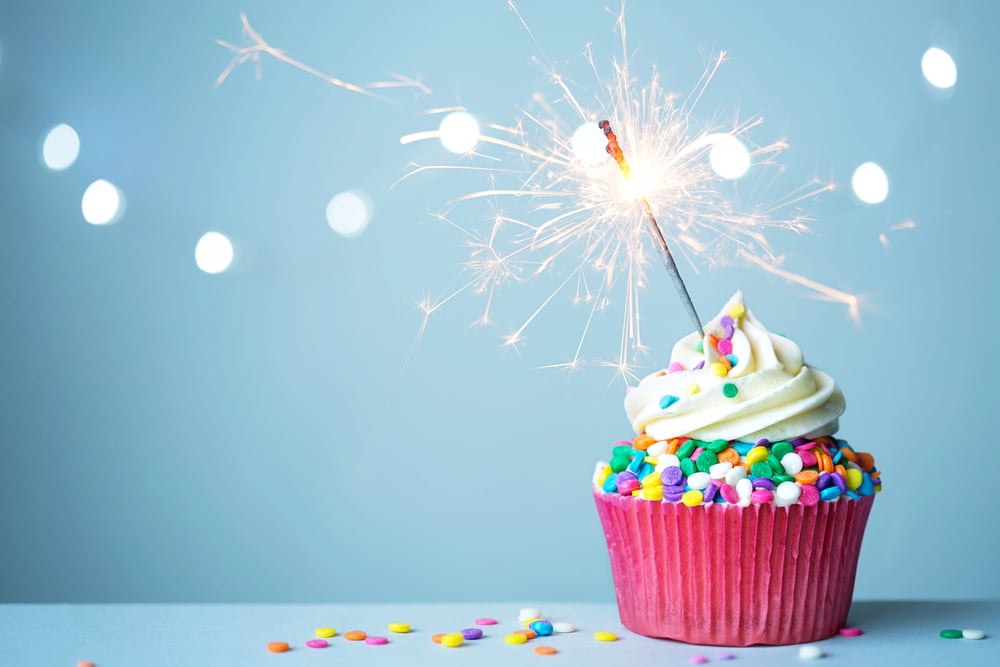
When things feel unstable, customs focused on joy become something steady. These practices point back to what lasts, showing strength passed through generations.
Light appears within them, even while life stays hard. Joy finds its place when woven into custom.
Where rituals live, delight isn’t something earned – it simply belongs. Shaped by years, yet never fixed, these ways reveal how celebration grows richer between people.
Held close across generations, they whisper: happiness thrives in company.
More from Go2Tutors!

- The Romanov Crown Jewels and Their Tragic Fate
- 13 Historical Mysteries That Science Still Can’t Solve
- Famous Hoaxes That Fooled the World for Years
- 15 Child Stars with Tragic Adult Lives
- 16 Famous Jewelry Pieces in History
Like Go2Tutors’s content? Follow us on MSN.