29 Castles That Survived Centuries of War
Stand at the gate of the Castle of Good Hope in Cape Town and look up at the walls. They are thick, low and stubborn, built of stone the Dutch East India Company hauled into place between 1666 and 1679.
The odd thing is that those walls never had to stop a single attack. Plenty of castles elsewhere were not so lucky.
Europe, Asia and Africa are scattered with fortresses that faced sieges, artillery, fire, revolution and air raids, and are somehow still standing. Some held out.
Some surrendered and were patched up by the people who took them. A few survived simply because someone decided they were worth keeping.
What follows is a tour of 29 of them. Some are famous.
Some you have probably never heard of. Each one earned its place by refusing to fall down.
1. Tower of London, England
William the Conqueror started the White Tower in the years after 1066, and it was finished around 1100. It was built to frighten a newly conquered city, and it did the job.
Over the centuries the Tower served as a royal palace, an armoury, a mint, a prison and a place of execution. It came through the Peasants’ Revolt, the Wars of the Roses and bombs during the Blitz.
Then there are the ravens. Legend says the kingdom will fall if they ever leave, so at least six are kept there at all times.
A whole nation’s superstition rests on a handful of birds with clipped wings.
2. Windsor Castle, England
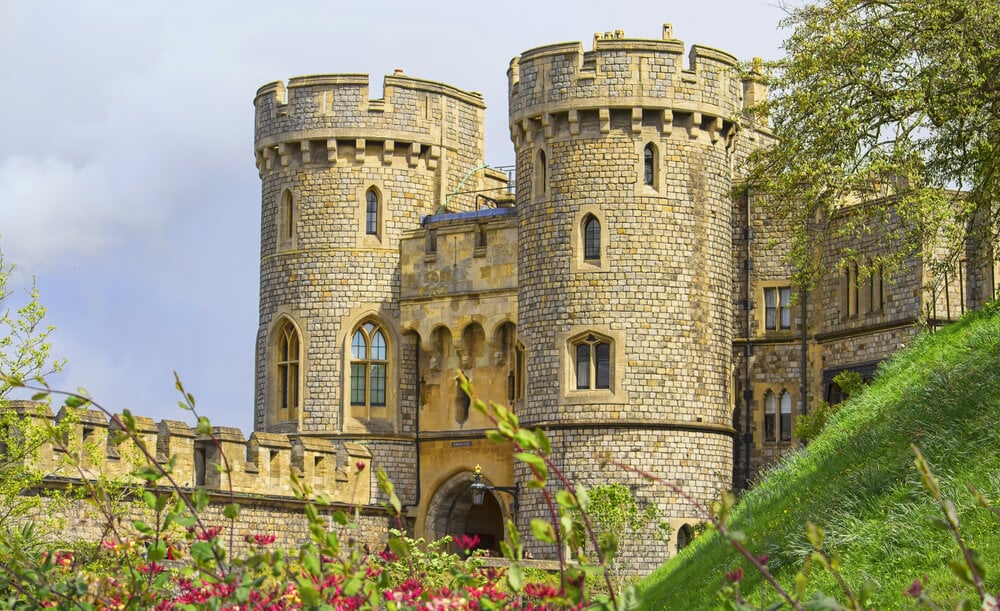
Windsor is another of William the Conqueror’s projects, begun around 1070 on a ridge above the Thames. It is the oldest and largest occupied castle in the world, and royals have lived there for nearly a thousand years.
It survived a siege during the First Barons’ War in 1216. It came through the English Civil War, when Parliament used it as a headquarters and a prison.
The worst damage in its history came not from an army but from a fire in November 1992, which tore through more than a hundred rooms. Restoration finished in 1997.
If you visit, look for St George’s Chapel. Henry VIII, Charles I and Elizabeth II are among the monarchs buried there.
3. Edinburgh Castle, Scotland
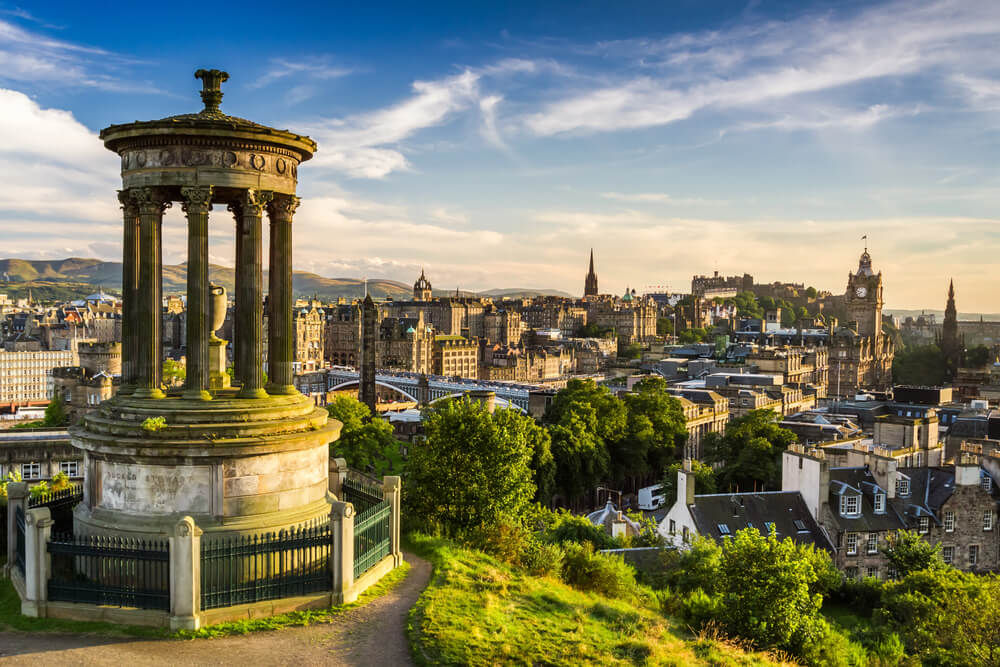
Castle Rock is the plug of an extinct volcano, and it gives this fortress a natural advantage no architect could design. Sheer cliffs guard three sides.
The only easy approach is up the slope that is now the Royal Mile.
Even so, the castle changed hands repeatedly. In 1314, during the Wars of Scottish Independence, Thomas Randolph led a small group up the north face at night and took it back from the English.
During the Lang Siege of 1571 to 1573, supporters of Mary, Queen of Scots held out for nearly two years before English guns finally broke them.
The oldest building in the city sits at the top. St Margaret’s Chapel dates to the early 12th century and has outlasted every siege the castle has faced.
It is tiny and plain, and it is worth every step.
4. Stirling Castle, Scotland
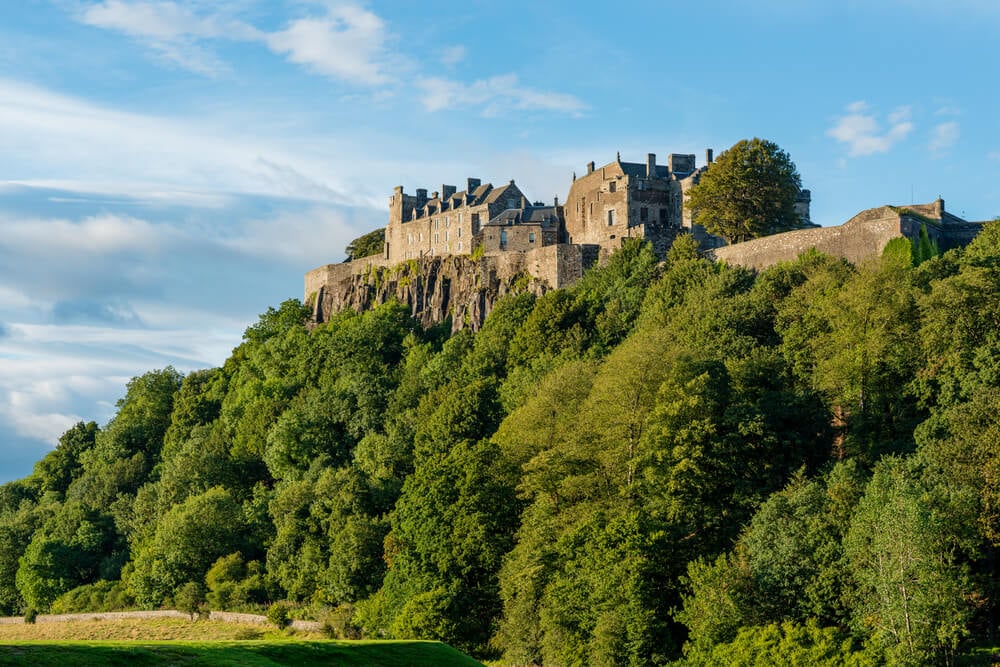
Whoever held Stirling held Scotland. That was the saying, and the geography backs it up.
The castle sits on a crag above the lowest crossing of the River Forth, the gateway between the Lowlands and the Highlands.
The battles of Stirling Bridge in 1297 and Bannockburn in 1314 were both fought within sight of its walls. The castle switched between Scottish and English hands several times during the Wars of Independence.
Its last siege came in 1746, when Jacobite forces tried and failed to take it. Mary, Queen of Scots was crowned in the Chapel Royal here in 1543, when she was nine months old.
Look for the restored royal palace inside. Its painted interiors are bright enough to change how you picture castle life.
5. Dover Castle, England
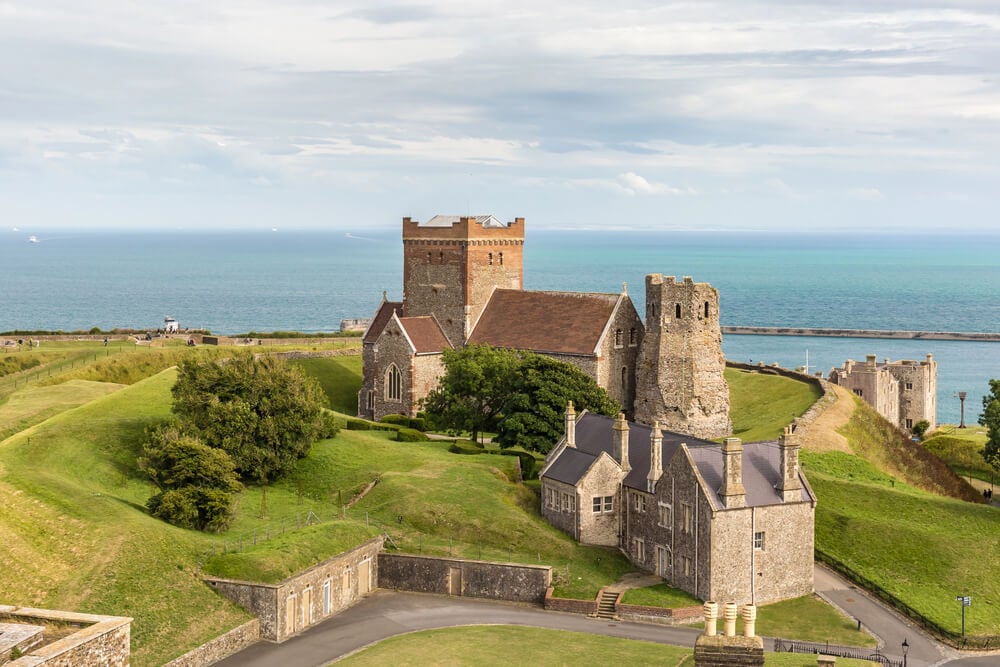
They called it the Key to England. Henry II built the great tower in the 1180s, right where the English Channel is at its narrowest.
In 1216, Prince Louis of France laid siege to Dover. His miners brought down part of the north gate, but the garrison under Hubert de Burgh plugged the breach with timber and men and held on.
Louis never took it. The castle’s most famous role came much later.
In May 1940, from tunnels cut into the chalk cliffs beneath the castle, Vice-Admiral Bertram Ramsay planned Operation Dynamo, the evacuation of Allied troops from Dunkirk. More than 300,000 soldiers made it back across the Channel. You can walk those tunnels today.
6. Caernarfon Castle, Wales
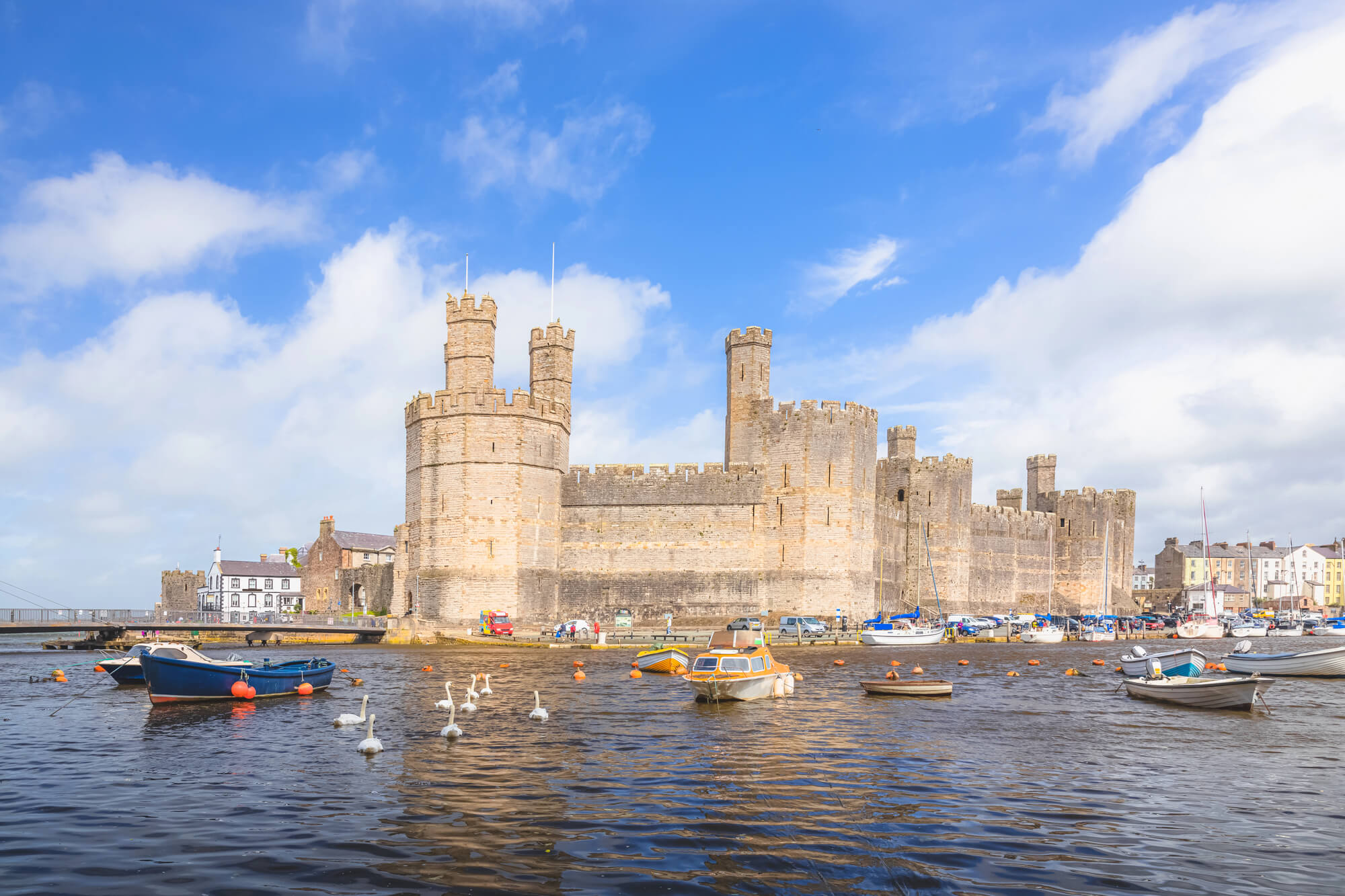
Edward I began Caernarfon in 1283 after conquering Wales. He wanted a statement, and he got one.
The walls have bands of coloured stone and polygonal towers that echo the walls of Constantinople, a deliberate nod to imperial power.
The Welsh hit back in 1294, when Madog ap Llywelyn’s revolt overran the unfinished castle and the town. Edward’s builders went back to work, though the castle was never fully completed.
It later held out against Owain Glyndŵr.
Edward II was born here in 1284. Centuries later, in 1969, the castle hosted the investiture of the then Prince Charles as Prince of Wales.
A fortress built to subdue a nation became the stage for its ceremonies.
7. Warwick Castle, England
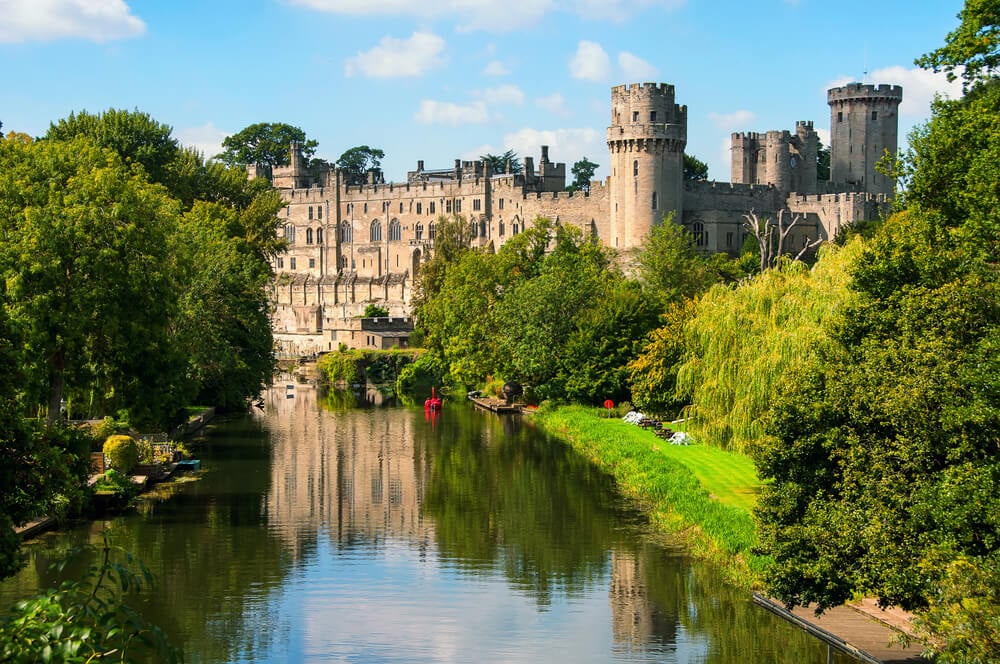
William the Conqueror put up the first earth-and-timber fort at Warwick in 1068. The stone castle that replaced it grew over centuries, and by the late 1300s it had the towers that still dominate the skyline, including Caesar’s Tower and Guy’s Tower.
Richard Neville, Earl of Warwick, known as the Kingmaker, made this his seat during the Wars of the Roses. In 1642, at the start of the English Civil War, Royalists besieged the castle.
The Parliamentarian garrison held.
8. Bamburgh Castle, England
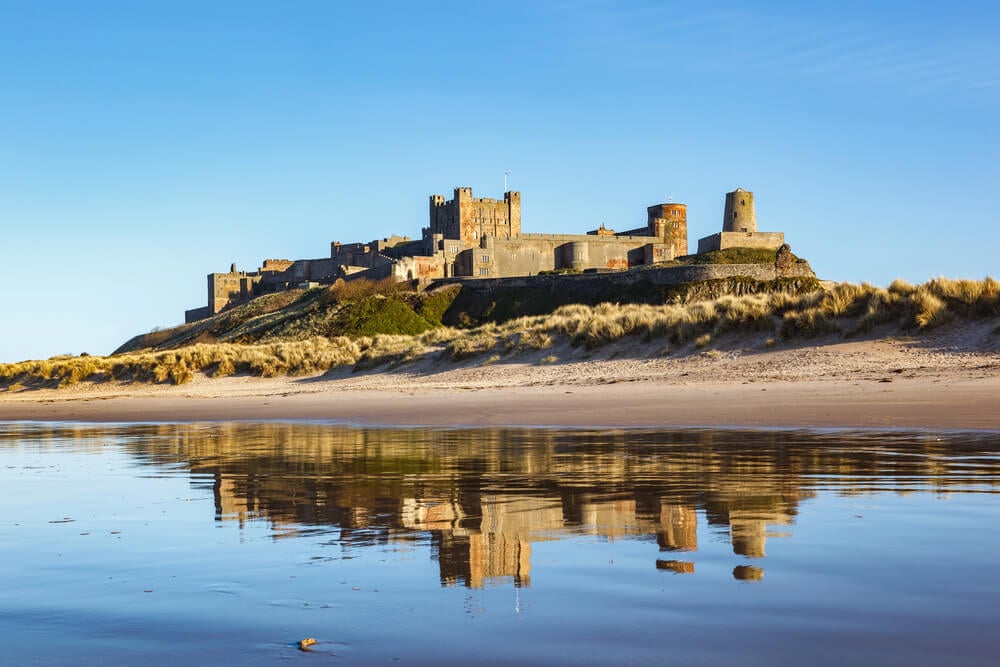
Bamburgh sits on a basalt outcrop on the Northumberland coast, and people have fortified this rock for well over a thousand years. It was a seat of the kings of Northumbria long before the Normans arrived.
In 1464, during the Wars of the Roses, it became the first castle in England to fall to gunpowder artillery. The Earl of Warwick’s guns pounded the walls until the Lancastrian defenders gave in.
Stone walls alone would no longer be enough. The castle fell into decay afterward.
The industrialist Lord Armstrong bought and restored it in the late 1800s, and the Armstrong family still owns it.
9. Malbork Castle, Poland
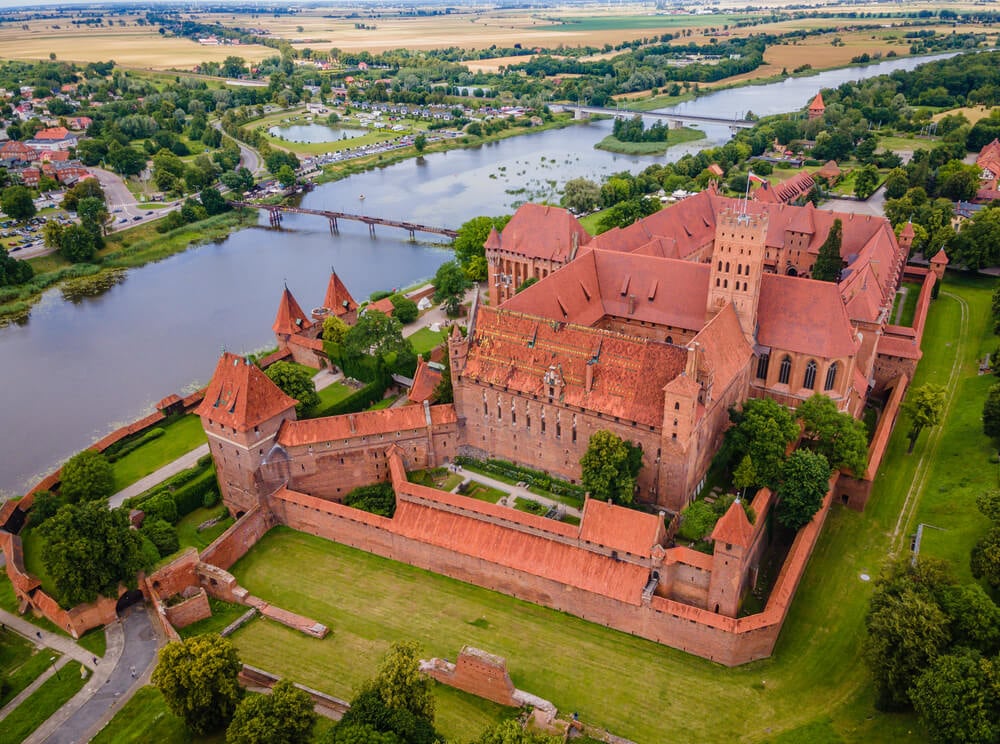
The Teutonic Knights built Malbork from the 1270s, and in 1309 the Grand Master moved his seat here. Measured by land area, it is the largest castle in the world.
After the knights lost the Battle of Grunwald in 1410, Polish and Lithuanian forces besieged Malbork for about two months. They failed.
The castle eventually passed to Poland in 1457, not through battle but because the Order could not pay its mercenaries, who sold it.
The real damage came in 1945, when fighting between German and Soviet forces left much of the castle in ruins. Polish restorers spent decades rebuilding it, and UNESCO added it to the World Heritage list in 1997.
Much of what you see is careful reconstruction, a monument to the knights and to the people who refused to let their work disappear.
10. Prague Castle, Czech Republic
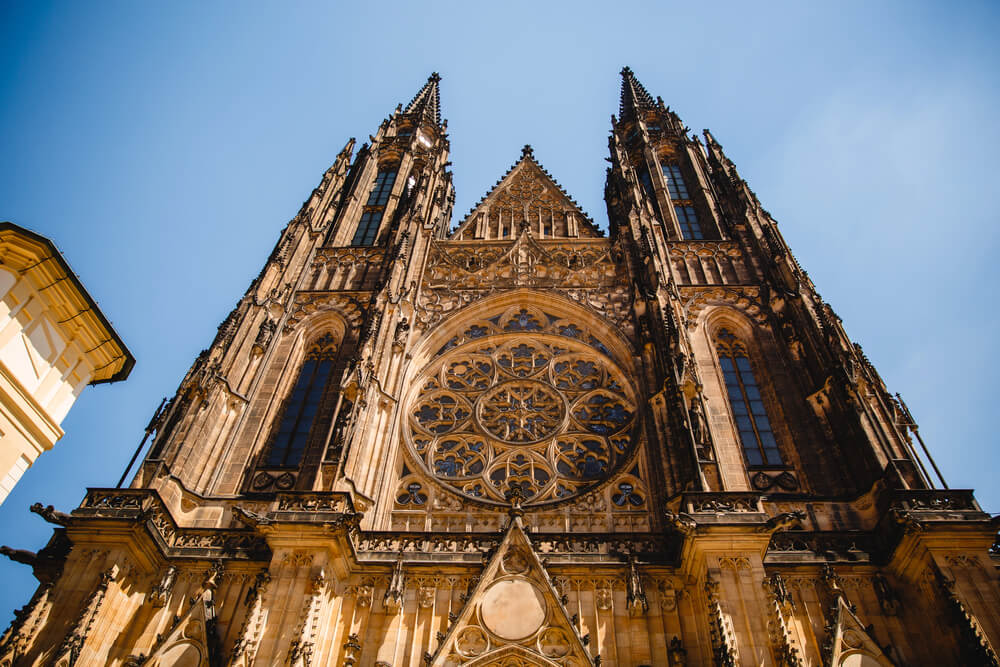
Prince Bořivoj founded Prague Castle around 880. It has since grown into the largest ancient castle complex in the world, a sprawl of palaces, churches, courtyards and gardens on a hill above the Vltava.
In 1618, Protestant nobles threw two Catholic regents and their secretary out of a castle window. All three survived the fall.
The event, known as the Defenestration of Prague, helped spark the Thirty Years’ War, which devastated Central Europe.
11. Carcassonne, France
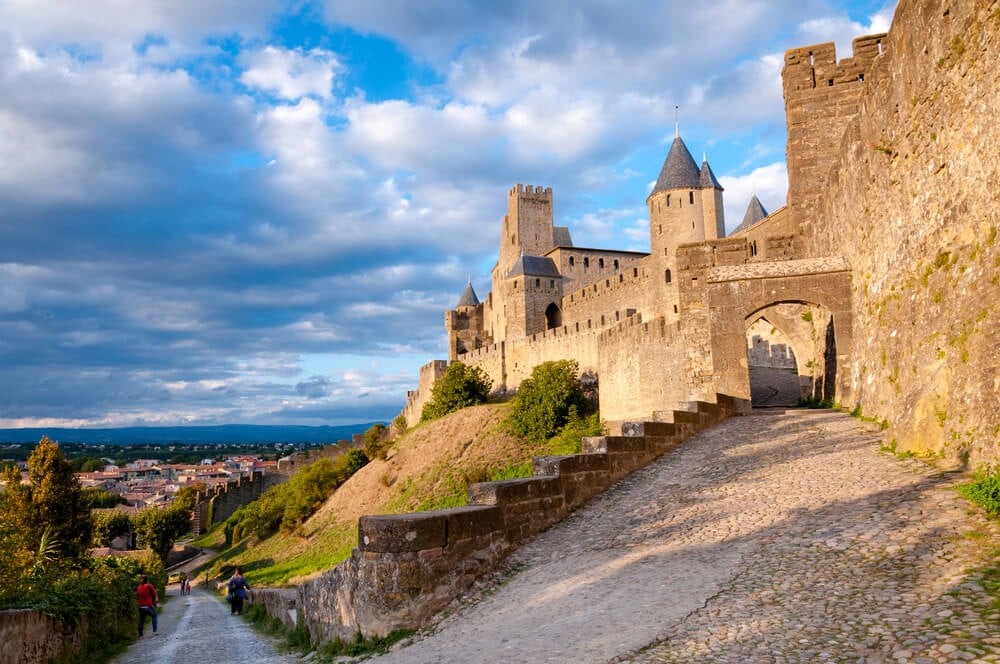
Carcassonne is a whole fortified town with a castle, the Château Comtal, at its heart. Two rings of walls and dozens of towers wrap around the hilltop.
In 1209, during the crusade against the Cathars, crusader forces besieged the town. With the wells running dry in the summer heat, Viscount Raymond-Roger Trencavel went out to negotiate and was taken prisoner.
The town surrendered within weeks. By the 1800s the walls were crumbling, and the government considered tearing them down.
The architect Eugène Viollet-le-Duc led a restoration from the 1850s onward.
His pointed slate roofs still divide opinion. Love them or not, they are the reason the place is standing at all.
12. Mont-Saint-Michel, France
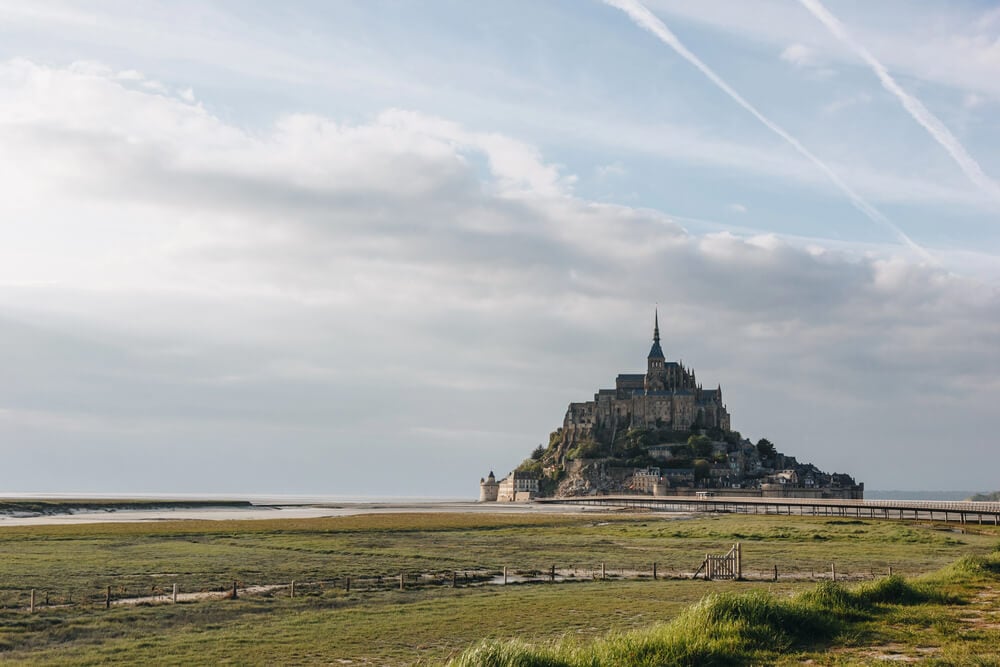
A tidal island off the coast of Normandy, topped by an abbey and wrapped in walls. During the Hundred Years’ War, English forces held most of Normandy, but they never took Mont-Saint-Michel.
In 1434 the English launched a major assault. It failed.
They left behind two huge iron bombards, now called the Michelettes, and you can still see them near the entrance.
The tides did as much defending as the walls. They rush in fast across the flat sands, and an army camped on the shore had to watch the sea at least as closely as the defenders.
After the French Revolution, the abbey became a prison. A causeway arrived in 1879, and a raised bridge replaced it in 2014 so the sea could flow around the island again.
13. Krak des Chevaliers, Syria
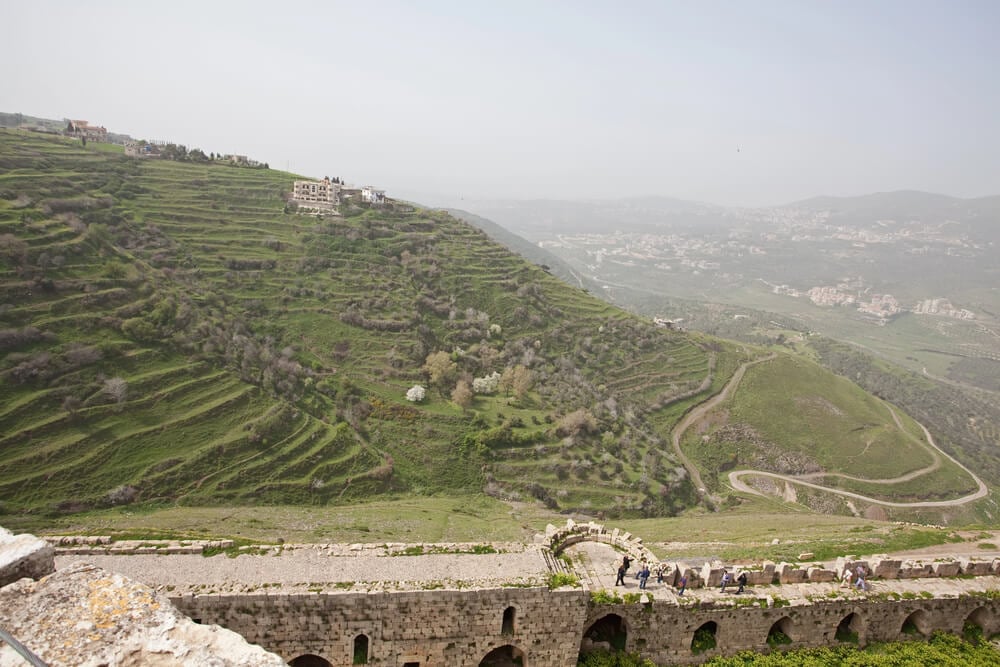
The Knights Hospitaller took over this castle in 1142 and spent the next century turning it into one of the strongest fortresses of the Crusades. Saladin looked at it in 1188 and decided not to attack.
Sultan Baibars took it in 1271, and he did not need to breach the inner walls to do so. After capturing the outer defences, he had a forged letter delivered to the garrison, supposedly from their own commander, telling them to surrender.
They did. The castle survived the centuries that followed in remarkable condition, then suffered damage during the Syrian civil war, including an airstrike in 2013.
It remains one of the best-preserved Crusader castles anywhere. History is not finished with these places yet.
14. Citadel of Aleppo, Syria
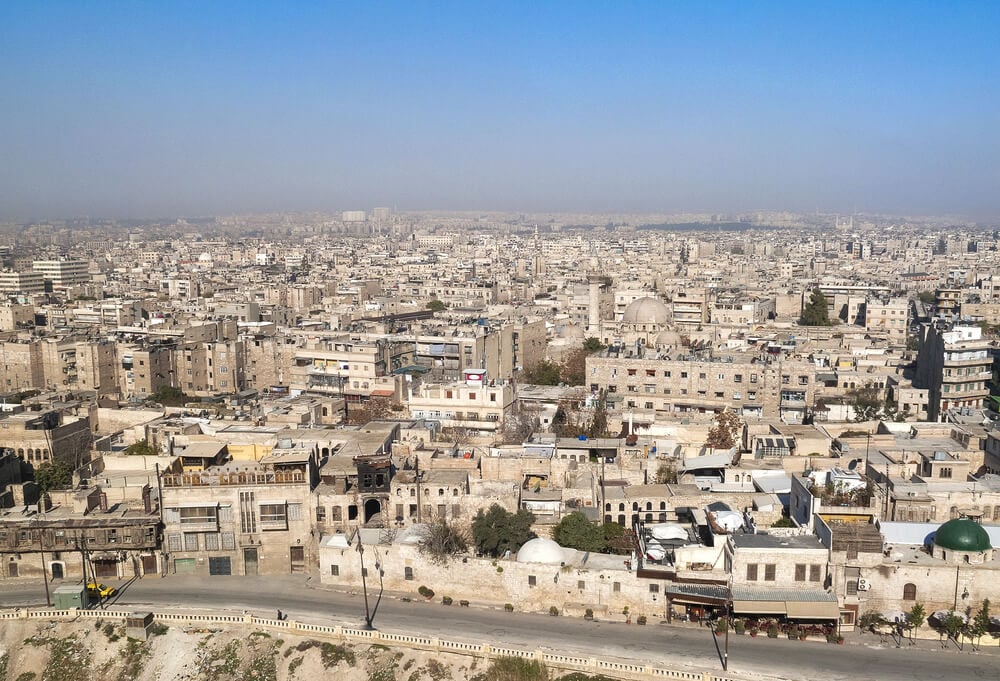
The mound beneath the citadel has been occupied for thousands of years, and the citadel ranks among the oldest and largest castles in the world. Most of what stands today dates from the Ayyubid period around 1200, when Sultan al-Zahir Ghazi rebuilt it with a massive entrance bridge and gatehouse.
The Mongols sacked Aleppo in 1260. Timur came in 1400. Earthquakes struck again and again.
Then came the civil war, when fighting around the citadel damaged walls and gates, and the 2023 earthquakes that shook the region and brought down parts of the structure. It is still there. Battered, but there.
15. Himeji Castle, Japan
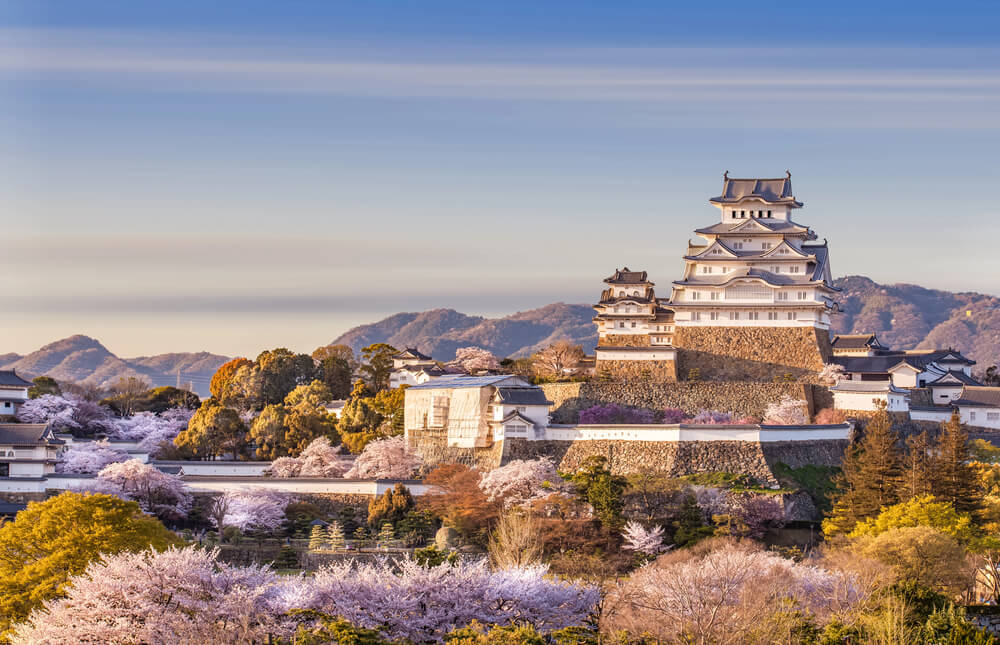
Locals call it the White Heron Castle, after its white plastered walls and the way its roofs seem to spread like wings. The main keep dates to 1609, when Ikeda Terumasa expanded the fortress into its present form.
In July 1945, American bombers firebombed the city of Himeji and much of it burned. The castle survived.
A firebomb that landed on the top floor failed to go off, according to the account that has been retold ever since. In 1995 it also came through the Great Hanshin earthquake that devastated nearby Kobe.
In 1993 it became one of Japan’s first UNESCO World Heritage Sites. A major restoration ran from 2009 to 2015 and returned the walls to a brilliant white.
16. Matsumoto Castle, Japan
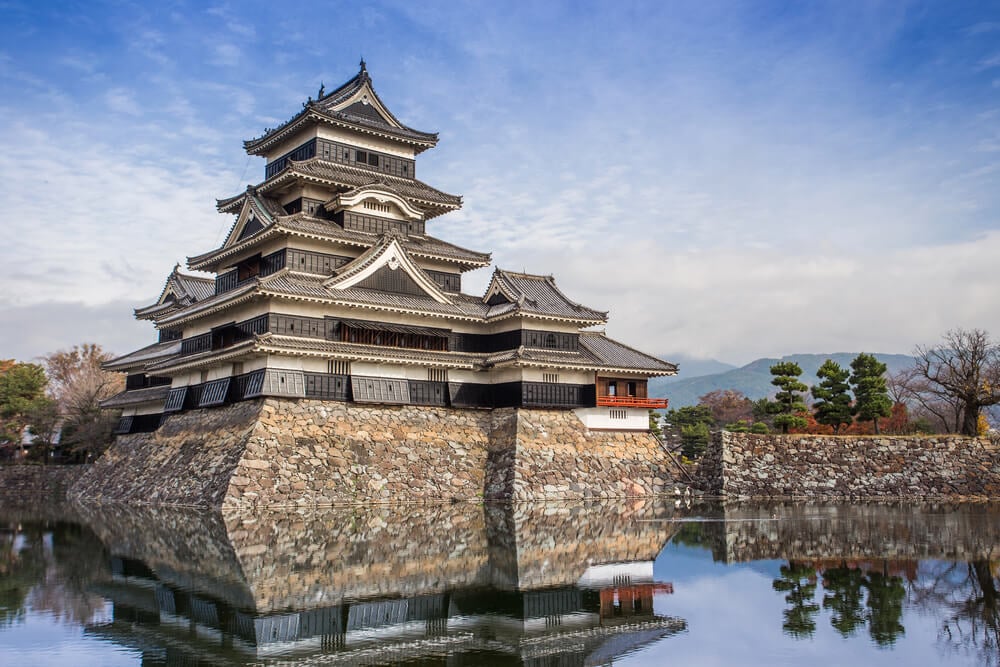
Where Himeji is white, Matsumoto is black, which is why people call it Crow Castle. Its keep dates to the late 1500s, making it one of the oldest surviving original castle keeps in Japan.
Its greatest threat came in peacetime. After the Meiji Restoration, the new government saw castles as relics of the old order, and many were torn down.
Matsumoto went up for auction in 1872. Local residents, led by Ichikawa Ryozo, raised funds and saved it.
Sometimes the people who live nearby are a castle’s best defence.
17. Kumamoto Castle, Japan
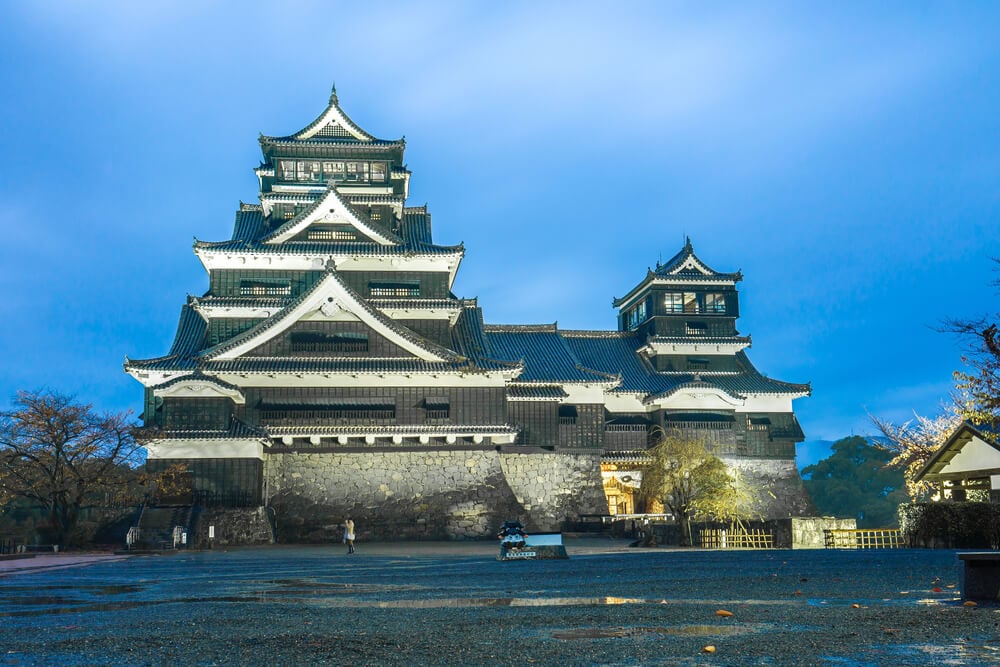
Katō Kiyomasa completed Kumamoto Castle around 1607, and he built it to be one of the toughest fortresses in Japan. Its curved stone walls, steep at the top, were nearly impossible to climb.
The design got its real test in 1877, during the Satsuma Rebellion. Saigō Takamori’s samurai forces besieged the castle, and the government garrison held out for weeks until relief arrived.
The main keep burned just before the siege, though the cause is still debated. A concrete reconstruction went up in 1960.
Then, in April 2016, powerful earthquakes struck Kumamoto. Walls collapsed.
One corner turret was left standing on a single narrow column of stones while the rest of its base had fallen away. Repairs are expected to take decades, and the city has committed to every year of them.
18. Château de Chillon, Switzerland
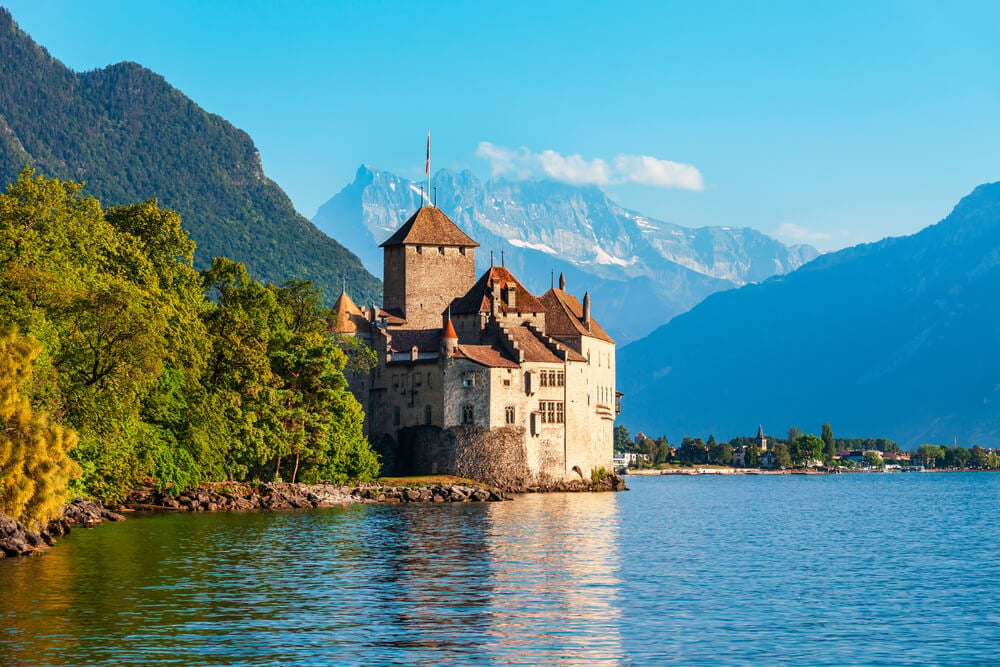
Chillon sits on a rocky island on the edge of Lake Geneva, near Montreux, and it looks like it rose straight out of the water. The Counts of Savoy expanded it in the 13th century to control the road between the lake and the mountains.
François Bonivard, a Genevan cleric, spent years chained in its underground vault in the 1530s. He was freed in 1536 when forces from Bern captured the castle.
The poet Lord Byron visited in 1816 and wrote “The Prisoner of Chillon” about him. Byron carved his name into one of the pillars in that vault.
You can still find it.
19. Hohensalzburg Fortress, Austria
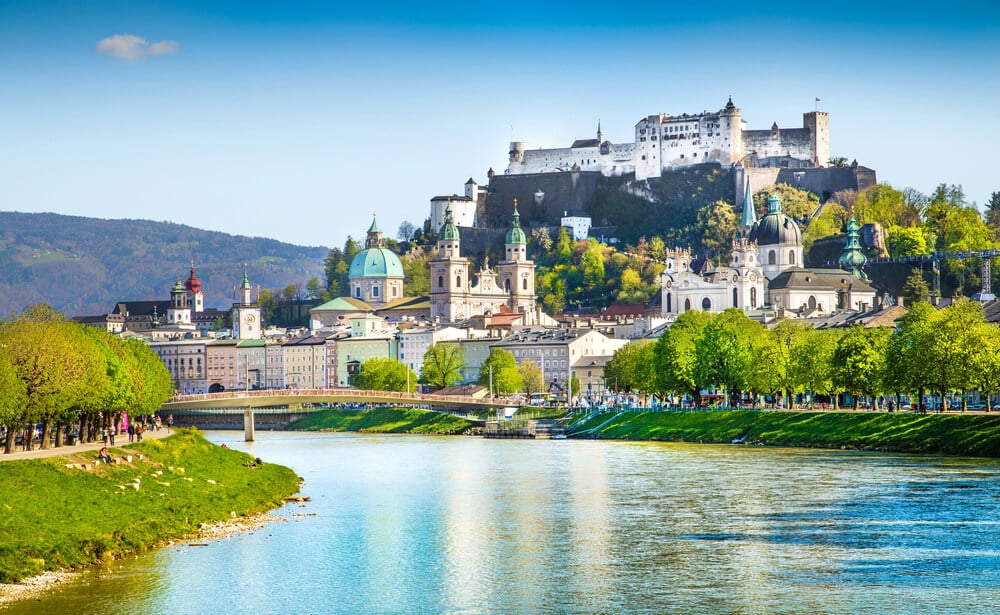
Archbishop Gebhard began this fortress in 1077, during the struggle between pope and emperor known as the Investiture Controversy. Later archbishops kept adding to it, and it is now one of the largest fully preserved medieval castles in Europe.
During the Peasants’ War of 1525, rebels besieged Archbishop Matthäus Lang inside the fortress. He held out.
In 1800, during the Napoleonic Wars, the fortress was handed over to French troops without a fight.
Its record of never falling to a direct assault is a big part of its fame. Ride the funicular up from the old town of Salzburg and look out from the ramparts.
You will see exactly why nobody fancied storming it.
20. The Alhambra, Spain
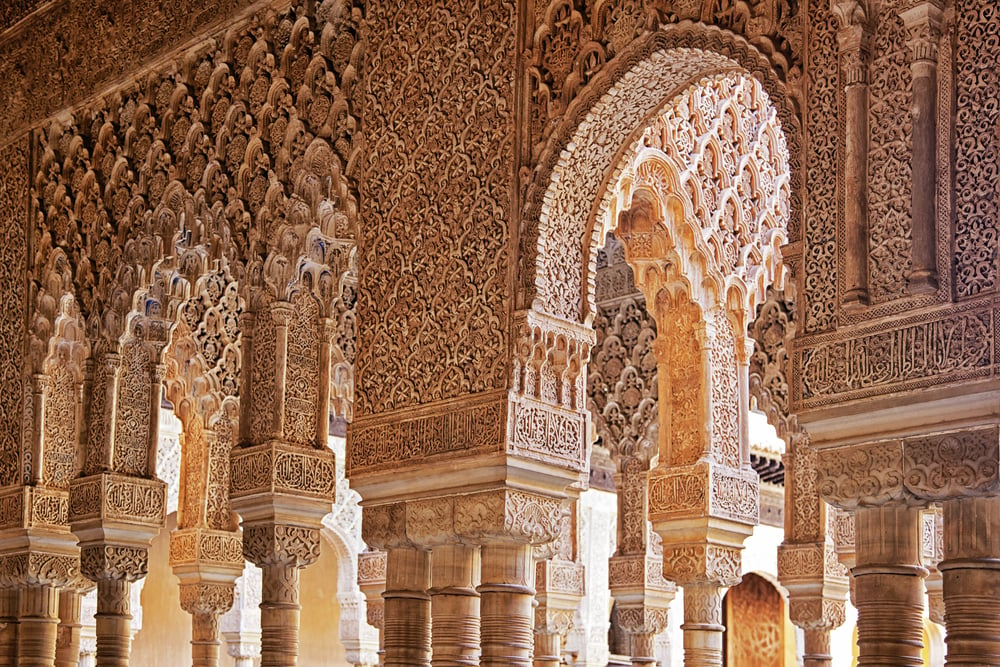
The Nasrid dynasty built the Alhambra on a hill above Granada from the 13th century onward. The Alcazaba, its oldest military section, guarded a palace complex of courtyards, fountains and carved plaster so fine it looks like lace.
On 2 January 1492, Muhammad XII, known in Spain as Boabdil, surrendered Granada to Ferdinand and Isabella. The Alhambra passed to new owners who, for the most part, kept it.
Charles V later added a Renaissance palace in the middle of it all. The worst threat came in 1812, when retreating Napoleonic troops blew up several of its towers.
The complex then fell into neglect until the American writer Washington Irving lived there in 1829 and published “Tales of the Alhambra” a few years later, drawing attention back to it.
21. Castillo de San Marcos, United States
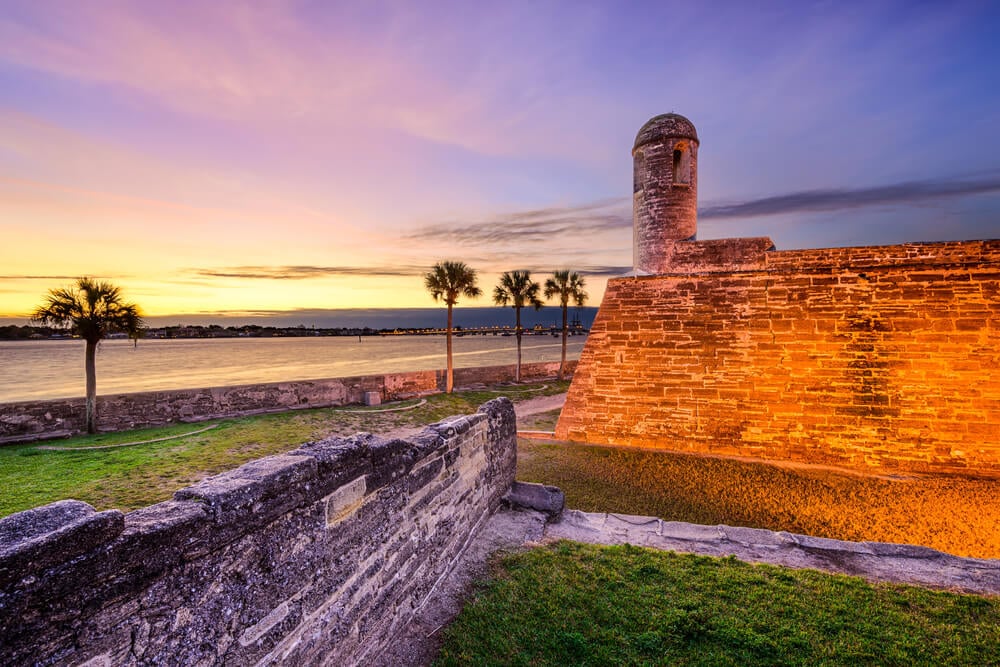
Spain began building this fort in St Augustine, Florida, in 1672 and finished it in 1695. It is the oldest masonry fort in the continental United States.
The builders used coquina, a soft stone made of compressed shells. That turned out to be a brilliant choice.
When English forces besieged the fort in 1702, and again in 1740 under James Oglethorpe, enemy cannon shot sank into the coquina instead of shattering it. Neither siege took the fort.
It changed hands through treaties instead, passing from Spain to Britain, back to Spain and finally to the United States. Soft stone outlasted hard guns.
That is not a lesson most military engineers expected to learn.
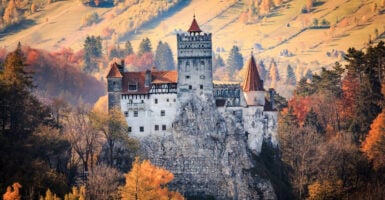
22. Bran Castle, Romania
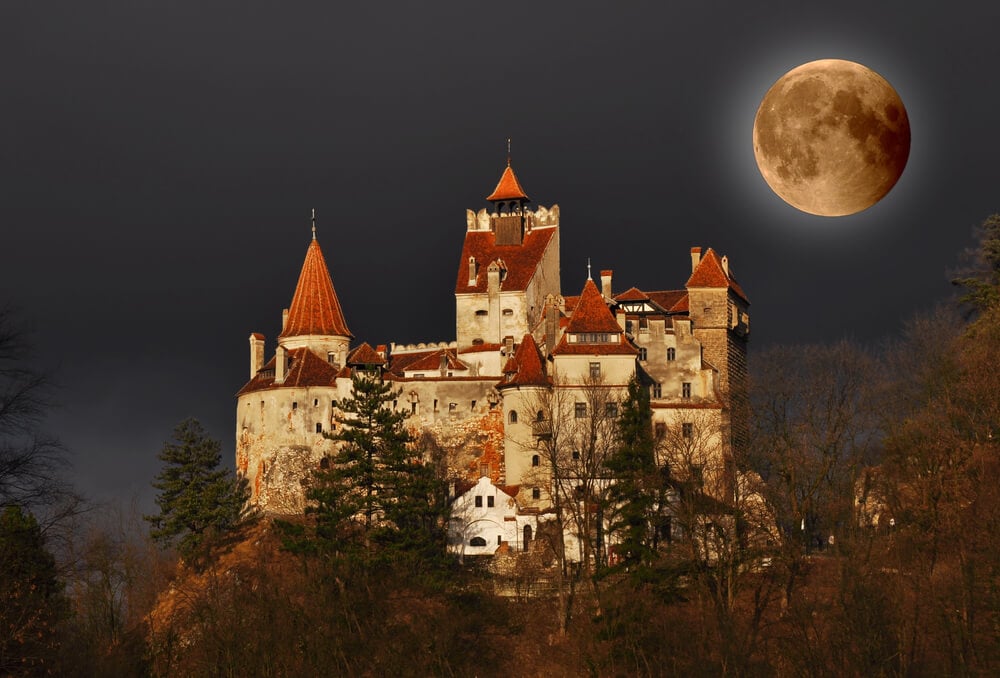
Bran is sold to tourists as Dracula’s castle, though Bram Stoker never visited Romania and the link is thin at best. The real history is interesting enough.
The Saxons of Brașov built the castle in the late 1300s to guard a mountain pass between Transylvania and Wallachia. It worked as a fortress and customs post for centuries.
In 1920 the city of Brașov gave it to Queen Marie of Romania, who turned it into a home.
23. Kronborg Castle, Denmark
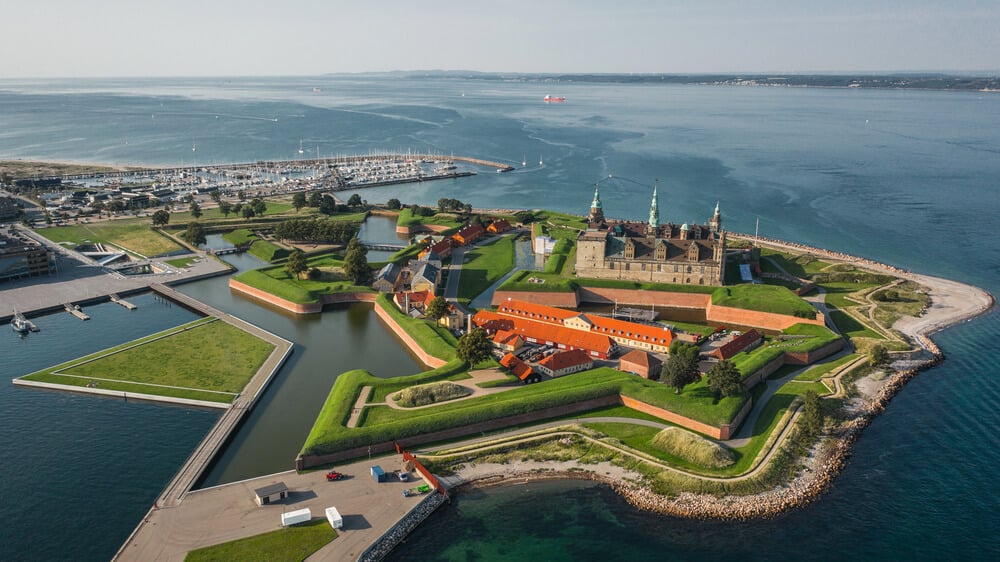
Frederick II rebuilt an older fortress at Helsingør into the Renaissance castle of Kronborg between 1574 and 1585. Its position on the narrow strait between Denmark and Sweden let Danish kings collect the Sound Dues, a toll on ships passing through.
That toll paid for a lot. A fire gutted the castle in 1629, and Christian IV rebuilt it.
Swedish forces captured it in 1658. Danish troops eventually regained it, and its defences were strengthened afterward. Shakespeare set “Hamlet” here, calling it Elsinore.
24. Castle of Good Hope, South Africa
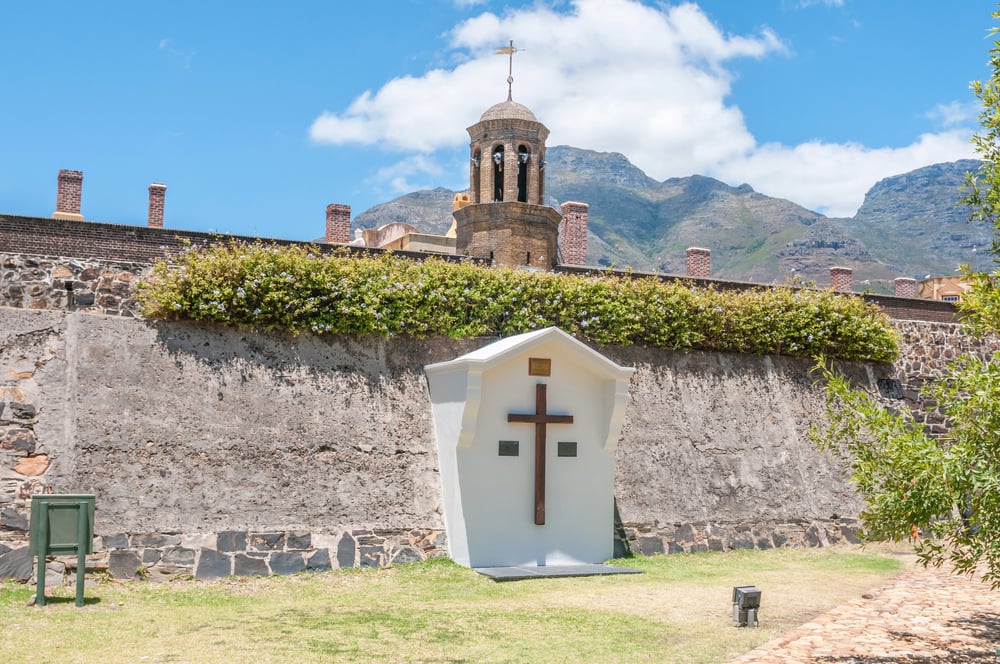
This is the oldest surviving colonial building in South Africa, and for South African readers it is the one you can visit without a passport. The Dutch East India Company built it between 1666 and 1679 to replace an earlier fort of clay and timber put up after Jan van Riebeeck’s arrival in 1652.
The castle is a pentagon with five bastions, named after titles held by the Prince of Orange: Leerdam, Buren, Katzenellenbogen, Nassau and Oranje. It once stood near the shoreline of Table Bay.
Land reclamation pushed the sea back, and today it sits inland, surrounded by roads and the city.
Here is the twist. Built at enormous cost to defend the Cape, its walls never faced an attack.
It survived the British takeovers and centuries of change by serving as headquarters, residence and prison. It still houses the military’s regional headquarters, along with museums.
The bell at the entrance, cast in Amsterdam in 1697, is the oldest in the country.
Take a weekday morning, join the guided tour, and stand on the bastions. You will see Table Mountain behind you, the city in front of you and a building that has watched the whole story of the Cape unfold from the same spot for more than 340 years.
25. Castel Sant’Angelo, Italy
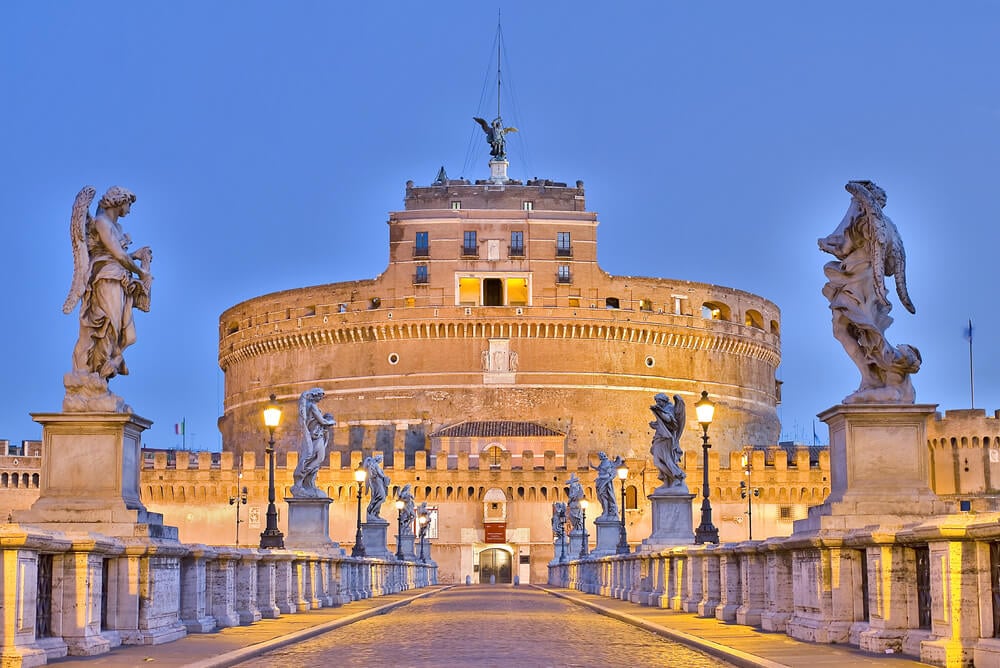
It began as a tomb. Emperor Hadrian built it as his mausoleum in the 130s AD, and later rulers turned it into a fortress, then a papal refuge.
In 1527, troops of Charles V sacked Rome. Pope Clement VII escaped to the castle along the Passetto di Borgo, an elevated corridor connecting it to the Vatican.
The Swiss Guard fought to cover his escape, and most of them died that day, 6 May. New recruits are still sworn in on that date.
The castle held out for weeks before the pope came to terms.
26. Eltz Castle, Germany
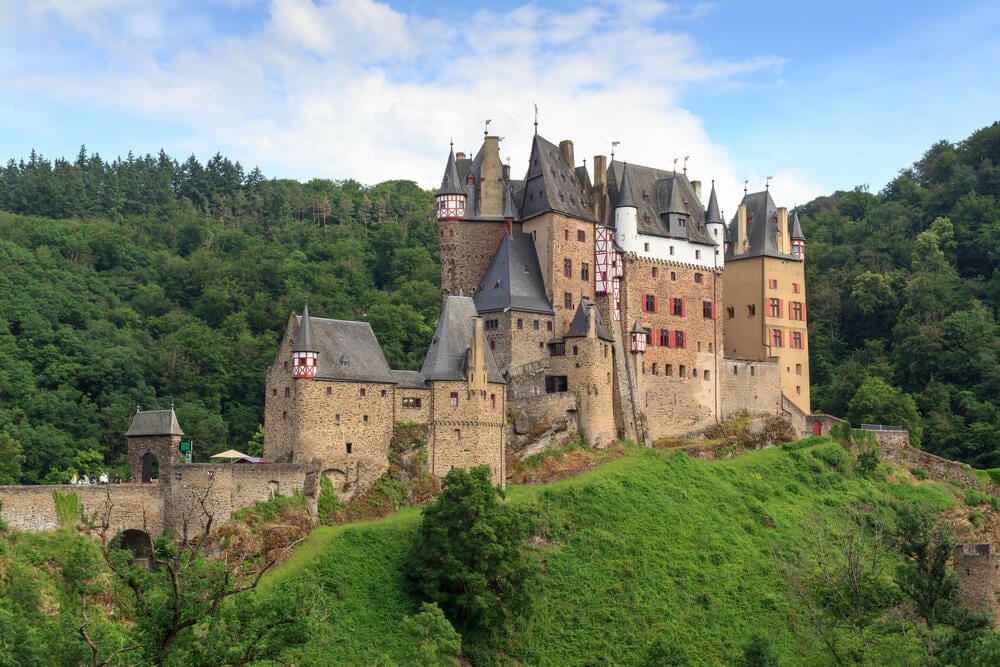
Burg Eltz sits in a wooded valley above the Moselle, and it has belonged to the same family for more than 850 years, through over 30 generations.
Its single real war came early. Between 1331 and 1336, the Eltz family and other local knights fought Archbishop Baldwin of Trier in what became known as the Eltz Feud.
Baldwin built a siege castle on a nearby hill and bombarded Eltz. The family eventually made peace.
After that, the castle avoided the wars that wrecked so many of its neighbours, including the War of the Palatine Succession in the late 1600s, when French troops destroyed castles across the Rhineland. A family connection to an officer in the French army is often credited with sparing it.
27. Akershus Fortress, Norway
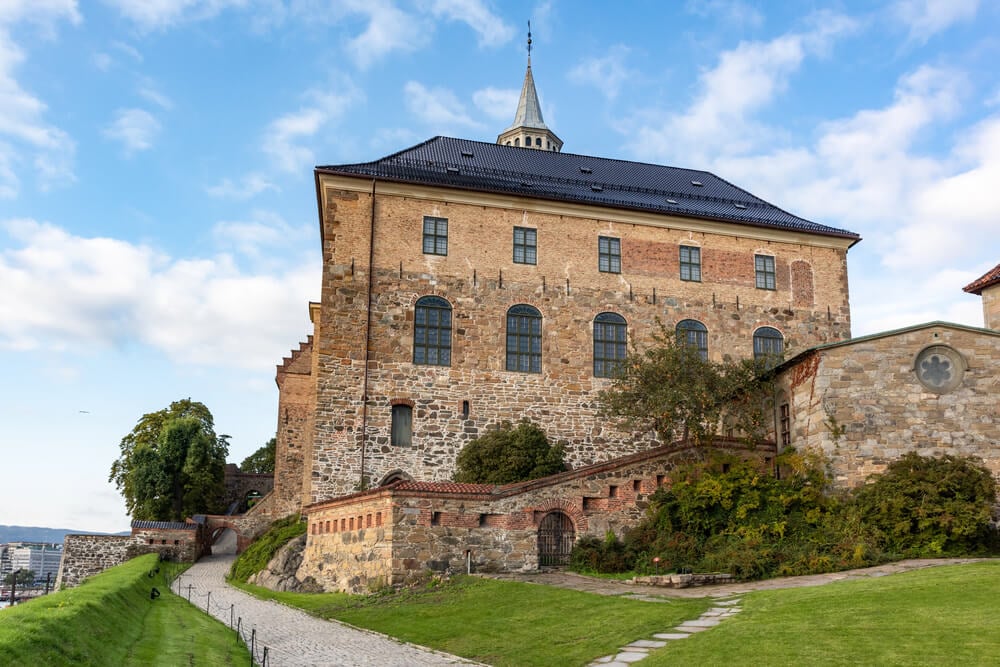
Construction began around 1299 under King Haakon V, on a point overlooking the Oslo fjord. Swedish forces besieged Akershus several times over the centuries and never managed to take it by force.
In April 1940, German forces occupied it without a battle when Norway was invaded. During the occupation, the Nazis used it as a prison and carried out executions there.
After liberation, Norway’s own wartime collaborator, Vidkun Quisling, was executed at Akershus in October 1945. The fortress now houses the Norwegian Resistance Museum.
28. Fort Jesus, Kenya
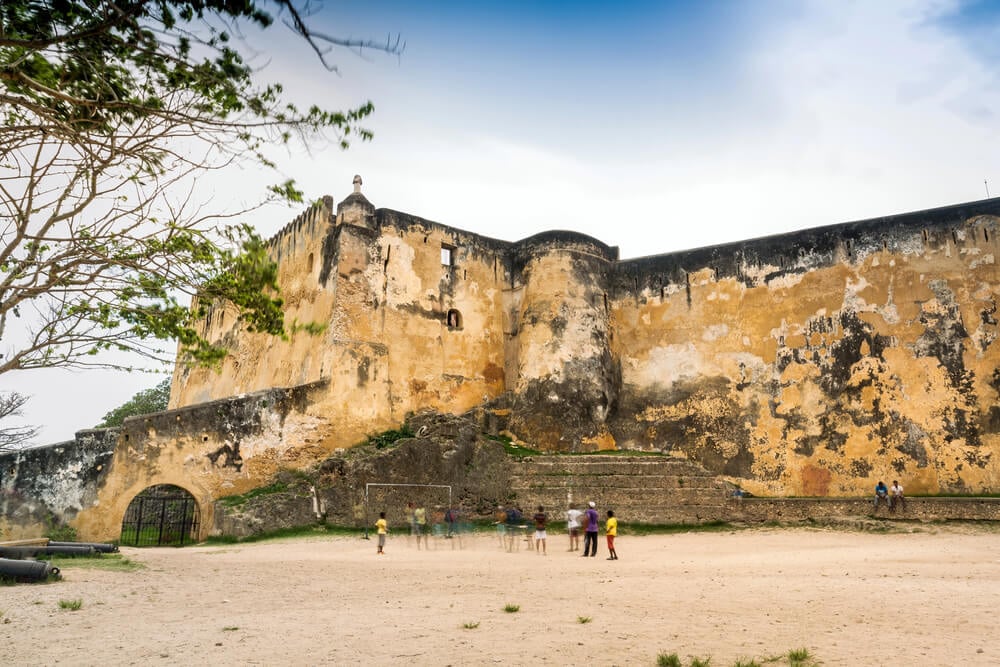
The Portuguese built Fort Jesus in Mombasa between 1593 and 1596 to protect their trade routes along the East African coast. The Italian architect Giovanni Battista Cairati designed it, and from the air it is shaped roughly like a human figure.
Its defining moment came in 1696, when Omani forces laid siege. The siege lasted until December 1698, nearly three years.
Disease and starvation wore the defenders down until the fort finally fell. Control passed back and forth between Portuguese, Omani and later British hands.
The fort became a UNESCO World Heritage Site in 2011.The story of European forts in Africa runs much further than the Cape.
29. Rumeli Hisarı, Turkey
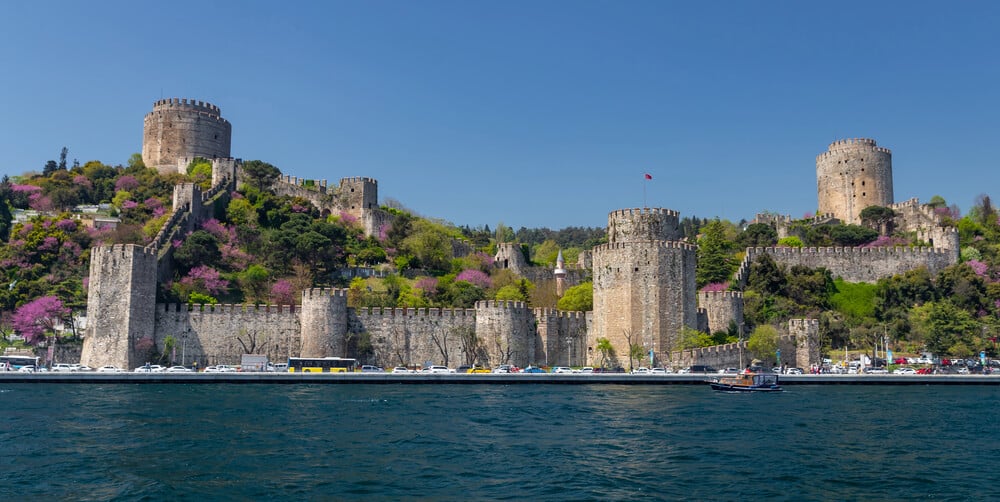
Sultan Mehmed II built this fortress on the European shore of the Bosphorus in 1452, in about four and a half months. He had one goal: to cut Constantinople off from help arriving by sea.
It worked. The following year, in 1453, Mehmed took Constantinople and ended the Byzantine Empire.
Rumeli Hisarı was never really besieged itself. It was the siege, the first move of it at least, and its job was over almost as soon as it was finished.
What the Stones Remember

Walk any of these castles and you start to notice the patches. A newer stone set into an old wall.
A roof that does not quite match the tower below it. A gatehouse that is too crisp for its age.
Every one of those repairs marks a moment when someone decided the building was worth saving.
That is the real reason these places survived. Thick walls helped, and so did cliffs, tides and soft coquina stone.
But in the end, most castles outlived their wars because people kept choosing them. Villagers bid at auctions.
Restorers rebuilt bricks one at a time. Families stayed put for thirty generations.
Next time you are in Cape Town, go stand on a bastion of the Castle of Good Hope with the mountain at your back. It never fired a shot in anger.
It is still there anyway, which says something about what really keeps old stone standing.
More from Go2Tutors!

- The Romanov Crown Jewels and Their Tragic Fate
- 13 Historical Mysteries That Science Still Can’t Solve
- Famous Hoaxes That Fooled the World for Years
- 15 Child Stars with Tragic Adult Lives
- 16 Famous Jewelry Pieces in History
Like Go2Tutors’s content? Follow us on MSN.