29 Things Kids Used to Build With Their Bare Hands Before Screens Took Over
There was a stretch of American childhood, not so long ago, when a rainy afternoon meant scrounging through a garage instead of scrolling through an app. Nobody handed you a tablet and called it entertainment.
You went outside, or into a basement, or under a table with a blanket, and you made something out of whatever was lying around. What follows is a walk back through the kind of stuff kids used to build before a screen became the default answer to boredom.
Treehouses
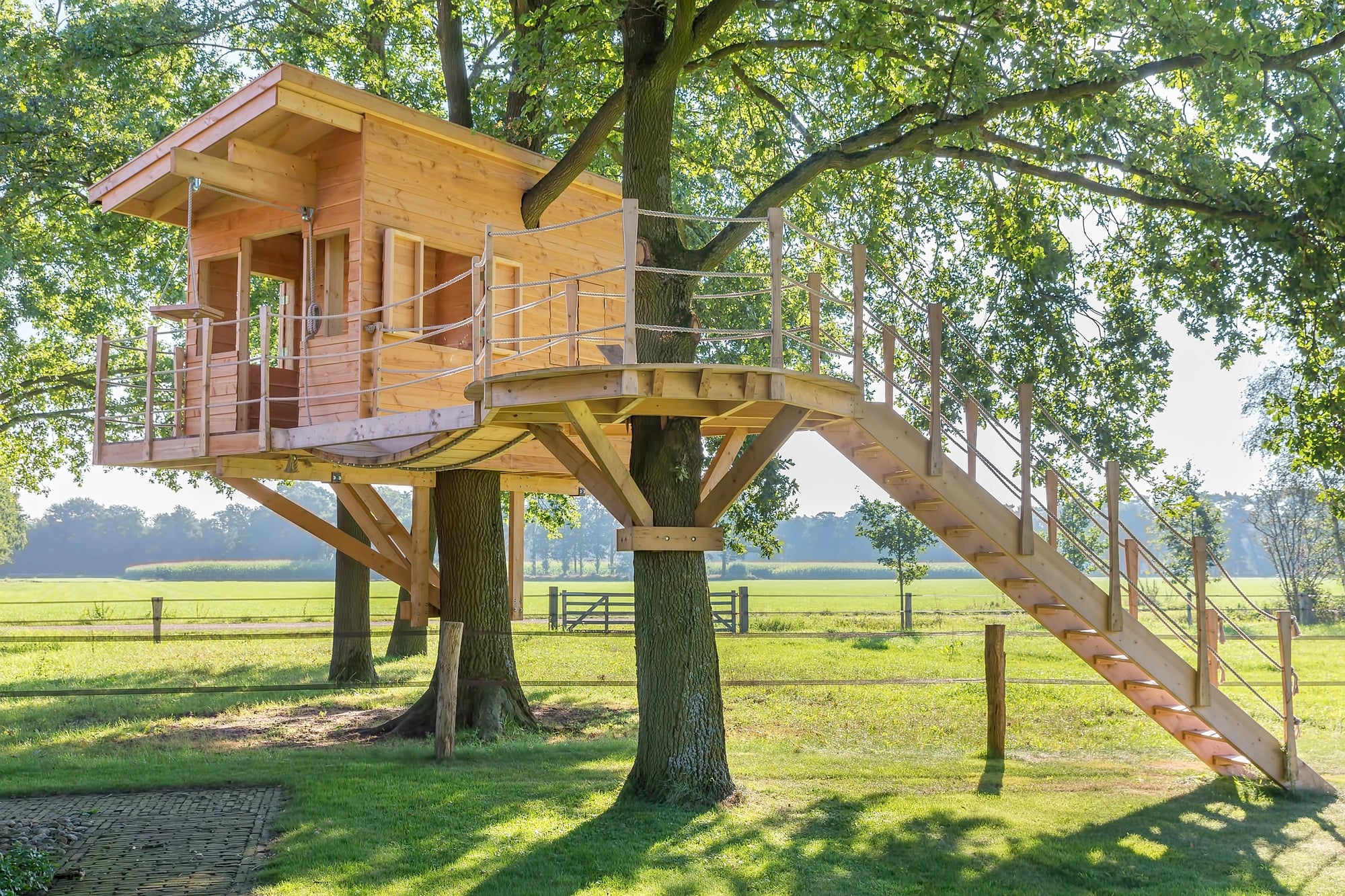
A few boards. A ladder made of scrap.
Nobody had a permit and nobody asked for one. It stood there, crooked and proud, for years.
Blanket Forts
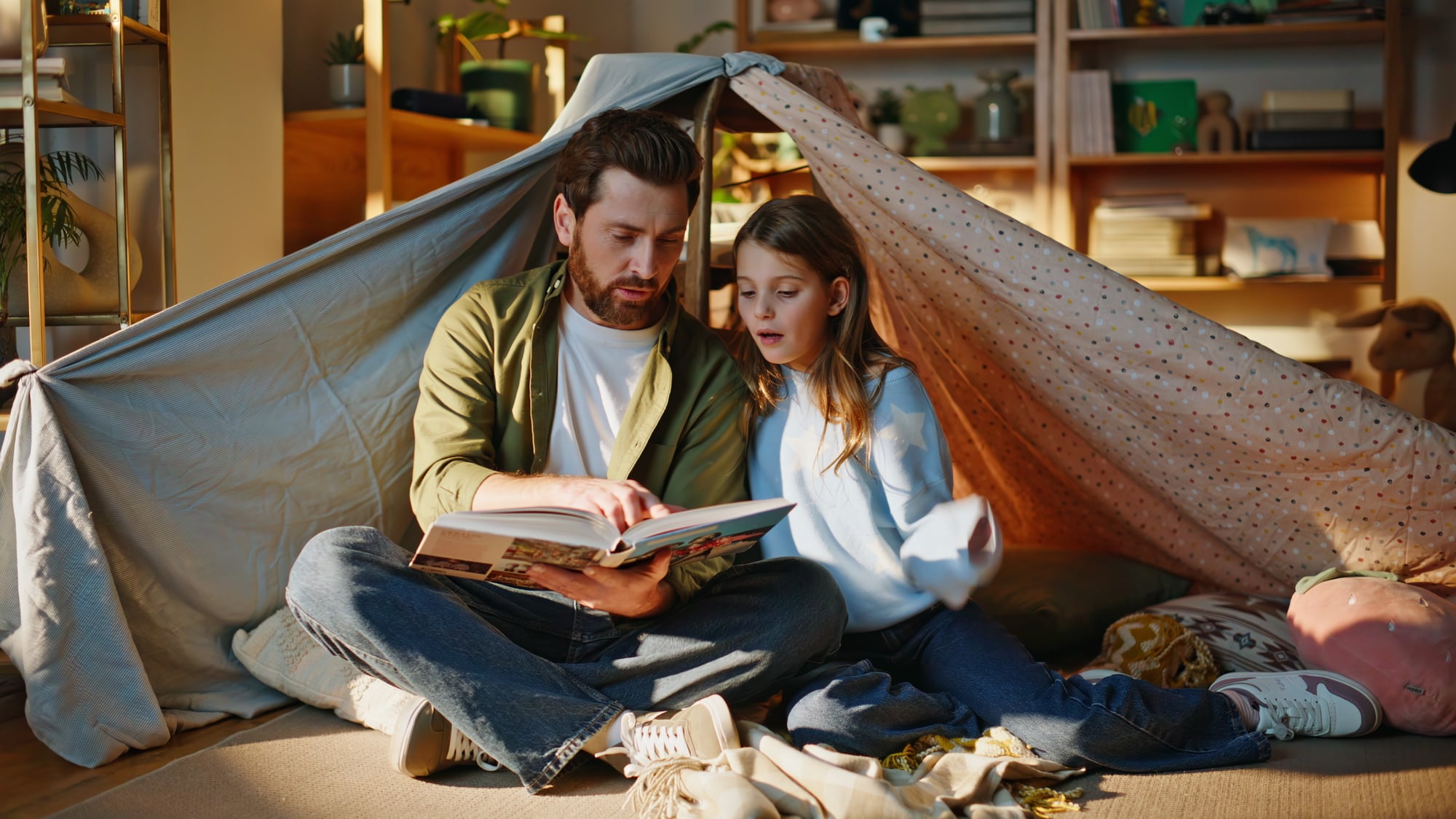
The living room turned into a construction site the second someone pulled a sheet off the couch, and from there it became an actual negotiation — whose blanket, whose chairs, whose lamp got sacrificed to hold the whole structure up. Somebody’s mother would eventually walk in, take one look at the dining chairs stacked against the bookshelf, and just sigh: not stop it, just sigh.
And that sigh became part of the ritual too, an unspoken permission slip. So the fort stayed up for days, sometimes a full week, until the vacuum needed to get through.
Popsicle Stick Bridges
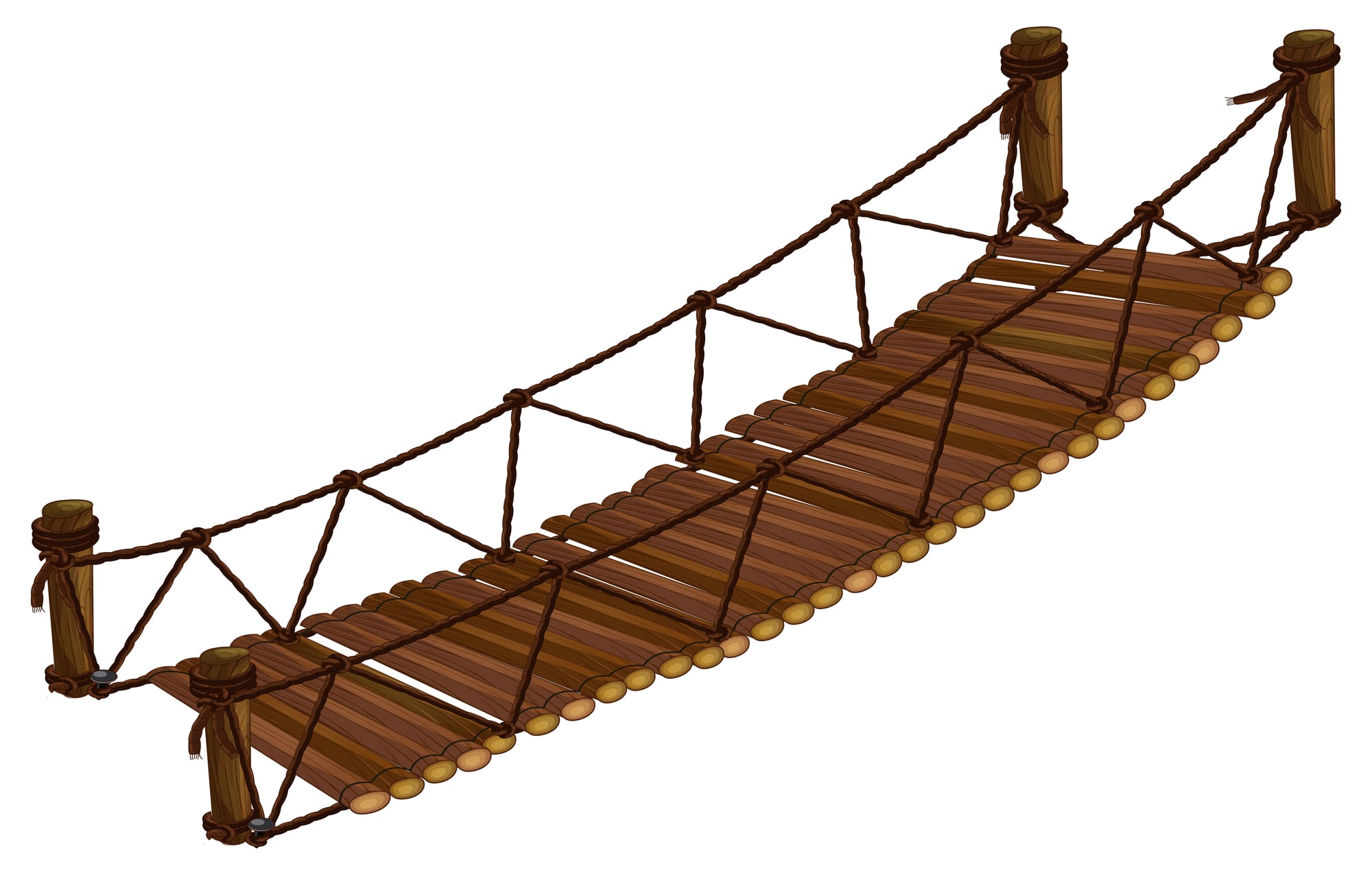
There’s something almost tender about a bridge built from ice cream sticks and white glue, the way it holds more weight than it has any right to. It looks fragile right up until the moment it isn’t — a spindly little thing balanced on two stacks of books, daring gravity to try something.
Kids didn’t know they were learning about tension and compression. They just knew it either held the roll of quarters or it didn’t.
Sandcastles
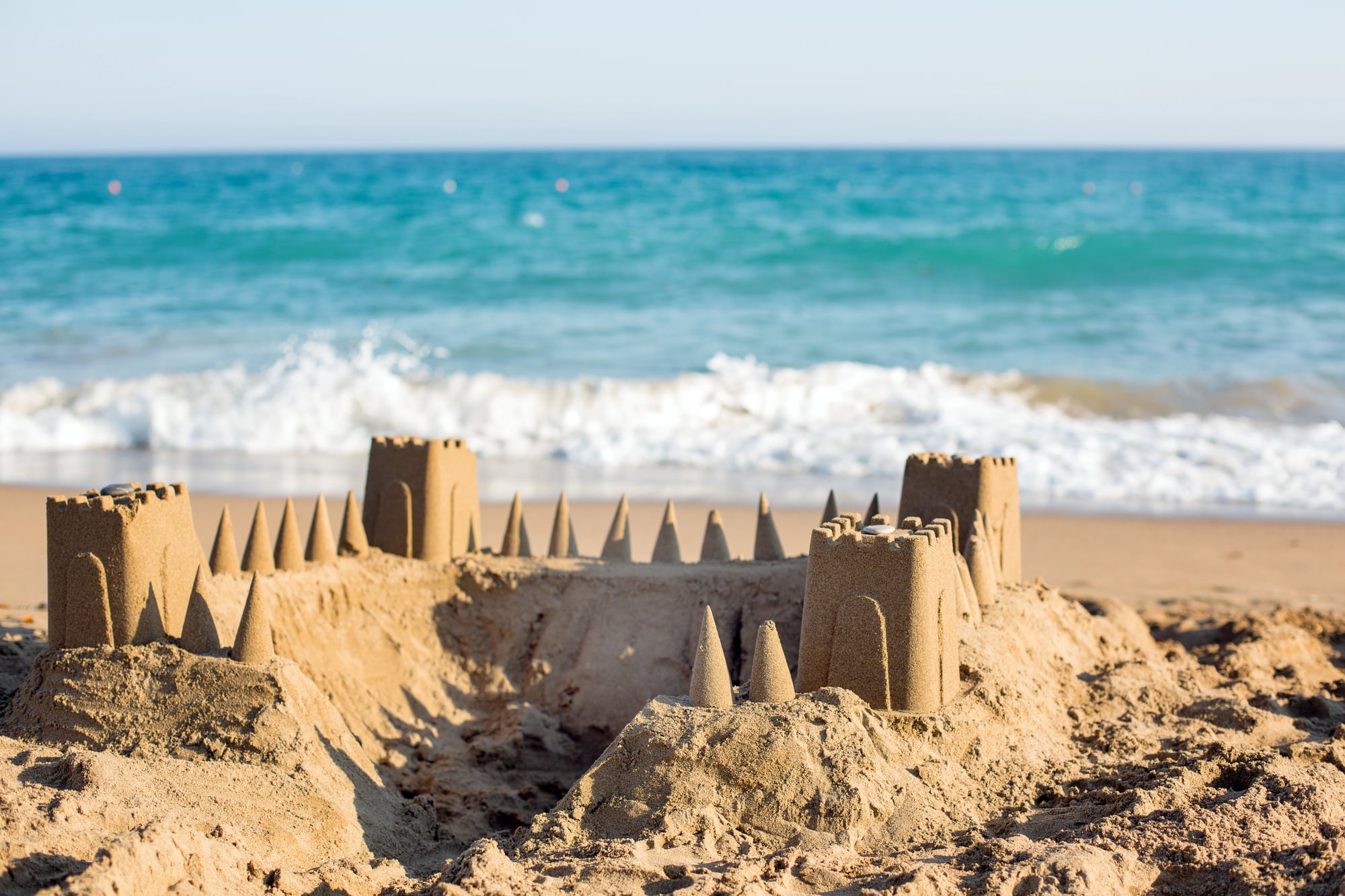
Nobody needs to defend the sandcastle. It’s the most honest thing a kid ever builds — gone in a few hours, guaranteed, and built anyway.
That’s the whole appeal, to be fair, and anyone who tells you otherwise never spent a summer with wet sand under their fingernails.
Snow Forts
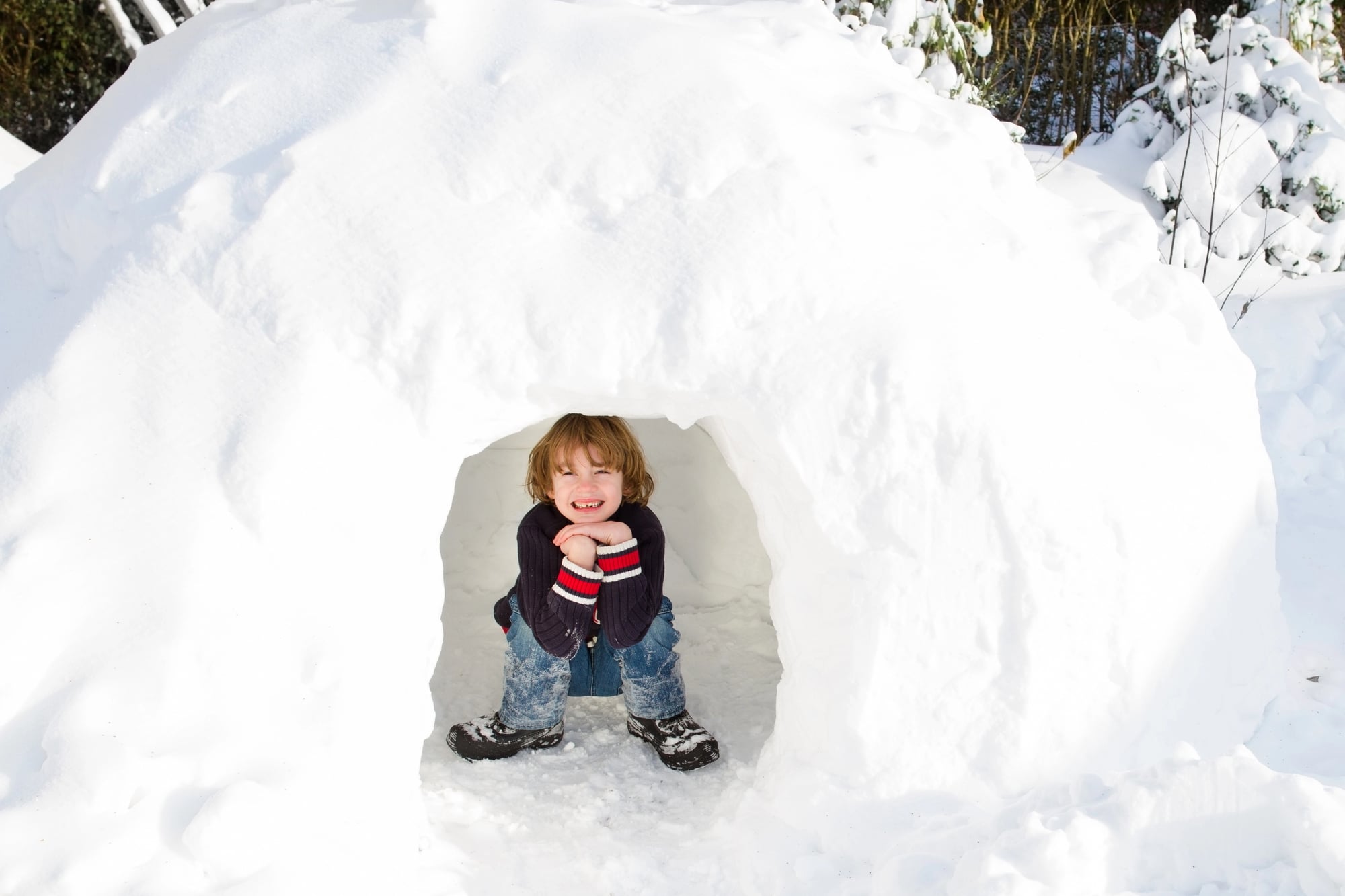
Ice blocks, packed snow, a doorway carved with a mitten. It took hours and collapsed in one good snowball fight.
Worth it every time.
Soap Box Derby Cars
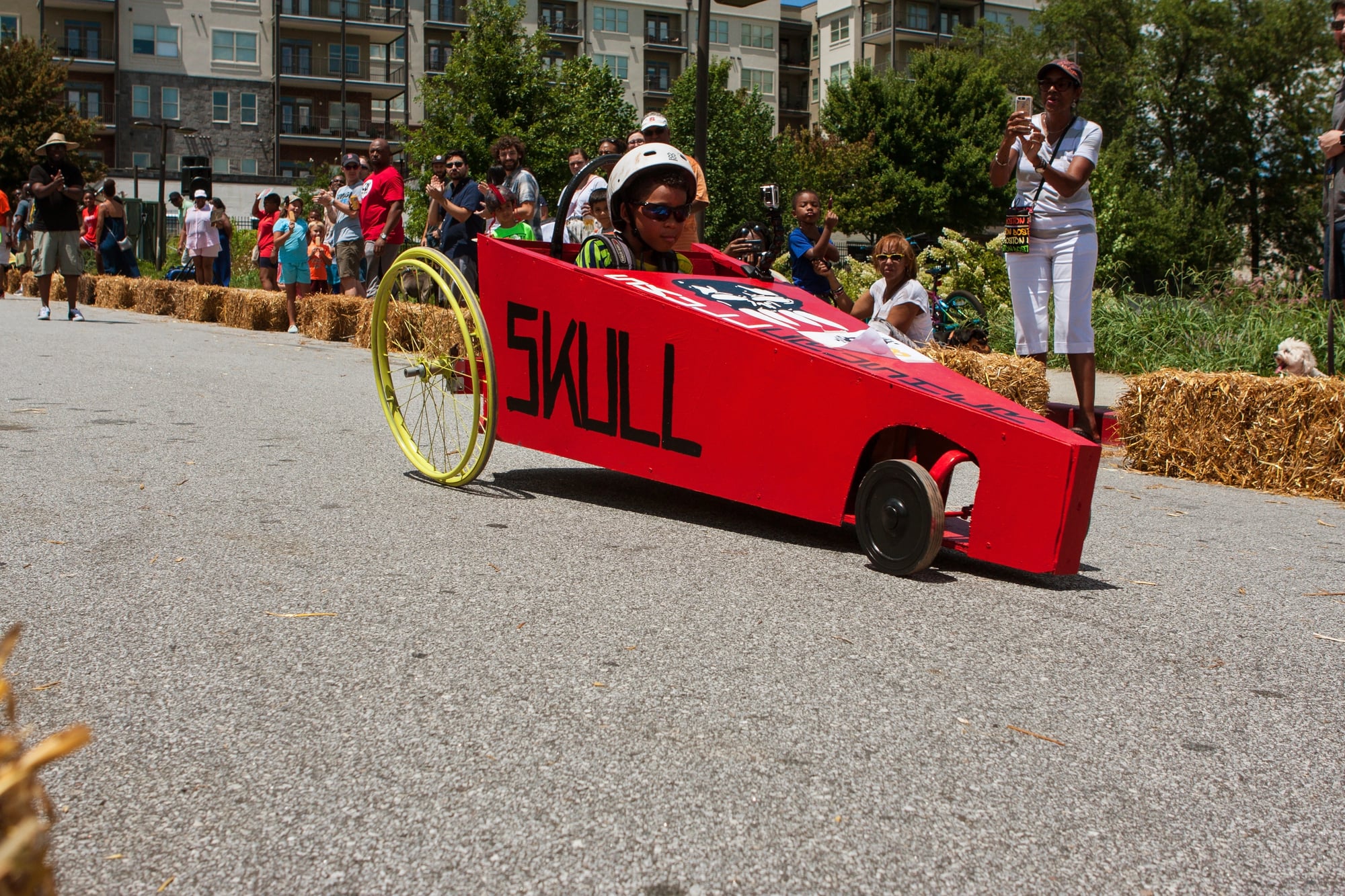
Somewhere in a garage, a kid and a parent were arguing over whether the axle needed to be tighter or looser — and this argument, small as it sounds, was really about whose plan got to matter more. There was no kit for this, no instructions taped to a box: just scrap wood, old wagon wheels, a rope for steering, and a hill steep enough to make the whole thing feel dangerous.
It rattled. It pulled slightly to the left no matter what anyone did. And somehow it still felt like the fastest thing on Earth once it hit the bottom of the hill.
Tin Can Telephones

Two cans, a length of string, and a small opening punched through the bottom of each — that was the entire engineering marvel. It never really worked, not properly, but the pretending was the point.
Kids stretched that string tight across a yard and whispered nonsense into tin, convinced they’d invented something.
Rubber Band Orb

Nobody sets out to build the biggest rubber band orb in the world. It happens by accident, one band at a time, over months, until it’s suddenly the size of a grapefruit and impossible to stop adding to.
There’s a stubbornness to it — the orb keeps growing because stopping feels like giving up on something, even though nobody could say what.
Paper Airplanes

A single sheet of paper and a few folds, that’s the whole budget. Some designs flew straight, most nosedived into the wall, and kids kept folding anyway.
Turns out that failure rate never bothered anybody — the next fold might be the one that finally glides.
Slingshots
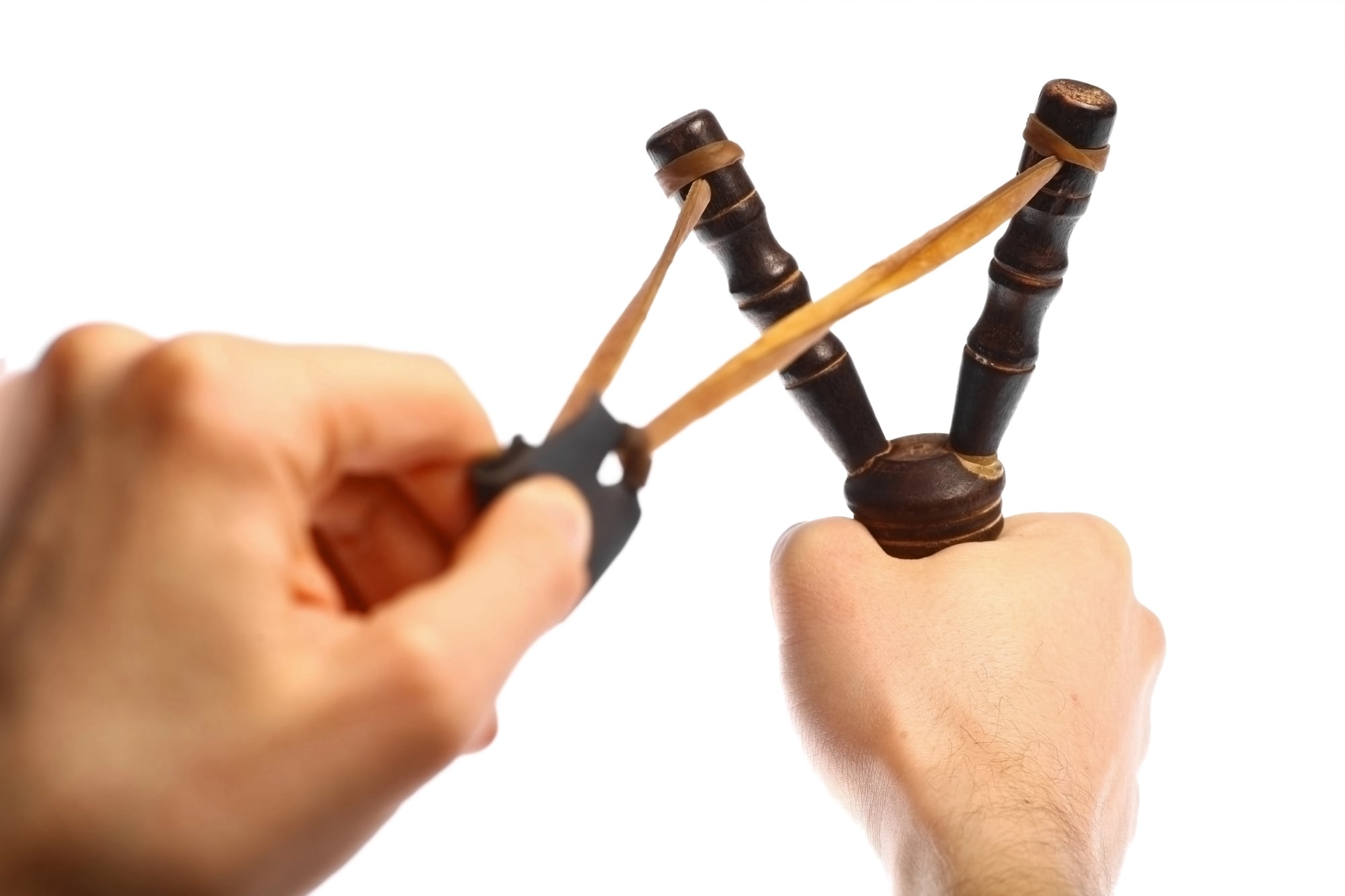
A Y-shaped stick, a strip of rubber, a leather patch. Every kid in America seemed to know how to make one without ever being taught.
It was one of the first tools a kid built that could actually do something.
Go-Karts

The wheels came off an old wagon, the frame came from a scrap pile behind the garage, and the brakes — if you could call them that — came from a sneaker dragging on pavement. Nobody thought twice about it, which in hindsight is a little alarming, but it also meant kids were solving actual mechanical problems before they’d even hit double digits.
It rolled downhill fast enough to feel like flying, and slow enough that most kids walked away with nothing worse than a scraped elbow. That combination — real risk, survivable outcome — was basically the entire design philosophy.
Rock Dams
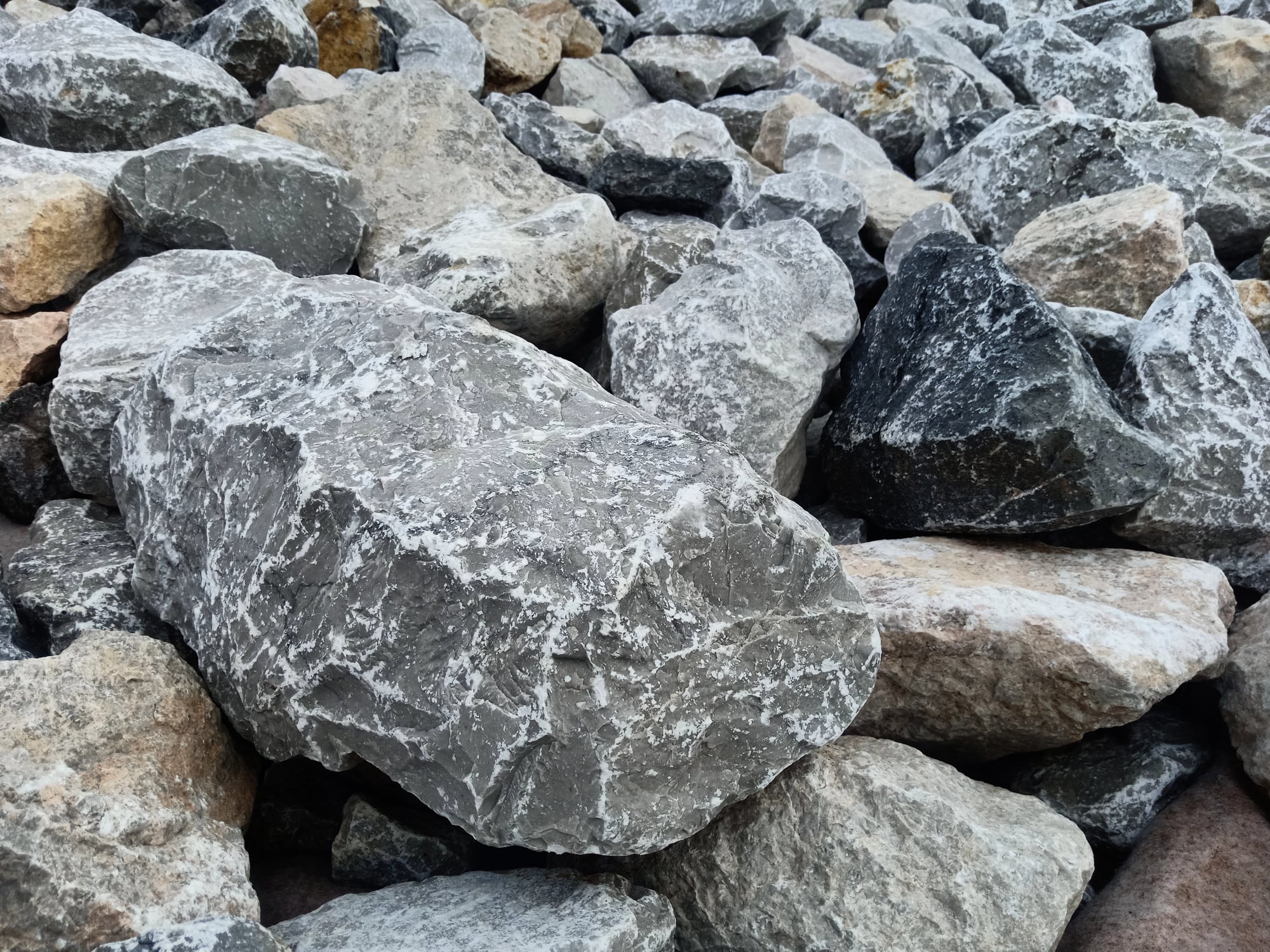
There’s a particular kind of patience that only shows up at the edge of a creek, where a kid stacks flat stones one at a time and watches the water find a new way around. The dam never really holds, not for long, but the failure is part of the design — the water always wins eventually, and there’s something almost peaceful in watching it happen.
It’s less about stopping the current and more about proving, briefly, that you could redirect it at all.
Birdhouses
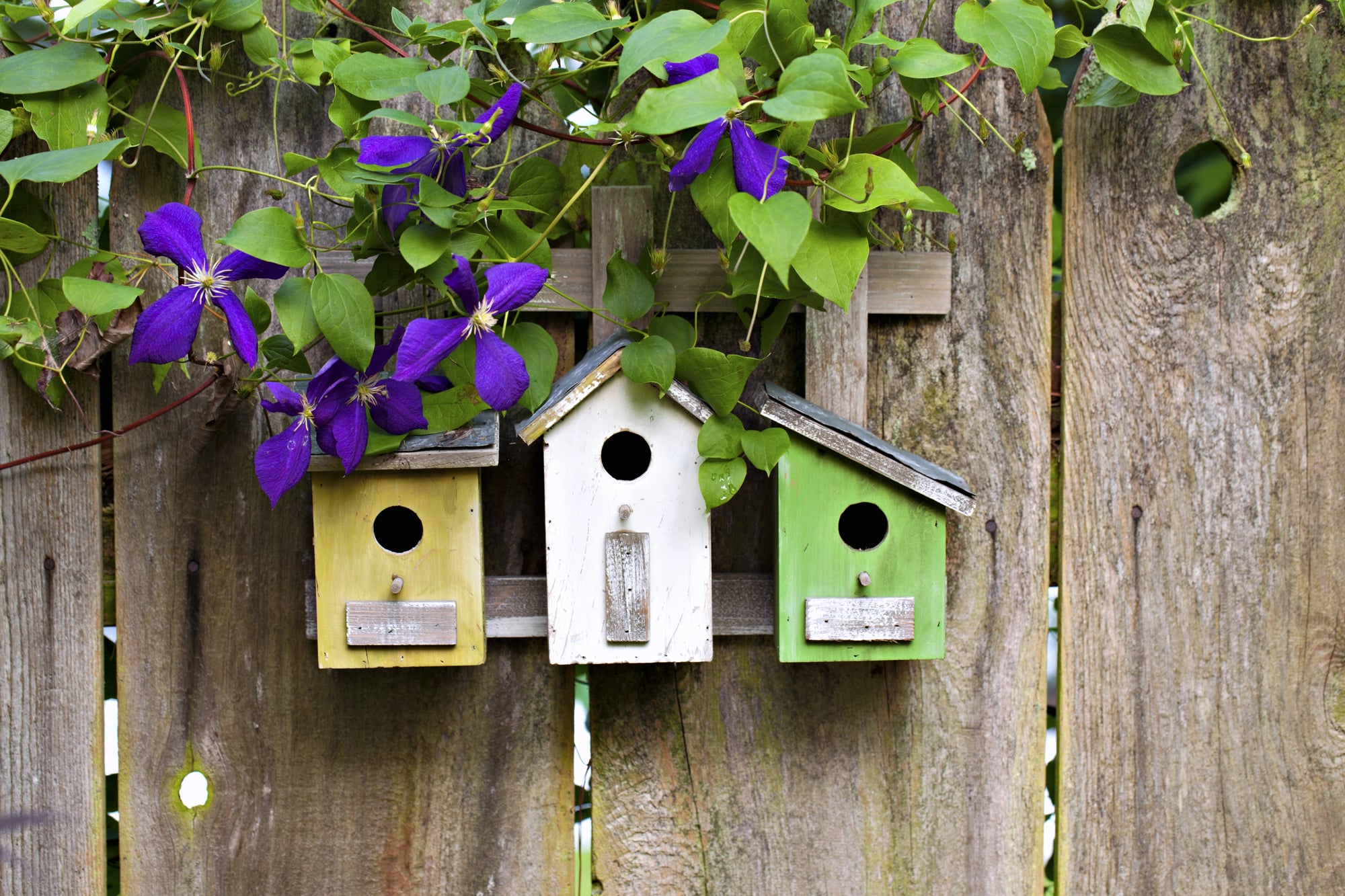
Nobody’s first birdhouse was good. The roof leaked, the opening was too big, the paint job looked like an accident.
But it still counted as building something, and that’s a low bar worth defending.
Marble Runs

Cardboard tubes taped to a wall, angled just right, funneling a marble from one floor of the house to the next — that was the ambition, anyway, and it rarely worked on the first attempt. Somebody always had to adjust the angle, or add a second tube, or realize the whole thing needed to start three feet higher than originally planned.
And when it finally worked, when that marble made it from the top of the stairs to the kitchen floor without falling off track, there was a genuine sense that physics had just been personally defeated.
Cardboard Box Forts
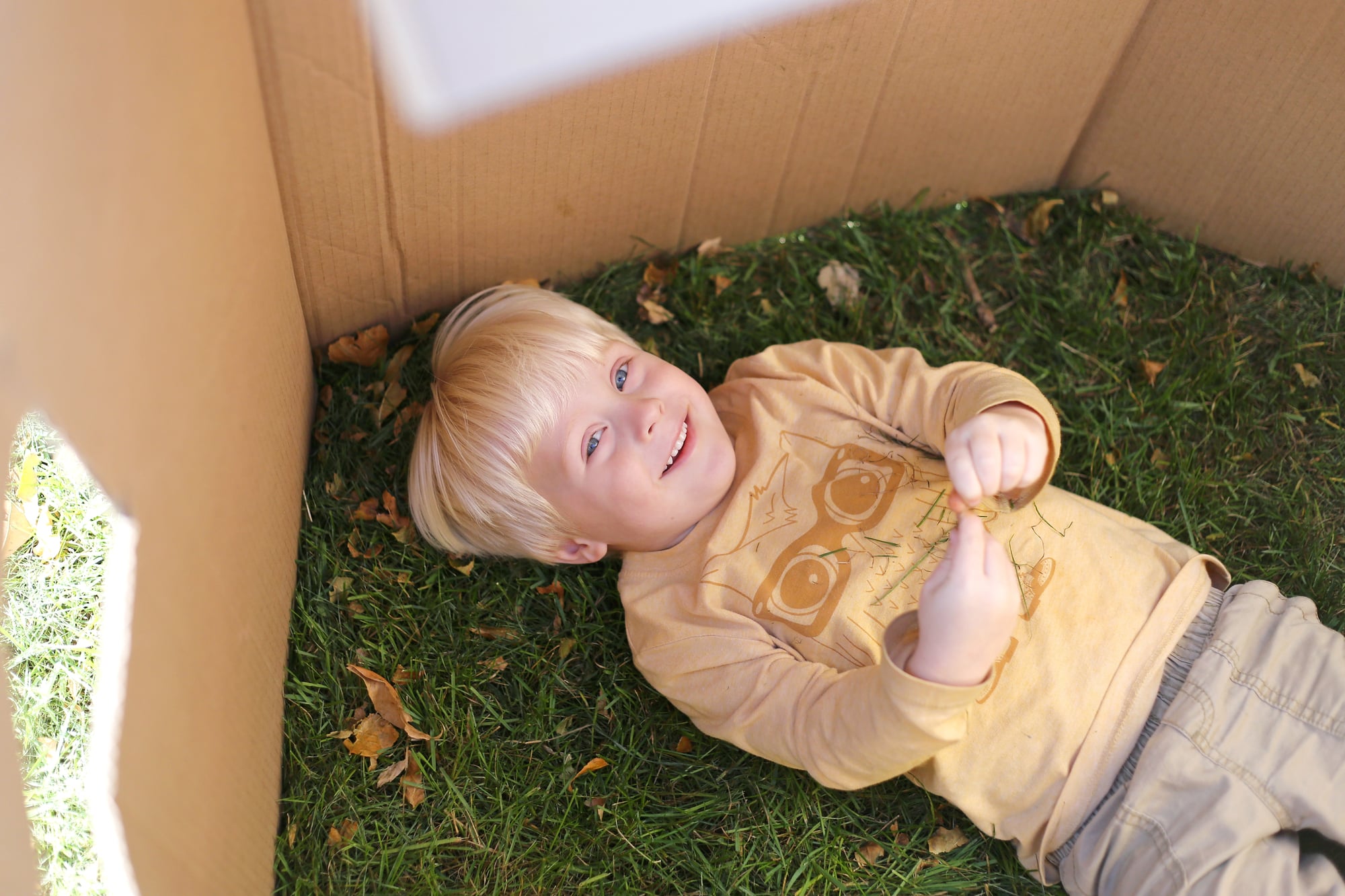
The box a refrigerator came in was worth more to a kid than the refrigerator itself, and everyone in the neighborhood knew it. Cut a door, cut a window, maybe a second box taped on as an addition — suddenly there’s a whole compound.
It smelled like cardboard and adhesive and somehow that smell became part of the memory too.
Kites

A store-bought kite is fine, but the homemade ones had character. Two crossed sticks, a garbage bag or old sheet stretched over them, a tail made of ribbon scraps — none of it aerodynamically sound, and it flew anyway, which is honestly more impressive.
Kids figured out wind before anyone explained it to them in school.
Lincoln Log Cabins
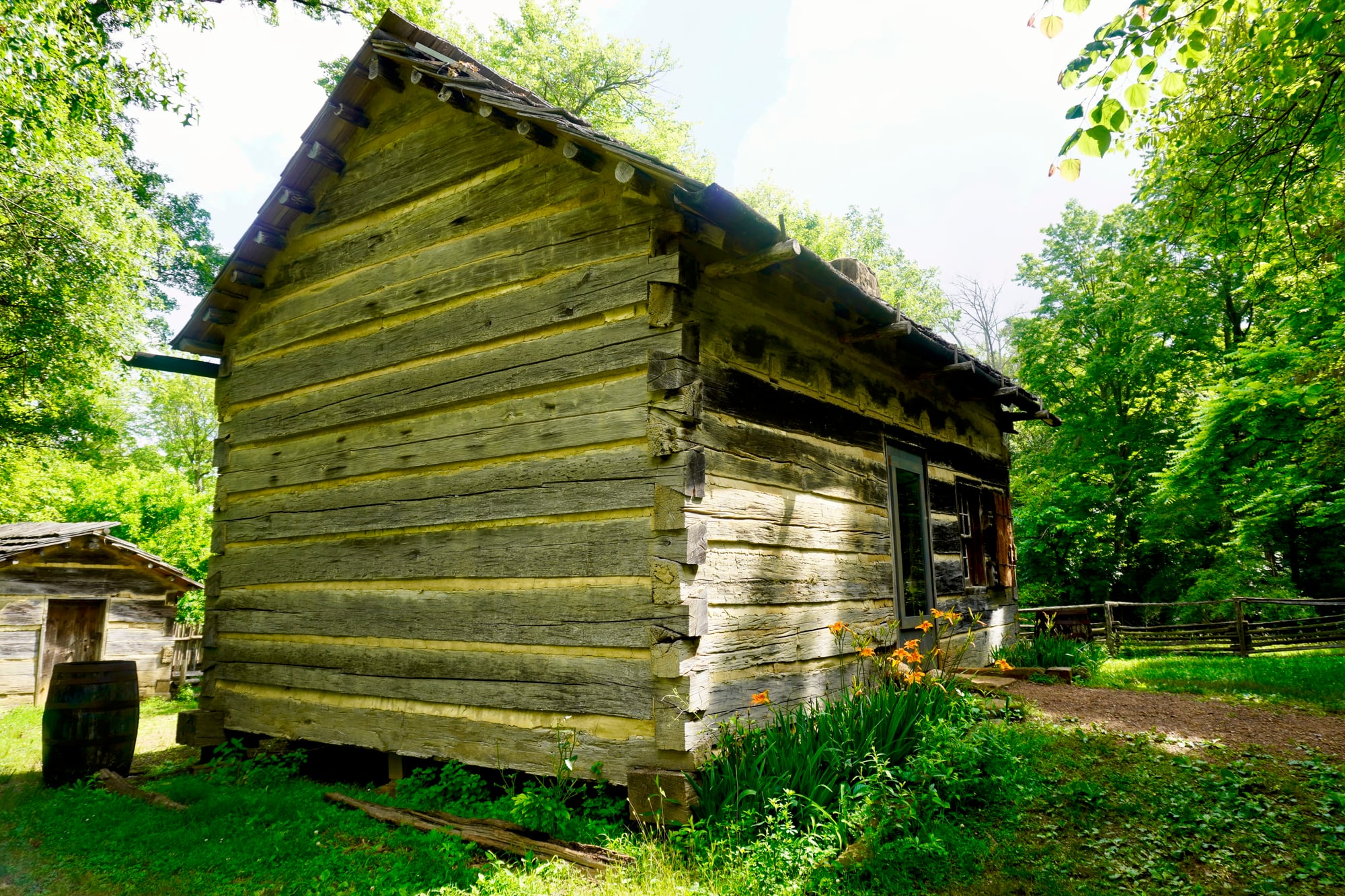
A rainy Saturday. A can of interlocking logs dumped onto the carpet.
No manual necessary, because the notches only fit one way and a kid’s hands figured that out fast.
Tinkertoy Towers
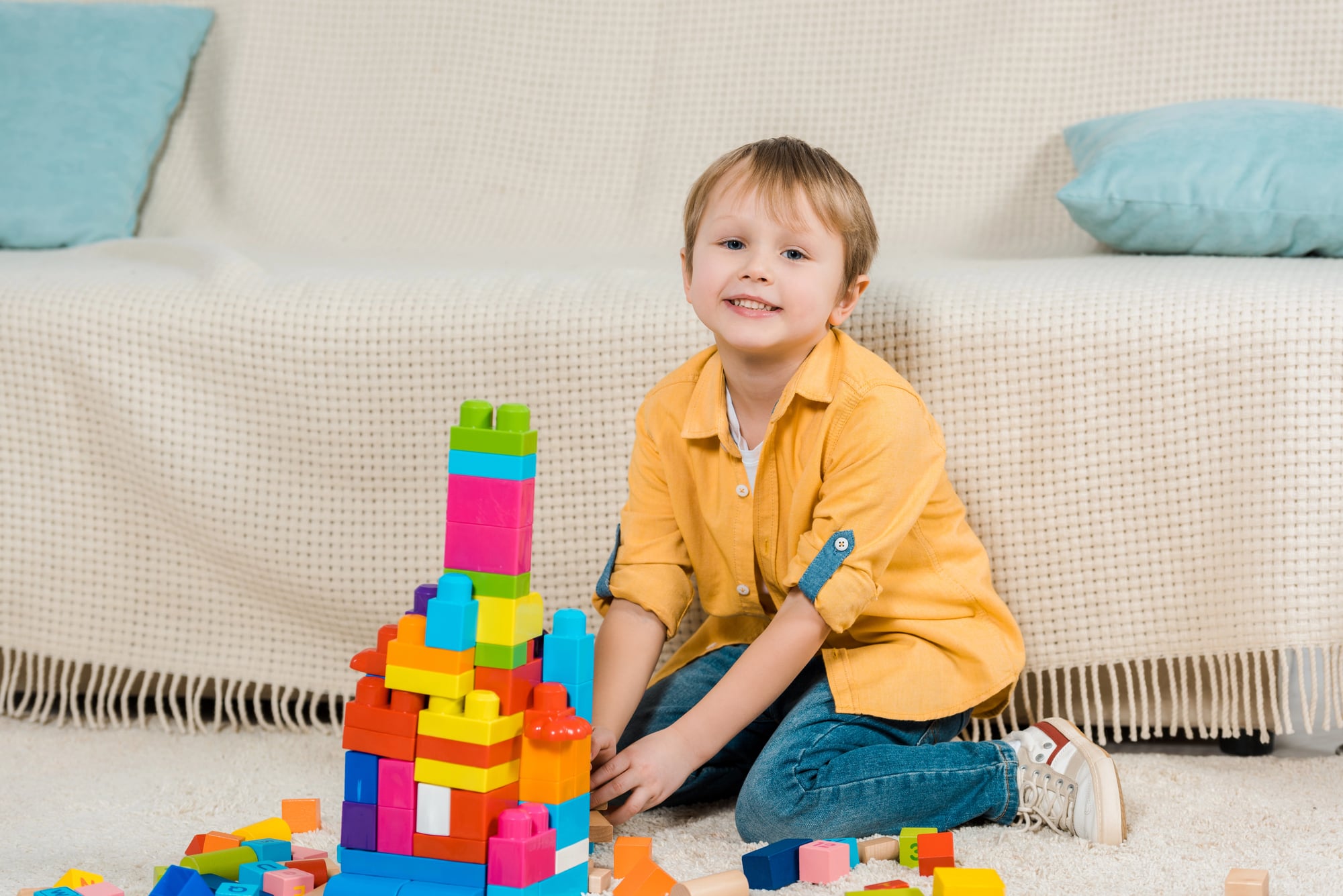
The spools and sticks came in a can that rattled when you shook it, and the whole point was seeing how tall a tower could get before it leaned too far and gave up on gravity’s patience. Some kids built wide and stable — boring, but sturdy — and some kids went for height, chasing the ceiling with something that wobbled the entire way up.
Either way, the collapse was half the fun: a tower that fell apart quietly wasn’t nearly as satisfying as one that clattered across the whole room. So the ambitious builders kept losing, and kept building taller anyway.
Lego Castles
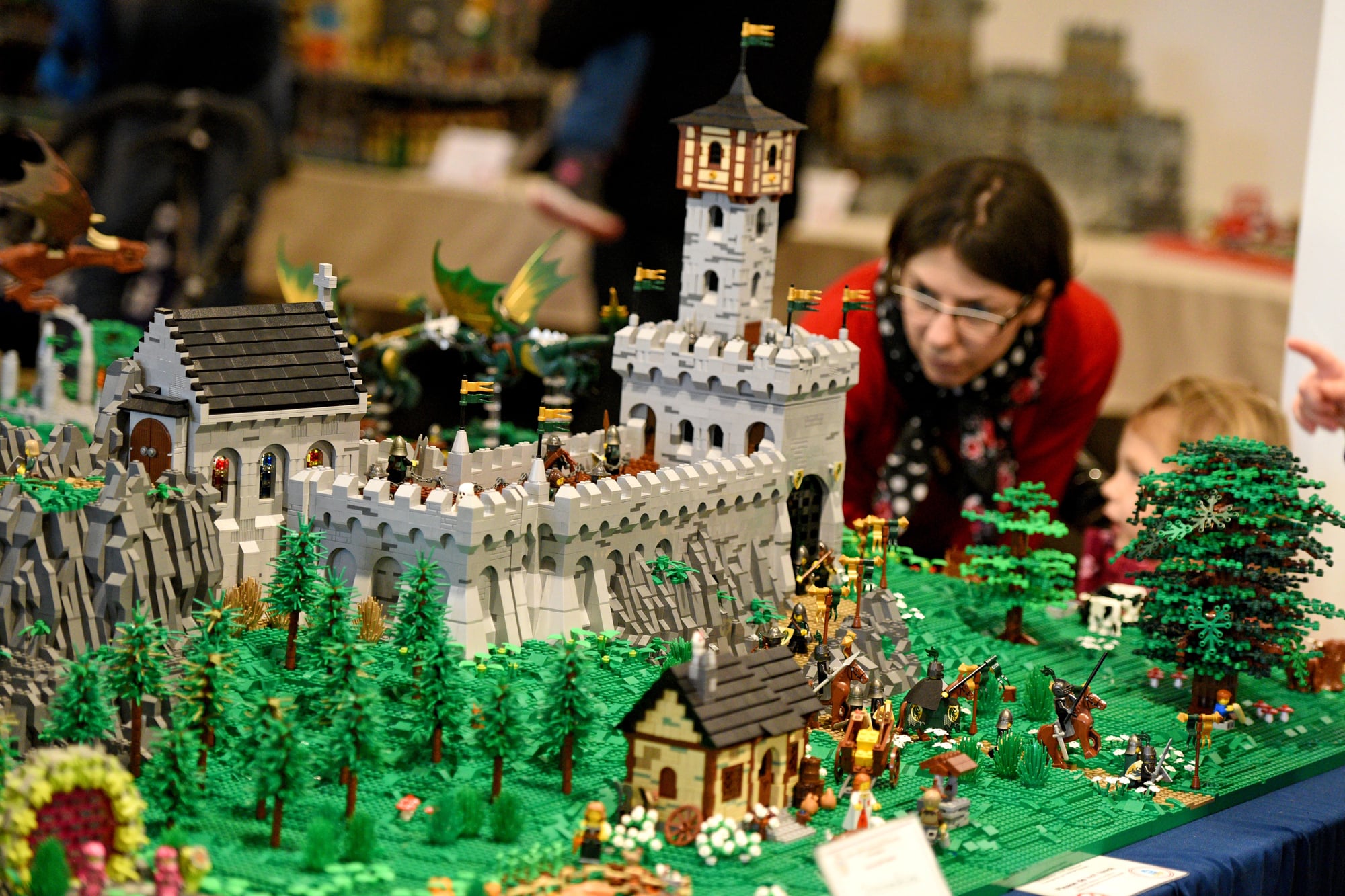
There’s a reason grown adults still step on stray Lego pieces decades later and feel a flash of something close to grief. A castle built from those little bricks was never really about the castle — it was about the hours spent hunting for the one gray piece buried under the couch cushion.
The finished thing looked lopsided and slightly medieval in the wrong century, and it stood there like proof that patience, however clumsy, built something real.
Model Airplanes
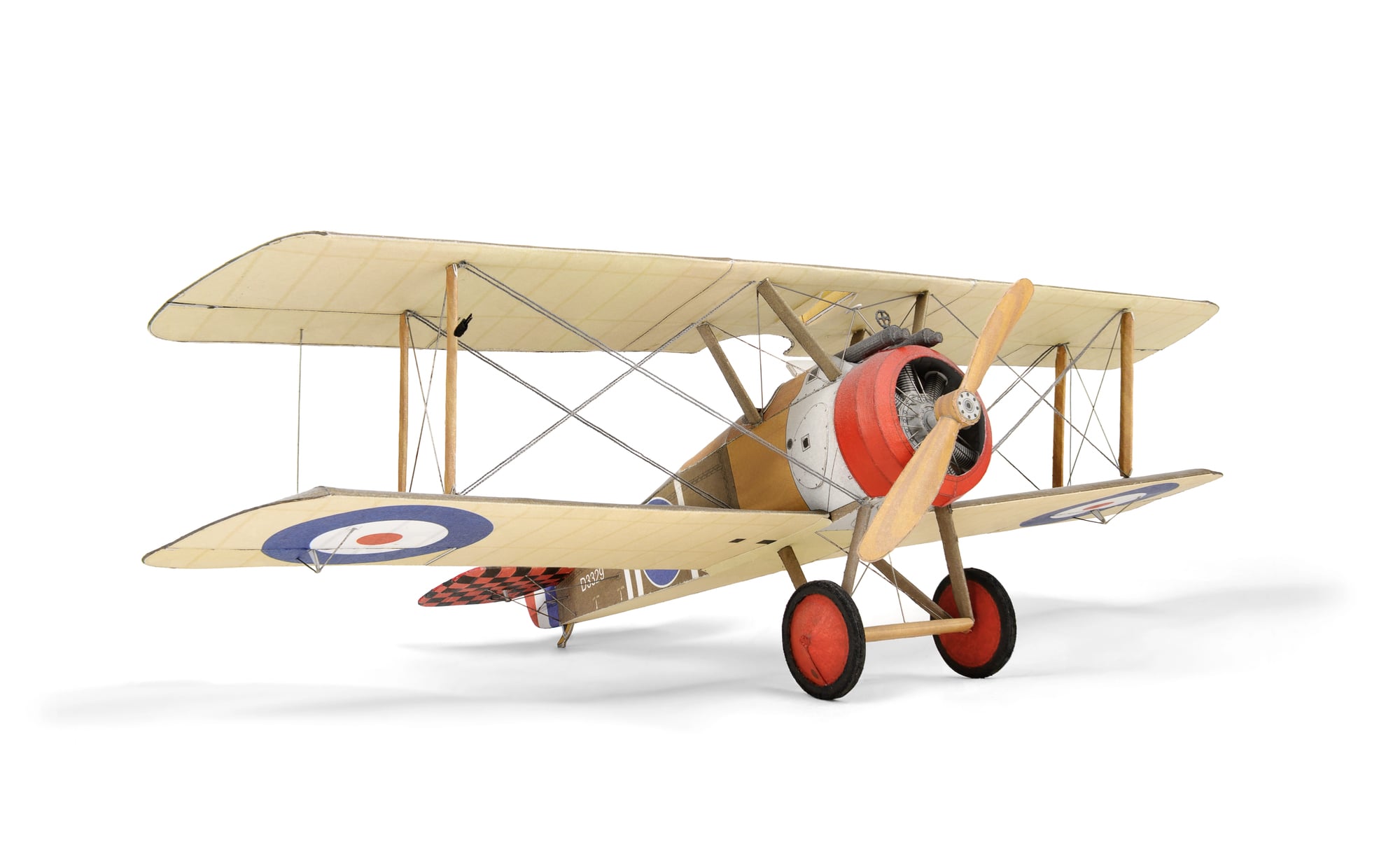
Nobody builds a model airplane in one sitting, and that’s exactly the point. The glue needs to dry, the decals need to line up, the tiny plastic propeller needs to actually spin — and rushing any of it ruins the whole thing.
Kids who stuck with it learned something most screens never bother to teach: that good work takes longer than you want it to, full stop.
Whittled Whistles
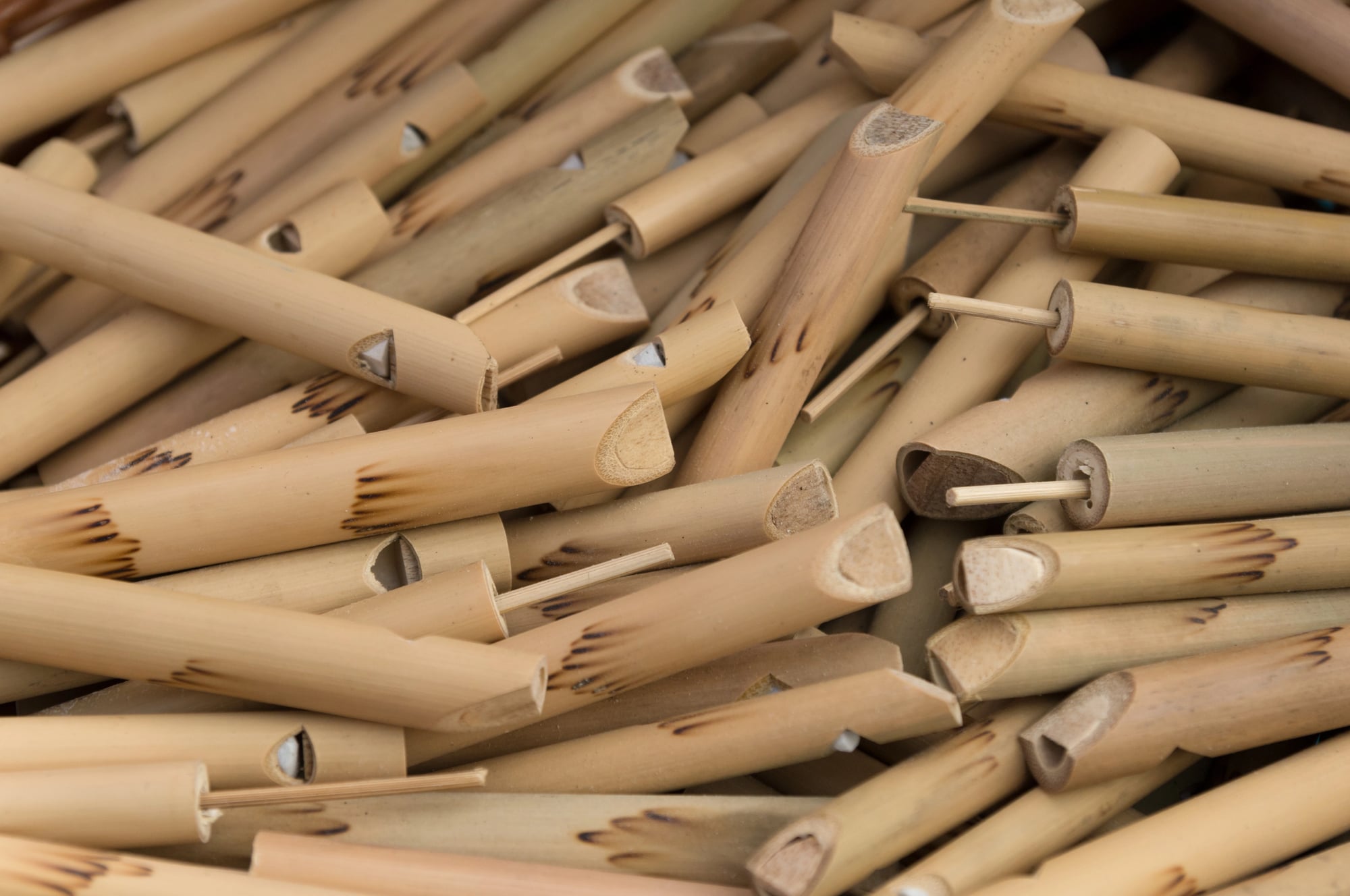
A pocketknife, a green branch, and a notch cut at just the right angle. Most attempts produced nothing but a mangled stick and a splinter.
The ones that worked made a sound worth showing off for a week straight.
Stick Bows and Arrows
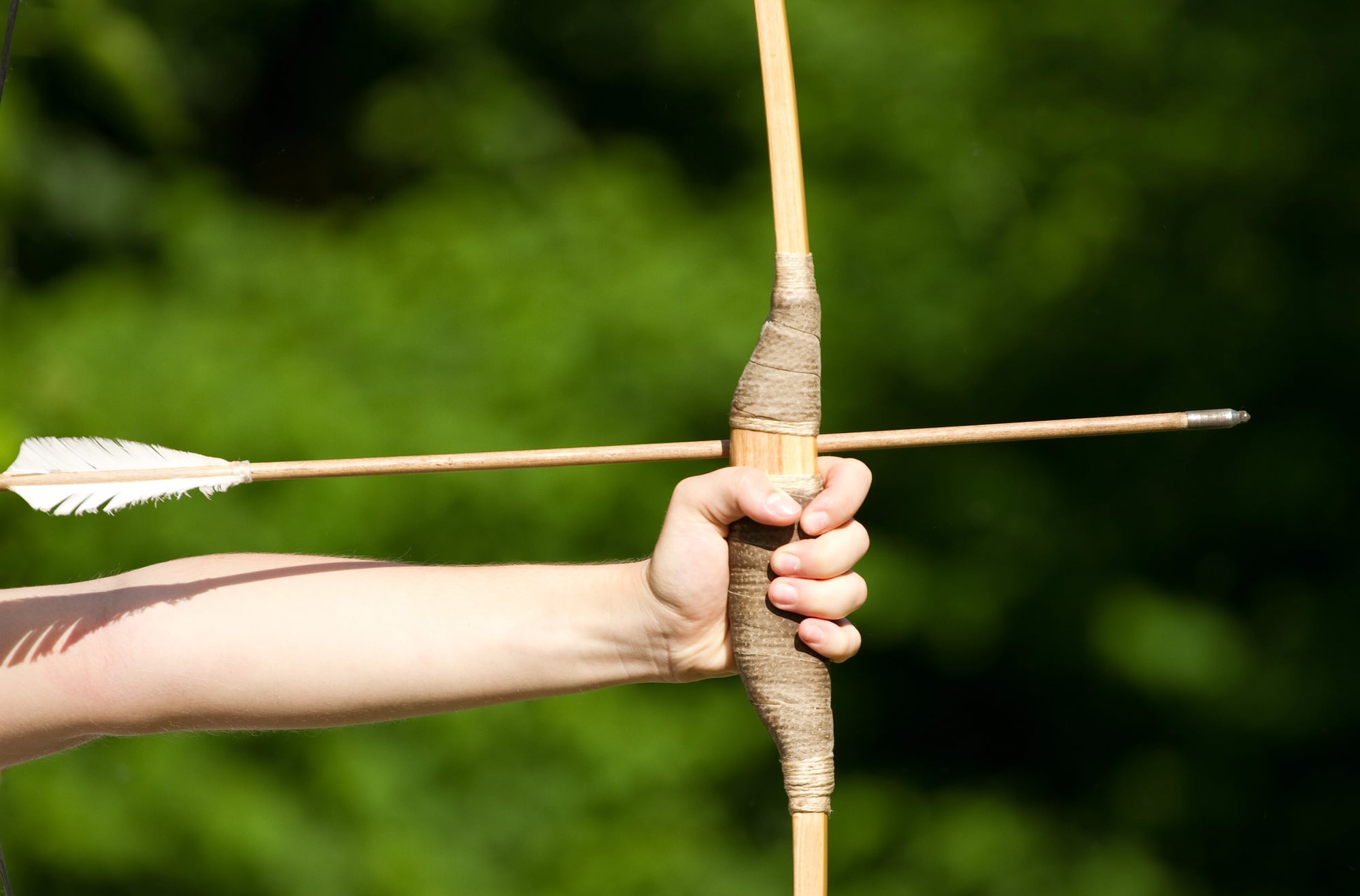
The bow came from a bent branch and a length of twine, and the arrows came from whatever straight sticks were lying around the yard — sharpened, if a knife was handy, or left blunt if it wasn’t. None of it flew particularly far, and accuracy was mostly theoretical, but that never stopped anyone from setting up a paper target against a fence and calling it archery practice.
What mattered wasn’t the distance the arrow traveled: it was the fact that a kid had turned a tree branch into a working tool with nothing but patience and a pocketknife.
Rope Swings
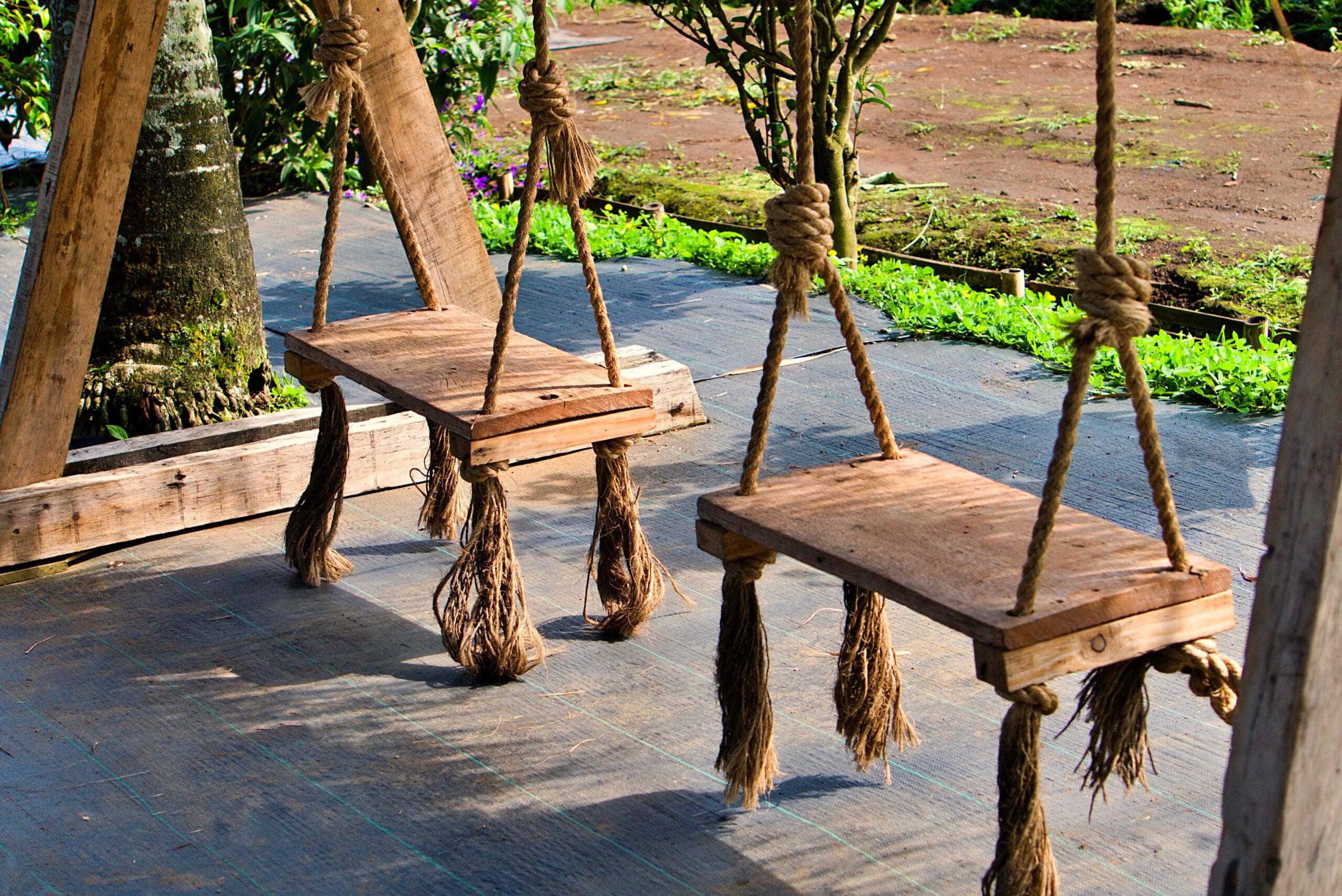
A tire, a length of rope, a branch strong enough to hold both. Somebody’s older sibling always tested it first, which felt less like courtesy and more like natural selection.
It swung for years, long after the kids who hung it had grown up and moved on.
Mud Pies

Nobody’s mud pie ever got eaten, and that was never really the goal. What mattered was the seriousness of it — the careful patting down of mud into a pan, the leaf garnish, the presentation to a parent who had to pretend to be impressed.
It’s a strange kind of dedication, building something with total sincerity that both sides understand is entirely pretend.
Scrap Wood Clubhouses
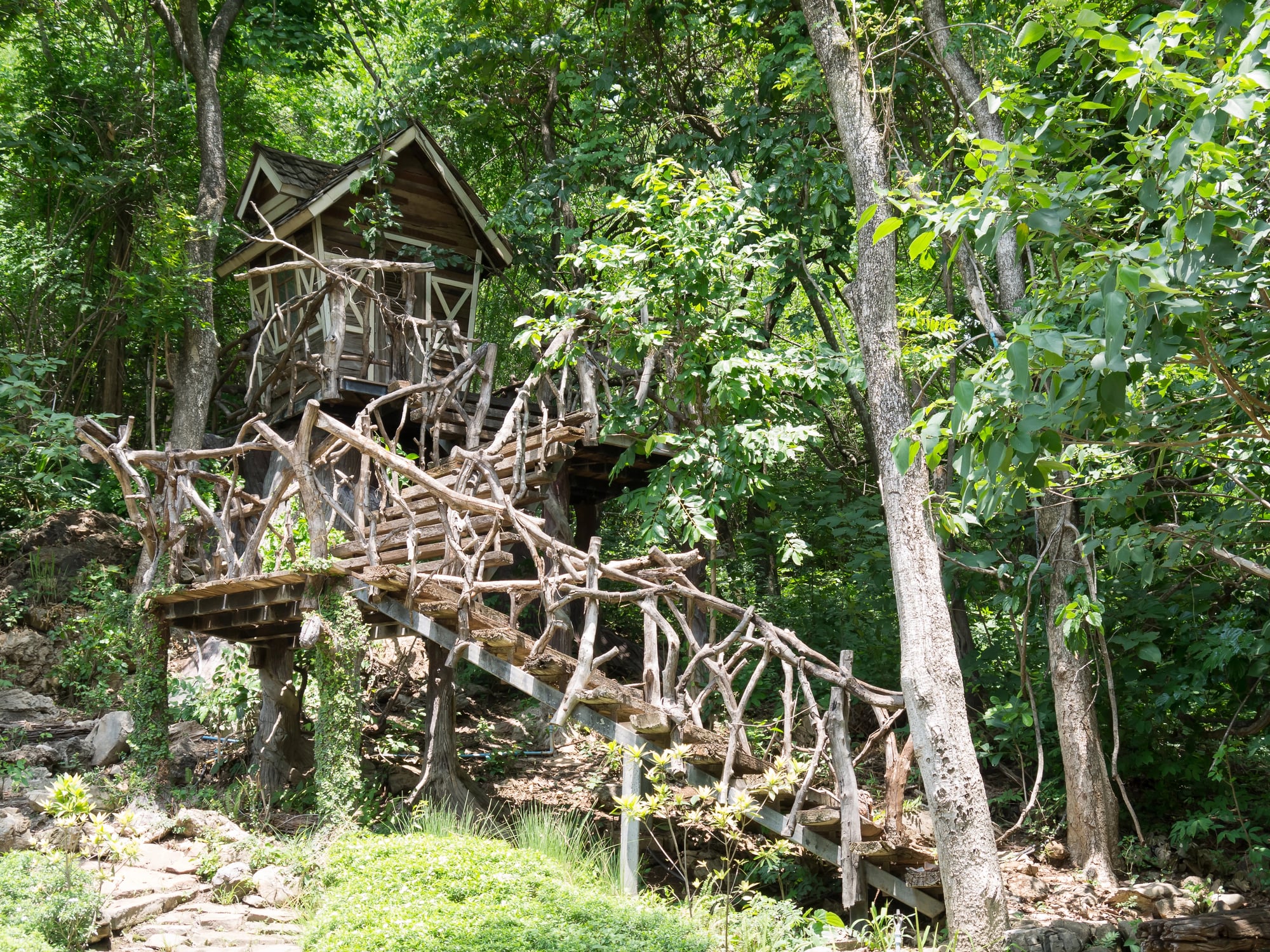
Whatever wood was left over from a real project got a second life as a clubhouse, nailed together with more enthusiasm than skill. It leaned.
The door didn’t close all the way. It was, without question, somebody’s favorite place on the entire property.
Couch Cushion Forts
The cushions came off the couch first, then the dining chairs got dragged in as support beams, and by the time it was finished the entire living room had been repurposed into something structurally questionable. A parent walking through would have to duck under a blanket held up by a broom handle wedged between two chairs — and somehow that broom handle, precarious as it looked, never once fell during actual construction.
It only ever collapsed later, hours after the kids had moved on to something else, as if the fort had simply decided its shift was over.
Button Spinners
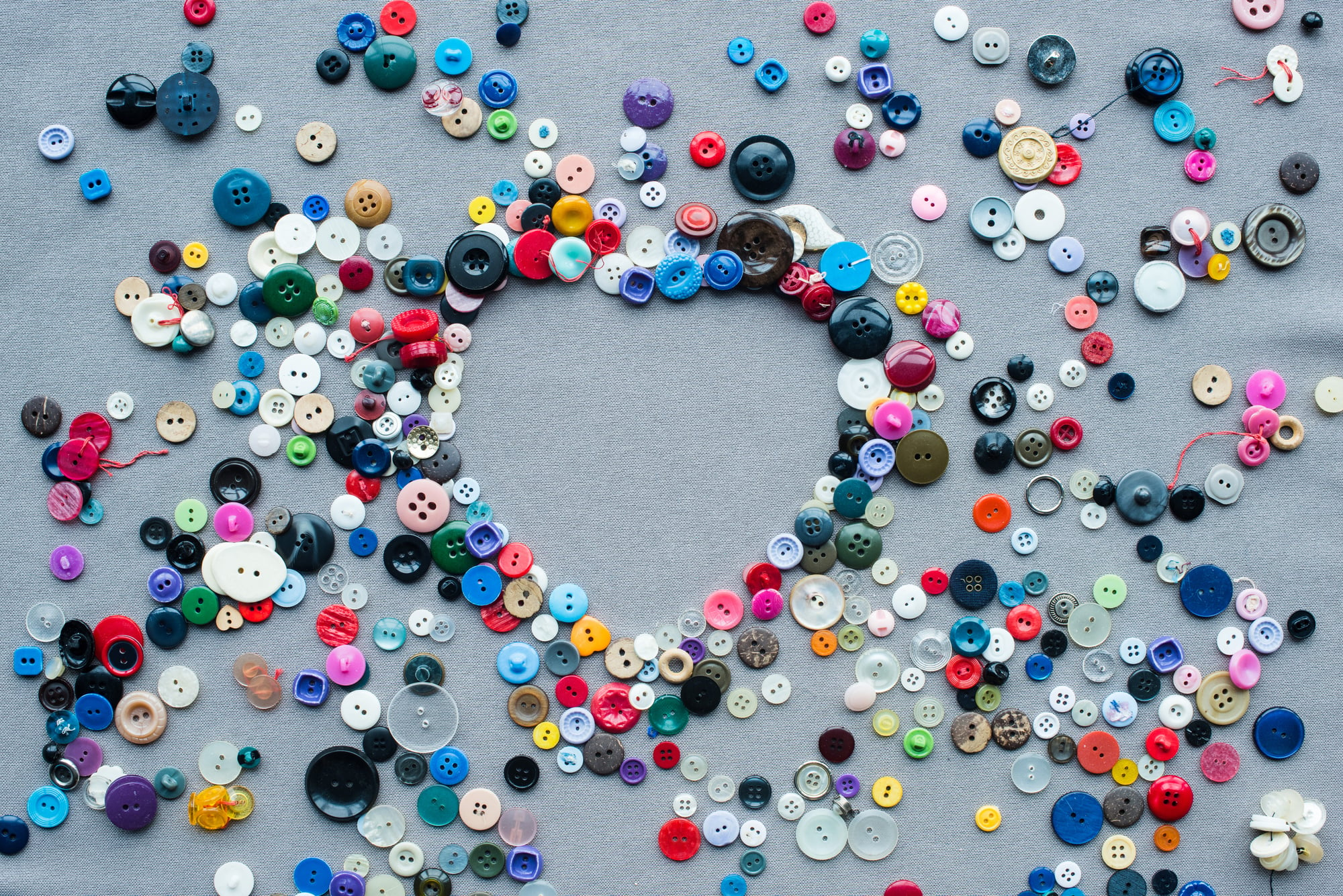
Two threaded openings in a button, a loop of string pulled through both, and suddenly a kid had a toy that spun fast enough to hum. It took some fumbling to get the tension right.
Once it clicked, that little whirring sound became its own kind of bragging right.
Stilts
Two cans, two lengths of string, and suddenly a kid was a foot taller and wildly unsteady. Falling off was basically guaranteed on the first try.
Nobody cared, because the second try usually worked, and that was the whole appeal.
Igloos

Not every kid lived somewhere cold enough to attempt one, but the ones who did took it seriously. Packed snow blocks stacked in a rough dome, a crawl space cut low enough to duck through, and the quiet realization once inside that it actually blocked the wind.
It rarely lasted more than a few days before the thaw took it apart, piece by piece, the way it always does.
What Got Left Behind
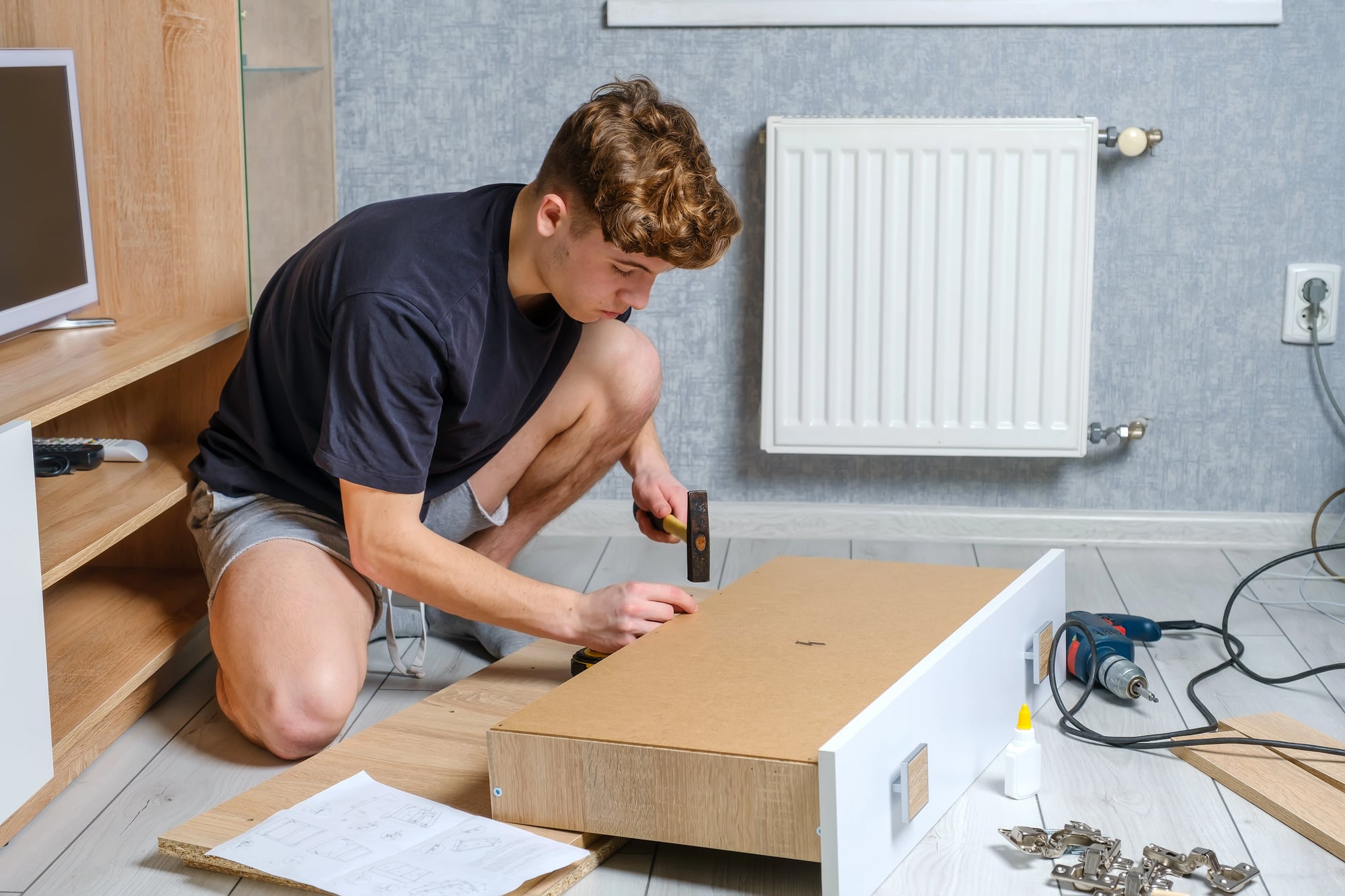
None of this stuff required batteries or a charging cable, and maybe that’s the part worth sitting with. A kid with string, sticks, and a rainy afternoon used to be enough of a spark to build something — badly, stubbornly, proudly — with nothing but their own two hands.
That instinct hasn’t disappeared, not entirely, it’s just quieter now, waiting under a pile of screens for somebody to hand a kid a cardboard box and walk away.
More from Go2Tutors!

- The Romanov Crown Jewels and Their Tragic Fate
- 13 Historical Mysteries That Science Still Can’t Solve
- Famous Hoaxes That Fooled the World for Years
- 15 Child Stars with Tragic Adult Lives
- 16 Famous Jewelry Pieces in History
Like Go2Tutors’s content? Follow us on MSN.