27 Ice Cream Truck Treats Kids Loved
The jingle could be heard three streets away. By the time the truck turned the corner, kids were already running barefoot down driveways, clutching damp coins and arguing about what to get.
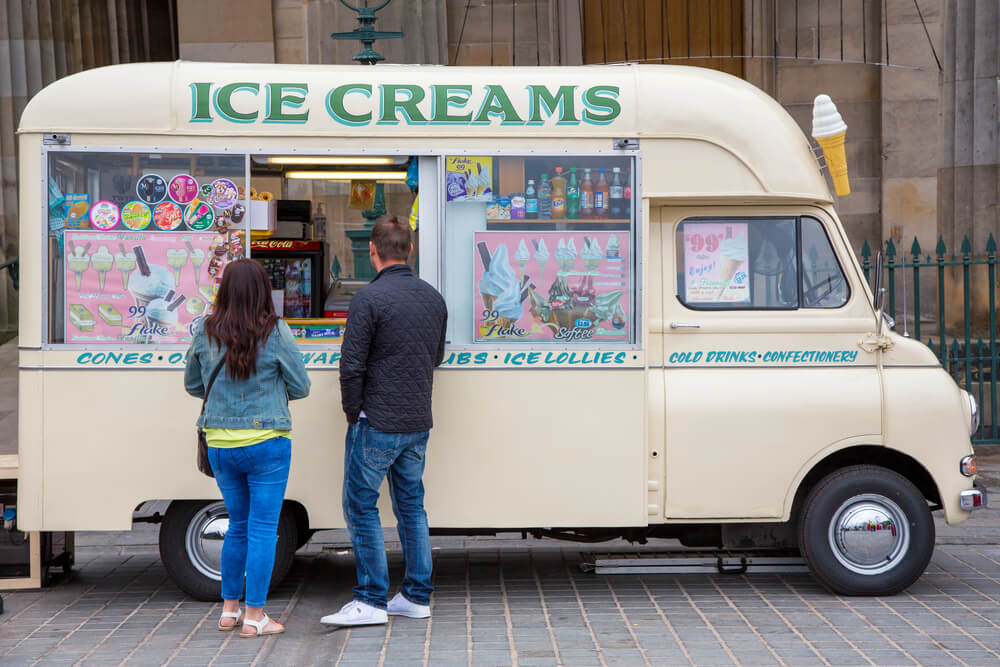
The menu on the side of the truck was a wall of bright pictures, many of them more flattering than the real thing. Some of those treats are still sold today.
Others live on mainly in memory, along with sticky fingers and stained shirts.
Good Humor Bars from the White Trucks
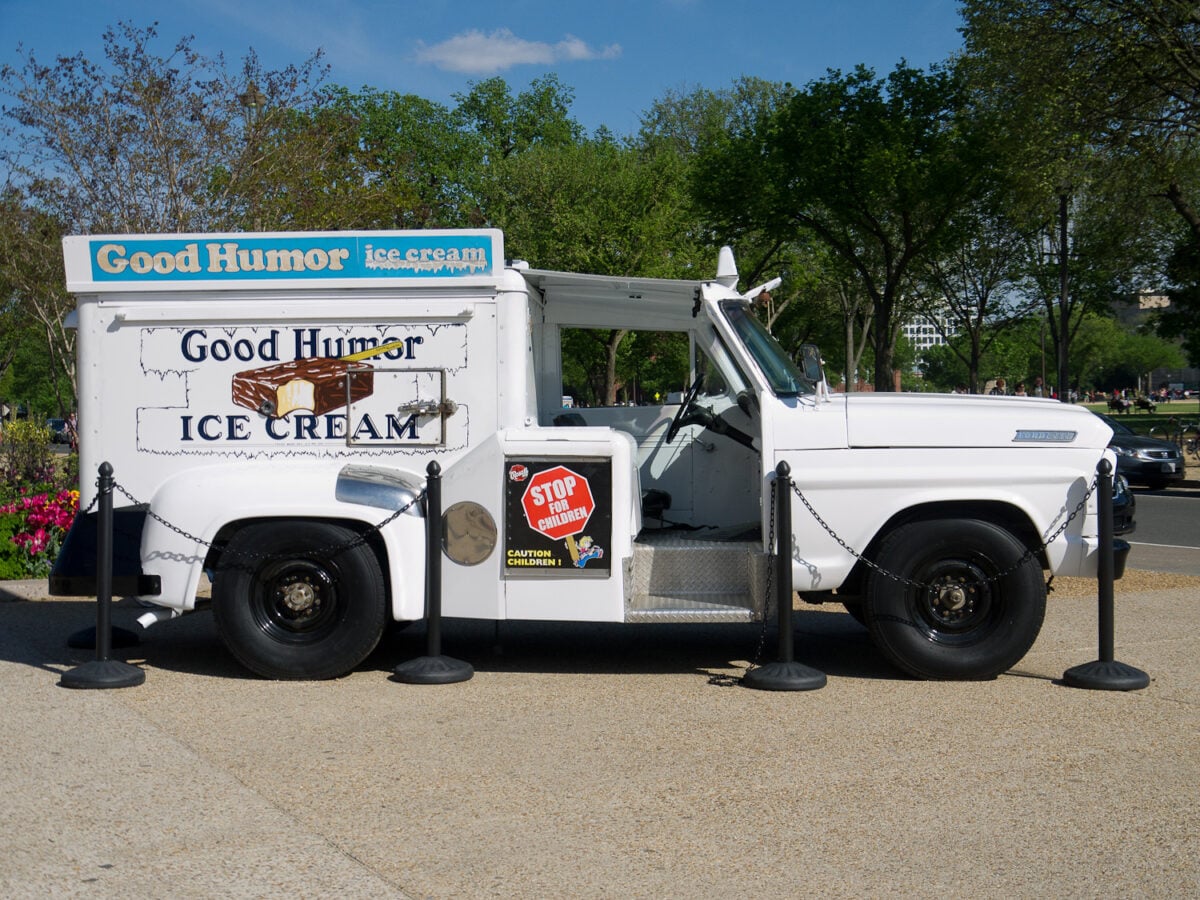
Harry Burt, a candy maker in Youngstown, Ohio, began selling chocolate-coated ice cream on a stick in the early 1920s under the Good Humor name. His drivers wore crisp white uniforms and rang bells to announce their arrival, a habit that set the template for ice cream trucks everywhere.
The original bar was simple vanilla ice cream in a chocolate shell. In 1976 the company sold off its fleet of trucks and focused on grocery store freezers.
Independent drivers kept the bars on their routes, and the Good Humor name still appears on truck menus today.
Bomb Pop in Red, White and Blue
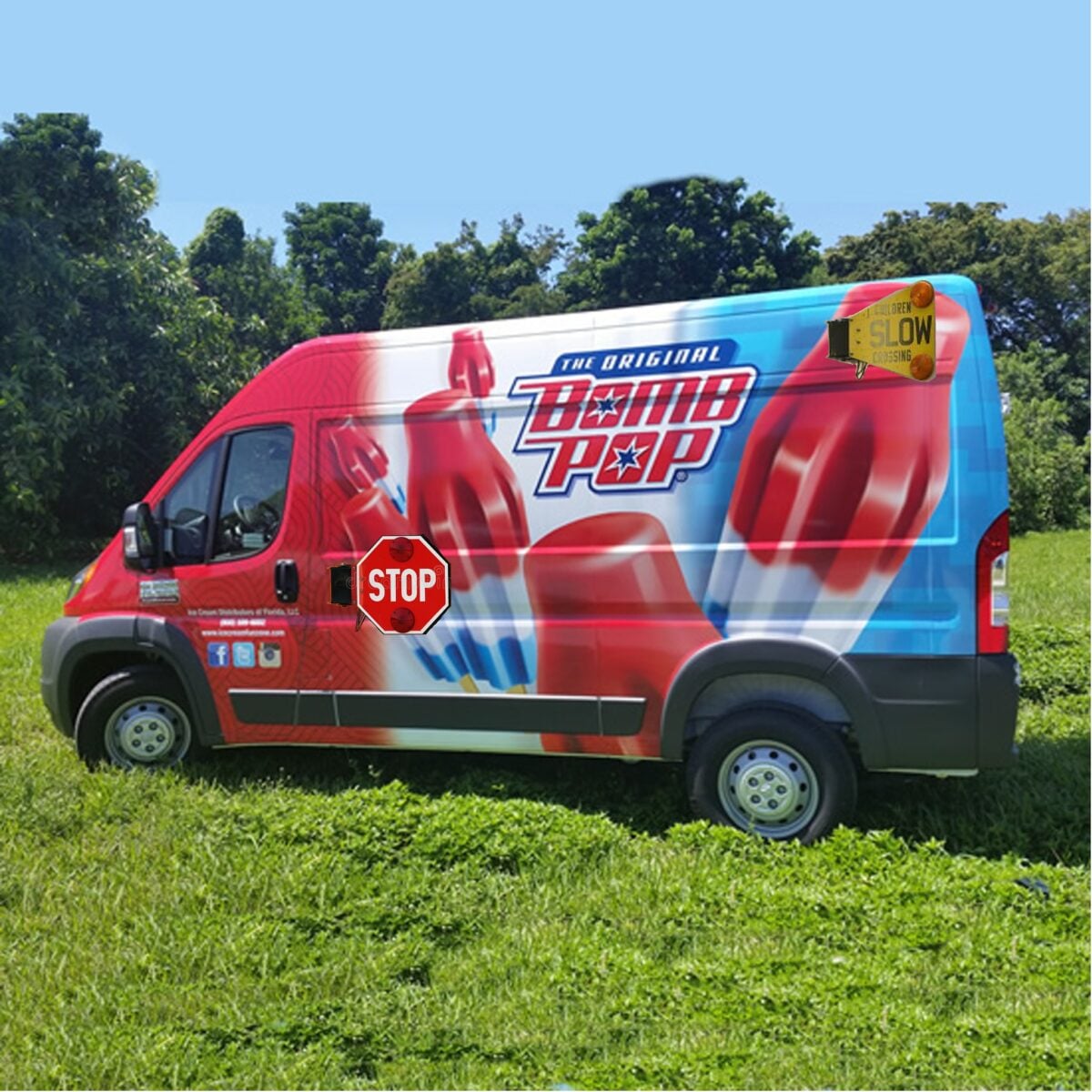
The Bomb Pop was born in Kansas City in July 1955, created by Jim Merritt and D.S. Abernethy of the Merritt company. Its three flavors of cherry, lime and blue raspberry were stacked in patriotic colors.
Merritt’s family has said the name and shape reflected his wartime service, when he dropped bombs during World War II, and some parents objected to the name during the Cold War. The pop became a fixture of ice cream trucks and swimming pool snack bars.
Wells Enterprises of Le Mars, Iowa, now makes it.
Drumstick Sundae Cones
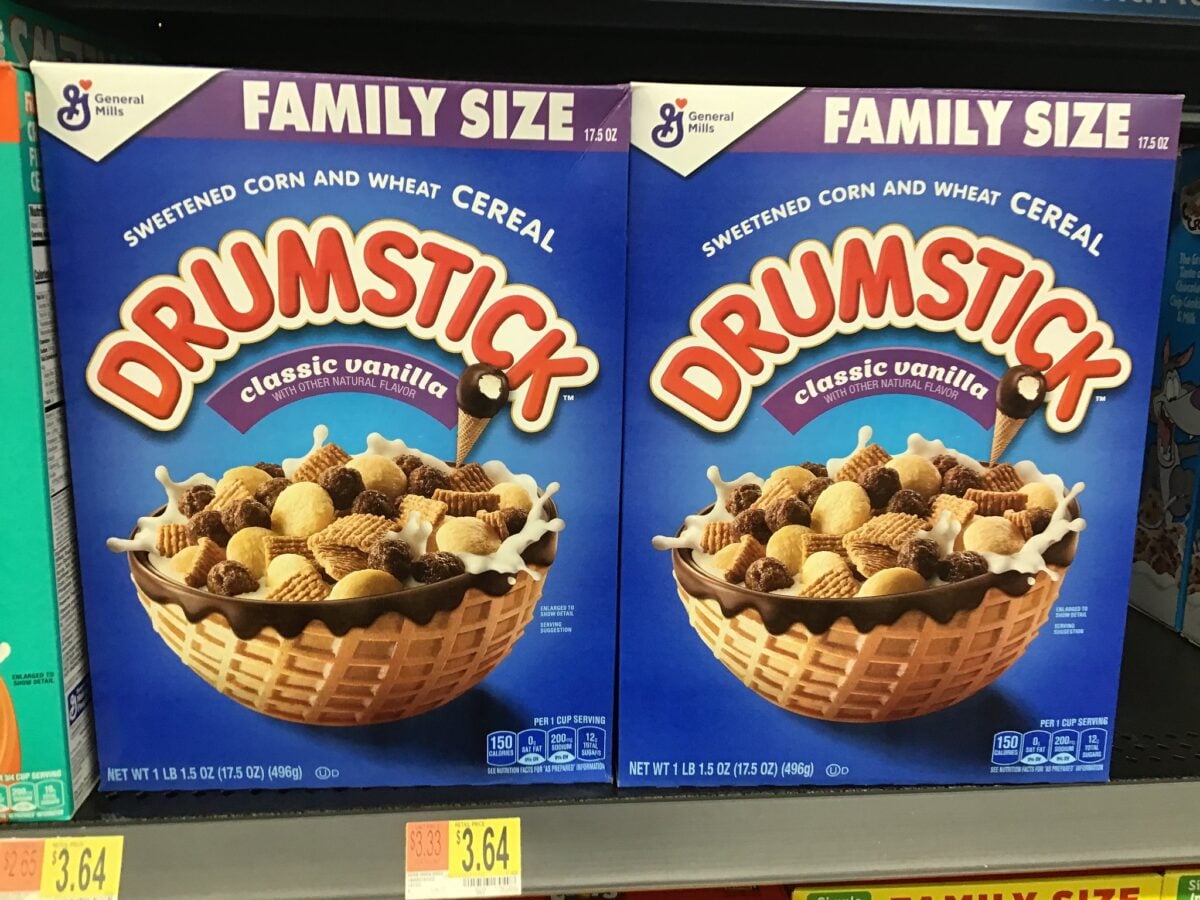
In 1928, IC Parker of Fort Worth, Texas, came up with a sugar cone filled with vanilla ice cream and topped with chocolate and chopped peanuts. His wife, Jewel, thought it looked like a fried chicken leg, which gave the treat its name.
Food scientists at Ohio State University helped solve the problem of soggy cones by lining the inside with chocolate. The chocolate plug at the bottom became the reward for finishing.
Nestle bought the brand in 1991, and the cones remain a staple of ice cream trucks and grocery freezers.
Choco Taco
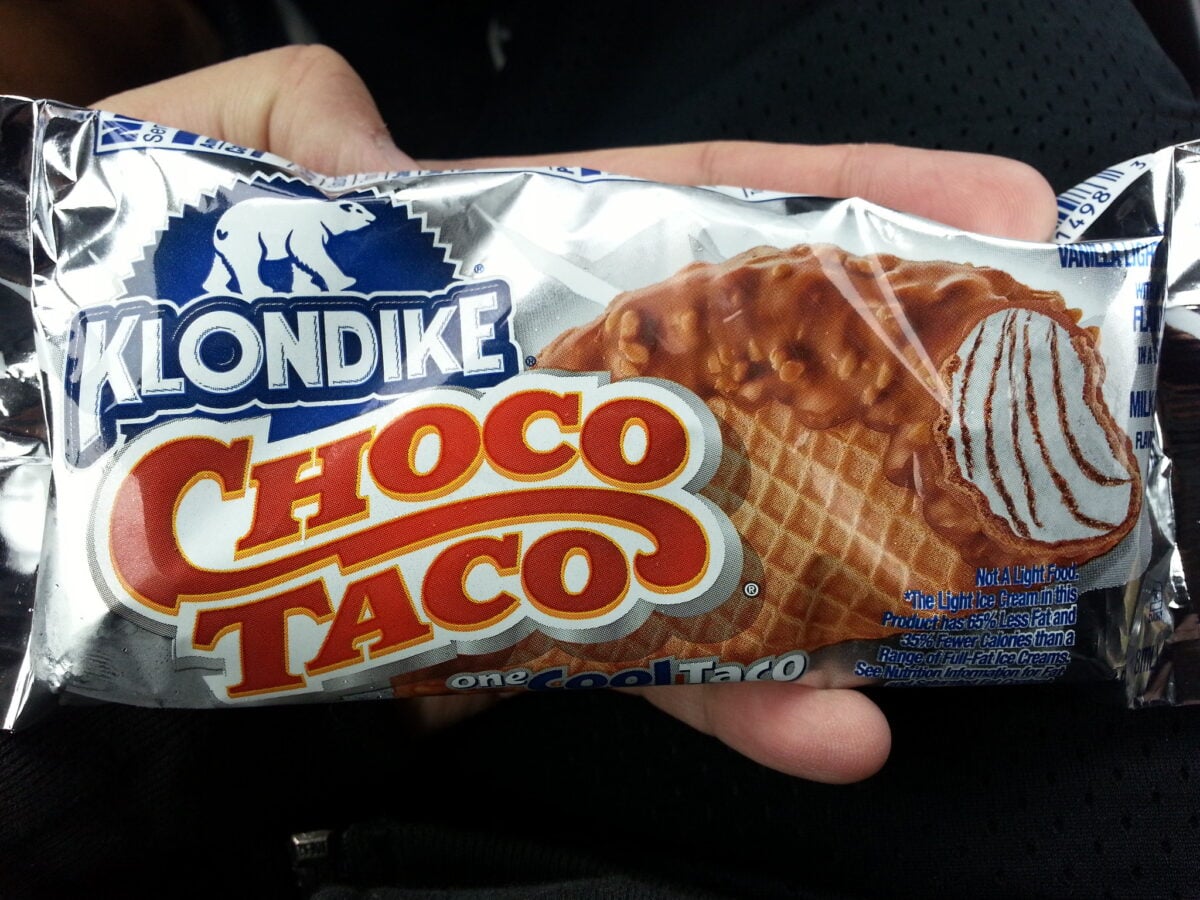
Alan Drazen, who supervised ice cream trucks for the Jack and Jill Ice Cream Company near Philadelphia, invented the Choco Taco in 1983. A taco-shaped waffle shell held vanilla ice cream with fudge, topped with chocolate and peanuts.
Drazen was inspired by the growing popularity of Mexican food. The treat began as a truck exclusive and later reached stores nationwide under the Klondike name.
Klondike discontinued it in July 2022, prompting widespread outrage. Limited revivals have appeared since, but it is no longer a regular part of most truck menus.
Strawberry Shortcake Bars
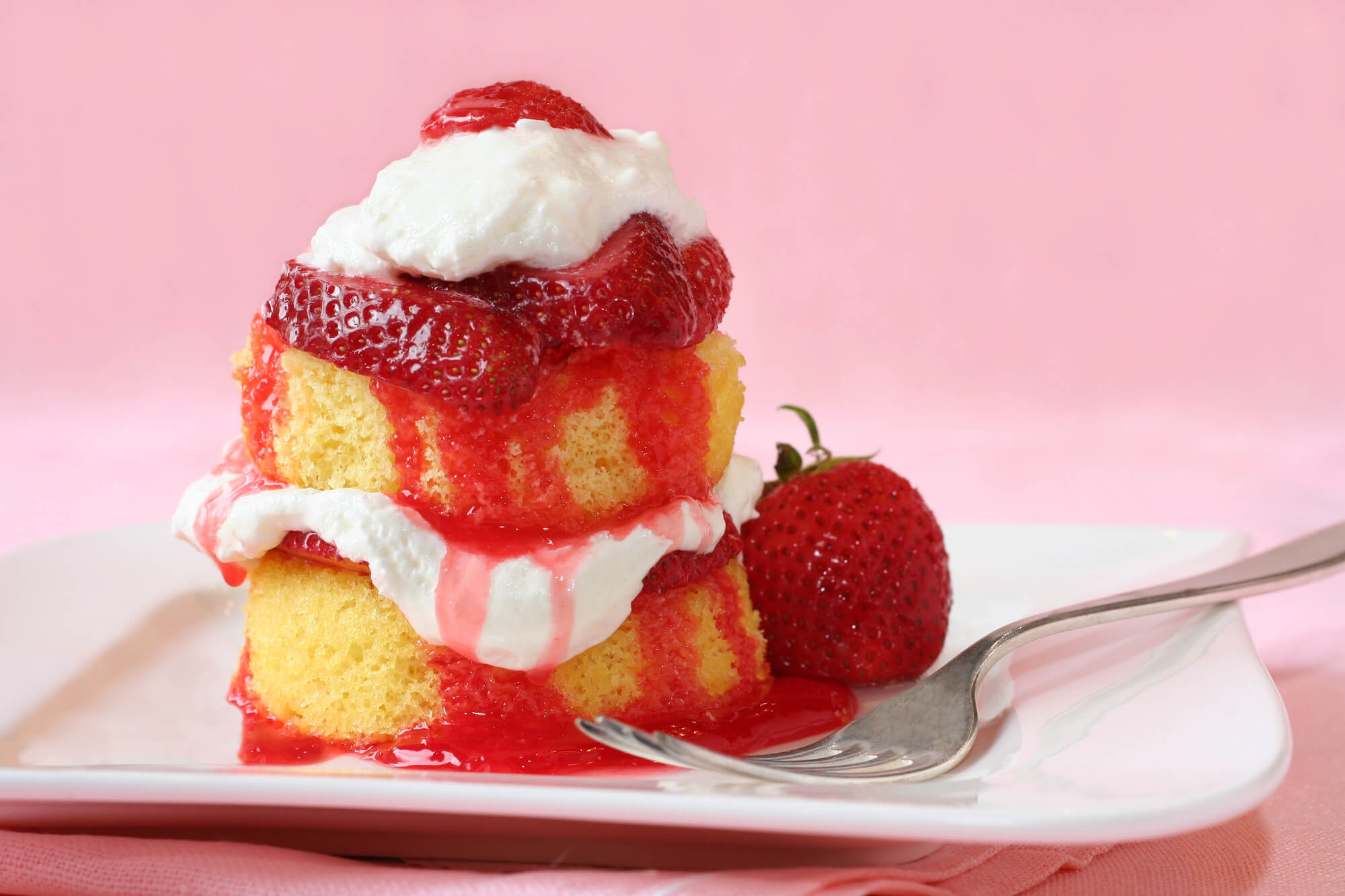
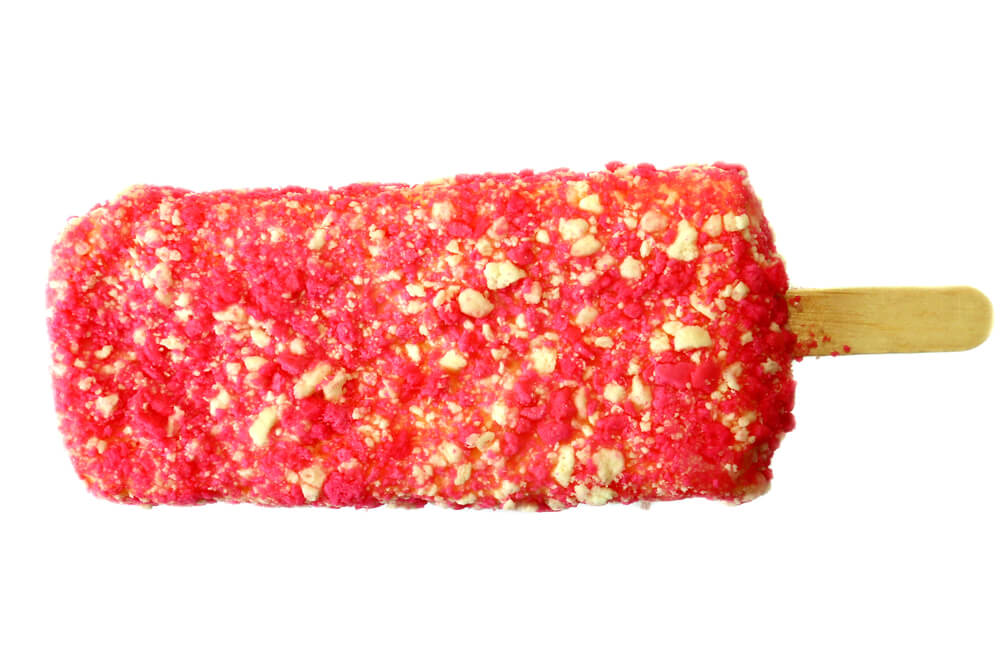
Strawberry shortcake bars combined vanilla ice cream with a strawberry center, all coated in crunchy pink and white cake crumbs. Good Humor made the best-known version, and the bar became one of the most popular choices on truck menus.
The crumbs often fell onto shirts and sidewalks, but kids did not care. The bar remains in production, but many fans say the crumb coating has changed over the years.
For many people, the strawberry shortcake bar is the taste of summer itself. Some fans buy them by the box now to recapture that feeling.
Toasted Almond Bars
Toasted almond bars paired almond-flavored ice cream with a coating of crushed almonds and cake crumbs. It was a Good Humor favorite that appealed to slightly older kids and adults.
The flavor was richer and less sweet than many truck treats. Parents often chose it when they bought a treat for themselves.
It is still sold, but it is more common in the Northeast than in other parts of the country. For longtime fans, it remains the sophisticated choice on the menu.
Its pale tan color made it look plain beside the brighter options.
Chocolate Eclair Bars
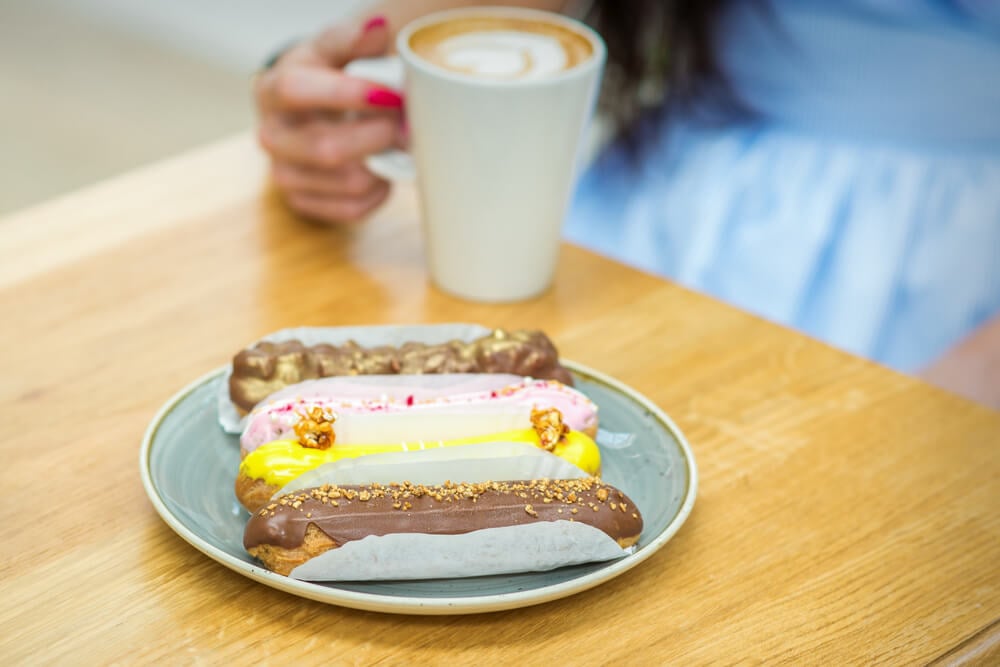
Chocolate eclair bars featured vanilla ice cream with a chocolate center, coated in chocolate cake crumbs. The design was meant to resemble the French pastry, although it tasted nothing like one.
The bar became a staple of Good Humor and ice cream truck menus. Many fans say it was their favorite, especially when the crumbs stuck to their fingers.
The bar is still sold, often next to strawberry shortcake and toasted almond. Together, the three crumb-coated bars formed the classic trio of truck treats.
Kids often debated which of the three was best.
Klondike Bars Without a Stick
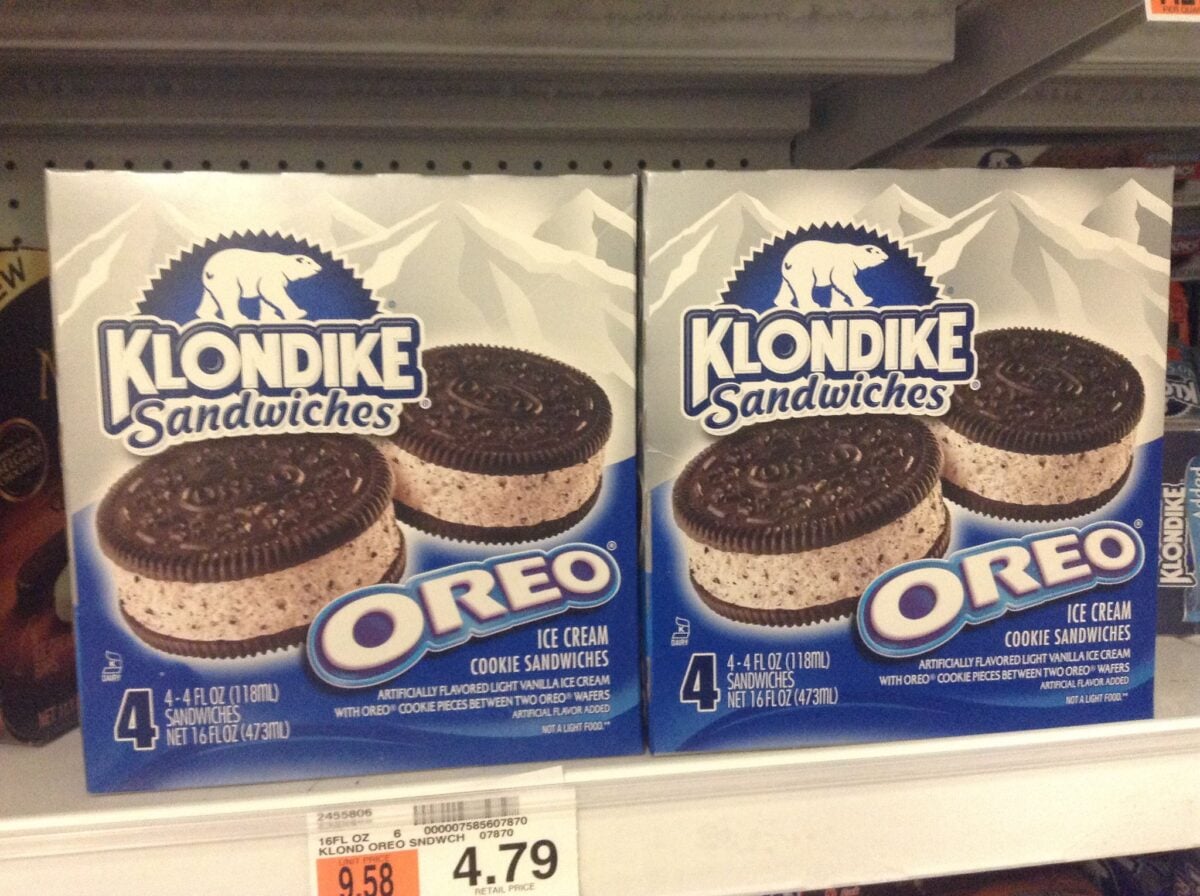
Klondike bars were created in 1922 by the Isaly family’s dairy business in Ohio, and they were originally sold in the family’s own stores. Each bar was a square of vanilla ice cream wrapped in a thick chocolate shell.
It had no stick, which made the bar messy to eat on hot days. A polar bear appeared on the wrapper.
The jingle asking what someone would do for a Klondike bar became famous in the 1980s. Klondike bars appeared on many trucks, though they were more common in grocery stores.
The brand later passed through several corporate owners.
Eskimo Pie
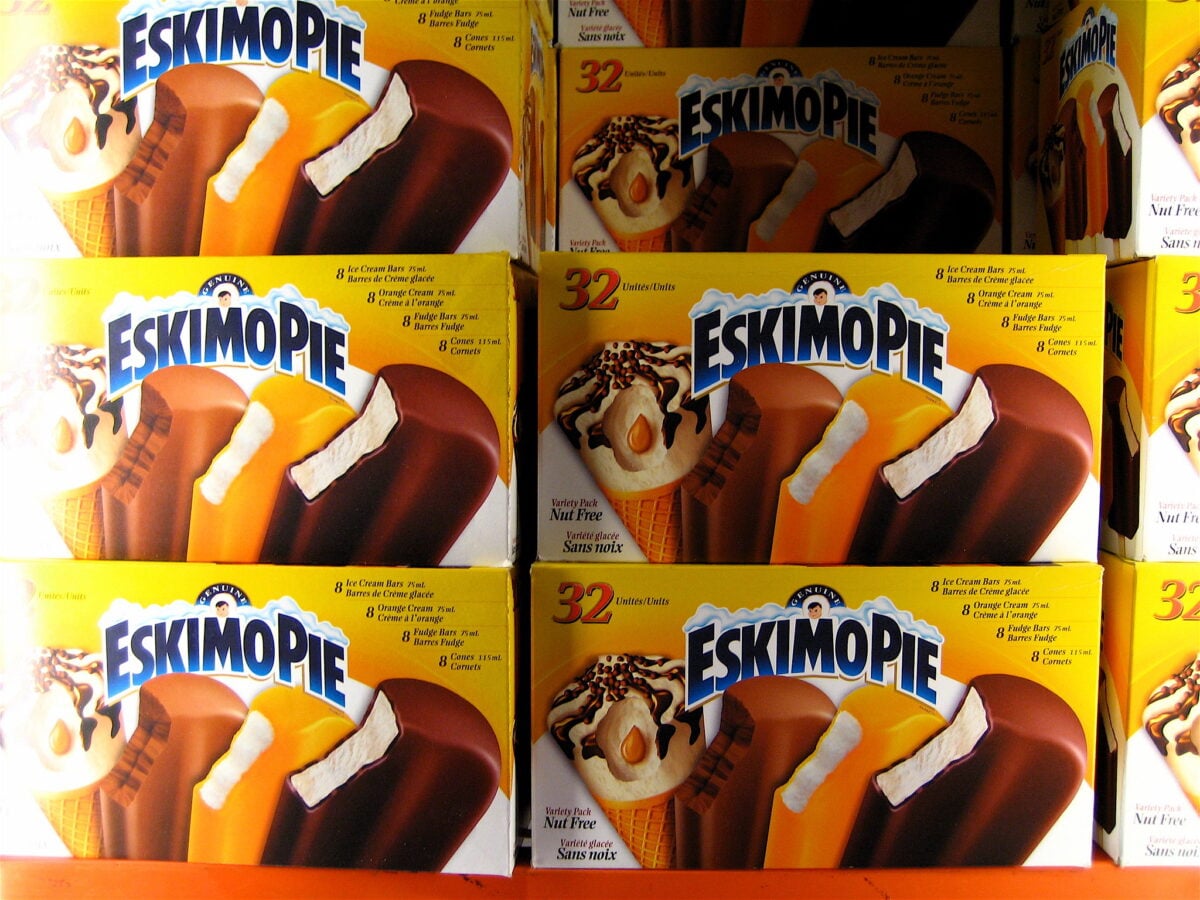
Christian Kent Nelson, a schoolteacher and candy shop owner in Onawa, Iowa, created a chocolate-coated ice cream bar around 1920 after a boy struggled to choose between ice cream and a chocolate bar. He partnered with Russell Stover, and the treat became a national sensation as the Eskimo Pie.
It was one of the first chocolate-coated ice cream bars sold widely in the United States. In 2021 the brand was renamed Edy’s Pie.
Older generations still use the original name, which appeared on ice cream truck menus for decades.
Creamsicle in Orange and Vanilla
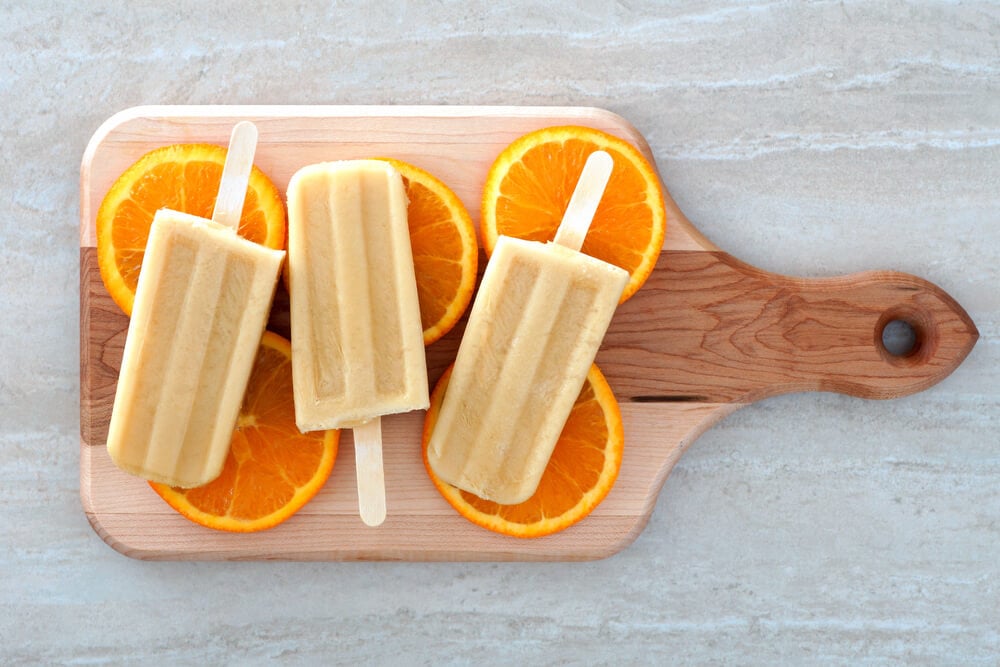
The Creamsicle combined orange sherbet on the outside with vanilla ice cream inside, frozen on a wooden stick. It was sold under the Popsicle brand, which traces back to Frank Epperson, who said he discovered frozen treats as a boy in 1905 after leaving a drink outside overnight.
The orange and vanilla combination became one of the most famous flavors of summer. A variation called the Dreamsicle used orange ice cream instead of sherbet.
Many adults still describe the flavor as orange cream soda frozen into a bar.
Fudgsicles
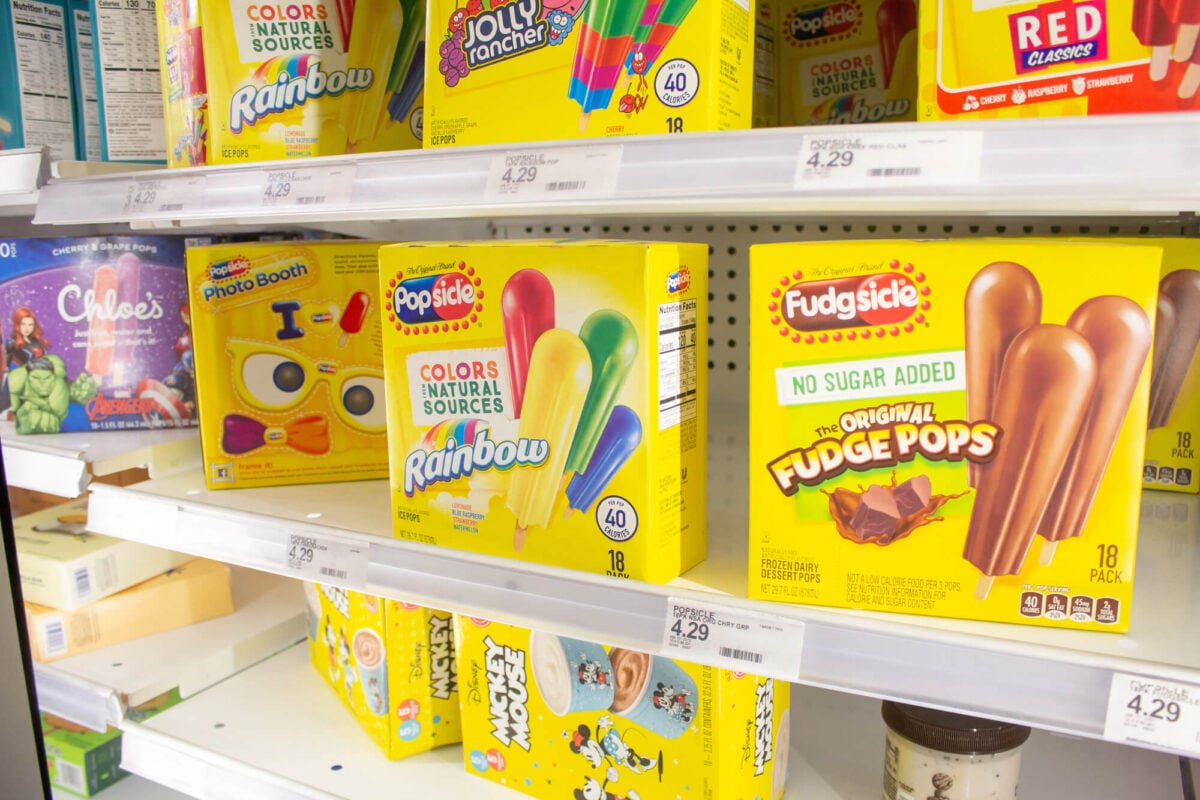
Fudgsicles were chocolate fudge pops on a stick, sold under the Popsicle brand. They were smooth, dense and less sweet than many other truck treats.
Kids liked them because they melted slowly, which meant fewer drips. Parents liked them because they were inexpensive.
The pops became a staple of ice cream trucks and grocery store freezers. They are still sold today, often in multipacks, but many adults remember them best as a single treat handed through a truck window.
The texture comes from a recipe closer to frozen pudding than to ice. Low-fat versions later appeared, though many fans prefer the original.
Big Stick
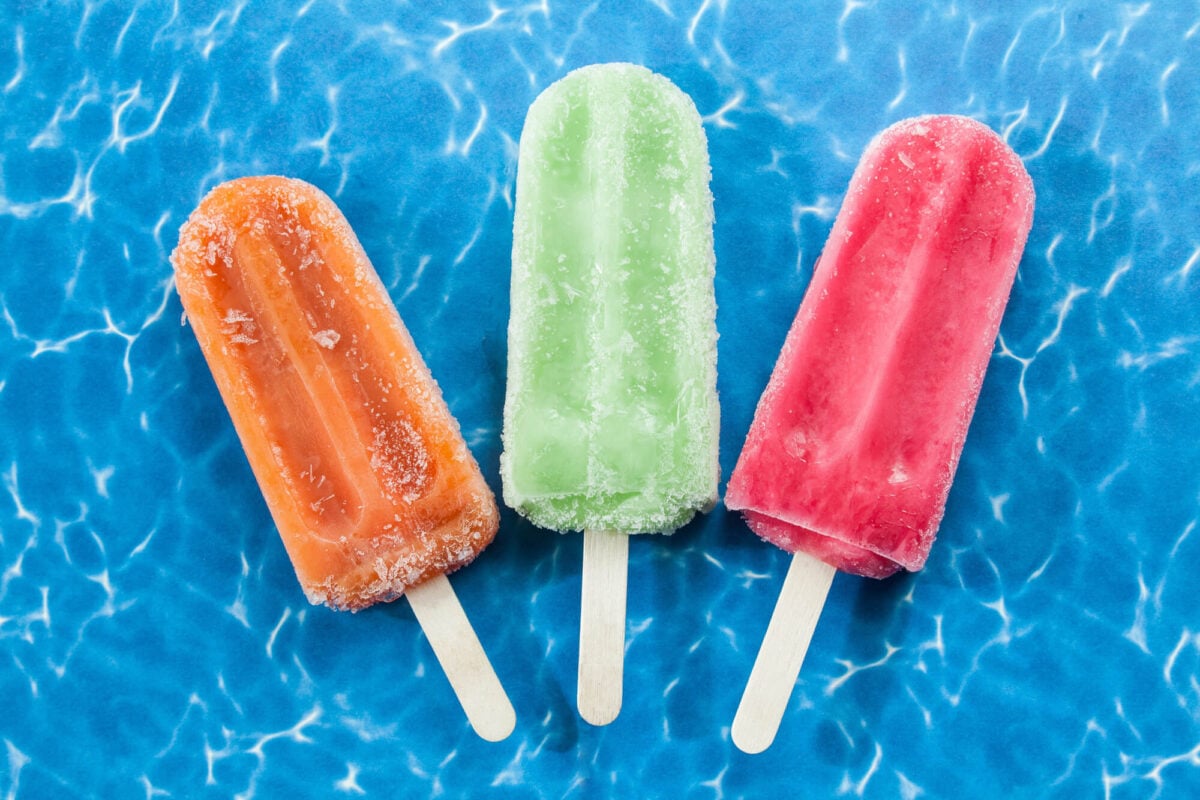
Popsicle’s Big Stick was a twisted pop with cherry and pineapple flavors spiraling around each other. It was larger than many other pops, which made it a good value for kids with limited money.
The twisted shape made the treat look more complicated than it was. Fans often licked one flavor first, then the other, trying to keep the spiral intact.
The Big Stick is still sold, but it is less common on truck menus. For many people, the cherry and pineapple combination remains instantly familiar.
Twin Pops with Two Sticks
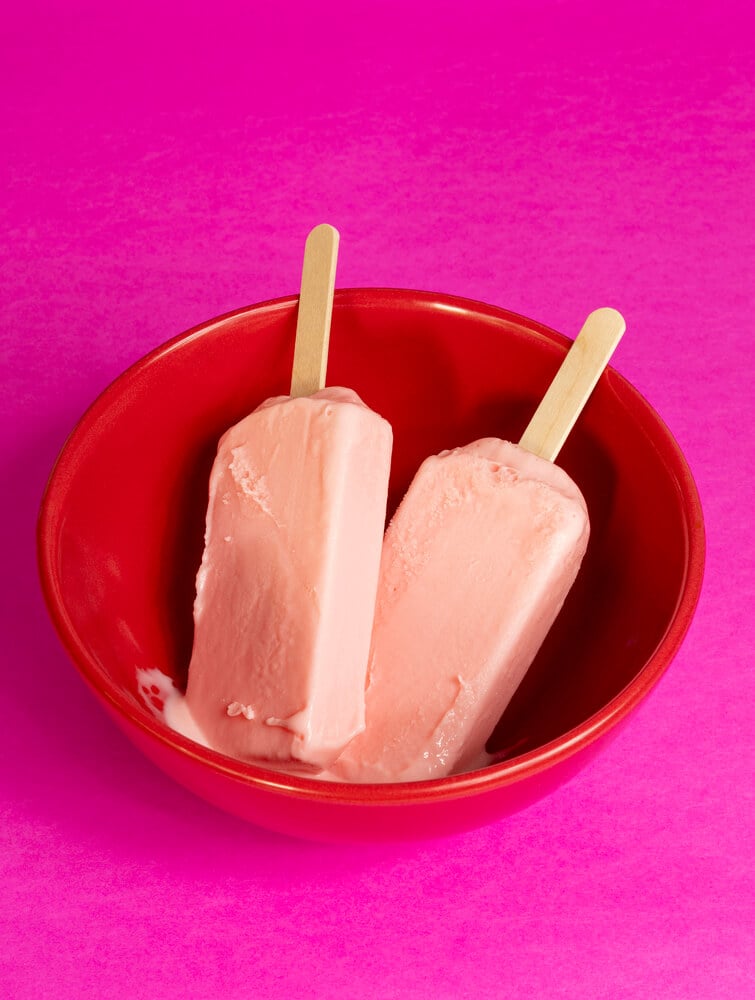
During the Great Depression, Popsicle introduced pops with two sticks so they could be split between two children for a single nickel. The twin pops were a practical answer to tight budgets.
Kids broke them apart, sometimes unevenly, and argued over which half was bigger. The twin design stayed popular for decades and became a fixture of ice cream trucks.
Many brands still make twin pops today. The two-stick design remains a small reminder of how families stretched their money in hard times.
Siblings still argue over them today.
Push-Up Pops
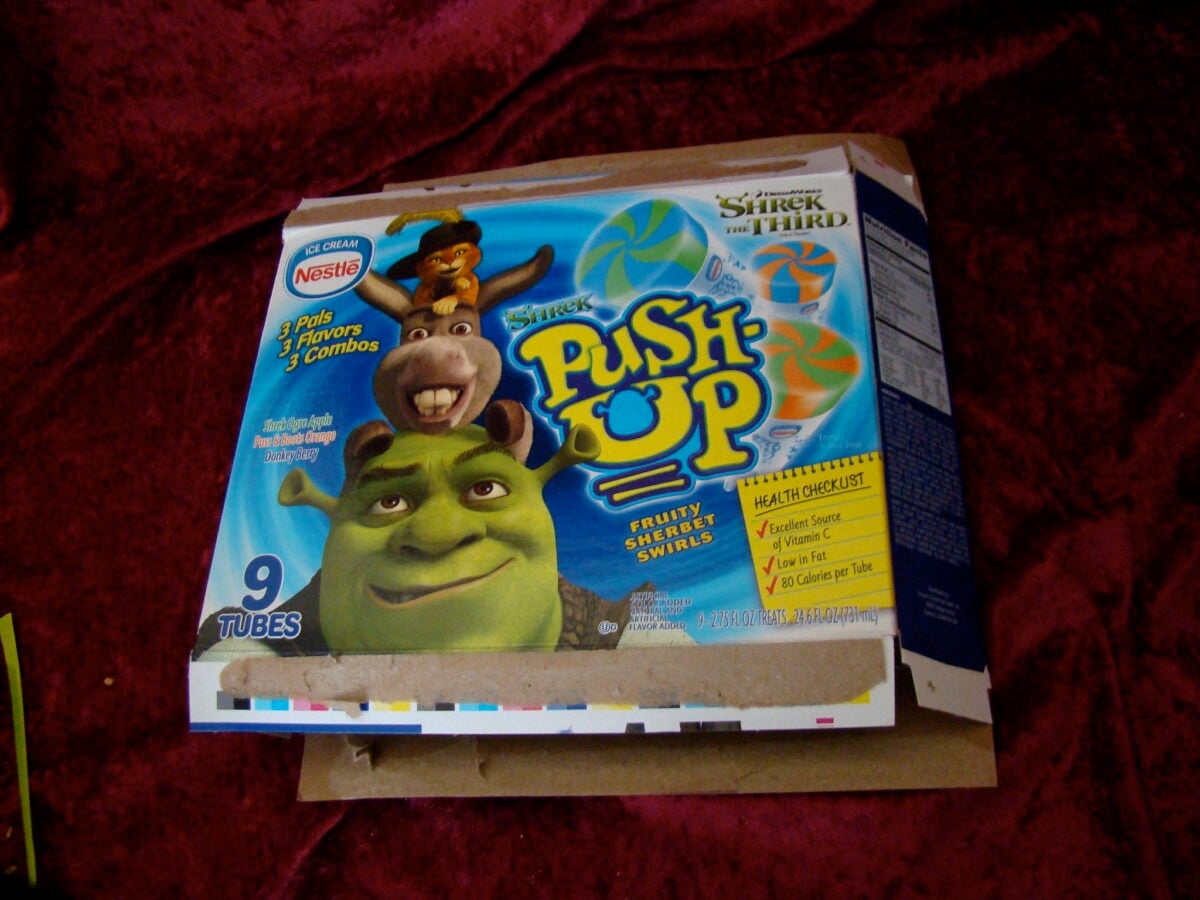
Push-up pops were sherbet or ice cream in a cardboard tube with a plastic plunger at the bottom. Kids pushed the stick up to raise the frozen treat as they ate it.
Flintstones-branded push-ups were among the best-known versions. The orange sherbet flavor was especially popular.
The design kept hands cleaner than many other treats, though the last bite often stuck to the plunger. Push-up pops are still sold, but they are less common on trucks.
Many adults remember the satisfying feeling of pushing the plunger.
Chipwich Cookie Sandwiches
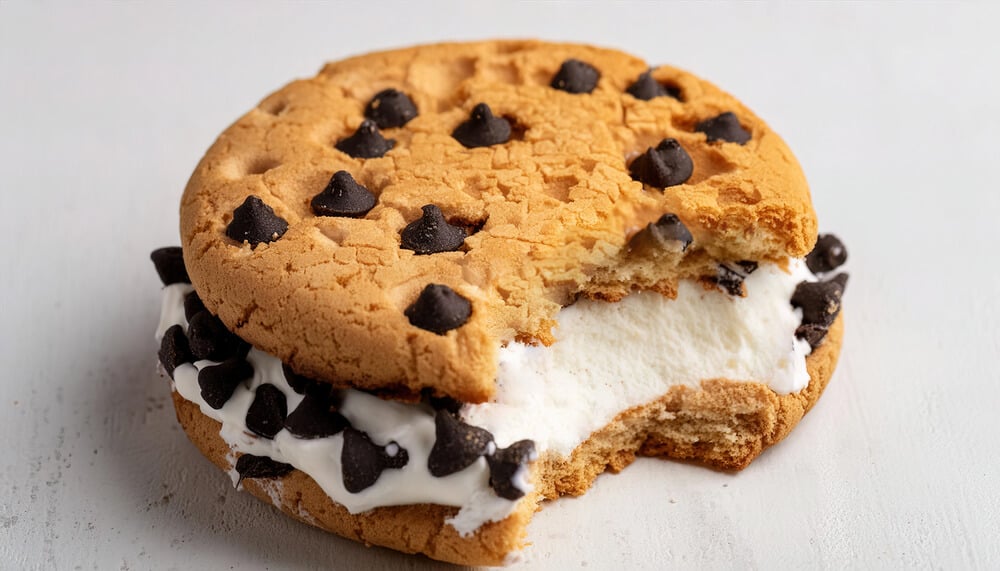
Richard LaMotta introduced the Chipwich in New York City in 1981, a vanilla ice cream sandwich made with chocolate chip cookies and rolled in chocolate chips around the edges. He launched it with dozens of street vendors and a clever marketing campaign.
The Chipwich became a sensation, and it soon appeared on ice cream trucks and in grocery stores. Its success helped create a market for premium frozen novelties.
The Chipwich is still sold, but it is less common today. For many New Yorkers, it remains a symbol of the early 1980s.
Character Pops with Gum Eyes
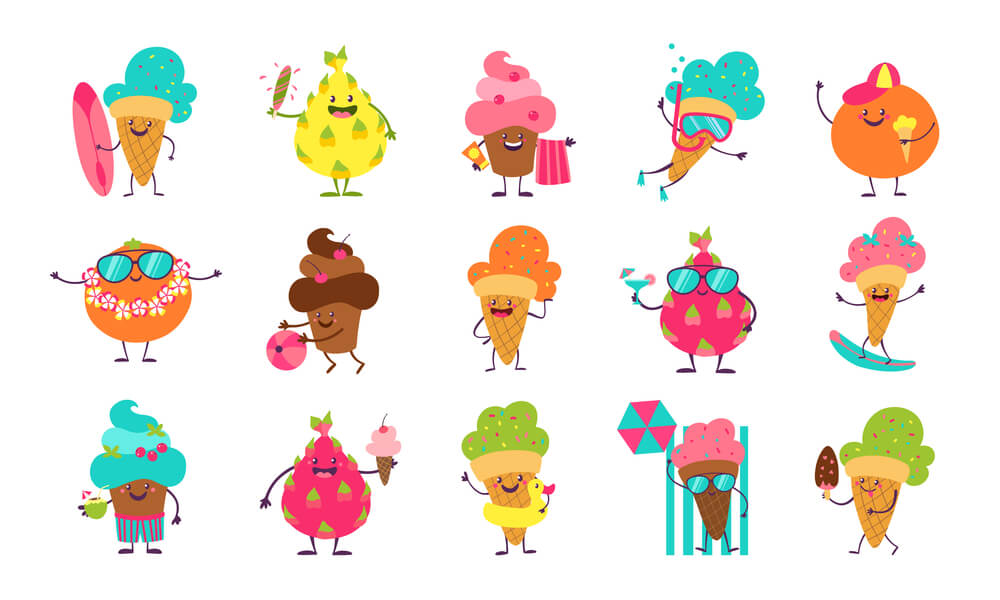
Ice cream trucks sold pops shaped like cartoon characters, including Spider-Man, SpongeBob SquarePants, Tweety and Sonic the Hedgehog. Many came with gum pieces for eyes or noses.
The pictures on the truck menu were often more polished than the treats, which sometimes came out lopsided or melted. The difference has become an online joke, with people sharing photos of misshapen characters.
Kids still loved them for the gum and bright colors. The character lineup changed over the years to match popular cartoons.
A pop that matched its picture felt like a small miracle.
Snow Cones in Paper Cups
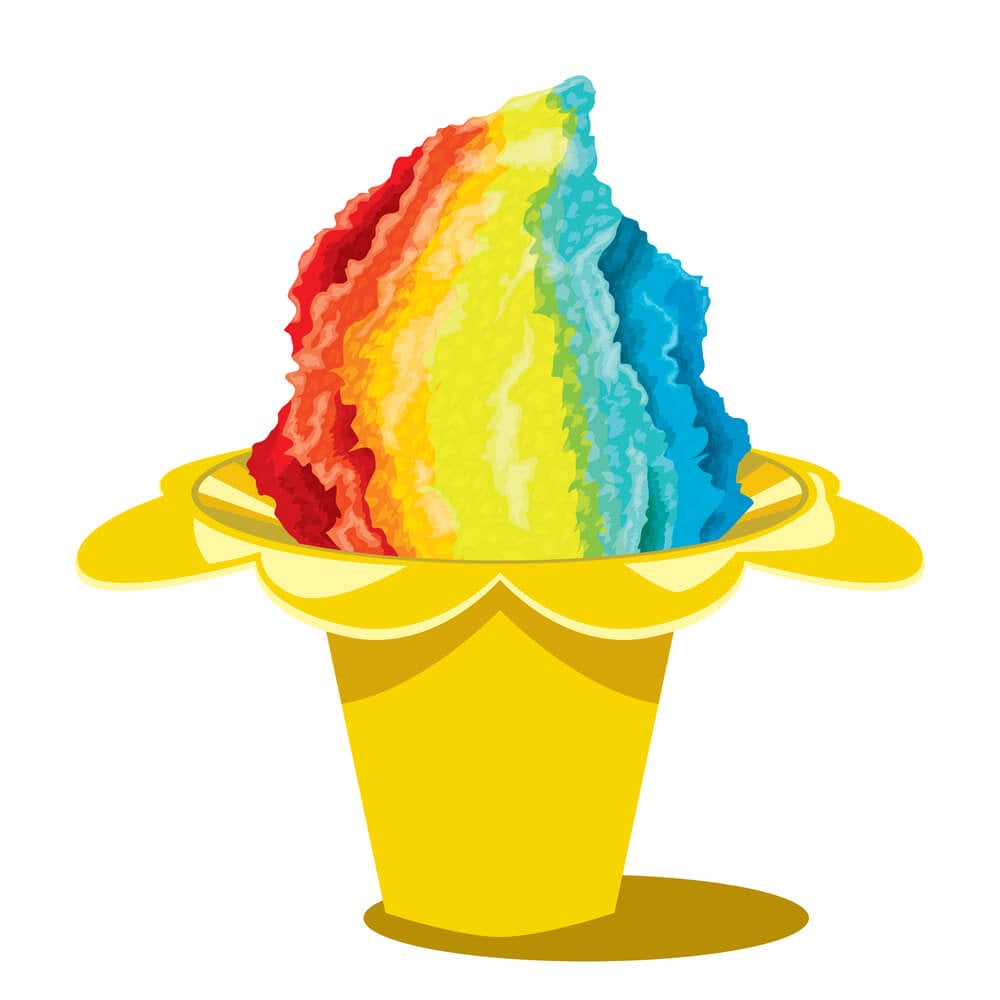
Snow cones are shaved ice drenched in brightly colored syrup, served in a paper cone. Samuel Bert of Dallas is often credited with building an early snow cone machine around 1920 and selling the treat at the State Fair of Texas.
Ice cream trucks, carnivals and snack stands kept them popular for decades. The syrup often pooled at the bottom of the cone, creating a sweet final sip.
Blue raspberry and cherry were favorites. Many kids ended up with stained lips and tongues.
Some trucks carried a hand-cranked ice shaver right on board.
Small Cups with Wooden Spoons
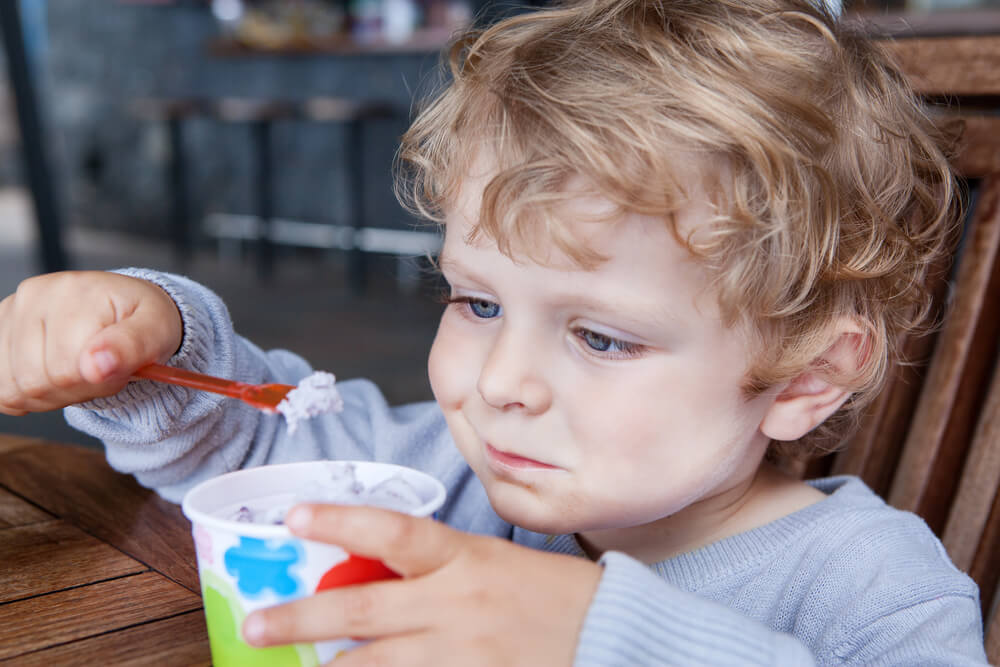
Small paper cups of vanilla and chocolate ice cream, eaten with a flat wooden spoon, were a classic truck and school treat. Dixie cups were common nationwide, and their lids once featured photos of movie stars that kids collected in the 1930s through the 1950s.
In New England, H.P. Hood sold a similar cup called the Hoodsie. The wooden spoons had a distinctive texture and taste.
Many adults remember scraping the last bits from the cup. The cups are still sold, often at schools and birthday parties.
Ice Cream Sandwiches
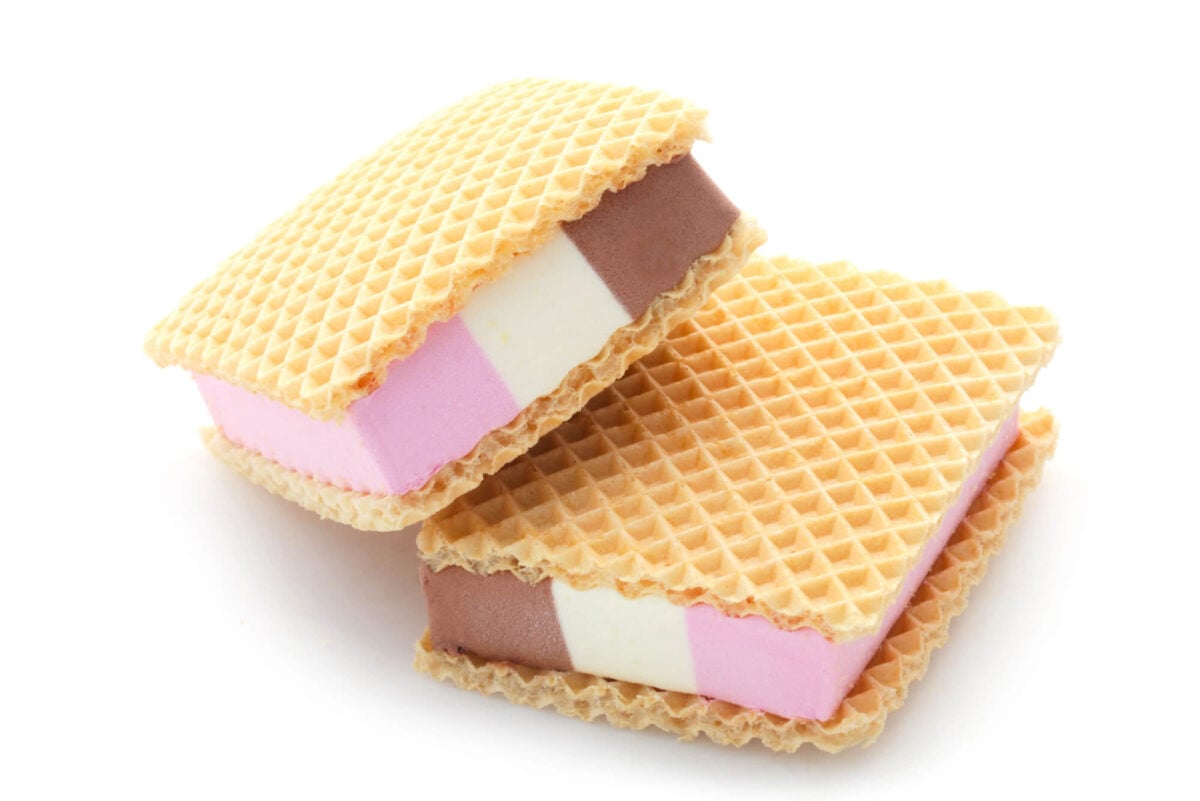
Vanilla ice cream pressed between two soft chocolate wafers has been sold by New York street vendors since roughly 1900. It became a standard on ice cream trucks across the country.
Kids liked to lick the ice cream from the edges before eating the wafers. The wafers often stuck to fingers and wrappers.
The sandwiches remain one of the best-selling frozen treats. For many people, the rectangular shape and soft wafers are a defining memory of summer.
Many trucks sold them for less than fancier bars.
Snickers Ice Cream Bars
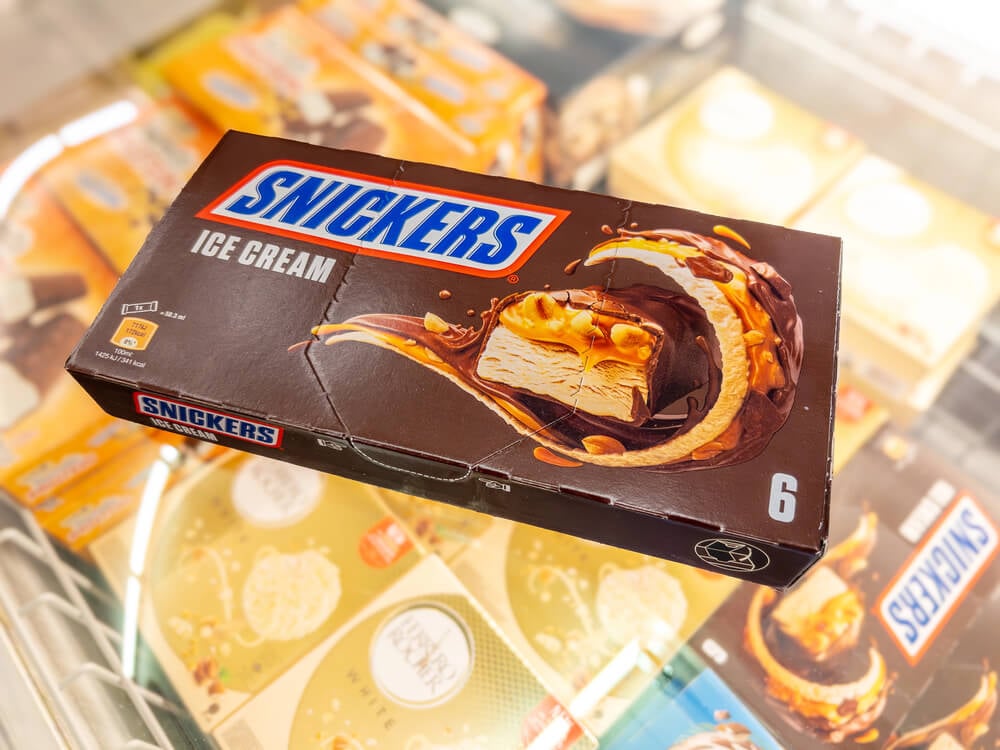
Mars expanded into frozen treats around 1989 with the Snickers Ice Cream Bar, which combined peanut butter ice cream, caramel and peanuts with a chocolate coating. It became an instant hit and soon appeared on ice cream trucks.
Candy bar versions of frozen treats were relatively new at the time. The bar helped launch a wave of similar products.
Kids liked having a familiar candy bar in frozen form. It is still sold today, alongside many other candy-branded ice cream bars.
Many kids considered it a candy bar that happened to be cold. Its arrival marked a turning point in how candy brands thought about the freezer aisle.
Crunch Ice Cream Bars
Crunch ice cream bars combined vanilla ice cream with a chocolate coating filled with crisped rice, inspired by the Nestle Crunch candy bar. They became a popular choice on ice cream trucks and in grocery stores.
The crunchy coating gave the bar a texture unlike other chocolate-coated treats. Kids often bit off the coating first.
The bars are still sold, though the brand has changed hands over the years. For many adults, the Crunch bar was a reliable favorite.
The crisped rice stayed crunchy even as the ice cream softened. That contrast is what fans still describe first when they remember the bar.
Mickey Mouse Ice Cream Bars
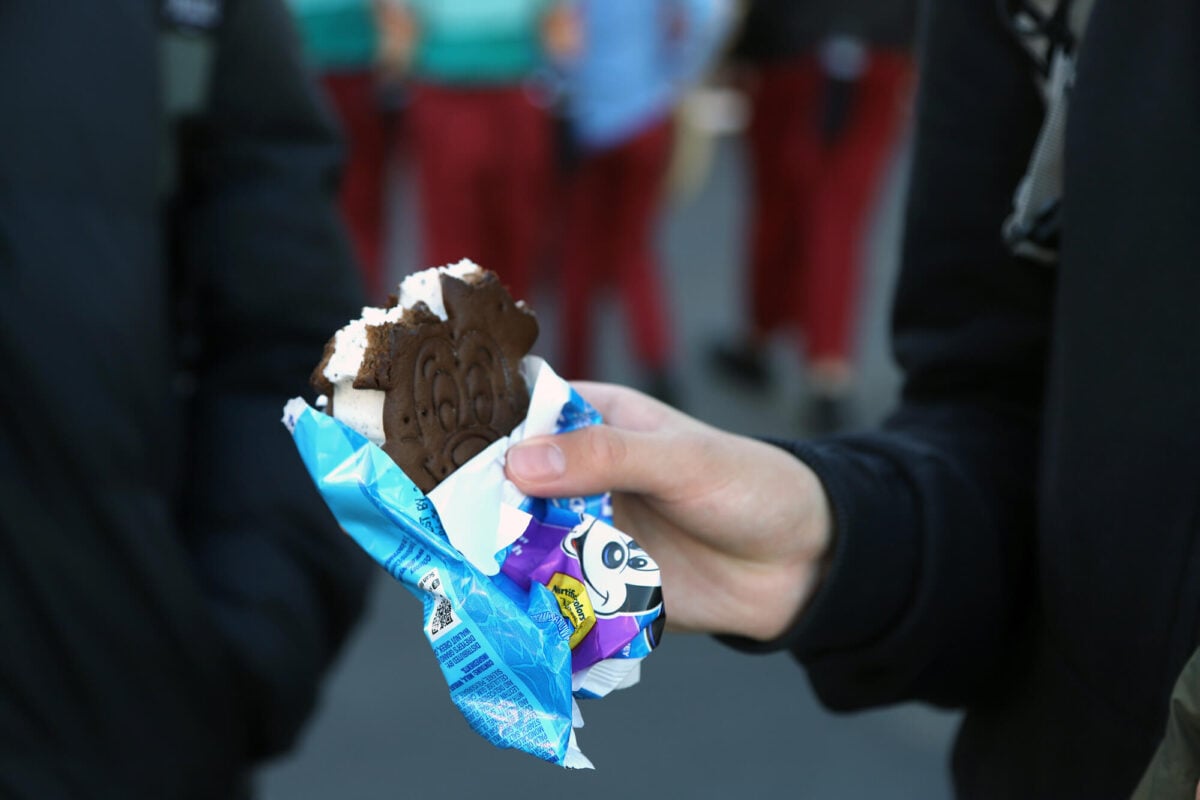
Mickey Mouse ice cream bars, shaped like the cartoon character’s head with round ears, were a favorite at Disney parks and on some ice cream trucks. They were usually vanilla ice cream with a chocolate coating.
Kids often ate the ears first. The bars became a symbol of Disney theme parks, where they remain popular today.
On trucks, they were a novelty that kids eagerly chose. Many adults still remember their first bite of a Mickey bar.
Getting one before the ears melted was a race in the summer heat. Truck versions sometimes came as ice cream sandwiches shaped like the famous silhouette, which offered the same thrill at a lower price.
Lemon Italian Ice
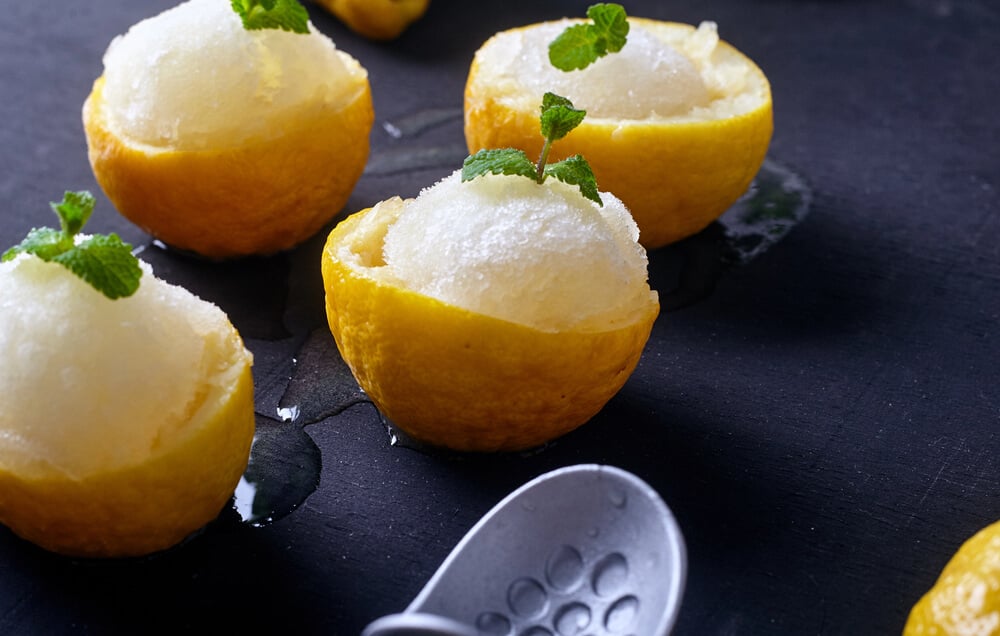
Lemon Italian ice, served in a small paper cup, was a favorite in many cities, especially in the Northeast. Kids squeezed the cup to push the ice up as it melted.
The flavor was sharp and refreshing on hot days. Italian ice often came with a flat wooden spoon.
Many ice cream trucks carried it alongside ice cream treats. It remains a staple in many neighborhoods, especially in New York and Philadelphia.
Many adults still associate the flavor with summer evenings. The best cups had bits of real lemon zest mixed into the ice.
Cherry and rainbow flavors followed, but lemon was always the classic.
King Cones
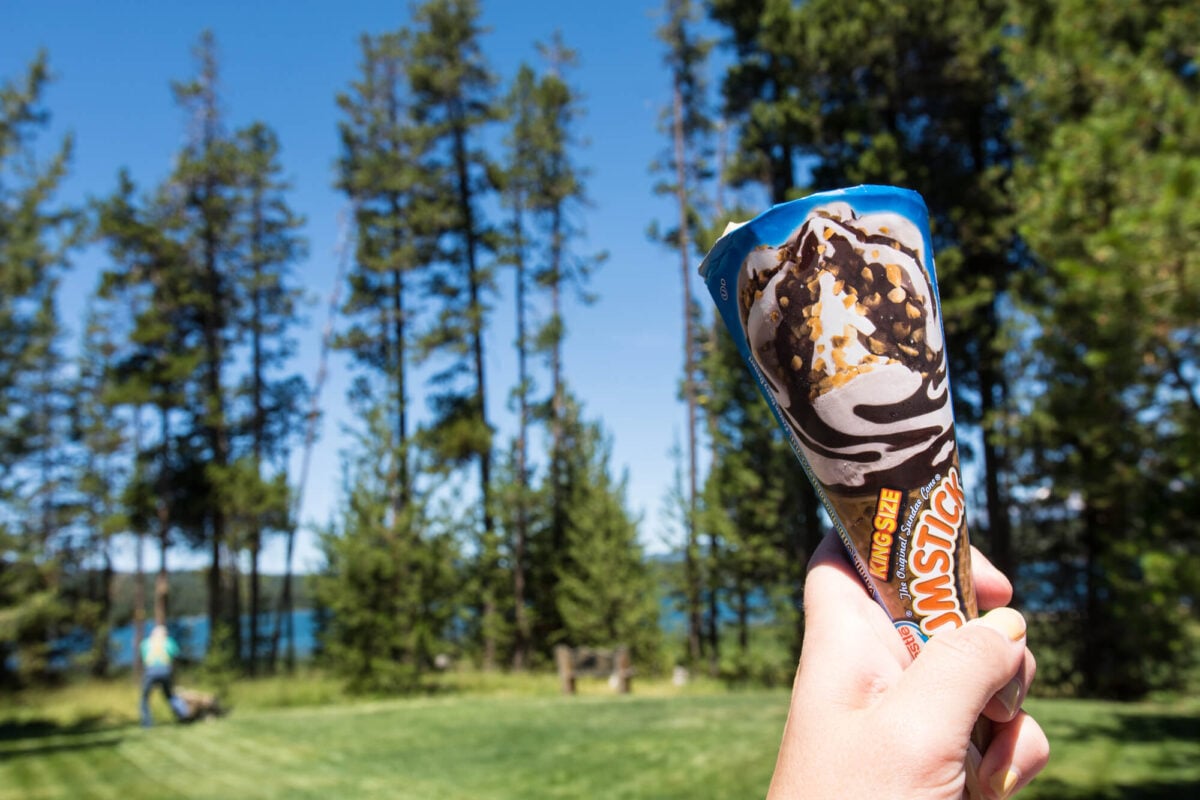
King Cones were large sugar cones filled with vanilla ice cream and topped with chocolate and nuts, sold by Good Humor. They were bigger than many other cones on the truck menu, which made them a popular choice.
Kids liked the chocolate topping and the crunchy cone. The cone often became soggy as the ice cream melted.
King Cones are still sold, though they are less common than they once were. For many people, they were the treat that felt like the biggest prize.
Kids who ordered one rarely finished before the drips began.
Chocolate-Dipped Frozen Bananas
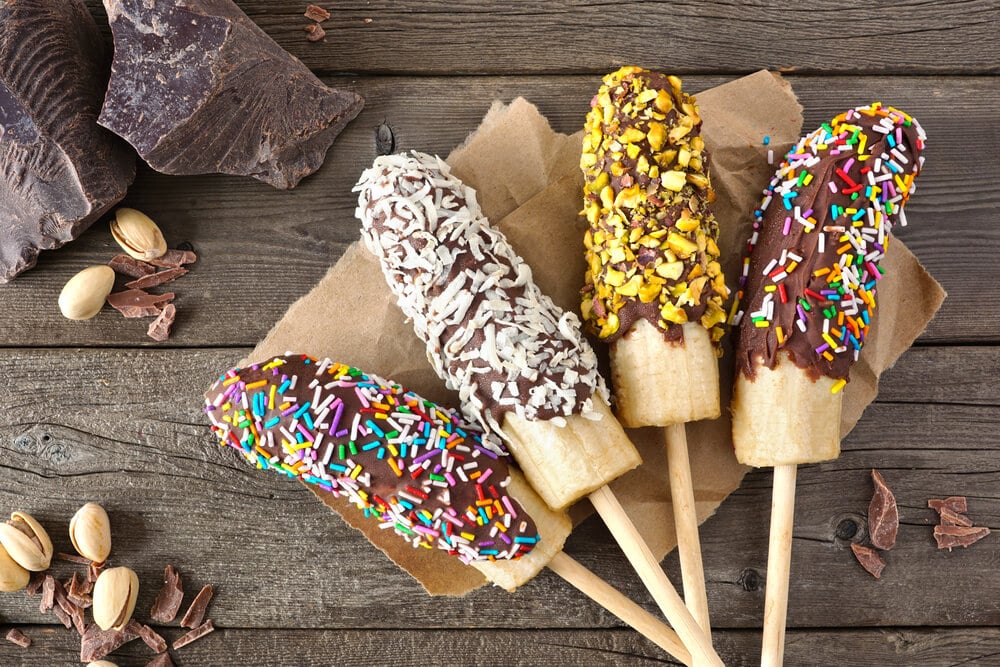
Frozen bananas dipped in chocolate and rolled in nuts or sprinkles were a summer favorite at boardwalks and on some ice cream trucks. California’s Balboa Island has been famous for them for decades.
The banana gave the treat a creamy texture, and the chocolate shell cracked with each bite. Kids liked choosing toppings.
The treat is still sold in some places, but it is less common on trucks. Many adults remember it as a special treat from vacation.
The island’s banana stands are often cited as the inspiration for the family banana stand in a well-known television comedy. Homemade versions on popsicle sticks became a common summer project for families, and some trucks copied the idea with pre-wrapped versions.
Mister Softee Dip Cones
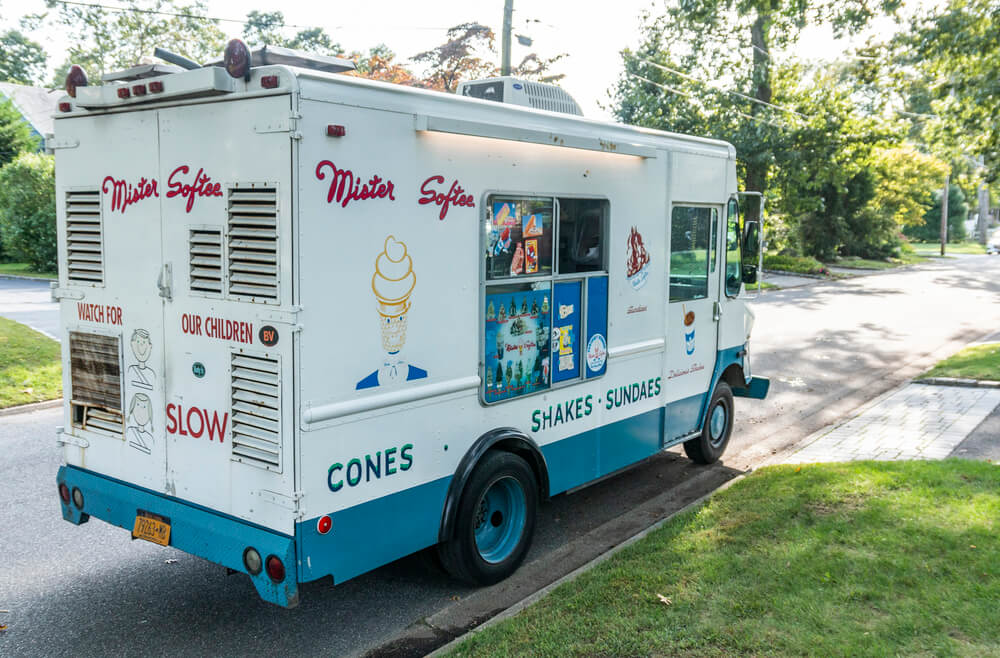
Brothers William and James Conway founded Mister Softee in Philadelphia in 1956, selling soft-serve ice cream from trucks. Their jingle became the unofficial soundtrack of summer in many cities.
The trucks offered cones dipped in chocolate that hardened into a shell. Kids loved watching the vanilla swirl disappear into the dip.
Mister Softee trucks are still common in the Northeast. For many people, the dip cone was the best treat on the truck.
The company’s smiling cone-headed mascot appears on every truck. Some cities have regulated the jingle because residents complained about hearing it all evening.
Fans defend the music as part of summer, while neighbors who hear it for hours tend to disagree.
Candy Center Crunch
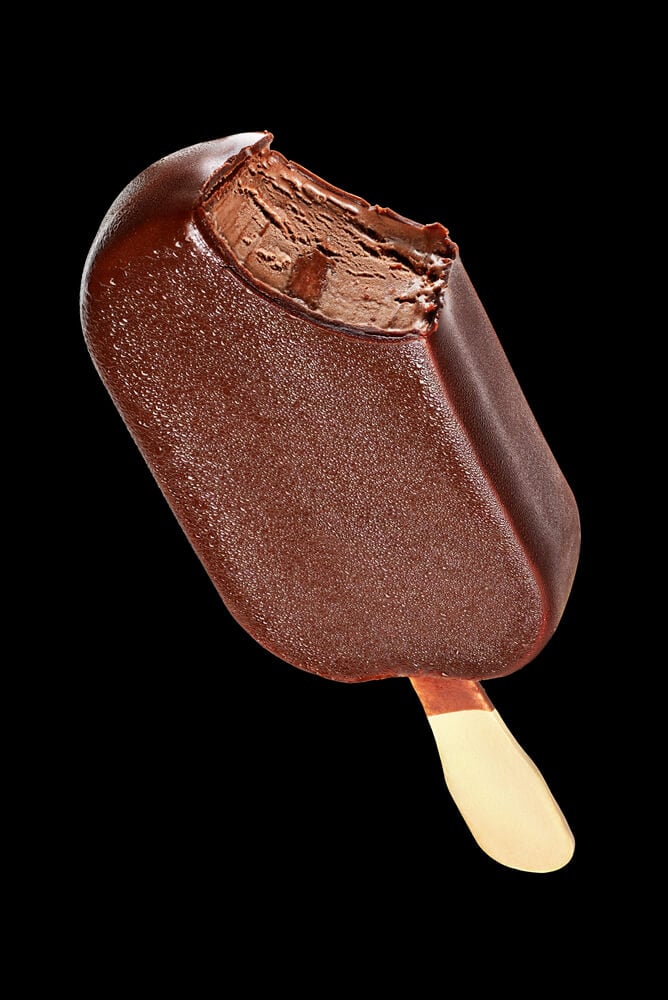
Candy Center Crunch was a Good Humor bar with vanilla ice cream around a chocolate center, coated in chocolate and crunchy pieces. It became a favorite on many ice cream truck routes.
The hard chocolate center surprised kids who had not tried it before. The bar was eventually discontinued in many areas, prompting fans to ask for its return.
Some versions reappeared in later years. For many fans, it was the best bar on the menu.
Fans have kept online petitions going for years, asking for a permanent return. The bar has a following far larger than its distribution, which says a lot about how strong summer memories can be.
Every few years, rumors of a comeback circulate among fans.
Jingles, Freezer Burn and Summer Evenings
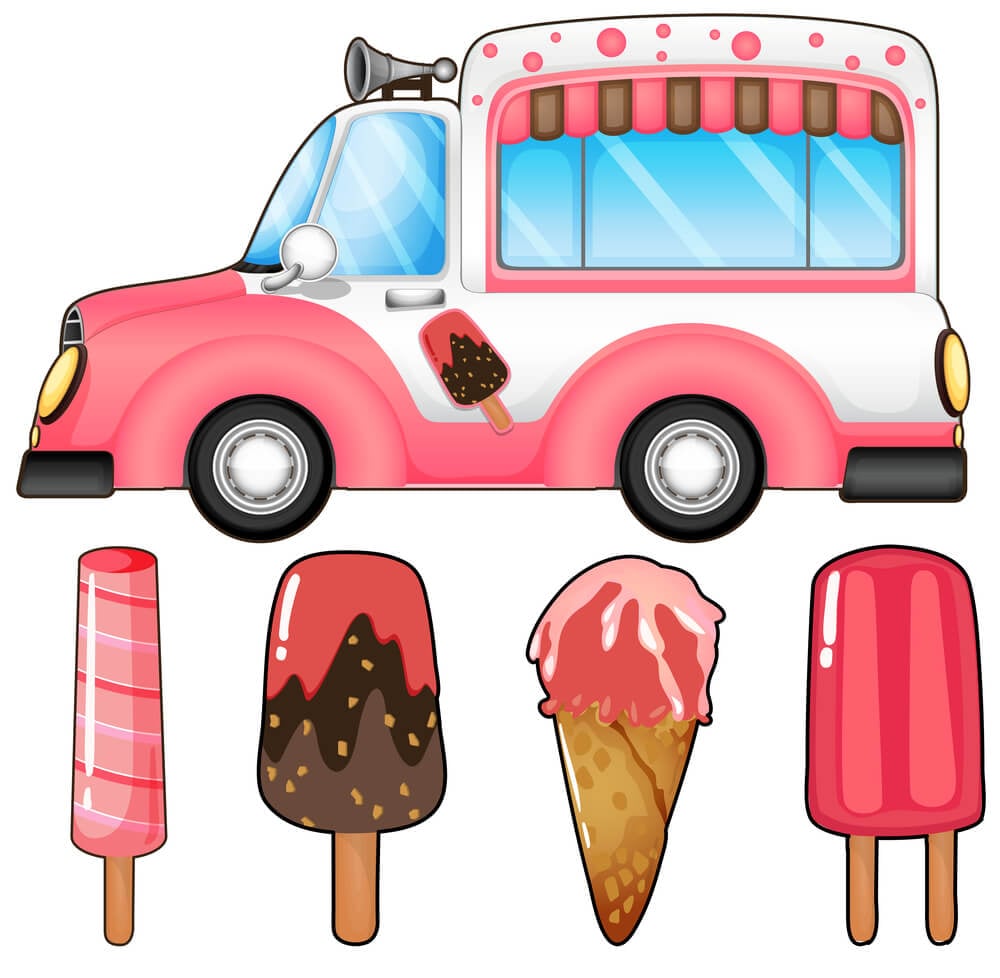
The ice cream truck offered more than frozen treats. It brought kids together on summer evenings and gave them a small sense of independence.
Choosing a treat with a handful of coins was an early lesson in budgeting. The truck’s arrival was an event every time.
Many of these treats are still sold, but the experience has changed. Fewer trucks roam neighborhoods, and grocery stores now carry most of the menu.
Still, the sound of a truck jingle can bring back memories instantly. For many adults, it remains the sound of summer.
More from Go2Tutors!

- The Romanov Crown Jewels and Their Tragic Fate
- 13 Historical Mysteries That Science Still Can’t Solve
- Famous Hoaxes That Fooled the World for Years
- 15 Child Stars with Tragic Adult Lives
- 16 Famous Jewelry Pieces in History
Like Go2Tutors’s content? Follow us on MSN.