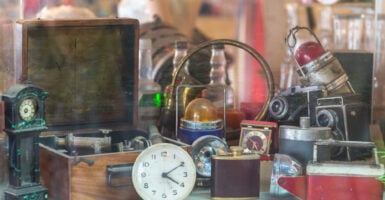
28 Retro Toys From The ’90s Collectors Want
Kids of the 1990s grew up, got jobs and began wanting their childhoods back. That shift turned plastic toys from closet clutter into something buyers search for every night on eBay, Mercari and Facebook Marketplace.
Most of what was made in huge numbers still sells for modest sums. The money sits in the details: sealed boxes, rare variations, complete sets and toys that survived years of actual play without losing their parts.
Beanie Babies With Rare Variations
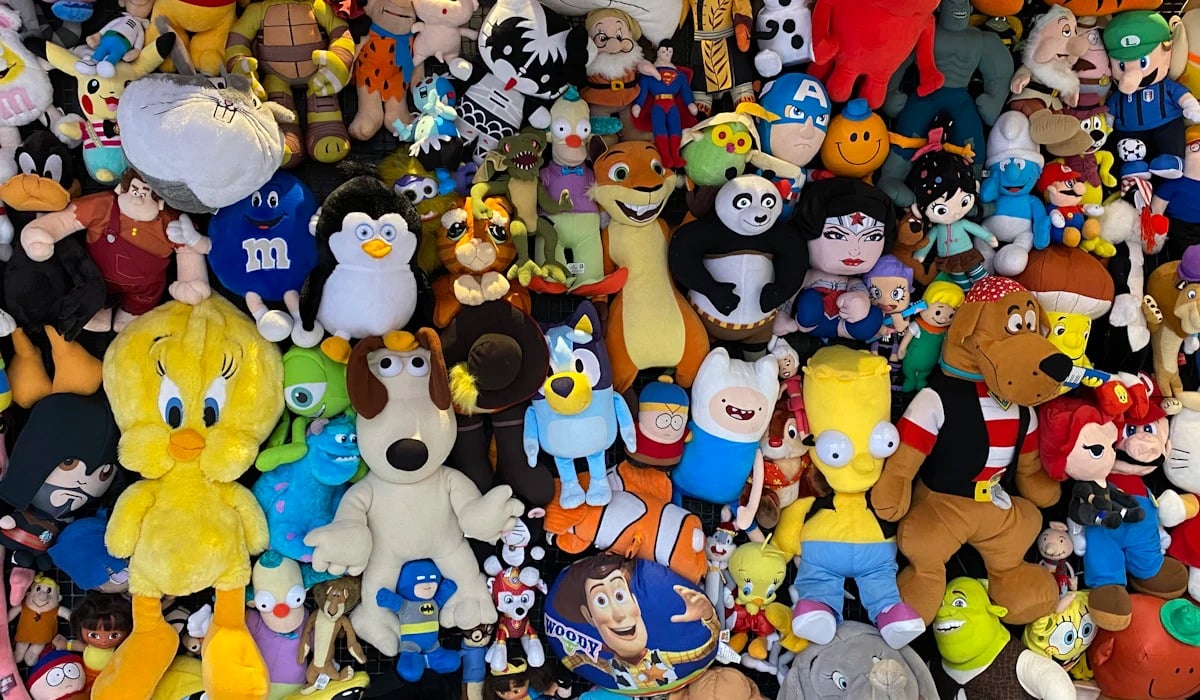
Ty Inc. introduced Beanie Babies in 1993, and the craze peaked in the late 1990s with buyers treating the small plush animals as investments. The vast majority now sell for a few dollars, and listings asking thousands rarely find buyers.
A short list of genuine rarities still draws interest, including the royal blue version of Peanut the elephant and early Princess bears released after the death of Diana in 1997. Collectors focus on tag generations, materials and verified errors rather than generic tag typos.
Bent hang tags, missing tags and fading plush cut value sharply, even on the rare ones.
Original Furby From 1998
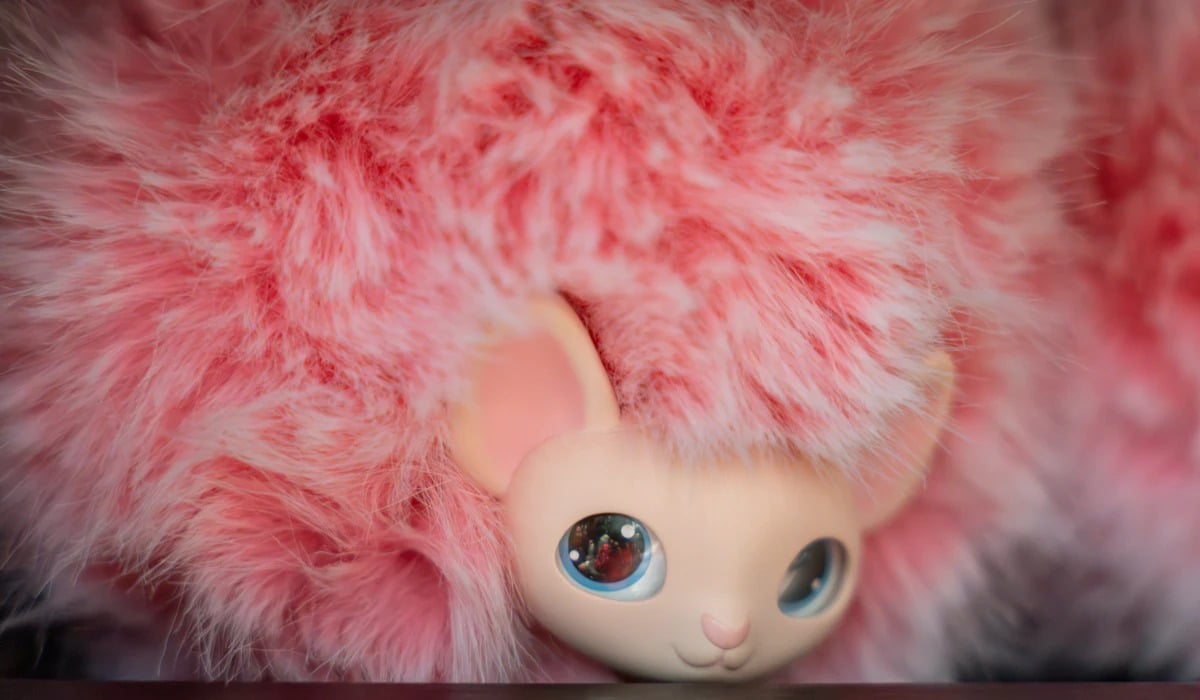
Tiger Electronics released Furby in 1998, and the owl-like creature that seemed to learn English became the must-find gift of that holiday season. Designers Caleb Chung and Dave Hampton gave it its own language, Furbish, and designed it to gradually use more English words.
Original first-generation Furbies in their boxes often sell for about 50 to 300 dollars, with special editions and unopened examples bringing more. Collectors check that the eyes, ears and mouth still move and that the fur is clean.
Corroded battery compartments, matted fur and stuck mechanisms lower value considerably.
Bandai Tamagotchi
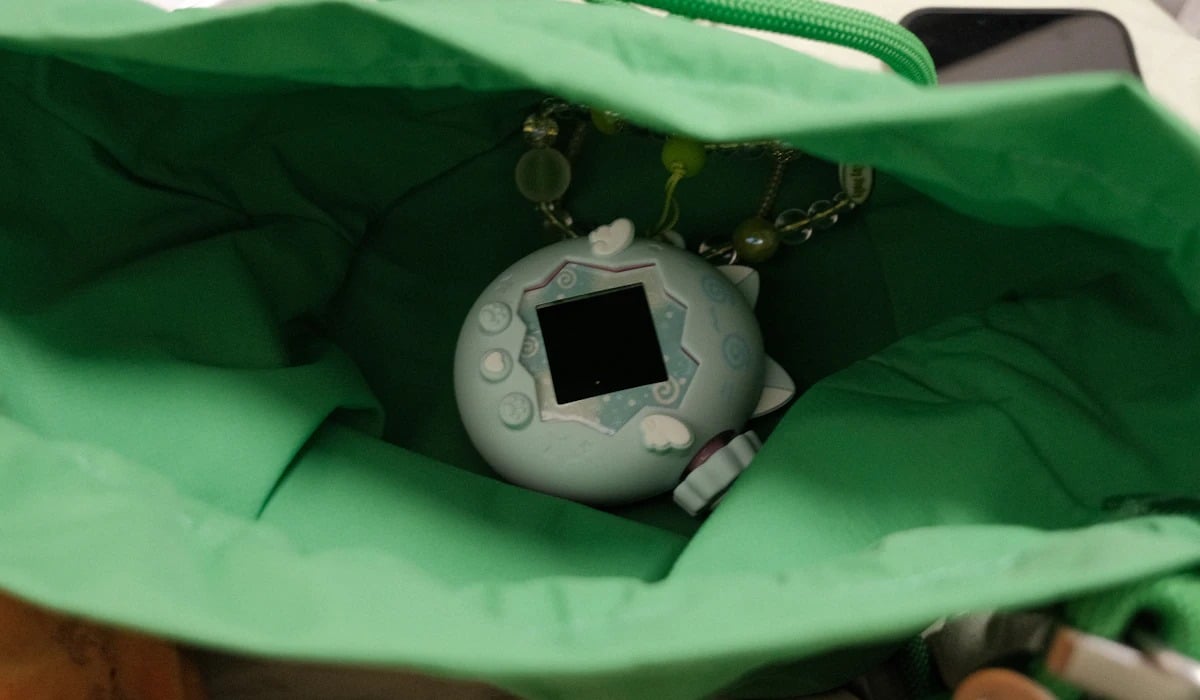
Bandai launched the Tamagotchi in Japan in 1996, and the egg-shaped digital pet reached American stores in 1997. Kids fed, cleaned and played with a pixelated creature that could die from neglect, which led many schools to ban the devices.
Original first-generation Tamagotchi units still in sealed packaging often sell for about 50 to 200 dollars, with rare shell colors and Japanese releases bringing more. Loose units sell for less, especially if the screen has faded.
Collectors check that the screen works and buttons respond. Cracked shells, battery corrosion and missing chains reduce what a unit brings.
Nintendo Game Boy and Its Cartridges
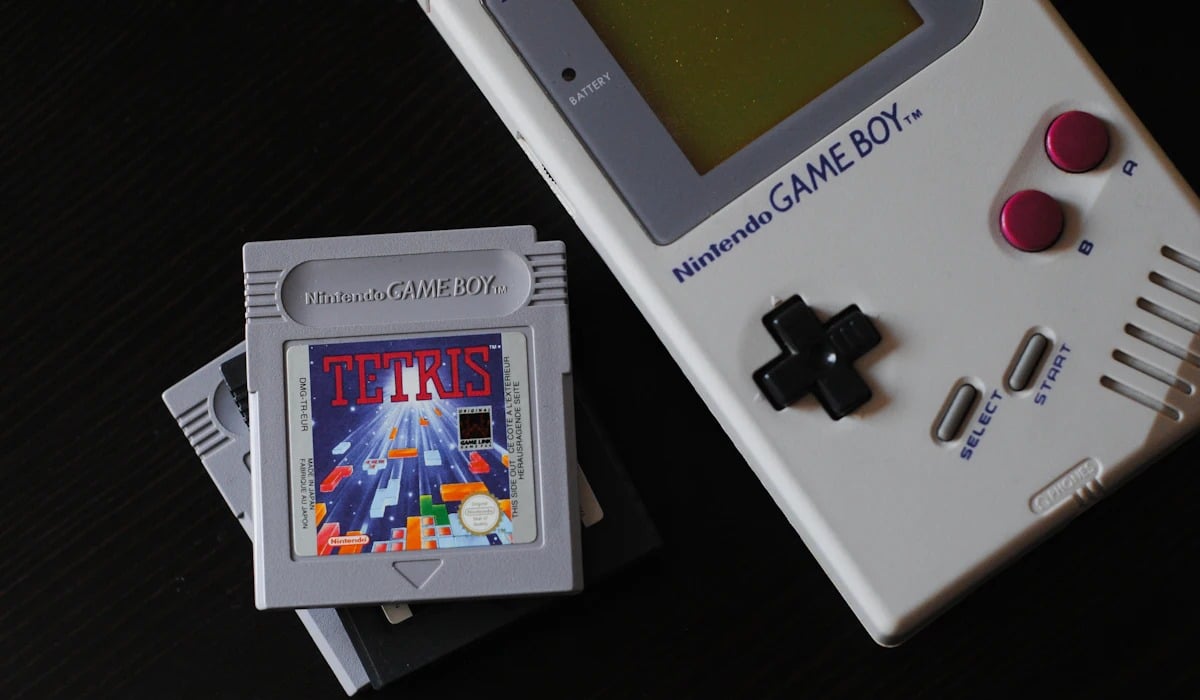
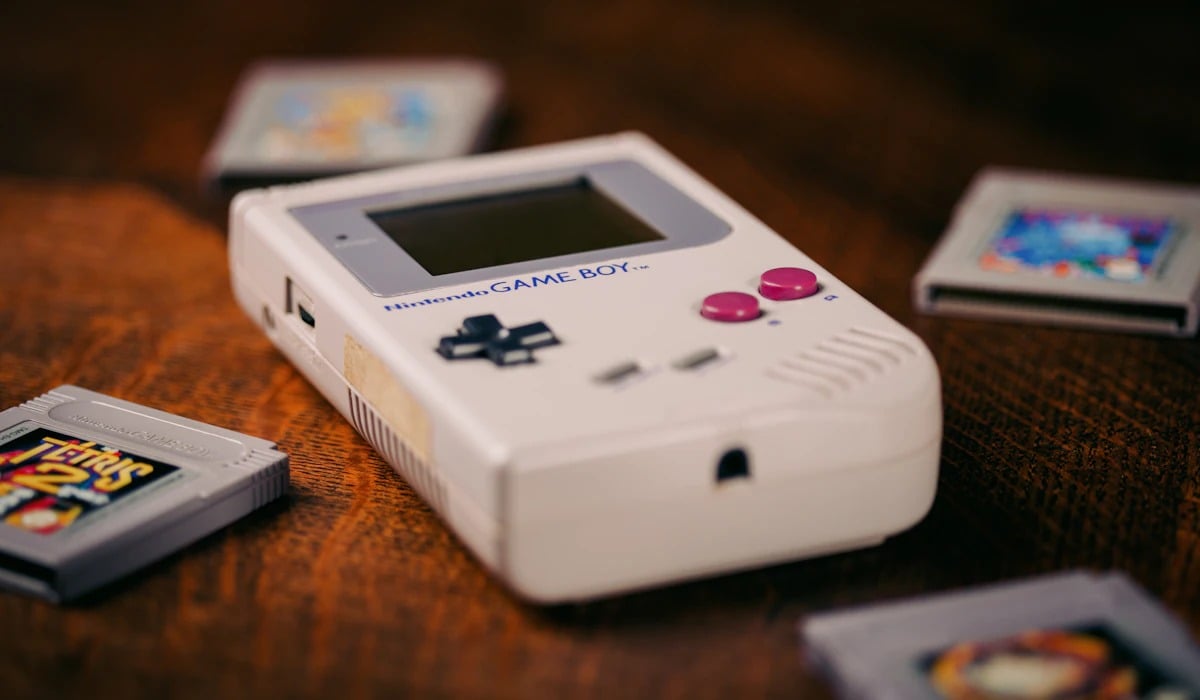
Nintendo released the Game Boy in North America in 1989, bundled with Tetris, and it dominated handheld gaming through the 1990s. The arrival of Pokemon Red and Blue in the United States in 1998 gave the system a second wave of popularity.
Original consoles in good working condition typically sell for about 50 to 150 dollars. Sealed and professionally graded copies of popular games can bring far more, with top examples selling in the thousands.
Collectors check screens for dead lines, a common problem. Yellowed plastic, worn labels and missing battery covers all lower value.
Super Nintendo Boxed Games
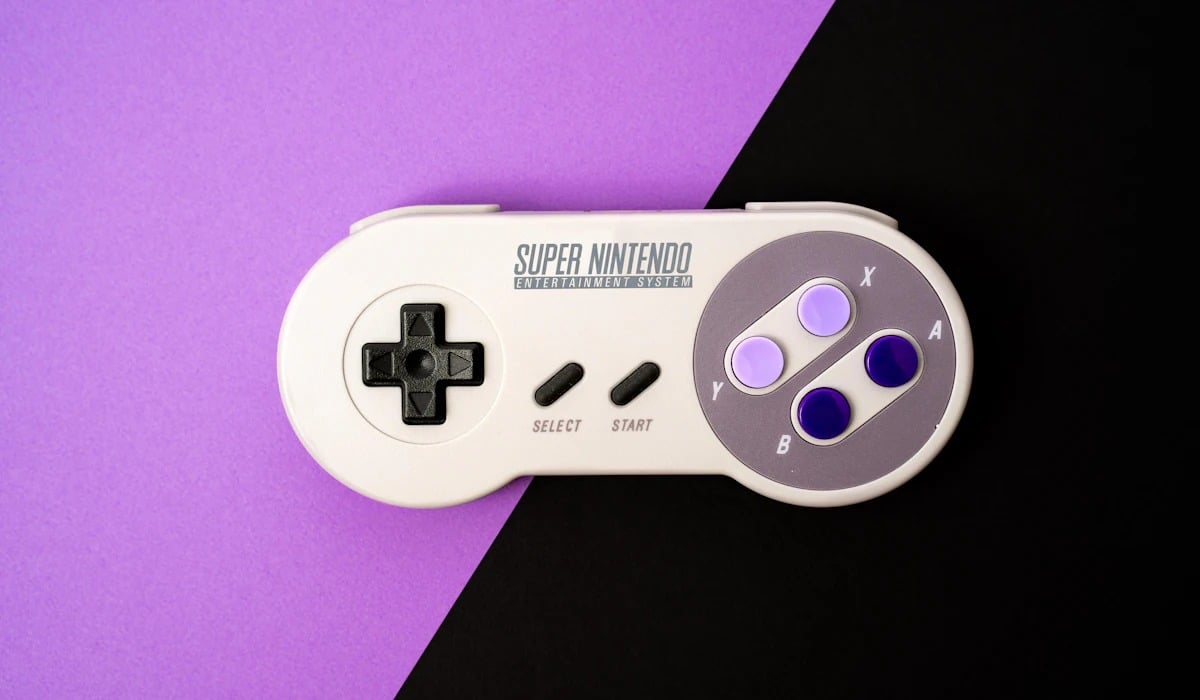
The Super Nintendo Entertainment System arrived in North America in 1991, and many of its cardboard game boxes were thrown away almost immediately. That makes complete-in-box games much scarcer than loose cartridges.
Titles such as EarthBound, which shipped in an oversized box with a strategy guide, and Chrono Trigger are among the most sought after. Complete copies of popular games often sell for hundreds of dollars, while sealed and graded examples can reach thousands.
Collectors check for original manuals and inserts. Crushed boxes, torn labels and missing manuals reduce value significantly.
Nintendo 64 Consoles and Sealed Games
Nintendo launched the Nintendo 64 in North America in 1996, and games like Super Mario 64, GoldenEye 007 and The Legend of Zelda: Ocarina of Time became defining titles for a generation. Loose consoles often sell for about 80 to 150 dollars, and colored editions like the translucent models bring more.
Sealed games are the real prize, with graded copies of major titles sometimes reaching hundreds or thousands of dollars. Collectors check controllers, since worn joysticks are common.
Damaged boxes, missing expansion paks and faded labels lower value.
Sega Genesis and Its Library
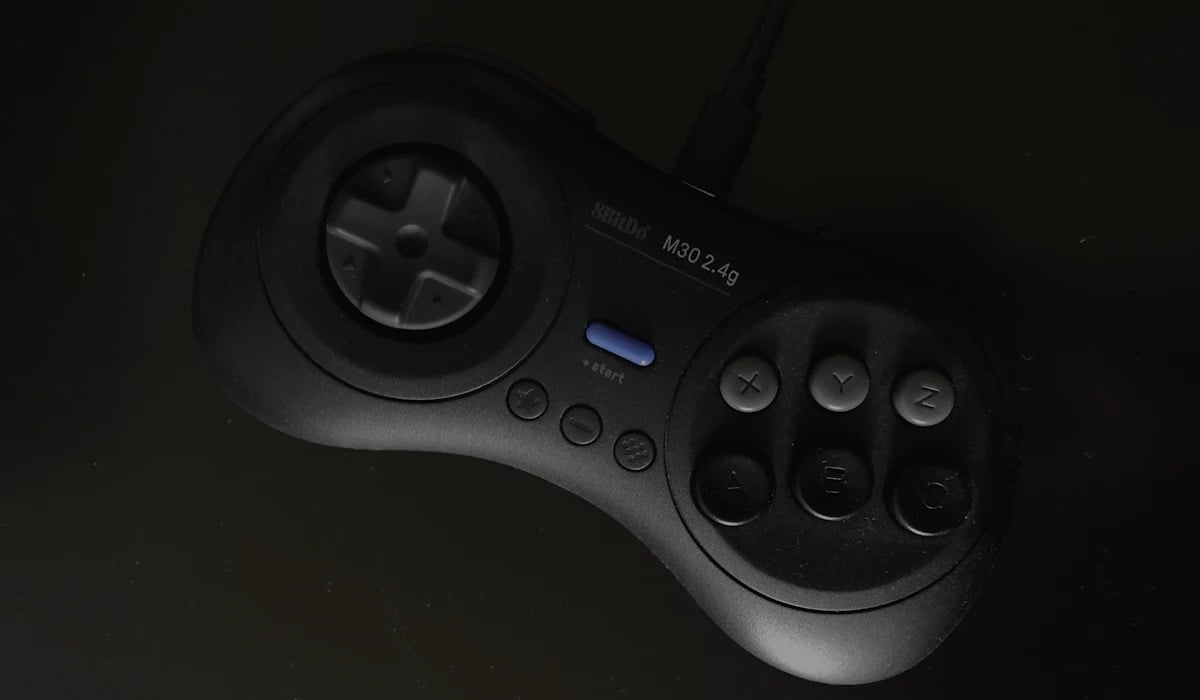
Sega released the Genesis in North America in 1989, and Sonic the Hedgehog, introduced in 1991, gave the system a mascot to rival Mario. The rivalry between Sega and Nintendo defined much of 1990s gaming culture.
Consoles typically sell for about 50 to 150 dollars, while some rare games complete in their original cases bring hundreds. Genesis games came in sturdy plastic clamshell cases, which helped many survive.
Collectors check for original manuals and cover art. Cracked cases, missing manuals and worn labels lower what a game brings, and working consoles with original controllers sell best.
Nintendo Virtual Boy
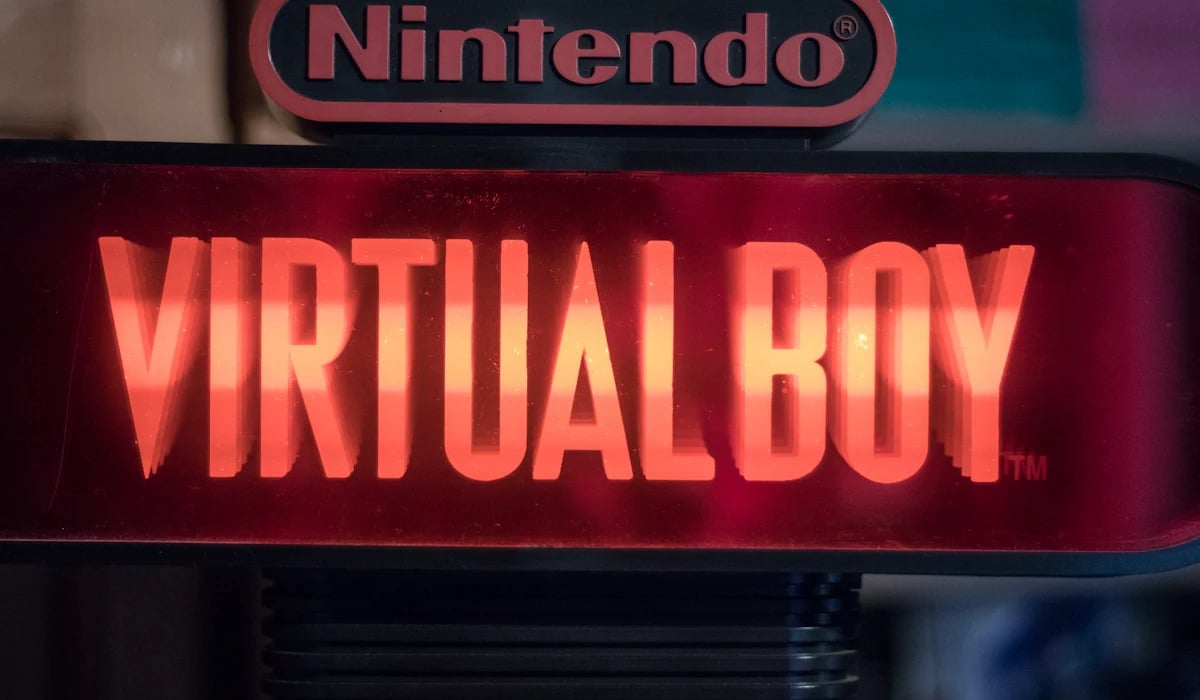
Nintendo released the Virtual Boy in 1995, a tabletop headset that displayed red-and-black 3D graphics. It sold poorly, gave some players headaches and was discontinued within about a year, leaving a small library of games.
That failure is exactly what makes it interesting to collectors now. Complete systems with the box and stand often sell for about 200 to 500 dollars, with sealed games and rare titles bringing more.
Collectors check that both displays work, since screen failures are a known problem. Missing stands, damaged boxes and nonworking displays lower value considerably.
Polly Pocket Compacts From Bluebird
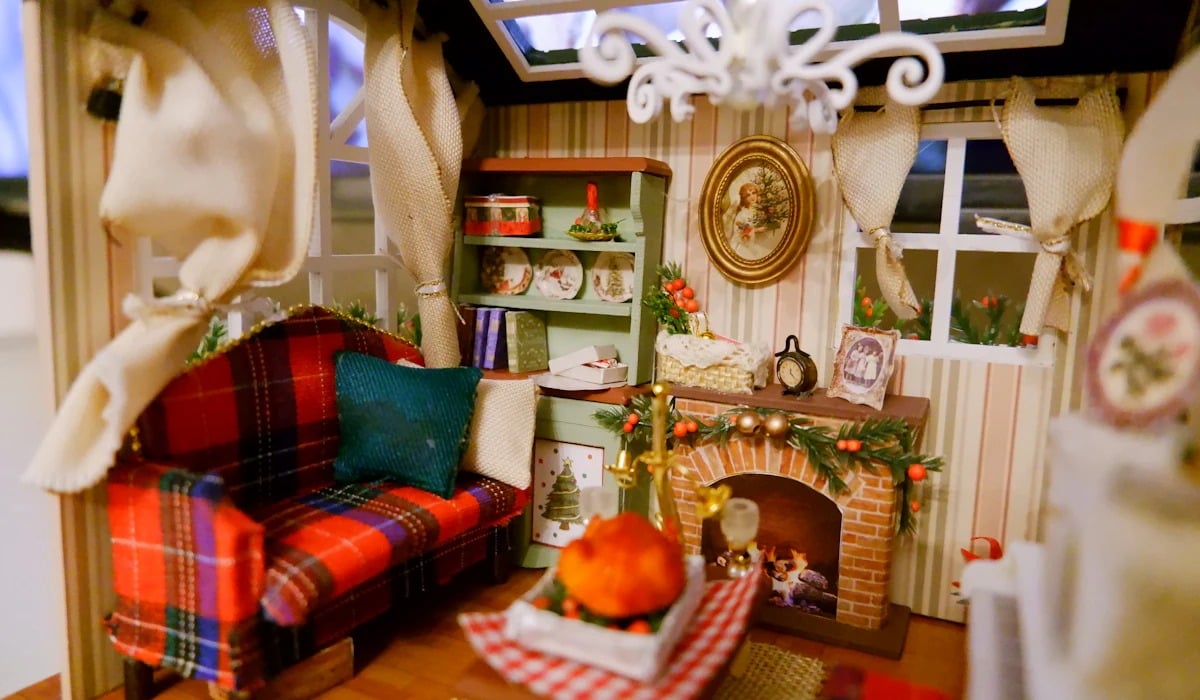
Chris Wiggs created the first Polly Pocket in 1983 for his daughter, using a makeup compact to hold a tiny doll and house. Bluebird Toys of England brought the line to market in 1989, and the compacts with their tiny figures became a 1990s favorite.
Mattel acquired the brand in 1998 and later redesigned the dolls to be larger. Original Bluebird compacts with all their figures often sell for about 20 to 200 dollars, with rare sets bringing more.
Missing figures matter enormously, since the tiny dolls were easily lost. Broken hinges and faded paint also lower value.
Mighty Morphin Power Rangers Megazord
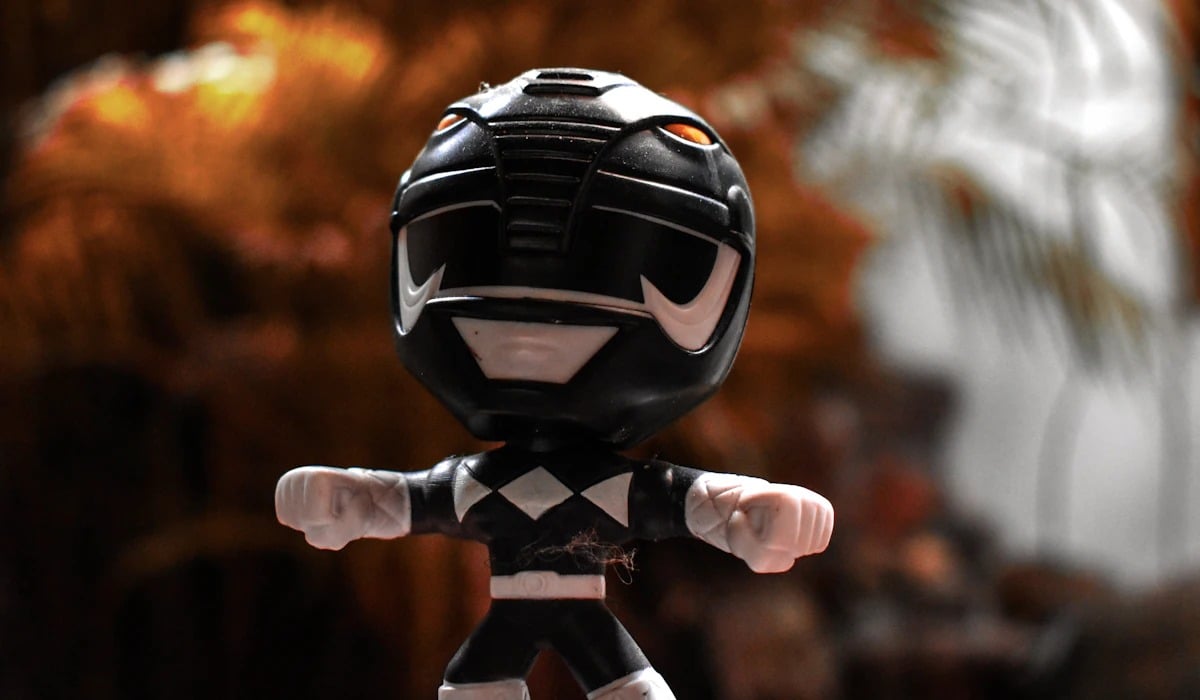
Bandai brought Mighty Morphin Power Rangers toys to American stores in 1993, and the Megazord, formed by combining five dinosaur-like Zords, became one of the most wanted toys of the decade. The show was adapted from Japanese Super Sentai footage, which helped give the toys their distinctive look.
Boxed Megazords often sell for about 100 to 300 dollars, while loose examples bring less. Collectors check that all parts are present, including the weapons and connecting pieces.
Missing parts, broken joints and yellowed plastic reduce value, and complete sets in original boxes sell best.
Tickle Me Elmo From 1996
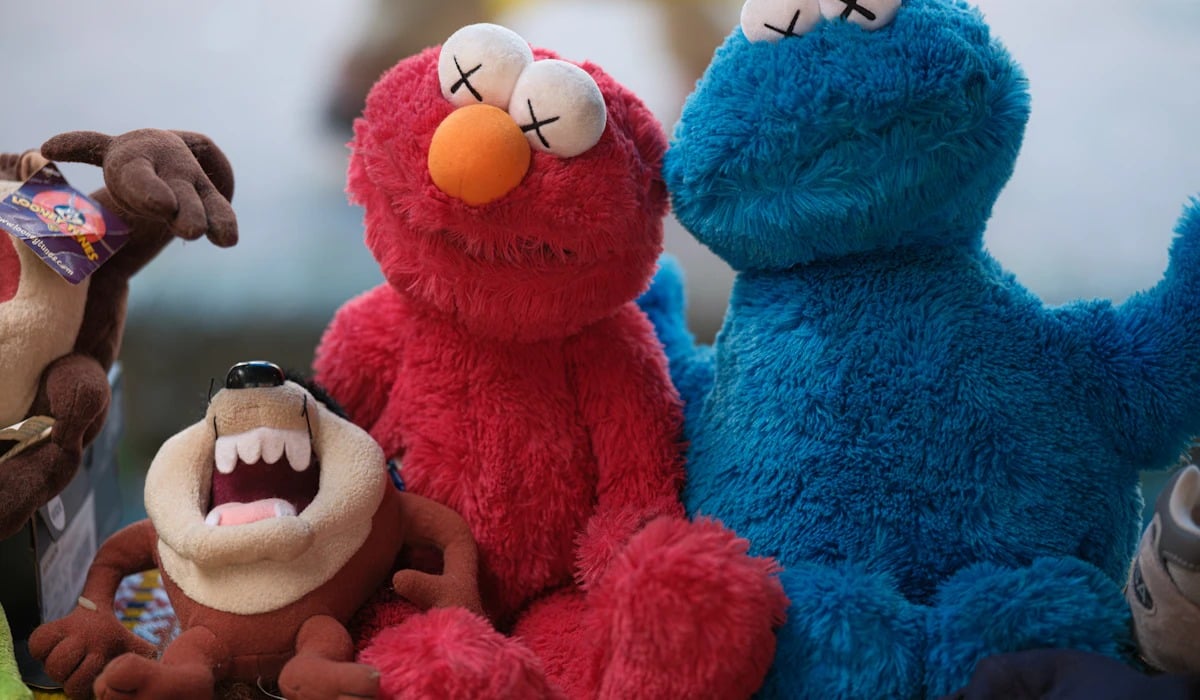
Tyco Preschool released Tickle Me Elmo in 1996, and the giggling, shaking plush became the center of a holiday shopping frenzy. Shortages pushed resale prices well above retail that season.
Today, original 1996 examples in their boxes typically sell for about 50 to 150 dollars, despite listings that ask much more. Collectors check that the toy still giggles and shakes.
Battery corrosion, faded fur and damaged boxes reduce value. Loose examples sell for considerably less, and many later versions are common, so collectors confirm the original release before paying a premium.
Tiger Electronics Talkboy
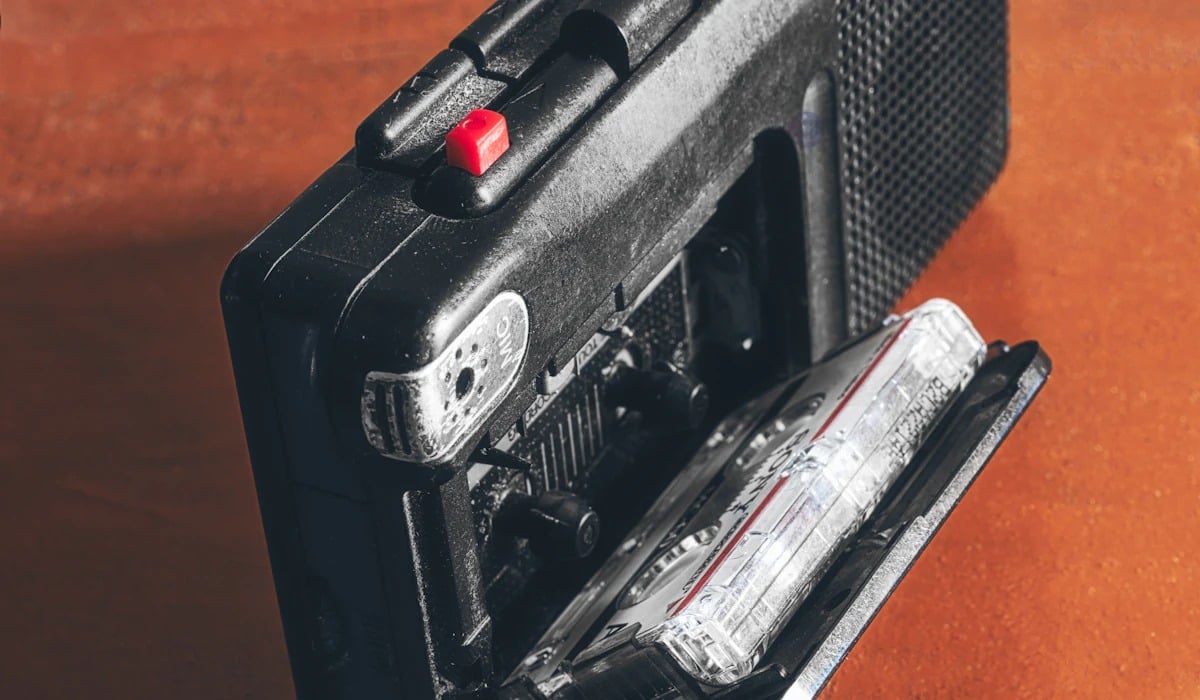
Tiger Electronics produced the Talkboy, a handheld cassette recorder made famous in Home Alone 2: Lost in New York in 1992. The device was originally a movie prop, but demand led Tiger to manufacture it for sale.
The Talkboy could record and play back voices at slow and fast speeds. Working examples often sell for about 50 to 200 dollars, with boxed units bringing more.
Collectors check that the tape mechanism and speed control function. Battery corrosion, broken handles and missing microphones lower value considerably.
Original Super Soaker Water Blasters
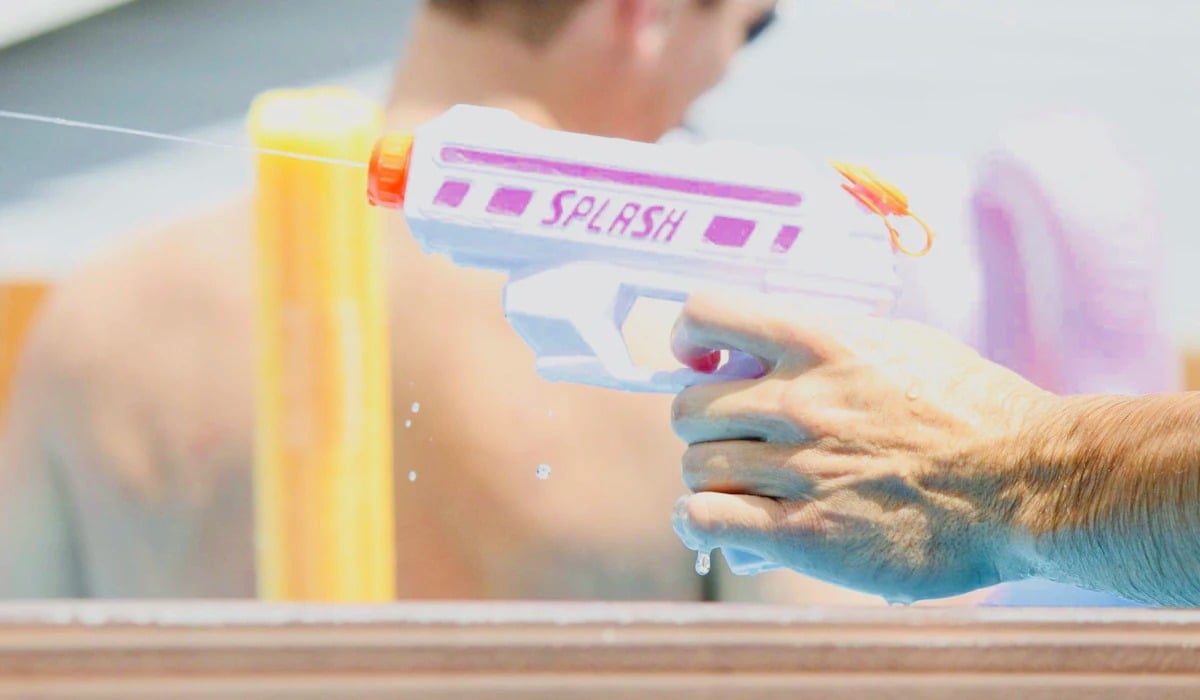
Lonnie Johnson, an engineer who worked with NASA, invented the pressurized water gun that became the Super Soaker. Larami brought it to market in 1990, first under the name Power Drencher.
The toy became one of the best-selling of the decade. Early models often sell for about 50 to 200 dollars, with rare versions bringing more.
Collectors check that the pump and pressure chamber work and do not leak. Cracked tanks, faded plastic and missing caps reduce value, and boxed examples from the early years are scarce.
LEGO Pirates and Space Sets From the 1990s
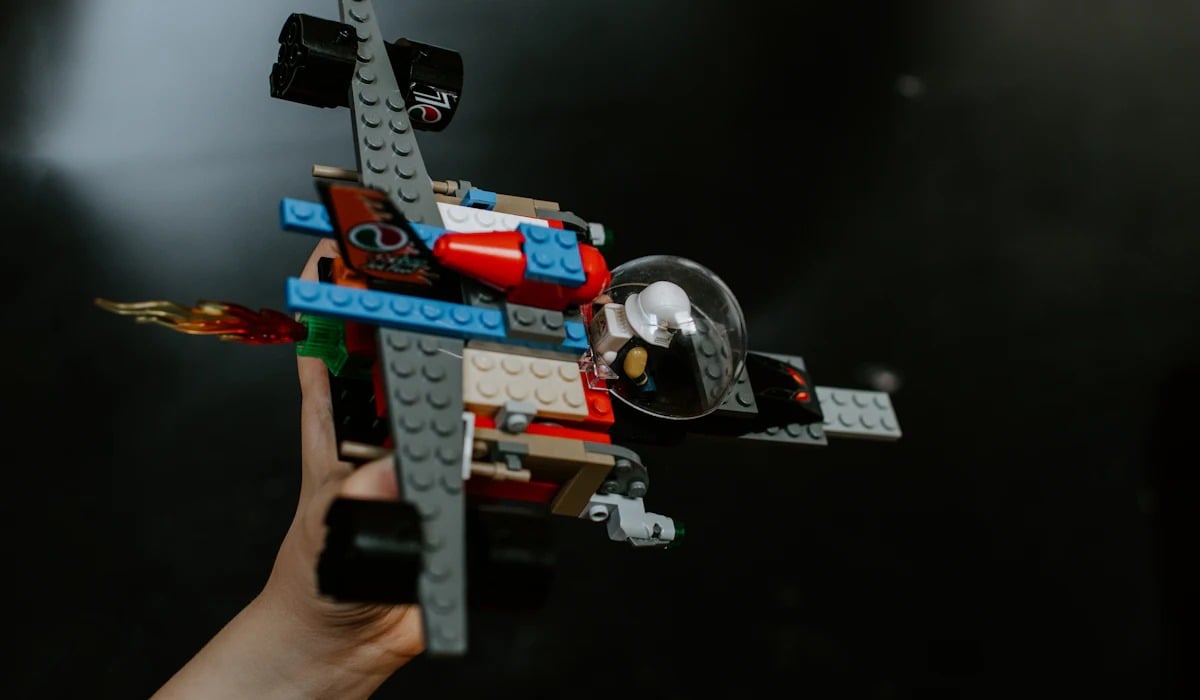
LEGO’s Pirates theme launched in 1989 and ran through much of the 1990s, while Ice Planet 2002 arrived in 1993 with orange-visored astronauts and transparent neon parts. The Black Seas Barracuda pirate ship, with its cloth sails and cannons, was a flagship set that many kids remember owning.
Complete sets with instructions and every minifigure often sell for about 100 to 400 dollars, while factory-sealed boxes bring much more. Builders check for small accessories like parrots, flags and hats, which disappear first.
Yellowed white bricks, missing pieces and lost instruction booklets all lower value, and original boxes add a real premium.
Kenner Star Wars Power of the Force Figures
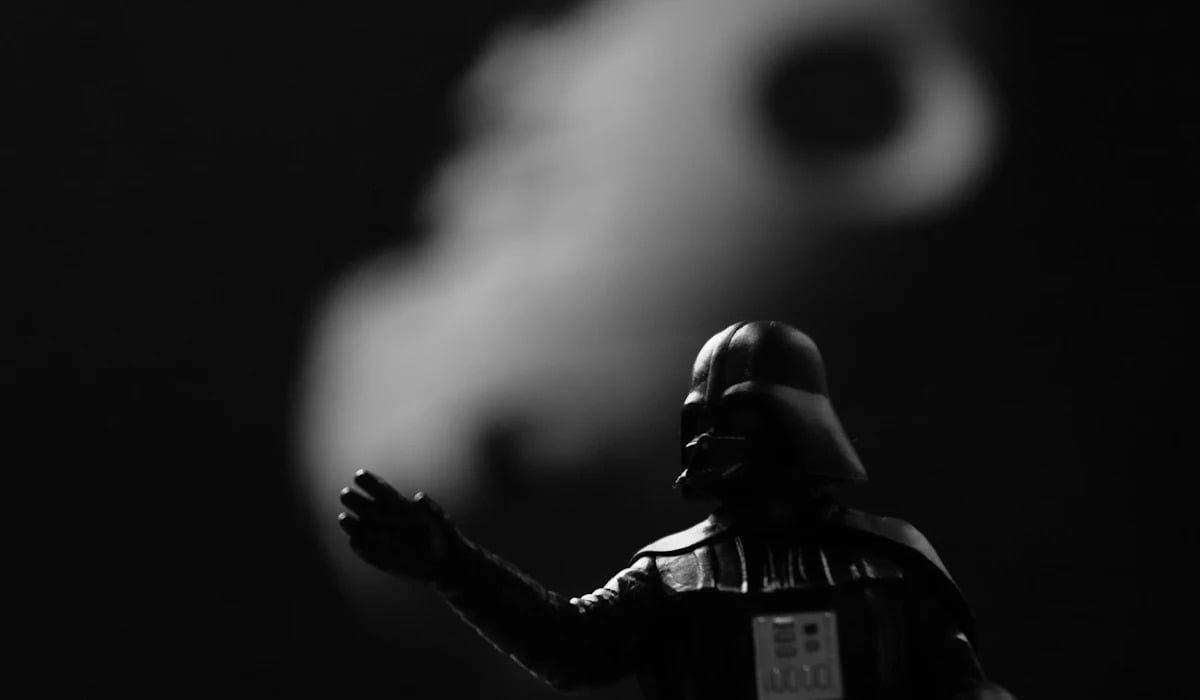
Kenner relaunched Star Wars figures in 1995 with the Power of the Force line, the first new figures in about a decade. Collectors bought them in large numbers, so most still sell for a few dollars each.
A handful of rare variations, such as figures with different packaging or accessories, bring much more. Collectors check for card variations and crisp bubbles.
Bent cards, crushed bubbles and price stickers reduce value. Loose figures sell for less, and complete sets with accessories are what serious buyers want.
Thinkway Buzz Lightyear
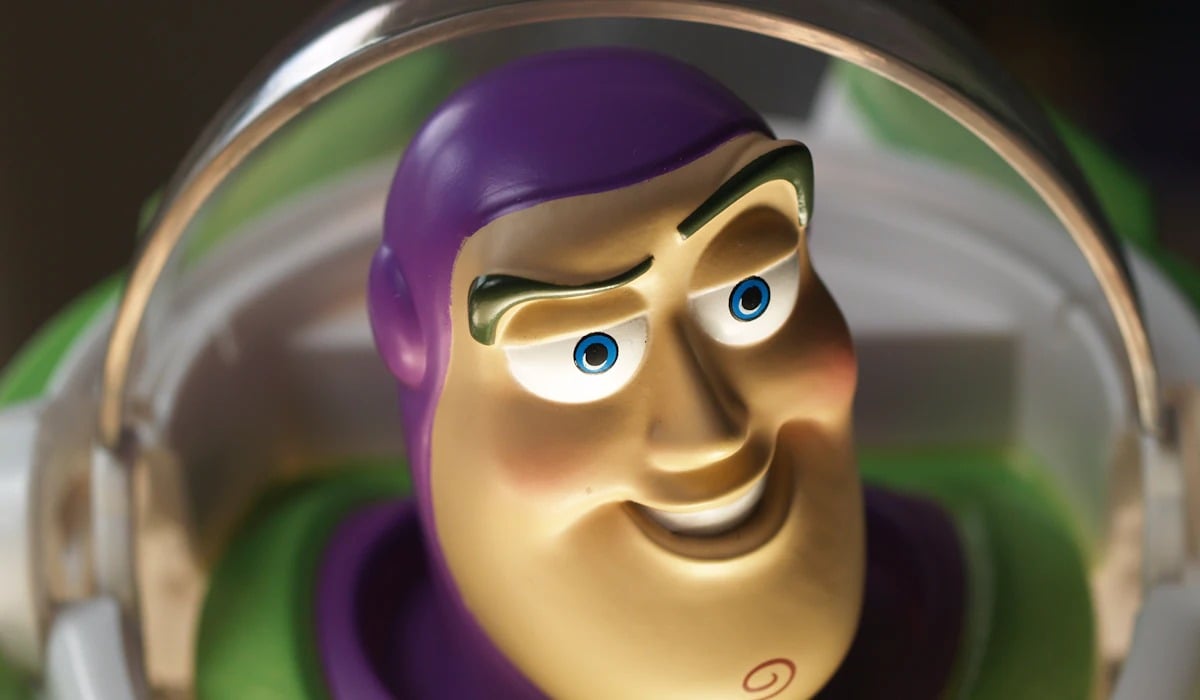
Toy Story’s 1995 release created a demand for Buzz Lightyear toys that caught manufacturers off guard. Thinkway Toys produced the talking Buzz figure with pop-out wings and a laser light, and shortages made it a hard-to-find gift that holiday season.
Original boxed examples often sell for about 100 to 300 dollars. Collectors check that the voice, wings and lights all work.
Battery corrosion, broken wings and damaged boxes lower value. Loose figures sell for less, and later versions are common, so collectors confirm the original release.
Totally Hair Barbie
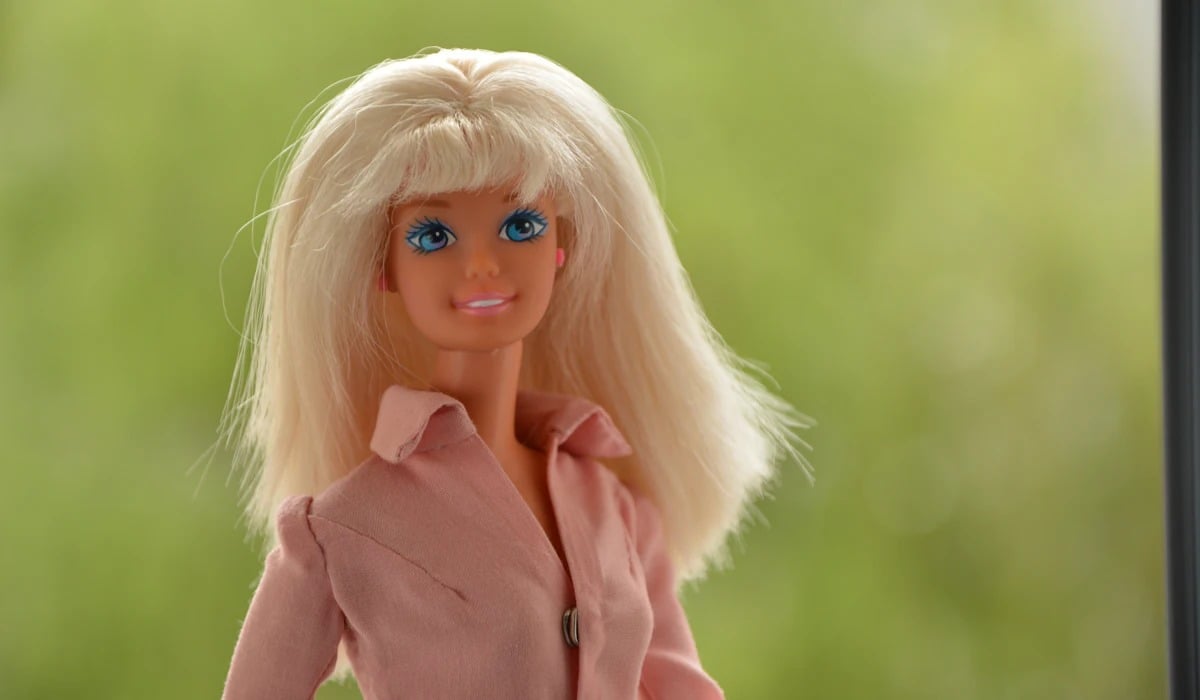
Mattel released Totally Hair Barbie in 1992, with hair that reached her toes and a bright, patterned dress. It became one of the best-selling Barbie dolls ever, with reports of more than 10 million sold.
Because so many were made, values stay modest for loose dolls. Mint-in-box examples often sell for about 50 to 150 dollars.
Collectors check that the box is unopened and the doll’s hair is intact. Faded boxes and cut or tangled hair reduce value, and the most valuable examples are sealed.
Galoob Spice Girls Dolls
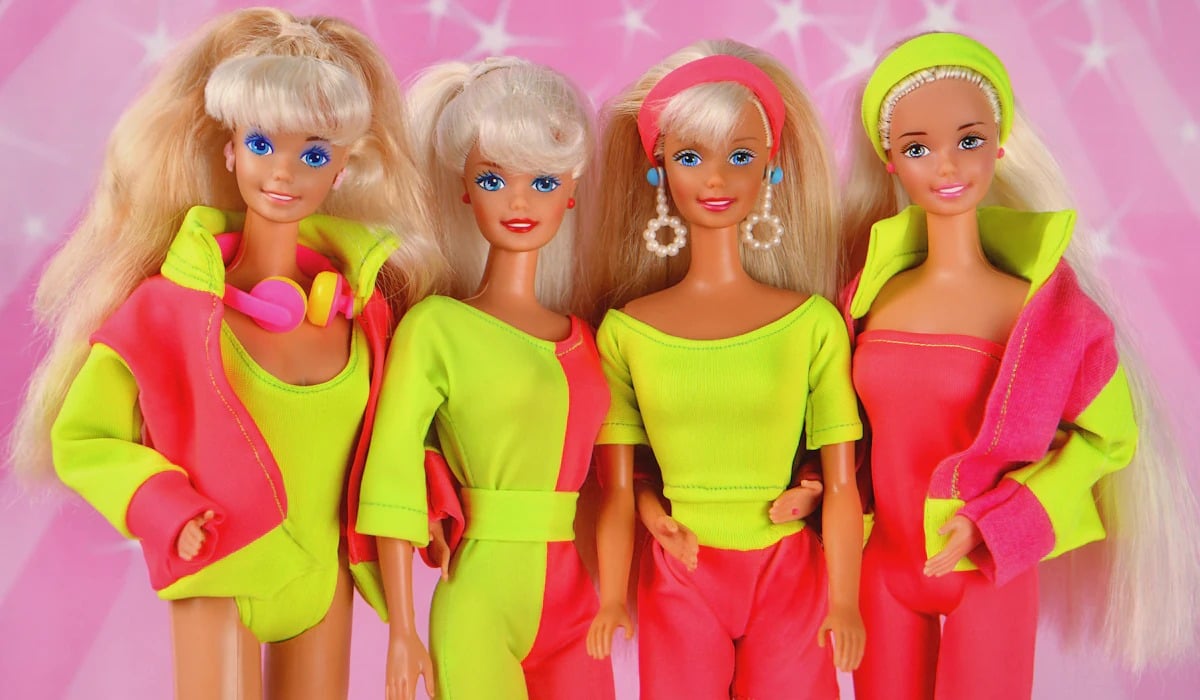
Galoob released Spice Girls dolls in 1997, at the height of the band’s fame. The dolls captured each member’s look, and fans collected the full set.
Values typically range from about 30 to 100 dollars per doll in the box, with rare editions bringing more. Collectors check that the boxes are sealed and the dolls’ outfits are complete.
Damaged boxes and missing accessories lower value. Complete sets in the box are the most desirable, and the dolls’ connection to a cultural moment keeps demand steady.
Galoob Sky Dancers
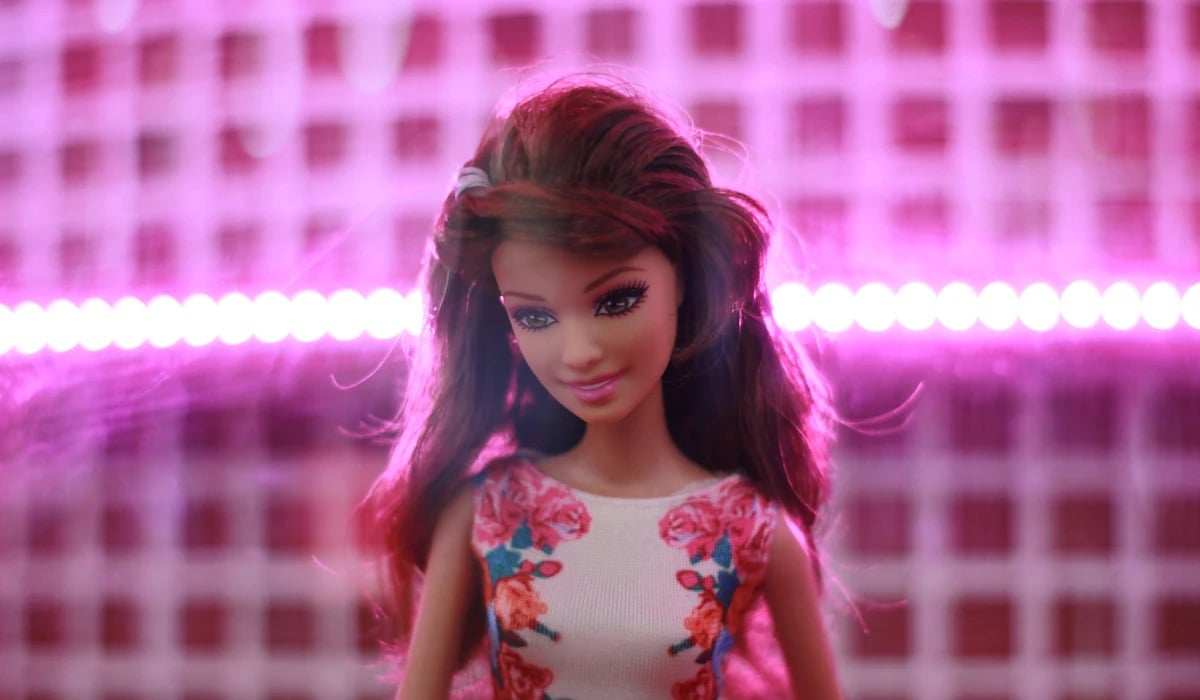
Galoob released Sky Dancers in 1994, dolls with foam wings that spun high into the air when a child pulled a cord on the launching base. They were wildly popular, and they also flew in unpredictable directions.
After reports of injuries to eyes and faces, the toys were recalled through the Consumer Product Safety Commission in 2000. Boxed examples today often sell for about 30 to 100 dollars, with rare characters bringing more.
Collectors check that the launcher and wings are intact, since the foam crumbles with age. Broken wings, missing pull cords and crushed packaging lower what a dancer brings.
Mighty Max Playsets
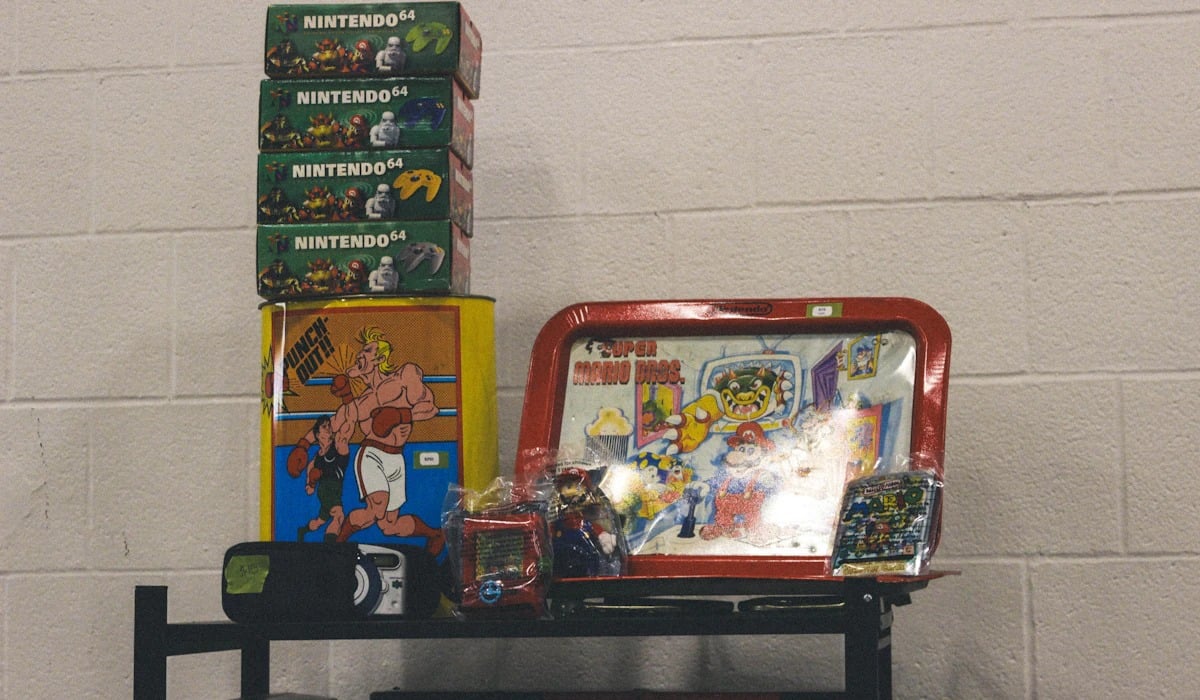
Bluebird Toys, the same British company behind Polly Pocket, created Mighty Max in 1992 as a version of the compact concept aimed at boys. Instead of dollhouses, the playsets were shaped like skulls, monsters and creature heads that opened into tiny worlds called Doom Zones.
A cartoon series followed in 1993. Complete playsets with every figure often sell for about 30 to 150 dollars, with larger and rarer sets bringing more.
Collectors check for the tiny figures and accessories, which went missing quickly in real play. Broken hinges, faded paint and absent figures reduce value, and boxed sets are scarce.
Bop It From 1996
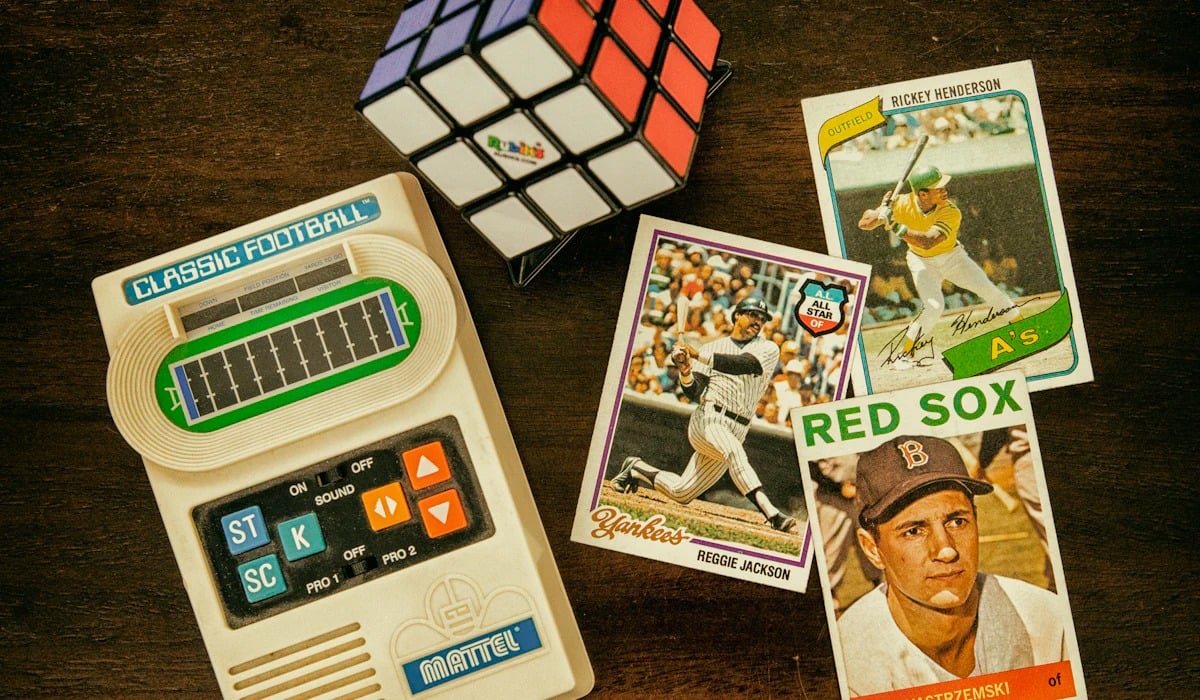
Bop It arrived in 1996 as a handheld game that barked out commands to bop it, twist it and pull it, speeding up as the player kept pace. Inventor Dan Klitsner designed the toy, and Hasbro brought it to market through its Parker Brothers brand.
The original version, with its odd, bulbous shape and bright colors, has a strong nostalgic following among people who played it at sleepovers. Original 1996 units often sell for about 30 to 80 dollars, with boxed examples bringing more.
Collectors check that the voice and every control respond. Battery corrosion, cracked plastic and loose handles lower value.
Milton Bradley Dream Phone
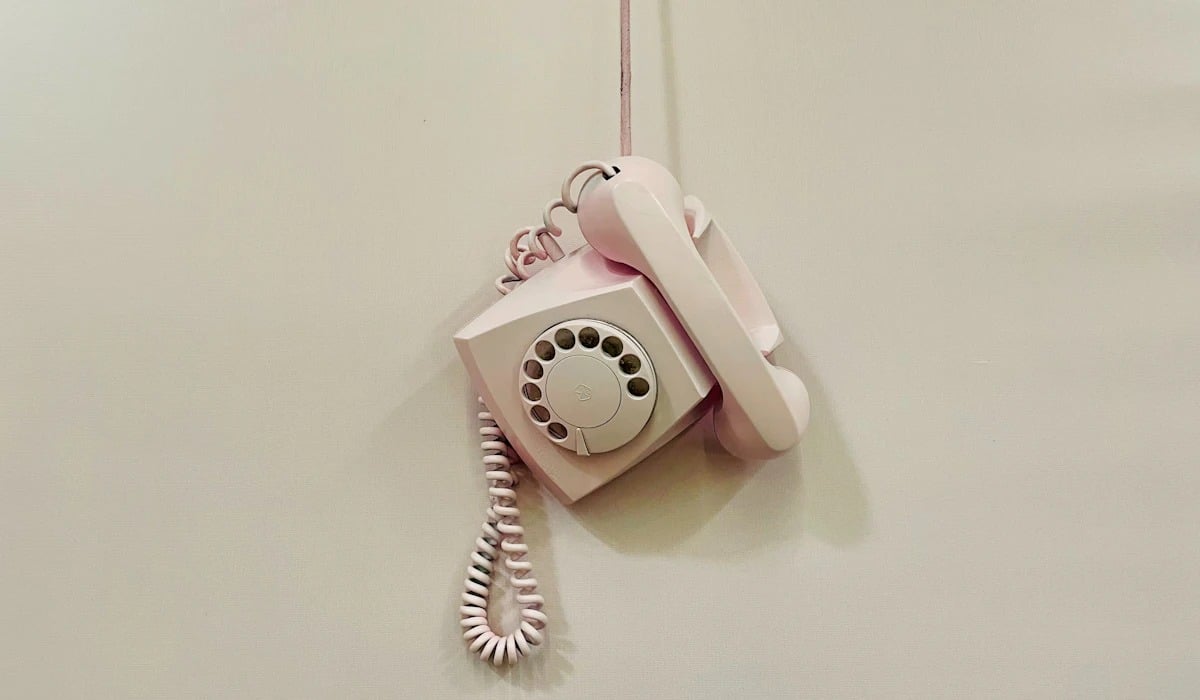
Milton Bradley released Dream Phone in 1991, a board game in which players dialed a chunky pink plastic phone to call cute boys and gather clues about which one had a crush on them. The electronic phone played recorded hints, and the game became a sleepover staple for a generation of kids.
Complete games with every card and a working phone often sell for about 30 to 80 dollars. Collectors check that the phone powers on and that all the boy cards are present.
Missing cards, a dead phone and a battered box lower value, while sealed copies bring more.
Pleasant Company American Girl Dolls
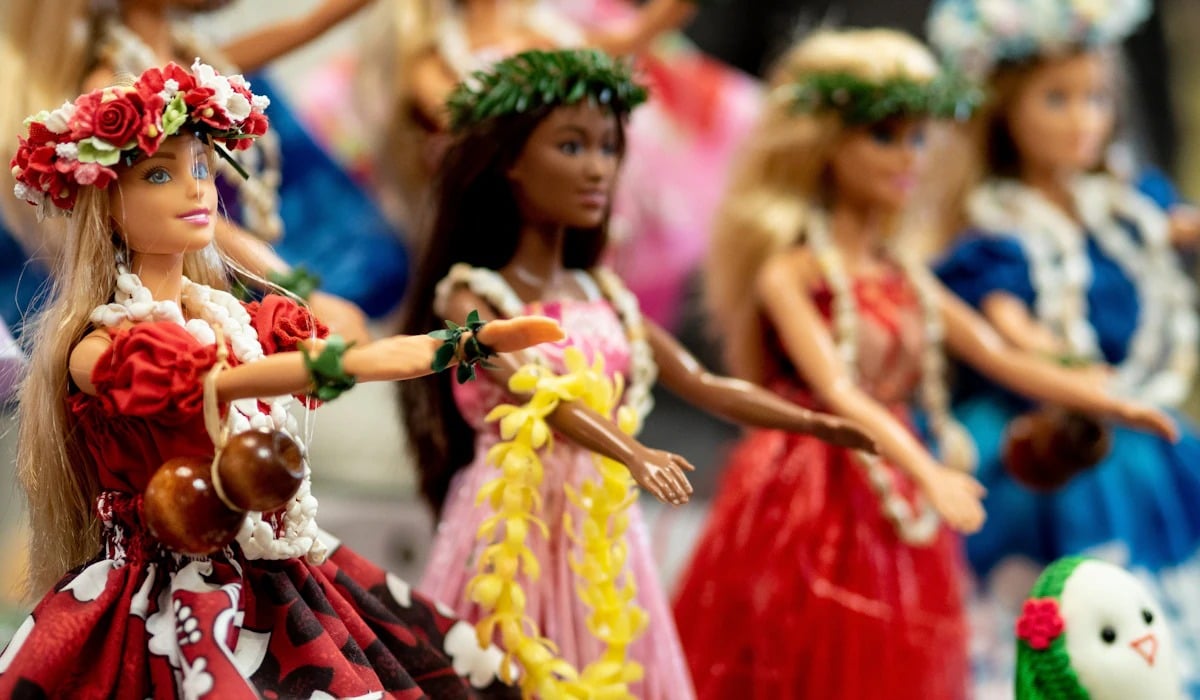
Pleasant Rowland founded the Pleasant Company in 1986 and launched American Girl dolls with historical characters like Samantha, Kirsten and Molly, each paired with books about her life. Mattel acquired the company in 1998.
Dolls made before the acquisition, often called Pleasant Company dolls, are especially prized for details such as their original body construction and clothing quality. Retired characters with their original outfits and accessories often sell for several hundred dollars.
Collectors check tags, neck stamps and accessories. Cut hair, missing pieces, stained clothing and loose limbs lower value considerably.
Hot Wheels Treasure Hunts From 1995
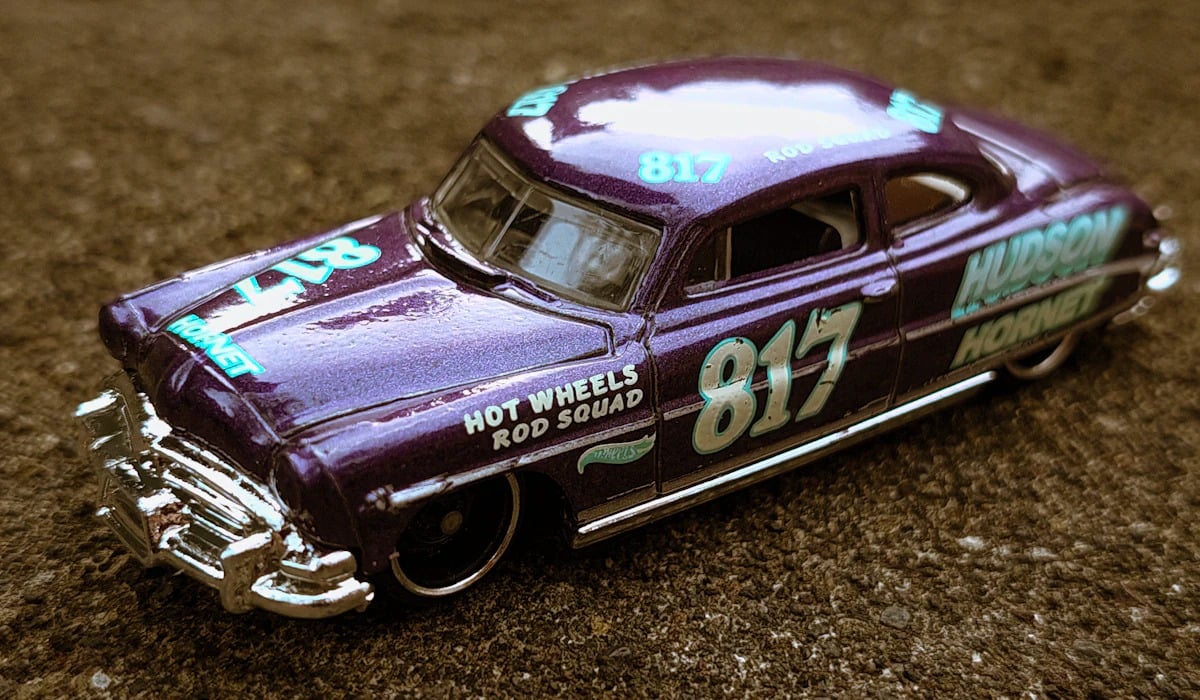
Mattel introduced the Hot Wheels Treasure Hunt series in 1995, limited-production cars mixed randomly into regular store cases. The first series included 12 cars, and collectors began hunting store pegs for them almost immediately, which is how the series got its name.
Carded first-year examples often sell for about 20 to 100 dollars each, with complete sets bringing more. Collectors check that the cards are flat and the plastic blisters uncracked.
Bent cards, soft corners and price tags lower value. Loose cars sell for much less, and the 1995 series remains the most desirable year.
Pogs and Slammers
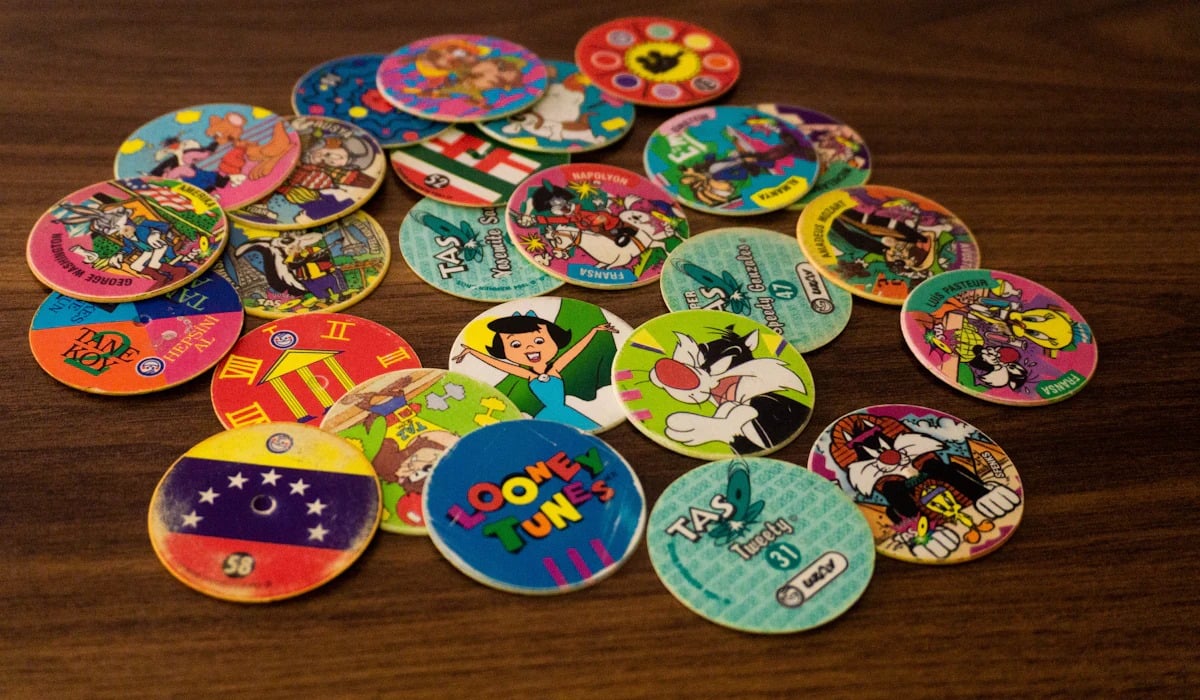
Pogs began as cardboard caps from a Hawaiian juice blend of passion fruit, orange and guava, and the game spread nationally in the early 1990s. Kids stacked the caps face down and hit them with heavier slammers, keeping any that flipped over.
Many schools eventually banned the game because it encouraged playing for keeps. Most pogs now sell for very little, but rare caps, early Hawaiian issues and unusual metal slammers sometimes bring dozens of dollars.
Collectors check for crisp printing and flat caps. Bent caps, faded printing and missing pieces lower value, and complete sets in tubes sell best.
Toy Biz X-Men Figures
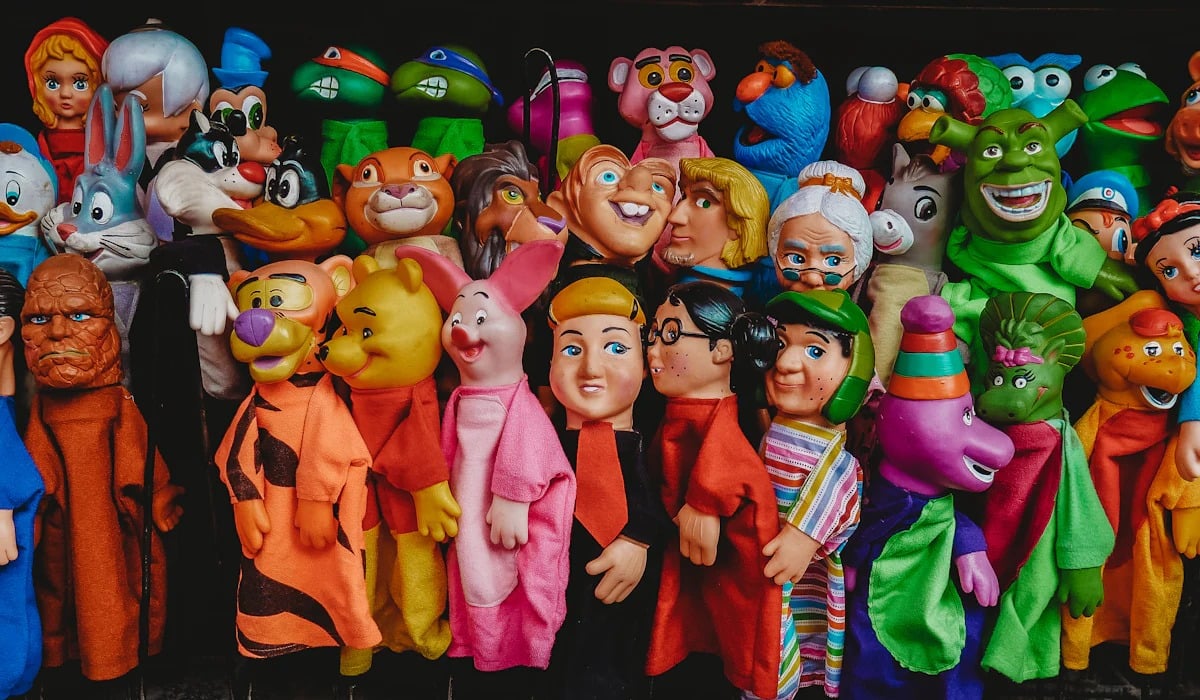
Toy Biz launched its X-Men figure line in 1991, and the animated series that premiered on Fox Kids in 1992 sent demand climbing. The figures featured characters like Wolverine, Storm, Gambit and Cyclops, often with spring-loaded weapons or action features.
Toy Biz made them in large numbers, so most loose figures sell cheaply. Carded examples often sell for about 20 to 100 dollars, with scarce characters and short-packed figures bringing more.
Collectors check for crisp cards and clear, intact bubbles. Bent cards, yellowed plastic and missing accessories reduce value, and complete runs draw serious buyers.
Playmates Teenage Mutant Ninja Turtles
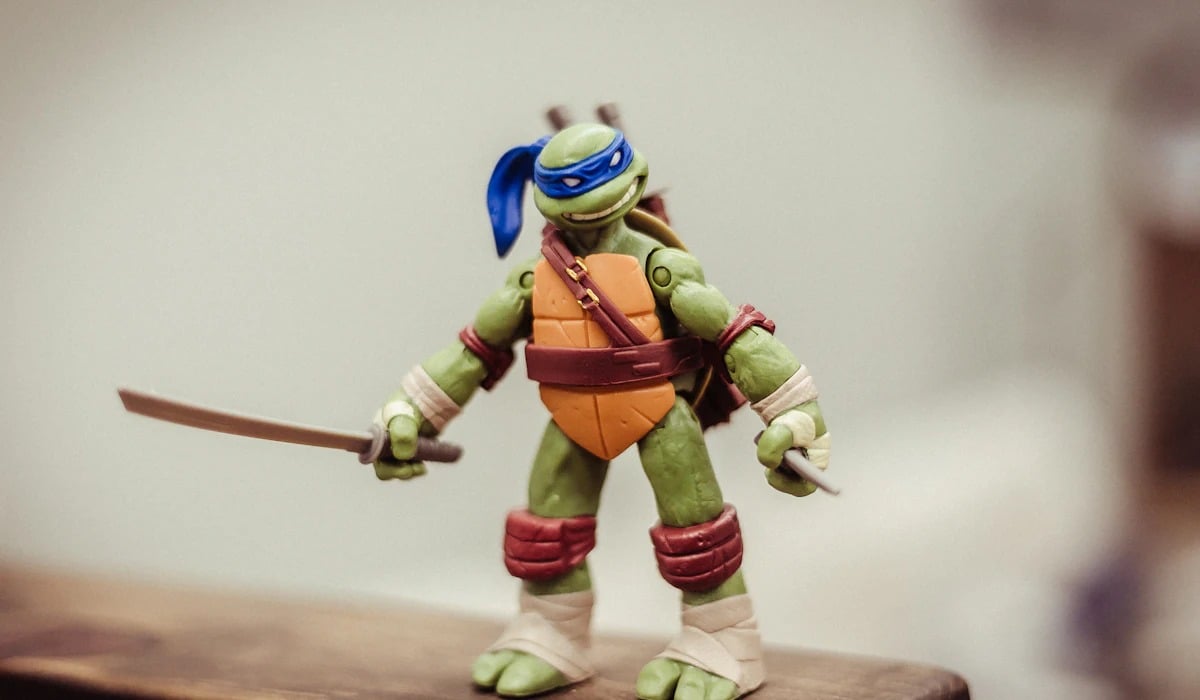
Playmates Toys began selling Teenage Mutant Ninja Turtles figures in 1988, and the line reached its peak in the early 1990s with the 1990 live-action film and a steady stream of new characters. Kids collected not just the four brothers but villains, vehicles and the sewer-themed playsets.
Loose figures sell for modest sums, but carded early releases often bring hundreds of dollars, especially with the original cards and fan club inserts. Collectors check card backs for variations and confirm weapons are present.
Bent cards, missing weapons and sun-faded plastic all lower value considerably.
Tiger Electronics Handheld LCD Games
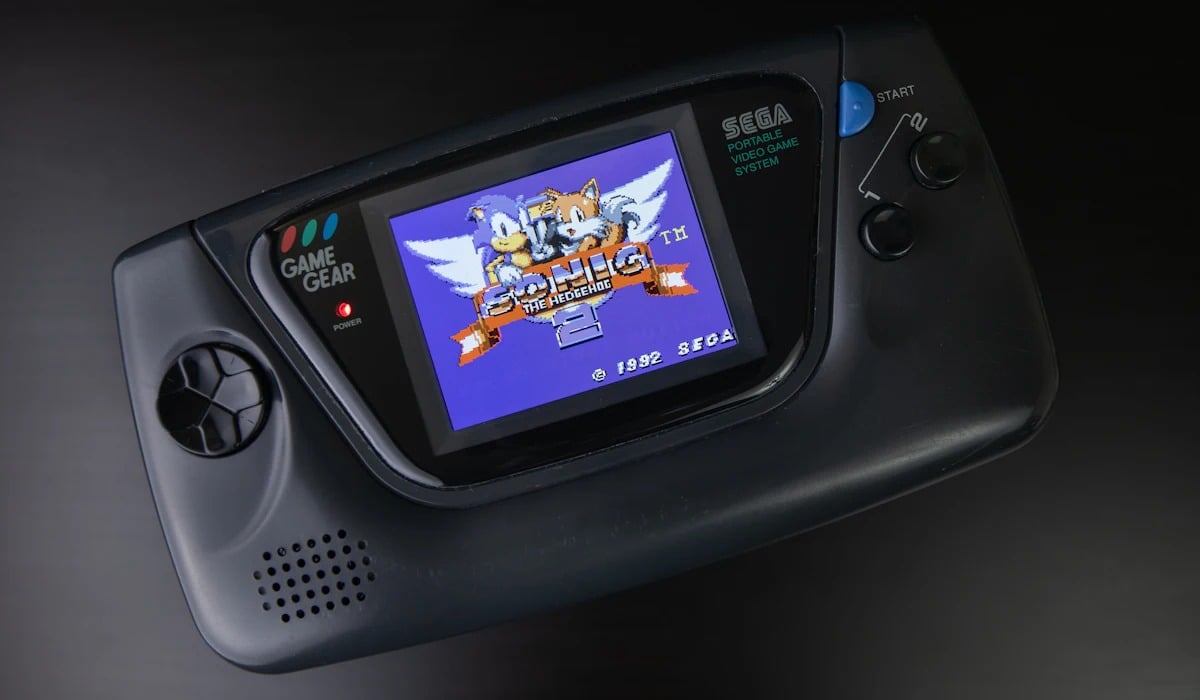
Tiger Electronics produced dozens of handheld LCD games throughout the 1990s, many licensed from movies, cartoons and video game hits. Titles based on Batman, Jurassic Park and Sonic the Hedgehog sat on store pegs beside far more expensive handheld systems.
Each game had a fixed printed background and simple segmented graphics, which gave them a look all their own. Loose games typically sell for about 10 to 50 dollars, with sealed examples bringing more.
Collectors check that the screens show every segment and that the buttons respond. Battery corrosion and scratched screens lower value.
Nostalgia Has a Release Date
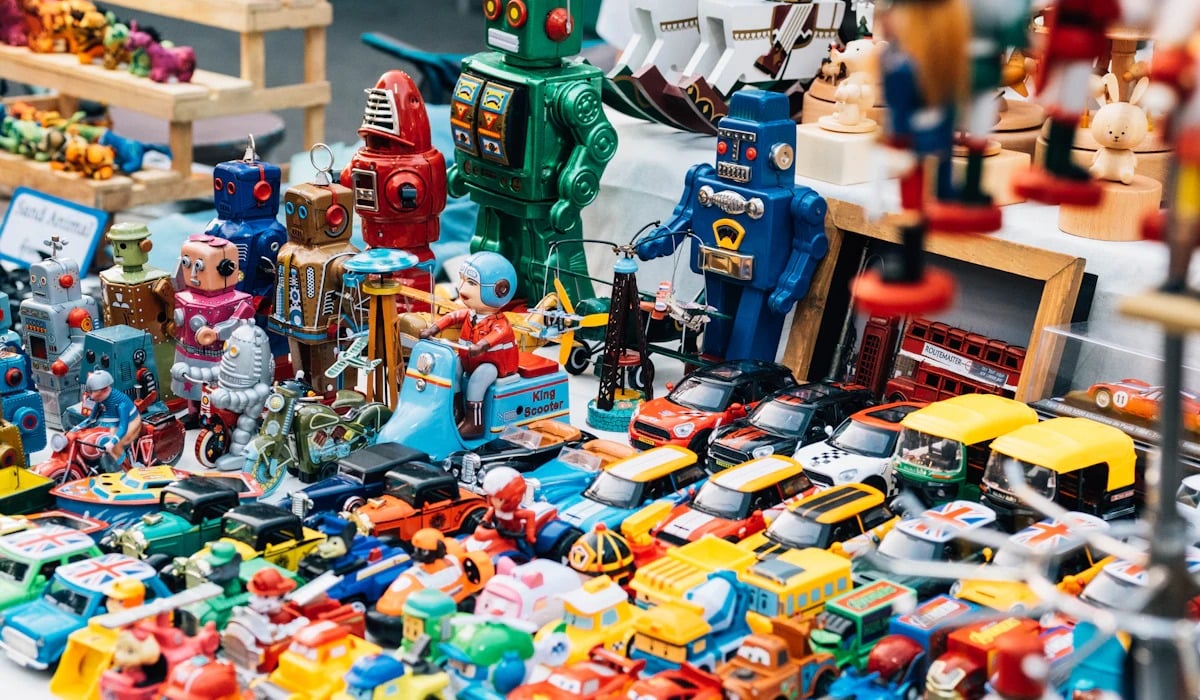
Toy markets tend to follow the people who once begged for the toys. Roughly 25 to 30 years after a toy hits shelves, its first owners have steady incomes, homes of their own and a sharp memory of what they wanted most.
The 1990s crowd has reached that point, and the market shows it.
Yet nostalgia alone does not make something valuable. The toys that sell well are the ones that survived with their boxes, manuals and tiny parts intact, which usually means somebody either forgot about them or refused to let them be played with.
Every overstuffed closet holds a little of both.
More from Go2Tutors!

- The Romanov Crown Jewels and Their Tragic Fate
- 13 Historical Mysteries That Science Still Can’t Solve
- Famous Hoaxes That Fooled the World for Years
- 15 Child Stars with Tragic Adult Lives
- 16 Famous Jewelry Pieces in History
Like Go2Tutors’s content?Follow us on MSN.