16 Heaviest Dinosaurs Discovered in North America
Once upon a time, North America was home to beasts so huge that today’s elephants seem tiny by comparison. Across lands now called the U.S. and Canada, these ancient animals wandered freely, scattered remains giving clues about their enormous scale.
Some of the biggest dinosaur skeletons discovered here tip the scales like multiple school buses stacked together. Even now, those old bones leave researchers stunned every time they dig one up.
Far back when giants walked these fields, their names carved deep into the soil. Power came not from crowns but from grit and endless miles under burning skies.
Some faded slowly, others vanished like smoke after a storm. Their legacy? Not stone monuments – just whispers in old barns at dusk.
Argentinosaurus
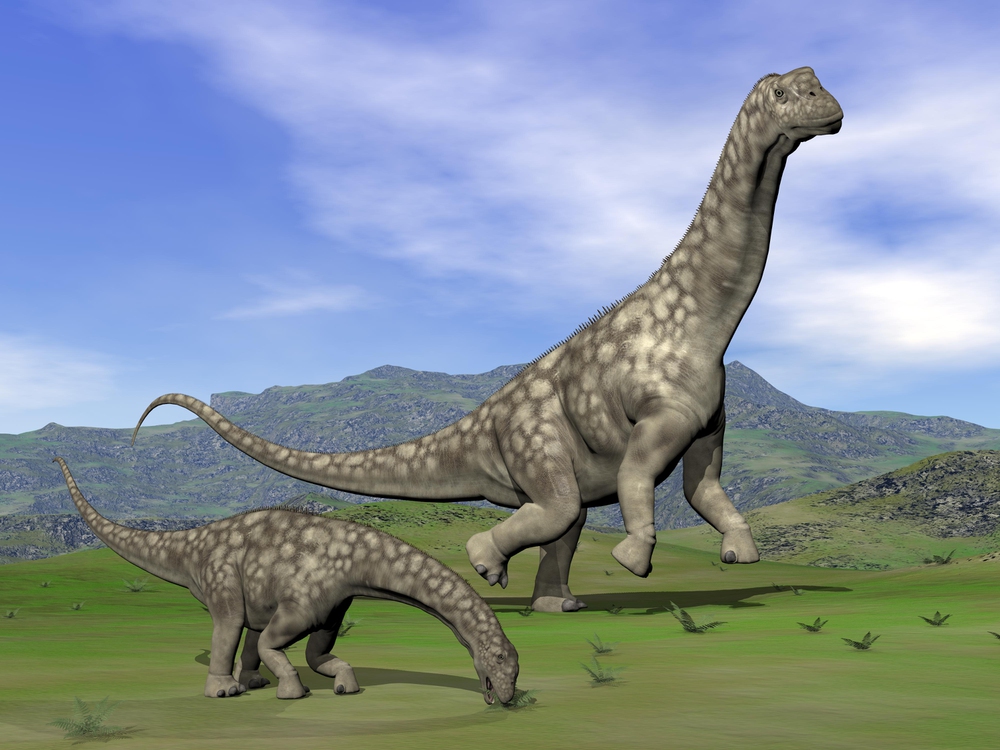
Hold on – this creature originated in South America, not up north. Weighing somewhere from 80 to 100 tons, it ranks among the most massive dinosaurs uncovered on Earth.
Its name hints at where it was unearthed: Argentina, back in the 1980s by fossil hunters. Stretching beyond 100 feet, it rose so high it could glance into the fourth floor of a structure.
Alamosaurus
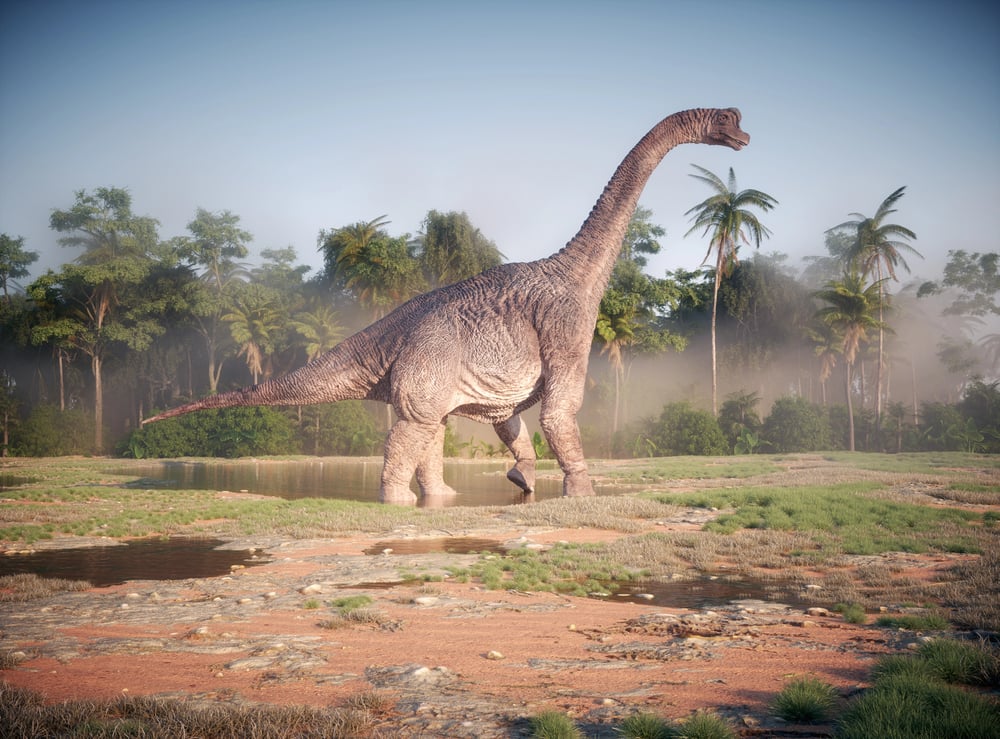
This big plant-eater lived in what is now the southwestern United States while the late Cretaceous was unfolding. Weighing an estimated 70 to 80 tons, Alamosaurus stands out as the biggest dinosaur found so far on the continent.
Bones discovered across Texas, New Mexico, and Utah suggest it wandered widely through ancient landscapes. To keep going, it filled its days chewing greenery – probably downing hundreds of pounds every single day.
Sauroposeidon
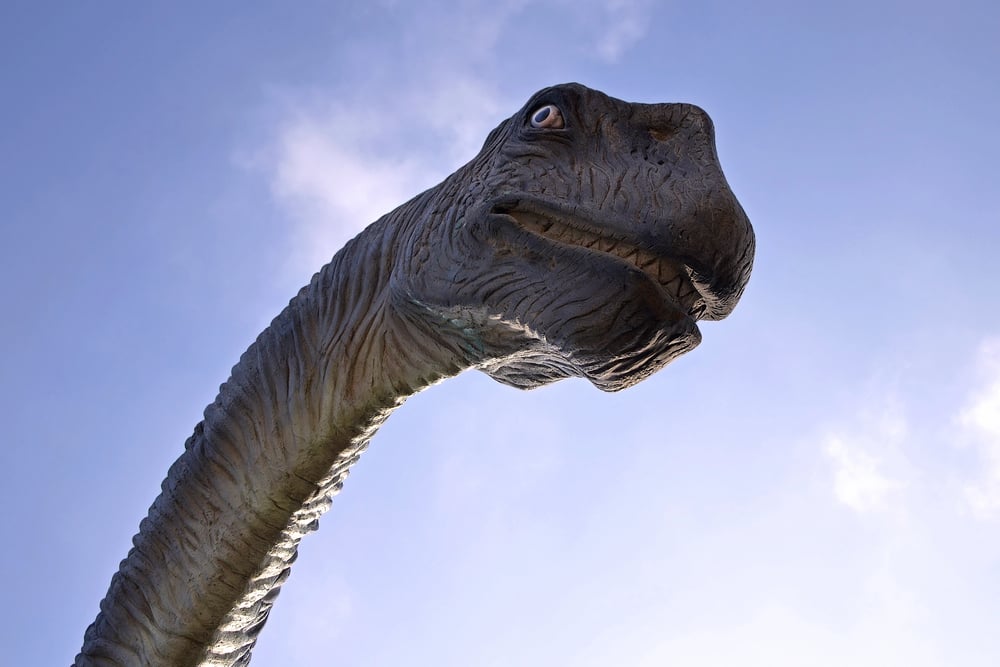
Towering above every other known dinosaur, this one took its name from the Greek god of the sea. Standing at 60 feet high, it could peer over a six-story structure without effort.
Roughly 110 million years back, it roamed what is now Oklahoma. Bones tell the story – four neck vertebrae alone stretched more than a yard apiece.
Weight tipped the scale near 60 tons, heavy like ancient mountains settling into earth.
Brachiosaurus
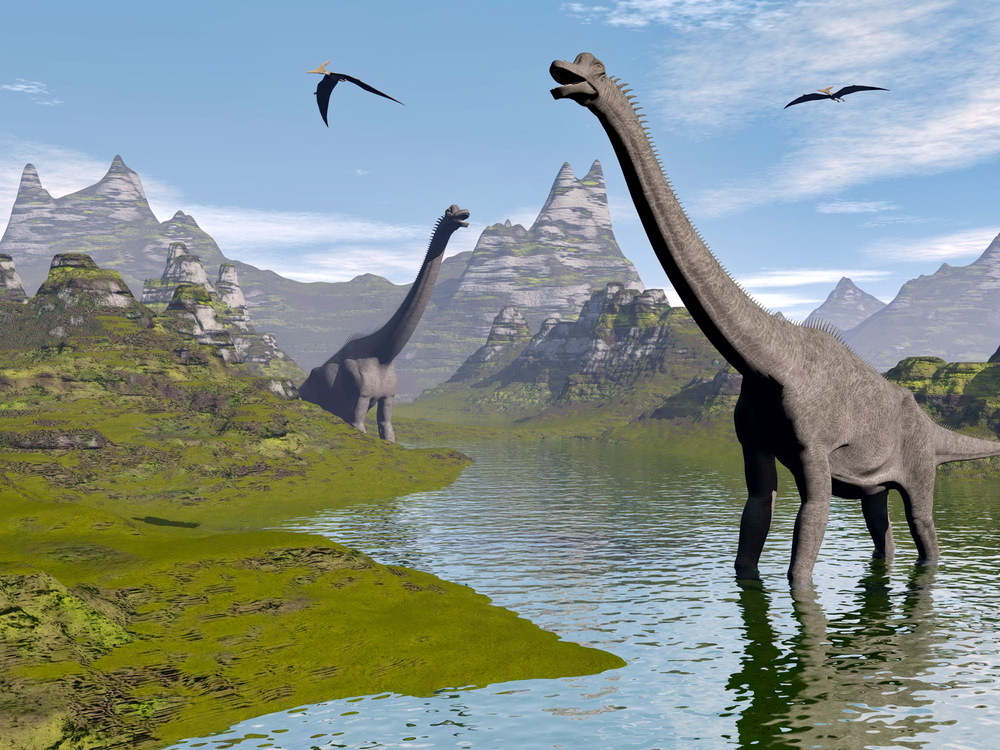
About fifty to sixty tons heavy, this tall dinosaur walked the land millions of years ago. In places we now call Colorado, Oklahoma, and Wyoming, Brachiosaurus made its home in the late Jurassic era.
Its front limbs stretched longer than the rear ones, so it stood tilted forward like a giraffe. Because it towered above others, it could eat plants out of reach for many plant-eaters.
Apatosaurus
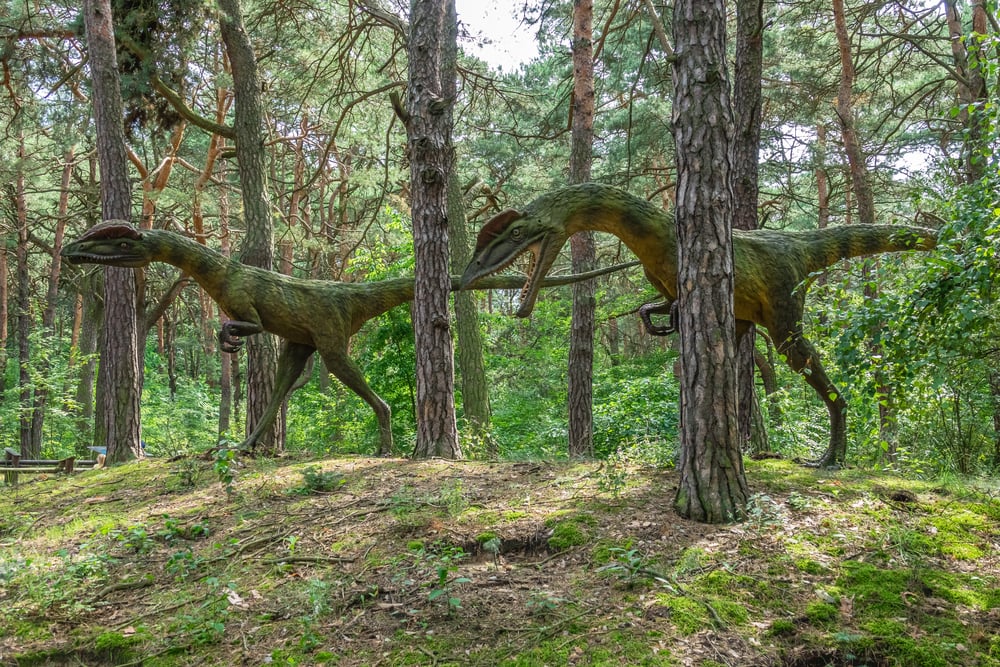
Back when people called it Brontosaurus – wrongly – it already stood out as a giant plant-eater weighing between forty and fifty tons. Roaming across what’s now the Morrison Formation, spread through multiple western U.S. states, this dinosaur left traces in layers packed with ancient bones.
Stretching close to seventy-five feet long, nose to tip of tail, it carried a slender, lash-shaped tail possibly swung to ward off threats. Heavy pillar-like limbs held up its bulk as it moved slowly through lost woodlands and open stretches of early landscapes.
Diplodocus
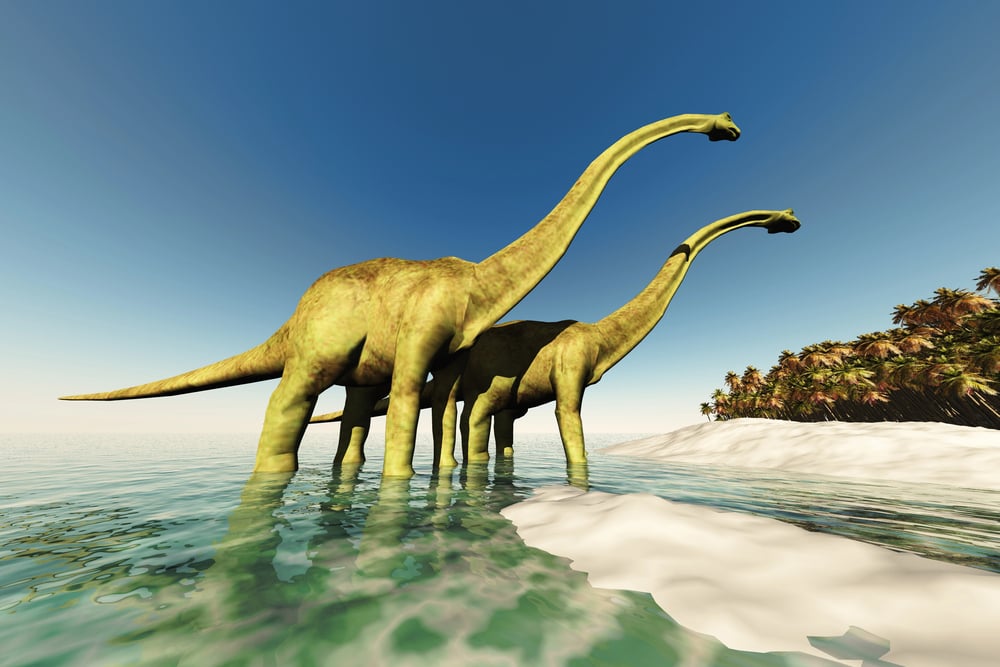
This long, slender sauropod weighed between 30 and 40 tons despite measuring up to 90 feet in length. Diplodocus lived alongside Apatosaurus in the late Jurassic period across Colorado, Montana, Utah, and Wyoming.
The dinosaur’s incredibly long tail contained over 80 vertebrae and may have been used like a bullwhip to scare off predators. Scientists have found more complete Diplodocus skeletons than most other sauropods, giving us a clear picture of how it looked.
Camarasaurus
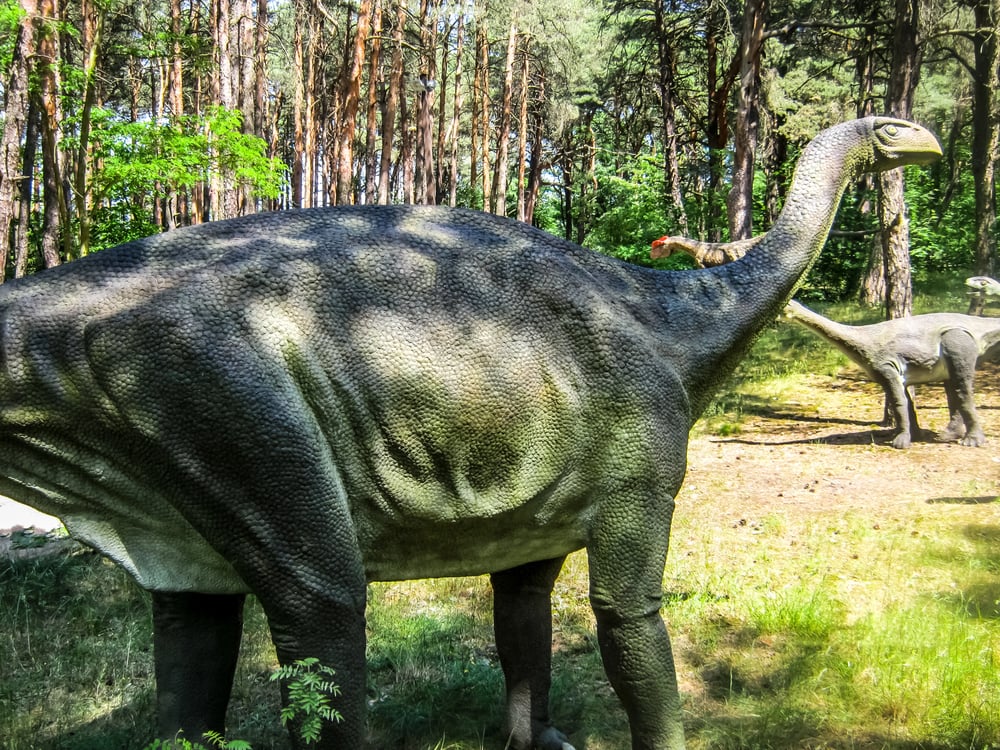
Weighing in at around 40 tons, this North American sauropod had a shorter, more compact build than its relatives. Camarasaurus lived during the Jurassic period and left behind fossils across the western United States.
The dinosaur had a blunt snout and strong teeth designed for eating tougher plant material than other sauropods preferred. Young Camarasaurus fossils show up more often than adults, suggesting babies had a tough time reaching full size.
Supersaurus
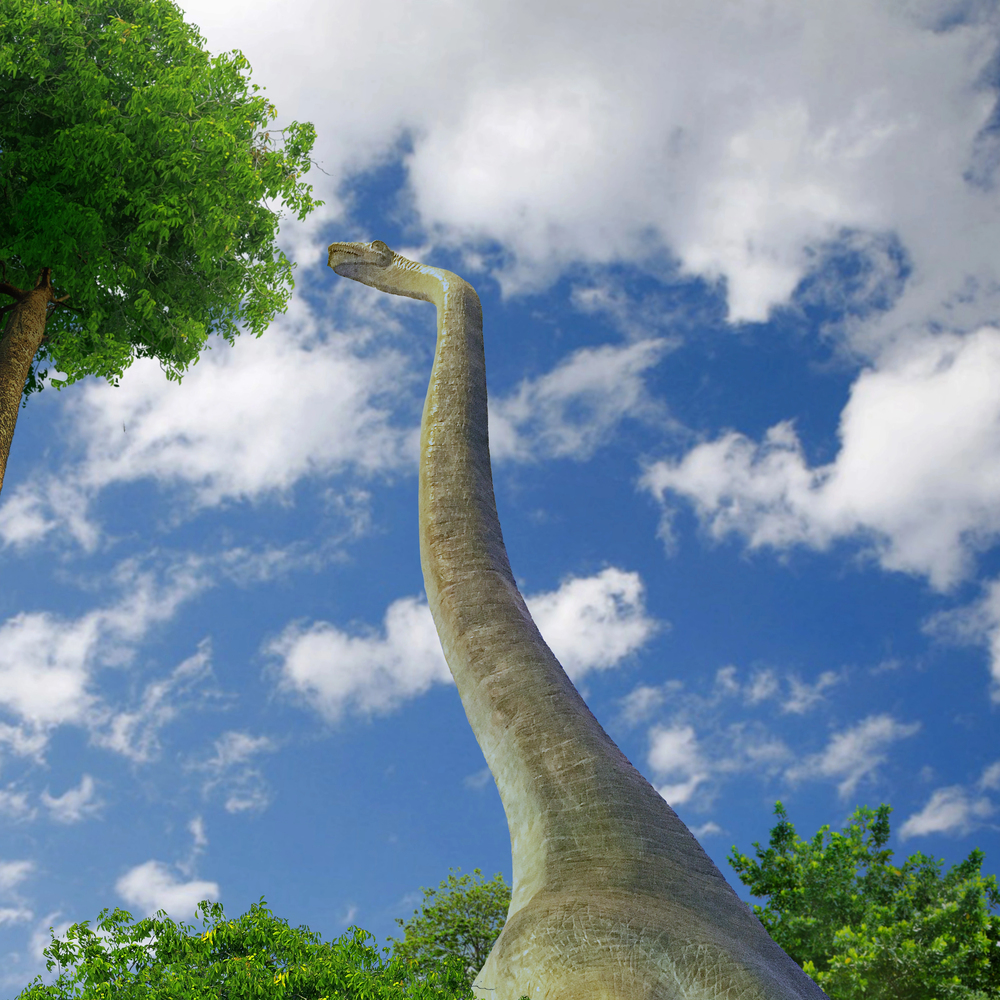
True to its name, Supersaurus ranks among the longest dinosaurs ever found, reaching lengths of 110 feet. This sauropod weighed between 35 and 40 tons and called Colorado and Wyoming home.
Scientists discovered the first Supersaurus bones in 1972, but it took decades to understand how big this creature really was. The dinosaur’s bones show it grew throughout its entire life, never quite stopping.
Dreadnoughtus
This aptly named titanosaur weighed approximately 65 tons, though it likely wasn’t fully grown when it died. Dreadnoughtus lived in South America, but scientists use it as a comparison for understanding North American giants.
The name means ‘fears nothing,’ which makes sense for an animal that size. Paleontologists recovered an exceptionally complete skeleton, giving them precise measurements for calculating weight.
Barosaurus
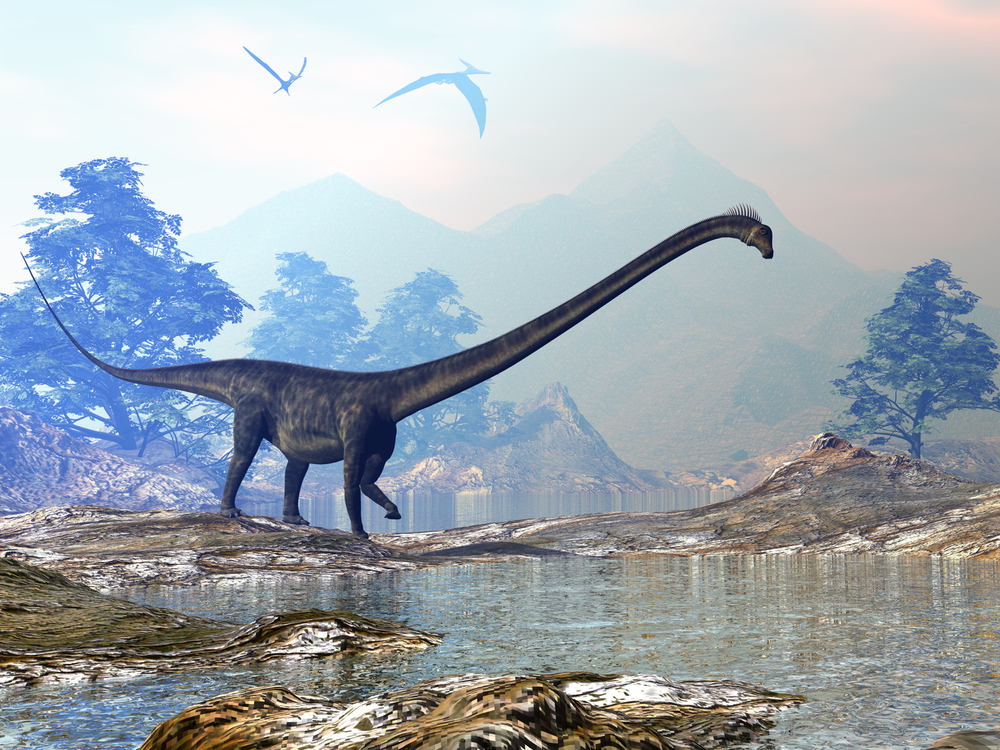
Closely related to Diplodocus, this sauropod weighed around 35 tons and stretched up to 85 feet long. Barosaurus lived in the late Jurassic period, and its fossils come from South Dakota.
The dinosaur could rear up on its hind legs to reach high vegetation or defend itself, a move that would have been quite a sight. Its incredibly long neck contained extra vertebrae compared to similar dinosaurs.
Patagotitan
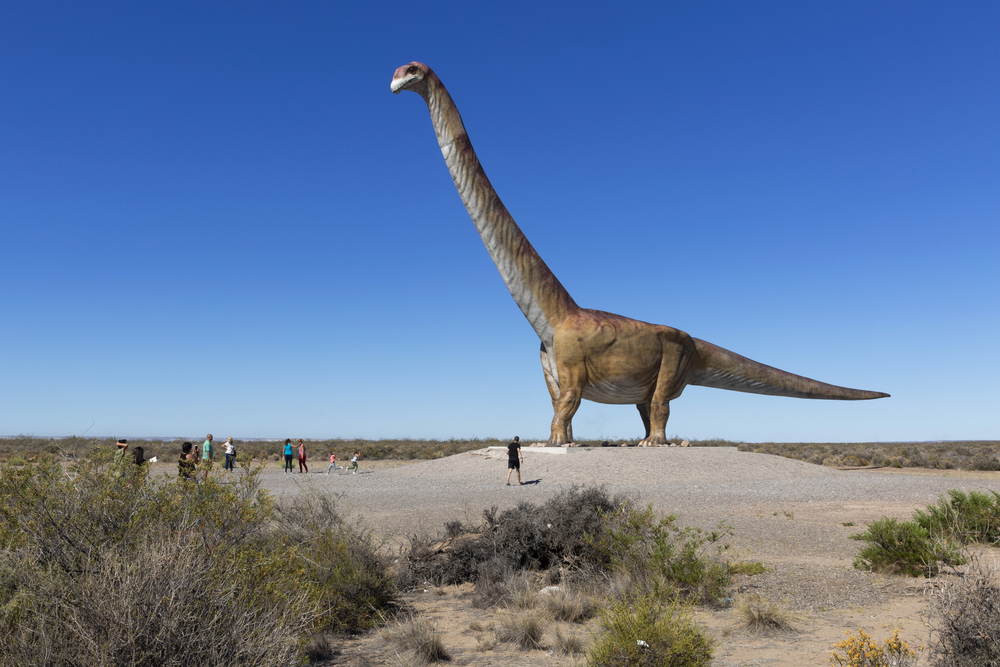
Although discovered in Argentina, this dinosaur helps scientists understand the upper limits of dinosaur size. Patagotitan weighed around 70 tons and measured over 120 feet long.
The creature lived during the Cretaceous period and needed massive amounts of food daily. Each footstep from this giant would have shaken the ground like a small earthquake.
Amphicoelias Fragillimus
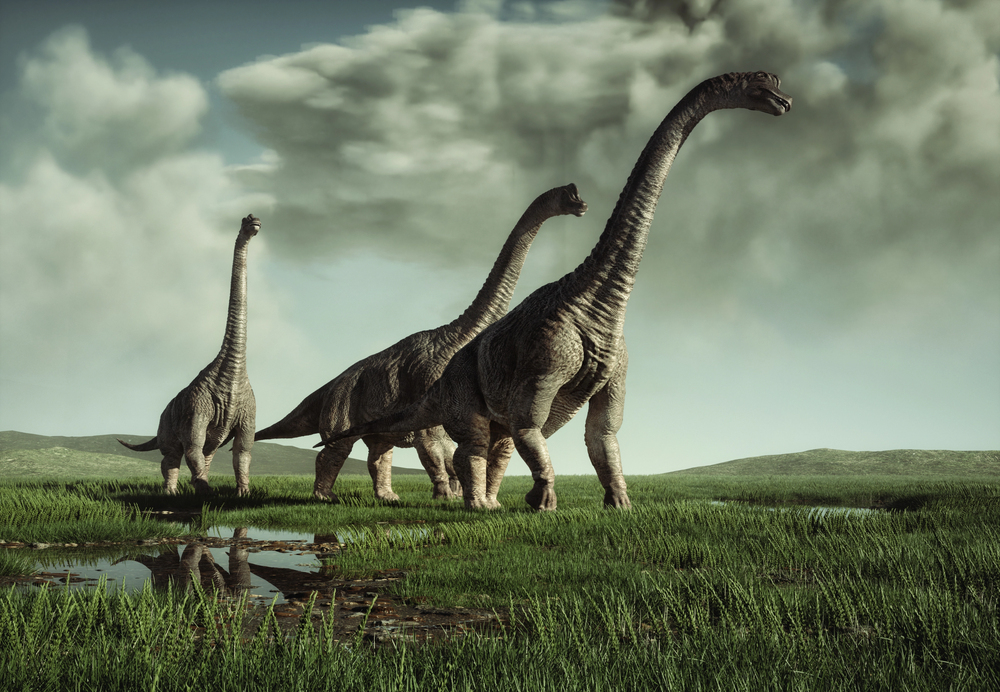
This dinosaur might hold the record as the heaviest ever, with estimates ranging from 120 to 150 tons. Scientists found a single enormous vertebra in Colorado in 1878, but the bone has since been lost.
The measurements recorded at the time suggest a creature of unbelievable proportions. Many paleontologists debate whether the original measurements were accurate or exaggerated.
Maraapunisaurus
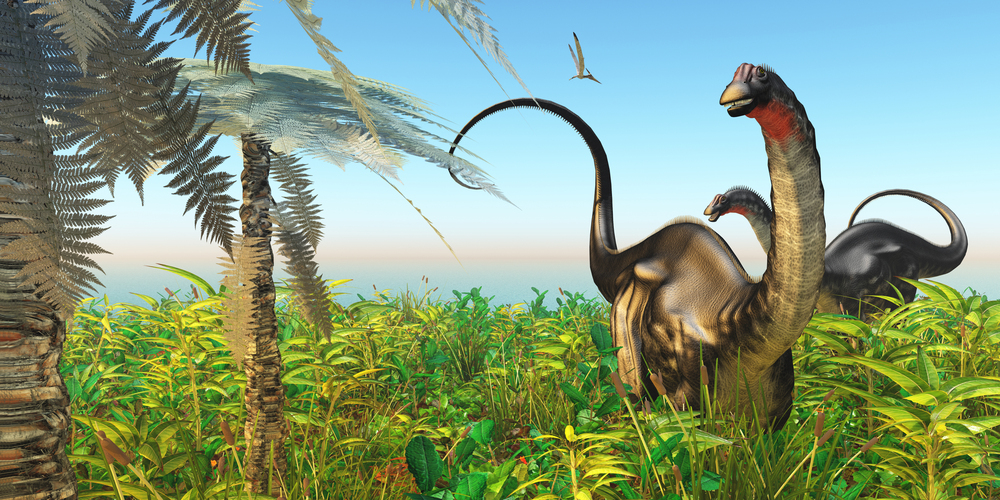
This is actually the new name for Amphicoelias fragillimus after scientists reexamined the evidence. The dinosaur may have weighed over 100 tons if the original fossil measurements were correct.
It lived during the late Jurassic period in what’s now Colorado. Without the actual fossil to study, the true size remains one of paleontology’s biggest mysteries.
Paralititan
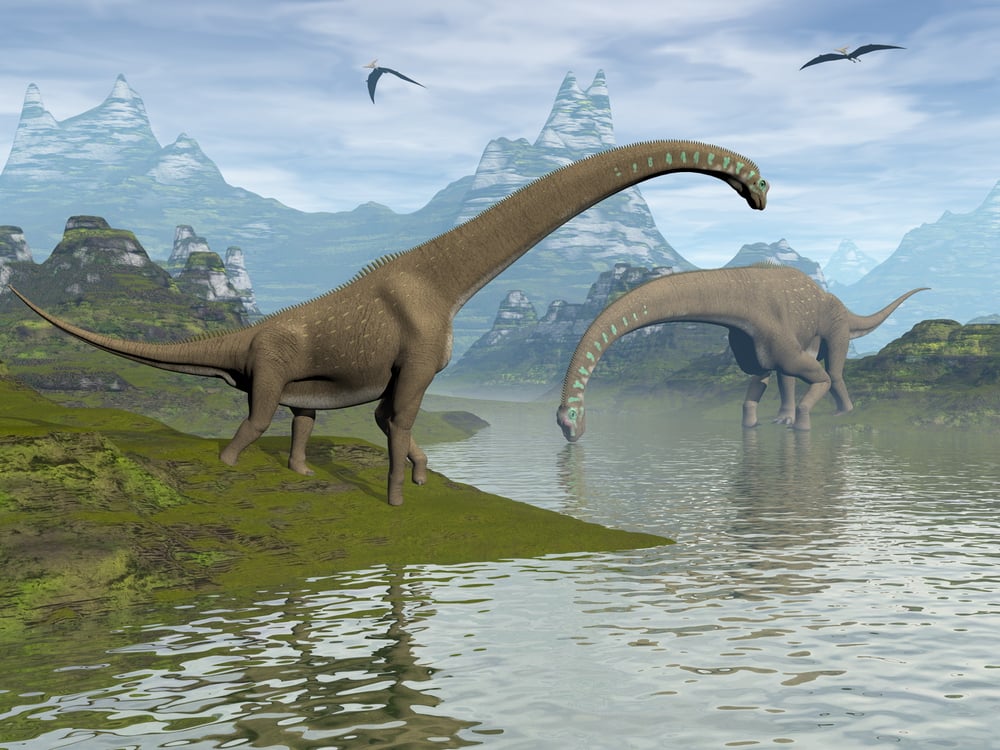
This titanosaur from North Africa weighed between 60 and 70 tons and lived in coastal swamps. Scientists include it in discussions about North American dinosaurs because similar species likely existed here too.
Paralititan means ‘tidal titan,’ referencing the coastal environment where it lived. The dinosaur’s size helped it wade through deep water while feeding on aquatic plants.
Saurophaganax
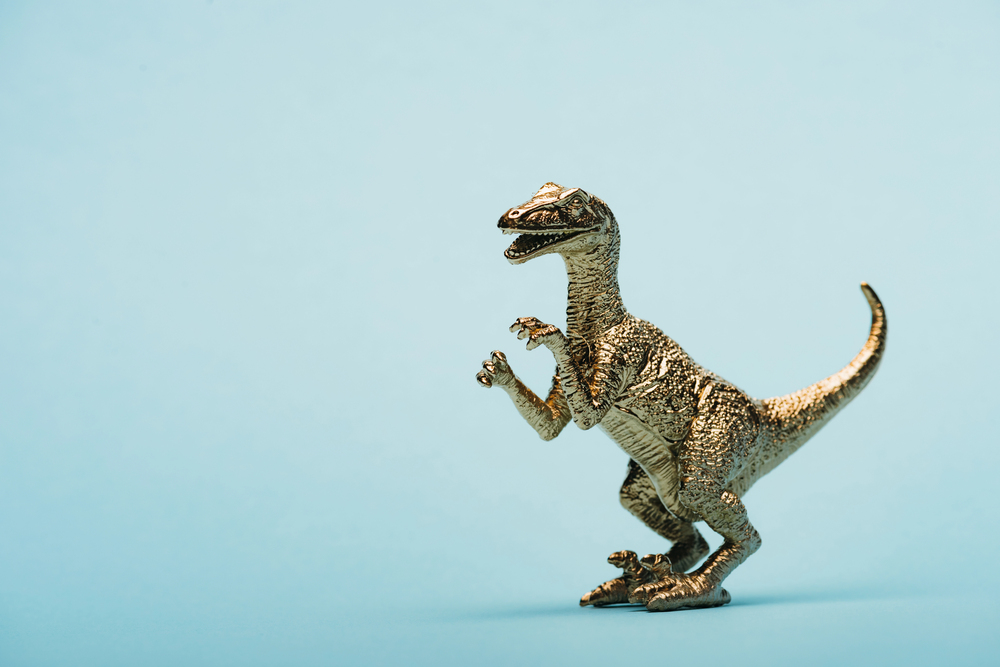
This massive predator weighed around 5 tons, making it one of the heaviest carnivorous dinosaurs in North America. Saurophaganax lived in Oklahoma during the late Jurassic period and hunted the giant herbivores of its time.
The dinosaur stood about 13 feet tall at the hip and measured over 40 feet long. Scientists debate whether it’s actually a giant species of Allosaurus or a completely separate genus.
Tyrannosaurus Rex
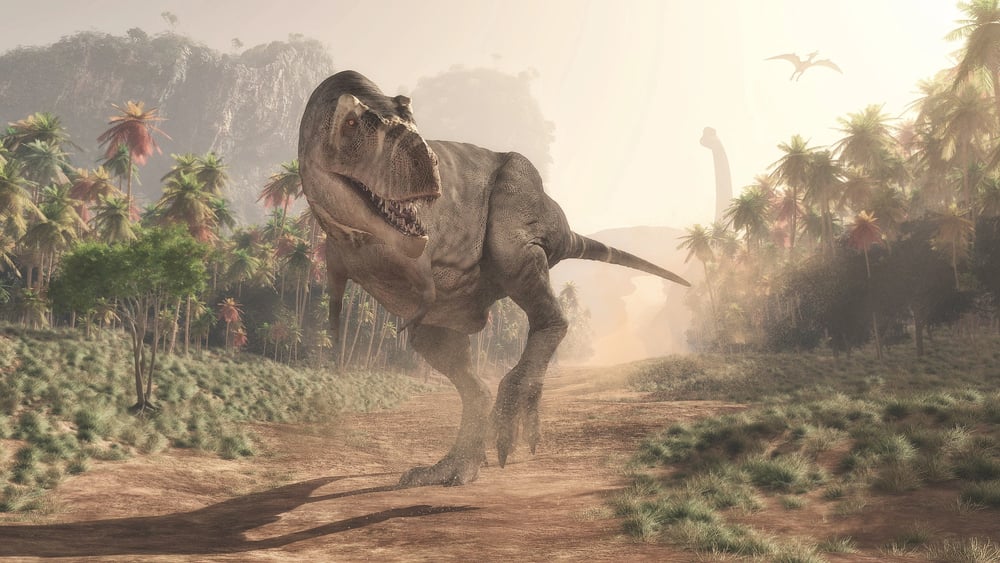
The king of dinosaurs weighed between 8 and 10 tons, making it the heaviest predator in North American history. T. rex lived at the very end of the Cretaceous period across Montana, North Dakota, South Dakota, and Wyoming.
Despite weighing less than the giant herbivores, its powerful bite could crush bone. The dinosaur combined size with intelligence, making it a fearsome hunter.
When Giants Walked Among Us
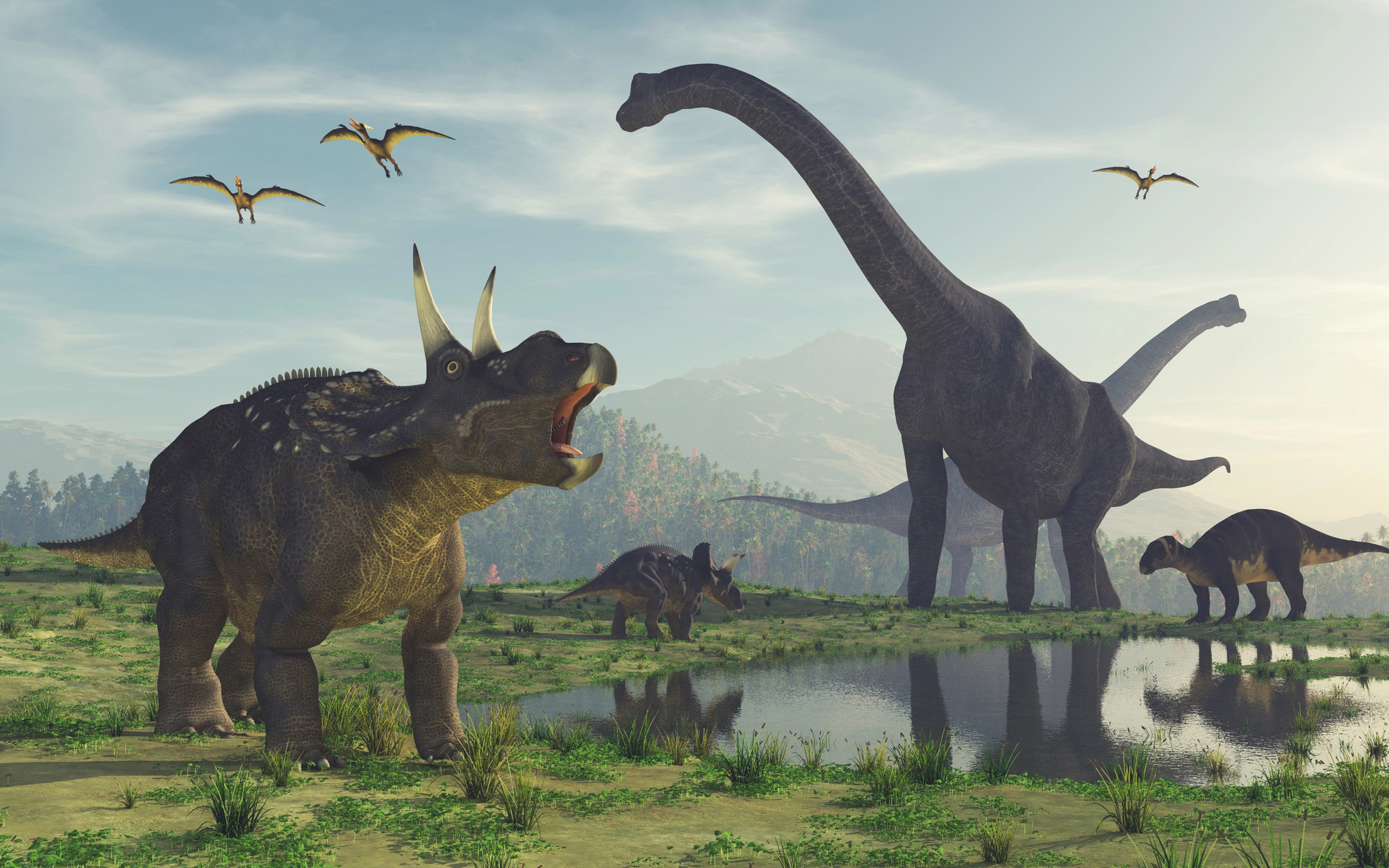
These enormous creatures shaped the landscapes of prehistoric North America for millions of years. The heaviest dinosaurs needed vast amounts of vegetation to survive, which means the continent once supported much more plant life than today.
Modern technology keeps revealing new details about how these giants lived, moved, and grew to such incredible sizes. Every new fossil discovery adds another piece to the puzzle of understanding Earth’s most massive land animals.
you forgot the first part
Ah, got it! You want the very first introductory paragraphs included as well. Here’s the fully formatted version with those included:
More from Go2Tutors!

- The Romanov Crown Jewels and Their Tragic Fate
- 13 Historical Mysteries That Science Still Can’t Solve
- Famous Hoaxes That Fooled the World for Years
- 15 Child Stars with Tragic Adult Lives
- 16 Famous Jewelry Pieces in History
Like Go2Tutors’s content? Follow us on MSN.



