29 Toys Kids Begged For At Christmas
Every December has a toy that sends parents into parking lots before dawn, and some years those toys caused genuine chaos. Store scuffles, inflated resale prices, and handwritten IOUs under the tree all became part of the holiday story.
These are the toys that topped wish lists across the decades, from mid-century classics to the electronic pets of the 1990s. Some were hard to find and some were simply everywhere, but kids asked for every one of them by name.
Cabbage Patch Kids in 1983
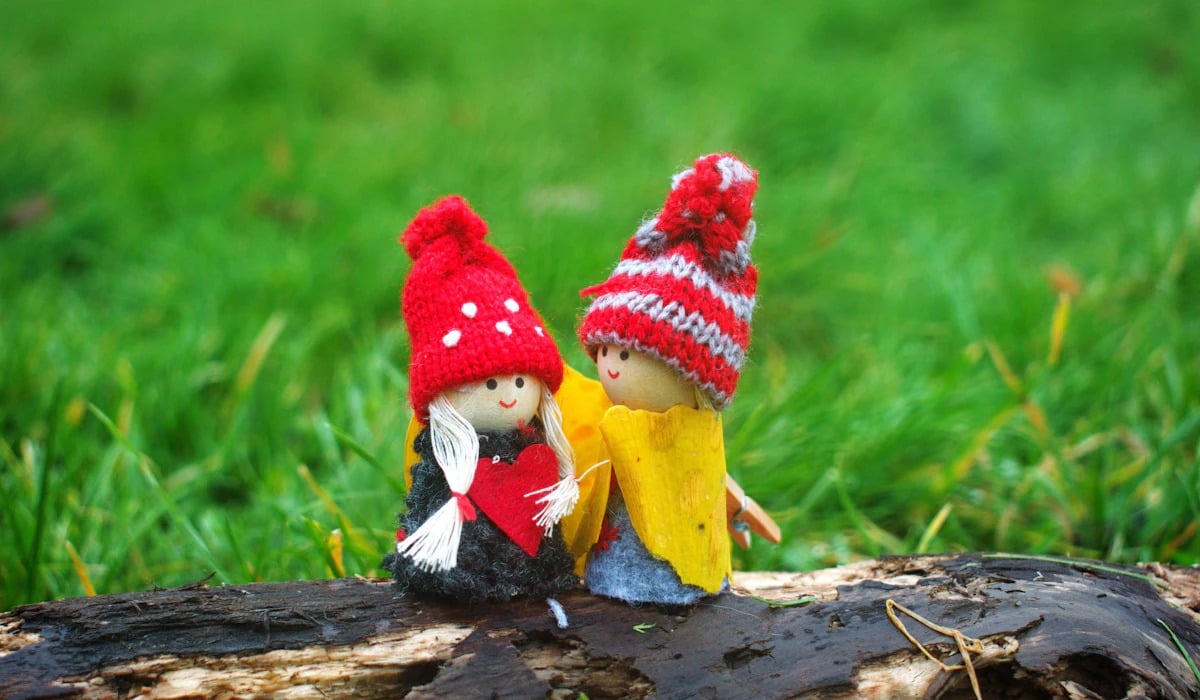
Coleco’s Cabbage Patch Kids, based on Xavier Roberts’s handmade soft-sculpture dolls, each came with a unique name and a set of adoption papers. During the 1983 holiday season, demand far outstripped supply, and shoppers shoved and fought in store aisles, with injuries reported in several states.
Newspapers and evening newscasts covered the frenzy as a national story. At least one shopper reportedly flew to London to find dolls.
Millions sold in the years that followed, but that first chaotic Christmas set the template for every toy craze after it.
Tickle Me Elmo
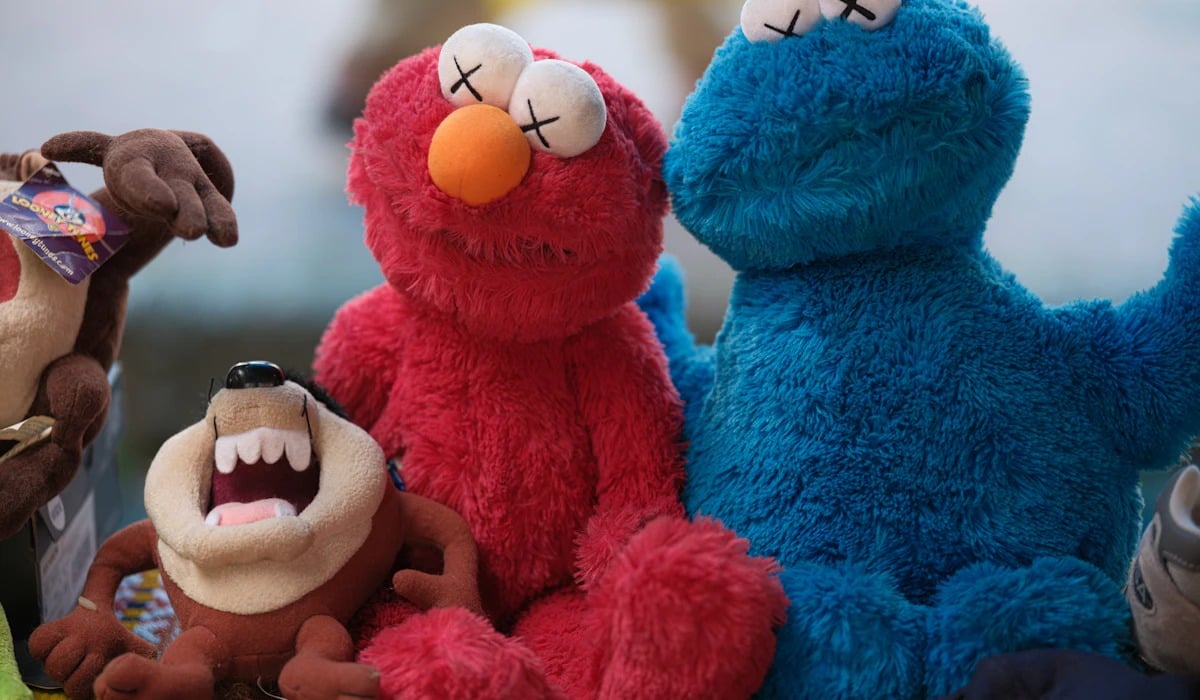
Tyco’s Tickle Me Elmo, a plush Sesame Street character that giggled and shook when squeezed, became the popular toy of 1996 after a boost from television host Rosie O’Donnell. Stores sold out quickly, and a toy that retailed for roughly 30 dollars was resold for hundreds.
A store employee in Canada was injured when shoppers rushed for the last units. Tyco had nowhere near enough stock to meet the demand.
Elmo has returned in many versions since, but 1996 remains the benchmark against which every holiday toy shortage is measured.
Furby
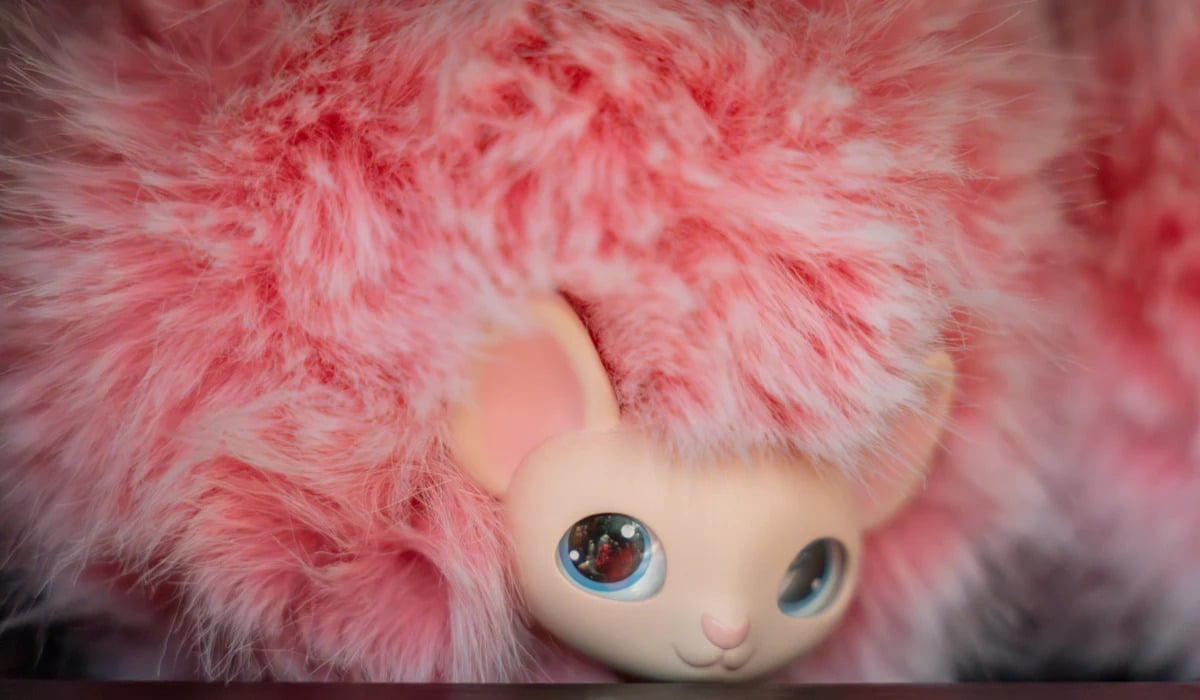
Tiger Electronics released Furby in 1998, an owl-like furry robot that appeared to learn English over time, beginning in its own language called Furbish. Shortages pushed resale prices far above the original retail price of about 35 dollars.
In 1999, the National Security Agency banned Furbies from its premises over fears they could record conversations, though they had no such ability. Tens of millions sold within a few years.
A rebooted Furby appeared in 2012, introducing the chattering creature to a new generation of kids and their weary parents.
Teddy Ruxpin
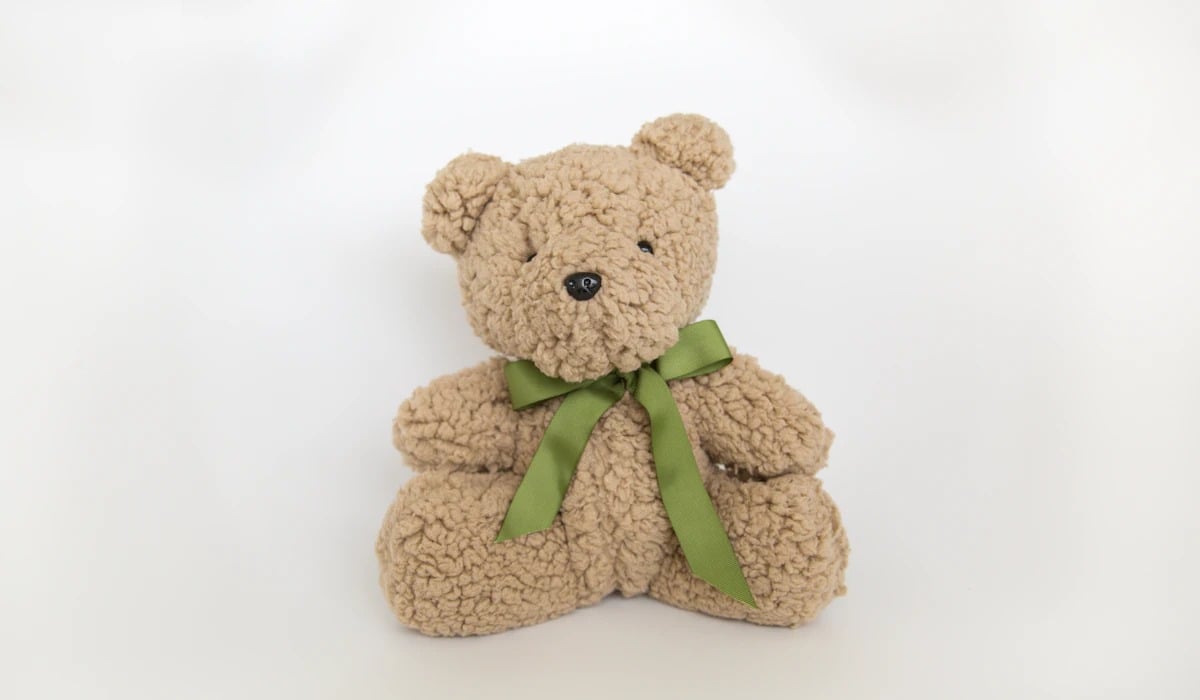
Worlds of Wonder released Teddy Ruxpin in 1985, an animatronic bear whose eyes and mouth moved in sync with stories played from a cassette tape tucked into its back. It became the best-selling toy of 1985, and stores struggled to keep it in stock through the holidays.
The technology seemed almost magical to kids of the era. Worlds of Wonder later went bankrupt, but Teddy Ruxpin has been revived several times by other companies.
Original bears with working tape decks are now sought by collectors, with values depending heavily on condition and the original box.
Rubik’s Cube
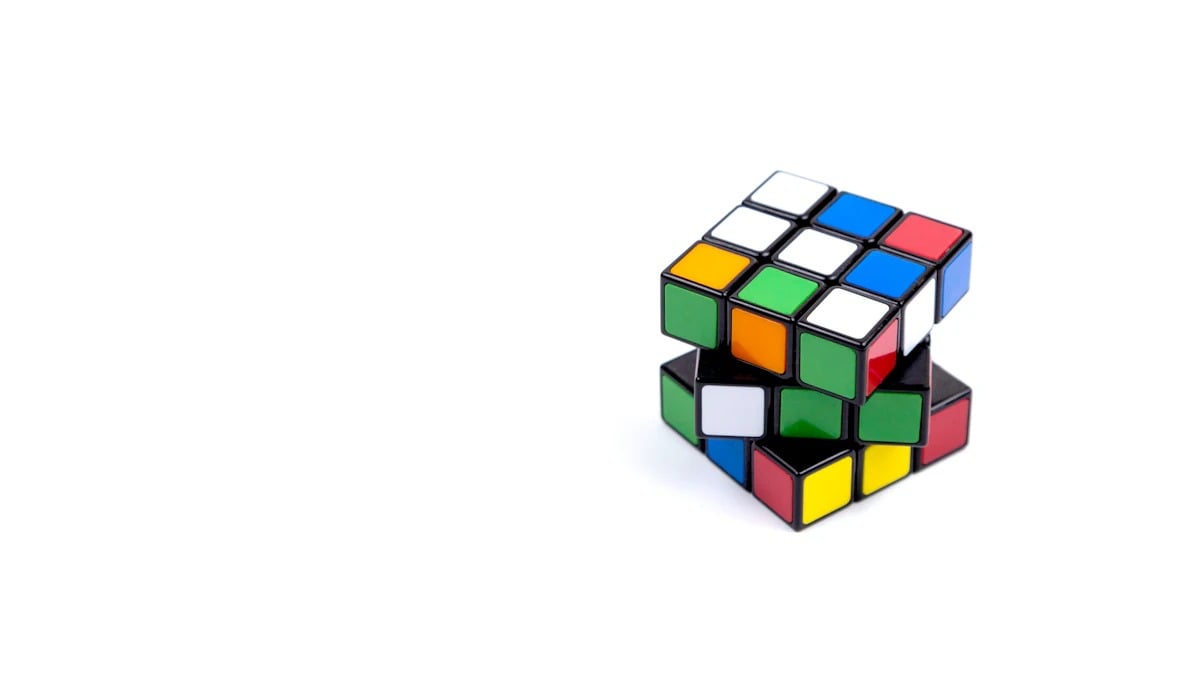
Hungarian architecture professor Erno Rubik invented his cube in 1974, and Ideal Toy brought it to the world market in 1980. By the 1981 holiday season, it was everywhere, and kids begged for one even if they never solved it.
Books explaining how to crack the puzzle became bestsellers, and some frustrated owners simply peeled off the stickers and rearranged them. Tens of millions sold in the first few years.
Speedcubing competitions keep the toy alive today, with record solves taking only a few seconds.
Atari 2600
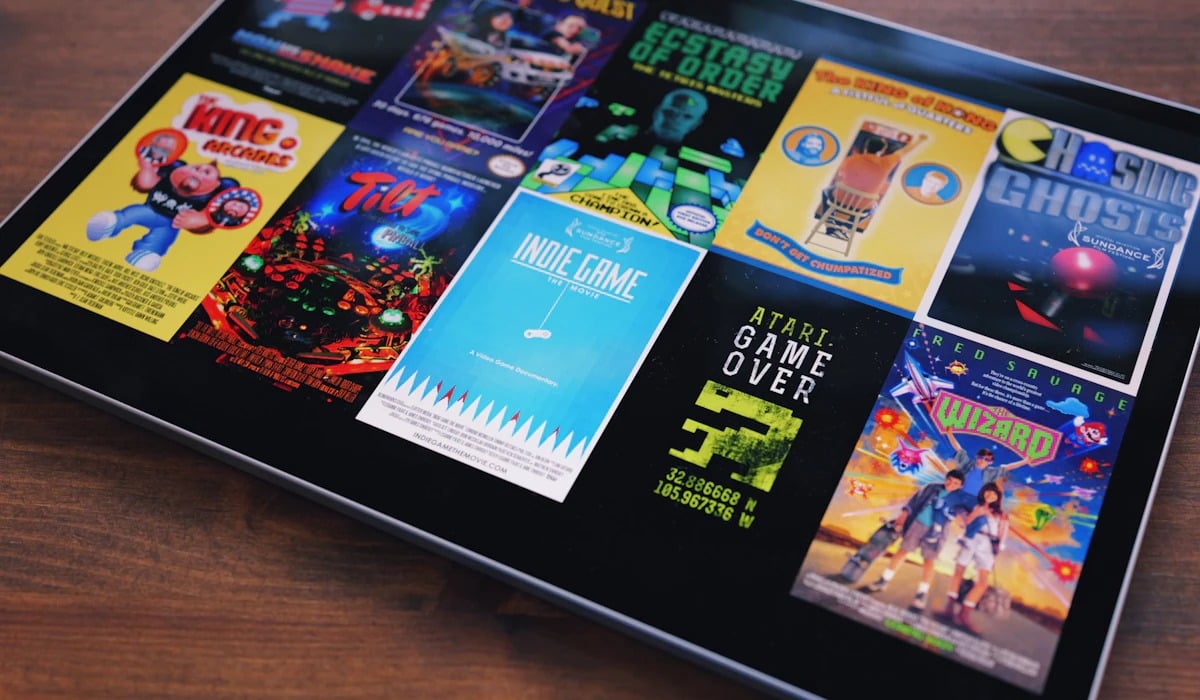
Atari released its Video Computer System, later renamed the Atari 2600, in 1977, bringing arcade-style games into living rooms with swappable cartridges. A home version of Space Invaders, released in 1980, drove a huge spike in sales, and the console became the top Christmas request for many kids.
By the early 1980s, millions of households owned one, and cartridges piled up beside televisions across the country. The video game crash of 1983 hit Atari hard.
The 2600’s simple joystick and wood-grain front panel remain enduring symbols of the earliest days of home gaming.
Nintendo Entertainment System
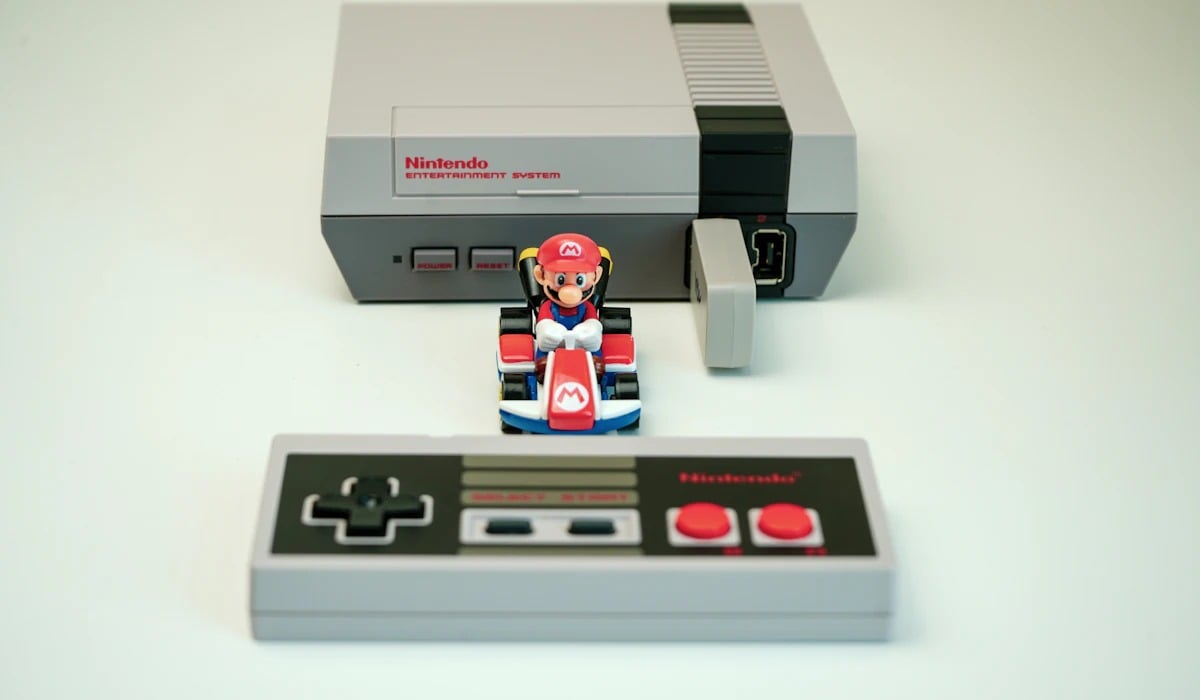
Nintendo launched its Entertainment System in a New York test market in 1985, after the American video game crash had left retailers wary of consoles. To ease those fears, Nintendo packaged it with R.O.B., a toy robot accessory, presenting the system more as a toy than a game machine.
Super Mario Bros. became a phenomenon, and the NES was a top holiday request for years. More than 60 million units sold worldwide over its lifetime.
The NES is widely credited with reviving the entire home video game industry.
Easy-Bake Oven
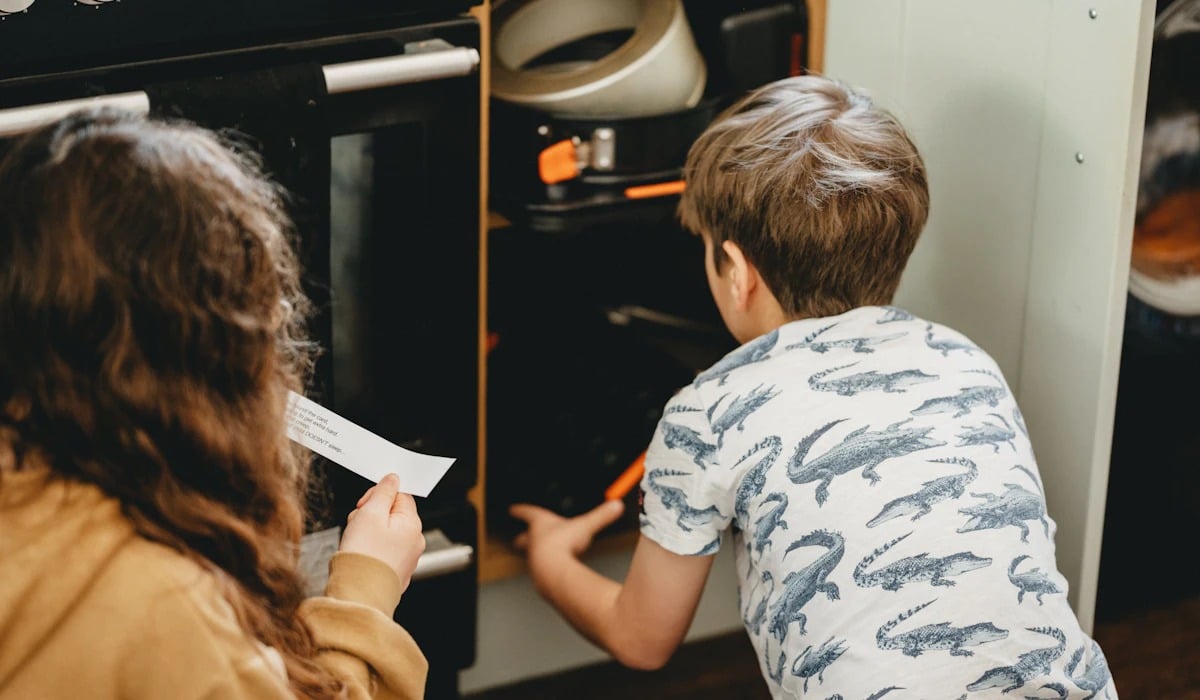
Kenner introduced the Easy-Bake Oven in 1963, a toy that baked tiny cakes using the heat of an ordinary incandescent light bulb. Kids mixed packets, slid small pans through the oven, and waited for a small but real treat.
Hundreds of thousands sold in the first year alone. When federal efficiency rules phased out many incandescent bulbs, the toy was redesigned in 2011 with a heating element instead.
The oven has gone through many versions and colors over the decades and is still sold today, making it one of the longest-running holiday favorites.
Big Wheel
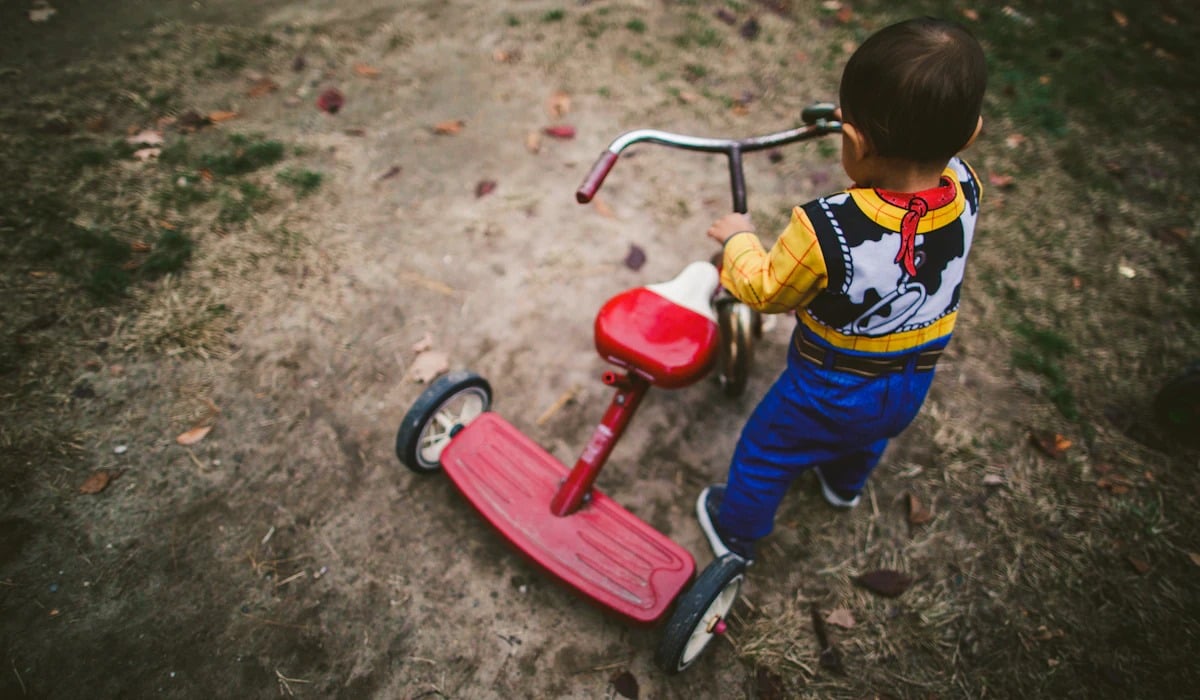
Louis Marx and Company introduced the Big Wheel in 1969, a low-slung plastic tricycle with an oversized front wheel that kids could spin out on driveways and sidewalks. It was cheap, loud, and nearly indestructible.
The roar of hard plastic wheels on pavement became a defining sound of suburban childhood. Kids pulled the brake lever to skid into dramatic turns, often leaving scuff marks on the driveway.
The Big Wheel was a top holiday request through the 1970s, and its design has been copied by many brands. A modern version is still made.
Stretch Armstrong
Kenner released Stretch Armstrong in 1976, a muscular rubber action figure filled with gelled corn syrup that could be stretched to several times its length and then slowly returned to shape. Kids tested its limits, and many eventually tore one open to see what was inside.
Sticky gel all over the carpet was the usual result. Stretch Armstrong was a top seller in its first years, and the toy has been reissued several times since.
Original figures often harden over the decades, which makes surviving soft examples a rare find for collectors.
Star Wars Figures and the Empty Box
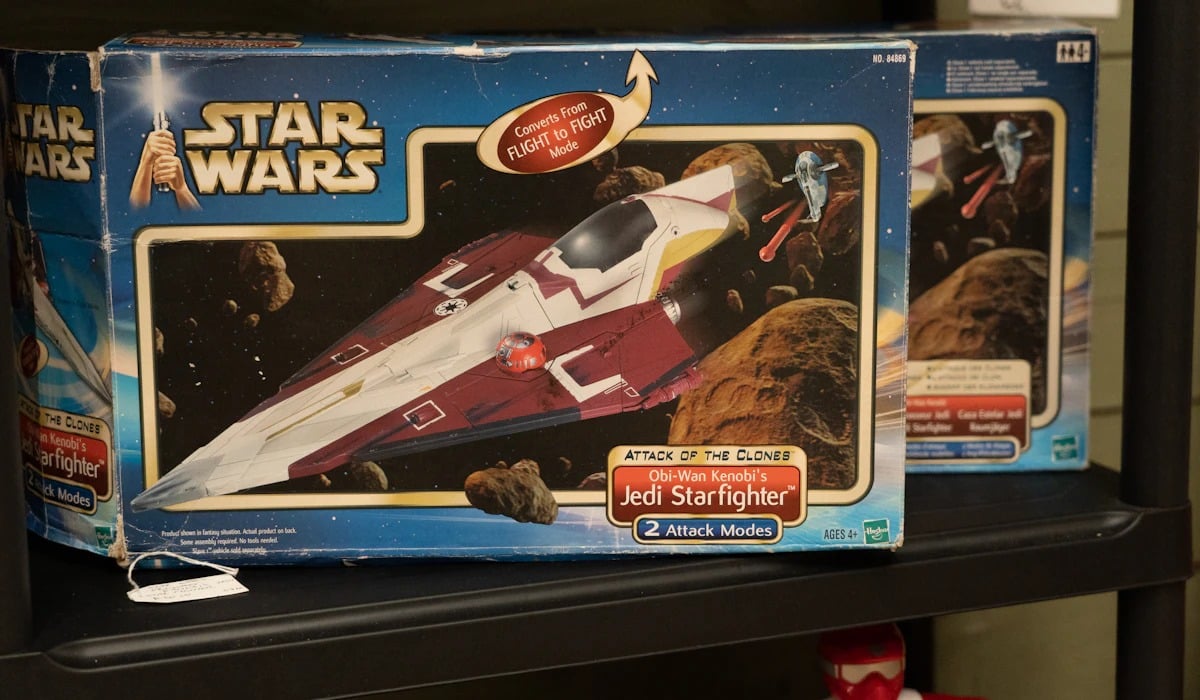
Star Wars became a smash in 1977, but Kenner could not produce action figures in time for Christmas. The company sold an Early Bird Certificate Package instead, essentially an empty box with a certificate redeemable for four figures in 1978.
Parents bought the box anyway, and the figures arrived by mail months later. Kenner went on to sell enormous numbers of figures over the following years.
The empty box is now a collector’s item, with value depending heavily on condition and whether the certificate is still unused.
Speak and Spell
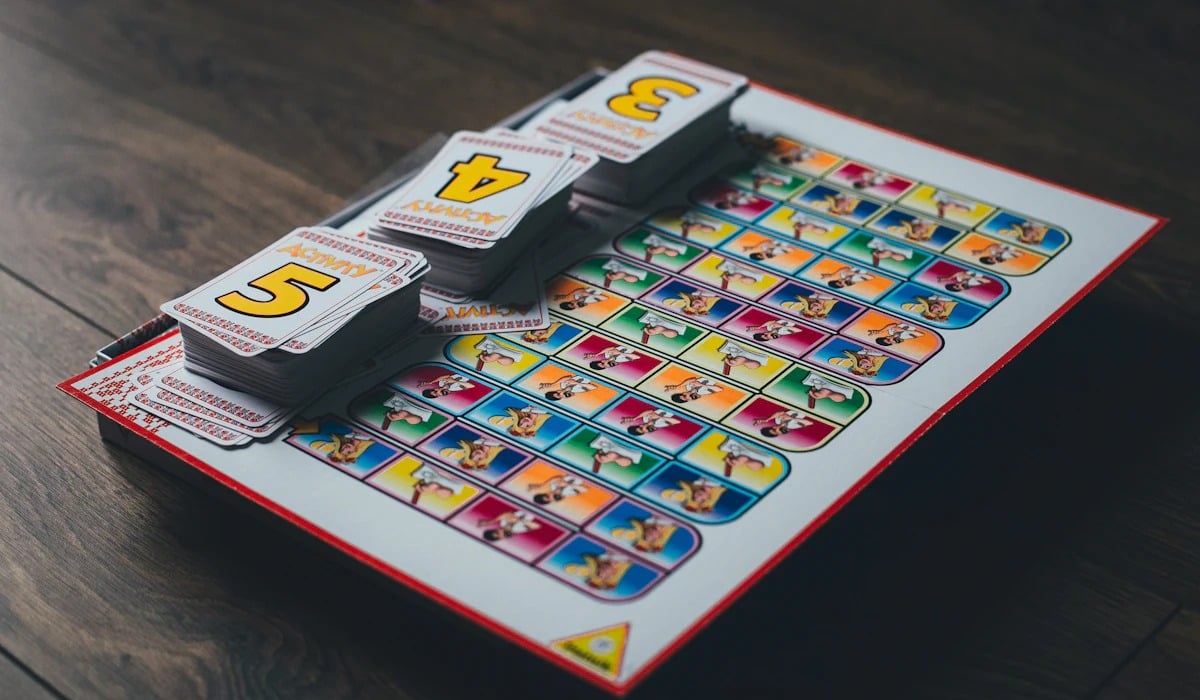
Texas Instruments introduced the Speak and Spell in 1978, an educational toy that spoke words aloud and asked children to type the correct spelling on a keyboard. It was among the first consumer products to use a single-chip speech synthesizer.
The robotic voice fascinated kids and made spelling practice feel futuristic. In the 1982 film E.T. the Extra-Terrestrial, the alien uses one as part of a device to phone home.
Electronic musicians later adopted the toy for its eerie, mechanical sound, giving it a second life far beyond the playroom.
Simon
Milton Bradley launched Simon in 1978 with a party at the New York nightclub Studio 54. The game lit up four colored buttons in sequence, each with its own tone, and players had to repeat the pattern as it grew longer and faster.
It quickly became a holiday hit for kids and adults alike. Simon was co-created by inventor Ralph Baer, often called the father of video games, who drew inspiration from an earlier arcade game called Touch Me.
Versions of Simon remain on sale today, still beeping at players who lose track.
Lite-Brite
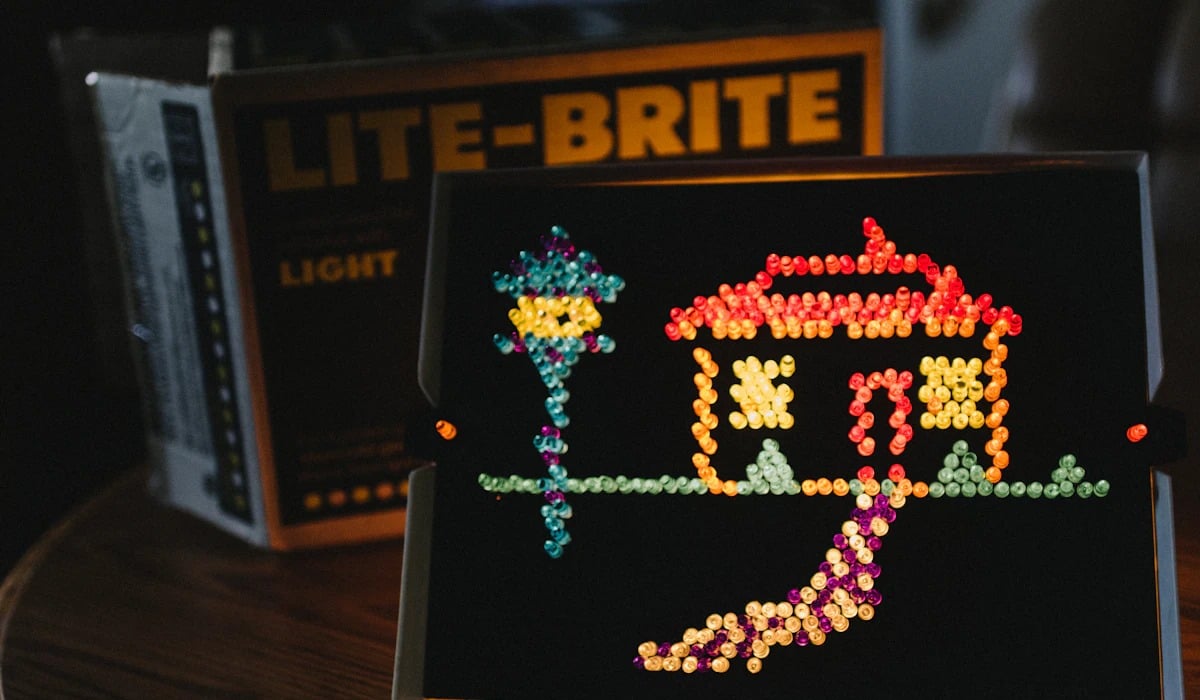
Lite-Brite arrived from Hasbro in 1967, a light box where kids pushed small colored plastic pegs through black paper templates to create glowing pictures. The pegs had a habit of scattering across the floor and turning up in vacuum cleaners for years afterward.
Lite-Brite became a holiday staple and has been reissued many times. Its simple glow captured kids long before screens took over every room in the house.
It remains one of the rare toys that both grandparents and grandchildren recognize instantly, and new sets still sell every December.
Etch A Sketch
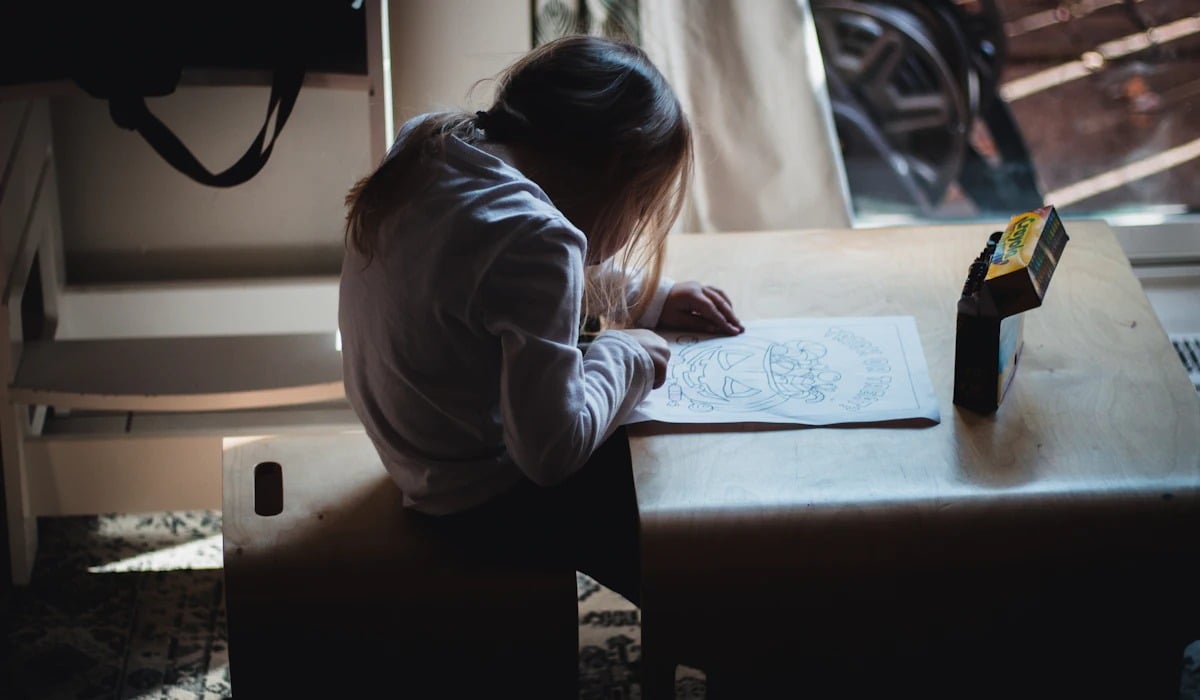
Ohio Art introduced the Etch A Sketch in 1960, based on an invention by Frenchman Andre Cassagnes. Two knobs controlled a stylus that scraped aluminum powder from the inside of a glass screen, and shaking the toy erased the drawing.
It became a holiday hit in its very first season and has sold well over 100 million units since. Ohio Art has made versions in many sizes and colors.
The red frame with white knobs remains instantly recognizable, and drawing a smooth circle on one is still a test of patience.
GI Joe
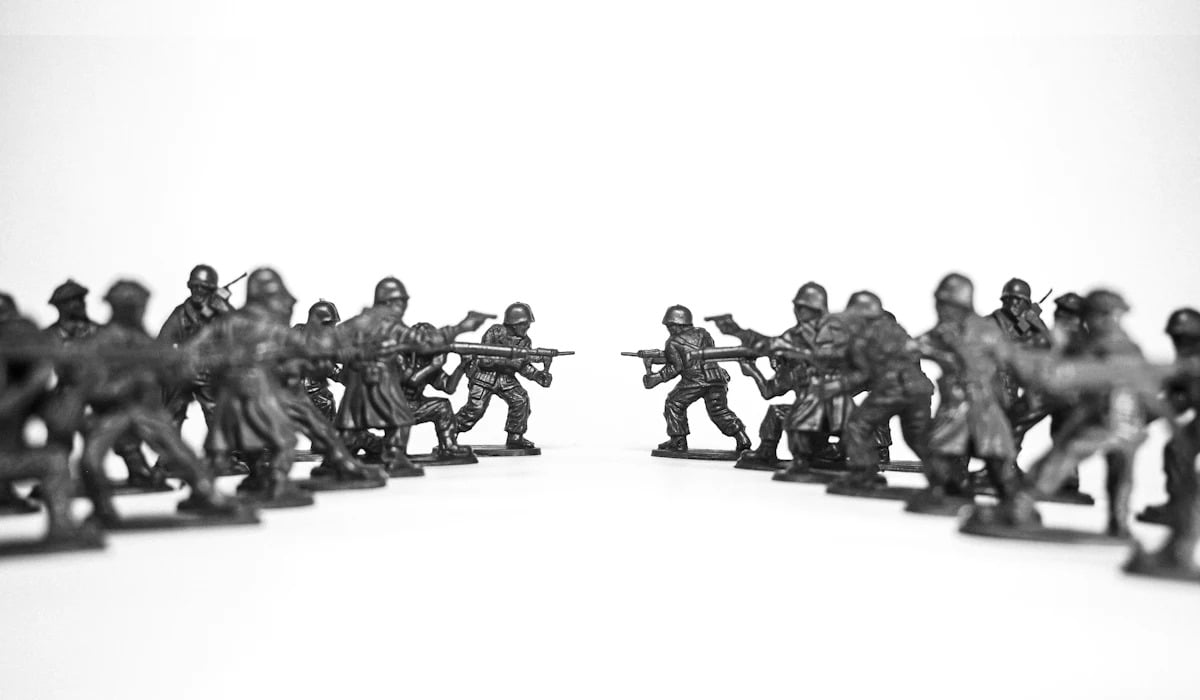
Back in 1964, Hasbro introduced GI Joe as a twelve-inch military figure and used the term action figure to market a doll to boys. The figure had movable joints and a wide range of uniforms and gear sold separately.
GI Joe was a major holiday request through the 1960s. Hasbro relaunched the line in 1982 as smaller figures backed by an animated series and comic books, and that version became a top seller of the 1980s.
The phrase action figure is now used across the entire toy industry.
Barbie Dreamhouse
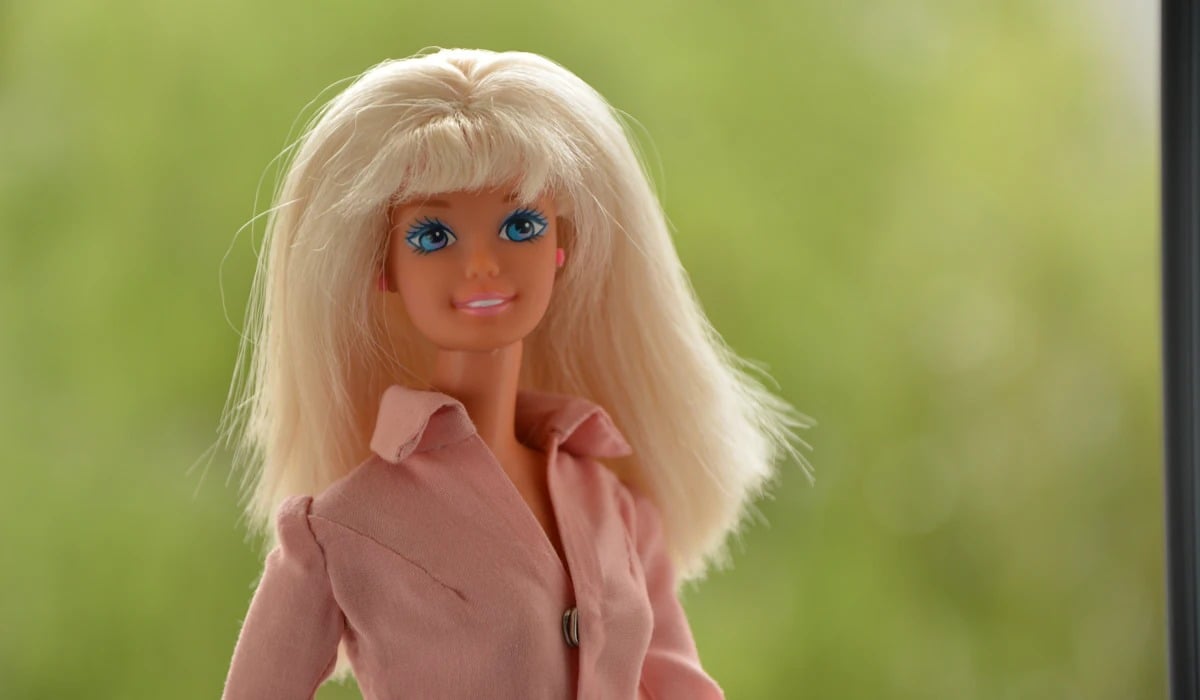
Mattel introduced the first Barbie Dreamhouse in 1962, a fold-out cardboard house with mid-century modern furniture printed on its walls. Later versions grew into multilevel plastic mansions with elevators, pools, and working lights.
Each new edition became a holiday request for kids already invested in Barbie and her wardrobe. The Dreamhouse has been redesigned many times, tracking changes in architecture and decor.
In 2023, a real full-size version appeared in Malibu as part of the promotion for the Barbie film, a pink mansion that drew enormous attention online.
Hot Wheels
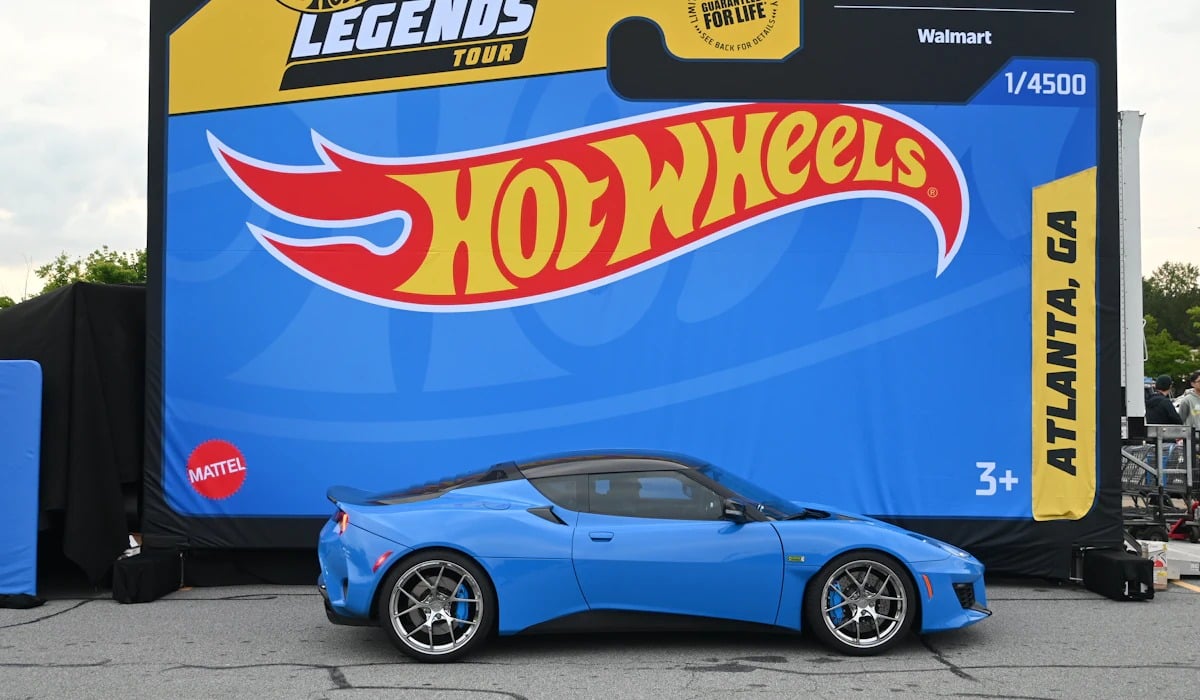
Mattel launched Hot Wheels in 1968 with 16 die-cast cars designed for speed, using low-friction wheels and bright Spectraflame paint. Orange plastic track sets made them stand out from rival Matchbox cars, and kids begged for loops, jumps, and launchers.
Mattel co-founder Elliot Handler championed the idea of a faster, flashier toy car. Hot Wheels has since produced billions of cars.
Early examples with original paint and wheels are now valuable to collectors, though condition determines nearly all of their worth, and a single chip can change the price dramatically.
Transformers
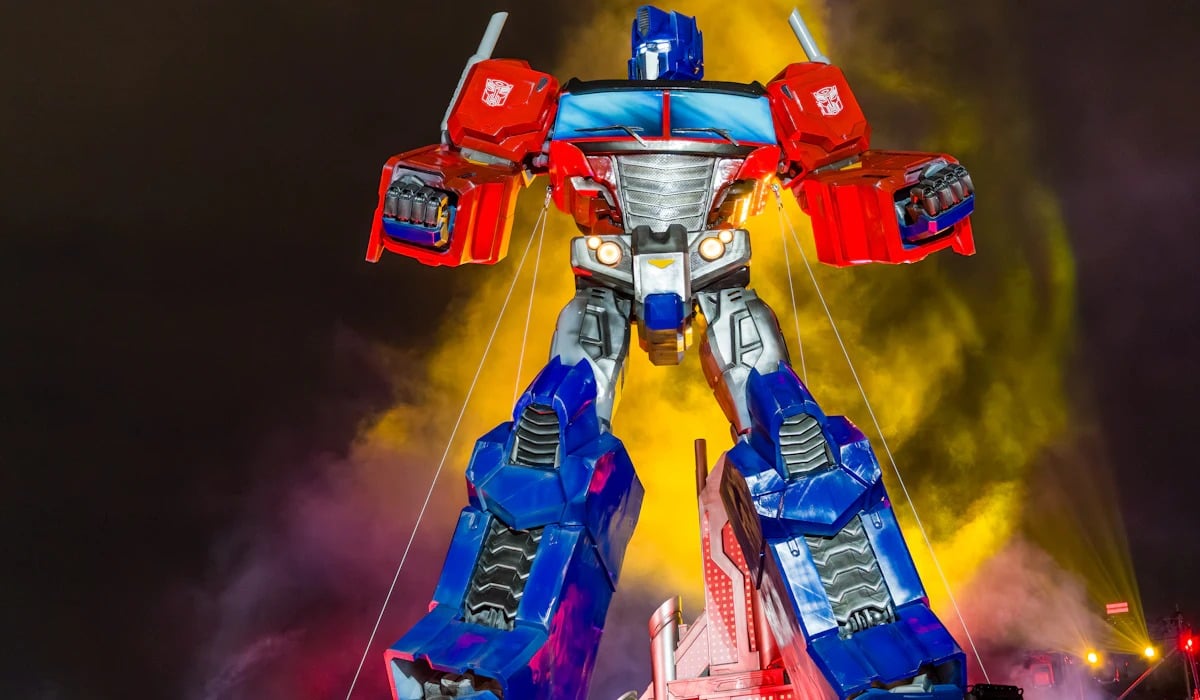
Hasbro introduced Transformers in 1984, building the line from Japanese toys made by Takara, and backed it with an animated television series. Each figure converted from a robot into a vehicle or other object with a few twists and folds.
The concept became a massive holiday hit and turned names like Optimus Prime into household words. A 1986 animated film and later live-action blockbusters kept the brand alive.
Transformers remain one of Hasbro’s biggest franchises, and the original figures are now collected by adults who once begged for them.
Mighty Morphin Power Rangers
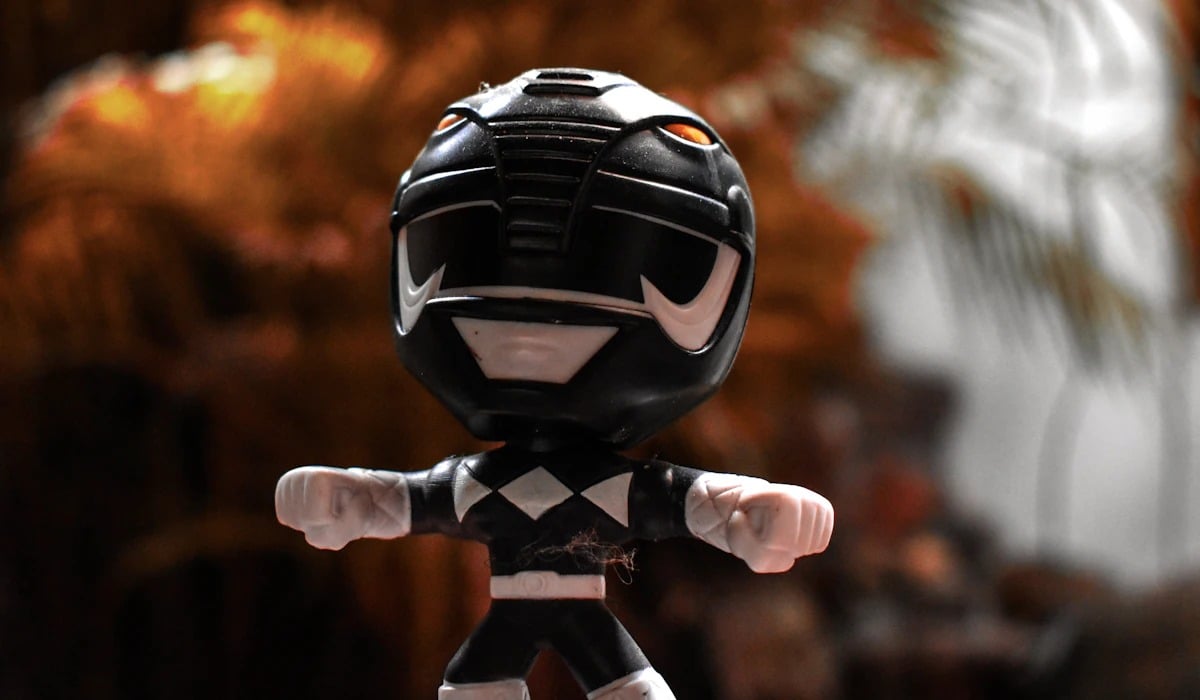
Bandai’s Mighty Morphin Power Rangers figures became the hot toy of 1993 and 1994 after the television series debuted in the United States in 1993. Supply could not keep up, and parents hunted from store to store for figures and the giant Megazord robot.
The series adapted fight footage from the long-running Japanese Super Sentai franchise. Power Rangers has continued for decades with new casts and new toys.
The early figures, especially in original packaging, are now collected by adults who remember the shortages firsthand.
Tamagotchi
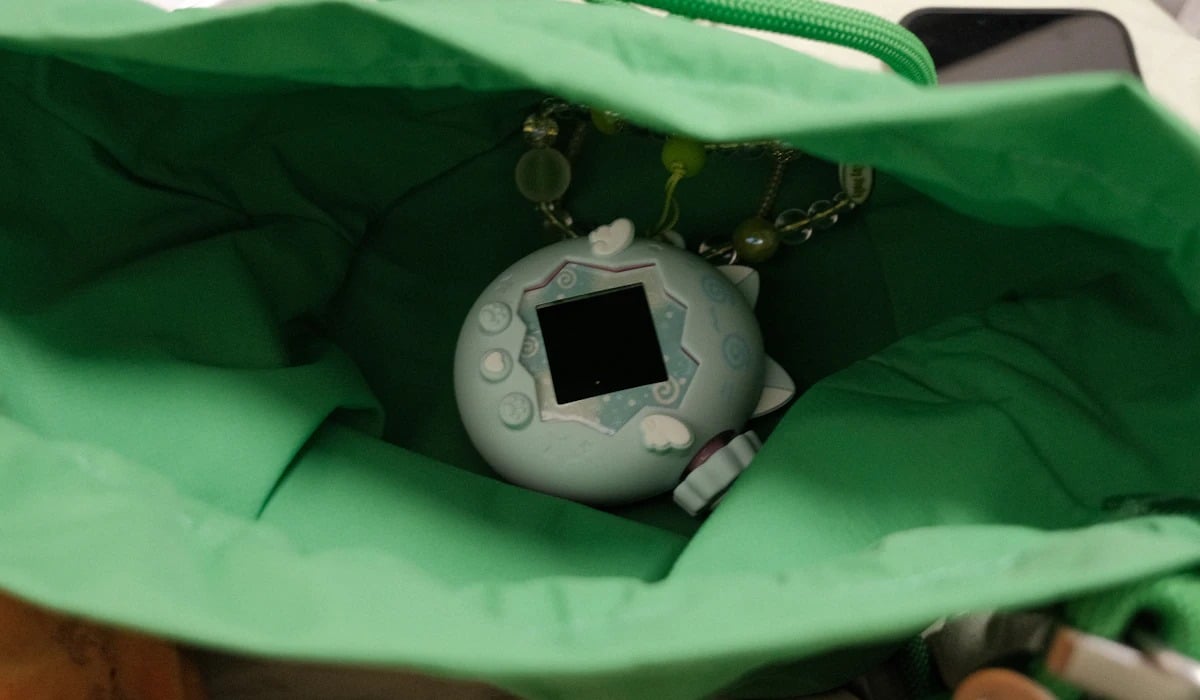
Bandai released the Tamagotchi in Japan in 1996 and in the United States in 1997, an egg-shaped digital pet that needed feeding, cleaning, and attention through tiny buttons. A neglected pet could die, which led kids to carry them everywhere, including to school, where many were promptly banned.
Millions sold worldwide in the first year. The toy sparked a wave of imitators and digital pet games.
Bandai has relaunched Tamagotchi in many forms over the years, and it remains popular with a new generation of owners.
Game Boy
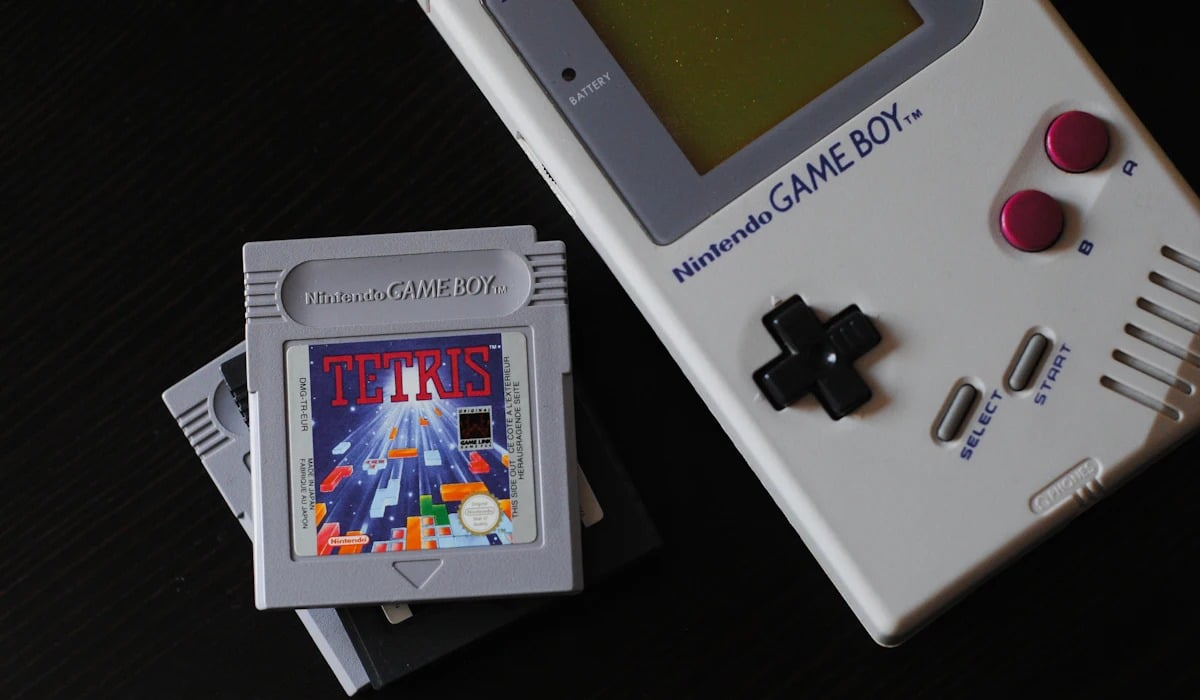
Nintendo released the Game Boy in North America in 1989, bundled with Tetris, a puzzle game that hooked kids and parents alike. Its gray-green screen and long battery life made it the go-to handheld for car trips and sleepovers.
Counting the later Game Boy Color, the line sold more than 100 million units worldwide. The Game Boy’s success set Nintendo on a path that eventually led to the DS and Switch.
It was the top holiday request for countless kids at the end of the 1980s and into the 1990s.
Pound Puppies
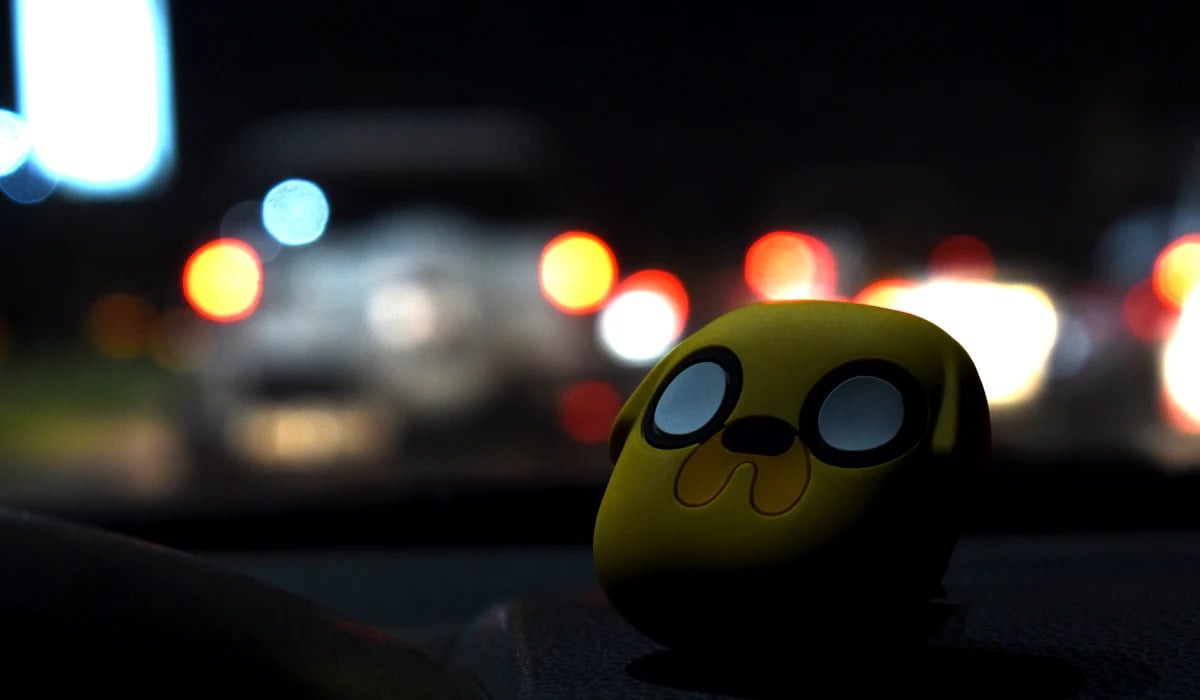
Tonka introduced Pound Puppies in the mid-1980s, floppy-eared plush dogs sold in cardboard doghouse boxes with adoption papers, a concept that echoed the Cabbage Patch craze. The toys were created by Mike Bowling, and each puppy had a droopy, slightly sad expression that made kids want to rescue it.
An animated series followed. Pound Puppies became a top holiday request in the mid-1980s and have returned in several versions since.
The originals, with their long ears and sleepy eyes, remain the ones most adults remember.
Care Bears
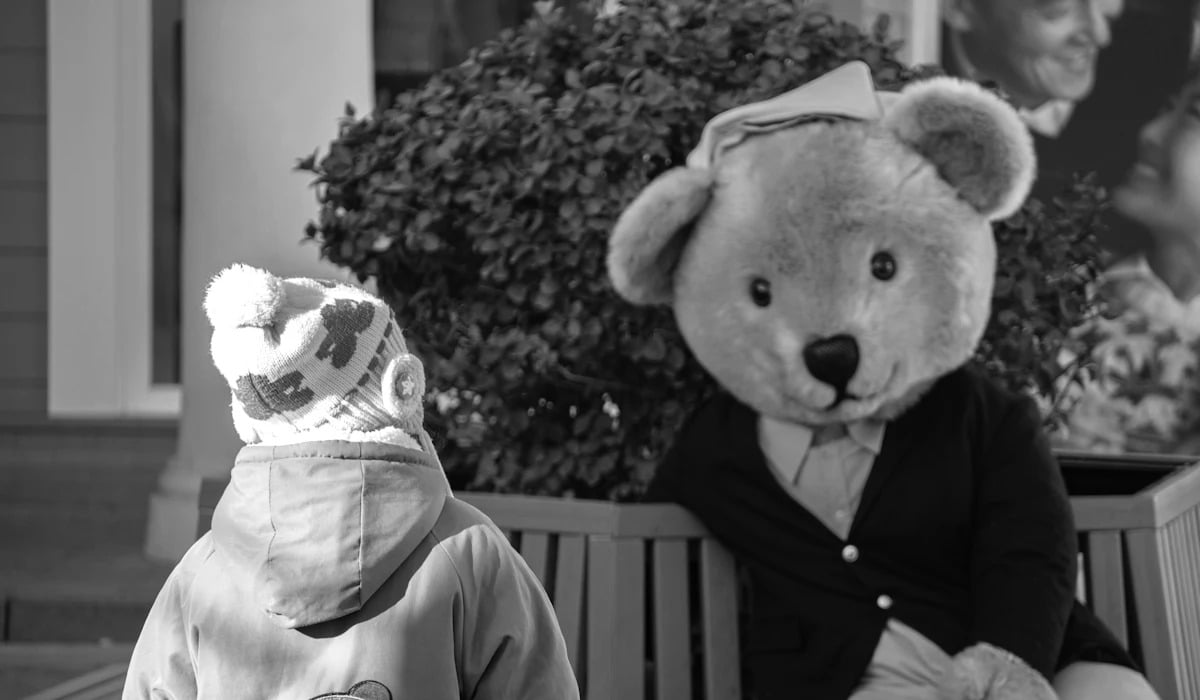
The Care Bears began in 1981 as greeting card characters created for American Greetings, and Kenner released plush toys in 1983. Each bear had a symbol on its belly representing its personality, such as Cheer Bear’s rainbow and Grumpy Bear’s rain cloud.
A television series and feature films followed. The bears became a top holiday request in the mid-1980s, and kids tried to collect the entire set of characters.
They have been relaunched repeatedly since then, each time introducing the colorful bears to a fresh group of children.
Mr. Potato Head
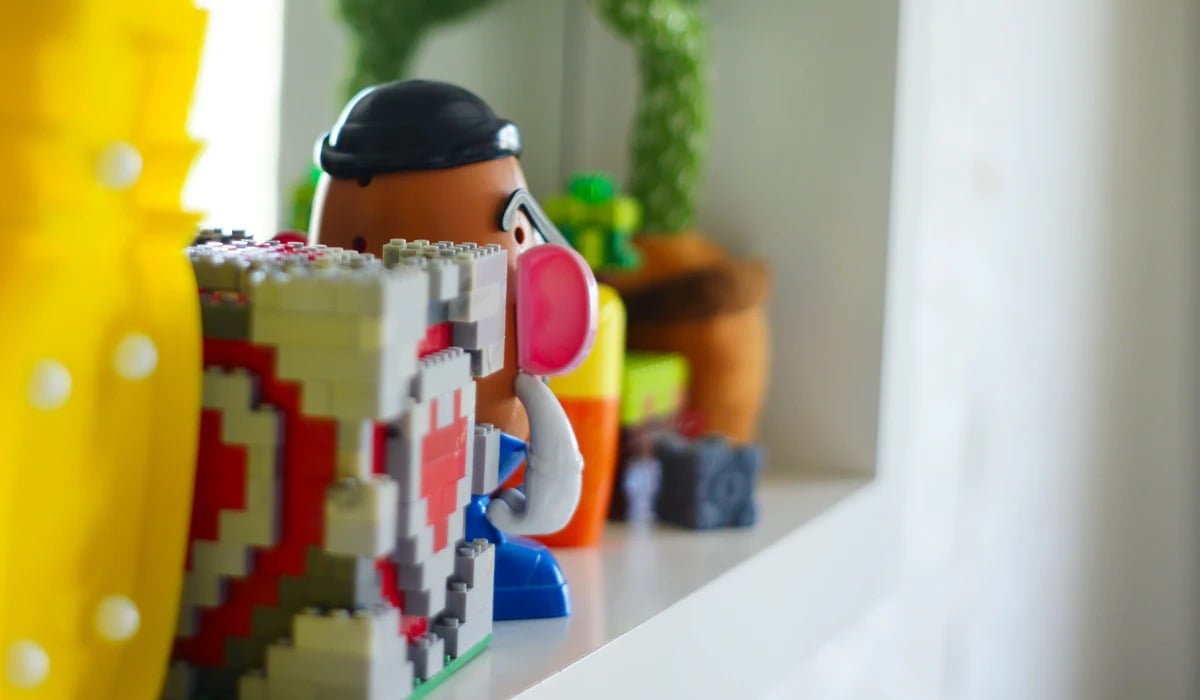
Hasbro introduced Mr. Potato Head in 1952, originally as a set of plastic parts that kids pushed into a real potato.
It is widely credited as the first toy advertised on television, and sales took off quickly. A plastic potato body was added in 1964, ending the problem of rotting vegetables in toy boxes.
The toy has remained a staple for generations and gained fresh fame through the Toy Story films. Mr.
Potato Head became one of Hasbro’s longest-running products and a fixture under countless trees.
Strawberry Shortcake
Strawberry Shortcake began as an American Greetings card character, and Kenner released dolls in 1980. Each doll and her friends, like Blueberry Muffin and Huckleberry Pie, carried a scent that matched their names.
The fruity smell became one of the toy’s most memorable features, and many adults can still recall it. The line was a hit throughout the early 1980s, with playsets, pets, and accessories adding to holiday wish lists every year.
Strawberry Shortcake has been revived several times with updated looks for new generations.
Chatty Cathy
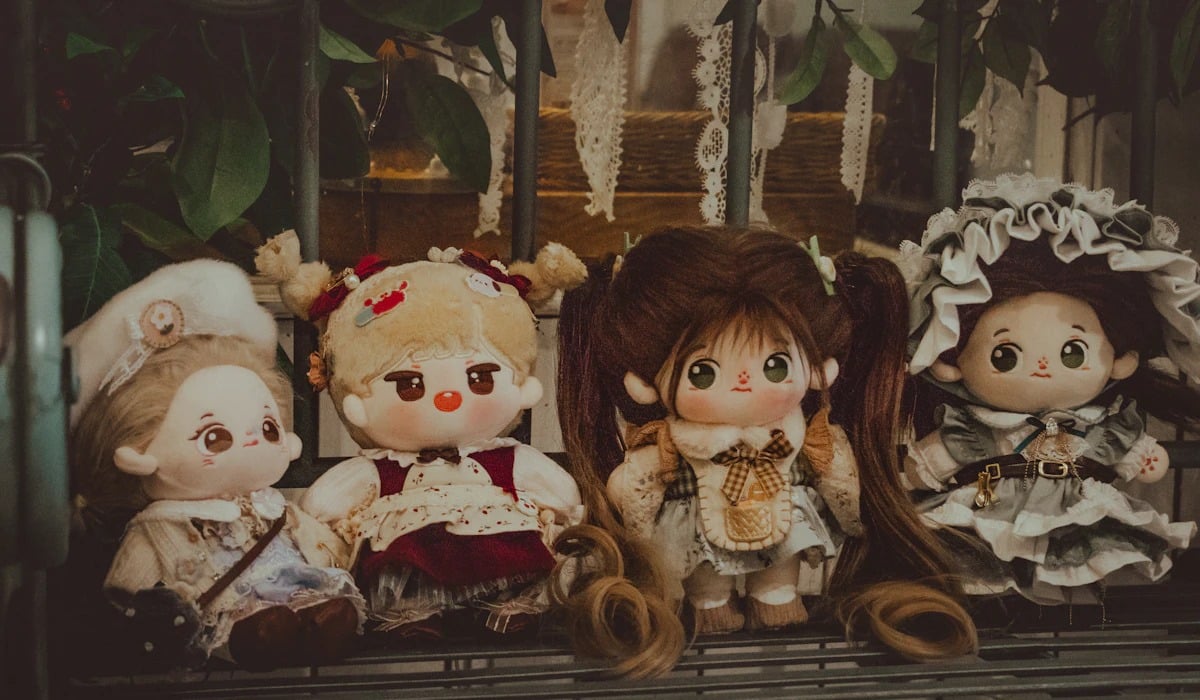
Mattel introduced Chatty Cathy in 1960, a doll that spoke when a child pulled a ring on a string in her back. The original spoke eleven phrases at random, a remarkable feat for a toy of the era.
She became one of Mattel’s best-selling dolls of the early 1960s and inspired a wave of talking toys. Pull-string voices soon spread to other dolls and characters across the industry.
Chatty Cathy was reissued in later years, but the original remains the one collectors seek, with value depending heavily on whether the voice box still works.
Operation
Milton Bradley released Operation in 1965, a game where players used tweezers to remove small ailments from a patient named Cavity Sam without touching the metal edges. A wrong move made his red nose light up and a buzzer sound.
Inventor John Spinello created the concept as a college project and sold the rights for about 500 dollars. The game has sold millions of copies since.
The buzzing nose remains one of the most recognizable sounds in toy history, and a steady hand is still the only way to win.
Spirograph

British engineer Denys Fisher invented the Spirograph in 1965, a set of plastic gears and rings that let kids draw intricate looping patterns with a pen. Kenner brought it to the American market, where it became a holiday hit in the late 1960s.
Kids spent hours experimenting with colors and gear combinations, and the occasional slipped gear ruined a nearly finished design. The toy’s mathematical patterns, known as hypotrochoids and epitrochoids, fascinated adults as well.
Spirograph remains on sale today, still packed with pens, pins, and plastic wheels.
Lines Outside Toy Stores Before Dawn
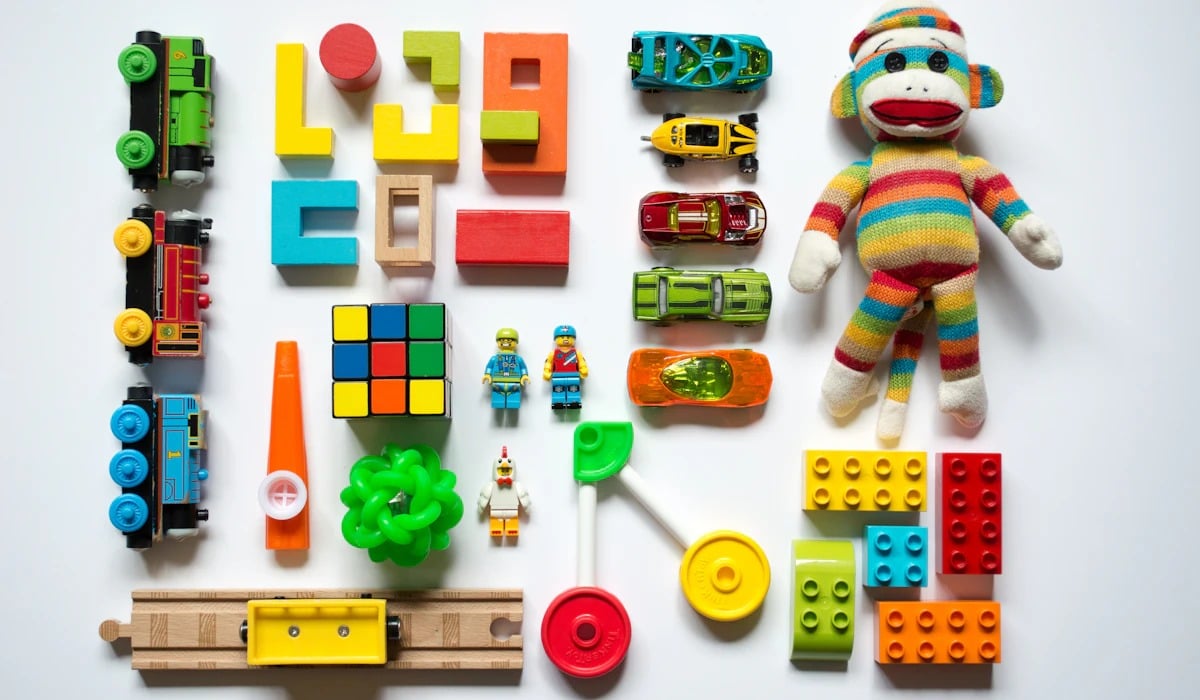
Holiday toy crazes follow a familiar pattern. A clever product meets a short supply, the news covers the shortage, and the shortage becomes the story that makes everyone want one.
Some of these toys were genuinely brilliant, and others simply arrived at the right time.
The memory that lasts usually belongs less to the toy than to the morning it appeared under the tree. Parents remember the hunt.
Kids remember the wrapping paper. Both are why these names still carry weight decades later.
More from Go2Tutors!

- The Romanov Crown Jewels and Their Tragic Fate
- 13 Historical Mysteries That Science Still Can’t Solve
- Famous Hoaxes That Fooled the World for Years
- 15 Child Stars with Tragic Adult Lives
- 16 Famous Jewelry Pieces in History
Like Go2Tutors’s content?Follow us on MSN.