31 Retro Desserts That Ruled 1960s Dinner Parties
A 1960s dinner party was judged by its last course. The roast could be ordinary and the conversation could drag, but a dessert that wobbled, flamed or arrived under a dome of meringue told the guests that the hosts had made an effort.
Many of these sweets came from hotel kitchens and Paris menus, then landed in suburban dining rooms by way of magazines, recipe pamphlets and the back of a box. Some still turn up today.
Others vanished along with the fondue set and the hostess apron.
Baked Alaska Browned in a Hot Oven
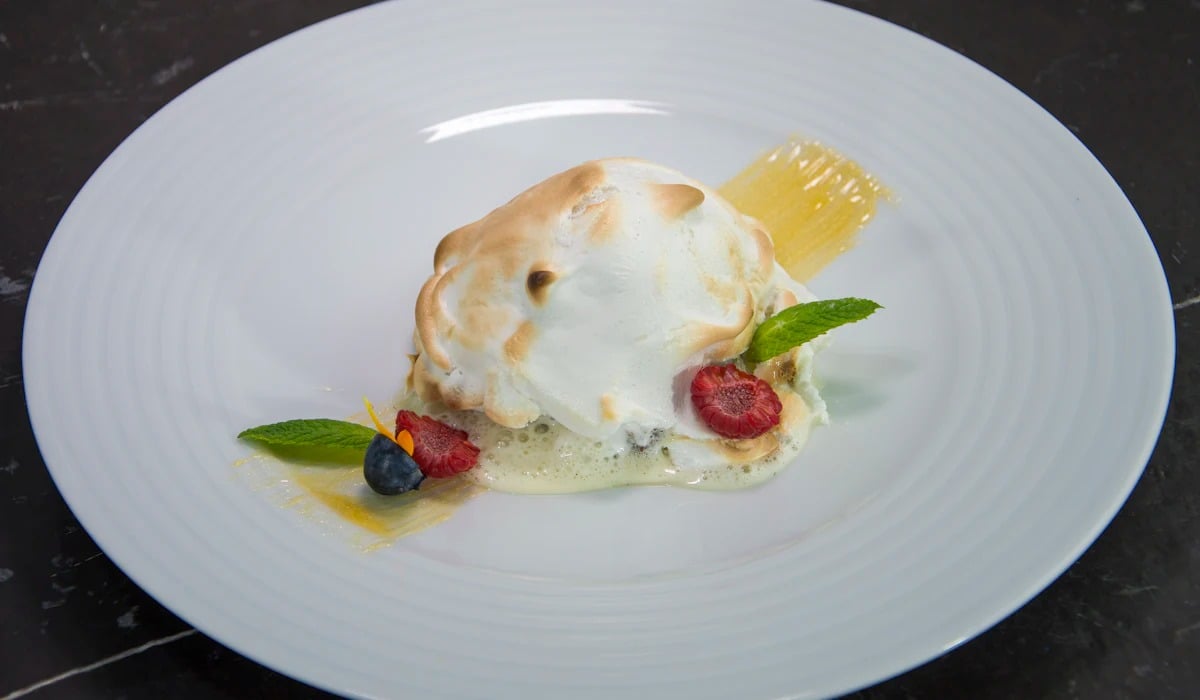
Ice cream on a sponge base, sealed in meringue and browned in a hot oven, was the showpiece that made guests gasp. The dish is tied to Delmonico’s in New York, where chef Charles Ranhofer served a version in the 1860s and the Alaska name followed the American purchase of the territory.
Home cooks in the 1960s loved it because the meringue really does insulate the ice cream for the few minutes it sits in the oven. Getting it to the table before it slumped was the true test of a host’s timing, and plenty of them failed.
Cherries Jubilee Set Alight at the Table
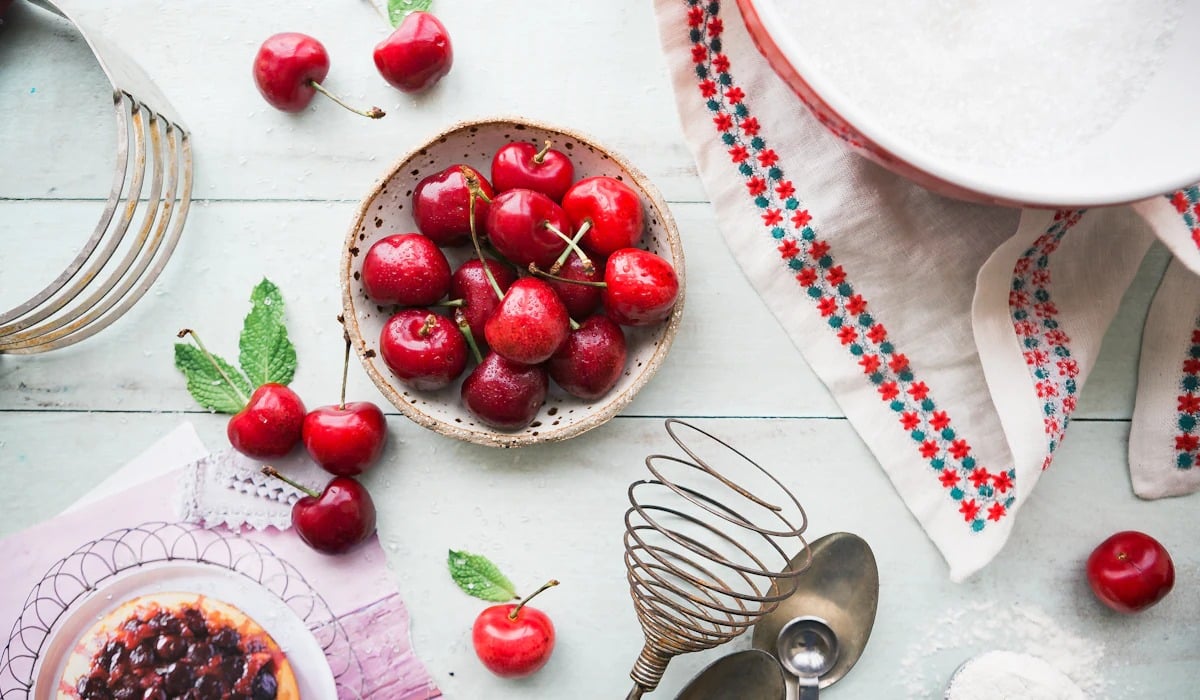
Dark cherries warmed in syrup, doused in brandy or kirsch and lit with a match turned any dining room into a small theater. The recipe is credited to Auguste Escoffier, who created a cherry dessert for one of Queen Victoria’s jubilee celebrations.
By the 1960s it had moved from grand hotel menus to chafing dishes on suburban sideboards, poured over vanilla ice cream once the flames died down. The blue flame was mostly for show, since most of the alcohol burns off, but nobody hosting a dinner party wanted to skip the show.
Bananas Foster From Brennan’s in New Orleans
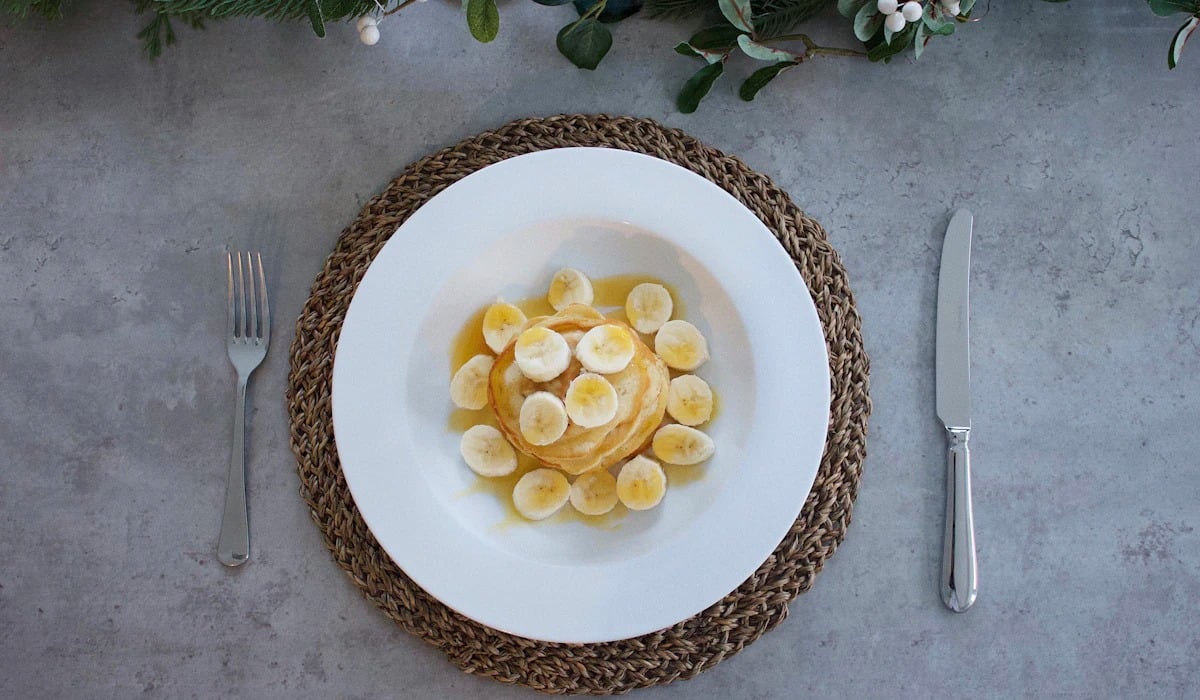
Bananas sauteed in butter, brown sugar and cinnamon, then flamed with rum and spooned over ice cream, came out of Brennan’s restaurant in New Orleans in 1951. The dish was named for Richard Foster, a friend of the Brennan family who chaired the city’s crime commission.
New Orleans was a major port for bananas arriving from Central America, which made the fruit a natural choice. Home versions spread through the 1960s, usually prepared in an electric skillet or a copper pan, and usually with a little too much rum for the curtains’ comfort.
Crepes Suzette in Orange Butter
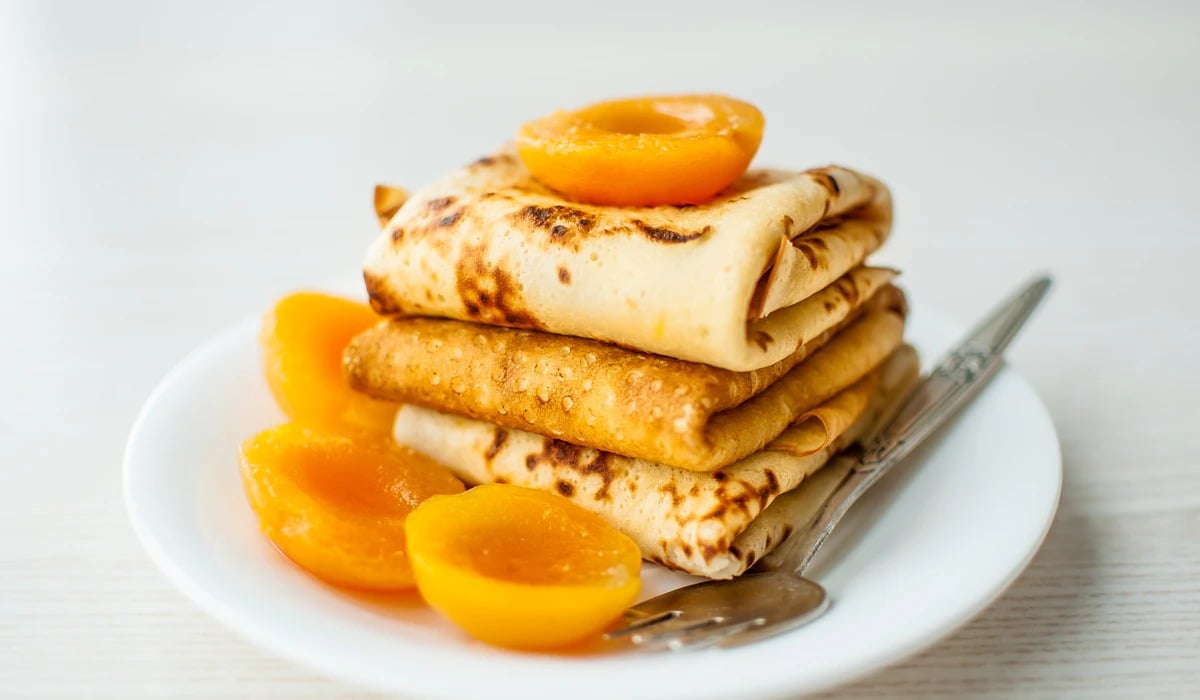
Thin pancakes folded into quarters and warmed in a sauce of butter, sugar, orange juice and orange liqueur were the dessert that signaled French sophistication. Cookbooks of the era dutifully explained the flambe step, and crepe pans became popular wedding gifts.
The origin story involves a young waiter in Monte Carlo and a member of the British royal party, though historians treat that tale with caution. In American homes the crepes were often made a day ahead and reheated in the sauce, which worked perfectly well and saved the cook from frying pancakes in a cocktail dress.
Chocolate Fondue and the Long Forks
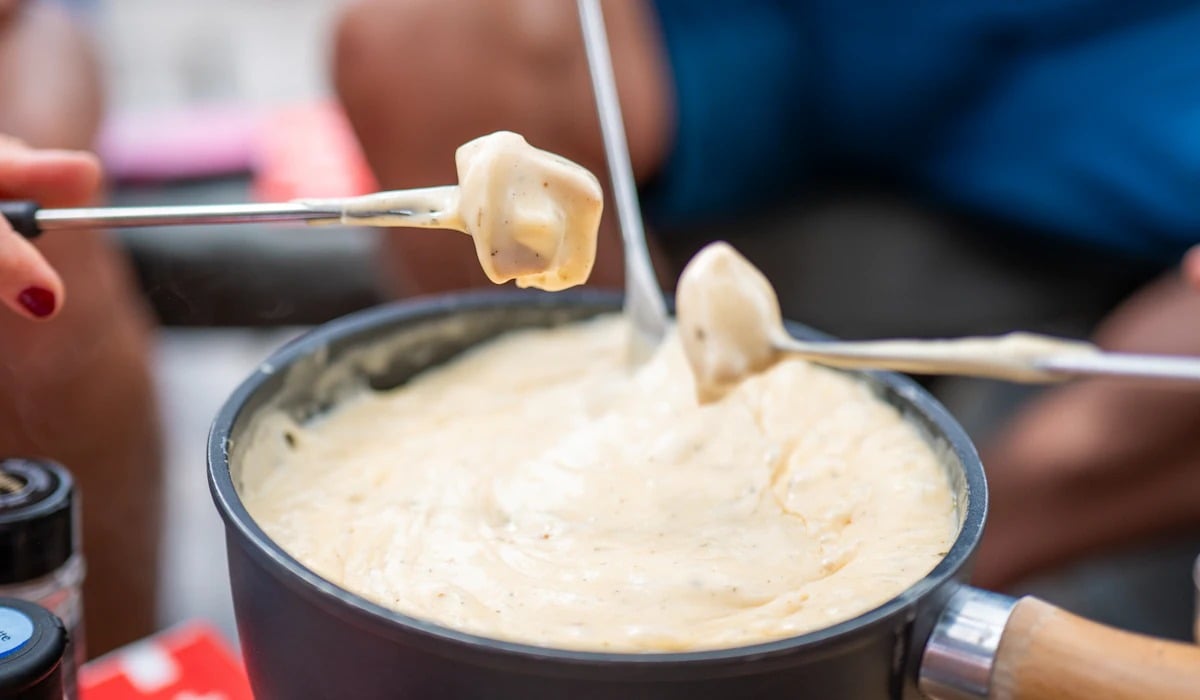
Swiss cheese fondue already had a following when chocolate fondue arrived in the mid-1960s. Konrad Egli, chef at the Chalet Suisse restaurant in New York, is generally credited with introducing it in 1964 as part of a promotion for Toblerone.
Within a few years, fondue pots in harvest gold and avocado green were standard wedding presents. Guests dipped pound cake, strawberries, marshmallows and banana slices into melted chocolate using color-coded forks.
The etiquette was taken seriously, and some hosts announced penalties for anyone who dropped a piece into the pot.
Tunnel of Fudge Cake
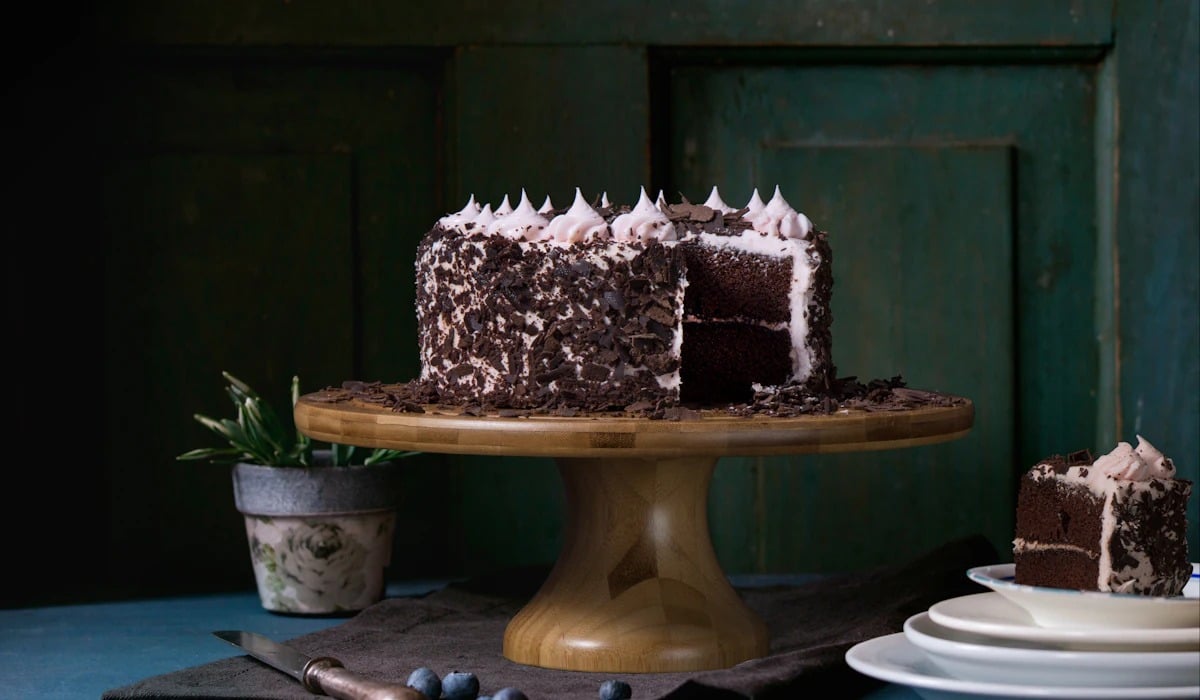
In 1966 Ella Rita Helfrich of Houston won second place at the Pillsbury Bake-Off with a nut-studded chocolate cake that baked with a molten fudge ring inside. The recipe needed a fluted tube pan, and demand for those pans jumped so sharply that the manufacturer struggled to keep up.
The original version relied on a boxed frosting mix that was later discontinued, so Pillsbury eventually revised the recipe. For hostesses, the appeal was simple.
A plain-looking cake that oozed chocolate when sliced made the cook look skilled without any decorating at all.
Layered Ribbon Gelatin Mold
Stacked bands of red, green and creamy white gelatin, each one chilled before the next was poured, made a dessert that looked like a slice of stained candy. The ribbon mold took most of a day because every layer needed time to set, which was exactly the point.
Serving one proved the hostess had planned ahead and owned a decent refrigerator. Sour cream or cream cheese usually went into the pale layers.
The finished mold was turned out onto a platter lined with lettuce leaves, a habit that baffles younger cooks but made perfect sense at the time.
Broken Glass Gelatin Dessert
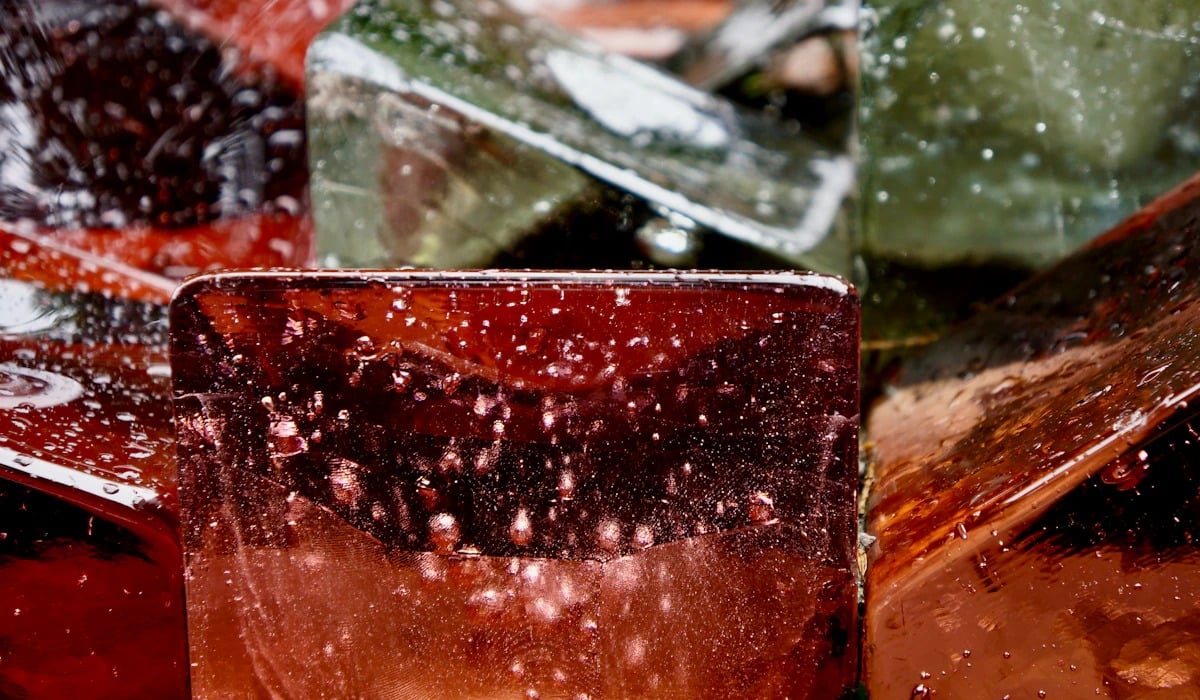
Cubes of red, orange and green gelatin folded into a sweet whipped cream filling and set in a graham cracker crust looked like a stained glass window when sliced. Recipes for the dessert circulated widely in the 1950s and 1960s, often credited to Kraft’s Jell-O kitchens, and it was also called Crown Jewel or Cathedral Window.
Each color had to be made and chilled separately before being cut into small cubes. The dessert sat at the intersection of thrift and showmanship.
It used inexpensive boxed gelatin but looked like something from a bakery window.
Ambrosia in a Cut Glass Bowl
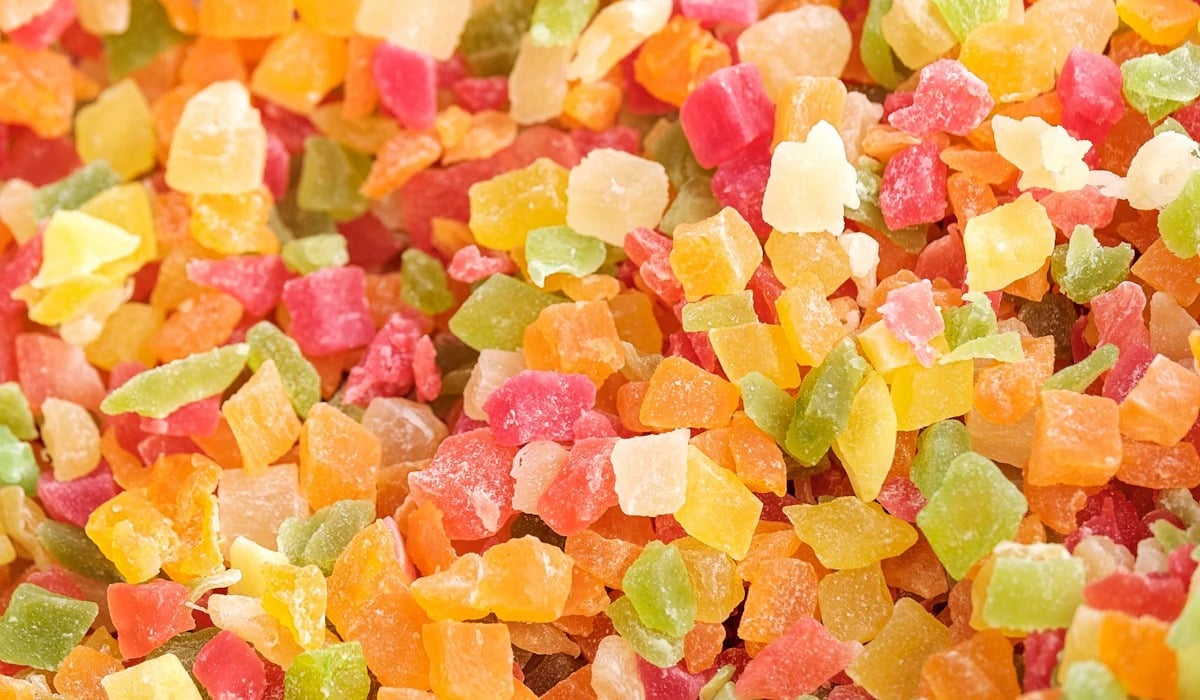
Orange segments, shredded coconut and sugar layered in a glass bowl made ambrosia a Southern holiday staple long before the 1960s. The mid-century version added canned pineapple, maraschino cherries, miniature marshmallows and often sour cream or whipped topping.
Whether that counted as a salad or a dessert depended on the household, and the dish sometimes appeared in both slots on the same buffet. The name comes from the food of the Greek gods.
A 1960s hostess serving it from her best cut glass bowl was making a similar claim about her own table.
Pineapple Upside-Down Cake
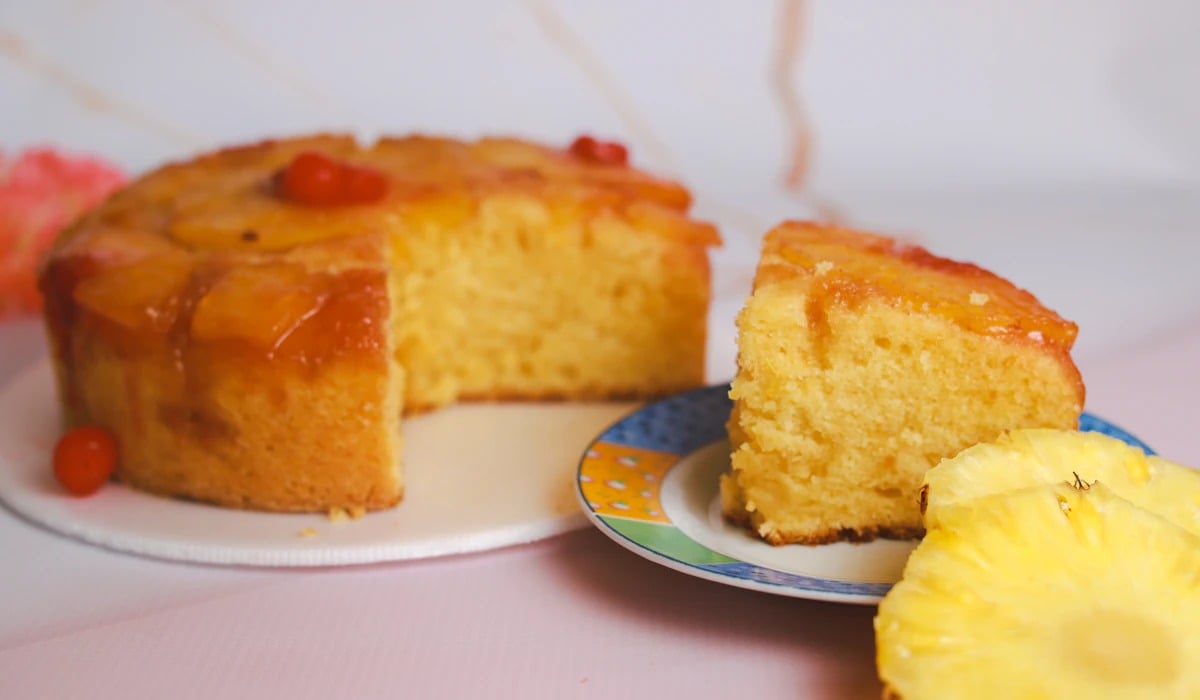
Canned pineapple rings arranged in a cast iron skillet with brown sugar and butter, topped with batter and flipped after baking, gave the cake its glossy, jewel-like top. The recipe took off after the Hawaiian Pineapple Company, later Dole, ran a recipe contest in 1925 and received thousands of upside-down cake entries.
By the 1960s the maraschino cherry in the center of each ring was considered mandatory. The cake was easy enough for a weeknight and pretty enough for company, which explains why it lasted so long on dinner party menus.
Chocolate Mousse After Julia Child
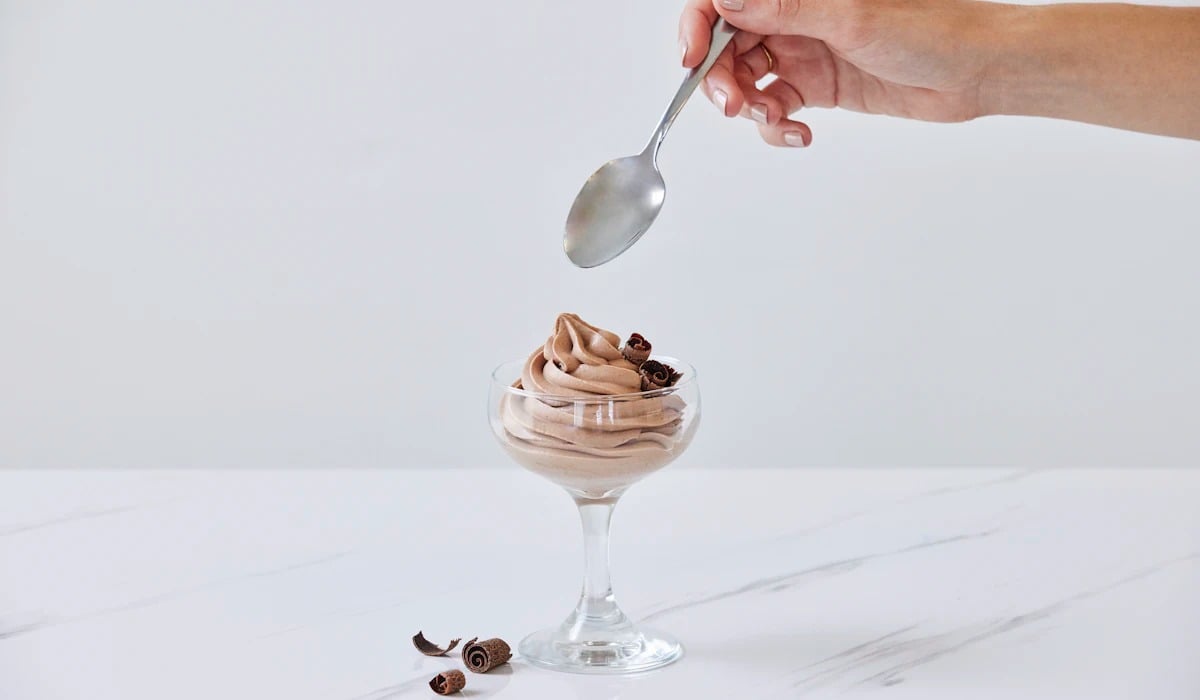
Airy chocolate mousse had been a restaurant dessert for decades, but it became a home project after 1961, when Mastering the Art of French Cooking by Julia Child, Simone Beck and Louisette Bertholle reached American kitchens. The book’s version folded beaten egg whites into chocolate enriched with butter and orange liqueur.
Hosts spooned it into stemmed glasses or small pots and chilled it for hours. It could be made the day before, which made it the ideal dinner party dessert.
Raw eggs were not yet a concern, and few people thought twice about them.
Charlotte Russe With Ladyfingers
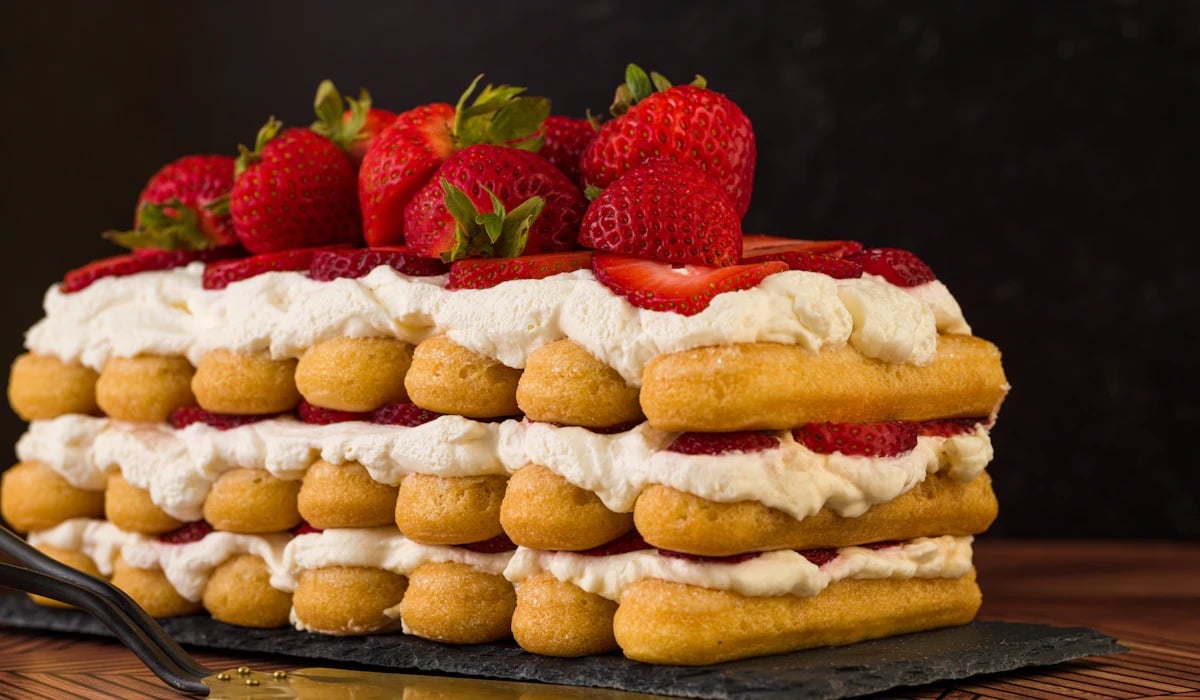
A ring of ladyfingers standing upright around a filling of Bavarian cream, often tied with a ribbon, made the charlotte russe one of the most elegant desserts a home cook could attempt. The classic version is credited to Marie-Antoine Careme, the celebrated French chef of the early 1800s.
In mid-century America it appeared in cookbooks as a make-ahead showpiece, set in a springform pan and unmolded just before serving. In some cities, notably Brooklyn, a much humbler charlotte russe was sold in paper cups at bakeries, which confused anyone who knew only one version.
Sherry Trifle in a Footed Bowl
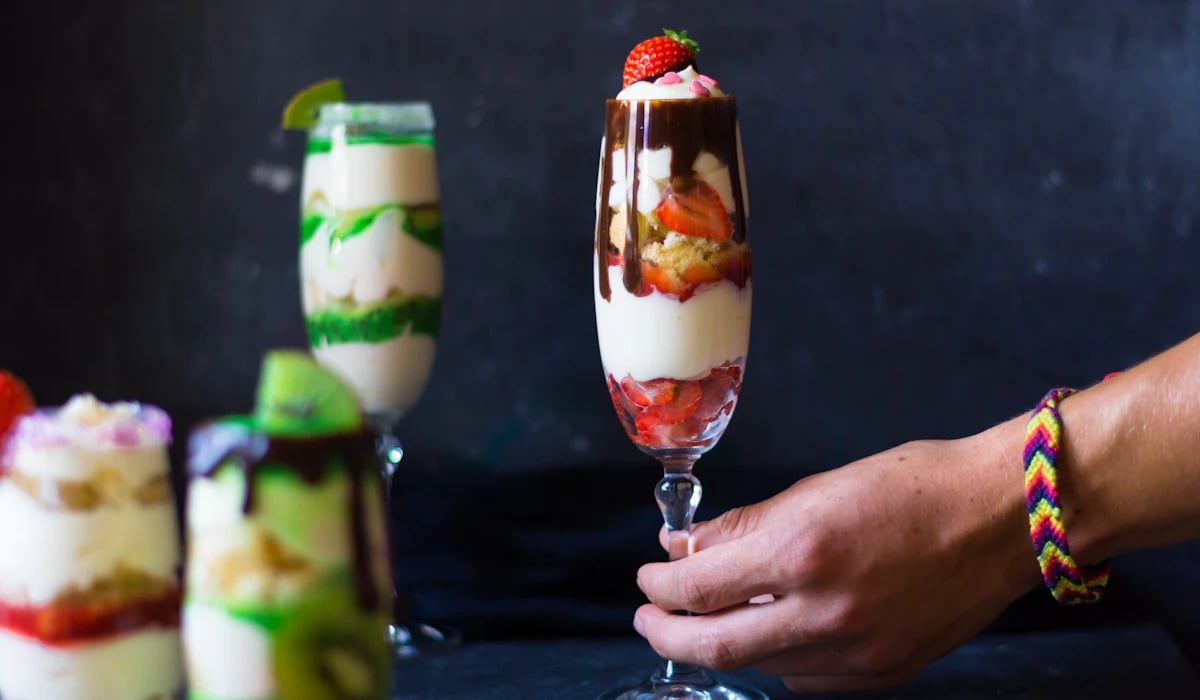
Layers of sponge cake soaked in sherry, raspberry jam, custard, fruit and whipped cream built up in a straight-sided glass bowl made trifle a natural showpiece. The dessert came from Britain, where versions date back centuries, and many American families of English descent kept it in their holiday rotation.
The footed trifle bowl became a fixture of 1960s china cabinets because the layers needed to be seen. Some hosts went heavy on the sherry and some barely let it touch the cake.
Guests could usually tell which kind of household they were in by the second spoonful.
Peach Melba for the Opera Crowd
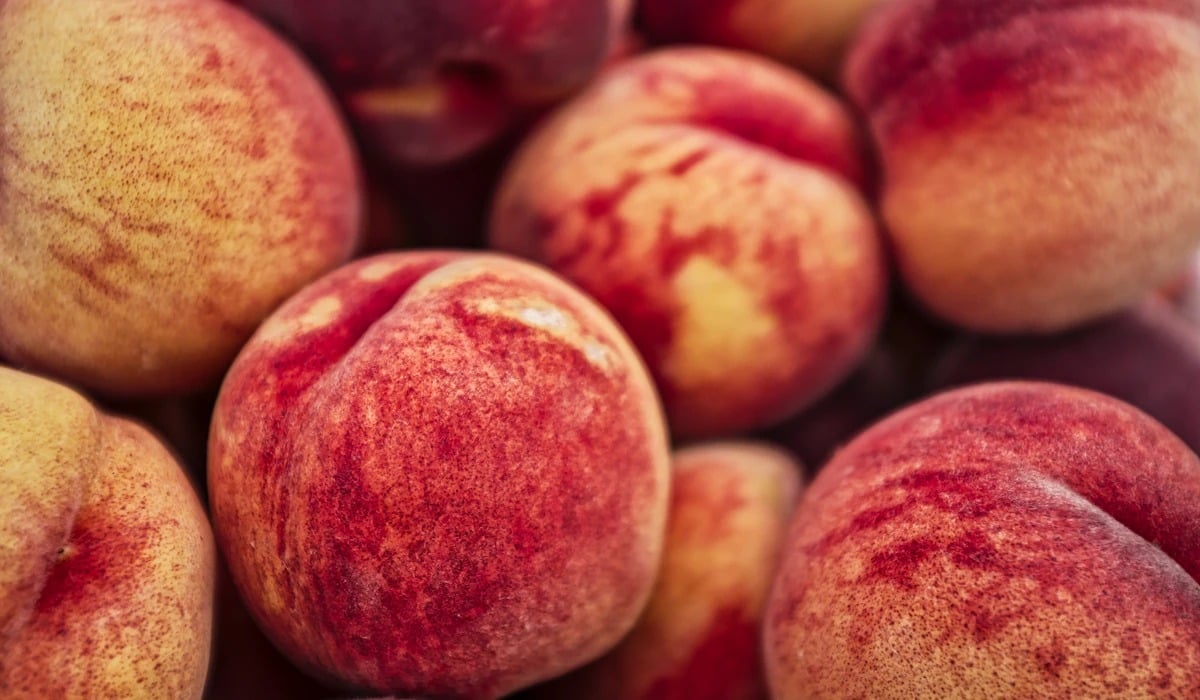
Poached peaches over vanilla ice cream with a raspberry puree was created by Escoffier in the 1890s to honor the Australian soprano Nellie Melba. The story goes that he served an early version in a swan carved from ice at the Savoy in London.
American hostesses in the 1960s skipped the ice sculpture and used canned peach halves, but the combination still worked. The raspberry sauce was the part that mattered.
Escoffier was reportedly irritated by later versions that used strawberries or thickened the sauce, and he had a point.
Pears Belle Helene
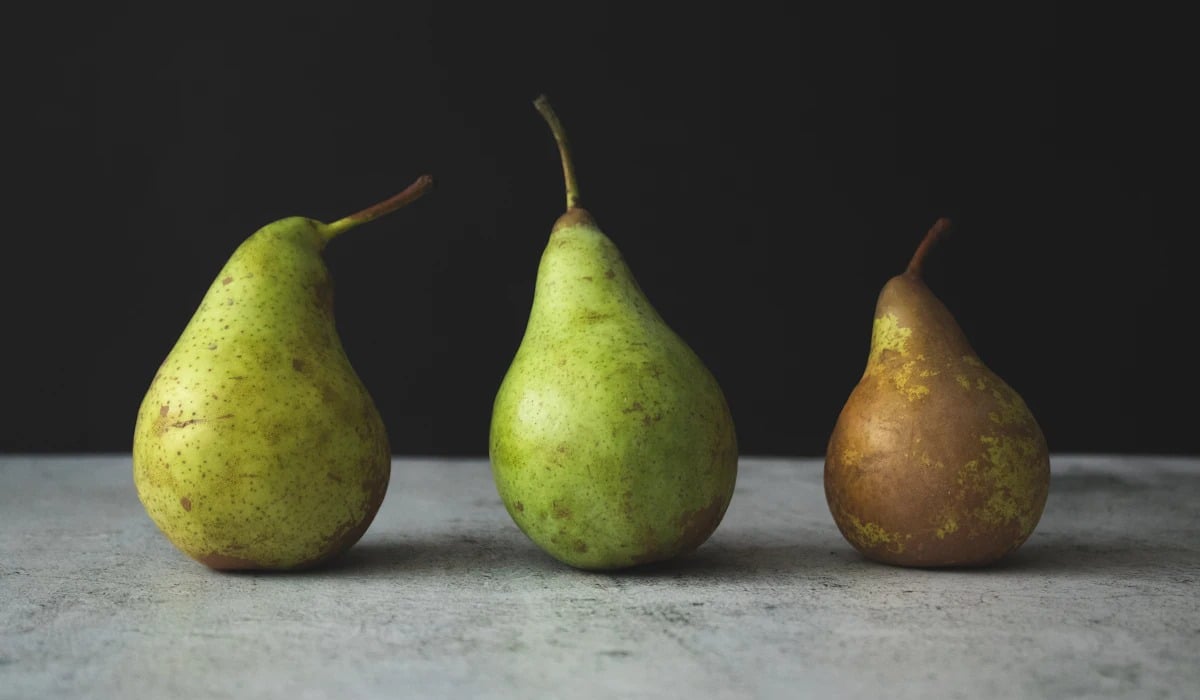
Poached pears served with vanilla ice cream and warm chocolate sauce took their name from La Belle Helene, an 1864 operetta by Jacques Offenbach. The dessert was a Paris restaurant classic and became a dinner party favorite in the United States during the 1960s.
Bartlett pears or canned pear halves were both used, depending on the season and the cook’s ambition. A silver sauceboat for the chocolate was part of the presentation.
The combination of cold, hot, fruit and chocolate made it feel more complicated than it actually was, which is the best kind of dinner party dessert.
Floating Island in Custard
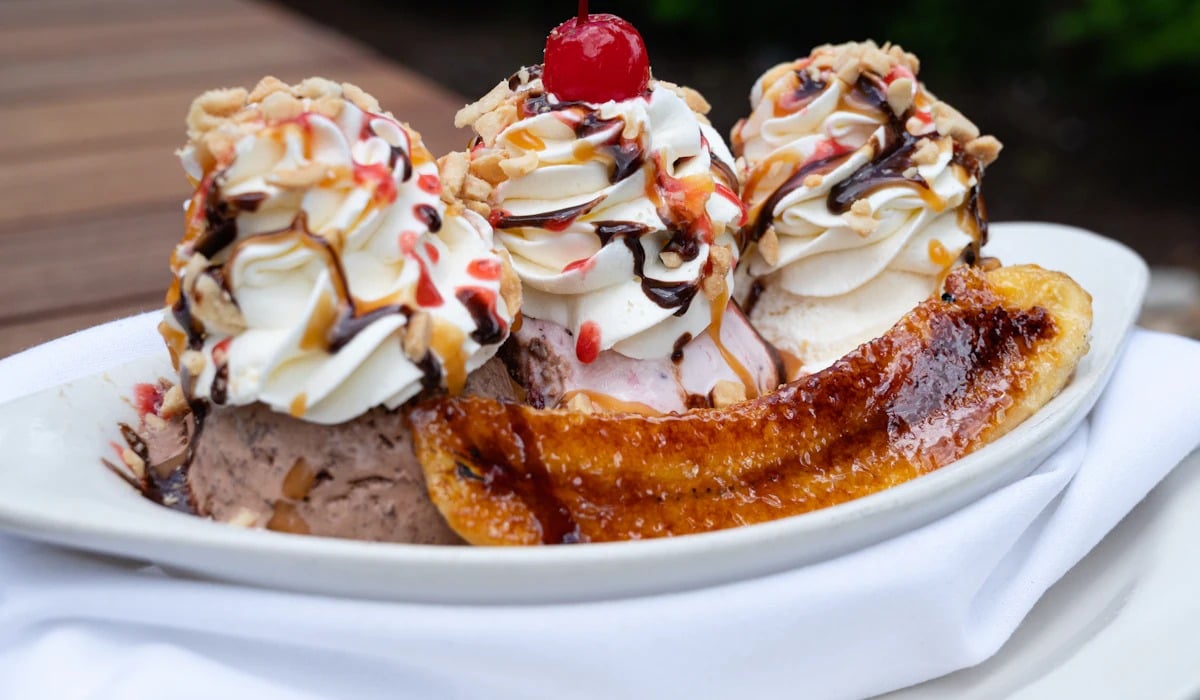
Soft poached meringues drifting on a pool of vanilla custard, sometimes finished with threads of caramel, made floating island one of the most delicate desserts of the era. The French call it ile flottante, and the dish appears in cookbooks going back to the 1700s.
Thomas Jefferson’s household recorded a version. In the 1960s it was a smart choice for hostesses who wanted something light after a heavy main course.
The meringues were poached in milk, which was then used to make the custard, so very little went to waste.
Icebox Cake From the Wafer Box
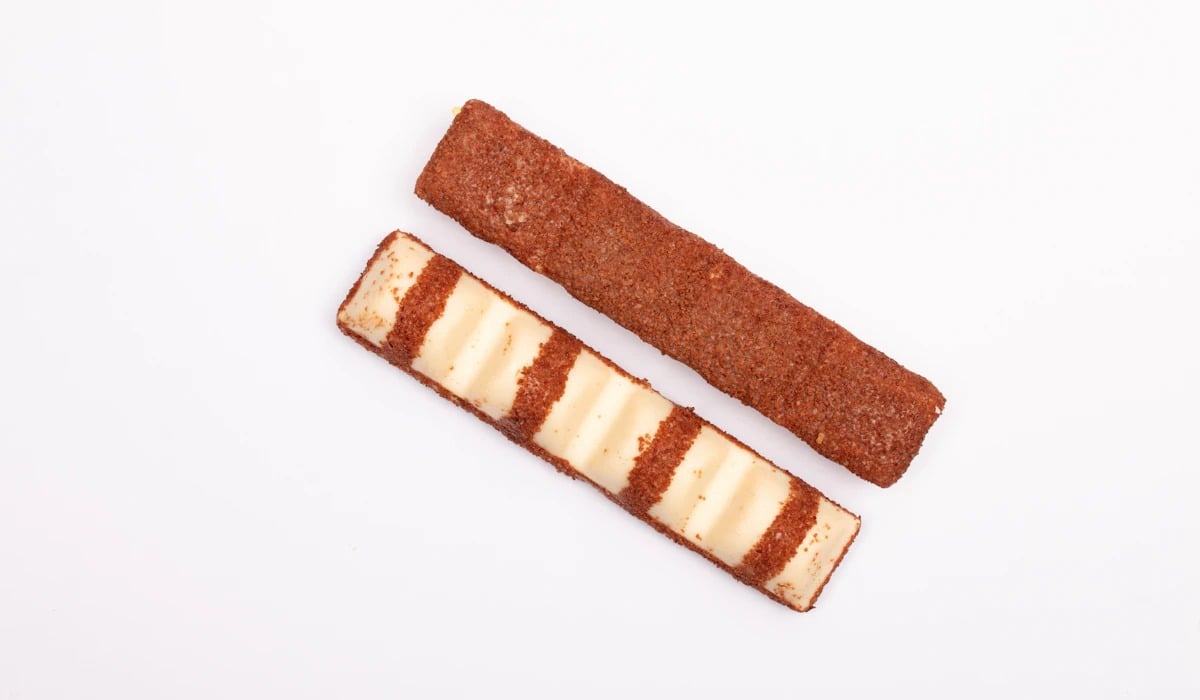
Thin chocolate wafers stacked with sweetened whipped cream and refrigerated overnight turned into a soft, sliceable cake by morning. The recipe was printed for decades on boxes of Nabisco Famous Chocolate Wafers, which kept it in circulation long after the actual icebox disappeared.
Sliced on the diagonal, the cake revealed neat stripes of chocolate and cream. It required no oven and no skill, only patience and room in the refrigerator.
That made it a favorite during summer dinner parties, when nobody wanted to bake, and the stripes did all the decorating work.
Chiffon Cake, the Secret Recipe
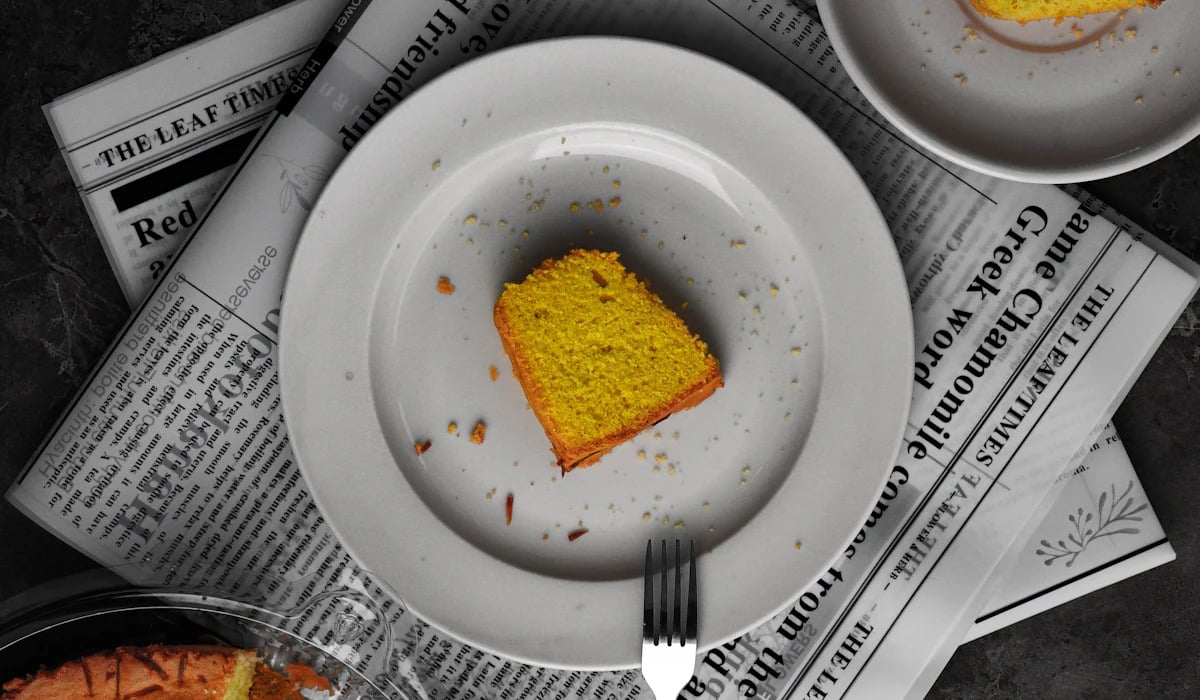
Chiffon cake used vegetable oil instead of butter, which kept it moist and tall. Harry Baker, a Los Angeles insurance salesman turned caterer, invented it in 1927 and kept the recipe secret for about two decades, selling the cakes to Hollywood restaurants.
He eventually sold the formula to General Mills, which published it in 1948. By the 1960s it was a dinner party standard in lemon, orange and chocolate versions.
The cake was baked in a tube pan and cooled upside down, propped on a bottle neck, so it would not collapse.
Angel Food Cake With Strawberries
A tall, snowy angel food cake made only with egg whites, sugar and flour was the lighter alternative to a buttercream layer cake. The cake had long been an American favorite, and cooks often used the leftover yolks to make custard or lemon curd for another course.
In the 1960s it was served in wedges with sliced strawberries and whipped cream. Proper slicing required a special comb-like cake breaker, because a regular knife squashed the crumb.
Many kitchens of the era owned one, and a fair number of them still sit unused in drawers today.
Desserts Built on Cool Whip
In 1966 General Foods introduced Cool Whip, a frozen whipped topping developed by food chemist William A. Mitchell, who also worked on Tang and Pop Rocks.
It quickly became the backbone of a new style of refrigerator dessert. Hosts folded it into gelatin, layered it with crushed cookies and spread it over sheet cakes.
Unlike real whipped cream, it held its shape for days without weeping. Recipe pamphlets from the era show how fast home cooks adopted it.
For many families, the plastic tub stayed in the freezer as a permanent fixture.
Biscuit Tortoni in Paper Cups
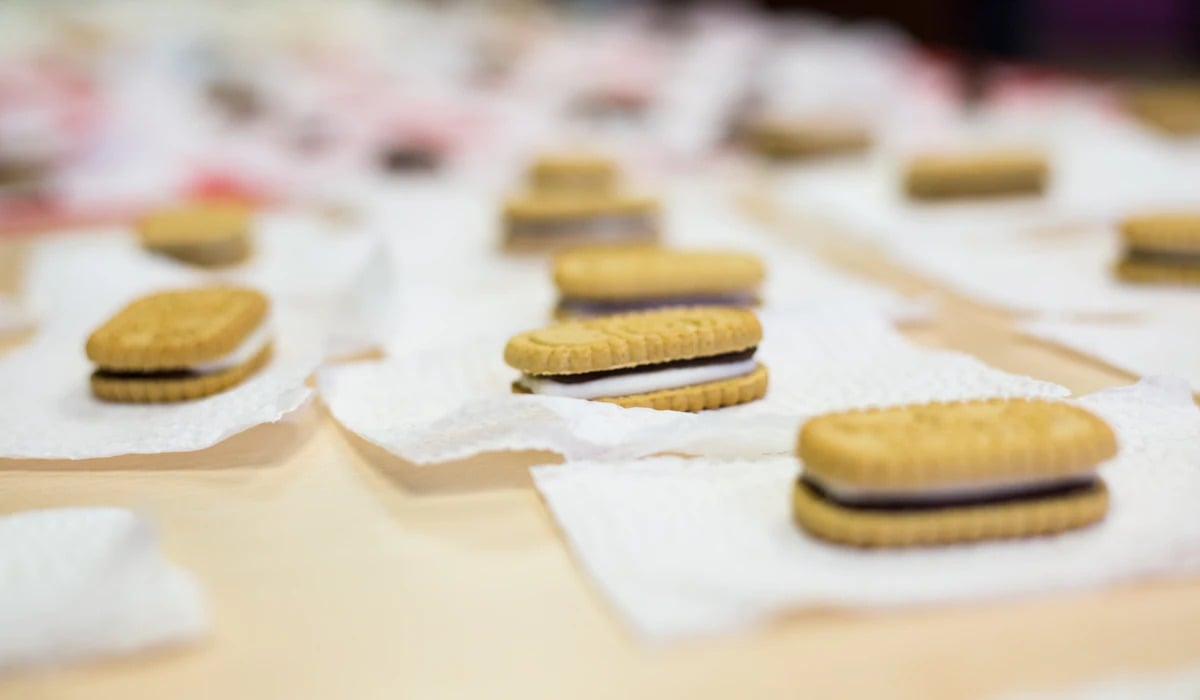
Frozen cream flavored with almond or rum, packed into small fluted paper cups and topped with crushed macaroons or toasted almonds, made biscuit tortoni a fixture of Italian American restaurants. It was named for the Cafe Tortoni in Paris, a fashionable spot in the 1800s.
Home cooks in the 1960s liked that it could be made days ahead and served straight from the freezer. Each guest got a neat individual portion, which suited formal place settings.
The dessert faded with the rise of gelato shops, though some old-school Italian restaurants still list it.
Spumoni in Three Colors
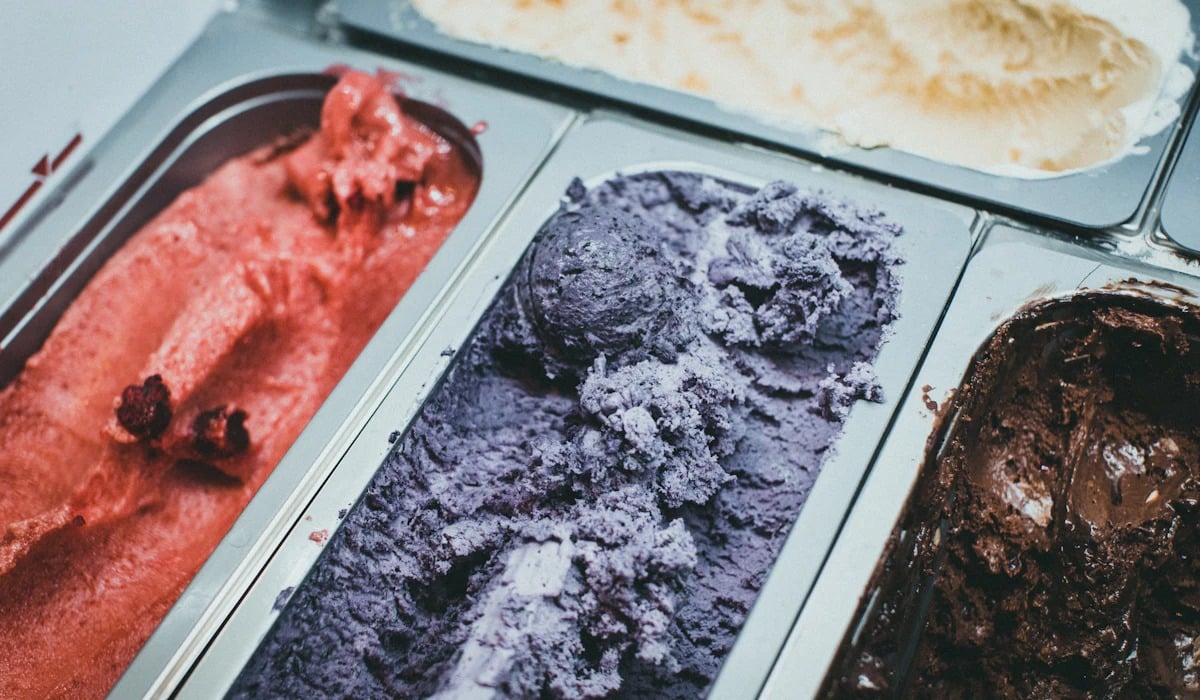
Molded Italian ice cream in layers of cherry, pistachio and chocolate, often studded with candied fruit and nuts, was sliced into wedges that showed off its stripes. Spumoni came to the United States with Neapolitan immigrants, and Brooklyn’s L and B Spumoni Gardens, open since 1939, helped make it famous.
In the 1960s it was a popular choice for dinner parties with an Italian theme. Supermarkets sold it in bricks, which saved hosts the trouble of layering three flavors.
The candied fruit divided opinion then and still does now.
Pots de Creme in Lidded Cups
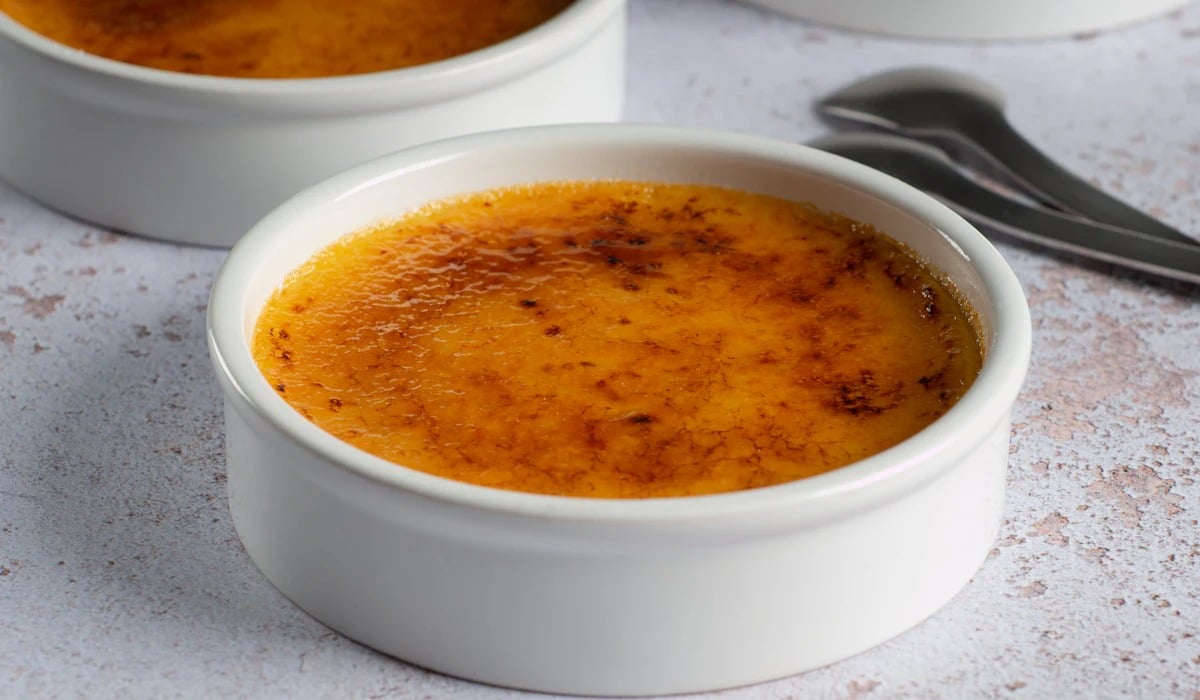
Rich baked custard, usually chocolate or vanilla, set in small porcelain cups with tiny lids made pots de creme one of the most refined desserts on the 1960s table. Matching sets of the little lidded pots were sold as gifts, often with a tray.
The custard was baked gently in a water bath, then chilled until firm. Lifting the lid at the table added a small moment of ceremony.
Many of those porcelain sets now sit in thrift stores, often missing a lid or two, because few households use them anymore.
Layered Parfaits in Tall Glasses
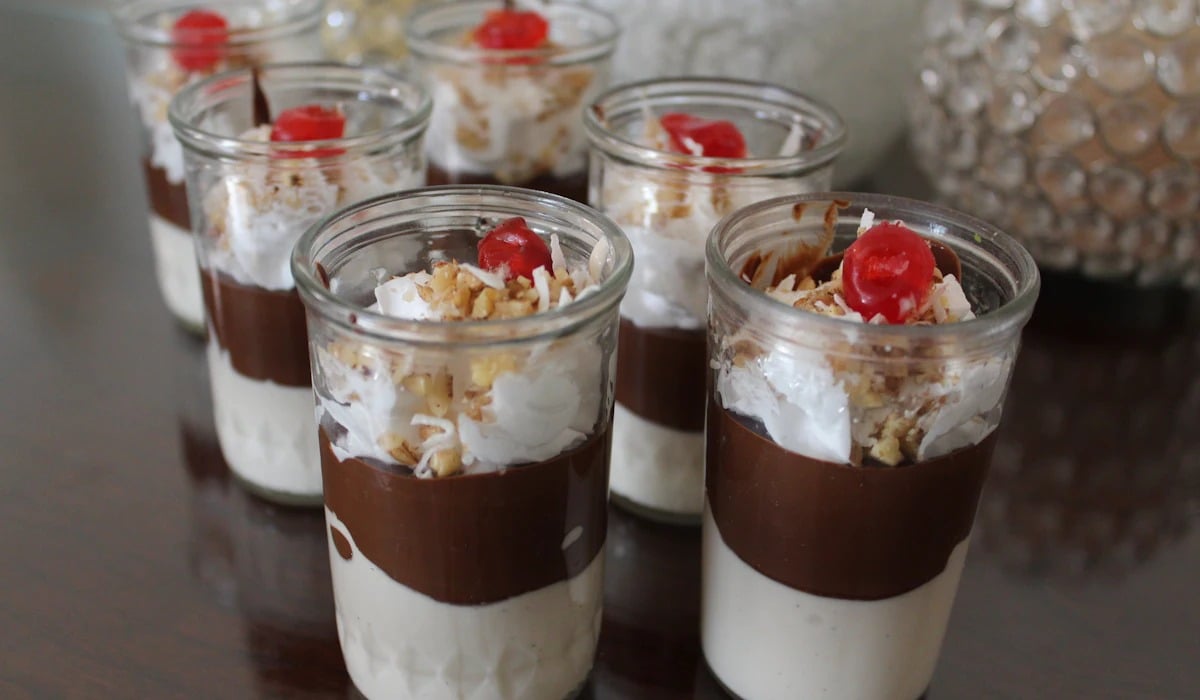
Tall, narrow parfait glasses filled with alternating layers of ice cream, fruit sauce, whipped cream and crushed nuts were the dinner party version of a soda fountain sundae. The word comes from the French for perfect, and the French version was a frozen custard rather than a layered sundae.
American hosts in the 1960s preferred the layered style because it looked impressive and took minutes to assemble. Long-handled parfait spoons were part of the set.
Getting the layers neat without smearing the glass was harder than it looked.
Strawberries Romanoff
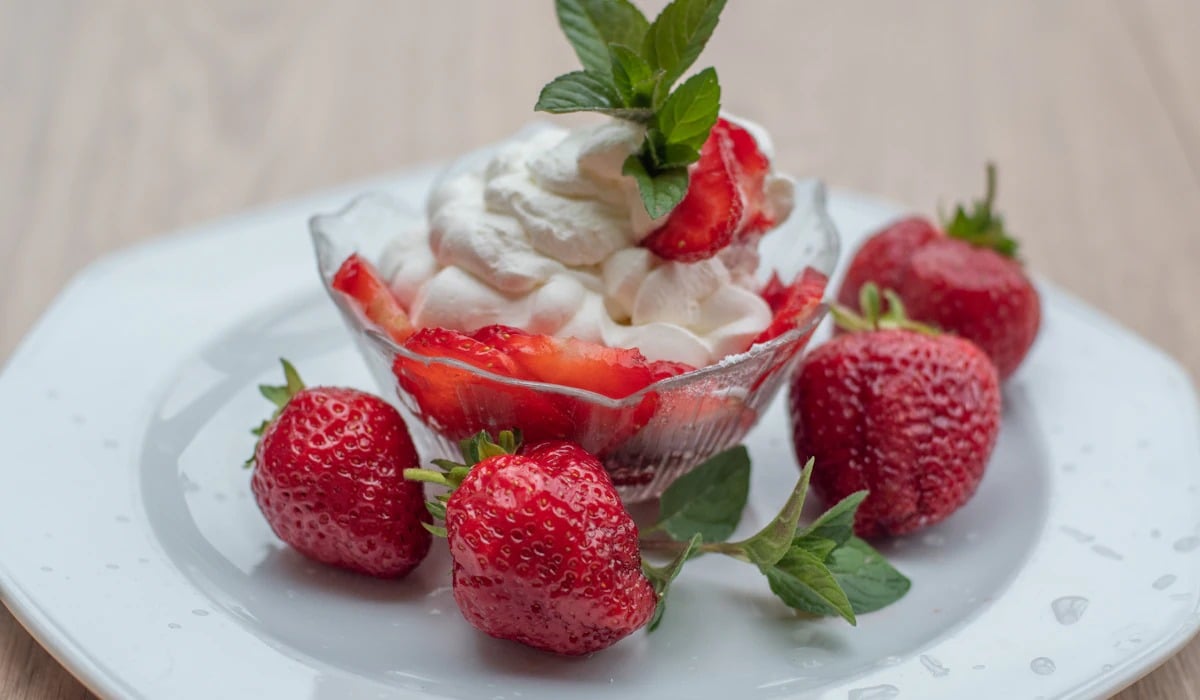
Fresh strawberries soaked in orange liqueur and folded into whipped cream, sometimes with softened vanilla ice cream, became a Hollywood favorite at Romanoff’s in Beverly Hills. The restaurant was run by Mike Romanoff, a colorful character who claimed to be a Russian prince but was actually born in Lithuania and raised in New York.
A similar strawberry dish appears in Escoffier’s work under the Romanoff name. Home cooks in the 1960s copied the restaurant version.
The dessert’s appeal came partly from the berries and partly from the borrowed glamour.
Zabaglione Whisked to Order
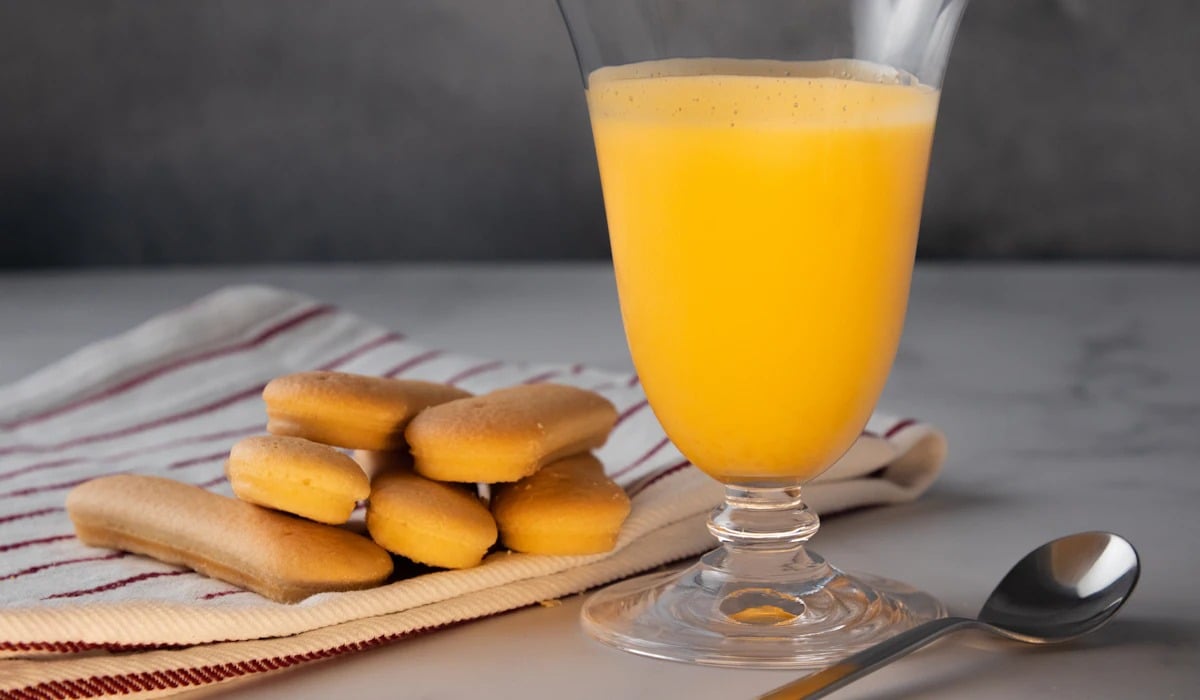
Egg yolks, sugar and Marsala wine whisked over simmering water until thick and foamy made zabaglione a dessert that demanded the cook’s full attention. Italian restaurants often prepared it tableside in a copper bowl, and ambitious hosts tried to do the same at home.
It was served warm in stemmed glasses or spooned over berries. The French version, sabayon, uses other wines.
The dessert was considered sophisticated in the 1960s, but it had a practical side. It needed only eggs, sugar and wine, which most households had on hand.
Coeur a la Creme Molds
Sweetened cream cheese and heavy cream drained overnight in a heart-shaped porcelain mold with tiny drainage openings in the bottom made a dessert that was soft, tangy and very French. The mold was lined with cheesecloth, and the finished heart was unmolded onto a plate and surrounded with strawberries or raspberry sauce.
Coeur a la creme means heart of cream. It was a popular choice for Valentine’s Day dinners and anniversary parties.
The porcelain molds are still found at estate sales, usually separated from the cheesecloth and the recipe.
Schaum Torte From Wisconsin
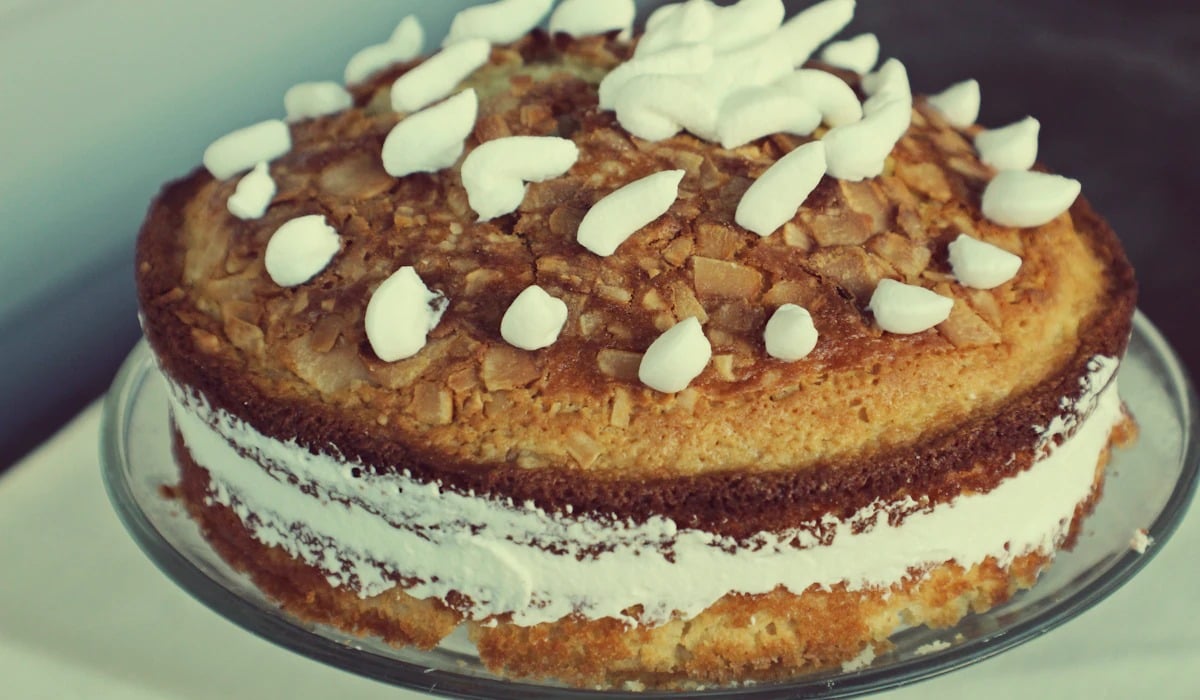
A large, crisp meringue shell baked slowly in a springform pan and filled with strawberries and whipped cream was the German American cousin of the pavlova. Schaum torte, meaning foam cake, was especially popular in Wisconsin and other parts of the upper Midwest.
The shell was crisp outside and soft inside, and it was usually baked the night before and left in a turned-off oven to dry. Midwestern hostesses served it at summer dinner parties and church suppers.
The dessert remains a regional tradition, though outside Wisconsin it is mostly forgotten.
Petits Fours on a Silver Tray
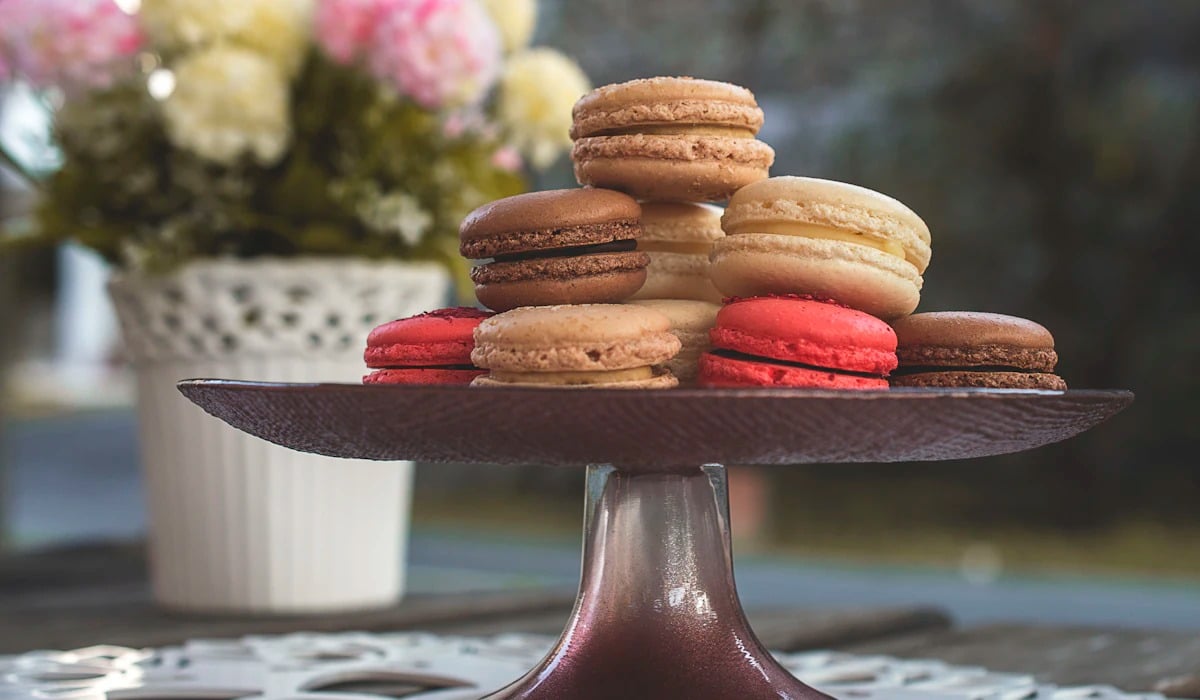
Tiny squares of layered cake, filled with jam, glazed with poured fondant and topped with a sugar flower, were the most formal sweets a hostess could offer. Making them at home was laborious, so many 1960s hosts bought them from bakeries or ordered them by mail.
Neiman Marcus and other specialty stores sold boxed versions. They were served with coffee after dinner, often alongside mints and salted nuts.
Each one was meant to be eaten in two bites. Guests who managed it in one were considered a little too enthusiastic.
Ice Cream Bombe
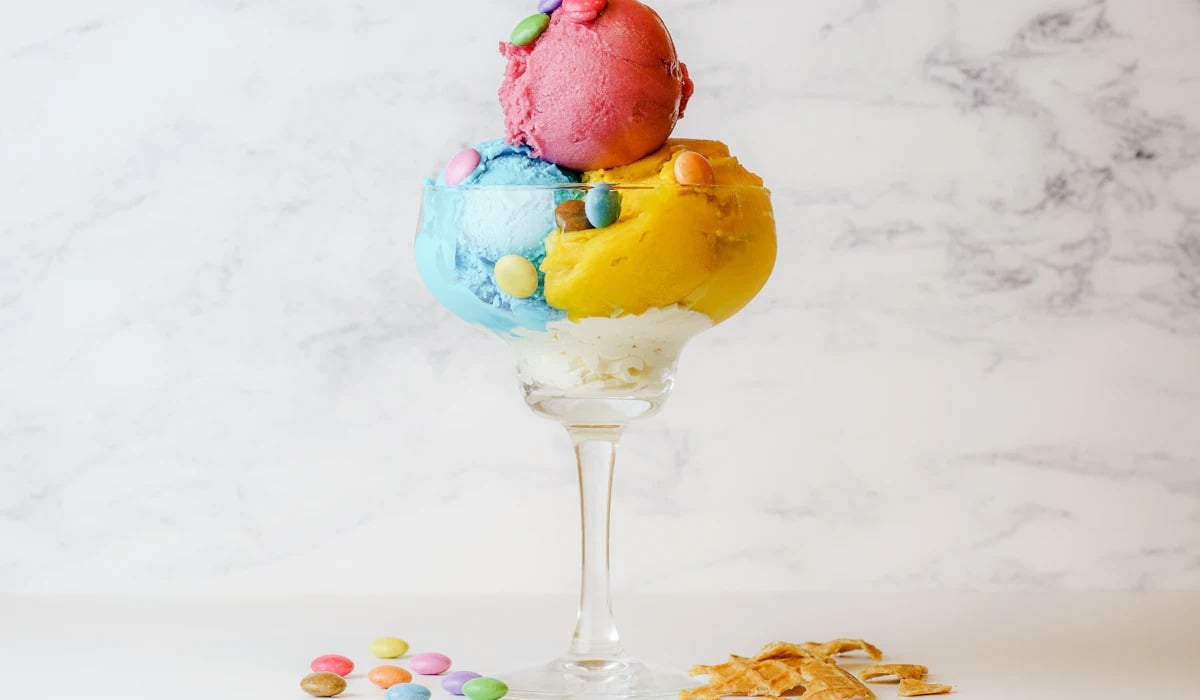
Layers of ice cream and sherbet frozen in a dome-shaped mold, then unmolded and sliced into wedges, made the bombe a dramatic finish that needed no oven. The name comes from the shape, which resembled an old round artillery shell.
Copper and aluminum bombe molds were sold for home use, but many cooks simply used a mixing bowl lined with plastic wrap. In the 1960s, a cut bombe showing rings of raspberry, vanilla and chocolate was considered the height of chic.
A warm chocolate sauce poured over the top completed the effect.
Poke Cake at the Decade’s End
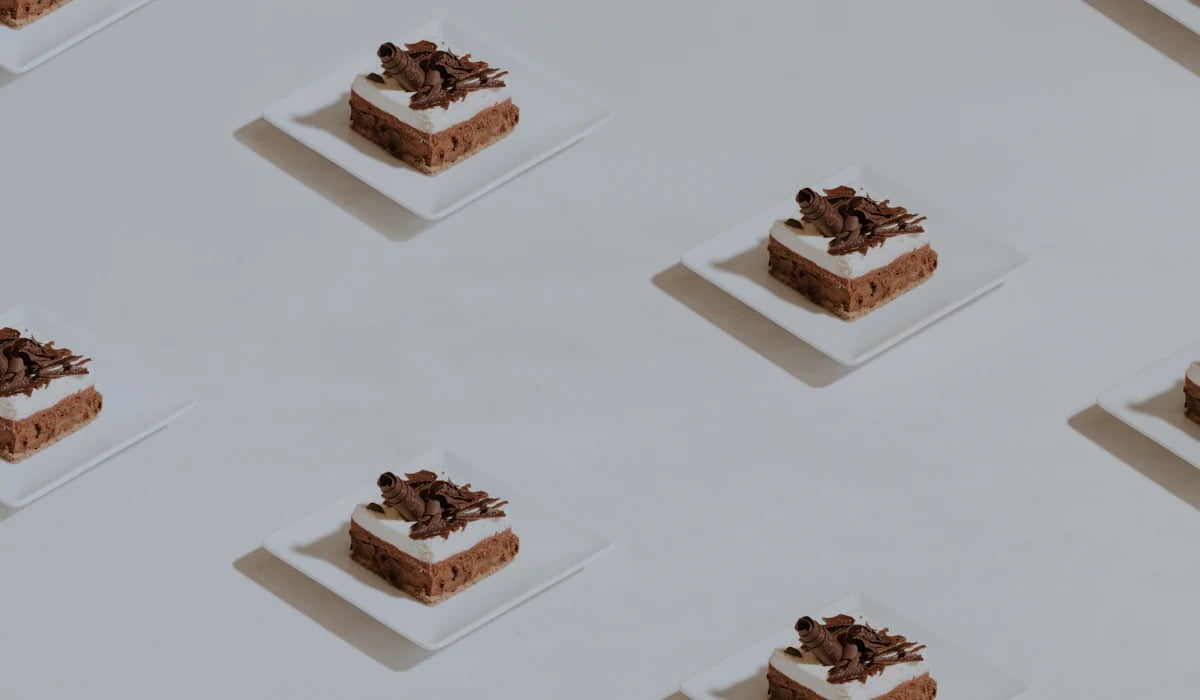
White cake baked in a sheet pan, poked all over with a fork and soaked with liquid gelatin, then chilled and frosted, became a hit at the very end of the 1960s. Kraft promoted the idea through its Jell-O brand, and the colorful streaks that appeared when the cake was sliced made it look far more complicated than it was.
It was a casual dessert, more suited to backyard parties than candlelit dinners. Its arrival hinted at the more relaxed entertaining style of the 1970s, when hosts began valuing ease over ceremony.
Flames, Molds and the Art of Showing Off
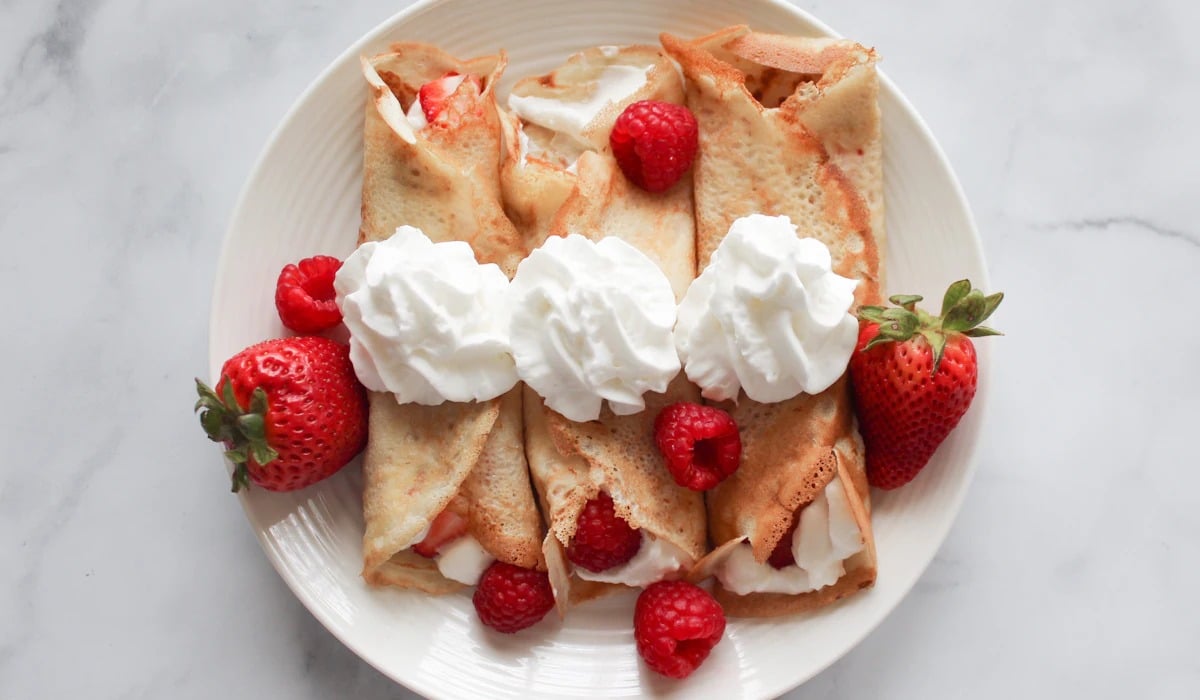
Most of these desserts shared a single goal, which was to make the host look capable. Fire, layers, molds and meringue all suggested time, skill and a well-stocked kitchen.
The irony is that many of them relied on canned fruit, boxed gelatin and frozen toppings. Mid-century entertaining was always part performance and part shortcut.
Tastes changed, kitchens got busier and dinner parties became looser affairs. Yet these recipes still surface in church cookbooks, holiday menus and estate sale recipe boxes.
A Baked Alaska still gets applause when it reaches the table. That kind of reaction never goes out of style, even if the fondue pot does.
MORE FROM GO2TUTORS!

- The Romanov Crown Jewels and Their Tragic Fate
- 13 Historical Mysteries That Science Still Can’t Solve
- Famous Hoaxes That Fooled the World for Years
- 15 Child Stars with Tragic Adult Lives
- 16 Famous Jewelry Pieces in History
Like Go2Tutors’s content? Follow us on MSN.