22 Historic Shipwrecks Discovered With Cargo Nobody Expected
The ocean floor holds secrets that make no sense until they surface. When maritime archaeologists pull up artifacts from centuries-old wrecks, they’re often puzzled by what they find.
Ships carrying Roman concrete mixed alongside Chinese silk, medieval vessels loaded with chocolate beans that wouldn’t become popular in Europe for another hundred years, or trading boats stuffed with live animals heading to places that never requested them. These discoveries rewrite our understanding of ancient trade routes, cultural exchange, and human ambition.
Uluburun Shipwreck
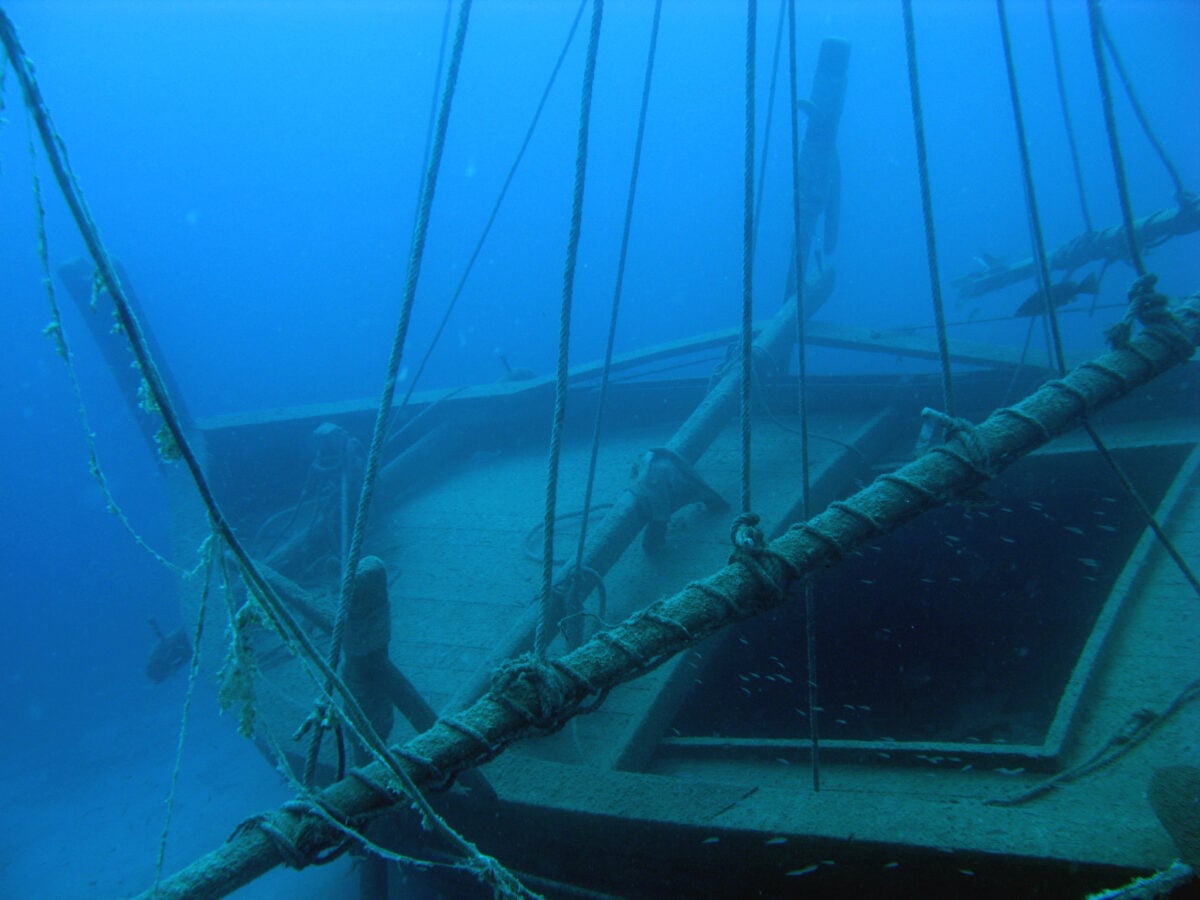
This Bronze Age vessel went down off Turkey’s coast carrying the ancient world’s version of Amazon Prime. Raw materials from at least seven different civilizations filled the hold.
The cargo manifest reads like a fantasy novel: African ebony, Baltic amber, Cypriot copper, and tin from Afghanistan all crammed into one boat that was probably overloaded from day one.
Belitung Shipwreck
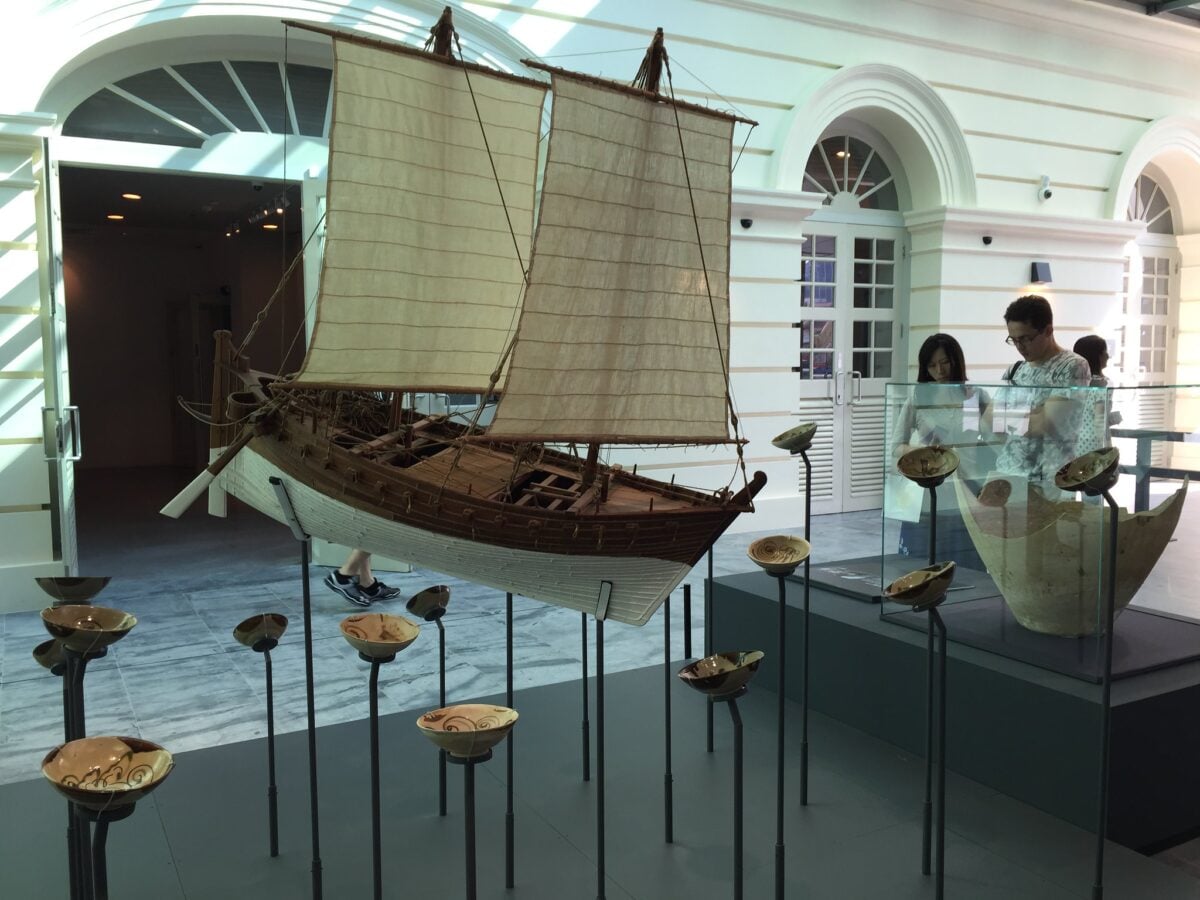
Tang Dynasty China apparently had a serious ceramics export business nobody knew about. This 9th-century Arab dhow carried 60,000 pieces of Chinese pottery to the Middle East.
That’s not a typo—sixty thousand plates, bowls, and cups packed so tightly the ship resembled a floating warehouse (which probably explains why it didn’t stay floating).
Vasa
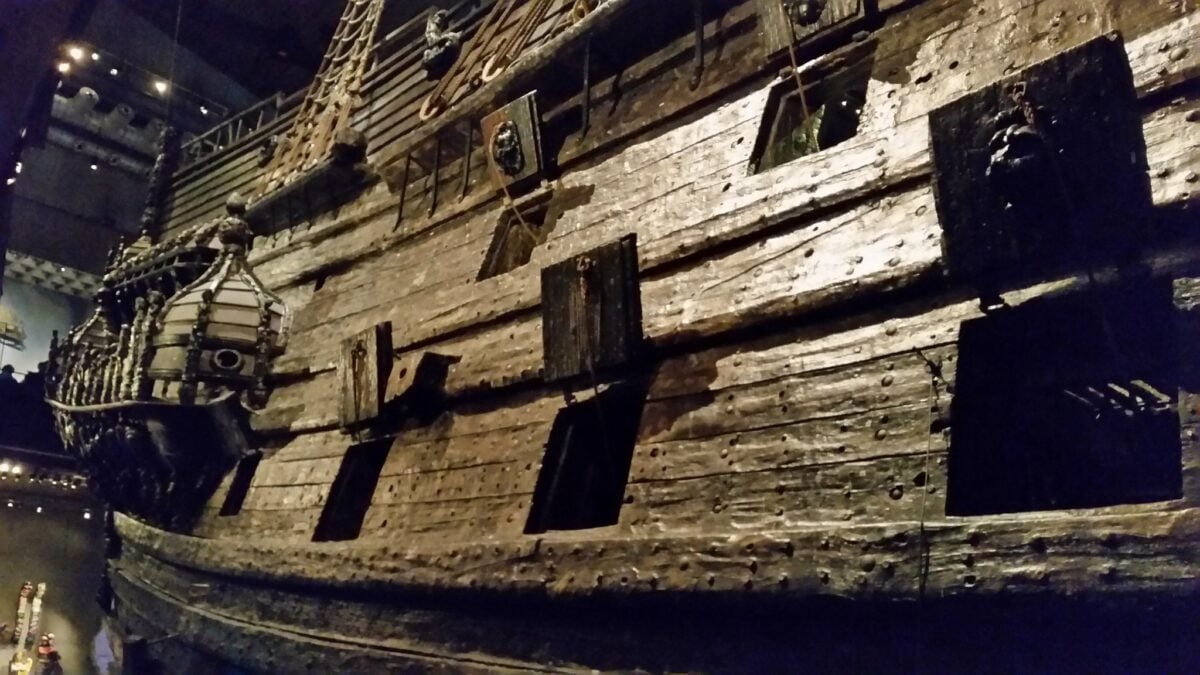
Sweden’s most embarrassing naval moment turned into archaeology’s greatest gift when this warship sank in Stockholm harbor in 1628. The cargo wasn’t just cannons and supplies—the ship carried barrels of butter intended to last months, along with personal belongings that painted a picture of sailors who packed for a long voyage that lasted about 20 minutes.
Dokos Wreck
The world’s oldest known shipwreck carries pottery that raises uncomfortable questions about Early Helladic civilization. These weren’t crude clay pots but sophisticated ceramics that suggest artistic traditions nobody knew existed in 2700 BCE.
So either our timeline of human development needs serious revision, or ancient potters were dramatically underestimated.
Mary Rose
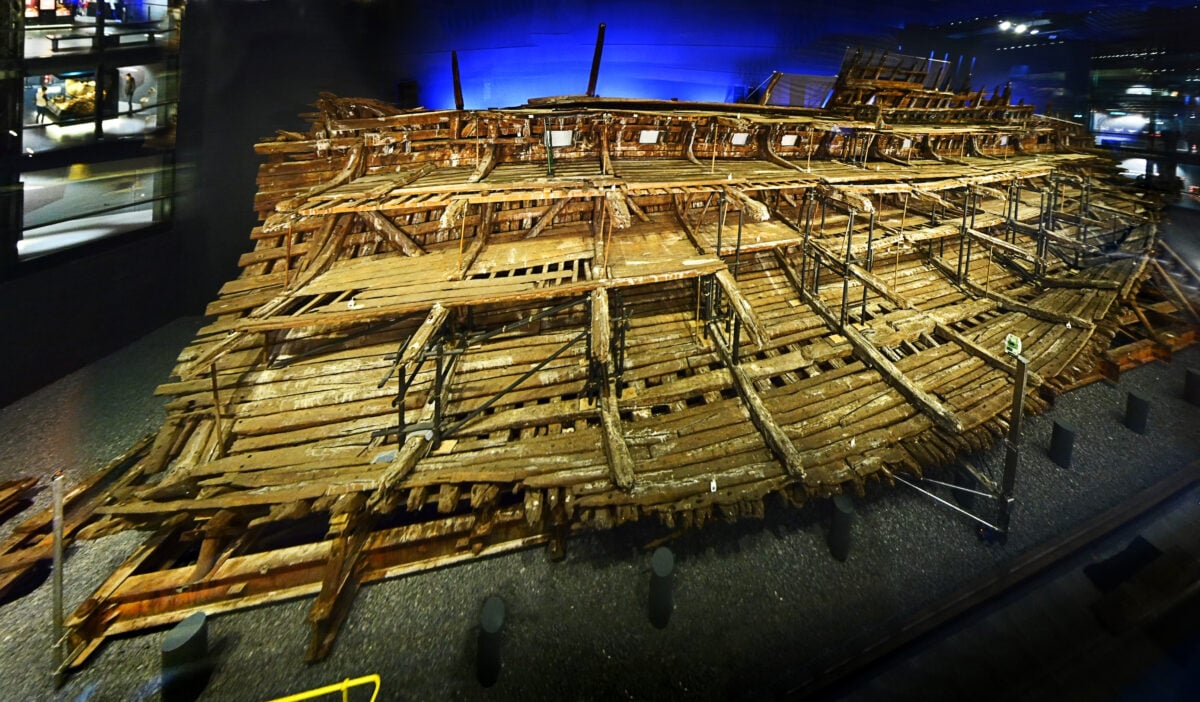
Henry VIII’s flagship sank with a medical kit that reads like a medieval pharmacy textbook. Barber-surgeon supplies included everything needed for battlefield amputations, but also delicate instruments for eye surgery and dental work—procedures that supposedly weren’t developed until centuries later, which makes you wonder what else we’ve gotten wrong about Tudor medicine.
Antikythera Wreck
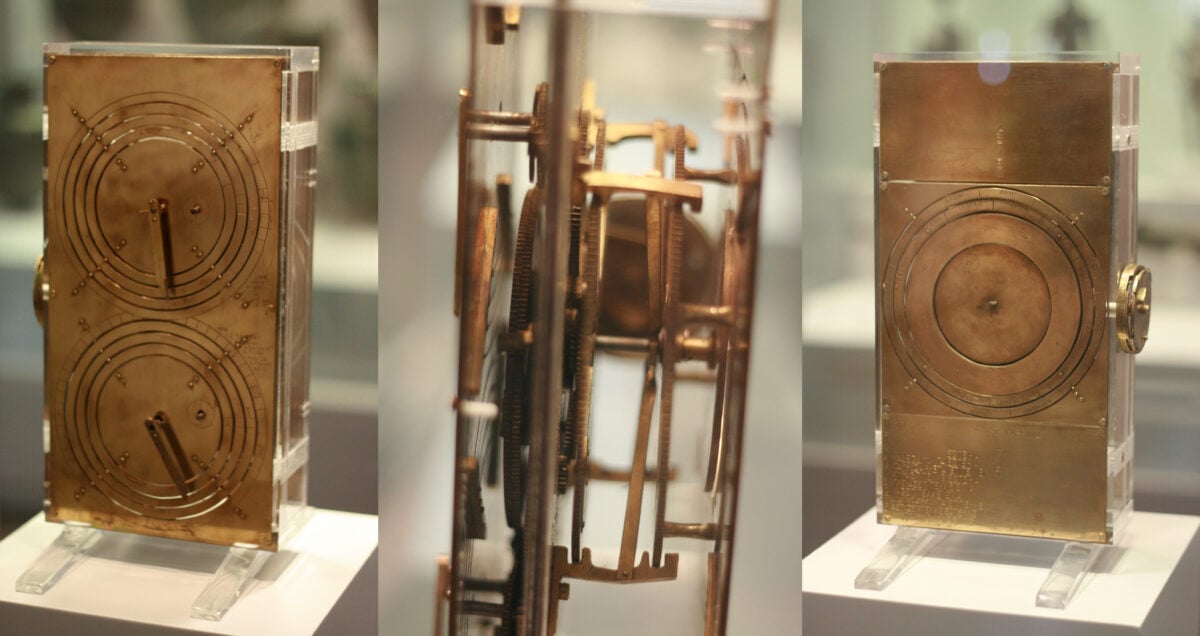
Roman cargo ships weren’t supposed to carry ancient Greek computers, but this one did. The famous Antikythera mechanism sat alongside bronze statues and luxury goods, as if someone cleaned out a museum and decided to ship the entire collection to Rome (where it never arrived, obviously).
Kyrenia Ship
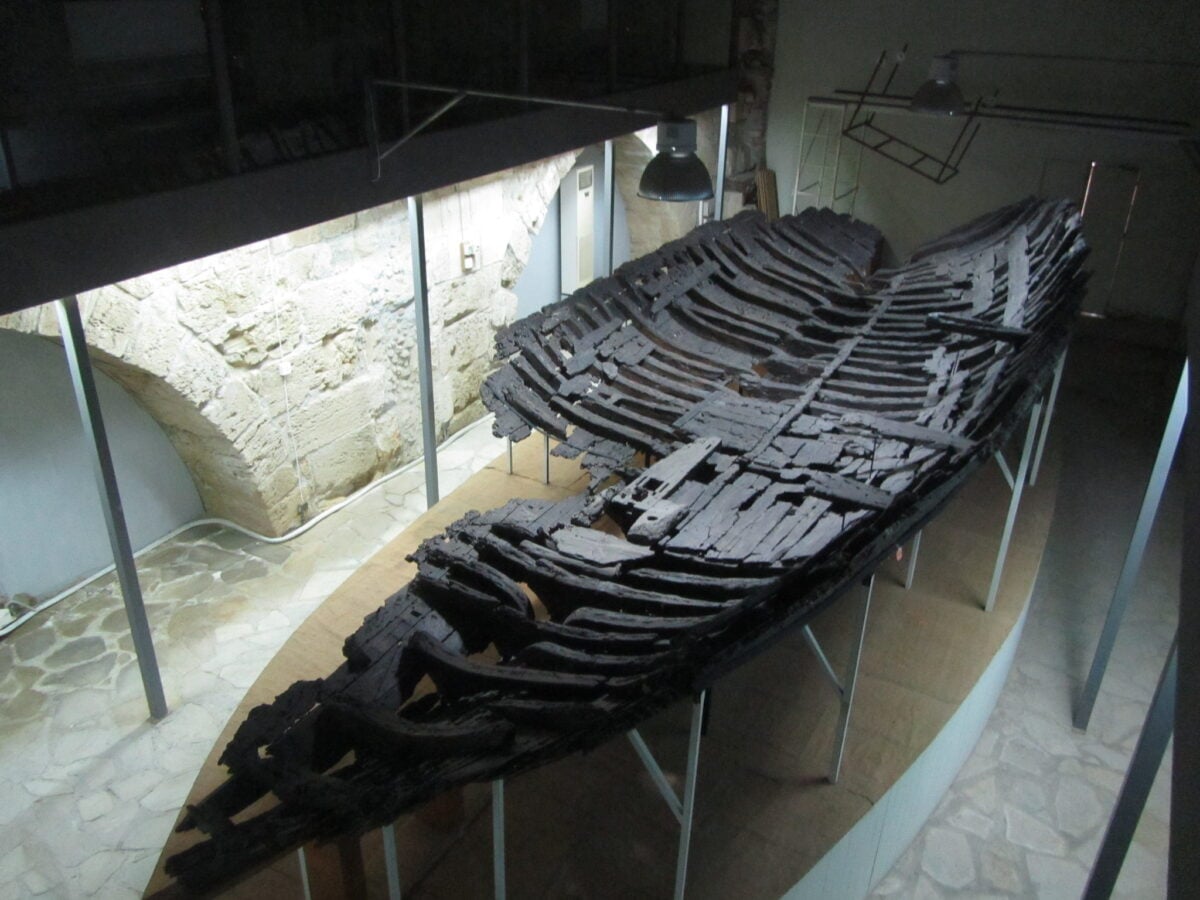
Cyprus yielded a merchant vessel that carried 400 wine amphoras and a cargo of almonds that nobody ordered. The almonds were still intact after 2,300 years underwater, which says something remarkable about ancient preservation techniques—or the durability of nuts that could survive longer than most civilizations.
Shinan Wreck
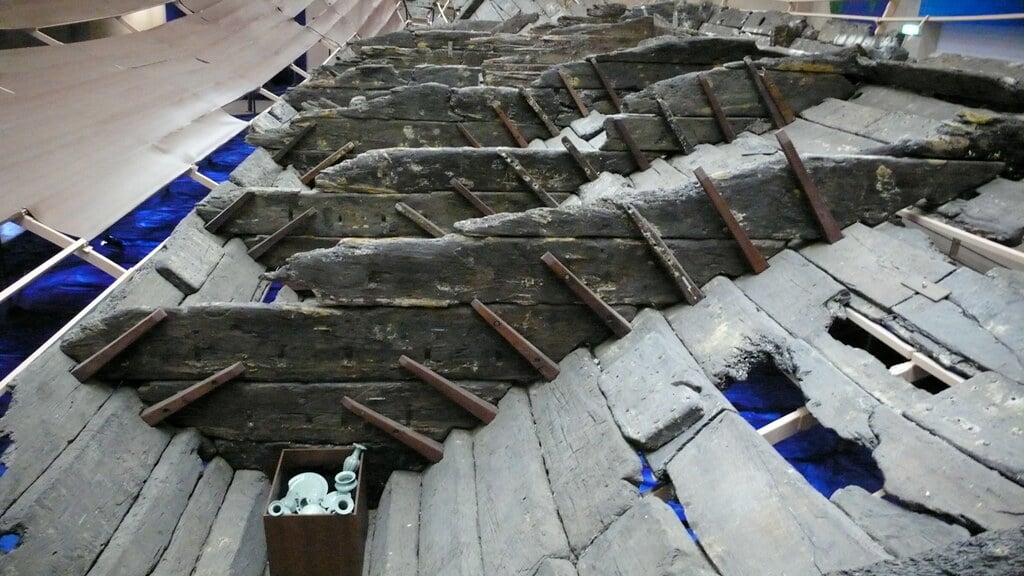
Korean waters preserved a Yuan Dynasty ship loaded with 20,000 pieces of Chinese ceramics bound for Japan. The pottery represents dozens of different kilns and artistic styles, suggesting either remarkable quality control across medieval China or a cargo manifest compiled by someone who never met a ceramic piece they didn’t want to export.
Molasses Reef Wreck
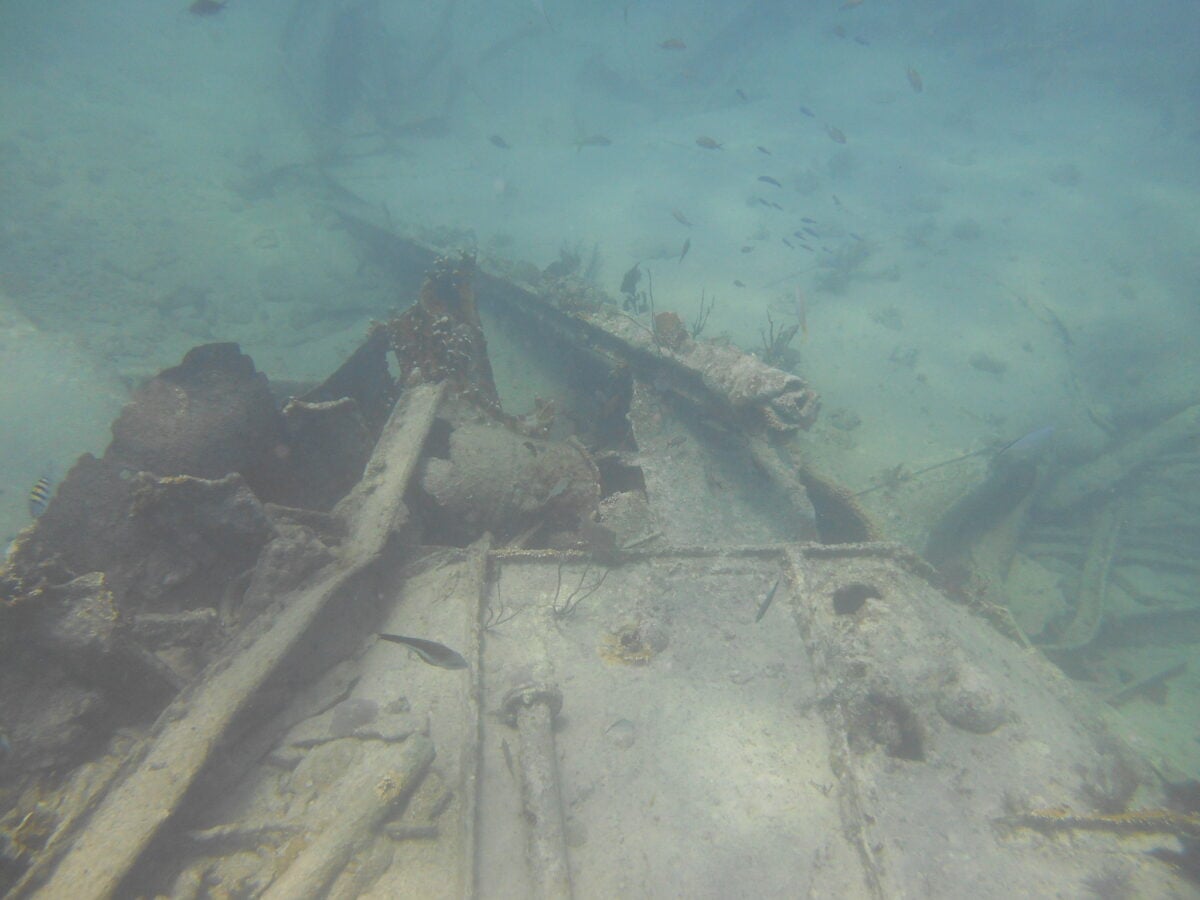
Early Spanish colonists shipped bombards (primitive cannons) to the Caribbean alongside delicate glassware and religious artifacts. The combination makes little tactical sense—you don’t typically pack fine crystals next to artillery unless your cargo planning involves wishful thinking about peaceful colonization.
Serçe Limanı Wreck
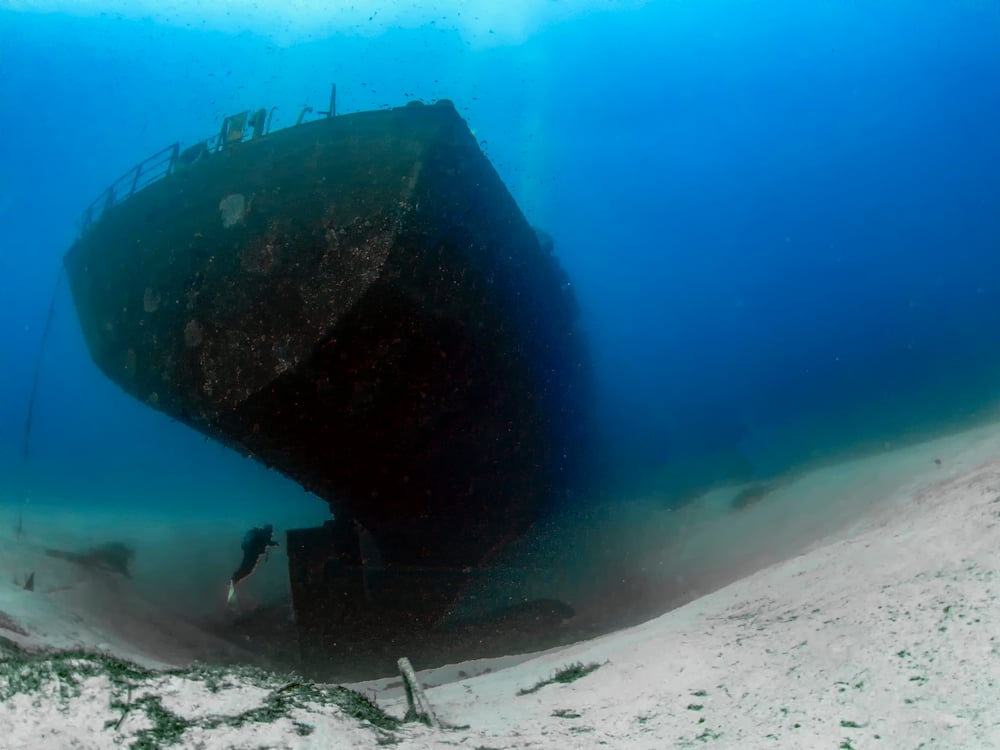
Byzantine glass merchants were running what amounts to an ancient recycling operation, shipping three tons of broken glass cullet from workshops to furnaces. This 11th-century vessel carried raw glass materials alongside finished products, revealing an industrial process that sounds remarkably modern for people who supposedly lived in the “Dark Ages.”
Madrague de Giens Wreck
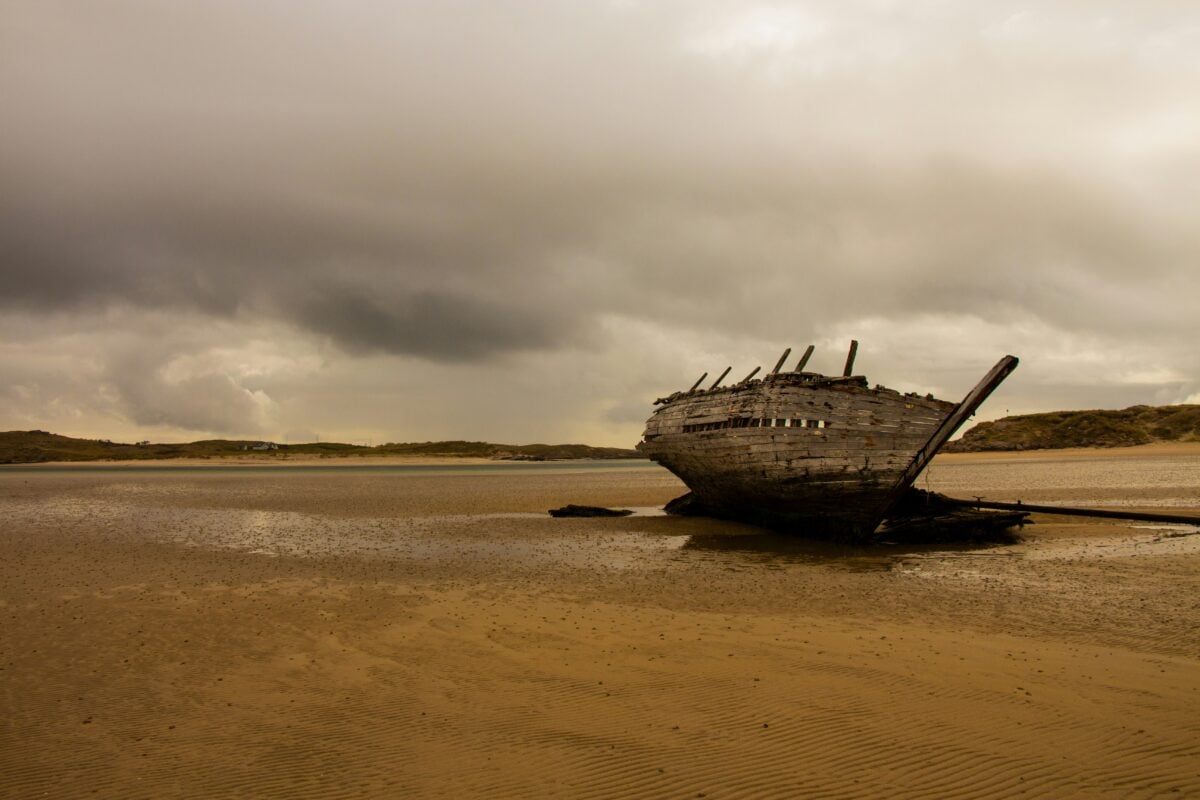
Roman wine merchants loaded this ship with 6,000-8,000 amphoras of Italian wine bound for Gaul, but also packed medicine bottles and fishing equipment. The medical supplies included surgical instruments and pharmaceutical containers, suggesting either hypochondriac sailors or a cargo manifest that doubled as a floating hospital.
Cape Town Wreck
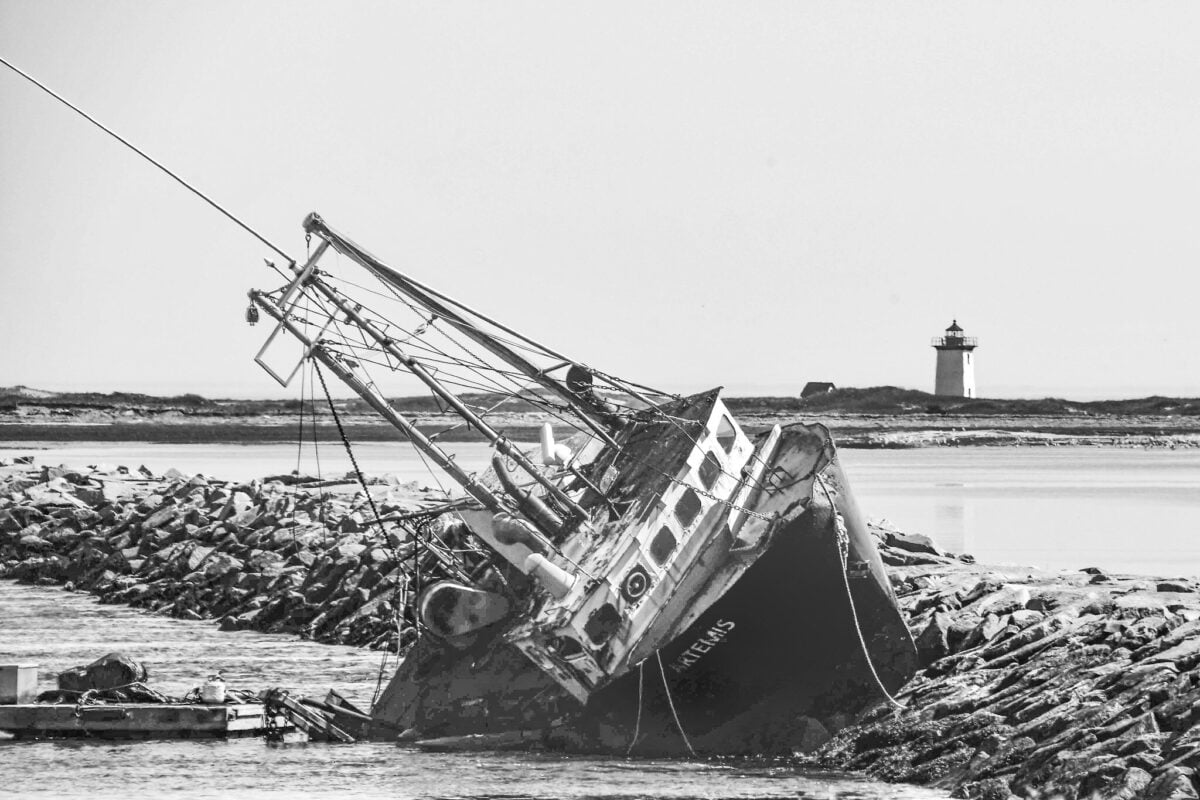
Dutch East India Company ships carried Chinese porcelain, Japanese lacquerware, and Indonesian spices to European markets, but this particular vessel also transported live peacocks and exotic birds. Keeping tropical birds alive during months-long voyages required knowledge of animal husbandry that maritime historians are still trying to understand.
Pandora
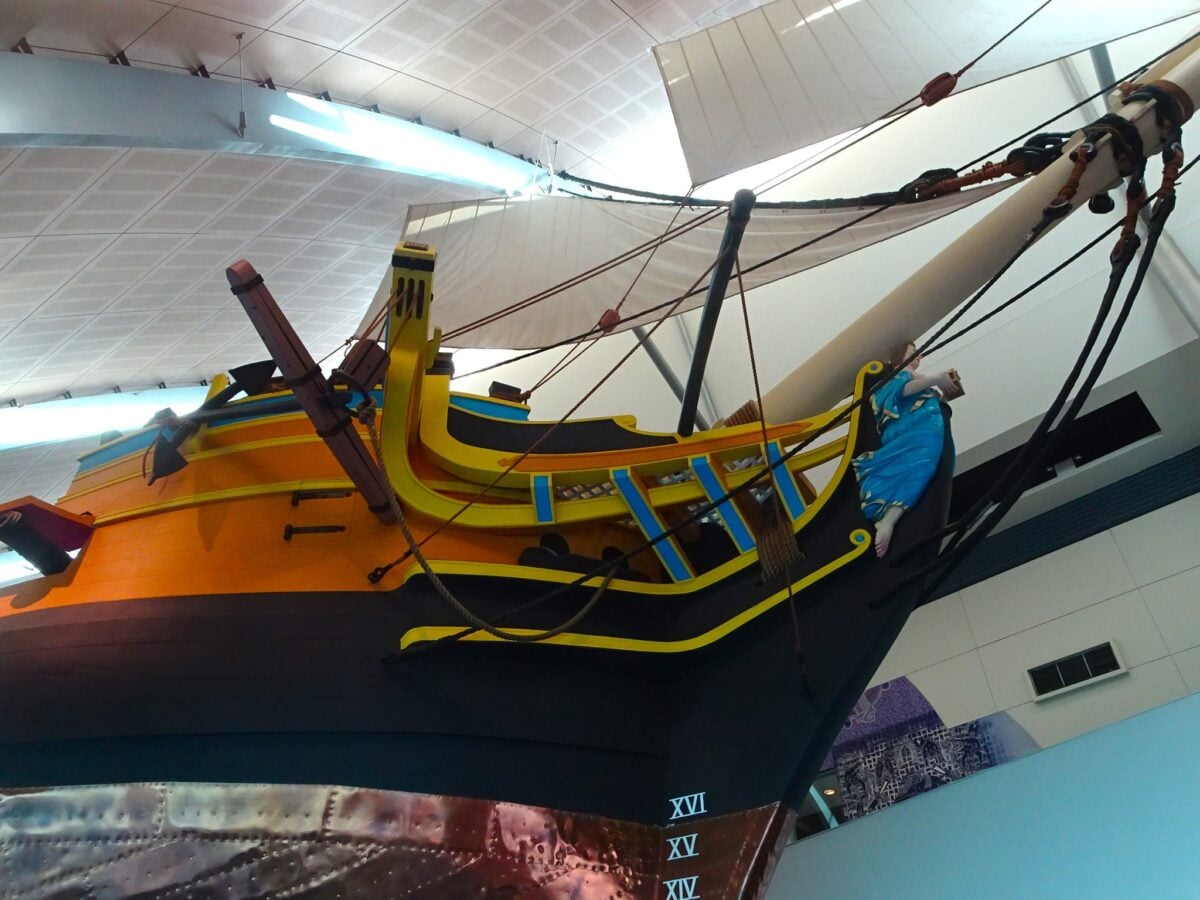
Captain Bligh’s pursuit ship carried leg irons, navigational instruments, and a collection of Tahitian artifacts that nobody authorized. The unauthorized cargo included native weapons, ceremonial objects, and cultural items that suggest either remarkable unauthorized collecting or crew members who understood the anthropological value of what they were witnessing.
Hamilton Scourge
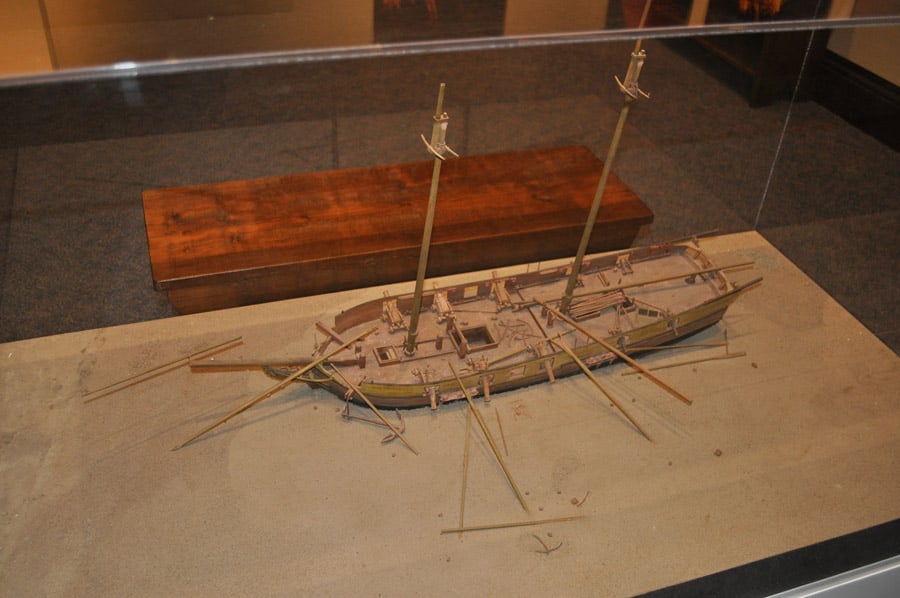
These War of 1812 vessels preserved in Lake Ontario’s cold waters carried standard naval supplies alongside personal items that paint a picture of sailors who expected to return home. Reading glasses, combs, and pocket watches suggest crews who packed for routine patrol duty rather than the naval engagement that sent them to the bottom.
Rooswijk
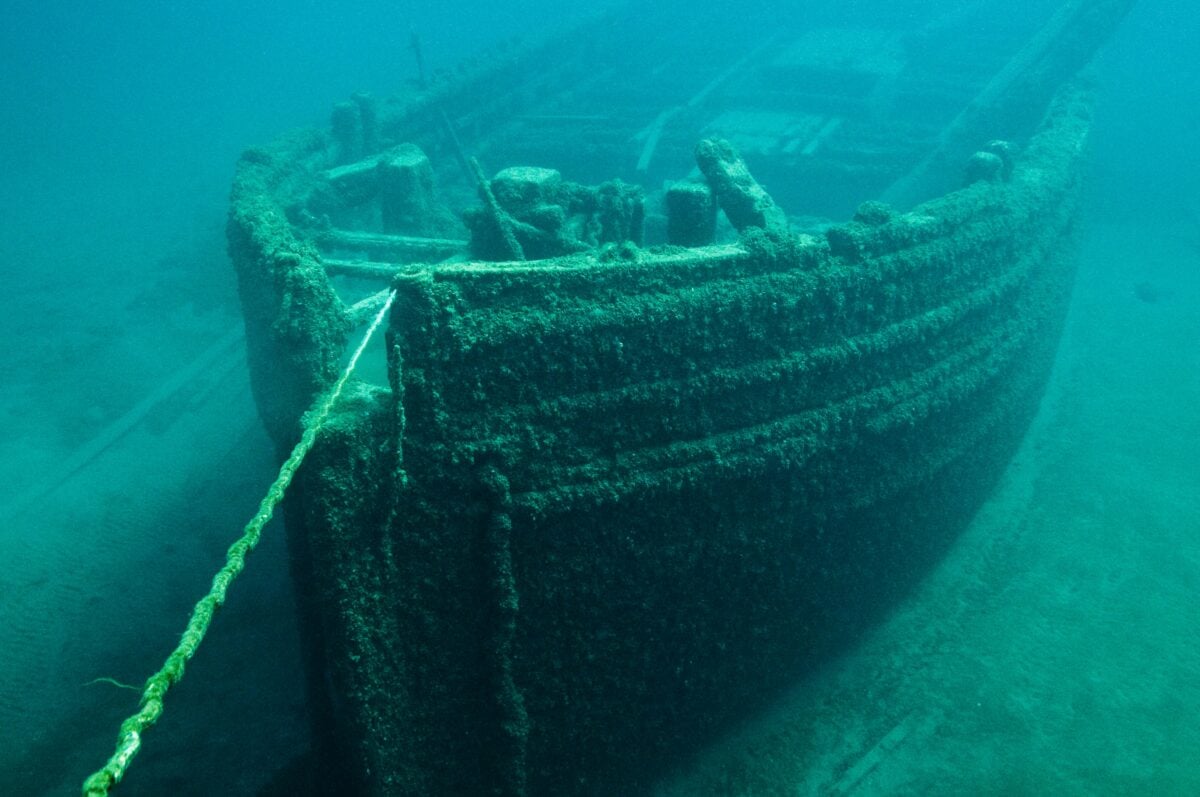
Dutch East India Company silver shipments weren’t supposed to include Chinese medicinal herbs and exotic plants, but this 1740 wreck carried both. The combination suggests either diversified cargo planning or crew members running unauthorized side businesses in traditional medicine, which would have been remarkably forward-thinking for 18th-century sailors.
Queen Anne’s Revenge
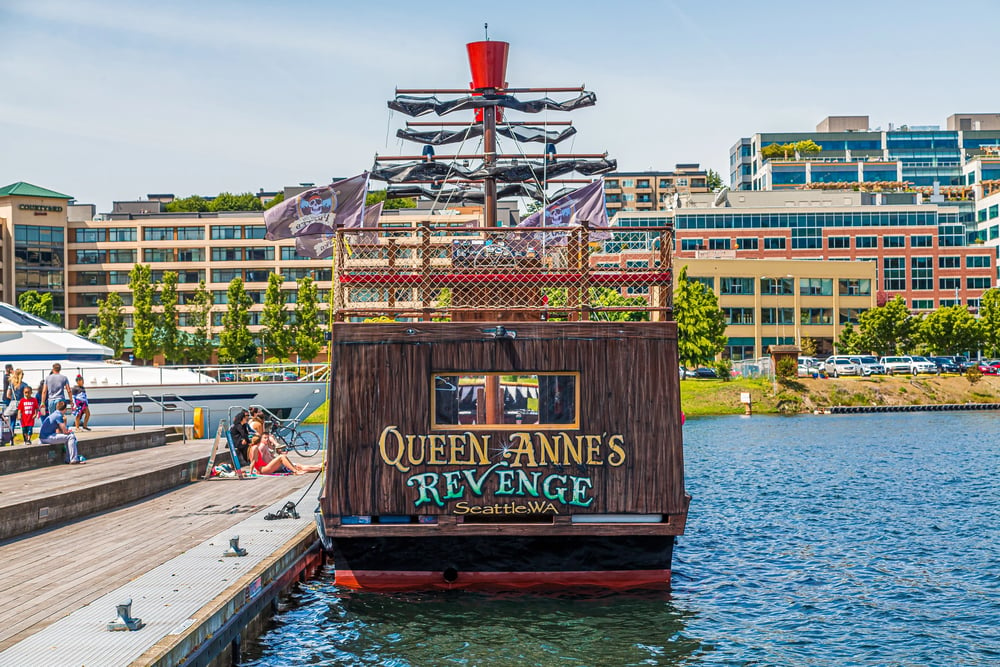
— Photo by dbvirago
Blackbeard’s flagship carried medical supplies that would stock a small hospital: syringes, surgeon’s tools, and pharmaceutical equipment. Pirates weren’t known for their healthcare benefits, but this cargo suggests either remarkable concern for crew welfare or looted medical supplies from vessels that carried actual doctors rather than cutthroat criminals.
Amsterdam Packet
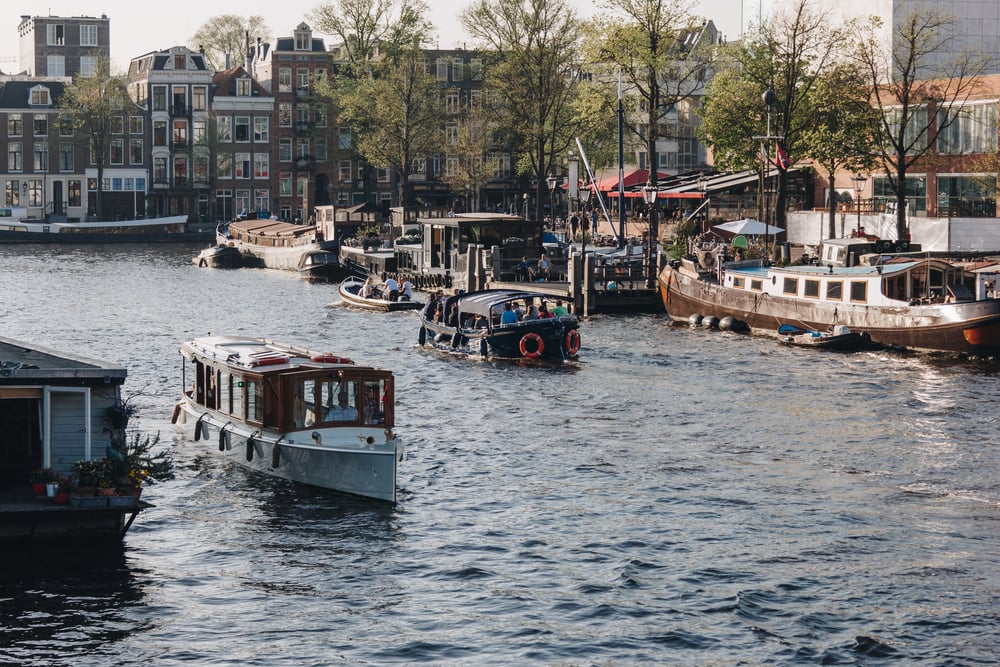
English merchant vessels crossing the Atlantic in 1778 carried standard trade goods alongside printing equipment and type fonts. The printing supplies included complete sets of letters, punctuation, and typesetting tools intended for colonial newspapers that were increasingly critical of British policy—which makes the cargo choice either remarkably naive or deliberately subversive.
San José
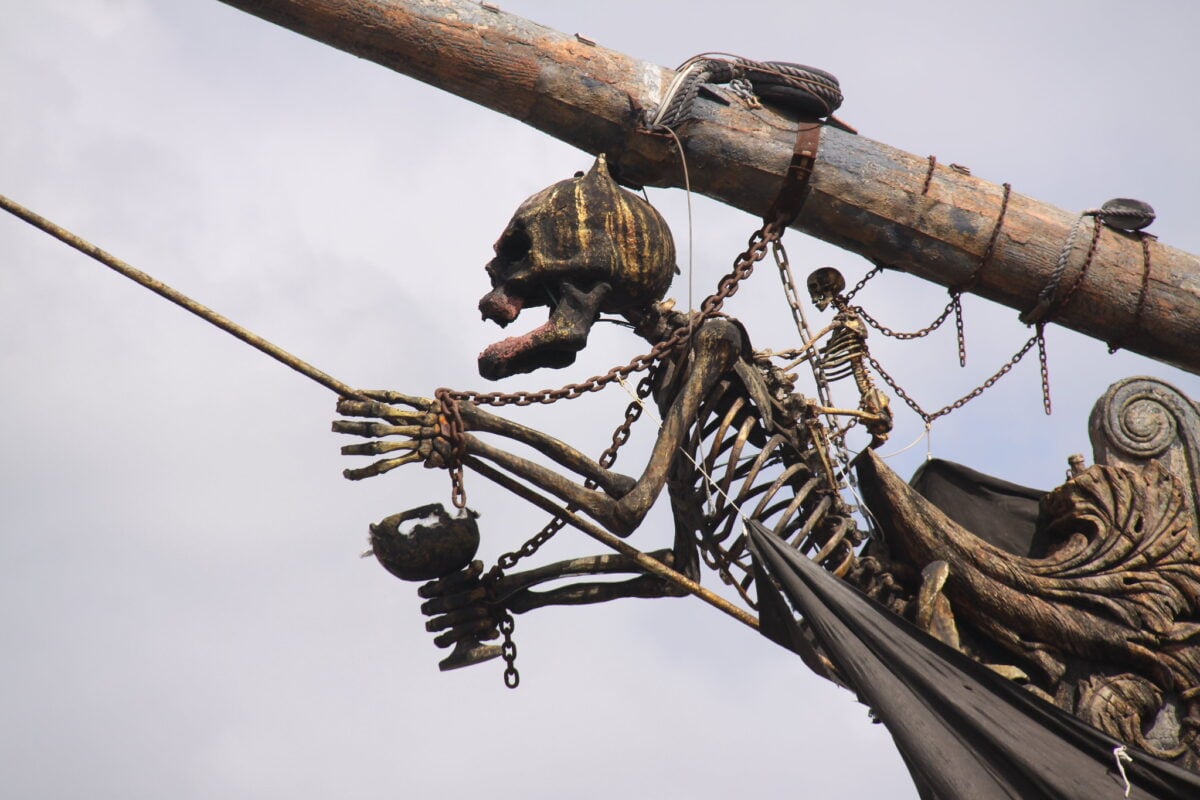
Spanish treasure galleons carried silver and gold alongside Chinese silk, Japanese lacquerware, and Philippine pearls. This combination represents global trade routes that connected Asia, Europe, and the Americas in ways that made economic sense to 16th-century merchants but required logistical planning that would challenge modern shipping companies.
Batavia
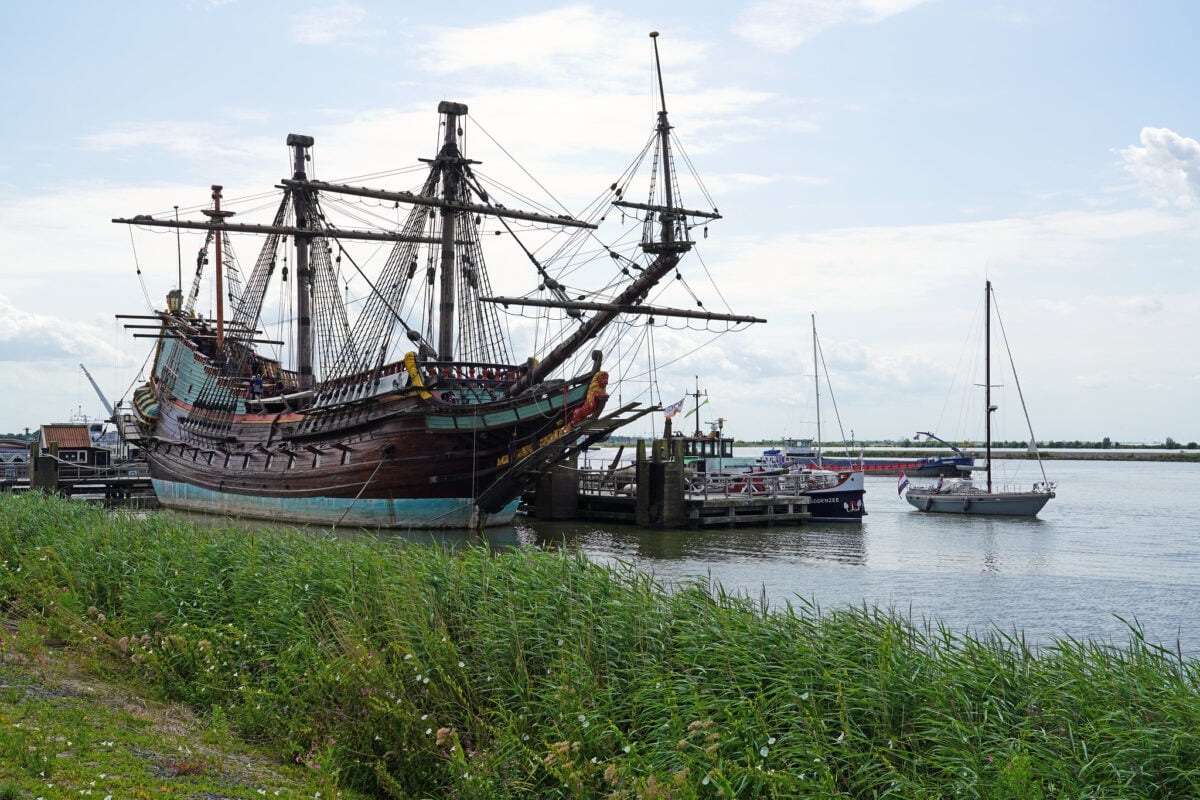
Dutch East India Company vessels transported sandstone blocks alongside luxury goods and company supplies. The sandstone was intended for fort construction in Java, but carrying building materials on passenger ships with limited cargo space suggests either poor planning or remarkable optimism about colonial construction projects in hostile territory.
Mentor
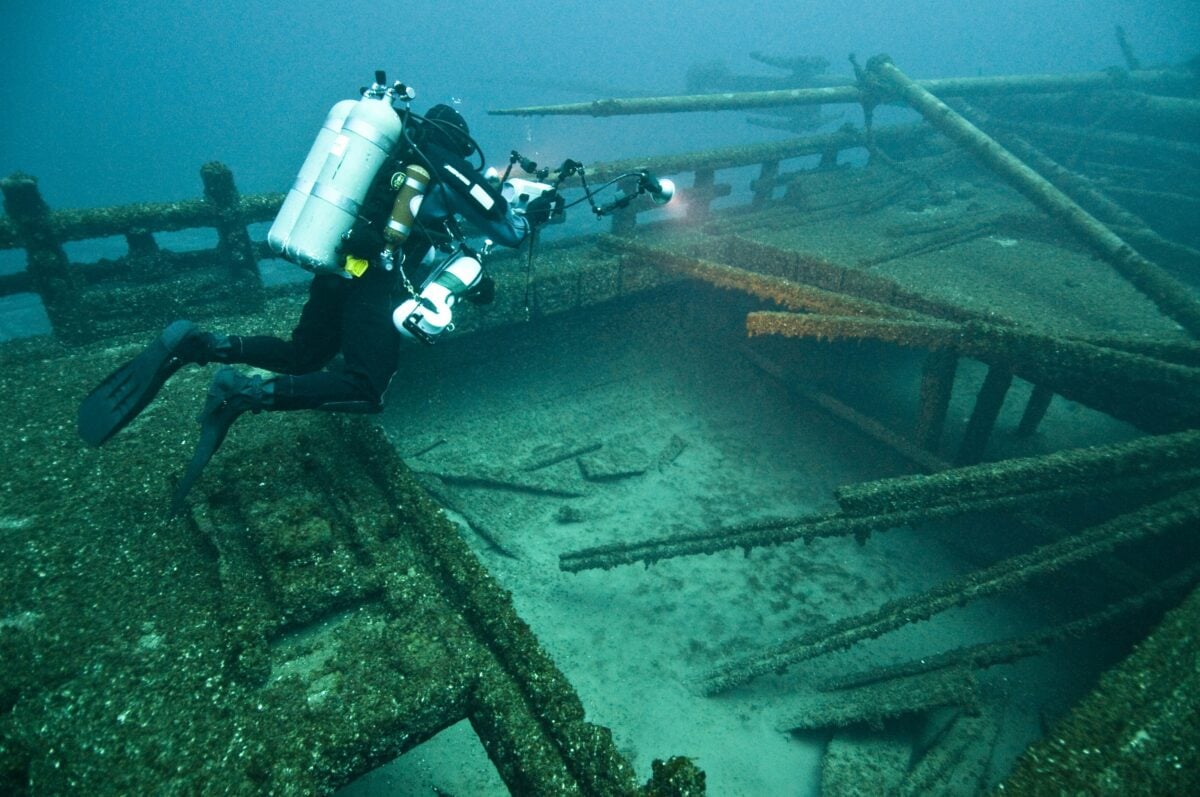
Lord Elgin’s marble-transport ship carried Greek sculptures alongside Turkish diplomatic gifts and personal correspondence. The combination of looted antiquities and diplomatic materials creates an uncomfortable picture of cultural appropriation disguised as scholarly interest—or perhaps just honest acknowledgment that 19th-century collecting involved morally questionable methods.
Nuestra Señora de Atocha
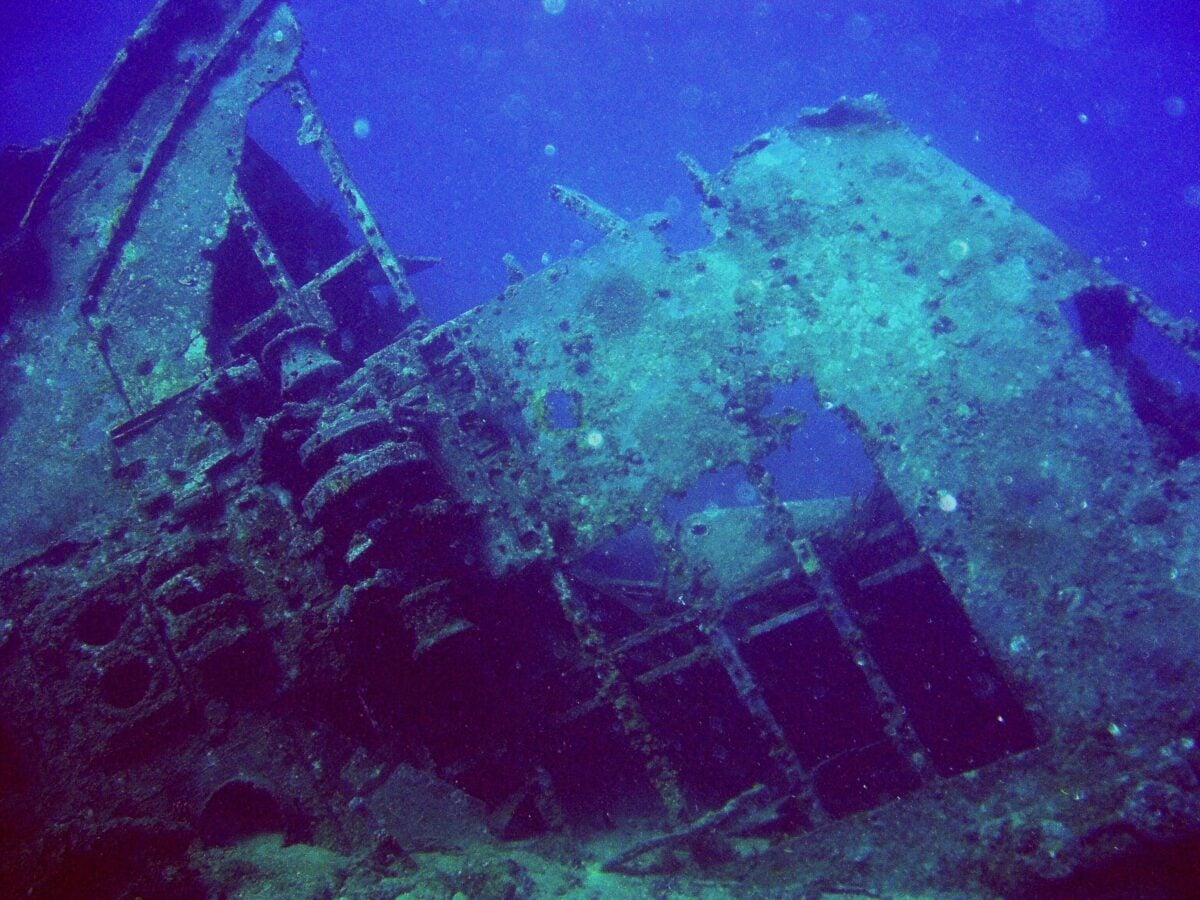
Spanish treasure fleets mixed silver bars with emeralds, but also carried copper ingots and iron tools intended for colonial metalworking. The practical cargo alongside precious metals suggests either remarkably balanced economic planning or recognition that New World colonies needed industrial supplies more than additional treasure, which Spanish administrators apparently understood better than popular history suggests.
Tek Sing
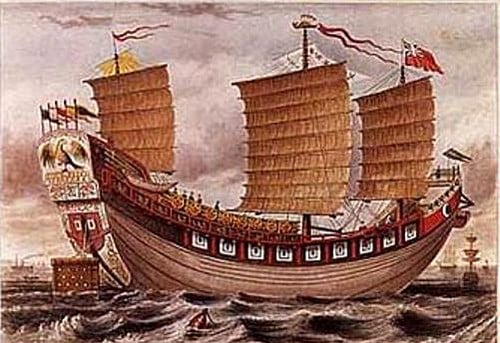
Chinese merchant vessels heading to Indonesia carried porcelain and tea alongside live animals, medicinal herbs, and seeds for agricultural experiments. The biological cargo suggests either remarkable preservation techniques for long sea voyages or cultural exchange programs that involved transplanting entire ecosystems from one continent to another, which sounds environmentally ambitious for 1822.
What These Discoveries Really Tell Us
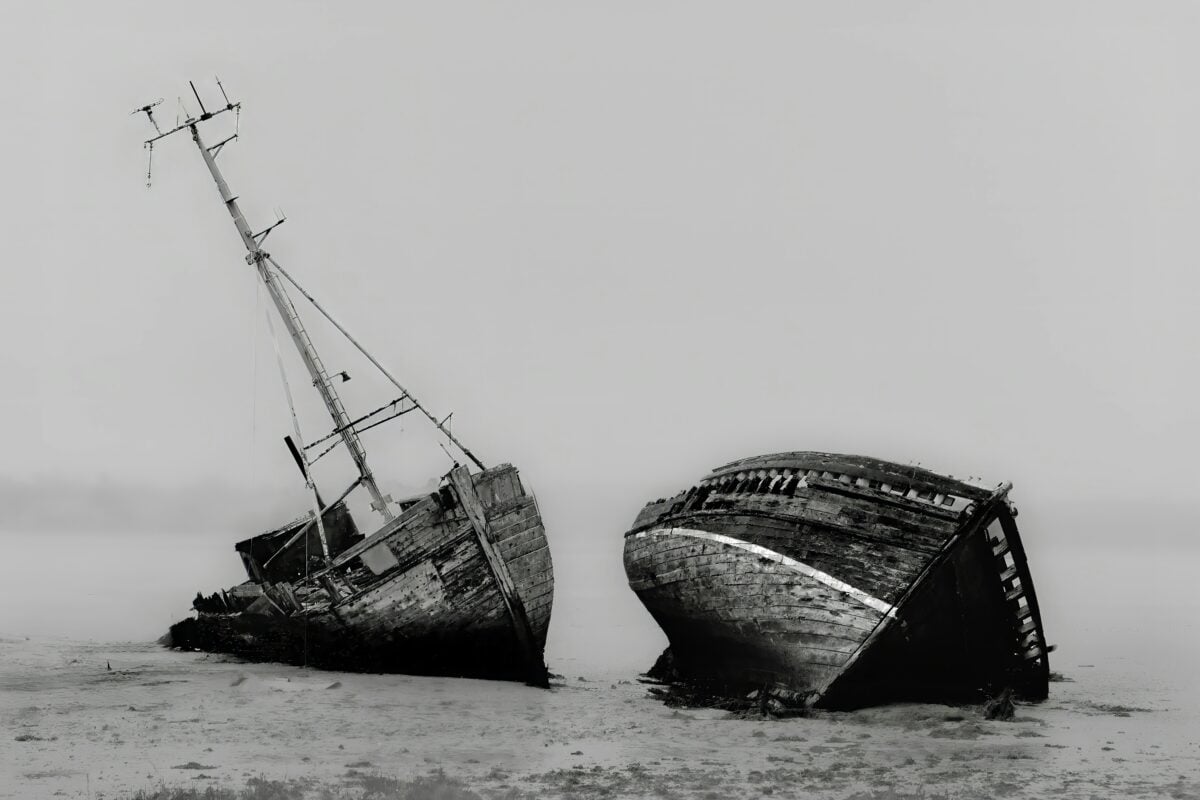
These underwater time capsules reveal something more profound than unexpected cargo lists. They show us civilizations that were more connected, more experimental, and more willing to take economic risks than we ever imagined. Ancient merchants packed their ships with items that didn’t make obvious sense because they understood markets and human nature in ways that don’t always translate across millennia.
The real treasure isn’t the gold or silver, but the evidence of human curiosity that drove people to fill boats with everything from live peacocks to Bronze Age computers, hoping someone on the other side of the world might want exactly what they had to offer.
More from Go2Tutors!

- The Romanov Crown Jewels and Their Tragic Fate
- 13 Historical Mysteries That Science Still Can’t Solve
- Famous Hoaxes That Fooled the World for Years
- 15 Child Stars with Tragic Adult Lives
- 16 Famous Jewelry Pieces in History
Like Go2Tutors’s content? Follow us on MSN.



