29 Vintage Casseroles That Ruled the Potluck
Every church basement and community hall in midcentury America had the same long folding table, and by six o’clock it was covered end to end with glass baking dishes wrapped in foil. Each one carried a strip of masking tape on the bottom with a family name, so the dish could find its way home.
The food inside rarely won any beauty contests. It was creamy, crunchy on top, built from cans and boxes, and engineered to survive a car ride and an hour on a lukewarm table.
Tuna Noodle Casserole
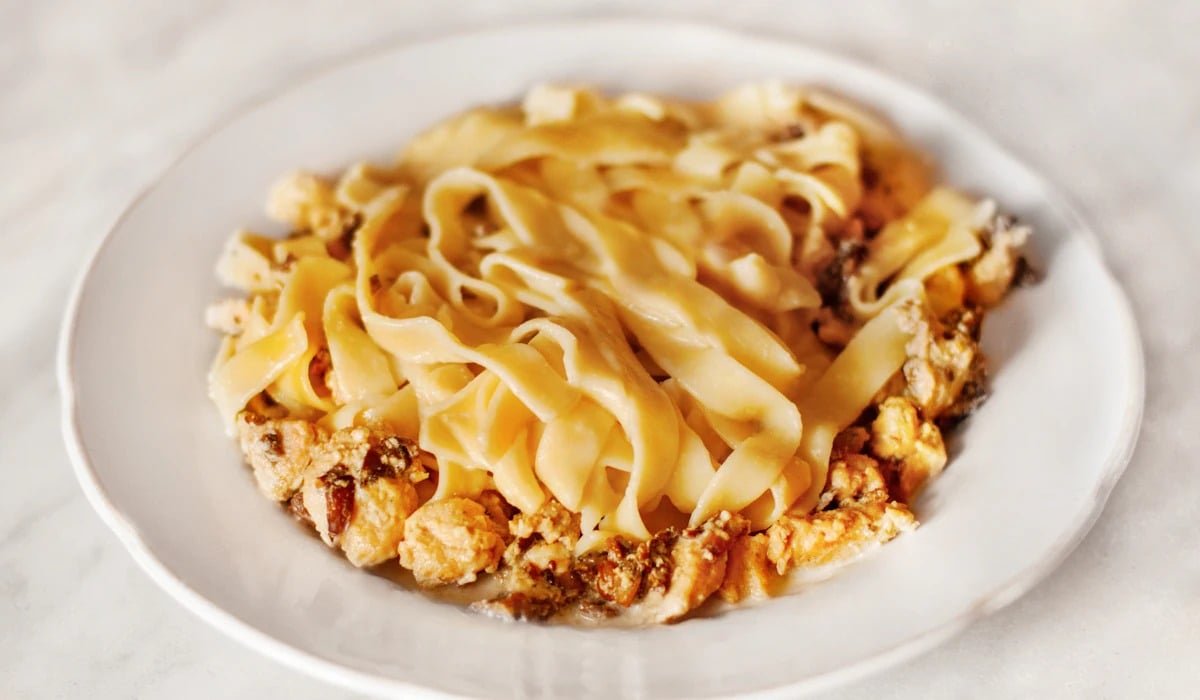
Egg noodles, canned tuna and a can of cream of mushroom soup made up the backbone of this weeknight standard, usually finished with crushed potato chips or buttered crumbs on top. Campbell’s introduced cream of mushroom soup in 1934, and it quickly became the binding agent for a generation of baked dishes.
Tuna was cheap, shelf stable and acceptable on meatless Fridays, which made the casserole especially popular in Catholic households. Frozen peas found their way in during the 1950s as home freezers spread.
Few potluck tables of the era were complete without at least one version, and many held two.
Green Bean Casserole From the Campbell’s Test Kitchen
Dorcas Reilly developed this recipe in 1955 while working in the Campbell Soup Company test kitchen in Camden, New Jersey. Her version combined green beans, cream of mushroom soup, milk, soy sauce and black pepper, topped with French fried onions.
The goal was a simple recipe built around ingredients most households already kept on hand. Reilly’s original handwritten recipe card was later donated to the National Inventors Hall of Fame.
She died in 2018 at 92, by which point the dish had become a fixture on millions of Thanksgiving tables every November.
King Ranch Chicken With Murky Origins
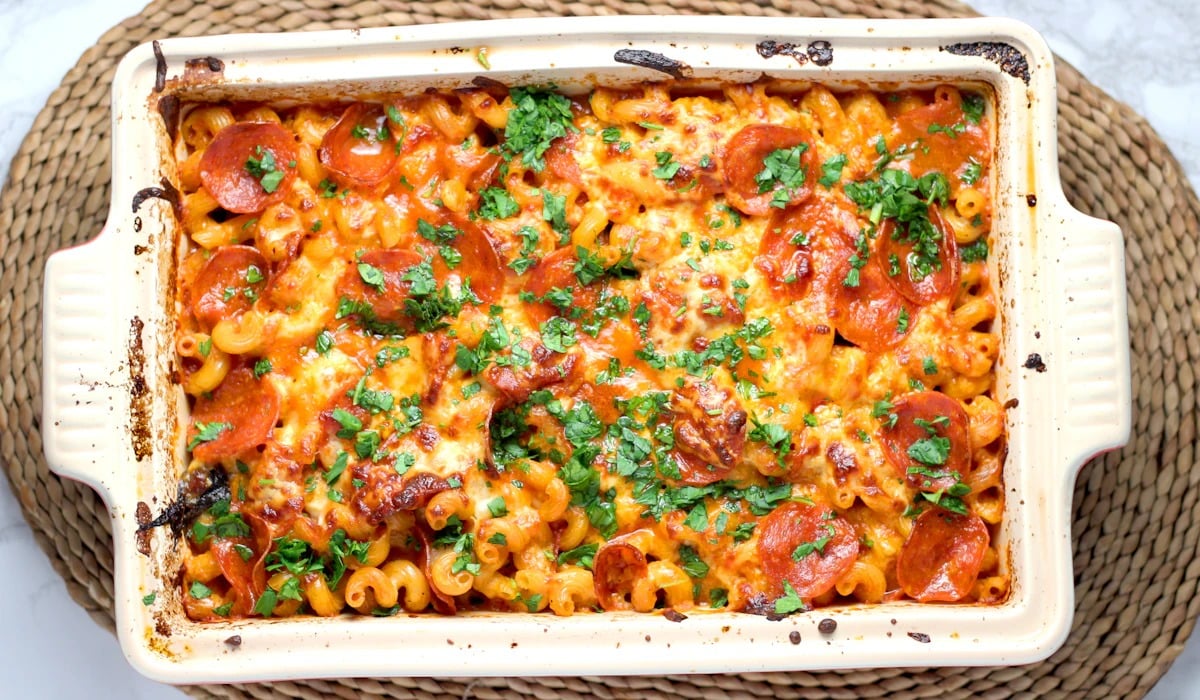
Layers of corn tortillas, shredded chicken, cheese, cream soups and a can of Ro-Tel tomatoes with green chiles define this Texas favorite. Despite the name, there is no solid evidence that it was ever served at the famous King Ranch in South Texas, and food historians have never pinned down who first assembled it.
The casserole spread through Texas community cookbooks in the decades after World War II. Its dependence on canned soup put it squarely in the potluck tradition, while the tortillas and chiles gave it a regional accent.
Texans still treat it as a staple for church suppers and family gatherings.
Funeral Potatoes in Utah
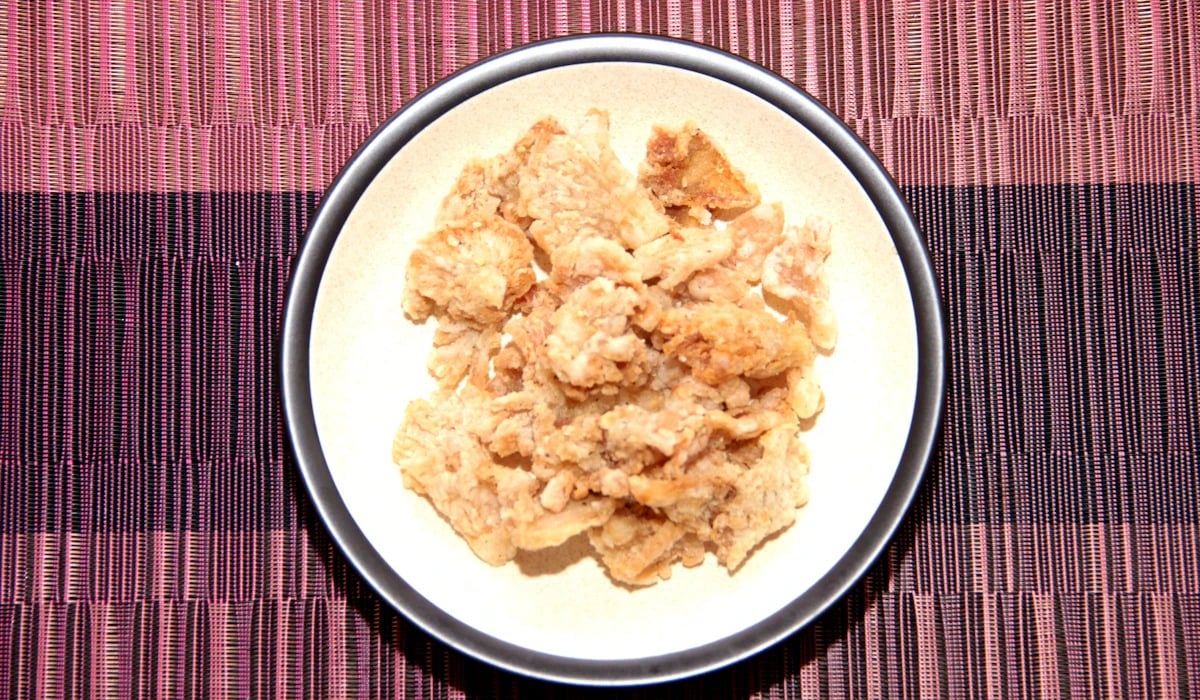
Shredded or diced potatoes, sour cream, cream of chicken soup and cheddar cheese, all baked under a crust of crushed cornflakes, earned this dish its somber nickname. It became closely associated with Latter-day Saint communities in Utah and the Mountain West, where Relief Society volunteers often brought it to families after a funeral.
The casserole was so tied to the state that a souvenir pin showing a dish of funeral potatoes was produced for the 2002 Winter Olympics in Salt Lake City. Elsewhere it goes by cheesy potatoes or party potatoes.
The cornflake topping is the detail most fans insist cannot be skipped.
Tater Tot Hotdish Across Minnesota
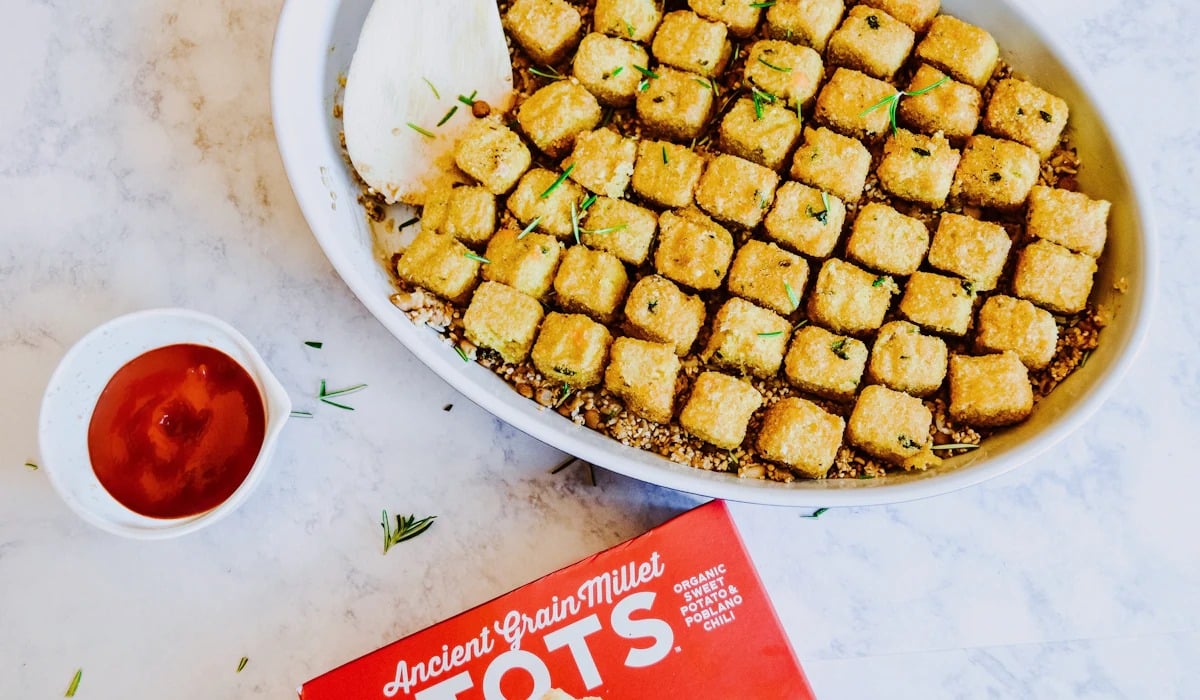
Ore-Ida introduced Tater Tots in the 1950s as a way to use leftover potato scraps from cutting french fries, and Upper Midwest cooks soon found the perfect use for them. Ground beef, cream of mushroom soup and canned or frozen green beans went into a pan, and a neat layer of tots covered the top before baking.
In Minnesota and the Dakotas, the word hotdish replaces casserole entirely, and Lutheran church cookbooks helped spread countless variations. The dish became a symbol of Minnesota identity, celebrated in annual hotdish competitions and in plenty of good-natured regional ribbing.
Chicken Divan From a Manhattan Restaurant
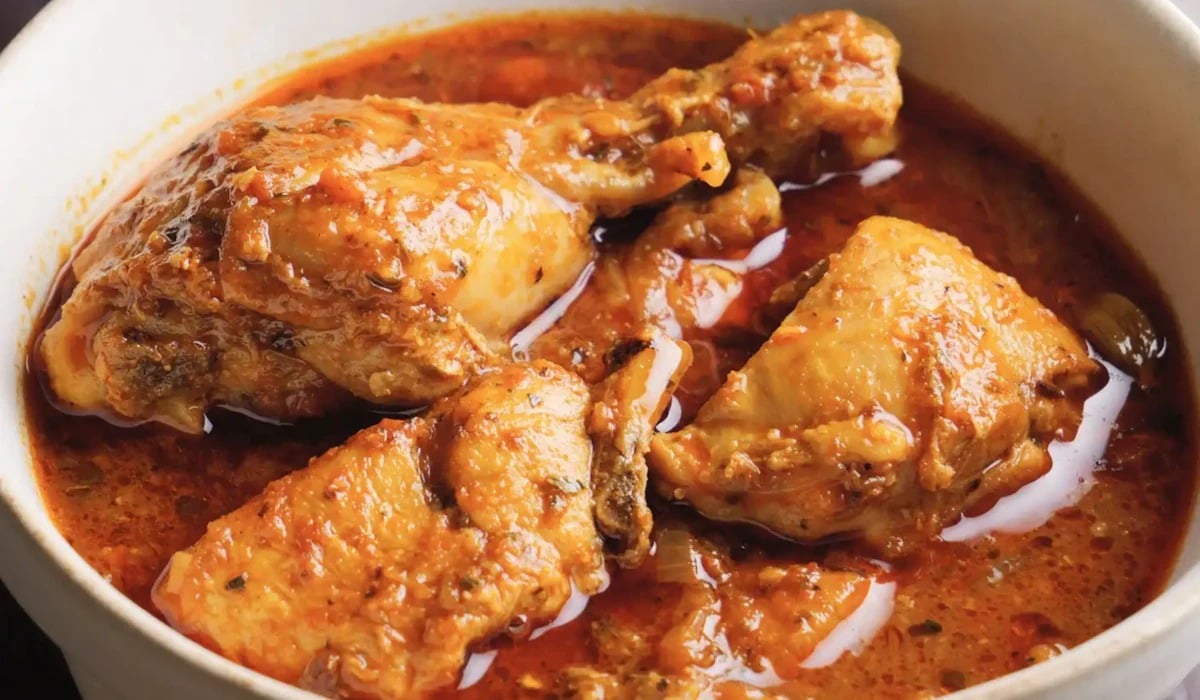
Broccoli, sliced chicken and a rich sauce baked until bubbling became one of the most elegant dishes of the casserole era. It is usually traced to the Divan Parisien restaurant in New York City’s Chatham Hotel, where an early version was served in the first half of the twentieth century.
Home cooks simplified the original hollandaise and cream sauce into a mix of canned soup, mayonnaise, cheese and a touch of curry powder or lemon juice. The result became a favorite dish for bridge clubs and dinner parties during the 1950s and 1960s, when it seemed sophisticated without being difficult.
Shipwreck Casserole in Layers
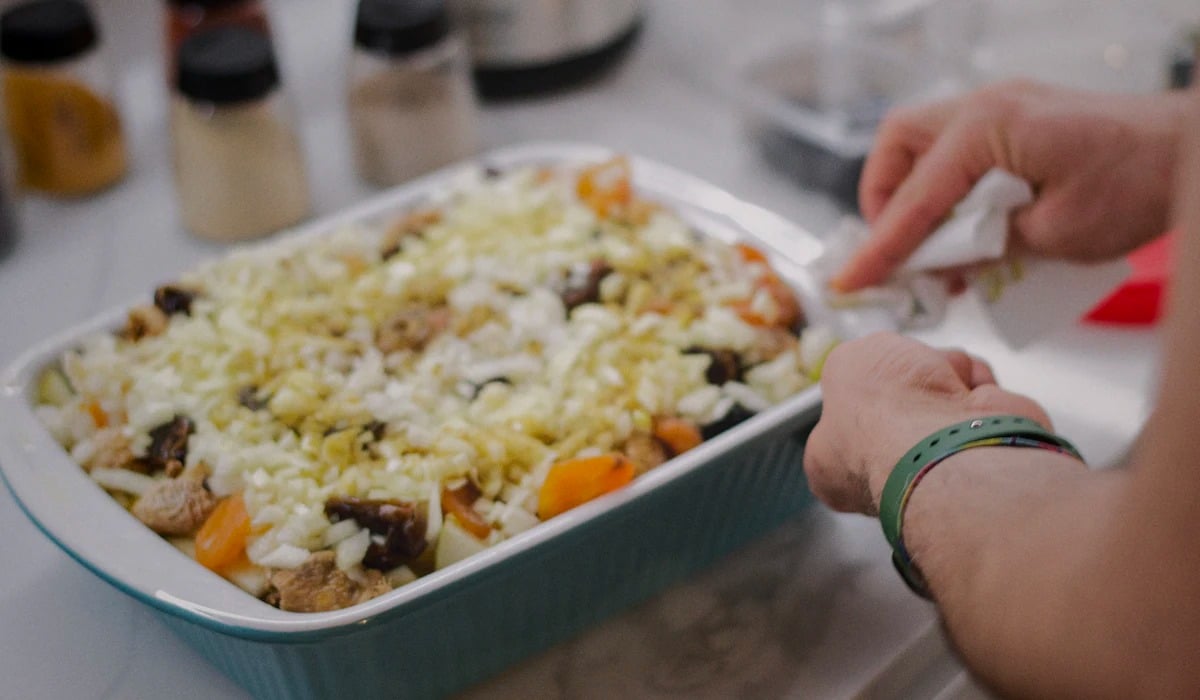
Sliced potatoes, onions, ground beef, uncooked rice, celery and canned kidney beans were layered in a deep dish, then drenched in a can of tomato soup thinned with water. The casserole baked low and slow for a couple of hours while the rice absorbed the liquid and the layers melded together.
The name likely reflects its jumbled, everything-in-the-hold quality, though no single origin story is documented. It appeared regularly in community cookbooks of the 1950s and 1960s.
Because it could be assembled raw and left in the oven, it suited busy households heading out to evening church events.
Johnny Marzetti Out of Columbus
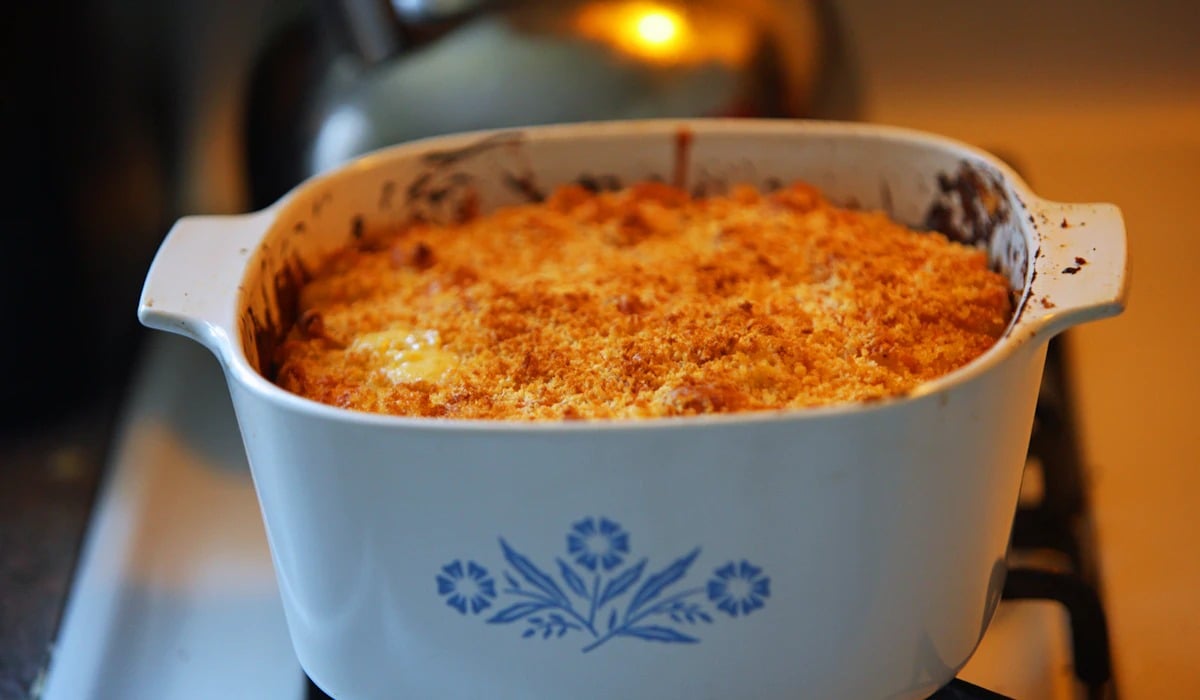
This baked mixture of noodles, ground beef, tomato sauce and cheese takes its name from the Marzetti restaurant in Columbus, Ohio, founded by Italian immigrant Teresa Marzetti in 1896. The usual story credits the restaurant with naming the dish after a family member, though accounts differ on the details.
It became a cafeteria and potluck staple across Ohio and the Midwest, and it also gained a strong following in the Panama Canal Zone, where it was served at community events. The Marzetti name lives on through the T.
Marzetti Company, better known today for salad dressings and dips.
Tetrazzini Named for an Opera Star
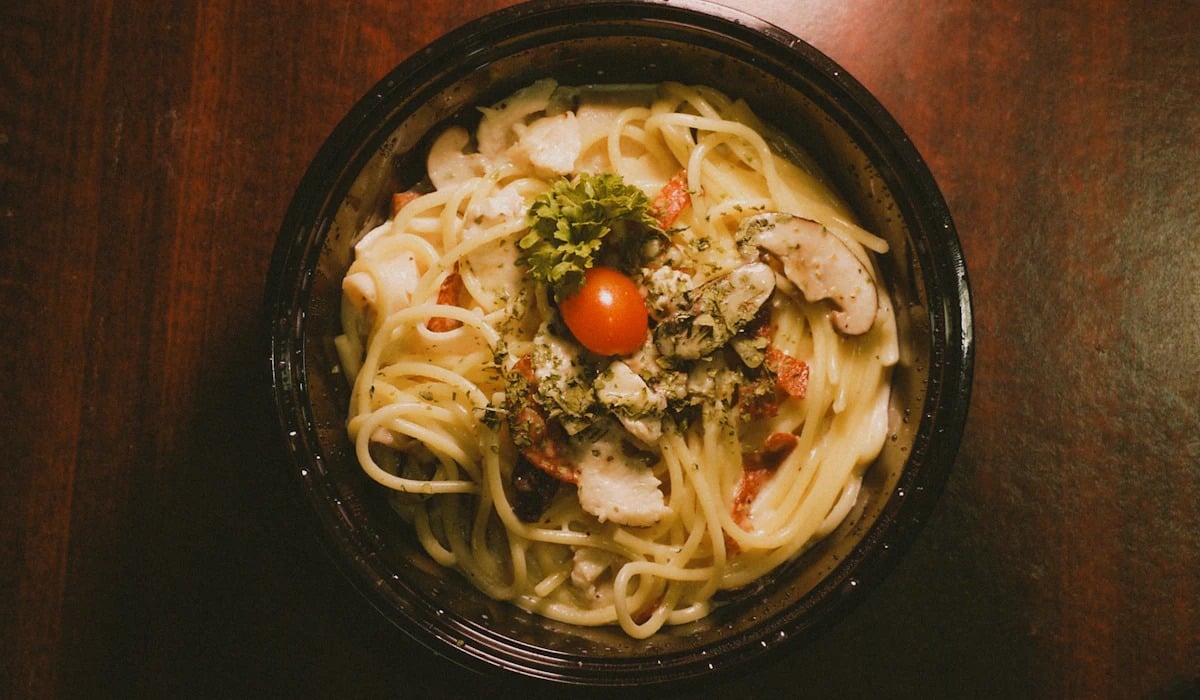
Spaghetti, chicken or turkey, mushrooms and a cream sauce laced with sherry and Parmesan were baked together and named for Luisa Tetrazzini, an Italian soprano who was enormously popular in the early 1900s. Accounts disagree about where it was created, with credit sometimes given to chef Ernest Arbogast of the Palace Hotel in San Francisco and sometimes to hotels in New York City.
Whatever the origin, it became a fixture of postwar home cooking, especially in the days after Thanksgiving. Turkey tetrazzini remains one of the most common ways to turn holiday leftovers into a dish worth bringing to a potluck.
Broccoli Rice Casserole With Cheese
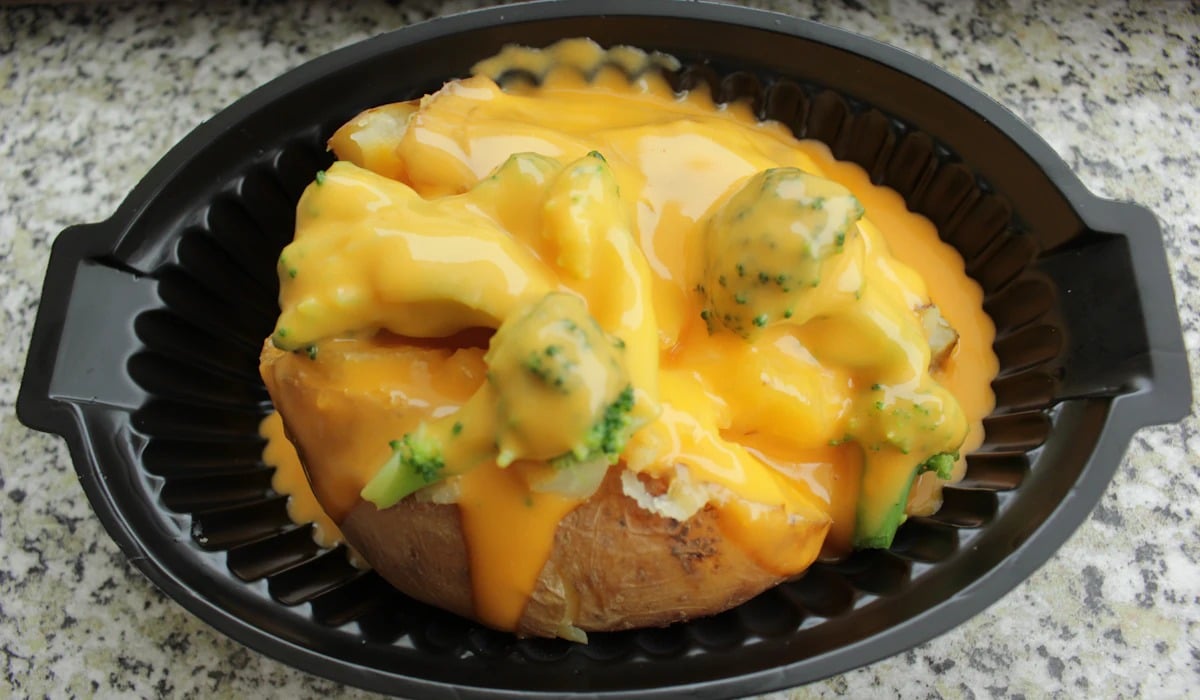
Frozen chopped broccoli, cooked white rice, cream of chicken or mushroom soup and a generous amount of processed cheese baked into one of the most beloved side dishes of the Southern potluck. Many family versions specifically call for Cheez Whiz or Velveeta, which melted smoothly without separating in the oven.
The dish became widespread in the 1960s and 1970s as frozen vegetables became cheaper and more common. It turned up at holiday dinners, church suppers and funerals alike, and it still holds a place on many Thanksgiving tables in the South.
Southern Yellow Squash Casserole
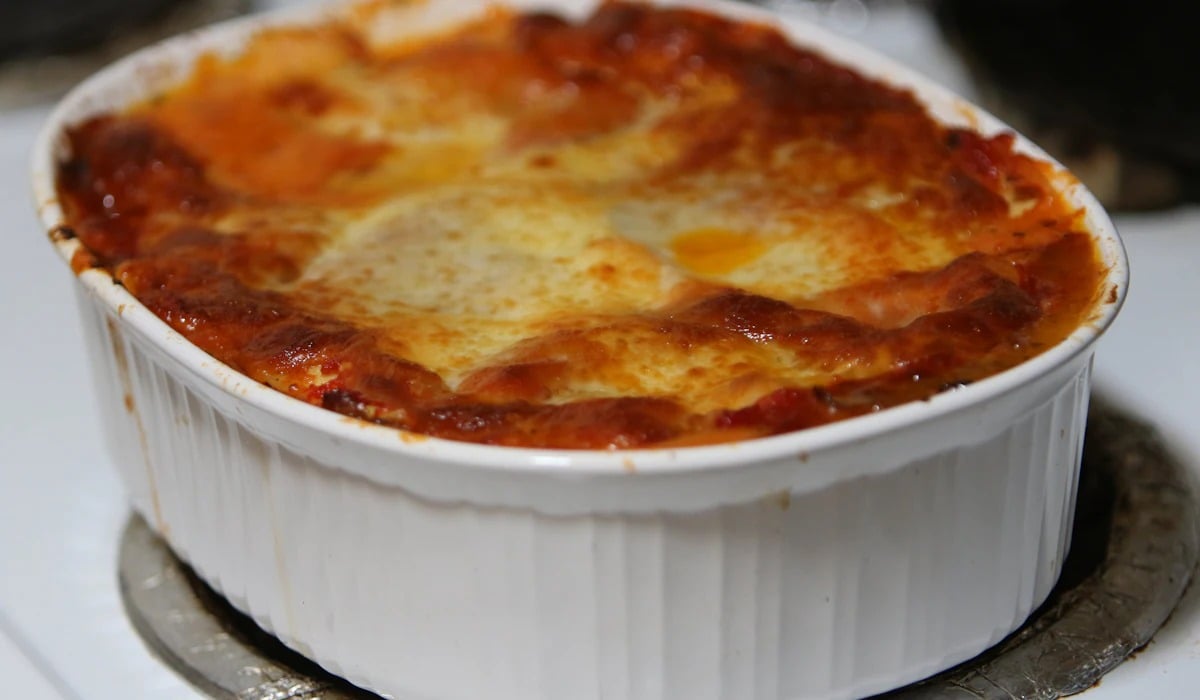
Summer gardens across the South produced more yellow squash than any family could eat, and cooks found a way to turn the surplus into a creamy bake. Sliced squash was cooked with onions, drained, then mixed with eggs, sour cream or mayonnaise, cheese and crushed crackers before baking under a buttery cracker crust.
The dish appears in countless church and Junior League cookbooks across Georgia, the Carolinas and Tennessee. It travels well, holds heat for an hour and offers a lighter counterpoint to the meat dishes around it.
Many families still make it every summer.
Sweet Potato Casserole With Marshmallows
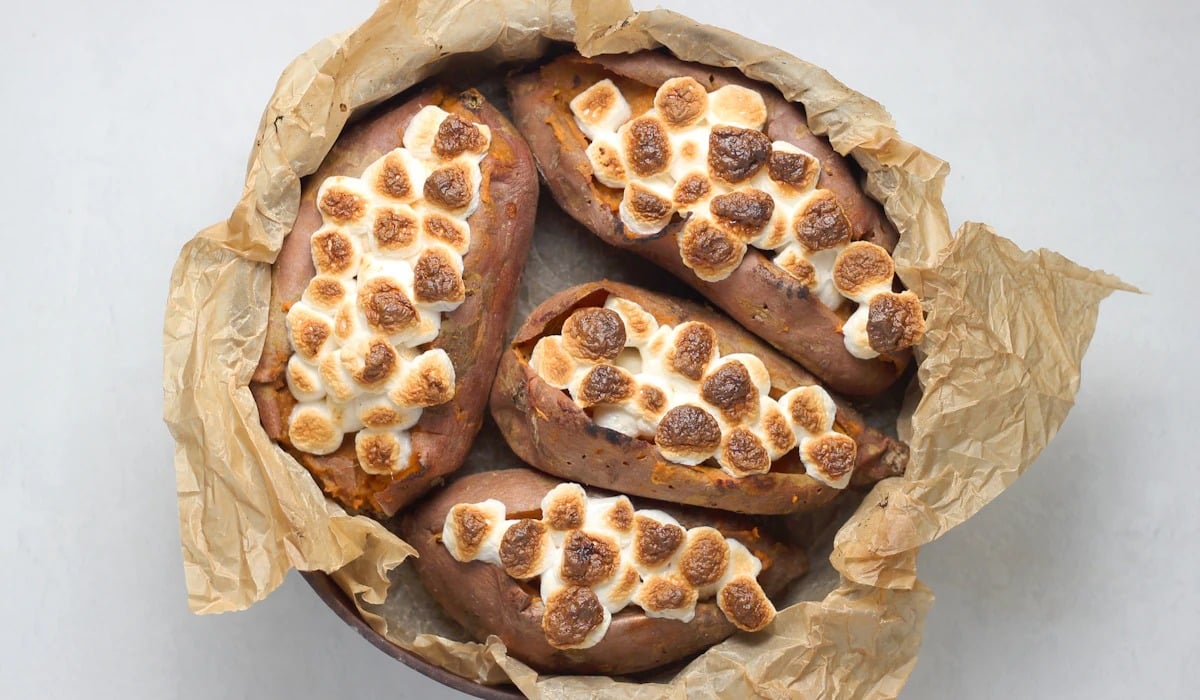
Mashed sweet potatoes topped with a layer of toasted marshmallows owe their pairing largely to marketing. In 1917, the makers of Angelus Marshmallows published a recipe booklet by Boston cooking school figure Janet McKenzie Hill that included marshmallow-topped sweet potatoes.
The idea caught on, and the dish became a holiday tradition during the twentieth century. Southern families sometimes replace the marshmallows with a crunchy pecan and brown sugar streusel, a debate that still divides holiday tables.
The marshmallow version remains common enough that grocery stores stock extra bags every November.
Corn Pudding Made With a Box of Mix
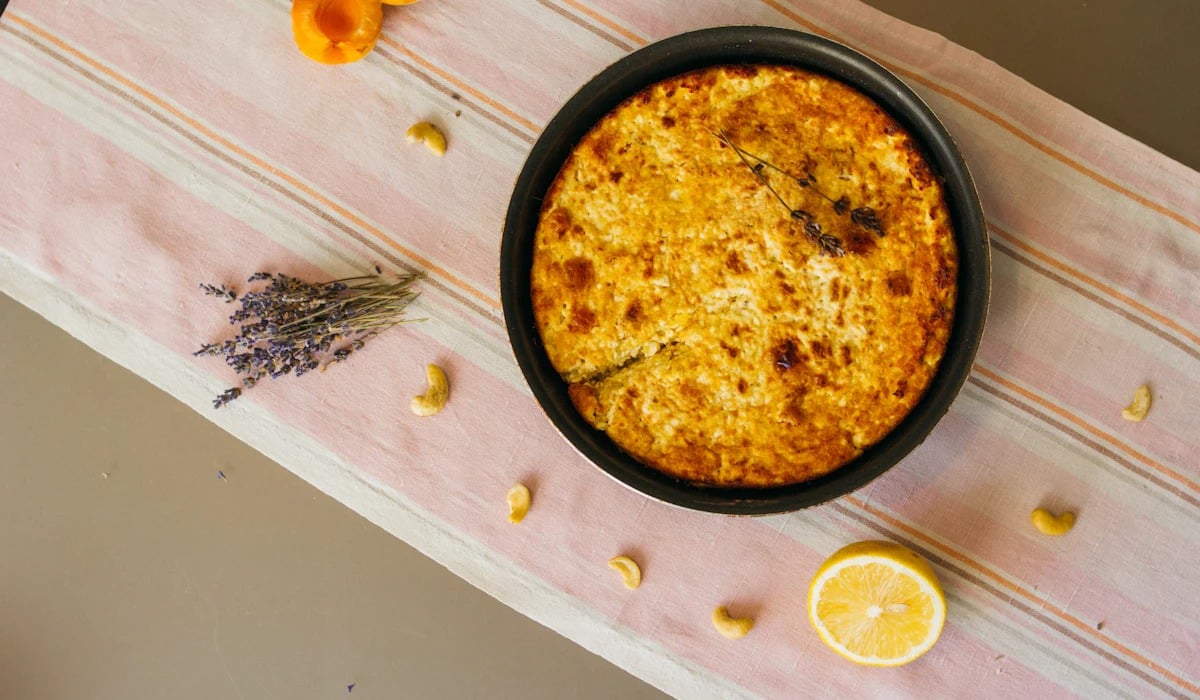
Scratch corn pudding had been on Southern and Midwestern tables since the nineteenth century, but the potluck era produced a faster version. A box of Jiffy corn muffin mix, a can of creamed corn, a can of drained sweet corn, sour cream and melted butter were stirred together and baked until golden and custardy.
Jiffy mixes come from the Chelsea Milling Company of Chelsea, Michigan, which launched its first prepared baking mix in 1930. The simplified casserole became a holiday standby across the Midwest.
Many cooks simply call it Jiffy corn casserole.
Scalloped Potatoes and Ham
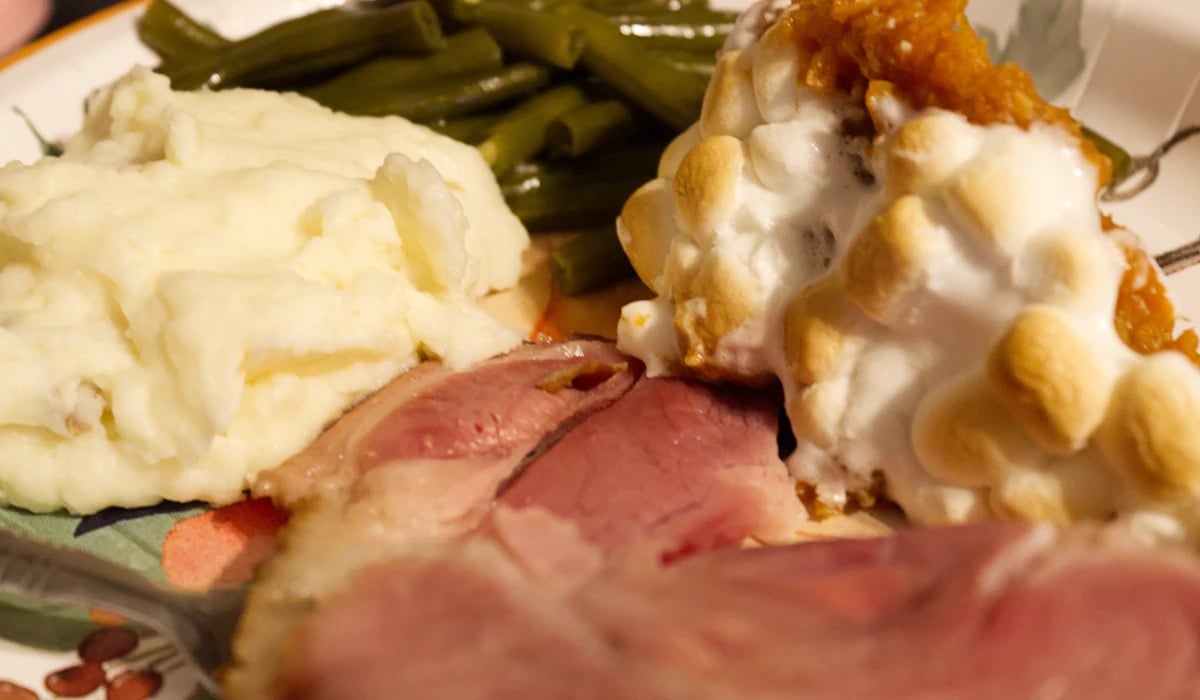
Thinly sliced potatoes, diced ham and a creamy sauce baked together into one of the most practical uses for holiday leftovers. After Easter and Christmas, the ham bone often went into soup while the remaining meat ended up in this bake.
Older recipes used a white sauce made from scratch, while postwar versions often relied on cream of mushroom or celery soup. Potatoes absorbed the salt and flavor of the ham, so the dish needed little seasoning.
It was a reliable potluck choice because it stayed warm for a long time and fed a crowd at little cost.
Stacked Enchilada Casserole
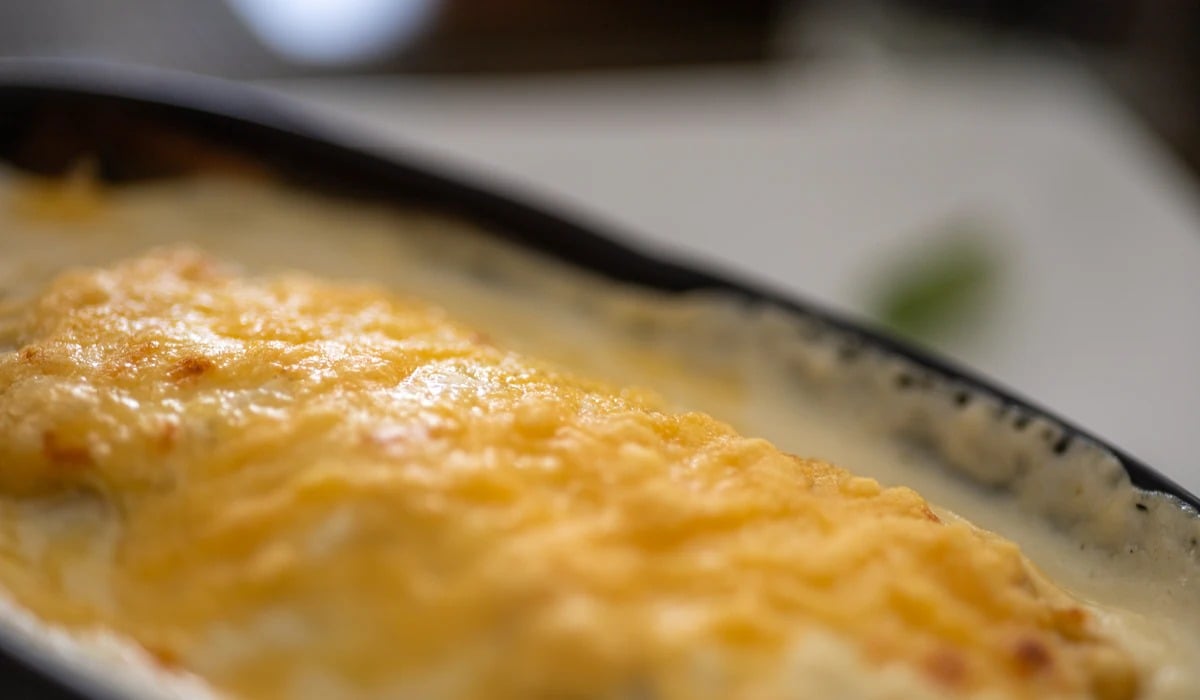
Rolling dozens of enchiladas for a crowd took time, so home cooks layered tortillas, ground beef or chicken, enchilada sauce and shredded cheese in a baking dish instead. The stacked format echoes the flat enchiladas long made in New Mexico, where they are served unrolled.
Midcentury women’s magazines and community cookbooks promoted it as an easy way to bring Southwestern flavor to a family dinner. Canned enchilada sauce and preshredded cheese made it even simpler by the 1970s.
It became especially common at potlucks in Texas, Arizona and California, where it sat beside more traditional Mexican dishes.
Pork Chops and Rice Baked in One Pan
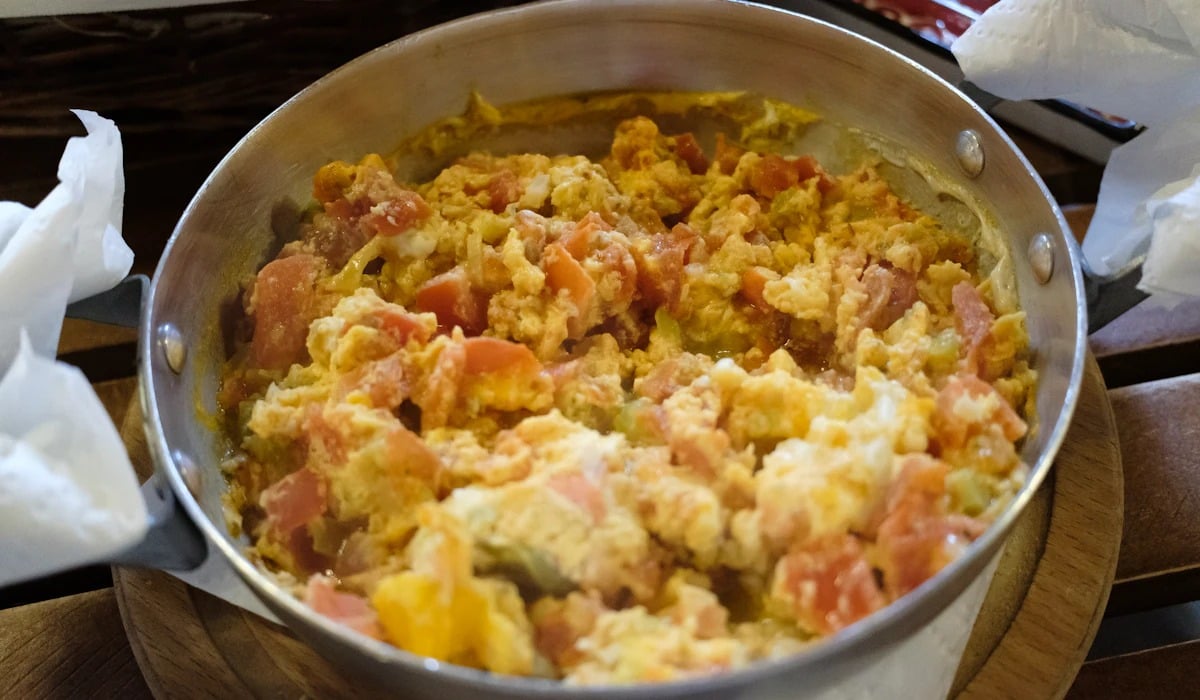
Bone-in pork chops were browned, then laid on uncooked rice in a baking dish with a can of soup and a packet of dry onion soup mix. Covered with foil and baked, the rice absorbed the pork juices and the seasonings, producing a full dinner in one dish.
The recipe was heavily promoted in the 1950s and 1960s, when dry soup mixes were sold as all-purpose seasonings. It required almost no attention once it went into the oven.
Families still make it on weeknights, and it shows up regularly in community cookbooks compiled by churches and civic clubs.
Poppy Seed Chicken Under Buttery Crackers
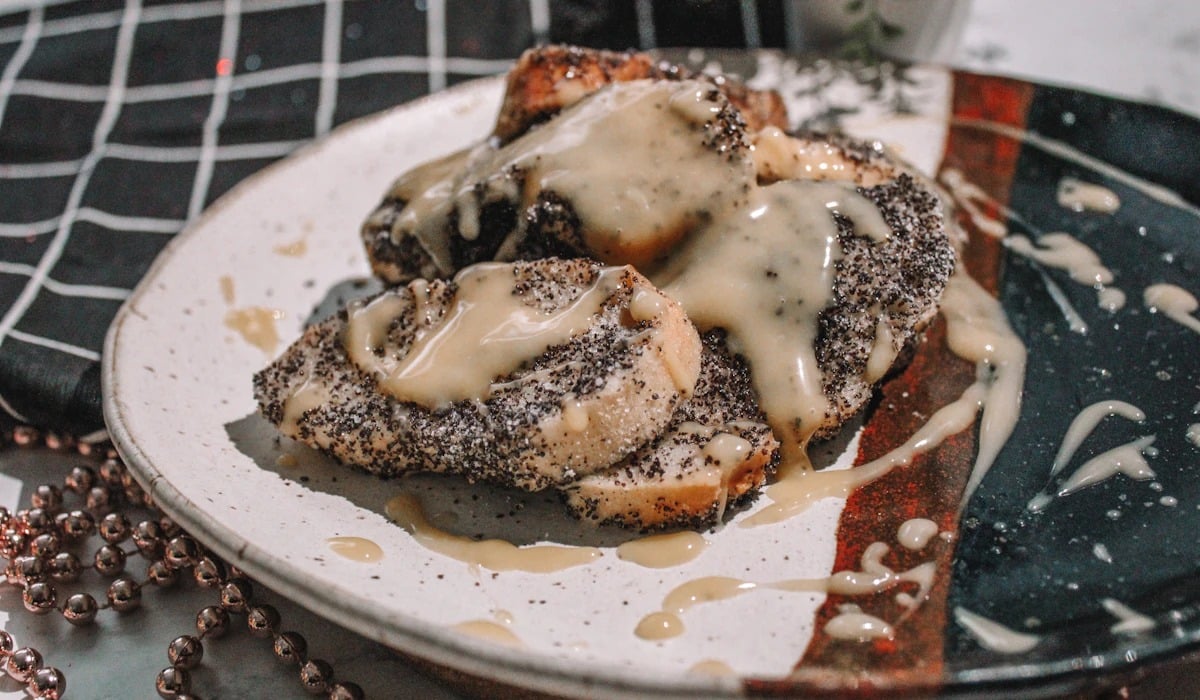
Cooked chicken, sour cream and cream of chicken soup were spread into a dish, topped with crushed Ritz crackers mixed with melted butter and poppy seeds, and baked until crisp. The dish is especially popular in the South, where it became a standard offering for new parents, grieving families and church suppers.
Its appeal lay in how little effort it required and how widely it pleased both children and adults. Many versions add a splash of lemon juice or a little white wine.
Recipes for it appear in nearly every Southern community cookbook published since the 1970s.
Hamburger Pie With Mashed Potato Crust
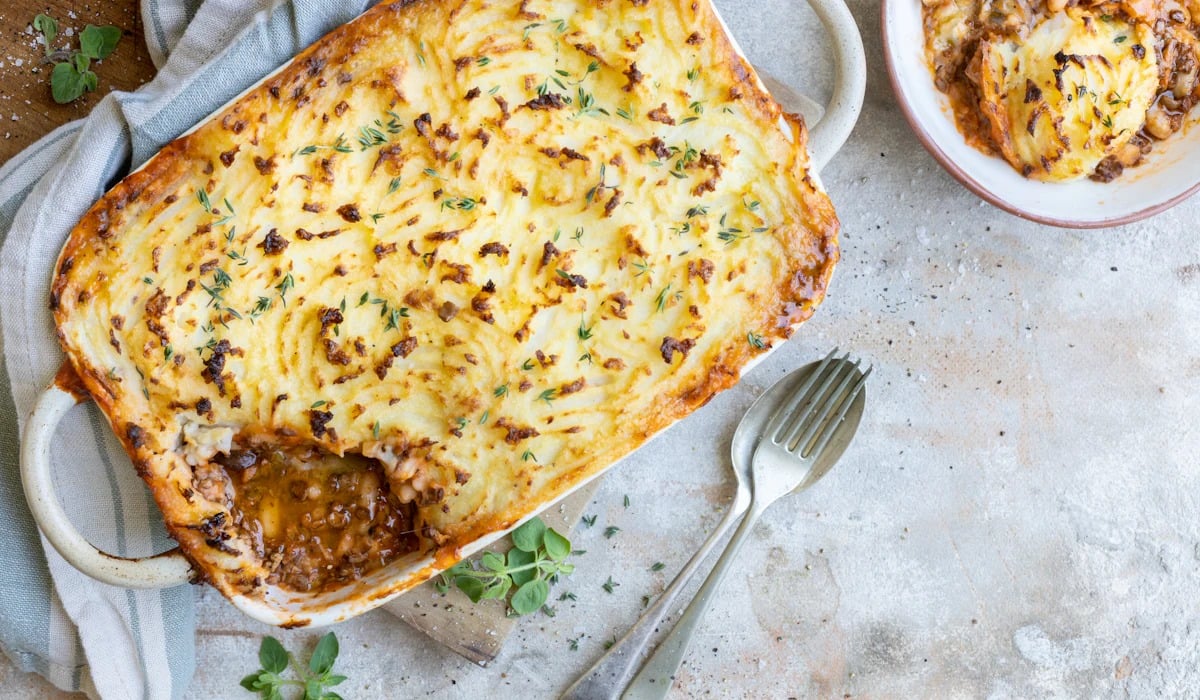
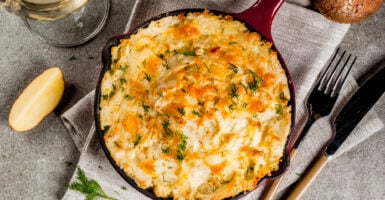
Ground beef cooked with onion and green beans, then mixed with a can of tomato soup, filled the bottom of a dish while a thick layer of mashed potatoes covered the top. The casserole borrowed the structure of British shepherd’s pie but swapped lamb for inexpensive ground beef and canned ingredients.
It became a regular feature in American cookbooks and women’s magazines during the 1950s. Some cooks used instant mashed potatoes, which became widely available in that decade.
A sprinkling of cheddar on top, browned in the oven, was a common finishing touch at potluck time.
Cabbage Roll Casserole
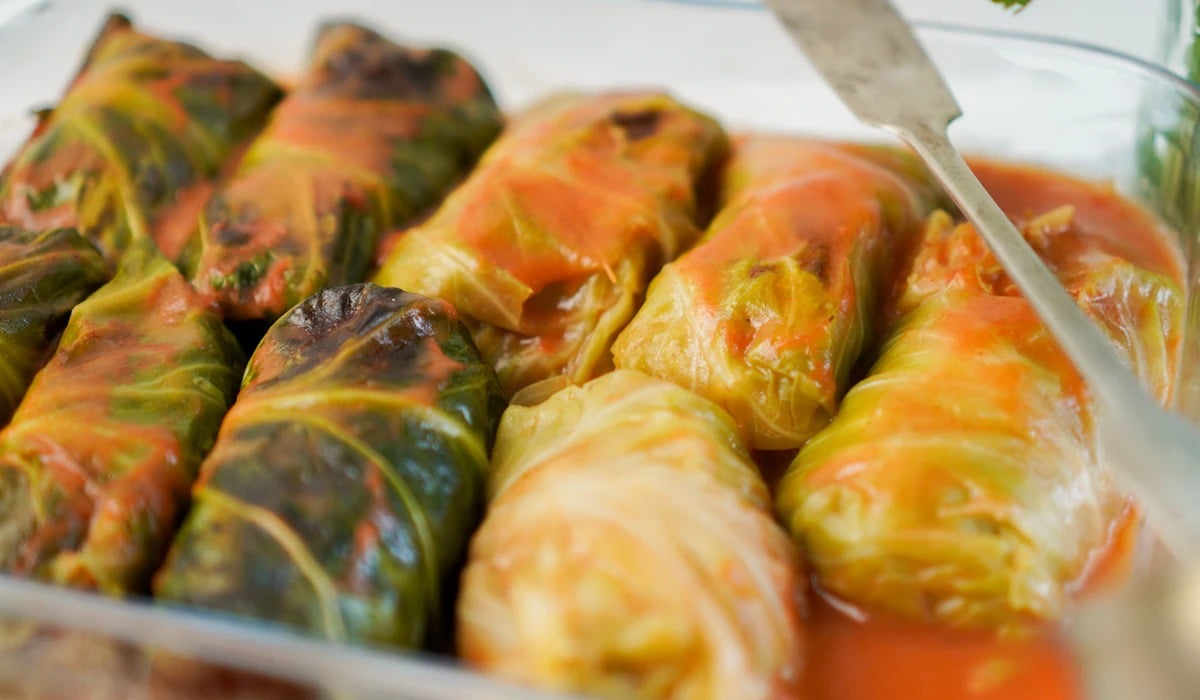
Stuffed cabbage rolls require blanching leaves and wrapping each one around a filling of meat and rice, a slow process that many cooks happily skipped. Instead, they layered chopped cabbage, seasoned ground beef, rice and tomato sauce in a baking dish and let the oven do the work.
The flavor matched the traditional rolls brought to the United States by Polish, Ukrainian, Hungarian and other Central and Eastern European immigrants. This shortcut version became common at church dinners across the Great Lakes region and the Upper Midwest.
It is often called lazy cabbage rolls or unstuffed cabbage.
Chili Mac Bake
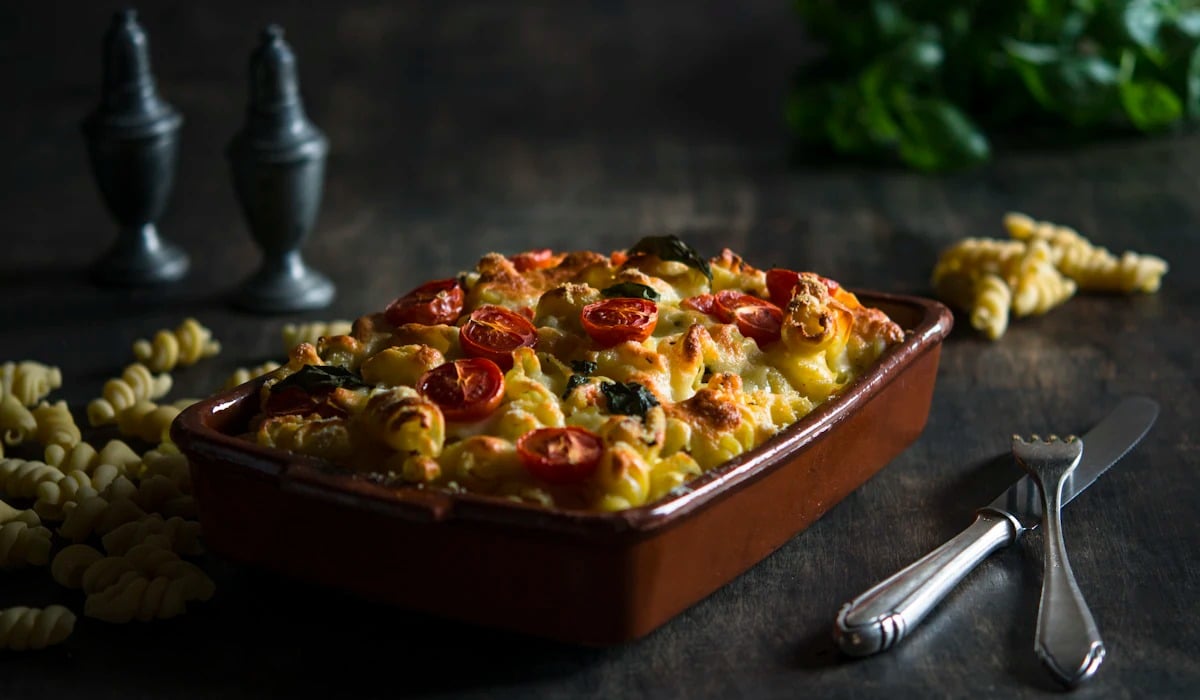
Cooked elbow macaroni, chili made with ground beef and beans, and plenty of cheddar went into a baking dish and came out bubbling with a browned top. The combination of chili and pasta has deep roots in the Midwest, particularly in Cincinnati, where chili is served over spaghetti.
The casserole version became a favorite among cooks feeding large families or contributing to church suppers. Canned chili made it even easier, and some cooks topped the dish with crushed tortilla chips.
It also became a lunch staple in school cafeterias, which helped carry it into adulthood for many diners.
Swiss Chicken With Stuffing Crumbs
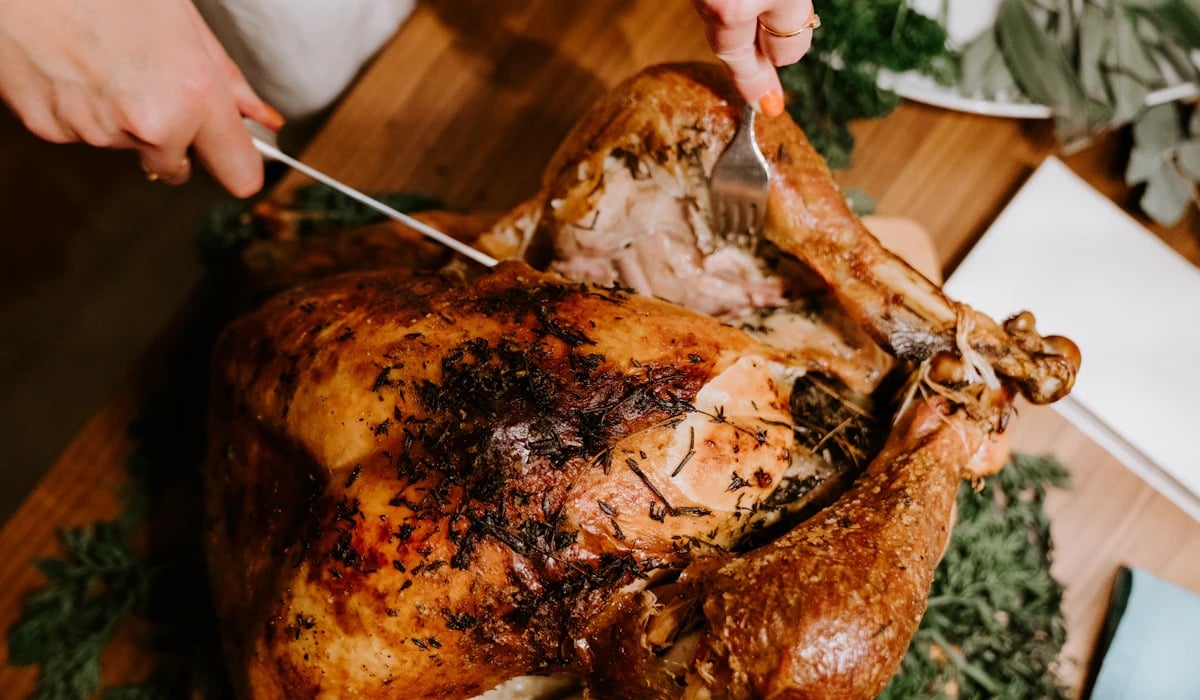
Chicken breasts were laid in a baking dish, topped with slices of Swiss cheese, covered in a sauce of cream of chicken soup thinned with milk or white wine, then finished with dry stuffing crumbs and melted butter. The dish baked into a tender, creamy entree that looked more impressive than the effort required.
It became a dinner party and potluck favorite in the 1960s and 1970s. Its simplicity made it a favorite of new cooks who wanted something reliable.
Recipes for it circulated widely in community and church cookbooks.
Ham and Cheese Strata for Brunch
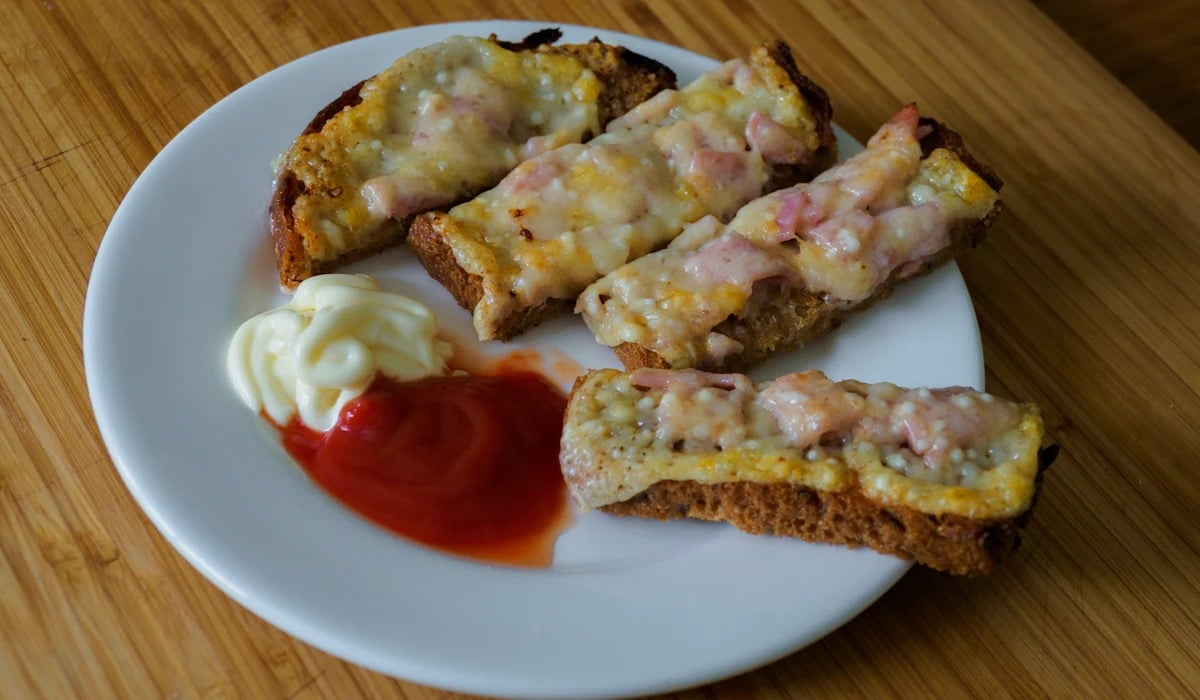
Cubes of bread, diced ham and shredded cheese were layered in a dish, soaked in a mixture of eggs and milk, and refrigerated overnight before baking the next morning. The make-ahead quality made strata a favorite for holiday breakfasts, bridal showers and church brunches.
The word strata refers to the layers, and the dish became popular in American cookbooks during the postwar decades. Dry mustard was a common addition to sharpen the flavor of the cheese.
Because it could be assembled the night before, it freed hosts to focus on everything else.
Seafood Au Gratin
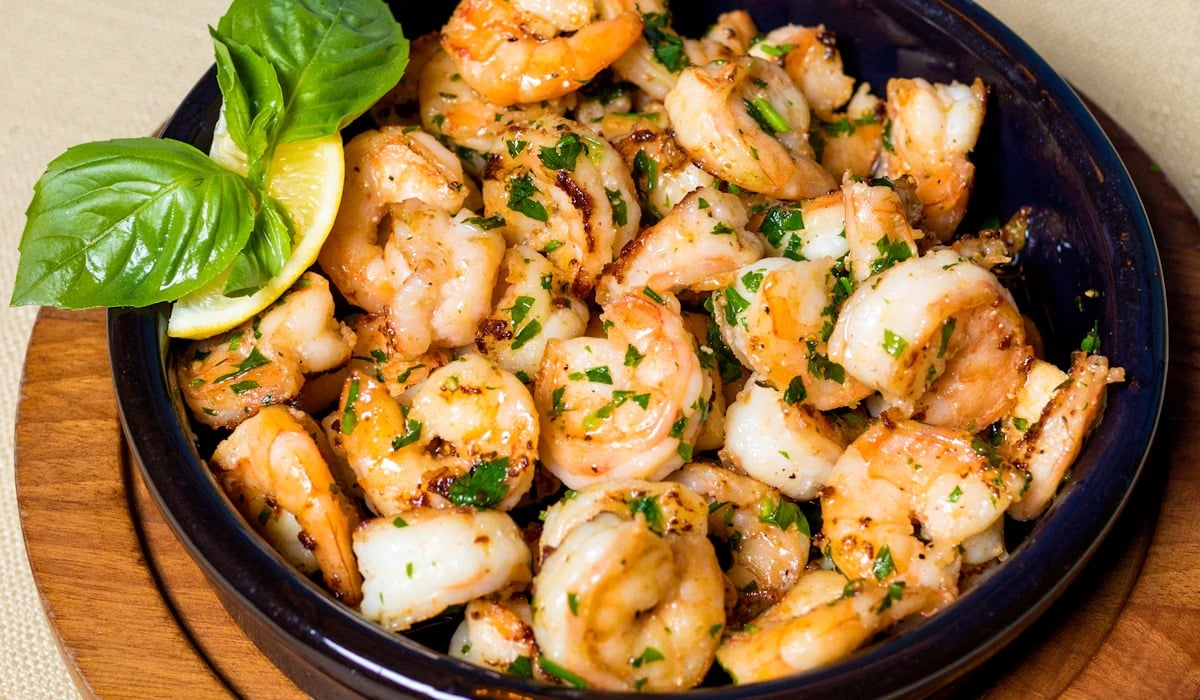
Crab, shrimp or a mixture of both, baked in a cheesy cream sauce under buttered crumbs, brought a touch of luxury to the potluck table. The dish was especially popular along the Gulf Coast and in coastal communities where seafood was affordable.
Canned crabmeat and frozen shrimp made it possible for inland cooks to attempt it as well. It appeared regularly in Junior League cookbooks and was often reserved for holidays or special gatherings.
The rich, creamy texture and golden crust made it a standout among the more humble dishes around it.
Chicken and Stuffing Bake
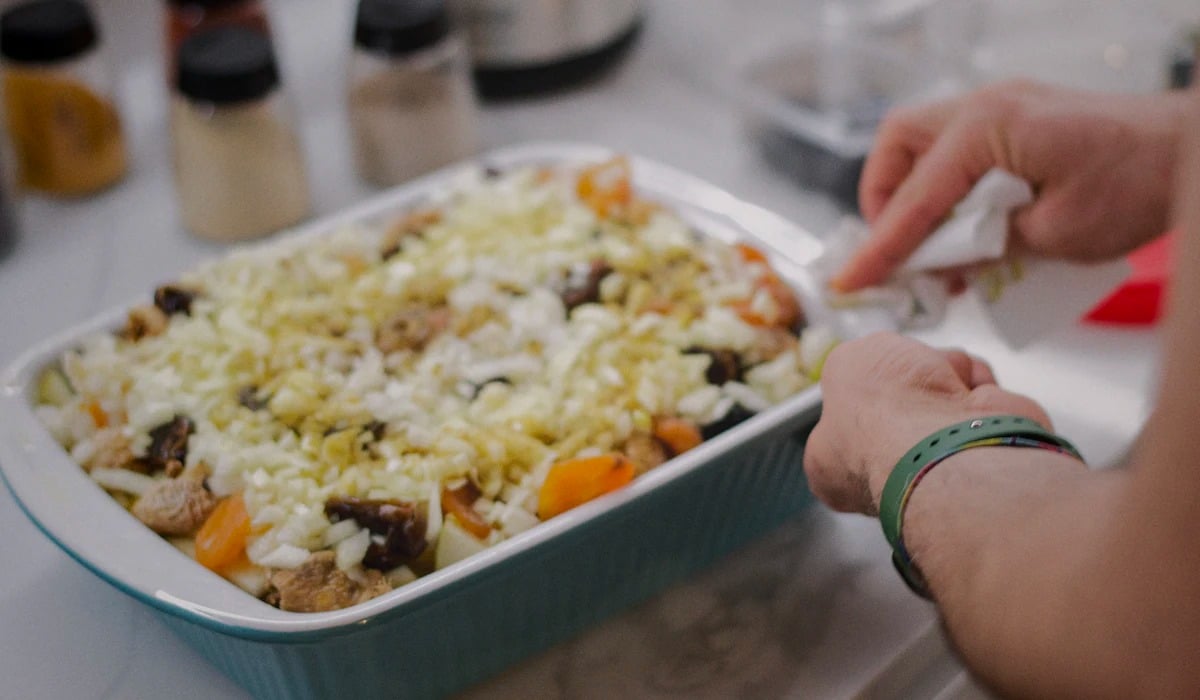
General Foods introduced Stove Top stuffing in 1972, and the boxed mix quickly became a casserole topping as well as a side dish. Food scientist Ruth Siems, a Purdue graduate, is credited as a key inventor of the product.
Cooks layered cooked chicken, cream of chicken soup and sour cream in a dish, then covered it with prepared stuffing before baking. The result tasted like a Thanksgiving dinner that could be assembled on a Tuesday.
It became a popular option for families who wanted holiday flavors without the holiday workload.
Baked Macaroni and Cheese
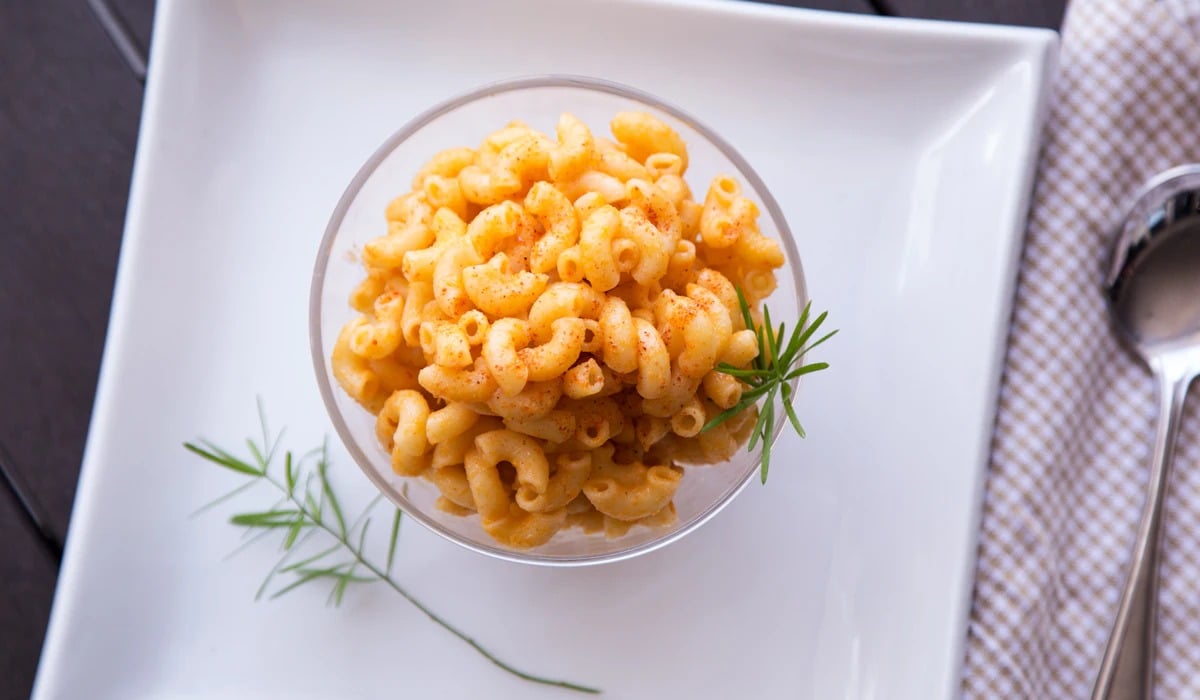
Macaroni and cheese had been an American dish since the nineteenth century, but the baked version became a cornerstone of Southern and Black American church suppers and family reunions. Cooks combined cooked elbow macaroni with sharp cheddar, eggs and evaporated milk or plain milk, then baked it until it set firm enough to cut into squares.
The crusty edges were the most prized portion and often caused minor disputes at the table. Every family had its own version, and many guarded their recipes closely.
It remains one of the most requested dishes at holiday meals across the South.
Reuben Casserole
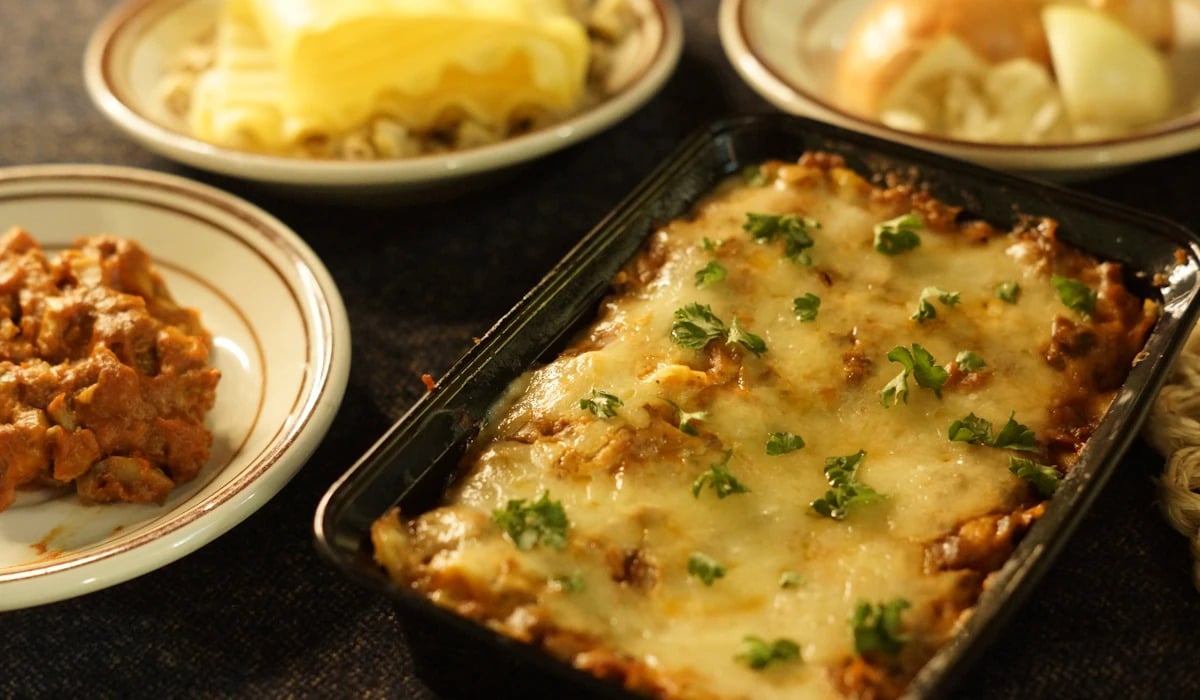
The Reuben sandwich of corned beef, Swiss cheese, sauerkraut and Russian dressing on rye bread inspired a casserole version that circulated in community cookbooks. Cooks layered sauerkraut, corned beef, dressing and cheese in a dish, then topped it with cubes or crumbs of rye bread tossed in butter.
The baked result captured the sandwich’s flavors in a format that could feed a crowd. It became especially popular in the Upper Midwest, where both corned beef and sauerkraut were already familiar.
It is a common sight at Saint Patrick’s Day potlucks.
Spinach Madeline From Baton Rouge
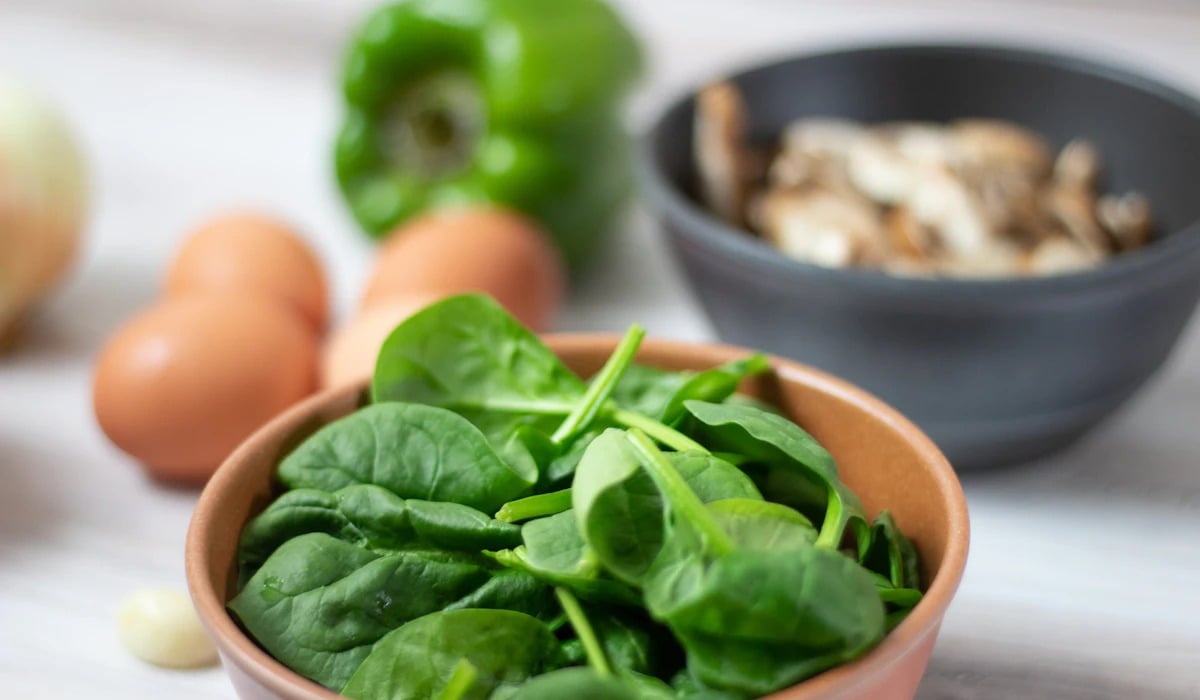
The Junior League of Baton Rouge published this recipe in its 1959 cookbook River Road Recipes, and it became one of the most famous dishes to come out of a community cookbook. Frozen spinach was baked in a creamy sauce seasoned with a roll of jalapeno processed cheese, giving the casserole a gentle heat.
When that particular cheese roll was discontinued, cooks scrambled to recreate the flavor using other processed cheeses and chopped jalapenos. The dish remains a fixture of Louisiana holiday tables.
River Road Recipes went on to sell in enormous numbers for a community cookbook.
Impossible Cheeseburger Pie
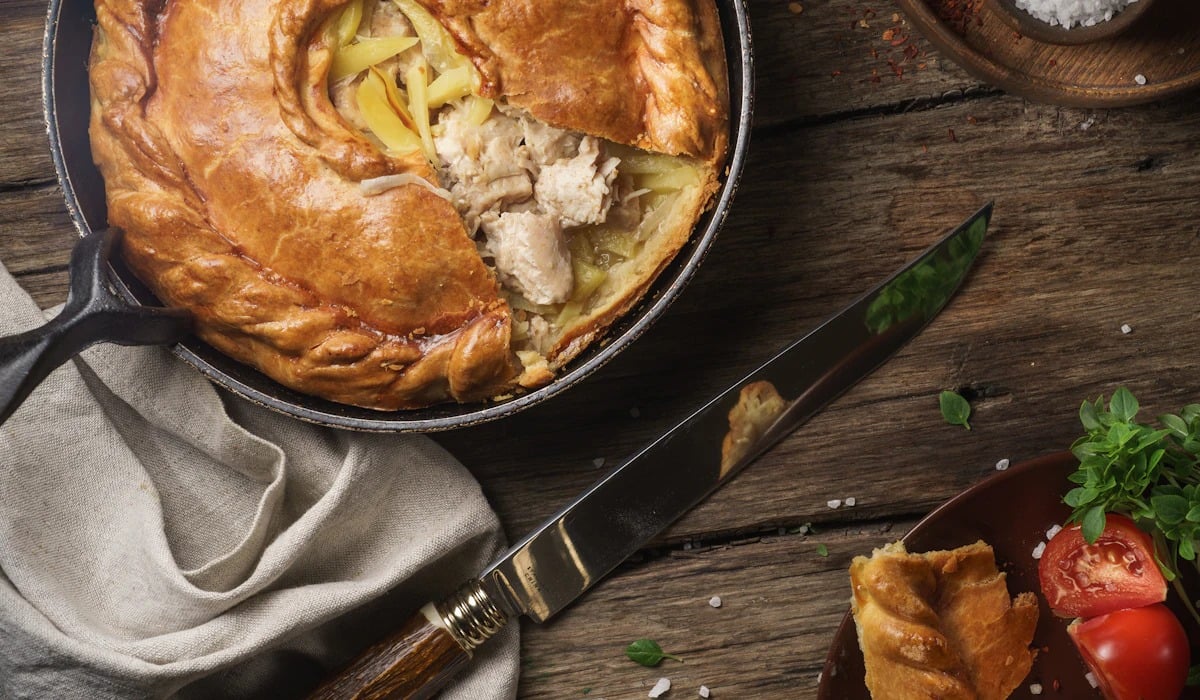
Bisquick promoted a series of impossible pies in the 1970s, recipes in which a thin batter of baking mix, eggs and milk poured over a filling formed its own crust as it baked. The cheeseburger version combined browned ground beef and onions with shredded cheese, and the batter created a soft bottom layer and a lightly set top.
The recipes became a phenomenon, widely shared through the backs of boxes and newspaper food pages. Impossible coconut pie and impossible quiche joined the lineup.
The cheeseburger version remains the best known and still circulates widely among home cooks.
Tamale Pie With a Cornmeal Topping
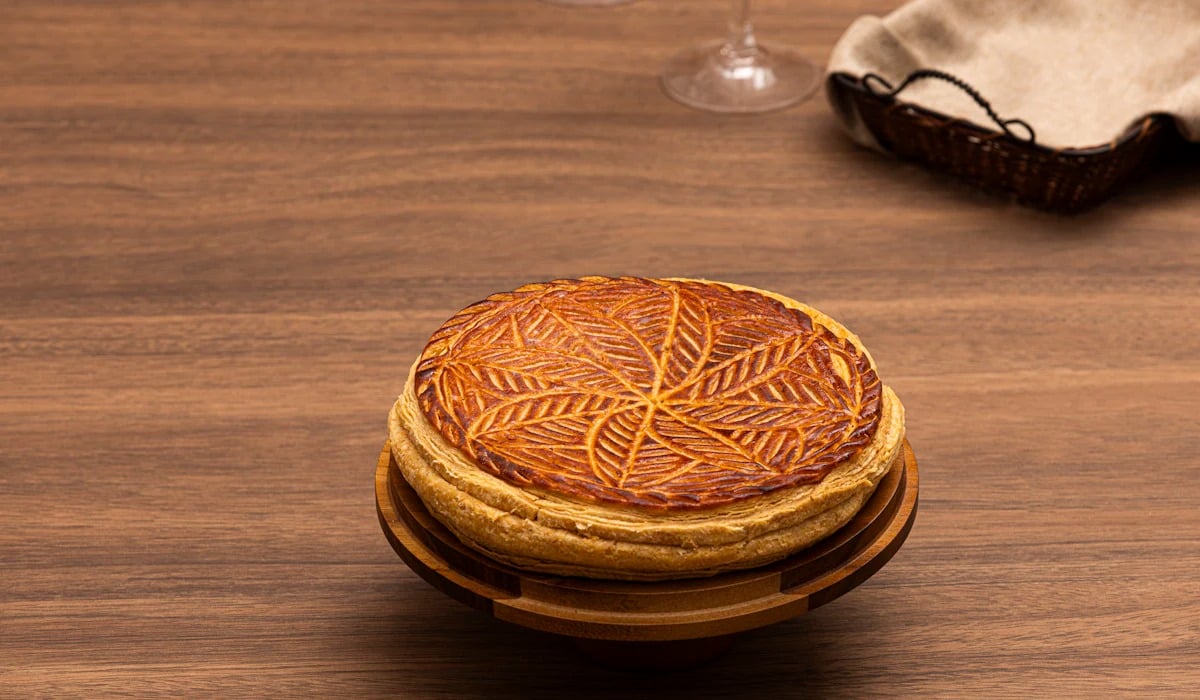
Ground beef, onions, tomatoes, corn and chili powder were baked under a layer of cornmeal batter that browned into a crust. Recipes for tamale pie appeared in American cookbooks in the early twentieth century, long before the casserole boom.
The dish became especially popular in California and the Southwest, and later spread across the country through women’s magazines. It offered the flavors of tamales without the labor-intensive process of wrapping each one in husks.
It became a regular potluck offering, valued for being filling, inexpensive and easy to make in large batches.
Covered Dishes and the Communities Behind Them
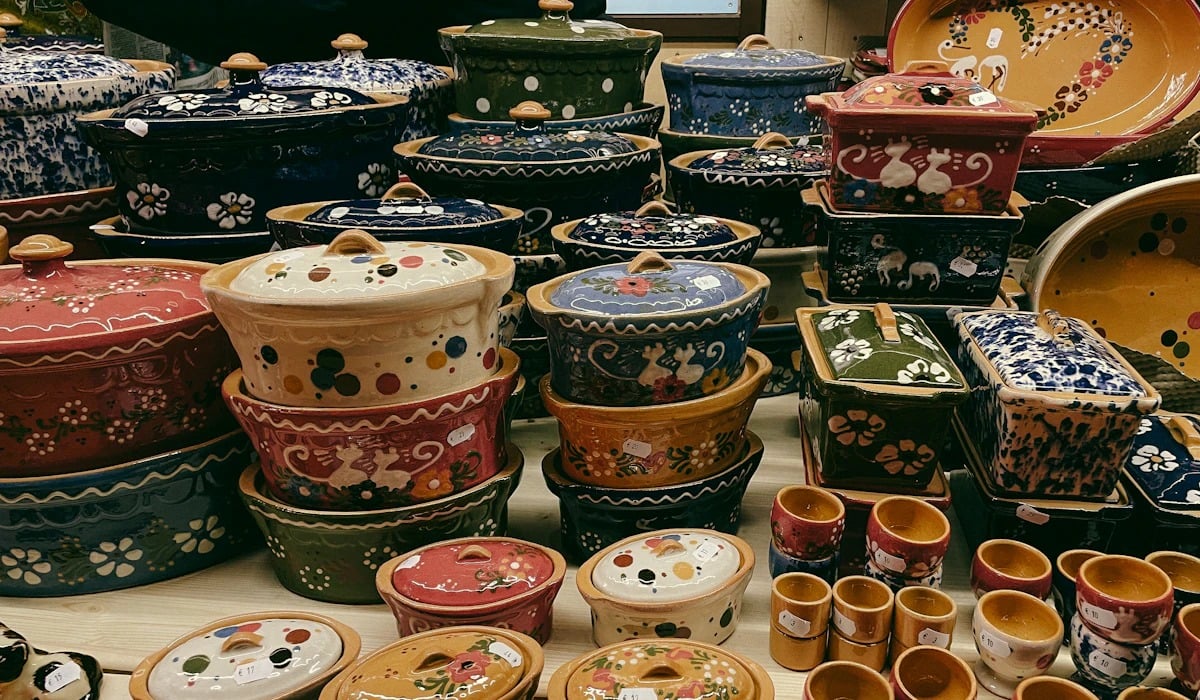
The casseroles of the potluck era were never really about the food alone. They were about showing up, carrying something warm into a church basement, a grieving neighbor’s kitchen or a school gymnasium, and leaving it there for whoever needed it.
The canned soups and crushed crackers were simply the fastest way to say that someone cared.
Many of these dishes have been mocked by food critics and reinvented by modern chefs, yet the originals still turn up wherever people gather. A pan of funeral potatoes or green bean casserole carries decades of family memory in every spoonful.
The masking tape on the bottom of the dish might be gone, but the habit of feeding one another has not changed.
MORE FROM GO2TUTORS!

- The Romanov Crown Jewels and Their Tragic Fate
- 13 Historical Mysteries That Science Still Can’t Solve
- Famous Hoaxes That Fooled the World for Years
- 15 Child Stars with Tragic Adult Lives
- 16 Famous Jewelry Pieces in History
Like Go2Tutors’s content? Follow us on MSN.