28 Retro Kitchen Gadgets Now Fetching Big Money
Somewhere in a basement, a chrome mixer with a frayed cord is waiting for a buyer who knows exactly what it is. Small appliances from the 1920s through the 1970s were built to be repaired, and many of them still run.
That durability, plus a hunger for design that looks like nothing sold today, has turned estate sale leftovers into serious collectibles.
Prices below are rough 2026 secondhand ranges drawn from typical resale listings. Condition, completeness and working order move every number up or down, sometimes dramatically.
Sunbeam Mixmaster From the Jepson Era
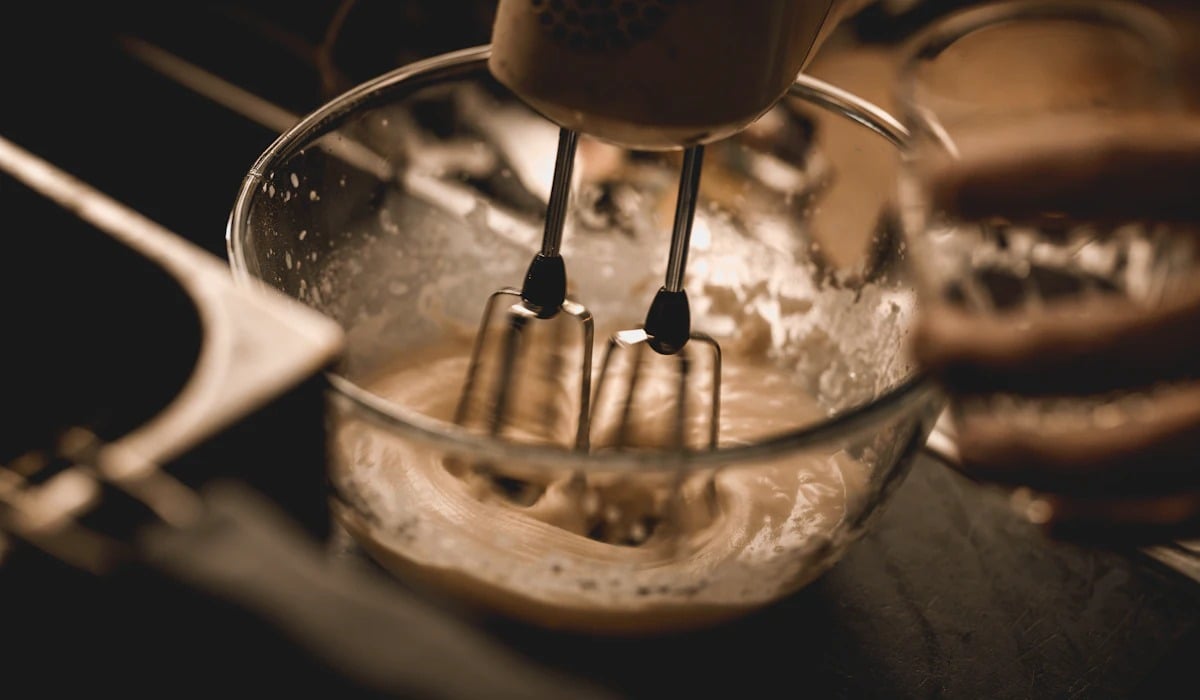
The Mixmaster arrived in 1930, designed by Swedish-born engineer Ivar Jepson for the Chicago Flexible Shaft Company, the firm that later renamed itself Sunbeam. Its twin beaters and turning bowl let a cook step away while the batter worked, which was a genuine novelty, and the machine sold in huge numbers through the Depression.
Early models with their original glass bowls and add-ons such as the juicer or meat grinder draw the strongest interest, often 75 to 250 dollars in 2026. A mixer that hums but sparks, or one missing its matched bowls, sells for a fraction of that.
Sunbeam T-20 Radiant Control Toaster
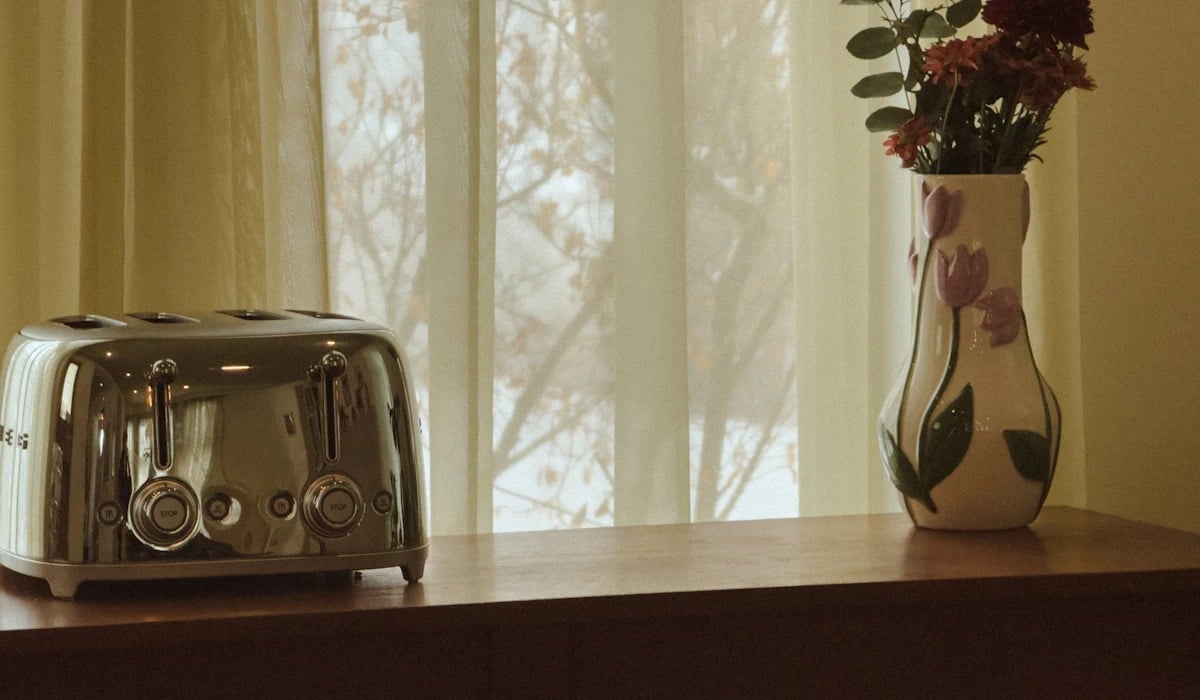
Sunbeam launched the T-20 in 1949, and plenty of toaster collectors argue that nothing since has matched it. A slice dropped into the slot lowers itself with no lever at all, then rises quietly when a thermostat judges the surface done, reading the heat coming off the bread rather than simply counting time.
That trick means a second batch comes out the same shade as the first. Working examples commonly sell for 75 to 200 dollars, with professionally restored ones going higher.
Chrome pitting, brittle cloth cords and a sticky lowering mechanism are the usual deductions, so a unit that cycles cleanly beats a pretty shelf piece.
Toastmaster Model 1A1 Pop-Up
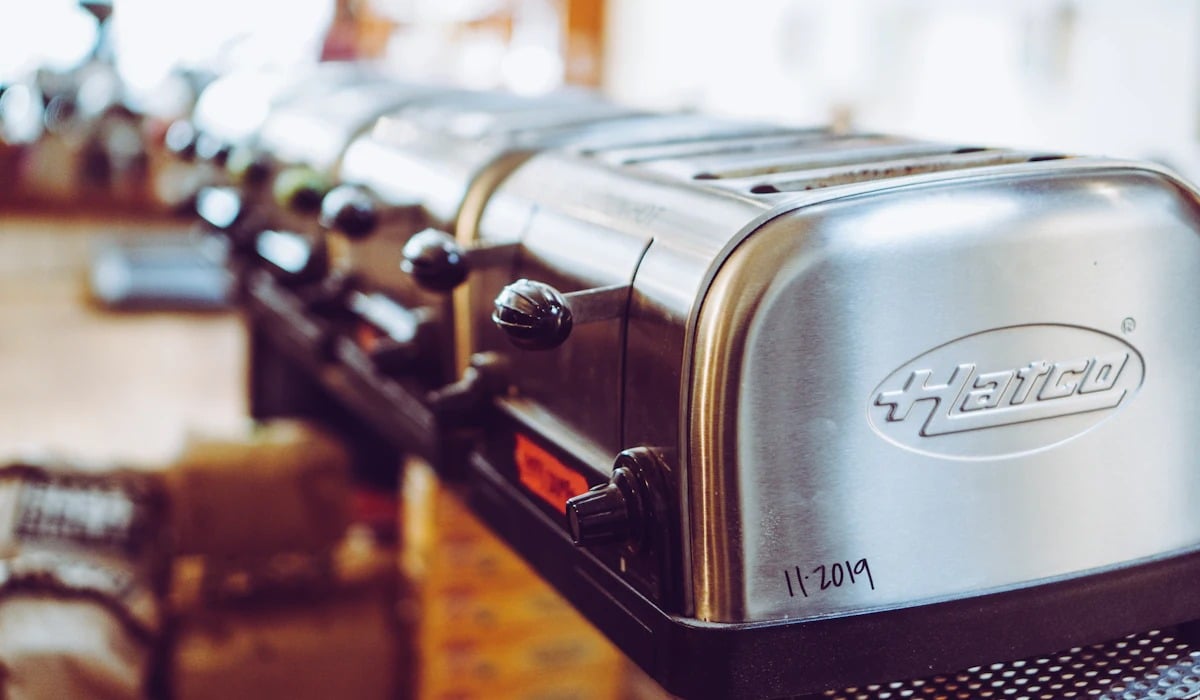
Charles Strite patented a pop-up toaster for restaurant kitchens in 1921, and the Waters-Genter Company of Minneapolis brought the idea into homes under the Toastmaster name in 1926. The Henry Ford museum holds a Model 1A1 dated to around 1929 and 1930, a rounded chrome box that looks surprisingly modern.
Its timing was lucky, since commercially sliced bread spread across the country right after 1928. Clean, working examples often trade for 100 to 300 dollars.
Dents in the shell, a replaced plug or a clockwork timer that no longer releases on cue drag that figure down fast.
Toast-O-Lator Conveyor Toaster
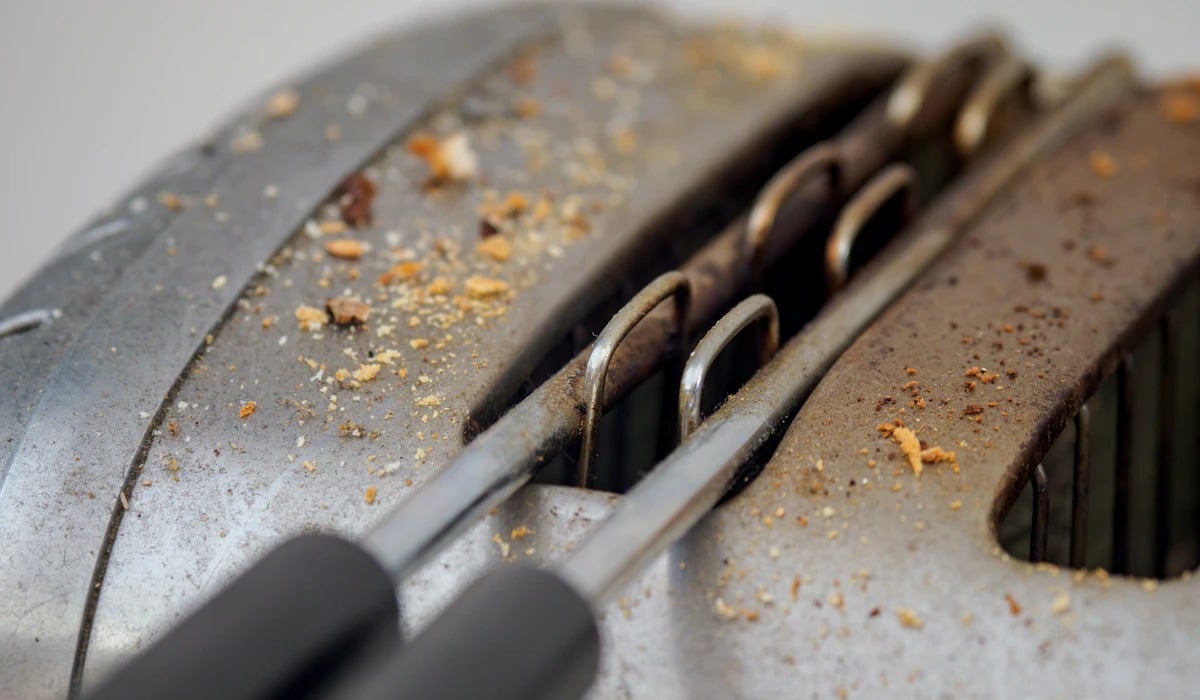
Made from 1939 into the early 1950s, the Toast-O-Lator fed bread in one side, walked it past the heating elements on a ratcheting track and pushed it out the other. A small round window on the side let owners watch each slice travel, which explains the nickname walking toaster that collectors still use.
The Henry Ford holds a 1939 example, and the design remains one of the strangest mass-market toasters ever sold. Running units often bring 200 to 600 dollars.
Ones with a jammed drive, cracked window glass or missing feet sell largely as parts, well below that range.
Waring Blendor With the Original Spelling
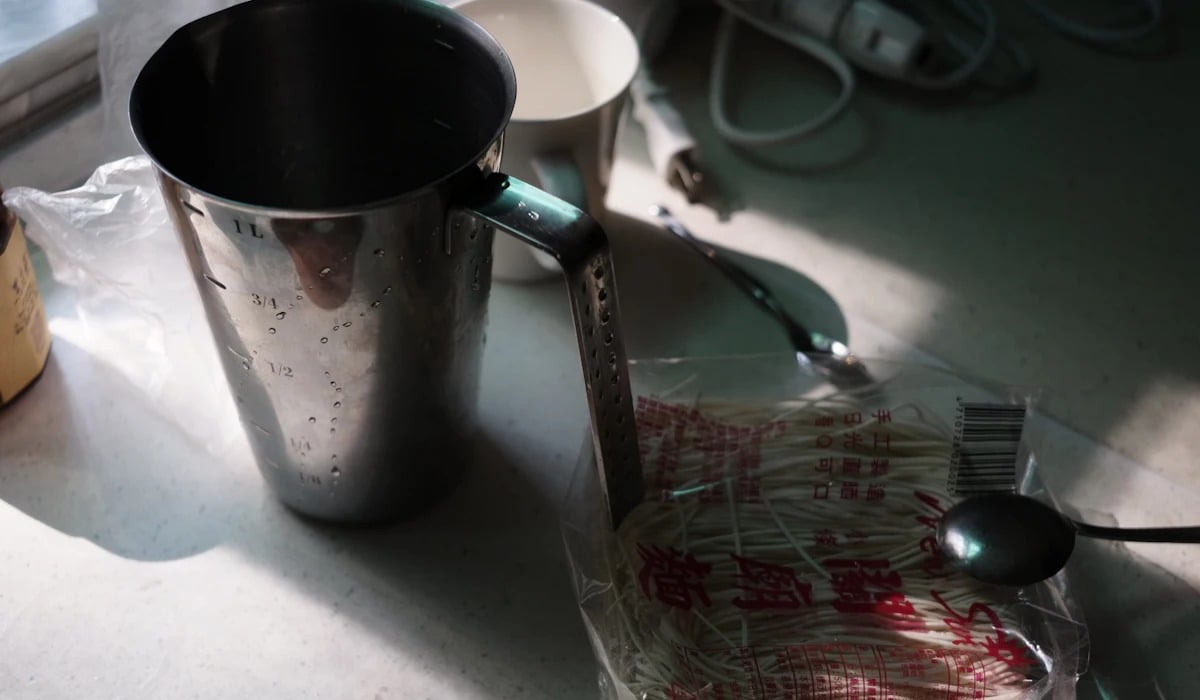
Bandleader Fred Waring bankrolled inventor Fred Osius’s blender design and put it on the market as the Waring Blendor in 1937, keeping the odd spelling for decades. It found early fans behind hotel bars, where it made frozen drinks practical, long before smoothies existed.
Early units with cloverleaf glass jars and heavy Art Deco bases are the ones bar collectors want. Prices often fall between 100 and 350 dollars in 2026.
A cracked jar, a chipped lid or a base that only runs on one speed pushes the number toward the bottom of that range.
Osterizer Beehive Blender
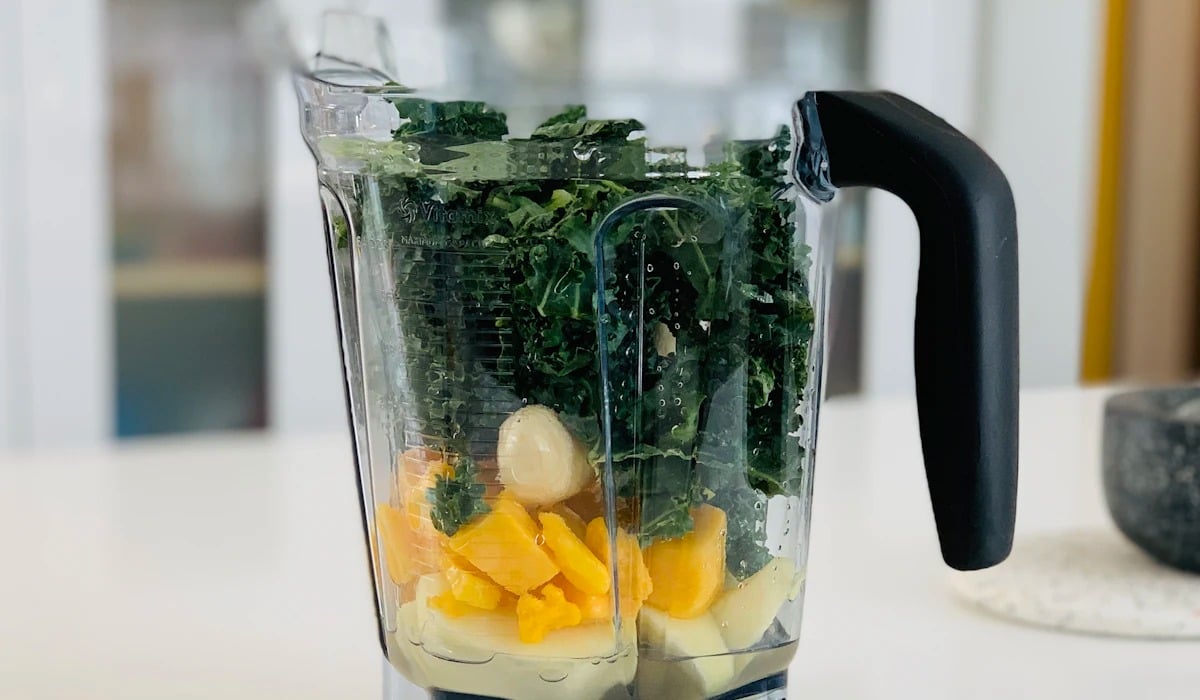
John Oster Manufacturing of Racine, Wisconsin, bought Stephen Poplawski’s blender business in 1946 and sold the result as the Osterizer. Poplawski had patented a drink mixer with a spinning blade at the bottom of a cup back in 1922, so the Oster name sat on top of decades of earlier work.
The ribbed chrome beehive base of the 1950s is the version people hunt, ideally with its original glass jar. Good examples sell for about 60 to 200 dollars.
Pitting on the chrome dome matters more than many sellers expect, and a jar from a later model lowers the value even when the motor roars.
Hamilton Beach Soda Fountain Drink Mixer
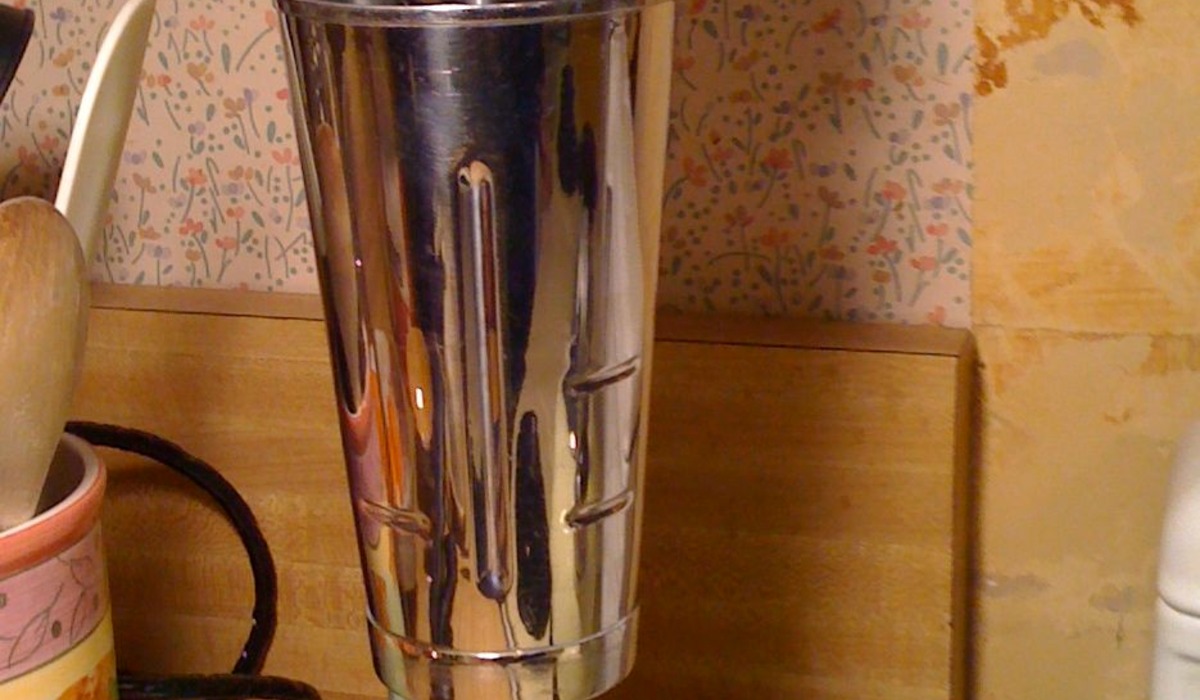
Hamilton Beach was founded in Racine, Wisconsin, in 1910, and its spindle drink mixers became fixtures at soda fountains and drugstore counters. The Smithsonian’s National Museum of American History even keeps a shipping crate from one of its Drinkmaster mixers, a sign of how central the machine was to American snacking.
Enameled models from the 1930s and 1940s, often in mint green, pair nicely with original stainless malt cups. Restored units typically sell for 100 to 400 dollars.
Chipped enamel, a replaced cord or a missing cup trims the price considerably, and a wobbling spindle trims it further.
Prince Castle Multimixer
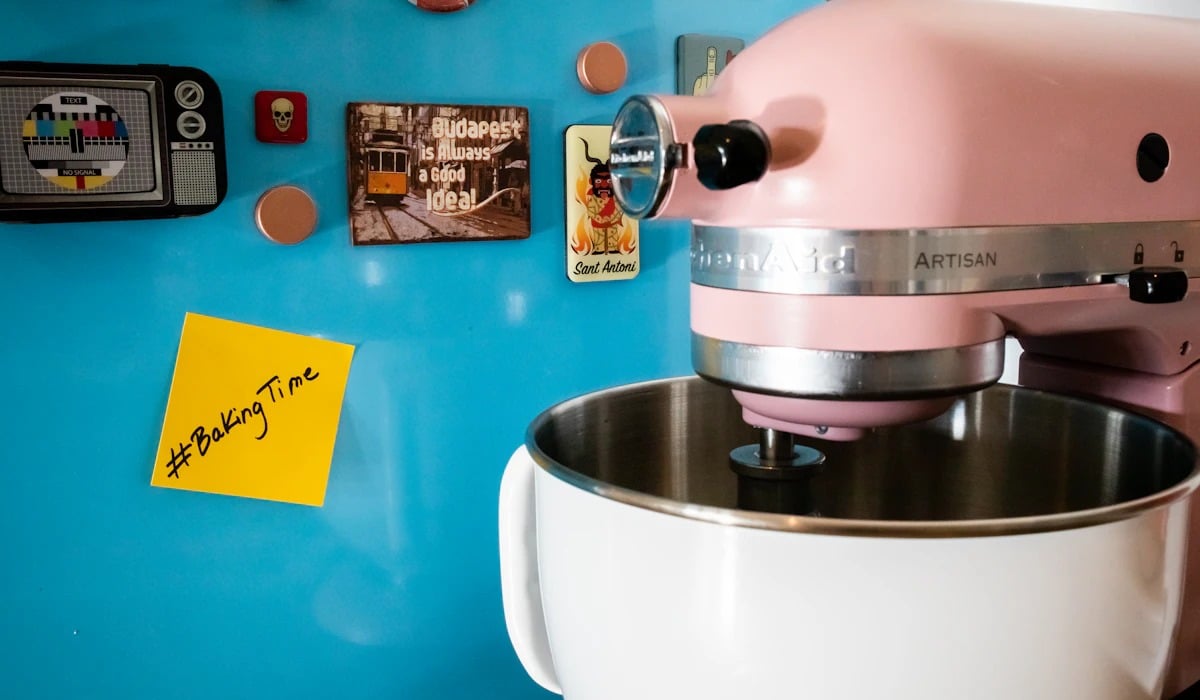
Ray Kroc spent years on the road selling the Prince Castle Multimixer, a heavy commercial machine that could whip five milkshakes at once. When one hamburger stand in San Bernardino, California, ordered eight of them, Kroc went to see the operation in 1954, and the McDonald brothers’ kitchen changed the course of his career.
The Illinois State Museum keeps a Multimixer Model 9B in its collection. Vintage units usually sell for 150 to 500 dollars.
Spindle wobble, worn switches and amateur repaints are common, and buyers pay the most for machines that still run all five heads.
Hobart-Built KitchenAid Stand Mixers
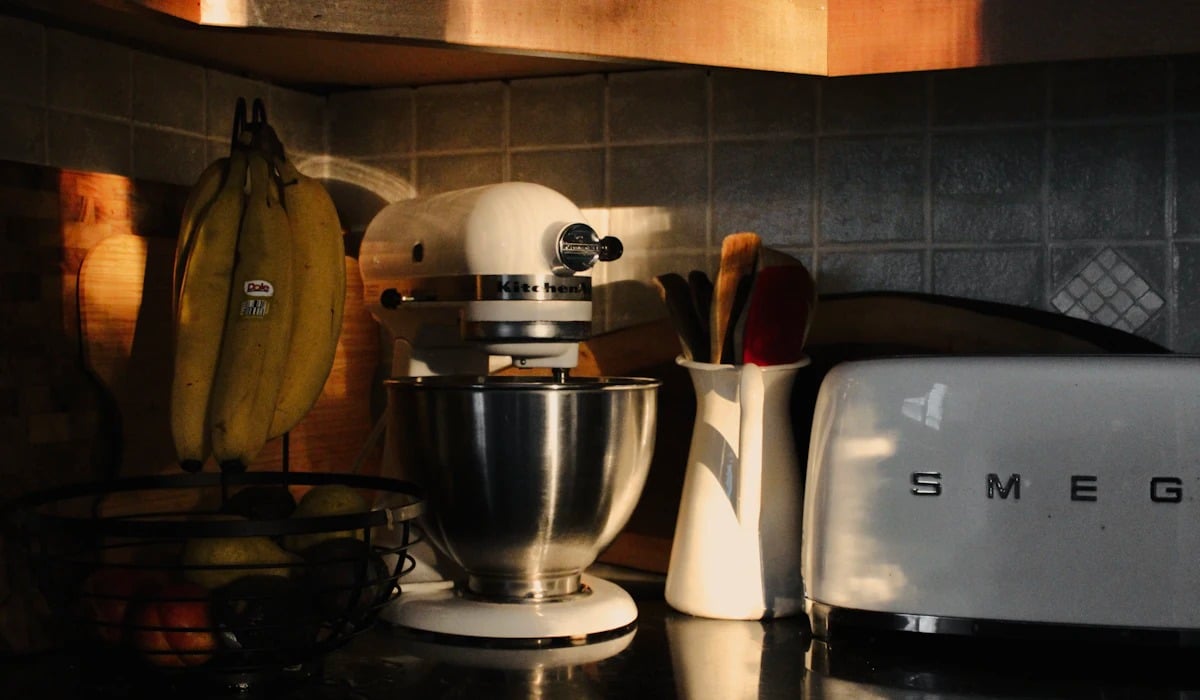
The KitchenAid name began at the Hobart Manufacturing Company in Troy, Ohio, which released its first home stand mixer in 1919. Industrial designer Egmont Arens shaped the rounded silhouette in 1937, and the brand still sells a close cousin of that body today.
Machines built under Hobart, before Whirlpool acquired the line in 1986, carry a reputation for nearly indestructible motors, and a K5A from the 1960s or 1970s often sells for 150 to 400 dollars. Leaking gearbox grease can be fixed, but cracked paint, a mismatched bowl and a missing dough hook all come off the asking price.
KitchenAid A-9 Coffee Mill
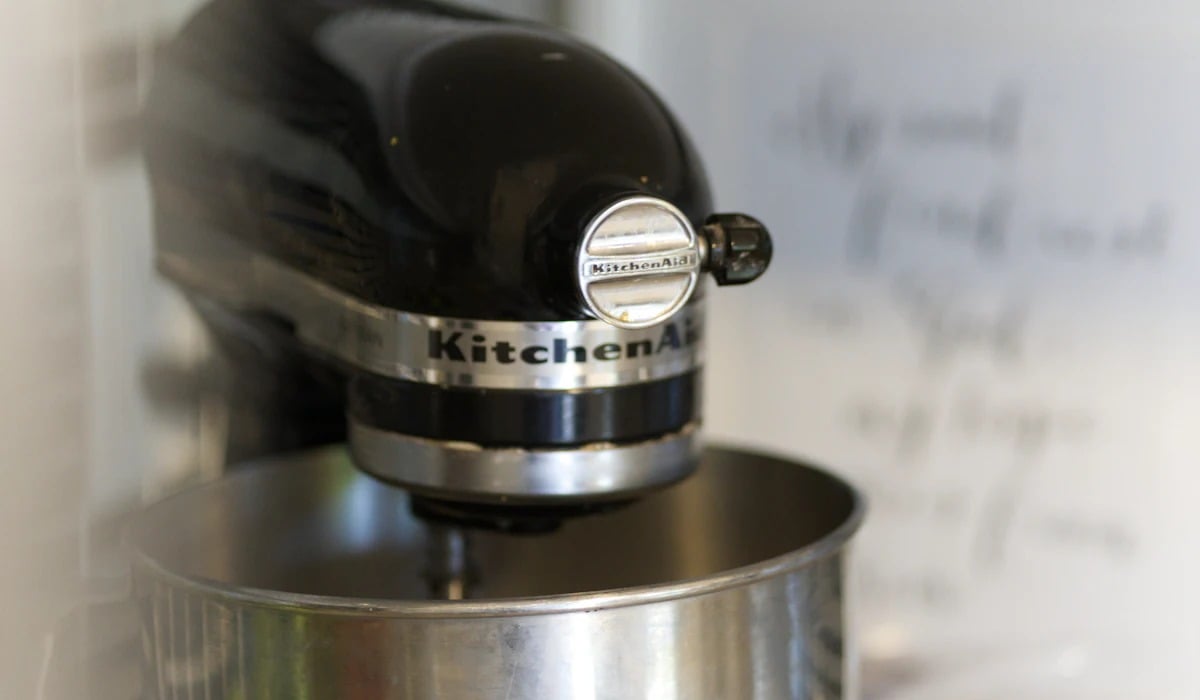
Hobart also built a burr coffee grinder under the KitchenAid name, the A-9, sold from the late 1930s into the 1940s with glass jars and a sleek enameled body. Coffee enthusiasts seek it out for its sturdy burr set as much as its Art Deco looks, and some still grind with one every morning.
Complete, working grinders generally sell for 150 to 400 dollars. Original jars are fragile and often replaced, so a reproduction jar, a chipped lid or worn burrs knock a noticeable share off the value.
Early Stainless Vita-Mix Machines
William Barnard, remembered as Papa Barnard, sold blenders out of Cleveland and pitched them in a 1949 television spot often described as the first infomercial. The company’s 1969 Vita-Mix 3600 used a stainless steel container and a reversing motor, and it was marketed as able to grind grain and knead dough in the same vessel.
That machine is the ancestor of the high-powered blenders on countertops today. Vintage stainless units sell for roughly 100 to 300 dollars.
Dented containers, a tired motor and a lost tamper or lid all cut into that range.
Kenwood Chef A700
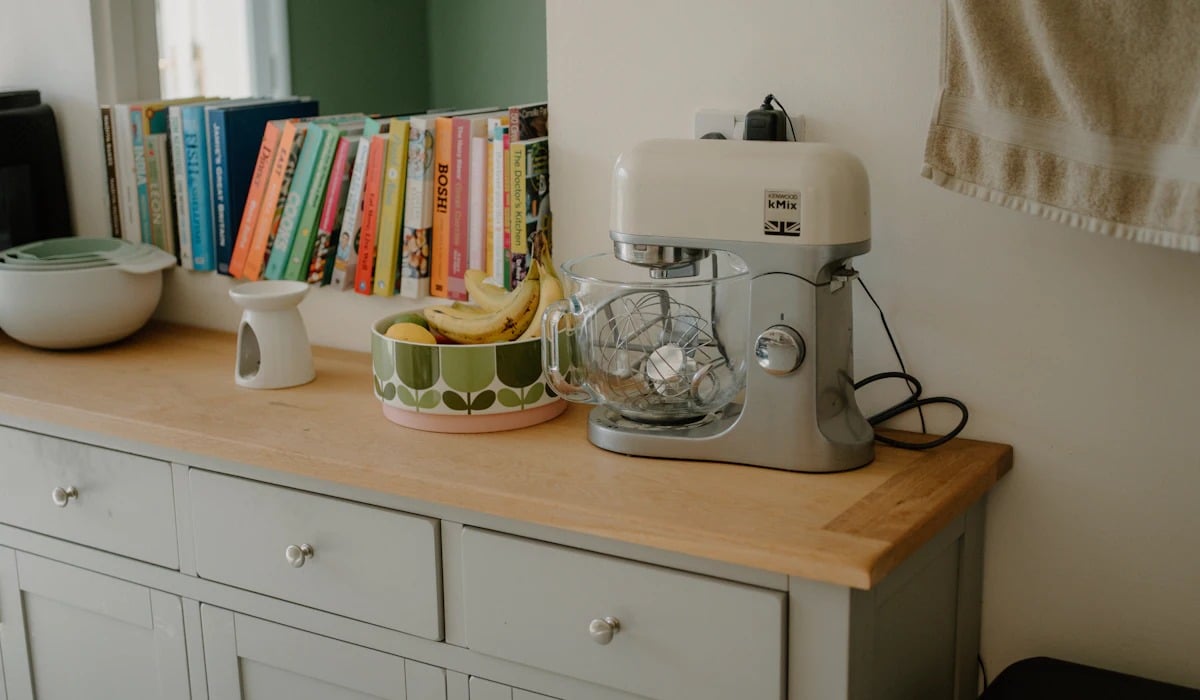
Kenneth Wood unveiled the Kenwood Chef at the Ideal Home Exhibition in London in 1950, and it quickly became a fixture of British kitchens. Industrial designer Kenneth Grange reworked the look for the A701 in 1960, giving it the cleaner lines many collectors prefer.
Original A700 machines that make it across the Atlantic tend to sell for about 100 to 300 dollars. Buyers in North America also need a converter for the 240-volt motor, and frayed wiring, a cloudy bowl or a missing splash guard lowers the price further.
Braun Citromatic MPZ 2 Juicer
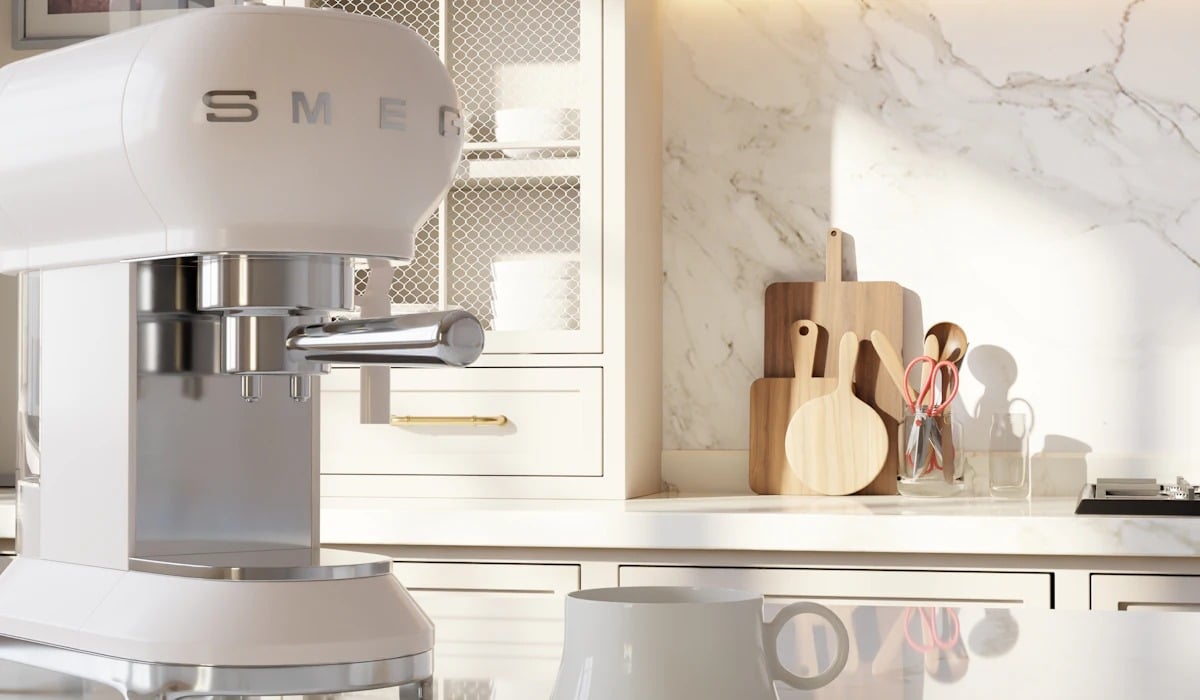
Braun released the Citromatic MPZ 2 in 1972, a citrus press credited to designers Dieter Rams, Jurgen Greubel and Gabriel Lluelles. London’s Victoria and Albert Museum holds one in its collection, which says a lot about how seriously the design world takes a machine for squeezing oranges.
Pressing a fruit half onto the ribbed cone switches the motor on, and lifting it stops the spin. Clean examples usually sell for 50 to 150 dollars.
Plastic that has yellowed in the sun, a cracked dust cover or a cord with brittle insulation all count against it.
Dualit Combi Toaster
Max Gort-Barten founded Dualit in London in 1945, and the company name came from its first product, a heater called the Dual-Light. Its chunky stainless toasters were assembled by hand for cafes and hotels before home cooks adopted them, and the Victoria and Albert Museum holds a Dualit toaster credited to Gort-Barten.
The design uses a mechanical timer dial, and the bread stays put when done instead of popping up. Vintage units from the 1950s through the 1970s often sell for 150 to 400 dollars.
Worn elements can be swapped, but dents in the body and a stiff timer dial take the shine off any offer.
Chemex Coffeemaker From the Schlumbohm Years
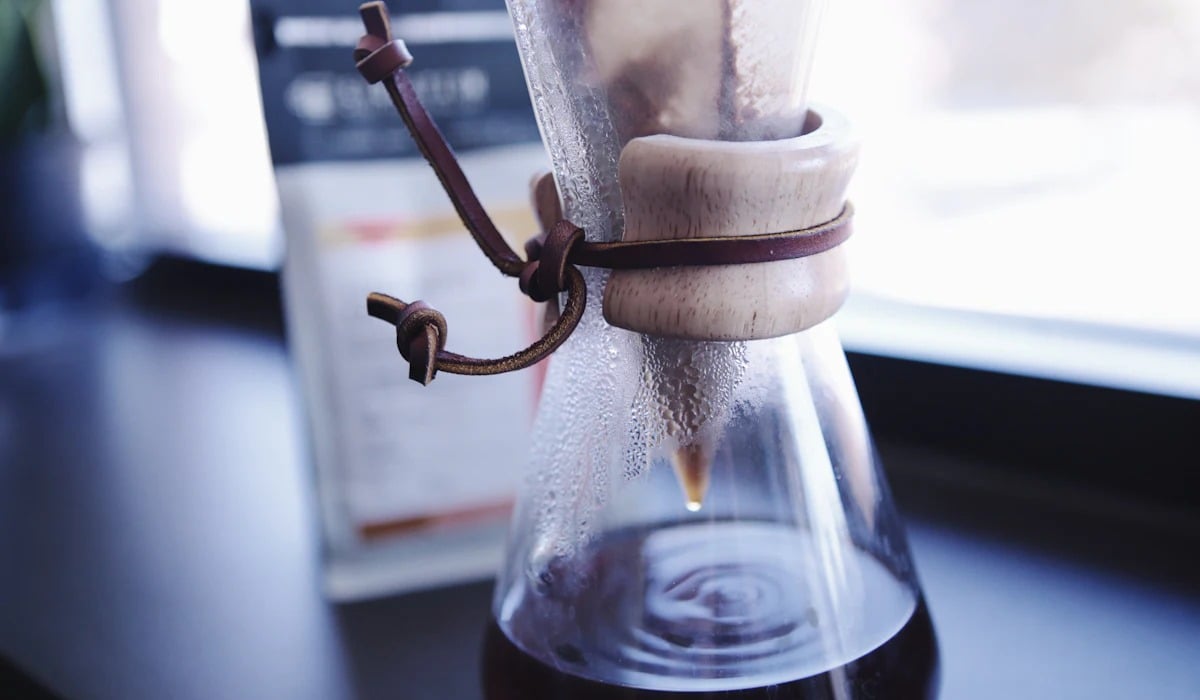
German chemist Peter Schlumbohm introduced the Chemex in 1941, an hourglass of heatproof glass with a wooden collar held on by a leather tie. The Museum of Modern Art keeps one in its permanent collection, and the Corning Museum of Glass holds an example as well.
Early pieces that show clear signs of hand-blown production, with older-style collars, are the ones collectors chase. They often sell for 75 to 250 dollars.
Chips at the spout and a replaced collar take a big bite out of value, and newer production pieces sell close to retail.
Sunbeam Coffeemaster Vacuum Brewer
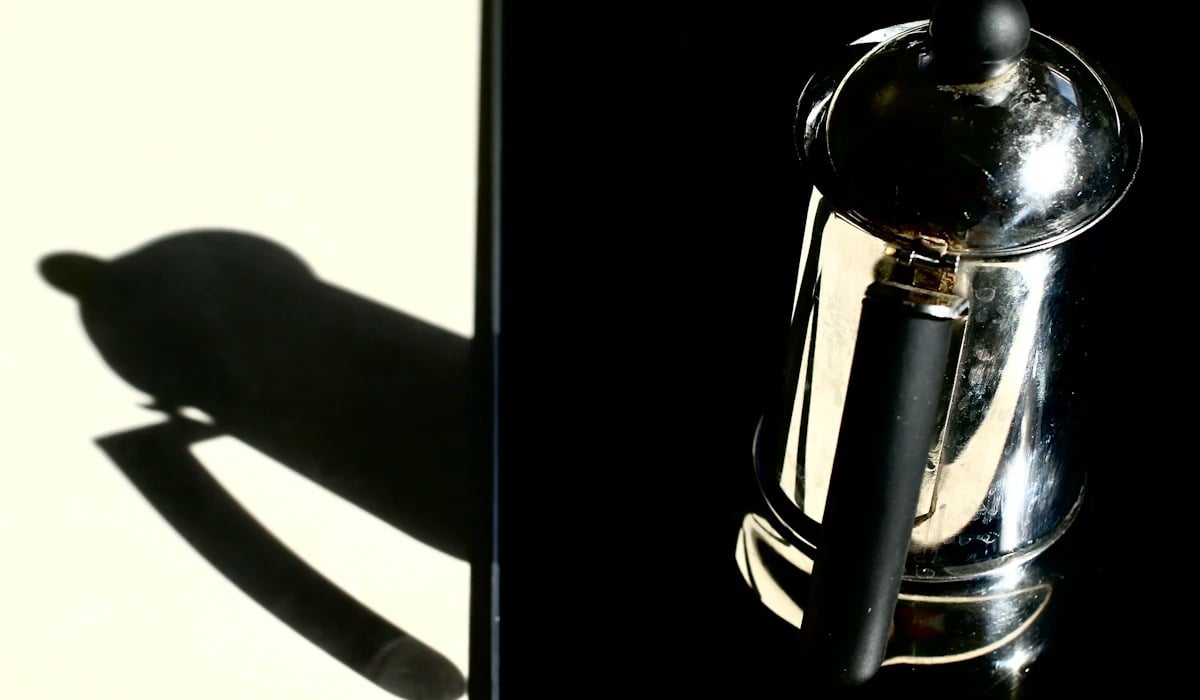
Vacuum brewers push hot water into an upper bowl with steam pressure, then draw the finished coffee back down through a filter as the lower chamber cools. Sunbeam’s Coffeemaster put that bit of kitchen theater on an automatic chrome base that cut the heat at the right moment, and it was a popular wedding gift of the 1940s and 1950s.
Complete sets usually sell for 75 to 225 dollars. Glass bowls, gaskets and filter rods go missing easily, and a set lacking any one of them is far less desirable than an intact one.
Corning Ware Electric Percolator
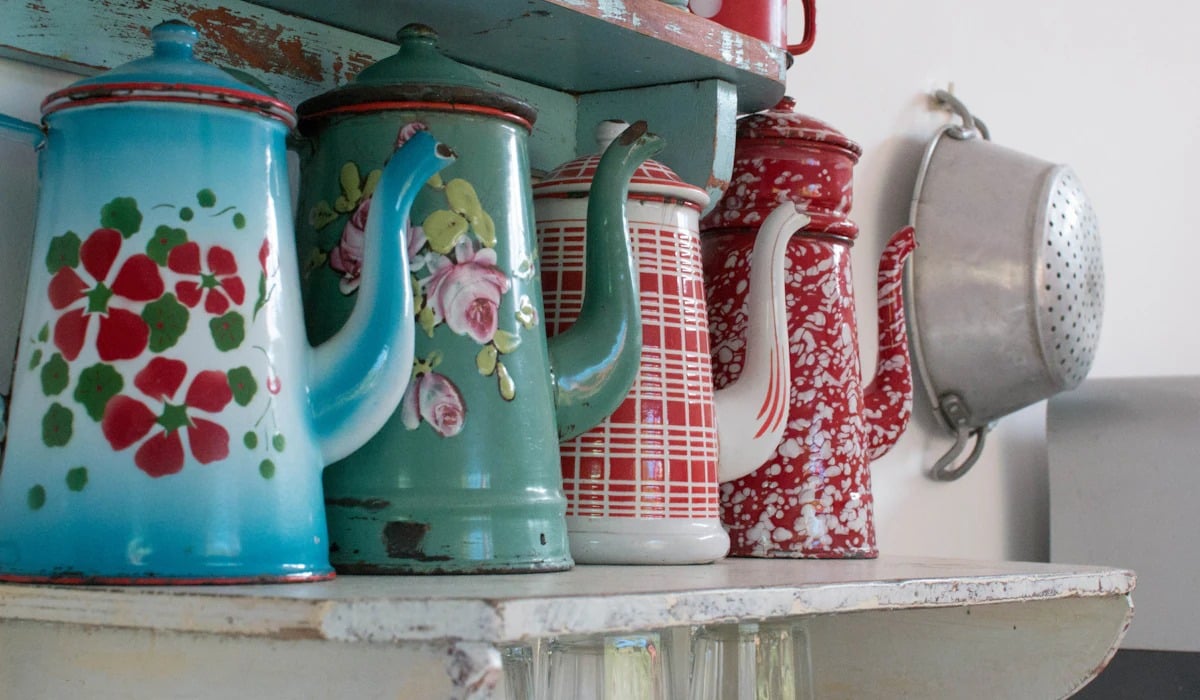
Corning Ware grew out of a glass-ceramic developed by Corning chemist S. Donald Stookey in the 1950s, a material the company also used for missile nose cones.
Its electric percolators of the 1960s and 1970s put a plug into that same heat-tolerant body, usually decorated with the familiar blue cornflower motif, and many owners used them daily for decades. Complete examples typically sell for 50 to 175 dollars.
Cords, baskets and stems are often lost, and coffee stains on the white body or a scorched heating base trim the price sharply.
Original Mr. Coffee Drip Brewer
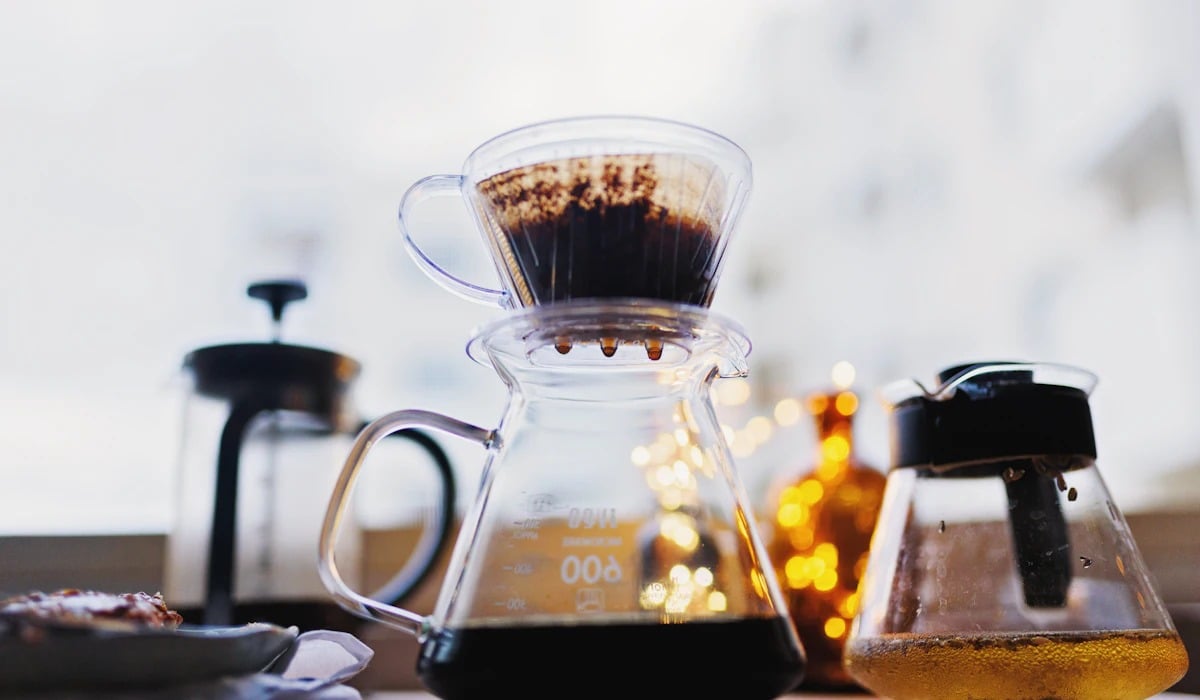
Mr. Coffee reached stores in 1972, launched in Cleveland by Vincent Marotta and Samuel Glazer, with engineer Edmund Abel among those credited with the drip design.
Joe DiMaggio became its television pitchman in the 1970s, and the automatic drip machine quickly pushed the stovetop and electric percolator aside in millions of American homes. First-generation units with the original carafe and period packaging sell for roughly 40 to 150 dollars.
Mineral scale, a cracked carafe and a warming plate with flaking finish all pull the number down.
Cuisinart Food Processor From the Sontheimer Era
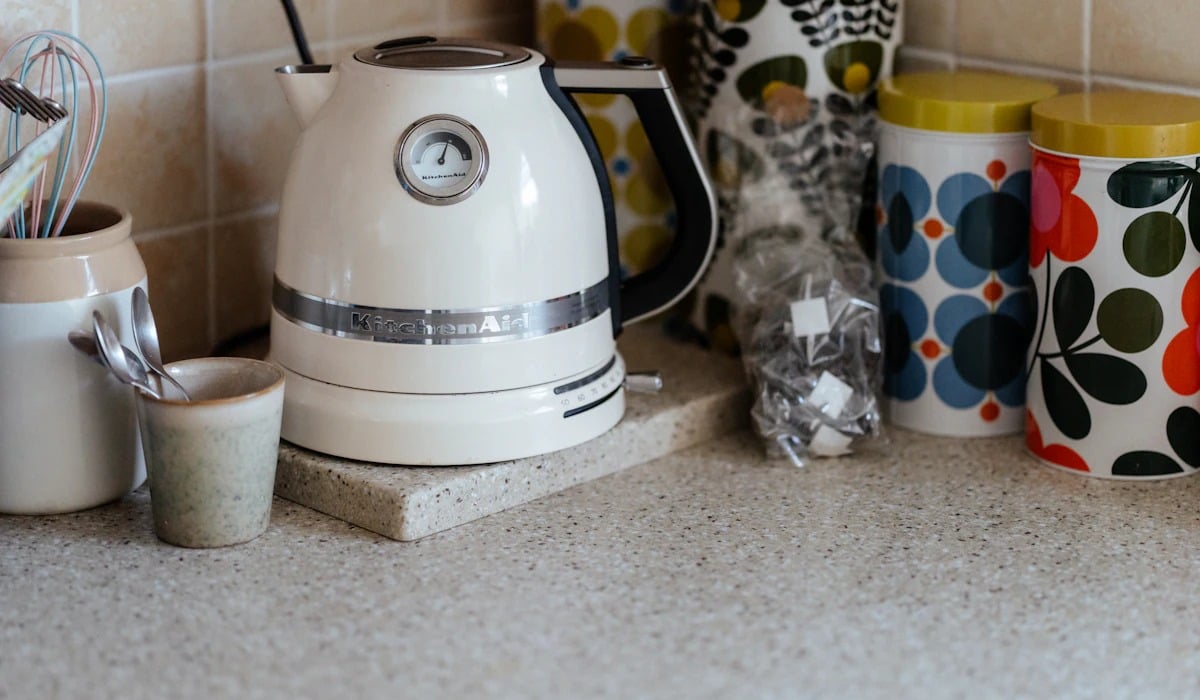
Engineer Carl Sontheimer spotted a French restaurant machine at a Paris housewares show, reworked it for home kitchens and introduced the Cuisinart food processor in 1973. Sales were slow until food writers began praising it, and by the late 1970s it was the gift every serious home cook wanted, along with a shelf of new cookbooks written around it.
Early models such as the CFP-5 and the later DLC-7 sell for roughly 50 to 200 dollars. Cracked work bowls, a worn safety interlock and dull or missing discs reduce the value quickly.
Rival Crock-Pot in Harvest Gold
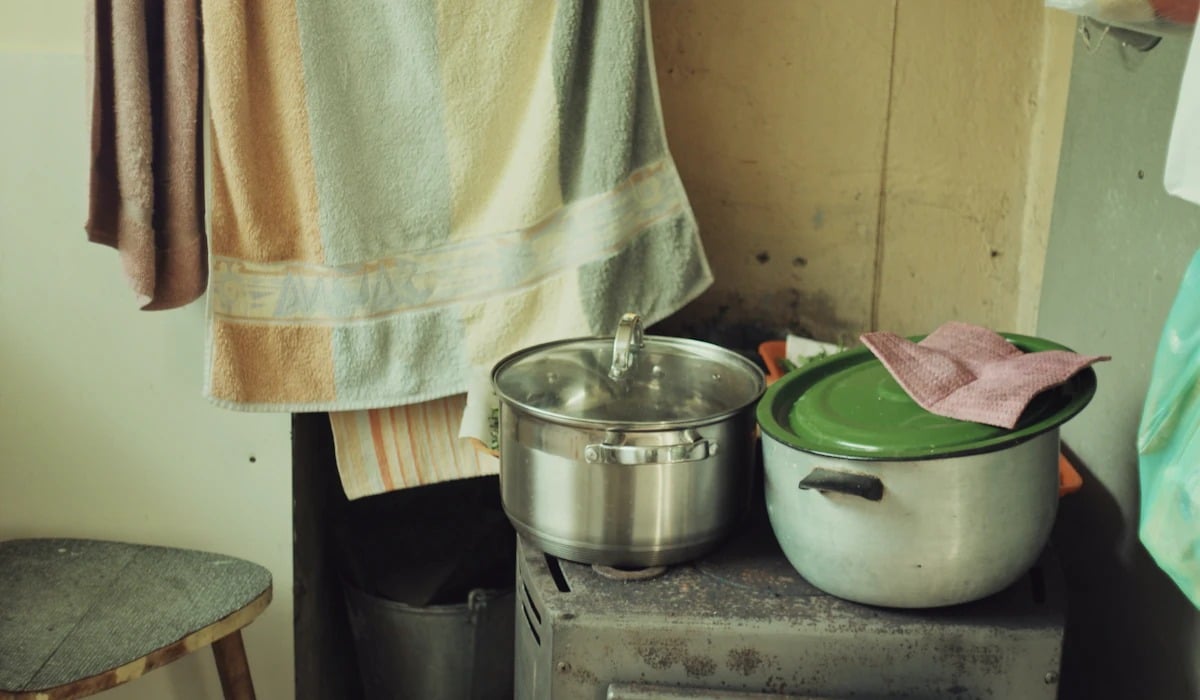
Inventor Irving Naxon sold an electric bean cooker called the Naxon Beanery before Rival Manufacturing bought his company in 1970. Rival renamed the device the Crock-Pot in 1971, and a generation of working parents came home to dinners that had simmered all day.
Early units in harvest gold, avocado green and flame orange are the ones collectors want, usually for 30 to 100 dollars, with boxed examples at the high end. Crazing in the stoneware liner, a cracked lid or a cord that runs hot all lower the price.
Rival Juice-O-Mat Citrus Press
Rival Manufacturing was founded in Kansas City in 1932, and the Juice-O-Mat, a lever-action citrus press with a heavy cast base, was the product that put it on the map. Heritage Auctions has offered a chromed and painted Juice-O-Mat dated to around 1940, a sign that the humble press has moved from junk drawer to catalog lot.
Its leverage made fresh orange juice easy at a time when juicing by hand was a chore. Typical secondhand prices run 30 to 120 dollars, higher for unusual colors.
Chipped paint, rust in the cup and a loose lever all knock the value down.
Presto Saucepan Pressure Cooker
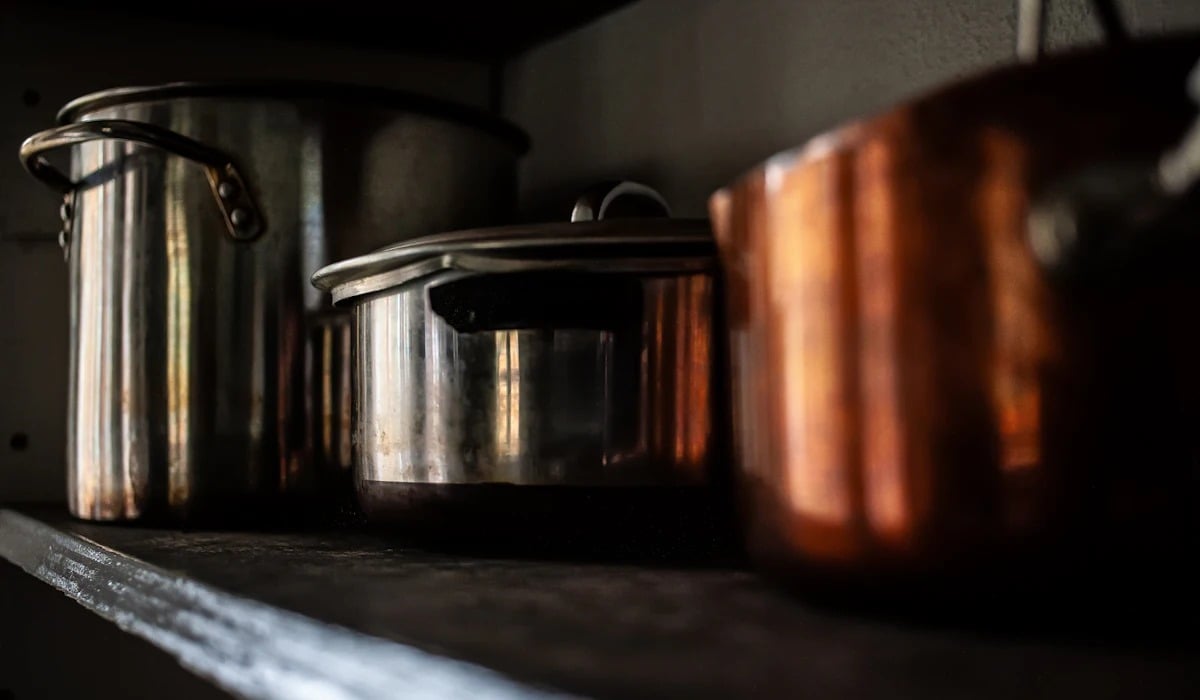
The National Pressure Cooker Company of Eau Claire, Wisconsin, introduced a saucepan-style pressure cooker for home stovetops in 1939, shrinking a technology that had mostly lived in large canners. The firm later renamed itself National Presto Industries in 1953 after its best-known brand.
Early aluminum cookers with their original gauge or weight sell for roughly 40 to 150 dollars. Warped lids, a missing regulator and a gasket that no longer seals are common problems, and buyers treat a cooker without its pressure control as decoration.
Dazey Glass Butter Churn
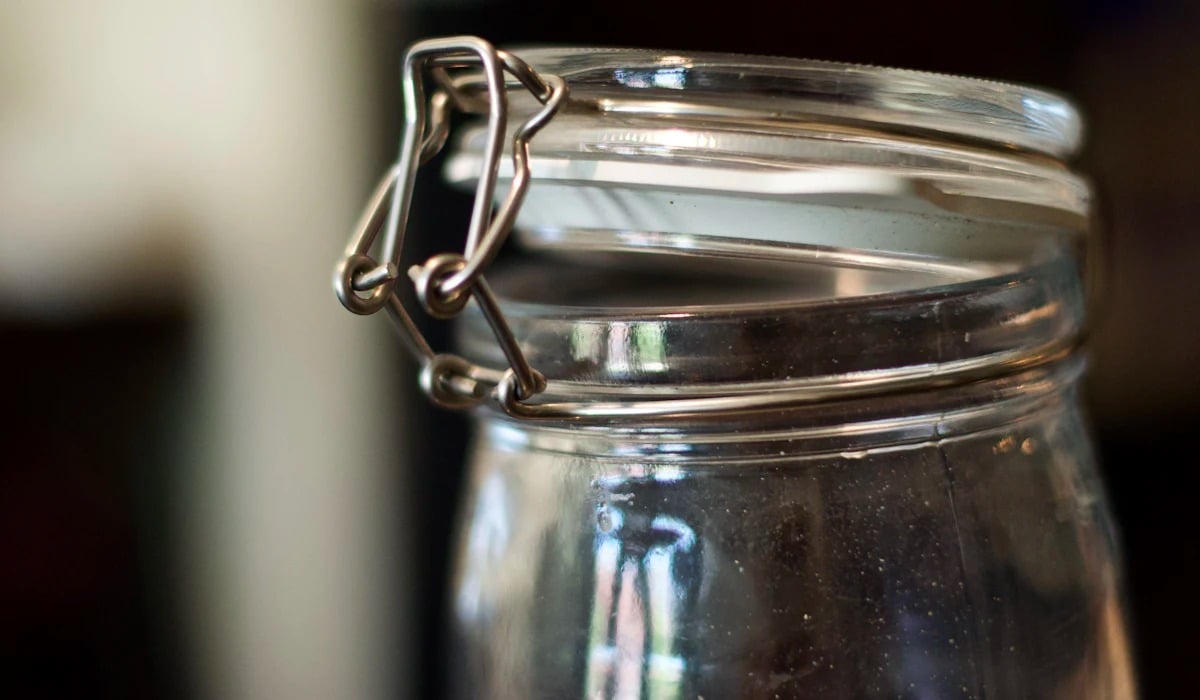
St. Louis was home to the Dazey Churn and Manufacturing Company, which sold glass jar churns with a crank and gear housing on top, and farm families used them to make butter from cream in the early twentieth century.
The Henry Ford holds a Dazey churn dated to around 1920, and the glass let users watch the cream thicken into butter. Embossed jars in larger sizes are the most desirable, often 100 to 400 dollars.
Reproduction tops are common, and a cracked jar, rusted paddles or a replaced gear housing lowers the price considerably.
Swing-A-Way Wall Can Opener
Swing-A-Way built can openers in St. Louis for decades, and its wall-mounted models with a swiveling arm were fixtures in midcentury kitchens.
Colored versions in yellow, turquoise and coppertone are the ones collectors look for, especially with the original wall bracket and screws. The arm folds flat against the wall when not in use, a small convenience that kept it in kitchens for generations.
Prices stay modest by the standards of this list, usually 20 to 75 dollars. A dull cutting wheel, rust on the gears or chipped paint on the handle keeps an opener at the bottom of that range.
Popeil Veg-O-Matic
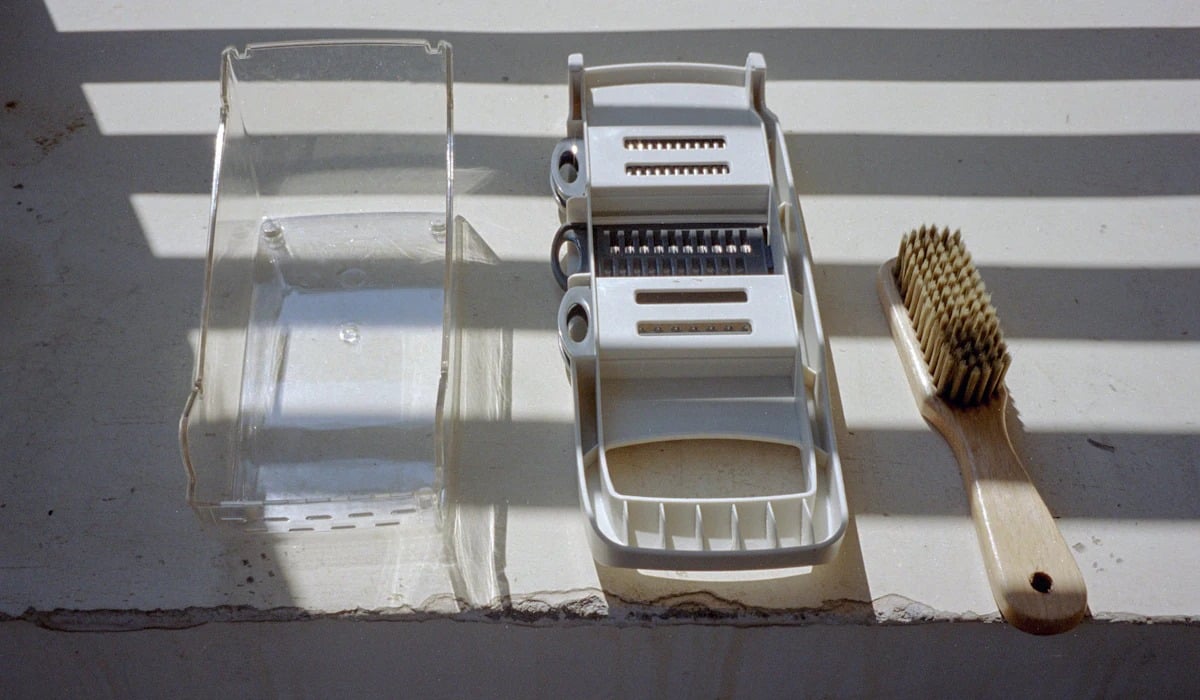
Samuel Popeil’s Popeil Brothers introduced the Veg-O-Matic in 1963, and his son Ron Popeil turned it into one of the most famous products ever sold on television. The phrase slices and dices became shorthand for an entire genre of late-night advertising, and the format was later parodied by the Bass-O-Matic sketch on Saturday Night Live.
The Smithsonian’s National Museum of American History holds one in its collection. Complete examples in the original box sell for roughly 20 to 80 dollars.
Missing blade frames, a cracked plastic housing and a faded box all push the price down.
Manning-Bowman Art Deco Waffle Iron
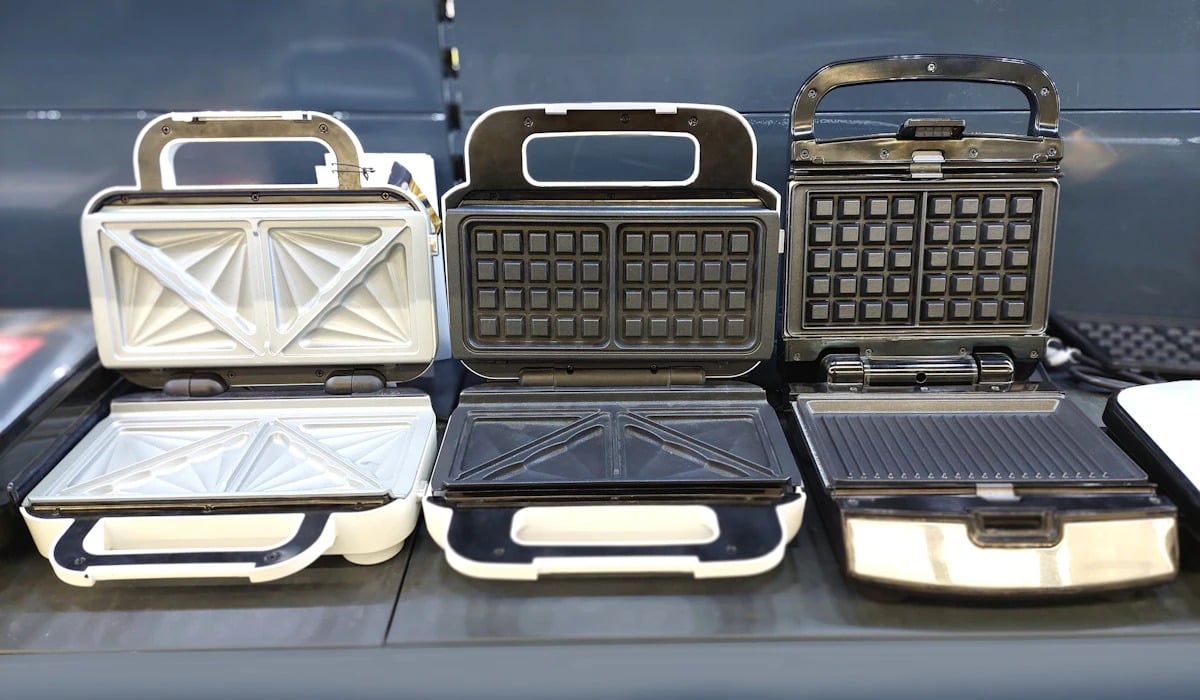
Manning-Bowman of Meriden, Connecticut, made chrome waffle irons and other small appliances in the 1920s and 1930s, many with Bakelite handles and Art Deco styling that matched the streamlined look of the era’s cars and trains. The design auction house Wright has included the company’s pieces in its sales, among them a Superlectric waffle iron offered in 2023.
Ordinary examples sell for about 60 to 250 dollars on the secondhand market. Worn plating, a frayed cord and grids that have lost their seasoning or rusted all reduce the value.
Salton Hotray Warming Tray
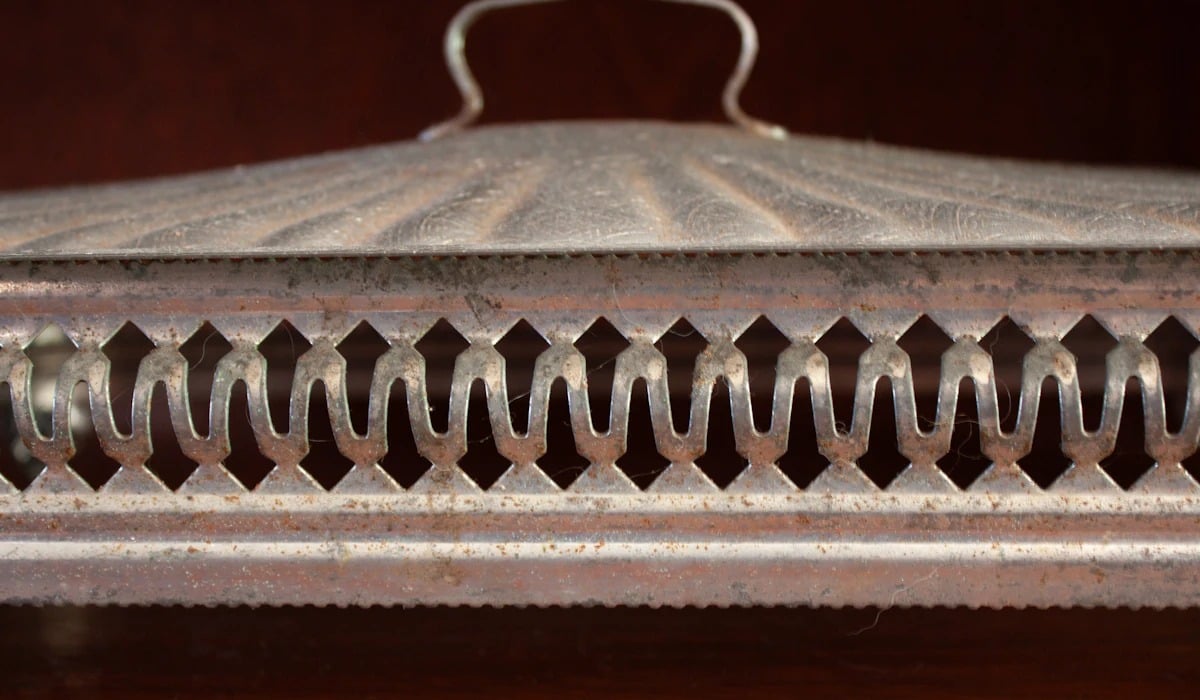
Lewis Salton founded his company in 1947, and the Hotray electric warming tray became its signature product. The idea was simple, a flat heated surface that kept dishes warm on a buffet or sideboard, and it fit the postwar fashion for casual home entertaining, when buffet suppers and cocktail parties filled suburban living rooms.
Aluminum trays with wooden handles from the 1950s and 1960s sell for roughly 25 to 100 dollars. Scratches on the surface, cracked handles and a heating element that no longer warms evenly lower the value.
Westinghouse Electric Roaster Oven
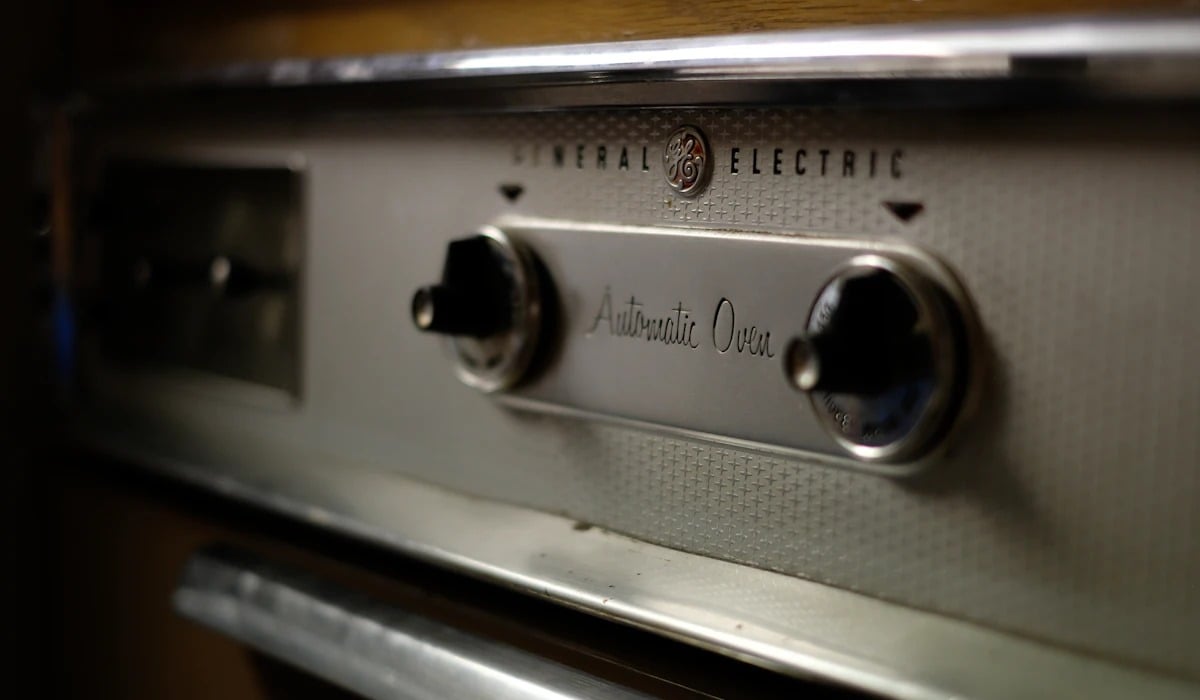
Westinghouse sold countertop roaster ovens in the 1940s and 1950s that could cook a turkey or a complete meal without heating the main oven. The University of Michigan’s culinary ephemera collection includes a 51-page Westinghouse roaster oven booklet from the 1940s, showing how much cooking the company expected owners to do with the machine.
Vintage roasters with their racks and inserts sell for roughly 40 to 150 dollars, more with a matching cabinet. Rust inside the well, a missing insert pan and a thermostat that no longer holds temperature all count against it.
Countertops as Time Capsules
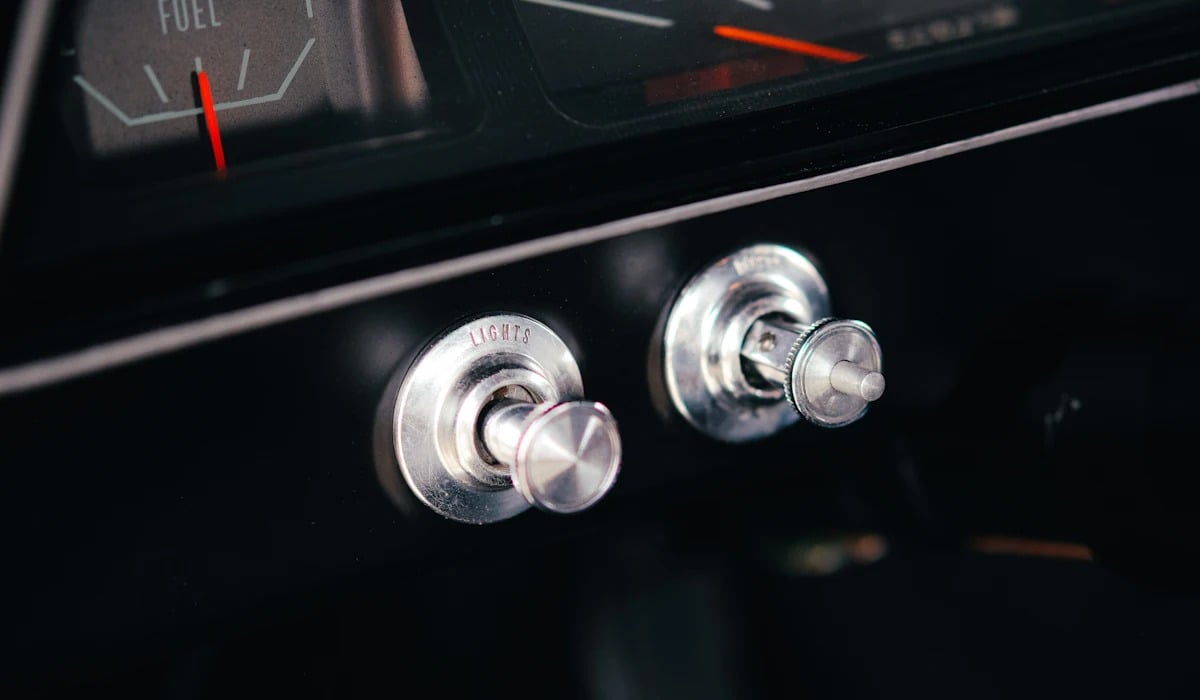
These machines hold their value because they were built for a world that expected repair. Motors were serviceable, housings were metal and replacement parts were sold for decades.
A working mixer from 1960 is evidence of a manufacturing philosophy that largely vanished.
Collectors are also buying a look. Chrome, enamel and bold colors say something about the kitchens of their era that a plastic appliance rarely does.
The best finds combine both qualities, which is why a fully working, complete gadget almost always beats a pretty but broken one.
MORE FROM GO2TUTORS!

- The Romanov Crown Jewels and Their Tragic Fate
- 13 Historical Mysteries That Science Still Can’t Solve
- Famous Hoaxes That Fooled the World for Years
- 15 Child Stars with Tragic Adult Lives
- 16 Famous Jewelry Pieces in History
Like Go2Tutors’s content? Follow us on MSN.