Food Textures People Learned to Love
Texture matters just as much as taste when it comes to food. Some textures feel instantly comforting, like creamy mashed potatoes or crispy fried chicken.
Others take time to appreciate. Slimy, chewy, gelatinous, or weirdly springy foods often get rejected on the first bite, but something interesting happens when people give them another chance.
The texture that once seemed off-putting becomes the whole point of eating that food. Getting past that initial reaction takes patience and usually a few tries.
But once the brain stops fighting it, these textures become cravings that nothing else can satisfy.
Oysters
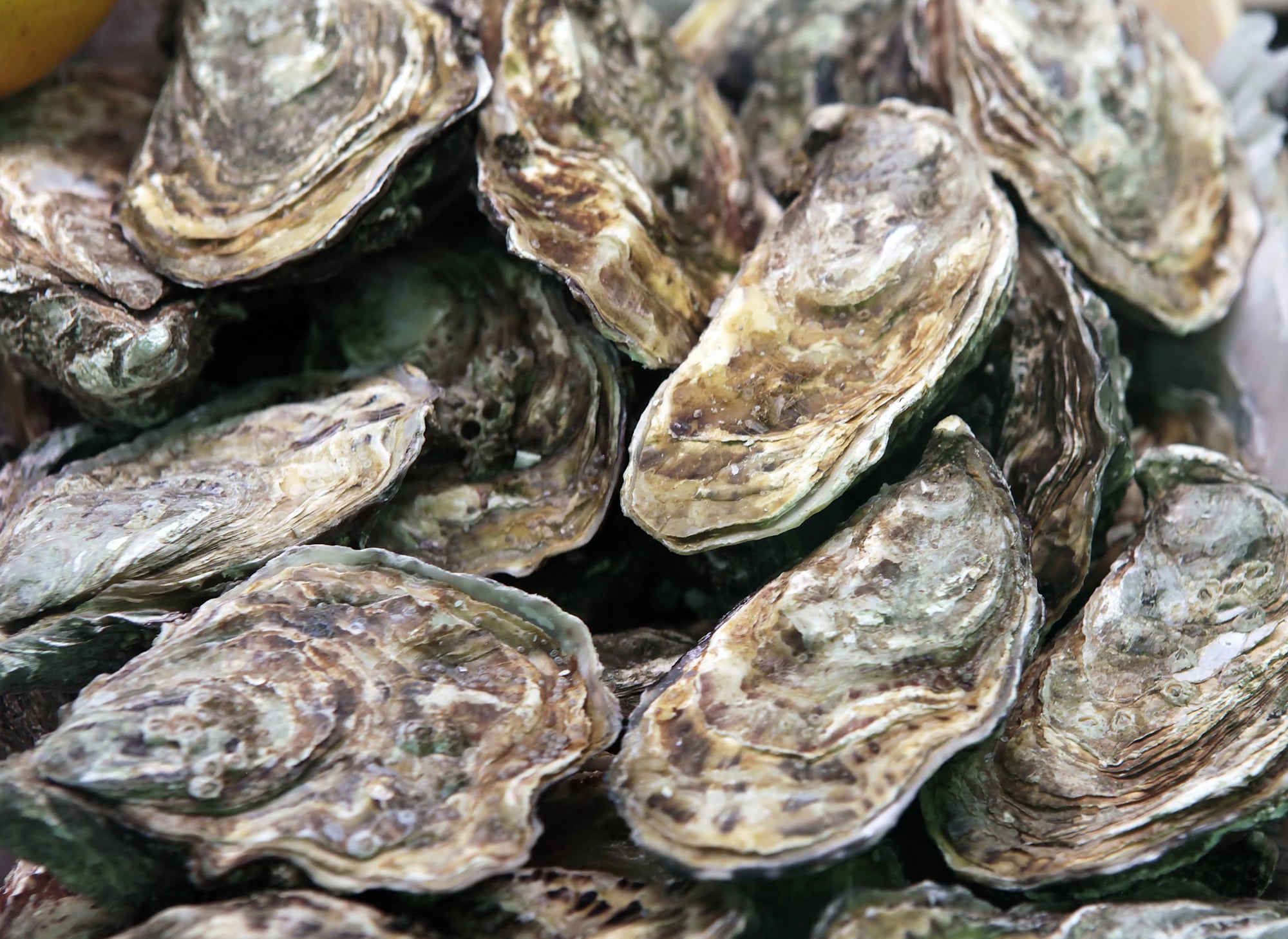
Raw oysters feel like swallowing ocean water in solid form. The slippery, slightly slimy texture combined with the briny taste makes plenty of people gag on their first attempt.
Kids especially hate them because nothing about the experience feels normal compared to other foods. But adults who push through that first reaction often find themselves ordering them by the dozen.
The cold, smooth slide down the throat becomes refreshing rather than gross, and the way they taste like the sea starts feeling like a feature instead of a problem. People who love oysters usually remember their moment of conversion, when disgust suddenly flipped to desire.
Mushrooms
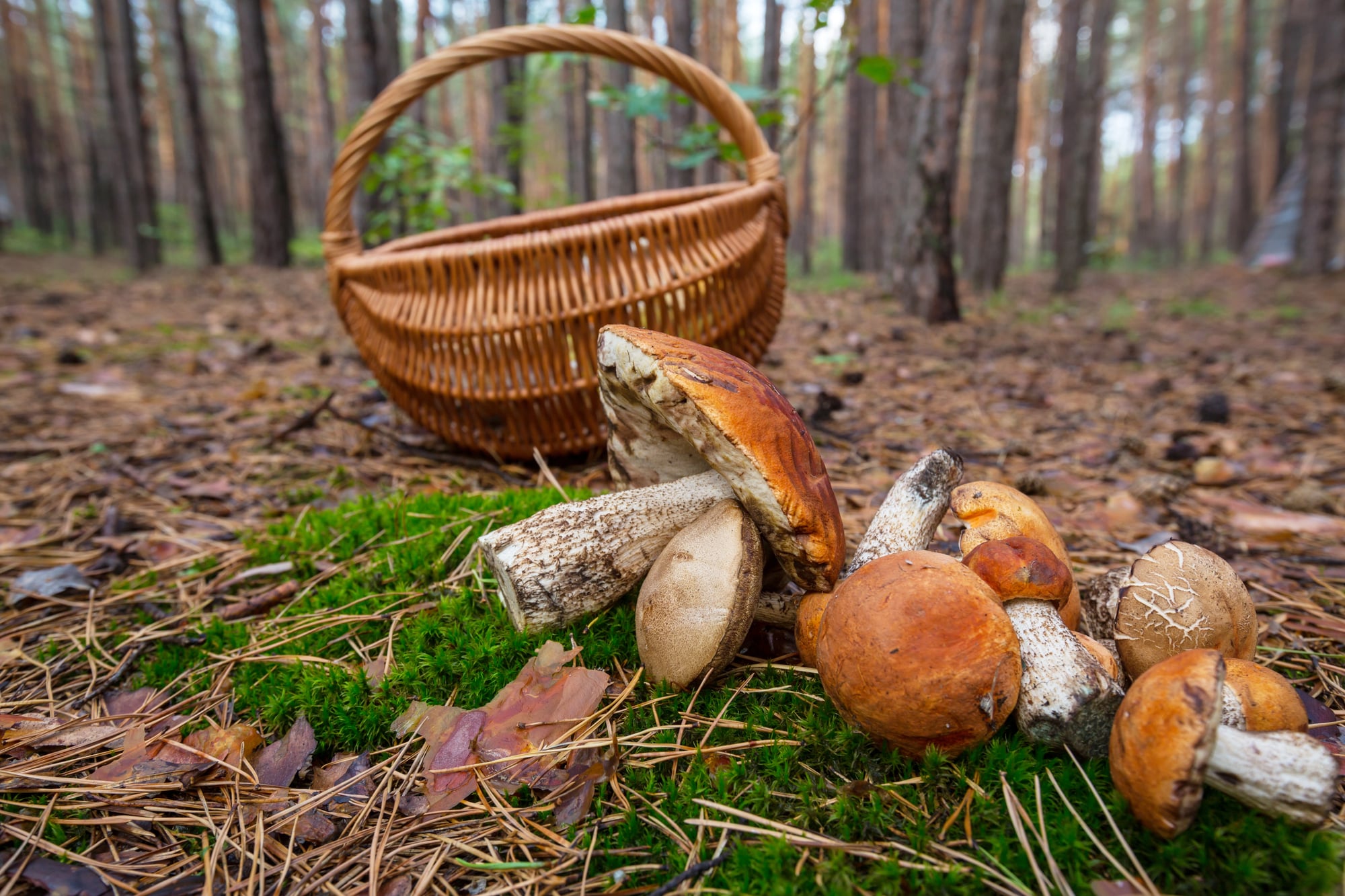
That spongy, squeaky texture throws off anyone expecting vegetables to be crisp or firm. Cooked mushrooms release moisture and shrink down into chewy little pieces that feel nothing like other produce.
The earthy smell doesn’t help either, especially for picky eaters. Many people avoid mushrooms well into adulthood because childhood memories of that weird springiness stick around.
Then something clicks, often when trying a really well-prepared dish where mushrooms soak up butter or wine. The texture stops being the enemy and becomes the vehicle for all those rich flavors.
Now those same people who picked them out of pasta sauce actively seek out mushroom dishes.
Okra

The slime factor with okra reaches legendary status among texture haters. Cut okra releases a sticky, mucilaginous substance that coats everything it touches, creating strings between the vegetable and the fork.
Southern cooking embraces this quality, using okra to thicken gumbo, but plenty of people run from it. The sliminess intensifies when okra gets boiled or stewed, which is often how people first encounter it.
Fried okra avoids some of the slime problem by sealing the outside with breading, and that’s usually how converts start their journey. Eventually, the slippery texture in gumbo or curry stops registering as unpleasant and just becomes part of what makes the dish work.
Natto

Japanese fermented soybeans take texture challenges to another level entirely. Natto combines sticky, slimy, and stringy into one package, with thin strands stretching between chopsticks like some kind of bean-based spider web.
The strong smell adds another barrier to entry. Most Japanese people grow up eating it and think nothing of the texture, but adults trying it for the first time often struggle.
The health benefits get mentioned a lot, which helps some people power through the initial disgust. After enough attempts, the brain stops registering it as weird and starts craving that specific combination of sticky and savory for breakfast.
Sea urchin

Uni has a creamy, almost custardy texture that feels completely wrong for something from the ocean. The bright orange or yellow color doesn’t match any familiar food, and the way it melts on the tongue confuses people expecting seafood to be firm.
That briny, slightly sweet taste combined with the soft texture makes some people compare it to eating flavored butter from the sea. First-timers often make faces and declare they’ll never eat it again.
Then curiosity or peer pressure brings them back for a second try at a really good sushi restaurant, and suddenly the weirdness becomes luxury. The texture that seemed gross starts feeling decadent.
Bone marrow
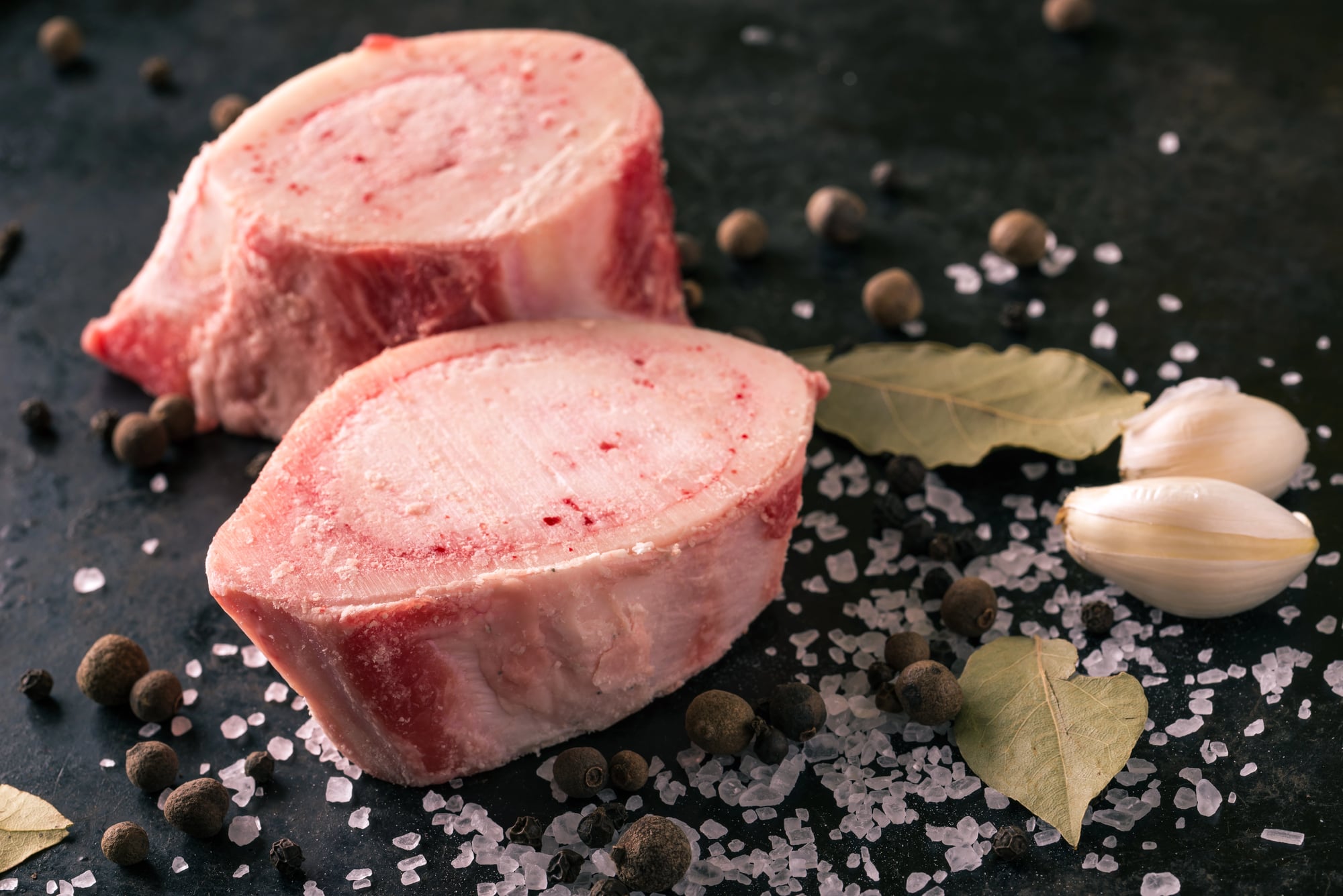
Eating what’s literally inside bones sounds intense before even getting to the texture part. Roasted bone marrow has a rich, fatty, almost gelatinous quality that spreads on bread like the fanciest butter imaginable.
The appearance doesn’t help, looking somewhat like gray jelly scooped from the center of a split bone. Many people hesitate because it seems too rich or too strange, even though beef fat in other forms doesn’t bother them.
Once someone tries properly roasted marrow with salt and maybe some herbs, the texture stops being an obstacle and becomes the whole appeal. That soft, yielding richness can’t be replicated with regular butter or spreads.
Tapioca pearls
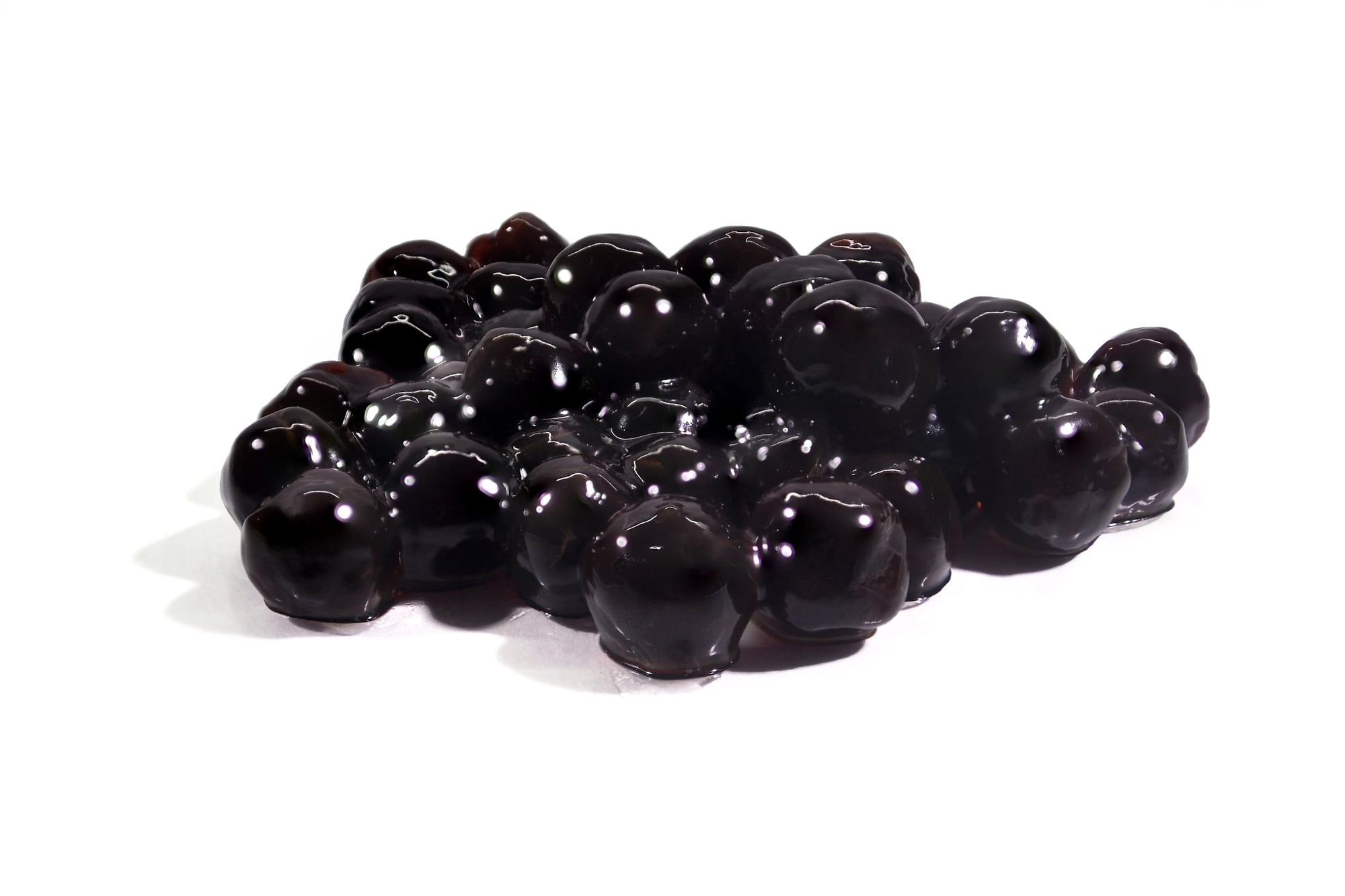
Bubble tea introduced a whole generation to chewy orbs floating in their drinks, and reactions split pretty dramatically. The QQ texture, as it’s called in Taiwan, means something springy and chewy in a pleasant way, but that’s a learned appreciation.
People expecting their drink to be just liquid get startled by suddenly chomping on something substantial. The size of the pearls and the way they shoot up the wide straw adds to the weirdness.
Kids usually adapt faster than adults, turning boba into a treat they beg for regularly. Adults either reject it entirely or become converts who specifically crave that chewy contrast with cold, sweet tea.
Chicken feet
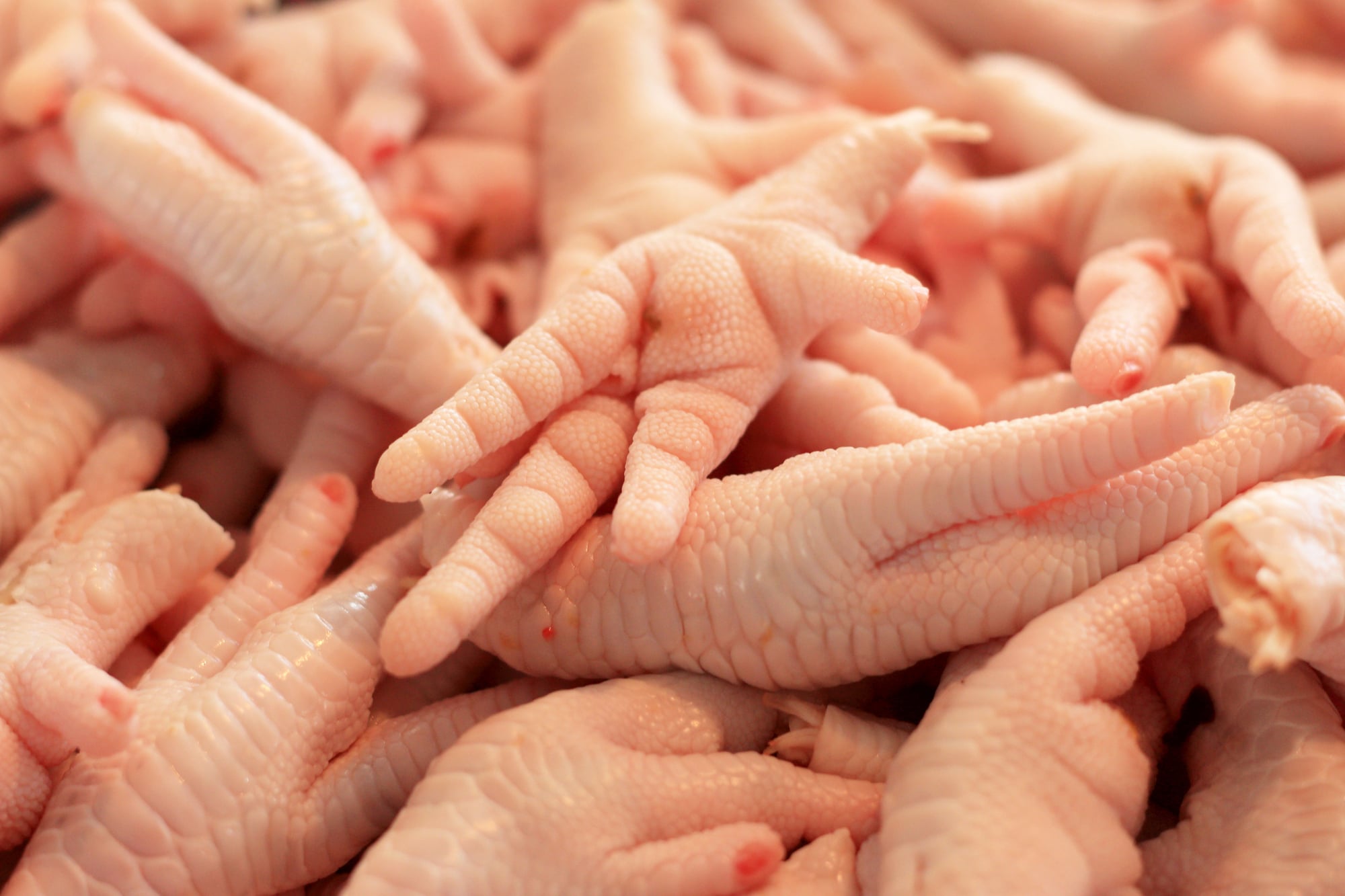
Eating around tiny bones to get at the gelatinous skin and tendons requires commitment and patience. Dim sum restaurants serve chicken feet as a delicacy, braised until the skin becomes soft and sticky with sauce.
The texture combines slightly chewy with slippery in a way that has no comparison in typical American cooking. Many people from cultures where chicken feet are common grew up eating them and never think twice about the texture.
For everyone else, getting past the visual of eating an actual foot takes effort, and then dealing with all those little bones makes it feel like too much work. But fans love how the skin soaks up flavor and that specific gelatinous quality.
Tripe
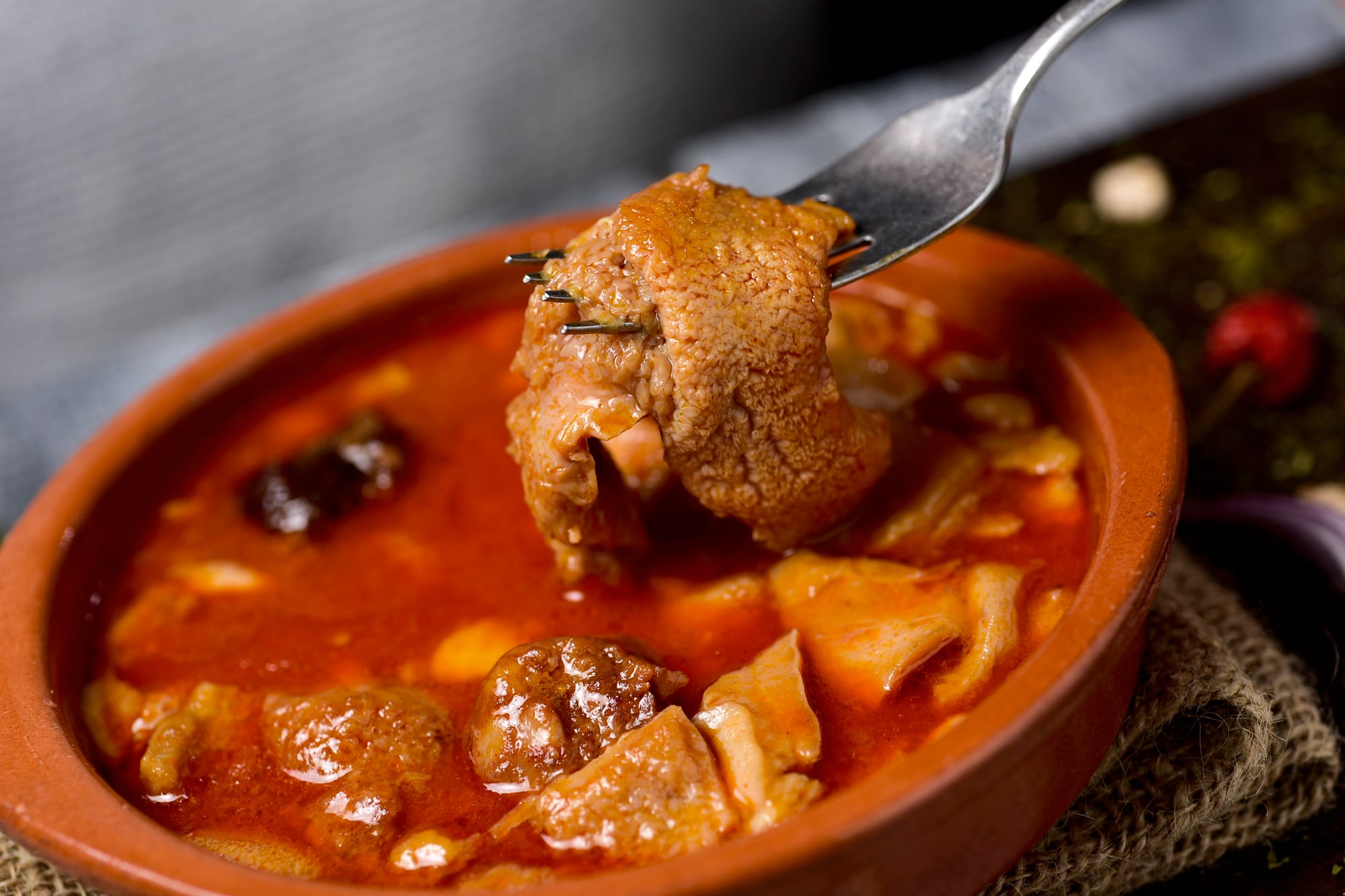
The stomach lining has a honeycomb texture that looks as weird as it sounds. Properly prepared tripe becomes tender but maintains a slightly chewy, almost crunchy quality depending on which stomach it comes from.
Menudo, pho, and various European stews use tripe as a central ingredient, but convincing texture-sensitive eaters to try it requires serious persuasion. The appearance alone, with those geometric patterns and pale color, triggers instant rejection in many people.
Clean preparation matters enormously because poorly cleaned tripe can taste and smell exactly like what it is. When done right in a rich broth, the texture becomes interesting rather than off-putting, adding substance that regular meat can’t provide.
Flan

Custard desserts occupy an odd space where they’re too firm to be pudding but too jiggly to be cake. Flan wobbles on the plate, and that jiggle makes some people uncomfortable before even tasting it.
The smooth, slippery texture combined with the way it slides around feels wrong to anyone expecting desserts to be either crunchy or fluffy. Kids often reject it for looking too weird, and adults who didn’t grow up with flan sometimes struggle with the concept.
The caramel sauce helps win people over, giving them something familiar to focus on while their brain adjusts to the texture. Once accepted, that silky smooth quality becomes exactly what makes flan special compared to other sweets.
Tofu

Plain tofu has almost no flavor, which means texture carries the entire experience. Silken tofu feels like eating flavored air that somehow holds its shape, while firm tofu has a spongy quality that some people compare to erasers.
The blandness combined with the odd texture makes tofu a hard sell to anyone not raised eating it regularly. Many people try it once, decide it’s gross, and avoid it for years.
The conversion usually happens when someone prepares it really well, either crispy on the outside or soaked in a flavorful sauce that gives context to the texture. Suddenly that sponginess becomes useful because it soaks up whatever it’s cooked with.
Caviar
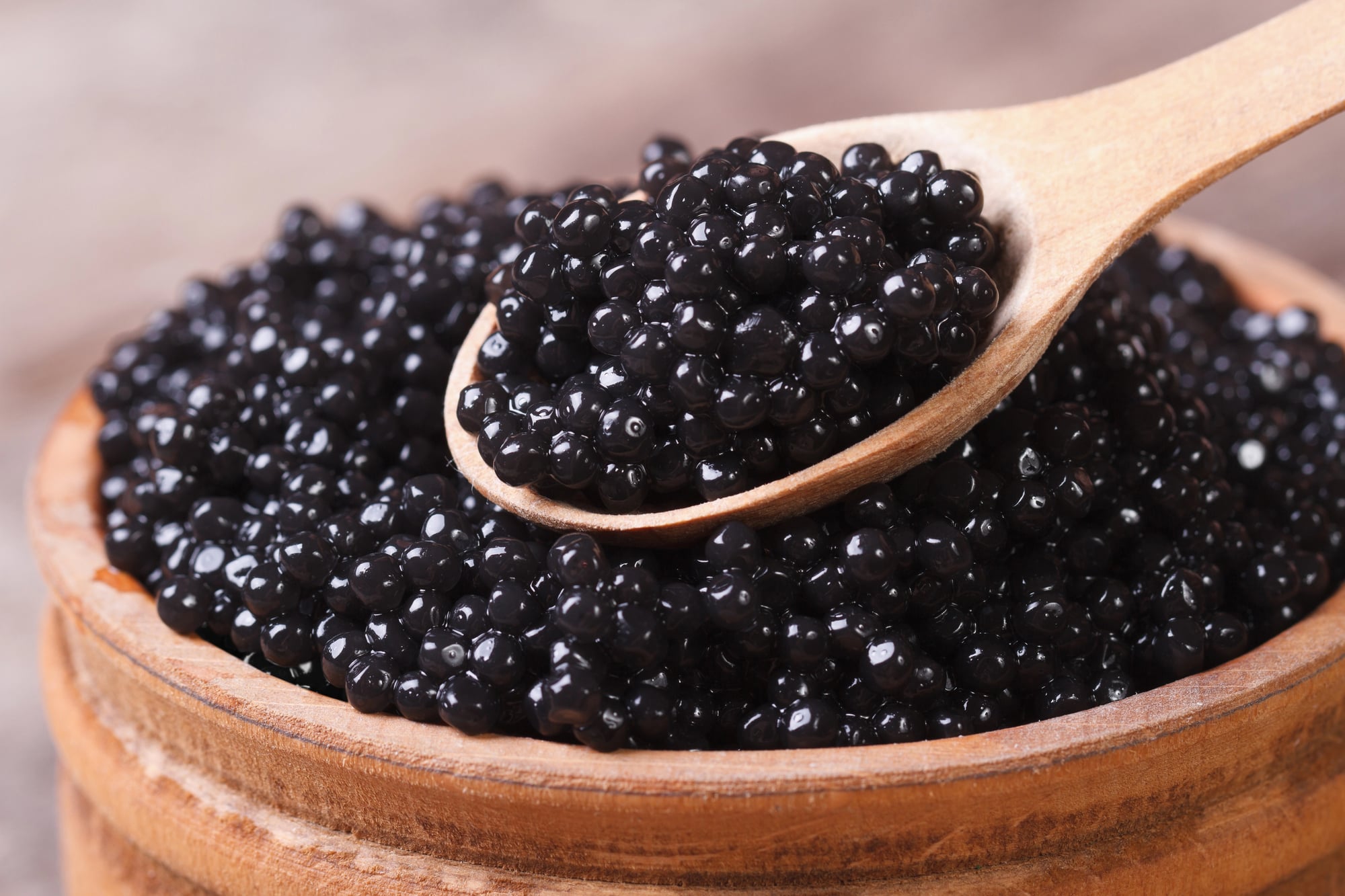
Tiny fish eggs that pop in your mouth require a specific mindset to appreciate. The texture combines slightly firm with explosively juicy in a way that feels strange compared to any other food.
Each egg bursts individually, releasing salty liquid, which means the texture keeps changing while chewing. The cost doesn’t help convince skeptics because spending serious money on something that might gross them out feels risky.
People usually try caviar in small amounts at fancy events, which at least means it’s properly served rather than some questionable grocery store version. The pop and burst quality either clicks immediately or takes several tries before the brain decides it’s pleasant rather than disturbing.
Jellyfish

Crunchy yet gelatinous somehow describes the same food. Prepared jellyfish in Asian cuisine has a texture unlike anything else, with a crisp bite followed by a slightly chewy finish.
The translucent appearance and the fact that it’s literally jellyfish make the mental barrier pretty high. There’s almost no flavor, so the entire point is that specific textural experience.
Many people try it once at a Chinese restaurant, can’t figure out what to make of it, and never order it again. Those who stick with it start appreciating the clean, refreshing crunch as something unique that adds interest to cold appetizer plates without competing with other flavors.
Escargot

Snails in garlicky butter taste kind of like clams mixed with mushrooms – sounds good until you actually try one. They’ve got a soft chewiness, not tough or springy, though that detail doesn’t calm your nerves much if you’re weirded out by snails.
Just thinking about eating them plus how they feel can turn people off fast. You’ll usually find these served in tiny trays with snug forks, so the whole thing seems classy instead of strange.
The garlic butter works great since it tastes so good you forget about the weird feel. Those who push through the thought of munching snails often discover the mouthfeel isn’t bad at all – kinda similar to mussels, but way more fun.
Uni pasta
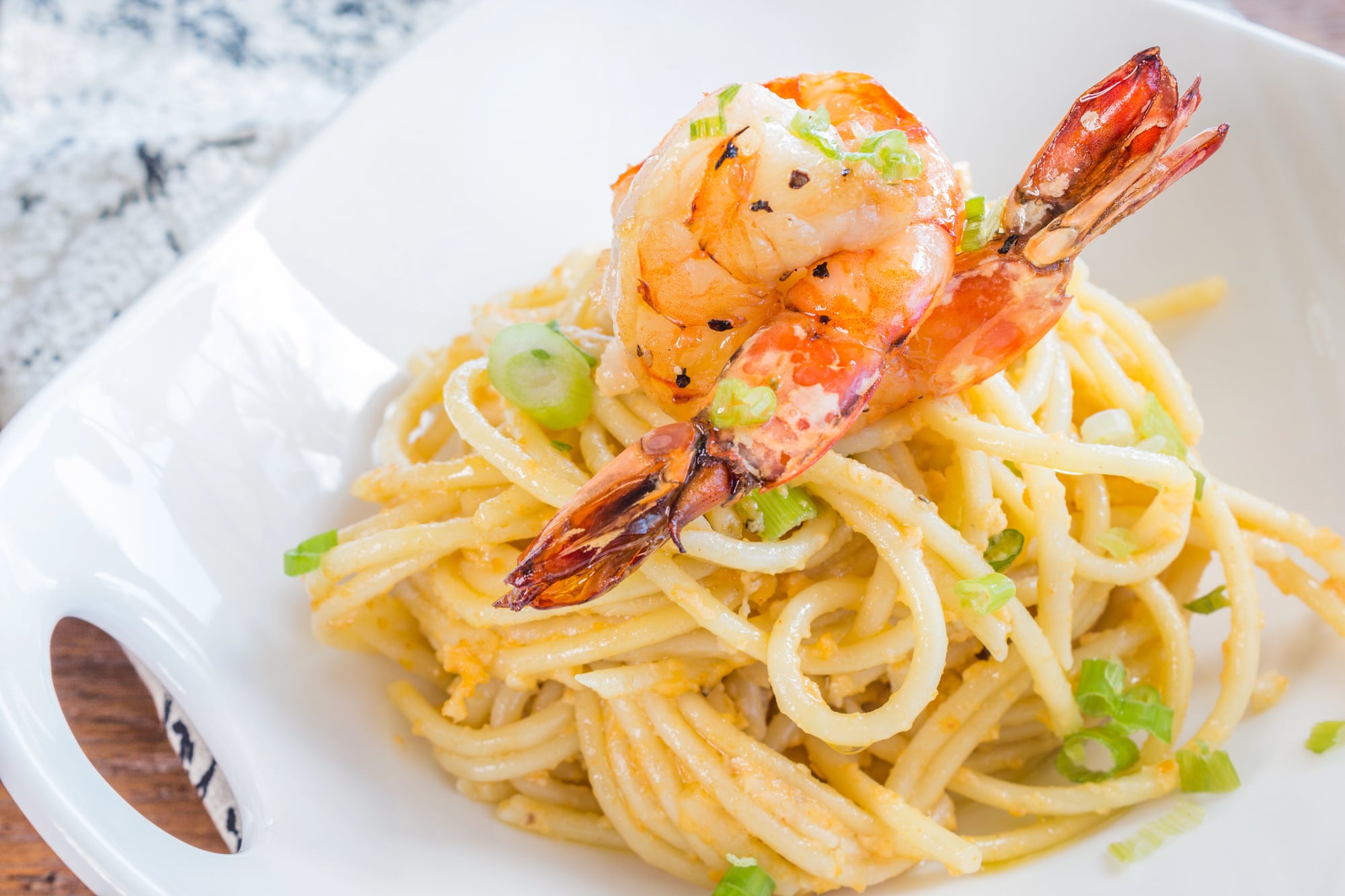
Blending pasta with sea urchin gives you a rich, silky sauce – no cream needed. When uni hits the warm noodles, it dissolves slightly, wrapping every twist in bold briny taste and softness.
It’s fancy yet odd, particularly if raw uni freaks you out. What makes it work is the noodle – it adds comfort and balance, so the strange gooeyness isn’t too intense.
This prep wins over plenty who doubt uni, since a familiar meal helps soften the odd consistency. Creamy shifts from weird to rich – suddenly it’s as if seawater whipped up something like pasta sauce.
Pâté

Liver blended until creamy gets a dense, velvety feel – some find it odd at first. Its bold punch mixes with a buttery mouthfeel, making it taste serious, maybe even too much.
Some dig into pâté thinking it’s elegant, only to notice they’re chewing on pure liver essence. It’s not just how it slides on the tongue – the deep, earthy kick amps up the challenge.
A glass of wine or some decent bread makes it easier to enjoy; once you’ve tried it a few times, that deep taste starts feeling right instead of heavy. The creamy texture spreads smoothly across your tongue – what first seemed strong soon turns oddly pleasing.
Chia pudding

Seeds soak up water, swelling into jelly-like beads – giving a feel some wellness lovers enjoy, though others find odd. As each one swells, it gets slick on the outside but keeps a little snap inside, making every bite shift between smooth and crisp.
It’s kind of like boba, which gives folks a reference point, yet new eaters often still react with hesitation. Even if the gooeyness throws people off at first, big talk about vitamins and fiber pushes them to keep eating anyway.
Over time, folks who keep at it start seeing that mix of smooth with a bit of chew as just part of morning food. What once felt like a chore for being good now feels more like a cozy match with berries and sweet drizzle.
How texture turns into flavor

Foods you couldn’t imagine eating might end up being your go-to after a while. At first, that grossed-out feeling sticks around – but keep tasting, and things change fast.
Before long, the odd mouthfeel isn’t annoying; it’s kind of fun. You begin chasing flavors and feels you used to dodge – like how caviar bursts, okra slips through fingers, or flan jiggles on the spoon.
What we like doesn’t stay frozen – it moves when tested again and again. Being open to repeats? That’s usually all it takes to cross from a fussy eater to someone who dives into new bites.
More from Go2Tutors!

- The Romanov Crown Jewels and Their Tragic Fate
- 13 Historical Mysteries That Science Still Can’t Solve
- Famous Hoaxes That Fooled the World for Years
- 15 Child Stars with Tragic Adult Lives
- 16 Famous Jewelry Pieces in History
Like Go2Tutors’s content? Follow us on MSN.