15 Everyday Items Once Considered Controversial
What we consider normal today often shocked previous generations. Items we casually use without a second thought once sparked heated debates, moral panic, and even legal battles. From the clothes we wear to the technology in our pockets, many everyday objects faced fierce resistance when they first appeared.
Here is a list of 15 everyday items that were once considered deeply controversial.
Jeans

Denim pants caused quite the uproar when they moved from workwear to casual fashion in the 1950s. Schools banned them outright — restaurants wouldn’t serve customers wearing jeans, while parents fretted that their teenagers were becoming delinquents. The sturdy fabric that gold miners and cowboys had relied on suddenly represented rebellion in polite society.
Umbrellas

Before umbrellas became standard rain gear, carrying one marked you as effeminate or foreign in many Western countries. Men who used umbrellas in 18th-century England faced ridicule — sometimes even physical confrontation from strangers. The idea that a man would protect himself from rain rather than endure it seemed to challenge traditional notions of masculinity.
Forks

Medieval Europeans viewed forks with deep suspicion when they arrived from Byzantine culture around the 11th century. Church leaders condemned them as unnecessary luxury items that showed vanity. Many believed God gave humans fingers for eating, which made forks seem like an insult to divine design.
Coffee

When coffee reached Europe in the 16th century, religious authorities called it ‘Satan’s drink’ — they actively tried to ban its consumption. Critics worried that coffeehouses would become centers of political dissent and immoral behavior. The dark, bitter beverage seemed foreign and dangerous compared to the beer and wine that dominated European drinking culture.
Wristwatches

Pocket watches were the gentleman’s timepiece, though wearing a watch on your wrist seemed absurd to most men in the early 1900s. Wristwatches were considered feminine accessories — suitable only for women’s delicate sensibilities. It took World War I to change opinions, as soldiers discovered that checking time on their wrists proved far more practical than fumbling with pocket watches in trenches.
Bicycles

The bicycle craze of the 1890s horrified doctors and moral guardians who saw countless dangers in two-wheeled transportation. Medical professionals warned that cycling caused everything from insanity to kidney damage. Society ladies on bicycles particularly scandalized conservatives, who worried that independent mobility would corrupt women’s moral character.
Bathing Suits

Early swimming costumes covered swimmers from neck to ankle, yet even these modest garments sparked controversy. Beach patrols measured hemlines — they’d arrest swimmers whose suits revealed too much skin. The idea that people would display their bodies in public, even while swimming, challenged Victorian sensibilities about modesty.
Chess

This strategic board game faced religious opposition throughout medieval Europe as clergy condemned it as a form of gambling. Church leaders worried that chess encouraged violence and warfare — they pointed to the game’s military themes and competitive nature. Some regions banned chess entirely, viewing it as a distraction from spiritual pursuits.
Novels
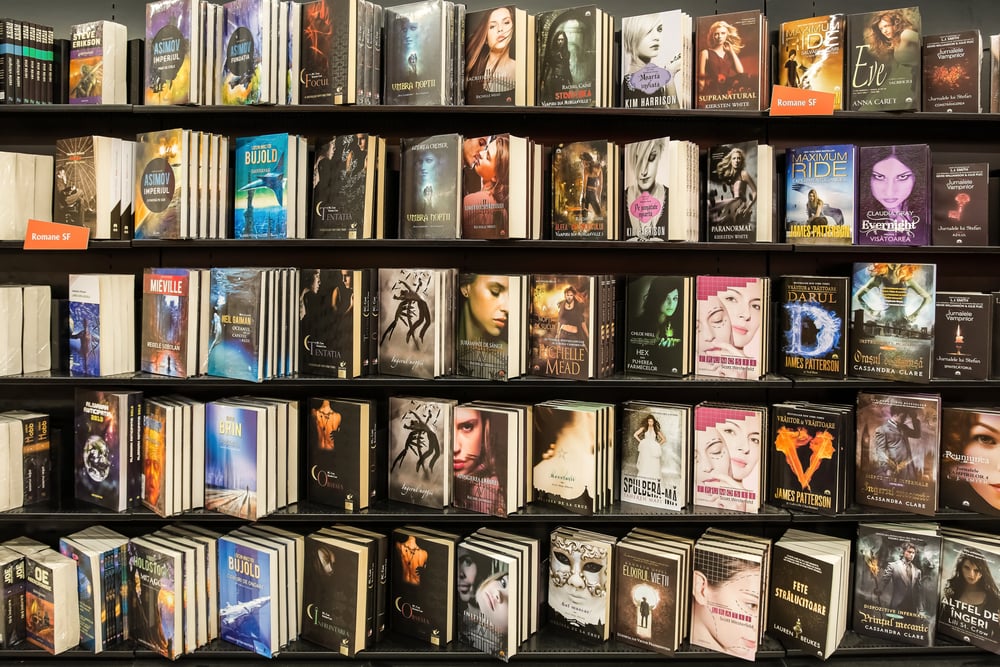
When novels became popular in the 18th century, critics attacked them as dangerous corruptions of young minds. Parents and educators worried that fictional stories would make readers lose touch with reality — they’d develop unrealistic expectations about life. Women readers faced particular criticism, as society feared novels would fill their heads with romantic nonsense.
Left-Handedness

Using your left hand for writing or eating was considered a sign of evil or moral deficiency well into the 20th century. Schools forced left-handed children to write with their right hands — often using physical punishment to break the habit. The word ‘sinister’ literally means ‘left’ in Latin, reflecting centuries of prejudice against left-handed people.
Crossword Puzzles

When crossword puzzles debuted in newspapers during the 1920s, critics called them a waste of time that would rot people’s brains. Educators worried that word games would replace serious reading and intellectual pursuits. Some libraries banned crossword puzzle books, viewing them as frivolous entertainment unworthy of educational institutions.
Margarine
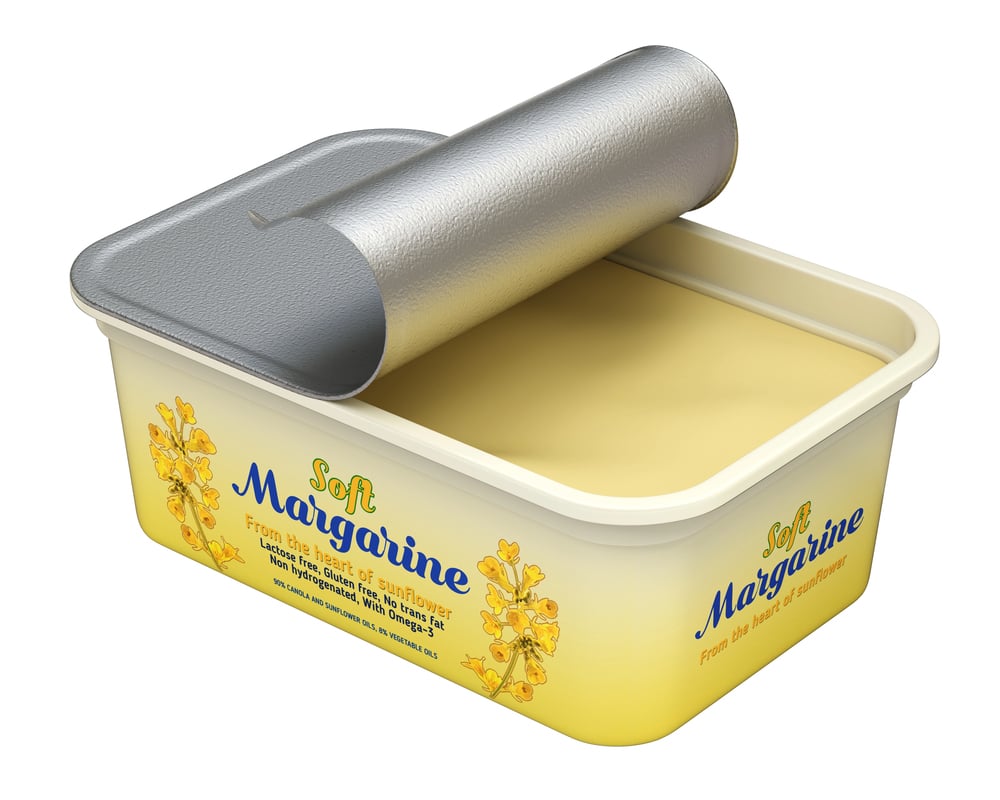
Butter producers fought fierce battles against margarine when the artificial spread appeared in the late 1800s. Several states banned margarine outright, while others required it to be dyed pink to make it less appealing to consumers. Dairy farmers saw margarine as a threat to their livelihoods, though they convinced politicians that artificial butter posed health risks to unsuspecting families.
Chewing Gum

Early chewing gum faced resistance from people who considered public chewing crude and undignified. Schools banned gum as a distraction. Etiquette experts declared that chewing anything in public demonstrated poor breeding, yet the sticky substance also created practical problems as people discarded used gum on sidewalks and furniture.
Comic Books

Parents and educators launched massive campaigns against comic books in the 1940s and 1950s, claiming they promoted violence and juvenile delinquency. Dr. Fredric Wertham’s book ‘Seduction of the Innocent’ convinced many adults that comic books were corrupting America’s youth. Congressional hearings followed, along with public book burnings that reflected the intense fear these colorful superhero stories were destroying children’s moral development.
Ice Cream Cones

The portable ice cream cone seemed unsanitary and improper when it gained popularity in the early 1900s. Critics worried about the hygiene of eating food directly from an edible container, especially when vendors prepared cones in the open air. Some cities even considered banning ice cream cones as potential health hazards that violated food safety standards.
Yesterday’s Controversies, Today’s Conveniences

These everyday items remind us that social acceptance often takes time. What seems shocking to one generation becomes routine to the next, though each controversial object eventually proved its worth through practical benefits that outweighed initial fears and prejudices. Today’s heated debates about new technologies and social changes will likely seem just as puzzling to future generations, while the human tendency to fear change remains remarkably constant.
More from Go2Tutors!

- The Romanov Crown Jewels and Their Tragic Fate
- 13 Historical Mysteries That Science Still Can’t Solve
- Famous Hoaxes That Fooled the World for Years
- 15 Child Stars with Tragic Adult Lives
- 16 Famous Jewelry Pieces in History
Like Go2Tutors’s content? Follow us on MSN.