Afternoon TV Shows Kids Rushed Home For
The final school bell set off a daily race that had nothing to do with homework. Book bags hit the floor, a snack was grabbed on the way past the kitchen and the living room set was warming up before the front door finished closing.
For several generations, the hours between school and supper belonged to a lineup built for exactly that audience. Some shows were made for kids, some were reruns that found a second life and a few were never meant for children at all.
American Bandstand on Weekday Afternoons
American Bandstand went national on ABC on August 5, 1957, broadcasting from Philadelphia on weekday afternoons just as teenagers were getting home from school. Local high schoolers danced on camera to the latest records, and viewers across the country copied their steps, their clothes and their slang.
Its host kept things clean-cut enough to reassure parents while booking the biggest acts in pop. The Rate-a-Record segment, in which teens scored new singles and offered verdicts such as a good beat that was easy to dance to, turned ordinary kids into the most influential music critics in America.
The Mickey Mouse Club and Its Mouseketeers
The Mickey Mouse Club premiered on ABC on October 3, 1955, and quickly made the late-afternoon hour a Disney habit. Each episode opened with the cast of Mouseketeers introducing themselves by name, and young viewers at home learned the roll call by heart.
Annette Funicello became the breakout star, drawing more fan mail than any of her castmates. The mouse-ear hats worn by the cast became one of the bestselling pieces of television merchandise of the decade, and the theme day structure, with a different focus for each day of the week, gave kids a reason to tune in every afternoon.
Dark Shadows and the Arrival of Barnabas Collins
Dark Shadows ran on ABC from 1966 to 1971 in a 4 p.m. Eastern slot, which put a gothic soap opera squarely in front of kids walking in from school. The show struggled at first as a moody family drama set in a Maine mansion.
Everything changed in 1967, when Jonathan Frid joined the cast as Barnabas Collins, a reluctant 18th-century vampire, and ratings jumped almost overnight. Ghosts, witches, werewolves and time travel followed, and a generation of children raced home to catch the next cliffhanger before their parents could decide whether it was appropriate.
Three Stooges Shorts Hosted by Local Personalities
In 1958, Screen Gems released the Three Stooges short films to television, and stations around the country snapped them up for after-school slots. Many markets wrapped the shorts inside programs led by local hosts, often dressed in costume, who introduced each film and filled the gaps with skits and cartoons.
The slapstick, much of it made in the 1930s and 1940s, found an entirely new audience of children who had never seen it in theaters. The television revival was so strong that it sent Moe Howard and his partners back on tour and into new feature films.
Bozo’s Circus and the Grand Prize Game
Bozo’s Circus debuted on WGN in Chicago in 1961, with Bob Bell in the red wig and white makeup. In its early years it aired at midday, so plenty of Chicago-area kids ran home from school at lunch to catch it.
The studio audience was its own legend, with a waiting list for tickets that reached about ten years, meaning some parents reserved seats for children not yet old enough to attend. The highlight was the Grand Prize Game, in which a chosen kid tossed a ping-pong-style toy into a row of six buckets, with prizes growing at each one.
Speed Racer and the Mach 5
Speed Racer began life in Japan as Mach GoGoGo and arrived in American syndication in 1967, where it became one of the first Japanese animated series many American kids ever saw. Peter Fernandez both voiced Speed and wrote the English adaptation, which had to fit new dialogue to mouth movements animated for Japanese.
The result was famously rapid-fire speech that gave the show its breathless pace. The Mach 5, with its lettered steering wheel buttons controlling jacks, saw blades and a homing robot, was the dream car of every kid who watched it.
Gilligan’s Island in Endless Reruns
Gilligan’s Island ran on CBS from 1964 to 1967 and produced 98 episodes, a modest run that critics largely dismissed at the time. Syndication changed everything. Local stations aired the show in after-school slots for decades, and kids who were not yet born when it was canceled grew up knowing every castaway and every failed rescue attempt.
The theme song explained the entire premise in under a minute, which made it easy for new viewers to jump in anywhere. Endless debates over Ginger versus Mary Ann began on playgrounds well before most participants understood the question.
Batman Reruns With the Batusi and the Bat-Climb
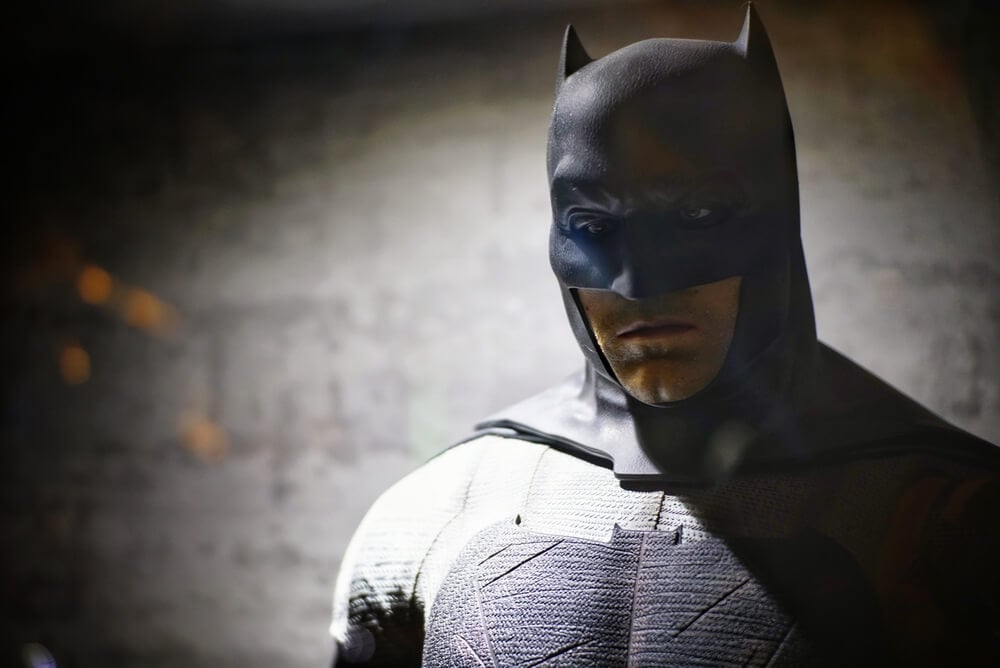
Batman ran on ABC from 1966 to 1968 and produced 120 episodes, originally airing twice a week with a cliffhanger on the first night and the resolution on the second. In reruns, the two halves often ran on consecutive afternoons, keeping kids hooked from one school day to the next.
The bright pop-art colors, the onscreen sound effects during fight scenes and the parade of celebrity villains made it irresistible to younger viewers. Adults tended to enjoy the camp, but most children watched it as a perfectly sincere adventure series.
Star Trek Finding Its Audience in Syndication
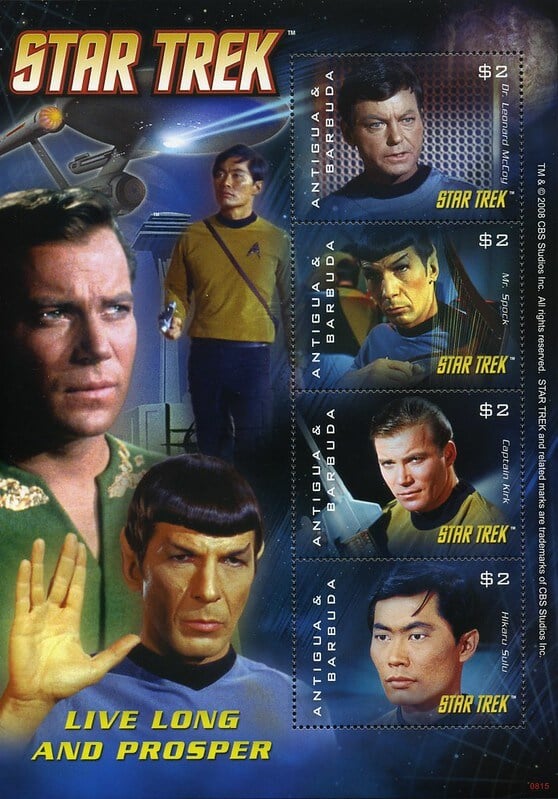
NBC canceled Star Trek in 1969 after three seasons and 79 episodes, a run that seemed to mark the end of the franchise. Instead, syndicated reruns put the Enterprise in after-school and early-evening slots across the country, where young viewers watched episodes over and over.
The rerun audience grew large and devoted enough to support fan conventions in the early 1970s, an animated series and eventually a run of feature films. Plenty of future scientists and engineers first encountered Spock, McCoy and Captain Kirk on a local station between homework and dinner.
Mister Rogers’ Neighborhood and the Handmade Sweaters
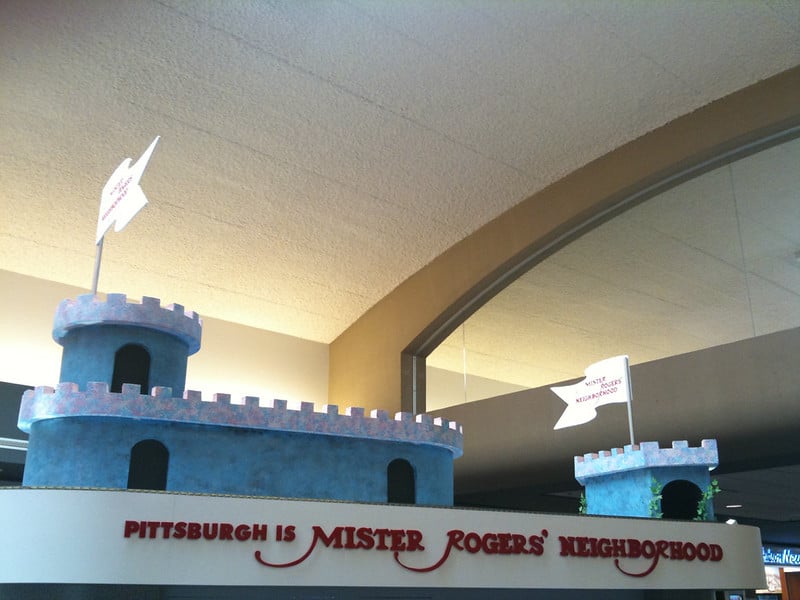
Mister Rogers’ Neighborhood went national in 1968, airing on public stations at a calm pace that set it apart from nearly everything else on the dial. Fred Rogers opened each episode by changing into sneakers and a zip-up cardigan, and many of those sweaters were knitted by his mother, who made them for him each year.
One of his red cardigans is in the collection of the Smithsonian. The Neighborhood of Make-Believe, reached by a toy trolley, gave the show its puppet characters, while Rogers used the real-world segments to talk plainly with children about feelings, fears and change.
The Electric Company and Easy Reader
The Electric Company aired on PBS from 1971 to 1977, produced by the Children’s Television Workshop, the team behind Sesame Street, for children who had moved past basic letters and needed help with reading. Sketches, songs and animated shorts drilled phonics with a comic edge aimed at slightly older kids.
The cast was remarkable in hindsight. A young Morgan Freeman played Easy Reader, a cool character who could not stop reading everything around him, and Rita Moreno opened the show by shouting its famous greeting at the top of her lungs.
General Hospital and the Wedding of Luke and Laura
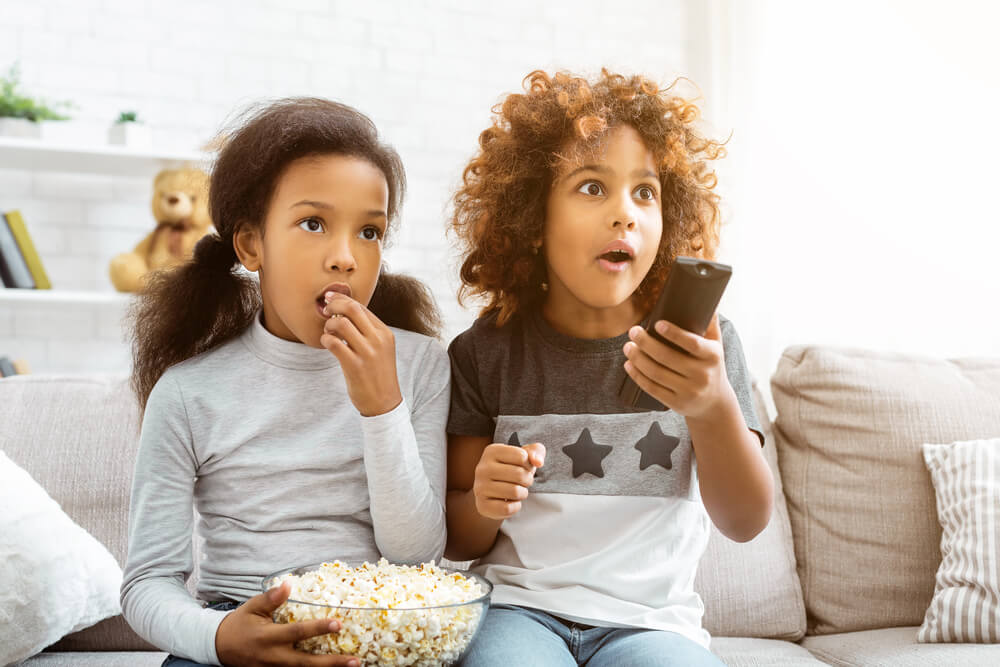
Plenty of kids, and especially teenagers, came home to whatever their parents or older siblings had on, and in the early 1980s that often meant General Hospital. The romance between Luke and Laura turned the ABC soap into a genuine pop culture event.
Their wedding in November 1981 drew about 30 million viewers, a staggering number for daytime television, and Elizabeth Taylor made a guest appearance in the storyline. High school students reportedly rushed home or crowded around televisions to see it, which made a soap opera the most talked-about show in many cafeterias.
He-Man and the Masters of the Universe With a Lesson at the End
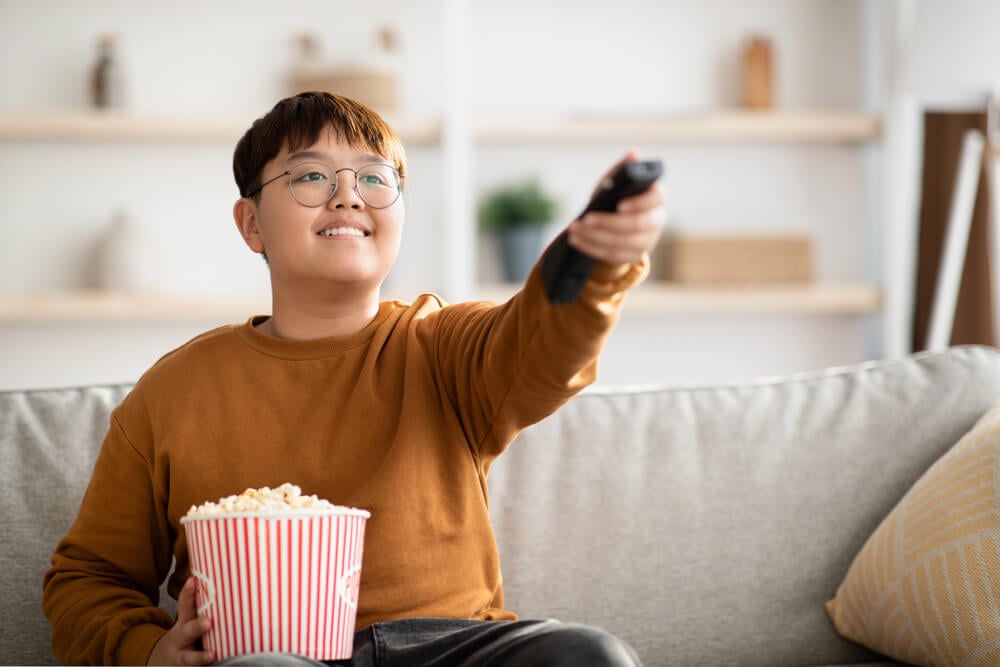
Filmation launched He-Man and the Masters of the Universe in 1983 in first-run syndication, which let local stations air it every weekday afternoon rather than only on Saturday mornings. The show ran 130 episodes over two seasons, a huge output that Filmation managed partly by reusing animation sequences, including Prince Adam’s transformation, again and again.
Each episode closed with a short lesson delivered directly to the audience, covering topics from honesty to stranger danger. Kids absorbed the moral and then ran outside to settle disputes over who got to be Skeletor.
ThunderCats and Its Japanese Animation Team
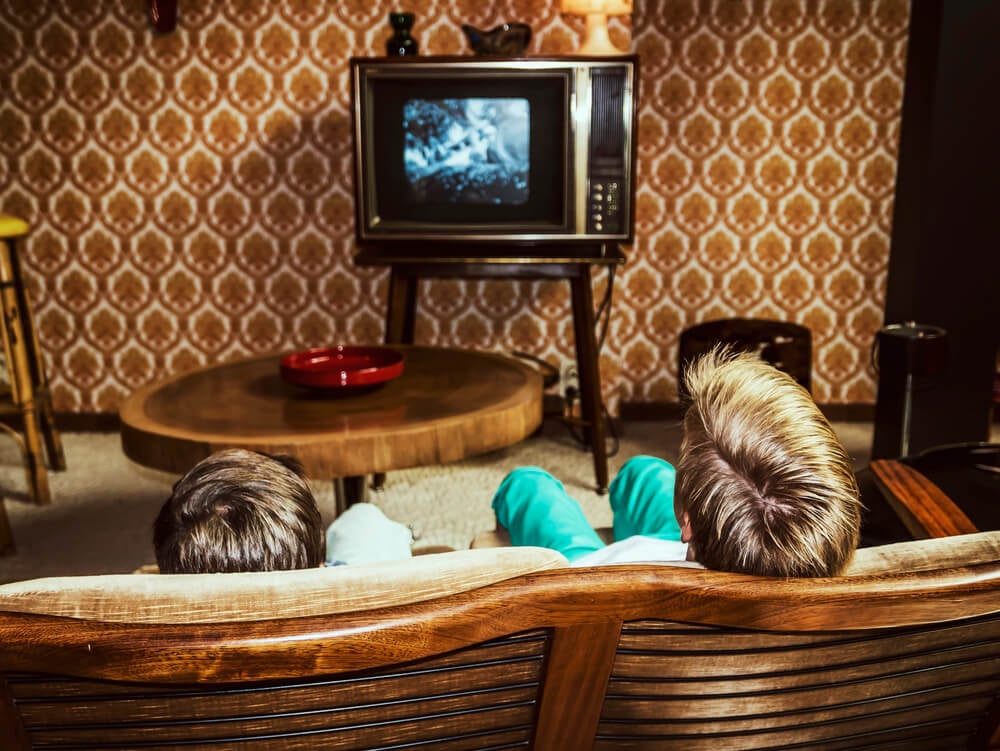
ThunderCats premiered in 1985 from Rankin/Bass, the studio best known for holiday specials such as Rudolph the Red-Nosed Reindeer. The animation was handled by the Japanese studio Topcraft, and some of its staff went on to form Studio Ghibli, the home of Hayao Miyazaki.
That pedigree helps explain why the show looked noticeably sharper than many of its afternoon rivals. Lion-O, the young lord who wielded the Sword of Omens, led a band of feline heroes against the mummified sorcerer Mumm-Ra, and the opening theme remains one of the most recognizable of the decade.
The Transformers and the Movie That Shocked Kids
The Transformers cartoon arrived in 1984 to promote Hasbro’s line of robots that converted into vehicles, and it quickly became a fixture of after-school television. The heroic Autobots, led by Optimus Prime, battled the Decepticons in episodes that kids treated as appointment viewing.
Then came the 1986 animated feature, which killed off Optimus Prime early in the story to make room for a new generation of toys. Children across the country left theaters stunned and in some cases in tears, and the backlash taught toy companies a lasting lesson about how deeply young fans could bond with a character.
G.I. Joe and Its Knowing Is Half the Battle PSAs
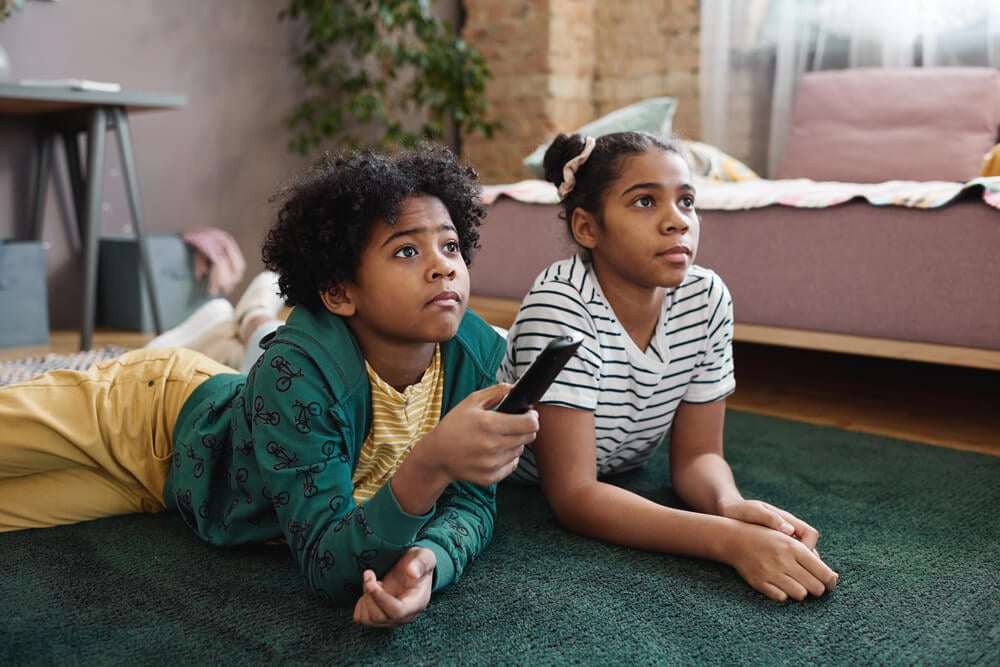
G.I. Joe: A Real American Hero became a daily series in 1985 after two earlier miniseries, putting Hasbro’s heroes against the terrorist organization Cobra every afternoon. Laser fire flew constantly, yet nobody seemed to get seriously hurt, and Cobra pilots reliably parachuted to safety from every downed aircraft.
Each episode ended with a short public service announcement in which a Joe helped kids out of a jam involving fire safety, strangers or peer pressure. The closing exchange, in which a grateful child said now they knew and a Joe replied that knowing is half the battle, became a lasting catchphrase.
Inspector Gadget and the Voice of Don Adams
Inspector Gadget arrived in 1983 from DIC, with Don Adams, already famous as bumbling agent Maxwell Smart on Get Smart, voicing the clueless cyborg detective. Gadget carried an impossible array of built-in tools that rarely worked as intended, and he never once noticed that his niece Penny and her dog Brain were solving every case behind his back.
The villain, Dr. Claw, appeared only as a gloved hand and a menacing voice. Kids enjoyed being smarter than the hero, and the shout of go-go-Gadget turned into a playground staple.
Jem and the Music Videos Inside Every Episode

Jem ran from 1985 to 1988 as a Hasbro cartoon about a record company owner who transformed into a rock star with the help of a holographic computer. Each episode included several original music videos, which put the show in step with the MTV era and gave it a sound unlike anything else in the afternoon lineup.
The rival bands, the Misfits and later the Stingers, delivered songs that fans still know by heart. Jem’s music got as much attention as its plot, and it built a devoted following that has supported comics, reunions and a live-action film.
DuckTales and the Birth of the Disney Afternoon
DuckTales premiered in 1987 and followed Scrooge McDuck and his grandnephews Huey, Dewey and Louie on globe-trotting treasure hunts inspired by the comics of Carl Barks. Disney invested more heavily in the animation than many syndicated rivals, and the show produced 100 episodes.
Its success gave the studio the confidence to build an entire two-hour weekday block, launched in 1990 as The Disney Afternoon. That lineup made the post-school hours a Disney stronghold for years, and the DuckTales theme song stayed lodged in the heads of millions of kids.
Teenage Mutant Ninja Turtles From Comic to Cartoon
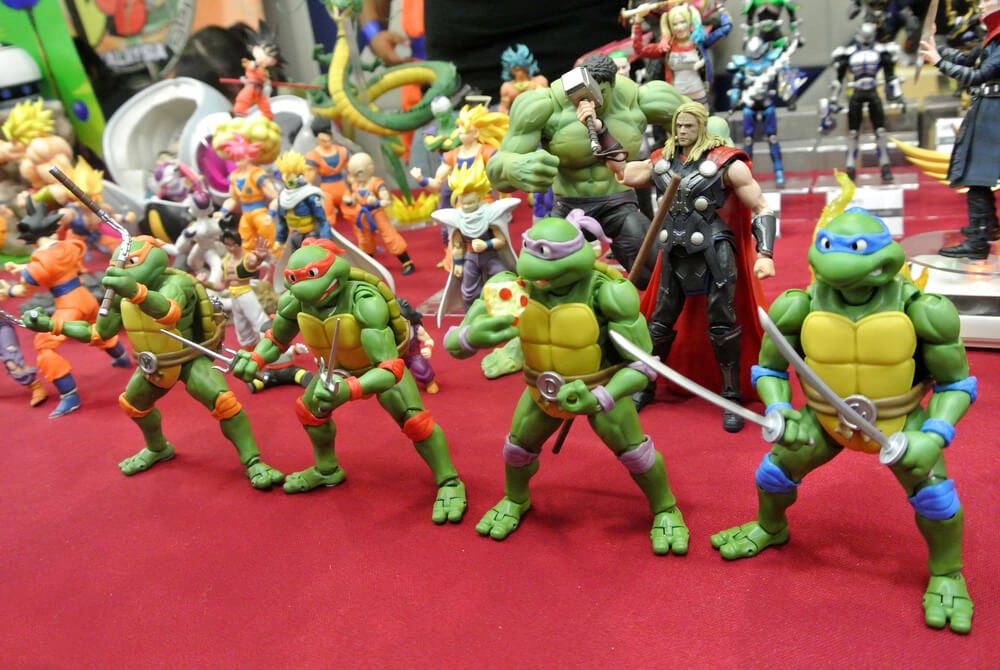
Kevin Eastman and Peter Laird created the Teenage Mutant Ninja Turtles in a self-published comic in 1984, originally a gritty parody of popular superhero titles. A 1987 animated miniseries softened the tone, gave each Turtle a different colored mask and turned Leonardo, Donatello, Raphael and Michelangelo into pizza-obsessed surfer types.
The miniseries launched a long-running daily series that made the Turtles one of the biggest kid franchises of the era. Shouting cowabunga, eating pizza with odd toppings and arguing over the best Turtle became a nationwide after-school pastime.
Tiny Toon Adventures and Steven Spielberg
Tiny Toon Adventures debuted in 1990 with Steven Spielberg as executive producer, a partnership between his Amblin Entertainment and Warner Bros. Animation. The show followed a new generation of cartoon characters, led by Buster and Babs Bunny, attending Acme Looniversity, where classic Looney Tunes stars such as Bugs Bunny served as teachers.
Writers packed episodes with pop culture parodies aimed at parents while keeping the slapstick for kids. The higher production budget showed in the animation, which looked closer to theatrical shorts than most syndicated cartoons.
Batman: The Animated Series and the Debut of Harley Quinn
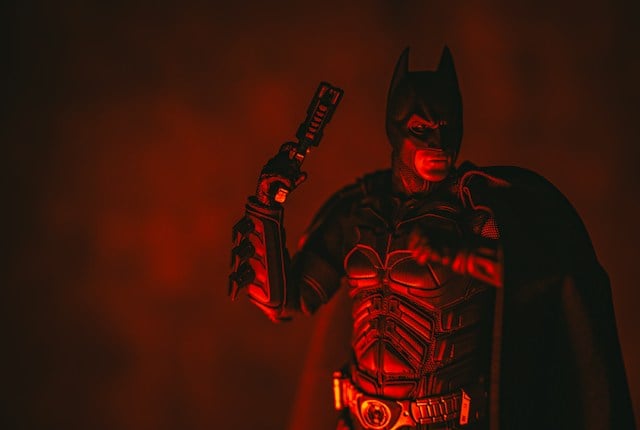
Batman: The Animated Series premiered on Fox Kids in September 1992 with a dark, art deco look that was strikingly serious for afternoon television. Mark Hamill, best known as Luke Skywalker, voiced the Joker and became for many fans the definitive version of the character.
The show also created Harley Quinn, the Joker’s lovesick sidekick, who was invented for the series and later became a major comic book and movie star. Writers trusted kids with complex villains and moral gray areas, and the series is still widely regarded as one of the finest superhero adaptations ever made.
Animaniacs and Yakko’s World
Animaniacs reached Fox Kids in 1993, produced by Warner Bros. with Steven Spielberg again attached, and centered on the Warner siblings Yakko, Wakko and Dot, who had been locked in the studio water tower since the 1930s. Rapid-fire sketches mixed slapstick, satire and musical numbers, with plenty of jokes sailing over younger heads.
Its most enduring segment was Yakko’s World, a song that rattled off the names of nations to a classical tune. Teachers later used it in geography lessons, and plenty of former viewers can still sing it from memory.
Mighty Morphin Power Rangers Taking Over Fox Kids
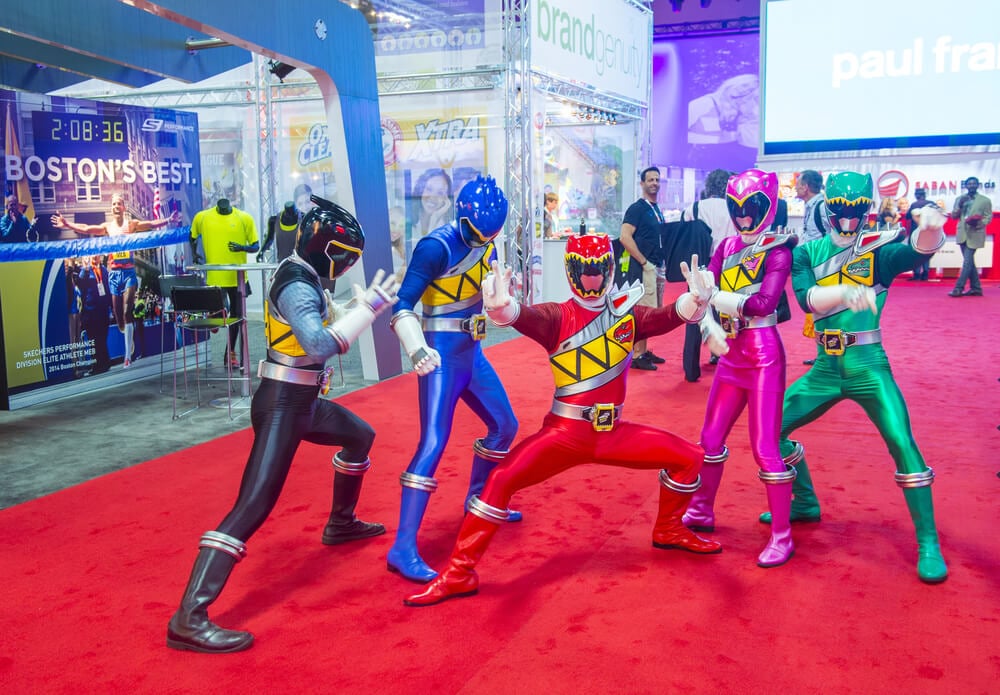
Mighty Morphin Power Rangers premiered on Fox Kids in August 1993, built by combining fight footage from Japan’s long-running Super Sentai series with new scenes shot in the United States featuring American teenagers. The low-budget approach became a sensation almost immediately, and the toys sold out during the 1993 and 1994 holiday seasons.
Five ordinary high schoolers transformed into color-coded heroes to battle monsters sent by the witch Rita Repulsa, and the final fight always ended with a giant robot. Recess on many playgrounds became an endless round of morphing and karate kicks.
Gargoyles and Its Star Trek Voice Cast
Gargoyles joined The Disney Afternoon in 1994, telling the story of medieval stone guardians who awoke in modern New York City. The show’s tone was more serious than most Disney cartoons, with serialized storylines and borrowings from Shakespeare’s Macbeth.
Several actors from Star Trek: The Next Generation joined the voice cast, including Jonathan Frakes as the villain David Xanatos and Marina Sirtis as Demona. Kids who caught it after school often found themselves following a story arc more complicated than anything else on the dial.
Pokemon Arriving in American Syndication
Pokemon reached American television in September 1998 in first-run syndication, then moved to Kids’ WB in February 1999, where it quickly became the network’s biggest hit. Ash Ketchum and his Pikachu set out on a quest to become a Pokemon master, and the show worked hand in hand with the Game Boy games and trading cards to drive a nationwide craze.
Schools banned the cards as kids traded them during class. The catchphrase gotta catch ’em all became shorthand for the obsession, and the franchise has never left afternoon television since.
Antennas, Rabbit Ears and the After-School Ritual
Before streaming, if a show aired at 3:30, kids watched it at 3:30 or not at all. That rigid schedule turned afternoon television into a shared experience, since everyone in the class had seen the same episode on the same day.
Fiddling with rabbit ears, fighting over the dial and begging for five more minutes were all part of the routine. The shows themselves often mattered less than the ritual of getting home in time.
Many of those programs still exist, available instantly on any device at any hour. What disappeared was the race home and the sense that missing an episode meant missing it for months.
Networks eventually moved children’s programming to cable channels and later to streaming libraries. The after-school slot, once fiercely contested by studios and toy makers, quietly dissolved into everything else.
More from Go2Tutors!

- The Romanov Crown Jewels and Their Tragic Fate
- 13 Historical Mysteries That Science Still Can’t Solve
- Famous Hoaxes That Fooled the World for Years
- 15 Child Stars with Tragic Adult Lives
- 16 Famous Jewelry Pieces in History
Like Go2Tutors’s content? Follow us on MSN.