18 Photos Of Popular Vintage Muscle Cars That Still Turn Heads Today
There is something about a vintage muscle car that stops people in their tracks. It is not just the glossy paint or the wide stance.
It is the feeling that something powerful and alive is sitting right in front of you. These cars were built in an era when American automakers were competing hard, pouring everything they had into machines that were loud, fast, and completely unapologetic about it.
From the factory floors of Detroit to weekend drag strips across the country, muscle cars became a cultural moment that nobody planned and nobody forgot. Ready to take a good look at some of the most iconic machines ever built?
Here are the cars that made grown adults stop dead on the sidewalk, and still do.
1967 Ford Mustang Fastback
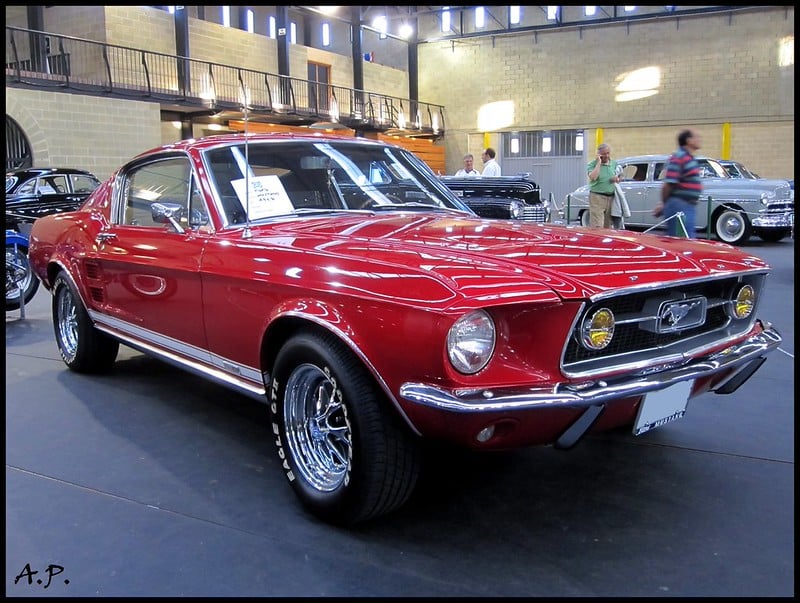
Few cars carry as much weight in American history as the ’67 Fastback. Ford introduced this body style with a longer roofline that sloped back toward the rear, giving the car a crouched, ready-to-run look that set it apart from everything else on the road.
Under the hood, buyers could opt for the 390 cubic inch V8, which gave it the kind of grunt that matched its looks. This is the version that starred in the 1968 film ‘Bullitt,’ and it has never really left the spotlight since.
1969 Chevrolet Camaro Z/28

The Z/28 was Chevy’s answer to the question nobody officially asked out loud: what if we made the Camaro even more serious? It came with a high-revving 302 cubic inch V8 designed specifically for Trans-Am racing rules, and Chevy made sure the car looked the part too.
Wide stripes, hood pins, and a no-nonsense interior told drivers exactly what they were getting into. Drag racers and track enthusiasts loved it, and collectors today treat clean examples like pieces of art.
1970 Plymouth ‘Cuda

The ‘Cuda was Plymouth’s most aggressive version of the Barracuda, and in 1970 it reached its peak. The Hemi ‘Cuda came loaded with a 426 cubic inch Hemi V8 that produced 425 horsepower, which was an almost reckless number for a street car at the time.
Its short deck, long hood proportions gave it an aggressive, forward-leaning stance. Only 652 Hemi ‘Cudas were built that year, which makes surviving examples some of the most valuable muscle cars on the planet today.
1969 Dodge Charger Daytona

Dodge did not build the Daytona to win a beauty contest. They built it to win Daytona.
The enormous rear wing, which stood over two feet tall, was pure aerodynamics, not decoration. The pointed nose cone extended the front of the car by about 18 inches to cut through air at high speed.
On the NASCAR superspeedways of the day, it worked perfectly. Buddy Baker drove one to over 200 miles per hour, making it the first NASCAR car to break that barrier.
1970 Chevrolet Chevelle SS 454

The Chevelle SS 454 was what happened when Chevrolet stopped holding back. The LS6 version of this car came with 450 horsepower from the factory, which made it one of the most powerful production cars ever sold to the public at the time.
It had a wide, planted stance and a clean body that looked just as comfortable at a stoplight as it did on a strip. Road & Track magazine called it one of the best performance cars they had ever tested.
That kind of praise from a serious publication said everything.
1969 Pontiac GTO Judge
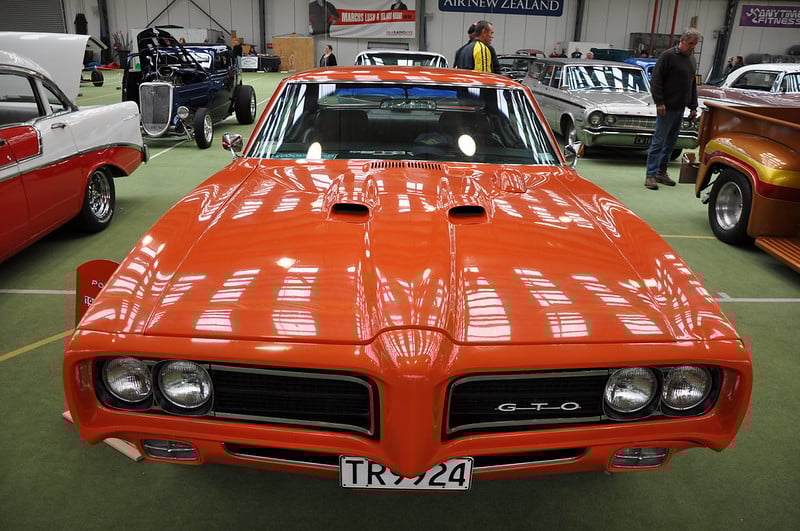
The Judge was Pontiac’s attempt to meet the youth market where it lived, and the result was loud in every possible way. The standard engine was the Ram Air III 400 cubic inch V8, though buyers could upgrade to the Ram Air IV for even more power.
It came painted in eye-catching colors like Carousel Red and featured bold graphics that made other cars look quiet by comparison. The name came from a line in the popular TV show ‘Laugh-In,’ which tells you exactly who Pontiac was talking to.
1971 Dodge Challenger R/T
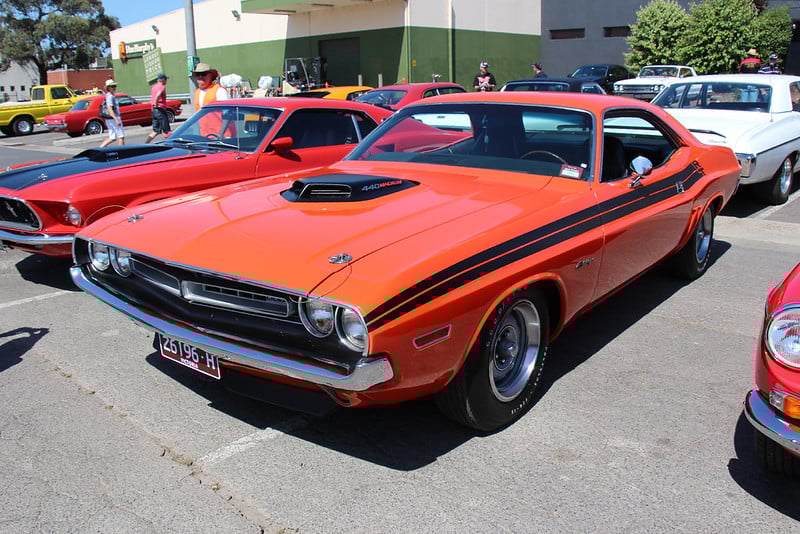
The ’71 Challenger had a wider body than its 1970 predecessor, and it wore that extra width well. Dodge offered it with the 426 Hemi or the 440 Six Pack, giving buyers two very serious engine options that could make short work of most things on the road.
Its long hood and smooth lines gave it a sleek look that still holds up today. This was one of the last years before emission regulations began tightening their grip on American performance cars, so it carries that ‘last of the breed’ feel that collectors find so appealing.
1968 Shelby GT500KR
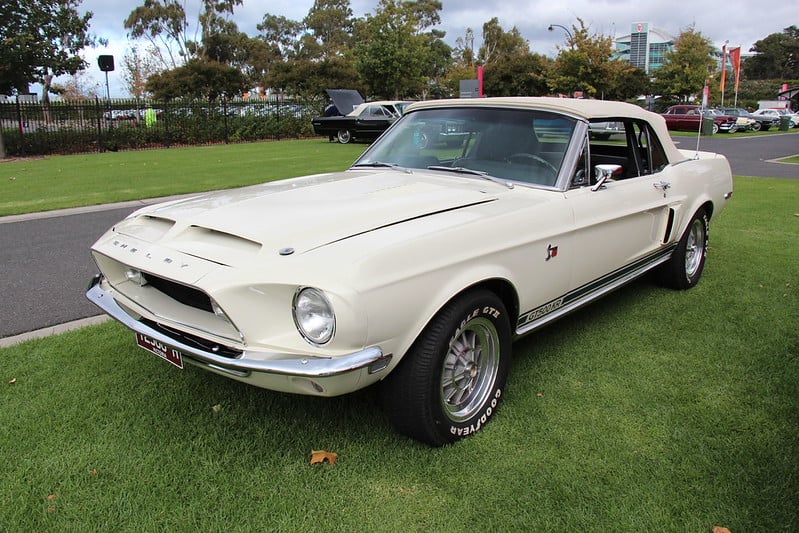
The ‘KR’ stood for King of the Road, and Shelby was not joking around with that name. This was the highest performance version of the Shelby Mustang, powered by a 428 cubic inch Cobra Jet V8 rated at 335 horsepower, though most enthusiasts believe the actual output was significantly higher.
Carroll Shelby personally oversaw the development, applying his racing experience to a car that needed to perform on regular streets. Less than 2,000 KR convertibles were built, which makes them among the rarest Shelby Mustangs in existence.
1966 Pontiac GTO
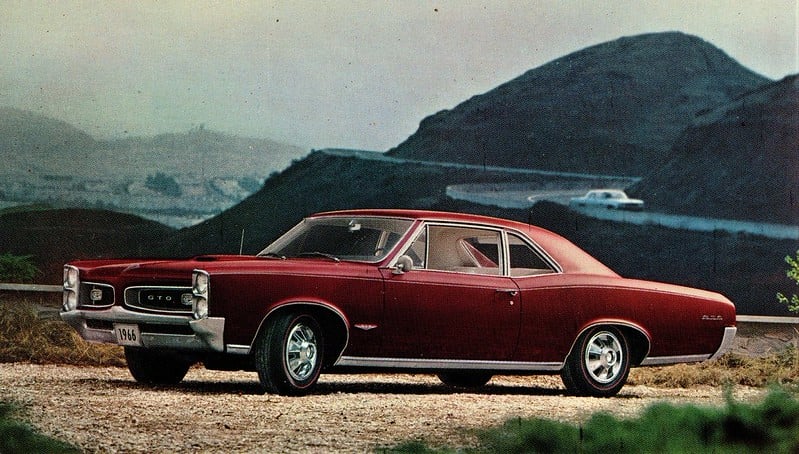
The original GTO is often credited as the car that started the muscle car era, and there is a solid argument for that claim. Pontiac engineers Jim Wangers and John DeLorean pushed the idea through corporate resistance at General Motors, dropping a 389 cubic inch V8 into the mid-size Tempest body.
The combination of a big engine in a lighter car was so effective that Pontiac sold 96,000 units in the first year alone. Car and Driver famously compared it favorably to a Ferrari GTO in a road test, which caused quite a stir at the time.
1970 Boss 429 Mustang
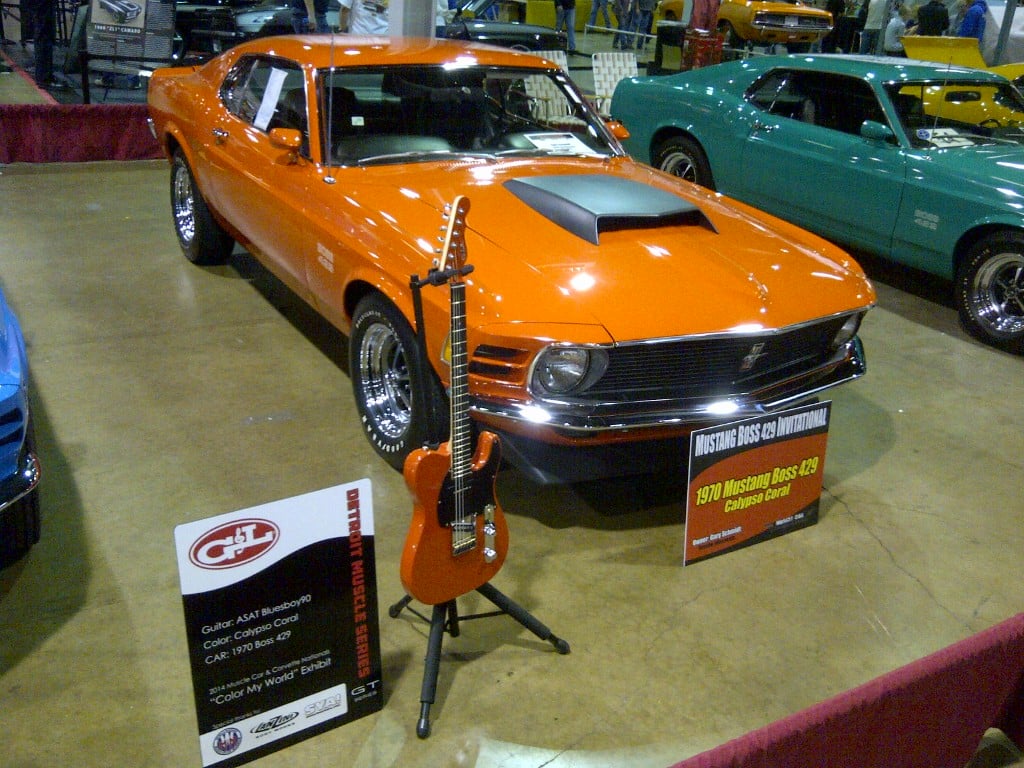
Ford built the Boss 429 for one purpose: to homologate the engine for NASCAR racing. The 429 cubic inch V8 was a wide, powerful unit that required significant modifications to fit into the Mustang’s engine bay, including moving the shock towers.
Only around 7,000 were built in 1970, and Ford relied on Kar Kraft, an outside contractor, to perform the installations. The result was a car that felt serious and mechanical, more like a purpose-built race car than something you would find at your local dealership.
1967 Chevrolet Camaro SS 396

The SS 396 was Chevy’s attempt to give everyday buyers a taste of what the racing team was cooking. The 396 cubic inch big-block V8 produced 325 horsepower in standard form, with higher output versions available for those who wanted more.
It came with sport suspension, a blacked-out grille, and SS badging that made it easy to identify on the street. This was a car that rewarded people who paid attention to details, with upgrades and options that let buyers build exactly the machine they wanted.
1969 AMC AMX

Most people forget that American Motors Corporation was building serious performance cars in the late 1960s, and the AMX is the reason they should remember. It was a two-seater, which made it unique among domestic muscle cars, and it came with engines ranging from a 290 to a 390 cubic inch V8.
AMC hired race driver Craig Breedlove to set 106 speed records with an AMX at Bonneville Salt Flats in 1968. That kind of real-world achievement gave it credibility that no advertising campaign could buy.
1970 Buick GSX Stage 1

Buick was not a brand people expected to show up at the drag strip, which is exactly what made the GSX so surprising. The Stage 1 version came with a 455 cubic inch V8 that produced 510 pounds of torque, which at the time was more than almost anything else sold with a warranty.
It only came in two colors for 1970: Saturn Yellow or Apollo White, with black stripes and a rear spoiler that meant business. Fewer than 700 Stage 1 GSXs were built that year, making it one of the rarest muscle cars from that golden period.
1969 Ford Torino Cobra
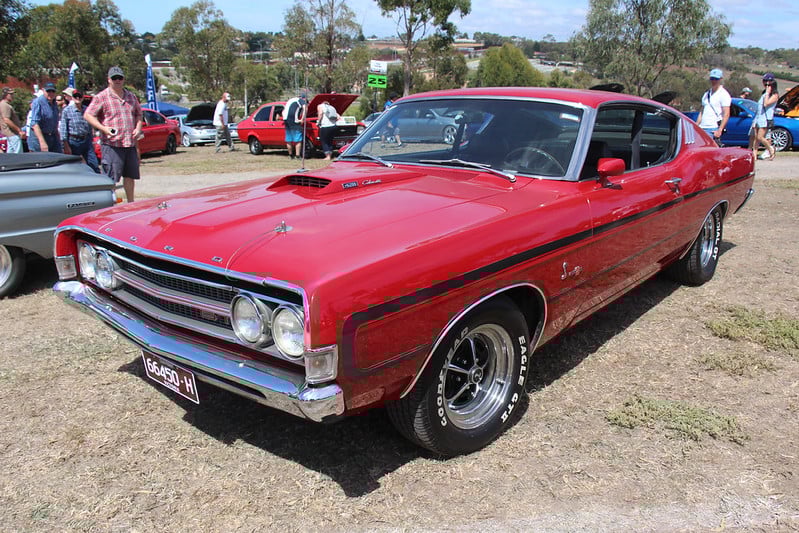
The Torino Cobra came along when Ford wanted a mid-size performance car to go with the Mustang in showrooms. It was offered with the 428 Cobra Jet engine, the same unit that powered the Shelby Mustangs, giving it genuine performance credentials.
The styling was cleaner and more formal than the Mustang, which appealed to buyers who wanted power without the sports car look. It handled the quarter mile seriously well and gave Ford another option in the growing muscle car wars of the era.
1970 Oldsmobile 442 W-30
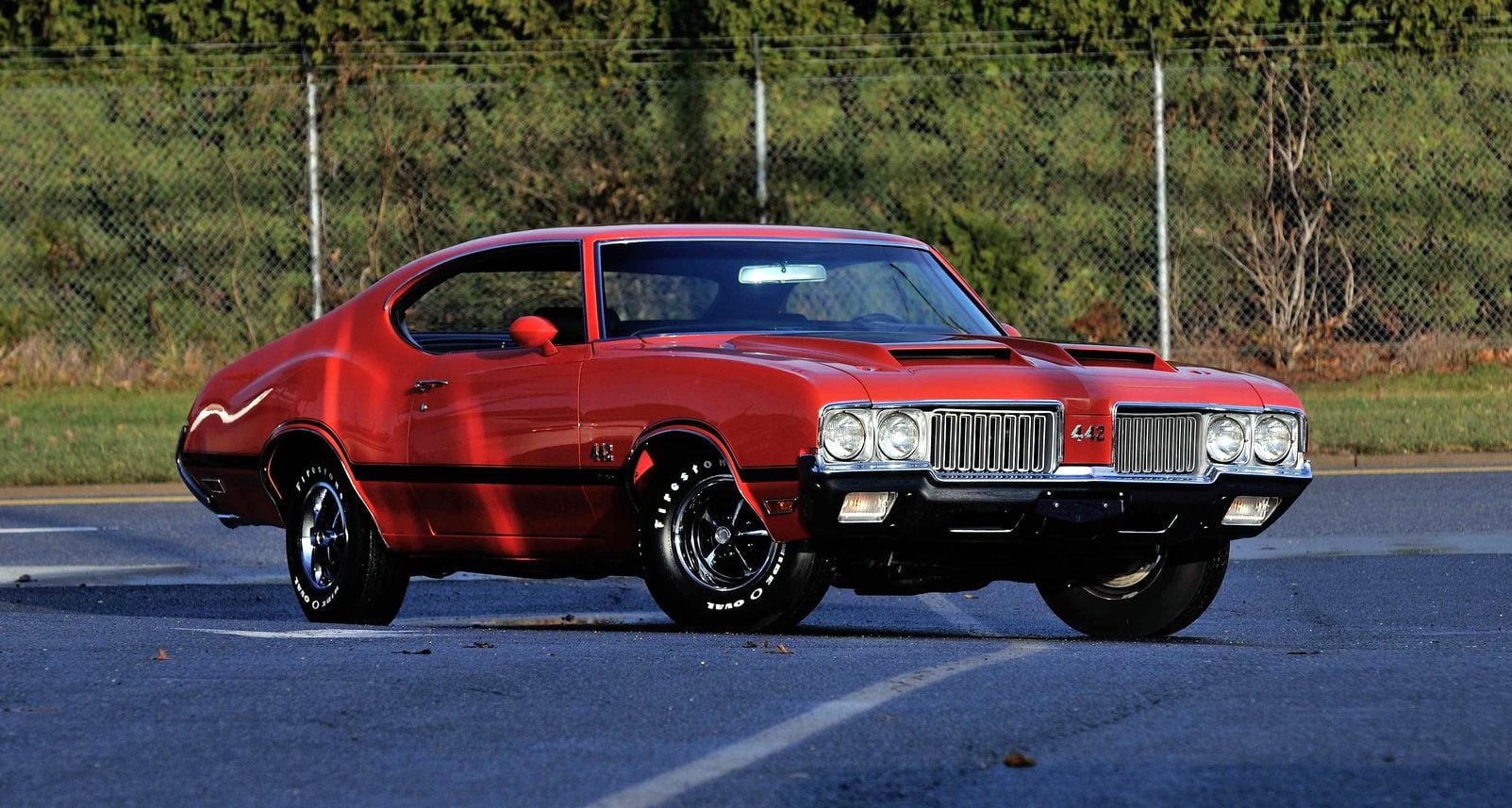
The 442 name stood for four-barrel carburetor, four-speed transmission, and dual exhausts, which was a pretty direct description of what the car was about. The W-30 package took that further, adding a special air induction system that drew cool air from behind the front bumper directly into the engine.
It came with a 455 cubic inch V8 and a fiberglass hood to reduce weight, which showed that Oldsmobile engineers were serious about performance, not just appearances. The combination gave it straight-line speed that surprised a lot of people who underestimated the brand.
1968 Dodge Super Bee

Dodge created the Super Bee as a budget muscle car, stripping away the luxury options to give buyers maximum performance for a lower price. The standard engine was the 383 cubic inch Magnum V8, but the real draw was the optional 426 Hemi, which could be had in a car that cost significantly less than a Hemi Charger.
The bee graphic on the C-pillar became one of the most recognizable badges of the era. It proved that going fast did not have to mean spending a fortune, which was a message a lot of young buyers were very happy to hear.
1965 Shelby GT350

Out of the Mustang fastback, Carroll Shelby built a machine with its own identity. Not just stronger but sharper, thanks to a 289 cubic inch V8 from Ford now pushing 306 horses.
Because shifts mattered more here, a tight-ratio four-speed box was chosen – each click felt deliberate. Up front, a brace known as the Monte Carlo bar stiffened things without shouting about it.
Sitting lower than stock, with suspension trimmed down and broader tires wrapped around bigger rims, it held corners like nothing else wearing a pony badge. Paint? Just one choice at first: white body, blue stripe cutting across – clean, loud in its simplicity, instantly tied to Shelby forever after.
1970 Chevrolet Monte Carlo SS 454

A long hood stretched over the front of the Monte Carlo, built for comfort yet hiding something fierce. Chevrolet slipped in the 454 big-block because restraint wasn’t really an option.
Under that smooth skin sat the LS5 engine, pushing 360 horses without shouting about it. Outside, it wore elegance like a tailored coat – clean lines, quiet confidence.
This wasn’t your typical muscle machine roaring down Main Street. Picture it winding through back roads fast, then parking neatly beside valets without raising eyebrows.
Power lived beneath polish, creating a contrast few cars managed at the time. Few others balanced grit and grace so quietly.
These Cars Were Fast But Also Something More

Back then, gas cost next to nothing, highways kept growing, yet car makers thought bigger engines meant better machines. Nowadays, those old models fetch sums nobody imagined, polished up nicer than new.
More than fast rides or engine numbers, they stand for an era when U.S. factories knew their worth. They made things simply because making them mattered.
See one at an event now, someone slows down without thinking, eyes locked, quiet inside.
More from Go2Tutors!

- The Romanov Crown Jewels and Their Tragic Fate
- 13 Historical Mysteries That Science Still Can’t Solve
- Famous Hoaxes That Fooled the World for Years
- 15 Child Stars with Tragic Adult Lives
- 16 Famous Jewelry Pieces in History
Like Go2Tutors’s content? Follow us on MSN.