31 Commercial Jingles Stuck in Our Heads
A thirty-second commercial is supposed to be forgotten the moment the program comes back. Some of them never left.
A handful of notes written for hot dogs, carpet and coffee have a way of surfacing decades later, in the shower or at a red light, uninvited and perfectly in tune.
These songs were built that way on purpose. Agencies paid serious money for melodies that could survive a trip to the kitchen and back, and the best of them did far more than that.
Oscar Mayer Wiener Song
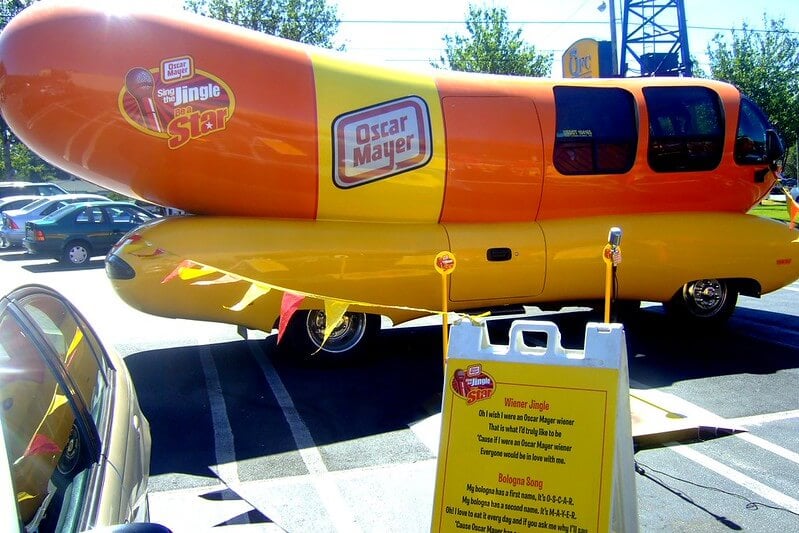
Richard Trentlage was a Chicago jingle writer when Oscar Mayer went looking for a new song in 1963. He reportedly wrote his entry quickly at home and had his own children sing the demo, which gave the recording an unpolished, kid-sized charm that the slicker competition lacked.
The song rests on a child’s cheerfully absurd daydream about the product, a premise that children happily carried onto playgrounds. Oscar Mayer used versions of it for decades.
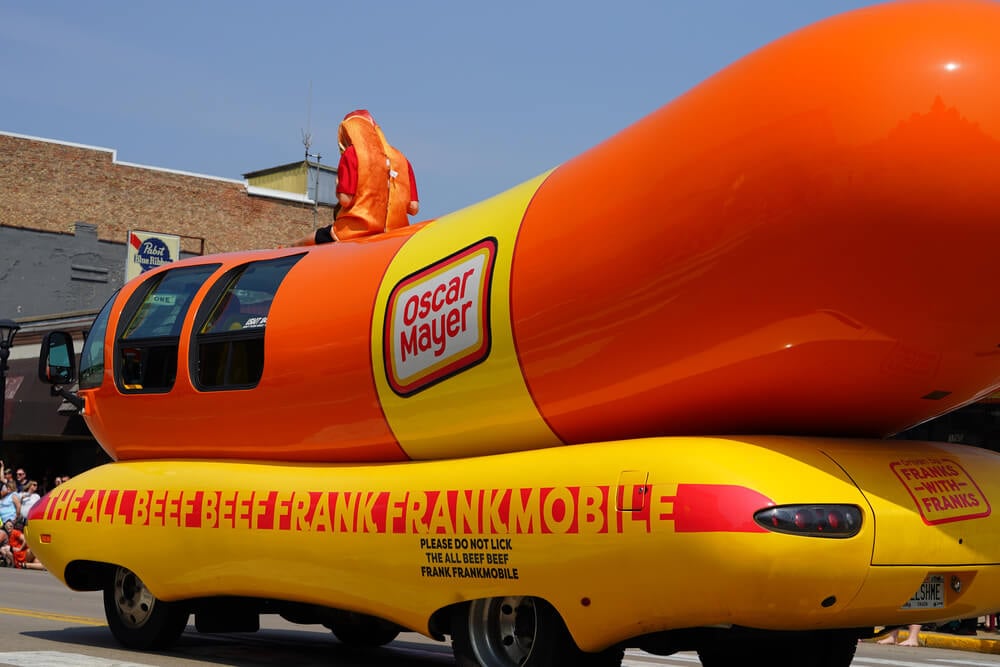
The song also became a natural companion to the Wienermobile, the hot dog on wheels that the company first sent onto American roads in 1936.
Oscar Mayer Bologna Song
Oscar Mayer struck twice. In 1973 the company aired a spot featuring a small boy named Andy Lambros sitting on a dock with a fishing pole, earnestly spelling out the brand name one letter at a time as a song about his lunch meat.
The jingle is generally credited to writer Neil Ray. Its trick was practical as well as catchy, since a melody that spells a word teaches a generation of kids how to write it.
The spelling lesson worked well enough that Oscar Mayer has brought the song back for anniversary campaigns, and Lambros has been interviewed about it as an adult.
Coca-Cola Hilltop Song
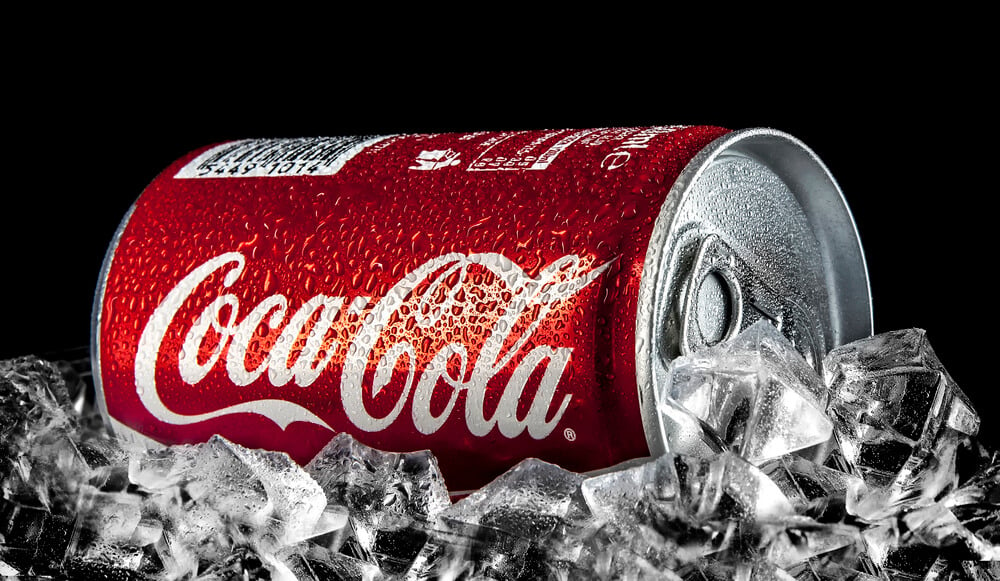
In 1971 McCann-Erickson creative director Bill Backer was stranded in Shannon, Ireland, when fog grounded his flight. Watching irritated passengers bond over bottles of Coke the next morning gave him the idea for a song about global harmony.
Songwriters Roger Cook, Roger Greenaway and Billy Davis shaped the melody, and the commercial was filmed on a hillside outside Rome with a crowd of young singers from many countries. Radio listeners began calling stations to request the tune, so it was rerecorded without the brand references.
That version became a hit single for the New Seekers, which is a rare outcome for an advertisement.
McDonald’s Break-Today Campaign
Needham, Harper and Steers handed McDonald’s a new jingle in 1971, and it changed how fast food talked to customers. Instead of selling burgers, the song sold relief, promising tired parents an escape from cooking and cleaning up.
The commercials showed a crew scrubbing a restaurant until it gleamed, an image that answered worries about roadside food at the time. Advertising Age later placed the campaign at or near the top of its list of the century’s best jingles.
Barry Manilow, then a working jingle singer, is widely reported to have lent his voice to early recordings.
Big Mac Ingredient Chant
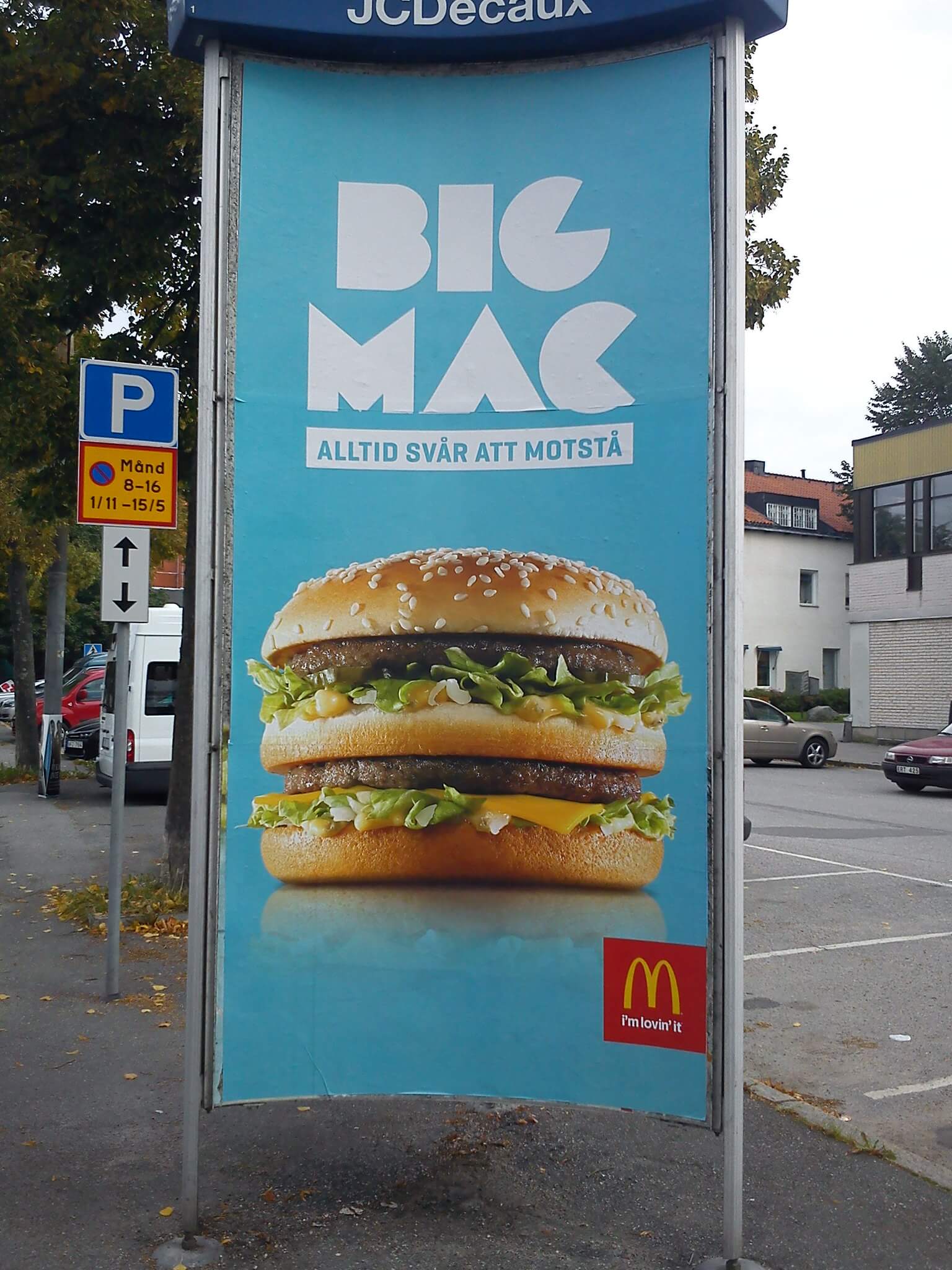
Needham, Harper and Steers also gave McDonald’s a tongue twister. Launched in the mid-1970s, the Big Mac chant crammed every component of the sandwich into one rapid breathless line.
Restaurants ran promotions that rewarded customers who could rattle off the full list within a few seconds, which turned an advertisement into a playground dare. Generations later, plenty of adults can still recite it faster than their own phone numbers.
McDonald’s has revived the chant several times, a sign that the company knows exactly what it owns.
Kit Kat Break Jingle
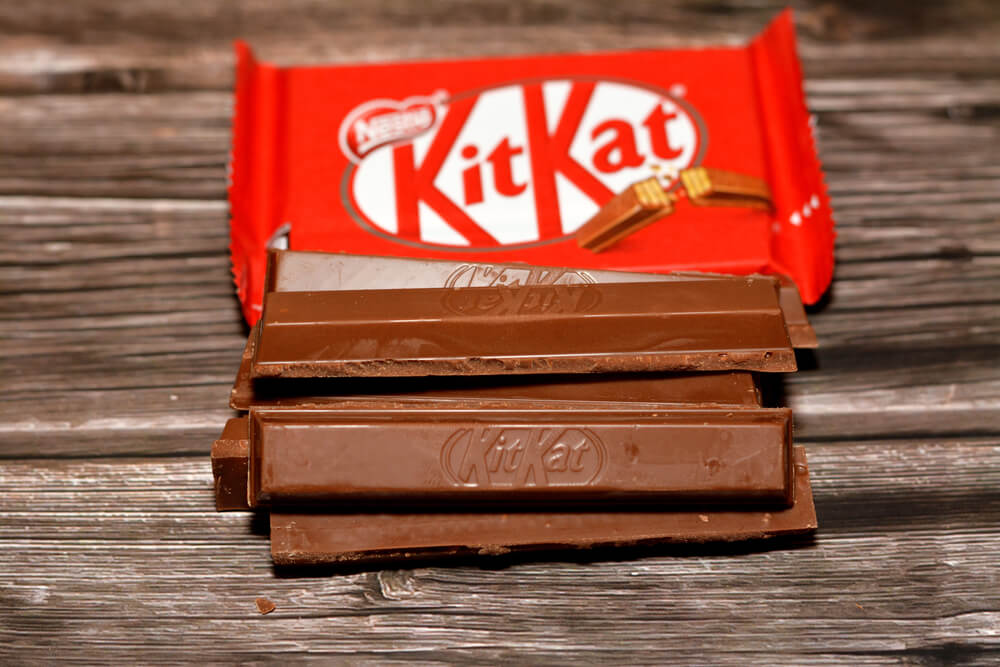
Hershey, which makes Kit Kat for the American market under license from Nestle, introduced its break jingle in 1986. Ken Shuldman wrote the words and Michael A. Levine composed the music while working with the J. Walter Thompson agency.
Levine built the tune so that the snapping of the wafer fit naturally into the rhythm, and the hook is short enough to hum before a meeting begins. The song ran for years with only small changes.
Levine went on to a long career scoring for film and television, yet this candy song remains among his most heard compositions.
Meow Mix Cat Song
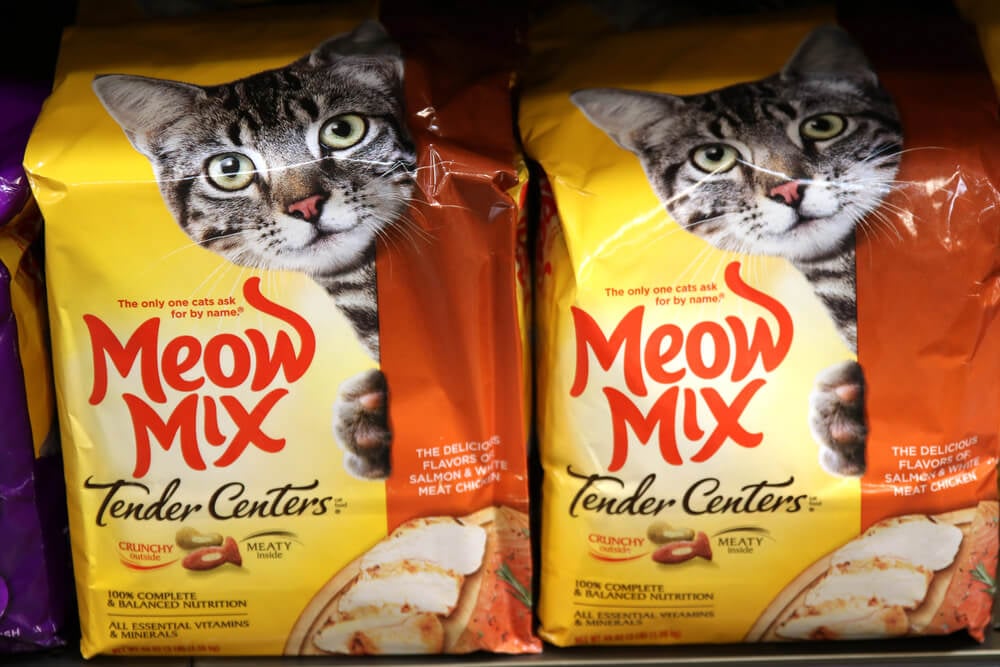
Meow Mix arrived on store shelves in the mid-1970s, and its commercials made a simple, lasting promise to pet owners. Editors cut together footage of cats so their mouths seemed to move in time with a melody made almost entirely of meows.
The vocals were sung by Linda November, a prolific New York session singer who recorded thousands of commercials. Because the lyric is mostly one syllable, the song crossed language barriers and age groups with ease.
Cats remain unaware of the entire arrangement, though their owners have been humming it for half a century.
Chili’s Baby Back Ribs
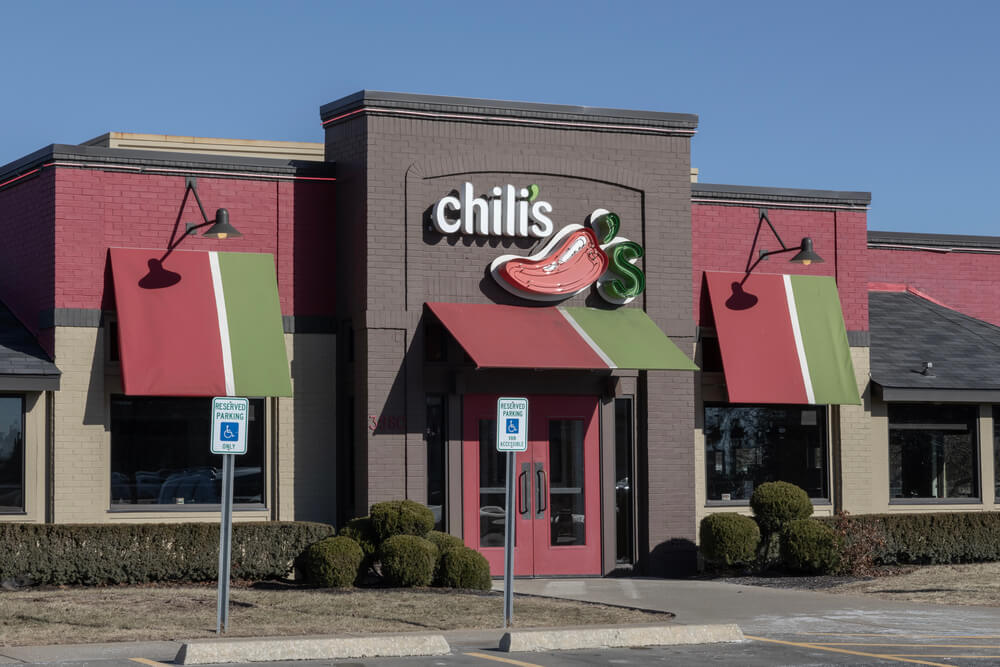
Chili’s introduced its rib jingle in the 1990s through the Austin agency GSD and M, and the low, rumbling bass line did most of the work. The melody is little more than the menu item repeated with gusto, which made it easy for viewers to copy and nearly impossible to forget.
Comedians picked it up, and it surfaced in films and television shows as shorthand for casual dining. In 2023 Chili’s hired Boyz II Men to record a smooth harmonized version.
The restaurant chain treated the remake as an event, which says plenty about how valuable the original had become.
Folgers Waking-Up Jingle
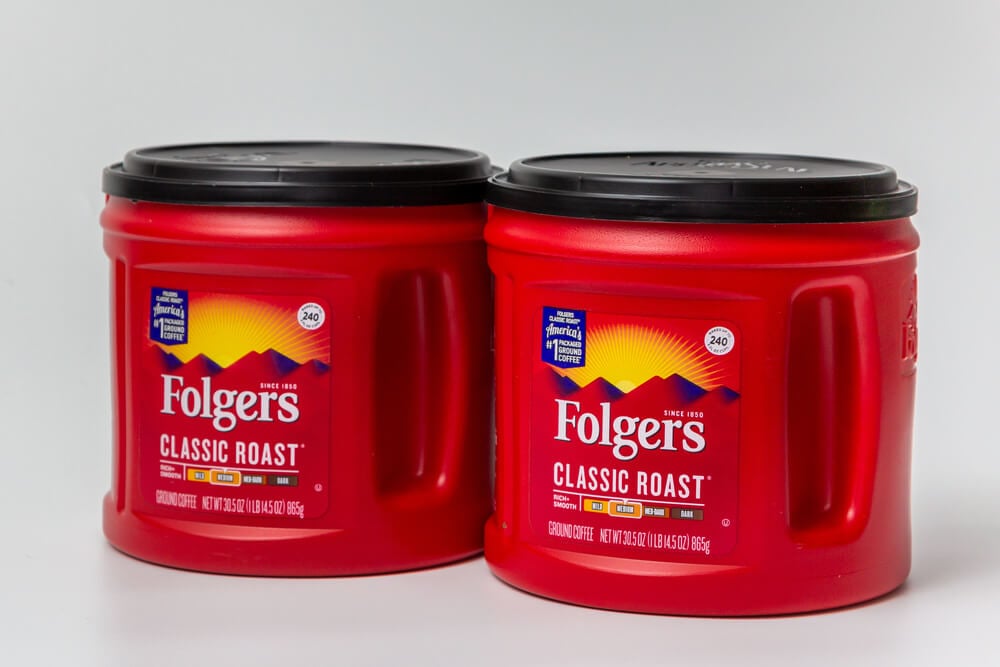
Folgers rolled out its morning jingle in 1984, and songwriter Leslie Pearl is credited with writing it. The melody is gentle and slow, built to match the mood of a kitchen before sunrise rather than to shout over it.
Commercials often paired the song with small domestic scenes, such as a son coming home for the holidays and brewing a pot to wake the family. Folgers has rerecorded the tune many times in different styles, from choir arrangements to soft acoustic covers.
Few jingles have been so closely tied to a particular hour of the day.
Band-Aid Stuck-On Jingle
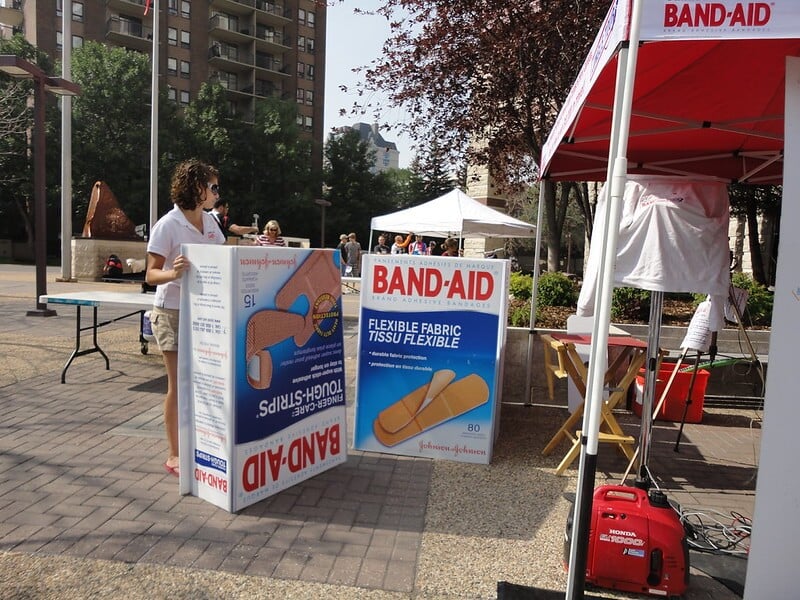
Barry Manilow spent years writing and singing commercials before his pop career took off, and the Band-Aid jingle from the mid-1970s is among his best-known pieces of work for hire. The song played with the double meaning of adhesive strips and affection, turning a humble first aid product into something closer to a love song.
Commercials showed kids proudly displaying their strips as badges of minor courage. Johnson and Johnson used the song for years, and its sticky premise matched the product perfectly.
Manilow has often performed a medley of his old jingles in concert to big laughs.
State Farm Neighbor Jingle
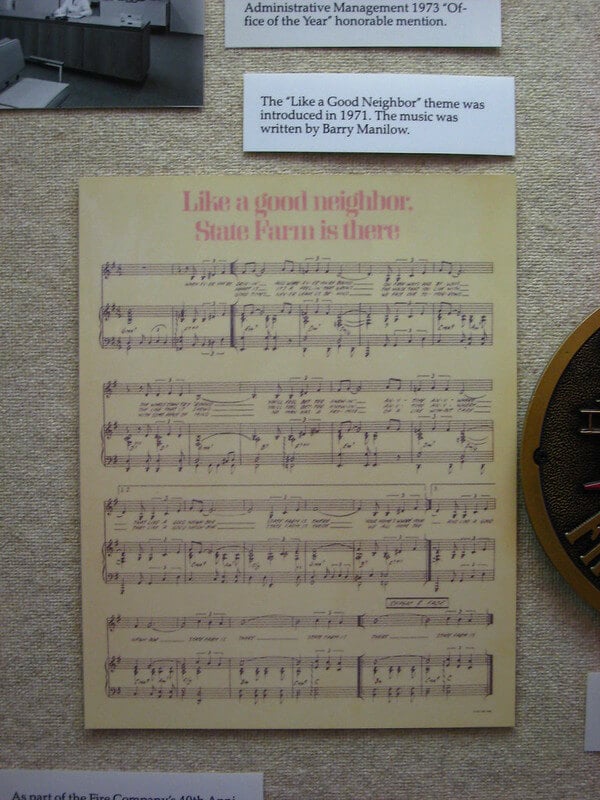
Manilow also wrote the State Farm neighbor jingle, which first aired in 1971 and has followed the insurer ever since. The melody runs only a few seconds, short enough to close any commercial without crowding the message.
That brevity is a large part of its staying power, since it can be tacked onto ads about storms, cars or homes alike. State Farm has asked many artists to reinterpret it over the years, yet the core tune remains intact.
Few corporate sound signatures are recognized so quickly, often by viewers who cannot recall a single line of policy information.
Alka-Seltzer Fizzing Jingle
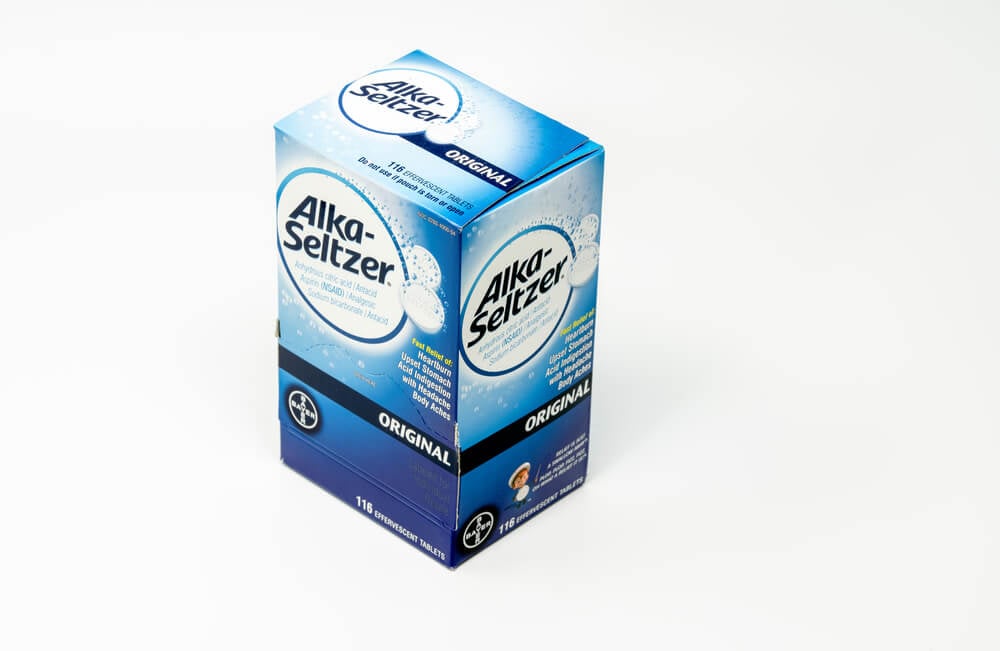
Alka-Seltzer gained a jingle in 1976 that was built around the sound of two tablets dropping into a glass of water. Tom Dawes, who had played with the 1960s pop group the Cyrkle, wrote the tune after leaving the music charts for advertising work.
The lyric doubled as dosing instructions, cleverly encouraging customers to use two tablets instead of one. The brand had already built its name on clever commercials, including the long-running mascot Speedy.
Few jingles have been so openly designed to double the number of units sold per use.
Rice-A-Roni San Francisco Treat
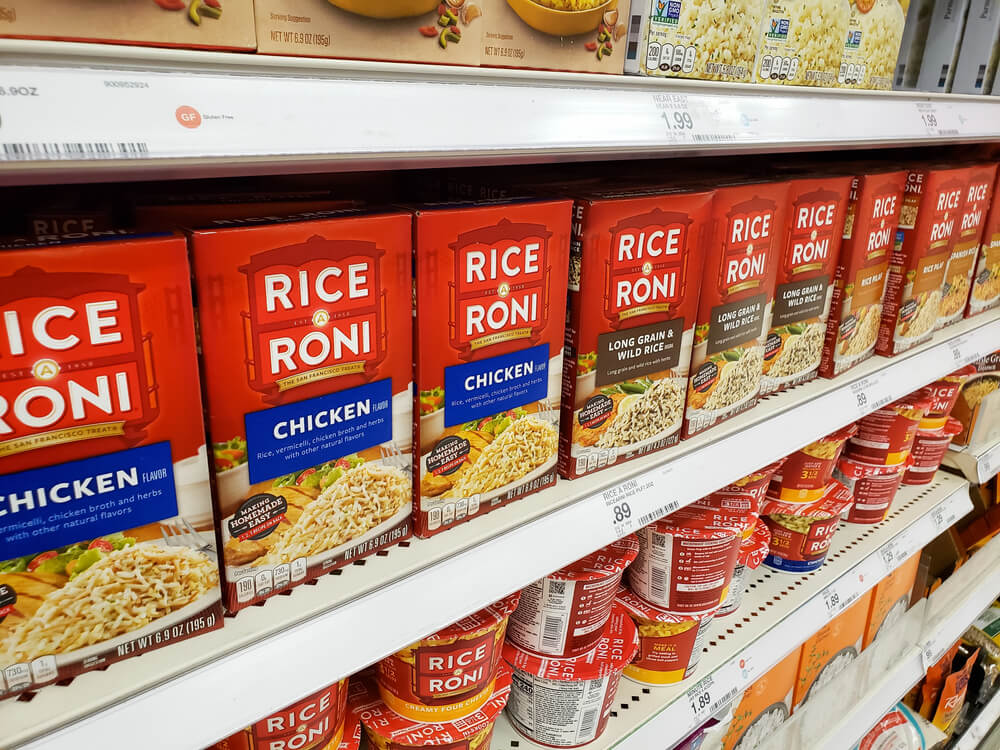
Rice-A-Roni came from the DeDomenico family’s Golden Grain company in San Francisco, which launched the boxed rice and pasta mix in 1958. The recipe was inspired by an Armenian pilaf that a family neighbor shared with them.
In the early 1960s the brand added a jingle tied to the clanging bell of a San Francisco cable car, giving a dry side dish an urban identity. Viewers across the country associated the product with a city most of them had never visited.
The cable car bell became so central to the brand that it survived well after the song itself had faded.
Slinky Toy Song
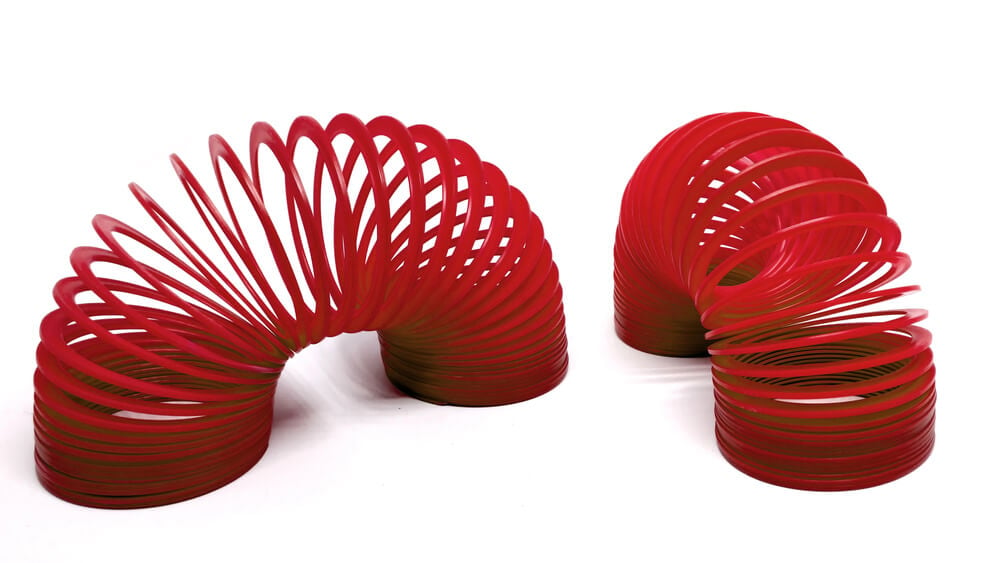
Richard James, a naval engineer, invented the Slinky in the 1940s, and his wife Betty named the toy after hunting through a dictionary. Its famous jingle followed in 1962, written by Homer Fesperman and Charles Weagly, and it built its pitch around the toy’s famous trick of tumbling end over end down a staircase.
The song is often cited as among the longest-running jingles in American advertising. James Industries kept using it for decades with little change.
The simple melody suited a toy whose entire appeal came down to a single trick that never grew old.
Toys R Us Kid Anthem
Linda Kaplan Thaler wrote the Toys R Us jingle in the early 1980s while working at J. Walter Thompson in New York. The song tapped into the childhood fantasy of staying a kid forever, and it gave parents a pang of nostalgia that drove them into the aisles.
The bestselling author James Patterson, then an executive at the agency, has been credited with helping shape the campaign. Kaplan Thaler later founded her own agency and created the Aflac duck.
When Toys R Us closed its American stores in 2018, the jingle became an instant eulogy across social media.
Empire Carpet Phone Number
Empire Carpet, based in Chicago, built its business on a jingle that did one practical thing extremely well. The short melody sang the company’s seven-digit phone number, an approach that made it easy for viewers to dial without searching for a pen.
Lynn Hauldren, an advertising copywriter who became the company’s mustached on-screen spokesman, is generally credited with writing it in the 1970s. Hauldren appeared in the ads for decades, later as an animated figure.
The firm eventually renamed itself Empire Today, but the old number and its tune remained central to the commercials.
Chiquita Banana Song
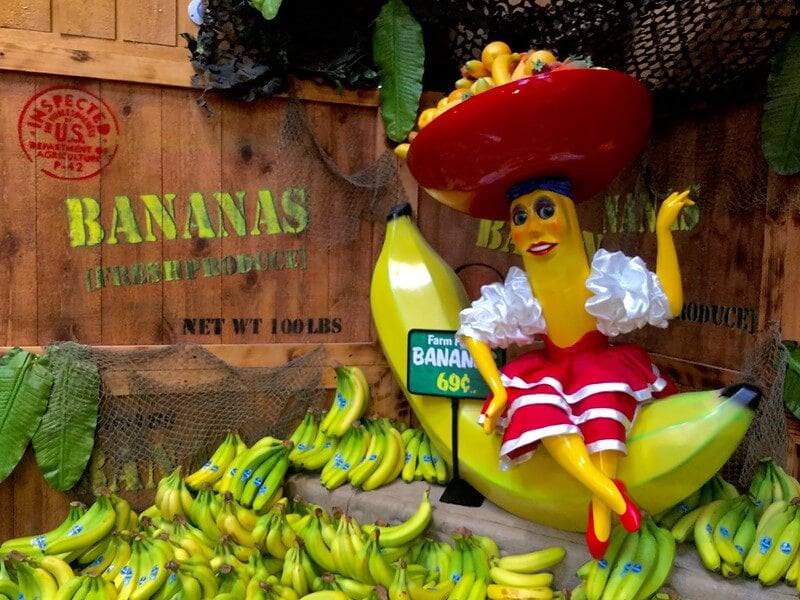
United Fruit Company introduced Miss Chiquita, an animated banana, in 1944, along with a calypso-style song that taught listeners how to handle tropical fruit. Patti Clayton was the first voice heard singing it, and the song was credited to a team that included Len Mackenzie and Garth Montgomery.
It was partly an instruction manual, offering advice on ripening and storing bananas at a time when many shoppers were still unfamiliar with them. Radio stations played it so often during the 1940s that it became a genuine popular hit.
The cartoon banana later became a woman in a fruit hat and still appears on Chiquita stickers today.
Pepsi-Cola Hits the Spot
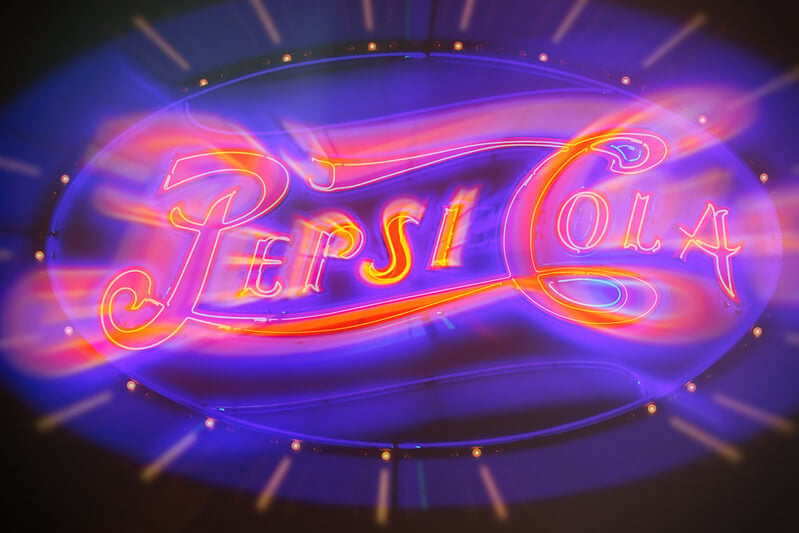
Before television, Pepsi had a jingle that helped prove radio advertising could work on its own. Written around 1939 by Austen Croom-Johnson and Alan Kent, the song borrowed its melody from the old English hunting tune D’Ye Ken John Peel.
It was designed to run as a standalone spot rather than tucked into a sponsored show, a notable shift in radio advertising. The words emphasized how much soda a nickel bought, giving Pepsi an edge over Coca-Cola on value.
The jingle spread far beyond its own airtime, a rare reach for a commercial in that era.
Brylcreem Dab Jingle
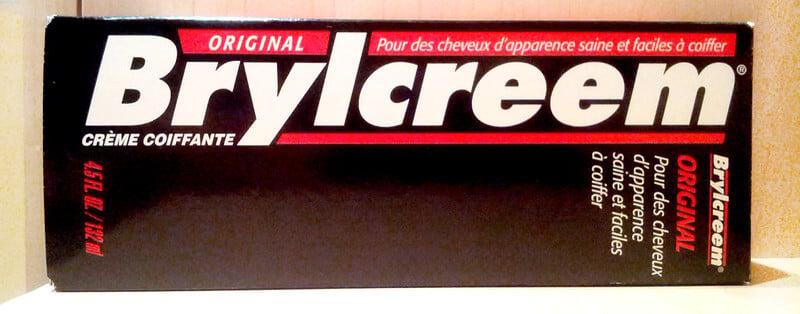
Brylcreem, a hair cream first produced in Birmingham, England, in 1928, became a staple in American bathrooms after World War II. Its jingle, popular in the 1950s and 1960s, argued that only a small amount was needed to keep hair in place.
The ads often showed women unable to resist running their fingers through a slicked-back hairstyle, which was very much a product of its time. The tune lingered long after shaggier haircuts made the cream less fashionable.
Generations who never touched the stuff can still recall its bouncy rhythm.
Doublemint Twins Jingle
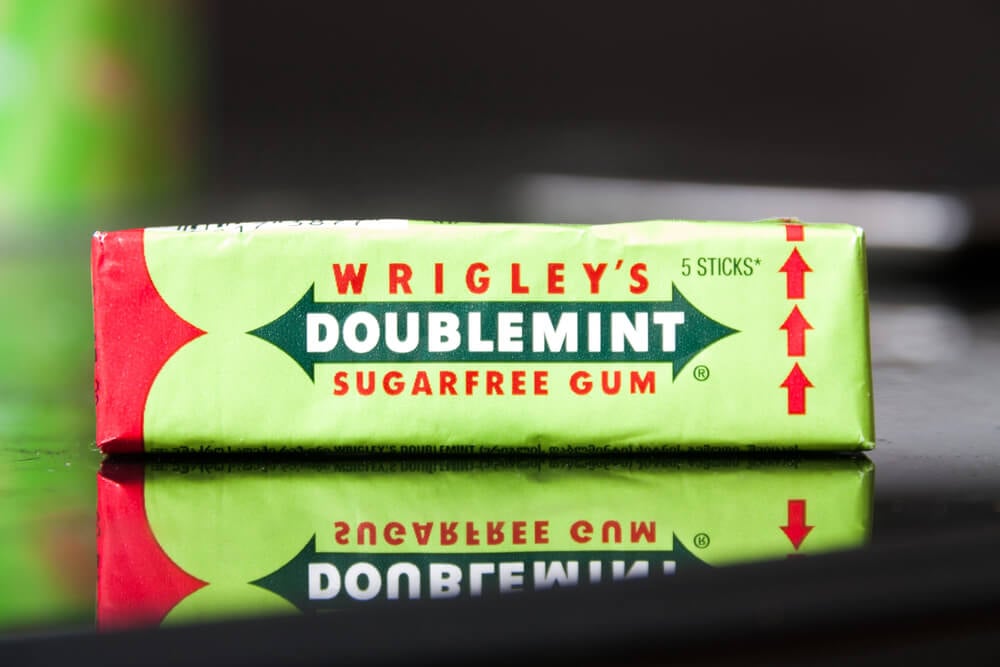
Wrigley introduced Doublemint gum in 1914, but its most famous advertising arrived much later. The Doublemint Twins first appeared in 1959, and their cheerful jingle, built on the idea of pairs, ran alongside a long line of identical siblings over the decades.
The twin theme reinforced the product’s name and its supposedly double-strength mint flavor. Many of the twins who appeared in the ads went on to modest careers in acting and modeling.
The concept was so durable that Wrigley returned to it repeatedly, often recasting new sets of twins for younger audiences.
Almond Joy and Mounds Duet
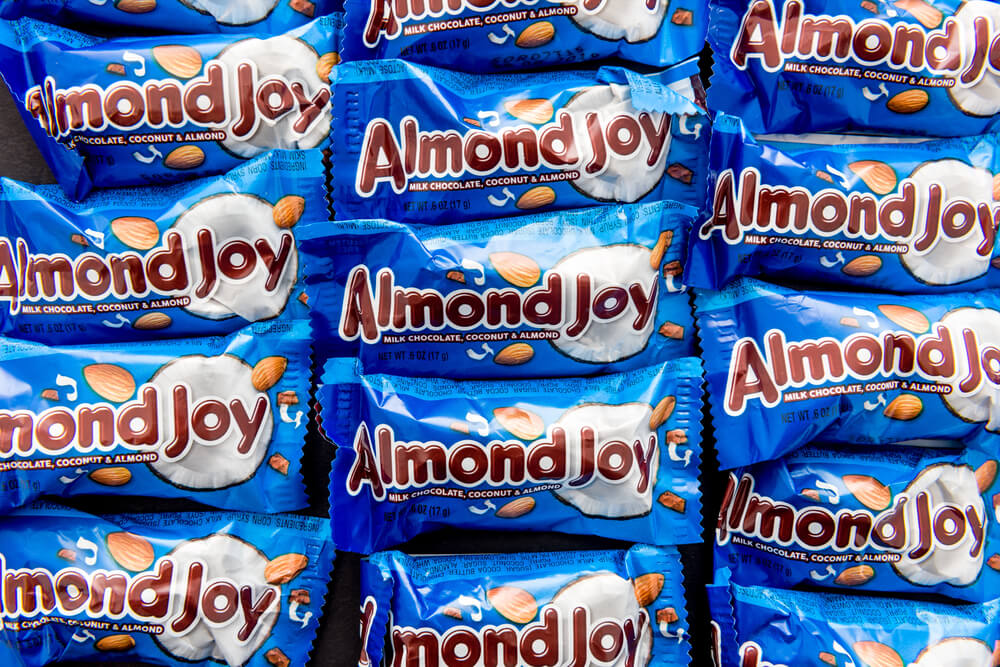
Peter Paul, the Connecticut candy maker behind Almond Joy and Mounds, found a clever way to sell two coconut bars in a single commercial during the 1970s. The jingle contrasted the two products, one with almonds and one without, framing the choice as a matter of mood rather than a rivalry.
Its brisk, swinging melody made the distinction between the bars easy to remember. Hershey acquired the brands in 1988 and kept the jingle alive in later advertising.
The song remains a textbook example of turning a product line into a playful either-or question.
Campbell’s Soup Jingle
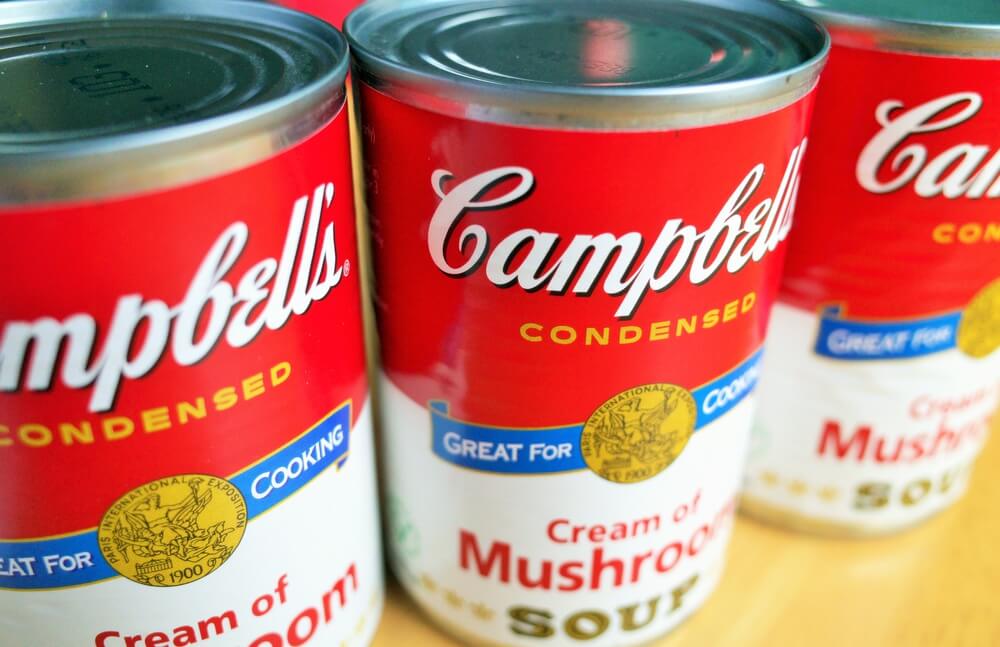
Campbell’s slogan about soup being good dates back to the 1930s, when the company sponsored radio programs and needed a catchy sign-off. The slogan was eventually set to music, producing one of the earliest food jingles in American broadcasting.
Its humming syllables needed no translation, letting children join in long before they could read the label. The jingle carried on into television, where it accompanied the round-cheeked Campbell’s Kids.
Campbell’s has returned to the tune for anniversaries and retro campaigns, a sign of how deeply it settled into American kitchens.
Gillette Look Sharp March
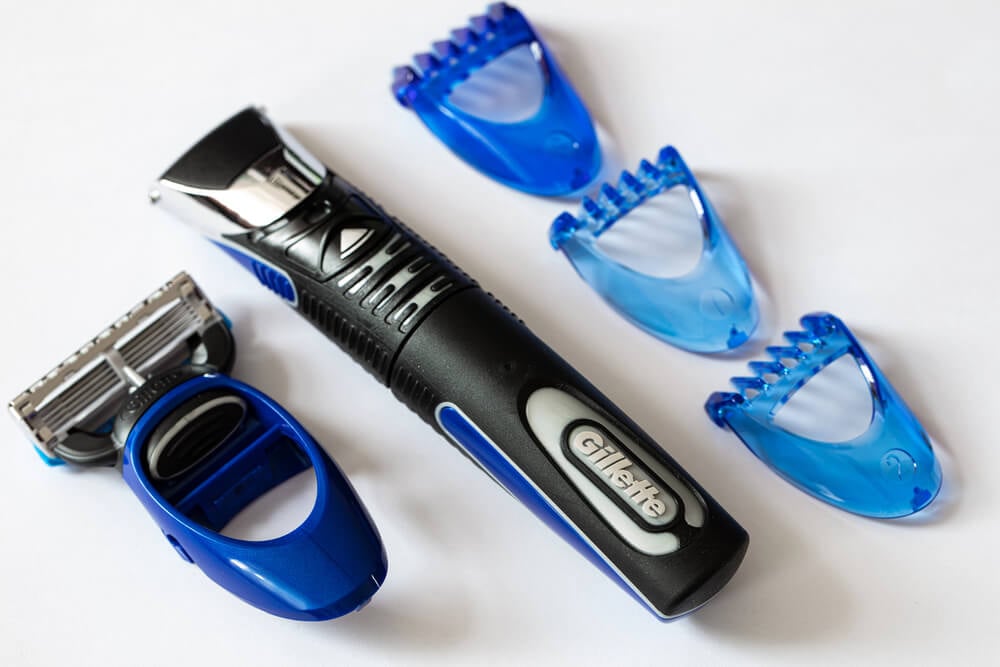
Gillette’s march-style jingle became the soundtrack to sports broadcasting in the 1950s. Composer Mahlon Merrick is generally credited with the brisk tune, which played on the Gillette Cavalcade of Sports during boxing broadcasts and World Series coverage.
The music suited the brand’s image of sharp, efficient grooming, and it gave listeners a cue that the action was about to resume. For many fans, the march became inseparable from fight nights.
Gillette later moved toward other slogans, but the march remains a fixture of collections of classic sports advertising.
Klondike Ice Cream Bar Tagline
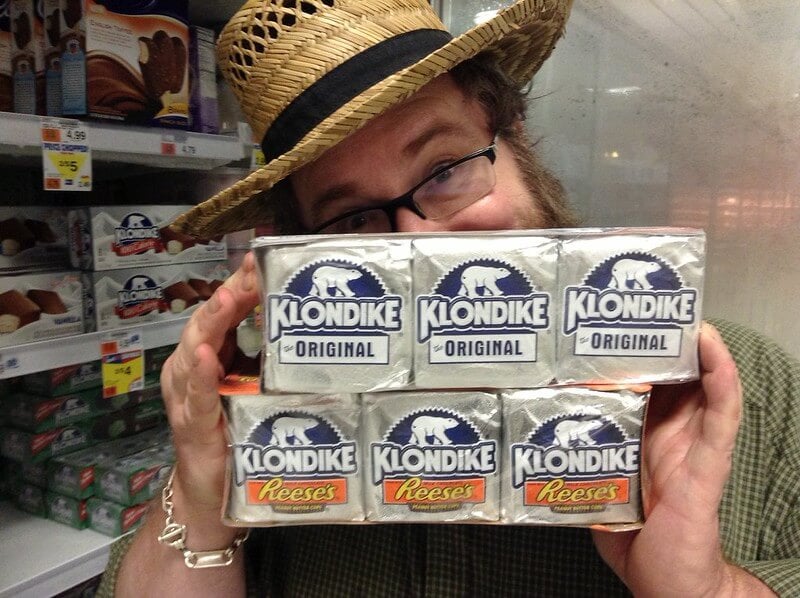
Klondike bars trace back to the Isaly dairy company in Ohio, where the square chocolate-coated treat appeared in the 1920s. The brand’s most famous advertising arrived in the 1980s, when commercials asked what people would do to get one, then showed them doing increasingly silly stunts.
The sung tagline closed each spot with a short melody that stuck in the memory. That format proved so adaptable that the company kept using it in various forms into the 2000s.
The polar bear on the wrapper became the face of the campaign, though the song carried most of its weight.
Kars4Kids Car Donation Jingle
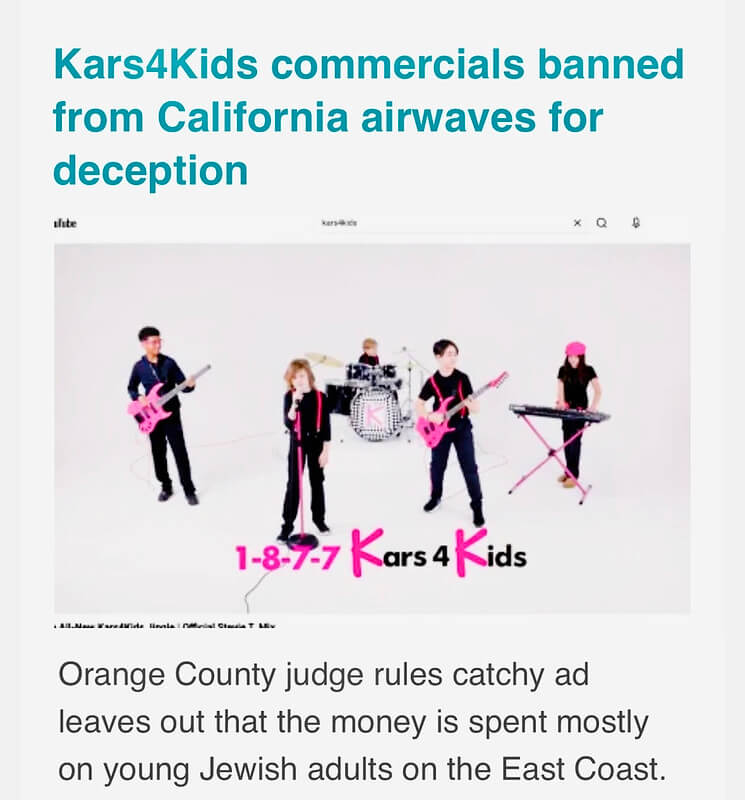
Kars4Kids, a charity based in Lakewood, New Jersey, has run its jingle on radio and television for years, and its persistence is part of the point. The song repeats the organization’s name and the phone number for donating unwanted cars, and its childlike vocal delivery divides listeners sharply.
Billboard and other outlets have written about the backstory of the tune, which is often described as among the most irritating jingles ever produced. The organization has acknowledged the criticism and kept airing it anyway.
Its staying power proves that annoyance can be as effective as charm.
Dr Pepper Pepper Campaign
Dr Pepper launched its Pepper campaign in 1977 through Young and Rubicam, built around a song and dance about joining a community of soda drinkers. Songwriter Jake Holmes is credited with the tune, and dancer David Naughton led crowds of performers through choreographed street scenes.
Naughton soon parlayed the fame into film roles, most notably in An American Werewolf in London in 1981. The jingle cast Dr Pepper as an original choice for people who liked to stand out.
It turned an unusual cherry-tinged soda into an identity, which was precisely the aim.
Roto-Rooter Drain Jingle
Roto-Rooter began in Des Moines, Iowa, in the 1930s, and its jingle has been in use since 1954. That makes it one of the oldest continuously used advertising songs in the country, still recognizable seventy years on.
The song’s imagery of drains running clear is an apt fit for a plumbing company. Its plain, sturdy tune never chased trends, which may explain why it never needed replacing.
The company still promotes the jingle on its website, letting a new generation hear exactly what their grandparents heard on the radio.
Sara Lee Double Negative
Charles Lubin named his Chicago bakery company after his daughter, Sara Lee, and introduced a cheesecake under her name in 1949. The brand’s best-known jingle turned on a grammatically shaky double negative that made the line instantly memorable.
English teachers might have winced, but viewers repeated it with a grin. The song suited frozen desserts sold as small luxuries for busy households.
Its playful grammar became a calling card, and it has been revived in later campaigns that leaned on nostalgia for a bakery that once seemed to be in every freezer.
Nationwide Insurance Jingle
Nationwide’s short sung tagline has closed the insurer’s commercials since the 1960s. Steve Karmen, a prolific jingle composer whose other credits include famous beer and tourism campaigns, is generally credited with writing it.
The phrase is barely a few notes long, which allows it to sit at the end of any ad. In the 2010s, the company invited celebrities, including former NFL quarterback Peyton Manning, to sing it in commercials.
Those spots leaned on the jingle’s familiarity, trusting audiences to recognize the tune long before they knew who was singing.
Mr. Clean Jingle
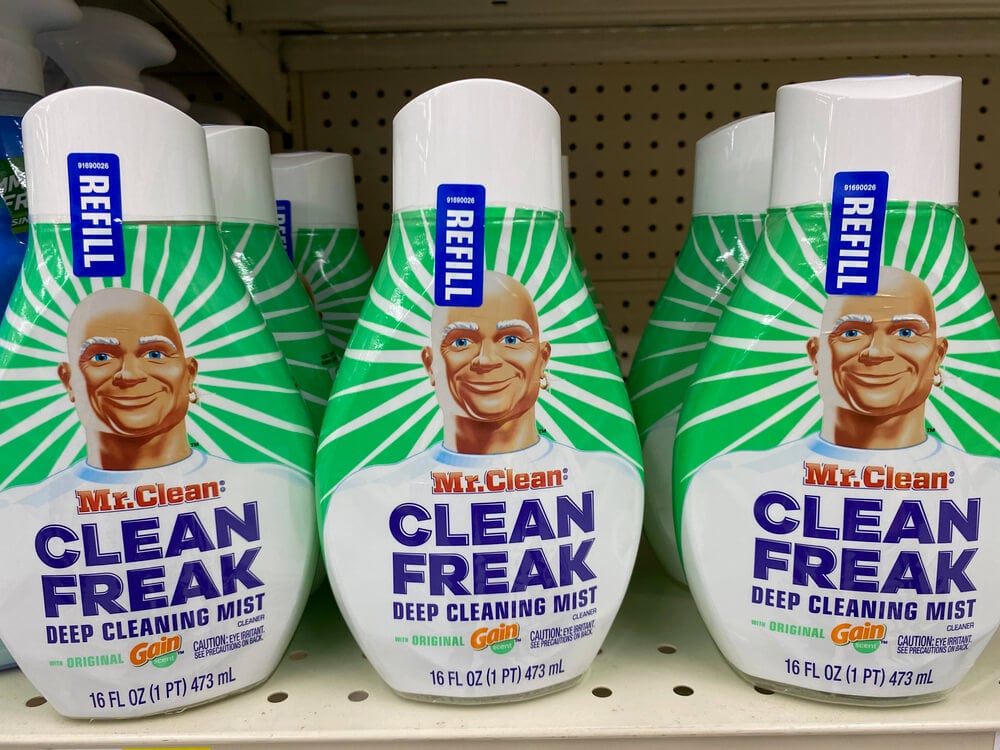
Procter and Gamble introduced Mr. Clean in 1958, along with a bald, muscular mascot with a single gold earring. The brand’s jingle, credited to Thomas Scott Cadden, arrived with the launch and promised that the cleaner could handle an entire house in short order.
The product quickly became a leader in its category after its debut. Its brisk rhythm matched the mascot’s no-nonsense look.
Mr. Clean has seen off countless competing cleaners, and the jingle has resurfaced from time to time as the company leans on its long history.
Mister Softee Truck Melody
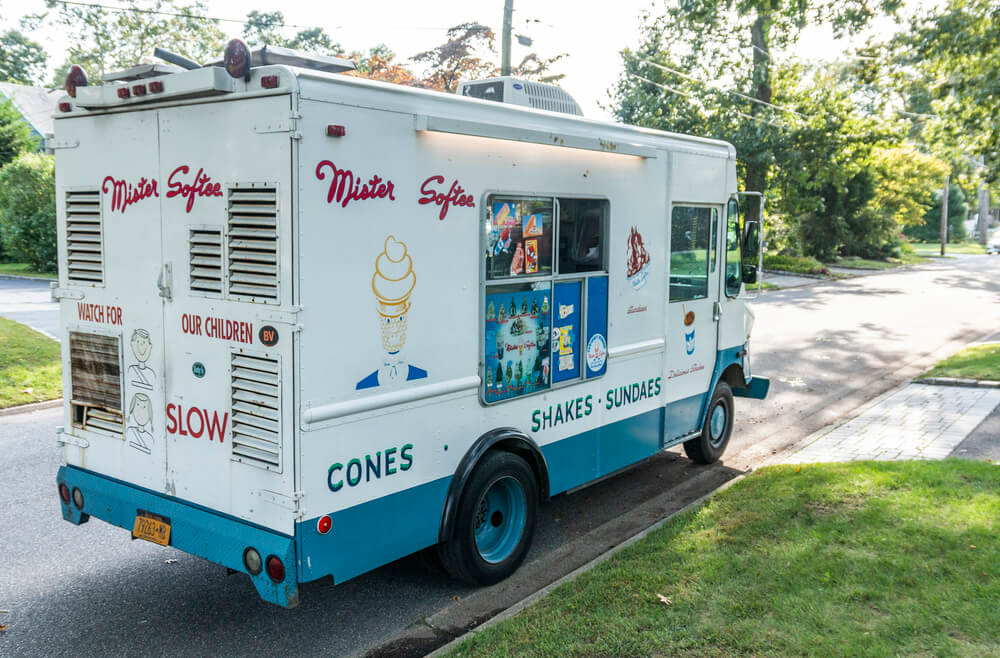
Mister Softee began in Philadelphia in 1956, when brothers William and James Conway sent their soft-serve trucks onto city streets. Their chiming melody, written by Les Waas in 1960, plays from loudspeakers as the trucks crawl through neighborhoods.
The tune serves as both advertisement and summons, telling children to run for money before the truck passes. In New York, complaints about the repeated chime helped prompt noise rules in the 2000s that limited when ice cream trucks could play music.
Even so, the melody remains a defining sound of summer in many American cities.
Melodies That Moved In and Stayed
None of these songs were written to last forever. They were commissioned on deadlines, recorded in a day, and expected to give way to the next campaign.
Their survival owes more to repetition and a few clever choices than to any grand artistic plan. Even so, they became part of how many Americans remember childhood, family dinners and long car rides.
A good jingle borrows the same tricks as a nursery rhyme, with simple intervals, steady rhythm and a hook that resolves neatly. That makes it nearly impossible to stop once it begins.
The brands behind these songs bought a few seconds of attention and ended up with a permanent spot in memory. Few other forms of advertising have managed anything close to that.
More from Go2Tutors!

- The Romanov Crown Jewels and Their Tragic Fate
- 13 Historical Mysteries That Science Still Can’t Solve
- Famous Hoaxes That Fooled the World for Years
- 15 Child Stars with Tragic Adult Lives
- 16 Famous Jewelry Pieces in History
Like Go2Tutors’s content? Follow us on MSN.