Strange Objects Found Buried in Backyards
Most backyard digging turns up roots, rocks and the occasional lost toy. Every so often a shovel strikes metal, bone or masonry, and an ordinary afternoon of yardwork turns into a call to a museum, a lawyer or the bomb squad.
The finds below all came out of private yards and gardens, not farm fields or construction sites. Some were hidden on purpose, some were lost to time, and a few were never meant to be found by anyone.
Gold Rush Coins in Rusted Cans
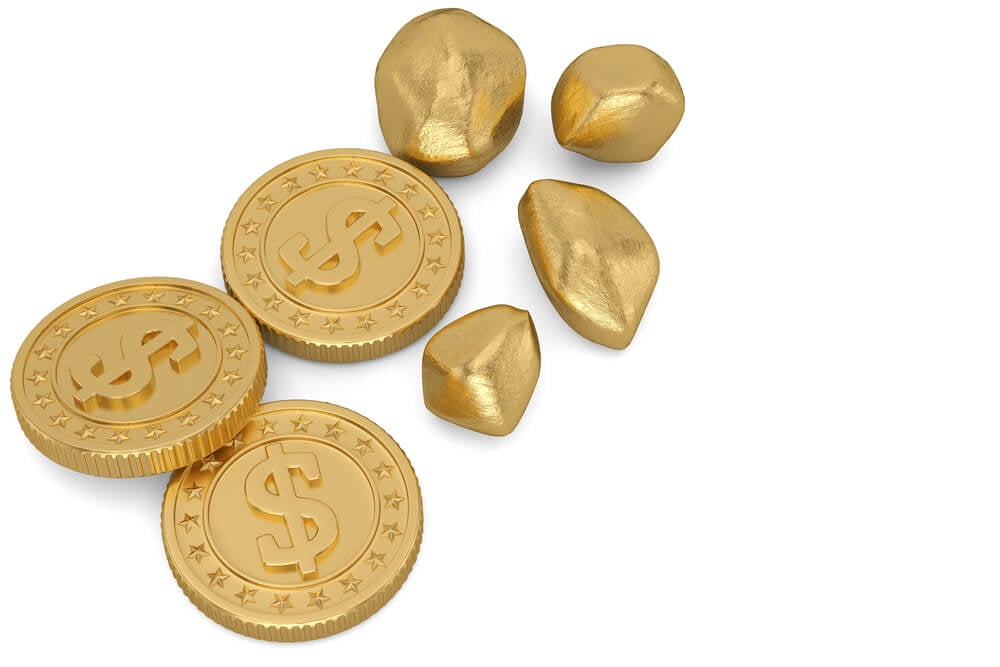
A Northern California couple walking their dog on their own property in February 2013 spotted the rusted edge of a can poking out of the dirt under an old tree. Inside were gold coins, and more cans turned up nearby, holding more than 1,400 pieces minted between the 1840s and the 1890s.
The cache became known as the Saddle Ridge Hoard, with an estimated value of around 10 million dollars. Many of the coins were in remarkable condition, which surprised dealers who expected heavy wear.
The couple kept their names private, and nobody has ever proved who buried the cans or why.
Ferrari Dino Under a Los Angeles Lawn

Children digging in a yard in the Los Angeles area in 1978 hit something solid and hard enough to bring in the sheriff’s department. Investigators unearthed an entire Ferrari Dino 246 GTS, a green sports car that had been reported stolen several years earlier. The car had been wrapped in towels and buried deliberately, and the evidence pointed toward an insurance fraud scheme in which the thieves were paid to make the car disappear. The insurer later sold the car, and a new owner restored it and put it back on the road. Car enthusiasts still bring it up as one of the oddest chapters in Ferrari history.
German Bomb in a Plymouth Garden
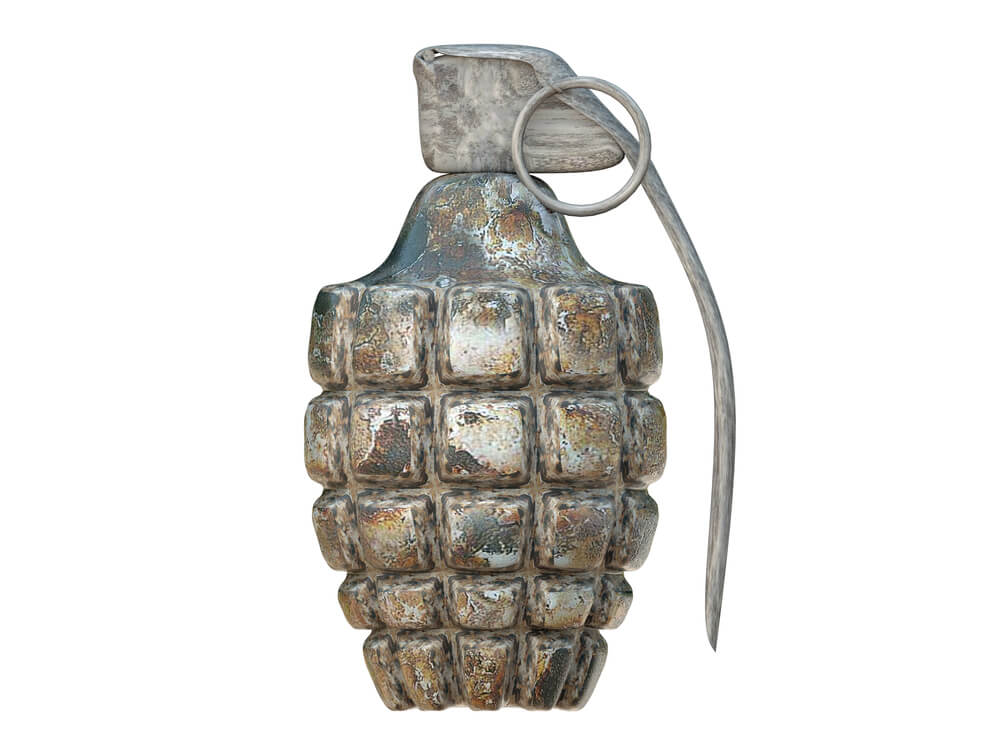
A homeowner on St Michael Avenue in the Keyham area of Plymouth, England, was digging in his back garden in February 2024 when his spade struck a large metal object. It turned out to be an unexploded German bomb dropped during the Second World War, when the city’s naval dockyard made it a frequent target.
Authorities evacuated about 10,000 residents in what was described as one of the largest peacetime evacuations in British history. Military teams moved the device through the streets on a truck, then carried it out to sea, where it was safely detonated.
Mastodon Jaw in an Orange County Yard
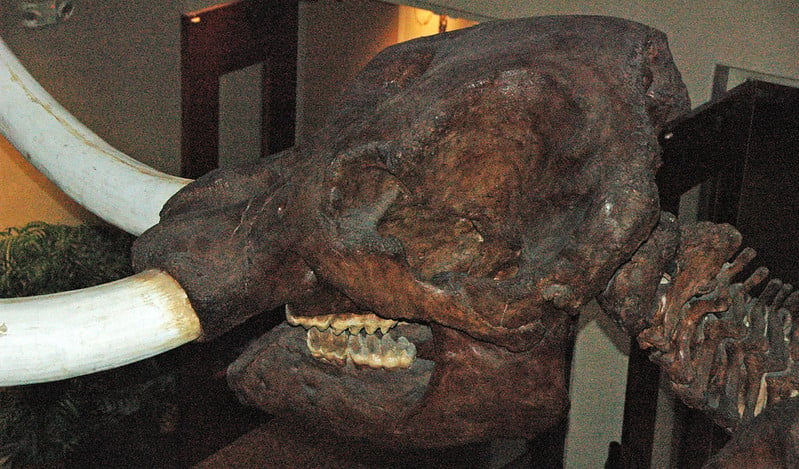
Yardwork in Orange County, New York, took a strange turn in late 2024 when a homeowner noticed a pair of large teeth protruding from the ground during yardwork. Further digging revealed the complete jaw of a mastodon, an elephant relative that roamed the Hudson Valley thousands of years ago.
The family contacted researchers, and the find was announced publicly in December 2024 along with additional bone fragments from the same spot. Researchers later returned to search the site for more of the animal.
Orange County has produced a long list of mastodon remains, but a complete jaw is an uncommon prize, especially from a residential lot.
Another Mastodon in a Hyde Park Pond

Decades before the 2024 find, a homeowner in Hyde Park, New York, ran into prehistoric bones while extending a pond on his property in 1999. The digging exposed a mastodon skeleton that turned out to be one of the more complete examples ever recovered in the state.
Paleontologists spent weeks carefully excavating the muddy site, and the story drew national coverage, including a report on NPR in 2000. The pond’s waterlogged soil had preserved the bones better than dry ground would have.
The Hudson Valley’s old glacial lakes and bogs make it a surprisingly productive area for this kind of backyard surprise.
Gold Bars Beneath a French Swimming Pool Site

Neuville-sur-Ain, a small town northeast of Lyon, made international news in 2025 after a homeowner digging in his garden to make room for a swimming pool hit buried gold. The cache held gold bars and coins worth roughly 700,000 euros.
Local authorities checked whether the find counted as archaeological treasure, but the bars were relatively modern, so they did not belong to the state. French officials concluded the homeowner could keep the gold.
Investigators believed it had been buried by a previous owner of the property, though the full story behind the hoard was never made public.
Double Eagles in a Hackney Garden

During 2007, a resident in the Hackney area of East London was digging a pond in his back garden when he uncovered a jar of 80 American 20 dollar gold coins. The coins had been buried during the Second World War by Martin Sulzbacher, a Jewish refugee from Germany who hid his savings while he was interned and London faced bombing.
A court ruled in 2011 that the find did not qualify as treasure under British law, and the coins were returned to his descendants. The family sold most of them, and one coin went to the Hackney Museum, where it was put on display.
Stolen Mercedes Behind a Silicon Valley Mansion

Landscapers working at a large home in Atherton, California, in October 2024 hit something hard while digging in the yard. Police excavated a Mercedes-Benz sedan that had been reported stolen in 1992, buried in what had become a manicured garden. Speculation quickly turned to insurance fraud, echoing the Ferrari case in Los Angeles decades earlier.
The current residents had no connection to the car and had no idea it was under their lawn. The case drew intense coverage because Atherton is better known for tech executives and some of the most expensive homes in the country than for buried getaway cars.
Police had to piece together the car’s history from a theft report more than three decades old.
Roman Coins Beside a Thornbury Pond

Thornbury, a market town in South Gloucestershire, England, gained a famous hoard in 2004 when a resident found Roman coins while digging a fishpond in his garden. The hoard, now known as the Thornbury Hoard, contained more than 11,000 bronze coins dating to the fourth century AD.
Such a large stash suggests it was hidden by someone with considerable wealth during an unsettled period near the end of Roman rule in Britain. The coins were acquired for the local collection and later displayed at the Thornbury and District Museum.
For a project as ordinary as a garden pond, few digging jobs have produced more history per shovelful.
Viking Sword Under a Norwegian Family’s Yard
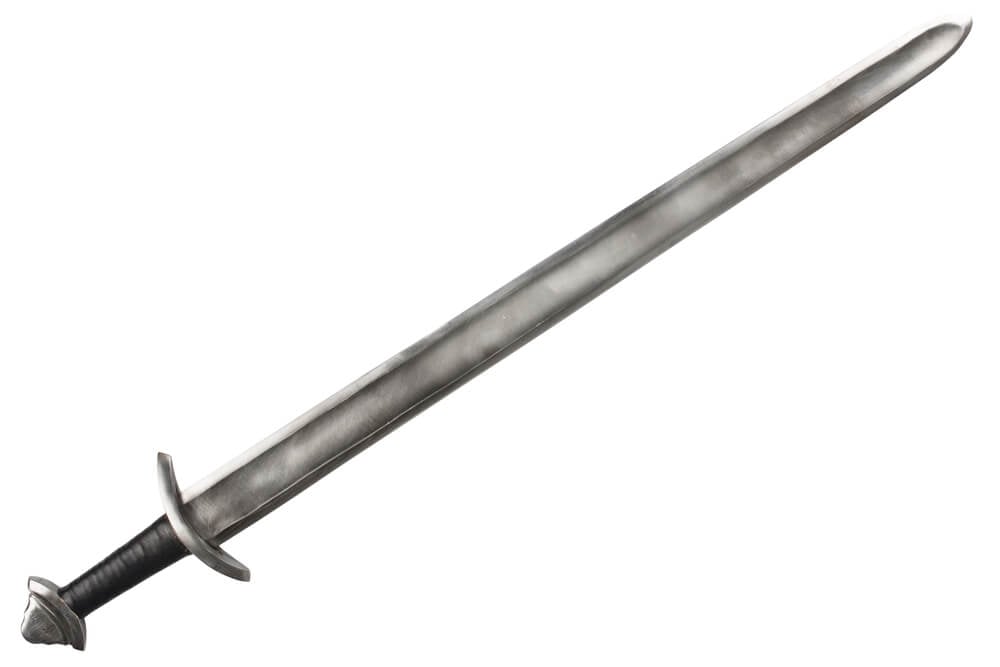
A family renovating their home in Norway in 2023 was digging in the yard when they found pieces of rusted iron. Archaeologists identified the metal as a Viking Age sword, roughly 1,100 years old, and determined it came from a burial site that had been hidden under the property for centuries.
The find pointed to a warrior’s grave on the site. Norwegian law requires that such finds be reported, and the family followed the rules.
The discovery shows how much of Scandinavia’s early history still sits just under modern houses and gardens.
Giant Dinosaur in a Portuguese Backyard
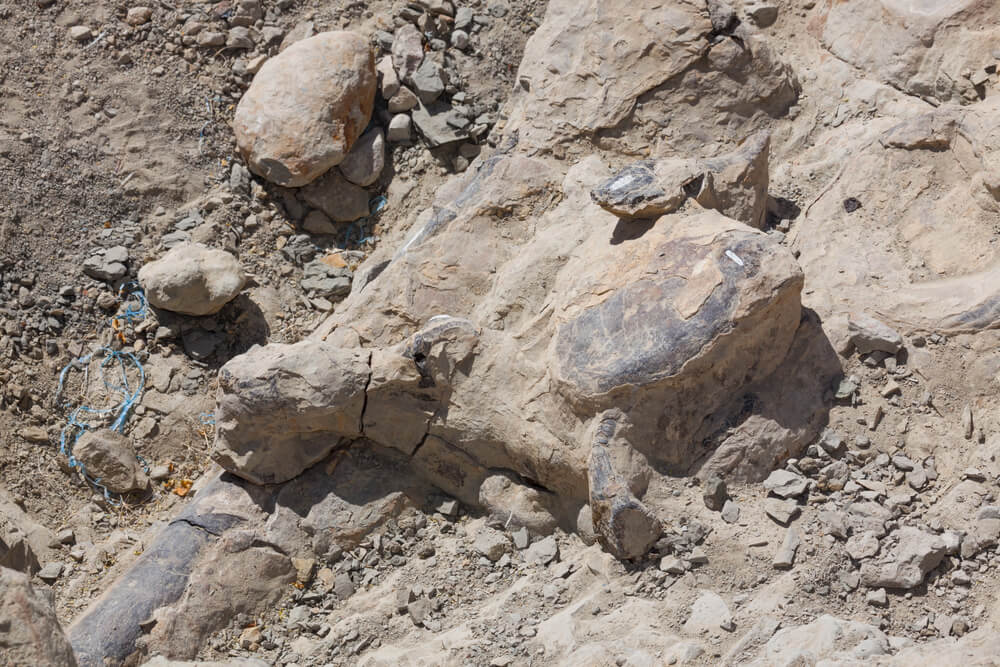
Back in 2017, a man in Pombal, in central Portugal, noticed fossilized bone fragments while doing construction work at his home. He contacted researchers, and later excavations in his backyard exposed the ribs and vertebrae of a huge sauropod, a long-necked, plant-eating dinosaur.
Scientists estimated the animal may have measured about 25 meters long, putting it among the largest dinosaur finds in Europe. The excavations drew international attention in 2022.
The region around Pombal is known for Late Jurassic rock layers, but a backyard skeleton of this size is still exceptional.
Roman Villa Under a Wiltshire Garden
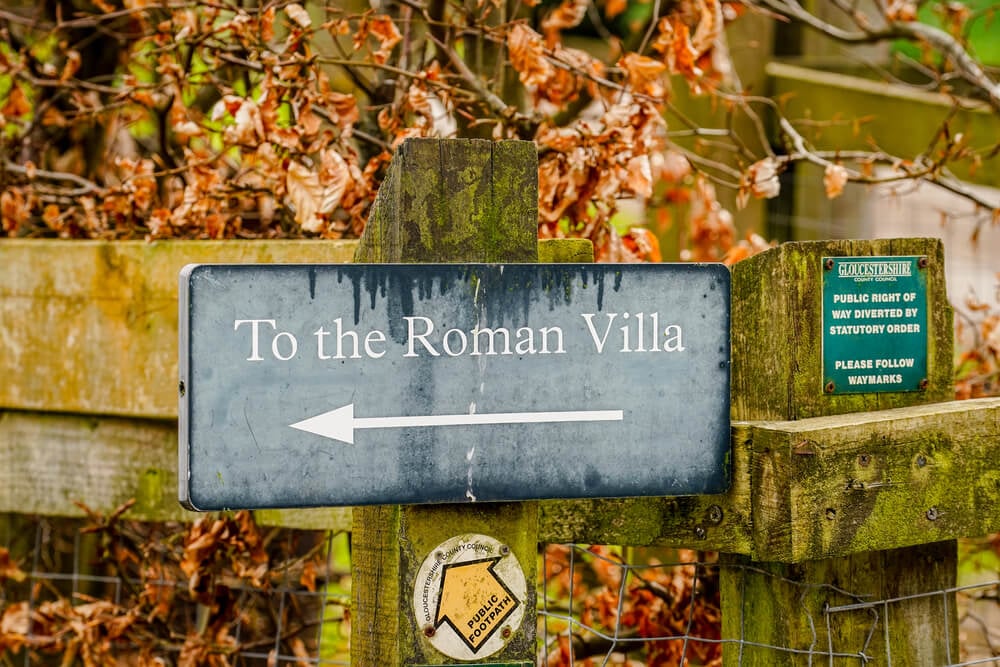
In 2015, rug designer Luke Irwin hired workers to lay electrical cable across the grounds of his home in Wiltshire, England, so he could power a table tennis table in a barn. The digging hit an intact Roman mosaic floor, and archaeologists soon traced the outline of a large villa underneath the property.
Historic England and Salisbury Museum investigated the site, and the discovery was announced in 2017. Experts described it as one of the most significant Roman finds in the region in years.
After recording, the remains were covered again with soil, which is often the safest way to protect fragile mosaics.
Wedding Ring Wrapped Around a Carrot

Lena Palsson of Mora, Sweden, lost her white gold wedding ring in 1995 while baking in her kitchen, and the family searched for years without success. Sixteen years later, in 2011, she was pulling carrots from the vegetable garden and found one that had grown straight through the missing ring.
The best explanation was that the ring had fallen into kitchen scraps, gone into compost or soil, and slowly been carried into the garden bed. The story spread worldwide in 2012.
The carrot had apparently grown neatly through the band, which fit snugly around its middle like a belt.
Shovels Find What Paperwork Forgets
Property records track owners, boundaries and taxes, but they rarely record what someone quietly put into the ground. Gold hidden from a war, cars buried for insurance money and coins stashed by a nervous Roman all ended up sharing the same hiding place.
The soil keeps no paperwork, so each discovery arrives with its backstory missing.
That gap explains the enduring appeal of these finds. A backyard looks like the most familiar ground anyone owns, yet many of these stories began with a routine chore and ended with museums, police or bomb teams involved.
Anyone who has ever dug a garden bed has stood a few inches above a mystery, whether anything turns up or not.
More from Go2Tutors!

- The Romanov Crown Jewels and Their Tragic Fate
- 13 Historical Mysteries That Science Still Can’t Solve
- Famous Hoaxes That Fooled the World for Years
- 15 Child Stars with Tragic Adult Lives
- 16 Famous Jewelry Pieces in History
Like Go2Tutors’s content? Follow us on MSN.